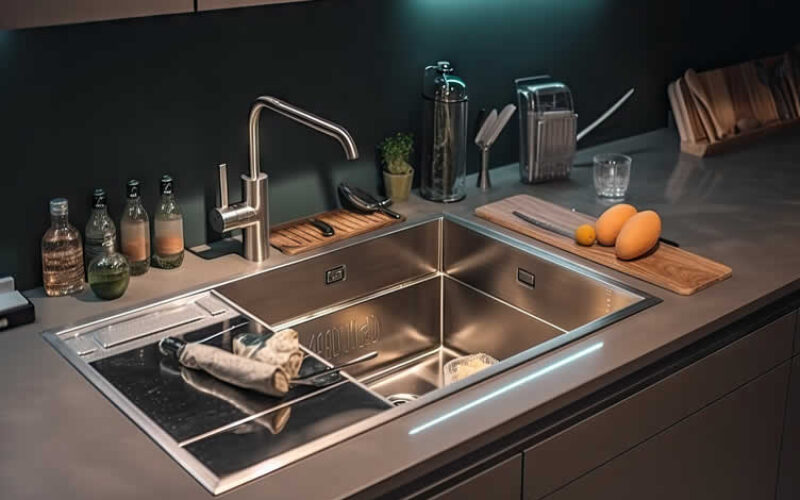
Summary Outline –
Replacing your kitchen sink and faucet represents one of the most impactful upgrades you can make to your home. Beyond addressing functional issues, this improvement can dramatically enhance your kitchen’s aesthetic appeal, increase your home’s value, and transform your daily cooking experience into something truly enjoyable.
Whether you’re dealing with persistent drainage problems, outdated styling, or simply dreaming of a more efficient workspace, this comprehensive guide will walk you through everything you need to know about kitchen sink replacement and selecting the perfect faucet.
From understanding how these systems work to exploring installation processes, we’ll help you make informed decisions that align with your lifestyle, budget, and design preferences.
- post content
- Upgrade Tip 1: A Closer Look at Updating Kitchen Sinks
- Upgrade Tip 2: Choosing the Perfect Kitchen Sink for Your Home
- Upgrade Tip 3: Choosing the Perfect Kitchen Faucet
- Upgrade Tip 4: Ideal Kitchen Sink and Faucet Considerations
- Upgrade Tip 5: Installing Your Kitchen Sink and Faucet Upgrade

-
Quick scroll to first topic about replacing your kitchen sink … or review summary content

Content Summary
section directory1st Sink/Faucet Review: [view section]
… before replacing your kitchen sink, it’s important to understand what the process involves. Take a closer look at how kitchen sinks function, along with the potential challenges and key factors to consider.
2nd Sink/Faucet Review: [view section]
… once you’ve familiarized yourself with the functionality of kitchen sinks, it’s time to select the perfect one for your space. Will you opt for a drop-in or undermount design? A single basin or a double? And what about the material—classic stainless steel or something more distinctive? Don’t forget to carefully measure the dimensions to ensure the sink fits seamlessly with your cabinet requirements.
3rd Sink/Faucet Review: [view section]
… the next step is selecting the perfect faucet to complement both the sink style and your overall kitchen design. With a wide range of options available, you’ll need to consider factors like design, functionality, and finish. Everything you’re looking for can be found right here in this section.
4th Sink/Faucet Review: [view section]
… in this fourth section, we explore the key factors to consider when choosing a kitchen sink and faucet. The focus is on identifying the best options based on kitchen size, functionality, and other important factors, including the ideal placement of both the sink and faucet.
5th Sink/Faucet Review: [view section]
… the fifth section covers the installation of both the sink and faucet. We’ll start by reviewing the key plumbing requirements, providing an overview of the installation process, ensuring compliance with building codes, and highlighting additional features you may want to consider during the installation.
first “kitchen sink replacement” idea
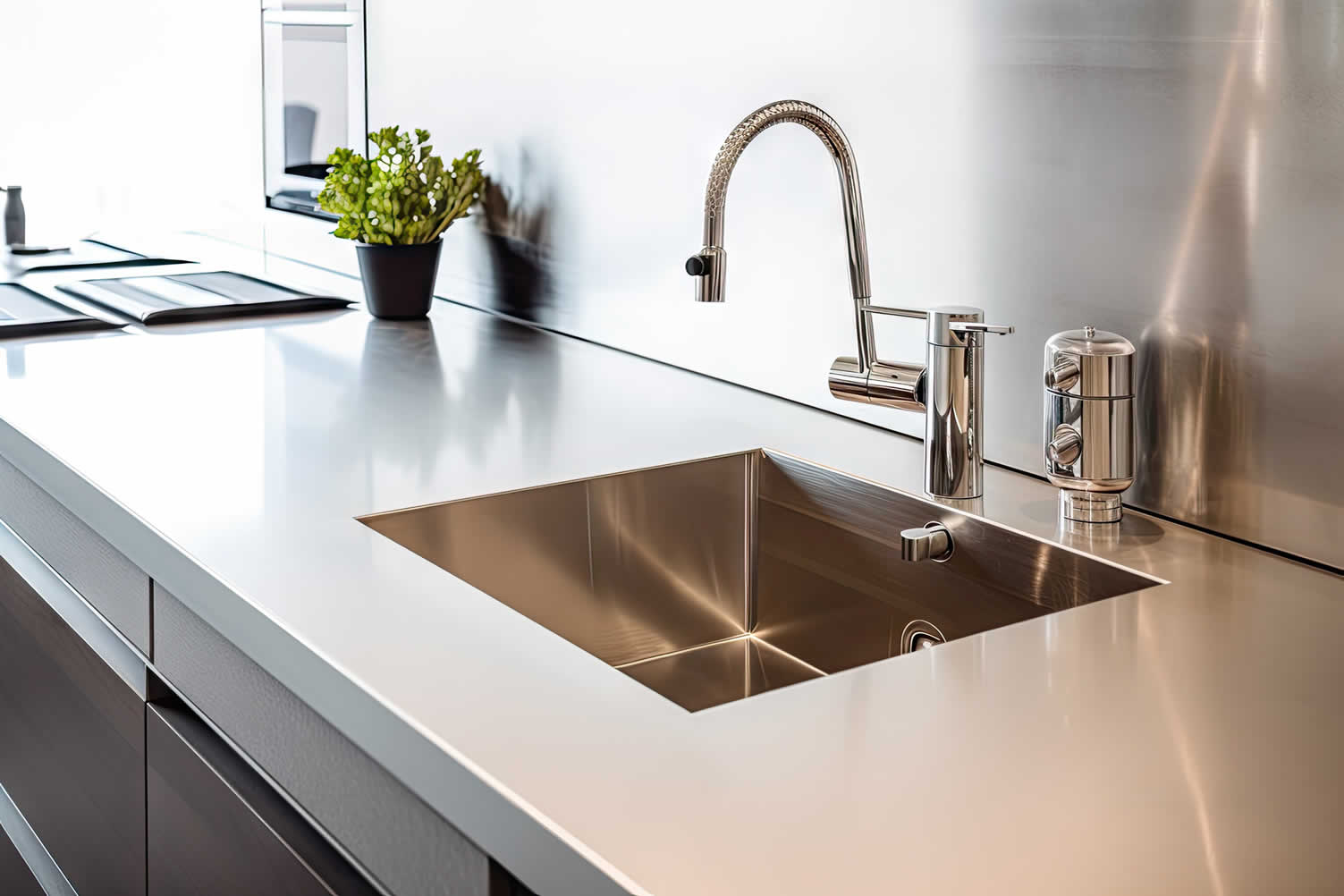

copyright image by 123rf.com
Upgrade Tip 1: A Closer Look at Updating Kitchen Sinks
Notes:
-
The kitchen sink is one of the most indispensable elements in any home, serving as a functional centerpiece for everyday tasks like washing, cleaning, and food preparation. Beyond its essential utility, your sink greatly influences the workflow and efficiency of your kitchen, shaping the overall cooking and cleaning experience.
Upgrading your kitchen sink offers a host of advantages, from modern features such as deeper basins and advanced materials to designs that enhance convenience and durability. These improvements can turn a simple chore into a smoother, more enjoyable process while simultaneously enhancing the aesthetic appeal of your kitchen.
However, it’s important to explore challenges such as the cost of installation or the compatibility of new systems with your existing setup. We’ll guide you through these considerations to ensure you can make a confident and informed decision about your sink upgrade.
-
Quick scroll to “about upgrading kitchen sinks” side notes …
-
-
1st: Understanding How Kitchen Sinks Function
The kitchen sink is one of the most heavily utilized fixtures in any home, serving as a central hub for cooking, cleaning, and food preparation. While it may appear simple at first glance, the functionality of a kitchen sink relies on a sophisticated system of components working together efficiently.
By understanding how a kitchen sink operates, homeowners can better maintain, troubleshoot, or upgrade their sink system to meet their needs and preferences.
[ view summary table: how sink functions ]
-
The Role of the Sink Basin
The sink basin is the most visible part of the kitchen sink, designed to hold water and accommodate various tasks, from washing dishes to rinsing vegetables.
Typically made from durable materials such as stainless steel, cast iron, or composite granite, the basin is shaped to allow water to flow naturally toward the drain, preventing pooling and ensuring effective use.
Many modern basins also feature noise-dampening materials to reduce sound during operation, making them more user-friendly in bustling households.
-
How the Drainage System Works
The drainage system is the backbone of a functional kitchen sink. When water is used in the basin, it flows toward the drain opening, which is usually equipped with a strainer to catch debris and reduce the likelihood of clogs.
Beneath the sink, the drainpipe connects to a P-trap—a U-shaped pipe that traps a small amount of water to block sewer gases from rising back into the home. The P-trap then connects to the main plumbing line, ensuring a smooth outflow of wastewater.
Proper maintenance of these components is critical, as blockages in the drain or P-trap can lead to unpleasant odors and potential damage.
-
Overflow Prevention (optional)
Overflow prevention is an important feature for keeping your sink safe and functional. Many sinks have an overflow hole near the top of the basin to stop water from spilling onto counters or floors. This is especially helpful if the faucet is left running or the drain is blocked.
The overflow hole redirects excess water back into the drainage system, protecting your home from water damage.
To keep it working, clean the overflow hole regularly to prevent debris buildup. This simple feature adds peace of mind and helps avoid accidents or costly repairs.
-
The Role of Faucets and Water Supply Lines
Faucets control the flow of water into the sink and are often equipped with modern features, such as adjustable spray patterns, touchless sensors, or pull-out sprayers.
Beneath the sink, water supply lines connect the faucet to your home’s water system, delivering both hot and cold water. These lines typically include shutoff valves to enable quick water isolation for maintenance or repairs.
High-quality faucets and supply lines are essential for ensuring steady water pressure and efficient operation.
-
Waste Disposal and Additional Features
Many kitchen sinks also include garbage disposals, which grind food waste into small particles to prevent clogs and promote eco-friendly waste management. These units are installed beneath the basin and integrated into the drainage system.
Additionally, homeowners may choose to include extras like soap dispensers, water filtration systems, or instant hot water taps to enhance the functionality of their sink.
These features add both convenience and style to the kitchen sink setup, tailoring it to specific needs.
-
Maintaining Your Kitchen Sink
Regular care and maintenance are vital to keeping your sink functional for years. This includes cleaning the basin with non-abrasive cleaners, unclogging the drain when necessary, and inspecting the plumbing connections for leaks or signs of wear.
Investing time in upkeep will prevent costly repairs and ensure your sink remains a reliable part of your kitchen.
References:
- U.S. Environmental Protection Agency. "Plumbing and Water Efficiency." EPA.gov, 2023.
- American Society of Plumbing Engineers. "Piping Design Basics." ASPE.org, 2023.
- Home Improvement Experts. The Complete Guide to Kitchen Renovations. 2023 Edition.
Component Description Key Maintenance Tips Sink Basin The visible part of the sink, designed to hold water for tasks like washing and rinsing. Made from materials like stainless steel or composite granite, often shaped to direct water flow. Clean with non-abrasive cleaners and ensure drainage is smooth to prevent water pooling. Drainage System Includes a drain with a strainer, a P-trap to block sewer gases, and the main plumbing line for wastewater outflow. Regularly clear debris from the strainer and check for blockages in the P-trap to avoid odors and damage. Overflow Prevention An optional feature with an overflow hole near the basin’s top to redirect excess water back into the drainage system. Keep the overflow hole clean to ensure it works effectively, protecting against spills and water damage. Faucets and Water Supply Lines Control water flow into the sink, with features like adjustable spray patterns or pull-out sprayers. Connected to the home’s water system through supply lines. Inspect supply lines for leaks, ensure good water pressure, and clean faucet aerators regularly. Waste Disposal and Additional Features Garbage disposals grind food waste, while optional features like soap dispensers or water filters enhance functionality. Run disposals regularly with water, avoid grinding non-food items, and clean accessory features as needed. 

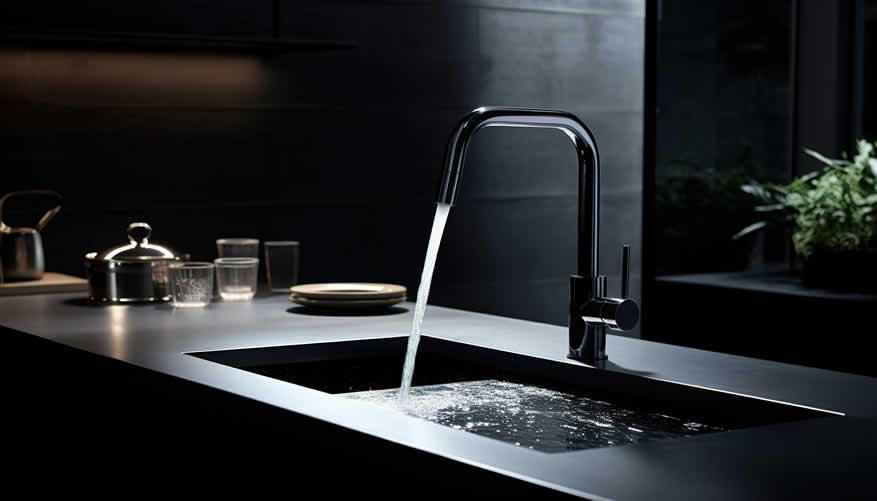
copyright image by 123rf.com
[ view diagram: kitchen sink diagram ]
[ youtube: How Do P-Traps Work? ]

-
-
2nd: Advantages of Upgrading
Upgrading your kitchen sink and faucet brings both functional and aesthetic benefits to one of the most used spaces in your home. Modern advancements in sink and faucet technology not only enhance the overall efficiency of your kitchen but also elevate its style and usability.
This section outlines the key advantages of choosing an upgrade, ensuring your kitchen not only meets but exceeds your daily demands.
[ view summary table: upgrade advantages ]
-
Enhanced Durability and Lifespan
Upgraded kitchen sinks and faucets are often constructed from high-quality materials such as stainless steel, granite composites, or solid brass. These materials are designed to withstand wear and tear, resist corrosion, and maintain their visual appeal over time.
A modern sink and faucet can last for decades with minimal maintenance, making it a long-term investment for any household. Choosing materials that are easy to clean and durable ensures your space remains hygienic and functional with daily use.
-
Improved Water Efficiency
Modern faucets incorporate advanced water-saving technologies like aerators and flow restrictors. These features reduce water consumption without compromising performance, delivering better water efficiency that aligns with environmentally conscious living.
Over time, a more efficient faucet can significantly lower water utility bills while also contributing to sustainable water use. This makes it an ideal upgrade for homeowners looking to save resources and reduce their environmental footprint.
-
Enhanced Functionality and Convenience
Contemporary sink and faucet designs focus on convenience, with features that make everyday tasks simpler. Pull-down or pull-out faucets, motion-sensor technology, and touchless controls provide effortless operation and enhanced hygiene.
Deeper sinks with optimized dimensions make it easier to handle larger cookware or multi-task without spillage. Together, these innovations create a kitchen experience that is both practical and enjoyable.
-
Elevated Aesthetic Appeal
A well-designed sink and faucet can dramatically improve the visual appeal of your kitchen. Upgraded designs feature sleek profiles, modern finishes, and innovative textures that cater to a wide range of styles, from minimalist to traditional.
Whether you prefer a brushed nickel look, matte black finish, or stainless steel option, upgrading offers countless opportunities to refresh your kitchen and boost its value as a focal point in your home.
-
Increased Home Value
A kitchen remodel, even as simple as upgrading the sink and faucet, can add significant value to your home. Buyers often look for functional and visually appealing kitchens, and modern fixtures can make a lasting impression.
By investing in high-quality upgrades, you not only enjoy the benefits immediately but also enhance your home’s resale potential, making it an attractive option in the real estate market.
-
Health and Safety Benefits
Upgrading your kitchen sink and faucet can also address health and safety concerns. Faucets with built-in filtration systems provide access to cleaner and safer drinking water.
Touchless models reduce the spread of germs by eliminating the need for manual operation. With these modern innovations, upgrading your sink and faucet contributes to a healthier and safer kitchen environment for you and your family.
References:
- American Water Works Association. "Water Efficiency in Kitchens." Retrieved from www.awwa.org.
- National Kitchen & Bath Association (NKBA). "Current Trends in Kitchen Fixtures." Retrieved from www.nkba.org.
- U.S. Environmental Protection Agency (EPA). "WaterSense Faucets for Efficiency." Retrieved from www.epa.gov/watersense.
Advantage Description Enhanced Durability and Lifespan High-quality materials like stainless steel and granite composites offer long-lasting durability, resist corrosion, and maintain visual appeal with minimal maintenance. Improved Water Efficiency Advanced features like aerators and flow restrictors save water without reducing performance, lowering utility bills and supporting sustainable living. Enhanced Functionality and Convenience Innovations such as pull-down faucets, motion sensors, and touchless controls simplify everyday tasks, improve hygiene, and offer a user-friendly experience. Elevated Aesthetic Appeal Modern designs with sleek finishes and diverse styles, from minimalist to traditional, refresh the kitchen’s look and increase its visual appeal. Increased Home Value Upgraded features enhance functionality and style, attracting buyers and increasing resale value in the real estate market. Health and Safety Benefits Features like built-in water filtration systems and touchless controls promote hygiene and provide safer, cleaner drinking water. 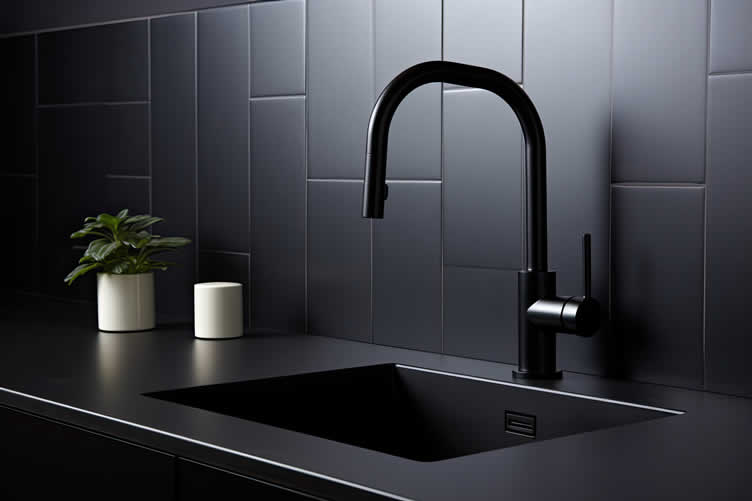
copyright image by 123rf.com
[ view diagram: clogged kitchen sink diagram]
[ youtube: 4 causes why kitchen sinks clog up]
-
-
3rd: Potential Challenges and Considerations
Upgrading your kitchen sink and faucet is an exciting way to improve both the functionality and aesthetics of your kitchen. However, as with any home improvement project, it’s important to be aware of potential challenges and considerations to ensure a successful upgrade.
By understanding these factors, you can plan effectively, minimize disruptions, and achieve the kitchen you envision.
[ view summary table: challenges and considerations ]
-
Compatibility with Existing Plumbing Systems
One of the primary considerations when upgrading your kitchen sink and faucet is ensuring compatibility with your existing plumbing.
Older plumbing systems may require updates or modifications to accommodate modern fixtures, which can increase the overall cost and complexity of the project.
For instance, if you’re swapping out a single-hole faucet for a multi-hole fixture, additional drilling may be required on your countertop or sink.
Consulting a licensed plumber before making any purchases is highly recommended to confirm that your planned upgrades will seamlessly integrate with your home’s current infrastructure.
-
Budget and Unexpected Costs
While upgrading your kitchen sink and faucet can add significant value to your home, it’s essential to establish a realistic budget that accounts for more than just the cost of new fixtures.
Installation expenses, potential plumbing adjustments, and even unforeseen complications—such as water damage or outdated piping—can lead to unexpected costs.
Choosing high-quality materials for both sinks and faucets can help ensure long-term durability and minimize future maintenance, but these materials may also represent a higher upfront investment.
-
Proper Measurements and Fit
Accurate measurements are crucial when selecting a new sink and faucet to ensure they fit properly within your existing or modified countertop.
A mismatch in sink size can lead to gaps or poor sealing, which not only detracts from the appearance of your kitchen but may also create opportunities for leaks or water damage.
Similarly, faucet height and reach should be evaluated to ensure ease of use and compatibility with the sink depth. It may be beneficial to work with a professional installer or contractor who can guide you through this process and verify precise dimensions.
-
Installation Complexity and Professional Requirements
Sink and faucet installations often require specialized tools and expertise that exceed typical DIY capabilities. Plumbing connections must meet local codes and provide reliable, leak-free performance that protects your home from water damage.
Countertop modifications for different sink styles may require professional fabrication services, particularly for stone or solid-surface materials. Electrical work for garbage disposals or under-sink lighting requires licensed electrician services in many jurisdictions.
Timing coordination between different trades can complicate project scheduling and may extend completion time-frames beyond initial expectations.
-
Maintenance and Material Selection
Selecting the right materials for your sink and faucet is another critical consideration. Stainless steel, composite, and porcelain sinks each come with their own benefits and drawbacks.
For instance, stainless steel is resistant to corrosion but can show water spots or scratches, while composite granite is durable but typically more expensive.
Additionally, the finish on your faucet—whether chrome, brass, or matte black—should align with both your style preferences and the ease of maintenance.
Understanding the care requirements for your chosen materials can help you make an informed decision and keep your upgrades looking great for years to come.
-
Environmental Impact and Water Efficiency
With increasing awareness of environmental concerns, many homeowners prioritize sustainability when upgrading their kitchen fixtures. Selecting a faucet with a built-in water-saving feature, such as an aerator, can help reduce water waste without sacrificing performance.
Additionally, choosing materials and manufacturing processes that are environmentally friendly can contribute to a more sustainable renovation.
For example, fixtures made from recyclable materials or those with certifications like WaterSense provide eco-conscious solutions for modern kitchens.
References:
- U.S. Environmental Protection Agency. (n.d.). WaterSense Products. Retrieved from https://www.epa.gov/watersense
- BobVila.com. (2023). Guide to Kitchen Sink Material Options. Retrieved from https://www.bobvila.com
- National Association of Home Builders. (2023). Kitchen Remodeling Trends and Challenges. Retrieved from https://www.nahb.org
Aspect Details Compatibility with Plumbing Ensure fixtures align with existing plumbing. Older systems may need updates, and changes like switching from single-hole to multi-hole faucets can require additional modifications. Consult a licensed plumber for guidance. Budget and Costs Plan for more than just fixture costs. Include installation, plumbing updates, and potential unforeseen expenses like water damage or outdated pipes. Choosing durable, high-quality materials can reduce future maintenance costs. Measurements and Fit Accurate sizing is crucial to avoid gaps, leaks, or poor fittings. Consider sink size, faucet height, and reach. Professional installers can assist in ensuring precise measurements. Installation Complexity Installations may require specialized tools and professional expertise. Tasks like plumbing, countertop modifications, and even electrical work for disposals or lighting often exceed DIY capabilities. Material Selection Choose materials like stainless steel, composite, or porcelain based on durability, appearance, and maintenance needs. Faucet finishes should match style preferences and be easy to clean. Environmental Impact Opt for sustainable fixtures such as WaterSense-certified faucets to reduce water waste. Choose eco-friendly materials and manufacturing processes for a greener upgrade. 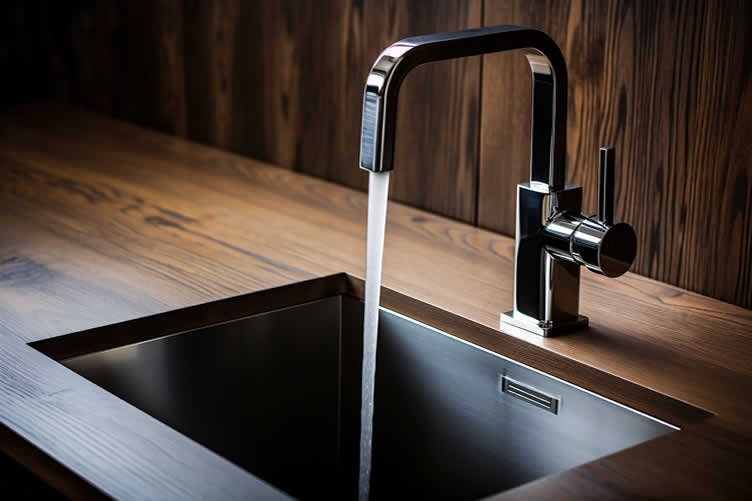
copyright image by 123rf.com
-
-
-
ideas to view and compare from the information discussed above
Scroll up to directory … or scroll to next section about kitchen sink replacement …


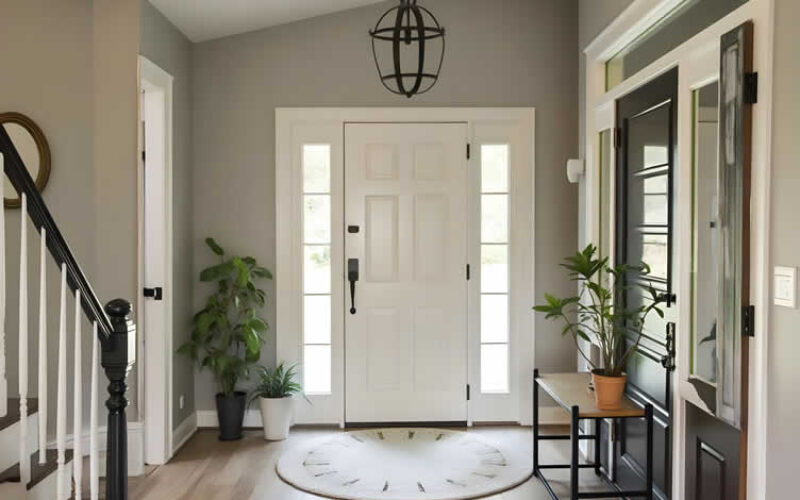
… and styles of kitchen sinks


Download this PDF for a concise summary of all you need to know about …?




second “photo remodeling” idea
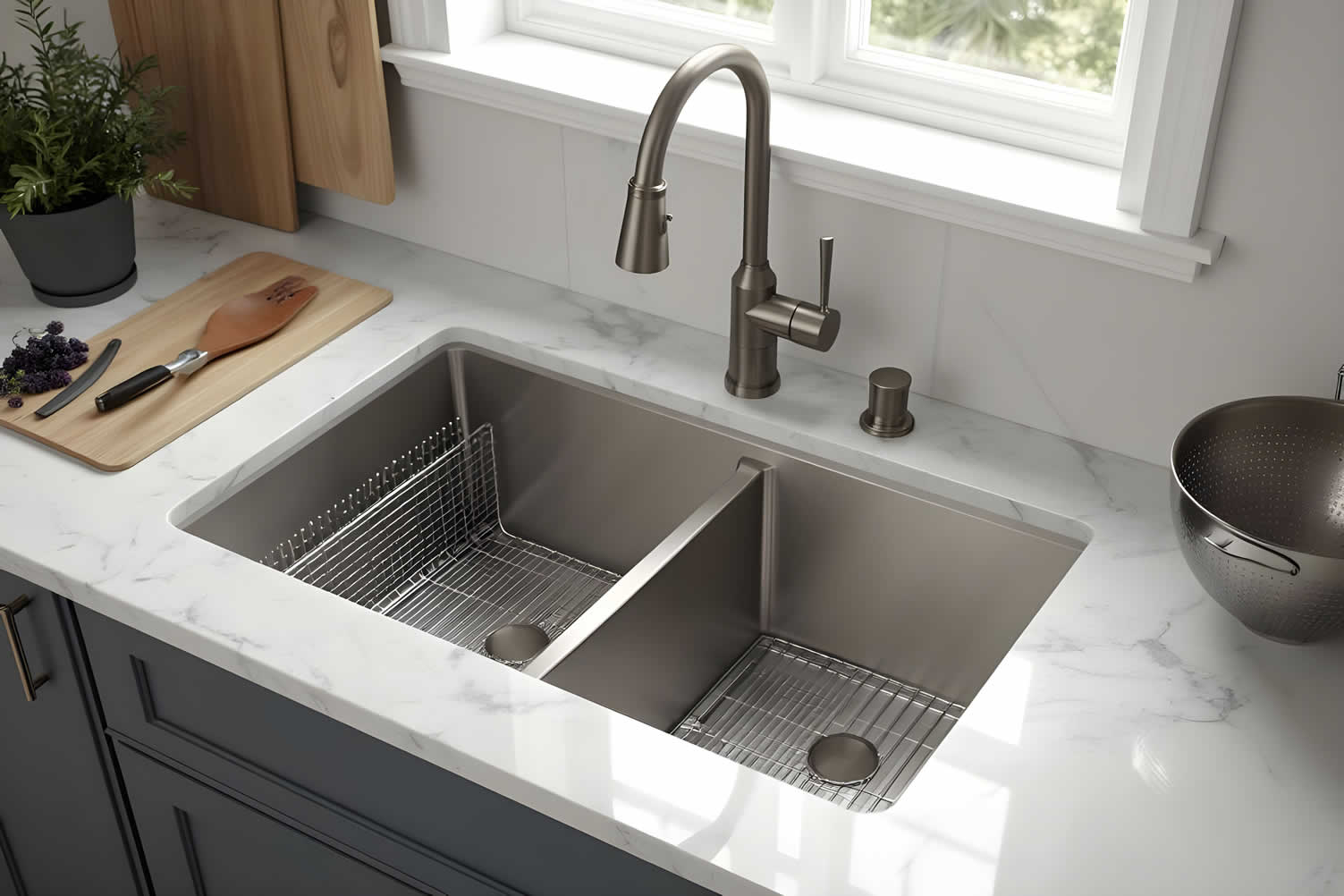
AI generated image by 123rf.com
Upgrade Tip 2: Choosing the Perfect Kitchen Sink for Your Home
Notes:
-
The kitchen sink is an essential element of any kitchen, serving as a functional centerpiece for food preparation, cleaning, and even enhancing the room’s overall design. With the vast array of options available today, selecting the right sink can feel overwhelming.
From determining the type and style that suits your space to understanding which materials offer the best durability and aesthetics, there are many factors to consider. This guide explores the key aspects of kitchen sinks, breaking down the various types, styles, and materials to help you make an informed choice.
Additionally, we’ll cover standard dimensions and other practical details to ensure your new sink fits perfectly into your kitchen layout and meets your needs.
Whether you’re renovating or upgrading, this resource is designed to simplify the decision-making process and guide you toward a sink that balances practicality, beauty, and longevity.
-
Quick scroll to “types and styles kitchen sinks” side notes …
-
-
1st: Understanding Types of Kitchen Sinks
Choosing the right kitchen sink is a pivotal decision in any kitchen upgrade or renovation. The sink is not only an essential functional element but also a major factor in enhancing the room’s overall aesthetic and utility.
With a variety of designs and materials available, understanding the options can help you select the ideal sink that aligns with your cooking habits, cleaning routine, and design preferences.
Below, we explore the most common types and styles of kitchen sinks, their features, and the respective advantages and drawbacks to consider.
[ view images/summary table: types kitchen sinks ]
-
Top-Mount/Drop-In Sink
A top-mount sink, also known as a drop-in sink, is installed by placing it into a pre-cut hole on the countertop, with the edges resting securely on the surface. This design is widespread due to its simplicity and cost-effectiveness, making it an accessible option for many kitchens.
The main advantage of a top-mount sink is its straightforward installation, which does not require significant modification to the countertop. Its affordability further contributes to its popularity for those working with tighter budgets.
However, the exposed rim on the countertop can collect dirt and debris, making it slightly more challenging to clean compared to other options. Additionally, the visible outline may not blend seamlessly with modern, minimalist designs.
-
Undermount Sink
The undermount sink is installed beneath the countertop, creating a smooth and sleek look by eliminating the sink’s rim. This style is highly favored in contemporary kitchens due to its streamlined appearance and easy-to-clean design.
The primary benefit of an undermount sink is the ability to wipe crumbs and spills directly from the counter into the sink without obstruction. It also offers a modern look that pairs well with solid-surface and stone countertops like granite or quartz.
On the downside, undermount sinks often come with higher installation costs due to the precision required and may not be compatible with all countertop materials. Additionally, the seal between the sink and the countertop calls for proper maintenance to avoid moisture-related damage.
-
Farmhouse/Apron-Front Sink
Farmhouse sinks, often referred to as apron-front sinks, are characterized by their large basin and exposed front panel. These sinks are particularly cherished for their charming, traditional aesthetic, deriving inspiration from country-style kitchens.
Farmhouse sinks provide a generous, deep basin that accommodates larger pots, pans, and dishes, making them ideal for busy households or avid cooks. The design also becomes a focal point of the kitchen, adding visual warmth and character to the space.
However, the heavy weight of these sinks, often made of materials like fireclay or cast iron, requires reinforced cabinetry and professional installation. Their exposed front can also lead to chipping or wear over time if not handled with care.
-
All-in-One/Workstation Sink
The all-in-one or workstation sink is a multi-functional design that integrates accessories such as cutting boards, colanders, drying racks, or even built-in storage. This sink caters to homeowners who want to maximize efficiency and save counter space in busy kitchens.
Workstation sinks transform the kitchen sink area into a highly functional workspace where food preparation and cleaning can happen seamlessly. Their versatility is a major selling point, particularly for small kitchens or for cooks who need additional prep space.
On the downside, their configurations can often be overwhelming for minimalists and come at a higher cost due to the range of integrated features.
-
Other Sink Styles and Considerations
Beyond the main categories, there are specialized sink options that include bar/prep sinks for secondary workstations and double-bowl sinks that divide the basin into two sections for multitasking. Each of these options caters to different kitchen layouts, cooking demands, and preferences.
When choosing any sink style, it’s essential to consider factors like material quality, ease of maintenance, compatibility with existing countertops, and your personal kitchen workflow. We recommend consulting with a kitchen design expert to ensure the chosen sink integrates seamlessly into your space.
References:
- National Kitchen and Bath Association (NKBA) Guidelines – A trusted resource for standards and insights into kitchen sink types and styles.
- Home Innovation Research Labs – HomeInnovation.com, a reliable source for home improvement and remodeling information.
- HGTV’s Guide to Kitchen Sinks – HGTV provides comprehensive guidance on kitchen sink varieties, helping you balance aesthetics with functionality.
Type of Sink Features Advantages Drawbacks Top-Mount/Drop-In Sink Edges rest on countertop; pre-cut hole installation Simple installation, cost-effective Exposed rim collects dirt, less seamless look Undermount Sink Installed beneath the countertop for a sleek appearance Easy to clean, modern style, great with stone countertops Higher installation costs, requires special maintenance Farmhouse/Apron-Front Sink Large basin with exposed front; traditional aesthetic Deep basin for large items, adds charm and character Requires reinforced cabinetry, front panel prone to wear All-in-One/Workstation Sink Includes accessories like cutting boards and drying racks Maximizes efficiency, great for small kitchens Complex design, higher cost, may not suit minimalists Other Sink Styles Includes bar/prep sinks and double-bowl designs Specialized options for multitasking and secondary workspaces Varies based on specific design and material 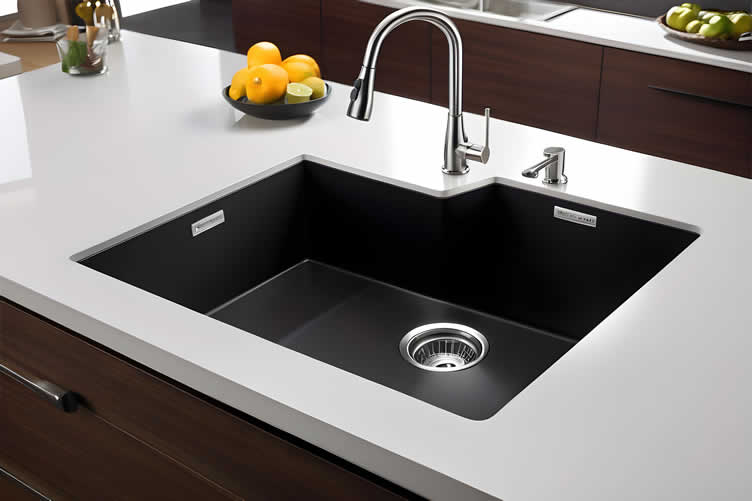
AI generated image by 123rf.com
[ view discussion: top mount vs undermount sink ]
[ youtube: topmount vs undermount sinks ]
-
-
2nd: Styling Decisions of Kitchen Sinks
Choosing the right kitchen sink style is a crucial decision in any kitchen remodel or design project. The functionality, aesthetics, and practicality of the sink all play a critical role in ensuring it complements your kitchen’s workflow and style.
Below, we will explore the most common styling types of kitchen sinks, providing insights into their unique features, benefits, and potential drawbacks to help you make an informed decision.
[ view images/summary table: kitchen sink styles ]
-
Single-Bowl Sink
A single-bowl sink features one large, uninterrupted basin, making it particularly well-suited for washing oversized items such as baking sheets or large pots. The minimalist design of a single-bowl sink often integrates seamlessly into modern and compact kitchen spaces.
The advantages of single-bowl sinks include their efficiency in terms of space usage and their unobtrusive aesthetic, which suits various kitchen layouts.
However, their primary limitation is the lack of compartmentalization, which may hinder multitasking during meal preparation or cleanup.
-
Double-Bowl Sink
The double-bowl sink is designed with two separate basins, either equal or varying in size. This style is highly appreciated for its versatility, as you can use one side for washing and the other for rinsing or drying dishes.
Double-bowl sinks are particularly beneficial in kitchens that require multitasking or for those who frequently hand wash dishes.
That said, a potential drawback is the reduced sink space in each bowl, which may not accommodate larger cookware as easily as a single-bowl design.
-
Utility Sink
Utility sinks, often found in laundry rooms or garages, are now gaining popularity in kitchens for their deep and spacious design. These sinks are ideal for heavy-duty tasks like soaking large pans, washing vegetables, or even cleaning pet supplies.
The main benefits of utility sinks include their substantial size and rugged build, catering to kitchens that demand extra capacity for messier chores.
However, their industrial appearance may not align with certain kitchen aesthetics and could require customization to blend seamlessly.
-
Corner Sink
Corner sinks are a smart solution for optimizing kitchen layouts where counter space is at a premium. These sinks are installed at corner angles, making use of otherwise underutilized space.
Most corner sinks are designed with a double-bowl configuration to enhance functionality within a unique placement.
While corner sinks are excellent for maximizing counter space and creating an ergonomic workflow, the placement can sometimes make installation more complex and limit access for multiple users simultaneously.
References:
- National Kitchen and Bath Association (NKBA) Guidelines – Comprehensive insights into sink styles and installation standards.
- Home Innovation Research Labs – Reliable research on emerging trends and innovations in home improvement.
- HGTV – Expert guidance illuminating the pros and cons of various sink designs and their integration into diverse kitchen styles.
- Kitchen Design Book by Jane Lockhart – Trusted reference for authoritative content on kitchen functionality and aesthetic considerations.
Type of Sink Features Advantages Drawbacks Single-Bowl Sink One large, uninterrupted basin – Ideal for washing oversized items
– Space-efficient
– Seamlessly integrates into modern and compact kitchens– Lack of compartmentalization
– May hinder multitaskingDouble-Bowl Sink Two basins, either equal or varying in size – Facilitates multitasking
– Can separate tasks (e.g., washing and rinsing)– Reduced space in each basin
– May not accommodate larger cookware easilyUtility Sink Deep and spacious design – Ideal for heavy-duty tasks
– Large capacity and durable– Industrial appearance
– May require customization for kitchen aestheticsCorner Sink Installed at corner angles, often double-bowl – Optimizes counter space
– Enhances ergonomic workflow– Complex installation
– Limited accessibility for multiple users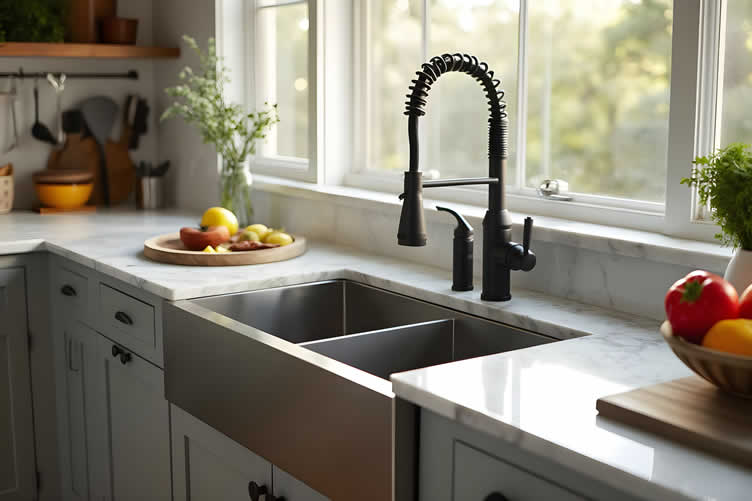
AI generated image by 123rf.com
-
-
3rd: Kitchen Sink Material Consideration
Selecting the right material for your kitchen sink is a vital decision that impacts both functionality and aesthetics. Each material offers unique properties that cater to different needs, preferences, and lifestyles.
Understanding the characteristics, benefits, and potential drawbacks of each option ensures that you make an informed choice tailored to your kitchen.
Below, we explore some of the most common materials available for kitchen sinks, providing insights to help guide your selection.
[ view images/summary table: kitchen sink materials ]
-
Stainless Steel
Stainless steel is a timeless and versatile choice for kitchen sinks, known for its sleek appearance and durable nature. It seamlessly complements modern and industrial-style kitchens while offering unmatched practicality.
Stainless steel sinks are favored for their resistance to rust and staining, making them a low-maintenance option. Additionally, they are often lightweight and easy to install.
While stainless steel is a durable material, it may be prone to scratching and denting under heavy use.
Noise from water or dishes hitting the sink is also a common concern with thinner models, though higher-quality sinks often include sound-dampening insulation. Stainless steel is an excellent option for those seeking a reliable and cost-effective choice.
- Gauge Thickness:
The thickness of stainless steel sinks is measured in gauges. Lower gauge numbers indicate thicker and more durable steel, while higher numbers represent thinner steel. Common gauges for stainless steel sinks range from 16 to 22. - 16-Gauge Sinks:
These sinks are among the thickest options available and provide excellent durability. They resist dents and are less noisy during use, making them a premium choice. - 18-Gauge Sinks:
Slightly thinner than 16-gauge, these sinks offer a balance of durability and affordability. They are still sturdy enough for everyday use and are a popular choice for many homeowners. - 20-22 Gauge Sinks:
These are thinner and more lightweight options, often found in budget-friendly sinks. While they are cost-effective, they may be more prone to dents and are noisier unless paired with sound-dampening materials. - Additional Features:
Many stainless steel sinks, regardless of gauge, come with sound-dampening pads or undercoatings to reduce noise and enhance durability. It’s important to evaluate the gauge along with additional features to select the best sink for your needs.
- Gauge Thickness:
-
Cast Iron (Porcelain Enamel Coated)
Cast iron sinks coated with porcelain enamel are celebrated for their strikingly classic appeal. These sinks exude charm and elegance, offering a timeless design that enhances traditional and farmhouse-style kitchens.
The durable enamel coating also creates a smooth, non-porous surface that resists staining and provides exceptional strength.
However, cast iron sinks are notably heavy and require reinforced cabinetry for proper installation. The enamel finish, while durable, may chip over time if subjected to heavy impacts, exposing the underlying iron to potential rust.
Despite these considerations, cast iron sinks remain highly valued for their beauty and durability.
- Weight and Installation:
Due to their significant weight, cast iron sinks require careful planning during installation. Ensure that your cabinetry is reinforced to support their weight properly. - Maintenance Needs:
While the enamel surface is resistant to stains, regular cleaning is essential to maintain its glossy appearance and prevent buildup of residue. Using non-abrasive cleaners is recommended to avoid damage. - Susceptibility to Chipping:
Although durable, the enamel coating can chip if struck by heavy or sharp objects. Take precautions to handle cookware and utensils carefully around the sink. - Longevity and Cost:
Cast iron sinks are an investment due to their durability and style. While they may come at a higher initial cost, their long-lasting quality often compensates for this over time. - Color and Style Options:
The enamel coating allows for a variety of color finishes, enabling you to match the sink to your kitchen’s aesthetic. Consider opting for timeless colors to ensure the sink remains in style over the years.
- Weight and Installation:
-
Fireclay
Fireclay sinks are crafted by molding ceramic clay at extremely high temperatures, resulting in a robust and glossy finish.
These sinks are synonymous with elegance and are often found in farmhouse and luxury kitchens. Fireclay is remarkably durable, resistant to scratches, chips, and discoloration.
Its heavy weight demands proper cabinetry support, and the material can be on the pricier side. Similar to porcelain, fireclay sinks require attention to prevent breakage from extreme impacts.
Their beauty and longevity, however, make them a sought-after choice for those prioritizing style and durability.
- Weight and Installation:
Fireclay sinks are considerably heavy, requiring reinforced cabinetry or specialized supports to ensure proper installation. It’s essential to plan for this added weight during kitchen design or renovations. - Custom Fit:
The handmade nature of fireclay sinks can result in slight size variations, which may require custom fittings or adjustments during installation. It’s important to measure carefully and work with a skilled installer. - Maintenance:
While resistant to most forms of damage, fireclay sinks should be cleaned regularly with non-abrasive products to maintain their gloss and prevent surface dullness over time. - Cost Considerations:
Fireclay sinks tend to be more expensive than other sink materials. Their cost is balanced by their durability and timeless aesthetic, but they may not suit every budget. - Heat Resistance:
Although fireclay sinks can withstand high temperatures, sudden changes in temperature (thermal shock) should be avoided to prevent potential damage. - Compatibility with Accessories:
Depending on the sink’s design, it’s worth considering accessories like grids or basin racks to protect the surface and enhance functionality.
- Weight and Installation:
-
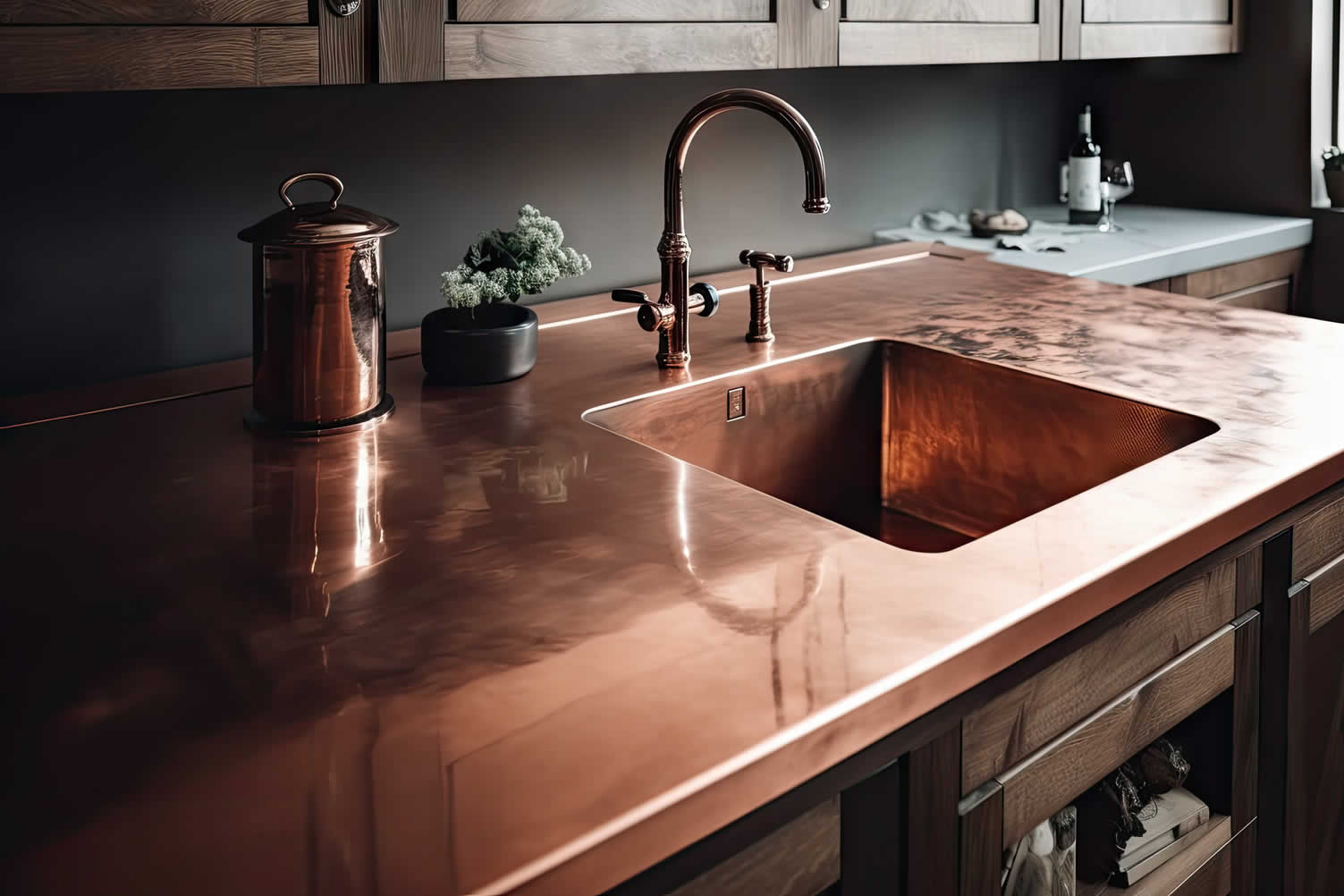
Copper
Copper sinks catch the eye with their warm, rich hue and unique ability to develop a natural patina over time, adding character and depth to any kitchen. Copper is also naturally antimicrobial, making it a hygienic choice for kitchens.
Although copper has many benefits, it requires regular maintenance to preserve its appearance, as acidic foods or abrasive cleaners can damage the finish.
The soft nature of copper also makes it more prone to scratches and dents. Nevertheless, this material is ideal for those who value artistry and a distinctive look in their kitchen.
- Cost:
Copper kitchen sinks are often more expensive than sinks made from other materials, so it’s important to consider your budget before investing in one. - Thickness:
The gauge of copper can vary, and thicker sinks (lower gauge numbers) tend to be more durable and less noisy during use. - Finishes and Styles:
Copper sinks come in various finishes, such as hammered or smooth, as well as different styles like farmhouse or under-mount, allowing for customization to match your kitchen’s design. - Color Changes:
Over time, copper develops a natural patina that can change its appearance, which might not appeal to everyone. Be sure you appreciate this aging process before selecting this material. - Compatibility:
Check if copper is compatible with your kitchen’s overall setup, including countertop design and plumbing, as installation may vary depending on the sink’s style and size. - Care Requirements:
To maintain a copper sink’s beauty, avoid abrasive cleaners and acidic substances, and consider regular waxing to slow down patina development if a polished look is preferred.
- Cost:
-
Granite/Quartz Composite
Grainy-textured granite or quartz composite sinks are engineered by blending crushed stone with resin, creating a highly durable and visually appealing surface. These sinks are resistant to scratches, dents, chipping, and heat, making them ideal for heavy-duty use.
Their matte finishes are available in various earthy colors, adding a contemporary and natural vibe to your kitchen.
However, granites and quartz composites require gentle cleaning to avoid dulling their surfaces over time. The material can also be expensive compared to other sink options, but its endurance and sophisticated appearance make it a worthy investment.
- Weight and Installation:
Granite and quartz composite sinks are heavier than many other materials, which may require additional support during installation. Ensure your countertop and cabinetry are sturdy enough to accommodate the weight. - Compatibility with Accessories:
Consider whether the sink is compatible with additional accessories such as cutting boards, racks, or drain trays, which can enhance functionality. - Maintenance Routine:
Establish a regular cleaning routine using non-abrasive cleaners to preserve the sink’s finish and maintain its luster over time. - Stain Resistance:
While these sinks are generally resistant to stains, certain acidic or dark substances may still leave marks if not promptly cleaned. - Water Hardness:
Homes with hard water may experience mineral build-up on the sink’s surface. Regular descaling with appropriate cleaners can help prevent this. - Style and Size:
Evaluate the sink’s design and bowl size to ensure it suits your cooking and cleaning habits, as well as the overall aesthetic of your kitchen. - Budget Considerations:
While granite and quartz composites offer durability and aesthetic appeal, they may be pricier upfront. Factor in their long-lasting nature to assess overall value.
- Weight and Installation:
-
Solid Surface
Solid surface sinks combine durability with design flexibility, featuring smooth and seamless finishes that integrate well with modern countertops. This synthetic material is resistant to stains, mold, and bacterial growth, offering easy cleaning and hygienic benefits.
While solid surface sinks are generally durable, they may not withstand extreme heat or heavy impacts as effectively as other materials. Their sleek design and wide range of style options make them an attractive choice for modern and minimalist kitchens.
- Budget:
Solid surface sinks come in a variety of price ranges, so it is important to consider your budget when making a selection. While often more affordable than natural stone, the cost can vary based on the brand, design, and customization options. - Maintenance Needs:
Although solid surface sinks are easy to clean, they can be prone to scratches or marks. Regular maintenance, such as using non-abrasive cleaners and promptly addressing minor scratches, can help preserve their appearance. - Compatibility with Countertops:
Consider how the sink’s design will integrate with your countertops. Solid surface sinks pair seamlessly with solid surface countertops but may require additional installation considerations for other types of materials. - Environmental Impact:
Some solid surface materials are made with recycled components. If sustainability is a priority for you, research products that align with eco-friendly practices. - Customization Options:
Solid surface sinks offer extensive customization in terms of shape, size, and color. Evaluate whether the available options meet your specific design needs and match your kitchen’s aesthetic. - Weight and Installation:
While generally lighter than stone options, solid surface sinks may still require professional installation to ensure a seamless and secure fit.
- Budget:
-
Other Materials
While the materials mentioned above are the most common, there are additional options like natural stone, concrete, or glass sinks that appeal to unique preferences.
These materials can make bold design statements, but they require careful consideration for maintenance and installation needs.
Natural stone sinks, for example, are elegant but can be porous and prone to stains, while glass sinks are delicate and more suited for light use.
- Durability:
- Natural stone sinks may chip or scratch with heavy use, requiring extra care to maintain their appearance.
- Concrete sinks are sturdy but can develop cracks over time without proper sealing or maintenance.
- Glass sinks are more fragile and can crack or shatter if subjected to sudden impacts.
- Maintenance:
- Stone sinks often need regular sealing to prevent staining and water damage.
- Concrete sinks require sealing to avoid absorbing liquids and developing discolorations.
- Glass sinks are easy to clean but may show water spots and fingerprints more prominently.
- Style and Aesthetic Appeal:
- Stone sinks add a natural, rustic charm to kitchens, enhancing a warm and earthy vibe.
- Concrete sinks offer a modern, industrial look, perfect for contemporary designs.
- Glass sinks create a sleek and sophisticated aesthetic, ideal for statement pieces in design-focused spaces.
- Weight and Installation:
- Stone and concrete sinks are heavy and may require reinforced cabinetry and professional installation.
- Glass sinks, while lighter, still need careful handling during installation to avoid damage.
- Cost:
- Stone and concrete sinks can be more expensive due to material and installation requirements.
- Glass sinks are relatively affordable but may incur costs if they require replacement due to damage.
- Durability:
Sources and Citations:
- National Kitchen & Bath Association (NKBA): Kitchen Design Guidelines
- Home Innovation Research Labs – Sink Material Studies
- The Spruce – Guide to Kitchen Sink Materials
- Consumer Reports – Best Kitchen Sinks of 2023
- Architectural Digest – Kitchen Trends and Materials
Material Durability Maintenance Style Weight/Install Cost Stainless Steel Rust-resistant, low-maintenance, sleek, and versatile. Easy to clean; sound-dampening features vary by model. Complements modern and industrial kitchen styles. Lightweight; easy to install. Affordable. Cast Iron (Porcelain Enamel Coated) Highly durable but enamel can chip, exposing the iron to rust. Requires regular cleaning and non-abrasive products to maintain the glossy finish. Classic, elegant; suitable for traditional or farmhouse designs. Variety of color options. Very heavy, requiring reinforced cabinetry for support. Higher initial cost but long-lasting quality. Fireclay Robust, resistant to scratches, chips, and discoloration, but vulnerable to heavy impacts. Needs non-abrasive cleaning products to maintain its gloss. Elegant, timeless; often used in farmhouse and luxury kitchens. Significant weight requiring reinforced cabinetry and precise installation. More expensive but offers durability and style. Copper Antimicrobial and develops a natural patina, but soft and prone to scratches/dents. Requires gentle maintenance and avoidance of acidic substances; regular waxing suggested. Unique, warm appearance with hammered or smooth finishes. Varies depending on thickness; installation must align with countertop and plumbing setup. Often expensive, but a valuable artistic piece for the kitchen. Granite/Quartz Composite Resistant to scratches, dents, chipping, and heat. Non-abrasive cleaners recommended; descaling may be needed for hard water build-up. Modern, natural aesthetic with various colors and matte finishes. Heavier than most options; requires sturdy countertops and cabinetry. Pricier upfront but highly durable and appealing. Solid Surface Durable but prone to scratches and damage from extreme heat or heavy impacts. Easy to clean; prompt care for scratches is needed. Sleek and seamless; customizable in color, size, and shape. Lighter than stone materials but requires professional installation for seamless fit. Varies widely based on design and customization; often more affordable than natural stone. Natural Stone Elegant but porous, requiring careful use. Regular sealing needed to prevent staining and damage. Rustic and natural, adding warmth and charm. Heavy; requires reinforced cabinetry and professional installation. Expensive due to material and installation costs. Concrete Sturdy but prone to cracking over time without proper maintenance. Sealing required to prevent liquid absorption and discoloration. Modern and industrial, ideal for contemporary designs. Heavy; requires reinforced cabinetry and expert installation. Generally costly due to material and labor. Glass Fragile; prone to cracks/shattering if mishandled. Easy to clean but may show water spots and fingerprints. Sleek and sophisticated, perfect for statement designs. Lighter but requires careful handling during installation. More affordable but may incur costs for replacement if damaged. 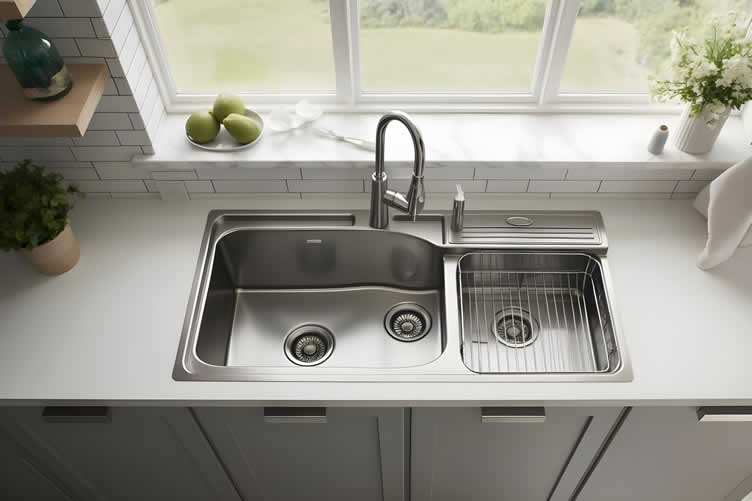
AI generated image by 123rf.com
[ youtube: Granite Composite vs Stainless Steel Sink ]
[ youtube: Top 5 Best Kitchen Sinks ]
-
-
4th: Standard Measurements and Dimensions
Selecting the right kitchen sink size is a crucial step in designing a functional and aesthetic kitchen space.
Kitchen sinks come in varying sizes, dimensions, and configurations, tailored to meet diverse needs and preferences. Understanding these standard measurements helps homeowners make informed decisions, ensuring the sink fits seamlessly into the cabinetry and works efficiently for daily tasks.
Below is a detailed overview of common kitchen sink dimensions and considerations to guide you.
[ view summary table: kitchen sink dimensions ]
-
Single-Basin Sink Dimensions
Single-basin sinks are ideal for smaller kitchens or minimalist designs, as they maximize available countertop space.
The standard width for these sinks ranges between 20 to 30 inches, with depths measuring approximately 8 to 10 inches. These dimensions allow for sufficient room to wash larger items like pots and pans, while maintaining a compact profile.
Installation of single-basin sinks often requires careful coordination with the surrounding cabinetry, ensuring adequate clearance and usability.
-
Double-Basin Sink Dimensions
Double-basin sinks are a versatile choice for households that juggle multitasking. Standard dimensions commonly fall between 27 and 36 inches in width, though specific configurations may vary.
Equal bowl models often come with two basins of identical size, each approximately 14 to 18 inches wide, whereas offset bowl designs pair a larger basin with a smaller counterpart to accommodate varied tasks.
Depths typically remain within a range of 8 to 10 inches, consistent with single-basin alternatives. Proper planning ensures both the cabinetry and countertop align with the sink’s layout.
-
Undermount and Drop-In Sinks
Undermount sinks, often seen in modern kitchens, attach beneath the countertop, creating a seamless appearance.
For these sinks, dimensions depend on cabinetry openings, with standard sizes usually between 24 and 36 inches in width. Drop-in sinks, by comparison, fit into pre-cut countertop holes, and their rim rests on the surface.
The measurements for drop-ins generally align with undermount sinks but allow greater flexibility since their edges provide additional coverage and stability. Optimal installation ensures that these sinks remain functional and pleasing to the eye.
-
Farmhouse-Style or Apron-Front Sink Dimensions
Farmhouse-style sinks are popular for their deep basins and distinctive front apron.
Standard widths range from 30 to 36 inches, with depths often exceeding 10 inches to accommodate heavy-duty tasks. These sinks require specialized cabinetry to support their weight and size, making pre-planning and accurate measurements especially crucial.
Farmhouse sinks provide both aesthetic appeal and functional benefits, making them a favorite for traditional and rustic kitchen designs.
-
Small and Compact Sink Options
For compact kitchens or auxiliary spaces like bar or prep areas, small sinks offer practical solutions. These sinks typically measure between 15 and 25 inches in width, with depths as shallow as 6 inches for a sleeker profile.
Though smaller than standard kitchen sinks, their size optimizes spaces with limited square footage, ensuring functionality without overwhelming the design. Small sinks are ideal for secondary tasks where full-sized models might not be suitable.
Sink Type Standard Width Standard Depth Key Features Single-Basin Sink 20-30 inches 8-10 inches Compact, maximizes countertop space, suitable for washing larger items. Double-Basin Sink 27-36 inches 8-10 inches Versatile, supports multitasking with equal or offset bowl configurations. Undermount Sink 24-36 inches Varies Seamless look, mounted beneath the countertop, requires precise cabinetry openings. Drop-In Sink 24-36 inches Varies Fits into pre-cut countertop holes, offers flexibility with rim providing extra coverage. Farmhouse-Style Sink 30-36 inches 10+ inches Deep basin with a front apron, requires specialized cabinetry, ideal for traditional kitchens. Small/Compact Sink 15-25 inches 6 inches Optimized for limited spaces, suitable for secondary tasks in bar or prep areas. 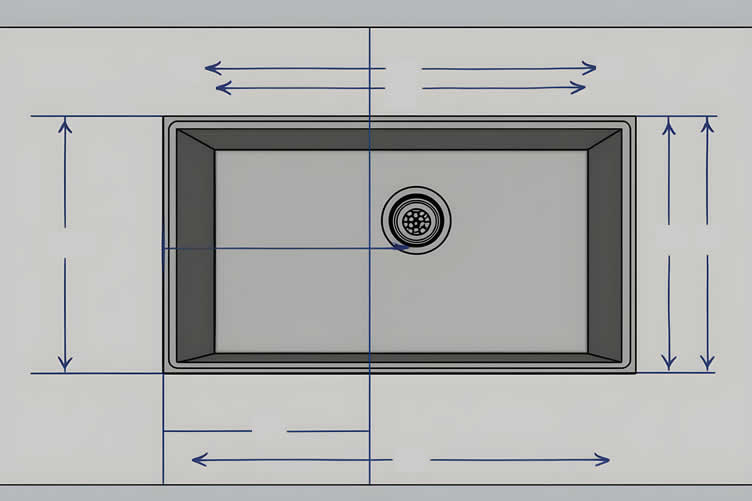
AI generated image by 123rf.com
[ pinterest: about kitchen sinks ]
[ youtube: measure for kitchen sink replacement ]
-
-
-
ideas to view and compare from the information discussed above
kitchen sinkstainless steel kitchen sinkcomposite kitchen sink
Scroll up to directory … or scroll to next section about kitchen sink replacement …

addressing updated kitchen sink and faucet and other home improvement needs …

… grab this directory of ideas for future use



… remodeling decisions

looking for other interesting topics that may have been missed but could be helpful …?






get the size dimensions for any home remodeling project …
… for functionality, aesthetics, and adhering to building codes



Download this PDF for a concise summary of what to know about …?


May We Suggest Other Photo Remodeling Ideas About
“Other Home Upgrades …” (new win)



third “photo remodeling” idea
AI generated image by 123rf.com
Upgrade Tip 3: Choosing the Perfect Kitchen Faucet
Notes:
-
The kitchen faucet serves as more than just a practical tool for washing dishes or filling pots; it is a key focal point that ties together the functionality and aesthetic appeal of your kitchen.
With a wide variety of options available, selecting the right faucet involves considering its design elements, features, and how well it complements the overall layout of your kitchen. A thoughtful selection can enhance both the efficiency and beauty of your space, making daily tasks smoother and more enjoyable.
This guide will walk you through the key factors to consider, ensuring your choice balances practicality, durability, and style effortlessly.
-
Quick scroll to “choosing kitchen faucet” side notes …
-
-
1st: Kitchen Faucet Functionality and Design Elements
The modern kitchen faucet is a vital component in any kitchen, seamlessly blending functionality with aesthetics to meet the demands of practical use and visual appeal.
A well-thought-out faucet design can significantly enhance the cooking and cleaning process while also contributing to the overall style of the kitchen.
By exploring different functionalities and design elements, users can make informed decisions that suit their specific needs.
[ view images/summary table: faucet functionality ]
-
Faucet Functionality
Kitchen faucets today offer more than just the ability to dispense water; they are designed to simplify tasks and improve efficiency.
Many faucets come with multi-functional spray heads, offering stream, spray, and even pause settings to tackle a variety of chores, from rinsing delicate vegetables to filling large pots.
Pull-down and pull-out sprayers are particularly versatile, as they allow users to extend the reach of the faucet, making it easier to clean larger sinks or awkward spaces.
Advanced models also include touchless technology, enabling users to start or stop water flow with a simple hand wave—ideal for busy cooks or to maintain hygiene during food preparation.
Temperature control advancements ensure precise adjustments, while water-efficient models integrate flow restriction mechanisms to conserve water without compromising performance.
-
Design Elements
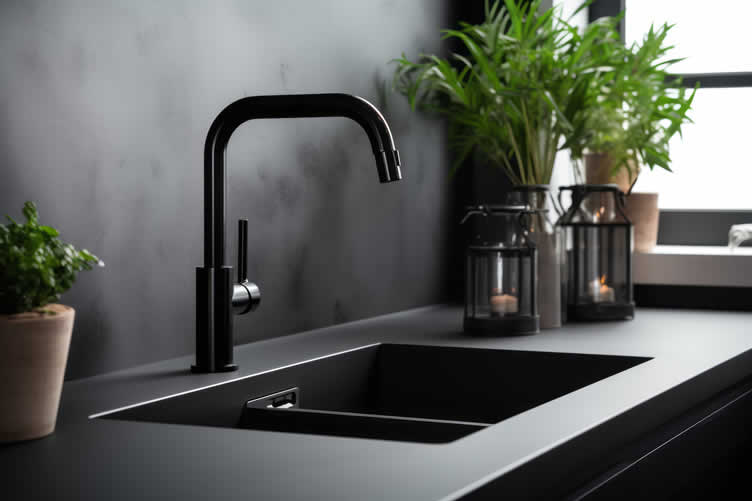
The design of a kitchen faucet plays a significant role in harmonizing with the overall kitchen aesthetic. Faucets are available in a wide variety of finishes, including chrome, brushed nickel, matte black, and polished brass, allowing homeowners to create a cohesive look with other fixtures and appliances.
Spout styles, such as high-arched goosenecks or low-profile designs, cater to different sink configurations and user preferences. Knurled detailing, smooth curves, or geometrical shapes in faucet handles also provide a refined appearance while ensuring ease of use.
For those seeking a more traditional ambiance, bridge-style faucets or industrial-style faucets with exposed elements bring character and charm.
Design innovation goes further to include space-saving wall-mounted faucets or commercial-inspired spring-coil designs for a professional-grade kitchen feel.
Additionally, modern faucets are engineered with durable materials such as stainless steel or solid brass, ensuring both longevity and reliability, even under high-frequency usage.
Modern technology has introduced new possibilities, such as smart faucets that integrate with home assistant devices for voice-activated commands.
These advancements bridge the gap between convenience, functionality, and style, helping homeowners create a kitchen environment that supports seamless workflow while reflecting personal taste.
-
Ergonomic Considerations
Modern kitchen faucets incorporate numerous design innovations that improve functionality while enhancing aesthetic appeal.
Pull-down spray heads provide extended reach for filling large pots or cleaning oversized items, while pull-out designs offer similar functionality in more compact configurations.
Single-handle faucets provide convenient one-handed operation that proves invaluable when your other hand is occupied with cooking tasks. Double-handle designs offer precise temperature control and work particularly well in traditional kitchen settings.
-
Final Thoughts
A well-chosen kitchen faucet is an investment that improves both the efficiency and ambiance of your kitchen space. By considering a faucet’s functionality and the design elements that align with your needs, you can select a fixture that enhances your home’s value and supports your everyday activities.
Whether prioritizing advanced technology, timeless design, or water efficiency, today’s faucet options are abundant, ensuring there’s an ideal match for every kitchen.
References:
- National Kitchen and Bath Association. "Kitchen Faucet Trends and Innovations," NKBA, 2023.
- Environmental Protection Agency. "WaterSense for Kitchen Faucets," EPA, accessed October 2023.
- Better Homes & Gardens. "Choosing the Right Kitchen Faucet for Your Needs," Meredith Corporation, 2023.
Category Details Faucet Functionality - Multi-functional spray heads (stream, spray, pause settings).
- Pull-down and pull-out sprayers for extended reach and versatility.
- Touchless technology for hands-free operation.
- Temperature control advancements for precision.
- Water-efficient models with flow restriction mechanisms.
Design Elements - Wide variety of finishes (chrome, brushed nickel, matte black, polished brass).
- Spout styles like high-arched goosenecks or low-profile designs.
- Handles with knurled detailing, smooth curves, or geometric shapes.
- Traditional styles like bridge-style or industrial designs.
- Space-saving options (wall-mounted faucets, commercial spring-coil designs).
Material and Durability - Durable materials like stainless steel or solid brass for longevity.
- Engineered to withstand high-frequency usage.
Modern Technology - Smart faucets with voice-activated commands.
- Integration with home assistant devices for convenience and advanced functionality.
Ergonomic Considerations - Pull-down spray heads for extended reach.
- Pull-out designs suitable for compact spaces.
- Single-handle faucets for one-handed operation.
- Double-handle faucets for precise temperature control.
AI generated image by 123rf.com
[ view diagram: kitchen faucet work diagram ]
[ youtube: how the faucet works ]
-
-
2nd: Types of Kitchen Faucets to Consider
Choosing the right kitchen faucet is an essential step in designing a functional, stylish, and efficient kitchen. With a variety of options available, each type offers unique features that cater to different needs and preferences.
Below is an overview of the most common types of kitchen faucets, including their benefits and potential drawbacks, to help guide your decision-making process.
[ view images/summary table: faucet types ]
-
Single-Handle Faucet
A single-handle faucet is a practical and versatile choice that combines simplicity with efficiency. It uses one lever or handle to control both water flow and temperature, making it easy to use with just one hand.
This type of faucet is especially beneficial in smaller kitchens as it requires minimal space and is relatively easy to install.
However, adjusting the water temperature precisely can sometimes be less intuitive compared to a double-handle faucet. Additionally, single-handle designs may have limited aesthetic variation.
-
Double-Handle Faucet
Double-handle faucets feature two separate handles for hot and cold water, allowing for more precise temperature control. They often add a touch of traditional elegance to the kitchen space and are available in a wide range of styles to match various interior designs.
However, these faucets require extra space for installation and may take longer to operate compared to single-handle models. Repairs can also be more complex since the faucet has multiple components.
-
Pull-Down Faucet
Pull-down faucets feature a high-arching spout with a spray head that can be pulled downward, offering excellent flexibility for washing large items or cleaning every corner of the sink.
They are ideal for deep sinks and modern kitchen designs, combining functionality with a sleek appearance.
On the downside, pull-down faucets may not be suitable for kitchens with limited overhead space, and if not properly maintained, the hose and spray head could wear out over time.
-
Pull-Out Faucet
Similar to pull-down faucets, pull-out faucets feature a detachable spray head, but their design allows the spray hose to be pulled directly outward rather than downward. This makes them a versatile choice for smaller sinks or limited spaces.
They provide great maneuverability and are often ergonomically designed. However, pull-out faucets may not be as streamlined in appearance as pull-down models and may feel less intuitive to use for some individuals.
-
Touchless/Motion-Activated Faucet
Touchless faucets use motion sensors to activate water flow, providing one of the most hygienic and modern solutions for the kitchen. These faucets are perfect for families with children or anyone with cooking habits that often result in messy hands.
They also help conserve water since the sensor automatically shuts off flow when not in use. However, touchless faucets are generally more expensive upfront and may require frequent maintenance of electronic components, including battery replacements.
-
Pot Filler Faucet
Pot filler faucets are designed with functionality in mind, typically installed over the stove or cooktop for the convenience of filling large pots and pans without having to move them from the sink.
They are an excellent addition for avid home cooks or those who frequently prepare large meals. Despite this, pot filler faucets are usually considered a secondary faucet, meaning they do not replace a main kitchen faucet, and their installation can be costly.
-
Bridge Faucet
Bridge faucets offer a charming and timeless design inspired by vintage plumbing fixtures. They feature a distinctive bridge-like structure that connects the hot and cold water lines into a single spout.
These faucets are perfect for traditional or farmhouse-style kitchens, adding a touch of classic elegance. However, they tend to take up more space and may not suit contemporary kitchen layouts. Additionally, they often come with a higher price point due to their unique aesthetic.
-
Side-Sprayer Faucet
Side-sprayer faucets come with a separate sprayer attachment located beside the main faucet. The sprayer is useful for rinsing vegetables, filling large containers, or cleaning hard-to-reach areas of the sink.
While this setup provides an additional level of functionality, it also requires extra counter space for installation and may not offer the same ease of use as integrated pull-out or pull-down faucets.
Side sprayers can also occasionally experience leaks if the hose deteriorates.
-
Other Faucets
Aside from the common types mentioned, there are several other specialty faucets available, such as bar faucets, water filtration faucets, or wall-mounted faucets.
Bar faucets are smaller, making them suitable for secondary sinks or compact spaces, while water filtration faucets provide a built-in system to deliver purified water for drinking and cooking.
Wall-mounted faucets free up countertop space and add a modern architectural element to the kitchen. However, these specialized options often require unique installation processes and may not suit all kitchen layouts or plumbing systems.
References:
- National Kitchen and Bath Association. "Designing the Perfect Kitchen Faucet for Every Style," NKBA, 2023.
- Home Improvement Experts. "Pros and Cons of Various Faucet Types," HomeAdvisor, accessed October 2023.
- Environmental Protection Agency. "Efficient and Functional Faucets for the Modern Home," EPA, 2023.
- Architectural Digest. "Finding the Ideal Kitchen Faucet for Function and Style," Condé Nast, 2023.
Type of Faucet Benefits Drawbacks Single-Handle Faucet Simple and efficient; easy to use with one hand; space-saving; easy to install. Precision in temperature control can be less intuitive; limited aesthetic variety. Double-Handle Faucet Precise temperature control; adds traditional elegance; available in various styles. Requires extra space; slower operation; more complex repairs. Pull-Down Faucet Flexible for deep sinks; modern and sleek design; ideal for washing large items. Not suitable for limited overhead space; potential wear and tear on hose and spray head. Pull-Out Faucet Versatile for smaller spaces; ergonomic; excellent maneuverability. May lack streamlined appearance; can feel less intuitive for some users. Touchless/Motion-Activated Faucet Highly hygienic; conserves water; ideal for messy hands and busy kitchens. Expensive upfront; requires maintenance of electronic components like batteries. Pot Filler Faucet Convenient for filling large pots over the stove; great for heavy meal preparation. Considered a secondary faucet; high installation cost. Bridge Faucet Timeless vintage design; perfect for traditional or farmhouse kitchens. Takes up more space; higher cost; not suited for modern layouts. Side-Sprayer Faucet Provides additional functionality for rinsing and cleaning; convenient for large sinks. Requires extra counter space; less user-friendly than integrated sprayers; potential hose leaks. Other Faucets Bar faucets save space; water filtration faucets provide purified water; wall-mounted faucets free countertop space. Specialized installation required; may not fit all kitchen layouts. 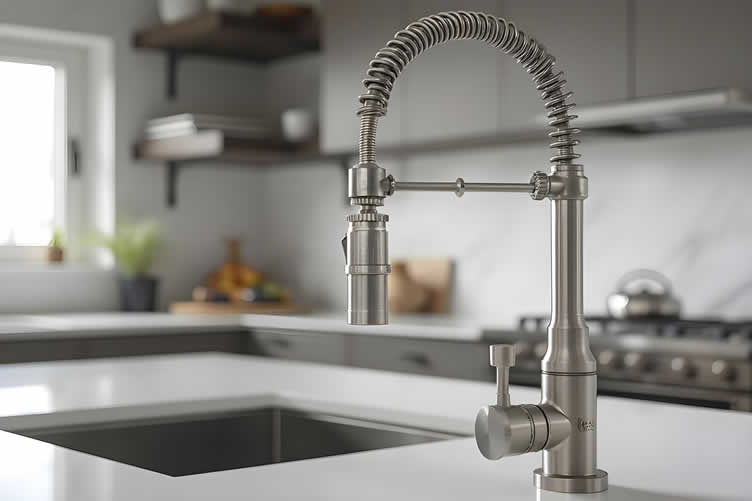
copyright image by 123rf.com
-
-
3rd: Kitchen Faucet Styles
Choosing the perfect kitchen faucet is an essential decision that combines style, function, and practicality. With a wide array of styles available, it’s important to select a faucet that aligns with your kitchen’s design, complements your habits, and integrates seamlessly with your plumbing system.
Below, we explore various styles, their unique characteristics, and the advantages and challenges of each to help you make an informed choice.
[ view images/summary table: faucet styles ]
-
High Arc or Gooseneck Faucets
High arc or gooseneck faucets are a popular choice for their elegant, curved design and practicality. With a taller spout arching upward, these faucets offer excellent clearance, making it easy to fill large pots or wash oversized items in the sink.
Their graceful silhouette complements both modern and traditional kitchens. However, due to their height, they may not be ideal for kitchens with low-hanging cabinets or confined space. High arc faucets also tend to emit more splashing on shallow sinks if not paired thoughtfully.
-
Straight or Low Arc Faucets
Straight or low arc faucets feature a minimalist and compact design, making them ideal for smaller kitchens or those with limited vertical space. Their low profile prevents interference with overhead cabinetry and creates a clean, understated look.
These faucets are suitable for homeowners looking for simplicity and reliable functionality. However, they may lack the dramatic visual appeal of taller faucet styles and offer less clearance for washing larger cookware.
-
Traditional Style Faucets
Traditional-style faucets evoke a sense of timelessness with intricate detailing, curved spouts, and classical finishes like chrome, bronze, or polished brass. These models are perfect for vintage or classic-style kitchens aiming for a sophisticated and welcoming aesthetic.
While functional and visually appealing, traditional faucets may not integrate seamlessly with more contemporary kitchen designs. Maintenance can also be slightly demanding as intricate designs may require additional cleaning to maintain their sheen.
-
Modern or Contemporary Faucets
Modern faucets prioritize sleek designs, clean lines, and innovative technology, which makes them a perfect focal point for contemporary kitchens. Crafted with chrome or matte black finishes and often equipped with touchless features or pull-down sprayers, modern faucets are as practical as they are stylish.
While the streamlined look is highly desirable, it may feel stark or too futuristic in cozy, rustic kitchen spaces. Additionally, advanced features may come at a higher price point.
-
Transitional Faucets
Transitional faucets bridge the gap between classic and modern styles, offering a versatile option for homeowners who seek balance. With subtle design elements that blend curves and angles, transitional faucets adapt to a variety of kitchen settings.
They provide an ideal choice for those looking for flexibility when designing or renovating their home. While their adaptable aesthetic appeals to a wide range of preferences, some may find transitional faucets lacking distinct character compared to more defined and specific styles.
-
Industrial Faucets
Industrial faucets bring a bold and professional feel to any kitchen. With exposed hardware, high arcs, and robust construction, they are perfect for those who need heavy-duty performance while making an architectural statement.
Frequently crafted with stainless steel or brushed nickel, these faucets can withstand rigorous use. However, industrial faucets may appear bulky in smaller kitchens or those leaning toward a softer decorative style. Their often large size can also require more consideration during installation.
-
Mid-Century Style Faucets
Mid-century faucets combine retro charm with functional design, often featuring geometric shapes, bright metallic finishes, and durable materials. They work seamlessly in mid-century modern kitchens or spaces looking to incorporate elements of nostalgia.
While attractive, mid-century faucets can be harder to find, limiting choice in models and finishes. They often work best in a well-matched design context, as they may stand out in mismatched kitchen styles.
-
Farmhouse or Craftsman Faucets
Farmhouse or craftsman faucets emphasize charm and functionality with their vintage-inspired influence and practical details. Often featuring extended spouts or bridge designs, they pair seamlessly with farmhouse sinks and rustic kitchen decor.
These faucets exude warmth and complement spaces with a focus on coziness and tradition. However, their style may not appeal to those preferring sleek, minimalistic designs, and they often require larger sink setups due to their proportions.
-
Unique and Other Styles
Beyond the traditional classifications, there are unique faucet styles that cater to specialized preferences and needs. Whether it’s a wall-mounted faucet for added counter space, a pot filler faucet for convenience near the stove, or an artistic custom design, these specialty faucets fulfill specific roles.
While they can add exceptional value and functionality, their specialized nature often demands higher installation expertise and may not suit every kitchen layout.
References:
- National Kitchen and Bath Association. "Designing the Perfect Kitchen Faucet for Every Style," NKBA, 2023.
- Home Improvement Experts. "Pros and Cons of Various Faucet Types," HomeAdvisor, accessed October 2023.
- Environmental Protection Agency. "Efficient and Functional Faucets for the Modern Home," EPA, 2023.
- Architectural Digest. "Finding the Ideal Kitchen Faucet for Function and Style," Condé Nast, 2023.
Faucet Style Characteristics Advantages Challenges High Arc or Gooseneck Elegant design with a tall, curved spout Offers excellent clearance for large items; complements various kitchen styles May cause splashing in shallow sinks; not ideal for kitchens with low-hanging cabinets Straight or Low Arc Compact, minimalist design Perfect for small kitchens; prevents interference with overhead cabinetry Lacks dramatic visual appeal; limited clearance for larger cookware Traditional Style Intricate detailing with classical finishes Timeless aesthetic; ideal for vintage-style kitchens May not suit modern designs; additional cleaning required for intricate details Modern or Contemporary Sleek designs with advanced technology Stylish and functional; includes innovative features like touchless options Can feel too stark in rustic spaces; advanced features may increase cost Transitional Blend of curves and angles for versatility Adapts to various settings; appeals to a broad range of preferences Lacks distinct character compared to more defined styles Industrial Professional look with exposed hardware Durable and heavy-duty; great for bold, architectural statements Can appear bulky in smaller kitchens; large size may complicate installation Mid-Century Retro design with geometric shapes and bright finishes Combines nostalgia with functionality; pairs well with mid-century modern decor Limited model availability; may clash with mismatched kitchen styles Farmhouse or Craftsman Vintage-inspired with practical details Warm and charming; complements rustic kitchen aesthetics Requires larger sink setups; not ideal for minimalistic designs Unique and Specialty Includes wall-mounted, pot fillers, and custom designs Fulfills specific needs; adds exceptional value and functionality Demands specialized installation; may not suit all kitchen layouts 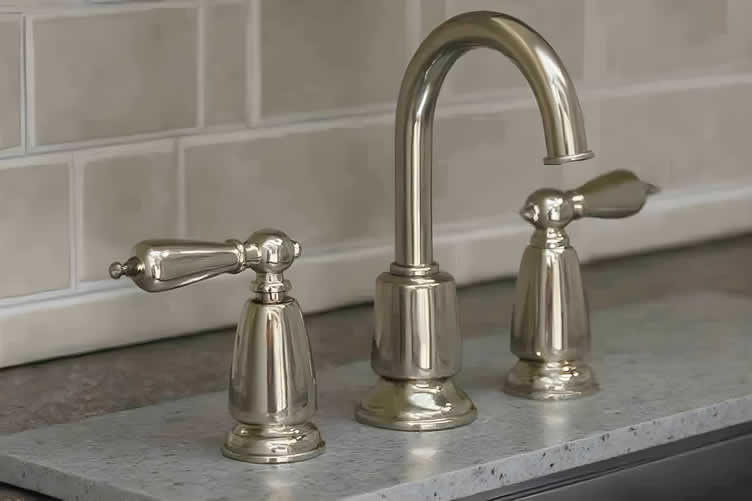
AI generated image by 123rf.com
[ pinterest: about kitchen faucets ]
[ youtube: choosing a kitchen faucet ]
-
-
4th: Selecting Kitchen Faucet Finishes
Choosing the right finish for your kitchen faucet is as important as selecting its design or functionality. A finish does more than enhance the aesthetics of your kitchen; it also plays a role in durability, ease of maintenance, and compatibility with other fixtures.
To make an informed decision, it’s essential to understand the variety of finishes available, along with their unique characteristics, benefits, and potential drawbacks.
[ view images/summary table: faucet finishes ]
-
Chrome Finish
Chrome is one of the most popular kitchen faucet finishes due to its modern appearance and high-gloss surface. Known for its ability to complement both traditional and contemporary kitchens, chrome reflects light beautifully, offering a sleek and polished look to any space.
The primary advantage of chrome is its durability and resistance to corrosion. It is also easy to clean, making it a practical choice for busy kitchens.
However, its high shine can make fingerprints and water spots more noticeable, requiring more frequent upkeep. Despite this, chrome remains an affordable and widely available option.
-
Stainless Steel Finish
Stainless steel finishes are highly valued for their understated yet refined appearance, excellent durability, and resistance to tarnishing. They work well in modern, industrial, or transitional kitchen aesthetics and are often chosen to match stainless steel appliances.
This finish resists rust, stains, and scratches effectively, making it ideal for a family-friendly kitchen. It also conceals smudges and water spots better than chrome.
On the downside, stainless steel finishes tend to be slightly more expensive and may require specific cleaning solutions to maintain their gleam over time.
-
Oil-Rubbed Bronze Finish
The oil-rubbed bronze finish is a classic and luxurious choice, often associated with vintage or rustic kitchen designs. Its deep, rich coloration adds warmth and texture to a space, making it an excellent match for wooden cabinetry and earthy tones.
One of its key advantages is that it is naturally resistant to fingerprints and water spots, reducing the need for constant cleaning. However, this finish can be more prone to fading over time and often requires more effort to restore its original appearance.
Additionally, oil-rubbed bronze options are usually more expensive and less common than chrome or stainless steel.
-
Matte Black Finish
Matte black faucets have risen in popularity due to their bold and contemporary style. This finish adds dramatic contrast and depth to kitchens, particularly when paired with lighter cabinetry or countertops. It is versatile enough to suit both modern and industrial themes.
Matte black is resistant to fingerprints and smudges, making it a low-maintenance option. However, it may still require occasional care to prevent discoloration or chipping over extended periods.
Additionally, as a newer trend, it may not be as widely available, and costs may be on the higher side compared to more traditional finishes.
-
Polished Nickel Finish
Polished nickel finishes are prized for their softer sheen and sophisticated appearance. They bring warmth to a space while still offering a metallic luster similar to chrome, making them a great choice for transitional or eclectic kitchen designs.
This finish provides excellent durability and resists tarnishing over time. It also blends well with a range of color palettes, making it highly adaptable. However, polished nickel tends to be more expensive and may require more frequent polishing to maintain its unique glow.
References and Citations:
- National Association of Home Builders (NAHB). "Kitchen Trends and Materials Report".
- American Society of Interior Designers (ASID). "Guide to Choosing Kitchen Fixtures".
- Research provided by Houzz.com. "Kitchen Faucet Finishes and Their Impact".
Finish Characteristics Advantages Disadvantages Chrome Modern, high-gloss appearance Durable, resistant to corrosion, easy to clean, affordable Shows fingerprints and water spots easily Stainless Steel Understated, works with modern or industrial aesthetics Resistant to rust, stains, and scratches; conceals smudges; family-friendly More expensive, requires specific cleaning solutions Oil-Rubbed Bronze Classic, warm, and luxurious Fingerprint and water spot resistant, rich coloration Prone to fading, higher maintenance, expensive Matte Black Bold, contemporary, dramatic contrast Low-maintenance, resists fingerprints and smudges May discolor or chip over time, higher cost, less availability Polished Nickel Softer sheen, sophisticated metallic luster Durable, tarnish-resistant, adaptable to many designs Expensive, requires frequent polishing 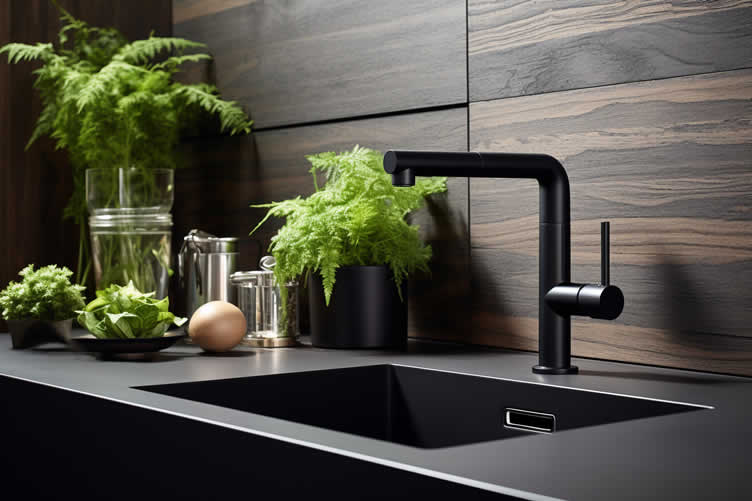
copyright image by 123rf.com
[ pinterest: kitchen faucet brands ]
[ youtube: Kitchen Faucet Finishes ]
-
-
-
ideas to view and compare from the information discussed above
Scroll up to directory … or scroll to next section about kitchen sink replacement …

plan the specifications you need for kitchen sink and faucet …
… and other key home improvement and remodeling decisions


SHARE IT ..! You might have someone in your social network who could find this informative about kitchen and faucet replacement valuable. Feel free to share it on Facebook, X (formally Twitter), LinkedIn, or Pinterest!



Download this PDF for a concise summary of all you need to know about …?
… replacing kitchen sink and faucet



fourth “photo remodeling” idea
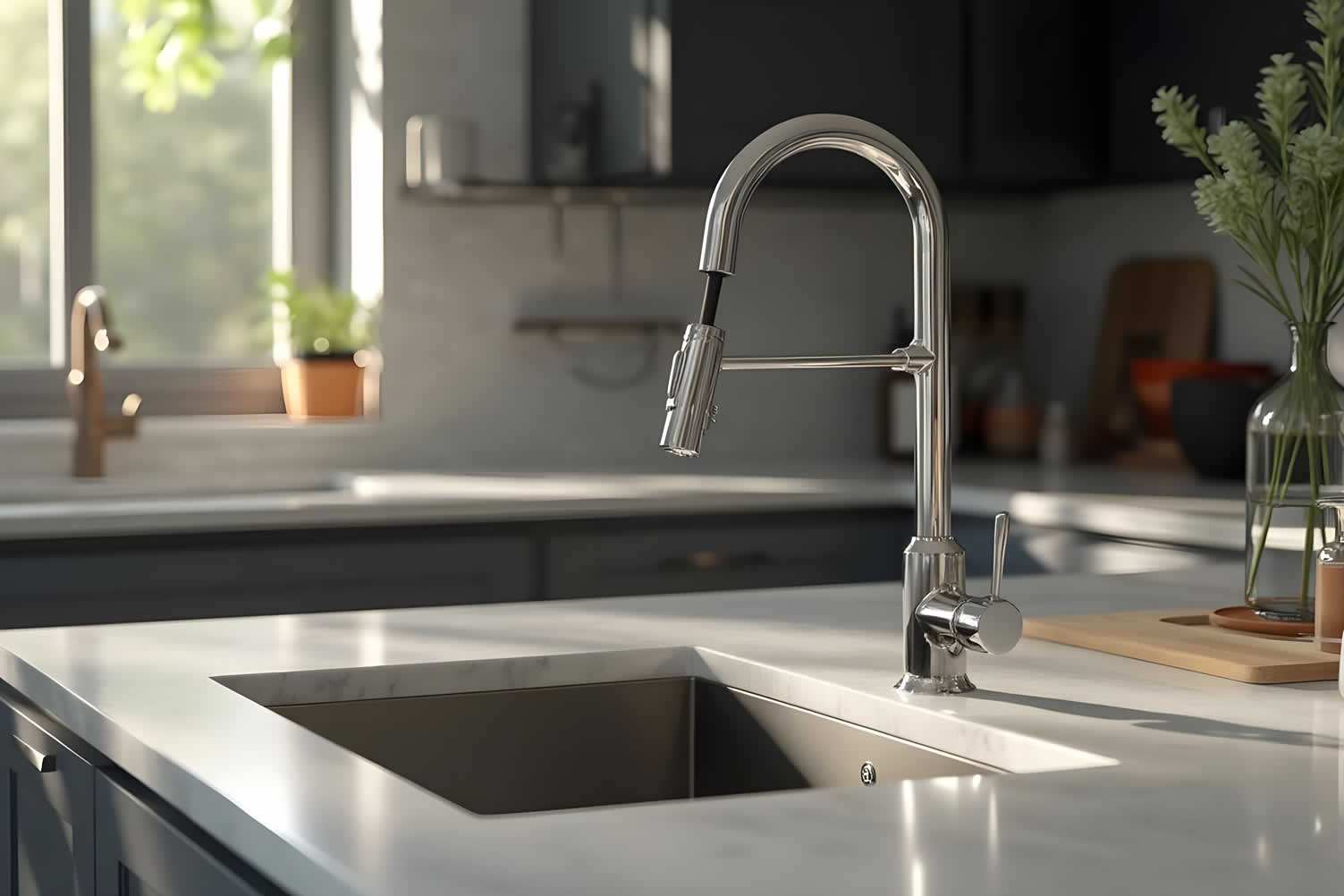
AI generated image by 123rf.com
Upgrade Tip 4: Ideal Kitchen Sink and Faucet Considerations
… for any space and need
Notes:
-
The kitchen is often the heart of the home—an intersection of functionality and style where countless meals and memories are created. Selecting the right sink and faucet is a vital step in designing or upgrading this space, as these elements influence both practicality and aesthetics.
When choosing a kitchen sink and faucet, it’s important to consider factors such as kitchen size, placement, and usage habits. A well-chosen combination not only supports your day-to-day activities but complements the overall design of your kitchen.
This guide explores how to select sinks and faucets to suit various kitchen sizes and placement while ensuring long-term durability and satisfaction. It also highlights key factors to consider for a well-informed selection.
-
Quick scroll to “space and need” side notes …
-
-
1st: Application Scenarios for Kitchen Size
Choosing the right sink and faucet combination for your kitchen or living space is an important decision that depends on the unique needs of your layout and the intended functionality.
Each environment demands thoughtful consideration of size, design, and usability to ensure efficiency and elegance align.
Below, we explore specialized application scenarios for various kitchen styles and home types, helping ensure an informed and user-focused approach to these integral choices.
[ view summary table: kitchen size scenarios ]
-
Small Galley Kitchens
Small galley kitchens often face space constraints, requiring solutions that maximize functionality without overcrowding limited areas. Compact undermount or single-bowl sinks paired with pull-out or pull-down faucets can provide maximum utility and ease of use in such setups.
These combinations allow more countertop space for food prep while offering effortless cleaning. Opting for minimalist designs with sleek finishes further enhances the visual appeal of tight spaces without compromising practicality.
-
Medium-Size Kitchens
Medium-size kitchens offer a balance of space and versatility. Here, dual-bowl sinks combined with standard or high-arc faucets can provide an excellent blend of functionality and aesthetic value.
These setups allow for multitasking, such as washing dishes on one side while rinsing vegetables on the other. Materials like stainless steel or composite granite work well, ensuring durability while complementing a variety of modern or transitional kitchen designs.
-
Large Kitchens
Large kitchens are designed for families or avid entertainers, where functionality must meet high performance. Farmhouse or apron-front sinks paired with commercial-style faucets are ideal for these spaces.
With their deep basins and professional-grade rinse capabilities, these combinations cater to heavy-duty cleaning and high traffic.
Additionally, prep sinks with smaller side faucets can be incorporated, adding efficiency for food preparation tasks or beverage stations in spacious layouts.
-
Open-Concept Homes
For open-concept homes where kitchens often blend seamlessly into living or dining areas, aesthetics take center stage alongside functionality.
Flush-mount or integrated sinks matched with aesthetically striking faucets, such as brushed gold or matte black, can act as design focal points.
Touchless faucet technology is also a great option to enhance functionality while maintaining a sleek and contemporary feel. These choices ensure the space remains visually fluid while catering to everyday needs.
-
Modular Homes
Modular homes, with their focus on efficiency and flexibility, benefit from practical and cost-effective sink and faucet choices. Compact single- or dual-basin sinks paired with swivel or pull-out faucets are suitable for smaller spaces typical of modular designs.
Durable materials like stainless steel or quartz composite ensure long-lasting performance while being lightweight and adaptable to pre-fabricated installations. The goal here is striking the perfect balance between affordability and practicality.
-
Retirement Suites
Retirement suites demand accessible and ergonomic sink and faucet combinations to meet the needs of older adults. Shallow, single-basin sinks paired with high-arc faucets with levers or touch-activated controls offer ease of use and comfort.
Anti-scald features and easy-to-clean surfaces further enhance safety and convenience. These thoughtful choices cater to mobility concerns while maintaining a sense of independence in daily tasks.
-
Other Considerations
For more unique or unconventional setups, such as outdoor kitchens or dedicated pantry areas, specialty sinks and faucets tailored to specific purposes come into play.
Wall-mounted faucets for pot-filling or prep sinks with filtration systems can offer increased functionality. Both style and usability should guide decisions in these niche scenarios to ensure the space meets its intended purpose without compromise.
References:
- Smith, J. (2022). Kitchen Design Essentials. Modern Home Journal, Issue 45, pp. 78–82.
- Johnson, L. & Associates (2021). Home Renovation Guide for Functionality and Style. Revamp Publishing.
- American Society of Interior Designers (ASID). (2023). Kitchen Fixtures Best Practices Guide. Available at www.asid.org.
- National Kitchen and Bath Association (NKBA). (2023). Trend Report on Kitchen Fixtures and Design. Retrieved from www.nkba.org.
Application Scenario Suggested Sink and Faucet Combinations Key Benefits Small Galley Kitchens Compact undermount or single-bowl sinks with pull-out or pull-down faucets Maximizes functionality, saves space, enhances practicality and visual appeal Medium-Size Kitchens Dual-bowl sinks with standard or high-arc faucets Allows multitasking, durable materials, suitable for modern or transitional designs Large Kitchens Farmhouse or apron-front sinks with commercial-style faucets; optional prep sinks Handles heavy-duty cleaning, enhances efficiency, ideal for high-traffic areas Open-Concept Homes Flush-mount or integrated sinks with aesthetically striking faucets (e.g., brushed gold, matte black); touchless technology Maintains visual fluidity, acts as a design focal point, enhances functionality Modular Homes Compact single- or dual-basin sinks with swivel or pull-out faucets Cost-effective, durable, lightweight, adaptable to pre-fabricated installations Retirement Suites Shallow single-basin sinks with high-arc faucets featuring levers or touch-activated controls Accessible, ergonomic, enhances safety and ease of use Other Considerations Specialty sinks (e.g., outdoor kitchens) or wall-mounted faucets Customizable for unique setups, increases functionality 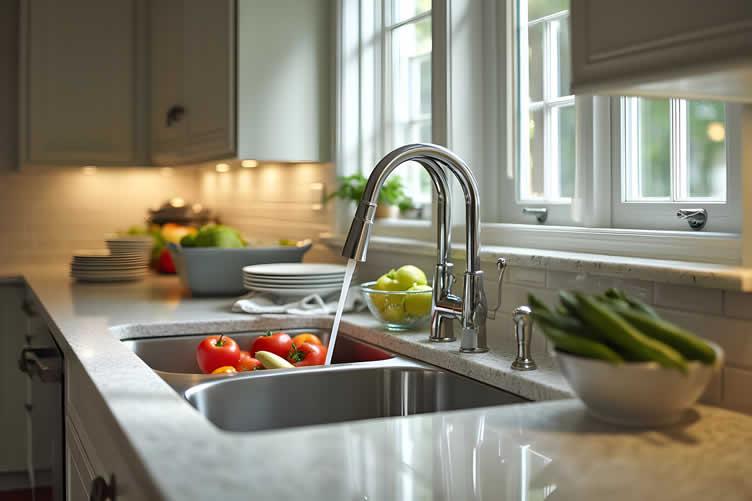
AI generated image by 123rf.com
[ pinterest: Best Kitchen Sinks for Small Spaces ]
[ youtube: Workstation Sinks: Uses, Benefits, and Costs ]
-
-
2nd: Key Considerations: Selecting Kitchen Sink
Choosing the right kitchen sink is a crucial decision that significantly impacts the functionality, aesthetic appeal, and efficiency of your kitchen. With many options available, it can feel overwhelming to find the ideal sink that fits your specific needs.
Understanding key factors like size, features, placement, and drain location can help streamline the selection process, ensuring your kitchen sink enhances your workspace while meeting everyday demands.
[ view summary table: kitchen sink considerations ]
-
Size and Cabinet Size
The size of the sink should be compatible with your existing or proposed cabinet dimensions. Kitchen sinks come in a variety of depths, lengths, and widths, so it is essential to measure your available counter and cabinet space accurately.
Standard cabinets often pair well with a drop-in or undermount sink, but specialty sinks like farmhouse or apron-front designs may require reinforced or custom cabinets for proper installation.
If you’re selecting a deeper basin, be mindful of the vertical space it will occupy within the cabinet, as this can limit under-sink storage and impact plumbing placement.
-
Features
Modern kitchen sinks are designed with features that enhance both convenience and versatility. Integrated drainboards are a practical addition for drying dishes or washing produce without the need for extra counter space.
Workstation sinks with ledges for custom accessories—such as cutting boards, strainers, and colanders—transform the sink into a multi-functional prep area.
Deep basins are another valuable consideration as they make it easier to handle large pots, pans, and trays during cooking or cleanup tasks. Exploring available features can ensure your sink aligns with the specific needs of your household.
-
Placement Issues
Careful thought should be given to the placement of the sink to support an efficient workflow in the kitchen. The orientation of the sink should enable fluid movement between the cooking, preparation, and dishwashing zones.
Its proximity to key appliances like the dishwasher is essential for seamless operation; for example, placing the sink adjacent to the dishwasher minimizes the distance for loading dirty dishes.
Additionally, plan for garbage disposal installation, ensuring that the plumbing and sink orientation support its function without causing obstruction or inconvenience during use.
-
Drain Location
The position of the drain plays a significant role in determining the usability of the space underneath the sink. A rear-offset drain, for instance, can provide more storage space by keeping the plumbing aligned at the back of the cabinet, leaving more room for items like bins or cleaning supplies.
Compatibility between the drain and other components, including garbage disposals and under-sink filtration systems, should also be evaluated to avoid costly modifications post-installation.
Proper planning around drain location can maximize both the sink’s functionality and the storage potential below.
References:
- American Society of Plumbing Engineers (ASPE). (2023). Plumbing Engineering Design Handbook, Volume 3. Retrieved from www.aspe.org.
- Environmental Protection Agency (EPA). (2023). WaterSense Program Guidelines. Available at www.epa.gov.
- Building Codes and Standards Committee (BCSC). (2023). Residential Plumbing Code Recommendations.
- National Kitchen and Bath Association (NKBA). (2023). Kitchen Planning Guidelines with Access Standards.
- Consumer Reports. (2023). Kitchen Sinks Buying Guide. Retrieved from www.consumerreports.org.
Key Considerations Details Size and Cabinet Size Ensure the sink size fits your cabinet dimensions. Measure counter and cabinet space accurately. Specialty sinks like farmhouse styles may require reinforced or custom cabinetry. Deeper basins can impact under-sink storage and plumbing placement. Features Modern sinks offer features such as integrated drainboards, workstation ledges for accessories (e.g., cutting boards, strainers), and deep basins to handle large cookware. Choose features that cater to your household’s needs. Placement Issues Proper placement supports kitchen workflow. Position the sink near key appliances like the dishwasher to facilitate ease of use. Plan for garbage disposal installation and ensure plumbing does not obstruct usability. Drain Location A rear-offset drain maximizes under-sink storage by keeping plumbing aligned to the back. Ensure drain placement is compatible with garbage disposals and filtration systems to avoid modifications later. 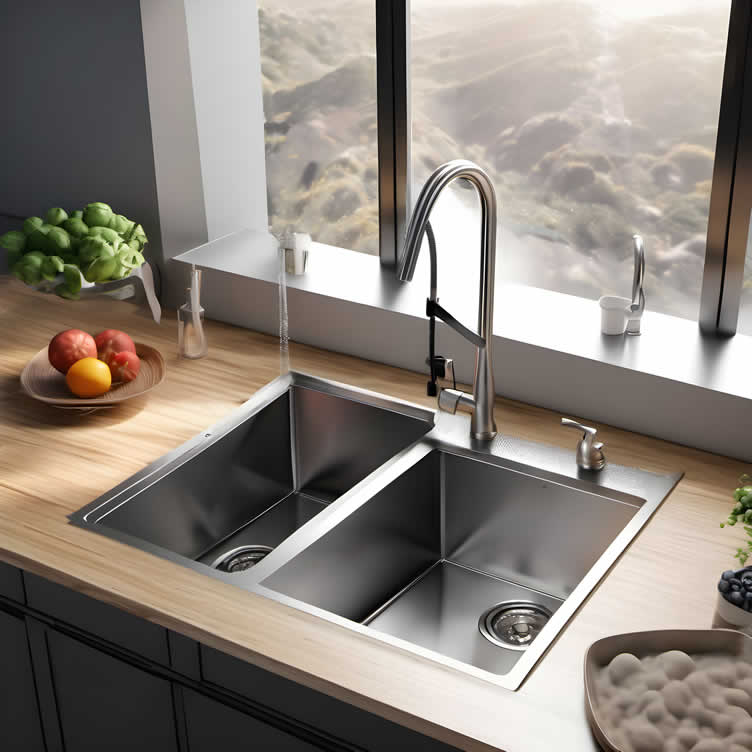
AI generated image by 123rf.com
[ pinterest: Sink In A Kitchen Island | Pros, Cons ]
[ youtube: How to Measure Kitchen Sink Installation ]
-
-
3rd: Key Considerations: Selecting Kitchen Faucet
Choosing the right kitchen faucet directly impacts the functionality, efficiency, and design of your kitchen.
With so many options available, it’s vital to understand the key considerations to ensure the faucet meets your specific needs and offers lasting performance. Here’s what you need to know.
[ view summary table: kitchen faucet considerations ]
-
Mounting Style
The way a kitchen faucet is mounted determines its compatibility with your sink and countertop. Most faucets are either deck-mounted or wall-mounted.
Deck-mounted faucets are installed directly onto the sink or countertop and are the most common option due to their versatility and ease of installation.
Wall-mounted faucets, on the other hand, are installed on the wall above the sink. They offer a sleek and minimalist appearance but require specific plumbing configurations.
When choosing a mounting style, consider your existing setup and personal preferences for aesthetics and functionality.
-
Size and Reach
The size and reach of your kitchen faucet play a crucial role in ensuring practical use. The spout height should be high enough to clear your largest pots and cookware but not excessively high to avoid causing splashing.
Additionally, the faucet’s spout should ideally extend over the center of the sink basin to provide efficient water use, making tasks such as washing dishes or filling containers more convenient.
Measuring your sink’s dimensions beforehand can help ensure the faucet size and reach are proportionate and appropriate.
-
Number of Holes
When selecting a faucet, understanding your sink or countertop configuration is essential. Faucets are typically compatible with single-hole or multi-hole setups, with the latter often having three or four holes.
Single-hole faucets are often paired with a simple, modern design, while multi-hole configurations allow for added features like side sprayers or soap dispensers.
If your desired faucet does not match your current setup, additional modifications may be necessary. Ensure you verify your countertop or sink design before making a purchase.
-
Handle and Valve Types
Modern kitchen faucets come with various handle and valve options to suit different preferences. Single-handle faucets are ideal for quick and easy temperature adjustments, while double-handle designs offer greater control over hot and cold water.
Touchless faucets, equipped with motion sensors, provide enhanced hygiene and convenience, especially for busy households. Specialty options like pot fillers are also available for specific tasks.
For durability, ceramic disc valves are especially recommended, offering superior longevity compared to traditional compression valves.
-
Finish and Style
The finish and style of your selected faucet should complement your kitchen’s overall aesthetic while offering durability and ease of maintenance. Popular finishes include chrome, stainless steel, brushed nickel, and matte black, each providing a unique look and varying resistance to wear and fingerprints.
Whether opting for a traditional, modern, or transitional style, ensure the faucet aligns with your kitchen’s design theme, creating a cohesive and polished appearance.
-
Efficiency and Features
Efficient water usage is a priority for many homeowners, and advances in faucet technology now allow for both functionality and sustainability. Look for faucets with the EPA WaterSense label, which ensures water-saving performance without compromising usability.
Additional features such as aerators, pull-down or pull-out sprayers, and built-in filtration systems enhance convenience and adaptability. Touchless controls or smart technology can further elevate your kitchen’s capabilities, offering innovative solutions for daily tasks.
-
Other Considerations
Beyond functionality and appearance, it’s worth considering factors like brand reputation and warranty coverage to ensure long-term satisfaction.
Reputable manufacturers often provide comprehensive warranties and customer support, giving peace of mind about your purchase.
Additionally, proper installation by a professional plumber can help avoid issues, ensuring your faucet is optimized for performance and durability from the start.
References:
- Environmental Protection Agency (EPA). (2023). WaterSense Program Guidelines. Available at https://www.epa.gov.
- National Kitchen and Bath Association (NKBA). (2023). Kitchen Planning Guidelines with Access Standards.
- Consumer Reports. (2023). Kitchen Faucets Buying Guide. Retrieved from https://www.consumerreports.org.
- American Society of Plumbing Engineers (ASPE). (2023). Design Guidance for Residential Plumbing Systems. Available at https://www.aspe.org.
Key Considerations Details Mounting Style Choose between deck-mounted, installed on the sink or countertop, for versatility, or wall-mounted, for a sleek appearance but requiring specific plumbing. Size and Reach Ensure the spout height is sufficient for large cookware without splashing and that it extends to the sink’s center for efficient water use. Number of Holes Match your sink’s configuration to single-hole or multi-hole faucets; modifications may be needed if incompatible. Handle and Valve Types Options include single-handle, double-handle, touchless sensors, or specialty designs like pot fillers. Ceramic disc valves offer superior durability. Finish and Style Select a durable finish such as chrome, stainless steel, or matte black, and ensure a style that complements your kitchen’s design. Efficiency and Features Look for WaterSense-labeled faucets for water efficiency and consider features like sprayers, filtration, or touchless controls for added convenience. Other Considerations Factor in brand reputation, warranty coverage, and professional installation for enhanced performance and peace of mind. 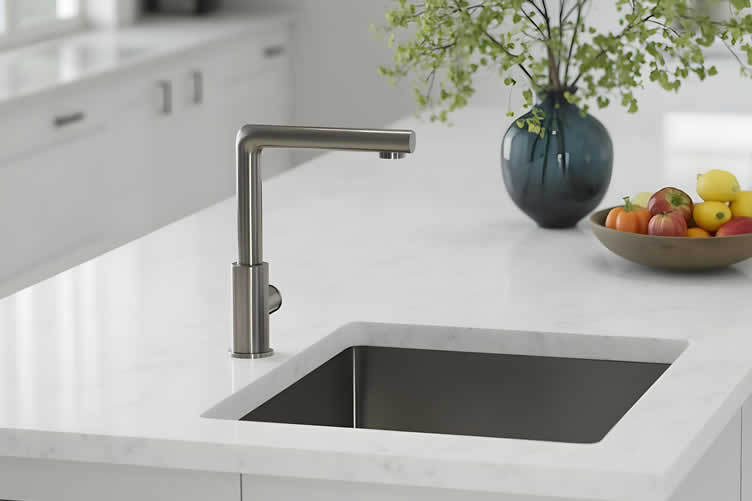
AI generated image by 123rf.com
[ youtube: How to Choose a Kitchen Faucet ]
[ youtube: Don’t Buy a Kitchen Faucet Until You See This ]
-
-
-
ideas to view and compare from the information discussed above
Scroll up to directory … or scroll to next section about kitchen sink replacement …
get the size dimensions for any home remodeling project …
… for functionality, aesthetics, and adhering to building codes




Budgeting Worksheet For Costing Home Remodeling and Home Improvement Decisions
 File Type (excel)


… kitchen sink and faucet installation
Find Plumbing Services Plumbing Issues Drain Clearing Septic/Sewers Water Heaters Pumps Water Softening top-rated, pre-screened local contractors FREE: download contractor selection enter zip code – powered by HomeAdvisor ™
Quick Contractor Guides selecting negotiating working with inspecting

fifth and last “photo remodeling” idea
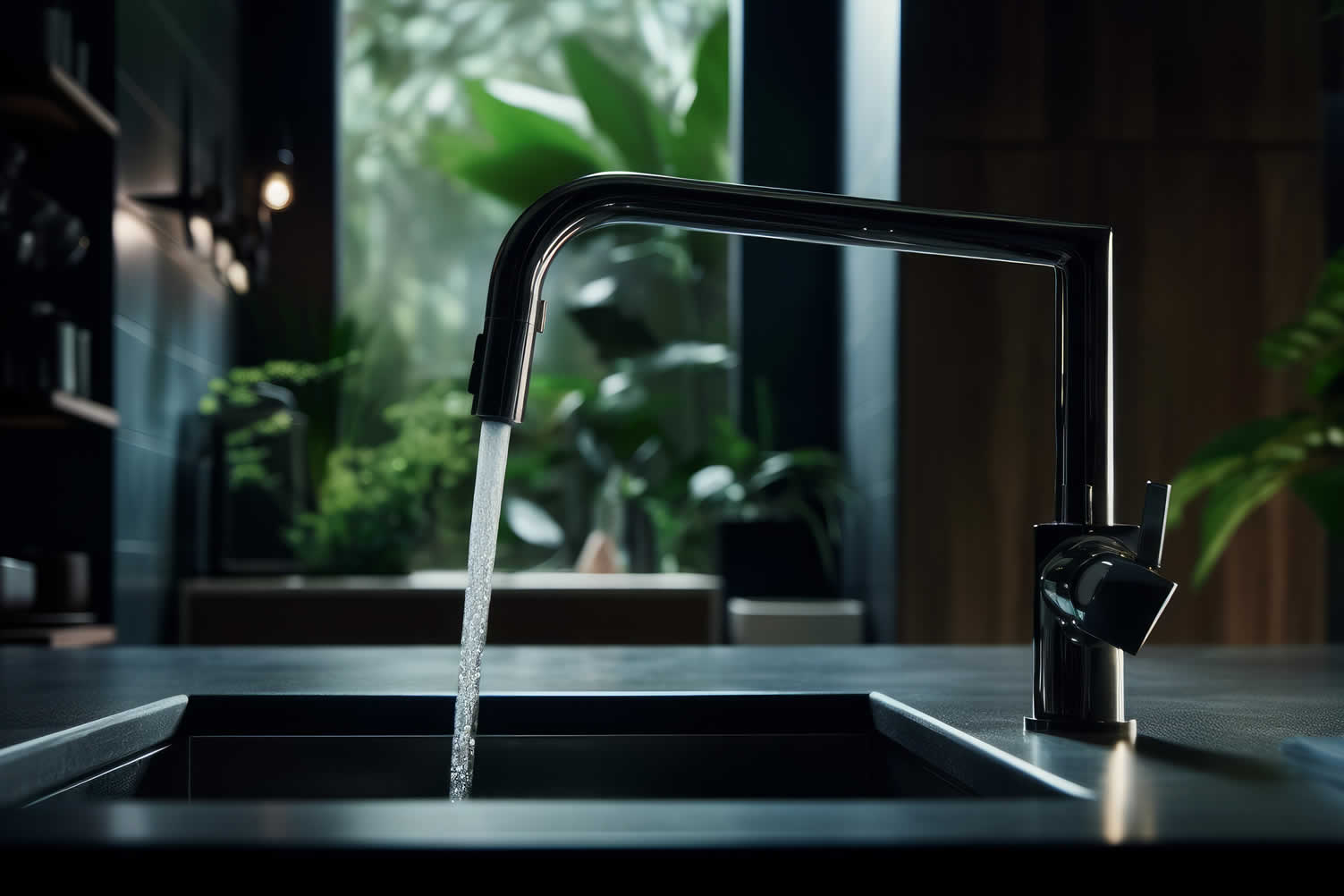

copyright image by 123rf.com
Upgrade Tip 5: Installing Your Kitchen Sink and Faucet Upgrade
Notes:
-
Upgrading your kitchen sink and faucet is an exciting opportunity to enhance both the functionality and aesthetics of one of the most essential spaces in your home.
Whether you’re seeking better water efficiency, modern design, or the convenience of smart technology, a well-planned installation ensures long-lasting performance and peace of mind. This guide will walk you through key plumbing requirements, installation steps, and important considerations to help bring your upgraded kitchen to life.
For those who may feel uncertain about the technical aspects, hiring a professional installer can provide added confidence and ensure every component is seamlessly integrated.
This is especially important when incorporating modern conveniences like touchless faucets or app-controlled water temperature adjustments, which add incredible value and innovation to your kitchen upgrade.
-
Quick scroll to topic "sink/faucet installation" side notes …
-
-
1st: Plumbing Requirements
When designing or remodeling a kitchen, understanding the plumbing requirements for the sink and faucet is critical for both functionality and compliance with building codes.
Plumbing systems should be carefully planned to ensure efficient water flow and drainage while maximizing durability and performance. Below, we address the specific plumbing considerations for both kitchen sinks and faucets.
[ view summary table: plumbing requirements ]
-
Kitchen Sink Plumbing Requirements
The plumbing system for a kitchen sink is one of the most essential components of the kitchen layout. First and foremost, every kitchen sink requires a properly installed drainage system.
This includes a P-trap, which prevents sewer gases from entering the home, and a vent pipe, which assists in maintaining proper water pressure and allowing air to circulate through the drainage system.
Connection to the supply lines is another critical aspect. Typically, two supply lines—one for hot water and another for cold water—are connected to the sink via shut-off valves located under the sink.
Water pressure in these supply lines should meet regulatory standards to ensure a steady flow. The material of the pipes is also crucial; copper, PEX, or PVC pipes are the most common options due to their durability and compliance with modern building codes.
Additionally, if a garbage disposal unit is installed, electrical components must be properly integrated with the drainage system to avoid clogs and leaks.
-
Faucet Plumbing Requirements
Kitchen faucets, along with their sleek designs, rely on robust plumbing for seamless functionality.
Faucets need to be compatible with the water supply connections, typically the same hot and cold water supply lines used for the sink. Compression fittings must be secure to prevent leaks at the base of the faucet.
It’s essential to ensure that the faucet’s design aligns with the sink configuration, including the correct number of mounting holes in the sink or countertop. Single-handle faucets, for example, require only one mounting hole, while traditional two-handle models may require three.
Additionally, proper sealing around the base of the faucet is critical to prevent water ingress into the countertop or cabinetry beneath it.
For consistent water flow, the aerator within the faucet should be clean and functional, ensuring the mixing of air and water for a steady and efficient stream.
Compliance with water-saving standards, such as a flow rate of 1.8 gallons per minute (gpm) or less as per EPA guidelines, is also highly recommended for sustainability.
References:
- American Society of Plumbing Engineers (ASPE). (2023). Plumbing Engineering Design Handbook, Volume 3. Retrieved from www.aspe.org.
- Environmental Protection Agency (EPA). (2023). WaterSense Program Guidelines. Available at www.epa.gov.
- Building Codes and Standards Committee (BCSC). (2023). Residential Plumbing Code Recommendations.
Category Key Points Kitchen Sink Plumbing Requirements - Proper installation of a drainage system, including a P-trap and vent pipe, to prevent sewer gas entry and maintain water pressure.
- Connection to hot and cold water supply lines via shut-off valves under the sink.
- Use of durable pipe materials such as copper, PEX, or PVC to meet building codes.
- Integration of garbage disposal with the drainage system, ensuring electrical components are installed properly.
Faucet Plumbing Requirements - Compatibility with hot and cold water supply connections using secure compression fittings.
- Alignment of faucet design with the sink’s mounting hole configuration.
- Sealing around the faucet base to prevent water damage to countertops or cabinetry.
- Use of a clean, functional aerator to ensure steady water flow and efficiency.
- Adherence to water-saving standards, such as a flow rate of 1.8 gpm or less, per EPA guidelines.
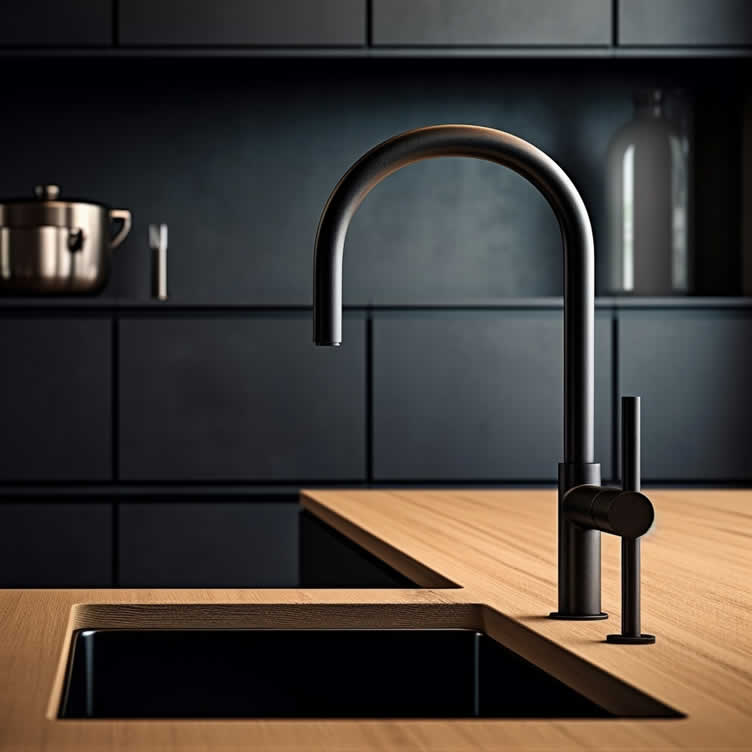
copyright image by 123rf.com
-
-
2nd: Installation Process Overview
Installing a sink and kitchen faucet requires careful planning, precision, and attention to detail to ensure a functional and long-lasting result. Whether you are upgrading an existing setup or starting from scratch, understanding the installation process is essential.
This guide provides a thorough explanation of the steps involved in sink and faucet installation, designed to help you achieve professional results while maintaining a user-friendly approach.
[ view summary table: installation steps ]
-
Sink Installation
Proper sink installation begins with selecting the appropriate type of sink for your countertop material and kitchen design.
Common sink styles include undermount, drop-in, and farmhouse sinks, each of which requires slightly different installation techniques.
Before beginning, ensure that all necessary tools, including a caulk gun, plumber’s putty, and wrenches, are on hand.
-
Steps for Kitchen Sink Installation
- Prepare the Area
Start by clearing out the cabinet underneath the sink to allow easy access. Turn off the water supply and disconnect any existing plumbing, making sure to place a bucket or pan underneath to catch any residual water. - Measure and Cut (if necessary)
Use a template to trace the outline of your sink onto the countertop. Double-check measurements to ensure a proper fit. Carefully cut along the marked lines with a jigsaw, if a hole does not already exist, and smooth out any rough edges. - Install the Faucet and Accessories
It’s typically easier to attach the faucet, sprayer, and other accessories to the sink before installing it. Follow the manufacturer’s instructions for securely mounting these components. - Apply Sealant
For drop-in sinks, apply a bead of silicone caulk or plumber’s putty around the edge of the sink cutout. This will help create a watertight seal. For undermount sinks, apply the sealant directly to the rim of the sink. - Position the Sink
Carefully lower the sink into place, ensuring it aligns properly with the countertop. For undermount sinks, use brackets or clips provided by the manufacturer to secure the sink from underneath. - Secure the Sink
Tighten the clamps or screws to hold the sink firmly in place. Check the edge to ensure the sink sits evenly with the countertop, and wipe away any excess sealant immediately. - Reconnect the Plumbing
Reattach the water supply lines and drain pipes, ensuring all connections are secure and leak-free. Use plumber’s tape for extra sealing where needed. - Test for Leaks
Turn the water supply back on and run the faucet to check for any leaks. Inspect both the water connections and the drain pipes, tightening any loose fittings if necessary. - Clean Up
Wipe down the sink and surrounding areas to remove any leftover caulk or debris, leaving your new sink installation neat and ready for use.
- Prepare the Area
-
-
Kitchen Faucet Installation
Installing a kitchen faucet involves aligning precision with ease of use. The process begins with choosing a faucet that is compatible with your sink or countertop configuration.
Modern faucets often come with single-hole, three-hole, or even multi-hole designs, and an escutcheon plate may be required to cover unused holes.
It is vital to check that the water pressure and plumbing connections in your house meet the requirements specified by the faucet manufacturer.
-
Steps for Kitchen Faucet Installation
- Prepare the Area
Begin by turning off the water supply to avoid leaks or spills. Place a bucket or towels underneath the sink to catch any residual water. Remove the old faucet by disconnecting the supply lines and loosening the mounting hardware. Clean the sink or countertop surface thoroughly before proceeding. - Install the Mounting Hardware
If your faucet requires an escutcheon plate, attach it over the unused holes and secure it firmly. Position the faucet over the mounting holes, ensuring it is aligned properly. - Secure the Faucet
From underneath the sink, use the provided mounting nuts or brackets to secure the faucet in place. Tighten the hardware gradually to ensure the faucet is stable without over-tightening, which could damage the sink. - Connect Supply Lines
Attach the hot and cold water supply lines to the appropriate connections on the faucet. Use a wrench to tighten the fittings, ensuring a snug fit without over-tightening, which may cause leaks. - Test for Leaks
Turn the water supply back on slowly and allow the water to flow through the faucet. Check for any leaks at the connections or base, and make adjustments as needed. - Finish and Clean Up
Once everything is secure and functioning correctly, clean up your workspace and remove any tools or debris. Wipe down the faucet and surrounding area to leave it looking polished and ready for use.
- Prepare the Area
-
Process Steps Sink Installation - Prepare the Area: Clear the cabinet, turn off water supply, disconnect plumbing, and use a bucket for residual water.
- Measure and Cut: Trace sink outline on the countertop, double-check measurements, cut with a jigsaw if needed, and smooth edges.
- Install Faucet and Accessories: Attach faucet, sprayer, and accessories to the sink following manufacturer instructions.
- Apply Sealant: Use silicone caulk or plumber’s putty around sink cutout for drop-in sinks or on the sink rim for undermount sinks.
- Position the Sink: Lower sink into place, align with countertop, and secure it using brackets or clips for undermount sinks.
- Secure the Sink: Tighten clamps or screws, ensure the sink sits evenly, and wipe away excess sealant.
- Reconnect Plumbing: Reattach water supply lines and drain pipes, using plumber’s tape for extra sealing.
- Test for Leaks: Turn on water supply, check all connections, and tighten fittings as needed.
- Clean Up: Wipe down the sink and surrounding area to remove debris and leftover caulk.
Kitchen Faucet Installation - Prepare the Area: Turn off water supply, place a bucket or towels under the sink, remove the old faucet, and clean the surface.
- Install Mounting Hardware: Attach escutcheon plate if needed, position faucet over mounting holes, and align properly.
- Secure the Faucet: Use mounting nuts or brackets from underneath, tightening hardware gradually for stability without damage.
- Connect Supply Lines: Attach hot and cold water supply lines to faucet connections, ensuring snug fittings to avoid leaks.
- Test for Leaks: Turn water supply on slowly, check for leaks, and adjust connections as necessary.
- Finish and Clean Up: Clean workspace, remove tools and debris, and wipe down faucet and surrounding area for a polished finish.
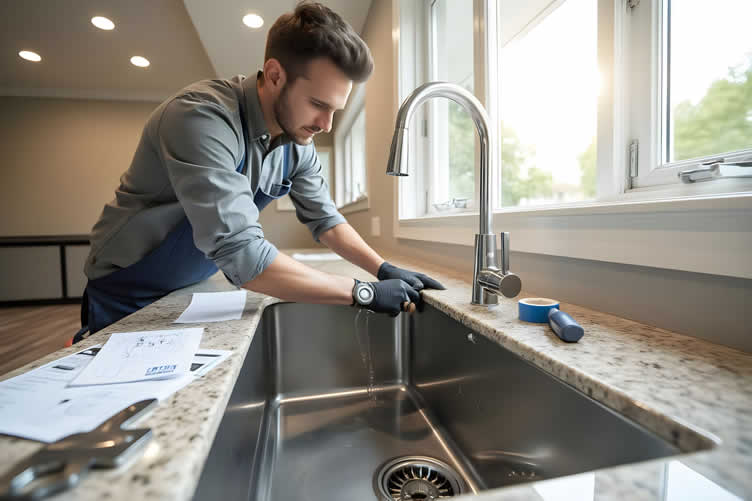
AI generated image by 123rf.com
[ youtube: How To Replace and Install an Undermount Sink ]
[ youtube: How to Replace a Kitchen Faucet in 30 Minutes ]
-
-
3rd: Adhering to Building Codes
… and the Importance of a Licensed Plumber
When installing a kitchen sink and faucet, it’s crucial to ensure compliance with local building codes and regulations. These codes are designed to uphold safety, functionality, and efficiency within your home’s plumbing system.
Failure to adhere to these standards can lead to costly fines, potential water damage, or issues during home inspections when selling your home.
Hiring a licensed plumber can provide peace of mind and ensure all work is performed to professional standards. Licensed plumbers are trained to understand and follow building codes, preventing errors that might occur with do-it-yourself installations.
Additionally, they bring expertise to troubleshoot potential complications, such as outdated pipes or tricky connections, that could otherwise lead to long-term issues.
Investing in a professional helps ensure your project is completed safely, effectively, and without unnecessary setbacks, protecting both your home and your time.
LetsRenovate has partnered with HomeAdvisor™, a renowned provider of highly-rated, carefully-vetted local plumbing contractors. Start your search here by entering your zip code to find local professionals.
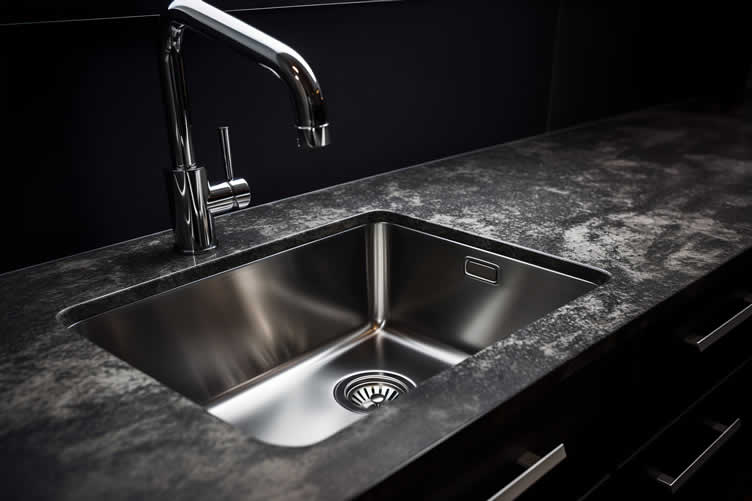
copyright image by 123rf.com
But Wait!
Before beginning your search for plumbing contractors, we highly recommend downloading and using this evaluation worksheet.
This valuable tool will guide you in objectively assessing and ranking potential contractors, taking into account key factors like pricing, licensing, and referrals.

Evaluation Sheet
File Type: -
4th: Smart Technology and Other Install Amenities
Modern kitchen design has embraced the rise of advanced smart technology, ensuring that faucets now offer far more than just functionality. Innovative solutions not only add convenience but also promote sustainability, hygiene, and style.
However, selecting the right system and planning for installation requires thoughtful consideration to maximize both performance and user satisfaction.
[ view summary table: install amenities ]
-
Advanced Faucet Technology (Smart Faucets)
Smart faucets are revolutionizing the way homeowners interact with their kitchen sinks. Equipped with touchless operation, voice command compatibility, and app integration, these faucets provide unparalleled convenience.
For instance, touchless technology reduces the spread of germs by allowing you to turn water on or off with a simple wave of your hand—an essential feature in spaces where food preparation and cleanliness are crucial.
Many smart faucets are also designed to measure and dispense precise amounts of water, making cooking and baking more efficient.
Furthermore, with app-enabled systems, users can remotely monitor water usage or customize presets for specific tasks, bringing a high level of control and awareness to everyday routines.
-
Water Filtration Systems
Integrating a water filtration system with your kitchen faucet not only improves the taste of water but also ensures its safety for drinking and cooking.
Advanced filtration systems are capable of removing contaminants like chlorine, lead, and bacteria, providing an additional layer of protection for your family.
When selecting a faucet with built-in filtration or a standalone system, it is crucial to consider its compatibility with your plumbing and maintenance requirements, such as regular filter replacements.
A high-quality filtration system backed by reputable manufacturers ensures long-term reliability and health benefits.
-
Separate Faucet for Drinking Water (with Filtration)
Some homeowners prefer a dedicated faucet exclusively for drinking water, paired with its own filtration system.
These separate faucets provide a convenient, eco-friendly alternative to purchasing bottled water and are available in elegant and minimalistic designs that complement your sink setup.
Before installing a separate drinking faucet, assess your countertop space and ensure proper plumbing connections are feasible. This setup is ideal for those who prioritize clean and readily available drinking water while maintaining a tidy and organized kitchen.
-
Water-Saving Solutions
With growing environmental concerns and rising utility costs, faucets outfitted with water-saving features have become a practical necessity. Modern kitchen faucets often include aerators that reduce water flow without sacrificing pressure, enabling significant water conservation over time.
Some smart faucets even incorporate real-time monitoring to notify users of excessive water usage and leaks.
Prioritizing these solutions not only helps conserve water but also lowers monthly bills, aligning with sustainable living goals while maintaining your convenience.
-
Additional Considerations
When planning a faucet upgrade or new installation, it’s essential to look beyond just functionality. Factors such as faucet finish, ergonomic design, and durability contribute to the overall satisfaction of your purchase.
Materials such as stainless steel and brushed nickel are popular for their long-lasting qualities and resistance to wear. Additionally, considering the overall aesthetics and harmonizing the faucet with the kitchen’s design theme can elevate the visual appeal of the space.
Equally critical is professional installation to prevent potential plumbing setbacks and to ensure seamless integration into your kitchen layout.
References:
- National Kitchen and Bath Association (NKBA), "Kitchen Technology Trends"
- Environmental Protection Agency (EPA), "WaterSense Program"
- Plumbing Manufacturers International (PMI), "Smart Plumbing Innovations"
- American Society of Plumbing Engineers (ASPE), "Water Filtration Standards and Practices"
Feature Description Key Considerations Advanced Faucet Technology (Smart Faucets) Smart faucets offer touchless operation, voice command compatibility, and app integration for convenience, hygiene, and control. Features include precise water dispensing and remote monitoring through apps. Choose systems that meet your requirements for functionality and compatibility with existing plumbing. Consider ease of use and maintenance. Water Filtration Systems Filtration systems improve water taste and safety by removing contaminants like chlorine, lead, and bacteria. Ensure compatibility with your faucet and plumbing. Regular filter replacement is essential for maintaining quality and safety. Separate Faucet for Drinking Water Dedicated drinking water faucets with filtration systems offer a sustainable and convenient alternative to bottled water while maintaining elegance and functionality. Evaluate countertop space and plumbing connections for installation. Ideal for those prioritizing clean and accessible drinking water. Water-Saving Solutions Faucets with aerators and real-time monitoring help reduce water flow and notify users of excessive usage or leaks, promoting sustainability. Focus on integrating water-saving features to reduce utility costs and support eco-friendly living without compromising performance. 
copyright image by 123rf.com
-
-
-
Conclusion
Choosing the perfect kitchen sink and faucet combination requires balancing functionality, aesthetics, and budget considerations while keeping your household’s unique needs at the forefront. The options available provide unprecedented opportunities to create kitchens that truly support your lifestyle while enhancing your home’s beauty and value.
Start by honestly assessing your current kitchen’s shortcomings and envisioning how improvements could enhance your daily experience. Consider consulting with kitchen design professionals who can provide expert guidance tailored to your specific situation and help you avoid costly mistakes.
Remember that quality installations require proper planning, appropriate materials, and often professional expertise to ensure lasting performance and satisfaction. Invest in reputable brands and experienced installers to protect your investment and enjoy years of reliable service.
Your dream kitchen awaits – take the first step toward transformation by exploring the incredible sink and faucet options available today.
-
ideas to view and compare from the information discussed above
under sink water filterwater leak sensordrinking water faucet
- What comments can you share about
kitchen sink replacement or other kitchen upgrades?
Scroll up to directory … or scroll to more kitchen-related topics …
view illustration “becoming a bank”
Download this PDF for a concise summary of all you need to know about …?



looking for other interesting topics that may have been missed but could be helpful …?

Calendar For:
Home Maintenance
File Type:



… remodeling decisions
… view our sharing links below for a quick "share the knowledge"
Cover image credit: kitchen sink replacement by 123rf.com
end of post … please share it!
 |
did you find how simple renovations can kitchen sink replacement analysis helpful? If so, please share the article with your friends and family! |
Nice pic idea? Leave us a quick comment below.
And please share this pic idea within your social networks.