But how exactly do they work, and should you consider installing them?
Whether you’re a homeowner updating your space, a property manager striving for operational efficiency, or a sustainability enthusiast, understanding the intricacies of touchless faucets can help you decide if they’re the right addition to your space.
How Touchless Faucets Work
At the core of a touchless faucet is advanced sensor technology designed to detect motion and initiate water flow. The components of a typical touchless faucet system include a sensor, a solenoid valve, a power source, and temperature controls.
-
Sensor Technology
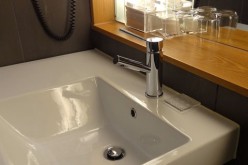
The sensor, often located on the faucet’s spout or base, detects movement using infrared or capacitance technology. Infrared sensors are the most common. They emit a light that bounces back to the sensor when an object, such as your hand, is within range.
Meanwhile, capacitance sensors generate an electromagnetic field to detect conductive materials, like human skin. These technologies ensure the water only starts flowing when needed and stops promptly when the user moves away.
-
Solenoid Valve and Power Source
Once the sensor detects motion, it signals the solenoid valve, which opens to allow water to flow. The solenoid valve is electrically powered, requiring either batteries or a direct connection to your home’s power grid.
Batteries are a common choice for ease of replacement, while wired connections are often found in commercial settings.
-
Temperature and Flow Controls
Most touchless faucets offer some form of temperature and flow control. This is typically achieved through manual dials or digital touchpads that allow the user to adjust the settings according to their preferences.
By combining these components, touchless faucets operate seamlessly, ensuring an efficient and hygienic experience.


Benefits of Installing Touchless Faucets
Touchless faucets offer numerous benefits, making them appealing for both residential and commercial use. These advantages range from environmental gains to heightened convenience.
-
Water Conservation
One of the most significant advantages of touchless faucets is their ability to reduce water waste. The motion sensor ensures water only flows when needed, eliminating inadvertent wastage.
For example, leaving the tap running while brushing teeth or washing hands becomes a thing of the past. According to studies, touchless faucets can reduce water usage by up to 70%, a substantial benefit for both your wallet and the environment.
-
Improved Hygiene
Touchless faucets minimize physical contact, drastically reducing the spread of germs and contaminants. This feature is particularly vital in shared spaces, such as commercial bathrooms or public restrooms, where multiple users increase the risk of bacteria transmission.
The convenience of not touching the faucet is beneficial not only for health but also for ease of use.
-
Accessibility
For individuals with mobility challenges or disabilities, touchless faucets provide a practical, user-friendly solution. The need for twisting knobs or handles is eliminated, allowing users to operate the faucet with minimal effort.
This accessibility feature makes touchless faucets an excellent choice for inclusive bathroom and kitchen designs.
-
Convenience
Everyday tasks such as washing dishes, cleaning hands while cooking, or filling large pots become significantly more convenient with touchless faucets.
Their intuitive design ensures ease of use, while the reduced need for cleaning due to fingerprints or water stains adds further appeal.
Are Touchless Faucets Worth It
While touchless faucets offer undeniable benefits, there are practical considerations to weigh before making a purchase.
-
Cost Analysis
The initial cost of touchless faucets is higher compared to traditional models. High-quality options often start at $100 and can exceed $500 depending on the design, features, and brand.
By comparison, traditional faucets generally cost less than $100. However, the potential savings on water bills can make the investment worthwhile over time, particularly in high-usage settings.
-
Long-Term Savings
Touchless faucets may reduce water consumption by automatically shutting off when not in use. Over the long term, this can lead to noticeable savings on utility bills. For instance, households or businesses that experience frequent water usage may recoup their initial investment in just a few years.
-
Maintenance
Like any advanced technology, touchless faucets require more maintenance than their traditional counterparts. Battery replacements, electronic component checks, and occasional sensor recalibrations are essential for maintaining optimal performance.
However, most high-quality models are designed for durability, and issues are infrequent if the product is properly installed and maintained.
-
Environmental Impact
The environmental advantages of touchless faucets are a major selling point. By reducing water consumption, these systems contribute to the global effort to conserve freshwater resources. Additionally, many touchless faucets are made with recyclable materials, further minimizing their ecological footprint.
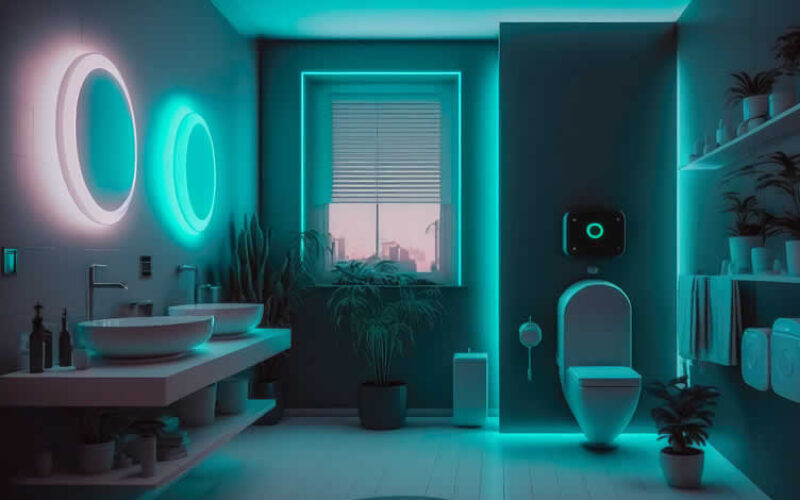
Smart Mirrors For The Bathroom
In the past, getting ready in the morning could be a long and tedious process. From picking out clothes to doing hair and makeup, it can take up quite some time. However, smart mirrors are offering a new way to get ready faster and more efficiently than ever before.
Installation and Compatibility
Installing touchless faucets might seem daunting, but understanding the process and compatibility requirements can simplify the decision-making.
-
Installation Process
Most touchless faucets come with straightforward installation guides. Typically, they require connecting the faucet to existing plumbing, fitting the sensor components, and setting up the power source.
While some DIY enthusiasts may manage installation themselves, professional expertise is often recommended to ensure everything runs smoothly.
-
Compatibility with Plumbing Systems
Touchless faucets are generally compatible with most plumbing systems, though ensuring proper water pressure is crucial.
Insufficient pressure can affect the faucet’s performance, leading to less-than-optimal water flow. Checking compatibility with your specific system prevents potential complications.
-
Professional Installation
Hiring a professional installer guarantees that all components are correctly configured and calibrated. While this incurs an additional cost, it eliminates installation errors and ensures the system operates as intended.
Professional services are particularly advised for commercial settings or intricate setups.
| Feature | Details |
|---|---|
| Initial Cost |
$100–$500+ depending on features and brands |
| Water Savings |
Up to 70% less water usage |
| Maintenance |
Occasional battery replacement and calibration |
| Environmental Impact |
Reduced water consumption, recyclable materials |
| Installation |
DIY possible, professional recommended |
| User Benefits |
Hygiene, convenience, water conservation |
other related analysis of interest: (new win)
A Comprehensive Guide to Smart Home Food Storage
Enhancing Outdoor Spaces with Ornamental Grasses in Landscape Design
Final Thoughts on Touchless Faucets
Touchless faucets provide an excellent combination of water conservation, hygiene, and modern convenience. While the upfront cost and maintenance might concern some, the long-term savings and environmental benefits make them a worthwhile consideration for many homeowners and businesses.
Ultimately, touchless faucets are much more than a trend; they are a practical, forward-thinking solution that aligns seamlessly with eco-conscious living and modern lifestyles.
If you’re ready to explore the possibilities of upgrading your home or commercial space, touchless faucets could be the perfect next step.
Find Bath Remodeling Services Bathroom Remodeling and Design Cabinets & Countertops top-rated, pre-screened local contractors Flooring Plumbing enter zip code – powered by HomeAdvisor ™

Image credit: touchless faucets are they worth installing by envato.com
end of post … please share it!
| more photo remodeling |
Jump Over to Our Photo Analysis Center for Ideas on
"Renovating Home"
|__________________________________________________________|
home remodeling surprise
find out where it might go - new win


Helpful article? Leave us a quick comment below.
And please share this article within your social networks.