Summary Outline –
Creating a welcoming and functional kitchen starts with selecting the right tools for your space. Many home cooks feel overwhelmed by the sheer volume of options available online and in stores.
You want pieces that look beautiful on your stove but also perform flawlessly when you are preparing a comforting meal for your family. Understanding the landscape of modern kitchen tools helps you make informed choices that fit your budget and your personal design preferences.
The most prominent kitchen cookware trends point toward a beautiful synergy between rugged utility and striking visual design. Cooks are moving away from disposable, low-quality pans and instead investing in pieces that offer longevity.
This shift reflects a broader desire to cultivate living spaces that are both sustainable and deeply satisfying to use.
Upgrading your kitchen does not require you to buy every single pan on the market. It requires thoughtful selection based on how you actually prepare your food.
- post content … analysis/ kitchen cookware types
- 1st: The Allure of Performance and Aesthetic
- 2nd: Deep Dive Into Key Cookware Types
- 3rd: Building Your Ideal Cookware Collection
- 4th: Storage Innovations for Cookware
- 5th: Maintaining Your Cookware for Lasting Performance
- 6th: Future-Proofing Your Kitchen: Innovation in Cookware
- conclusion
- other kitchen-related topics

-
- —— begin first topic ——
-
1st TERM: The Allure of Performance and Aesthetic
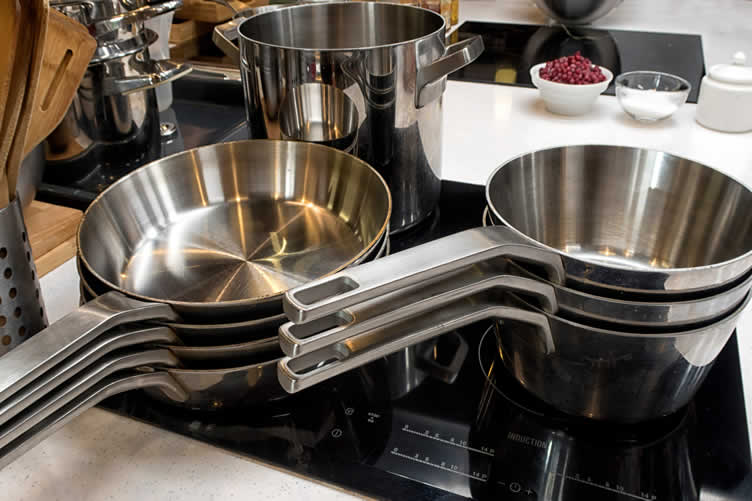
The modern culinary world is being shaped by two captivating trends—high-performance materials that ensure excellent cooking results and aesthetic cookware that enhances the visual appeal of the kitchen.
These trends showcase the dual focus on functionality and style, offering home cooks and professional chefs alike a combination of efficiency and elegance in their cookware choices.
copyright image by 123rf.com

On one hand, the demand for cookware made from advanced materials like stainless steel and carbon steel is rising, celebrated for their durability and ability to deliver consistent, reliable cooking performance.
On the other hand, there’s an equally strong desire for cookware that is visually pleasing and functions as a decorative element within the home. Together, these trends bridge the gap between practical needs and artistic expression in the kitchen.
-
Stainless Steel Cookware
Stainless steel remains a favorite in kitchens worldwide due to its unmatched combination of durability, non-reactivity, and sleek appearance. It is ideal for a wide range of cooking methods and is resistant to warping, staining, and corrosion.
Here’s why it stands out:
- Excellent heat distribution and retention, especially when paired with aluminum or copper cores.
- Non-reactive surface makes it perfect for acidic ingredients like tomato-based sauces.
- Long-lasting and easy to maintain, usually dishwasher-safe.
- Modern, polished design that complements any kitchen aesthetic.
Types of Stainless Steel Cookware:
-
Tri-ply Cookware:[ view]
Features three layers of metal, often stainless steel with an aluminum core, for superior heat conductivity.
-
Clad Stainless Steel:[ view]
Includes layers of aluminum or copper paired with stainless steel for even cooking.
-
Polished Stainless Steel:[ view]
Known for its shiny, mirror-like finish that enhances its elegance.
-
Nonstick-Coated Stainless Steel:[ view]
Combines durability with ease of cleaning for less greasy cooking projects.
-
Carbon Steel Cookware
Carbon steel cookware has gained traction among professional chefs and home cooks for its versatility and ability to mimic cast iron’s properties while being lighter and quicker to heat.
Its rustic, utilitarian charm aligns perfectly with kitchens focused on performance and authenticity.
Why carbon steel cookware is worth considering:
- High heat tolerance, perfect for achieving a seared crust on meats or stir-fries.
- Faster heating and cooling compared to cast iron, offering more control.
- Becomes naturally nonstick over time with proper seasoning, enhancing its usability.
- Extremely durable and capable of withstanding years of heavy use.
Types of Carbon Steel Cookware:
-
Frying Pans:[ view]
Perfect for high-heat tasks and everyday use.
-
Woks:[ view]
Common in Asian cuisine, ideal for stir-frying and steaming.
-
Griddles:[ view]
Excellent for making pancakes, flatbreads, or grilled sandwiches.
-
Roasting Pans:[ view]
Suitable for roasting meats or vegetables at high temperatures.
-
Cast Iron Cookware
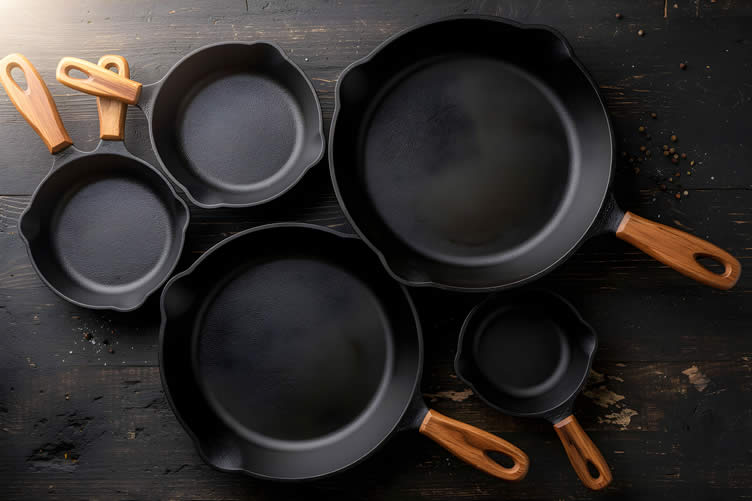
Cast iron cookware is treasured for its exceptional durability, heat retention, and versatility in the kitchen.
Known as a staple across generations, cast iron pieces are favored for their ability to create evenly cooked dishes and their capacity to develop a natural nonstick finish over time.
Why Choose Cast Iron Cookware?
- Cast iron is excellent at maintaining consistent heat, ensuring even cooking for all your recipes.
- Built to last for decades, cast iron can withstand heavy use and high temperatures both on the stove and in the oven.
- With proper seasoning, cast iron develops a smooth nonstick surface that improves with use.
Types of Cast Iron Cookware
-
Skillets:[ view]
Ideal for everything from frying eggs to searing steaks and baking cornbread.
-
Dutch Ovens:[ view]
Deep, lidded pots perfect for slow cooking, stews, soups, and baking bread.
-
Grill Pans:[ view]
Designed with ridges to create grill marks, great for indoor grilling of meats and vegetables.
-
Griddles:[ view]
Flat and spacious, making them an excellent choice for pancakes, bacon, or sandwiches.
-
Baking Molds:[ view]
Cast iron molds designed for cakes, muffins, and other baked goods with superior heat distribution.
-
Saucepans:[ view]
Smaller pots suited for simmering sauces or reheating leftovers on the stovetop.
-
Aesthetic Cookware
For many consumers, cookware isn’t just for cooking—it’s a design element that personalizes and elevates their kitchen space. Aesthetic cookware is designed to be seen, making it an integral part of modern kitchen decor.
These pieces combine function and form, allowing you to create a seamless transition between cooking and entertaining.
Key features of aesthetic cookware include:
- Vibrant color palettes like soft pastels or bold, earthy tones that make cookware double as an accent in the room.
- Seamless multi-functionality, often serving as cookware, serveware, and decor.
- Compact and visually appealing designs that save space while enhancing the kitchen’s overall look.
Types of Aesthetic Cookware:
-
Dutch Ovens:[ view]
Enameled cast iron in cheerful colors, perfect for soups, stews, and as showpieces on the stovetop.
-
Ceramic-Coated Pans:[ view]
Nonstick pans with a glossy finish available in a variety of hues.
-
Signature Skillets:[ view]
Sleek designs with a blend of usability and decorative appeal, often displayed on stovetops.
-
Bakeware:[ view]
Ombre baking dishes and bread pans that are oven-safe and table-ready.
-
Other Innovative Cookware Trends
Apart from the classics, new innovations in cookware ensure users have a broad range of practical and design-forward options.
-
Copper Cookware:[ view]
Known for its superior heat conductivity, copper cookware adds a touch of luxury to any kitchen but often requires maintenance to preserve its finish.
-
Nonstick (Hard-Anodized):[ view]
Designed for easy food release and quick cleanup, this is a popular choice for health-conscious cooks who want to use less oil.
-
Hybrid Nonstick Cookware:[ view]
Combines the benefits of stainless steel and nonstick coatings with advanced technology for durability and easy cleaning.
-
Eco-Friendly Options:[ view]
Cookware made from recycled materials or renewable sources, designed for sustainability-conscious users.
By blending utility, durability, and design, performance-based and aesthetic cookware continues to inspire home chefs and elevate the cooking experience.
Whether you’re starting a new collection or simply enhancing your current setup, these options ensure you can find cookware that perfectly complements your kitchen’s needs and style.
speaking of the kitchen, is yours fitted with the right type of flooring?

does your kitchen need a refresh? Nothing major, just a few changes to give it a new look
-
- Quick scroll to section content …
Types Kitchen Cookwares
(from the summary table below)
Category Description Key Features Examples Stainless Steel Cookware Durable and versatile cookware favored for its sleek appearance and non-reactive surface, ideal for a wide range of cooking methods. Excellent heat distribution, non-reactive surface, dishwasher-safe, modern polished design. Tri-ply Cookware, Clad Stainless Steel, Polished Stainless Steel, Nonstick-Coated Stainless Steel. Carbon Steel Cookware Lightweight yet durable cookware known for its versatility and ability to develop a natural nonstick surface with seasoning. High heat tolerance, quick heating and cooling, extremely durable, naturally nonstick over time. Frying Pans, Woks, Griddles, Roasting Pans. Cast Iron Cookware Timeless cookware with exceptional heat retention and durability, perfect for maintaining consistent temperatures. Even cooking, durable and long-lasting, develops a natural nonstick surface with seasoning. Skillets, Dutch Ovens, Grill Pans, Griddles, Baking Molds, Saucepans. Aesthetic Cookware Stylish cookware designed to complement kitchen decor while maintaining functionality. Vibrant colors, multi-functional designs, compact and visually appealing. Enamel Dutch Ovens, Ceramic-Coated Pans, Signature Skillets, Ombre Bakeware. Innovative Cookware Modern advancements in cookware to blend utility, sustainability, and luxury. Superior heat conductivity, nonstick surfaces, eco-friendly options, hybrid designs. Copper Cookware, Hard-Anodized Nonstick, Hybrid Nonstick, Eco-Friendly Options. 

AI generated image by 123rf.com
Avoiding the Risk of Fires
Kitchen fires are the leading cause of house fires in the United States, posing significant risks to both property and personal safety.
Even with the finest cookware at your disposal, negligence such as leaving food unattended, overheating oil, or improper storage of flammable items can quickly lead to dangerous situations.
To protect your home and loved ones, always practice vigilance in the kitchen by monitoring cooking activities, keeping a fire extinguisher within reach, and ensuring smoke detectors are functional.
Safety should always be the first ingredient in your recipe for a happy home.
view ideas: safety rules in food preparation(new win)

-
Scroll up to directory … or scroll to next “kitchen cookware types” section …

-




Download this PDF for a concise summary of everything you need to know about …?


-
-
2nd TERM: Deep Dive Into Key Cookware Types
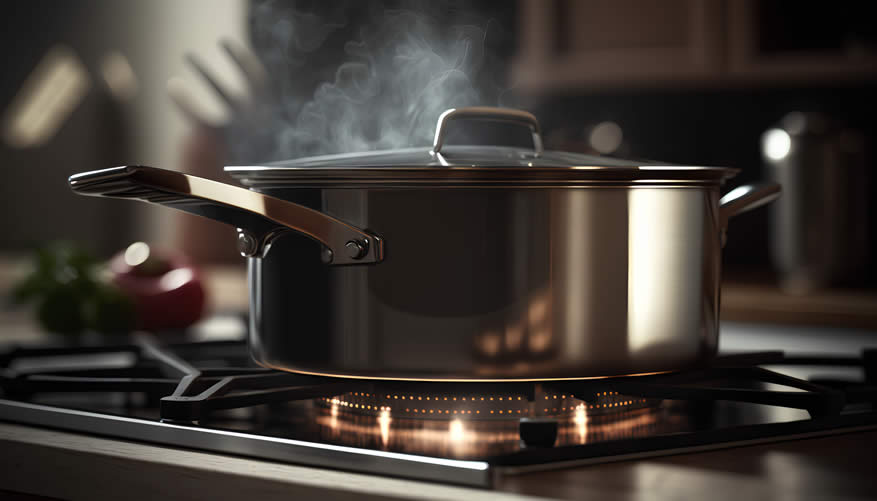
When outfitting your kitchen, the goal isn’t to own every cookware piece available but to choose items that suit your specific cooking needs.
Essentials for everyday cooking should be your priority, and once those are addressed, you can branch out with specialized pieces designed for creating specific dishes or accommodating unique cooking styles.
copyright image by 123rf.com
Understanding the distinct functions and benefits of various cookware types ensures you’re equipped with tools that enhance your efficiency and culinary results in the kitchen.
Both pans and pots play vital roles in creating a wide variety of meals, and their design and material impact performance.
Below, we explore essential cookware types to help you identify which items are most suitable for your needs.
-
Common Types of Pans
Pans are flat-bottomed cookware pieces used for cooking methods like frying, sautéing, grilling, and baking. They are designed to offer consistent heat distribution and are integral to many quick, stovetop cooking techniques.
Here is a breakdown of various types of pans and their uses:
-
Frying Pan or Skillet[ view]
Frying pans or skillets are versatile cookware staples ideal for searing, browning, and frying foods. Their shallow depth and flared sides make stirring and flipping ingredients easy, making them perfect for quick-cooking meals like scrambled eggs, sautéed vegetables, or pan-seared fish.
-
Sauté Pan[ view]
A sauté pan has straight sides, offering a larger cooking surface than a frying pan. It’s designed for sautéing, shallow frying, and preparing dishes with sauces. The additional depth also makes it great for braising or simmering.
-
Wok or Stir Fry Pan[ view]
The wok’s rounded bottom and high sloping sides make it ideal for stir-frying at high heat. It evenly distributes heat while allowing you to quickly toss ingredients, ensuring fast and flavorful results. Woks are also excellent for steaming, deep-frying, and even making soups.
-
Grill Pan[ view]
A grill pan features raised ridges that create char marks and allow fat to drain, mimicking the effects of outdoor grilling. It’s well-suited for cooking meats, vegetables, and sandwiches.
-
Griddle[ view]
Griddles have a flat and wide cooking surface, making them perfect for cooking breakfast items such as pancakes, bacon, and eggs. They also work well for sandwiches and burgers.
-
Roasting Pan[ view]
Roasting pans are designed with high sides to contain food and juices, making them essential for roasting poultry, meats, and vegetables. Many roasting pans come with a rack to ensure even elevation and browning.
-
Nonstick Egg Pan[ view]
Specifically engineered for cooking delicate items, such as eggs and crepes, these pans offer a nonstick surface that ensures easy food release and cleanup.
-
Cast Iron Skillet[ view]
Cast iron skillets are durable and retain heat exceptionally well, making them great for frying, baking, and even outdoor cooking. Their ability to go from stovetop to oven makes them highly versatile.
-
Sheet Pan[ view]
A sheet pan is a must for baking cookies, roasting vegetables, or preparing entire sheet-pan meals. Its flat, large surface area ensures even cooking in the oven.
-
-
Common Types of Pots
Pots are deeper than pans, making them suitable for boiling, steaming, and cooking dishes with substantial liquid content. Their design allows for even heat retention and is essential for soups, stews, and pasta. Here’s an overview of common types of pots and their uses:
-
Saucepan[ view]
A saucepan is the go-to for cooking liquids. From simmering soups and boiling pasta to making sauces, this pot sees frequent use in most kitchens. It’s both versatile and essential.
-
Saucier[ view]
This variation of a saucepan features rounded sides that make whisking and stirring easier, especially for smooth sauces, custards, and risottos. It’s a favorite among serious cooks for reducing sauces evenly.
-
Braisers[ view]
Braisers have wide, shallow bases and domed lids, ideal for slow-cooking meats or casseroles. They comfortably transition from stovetop to oven for versatile cooking.
-
Stockpot[ view]
Featuring high sides and a large capacity, stockpots are excellent for making stocks, soups, boiling pasta, or steaming shellfish. Their size accommodates a variety of bulk cooking tasks.
-
Dutch Oven[ view]
Made of enameled or seasoned cast iron, Dutch ovens retain heat exceptionally well and are perfect for slow cooking, baking breads, and braising meats. Their durability and versatility make them an investment piece in any kitchen.
-
Double Boiler[ view]
For gentle, controlled heating, double boilers are used for tasks like melting chocolate or cooking custards. This pot-in-pot setup prevents scorching by allowing indirect heat transfer.
-
Steamer Insert[ view]
This accessory fits into a pot to facilitate steaming vegetables, dumplings, or seafood. It’s a healthy cooking alternative that preserves nutrients.
By focusing on essential cookware that aligns with your cooking habits and preferences, you can streamline your kitchen setup while ensuring you’re prepared for any recipe.
References to reputable kitchenware guides ensure you make informed choices suited to your needs.
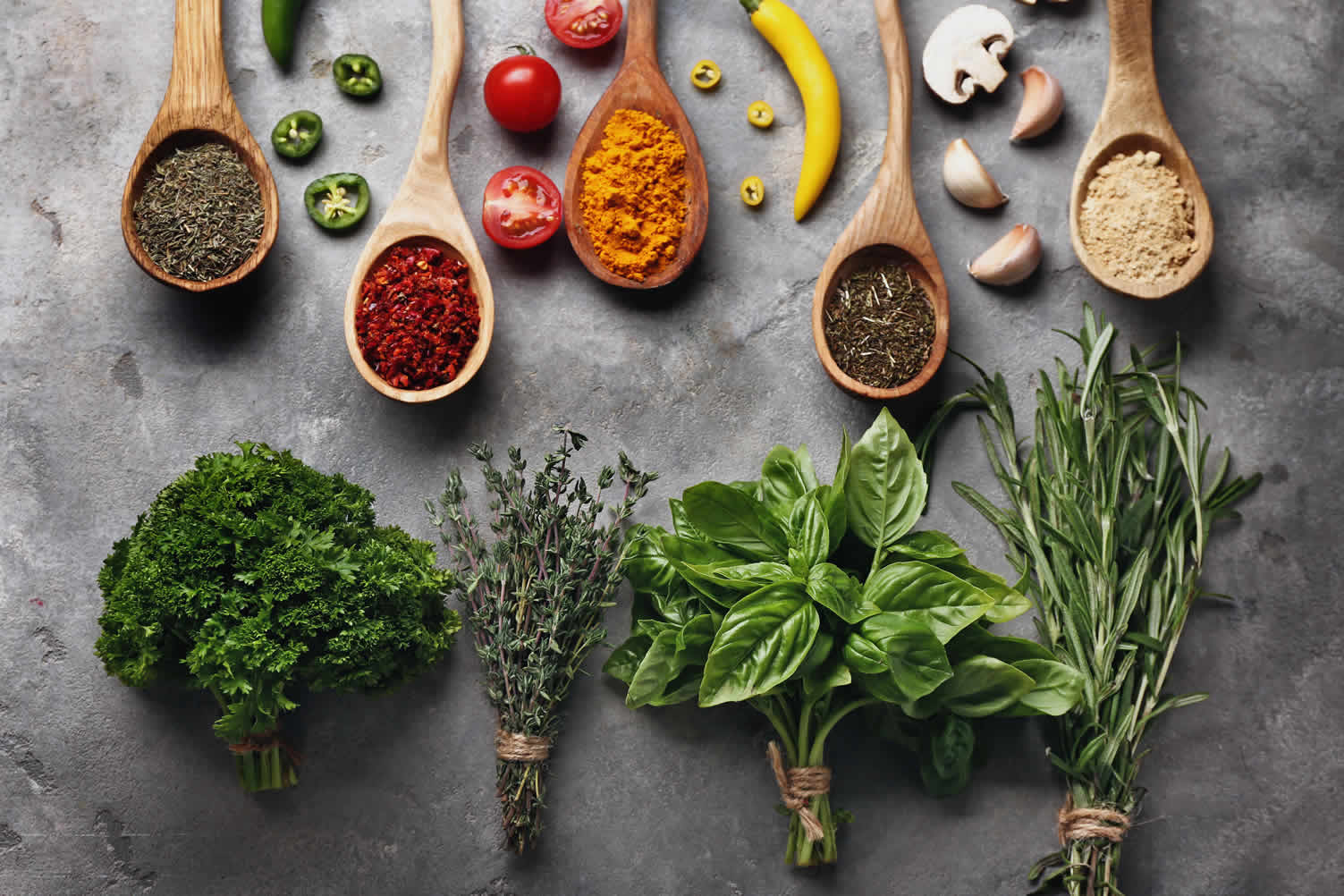
even the best cookware won’t make a dish shine if you don’t know how to use herbs and spices

many serious cooks wear protective gloves(amazon) during food preparation to avoid cuts and other mishaps
-
- Quick scroll to section content …
Cookware Type Description Use Frying Pan or Skillet Versatile cookware staples with shallow depth and flared sides, ideal for quick cooking. Perfect for searing, browning, and frying foods like scrambled eggs, sautéed vegetables, and pan-seared fish. Sauté Pan Pan with straight sides offering a larger cooking surface than a frying pan. Ideal for sautéing, shallow frying, preparing dishes with sauces, braising, and simmering. Wok or Stir Fry Pan A pan with a rounded bottom and high sloping sides, designed for high-heat cooking. Best for stir-frying, steaming, deep-frying, and making soups with fast and flavorful results. Grill Pan Features raised ridges that create char marks and allow fat to drain. Great for grilling meats, vegetables, and sandwiches indoors while mimicking outdoor grilling. Griddle A flat and wide cooking surface designed for consistent heat distribution. Perfect for breakfast items like pancakes, bacon, eggs, as well as sandwiches and burgers. Roasting Pan Pans with high sides to contain food and capture juices, often with an included rack. Used for roasting poultry, meats, and vegetables with even browning. Nonstick Egg Pan Specifically crafted for cooking delicate items with ease and nonstick convenience. Designed for cooking eggs, crepes, and other delicate foods requiring easy food release. Cast Iron Skillet Durable cookware that retains heat well and transitions from stovetop to oven. Great for frying, baking, and even outdoor cooking with unmatched heat retention. Sheet Pan A flat, large surface ideal for oven-based cooking and baking. Essential for baking cookies, roasting vegetables, and preparing sheet-pan meals. Saucepan A deep pot ideal for cooking or simmering liquids with controlled heat. Commonly used for soups, boiling pasta, and making sauces. Saucier A saucepan variation with rounded sides to facilitate whisking and even cooking. Best for preparing smooth sauces, custards, and risottos. Braisers Pots with wide, shallow bases and domed lids for stovetop-to-oven cooking. Perfect for slow-cooking meats and casseroles. Stockpot A large pot with high sides and ample capacity for cooking liquids or steaming. Excellent for stocks, soups, boiling pasta, and steaming shellfish or bulk cooking. Dutch Oven Durable enameled or seasoned cast iron pots known for excellent heat retention. Used for baking bread, slow-cooking, and braising meats, offering versatility in one piece. Double Boiler A pot-and-insert setup for gentle, controlled heating. Essential for tasks like melting chocolate or cooking custards. Steamer Insert An accessory designed to fit into a pot for steaming. Preserves nutrients while steaming vegetables, dumplings, or seafood. 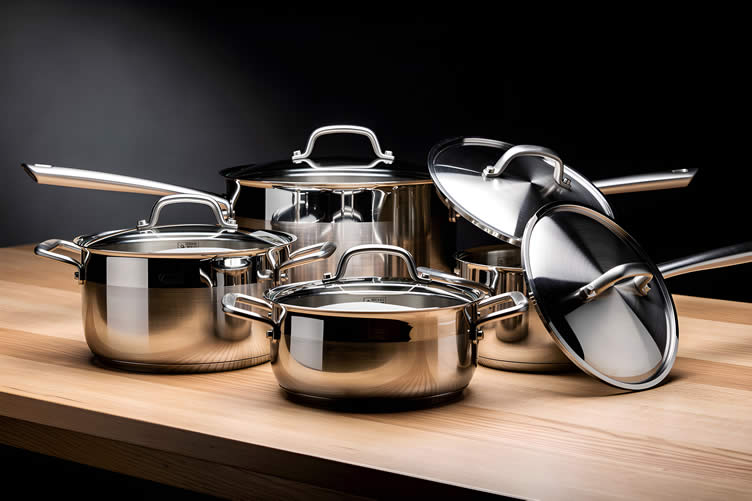
AI generated image by 123rf.com
Quality Cookware for Beginners
When you’re learning to cook, having the right and quality cookware can make all the difference in your experience and results.
High-quality pots and pans help ensure even heat distribution, reducing the risk of undercooking or burning your food.
Durable cookware is easier to handle, clean, and maintain, giving beginners the confidence to experiment with recipes without unnecessary frustration.
Investing in reliable essentials, like a non-stick skillet or a sturdy saucepan, simplifies the learning process and helps build foundational kitchen skills that you’ll carry with you for years to come.
view ideas: beginner’s guide to cooking(new win)
-
Scroll up to directory … or scroll to next “kitchen cookware types” section …
-
-

Deciding "kitchen cookware types" and other home upgrades or improvements …

… save this curated directory of ideas for future reference.


-
-
3rd TERM: Building Your Ideal Cookware Collection
Whether you’re setting up your kitchen for the first time or looking to enhance your current cookware arsenal, focusing on a foundational collection is key to simplifying your cooking routine.
With just a few essential pieces, you can handle the majority of daily cooking tasks, and by strategically adding specialized items, you’ll be ready for every culinary adventure.
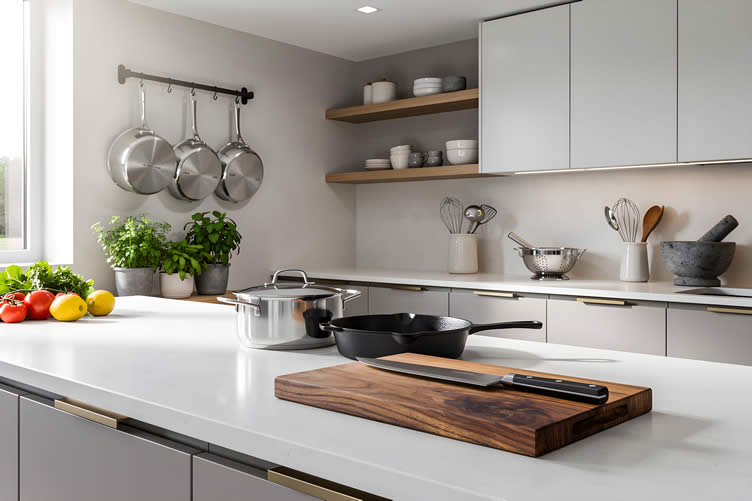
copyright image by 123rf.com
Prioritizing quality, functionality, and your personal cooking habits ensures your cookware is a long-term investment that brings satisfaction and success to your cooking experience.
From versatile pots and pans to task-specific tools, the right cookware collection evolves with your culinary skills and household needs.
Below, we’ll guide you through building your ideal collection in stages, whether you’re cooking for one or hosting family feasts.
-
1st Group: Starting Set for Everyday Cooking
When starting your cookware collection, it’s important to invest in items that offer versatility and durability, allowing you to prepare a wide range of meals with ease.
A reliable starting set should include:
-
12-Inch Stainless Steel or Non-Stick Frying Pan:
Perfect for quick stir-fries, omelets, and sautéing.
-
2-Quart Saucepan with Lid:
Essential for making soup, sauces, and reheating leftovers.
-
5-Quart Dutch Oven or Stockpot:
Great for boiling pasta, simmering stews, and even baking.
-
Heavy-Duty Baking Sheet:
Ideal for roasting vegetables, baking cookies, or preparing sheet-pan dinners.
-
Cast Iron Skillet:
Unparalleled for even heat distribution, searing, and cooking stovetop-to-oven meals.
-
-
2nd Group: Specialized Pieces for Specific Cooking Habits
Once you’ve mastered the basics, consider adding cookware tailored to your cooking style and preferences. These items can elevate your culinary experience:
-
Wok
(for stir-fried dishes, high-heat cooking, or steaming dumplings).
-
Grill Pan
(perfect for achieving seared grill marks indoors).
-
Slow Cooker or Pressure Cooker
(great for batch cooking, stews, and tenderizing meats).
-
Roasting Pan with Rack
(for roasting meats or preparing holiday feasts).
-
High-Speed Blender
(technically not cookware but essential for soups, purees, and smoothies).
-
-
Group 3: Tailored Cookware for Household Size
For Single or Dual Companionship Households:
-
1-Quart Saucepan
(ideal for small portions of sauces or reheating).
-
8-Inch Non-Stick Skillet
(perfect for single-portion omelets or quick meals).
-
Small Casserole Dish
(great for one- or two-person baked recipes).
For Large Family Households:
-
12-Quart Stockpot
(to prepare large batches of soups, stews, or pasta).
-
Large Griddle Pan
(for cooking multiple servings of pancakes or grilled cheese).
-
Large Casserole Dish
(great for making family-sized lasagnas or casseroles).
Your family size often dictates which cookware sizes and quantities you’ll need, ensuring meals are efficiently and appropriately prepared.
-
-
Individual Pieces vs. Cookware Sets
Take your time when acquiring new pieces. You can mix and match materials to suit your needs. A beautiful enameled dutch oven can sit proudly next to a high-performance stainless steel skillet.
This blended approach allows you to balance your budget while still acquiring high-quality items that bring you joy.
When building your collection, you may debate between buying individual pieces or investing in a preassembled cookware set.
Here’s a quick breakdown of the advantages and disadvantages of each approach:
Buying Individual Pieces:
-
Pros
- Allows you to choose high-quality items tailored to your specific needs.
- Offers flexibility in mixing and matching brands and materials.
- Prevents overspending on non-essential cookware.
-
Cons
- Can take more time and research to assemble a complete collection.
- May become more expensive when buying high-end items individually.
Buying Cookware Sets:
-
Pros
- Includes a cohesive selection of pieces, often at a better value.
- Streamlines decision-making for beginners.
- Ensures coordination in design and material performance.
-
Cons
- May include less useful pieces, depending on your cooking habits.
- Quality may vary across individual components in mid-range sets.
-
-
Other Considerations for Building Your Collection
Building your ideal cookware collection is a process, but with careful planning, you’ll have a set perfectly tailored to your needs.
Start simple, focus on essentials, and expand thoughtfully as you refine your cooking skills and preferences.
Also take-in these considerations:
-
Material Matters:
Opt for stainless steel, cast iron, or enameled cast iron for longevity and performance. Non-stick options are great but should be replaced once their coating degrades.
-
Space-Saving Options:
If your kitchen is small, consider stacking or multi-purpose cookware for storage efficiency.
-
Budget Tips:
Look for sales, refurbished options, or high-rated mid-tier alternatives to save money without sacrificing quality.
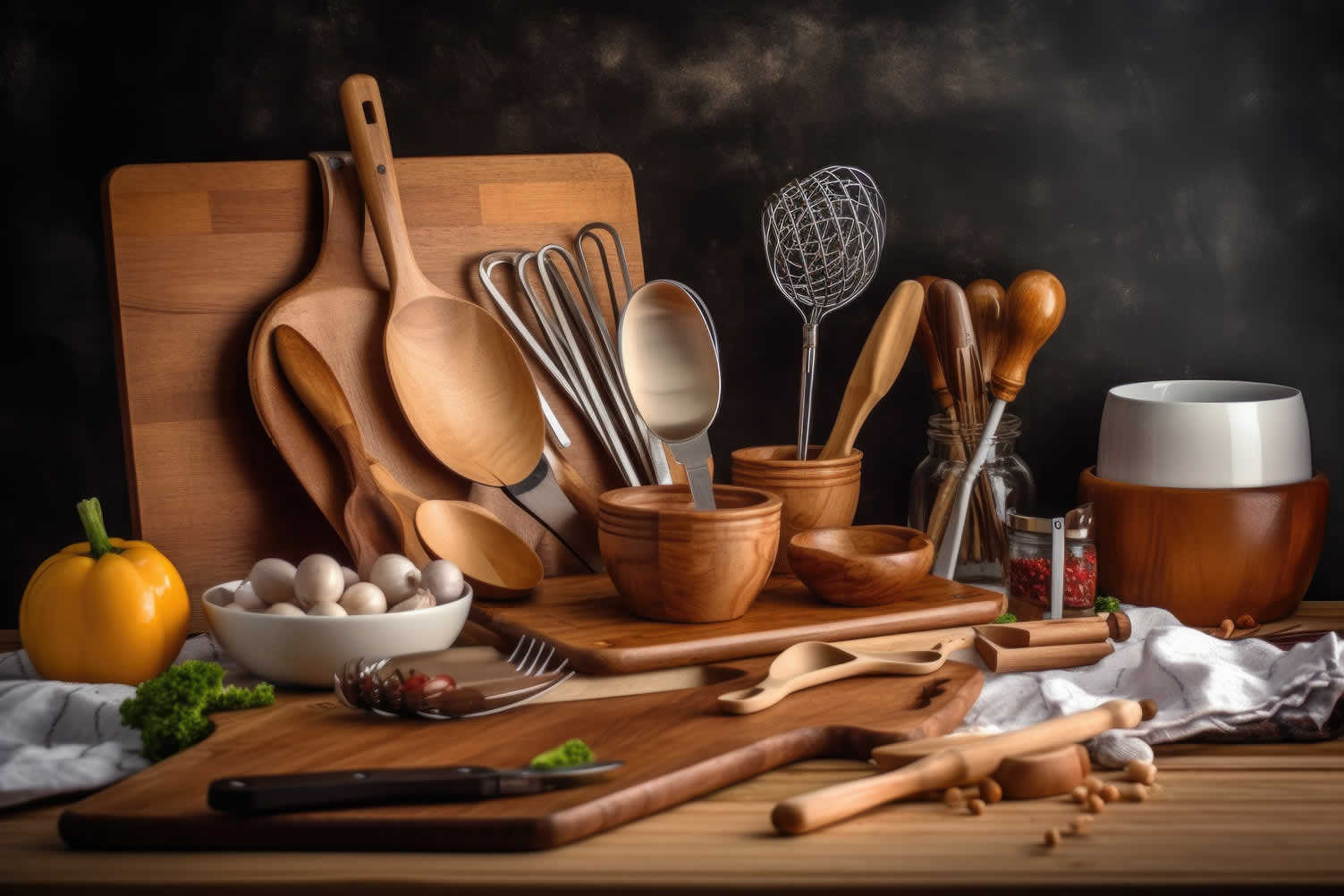
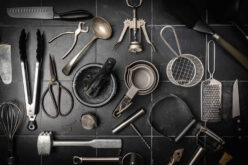
of course, any cookware collection will need the right kitchen tools to truly shine

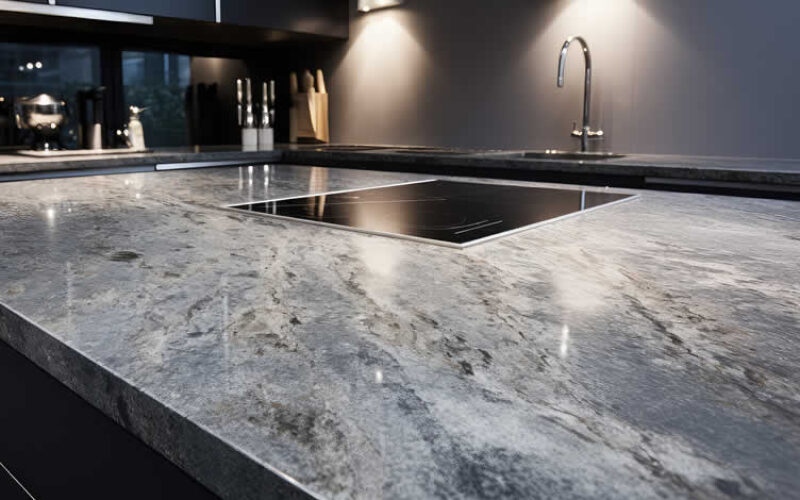
if you have the space, a kitchen island with a cooktop can be a great addition for food prep
-
- Quick scroll to section content …
Group Description Items Group 1 Starting Set for Everyday Cooking – These items provide versatility and durability for a variety of cooking tasks and are essential for building a foundation. 12-Inch Non-Stick Frying Pan, 2-Quart Saucepan with Lid, 5-Quart Dutch Oven or Stockpot, Heavy-Duty Baking Sheet, Cast Iron Skillet Group 2 Specialized Pieces for Specific Cooking Habits – Tailored cookware that enhances and expands your culinary experience. Wok, Grill Pan, Slow Cooker or Pressure Cooker, Roasting Pan with Rack, High-Speed Blender Group 3 Tailored Cookware for Household Size – Adjust your cookware sizes and quantities based on the number of people in your household. Single or Dual Households: 1-Quart Saucepan, 8-Inch Non-Stick Skillet, Small Casserole Dish.
Large Family Households: 12-Quart Stockpot, Large Griddle Pan, Large Casserole Dish
Individual Pieces vs. Cookware Sets Overview of the pros and cons of buying individual cookware pieces versus preassembled sets to suit your preferences and budget. Individual Pieces: Tailored to specific needs, flexible but time-consuming and potentially expensive.
Cookware Sets: Cohesive selection, streamlined for beginners but may include less useful pieces.
Other Considerations Factors to consider when building a cookware collection, including material quality, space efficiency, and budgeting. Material Matters (stainless steel, cast iron); Space-Saving Options (stacking or multi-purpose cookware); Budget Tips (sales, refurbished items, mid-tier alternatives) 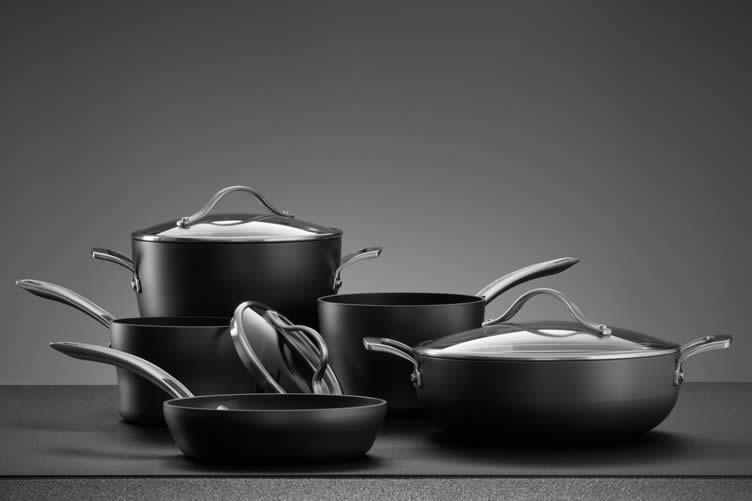
copyright image by 123rf.com
Essential Tools for Food Preparation
As you expand your cookware collection, it’s equally important to consider the countertop appliances that simplify meal preparation and enhance your cooking experience.
From a reliable blender for smoothies and sauces to a multi-functional food processor that makes chopping and mixing a breeze, these tools can significantly reduce prep time and effort.
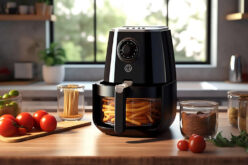
Quality appliances like a stand mixer for baking or an air fryer for healthier cooking options can elevate your culinary creations while adding convenience to your routine.
Choose appliances that align with your cooking style and needs to create a seamless, efficient kitchen workflow.
view ideas: kitchen countertop appliances(new win)
-
Scroll up to directory … or scroll to next “kitchen cookware types” section …
-
-





Are there any other interesting topics that might have been overlooked but could offer valuable insights …?


-
-
4th TERM: Storage Innovations for Cookware
Organizing cookware in a way that maximizes space and ensures convenience is crucial, especially when dealing with a mix of pots, pans, and lids.
These items tend to take up significant room due to their varying sizes and shapes, often creating challenges in storage, particularly in compact kitchens.
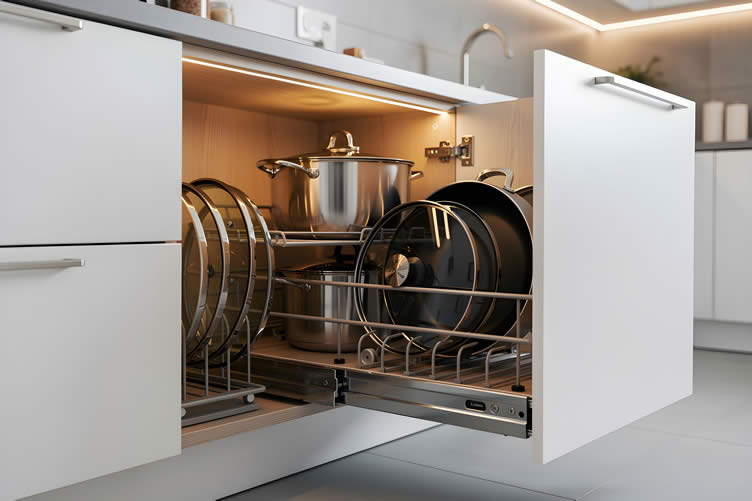
copyright image by 123rf.com
The solution lies in adopting smart storage solutions that balance accessibility and space efficiency. Whether you’re working with a large or small kitchen, there are innovative ways to keep your cookware neatly stored and within easy reach.
From pull-out organizers to vertical racks, these options cater to a variety of kitchen layouts and cooking habits.
Below, we explore some of the best storage solutions designed for modern kitchens, helping you transform chaos into an organized, functional space.
-
Sliding and Roll-Out Organizers
Sliding and roll-out organizers are a game-changer for addressing deep cabinet spaces where cookware often gets lost or stacked awkwardly. These systems bring items into view and make accessing pots and pans effortless.
-
Two-Tier Pull-Out Dividers:[ view]
Perfect for holding frying pans, stockpots, and lids in separate sections. The two-tier system maximizes cabinet height while keeping cookware organized and separate to avoid scratches and damage.
-
Heavy-Duty Roll-Out Racks:[ view]
Ideal for heavier cookware like cast-iron pans or Dutch ovens. These racks feature sturdy frames and smooth sliding mechanisms for effortless access to even the bulkiest items.
-
Expandable Deep Drawer Inserts:[ view]
Designed for wide or deep kitchen drawers, these dividers keep pots, pans, and lids neatly separated and fully visible, allowing for easy stacking or nesting.
-
Corner Cabinet Carousels:[ view]
Utilize the often-overlooked corner spaces with spinning shelves. These carousels make it simple to reach items that would otherwise be stuck in the back of deep cabinets.
-
-
Vertical and Wall-Mounted Solutions
When floor or cabinet space is limited, going vertical can transform your storage strategy.
Vertical and wall-mounted solutions take advantage of unused space, making cookware highly accessible while doubling as decor, especially for those with stylish pieces.
-
Vertical Dividers:[ view]
Slot these dividers into wide cabinets to store sheet pans, baking trays, cutting boards, or lids upright, conserving horizontal shelf space.
-
Wall-Mounted Pot Rails:[ view]
Install rods with hooks to hang pots and pans on your kitchen wall. This not only saves cabinet space but also offers easy access and adds a professional chef aesthetic to your kitchen.
-
Ceiling-Mounted Racks:[ view]
Great for kitchens with high ceilings, this solution allows you to hang cookware overhead, keeping counters and cabinets clear while adding character to your kitchen design.
-
Pegboard Walls:[ view]
A classic choice for flexible storage, pegboards can be customized with hooks and shelves to hold pots, pans, and utensils.
-
Tension Rods or Towel Rods with S-Hooks:[ view]
Easy to install and highly versatile, these can be placed inside cabinets or along walls to hang cookware of various sizes.
-
Pantry Wall Storage:[ view]
Utilize pantry doors by adding mounted racks, hooks, or bins for storing smaller cookware items or frequently used tools.
-
-
Specialized Lid and Niche Storage
Cookware lids can quickly become a source of frustration if they don’t have a dedicated storage solution. Specialized options help keep lids organized and readily available while saving space for other items.
-
Cabinet Door Organizers:[ view]
Attach low-profile racks to the inside of cabinet doors to store lids individually by size. This saves shelf space and keeps lids easily visible.
-
Sliding Lid Holders:[ view]
These organizers can slide out from smaller cabinets or drawers, keeping lids neatly separated and accessible without having to shuffle through piles.
-
Toe-Kick Drawers:[ view]
Installed at the base of cabinetry, these are ideal for flat cookware like baking sheets, griddles, or even cutting boards, providing hidden storage without taking up additional visible space.
-
Rolling Kitchen Carts:[ view]
A portable and versatile option, carts with shelving provide additional surface area and storage space. You can use them to store pots, pans, and lids while moving them around as needed.
-
-
Other Innovative Solutions
For kitchens with unique layouts or specific storage needs, additional creative options can provide tailored functionality:
- Lazy Susans in corner spaces for small cookware or utensil organization.
- Custom Built-Ins designed to fit your exact cookware dimensions.
- Magnetic Strips for smaller metal cookware items like lids or utensils on walls.
By adopting these storage innovations, you can create an organized and efficient kitchen environment that aligns with your cooking style and available space.
Whether investing in sliding organizers or opting for custom vertical solutions, the right storage system will save you time, reduce stress, and enhance the overall cooking experience.
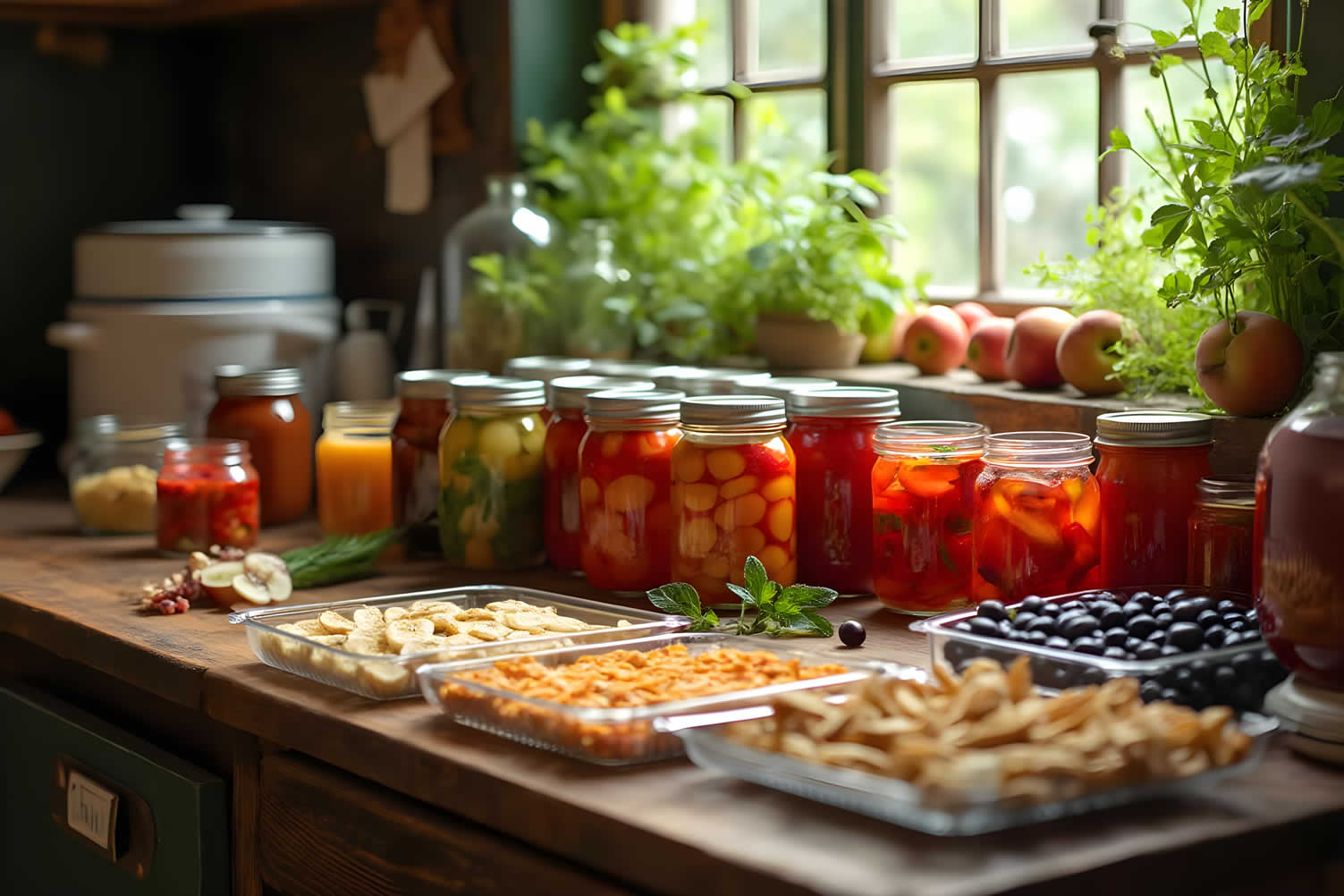
what about food storage? To keep your culinary creations fresh and delicious, you’ll need to invest in the right wares.

valuable storage space isn’t just a kitchen concern; it’s a priority throughout the entire home
- Quick scroll to section content …
Build Cookware Set
(from the summary table below)
Storage Solution Type Description Advantages Sliding and Roll-Out Organizers Deep cabinet storage solutions that make cookware easily accessible by sliding or rolling out. Maximize cabinet space, reduce stacking issues, and provide easy access to heavy or bulky items. Vertical and Wall-Mounted Solutions Innovative storage options that use vertical space or walls to keep cookware accessible and organized. Save floor and cabinet space, enhance accessibility, and can double as decorative features in the kitchen. Specialized Lid and Niche Storage Dedicated systems for organizing and storing cookware lids to prevent clutter and save space. Keep lids separate and organized, conserve shelf space, and ensure lids are easily accessible when needed. Other Innovative Solutions Creative and customizable storage solutions for specific kitchen layouts or cookware needs. Provide tailored functionality, utilize unique spaces effectively, and enhance overall kitchen efficiency. 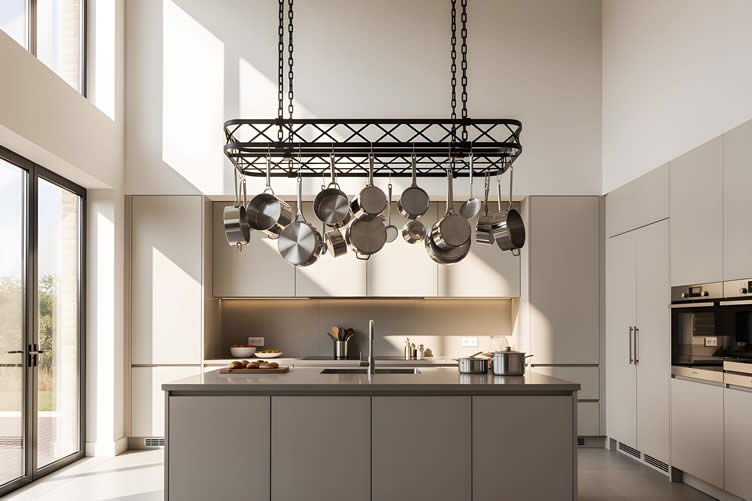
AI generated image by 123rf.com
Efficient and Functional Workspace
Efficient kitchen organization goes beyond cookware—it encompasses utensils, glassware, bakeware, and more.
By dedicating specific storage zones for each category, you can maximize space and streamline your cooking routine.
Incorporate stackable containers for glassware, drawer organizers for utensils, and labeled bins for bakeware to create a system that’s both functional and aesthetically pleasing.
Thoughtful organization not only saves time but also enhances the overall charm and usability of your kitchen.
view ideas: expert organization tips(new win)
-
Scroll up to directory … or scroll to next “kitchen cookware types” section …
-
-

Easily determine the dimensions you need for any home remodeling project …
… ensuring functionality, visual appeal, and compliance with building codes.
SHARE IT ..! Someone in your network might benefit from this insightful post about kitchen cookware types. Feel free to share it on Facebook, X (formally Twitter), LinkedIn, or Pinterest!


-
-
5th TERM: Maintaining Your Cookware for Lasting Performance
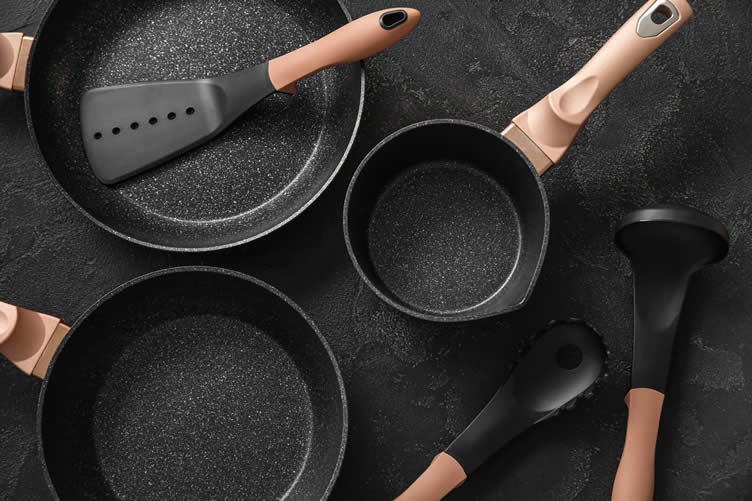
Taking proper care of your cookware is not just about preserving its appearance—it’s also key to ensuring optimal performance and extending its lifespan.
High-quality cookware is a worthwhile investment, and with routine maintenance and proper cleaning, these kitchen essentials can provide years of reliable use.
copyright image by 123rf.com
From stainless steel to delicate copper, each material has unique care requirements that home chefs should understand to get the best out of their tools.
Below, we outline expert-recommended maintenance tips for a variety of cookware materials to help you keep your kitchen running smoothly.
-
Stainless Steel
Stainless steel cookware is known for its durability and versatility, but regular care is essential to maintain its sleek finish and prevent stains.
-
Cleaning:
Always allow your pan to cool down before washing to avoid warping. Use warm, soapy water with a soft sponge or cloth. For stubborn stains, a paste made of baking soda and water works well. Avoid using steel wool or abrasive cleaners.
-
Polishing:
Over time, stainless steel can lose its shine. Use a specialized stainless steel polish to restore its luster.
-
Proper Storage:
Stack stainless steel pots with protective liners or towels to avoid surface scratches.
-
-
Cast Iron
Beloved for its heat retention and natural non-stick surface, cast iron cookware requires particular care to prevent rust and preserve its seasoning.
-
Seasoning:
Regularly season your cast iron by applying a thin coat of neutral oil and baking it in the oven. This helps maintain the slick non-stick surface.
-
Cleaning:
Avoid soap and water unless necessary. Instead, clean with warm water and a stiff brush. For stuck-on food, coarse salt can be used as a scrub.
-
Storage:
Ensure cast iron is completely dry before storing to prevent rust. You may also want to apply a thin coat of oil before putting it away.
-
-
Carbon Steel
Carbon steel cookware is favored for its lightweight design and high responsiveness to heat but requires thorough upkeep to ensure its longevity.
-
Seasoning:
Much like cast iron, carbon steel needs to be seasoned regularly. Use high-smoke-point oils, like grapeseed or sunflower oil.
-
Cleaning:
After each use, wash with warm water, dry immediately, and apply a thin layer of oil. Avoid soaking or using heavy detergents, as they can strip away the seasoning.
-
Avoid Moisture:
Moisture is carbon steel’s enemy—always store it in a dry area.
-
-
Non-Stick Coatings
Modern non-stick pans simplify cooking and cleaning but require a thoughtful approach to prevent damage to their delicate coating.
-
Cleaning:
Use mild dish soap and a soft sponge. Avoid abrasive pads or steel brushes, as these can scratch the coating. Handwashing is recommended, even for dishwasher-safe models.
-
Cooking Tips:
Use silicone, wood, or plastic utensils to avoid damaging the surface. Avoid cooking at excessively high temperatures.
-
Storage:
Do not nest non-stick pans without a protective layer, like a soft cloth, between them.
-
-
Copper
Copper cookware offers unparalleled heat conductivity and a timeless aesthetic, but its beauty requires dedicated upkeep.
-
Cleaning:
Clean copper surfaces with a mixture of vinegar and salt to remove tarnish. Alternatively, use a commercial copper cleaner for convenience.
-
Lining Maintenance:
Many copper pans are lined with tin or stainless steel. Ensure the lining remains intact, as exposed copper can react with certain foods.
-
Polishing:
Periodic polishing helps maintain copper’s stunning shine.
-
-
Other Materials
For specialized materials like aluminum, enameled cast iron, or ceramic, maintenance often varies. Below are some universal tips:
-
Aluminum:
Hand wash and dry immediately. To brighten discolored areas, boil a solution of water and cream of tartar.
-
Enameled Cast Iron:
Use gentle, non-abrasive cleaning tools to protect the enamel layer. Avoid thermal shocks to prevent cracks.
-
Ceramic:
Clean with soft sponges and mild detergents. Refrain from using metal utensils to avoid scratches.
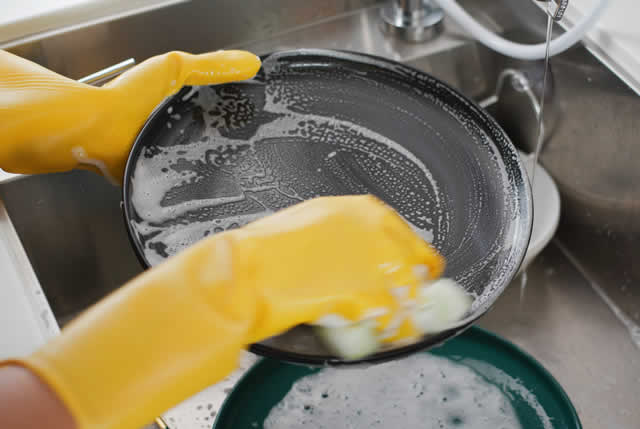
You might also want to find cookware cleansers (amazon) to simplify maintenance

just as you choose the right cleaning products for your cookware, you’ll want to select the duster for cleaning your home
-
- Quick scroll to section content …
Cookware Maintenance and Care
(from the summary table below)
Material Key Maintenance Tips Special Instructions Stainless Steel Durable and versatile, maintain its shine by cleaning with warm, soapy water and using a baking soda paste for stubborn stains. Avoid steel wool or abrasives. Polish occasionally and stack with liners or towels to prevent scratches. Cast Iron Season regularly with neutral oil, avoid soap while cleaning, and use coarse salt for stuck-on food. Ensure it is fully dry before storage. Apply a thin coat of oil before storing to prevent rust. Carbon Steel Similar to cast iron, needs regular seasoning with high-smoke-point oils. Wash with warm water and dry immediately. Always store in a dry area; avoid moisture to maintain seasoning. Non-Stick Coatings Use mild dish soap and soft sponges to clean. Avoid abrasive cleaners and high temperatures. Handwashing is recommended. Use silicone or wooden utensils and store with protective layers to avoid surface damage. Copper Clean with a vinegar and salt mixture or commercial copper cleaner. Polish periodically to maintain its shine. Ensure linings (tin or stainless steel) remain intact to prevent food reactions. Other Materials Specific care varies; for aluminum, hand wash and dry immediately. For enameled cast iron, use non-abrasive tools and avoid thermal shocks. Clean ceramic with soft sponges and mild detergents. Prevent scratches by refraining from using metal utensils. 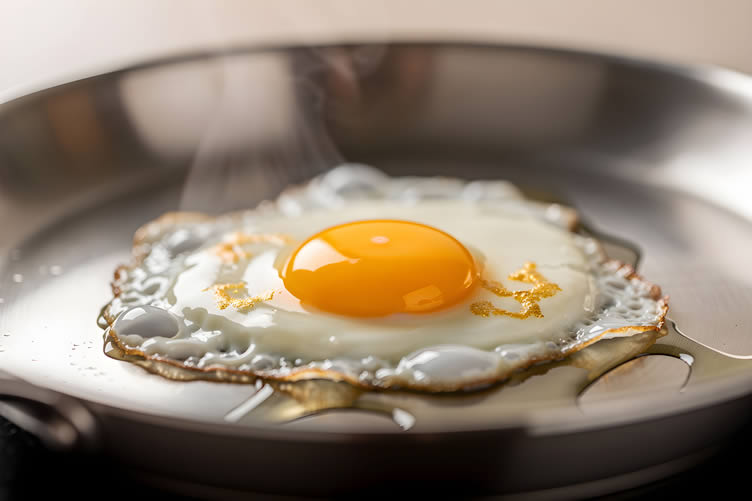
AI generated image by 123rf.com
Scheduling Your Tasks for the Year
Speaking of maintenance, it’s important to remember that your home’s care goes beyond cookware.
Regular upkeep of your HVAC system ensures efficient heating and cooling, while cleaning out gutters prevents water damage and structural issues.
A comprehensive home maintenance list can help you stay on top of essential chores like checking for roof leaks, inspecting plumbing, and maintaining appliances.
By organizing and completing these tasks seasonally, you can preserve your home’s functionality, appearance, and overall value, creating a safe and comfortable living environment for years to come.
view ideas: home maintenance calendar(new win)
-
Scroll up to directory … or scroll to next “kitchen cookware types” section …
-
-




Budgeting Worksheet For Costing Home Remodeling and Home Improvement Decisions
 File Type (excel)
-
-
6th TERM: Future-Proofing Your Kitchen
… innovation in cookware
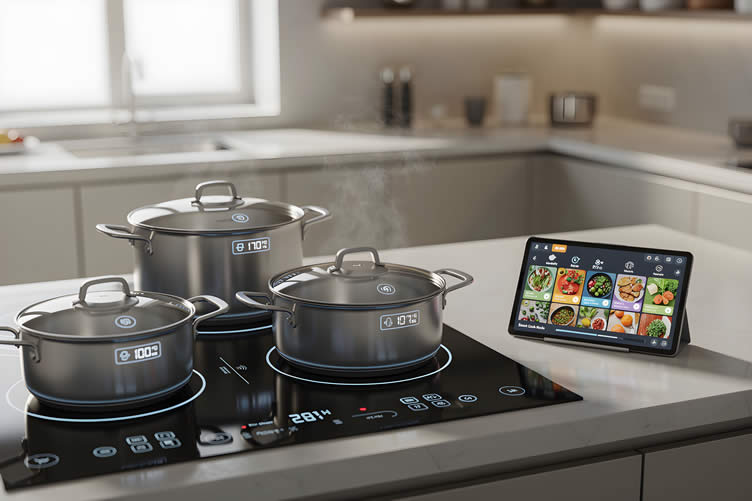
The evolution of cookware design is reshaping the way we interact with our kitchens, emphasizing sustainability, functionality, and health-conscious materials.
Modern culinary tools are being designed not only for convenience and aesthetic appeal but also with a focus on improving overall kitchen efficiency while reducing environmental impact.
AI generated image by 123rf.com
With space-saving designs, non-toxic materials, and smarter innovations on the horizon, the kitchen of the future promises to be a harmonious blend of practicality and sustainability.
Understanding these trends can help you choose cookware that aligns with your values, meets your needs, and stands the test of time.
From advanced coatings to modular designs, manufacturers are responding to the demands of increasingly conscious consumers, delivering products that elevate cooking experiences and ensure peace of mind.
-
Advanced Smart Technology Integration[ view]
Cookware is moving beyond basic utility to integrate with smart home ecosystems. Future cookware innovations are likely to include tools with built-in sensors and Bluetooth functionality, enabling precise temperature monitoring and syncing with cooking apps for guided recipes.
These smart tools will cater to the needs of busy households by providing real-time updates, ensuring perfectly cooked meals while minimizing effort.
For instance, “smart pans” with heat mapping capabilities could help users avoid scorching food, a feature particularly useful for novice cooks.
-
Sustainability-Driven Manufacturing[ view]
Eco-friendly materials and production techniques are at the forefront of cookware innovations. Expect to see increased use of recycled metals, renewable resources like bamboo, and biodegradable packing materials.
Additionally, manufacturers are leaning toward zero-waste production methods, reducing the environmental footprint of their products.
Companies are also exploring methods to extend product life cycles, such as offering repairable designs and replacement parts for cookware.
-
Health-Centric Coatings[ view]
With growing awareness of the connection between cookware materials and health, the industry is rapidly adopting non-toxic coatings free from harmful chemicals, such as PTFE (Teflon) and PFOA.
Emerging innovations include ceramic coatings enhanced with durable and eco-friendly nano-composites that provide superior non-stick performance without compromising safety.
These surfaces not only offer effortless cooking and cleaning but also support healthier meal preparation without the need for excessive oils or fats.
-
Customizable Modular Cookware[ view]
As urban living spaces become increasingly compact, modular cookware sets are set to dominate the market. These innovative designs adapt to limited storage spaces by featuring stackable and nesting components, detachable handles, and multipurpose lids that fit multiple pots and pans.
For instance, some brands are already experimenting with collapsible cookware, allowing for seamless storage. This trend ensures practicality for smaller kitchens without sacrificing usability or style.
-
Energy-Efficient Designs[ view]
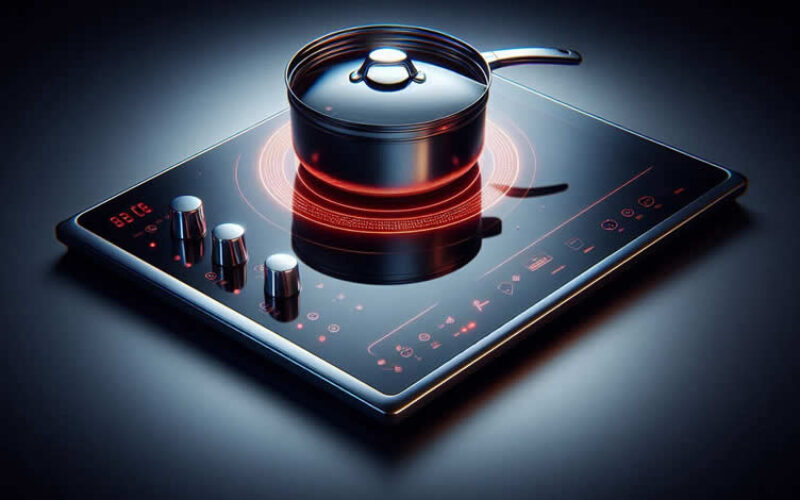
The future of cookware also involves methods to conserve energy during meal preparation. Innovations such as cookware with enhanced thermal conductivity and induction-specific materials are on the rise.
These features reduce cooking time, lower energy consumption, and improve heat distribution, ensuring consistent and even cooking. Products designed to retain heat longer will also contribute to reducing energy demand in the kitchen.
-
Personalization and Aesthetics[ view]
Cookware is becoming more personal, blending functionality with design tailored to individual taste. Expect a surge in customizable options, including cookware available in a variety of colors, patterns, and finishes to reflect personal style or match kitchen decor.
Brands may also allow users to engrave or inscribe pieces, creating more meaningful and long-lasting products that feel truly unique.
-
Support for DIY Repairs
Recognizing the importance of durability, some manufacturers are pioneering repairable cookware by offering screw-on handles, replaceable non-stick coatings, and lifetime warranties.
These innovations aim to reduce waste, support sustainability, and provide customers with confidence in the longevity of their investments.
-
Multi-Purpose Culinary Tools[ view]
Future cookware designs will be increasingly versatile, enabling seamless transitions between stovetop, oven, and tabletop use.
Hybrid designs—like cast iron skillets with detachable handles or dutch ovens with lids that double as grill pans—will meet the demand for multi-functional tools that save time, space, and money while offering premium cooking results.
By staying informed about these advancements, you can make thoughtful choices when updating your cookware collection, ensuring it will meet your lifestyle needs, enhance your cooking experiences, and contribute to a more sustainable future.
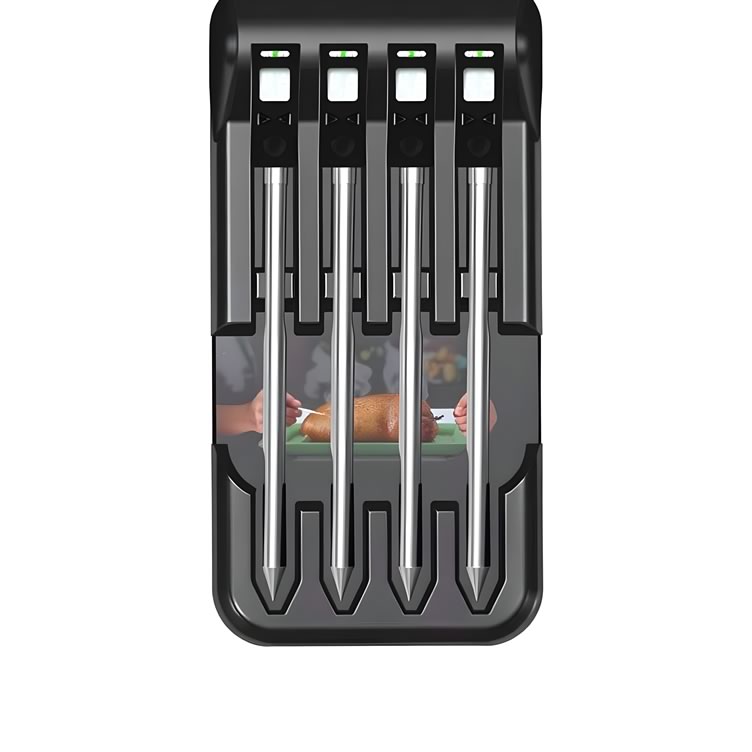
speaking of the future, wireless cooking probes(amazon) are making flawless meals easier than ever

your kitchen isn’t the only area of the home being transformed—clever new gadgets are emerging to make life more manageable all around
- Quick scroll to section content …
Aspect Description Key Features Innovation in Cookware The evolution of cookware design focuses on sustainability, functionality, and health-conscious materials. Space-saving designs, non-toxic materials, smarter innovations. Advanced Smart Technology Integration Cookware integrates with smart home ecosystems to enhance cooking precision and convenience. Built-in sensors, Bluetooth functionality, heat mapping capabilities for guided cooking. Sustainability-Driven Manufacturing Eco-friendly materials and zero-waste production methods are emphasized to reduce environmental impact. Recycled metals, bamboo, biodegradable packaging, repairable designs. Health-Centric Coatings Non-toxic coatings are being adopted, ensuring safer cooking and cleaning experiences. Ceramic coatings, durable nano-composites, minimal use of oils or fats. Customizable Modular Cookware Modular cookware adapts to compact living spaces with versatile and space-efficient designs. Stackable components, detachable handles, collapsible designs. Energy-Efficient Designs Cookware is designed to conserve energy through improved heat distribution and retention. Enhanced thermal conductivity, induction-specific materials, reduced cooking time. Personalization and Aesthetics Cookware combines functionality with personalized design options to reflect individual style. Custom colors, patterns, engravings, and unique finishes. Support for DIY Repairs Manufacturers create repairable cookware to extend product life cycles and reduce waste. Screw-on handles, replaceable coatings, lifetime warranties. Multi-Purpose Culinary Tools Future cookware is versatile, catering to multiple uses across cooking methods and spaces. Hybrid designs like detachable handles, multi-functional lids, and dual-purpose tools. 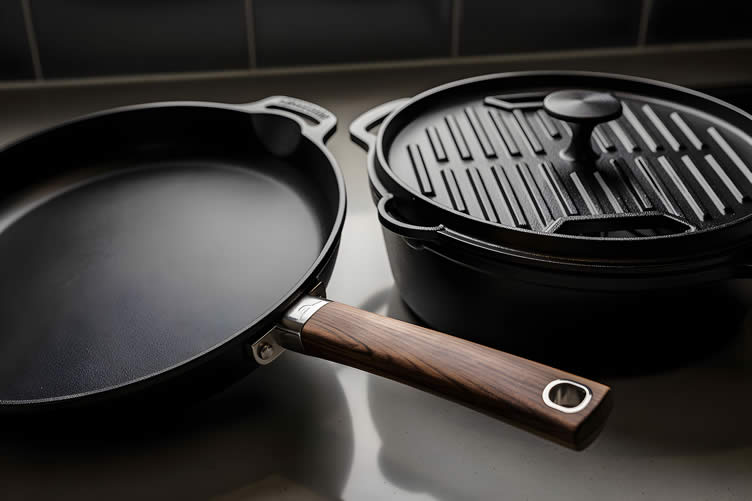
AI generated image by 123rf.com
Innovations Shaping the Future
The future home is merging technology with thoughtful design to create smarter, more efficient spaces.
Innovations like self-stirring pots and AI-powered recipe organizers are making daily tasks simpler and more enjoyable.
Family management is also evolving with automated chores and wellness-focused features that improve air quality.
These advancements are turning houses into intelligent hubs designed to anticipate our needs and enhance comfort.
view ideas: what a future home may look like(new win)
Getting Started!
When equipping your kitchen, selecting the best cookware tailored to your cooking style is essential. Reading customer testimonials helps you evaluate quality, durability, and performance across various cookware brands.
Once you’ve identified the perfect set of pots and pans, the next challenge is organizing them efficiently.
For high-end cookware collections, optimizing storage often requires custom solutions. This is where a skilled contractor can make all the difference in creating a functional and stylish storage setup.
-
What a Contractor Can Offer
A professional contractor can help enhance your kitchen’s organization and maximize its potential by offering the following services:
- Custom Cabinet Retrofits:
Modify your existing cabinets to better accommodate your cookware. - Pull-Out Shelves:
Install sliding shelves for easy access and improved functionality. - Overhead Mount Solutions:
Add durable ceiling-mounted racks for hanging pots and pans. - Vertical Cabinet Dividers:
Create custom dividers to store baking sheets, cutting boards, and lids efficiently. - Built-In Storage Units:
Integrate concealed storage compartments for a visually seamless design. - Specialized Drawer Inserts:
Provide tailored inserts for organizing smaller cookware items, utensils, and lids. - Stylish Display Options:
Design open-shelving or glass-front cabinets to showcase your high-quality cookware.
- Custom Cabinet Retrofits:
-
How to Find the Right Contractor
Finding a contractor who aligns with your vision and budget is crucial for your kitchen upgrade. Consider these steps when searching for the perfect professional for your project:
- Seek Recommendations:
Ask friends, family, or neighbors for trusted referrals. - Read Online Reviews:
Browse testimonials and ratings on platforms like Google, Yelp, or Houzz. - Verify Credentials:
Ensure the contractor is licensed, insured, and experienced in kitchen remodeling. - Request a Portfolio:
Review their past projects to confirm their expertise and design style. - Discuss Your Budget:
Be upfront about your financial plan and discuss potential costs. - Check References:
Contact former clients to learn about their experiences working with the contractor. - Schedule Consultations:
Meet with multiple contractors to compare ideas, timelines, and pricing before making a decision.
By carefully planning and partnering with the right professional, you can create a storage solution that keeps your cookware organized, accessible, and beautifully displayed—helping you craft a kitchen designed for both practicality and style.
- Seek Recommendations:
LetsRenovate has partnered with HomeAdvisor™, a renowned provider of highly-rated, carefully-vetted kitchen contractors. Start your search here by choosing the type of contractor you need and entering your zip code to find local professionals.
Section Description Details Choosing the Right Cookware Guidance on selecting suitable cookware for your kitchen based on cooking style and personal preferences. Includes advice on reading customer testimonials to evaluate quality, durability, and performance of various cookware brands. Optimizing Storage Tips for organizing your cookware efficiently after selection. Suggests custom storage solutions such as retrofits, pull-out shelves, overhead mounts, vertical dividers, built-in units, and stylish displays to enhance practicality and aesthetics. What a Contractor Can Offer Benefits of hiring a professional contractor for custom kitchen storage solutions. Contractors provide services like custom cabinet retrofits, pull-out shelves, ceiling-mounted racks, vertical dividers, specialized drawer inserts, and integrated storage options. How to Find the Right Contractor Steps to identify a reliable and skilled contractor for your kitchen upgrades. Recommends seeking recommendations, reading reviews, verifying credentials, reviewing portfolios, discussing budgets, checking references, and scheduling consultations. 
copyright image by 123rf.com
But Wait!
Before you begin your search for an outdoor kitchen contractor, we recommend downloading our evaluation worksheet.
This helpful resource will guide you in objectively ranking and assessing potential candidates by considering key factors like pricing, licensing, and referrals.

Evaluation Sheet
File Type:-
Scroll up to directory … or scroll to conclusion and references …
-
-
-
Conclusion
… crafting culinary excellence
Equipping your kitchen with the right tools transforms cooking from a stressful chore into a deeply rewarding experience.
By embracing the durability of stainless steel cookware, the rustic charm of carbon steel, and the joyful colors of aesthetic cookware, you create a space that invites creativity.
Start with the essential pieces, gradually add specialized pans that support your favorite recipes, and care for them gently. Your kitchen will become a space of warmth, nourishment, and beautiful design.
Cookware Resources:
- Everything Kitchens. (n.d.). Guide to cookware shapes, sizes, types of pots, pans and their uses. Retrieved from https://www.everythingkitchens.com/…
- WebstaurantStore. (n.d.). Types of cookware.
Retrieved from https://www.webstaurantstore.com/… - Circulon. (n.d.). The types of pans.
Retrieved from https://circulon.com/… - Caraway Home. (n.d.). Types of pans.
Retrieved from https://www.carawayhome.com/… - Our Place. (n.d.). Types of pots, pans & sizes.
Retrieved from https://fromourplace.com/… - Consumer Reports. (n.d.). Cookware buying guide.
Retrieved from https://www.consumerreports.org/… - ThinKitchen. (n.d.). Types of cookware materials.
Retrieved from https://www.thinkitchen.in/…
Maintenance Sources:
- Davis, E. (2023). Care Tips for Stainless Steel Cookware. Home Kitchen Magazine.
- Johnson, B. (2022). Mastering Cast Iron Care for Everyday Cooking. Modern Chef’s Journal.
- Baker, L. (2021). The Art of Caring for Carbon Steel Cookware. Culinary Artisan Magazine.
- Smith, A. (2023). Extending the Life of Non-Stick Cookware. Kitchenware Insights.
- Brown, C. (2023). How to Care for and Polish Copper Cookware. Expert Home Journal.
-
Quick scroll to more kitchen and dining ideas …
-
ideas to view and compare from the photo above
book: kitchen organization bookkitchen bakewareskitchen stemware
- What comments can you share about
kitchen cookware types that you would recommend?



… view our home remodeling guides and steps


Calendar For:
Home Maintenance
File Type:

Outline the specific requirements needed for making …
… key home improvement and remodeling decisions
… view our sharing links below for a quick "share the knowledge"
Find Kitchen Remodeling Services Kitchen Remodeling and Design Cabinets & Countertops Flooring Lighting Design Painting & Staining top-rated, pre-screened local contractors FREE: download contractor selection enter zip code – powered by HomeAdvisor ™
Quick Contractor Guides selecting negotiating working with inspecting

Cover image credit: kitchen cookware types by 123rf.com
end of post … please share it!
 |
did you find this "kitchen cookware types" analysis helpful? If so, please share the article with your friends and family! |
Nice pic idea? Leave us a quick comment below.
And please share this pic idea within your social networks.