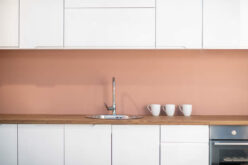
first “safety rules for kitchen” idea


copyright image by envato.com
Keeping Kitchen Safe
Notes:
Commercial kitchens have a separate food preparation area where chefs carry out the cooking process. In residential kitchens, the cooking, cutting, and assembling are all done in a single-unit kitchen.
No matter in which kitchen we are present, keeping the safety rules in mind is mandatory.
Let us find out what these rules are:
- 1: Obtain A Gas Safety Certificate
- 2: Wear Enclosed Shoes And Appropriate Clothing
- 3: Avoid Wearing Dangling Jewelery And Cover Your Head
- 4: Make Sure To Wash Your Hands
- 5: Handle Gas Ovens With Care
- 6: Put Sharp Objects Safely
- 7: Clean Spills Immediately
- 8: Stay At A Distance When Turning On The Flame
- 9: Purchase Safety Equipment
-
- —— begin first topic ——
-
Obtain A Gas Safety Certificate:
Make sure that you have a valid gas safety certificate cp12. It is a legal document that ensures all the gas appliances are working properly.
- Before giving a certificate, a gas engineer checks your house and evaluates all gas equipment to see if they are working properly. In case of errors, the expert provides suggestions either to repair or renew the appliances.
-

copyright image by envato.com
- After fixing all the issues, the gas expert gives us a certificate. Since most of our gas appliances are in the kitchen, it is an important element in kitchen safety.
-
Quik scroll to topic side notes …
-
Working With Gas Kitchens:
Natural gas is the choice of cooking with most commercial kitchens and professional cooks. It source can be regulated to provide the constant temperature for best overall preparation.
But natural gas does come with risks if the line into the home has not been properly installed or inspected; and if those working in kitchens don’t respect the heat source.

copyright image by envato.com
Become familiar with the benefits and risks of using natural gas. Understand how to properly use the source and more importantly, what actions to take in the unlikely event of a gas malfunction or leak.
- —— next topic ——
-
2nd:Wear Enclosed Shoes And Appropriate Clothing:
We might accidentally drop a sharp knife, glass object, or a hot pan. Such things can harm our feet. Therefore, wearing enclosed shoes is ideal for protection. The rule is equally important for both, the stove area as well as the kitchen counter section.
- Furthermore, try to avoid baggy clothing. Too loose clothes can catch fire while you are working close to the stove. Also, refrain from wearing synthetic fiber clothing in the kitchen.
-

copyright image by envato.com
- The material is not appropriate even for the kitchen dusters as it melts at high temperatures and catches fire easily. Apart from it, it sticks to the body after catching fire and causes serious harm to the person wearing it.
-
Quik scroll to topic side notes …
-
Types of Kitchen-Cooking Clothing:
Having the right kind of clothing helps “cooking in the kitchen” to become a bit easier. Plus, it add some safety features for you and those who will be around you:
- with an apron, you can wipe your hands off when needed.
- with a hat, you can keep hair from becoming part of the meal.
- with a towel handy, you can quickly clean up spills.
- with some cooking gloves, you can avoid getting cut or nicked.
Take a look of what you might need for your next meal prep:
- —— next topic ——
-
3rd:Avoid Wearing Dangling Jewelery And Cover Your Head:
Most chefs avoid wearing jewelery while cooking. It might fall into the food, which can become a reason for choking. Or, a bracelet can get tangled with the pot handle anytime, making it fall on you.
- From another perspective, hand jewelery traps small pieces of raw food that can cause cross-contamination. Moreover, try to wear a cooking cap just like most professional chefs do.
-

copyright image by envato.com
- In this way, hair won’t fall into the food. Or if you are finding it difficult to cover the head, at least try to tie your hair. Open hair, especially one with a long length can catch fire if the chef is standing near the stove.
-
Quik scroll to topic side notes …
-
You Need the Right Kind of Knives:
Knives are used for chopping, dicing, slicing, filleting, skinning, peeling, and much more. Moreover, you need the correct knife for the job that is sharp for quick results.
You can find specialty knives for working with vegetables, meat, fish, and everything in between.

copyright image by envato.com
You might be limited on what you will actually use, but having the right knife – neatly organized for quick retrieval and safety – will make food preparation one step easier.
- —— next topic ——
-
4th:Make Sure To Wash Your Hands:
Though it is one of the most basic tips for health safety, many of us still forget to do it. Washing hands is essential before cooking, after handling raw meat, and also after cooking.
- Sometimes bacteria are present in fruits, vegetables, and raw meat. Therefore, washing hands is imperative to avoid cross-contamination.
-

copyright image by envato.com
- Commercial kitchens can have a separate section for washing hands, present at the entrance. In this way, every employee will wash their hands before entering the kitchen.
- Also learn the right procedure to wash hands. Rubbing between the fingers and thoroughly washing the palm is important. Experts recommend scrubbing the hands for around 20 seconds to get rid of bacteria.
-
Quik scroll to topic side notes …
-
Handling Different Meats:
You need to take special care when handling meat and meat byproducts. Bacteria and other meat-carrying diseases can easily transfer to hands, knives, and cutting boards, which in turn can transfer to other food sources and prep areas.
Without the proper handling, washing, and cooking, food can become contaminated resulting in family sickness and poisoning.

copyright image by envato.com
So if you cook with meat, take the time to review handling and cooking procedures to make sure your meal is tasty and contaminate free.
- —— next topic ——
-
5th:Handle Gas Ovens With Care:
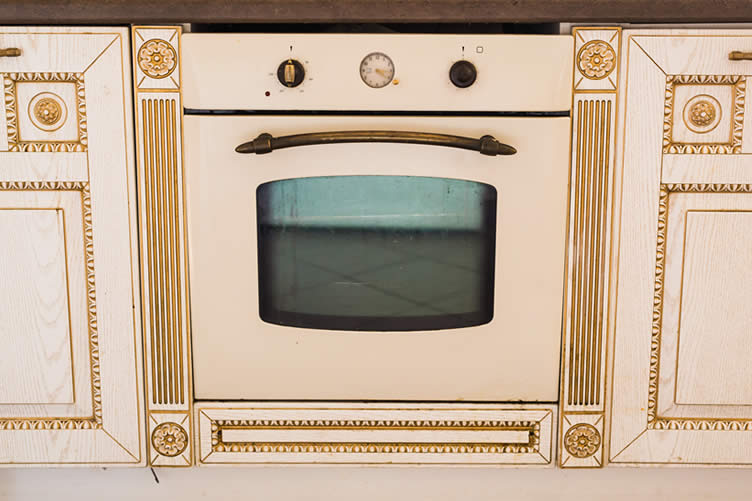
Stay vigilant when handling gas ovens with a glass exterior. Especially if the oven is near the kitchen sink, try not to use the sink when the oven is on. Even a few drops of water on a hot glass can cause an explosion.
-
copyright image by envato.com
- Therefore, try to fix the gas oven at a distance from the sink. Also, don’t open it with wet hands. Even after turning off the oven, try not to touch the glass. It may stay hot for a long while.
-
Quik scroll to topic side notes …
-
Types of Bakewares:
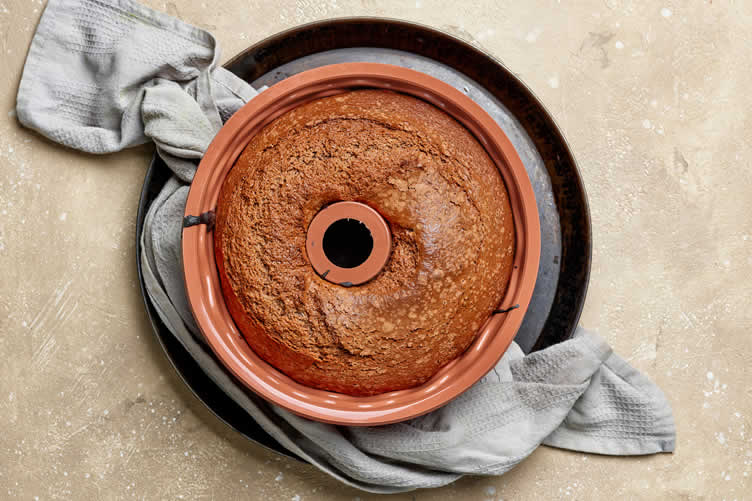
Ovens are used for baking, roasting, and braising. But you need the right kind of bakeware for the various dishes you want to make such as breads, cakes, roasts, casseroles, and many other baking items.
copyright image by envato.com
And then there is the stovetop – where you will fry, make sauces, and heat up all kinds of dishes that require the right skillet and pan to do the job.
So if you are serious about becoming a cook, check out the cookware inventory. Do you have the right wares to make the dishes you delightfully want for your family?
- —— next topic ——
-
6th:Put Sharp Objects Safely:
Dedicate a separate cabinet for putting all sharp objects. Make sure the cabinet is out of reach of children. A top-most shelf is ideal for this cabinet.
- Try to put knives, scissors, forks, and cutters with sharp blades in this section. Even if you are using a knife rack, put the rack inside the cabinet.
-

copyright image by envato.com
- Additionally, never keep a sharp knife inside the sink full of soapy water. Most home chefs put dirty knives in the sink.
- If there is a lot of water and other dirty items are also present, you may harm yourself when taking out utensils.
-
Quik scroll to topic side notes …
-
Kitchen Organization:
As a cook, you need to have all of the tools readily available easily accessible. Nothing is more frustrating when you can’t find “that special tool” when you need it most.
That is why kitchen organization is so important for serious cooks. Ideas that include:
- Magnetic Knife Holder:
where you can quickly attached knives that are neatly displayed and available. And more importantly, they are kept safe and out-of-reach of children. - Counter Utensil Holder:
something like a wooden caddy box or other for all stirring spoons, spatulas, ladles and other tools are nicely organized for easy retrieval. - Hanging Pan Rack:
if space is available, hang all of your pans and lids on a rack suspended over the island with a light. - Spice Drawer:
spices readily available in a nearby drawer that are neatly organized by type or alphabet. - Other Organization:
using what’s need to organize drawers, pantries, and cupboards for better storage and view.

copyright image by envato.com
- Magnetic Knife Holder:
- —— next topic ——
-
7th:Clean Spills Immediately:
Spilling oil, milk, water, and other liquids is common in the kitchen. Try to clean these spills immediately to avoid injuries. Also, try to turn off the flame if it’s open while cleaning the spill.
-

copyright image by envato.com
- Anyone entering the kitchen may fall. If the stove is on, the individual may catch fire. You can also turn on the fan so that the floor can quickly become dry.
-
Quik scroll to topic side notes …
-
Keeping Your Kitchen Clean:
Kitchen can get pretty dirty after preparing and serving a full family meal:
- kitchen counters has discarded vegetable cuttings and a flour spread after kneading some bread.
- the kitchen sink is full of used utensils, pans, and other wares.
- ingredient cans all clustered around the stove top – all empty buy ready for recycling.
- spices, oils, sugars, and other meal enhancers need to be returned to their rightful place.
- cabinets, floors, and possibly the ceiling with splatter spills.
copyright image by envato.com
These constant messes can make you want to skip cooking and order take-out. But wait! Perhaps making a change of how to prep can be tried to make cleaning more manageable. Some ideas:
- Schedule Accordingly:
sometimes a rushed meal prep produces the biggest messes – you just don’t have time to put everything away before the time scheduled for dinner. Plan accordingly! If time is tight, try small meals with fewer prep requirements. - Segment Food Prep For Cleaning:
break up the food prep into segments with clean-up after each segment. For example, slice and dice all vegetables, onions, garlic and like as one segment. Following the completion, clean up the counter and wash any items before moving to the next task. - Get the Family Involved:
there is no reason why the spouse or kids can’t help in the kitchen. Learning how to cook starts somewhere; and getting the kids involved early on is an experience they will need once they leave house. They can help with the food prep, and more importantly, help clean up after each task. - Put Stuff Away While Cooking:
most dishes take time for the ingredients to get nicely cooked. It is during this time you put items away or wash up dishes to keep your counter and sink area tidy. - What To Do With Pans:
the use pans for cooking can become a big problem – take take up a lot of kitchen space; and at most times, they are too hot to clean right away. That is where dishwashers come into play. - Hot pans can easily be fitted into the dishwasher after use to help tidy up the room. And if they are not dishwasher safe, they can be removed from the dishwasher when cooled to be washed by hand.
- —— next topic ——
-
8th:Stay At A Distance When Turning On The Flame:
Always try to stand at some distance when using the stove. The majority of the kitchen stoves come with two or more burners. If you are turning on the gas of another burner and one was already on, it can catch fire from the burner that is on.
-

copyright image by envato.com
- The sudden burst of fire may become dangerous when you are standing near the stove. That is why always stand at some distance.
-
Quik scroll to topic side notes …
-
9th:Purchase Safety Equipment:
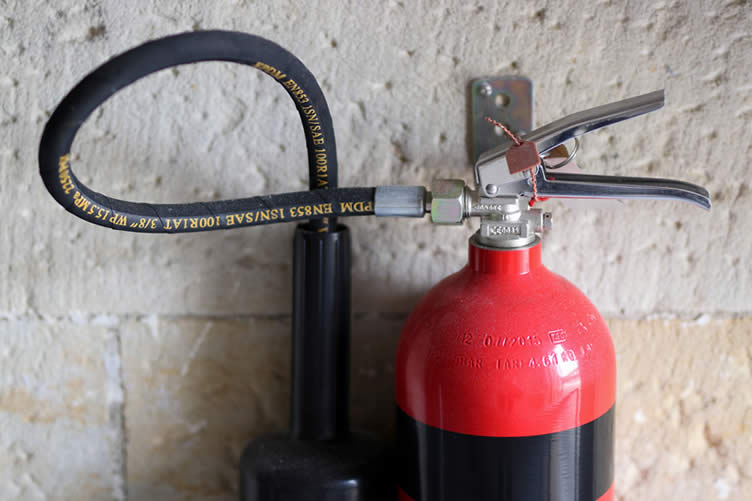
Even if you take all safety measures, purchasing safety equipment is mandatory. It includes a gas leakage alarm, fire extinguisher, footwear, apron, gloves, etc.
copyright image by envato.com
Make sure to read the manual of the fire extinguisher and learn how to use it. It will help you take prompt action in case of an emergency.
-
Final Words
In short, creating a kitchen safety plan and implementing the rules are important. Try to stick some key rules on the main wall of the kitchen.
- It will serve as a reminder and family members won’t forget to follow the rules. Stay Safe!
-
Quik scroll to more kitchen related ideas …

-
ideas to view and compare from the photo above
- What comments can you share about
your safety rules for kitchen and food preparation areas?
… some more ideas

cooking with …

cooking ideas
with dinner tonight

Find Kitchen Remodeling Services Kitchen Remodeling and Design Cabinets & Countertops Flooring Lighting Design Painting & Staining top-rated, pre-screened local contractors FREE: download contractor selection enter zip code – powered by HomeAdvisor ™
Quick Contractor Guides selecting negotiating working with inspecting

Cover image credit: safety rules for kitchen by envato.com
end of post … please share it!
 links open new win
or simply search by entering herb or other kitchen need

Nice pic idea? Leave us a quick comment below.
And please share this pic idea within your social networks.