Summary Outline –
Embarking on a home renovation or landscaping project is an exciting but major financial undertaking. Few experiences are more stressful than watching costs spiral out of control, turning a fresh start into a source of anxiety, especially when unexpected problems arise.
A strong financial plan is often the key difference between a project that brings lasting joy and one that leads to regret. Thoughtfully aligning your financial strategy with your design aspirations creates a foundation for a smoother, more predictable process.
This guide will walk you through essential (saving money) strategies to maintain financial discipline throughout your remodel. You’ll discover how to renovate wisely, ensuring your project meets its goals within your budget while protecting your peace of mind.
- post content … analysis/ saving money on a home remodel
- 1st: Strategic Planning And Budgeting Fundamentals
- 2nd: Smart Choices In Design And Materials
- 3rd: Efficient Execution And Labor Management
- 3rdb: finding the "must-needs" contractor
- conclusion
- other remodeling and structural project topics

-
- —— begin first topic ——
-
1st Section: Strategic Planning And Budgeting Fundamentals
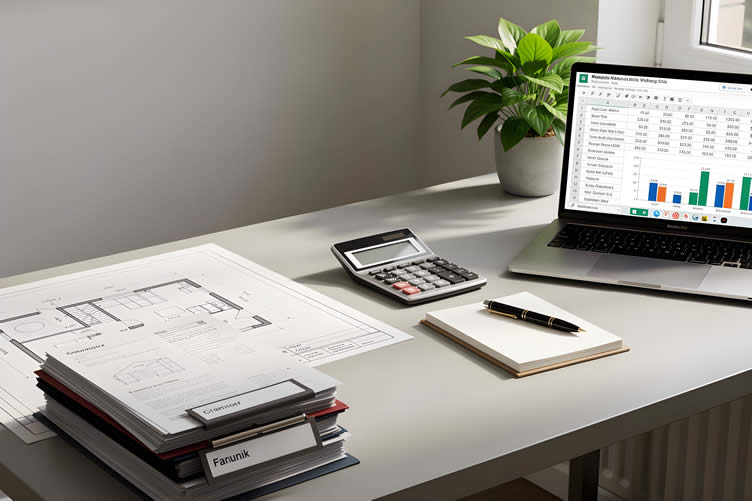
Cost estimates help allocate funds for materials, labor, permits, and contingencies. They set realistic expectations and align your project vision with the available budget.
Creating a well-structured financial plan before the first nail is driven or plant is installed gives you the clarity to make confident decisions.
AI generated image by 123rf.com
- Quick scroll to “planning and budgeting” …
This careful preparation allows you to course-correct when surprises arise and complete your home improvement project without depleting your savings or straining your household finances.
Exploring ideas, defining your scope, setting a firm budget with a contingency, and breaking down costs are not just administrative tasks. They are the essential steps that ensure your project is completed on your terms.
-
Collecting Your Vision
Before embarking on any home improvement or remodeling project, it’s crucial to have a clear understanding of what you want to achieve. This vision acts as the foundation for your entire project, guiding decisions and ensuring a cohesive, satisfying outcome.
Begin by brainstorming ideas and gathering inspiration. Explore online decor platforms, magazines, blogs, and even social media for concepts that align with your style preferences and budget. Evaluate how these ideas fit into your home’s layout and functionality.
Additionally, consider the project’s primary objectives—whether it’s enhancing comfort, increasing storage, modernizing aesthetics, or adding value to your home. Having this clarity will help you outline the scope, avoid unnecessary detours, and stay focused on your goals as you move on to the next step.
-
Defining Your Project Scope
The project scope defines the boundaries and parameters within which the work will take place. Vague project definitions are among the most common drivers of cost overruns.
When the scope is undefined or loosely described, every conversation with a contractor becomes a negotiation without a benchmark. Furthermore, every new idea becomes a potential budget expansion.
Before any work begins, it is crucial to clearly define the boundaries of your renovation. This involves understanding your vision and collecting all overarching goals.
Accurate estimates are critical but can be influenced by external factors like supply chain issues or labor shortages, making a tightly defined scope your best defense against creeping costs.
-
Setting A Realistic Budget And Contingency
Setting a hard spending ceiling at the outset and committing to it is the single most important financial decision you will make throughout the entire renovation process.
A firm budget is the foundation of a successful, cost-effective remodeling project. It is essential to set realistic financial expectations from the outset.
Within that total, you must reserve a contingency fund specifically for unexpected costs. Industry guidance from remodeling and landscape professionals consistently recommends a contingency of ten to twenty percent of the total project cost.
The appropriate figure depends heavily on project complexity. Straightforward cosmetic work warrants a ten percent reserve.
Projects involving layout changes, structural modifications, major systems moves, or subsurface unknowns warrant a fifteen to twenty percent reserve to safeguard against unexpected expenditures.
-
Tracking Expenses In Real Time
Maintaining financial discipline requires vigilant monitoring of expenditures. For each line item in your budget, your worksheet should capture the estimated cost, the actual cost once work is completed, and the resulting difference.
This three-column approach is not administrative busywork; it is the vital mechanism that keeps financial discipline alive throughout the project. Regularly comparing actual costs to estimates helps address discrepancies and reassess priorities while the project is underway.
Utilizing budgeting tools, spreadsheets, or construction-specific software provides clarity and significantly simplifies this process.
Real-time cost tracking ensures accountability and allows for immediate adjustments to minimize overruns, keeping your project financially sustainable.
Turning Ideas Into Actionable Projects
Any home improvement or remodeling begins with an idea, and turning that idea into an actionable plan is the key to success.
Start by reflecting on how you use your space daily and identifying areas that could improve functionality or comfort.

Think about your personal style and aesthetic preferences—whether you love sleek modern lines, cozy rustic vibes, or eclectic bursts of color.
Also, consider practical updates, such as additional storage or energy-efficient solutions, that can enhance your home’s value and usability.
By aligning your ideas with your lifestyle and goals, you can create a thoughtful foundation for your next project.
use this PDF: collecting ideas (w/ references)(new win)


Include the Specs Needed (Wanted)
When planning your home improvement project, defining the specifications is a crucial step for success.
A clear spec plan helps outline the materials, tools, and design elements required to bring your vision to life.

By detailing these essentials, you can ensure that your research will be purposeful, allowing you to identify the best options for your budget, style, and functionality needs.
This thoughtful planning process keeps your project organized and prevents potential oversights, making every step more efficient and rewarding.
use this PDF: specification planning sheet(new win)
What’s The Budget Number?
Determining the right figure for your budget is one of the most significant steps in any home improvement project.
Start by researching cost estimates from reliable resources, such as professional contractors, online budgeting tools, or local suppliers.

These estimates can provide valuable insights into typical expenses for materials, labor, and additional services.
By understanding the baseline costs, you can allocate your budget more effectively and prioritize project elements that matter most to you.
view information: find project estimators(new win)
Setting Up Your Remolding Budget
No matter the size of your remodeling project—whether it’s a major home addition or a smaller upgrade like updating a bathroom—starting with a clearly defined budget is essential.
This helps you keep expenses under control while ensuring you can focus on the changes that matter most.

To get started, use this Excel worksheet designed to simplify the budgeting process for any home improvement project, giving you a clear picture of costs and helping you plan with confidence.
view info: how to budget a remodeling project(new win)
excel file: budgeting worksheet(new win)

Title Description Key Actions Collecting Your Vision Before starting any home improvement or remodeling project, it’s essential to have a clear idea of what you want to achieve.
This vision serves as the project’s foundation, ensuring a cohesive and satisfying outcome.
Brainstorm ideas, gather inspiration from online platforms, magazines, and social media, and evaluate how these ideas align with your style, budget, and home’s functionality. Defining Your Project Scope The project scope identifies the boundaries and parameters within which the work will occur.
An undefined scope can lead to cost overruns and budget fluctuations.
Clearly outline all goals and boundaries, ensure accurate estimates, and plan for external factors like supply chain issues or labor shortages. Setting A Realistic Budget And Contingency A firm budget is critical for a cost-effective remodeling project. It ensures financial stability and prevents overspending. Set a hard spending limit, reserve a contingency fund (10-20% of the total cost based on complexity), and consider industry recommendations for guidance. Tracking Expenses In Real Time Real-time expense tracking is essential for financial discipline and avoiding cost overruns throughout the project. Maintain a three-column worksheet for estimated cost, actual cost, and differences.
Use budgeting tools or software for efficient monitoring and adjustments as needed.


AI generated image by 123rf.com
Tips, Ideas, and Resources
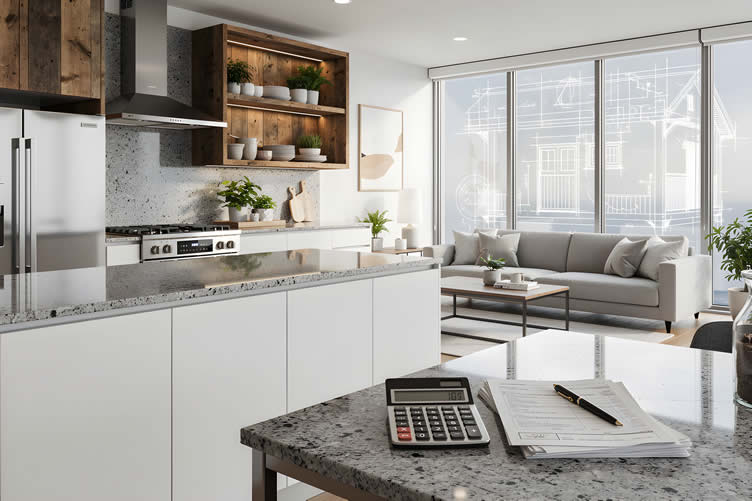
The kitchen is often called the heart of the home, making it a popular room to upgrade. Tackling the remodel in phases can help manage your time and budget.

Start with essential updates like new appliances and fixtures, then move on to aesthetics like cabinets, countertops, and backsplashes.
This phased approach allows for a smooth transformation into a beautiful, functional new kitchen.
view ideas: planning a kitchen remodel(new win)
-
Scroll up to directory … or scroll to next "saving money on a home remodel" tip …




Download this PDF for a concise summary of everything you need to know about …?




-
-
2nd Section: Smart Choices In Design And Materials
Making intelligent decisions regarding your design layout and material selections can dramatically reduce your overall costs.
Securing the right financing option might be the deciding factor that allows you to afford higher-quality, more durable materials versus settling for less.
However, strategic material shopping and reusing existing elements offer high-impact savings.

copyright image by 123rf.com
- Quick scroll to “design and material choices” …
Big savings come from avoiding layout changes, handling your own procurement, and comparing material costs diligently.
By prioritizing where you spend your money and making decisions early in the process, you can achieve a beautiful outcome without compromising the quality of your finished home.
-
Reusing And Refinishing Existing Elements
One of the most effective ways to save money is to reuse or refinish what you already have in your home. Existing cabinet boxes, hardwood floors, interior doors, and certain light fixtures can often be repainted, refaced, or gently updated rather than completely replaced.
Keeping the existing layout of your rooms is another highly effective cost-saving measure. Moving plumbing pipes, electrical wiring, load-bearing walls, or HVAC ductwork typically incurs major labor and permit costs.
By leaving the footprint of your kitchen or bathroom exactly as it is, you can avoid these hefty fees and redirect those funds toward beautiful cosmetic upgrades that you will see and enjoy every day.
-
Opting For Standard-Size Materials
Custom dimensions and specialty finishes almost always cost a premium compared to stock options. Whenever possible, choose to use standard-size materials for your project.
This fundamental rule applies to everything from kitchen cabinetry and exterior windows to flooring planks and bathroom tiles.
Custom orders often involve higher manufacturing costs, require specialized labor to install, and come with significantly longer lead times. Standard sizes, on the other hand, are readily available off the shelf.
They are mass-produced, making them a much more affordable and efficient choice for homeowners looking to protect their renovation budget.
-
Sourcing Discounted And Secondhand Items
Big savings can easily be found by looking for discounted, refurbished, or secondhand items. You can explore local floor models, warehouse clearance deals, reclaimed architectural materials, and online community marketplaces for cabinets, lighting, and plumbing fixtures.
These alternative sources can provide incredibly high-quality items at a fraction of their original retail cost. Bringing reclaimed or gently used materials into your space adds unique character and historical charm to your remodel without breaking the bank.
Taking the time to hunt for these treasures can yield beautiful results that make your home feel custom and curated.
-
Prioritizing Eco-Friendly Materials
When planning your remodeling project, consider eco-friendly materials that promote sustainability and reduce long-term energy costs. Choosing environmentally conscious options minimizes your home’s environmental impact and contributes to significant savings over time.
For instance, choosing reclaimed wood for flooring or countertops reduces waste while adding warmth and character to your space. High-quality insulation can improve energy conservation by maintaining indoor temperatures effectively, reducing the strain on heating and cooling systems.
You can also lower utility bills by installing energy-efficient windows and appliances. Innovations like solar panels, LED lighting, and water-saving fixtures are excellent for sustainable living.
By integrating these eco-friendly practices, you can create a stylish, functional remodel that enhances your home and aligns with greener values.
Beat the Heat (and Cold)
When renovating spaces like attics, basements, or garages, or adding a small home extension or conversion, you might face the challenge of heating and cooling without existing ductwork.
Ductless HVAC systems are a practical, cost-effective solution.

These compact systems provide personalized climate control without the expense or hassle of installing new ductwork.
They are easy to install and energy-efficient, helping you create a comfortable environment while staying within your renovation budget.
view ideas: ductless mini-split systems(new win)
Mastering Home Renovation Measurements
A home renovation project can be an exciting yet challenging endeavor.
Focusing on the key dimensions of various areas in your home can streamline the process and prevent costly mistakes.
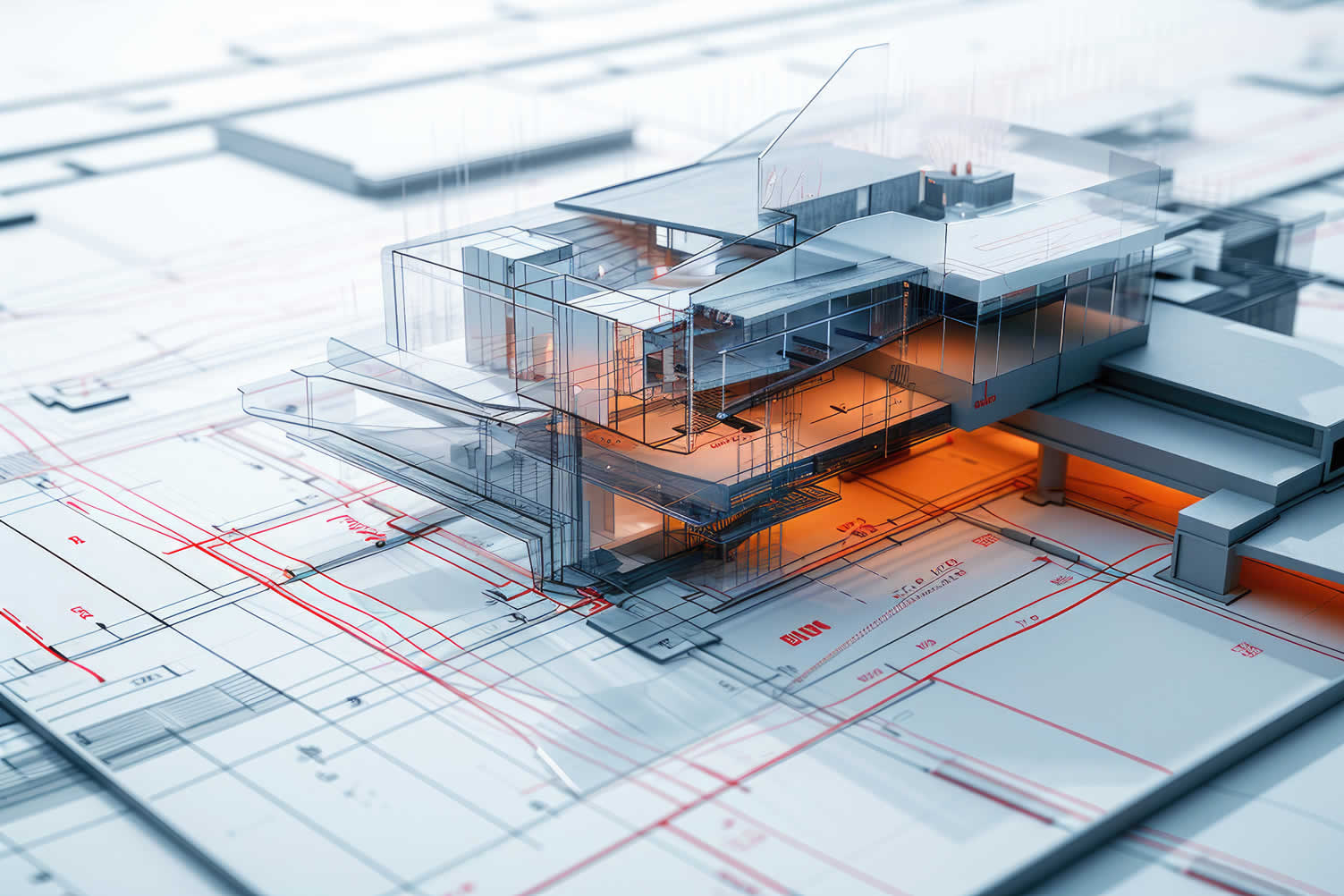
Accurate measurements are crucial for creating a space that is functional, comfortable, and visually appealing.
Whether you’re revamping a kitchen, bathroom or living room, measuring carefully ensures every element fits seamlessly into your design, making your dream home a beautiful reality.
view ideas: home dimensions(new win)
Mirror, Mirror on the Wall
Wall mirrors are an affordable yet impactful addition to your home design.
By strategically placing mirrors, you can create the illusion of a more spacious room, making even small spaces feel open and inviting.

Mirrors also enhance natural light, reflecting sunlight to brighten and warm your home.
Whether you choose a sleek modern design or a vintage frame from a second-hand store, wall mirrors effortlessly complement any decor style while adding depth, elegance, and functionality to your space.
view ideas: choosing the right reflective glass(new win)
Simple Strategies to Save Energy
As utility rates fluctuate and environmental awareness grows, finding practical ways to reduce your energy consumption has become a priority for mindful homeowners.
By making small but impactful changes, such as upgrading to energy-efficient appliances, sealing drafty windows, and incorporating smart home technology, you can significantly lower your energy bills while staying comfortable.

These solutions not only help reduce your carbon footprint but also contribute to a more sustainable and cost-effective living environment—all without compromising the conveniences you love.
view ideas: how to save home energy(new win)
Section Description Smart Choices in Design and Materials Making intelligent decisions regarding design layout and material selections can drastically reduce costs. Choosing the right financing option may allow for higher-quality, durable materials.
Strategic material shopping and reusing existing elements offer significant savings. Avoiding layout changes, handling procurement personally, and comparing costs are key to achieving a beautiful outcome without sacrificing quality.
Reusing and Refinishing Existing Elements Reusing or refinishing existing components like cabinet boxes, hardwood floors, and light fixtures can save money.
Retaining the current room layout avoids major costs associated with moving plumbing, electrical wiring, or load-bearing walls. These savings allow funds to be invested in cosmetic upgrades visible daily.
Opting for Standard-Size Materials Standard-size materials are cost-effective alternatives to custom options. They are mass-produced, more affordable, and readily available off the shelf.
Choosing standard-sized kitchen cabinetry, flooring, and tiles reduces costs without compromising quality, while avoiding custom manufacturing expenses and longer lead times.
Sourcing Discounted and Secondhand Items Discounted, refurbished, or secondhand items can provide significant savings. Floor models, warehouse clearance deals, and reclaimed materials offer high-quality options at lower prices.
These items add character and charm to a remodel, providing unique, custom-feeling results on a budget.
Prioritizing Eco-Friendly Materials Eco-friendly materials reduce environmental impact and long-term energy costs. Options like reclaimed wood, high-quality insulation, and energy-efficient windows and appliances save money while promoting sustainability.
Solutions like solar panels and water-saving fixtures enhance functionality and align with green values.

copyright image by 123rf.com
Update Your Bathroom
The primary bathroom is the second most popular room to remodel, offering a great way to enhance its function and appearance.
Upgrading in phases is a smart approach that helps you plan and manage your budget.

You can start with simple updates, like new fixtures or better lighting, then move on to bigger changes like tile or custom cabinets.
This step-by-step process ensures a smooth transformation with minimal disruption.
view ideas: bathroom remodeling plan(new win)
-
Scroll up to directory … or scroll to next "saving money on a home remodel" tips …
-
SHARE IT ..! Someone in your network might benefit from this insightful post about saving money on a home remodel. Feel free to share it on Facebook, X (formally Twitter), LinkedIn, or Pinterest!





Are there any other interesting topics that might have been overlooked but could offer valuable insights …?




-
-
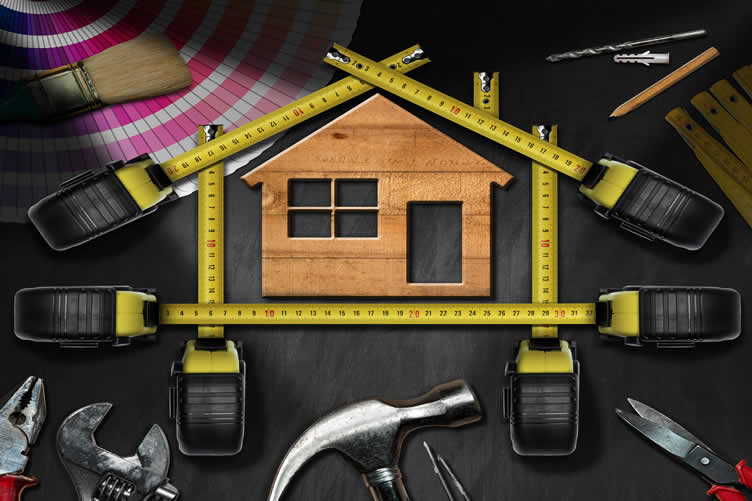
3rd Section: Efficient Execution And Labor Management
Labor often represents the largest single cost in a renovation or landscaping project, frequently accounting for thirty to fifty percent of the total project cost depending on complexity and region.
Managing this aspect of your remodel efficiently is key to maintaining an affordable budget.
copyright image by 123rf.com
- Quick scroll to “execution and management” …
Splitting the work into phases, handling simple tasks on your own, and scheduling work during the off-season can lead to substantial financial benefits.
Structuring your timeline thoughtfully allows you to manage cash flow, adapt to unexpected findings behind the walls, and maintain momentum without stretching your personal resources too thin.
-
Phasing Your Project
Large renovation projects rarely happen all at once, nor should they. Splitting a large project into smaller, manageable phases can significantly help control your cash flow and prevent rushed, expensive choices.
Project phases are scheduled for optimal efficiency while factoring in external influences such as seasonal weather changes and local regulatory processes. Doing one room or one specific area at a time allows you to spread out expenses over a longer period.
Periodic reviews after each phase allow for assessment, refinement, and adaptation to changing circumstances. This improves overall outcomes, minimizes daily disruptions in your home, and ensures long-term success while perfectly aligning with your financial goals.
-
Doing Straightforward Work Yourself
You can reduce your labor costs significantly by tackling straightforward tasks independently. DIY labor can generate meaningful savings on tasks that require modest skill, basic hand tools, and a low risk of error.
Taking on your own demolition work, interior painting, basic garden planting, landscape mulching, and simple fixture installations are highly reasonable candidates for self-completion in many situations.
While you should always leave electrical, plumbing, and structural work to licensed professionals, rolling up your sleeves for the simpler jobs brings a deep sense of personal satisfaction and keeps a substantial amount of money safely in your pocket.
-
Key Considerations Before Starting Your Project
When managing a home improvement or remodeling project, it’s essential to address a few critical aspects upfront. These steps help you minimize risks and ensure the success of your project:
-
Determine Permit or HOA Requirements
First, confirm whether your project will require a jurisdiction permit or approval from a homeowners’ association (HOA).
Many structural changes or additions, such as building a deck or adding a fence, need formal permissions to comply with local regulations or community guidelines. Failing to secure these approvals could lead to fines, legal issues, or project delays.
-
Ensure Compliance with Building Codes
Adhering to local building codes is non-negotiable for any project. Whether you’re embarking on a DIY effort or working with a contractor, this step is critical to ensure your home remains safe and retains its value.
Even minor changes, such as wiring a light fixture, should meet established standards to avoid future complications.
-
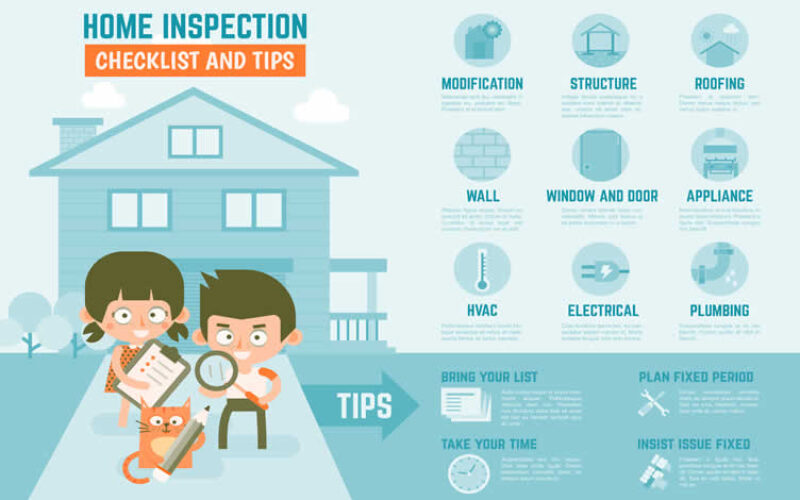
Schedule Inspections Before Finalizing Payments
If contractors are involved, consider arranging an independent inspection before releasing final payments. An inspection guarantees that work is completed properly and aligns with professional standards.
This precaution can save you from costly repairs down the line while giving you confidence in the results.
-
Maintain Clear Communication and Timelines
Establish open lines of communication with professionals, contractors, or your HOA, if applicable. Discuss and agree upon clear timelines and expectations at the outset of the project.
Taking these steps helps establish a solid foundation for smooth progress and prevents surprises or misunderstandings.
-
-
Analyzing the Best Options to Finance Your Project
When it comes to financing your home improvement projects, careful planning can make all the difference in balancing costs and achieving your vision.
Whether you’re purchasing materials, hiring professional labor, or managing a mix of both, using smart financial strategies ensures your investment pays off without unnecessary stress.
1. Personal Savings:
For smaller projects, tapping into your personal savings can offer peace of mind by avoiding debt. Be sure to establish a realistic budget before beginning and account for any unexpected costs.
This straightforward approach is ideal for manageable tasks like painting, basic landscaping, or versatile DIY endeavors.
2. Home Equity Lines of Credit (HELOC):
A HELOC can be a smart choice for larger renovations or structural upgrades. It allows homeowners to borrow against the equity in their property, often providing lower interest rates compared to traditional loans.
This is especially helpful for projects that increase your home’s value, such as kitchen remodels or adding extra living space.
3. Credit Cards with Rewards:
Using a low-interest or rewards-based credit card is an option for medium-scale projects or material purchases. Some cards offer cash-back deals or points that offset future expenses.
However, this method is best when paired with a plan to pay off the balance quickly to avoid interest charges.
4. Contractor Financing Plans:
Many professional contractors offer in-house financing options or partnerships with lending institutions. These plans can often come with promotional rates or lenient terms, particularly during seasonal promotions.
Be sure to compare this option carefully with other financing methods to ensure it aligns with your financial goals.
5. Personal Loans:
Unsecured personal loans are another viable solution for funding home improvements. These loans don’t require collateral and can be used flexibly for both materials and labor. They often offer fixed interest rates, enabling predictable repayment plans.
6. Tax Refunds:
Timing your projects around tax refund season is another effective way to fund improvements. Directing this lump sum into your project ensures a debt-free approach while keeping costs manageable.
No matter which option you choose, it’s essential to evaluate your budget, project scope, and long-term goals. Spending wisely not only enhances your home but also strengthens your financial stability, making the entire process more rewarding in the long run.
Finding – Selecting – Managing
When embarking on a remodeling project, certain tasks may demand the expertise of a professional contractor.
Jobs such as plumbing, electrical installations, roofing, and complex upgrades like kitchen countertops or custom cabinetry often require specialized skills to ensure safety and quality.

Because contracting can account for a significant portion of your budget, it’s crucial to select a contractor with a proven track record and a portfolio that aligns with your vision.
Take the time to verify credentials, read reviews, and consult references to find someone you can trust with your home.
This careful preparation will provide peace of mind and help ensure a successful renovation.
view ideas: choosing the right contractor(new win)
Investing in Your DIY Project
Any DIY project you undertake to reduce home renovation costs starts with having the right tools on hand.
A small investment in quality equipment not only ensures the project progresses smoothly but also saves you time and effort.

From precision measurements to clean finishes, the right tools can make all the difference.
Plus, these tools won’t be a one-time use—they’ll be valuable assets for future projects, helping you confidently tackle any home improvement task while maintaining your budget.
view ideas: DIY tool guide for remodels n’ repairs(new win)
The Essentials for Home Renovations
Permits and building codes are essential to ensure the safety, legality, and longevity of any home improvement project.
Undertaking work without the proper permits could lead to fines, costly project do-overs, or, in extreme cases, the removal of your hard work.
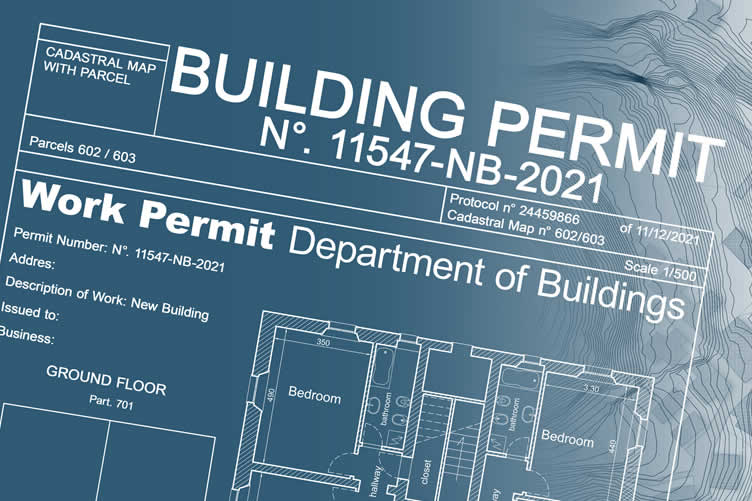
Similarly, neglecting to meet building codes as a DIY enthusiast not only endangers your family’s safety but may also complicate future home inspections, potentially preventing you from selling your home until compliance is achieved.
Adhering to these regulations safeguards both your investment and peace of mind.
view ideas: permits and building codes(new win)
More About Paying For It
Funding your dream home renovation starts with selecting the right financing.
Home equity products like HELOCs and home equity loans are popular for their lower interest rates and potential tax benefits.
For larger projects, specialized renovation mortgages can merge remodeling costs with your home loan.

Unsecured options like personal loans or credit cards offer flexibility for smaller upgrades but often come with higher interest rates.
By evaluating your financial goals, budget, and project scope, you can confidently choose the best option to make your vision a reality.
view ideas: how best to finance a remodel(new win)
Aspect Description Key Benefits Efficient Execution and Labor Management Labor often constitutes the largest single cost in a renovation or landscaping project, typically ranging from thirty to fifty percent of the total cost.
Managing this aspect efficiently involves splitting work into phases, completing straightforward tasks independently, and scheduling work during the off-season to achieve financial benefits.
Maintains affordable budgets, improves cash flow, and adapts to unexpected challenges without over-stretching resources. Phasing Your Project Dividing large renovation projects into smaller, manageable phases allows for improved cash flow management.
Phasing work also accounts for external factors such as weather and regulatory approvals, enabling periodic reviews for better outcomes.
Controls expenses, reduces disruptions, and aligns progress with financial goals while ensuring long-term success. Doing Straightforward Work Yourself Completing simple tasks independently, such as demolition, painting, basic landscaping, and mulching, can significantly reduce labor costs.
However, professionals are still necessary for electrical, plumbing, and structural tasks.
Provides personal satisfaction, minimizes expenses, and makes the project more affordable. Key Considerations Before Starting Address critical aspects upfront, including permit or HOA requirements, compliance with building codes, inspections before final payments, and maintaining clear communication with all involved parties. Minimizes risks, prevents legal issues or delays, and ensures a structured and smooth project implementation. Analyzing Financing Options Carefully planning finances is essential for cost-effective home improvements.
Options include personal savings, HELOCs, credit cards with rewards, contractor financing plans, personal loans, or tax refunds. Each choice depends on the project’s scope and individual financial goals.
Balances costs, avoids unnecessary debt, and enhances financial stability while achieving desired improvements. 
copyright image by 123rf.com
Enhancing Your Outdoor Space
Landscaping is a popular home upgrade that transforms your yard into an inviting and functional space.
By integrating features like vibrant plants, well-placed seating areas, and creative hardscaping designs, your outdoor area can become a hub for entertainment, relaxation, and play.

Thoughtful landscaping not only improves aesthetics but also allows for better utilization of your yard while increasing the value of your property.
Whether hosting a barbecue or enjoying quiet family time, a well-designed landscape sets the perfect stage.
view ideas: landscape planning and design(new win)
Choosing the Right Contractor
When embarking on a remodeling project, certain tasks may demand the expertise of a professional contractor.
Jobs such as plumbing, electrical installations, roofing, and complex upgrades like kitchen countertops or custom cabinetry often require specialized skills to ensure safety and quality.
Because contracting can account for a significant portion of your budget, it’s crucial to select a contractor with a proven track record and a portfolio that aligns with your vision.
Take the time to verify credentials, read reviews, and consult references to find someone you can trust with your home. This careful preparation will provide peace of mind and help ensure a successful renovation.
LetsRenovate has partnered with HomeAdvisor™, a renowned provider of highly-rated, carefully-vetted local contractors. Start your search here by choosing the type of contractor you need and entering your zip code to find local professionals.

copyright image by 123rf.com
But Wait!
To streamline your search for a trustworthy contractor, we recommend downloading our contractor evaluation worksheet.
This helpful resource allows you to objectively compare and assess candidates based on key factors like pricing, licensing, and references.

Evaluation Sheet
File Type:-
Scroll up to directory … or scroll to conclusion and references …
-
-
Conclusion
… bringing your renovation vision to life
Tackling a home remodeling project requires patience and a firm commitment to your budget. By defining your scope, setting a realistic budget with a contingency, and breaking down costs, you can take control of the process.
Sourcing materials creatively, reusing what you can, and handling safe DIY tasks will help you saving money on a home remodel or landscaping.
The care you put into planning will reward you with a beautifully updated space that is comfortable and personal—without the stress of lingering debt.
-
Quick scroll to more home remodeling and structural projects …
-
ideas to view and compare from the photo above
- What comments can you share about your ideas for
saving money on a home remodel?

Calendar For:
Home Maintenance
File Type:


Download this PDF for a concise summary of everything you need to know about …?



… view our sharing links below for a quick "share the knowledge"

Find Home Remodeling Services Additions Major Remodels Minor Remodels Disability Needs Plumbing Drain Clearing Appliances Electrical top-rated, pre-screened local contractors FREE: download contractor selection enter zip code – powered by HomeAdvisor ™
Quick Contractor Guides selecting negotiating working with inspecting

Cover image credit: saving money on a home remodel by 123rf.com
end of post … please share it!
 |
did you find "saving money on a home remodel" analysis helpful? If so, please share the article with your friends and family! |
Nice pic idea? Leave us a quick comment below.
And please share this pic idea within your social networks.