Summary Outline –
Many families initially jump at the idea of creating highly themed, whimsical spaces for their young children. While a room covered in bright cartoon characters brings immediate delight, it often becomes outdated in just a few short years.
The daily frustrations of wrestling with overstuffed toy bins and worrying about delicate finishes can leave parents feeling overwhelmed.
Fortunately, a much more practical and equally beautiful approach to home design is taking center stage. The latest design movements focus on creating flexible, durable, and safe environments that look gorgeous and function brilliantly.
By focusing on kid-friendly home improvements such as smart storage solutions, resilient materials, and adaptable layouts, you can craft a home that supports your family through every developmental milestone.
This thoughtful approach to remodeling reduces stress and transforms chaotic areas into streamlined, inviting spaces that work for your actual lifestyle.
- post content … analysis/ kid-friendly home improvements
- 1st: Designing for Every Developmental Stage
- 2nd: The Design Shift Toward Future-Proof Kid Spaces
- 3rd: Maximizing Efficiency Through Smart Storage
- 4th: Material Selection for Longevity and Durability
- 5th: Strategic Lighting and Ventilation Upgrades
- 6th: Prioritize Safety in Modern Home Improvements
- 7th: Managing Media Use and Technology
- 8th: Finding Help Using An Interior Designer
- conclusion
- other home interior and decor topics

-
- —— begin first topic ——
-
1st Section: Designing for Every Developmental Stage
A truly successful family home is one that feels like a living, breathing part of your family, growing and adapting alongside everyone in it.
By planning with the future in mind, you can create spaces that transition seamlessly from one stage of life to the next, whether that means turning a nursery into a teenager’s bedroom or a playroom into a home office.
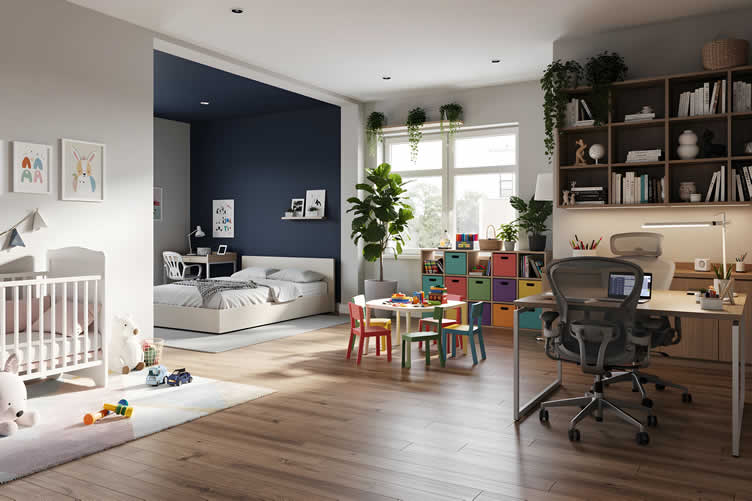
AI generated image by 123rf.com
This forward-thinking approach ensures that your home remains functional, comfortable, and aesthetically pleasing for years to come, preventing the need for costly and disruptive renovations down the line.
From the boisterous energy of childhood to the quiet independence of adulthood, every stage of life comes with unique requirements, making it essential to design rooms and layouts with flexibility and versatility at their very foundation.
- Key “Developmental” Takeaways …
-
Adapting to Early Childhood Development
During the early years, creating a safe, engaging, and flexible environment is paramount. Young children thrive in spaces that encourage exploration while protecting them from everyday hazards.
Early-stage rooms should be adaptable, making it easy to shift furniture, toys, and layouts as children grow.
-
Ideas for Designing for Early Childhood:
- Opt for durable, washable finishes that stand up to wear and tear from playtime.
- Include soft, padded flooring or rugs for safe play and crawling.
- Install low, open shelving to foster independence and encourage tidiness in toddlers.
- Use furniture with rounded edges to prevent injuries.
- Paint walls in neutral tones with interchangeable, easily removable decals or art for flexibility.
-
-
Designing for School-Aged Years
As children move into their school-age years, their needs shift toward learning, creativity, and social interaction. The focus should be on creating spaces that promote study, hobbies, and shared activities while maintaining functional organization.
-
Ideas for Designing for School-Aged Children:
- Dedicate zones for studying with ample lighting, ergonomic seating, and accessible storage for books and supplies.
- Encourage creativity with areas for art, crafts, or musical instruments.
- Invest in multi-functional furniture, such as beds with built-in storage or desks that expand over time.
- Provide neutral yet welcoming decor that can transition with changing preferences.
- Focus on shared spaces that foster family bonding, such as open kitchens or media rooms.
-
-
Planning for Teenagers and Young Adults
For teenage and young adult years, individual expression, privacy, and the ability to entertain friends often take precedence. These transformations point to the need for more independent and flexible living spaces.
-
Ideas for Designing for Teenagers and Young Adults:
- Include a private, quiet area to encourage productivity, whether for schoolwork or hobbies.
- Equip rooms with ample outlets and connectivity for technology-driven lifestyles.
- Incorporate comfortable seating or lounges ideal for hanging out with friends.
- Allow room for personal expression with swappable decor and accessories.
- Ensure storage solutions are robust enough to handle growing wardrobes or collections.
-
-
Creating Spaces for Multi-generational Households
Today, many homes also include multi-generational living arrangements, whether aging parents move in or young adults return temporarily. These situations require thoughtful planning to maintain harmony and provide everyone with the privacy and comfort they need.
-
Ideas for Designing for Multi-generational Households:
- Consider adding en suite guest rooms or granny flats for privacy and convenience.
- Design spaces to be accessible, incorporating features like wider doorways or step-free entries.
- Provide shared spaces, such as living or dining areas, that promote interaction while maintaining balance.
- Install adequate storage for shared household items to prevent clutter.
- Invest in soundproofing to ensure a peaceful environment for all family members.
-
-
Future-proofing Your Home Design
To ensure your home continues to meet your family’s evolving needs, focus on flexibility and the potential to reconfigure rooms over time.
Combining thoughtful design, multi-functional layouts, and timeless style helps create a home that supports long-term satisfaction and happiness.
-
Ideas for Long-term Planning:
- Use modular furniture and adaptable layouts to future-proof rooms.
- Choose neutral finishes and fixtures that remain timeless against evolving trends.
- Incorporate ample built-in storage to reduce clutter and organize spaces effortlessly.
- Plan for energy-efficient systems and technology integrations to support sustainability.
- Consult with an architect or interior designer for innovative, scalable solutions.
-
By carefully considering how spaces can adapt to every developmental stage, your home becomes a living, breathing entity that grows with you.
Whether for toddlers taking their first steps or teenagers finding their independence, an adaptable design ensures your home remains a sanctuary of comfort, style, and practicality throughout life’s many transitions.

Developmental Stage Design Focus Key Features Early Childhood Creating safe, flexible, and engaging environments Durable finishes, padded flooring, low shelving, furniture with rounded edges, neutral walls with removable decor School-Aged Years Fostering learning, creativity, and social interaction Study zones with proper lighting and ergonomic seating, creative spaces for hobbies, multi-functional furniture, family bonding spaces Teenagers and Young Adults Encouraging individual expression and privacy Private study areas, connectivity for technology, comfortable seating, room for personal expression, robust storage solutions Multi-generational Households Balancing privacy and interaction for multiple generations En suite guest rooms or granny flats, accessible design, shared living and dining areas, soundproofing, adequate storage Future-proofing Designing adaptable and scalable spaces Modular furniture, timeless finishes, built-in storage, energy-efficient systems, innovative architectural solutions 

copyright image by 123rf.com
Where Your Children Can Grow
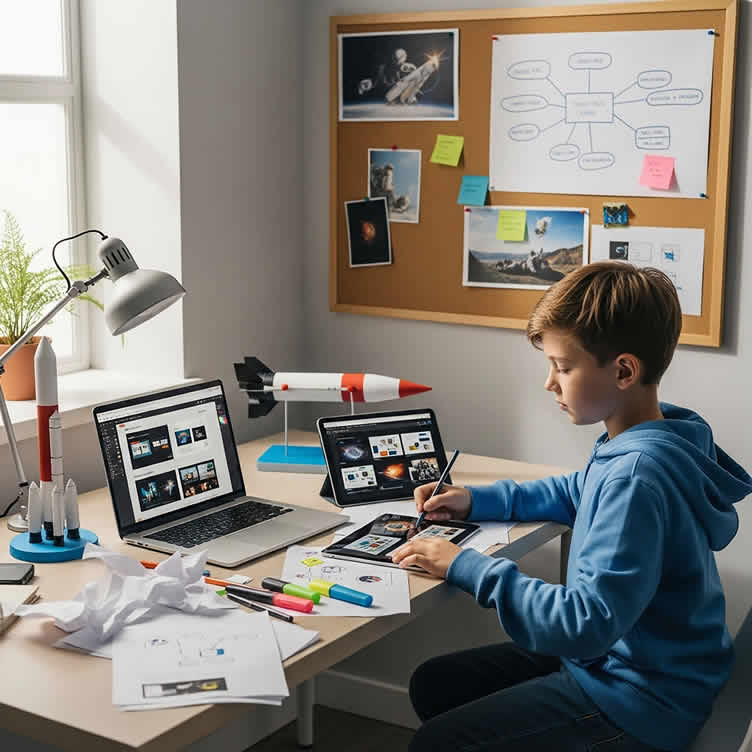
Creating a dedicated study room for children is one of the most impactful ways to support their educational and personal development.
This thoughtfully designed space not only encourages focus and creativity but also establishes a sense of structure and motivation.
By incorporating ergonomic furniture, ample lighting, and personal touches that reflect their interests, a study room can inspire productivity and make learning more enjoyable.
A functional yet cozy environment ensures children feel both comfortable and engaged, fostering habits that benefit them throughout their academic years and beyond.
view ideas: designing the perfect study room area(new win)
-
Scroll up to directory … or scroll to next section about future-proofing …



-
-
2nd Section: The Design Shift Toward Future-Proof Kid Spaces
As families evolve, so do the needs within their homes. Parents are increasingly moving away from short-lived trends, instead choosing designs that offer lasting value.
This shift reflects a desire for spaces that can mature with their children, avoiding the need for constant updates at every new stage.
Future-proofing your child’s room is about creating an adaptable foundation. Many families are embracing organic, nature-inspired designs that offer both calmness and longevity.

copyright image by 123rf.com

Rather than focusing on temporary themes, they are selecting sustainable materials and versatile layouts that transition effortlessly. This approach saves time and money while ensuring the room remains functional and pleasing as children grow.
By using soothing colors, natural textures, and adaptable furnishings, you can design a space that balances personality with practicality.
Let’s explore the key elements of future-proofing and how these choices can help the room evolve gracefully.
-
Functional Foundations for Every Stage
Creating a foundational design begins with choosing elements that provide versatility. Neutral, earthy palettes like soft greens, muted blues, and warm natural wood tones are becoming the go-to options for kid spaces.
These tones evoke a sense of calm while maintaining an aesthetic that suits all ages. For walls, consider paint options that blend seamlessly with other parts of the home or allow for easy updates.
Furniture selection also plays a critical role. Opt for convertible pieces, such as cribs that transform into toddler or twin beds, and adjustable shelving that adapts to store toys, books, or study essentials as children grow.
Additionally, focus on durable, high-quality materials that withstand wear without losing their appeal.
-
Key Takeaways:
- Start with neutral, calming wall colors for long-term appeal.
- Use flexible furniture like convertible beds and adjustable storage solutions.
- Invest in durable, natural materials for lasting quality.
-
-
Moving Beyond Overly Themed Designs
Themed rooms may initially excite children but often become a limitation as their tastes evolve. Instead of committing to large-scale design elements that are difficult to change—like character-themed murals or permanent wall decals—choose timeless fixtures with accents that are easy to update.
You can bring personality to the room through swappable features like bedding, artwork, rugs, and pillows. For example, instead of a superhero-themed bedframe, you might choose neutral furniture and complement it with themed bedding that can be replaced as interests change.
This flexibility allows the room to reflect your child’s personality while remaining practical and cost-effective.
-
Key Takeaways:
- Avoid permanent design choices tied to specific themes.
- Use swappable accents like textiles, artwork, and decorative pieces.
- Focus on neutral furniture that can adapt to a range of styles.
-
-
Incorporating Nature-Inspired Elements
Natural design elements connect the indoors with the outdoors, creating a soothing and grounded environment.
Materials like wood, bamboo, or rattan add warmth and texture to the space, while plants or nature-inspired decor bring freshness and vitality. Soft greens and blues not only mimic the serenity of nature but also encourage relaxation and focus.
Use nature as inspiration when selecting storage solutions, desks, or seating. For example, a wooden bookshelf can double as a stylish storage piece and a striking visual feature.
When choosing textiles, lean toward organic fibers that are both sustainable and comfortable.
-
Key Takeaways:
- Incorporate natural textures such as wood, rattan, or bamboo furniture.
- Choose soft, nature-inspired colors like green and blue.
- Add plants or botanical-inspired details for freshness and serenity.
-
Future-proofing a kid’s space is a rewarding approach that supports a family’s evolving needs. By prioritizing timeless designs, natural elements, and versatile solutions, parents can create a harmonious space that grows gracefully alongside their children.
This thoughtful strategy ensures both functionality and style, providing value for years to come.
- Quick scroll to summary content …
Theme Description Key Takeaways Future-Proof Design Families are prioritizing adaptable designs for kid spaces that mature with children, avoiding constant updates. This approach includes sustainable materials, versatile layouts, and nature-inspired aesthetics to ensure longevity and functionality. Start with neutral, calming wall colors for long-term appeal. Use flexible furniture like convertible beds and adjustable storage solutions. Invest in durable, natural materials for lasting quality. Flexible and Timeless Styles Themed rooms can quickly become outdated as children’s tastes change. Instead, parents are focusing on timeless fixtures and using swappable accents such as bedding and artwork to bring personality to a space while remaining versatile. Avoid permanent design choices tied to specific themes. Use swappable accents like textiles, artwork, and decorative pieces. Focus on neutral furniture that can adapt to a range of styles. Nature-Inspired Elements Natural materials and colors, such as wood, bamboo, soft greens, and blues, create a calming environment. Incorporating plants or botanical accents enhances the room’s freshness while promoting relaxation and focus. Incorporate natural textures such as wood, rattan, or bamboo furniture. Choose soft, nature-inspired colors like green and blue. Add plants or botanical-inspired details for freshness and serenity. 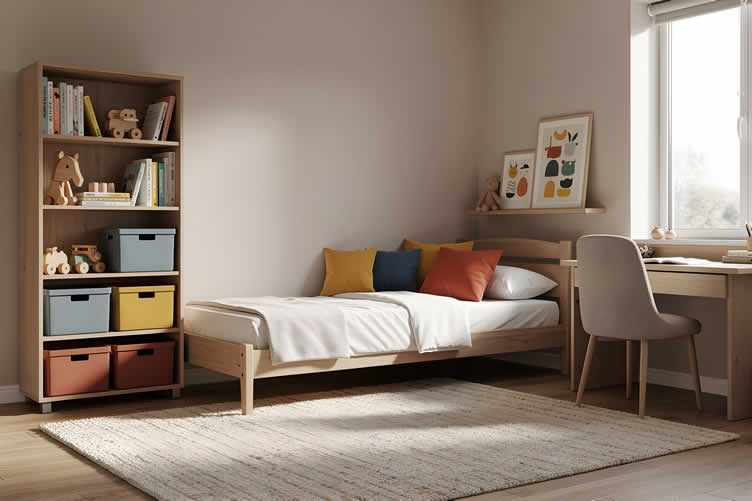
AI generated image by 123rf.com
Ideas That Kids Can Design
Encourage your children to take part in designing their own space, transforming their bedrooms into vibrant havens of creativity and personality.
Start by letting them choose a theme or color palette that reflects their individual interests—whether it’s outer space, a jungle safari, or pastel dreams.
Simple DIY projects like creating hand-painted wall art, crafting storage labels, or arranging their favorite books and toys can foster both independence and a sense of pride.
Incorporating versatile decor elements, such as removable wall decals or adjustable shelving, ensures the room grows along with your child’s evolving tastes, creating a fun and functional space they’ll cherish.
view ideas: empowering your kids to make magic(new win)
-
Scroll up to directory … or scroll to next section why use smart storage systems …
-
-

Tackling kid-friendly home improvements and fulfilling all your home improvement needs …

… save this curated directory of ideas for future reference.

-
-
3rd Section: Maximizing Efficiency Through Smart Storage
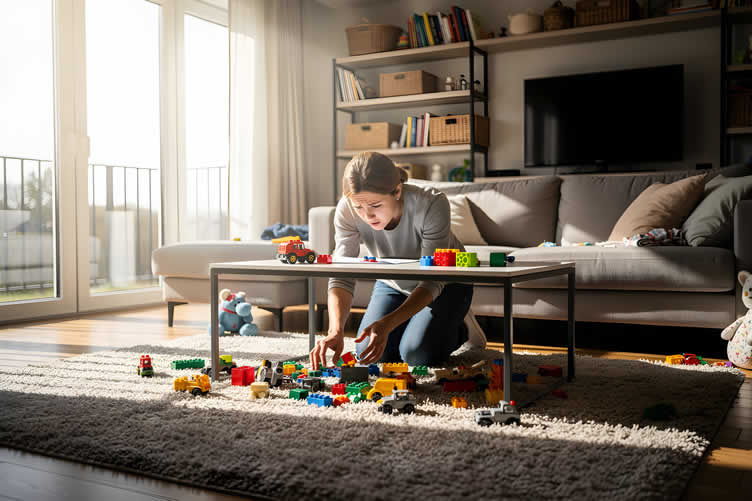
Searching frantically for a favorite toy or stepping on stray building blocks are common frustrations for nearly every parent.
Clutter can quickly disrupt the peaceful atmosphere of a home, making effective storage solutions essential to maintaining harmony. The challenge lies in finding systems that not only eliminate visible mess but also ensure accessibility for children.
The growing trend in future-proof kid spaces highlights the importance of modular storage, custom built-in cabinetry, rolling carts, and versatile furniture, all designed to adapt to your family’s evolving needs.
AI generated image by 123rf.com
Smart storage solutions bridge the gap between functionality and style, empowering children to take ownership of their belongings and promoting an organized home environment.
By incorporating child-friendly designs and encouraging independence through intuitive storage, parents can foster valuable habits in their children while creating a space that remains stylish and tidy.
Understanding what works best for your family starts with knowing the options and how to utilize them effectively.
-
Modular Storage for Multi-Functional Spaces
Modular storage solutions are an ideal choice for growing families. These systems are designed to adapt to changing needs, making them perfect for future-proof kid spaces.
For example, stackable cubes can be rearranged to fit different spaces, while shelving units with adjustable heights can grow with your child. Look for modular options with bright colors or neutral finishes to suit evolving tastes and house toys, art supplies, or books.
-
Key Takeaways:
- Choose flexible, reconfigurable storage systems.
- Opt for stackable cubes or adjustable shelving.
- Prioritize designs that cater to evolving styles and needs.
-
-
Built-In Cabinets for Seamless Integration
Custom built-in cabinets are a stylish and efficient way to incorporate storage into any room. These cabinets blend seamlessly with existing decor and offer substantial storage capacity for everything from toys to seasonal clothing.
The added benefit lies in their built-to-fit nature, allowing you to utilize otherwise wasted space, such as under staircases or along awkward wall angles.
Consider cabinets with drawers and pull-outs to ensure easy access for children while maintaining a clean facade for the room. Adding soft-close mechanisms can further child-proof the space without compromising on convenience.
-
Key Takeaways:
- Leverage built-in cabinetry to maximize unused or awkward spaces.
- Incorporate pull-out shelves or drawers for better accessibility.
- Maintain a sleek, cohesive look that blends organization with design.
-
-
Rolling Carts for Maximum Flexibility
Rolling carts provide a portable, space-saving storage solution ideal for smaller rooms or multi-purpose areas. These versatile carts can easily be moved around the house, allowing children to transport their toys, crafts, or books between rooms.
When choosing a cart, opt for one with multiple tiers to separate items by category and sturdy wheels for added durability. Carts with colorful bins make organization fun and visually stimulating for younger children.
-
Key Takeaways:
- Use rolling carts for movable and flexible storage.
- Select tiered designs to categorize items.
- Prioritize sturdy, child-friendly materials and design.
-
-
Window Seats with Hidden Storage
Window seats are not just cozy reading nooks; they also double as valuable hidden storage spaces.
Built-in seating with lift-up tops or drawers underneath can store items like bedding, board games, or extra toys out of sight but within reach.
These storage solutions combine functionality and aesthetics, making them a popular choice for parents designing future-proof kid spaces. Upholster the seat in a durable, easy-to-clean fabric to maintain its longevity.
-
Key Takeaways:
- Utilize under-seat storage for functional yet stylish solutions.
- Prioritize durable and easy-to-clean materials.
- Create cozy reading or relaxation spaces with hidden storage.
-
-
Child-Friendly Bins and Cubbies
Low-to-the-ground bins and cubbies are perfect for teaching young children how to be responsible for their belongings. These storage pieces allow children to independently access and organize their items, building lifelong habits of tidiness and accountability.
Choose labeled bins or color-coded cubbies for easy identification, and opt for soft-sided designs to prevent accidents. These storage solutions are particularly effective in playrooms or shared spaces where autonomy is encouraged.
-
Key Takeaways:
- Invest in child-height storage solutions for accessibility.
- Use labels or colors to guide organization.
- Choose soft-sided or lightweight bins for safety.
-
By incorporating these smart storage strategies, you can create a kid’s space that is both functional and stylish while fostering independence and responsibility in your children.
Combining practicality with thoughtful design ensures a harmonious, future-proof environment for your family.
- Quick scroll to summary content …
Utilizing Smart Storage
(from the summary table below)
Storage Solution Description Key Features Modular Storage Designed to adapt to changing needs, modular storage systems, such as stackable cubes or adjustable shelving, offer flexibility and reconfigurability for growing families. They accommodate evolving styles and provide useful storage for toys, art supplies, or books. Flexible and reconfigurable; stackable cubes; adjustable shelving; adaptable for evolving styles. Built-In Cabinets Custom designed to fit specific spaces, built-in cabinets maximize unused or awkward areas, such as under staircases. These cabinets blend seamlessly with decor and feature drawers or pull-outs for easy access, along with soft-close mechanisms for child safety. Utilizes awkward spaces; pull-out shelves; soft-close mechanisms; cohesive design with decor. Rolling Carts Portable and space-saving, rolling carts with multiple tiers allow easy organization and mobility in smaller spaces. These carts are ideal for toys, crafts, or books, making organization fun with colorful bins and durable wheels for flexibility. Movable and flexible; multi-tier designs; child-friendly, sturdy materials; visually engaging for children. Window Seats Window seats double as hidden storage with lift-up tops or drawers. They provide a balance of functionality and aesthetics, creating cozy relaxation spaces while hiding items like bedding and toys. Durable, easy-to-clean upholstery ensures practicality. Hidden under-seat storage; blends functionality and style; durable materials for longevity. Child-Friendly Bins and Cubbies Low-to-the-ground bins and cubbies encourage independence and responsibility by allowing children easy access to organize their belongings. Labeled or color-coded options promote tidiness, with soft-sided designs for added safety. Child-height for accessibility; labels or colors for categorization; soft-sided designs for safety. 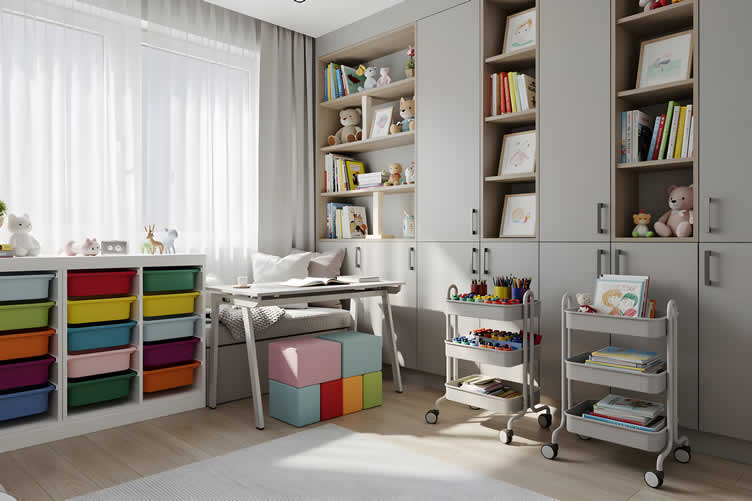
AI generated image by 123rf.com
Home Storage Solutions
When it comes to home storage, traditional spaces like closets, garages, and the areas under furniture are often the first places that come to mind.
However, to truly maximize your living space and maintain a sense of organization, it’s time to think beyond the obvious.
Smart storage solutions, such as modular shelving, pull-out drawers, and hidden compartments, allow you to creatively utilize every nook and cranny of your home.
With a little planning and the right tools, you can build storage systems tailored to your needs, creating a functional yet stylish home that remains clutter-free.
view ideas: finding and building home storage(new win)
-
Scroll up to directory … or scroll to next section for the need of durable materials …
-
-

Download this PDF for a concise summary of everything you need to know about …?



-
-
4th Section: Material Selection for Longevity and Durability
When designing a home that can stand up to the challenges of family life, choosing the right materials for your living spaces is essential.
From the inevitable spaghetti spills at dinner to muddy footprints after a rainy day, life with kids is full of joyful (and sometimes messy) moments.
The good news? You don’t have to sacrifice style for practicality.

copyright image by 123rf.com
By selecting durable, easy-to-clean materials for your floors, furniture, and walls, you can create a home that welcomes your family’s creativity and play without the stress of accidental damage.
Investing in child-friendly, long-lasting materials not only saves you money and time in the long run but also ensures that your home remains a comfortable and inviting space for years to come.
Below, we explore some of the best surfaces and finishes to help your home handle the wear and tear of daily family life with grace and beauty.
-
Walls That Can Handle Everything
Walls in high-traffic areas such as hallways, playrooms, and kitchens are often prone to smudges, fingerprints, and even the occasional crayon masterpiece.
Opting for washable interior paint with a semi-gloss or satin finish can save you countless hours of scrubbing. These finishes resist stains and moisture, making it easy to wipe down walls with a damp cloth without damaging the paint.
Chalkboard or dry-erase wall panels in play areas can also double as a creative outlet for children while keeping your main walls clean.
-
Summary Takeaways:
- Washable paint resists stains and moisture.
- Semi-gloss or satin finishes are easier to clean.
- Chalkboard or dry-erase panels add functionality and creativity.
-
-
Kid-Proof Furniture Fabrics
Your sofa and dining chairs are at the heart of family life, so choosing the right fabrics is critical. Look for stain-resistant, performance-grade fabrics that can withstand spills and stains while maintaining their luxurious appearance.
Materials like microfiber are particularly popular because they’re durable, soft, and easy to clean with mild soap and water.
Some manufacturers even offer machine-washable slipcovers, allowing you to refresh your furniture effortlessly when needed.
-
Summary Takeaways:
- Performance fabrics protect against spills and stains.
- Microfiber offers durability and easy cleaning.
- Machine-washable slipcovers provide added convenience.
-
-
Flooring Perfect for an Active Home
Flooring in family homes takes a beating from running kids, dropped toys, and heavy traffic. Luxury vinyl planks (LVP) are an excellent choice due to their durability, water resistance, and ability to mimic the look of hardwood.
For an even more premium feel, consider hardwood floors finished with a strong protective sealant. Rugs made of washable or outdoor-grade materials can add warmth to your space while being easy to clean and maintain.
-
Summary Takeaways:
- LVP mimics hardwood and resists wear and water.
- Hardwood with a protective sealant is timeless and durable.
- Washable rugs add a layer of protection and style.
-
By thoughtfully selecting materials designed to endure everyday family life, you can reduce stress, protect your home’s beauty, and create an environment where your family feels relaxed and welcome.
For more expert tips, consult resources such as Better Homes & Gardens or speak with your local home improvement professional about child-friendly material options.
- Quick scroll to summary content …
Category Recommendations Key Benefits Walls Use washable interior paint with a semi-gloss or satin finish. Incorporate chalkboard or dry-erase wall panels in play areas. Easy to clean, resists stains and moisture, adds functionality, and provides a creative outlet for children. Furniture Fabrics Choose performance-grade, stain-resistant fabrics such as microfiber. Opt for machine-washable slipcovers when possible. Protects against spills and stains, durable and easy to clean, offers convenience for refreshing furniture. Flooring Install luxury vinyl planks (LVP) or sealed hardwood floors. Use washable or outdoor-grade rugs for added protection. Durable, water-resistant, mimics hardwood aesthetics, and provides a stylish yet practical solution for active homes. 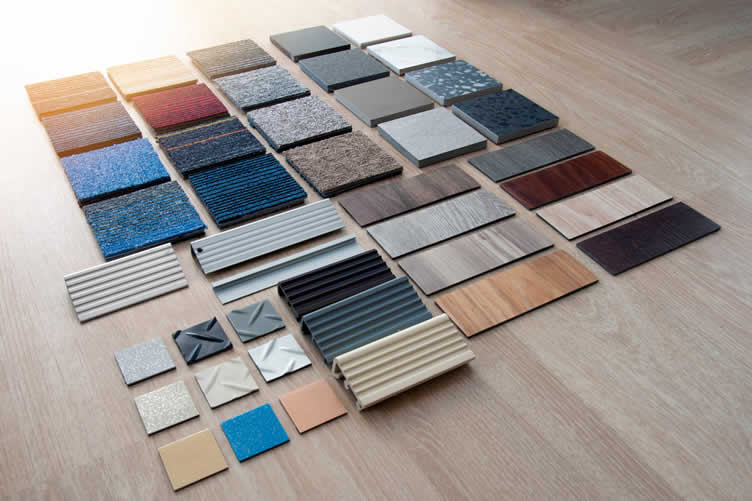
copyright image by 123rf.com
For Your Walls
Selecting the ideal color palette for your home is a powerful way to express your personality while enhancing the overall ambiance of your space.
Warm tones like soft beige or terracotta can create a cozy, welcoming environment, while cooler shades such as light blue or sage green evoke calm and tranquility.
Consider your room’s natural lighting, existing decor, and the mood you wish to convey when deciding on hues.
Sampling a few paint swatches on your walls before committing can help you visualize how each color interacts with your space, ensuring a tailored and harmonious result you’ll love.
view ideas: choose the perfect color palette(new win)
Child Bedroom Soft Paint Colors
google imagesreds view ideas oranges view ideas yellows view ideas greens view ideas blues view ideas purples view ideas browns view ideas grays view ideas tans view ideas whites view ideas -
Scroll up to directory … or scroll to next section about lighting and ventilation …
-
-

Outline the specific requirements needed for making kid-friendly home improvements …
… key home improvement and remodeling decisions
-
-
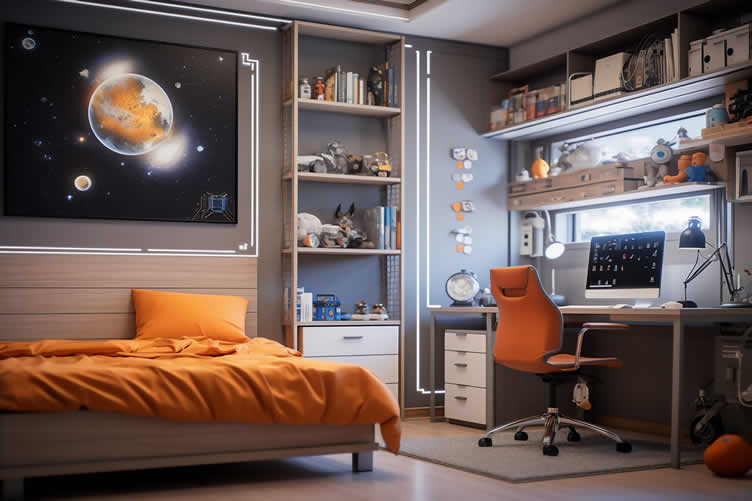
5th Section: Strategic Lighting and Ventilation Upgrades
Creating a functional and nurturing space for your child starts with paying attention to lighting and ventilation.
Proper lighting supports their daily activities, from playtime to bedtime, while good air quality is vital for their health and well-being.
copyright image by 123rf.com
When upgrading your child’s room, the strategic implementation of lighting and ventilation ensures a safe, comfortable, and energy-efficient environment tailored to their needs.
Here’s a breakdown of key factors and improvements to consider to make their space perfect for growing, learning, and thriving.
-
Lighting Essentials for Kids’ Rooms
Choosing the right lighting solutions for your child’s room plays a significant role in promoting comfort, safety, and productivity. Lighting should be versatile, adaptable for various age-appropriate activities, and conducive to restful sleep.
-
Ambient Lighting
Ambient lighting provides overall illumination, creating a warm and inviting atmosphere. Opt for soft, evenly distributed light that is easy on the eyes, avoiding overly harsh or cool-toned lights that can feel stark.
Dimmable LED ceiling fixtures are an excellent choice as they allow you to adjust the brightness depending on the time of day and activity.
-
Key Takeaways:
- Use warm, dimmable LEDs.
- Install overhead fixtures to provide balanced illumination.
- Avoid direct glare to prevent eyestrain.
-
-
Task Lighting for Focused Activities
Task lighting is crucial for areas where children read, study, or engage in creative play. Desk lamps with adjustable brightness and positioning allow adequate lighting for focused tasks.
Ensure the placement of task lighting prevents shadows and minimizes glare on work surfaces.
-
Key Takeaways:
- Select adjustable task lamps for flexibility.
- Use light sources with diffused shades to reduce direct glare.
- Position task lighting opposite to the child’s dominant hand to avoid shadows.
-
-
Night Lighting for Comfort
Night lights provide a sense of safety and comfort, especially for young children. Low-level, soft lights can guide them to the restroom at night or offer reassurance if they’re afraid of the dark.
Look for energy-efficient models with motion detection or timers for convenience and cost savings.
-
Key Takeaways:
- Choose soft, warm-toned night lights.
- Consider motion-sensor options for minimal energy use.
- Avoid overly bright or blue-colored lights at night, as they can disrupt sleep cycles.
-
-
-
Ventilation and Air Quality Considerations
Ensuring proper ventilation in your child’s room promotes a healthy environment by maintaining optimal air circulation and reducing allergens.
Poor air quality can result in respiratory issues, discomfort, and even poor sleep quality, so it’s imperative to implement effective ventilation strategies.
-
Mechanical Ventilation Systems
If the room does not have sufficient natural ventilation, consider mechanical solutions such as exhaust fans or air exchange systems.
These systems help remove indoor air pollutants, regulate humidity levels, and keep the room feeling fresh.
-
Key Takeaways:
- Install quiet exhaust fans to improve airflow.
- Use energy-efficient models to reduce operational costs.
- Ensure regular maintenance to prevent dust accumulation.
-
-
Improved Natural Ventilation
Utilizing windows for natural ventilation creates airflow and reduces the buildup of stale air.
Positioning furniture to allow clear paths around windows ensures maximum air circulation, while adding child-safe window guards can provide an extra layer of safety.
-
Key Takeaways:
- Keep windows and paths unobstructed.
- Add window restrictors or safety locks for secure airflow.
- Use lightweight curtains or blinds for easy adjustability.
- Install a ceiling fan with integrated lighting for comfort and improved airflow.
-
-
Air Purifiers and Filters
For homes in urban areas or places with high pollen counts, air purifiers can be an excellent addition to reduce allergens, pollutants, and odors.
Choose air purifiers with HEPA filters, which are highly effective at capturing small particles.
-
Key Takeaways:
- Invest in HEPA-filtered air purifiers for cleaner air.
- Change air conditioning filters regularly.
- Avoid air fresheners with synthetic fragrances which can irritate children’s respiratory systems.
-
-
-
Combining Lighting and Ventilation for Other Home Areas
Creating a healthy and balanced home environment means making sure your lighting and ventilation work together. For instance, a ceiling fan with a built-in light can improve air circulation while saving space.
Pairing new lighting with the right window treatments can also help regulate temperature and airflow without giving up comfort or style.
Dimmer switches in living rooms and bedrooms can help ease the transition from energetic playtime to a calm evening. Nightlights in hallways and bathrooms can also guide little ones safely in the dark, preventing trips and falls.
The quality of the air your family breathes is just as important. Be mindful of excess moisture and mold, as these can cause respiratory issues, especially in children.
Proper ventilation is key—run exhaust fans during baths and clean up spills quickly to prevent mildew. Keeping your home dry and well-ventilated protects your family’s health and your house itself.
-
Key Takeaways:
- Save space and improve air circulation by installing a ceiling fan with a light.
- Use new window treatments to regulate temperature and airflow without sacrificing comfort or style.
- Install dimmer switches in living areas and bedrooms to help ease the transition from playtime to bedtime.
- Place nightlights in hallways and bathrooms to guide children safely in the dark.
- Address excess moisture and mold to protect your family from respiratory issues.
- Run exhaust fans during baths and clean spills promptly to ensure proper ventilation and prevent mildew.
- Keep your home dry and well-ventilated to protect both your family’s health and your house.
-
By thoughtfully combining lighting and airflow, you create a home that supports your child’s well-being, promotes restful sleep, and improves daily routines.
For expert-approved solutions, explore trusted resources such as American Academy of Pediatrics for health guidelines or consult a certified home improvement professional for tailored advice.
- Quick scroll to summary content …
Category Description Key Takeaways Ambient Lighting Ambient lighting provides overall illumination, creating a warm and inviting atmosphere. Soft, evenly distributed light that is easy on the eyes is recommended, avoiding harsh or cool-toned lights. Use warm, dimmable LEDs. Install overhead fixtures for balanced illumination. Avoid direct glare to prevent eyestrain. Task Lighting Task lighting is essential for areas where focused activities occur, such as reading, studying, or creative play. Desk lamps with adjustable brightness and placement ensure adequate light without shadows or glare. Select adjustable task lamps for flexibility. Use diffused light sources to reduce direct glare. Position lighting opposite the dominant hand of the child to avoid shadows. Night Lighting Night lights provide comfort and help young children feel safe in the dark. Low-level, soft lights can guide nighttime navigation or reassure children while conserving energy with motion sensors or timers. Choose soft, warm-toned lights. Opt for motion-sensor models to save energy. Avoid overly bright or blue-toned lights at night to prevent sleep disruption. Mechanical Ventilation When natural ventilation is insufficient, mechanical systems like exhaust fans or air exchange units improve air quality by removing pollutants and regulating humidity. Install quiet exhaust fans. Use energy-efficient models. Perform regular maintenance to avoid dust buildup. Natural Ventilation Strategically using windows allows for natural airflow, reducing stale air buildup. Ensuring unobstructed paths around windows maximizes circulation, while safety measures like guards are important for security. Keep windows and paths to airflow unobstructed. Add window restrictors or safety locks. Use lightweight curtains or blinds and consider ceiling fans with integrated lighting for enhanced comfort. Air Purifiers Air purifiers with HEPA filters can improve air quality by capturing allergens, pollutants, and odors, particularly in urban areas or high-pollen environments. Invest in HEPA-filtered air purifiers. Replace air conditioning filters regularly. Avoid synthetic fragrances to protect respiratory health. 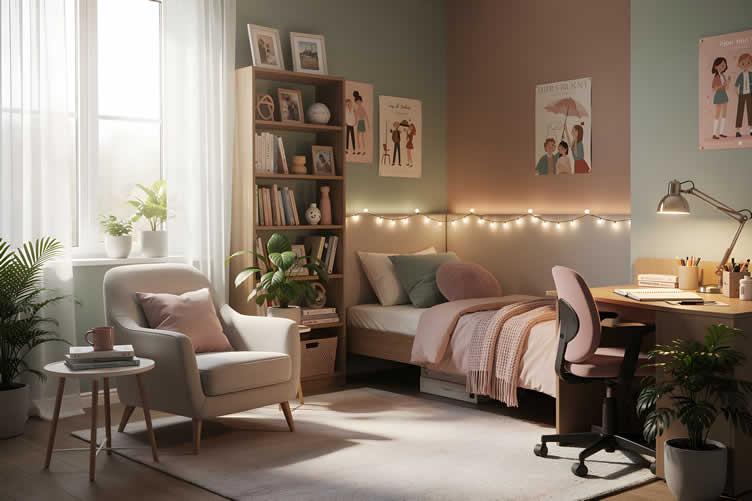
AI generated image by 123rf.com
Dangers of Indoor Air Pollution
While we often think of air pollution as a problem confined to busy highways or factories, the air within our homes can harbor a surprising number of contaminants.
Everyday activities, such as cooking, cleaning, or using certain household products, can release harmful particles and chemicals into the air.
Dust, mold, pet dander, and poor ventilation only exacerbate the issue, potentially affecting your health and comfort.
By adopting cleaner practices, investing in air-purifying systems, and ensuring adequate airflow, you can create a healthier, more breathable home environment for you and your family.
view ideas: combating indoor air pollution(new win)
-
Scroll up to directory … or scroll to next section addressing child safety …
-
-
SHARE IT ..! Someone in your network might benefit from this insightful post about why kid-friendly home improvements. Feel free to share it on Facebook, X (formally Twitter), LinkedIn, or Pinterest!




… view our home remodeling guides and steps

-
-
6th Section: Prioritize Safety in Modern Home Improvements
Creating a nurturing kids’ room means ensuring every corner is safe for curious explorers. When children begin to crawl, walk, and run, their surroundings become a giant playground full of potential hazards.
Addressing safety during home improvement projects is essential, especially when designing spaces for your little ones.
By making thoughtful changes, you can foster a secure and playful environment that protects their wellbeing while maintaining the aesthetics of your home.
AI generated image by 123rf.com
Safety, however, is not just a concern for child-specific areas—it extends to the entire home. From heavy furniture to electrical outlets, there are many steps you can take to mitigate risks and create a worry-free haven for your family.
Below, we explore expert-backed strategies to prioritize safety throughout your home improvement endeavors.
-
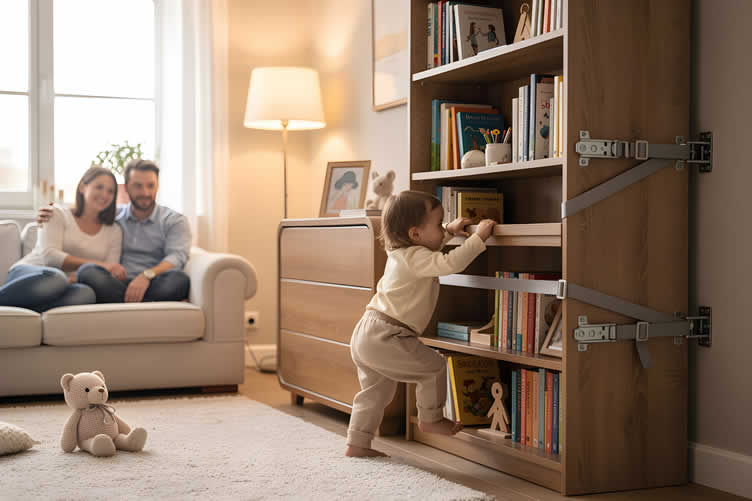
Secure Furniture to Prevent Tipping Hazards
Children have a natural tendency to climb on furniture, which can lead to potential tipping accidents if large items like bookshelves, dressers, or televisions are not properly secured.
Using wall anchors or furniture straps ensures that heavy pieces remain stable, even if a child attempts to climb or pull on them.
-
Key Takeaways:
- Install safety anchors to securely fasten furniture and televisions.
- Position heavy items on lower shelves to reduce the risk of tipping.
- Regularly inspect furniture for loosened bolts or wear and tear.
Securing furniture is a simple yet effective step that provides peace of mind while your little ones explore with curiosity.
According to the U.S. Consumer Product Safety Commission (CPSC), furniture tip-overs result in numerous injuries annually, but consistent use of wall restraints can prevent these incidents effectively.
-
-
Safeguard Electrical Outlets and Cords
Electrical outlets and cords are among the greatest concerns in child-proofing. Young fingers can easily find their way into sockets, and curious hands might tug at extension cords or device chargers.
Safeguard your living spaces by taking preventative measures to eliminate these risks.
-
Key Takeaways:
- Use child-proof outlet covers or sliding outlet plates to block access.
- Secure loose cords with cable organizers or clips to reduce tangling.
- Avoid using extension cords in high-traffic areas or near water sources.
By prioritizing these precautions, you can minimize the potential for electrical shocks or cord-related accidents.
For additional resources on child-proofing electrical systems, visit the National Fire Protection Association (NFPA) for comprehensive safety guidelines.
-
-
Address Window and Blind Cord Safety
Windows and blinds can pose hidden dangers in a home, especially when children are unsupervised. Window cords, in particular, present strangulation risks if left unattended.
Modern home improvements often focus on cordless designs for enhanced safety without compromising on functionality or aesthetic appeal.
-
Key Takeaways:
- Install cordless blinds or opt for motorized window treatments.
- Secure curtain and blind cords with cord winders or tie-down devices.
- Use window locks or stops to prevent children from opening windows too wide.
Organizations like Safe Kids Worldwide recommend replacing traditional blinds with cordless models or installing cord-shortening kits to keep potential hazards out of reach.
-
-
Choose Non-Toxic Materials and Finishes
For families prioritizing safety and health during renovations, the materials used in home improvement projects are a critical consideration.
Children are more sensitive to chemicals, so opting for non-toxic, low-VOC (volatile organic compound) paints, stains, and cleaning agents is highly recommended.
-
Key Takeaways:
- Select low-VOC or zero-VOC paints for walls and furniture.
- Avoid materials that emit harmful gases, such as formaldehyde-treated wood.
- Use natural cleaning solutions to maintain a non-toxic environment.
The Environmental Protection Agency (EPA) highlights the importance of reducing indoor air pollution for healthier homes.
Non-toxic materials not only safeguard your children but also contribute to a more sustainable and eco-friendly living space.
-
-
Install Baby Gates and Barriers Strategically
To prevent falls and restrict access to unsafe areas, baby gates are a must-have in homes with young children.
Whether safeguarding stairways or creating boundaries in rooms with breakable items, baby gates offer an effective solution.
-
Key Takeaways:
- Use hardware-mounted gates for stairs to ensure stability.
- Consider pressure-mounted gates for doorways or temporary setups.
- Regularly inspect gates for wear or loose parts that could compromise safety.
For guidance on selecting and installing gates, the Juvenile Products Manufacturers Association (JPMA) offers resources to make informed and safety-focused choices.
-
-
Final Thoughts
Ensuring the safety of your home doesn’t mean compromising on style or functionality. With thoughtful planning and attention to detail, you can create a secure and inspiring environment that caters to both children and adults.
By applying these safety measures, you’ll foster a space where your loved ones can enjoy life to the fullest, worry-free. Always consult reliable resources or local professionals for tailored advice on safeguarding your home during remodeling projects.
- Quick scroll to summary content …
Topic Key Details Additional Notes Secure Furniture to Prevent Tipping Hazards Heavy furniture like bookshelves, dressers, and televisions should be secured with wall anchors or straps to prevent tipping risks. Regular inspections of furniture are recommended by the U.S. Consumer Product Safety Commission to prevent accidents caused by loose bolts or wear and tear. Safeguard Electrical Outlets and Cords Install child-proof outlet covers, secure loose cords with organizers, and avoid placing extension cords in high-traffic areas or near water. The National Fire Protection Association provides resources for comprehensive guidelines on child-proofing electrical systems. Address Window and Blind Cord Safety Opt for cordless blinds, use tie-down devices for cords, and install window locks or stops to prevent children from opening windows too far. Safe Kids Worldwide suggests cordless models or cord-shortening kits to reduce risks. Choose Non-Toxic Materials and Finishes Select low-VOC or zero-VOC paints and avoid materials that may emit harmful gases like formaldehyde-treated wood. The Environmental Protection Agency stresses reducing indoor air pollution for a healthier home environment. Install Baby Gates and Barriers Strategically Hardware-mounted gates should be used for stairways, and pressure-mounted gates are suitable for doorways or temporary barriers. The Juvenile Products Manufacturers Association provides guidance on selecting secure options for gates and barriers. 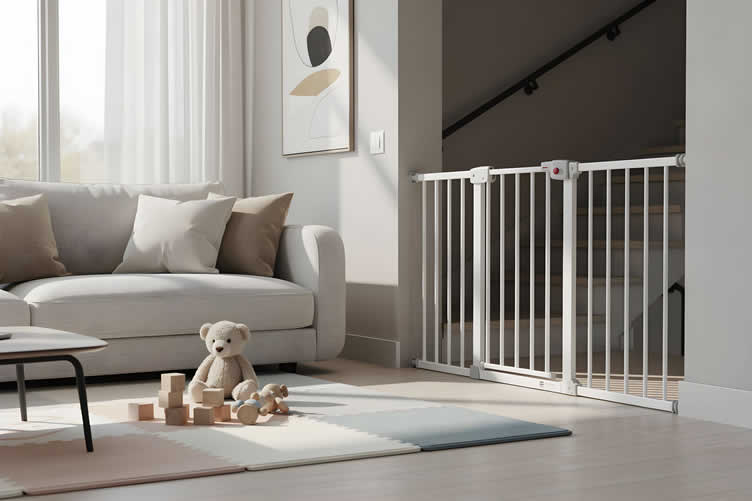
AI generated image by 123rf.com
Troubling Environments
In today’s fast-paced world, raising children who are both healthy and mentally adaptable is more important than ever.
It calls for a balanced approach that nurtures physical well-being through proper nutrition and activity, while also fostering emotional intelligence and mental resilience.
By creating a supportive home environment and modeling positive behaviors, parents can empower their children to thrive in the face of challenges, equipping them with the tools they need for lifelong success and well-being.
view ideas: raising healthy and mentally adapt kids(new win)
-
Scroll up to directory … or scroll to next section about managing media use …
-
-


Easily determine the dimensions you need for any home remodeling project …
… ensuring functionality, visual appeal, and compliance with building codes.



-
-
7th Section: Managing Media Use and Technology
… in your children’s spaces
The rapid integration of technology in our daily lives has brought remarkable benefits, but it has also posed challenges, particularly for children.
From an early age, kids are exposed to media devices such as tablets, smartphones, and computers, often connected to the internet.
While these tools provide access to education, creativity, and entertainment, unmonitored use can lead to issues such as device addiction, exposure to harmful content, and interference with their physical, social, and mental development.

AI generated image by 123rf.com
To foster healthy habits, it’s essential to establish clear rules and implement technology improvements that encourage responsible media use in your child’s private spaces, such as bedrooms and playrooms.
Balancing boundaries while respecting your child’s growing independence is vital. This guide provides actionable steps and strategies to help you set up a safe, manageable digital environment.
By taking these measures, you can promote healthier relationships with technology while nurturing their overall growth and well-being.
-
Implementing Online Use Boundaries in Private Bedrooms
Setting limitations on device usage in private bedrooms is a critical step in ensuring your child’s media consumption remains healthy and controlled.
Private spaces often provide unmonitored opportunities for extended screen time, making it crucial to establish clear rules.
- Set Screen-Free Zones and Times:
Designate the bedroom as a screen-free zone, especially during bedtime. Studies show that excessive screen use before sleep disrupts sleep patterns, which can negatively affect academic performance and behavior. Introduce a "device bedtime" where all gadgets are turned off and stored outside the room at least an hour before sleep. - Use Parental Controls:
Enable parental controls and filters on devices to block inappropriate content. Many devices and apps offer built-in tools to limit access to certain websites, manage usage time, and track activity. - Encourage Media-Free Activities:
Replace excessive screen time with alternative, engaging activities like reading, journaling, or playing offline games. Offering media-free options ensures that your child has a well-rounded environment conducive to creativity and relaxation. - Model Positive Behavior:
Children often imitate parental habits. Demonstrate how to balance screen time effectively by limiting your own device use, particularly during family or bedtime hours.
-
Summary of Ideas for Bedrooms
- Establish screen-free times and zones.
- Enable device parental controls to monitor access.
- Encourage alternative activities that substitute media use.
- Lead by example with responsible technology habits.
- Set Screen-Free Zones and Times:
-
Managing Internet Consumption in Communal Spaces
Bedrooms aren’t the only places to manage responsible media use. Ensuring a healthy relationship with technology extends to shared spaces like living rooms or play areas, where children are more likely to use devices alongside others.
- Create Supervised Media Areas:
Place computers, gaming consoles, and televisions in communal areas instead of private spaces. This setup allows you to keep an eye on what your child is accessing and provides opportunities to engage with them about what they watch or play. - Encourage Family Media Engagement:
Turn media use into a shared activity by watching shows or playing games together. This approach helps shape their media choices and encourages open dialogue about content. - Limit Wi-Fi Access:
Consider programming your home Wi-Fi to disable certain websites or apps and shut down during specific hours. Tools like smart routers enable you to manage internet connectivity with precision. - Establish Clear Time Limits:
Institute time limits for device usage per session, and ensure consistent enforcement to prevent overuse. Encourage spending time on physical play, hobbies, or other group activities instead.
-
Summary of Ideas for Communal Spaces
- Place devices in supervised areas for easier monitoring.
- Turn media use into a family engagement opportunity.
- Manage Wi-Fi access and establish connectivity rules.
- Set clear and enforced time limits on digital activities.
- Create Supervised Media Areas:
-
Choosing the Right Tools to Aid Parental Monitoring
To simplify managing your child’s media habits, modern technology offers an array of tools designed to empower parents while respecting their children’s privacy as they grow.
- Install Monitoring Software:
Applications like Qustodio and Net Nanny allow parents to oversee internet activity, set time limits, and receive alerts about suspicious behavior. - Use Customized Device Settings:
Enable child-mode settings on their devices, which restrict access to only age-appropriate content. Popular platforms like YouTube and Netflix offer "Kids" profiles tailored to younger audiences. - Leverage Smart Devices:
Smart home systems can automate restrictions, such as pausing the Wi-Fi or setting device lockouts during study or family time. - Educate Your Child:
Help children understand why these rules and tools are in place, emphasizing the importance of balance and intentional technology use.
-
Summary of Ideas for Monitoring
- Equip devices with parental control apps like Net Nanny or Qustodio.
- Implement child-safe settings on streaming and gaming platforms.
- Automate media restrictions with smart home systems.
- Communicate openly about the rationale behind digital boundaries.
- Install Monitoring Software:
-
Fostering Independence with Consistent Rules
Finally, as your kids grow older, it’s crucial to gradually ease them into managing their own media habits while maintaining consistent boundaries to ensure they don’t fall into unhealthy technology use patterns.
- Collaborate on Rule-Making:
Include your child in conversations about screen-time rules. Co-creating guidelines fosters accountability and mutual respect. - Encourage Self-Regulation:
Teach older children to monitor their media use and take breaks without prompting. Apps that display screen-time statistics can help raise awareness of daily habits. - Build Periodic Check-Ins:
Regular family discussions about media consumption habits create opportunities to adjust rules as needed and reinforce positive media behavior. - Provide Positive Reinforcement:
Praise your child’s efforts when they follow guidelines or pro-actively reduce screen time, solidifying good habits.
-
Summary of Ideas for Fostering Independence
- Include children in rule-making discussions for accountability.
- Teach self-regulation techniques using apps or schedules.
- Hold periodic check-ins with adjustments as they grow.
- Recognize and reward proactive behavior concerning device use.
With these strategies in place, you’ll empower your children to use technology as a beneficial tool while avoiding its potential pitfalls.
By fostering healthy media habits, you can create an environment where technology supports growth, learning, and creativity without sacrificing physical health, social connectivity, or emotional development.
- Collaborate on Rule-Making:
- Quick scroll to summary content …
Section Description Key Strategies Managing Media Use in Children’s Spaces The importance of fostering responsible media use through balanced rules and strategies to ensure children’s overall growth and minimize negative effects of unmonitored device usage. Establish clear rules, set up safe digital environments, and balance boundaries while promoting independence. Online Use Boundaries in Bedrooms Setting limitations on device use in private bedrooms to maintain healthy consumption of media and ensure better sleep and overall well-being. Establish screen-free zones and times, enable parental controls, encourage media-free activities, and model positive behavior. Media Consumption in Communal Spaces Ensuring responsible device use in shared areas like living rooms or play areas to promote healthier relationships with technology. Place devices in supervised areas, engage in family media activities, manage Wi-Fi access, and set clear time limits on usage. Tools for Parental Monitoring Using modern toolsets and devices to monitor and manage children’s media habits effectively while respecting their privacy. Install monitoring applications, utilize child-safe settings, automate restrictions using smart devices, and educate children on intentional media use. Fostering Independence Introducing children to self-regulation and accountability as they grow, helping them manage healthy media habits independently. Collaborate on rule-making, teach self-regulation, conduct periodic check-ins, and offer positive reinforcement for proactive behavior. 
copyright image by 123rf.com
Monitoring Healthy Media Habits
Home automation empowers parents to foster healthier media and cell phone habits for their children.
By utilizing IoT devices connected to a cloud system, you can monitor and manage screen time, app usage, and online activities with ease.
These tools provide real-time insights, helping to establish balanced routines that promote well-being.
Ensuring responsible usage of technology within your household creates a safer digital environment while maintaining oversight on devices under your family’s expenses.
With home automation, guiding your child’s media consumption becomes an effortless and effective part of your parenting strategy.
view ideas: using IoT for family management(new win)
-
Scroll up to directory … or scroll about help with kid-friendly home improvements …
-
-
Download this PDF for a concise summary of everything you need to know about …?


Calendar For:
Home Maintenance
File Type:
-
-
8th Section: Finding Help Using An Interior Designer
… for kid-friendly spaces
Creating a home that balances functionality, style, and kid-friendly features can be a challenging task.
While you want to maintain a visually appealing and organized space, you also need to ensure that it caters to the needs of your children—offering safety, comfort, and room for creativity.
Hiring an interior designer or decorator can help you achieve this balance, ensuring a joyful, harmonious living environment that both you and your kids will love.
-
What an Experienced Interior Designer/Decorator Can Offer
- Customized Design Solutions:
Professionals can tailor designs to fit your family’s unique lifestyle, blending practicality with aesthetics. - Expert Knowledge of Kid-Friendly Materials:
They can recommend durable, easy-to-clean, and non-toxic materials that stand up to the wear and tear of an active household. - Creative Storage Solutions:
Designers think outside the box, introducing storage options that declutter while enhancing the overall design. - Safe and Functional Layouts:
With a focus on child safety, they consider factors such as furniture placement, hazard-free decorations, and appropriate accessibility. - Stylish Integration of Play Areas:
Experts can seamlessly incorporate play zones into main living spaces without compromising style. - Access to Unique Resources:
Interior designers provide access to exclusive furniture, fabrics, and decor that you may not find in regular stores.
- Customized Design Solutions:
-
Finding the Right Interior Designer or Decorator
When searching for the ideal professional to assist in your kid-friendly home improvement project, start by researching designers with experience in family-focused designs.
Look at their portfolios for examples of child-friendly spaces and read customer reviews to gauge client satisfaction. Seek recommendations from friends, family, or online community groups.
It’s also beneficial to schedule consultations with a few candidates to discuss your vision, budget, and timeline. Choosing someone who truly understands your needs ensures a collaborative and rewarding design experience.
LetsRenovate has partnered with HomeAdvisor™, a renowned provider of highly-rated, carefully-vetted local interior designers and decorators. Start your search here by choosing the type of service you need and entering your zip code to find local professionals.
Aspect Details Benefits Customized Design Solutions Interior designers create tailored designs to fit your family’s needs, combining practicality and aesthetics. A personalized approach ensures designs are functional and visually appealing for your unique lifestyle. Expert Knowledge of Kid-Friendly Materials Professionals recommend durable, non-toxic, and easy-to-clean materials that withstand the demands of family life. These materials ensure a safe and low-maintenance environment for children while maintaining style. Creative Storage Solutions Designers offer innovative storage ideas that keep the home organized and enhance the overall aesthetic. Effective storage solutions declutter spaces while making the home functional and stylish. Safe and Functional Layouts Designers prioritize child safety by carefully considering furniture placement, hazard-free decor, and accessibility. Safety-focused layouts create a secure environment without compromising functionality. Stylish Integration of Play Areas Experts incorporate play zones seamlessly within main living spaces while maintaining a sophisticated design. Play areas blend into living spaces, offering children creative outlets without disrupting style. Access to Unique Resources Interior designers provide access to exclusive furniture, fabrics, and decor unavailable in regular stores. Unique resources elevate the home’s uniqueness and design quality. 
copyright image by 123rf.com
But Wait!
To simplify your search for an interior designer or decorator, we recommend downloading our evaluation worksheet.
This helpful resource allows you to objectively rank and assess potential candidates by considering key factors like pricing, licensing, and references.

Evaluation Sheet
File Type:-
Scroll up to directory … or scroll to conclusion and references …
-
-
-
Conclusion
Creating a beautiful, family-friendly home does not have to be a source of stress. By moving away from short-lived trends and focusing on adaptable layouts, durable materials, and smart storage, you can build a nurturing environment that easily evolves alongside your children.
These thoughtful improvements reduce daily friction, empower your kids, and allow you to fully enjoy the fleeting, precious moments of family life.
We encourage you to look around your space today and identify one small area where a future-proof update could bring more peace to your daily routine.
Resource Citations
- Martha Stewart Trend Reporting (Referenced Internal Draft). "Pinterest 2026 Trend Reporting on Flexible Spaces."
- Momma Braga (Referenced Internal Draft). "Convertible Rooms and Multi-functional Layouts."
- Better Homes & Gardens (Referenced Internal Draft). "Storage That Hides Clutter and Calm Aesthetics."
-
Quick scroll to more interior home and decor ideas …
-
ideas to view and compare from the photo above
- What comments can you share about
kid-friendly home improvements that you have made?


… view our sharing links below for a quick "share the knowledge"
Find Interior Design Services Decorators Interior Designers Furniture Painting & Staining top-rated, pre-screened local contractors FREE: download contractor selection enter zip code – powered by HomeAdvisor ™
Quick Contractor Guides selecting negotiating working with inspecting

Cover image credit: kid-friendly home improvements by 123rf.com
end of post … please share it!
 |
did you find this kid-friendly home improvements analysis helpful? If so, please share the article with your friends and family! |
Nice pic idea? Leave us a quick comment below.
And please share this pic idea within your social networks.