Summary Outline –
… understanding the urgency of preparation …
Disasters are rarely polite enough to announce their arrival ahead of time. History is filled with real-life examples where families had mere minutes to flee.
Consider the wildfires that have swept through regions like Northern California, or the hurricanes that batter coastal areas. In these scenarios, the difference between a chaotic exit and a managed evacuation often comes down to preparation. Even man-made incidents, such as industrial accidents or chemical spills, can turn a quiet afternoon into an immediate crisis requiring evacuation.
The nature of emergencies is inherently unpredictable. You might assume you will have time to grab your wallet, a coat, or a bottle of water, but high-stress situations often cloud our judgment. Relying on the hope that you can gather supplies in the heat of the moment is a risky strategy.
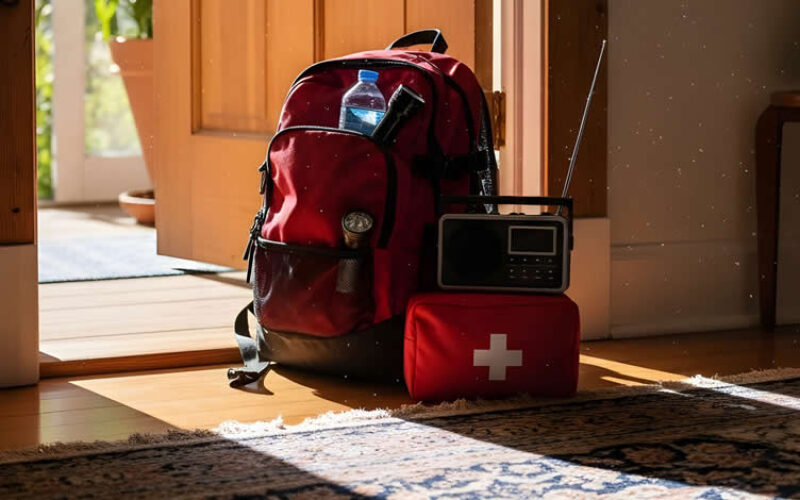
A dedicated 72-hour kit acknowledges this unpredictability. It stands ready so that you don’t have to think—you just have to grab and go. This proactive approach transforms you from a passive victim of circumstance into an empowered protector of your family.
By assembling a kit that can sustain your family for three days, you ensure that even in the most uncertain times, you can provide for your loved ones’ basic needs. Let’s walk through how to build a comprehensive kit that offers security and comfort when you need it most.
- post content … analysis / 72-hour kit

-
- —— begin first topic ——
-
1st 72-Hour Kit: Water and Food
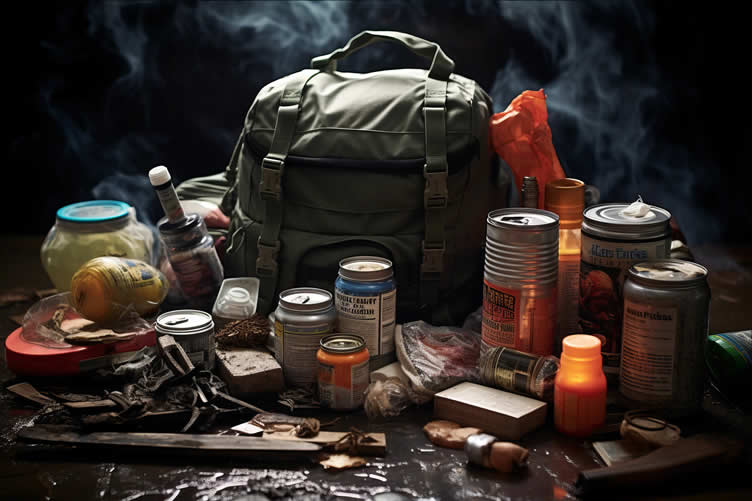
Preparing for unexpected situations begins with ensuring that your basic survival needs are met. At the heart of any 72-hour survival kit are essentials for hydration and nutrition.
These components provide the sustenance and energy necessary to maintain physical and mental well-being during emergencies.
copyright image by 123rf.com
This guide explores robust solutions for these critical needs, emphasizing practical products and best practices that align with expert recommendations. By preparing thoughtfully, you can handle emergencies with confidence and efficiency.
By planning ahead and including carefully chosen items, you can ensure that you and your family are equipped to face unforeseen challenges with confidence. Below are key considerations for assembling a robust kit that prioritizes sustenance and practicality.
- Quick scroll to summary content …
(continue read)
-
Water
Water is the most crucial element for survival. Each person requires approximately one gallon (about four liters) of water per day, which accounts for both drinking and basic hygiene needs. Over a 72-hour period, this equates to a total of three gallons per person.
Proper storage of water is essential to ensure it remains safe and free from contamination. Use sealed, food-grade water containers or pre-packaged bottled water, storing them in a cool, dark, and accessible location.
For families, consider larger containers that can supply multiple people, but also include individual bottles for portability in case you must evacuate quickly.
If carrying large amounts of water is impractical, include water purification supplies such as water filters, purification tablets, or portable UV sterilizers as part of your kit.
These tools ensure you can safely hydrate using available natural sources of water, such as rivers or streams, when necessary. Always rotate your stored water every six months to maintain its freshness and safety.
-
Food
Your 72-hour kit should include a three-day supply of ready-to-eat, non-perishable food items. These foods should provide adequate calories and nutrition to sustain energy levels.
Canned goods, such as meats, beans, fruits, and vegetables, are excellent choices due to their long shelf life and ease of preparation.
Pack lightweight and densely caloric options such as protein bars, granola, trail mix, and peanut butter for portability and quick energy boosts. Instant oatmeal or crackers can also add versatility to your food supply.
It is important to select food items that your family will actually eat and enjoy—emergencies are stressful enough without forcing down unfamiliar or unappealing meals.
Therefore, test and rotate these supplies regularly to ensure freshness and palatability. Consider nutrient-dense options that also promote satiety, as managing hunger can directly impact morale and decision-making during emergencies.
-
Special Diets
When assembling a survival kit, it is critical to address any specialized dietary needs within your household. For families with infants, include an adequate supply of baby formula and shelf-stable baby food, along with any required feeding accessories.
If you have children or teens, consider packing high-energy snacks that appeal to them, such as fruit pouches, energy bars, or yogurt-covered nuts. For those with medical conditions that require specific foods, include low-sodium or other diet-appropriate options to ensure their nutritional and health needs are met during an emergency.
By planning for these unique dietary considerations, you can avoid unnecessary stress and ensure everyone has access to appropriate and safe nutrition.
-
Utensils and Preparation Tools
Food and water cannot be effectively utilized without the right tools to prepare and consume them. A manual can opener is essential for accessing canned food, especially in a situation where power may be unavailable.
Disposable or reusable cups, plates, and utensils should also be included, offering convenience and minimizing cleanup in scenarios where water and sanitary facilities might be limited.
For kits designed with the possibility of cooking, include a small pot or mess kit if you intend to heat food. Compact camping stoves or fuel tablets can make it possible to prepare meals even in the most difficult conditions.
Remember to account for safety when using portable cooking tools indoors or outdoors by following all manufacturer guidelines.
-
Final Recommendations
When building the hydration and nutrition segment of your 72-hour survival kit, focus on essential items that are durable, portable, and easily consumable. Regularly rotate supplies to ensure their continued safety and effectiveness.
A well-assembled kit not only fulfills immediate survival needs but also provides peace of mind, helping you and your loved ones face emergencies with greater confidence and resilience.
For further guidance on recommended products and storage practices, consult reliable resources such as the Federal Emergency Management Agency (FEMA) or the Red Cross.
These organizations provide detailed information about emergency preparedness, ensuring your kit aligns with best practices for survival.
Topic Description Key Considerations Understanding the Urgency of Preparation Disasters can occur unexpectedly, leaving families with little to no time to prepare. Proper preparation, such as having a 72-hour kit, can significantly improve a family’s ability to manage emergencies effectively. Emergencies are unpredictable, and reliance on last-minute preparations is risky. A 72-hour kit offers a proactive solution, ensuring safety and reducing stress during critical moments. Water Water is the most crucial survival element. Each individual requires about one gallon per day for drinking and hygiene purposes. Proper storage and tools for purification should be included in the kit to maintain safety and accessibility. Store at least three gallons per person, and include purification tools like water filters or tablets. Rotate water supplies every six months to ensure freshness and usability. Food Non-perishable and ready-to-eat food items are vital for sustaining energy during emergencies. Selections should emphasize portability, nutritional value, and ease of preparation. Include items like canned goods, protein bars, and lightweight snacks. Rotate supplies regularly to maintain freshness and pack foods suitable for all family members. Special Diets Addressing dietary restrictions or needs ensures all family members are appropriately nourished during emergencies. Specialized items, such as baby formula or diet-specific foods, should not be overlooked. Prepare for infants, children, or individuals with medical conditions by including specialized items like baby food, high-energy snacks, or low-sodium alternatives to meet specific needs. Utensils and Preparation Tools The kit should include necessary tools to prepare and consume food and water safely. Items like manual can openers and disposable utensils simplify the process in challenging situations. Include a manual can opener, disposable or reusable utensils, small pots, or portable cooking stoves. Follow safety guidelines when cooking in confined spaces. Final Recommendations Focus on durability, portability, and ease of use when assembling the kit. Regularly review and update supplies to ensure consistent preparedness. Consult trusted resources, such as FEMA or the Red Cross, for best practices and recommendations to ensure your kit meets emergency preparedness standards. 


copyright image by 123rf.com
Is Your Home Water Safe?
Clean drinking water is essential for the health and well-being of your family. To check if your current home water is safe, start by reviewing your local water quality report, which is typically provided annually by your water supplier.
These reports detail any contaminants present and their levels. Additionally, you can use at-home water testing kits to identify common impurities such as lead, chlorine, or bacteria.
If you suspect issues, consider installing a water filtration system or consulting a professional to address specific concerns. Taking these steps ensures you are providing the safest and best quality water for your household.
view ideas: importance of clean drinking water (new win)
-
Scroll up to directory … or scroll to next section need to for your 72-hour kit …

-
2nd 72-Hour Kit: Hydration, Cooking, and Sanitation
Having a reliable supply of packed water is essential in emergencies, but ensuring you have a backup method for water access is equally important for long-term sustainability and safety.
Emergencies like extended power outages, natural disasters, or other unforeseen situations can disrupt access to clean water, making it crucial to be prepared.
Equipping yourself with the right tools for hydration, cooking, and sanitation not only supports your immediate well-being but also enhances your ability to adapt and maintain a sense of normalcy during difficult times.

copyright image by 123rf.com
For instance, portable water filtration systems or purification tablets can be invaluable for ensuring a steady supply of drinkable water.
This guide delves into robust and practical solutions for these critical needs, focusing on products and techniques that align with expert recommendations.
By taking the time to prepare thoughtfully, you can face emergencies with greater confidence, efficiency, and peace of mind, knowing that you have what you need to stay safe and resilient.
- Quick scroll to note content …
(continue read)
-
Hydration Requirements
Staying hydrated is non-negotiable in any survival scenario. Water purification tablets and portable filters are essential tools for ensuring access to safe drinking water when stored supplies become limited.
Tablets effectively neutralize harmful pathogens, including bacteria, viruses, and protozoa, while portable filters provide a reusable, eco-friendly option. Both options are lightweight and practical for long-term storage or on-the-go needs.
For best practices, always follow manufacturer instructions when using purification tablets, allowing the water sufficient time to become safe for consumption.
If using a filter, ensure you understand its lifespan and how to clean it after repeated use. The Centers for Disease Control and Prevention (CDC) strongly recommend having at least one backup filtration method as a safeguard for emergencies.
-
Cooking Requirements
A small camp stove with fuel or a compact folding stove provides an efficient way to meet your cooking needs during a disruption. These stoves are specifically designed for outdoor use, ensuring safe operation without the risk of harmful carbon monoxide buildup indoors.
A portable camp stove allows you to heat water for hydrating meals, sanitize tools, and cook essential ingredients.
Stock sufficient fuel to power your stove for several days, depending on the anticipated length of the emergency. Additionally, equipment like a lighter and waterproof matches ensures reliable ignition even in adverse weather conditions.
FEMA’s preparedness guidelines emphasize that cooking equipment should always be inspected before use and stored in an accessible, dry location.
-
Sanitation Requirements
Maintaining sanitation during emergencies requires tools that are compact yet highly effective. Dish soap, a sponge, and a small towel can be used to clean cooking utensils and ensure basic hygiene, preventing the spread of harmful bacteria.
Proper waste management is equally crucial, and having trash bags and zip-top bags ready for waste and residue storage helps maintain cleanliness while minimizing odors.
The Environmental Protection Agency (EPA) highlights the importance of controlling waste to prevent environmental contamination in emergency settings. Double-bagging trash and reserving a secure area for disposal will go a long way in improving safety and comfort.
Additionally, zip-top bags can perform double duty as storage for useful items, protecting them from water or debris during emergencies.
-
Final Thoughts
Emergency preparedness extends beyond securing water and food supplies. Equipping yourself with reliable tools for hydration, cooking, and sanitation ensures a well-rounded approach to survival.
Always prioritize tools and methods vetted by trusted authorities, and be diligent in testing and familiarizing yourself with your gear before an emergency arises.
By preparing effectively, you not only safeguard your physical needs but also create a sense of stability and control in uncertain situations.
Category Key Needs Solutions Recommendations Hydration Access to safe drinking water during emergencies. Water purification tablets, portable filters. Follow manufacturer instructions for tablets, have a backup filtration method as per CDC guidelines. Cooking Ensuring the ability to prepare meals and heat water. Small camp stoves, compact folding stoves, sufficient fuel, lighters, waterproof matches. Inspect cooking equipment regularly and store in an accessible, dry location as per FEMA guidelines. Sanitation Maintaining hygiene and managing waste effectively. Dish soap, sponges, small towels, trash bags, zip-top bags. Double-bag waste for disposal and follow EPA’s advice to prevent environmental contamination. Final Thoughts Comprehensive emergency preparedness. Reliable tools for hydration, cooking, and sanitation. Test and familiarize yourself with gear before emergencies to ensure confidence and stability. 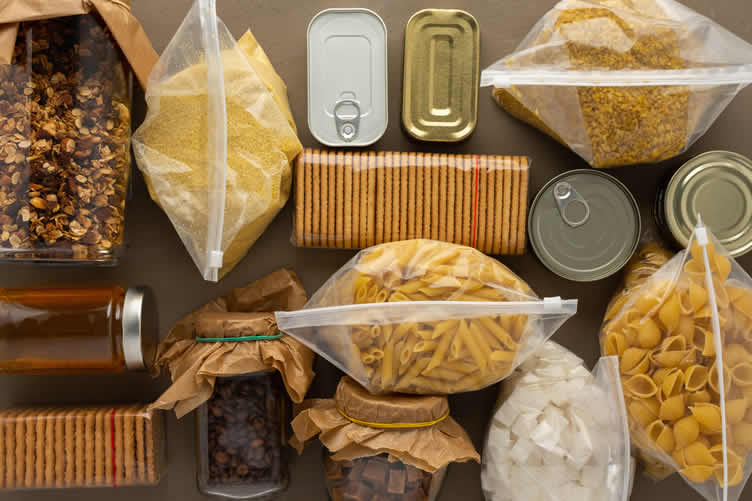
copyright image by 123rf.com
Essential Cooking Skills
Learning how to cook is an invaluable life skill for kids transitioning to college or living on their own for the first time. Beyond ensuring they can prepare nutritious and cost-effective meals, cooking fosters independence and confidence.
Simple recipes and techniques, like boiling pasta, roasting vegetables, or making quick breakfasts, lay the foundation for healthier habits and smarter financial choices.
By equipping young adults with basic culinary knowledge, they are better prepared to thrive in their new environments while savoring the satisfaction of creating meals that feel like home.
view ideas: beginner’s guide to cooking (new win)
-
Scroll up to directory … or scroll to next needs in the event of an home evacuation …
-
3rd 72-Hour Kit: Shelter, Warmth, and Clothing
… staying safe from the elements in an evacuation
Exposure to the elements presents a significant risk during an evacuation, often jeopardizing both health and safety in ways that can be easy to overlook.
While environmental hazards may initially seem manageable, even mild weather can quickly escalate into a life-threatening situation without proper precautions.
For example, temperatures in warmer climates, while comfortable during the day, can plummet dramatically at night, leaving evacuees unprepared for sudden cold.

copyright image by 123rf.com
Similarly, unexpected weather changes, such as rainstorms or unseasonal heat, can further challenge those already facing the stress of displacement.
Preparing adequately for shelter, warmth, and appropriate clothing is not just recommended—it’s essential for maintaining safety, health, and resilience during emergencies.
Below, we delve into key strategies and expert-backed solutions to help you address these critical needs effectively and protect yourself and others in unpredictable situations.
- Quick scroll to summary content …
(continue read)
-
Shelter
Securing adequate shelter during an evacuation should be among the top priorities to protect yourself and your family from changing weather conditions. A durable emergency tent or tarp can serve as a critical barrier against wind, rain, and sun exposure.
These items are compact and lightweight, making them an excellent option for grab-and-go emergency kits. If space is limited, emergency space blankets are another reliable solution.
These metallic thermal blankets are specifically engineered to retain body heat while providing some defense against the elements. Look for options endorsed by rescue professionals or emergency preparedness organizations to ensure effectiveness.
-
Warmth
Maintaining warmth is essential to prevent hypothermia, even in relatively mild climates. Each evacuee should have a sleeping bag or a warm blanket suited for colder temperatures.
Opt for sleeping bags rated for at least 20°F lower than the expected climate during evacuation to account for unanticipated drops in temperature. Emergency space blankets, while designed primarily for heat retention, can also amplify the warmth inside a sleeping bag or blanket.
Additionally, fire-starting tools such as waterproof matches or a lighter should be an integral part of your preparedness kit, allowing you to safely create a heat source when needed.
-
Clothing
Clothing serves as your first line of defense against environmental exposure. Prepare a change of clothes for each individual, ensuring that the wardrobe includes a long-sleeve shirt, a short-sleeve shirt, pants, socks, underwear, and a sturdy pair of shoes or boots.
Layers are essential, as they allow flexibility in adapting to fluctuating temperatures. Add a hat and robust work gloves to the kit for added protection against sun, cold, or physical hazards.
Rain gear, such as a poncho or a rain jacket, is also indispensable, as staying dry can significantly impact your body temperature and overall well-being. Prioritize high-quality, weather-resistant materials for each clothing item, as these ensure durability and dependability during extended periods of wear.
By carefully addressing these elements—shelter, warmth, and clothing—you can create a foundation for safety and comfort during an evacuation.
Always refer to reputable emergency preparedness resources, such as the Federal Emergency Management Agency (FEMA) or the National Weather Service, for additional guidance and recommendations specific to your region and climate.
Taking these preparations seriously helps you mitigate risks and ensures that you and your loved ones remain secure, regardless of the challenges posed by the environment.
Category Key Points Recommendations Shelter Securing adequate shelter is essential during an evacuation to protect against weather conditions such as wind, rain, and sun exposure. Use durable emergency tents, tarps, or space blankets endorsed by professionals. These items should be compact, lightweight, and effective at retaining body heat while shielding against the elements. Warmth Maintaining warmth prevents hypothermia even in mild climates where temperatures may drop unexpectedly. Include sleeping bags or blankets rated for at least 20°F below the climate’s expected temperature. Carry fire-starting tools like waterproof matches or lighters to create heat sources when necessary. Clothing Clothing provides the first line of defense against exposure and temperature fluctuations. Prepare layers including long-sleeve shirts, short-sleeve shirts, pants, socks, underwear, and durable shoes. Add hats, gloves, and rain gear such as ponchos or jackets made of weather-resistant materials. 
copyright image by 123rf.com
Preparing for a Hurricane
Hurricanes are among the most devastating natural disasters, often requiring swift evacuation to ensure safety. Proper preparation can help safeguard your home and minimize damage from high winds, heavy rainfall, and flooding.
Begin by securing windows with storm shutters or plywood and inspecting your roof for vulnerabilities. Bring outdoor furniture and lawn equipment inside to prevent them from becoming dangerous projectiles.
It’s also vital to check your drainage systems to ensure water flows away from your home’s foundation. By taking these proactive steps, you can better protect your property and loved ones from the unpredictable forces of a hurricane.
view ideas: prepare for hurricane season (new win)
-
Scroll up to directory … or scroll of the importance of first aid and medications …
-
4th 72-Hour Kit: First Aid and Medications
… for injuries and illness during disasters
When a disaster strikes, the immediate aftermath is often a chaotic and unpredictable environment where the risk of injuries and illnesses can increase significantly.
The usual safety of our surroundings may be compromised by physical hazards like debris, while access to professional medical care could be severely limited or entirely unavailable.
Furthermore, challenging environmental conditions can contribute to health issues, causing situations to escalate rapidly without the right preparation.
copyright image by 123rf.com
This is why having a comprehensive and well-thought-out plan for first aid and medication is so crucial.
A good plan ensures you are properly equipped to handle a range of health emergencies effectively, protecting yourself and your family when professional help isn’t readily accessible.
The following sections will guide you through the essential components and necessary precautions to help you confidently address medical needs when a disaster occurs.
- Quick scroll to summary content …
(continue read)
-
First Aid Kit Essentials
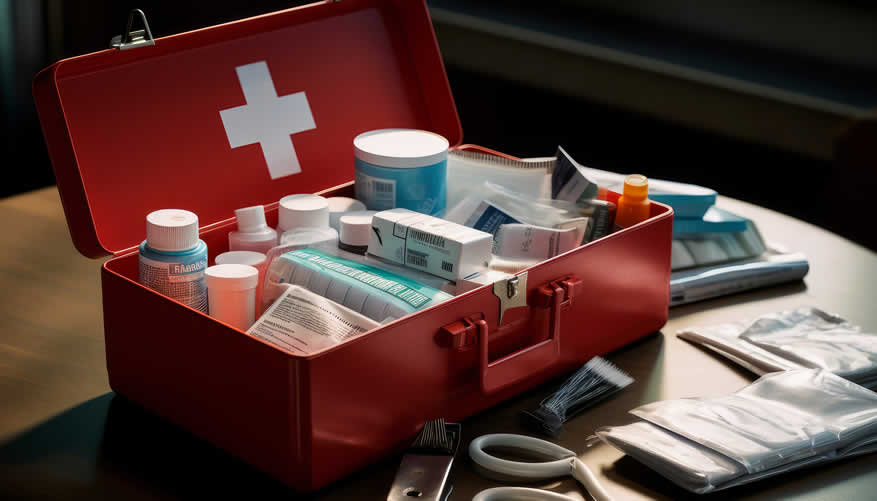
A well-stocked first aid kit is the foundation of emergency medical preparedness. Include a variety of bandages, gauze pads, and rolls to dress wounds of different sizes.
Adhesive tape and antiseptic wipes or ointment are critical for cleaning and securing injuries, helping to prevent infection. Tools such as tweezers and small scissors can assist in precise care, while elastic bandages are helpful for stabilizing sprains or strains.
Instant cold packs provide quick relief for swelling or inflammation, and having disposable gloves ensures sanitation during treatment. Regularly check your kit to restock and ensure all items are in usable condition.
-
Over-the-Counter Medications
Common ailments often arise during emergencies, making over-the-counter medications a necessity. Pain relievers are fundamental for managing injuries or headaches, while antihistamines address allergic reactions.
Anti-diarrheal and antacid medications can mitigate digestive issues that may occur due to stress or unfamiliar food supplies.
It is also important to include any additional over-the-counter medications you or your family uses regularly, as access to pharmacies may be limited.
-
Prescription Medications
For individuals with ongoing medical needs, prescription medications are paramount. Always maintain a 3-to-7-day supply of necessary medications in your emergency kit, ensuring they are stored in appropriate conditions to retain their efficacy.
Copies of prescriptions should be included as well, allowing for refills or replacements in case supplies are lost or misplaced. This foresight safeguards your health and reduces the risks associated with interruptions in critical care.
-
Additional Medical Necessities
Beyond standard medications, consider any additional items required for personal health. Spare glasses or contact lenses with solution should be included, as vision aids are often overlooked but essential.
For those with medical devices such as inhalers, EpiPens, or glucose monitors, packing backups can be lifesaving. Adapting your emergency kit to your specific needs ensures you are adequately prepared to handle unforeseen challenges during a disaster.
Experts recommend reviewing and updating your medical supplies annually, or more frequently if personal health circumstances change.
Further information and guidance can be found through reputable resources like the American Red Cross and the Centers for Disease Control and Prevention (CDC).
Taking the necessary steps to prepare now minimizes risks and enhances your ability to respond effectively, providing peace of mind in even the most unpredictable situations.
Category Description Essential Components Injuries and Illness During Disasters During disasters, the risk of injuries and illnesses increases significantly due to physical hazards, lack of medical care, or environmental conditions. Comprehensive planning for first aid, medication, and proper preparation is crucial to handle health emergencies effectively. First Aid Kit Essentials A well-stocked first aid kit is key to addressing medical emergencies during disasters. Include bandages, gauze pads, adhesive tape, antiseptic wipes, tweezers, scissors, elastic bandages, instant cold packs, and disposable gloves. Regularly restock and check inventory for usability. Over-the-Counter Medications These medications are important for managing common illnesses or ailments during emergencies. Include pain relievers, antihistamines, anti-diarrheal and antacid medications, as well as regularly used over-the-counter items. Prescription Medications For ongoing medical needs, maintaining a supply of prescription medications is essential. Always have a 3-to-7-day supply stored properly, along with copies of prescriptions for refills or replacements as needed. Additional Medical Necessities Other personal medical items may be required based on individual health needs. Pack spare glasses/contact lenses, solutions, backups for inhalers, EpiPens, glucose monitors, and review supplies annually or as health conditions change. 
copyright image by 123rf.com
Coping with Home Emergencies
Not all emergencies necessitate immediate evacuation; in fact, many occur right inside the home. From plumbing issues like burst pipes to an HVAC system failing on a sweltering day, these situations can disrupt comfort and functionality but are often manageable with the right approach.
Being prepared with basic tools, a list of trusted service providers, and some DIY knowledge can empower you to quickly address these challenges while minimizing stress.
Learning practical tips, such as shutting off the water supply during a pipe burst or recognizing signs of HVAC malfunction early, can make all the difference in maintaining your home’s safety and liveability.
view ideas: navigating home emergencies (new win)
-
Scroll up to directory … or scroll to need of lighting and communication …
-
5th 72-Hour Kit: Tools, Lighting, and Communication
… staying safe when the power grid fails
Losing access to electricity, whether due to a storm or another unforeseen event, can be an unsettling and challenging experience. It often disrupts our daily routines and cuts us off from basic necessities like lighting and communication.
During these situations, having the right tools and resources prepared can make a world of difference, affecting not only your physical safety but also your psychological well-being.
copyright image by 123rf.com
By staying prepared with essential lighting tools, communication aids, and other practical items, you can maintain a reassuring sense of control and confidence until power is fully restored.
This guide will walk you through the key components necessary to help you and your loved ones remain safe, informed, and connected when the lights go out.
- Quick scroll to summary content …
(continue read)
-
Lighting Essentials for Safety and Comfort
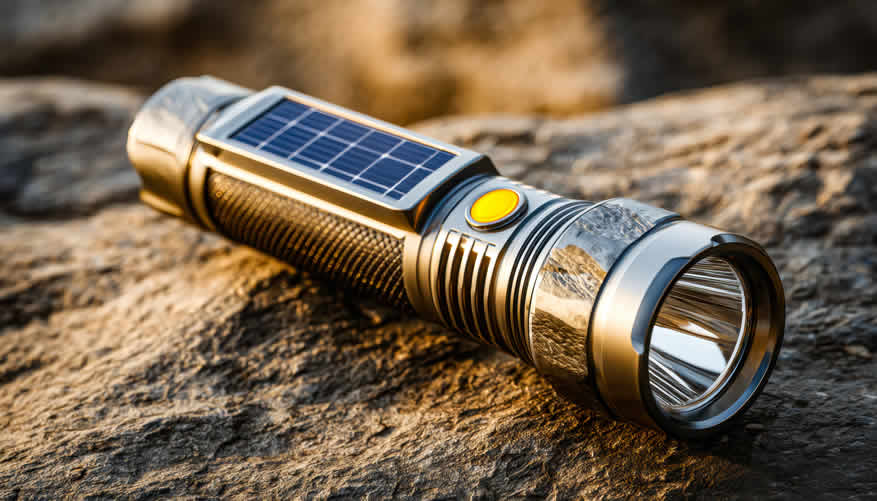
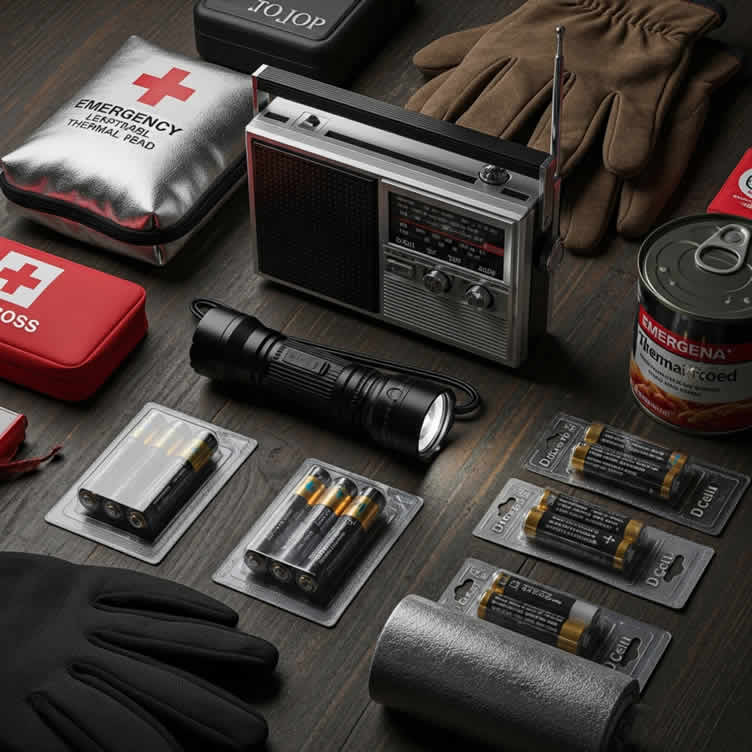
When the power goes out, reliable lighting becomes imperative for both safety and morale. A flashlight or headlamp is a must-have tool, as it provides hands-free lighting to aid in movement and tasks, especially in dark or hazardous environments.
To ensure these tools remain operational, always keep extra batteries on hand, stored in a dry and accessible location. LED options are particularly effective due to their brightness and battery efficiency.
Consider placing flashlights or headlamps in key areas of your home, such as near entrances, stairways, and in your emergency kit, so they are easy to locate when needed.
Additionally, candles and lanterns can serve as supplemental lighting sources, but take necessary safety precautions to prevent fire hazards.
Battery-powered lanterns are highly recommended as a safer alternative to open flames. Having dependable lighting available not only reduces the risk of accidents but also helps alleviate stress during prolonged outages.
-
Essential Tools for Practical Needs
Being equipped with the right tools can address a variety of challenges that arise during a power outage. A multi-tool or pocket knife is invaluable due to its versatility, allowing you to handle tasks like cutting, opening, or fixing small items with ease.
Similarly, a basic tool kit containing a screwdriver, wrench, and pliers ensures you are prepared for minor repairs around the house, such as securing loose fittings or turning off a water valve if needed.
Other critical tools include duct tape and nylon cord or rope, which are versatile solutions for securing items, temporary repairs, or even constructing makeshift shelters.
Waterproof notepads and pens or markers allow you to write down messages or instructions, especially in conditions where electronic devices may not function.
Keeping these items stored together in an easily accessible area ensures that you are prepared to act swiftly when emergencies arise.
-
Staying Connected Through Effective Communication
Maintaining communication during a power outage is essential both for staying informed and for seeking help if necessary.
A whistle can be an effective tool for signaling for help, particularly if you are unable to call for assistance due to limited phone access or injuries. Its sound can carry over long distances, ensuring that you can attract attention in emergency situations.
If cell service remains operational, ensure your phone is fully charged, and invest in a portable power bank to keep your devices running. Solar-powered chargers can also be a useful backup for extended outages, as sunlight becomes a free and renewable energy source.
For written communication, particularly when verbal methods are not possible, waterproof notepads and markers provide a durable way to leave notes or relay messages.
Additionally, consider acquiring an emergency radio. Models equipped with battery, solar, or hand-crank power are ideal for staying updated on weather conditions, hazards, and other critical information.
These devices are invaluable in ensuring you remain informed, even in the absence of a reliable internet connection.
-
Being Prepared Creates Confidence
Planning ahead for power failures allows you to remain calm and capable under stress, ensuring that the safety and well-being of your household are maintained.
By assembling a well-rounded kit that includes dependable lighting, essential tools, and communication devices, you empower yourself with the ability to handle challenges effectively.
Organizations such as the Federal Emergency Management Agency (FEMA) and the American Red Cross provide valuable resources and recommendations for emergency preparedness. Referencing these credible sources can help you build an emergency kit tailored to the unique needs of your household.
Preparation is the key to weathering power outages with confidence and resilience. Knowing that you have the proper tools and knowledge ensures that even during the most difficult times, you can safeguard your loved ones and your home.
Category Description Details Lighting Essentials Reliable lighting tools for safety and comfort Flashlights or headlamps are necessary for movement in the dark, with extra batteries stored in a dry location. LED options are preferred for efficiency. Place lighting in accessible home areas and consider battery-powered lanterns as a safer alternative to open flames. Dependable lighting reduces accident risks and stress. Essential Tools Practical items for addressing challenges Multi-tools, pocket knives, basic tool kits, duct tape, and nylon cords are vital for minor repairs and practical use. Waterproof notepads and markers help with written messages. Store items together in one area for swift access during emergencies. Effective Communication Maintaining communication and staying informed Whistles can signal for help when verbal communication is not possible. Keep phones charged with portable power banks or solar chargers. Emergency radios powered by batteries, solar, or hand-crank ensure updates on weather and hazards. Written communication tools like waterproof notepads can supplement verbal methods. Preparedness Confidence Planning to reduce stress during outages A comprehensive kit with lighting, tools, and communication devices ensures readiness. Resources from FEMA or the Red Cross provide guidance for tailoring emergency kits to household needs. Preparation ensures a sense of control and safety during power grid failures. 
copyright image by 123rf.com
Home Power Outages
Home power outages are an inconvenience that can strike during winter storms, summer blackouts, or unexpected system failures. To stay safe and comfortable during these events, it’s essential to have a plan in place.
Start by assembling an emergency kit with flashlights, extra batteries, and a portable charger for your electronic devices. Keep non-perishable food, bottled water, and blankets readily available, especially during colder months.
Consider investing in a backup generator to power essential appliances during extended outages. Lastly, familiarize yourself with manual operation options for devices like garage doors or medical equipment to ensure you’re prepared for any situation.
With these steps, you can minimize disruption and stay safe during a power outage.
view ideas: power outage preparedness (new win)
-
Scroll up to directory … or scroll to next section about hygienics …
-
6th 72-Hour Kit: Maintaining Personal Hygiene
… in challenging circumstances
Maintaining personal hygiene during emergencies or challenging times is about more than just staying clean; it plays a crucial role in preventing the spread of disease and maintaining both physical and emotional well-being.
Proper hygiene is essential for protecting your health, as it reduces the risk of infections and illness, which can spread more easily when resources are scarce or routines are disrupted.

copyright image by 123rf.com
Beyond physical health, maintaining hygiene fosters a sense of dignity and normalcy, helping to preserve morale even in difficult circumstances. Simple practices, like washing your hands regularly, keeping your body clean, or ensuring access to basic hygiene supplies, can make a significant difference.
When regular routines become difficult to uphold, having essential supplies—such as soap, hand sanitizer, clean water, and sanitary items—and a practical plan for using them can empower you to stay resilient.
By prioritizing hygiene, you not only protect yourself but also contribute to creating a healthier, safer environment for everyone around you. Let’s explore what you need for your emergency kit.
- Quick scroll to summary content …
(continue read)
-
Toothbrush, Toothpaste, Soap, Deodorant, and Comb/Brush
A basic yet effective hygiene routine can significantly reduce the risk of oral and skin infections. A toothbrush and toothpaste help to maintain oral health by removing plaque, preventing gum disease, and combating bad breath.
Soap is essential for daily cleaning and removing dirt, bacteria, and viruses from the skin. Additionally, using deodorant can minimize odor and maintain freshness, making stressful situations more bearable.
A comb or brush will keep your hair manageable and comfortable, promoting both hygiene and personal confidence. Regular use of these items will support your health and boost your sense of well-being.
-
Toilet Paper, Tissues, and Moist Towelettes/Baby Wipes
Proper sanitation starts with having accessible and reliable materials for personal cleanliness. Toilet paper and tissues are fundamental for hygiene needs, especially in situations where access to plumbing may be limited.
Moist towelettes or baby wipes serve as versatile alternatives for cleaning the body when showering is not possible.
These items are indispensable for maintaining cleanliness and avoiding discomfort caused by sweat, dirt, or environmental conditions. Their compactness also makes them practical additions to any emergency kit.
-
Hand Sanitizer and Small Bottle of Bleach or Disinfectant
Hand cleanliness is vital in preventing the spread of germs and illnesses, particularly when access to water and soap is limited. Alcohol-based hand sanitizer with at least 60% alcohol ensures effective germ removal between washes.
A small bottle of bleach or disinfectant is equally crucial for sanitizing surfaces, utensils, and contaminated areas, minimizing the risk of infection in your living environment. Proper use of these supplies can maintain a hygienic space and safeguard your household from harmful pathogens.
-
Feminine Hygiene Supplies
Adequate feminine hygiene products are a necessity for maintaining health and comfort. Products such as sanitary pads, tampons, or menstrual cups should be part of every preparedness plan to meet individual needs.
Access to these items helps prevent infections and discomfort during menstruation and provides peace of mind during uncertain times. Keep these products stored in waterproof containers to maintain their integrity and usability.
-
Small Towel or Washcloth, Spare Plastic Bags, and Heavy Duty Garbage Bags
A small towel or washcloth can serve multiple purposes, from drying after washing to cleaning surfaces. These reusable items are lightweight and easy to pack, making them ideal for emergency kits.
Spare plastic bags provide a solution for organizing used hygiene items, while heavy-duty garbage bags aid in proper waste disposal. Creating a plan for sanitation and trash management maintains hygiene and ensures a safer, more organized environment.
By maintaining a robust personal hygiene routine, you protect not only yourself but also those around you from the spread of illness and infection.
Sources such as the Centers for Disease Control and Prevention (CDC) offer comprehensive guidance on hygiene practices in emergencies, which can further empower you to manage these aspects effectively.
Preparedness begins with small yet impactful actions, ensuring dignity, health, and resilience no matter the circumstance.
Category Details Purpose Maintaining Personal Hygiene Maintaining personal hygiene is critical for preventing disease, improving morale, and creating a healthier environment during emergencies by staying clean and using proper supplies. Preserve dignity, health, and normalcy during challenging circumstances. Toothbrush, Toothpaste, Soap, Deodorant, Comb/Brush These items ensure oral and skin health, combat odors, and improve confidence by maintaining freshness and cleanliness. Reduce infections, maintain hygiene, and uphold personal confidence. Toilet Paper, Tissues, Moist Towelettes/Baby Wipes These essential items maintain sanitation, especially in areas with limited access to plumbing, by cleaning and removing dirt and sweat. Maintain personal cleanliness and comfort in challenging environments. Hand Sanitizer, Small Bottle of Bleach/Disinfectant Hand sanitizer with at least 60% alcohol removes germs when soap and water are unavailable. Bleach or disinfectant sanitizes surfaces and reduces infection risks. Prevent germ spread and maintain a hygienic living environment. Feminine Hygiene Supplies Sanitary pads, tampons, or menstrual cups are essential for health and comfort, with waterproof storage ensuring usability. Prevent infections and ensure comfort during menstruation. Small Towel/Washcloth, Spare Plastic Bags, Heavy Duty Garbage Bags Towels and washcloths are multipurpose tools for drying and cleaning, while plastic and garbage bags provide solutions for waste management and item organization. Maintain cleanliness, manage waste, and ensure a safer environment. 
copyright image by 123rf.com
What Lurking at Home
During an emergency evacuation, the priority is survival, and immediate access to food and products often takes precedence over their specific ingredients or safety.
However, when you’re in the safety of your home, it’s crucial to be mindful of the hidden health risks present in everyday items we consume and use daily.
From preservatives in processed foods to chemicals in skincare products, many seemingly harmless items can have long-term impacts on your well-being.
Taking the time to research ingredients, choose safer alternatives, and limit exposure to potentially harmful substances can make a lasting difference in your family’s health.
view ideas: hidden health risks (new win)
-
Scroll up to directory … or scroll to next section about essential documents …
-
7th 72-Hour Kit: Securing Essential Documents and Funds
… after a home disaster
When disaster strikes and your home suffers damage or destruction, proving your identity and ownership can quickly become one of the most overwhelming challenges in the recovery process.
Without the right documentation, even accessing basic assistance or starting your insurance claims can be delayed, adding unnecessary stress to an already difficult situation.
Rebuilding your life after such a devastating event requires much more than physical repairs—it demands careful preparation and organization of essential documents and resources beforehand.
copyright image by 123rf.com
Ensuring that these critical items, such as identification papers, property deeds, insurance policies, and financial records, are easily accessible, secure, and properly stored can make a world of difference.
Whether it’s having digital backups saved securely online or keeping hard copies in waterproof, fireproof containers, taking these precautions can save valuable time, provide peace of mind, and help you navigate the recovery process more efficiently.
The following sections offer a detailed guide on how to manage important documents and emergency funds effectively, so you can be better prepared to face challenging situations when they arise.
- Quick scroll to summary content …
(continue read)
-
Identity Documents
Having copies of identification documents is crucial when trying to verify your identity, access resources, or process claims.
Items such as your driver’s license, passport, birth certificate, and Social Security card are key to confirming your identity with government agencies, insurers, and other organizations.
Keep photocopies of these documents in a waterproof and durable pouch to protect them from water damage or other environmental hazards. This effort ensures that even if the original documents are lost in the disaster, you will still have valid proof of identity to facilitate necessary transactions.
-
Insurance Policies and Ownership Documentation
Maintaining up-to-date copies of your insurance policies and property deeds is essential during a post-disaster scenario.
Homeowners’ insurance, car insurance policies, and other related documents help you initiate claims quickly and accurately.
Documents such as property titles, mortgage papers, or car registrations verify ownership and are often required when seeking assistance from relief programs or organizations.
Organizing these papers in an easy-to-access waterproof folder ensures you are well-prepared for immediate action after the incident.
-
Medical Information
Medical information is another critical category to prioritize. Keep records detailing any chronic conditions, current prescriptions, and essential medical histories for you and your family members.
This information is indispensable when seeking prompt medical assistance, especially if you are outside your regular healthcare network or have lost access to familiar facilities during the crisis.
Include your healthcare provider’s contact information and a copy of your insurance card to streamline emergency care access.
-
Emergency Contact List
Disasters often disrupt communication channels, making it vital to have a physical emergency contact list. Include both local and out-of-area individuals who can assist or provide shelter in case of displacement.
List contacts for emergency services, utility providers, relief organizations, and family members. Ensure this list is updated regularly to reflect any changes and keep it in your secure document storage for quick reference when phone networks may be down.
-
Cash Reserves
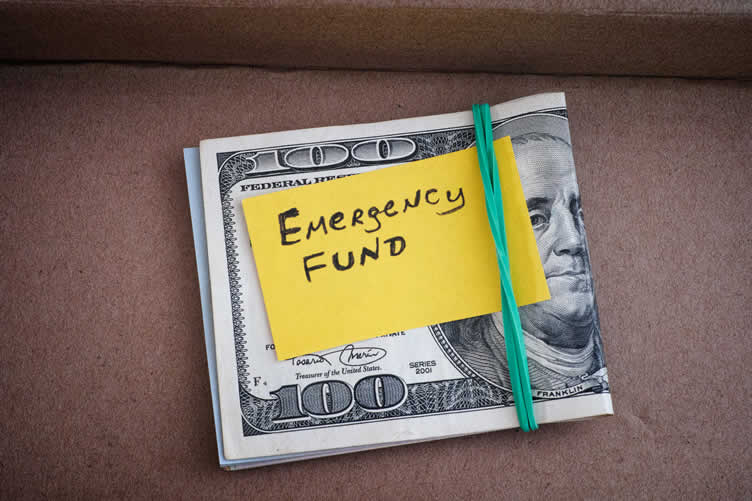
When power outages or system failures disrupt digital payment systems, having physical cash on hand becomes invaluable. Prepare a small amount of cash in small bills and coins to help you acquire necessities such as food, fuel, and basic supplies.
Storing the cash in a secure, waterproof location prevents loss or damage, ensuring you remain equipped to handle unexpected expenses when financial institutions or ATMs are inaccessible.
-
Local Maps
While GPS and digital navigation tools are convenient in normal circumstances, they may fail during emergencies due to power outages or a lack of internet connectivity.
A local paper map serves as a reliable backup, enabling you to find evacuation routes, shelters, or other critical locations. Choose detailed maps of your neighborhood and surrounding areas, and store them with your emergency supplies for ready access.
-
Additional Considerations
Beyond the essentials listed above, consider including other important items tailored to your family’s unique circumstances.
This may include copies of wills, legal documents, titles to other assets, or even sentimental items that hold emotional value.
Always prioritize organization, and review your collection periodically to ensure accuracy and relevance.
-
Securing Important "Paper" Documentation Online
In addition to safeguarding paper copies, it is highly advisable to store electronic copies of these documents in a secure cloud storage platform. This approach allows you to access vital information remotely in case the physical originals are lost or inaccessible.
When utilizing cloud storage, ensure the service is reputable and offers robust encryption to protect your sensitive data. Regularly update both your physical and digital records to keep them current and reliable.
By diligently safeguarding your documents and resources in advance, you arm yourself with the tools necessary to overcome bureaucratic hurdles and focus on rebuilding your life after a disaster.
Category Description Preparation Tips Identity Documents Essential for verifying identity, accessing resources, and processing claims. Includes driver’s license, passport, birth certificate, and Social Security card. Keep photocopies of these documents in a waterproof and durable pouch to protect them from water damage or environmental hazards. Insurance Policies and Ownership Documentation Necessary for initiating claims and verifying ownership. Includes homeowners’ insurance, car insurance policies, property titles, mortgage papers, and car registrations. Organize these documents in an easy-to-access waterproof folder to ensure preparedness for action post-disaster. Medical Information Contains records of chronic conditions, prescriptions, and medical history, along with healthcare provider contact information and insurance details. Include these in your secure document storage to streamline emergency care access during a crisis, especially outside your regular healthcare network. Emergency Contact List A physical list of contact information for local and out-of-area individuals, emergency services, utility providers, relief organizations, and family members. Update regularly and store in secure document storage to ensure quick access during communication disruptions, such as phone network failures. Cash Reserves Physical cash prepared for use during outages or system failures, helping to acquire necessities when digital payment systems are down. Store a small amount of cash in small bills and coins in a secure and waterproof location to handle unexpected expenses. Local Maps Detailed paper maps of your neighborhood and surrounding areas for navigation during power outages or lack of internet connectivity. Choose reliable maps and store them with your emergency supplies for ready access to evacuation routes or critical locations. Additional Considerations Items tailored to unique family circumstances, such as wills, legal documents, titles to assets, or sentimental items. Review your collection periodically to ensure accuracy and relevance, prioritizing organization and readiness. 
copyright image by 123rf.com
Protecting Documents and Valuables At Home
While it’s crucial to have a plan for safeguarding important documents and valuables during an evacuation, it is equally important to account for the higher likelihood of a home intrusion.
To minimize risks, consider investing in a high-quality fireproof and waterproof safe for storing essential items, such as legal documents, jewelry, and sentimental keepsakes.
Additionally, ensure safes are secured to immovable surfaces and placed in discreet locations within your home.
Layering your security measures with home alarm systems, cameras, or reinforced locks can further protect your prized belongings and provide peace of mind.
view ideas: protecting assets and valuables at home (new win)
[ amazon: waterproof document pouch ]
[ amazon: paper maps of local areas ]
-
Scroll up to directory … or scroll to next section addressing special needs …
-
8th 72-Hour Kit: Caring for Special Populations and Pets
… for your household’s unique needs
Every household has its own unique rhythm and needs, so your emergency preparedness plan should be a reflection of that, carefully considering each family member, including your beloved pets.
A well-prepared 72-hour kit isn’t just a generic collection of supplies; it’s a personalized lifeline specifically designed to support your household’s distinct circumstances during a critical time.

copyright image by 123rf.com
Taking the extra step to ensure your kit includes specialized provisions for babies, seniors, individuals with disabilities, and pets can make a profound difference when facing an emergency.
Through thoughtful planning and a keen eye for detail, you can assemble a comprehensive kit that safeguards and comforts everyone you care for.
To help you get started, here are some key considerations for addressing the needs of special populations within your home, ensuring their safety and well-being during a crisis.
- Quick scroll to summary content …
(continue read)
-
Babies and Toddlers
Young children have specific and sensitive needs that must be met in an emergency. Be sure to include ample diapers and wipes, as these are essential for hygiene and comfort.
Rash cream should also be added to mitigate potential skin irritations caused by prolonged wear of diapers. For feeding, bottles, formula, and any familiar snacks your child enjoys are critical to maintaining their nutrition and routine.
A comfort item, such as a small blanket or a favorite toy, can provide emotional reassurance in an unfamiliar or stressful environment.
-
Seniors and People with Disabilities
For seniors and individuals with disabilities, it’s important to plan for any assistive devices they may rely on daily. These could include items such as canes, walkers, or hearing aids, as well as spare batteries to ensure uninterrupted use.
Written care instructions should be included to assist caregivers or first responders in understanding their specific needs.
Additionally, medications and any necessary medical supplies should be packed in advance, with clear labels and dosing information to avoid confusion or delays.
-
Pets
Pets are part of the family and require careful consideration when preparing your emergency kit. Pack a three-day supply of their regular food and clean water, along with a collapsible bowl for feeding.
Keep a leash and a secure carrier on hand for safe transportation and containment. Waste management supplies, such as waste bags or a litter box for cats, are crucial for maintaining hygiene.
Any medications your pet requires should also be included, along with copies of their veterinary records, vaccination history, and microchip information. These documents will help ensure their proper care and address requirements for emergency shelters if needed.
-
Other Considerations
It’s essential that all items in your kit are stored in a waterproof, durable container that is easy to transport. Check expiration dates on food, medications, and other perishable supplies periodically, and replace them as needed to keep your kit up to date.
Familiarize yourself with the unique requirements of your household members and re-evaluate the contents of your kit regularly as their needs evolve.
By personalizing your emergency preparation, you can better ensure the safety, health, and well-being of each member of your family, no matter who they are.
Category Specific Needs Key Items Additional Recommendations Babies and Toddlers Young children with sensitive needs requiring hygiene, nutrition, and comfort. Diapers, wipes, rash cream, bottles, formula, snacks, small blanket, favorite toy. Include items for emotional reassurance and maintain regularity in nutrition. Seniors and People with Disabilities Assistive device users or individuals requiring specific medical support. Canes, walkers, hearing aids with spare batteries, written care instructions, medications, medical supplies. Label items clearly, include care instructions for first responders or caregivers. Pets Household companions with specific care and transportation needs. Three-day food supply, water, collapsible bowl, leash, secure carrier, waste bags, pet medications. Include veterinary records, vaccination history, and microchip information for emergency shelter access. General Ensuring the kit meets the evolving needs of household members. Waterproof, durable container, replace expired food or medications, update contents periodically. Consult resources like FEMA or the American Red Cross for best practices. 
copyright image by 123rf.com
Creating a Safe and Comfortable Home
When planning to have your senior parents live with you or helping them find a nearby place to age comfortably, prioritizing safety and accessibility upgrades is key.
Installing slip-resistant flooring, grab bars in bathrooms, and wider doorways for mobility aids can significantly enhance their living experience. Additionally, ensuring proper lighting, especially in hallways and staircases, improves visibility and reduces fall risks.
Smart home technology, like voice-controlled devices and medical alert systems, can also provide convenience and peace of mind.
These thoughtful changes create a welcoming environment where your loved ones can age with dignity and independence.
view ideas: home upgrades for seniors (new win)
-
Scroll up to directory … or scroll to next section to help achieve comfort and morale …
-
9th 72-Hour Kit: Comfort and Morale
… the importance of mental endurance in survival
Survival is not solely about having access to food, water, and shelter; it also requires emotional resilience and mental endurance.
When emergencies arise, maintaining a strong sense of morale and confronting stress with a positive mindset can make all the difference.
Addressing your psychological needs, along with your physical needs, helps preserve critical thinking skills, decision-making abilities, and emotional balance during crises.

copyright image by 123rf.com
Including comfort and morale-boosting items in your emergency kit goes beyond simple preparedness—it fosters a sense of normalcy and connection, which can be crucial in difficult times.
From activities that keep children entertained to personal items that encourage reflection and calm, even small additions to your kit can support mental well-being for you and your loved ones.
Below are thoughtfully segmented categories of comfort and morale essentials that enhance your emergency readiness.
- Quick scroll to summary content …
(continue read)
-
Simple Entertainment Options
Distraction and play are essential during high-stress periods. Including items such as a deck of playing cards, a small book, or simple games can help alleviate feelings of anxiety and boredom.
For families with children, adding a coloring book and crayons is a particularly thoughtful option, providing both creative expression and a comforting routine.
Studies emphasize that play reduces stress hormones like cortisol and supports mental health, which is vital in maintaining overall resilience.
Experts at the American Psychological Association underscore the importance of engaging the brain through leisure during times of heightened uncertainty.
-
Journaling and Practical Note-Taking
A notepad and pen are small items with big impacts. Writing can serve as an effective outlet for emotions, helping individuals process their thoughts and stay organized.
Whether you’re creating a checklist of tasks, jotting down emergency plans, or simply venting feelings through journaling, this habit fosters clarity and control in chaotic situations.
Research published in Psychological Science highlights the stress-reducing benefits of expressive writing, making it a valuable addition to any emergency kit.
-
Comfort Items That Bring Solace
There is immense emotional strength to be drawn from familiar and sentimental objects.
Consider packing small comfort items that hold personal significance, such as a stuffed animal for children, a family photo for reassurance, or a religious or spiritual keepsake for grounding.
These items can evoke a sense of home and continuity, reducing emotional distress. Mental health professionals repeatedly point to the therapeutic value of maintaining known comforts in unfamiliar or stressful environments, emphasizing their influence on emotional well-being.
-
Additional Thoughtful Additions
Tailor your emergency kit to your specific needs by including items that resonate with you and your household. Beyond the basics, you might find value in personalizing your kit with soothing items like essential oil blends, a lightweight blanket, or even small musical instruments like a harmonica.
When selecting these extras, think about what might bring peace and stability during difficult times. Integrating both practical and comforting objects reinforces the holistic nature of survival preparation.
By carefully including these comfort and morale-boosting elements, your emergency kit becomes more than just a tool for physical survival. It evolves into a resource that preserves mental endurance and strengthens the foundational bond within your household.
For further insight into building mentally supportive survival kits, consult organizations such as the National Child Traumatic Stress Network (NCTSN) and the American Red Cross. Their evidence-based resources provide a deeper understanding of preparedness and its connection to mental health.
Holistic readiness empowers individuals and families to face emergencies with resilience, preserving not only their physical well-being but also the invaluable spirit of hope and determination.
Category Description Examples Comfort and Morale Importance Maintaining mental endurance and emotional resilience is critical in survival situations. Addressing psychological needs supports critical thinking, emotional balance, and decision-making. Morale-boosting items like personal, sentimental objects or entertainment can bring a sense of normalcy and relaxation. Simple Entertainment Options Distraction and play help manage high-stress periods by reducing anxiety and supporting mental health through engaging activities. Playing cards, books, simple games, coloring books, and crayons for children. Journaling and Note-Taking Writing helps process emotions, organize thoughts, and maintain clarity and control during emergencies. A notepad, pen, and journaling as outlets for expression and planning. Comfort Items That Bring Solace Familiar and sentimental objects restore emotional balance and a sense of continuity, grounding individuals in stressful situations. Stuffed animals, family photos, spiritual keepsakes, or personal mementos. Additional Thoughtful Additions Customizing the emergency kit with soothing items enhances comfort and promotes mental well-being. Essential oil blends, lightweight blankets, harmonicas, or other personalized options. 
copyright image by 123rf.com
Strengthen Family Bonds
Once the evacuation ends, you might find yourself cherishing the unexpected closeness and companionship shared with your family during the crisis. To keep this bond strong, consider creating a designated game area in your home.
Adding a table for board games, puzzles, or even a ping-pong setup can provide endless opportunities for togetherness in a safe and joyful environment.
This special space will not only encourage laughter and connection but also serve as a reminder of the resilience and unity that carried your family through challenging times.
view ideas: remodel space with perfect game table (new win)
-
Scroll up to directory … or scroll to next section about customizing your kit …
-
10th 72-Hour Kit: Customizing Your Kit for Your Environment
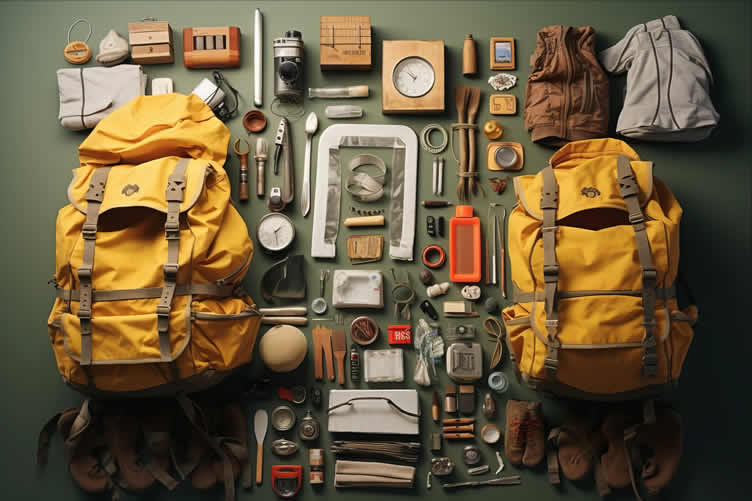
While the items listed above form a comprehensive baseline, you should tailor your kit to your specific circumstances. A family of four will need significantly more supplies than a single individual.
You may need to distribute the weight across several backpacks so that each family member can carry their own gear.
copyright image by 123rf.com
Your geographic location also dictates your needs. If you live in a cold northern climate, your focus on warmth—extra wool socks, heavier sleeping bags, and hand warmers—should be higher than someone living in the desert.
Conversely, those in hot climates might prioritize extra water and sun protection. Consider the specific risks of your region, whether that is earthquakes, hurricanes, or winter storms, and adjust your contents accordingly.
- Quick scroll to summary content …
(continue read)
-
Maintenance and Storage
Building your kit is a significant achievement, but your work isn’t done once the zippers are closed. A 72-hour kit requires regular maintenance to remain effective.
Schedule a check every six months—perhaps when you change your clocks for daylight savings time—to inspect expiration dates on food and medication. Water should also be rotated if you are bottling it yourself, though commercially bottled water lasts longer.
Store your kit in a cool, dry place that is easily accessible. You do not want to be digging through the back of a cluttered attic when an evacuation order comes through.
Ideally, keep it near an exit or in a designated mudroom cupboard. Some families choose to keep a smaller version of their kit in their vehicle, ensuring they have supplies even if they are away from home when disaster strikes.
Section Description Details Customizing Your Kit for Your Environment Adapting the kit to individual and geographic needs. A family of four requires more supplies compared to an individual. Cold climates demand items like wool socks, heavier sleeping bags, and hand warmers, whereas hot climates prioritize extra water and sun protection. Regional risks, such as earthquakes, hurricanes, or winter storms, influence kit contents. Maintenance and Storage Ensuring the kit remains effective over time and is accessible. Perform maintenance checks every six months, inspecting food and medication expiration dates and rotating water. Keep the kit in a cool, dry place, ideally near an exit for easy access. A smaller kit can be stored in a vehicle for emergencies away from home. 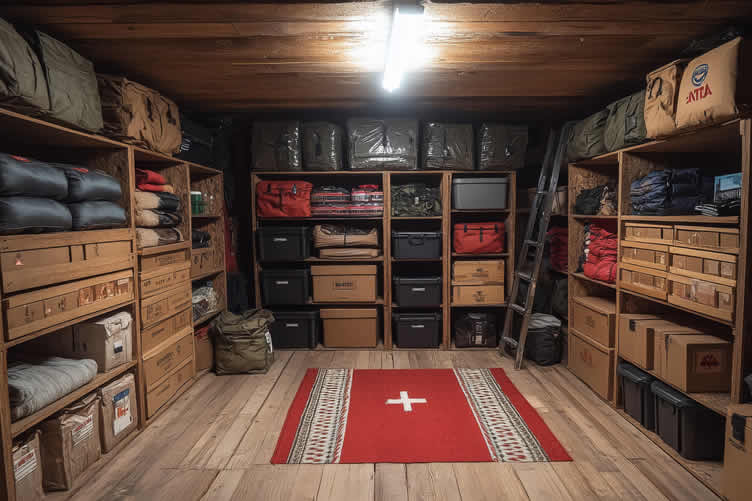
copyright image by 123rf.com
Smart Storage Solutions
Finding adequate storage can be challenging, but ensuring your home emergency kit is accessible and well-organized is essential for peace of mind. Rotating supplies and maintaining quick access during an emergency requires thoughtful planning.
Consider utilizing underutilized spaces like closets, under-the-bed compartments, or modular shelving to maximize storage without sacrificing convenience.
With smart storage solutions, you can create a system that keeps your essential items within reach and ready to use when it matters most.
view ideas: finding/building home storage solutions (new win)
[ amazon: vehicle emergency kit ]
[ amazon: backpack emergency bag ]
How a Professional Advisor Can Help
Preparing your home for emergencies can feel overwhelming, especially when considering all the necessary supplies and planning details.
A professional advisor can help streamline the process, ensuring your 72-hour kit and evacuation plan are efficient, effective, and tailored to your family’s needs.
Their expertise offers practical solutions that make preparation stress-free and accessible. Here’s how working with a professional can help:
- Personalized Assessment:
Advisors evaluate your household’s unique needs, such as food allergies, medical conditions, or pet care, ensuring your kit and plan work for everyone involved. - Comprehensive Kit Assembly:
They recommend essential supplies, including food, water, first-aid items, and tools, while helping you organize everything for quick access. - Storage Solutions:
Experts provide creative and space-efficient storage ideas to keep your kit organized and secure yet easy to access during an emergency. - Evacuation Planning:
They help map out safe evacuation routes for your family, considering alternative paths and nearby shelters in case of unexpected roadblocks. - Ongoing Support:
Professional advisors assist in maintaining your kit, offering guidance on checking expiration dates and replacing items as needed, so your kit is always ready for use. - Training and Guidance:
They offer tips and hands-on training to ensure everyone in the household knows how to use the kit’s contents and understands the evacuation plan.
By partnering with a knowledgeable advisor, you can feel confident and prepared, knowing your emergency plan is designed to safeguard your family and home with care and precision.
LetsRenovate has partnered with HomeAdvisor™, a renowned provider of highly-rated, carefully-vetted local contractors. Start your search here by choosing the type of professional help you need and entering your zip code to find local professionals.
copyright image by 123rf.com
But Wait!
To make your search for a professional advisor or contractor a little easier, we recommend downloading our evaluation worksheet.
This helpful resource will guide you in objectively ranking and assessing potential candidates by considering key factors like pricing, licensing, and referrals.

Evaluation Sheet
File Type:
-
Scroll up to directory … or scroll to conclusion and references …
-
Conclusion
… taking the first step toward safety
Building a 72-hour kit might feel like a daunting task, but it is one of the most loving things you can do for your household. It transforms the abstract fear of "what if" into a concrete plan of action.
You do not have to buy everything at once. Start with the basics—water, food, and warmth—and build your kit up over time. By preparing now, you are giving your future self the gift of options and security.
You are ensuring that if the worst happens, you can focus on what is truly important: keeping your family safe, together, and ready to face whatever comes next.
Resource Citations
- Federal Emergency Management Agency (FEMA). (n.d.). Make a Plan. Retrieved from https://www.ready.gov/
- American Red Cross. (n.d.). Prepare a 72 hour emergency kit. Retrieved from https://www.redcross.org/
- National Weather Service. (n.d.). Be a Force of Nature: Emergency Preparedness. Retrieved from https://www.weather.gov/
- Mass.gov. (n.d.). Build an Emergency Kit. Retrieved from https://www.mass.gov/
- Ready.gov. (n.d.). Build A Kit. Retrieved from https://www.ready.gov/
- Box Elder County. (n.d.). 72 Hour Kit. Retrieved from https://www.boxeldercountyut.gov/
- Centers for Disease Control and Prevention (CDC). (n.d.). Preparing for an Emergency. Retrieved from https://www.cdc.gov/
- National Child Traumatic Stress Network (NCTSN). (n.d.). Helping Children and Families Cope with Disasters and Other Traumatic Events. Retrieved from https://www.nctsn.org/
- Let’s Renovate. (n.d.). Home power outage preparedness: Key supplies you’ll need. Retrieved from https://www.letsrenovate.com/
-
Quick scroll to more home utility management ideas …
-
ideas to view and compare from the photo above
- What comments can you share about
emergency tactics that you have for your household?


addressing assembling a 72-hour kit and other home improvement needs …
… grab this directory of ideas for future use






Budgeting Worksheet For Costing Home Remodeling and Home Improvement Decisions
 File Type (excel)


SHARE IT ..! You might have someone in your social network who could find this informative post about assembling an emergency 72-hour kit valuable. Feel free to share it on Facebook, X (formally Twitter), LinkedIn, or Pinterest!


… home remodeling – improvement







get the size dimensions for any home remodeling project …
… for functionality, aesthetics, and adhering to building codes




Calendar For:
Home Maintenance
File Type:

… view our sharing links below for a quick "share the knowledge"
Find Handyman Services (opens new win) Handyman Carpentry Electrical Plumbing top-rated, pre-screened local contractors FREE: download contractor selection enter zip code – powered by HomeAdvisor ™
Quick Contractor Guides selecting negotiating working with inspecting

Cover image credit: PHRASETERM by 123rf.com
end of post … please share it!
 |
did you find this 72-hour kit analysis helpful? If so, please share the article with your friends and family! |
Nice pic idea? Leave us a quick comment below.
And please share this pic idea within your social networks.