Summary Outline –
Taking the leap into home improvement is exciting. However, the sheer number of choices can quickly feel overwhelming.
From picking out paint swatches to figuring out financing, there are countless details to manage. Without a clear plan, it is easy to lose sight of what originally inspired your project, leading to unnecessary frustration and expenses.
That is why taking a step back to ask a few guiding questions is so important. By evaluating your project through the lenses of purpose, budget, value, scope, timing, and disruption, you can confidently decide whether a renovation is right for your current lifestyle.
Let us explore the most useful questions you should answer before starting your next big home project.
- post content … analysis/ questions to ask before upgrading
- 1st: Project Goals
- 2nd: Budget and Financing
- 3rd: Value and Return on Investment
- 4th: Scope and Design
- 5th: Timeline and Home Disruption
- 6th: Professionals and Permits
- 7th: Long-Term Upkeep
- 8th: Finding and Working with a Contractor
- conclusion
- other home remodeling topics

-
- —— begin first question ——
-
1st Question: Project Goals
Defining the purpose of your home upgrade gives your entire project a clear direction. We often see homeowners dive into renovations because they saw a beautiful trend online, only to realize later that the change did not actually solve their daily struggles.
Taking time to understand exactly what you want to achieve ensures your hard work yields a space that genuinely supports your family’s routine.
A well-defined goal acts as a filter for every subsequent decision. When you know exactly why you are renovating, it becomes much easier to choose materials, communicate with contractors, and stay grounded when challenges arise.
-
What problem am I trying to solve?
Identify the specific pain point in your current home. Are you lacking storage space for winter coats, or is poor lighting making your home office feel gloomy?
Pinpointing the exact issue helps you design a solution that addresses the root cause of your frustration, rather than just treating the symptoms with superficial changes.
-
Am I improving comfort, function, appearance, or resale value?
Determine the primary motivator behind your upgrade. If you plan to live in the home for decades, focus on comfort and function that suit your personal taste.
If you intend to sell in a few years, prioritize cosmetic updates and upgrades that appeal to future buyers. Knowing your end goal keeps your spending aligned with your actual needs.
-
Is this a repair, a refresh, or a full remodel?
Categorize the intensity of your project early on. A repair fixes something broken, a refresh updates the aesthetics with paint or new fixtures, and a full remodel often involves changing the layout or replacing major systems.
Being honest about the scale helps you set realistic expectations for the timeline and the required budget.
-
Which rooms or features matter most right now?
Focus your energy on the areas that impact your daily life the heaviest. If you cook every single night, upgrading the kitchen appliances might take precedence over remodeling a guest bathroom that gets used twice a year.
Prioritizing ensures you direct your resources toward the improvements that will bring you the most immediate joy.
Aspect Description Key Considerations Project Goals Defining the purpose of your home upgrade gives your project a clear direction.
Taking the time to understand your objectives ensures the outcome truly supports your family’s routine.
Setting a clear purpose helps make decisions about materials, communication with contractors, and staying focused when challenges arise.
Problem Identification Identify the specific issue with your current home, such as lack of storage or poor lighting. Pinpointing the root cause ensures you create solutions that address the actual problem instead of applying superficial changes. Main Motivator Determine whether the aim is improved comfort, functionality, appearance, or resale value. Decide based on whether you plan to stay in the home long-term or enhance its appeal for potential buyers. Project Scale Assess whether the project involves repairs, aesthetic upgrades, or a full remodel. Understanding the scale helps set realistic expectations for the budget and timeline. Priority Areas Focus on the rooms or features that most impact your daily life, such as the kitchen or main living spaces. Ensures resources are allocated to improvements that bring the most immediate benefit and satisfaction. 


copyright image by 123rf.com
Turning Your Vision Into Reality
Any successful home project starts with a clear vision of what you want to accomplish. To formulate your ideas, take a moment to reflect on the improvements you wish to see in your space.
Ask yourself questions like, “What is my space lacking?” or “How can my home better reflect my personality and lifestyle?”
Our idea section is here to inspire you, offering creative solutions that cater to everything from enhancing your garden to transforming your interiors.
With thoughtful planning, your dream space is just a project away!
view ideas: formulating home improvement ideas(new win)

-
Scroll up to directory … or scroll to next section listing: questions to ask before upgrading …

-
-
-
2nd Question: Budget and Financing
Money can be a stressful topic, but setting a clear budget is one of the most empowering steps in any home upgrade.
Knowing exactly what you can afford allows you to make creative, affordable choices without compromising your financial well-being. We want you to feel confident and secure throughout this process, not worried about shrinking bank accounts.
A transparent financial plan protects you from the unexpected. When you account for all potential costs upfront, you can enjoy the transformation of your home instead of losing sleep over surprise invoices.
-
How much can I spend comfortably?
Take a careful look at your household finances to determine a number that does not strain your daily living expenses. It is crucial to establish a maximum spending limit that leaves you feeling financially secure. Home improvement should enhance your life, not create lasting financial anxiety.
-
What is my total budget, including labor, materials, permits, and a contingency?
Break your spending limit down into specific categories. Materials and labor are obvious, but many people forget to calculate the cost of local building permits or design consultations.
Always set aside at least 15 to 20 percent of your total budget as a contingency fund to cover inevitable surprises hidden behind walls or under floors.
-
Will I pay cash, use savings, or finance the project?
Decide exactly where the funds will come from before purchasing a single tool. Paying with cash or savings prevents you from incurring debt and interest charges.
If financing(view post: financing options) is necessary, explore options like home equity loans or personal loans, and carefully review the interest rates to ensure the monthly payments fit comfortably into your budget.
-
What hidden costs could come up during the work?
Prepare yourself for the unknown variables that come with modifying an existing structure. You might open a wall and find outdated wiring, or pull up old carpet to discover damaged floorboards.
Anticipating these possibilities and having your contingency fund ready helps you navigate these bumps in the road with grace rather than panic.
Topic Details Setting a Budget Establish a clear and manageable budget to empower financial decisions for your home upgrade.
Assess how much you can spend comfortably without straining daily expenses, and set a maximum spending limit that ensures financial security.
Total Budget Considerations Include all potential costs such as labor, materials, permits, and a contingency fund in your budget.
Allocate 15-20% of your total budget as a contingency to handle unexpected expenses during the project.
Funding Options Determine the source of your funds, whether paying with cash, savings, or financing.
If financing, explore options like home equity or personal loans, and review interest rates to ensure they fit within your financial plan.
Hidden Costs Prepare for unforeseen issues such as outdated wiring or damaged flooring that may arise during the renovation process.
A well-prepared contingency fund helps ease the impact of these surprises.

copyright image by 123rf.com
Planning Your Budget
When embarking on a home upgrade or remodel, setting a clear and realistic budget is one of the most important steps to ensure success.
Without a well-planned budget, costs can spiral out of control, leaving you overwhelmed and financially strained.
Begin by outlining the full scope of your project and acquiring detailed quotes to understand projected expenses. It’s equally crucial to include contingencies for unexpected costs, which often arise during renovations.
A thoughtful budget plan not only helps you stay within your financial limits but also ensures that your project remains aligned with your vision and goals.
view ideas: how to budget a home remodel(new win)
use this FREE remodeling wkst to budget and assign costs 
download FREE budgeting worksheet 
define the specifications you need …
… for planning key home improvement and remodeling budgeting decisions
click here for specification planning sheet-
Scroll up to directory … or scroll to next section listing: questions to ask before upgrading …
-
-

-
-
3rd Question: Value and Return on Investment
It is natural to wonder if the money you pour into your home will eventually come back to you. Understanding how a project affects your property value helps you balance personal satisfaction with smart financial planning. While your home is a sanctuary first, it is also a significant financial asset.
Evaluating the potential return on your investment ensures you do not over-improve your property for your specific area. We want you to feel proud of your beautiful new space and confident in your financial foresight.
-
Will this upgrade increase my home’s value?
Research which renovations typically offer the best financial returns. Kitchen and bathroom updates generally yield higher returns than specialized projects like adding a swimming pool.
If boosting property value is a major goal, focus on universally appealing improvements that modern buyers actively seek out.
-
Does the project make sense for my neighborhood and price range?
Look at comparable homes in your immediate area. If you live in a modest neighborhood, installing professional-grade, luxury kitchen appliances might not translate into a higher appraisal.
You want your home to remain competitive in your local real estate market without pricing it out of the neighborhood completely.
-
Is this a high-return improvement or mostly for personal enjoyment?
Acknowledge the emotional value of a project. Building a specialized hobby room or a custom pet washing station might not add massive resale value, but it could drastically improve your daily happiness.
It is perfectly fine to invest in personal joy, as long as you recognize that the return is measured in lifestyle quality rather than dollars.
-
Would a smaller, lower-cost update achieve most of the same benefit?
Consider affordable alternatives to massive overhauls. Refacing your existing kitchen cabinets and updating the hardware often provides a completely fresh look for a fraction of the cost of installing brand new cabinetry.
Sometimes, small tweaks provide the exact visual and functional lift you are searching for.
Consideration Details Examples Value and Return on Investment Understanding how a project affects your property value helps balance personal satisfaction with smart financial planning.
Evaluate potential returns to avoid over-improving your property for your area.
Kitchen and bathroom renovations yield higher returns compared to specialized projects like swimming pools.
Neighborhood and Price Range Consider how the improvement fits your neighborhood and price range.
Avoid pricing your home out of the market by over-investing in luxury upgrades.
Installing professional-grade appliances in a modest neighborhood might not result in a higher appraisal.
Personal Enjoyment vs. Resale Value Weigh the emotional benefits of a project against its financial returns.
Focus on projects that improve lifestyle quality even if they don’t drastically increase resale value.
Building a hobby room adds personal joy but less resale value compared to universally appealing upgrades.
Affordable Alternatives Explore smaller updates that give similar benefits without the high cost of major renovations. Refacing kitchen cabinets and updating hardware can offer a fresh look at a lower cost than replacing cabinetry entirely. 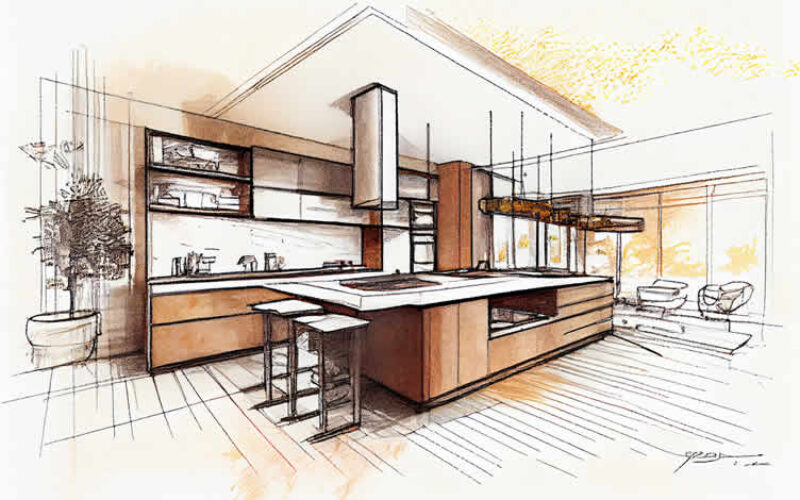
copyright image by 123rf.com
Maximize Your Investment
An upgraded kitchen is one of the most rewarding home improvement projects for increasing your property’s value.
By carefully planning your remodel to suit both your lifestyle and budget, you can ensure lasting functionality and aesthetic appeal.
Focus on integrating high-quality appliances, modern layouts, and timeless finishes that balance style and durability.
With strategic planning, your kitchen upgrade can become a space that not only enhances daily living but also provides one of the highest returns on investment, making it a wise and satisfying choice for your home.
view ideas: budgeting for a kitchen remodel(new win)
-
Scroll up to directory … or scroll to next section listing: questions to ask before upgrading …
-
-
… remodeling decisions

-
-
4th Question: Scope and Design
Deciding exactly how much to change is a delicate balancing act. You want a fresh, beautiful result, but tearing a room down to the studs is not always necessary.
Carefully defining the scope of your work keeps the project manageable and helps you select designs that reflect your unique personality while standing the test of time.
Thoughtful design choices celebrate the existing character of your home. By blending new elements with what you already love, you create spaces that feel organically layered and warmly inviting.
-
Which areas need the most attention?
Walk through the planned project space and identify the weakest links. If your bathroom tile is crumbling but the vanity is solid wood and perfectly functional, direct your focus and funds toward replacing the tile.
Targeting the elements that are genuinely failing ensures you do not waste money fixing what is not broken.
-
What can be reused, repaired, or refinished instead of replaced?
Look for opportunities to breathe new life into existing materials. An old, scratched hardwood floor can often be sanded and refinished to look brand new.
Reusing quality materials is not just wonderful for your budget; it is also an eco-friendly choice that honors the environment by reducing landfill waste.
-
Do I need to change the layout, or can I keep the current footprint?
Evaluate whether the current flow of the room truly hinders your lifestyle. Moving plumbing lines, electrical panels, or load-bearing walls will dramatically increase your costs and timeline.
Keeping the existing footprint while updating the finishes is the most effective way to save money while still achieving a dramatic aesthetic transformation.
-
Which materials and finishes will stay attractive over time?
Select design elements that offer enduring appeal. While trendy, brightly colored tiles might look fun today, you might tire of them in a few years.
Opting for classic, neutral foundations allows you to easily update the room’s personality later using affordable textiles, artwork, and easily swappable decor pieces.
Aspect Details Considerations Scope and Design Deciding how much to change is about balancing fresh results with practicality.
Defining the project scope ensures manageable work while reflecting personal style.
Blend new elements with existing ones to create a layered, inviting space.
Focus Areas Identify the weakest links in your project space, such as damaged tiles or failing components, and prioritize them over functional elements. Targeting issues ensures efficient use of budget and resources. Reuse and Refinishing Evaluate materials that can be repaired or refinished, such as sanding old hardwood floors to refresh them instead of replacing. Cost-effective and eco-friendly, reducing waste while honoring the environment. Layout Decisions Determine if the current room layout works or if changes are necessary. Avoid moving plumbing or load-bearing walls to save costs. Keeping the footprint simplifies the project while still achieving transformation. Materials and Finishes Choose timeless materials and finishes to maintain a lasting appeal. Neutral foundations enable easy updates with decor. Classic choices provide versatility and prevent quick obsolescence. 
copyright image by 123rf.com
Designing a Bathroom
An upgraded bathroom can boost your home’s value and improve daily comfort. To get the best return, balance luxury with practicality in your design.
Consider adding modern, functional features like energy-efficient fixtures, double vanities, walk-in showers, and plenty of storage.
For a timeless look, use materials like ceramic tiles and quartz countertops in neutral colors.
Whether you’re doing a full remodel or a small refresh, focusing on both style and usability will ensure your new bathroom meets your needs and increases your home’s appeal.
view ideas: comprehensive bathroom remodeling(new win)
-
Scroll up to directory … or scroll to next section listing: questions to ask before upgrading …
-
-
SHARE IT ..! Someone in your network might benefit from this insightful post reviewing questions to ask before upgrading. Feel free to share it on Facebook, X (formally Twitter), LinkedIn, or Pinterest!


-
-
5th Question: Timeline and Home Disruption
Renovations are inherently messy and disruptive, but setting realistic expectations makes the process much more peaceful.
Knowing how long your daily routines will be interrupted helps you prepare mentally and logistically. We want to ensure your family remains as comfortable as possible while your home is in transition.
Clear communication about timelines reduces stress for everyone involved. When you expect the dust and the noise, they feel like signs of progress rather than unbearable annoyances.
-
How long will the project take?
Ask for a detailed timeline that breaks the project down into specific phases. Keep in mind that material delays and unexpected discoveries can push the completion date back.
Adding a buffer of a few weeks to your mental timeline helps you stay patient and positive when minor delays inevitably occur.
-
Can I live in the home while the work is happening?
Determine whether staying in the house is safe and practical. If your only full bathroom is being gutted, you will likely need temporary accommodations.
For smaller projects, you can easily set up a temporary living arrangement in another part of the house, keeping you close to the action.
-
Which rooms will be unavailable during construction?
Map out the exact zones that will be sealed off for the duration of the project. If the kitchen is out of commission, you will need to set up a makeshift cooking area with a microwave and a coffee maker in the dining room or garage. Planning these logistics ahead of time prevents daily friction.
-
How much mess, noise, and temporary inconvenience should I expect?
Prepare your household for the physical realities of construction. Dust will likely find its way into adjacent rooms, and power tools are noisy.
Discussing these realities with your family—and even warning your close neighbors—fosters a spirit of teamwork and understanding while the heavy work takes place.
Topic Details Timeline Renovations are messy and disruptive, but setting realistic expectations helps. Knowing the duration of interruptions can ease the transition.
Clear communication about timelines minimizes stress and helps everyone view disruptions as signs of progress. A detailed timeline with specific phases is essential.
Be mindful of possible material delays or unexpected issues, and add a few weeks as a buffer to maintain patience and positivity.
Living in the Home During Renovation Assess whether staying in your home is safe and practical during construction.
If major areas like the only full bathroom are being gutted, temporary accommodations may be necessary.
For smaller projects, setting up a temporary living arrangement in another part of the house can keep you close while allowing work to proceed.
Unavailable Rooms Map out areas sealed off during construction.
For instance, if the kitchen is unusable, prepare a makeshift cooking area with essentials like a microwave and coffee maker in another part of the house, such as the dining room or garage.
Planning ahead reduces daily friction.
Mess and Noise Prepare for the realities of construction, including noise and dust affecting adjacent areas. Communicate with your household to set expectations and foster understanding.
Alerting close neighbors of construction activities can also help maintain good relationships while work progresses.

copyright image by 123rf.com
Upgrade Your Home’s Energy Efficiency
One of the most impactful upgrades you can make to your home is improving its energy efficiency.
By investing in energy-efficient windows, modern HVAC systems, home conservation, or solar panels, you can significantly lower your energy costs while reducing your reliance on nonrenewable energy sources.
Not only will these upgrades add value to your home, but they will also enhance comfort and sustainability.
Small changes can make a big difference, leading to long-term savings and a more eco-friendly living environment that’s better for you and the planet.
view ideas: how to save energy(new win)
-
Scroll up to directory … or scroll to next section listing: questions to ask before upgrading …
-
-


-
-
6th Question: Professionals and Permits
While taking a hands-on, do-it-yourself approach is deeply rewarding, certain projects require specialized expertise to ensure safety and quality.
Building a trusted team of professionals takes the pressure off your shoulders and guarantees the work meets local building standards. Your peace of mind is always worth the investment.
Navigating the world of permits and contractors can feel intimidating, but asking the right questions upfront protects your home and your wallet from substandard work.
-
Do I need a contractor, designer, electrician, plumber, or architect?
Assess the technical requirements of your project honestly. While painting a bedroom is a wonderful DIY weekend activity, moving structural walls or rerouting electrical wires requires licensed professionals.
Hiring the right experts ensures your home remains structurally sound and perfectly safe for your family.
-
Does the project require permits or inspections?
Check with your local municipal building department before starting any major work. Permits and building codes(view post: permits and building codes) are not just bureaucratic hurdles; they are designed to ensure all modifications meet safety codes.
Skipping this step can lead to heavy fines, unsafe living conditions, and massive headaches when you eventually try to sell your home.
-
What experience does the contractor have with this type of work?
Interview potential professionals carefully and ask to see examples of their previous, similar projects.
A contractor who builds beautiful outdoor decks might not be the right choice for an intricate master bathroom remodel. Verify their references and ensure they communicate in a way that makes you feel heard and respected.
-
What warranties, insurance, or guarantees are included?
Protect yourself by confirming that your chosen professionals carry adequate liability insurance and workers’ compensation.
Additionally, ask for written documentation regarding warranties on both the materials used and the labor performed. This documentation provides a vital safety net if something goes wrong after the project is officially finished.
Topic Details Key Considerations Professionals Some projects require trained experts, such as contractors, designers, electricians, plumbers, or architects, to ensure safety and quality.
DIY approaches are great for simpler tasks, but technical projects need licensed professionals.
Evaluate the project honestly to determine if professional help is needed.
Hiring the right experts ensures structural integrity and safety for your home.
Permits Before any major work, check with your local municipal building department to understand permit and inspection requirements.
Permits ensure that all modifications comply with safety codes.
Skipping permits can lead to fines, unsafe conditions, and complications during the home’s resale process.
Experience Interview professionals, ask about similar past projects, and verify their references.
A specialist in one type of work might not be suitable for another specialized task.
Review examples of their previous work to confirm expertise and ensure their communication aligns with your expectations.
Warranties and Insurance Ensure professionals carry liability insurance and workers’ compensation.
Obtain written documentation for warranties on materials and labor.
Proper documentation provides a safety net in case issues arise after the project’s completion.
copyright image by 123rf.com
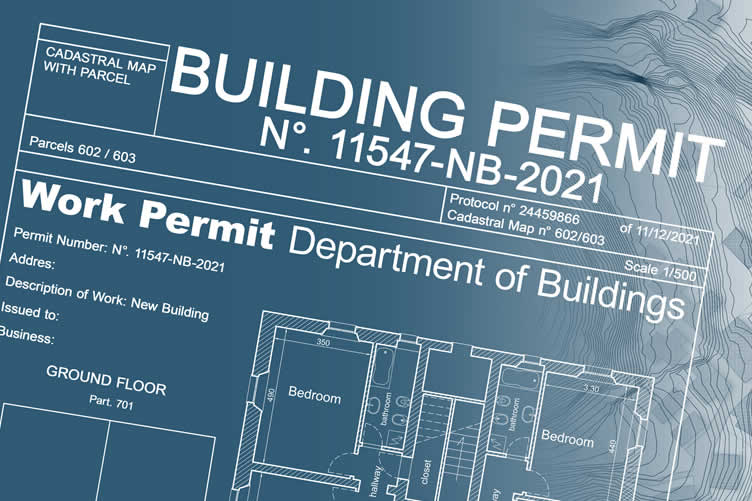
DIY Enthusiasts: Permits and Building Codes
Filing for permits and following building codes are essential steps in any remodeling project, whether you’re upgrading your home’s interior or enhancing its exterior.
These measures ensure that your renovations meet safety standards, protect the structural integrity of your home, and comply with local regulations.
For DIY enthusiasts, permits and codes are especially vital, as they guide you in executing your project safely and legally. Skipping this step can lead to costly fines, failed inspections, or even voided insurance coverage.
Additionally, using the right tools and materials is essential for a successful, code-compliant renovation that enhances your home’s value and longevity.
view ideas: complete DIY tool guide(new win)
-
Scroll up to directory … or scroll to next section listing: questions to ask before upgrading …
-
-


-
-
7th Question: Long-Term Upkeep
A successful home upgrade should make your life easier for years to come, not add items to your weekend chore list.
Considering the long-term maintenance requirements of your new space ensures you will continue to love the results long after the contractors have left. We believe your home should serve you, offering comfort and ease.
Choosing durable, low-maintenance materials frees up your time, allowing you to focus on the things you truly love doing, whether that is gardening, relaxing with a book, or hosting family gatherings.
-
How will this upgrade affect maintenance?
Investigate the cleaning and upkeep requirements for new materials. Natural marble countertops are stunning, but they require regular sealing and gentle cleaning to prevent stains.
If you prefer a low-maintenance lifestyle, opting for a durable alternative like quartz will save you hours of scrubbing and worrying over the years.
-
Will it improve energy efficiency or reduce utility costs?
Look for opportunities to make your home gentler on the environment and your wallet. Upgrading to energy-efficient windows, adding better insulation, or installing a smart thermostat reduces your monthly utility bills.
These eco-friendly choices create a more comfortable indoor climate while actively supporting a healthier planet.
-
How easy will it be to repair or replace later?
Think ahead to the inevitable wear and tear of daily life. If a single custom-made floor tile cracks, will you be able to replace it easily, or will you have to tear up the entire floor?
Selecting standard sizes and ordering a little extra material during the initial purchase saves you from massive headaches down the road.
-
Will the upgrade age well, or will it feel dated quickly?
Strive for a balance between current trends and timeless design. High-quality materials and classic layouts tend to age gracefully, maintaining their charm as the years pass.
By grounding your design in classic principles, you ensure your space will feel welcoming and appropriate for decades, requiring only minor decor updates as your tastes evolve.
Key Focus Details Examples Long-Term Maintenance Consider the ongoing upkeep requirements of the upgrade to ensure it continues to serve you well over time. Choose low-maintenance materials like quartz instead of high-maintenance options like natural marble. Energy Efficiency Focus on options that reduce energy consumption and utility costs, while supporting eco-friendliness. Install energy-efficient windows, improve insulation, or add a smart thermostat. Ease of Repair Plan for future repairs by selecting accessible materials that are easy to replace or repair. Order extra standard-sized tiles during the initial purchase to address potential damage. Timeless Design Create a balance between trendy and timeless designs to maintain charm over the years. Rely on classic layouts and high-quality materials that age gracefully with minor updates. 
copyright image by 123rf.com
Simplify Home Maintenance
Keeping track of home upkeep, family schedules, and personal needs can be overwhelming, but smart home gadgets offer an innovative solution. These devices help you stay organized and on top of tasks effortlessly.
For instance, smart thermostats adjust heating or cooling based on your daily routine, while voice assistants can remind you of maintenance tasks or grocery lists.
Family-centered gadgets, like shared digital calendars or connected security systems, ensure everyone stays informed and safe.
By integrating smart technology into your home, you can streamline your to-do list, giving you more time to focus on what matters most.
view ideas: gadgets for a smarter, safer home(new win)
-
Scroll up to directory … or scroll to next section listing: questions to ask before upgrading …
-
-
-
-
8th Question: Finding and Working with a Contractor
When it comes to home improvements, finding the right contractor can make all the difference between a seamless upgrade and a stressful project.
Choosing a professional to transform your space involves thoughtful planning, clear communication, and diligent research to ensure your home is in trusted hands.
From deciding the contractor’s scope to wrapping up the project smoothly, understanding the process can help create a positive experience for everyone involved.
-
Where Can I Find the Right Contractor?
Finding a skilled and reliable contractor begins with leveraging your network and research tools. Start by asking for recommendations from friends, family, and neighbors who have completed similar projects.
Online platforms like review websites, local business directories, and social media groups also offer valuable insights into contractor availability and reputation.
-
How Do I Define the Contractor’s Scope of Work?
Clearly outlining the contractor’s responsibilities is key to a successful project. Start by drafting a detailed project plan, including the timeline, budget, and specific tasks you expect the contractor to handle.
This might range from structural changes like flooring or cabinetry to decorative elements such as painting or custom finishes. Sharing this with potential contractors helps ensure everyone is aligned on expectations before work begins.
-
How Can I Evaluate Contractors Before Hiring?
Evaluating contractors involves scrutinizing their credentials, work history, and customer reviews. Request references from past clients to understand their experiences with the contractor. Verify licenses, insurance, and certifications as these indicate professionalism and qualifications.
Additionally, review photos or visits to previous projects to gauge the quality of their craft. Interview multiple candidates to compare costs, communication style, and responsiveness.
-
What is the Best Way to Work with a Contractor?
A strong working relationship with your contractor relies on open communication and mutual respect. Schedule regular check-ins to review progress, address concerns, and implement any necessary adjustments.
Maintain a written agreement that covers timelines, cost breakdowns, and milestones to ensure transparency. Being approachable and collaborative fosters a positive environment where issues are resolved promptly and effectively.
-
How Do I Finalize the Project and Payment?
When the project nears completion, walk through the space with your contractor to inspect the work against the original plan.
Create a checklist of tasks to verify nothing has been overlooked. Once you are satisfied, ensure all agreed-upon work is completed before making the final payment.
Retain copies of receipts, warranties, and documentation for future reference, as these may support maintenance or additional updates down the road. Finalizing with clear communication leaves all parties feeling satisfied.
-
When Should I Consider Hiring a Professional Inspector?
While a personal walk-through is a vital final step, some situations call for a professional inspector. If your remodel includes major structural, electrical, or plumbing work, or required permits, an inspector can confirm everything meets local building codes.
Their expertise helps identify potential safety hazards an untrained eye might miss.
LetsRenovate has partnered with HomeAdvisor™, a renowned provider of highly-rated, carefully-vetted home remodeling contractors. Start your search here by choosing the type of contractor you need and entering your zip code to find local professionals.
Topic Description Finding the Right Contractor When it comes to home improvements, finding the right contractor can make all the difference between a seamless upgrade and a stressful project.
Choosing a professional to transform your space involves thoughtful planning, clear communication, and diligent research to ensure your home is in trusted hands.
Where to Find Contractors Start by leveraging your network and research tools. Ask for recommendations from friends, family, and neighbors who have completed similar projects.
Online platforms like review websites and social media groups also provide insights into contractor availability and reputation.
Defining Scope of Work Clearly outline the contractor’s responsibilities by drafting a detailed project plan. This includes the timeline, budget, and specific tasks, ranging from structural changes like flooring to decorative work such as painting.
Sharing this ensures alignment on expectations before work begins.
Evaluating Contractors Review credentials, work history, and customer feedback. Request references to understand client experiences, verify licenses and certifications, and review past projects.
Conduct interviews to compare costs, communication styles, and overall professionalism.
Working with a Contractor Build a positive relationship by maintaining open communication and having regular check-ins to review progress.
Use written agreements for timelines, costs, and milestones, and foster mutual respect to address any issues effectively.
Finalizing the Project Inspect the work against the original plan during a walk-through. Create a checklist to ensure all tasks are complete before final payment.
Retain receipts, warranties, and documentation for future reference and maintenance.
Hiring a Professional Inspector If major structural, plumbing, or electrical work is involved, consider a professional inspector.
They ensure that everything meets building codes and can identify safety hazards that might be missed during personal inspections.

copyright image by 123rf.com
But Wait!
Before you start searching for home remodeling or general contractors, we highly recommend using our evaluation worksheet.
This resource will help you objectively assess and rank potential candidates by considering key factors like pricing, licensing, and references.

Evaluation Sheet
File Type:-
Scroll up to directory … or scroll to conclusion and references …
-
-
-
Conclusion
… making the right choices for your next upgrade or remodel
A simple way to use these questions is to ask them before every project: “Will this make the home more useful, more attractive, and more valuable without creating unnecessary cost or disruption?”
That single query keeps the focus firmly on smart upgrades instead of expensive mistakes.
By carefully considering your purpose, budget, value, scope, timing, and disruption, you empower yourself to make informed, confident choices.
Home improvement is a deeply personal journey, and with a little thoughtful planning, you can craft a living space that beautifully reflects your life and nurtures your family for years to come.
-
Quick scroll to more home remodeling ideas …
-
ideas to view and compare from the photo above
book: home remodelingbook: building codesoftware: home design
- What comments can you share about
the questions to ask before upgrading your home?

Calendar For:
Home Maintenance
File Type:

Download this PDF for a concise summary of everything you need to know about …?

… view our sharing links below for a quick "share the knowledge"
Find Home Remodeling Services Additions Major Remodels Minor Remodels Disability Needs Plumbing Drain Clearing Appliances Electrical top-rated, pre-screened local contractors FREE: download contractor selection enter zip code – powered by HomeAdvisor ™
Quick Contractor Guides selecting negotiating working with inspecting

Cover image credit: questions to ask before upgrading by 123rf.com
end of post … please share it!
 |
did you find this list of "questions to ask before upgrading" helpful? If so, please share these questions with your friends and family! |
Nice pic idea? Leave us a quick comment below.
And please share this pic idea within your social networks.