If you’re passionate about spending time in the kitchen, you might be curious whether a home water filtration system is a worthwhile investment.
In this article, we’ll delve into how using filtered water can transform your cooking and baking experiences, making each dish more vibrant and delicious.
Improves Flavor Profiles
One of the most noticeable impacts of using filtered water in cooking and baking is the enhancement of flavor profiles. Tap water often contains impurities such as chlorine, heavy metals, and sediments, which can subtly alter the taste of your dishes.
These contaminants can interfere with the delicate flavors of your ingredients, leading to a less enjoyable culinary experience. By using filtered water, you effectively eliminate these unwanted elements, allowing the true flavors of your ingredients to shine through.
This is particularly beneficial when preparing dishes that rely on the purity of water, such as soups, broths, and beverages. For instance, a cup of tea brewed with filtered water will taste cleaner and more refreshing, while your homemade soups will have a more pronounced and authentic taste.
Moreover, filtered water can significantly improve the quality and texture of baked goods. When baking, the water you use plays a crucial role in the chemistry of your recipes.
Chlorine and other chemicals found in tap water can inhibit yeast fermentation, leading to denser bread and less fluffy cakes. With filtered water, the natural fermentation process is unhindered, resulting in lighter, airier, and better-textured baked products.

It also ensures that no off-flavors are transferred to your doughs or batters, so whether you’re whipping up a batch of cookies, bread, or a delicate soufflé, the results will be more consistent and delicious.
For passionate home cooks and bakers, investing in a quality water filtration system can make a noticeable difference in the outcome of your culinary endeavors.

Enhances Textures
Beyond improving flavors, filtered water also plays a significant role in enhancing the textures of your dishes. When cooking with tap water, minerals and contaminants present can interfere with the desired consistency of your food.
Hard water, for instance, is notorious for its high mineral content, which can lead to undesirable cooking results. Pasta cooked in hard water tends to become gummy and sticky, as the minerals can cause the starches to bind excessively.
Similarly, grains such as rice and quinoa can turn out too mushy or irregular in texture, which can ruin a carefully prepared meal.
By using filtered water, you eliminate these textural inconsistencies, allowing your pasta to maintain its al dente quality and your grains to stay perfectly fluffy and separate. This ensures a more enjoyable dining experience and a better presentation of your culinary creations.
For avid bakers, the role of water quality in dough and batter cannot be overstated. The presence of impurities and minerals in tap water can impact the texture and rise of baked goods.
Chlorinated water can hinder the yeast fermentation process, leading to heavy, dense bread with an uneven crumb. Baking with filtered water ensures that chemical inhibitors do not affect the gluten development in the dough, resulting in lighter, airier bread with a soft, even crumb.
The consistency of cake batters will also improve, preventing the structural issues that can occur when contaminants are present. Additionally, delicate pastries like croissants and puff pastries benefit from using filtered water, as the purity of the water helps achieve the perfect flaky, tender texture.
For homeowners who take pride in their cooking and baking, investing in a home water filtration system can lead to noticeably superior results, making all the difference in your culinary achievements.
For more information on how a water filtration system can benefit your home, reach out to a professional installation service provider like the team at Merrimack Valley Plumbing LLC.

Preserves Nutritional Value
Cooking with filtered water significantly benefits the nutritional value of your meals, making it an essential consideration for health-conscious home cooks. Tap water can contain chlorine, heavy metals like lead, and various chemicals that may degrade vitamins and minerals during the cooking process.
For instance, water-soluble vitamins such as vitamin C and B vitamins are especially vulnerable. When vegetables are boiled or steamed using unfiltered tap water, these nutrients can be leached out more extensively, lowering the overall nutritional content of your food.
By using filtered water, you remove these contaminants, resulting in a gentler cooking process that helps maintain the integrity of essential nutrients, ensuring that your meals remain as healthful as possible. This is particularly crucial for dishes that involve a lot of water, such as soups, stews, and broths, where the quality of the cooking liquid can significantly impact the nutritional outcome of the final dish.
Moreover, filtered water aids in preserving the natural enzymes in raw and lightly cooked foods, which are vital for digestion and nutrient absorption. When preparing fresh salads, fruits, and smoothies, washing your produce with filtered water can prevent residual chlorine and other chemicals from lingering on the surfaces, offering a cleaner, safer preparation.
Additionally, for those who enjoy fermenting foods at home, such as making yogurt, kefir, or sauerkraut, filtered water is indispensable. The absence of chlorine and other sanitizing agents in filtered water ensures that beneficial bacteria and yeasts crucial for fermentation can thrive, resulting in more nutritious, probiotic-rich foods.
In summary, using filtered water not only improves the taste and texture of your dishes but also enhances their nutritional value, making it a wise investment for any homeowner passionate about cooking and healthy eating.

Reduces Mineral Build-Up
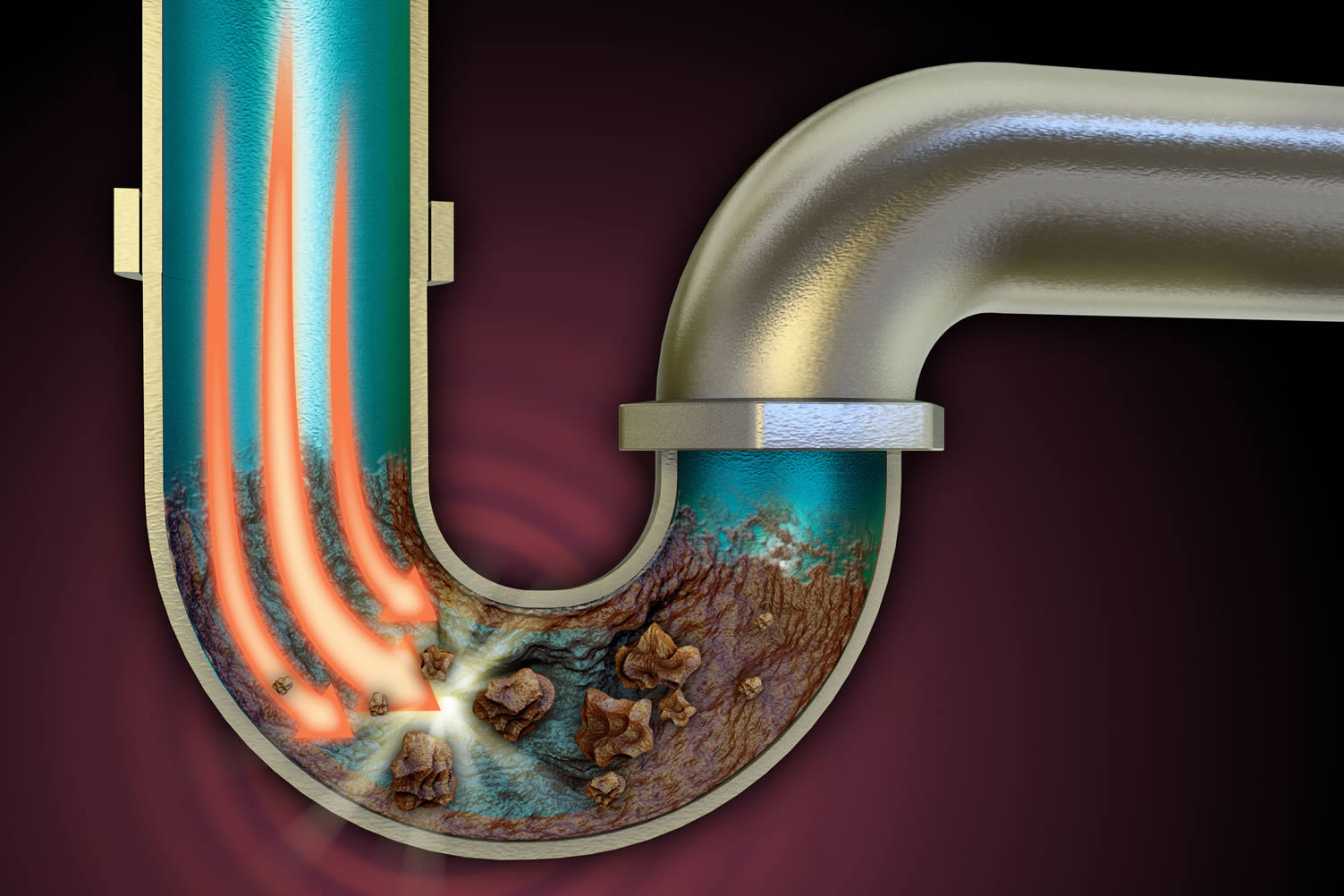
Filtered water offers a significant advantage in reducing mineral build-up on your cookware, kitchen appliances, and even plumbing fixtures. Hard water, which is rich in minerals like calcium and magnesium, tends to leave behind unsightly white or grayish deposits known as limescale.
Over time, these mineral deposits can accumulate in your pots, pans, coffee makers, and kettles, leading to reduced efficiency and potential damage. For instance, heating elements in electric kettles and coffee makers can become less effective due to limescale coating, causing them to use more energy and take longer to heat water.
Moreover, cookware such as saucepans and skillets can develop a rough surface, which not only makes cleaning more challenging but can also interfere with heat distribution, affecting the cooking performance and, potentially, the flavor of your dishes.
Investing in a home water filtration system can mitigate these issues by significantly cutting down the mineral content in your water supply. This preventive measure extends the lifespan of your kitchen appliances, ensuring they perform at their best for longer.
For avid cooks, this means uninterrupted culinary adventures without the hassle of frequent descaling or appliance maintenance. Furthermore, the absence of limescale build-up helps maintain the pristine condition of your premium pots and pans, ensuring they retain their non-stick properties and smooth surfaces.
Filtered water also enhances the longevity and performance of more delicate kitchen gadgets such as steamers and electric pressure cookers, which are particularly susceptible to mineral deposits.
Homeowners who enjoy high-quality cooking experiences will find that using filtered water not only preserves their equipment but also contributes to a more efficient, pleasant, and seamless kitchen environment.
Conclusion
In conclusion, investing in a home water filtration system is a game-changer for any homeowner passionate about cooking and baking. By using filtered water, you can elevate the flavor profiles of your dishes, ensuring every meal tastes as vibrant and delicious as intended.
The improvement in textures, from perfectly al dente pasta to light, airy bread, enhances the overall dining experience. Moreover, filtered water preserves the nutritional value of your ingredients and reduces the presence of harmful substances, making your meals not only tastier but also healthier.
Lastly, the reduction in mineral build-up protects your cookware and appliances, extending their lifespan and performance.
Don’t hesitate to make this simple yet impactful change in your kitchen routine—embrace filtered water and watch your culinary skills reach new heights, with each dish more enjoyable and satisfying.
Find Plumbing Services Plumbing Issues Drain Clearing Septic/Sewers Water Heaters Pumps Water Softening top-rated, pre-screened local contractors FREE: download contractor selection enter zip code – powered by HomeAdvisor ™


Image credit: impact of filtered water on cooking by envato.com
end of post … please share it!
| more photo remodeling |
Jump Over to Our Photo Analysis Center for Ideas on
"Renovating Home"
|__________________________________________________________|
home remodeling surprise
find out where it might go - new win


Helpful article? Leave us a quick comment below.
And please share this article within your social networks.