Summary Outline –
In today’s world, there is a growing concern about the hidden health risks present in our everyday environments, particularly within our homes. From the food we consume to the products we use daily, harmful chemicals and substances are often part of our routines without us even realizing it.
For health enthusiasts and eco-conscious consumers, understanding these risks is crucial for making safer choices that benefit both personal health and the environment.
Summary of Site Content
1st Health Risk: [view section]
… what are the hidden health risks lurking in our homes? They often come from preservatives, dyes, artificial sweeteners, and various other chemicals found in processed foods and personal care products. It’s important to examine the ingredients used and their potential health implications in detail.
2nd Health Risk: [view section]
… the second section begins with the kitchen, where processed cooking oils, cereals, packaged foods, snacks, and various other types of food are found. We often take these items for granted, unaware of the harmful substances used in their processing.
3rd Health Risk: [view section]
… we stay in the kitchen to examine the cookware and storage items we use for preparing and preserving food, as well as the hazardous substances involved in manufacturing these items that can leach into our food supply.
4th Health Risk: [view section]
… in the fourth section, let’s shift our focus to the bath and examine our personal care products. Some of these items may contain harmful substances, including oral products like toothpaste and mouthwash, as well as cosmetics, body lotions, shampoos, and various facial and body cleansers.
5th Health Risk: [view section]
… the fifth section shifts focus to the laundry room and various home utility essentials, including cleansers, detergents, paints, automotive supplies, and garden pesticides and fertilizers. It’s important to consider how many of these everyday products release harmful substances into our homes and the air we breathe.
6th Health Risk: [view section]
… the sixth section is the most crucial, focusing on how to identify and avoid harmful substances in our food, body products, and household items. It guides readers on reading labels, selecting eco-friendly alternatives, and offers shopping tips, including the use of apps to scan products for safe consumption.
7th Health Risk: [view section]
… the seventh and final suggestion for hidden health risks is to actively promote change by opting for eco-friendly food and body products. Discover how you can become advocates for better consumer protection by using your voice and purchasing decisions to drive meaningful change.
In this analysis, we’ll analyze into how to recognize these potentially dangerous ingredients, discuss the impact they can have on you and your family’s health, and outline practical steps you can take to create a healthier home.
From choosing safer cleaning supplies to opting for natural personal care products, we’ll provide you with valuable insights that empower you to make informed decisions for a better lifestyle.
- post content
- Health Risk 1: Harmful Substances Affecting You and Family
- Health Risk 2: Identifying Harmful Substances in Areas of the Home
- start with: inside the kitchen
- Health Risk 3: Kitchenware and Utensils
- Health Risk 4: Explore What Lurks in the Bathroom
- Health Risk 5: To The Laundry Room and Home Utility
- Health Risk 6: Changing Your Lifestyle to Avoid Harmful Substances
- Health Risk 7: Importance of Consumer Awareness and Action

-
Quick scroll to first topic about hidden health risks …

first “hidden health risks” idea


copyright image by 123rf.com
Health Risk 1: Harmful Substances Affecting You and Family
Notes:
-
Harmful substances encompass a wide range of chemicals found in processed foods, cosmetics, cleaning products, and more. These substances, which often include additives, preservatives, and synthetic fragrances, can have significant adverse effects on our health.
Prolonged exposure to these chemicals has been linked to various health issues, contributing to conditions such as allergies, respiratory problems, hormonal imbalances, and even chronic diseases like diabetes and heart disease.
It is crucial to be aware of the ingredients in everyday products and make informed choices to protect our health and well-being. By opting for natural alternatives and minimizing exposure to harmful substances, we can promote a healthier lifestyle for ourselves and our families.
-
Quick scroll to “harmful substances” side notes …
-
-
1st: Commonly Used Harmful Food Additives
In the quest for convenience and longer shelf-life, the food industry often incorporates various additives into products that many of us consume regularly. While these additives play roles in preserving flavor, appearance, and texture, they can have a range of harmful health impacts.
It is essential to be informed about these substances to make healthier choices in our diets.
-
Preservatives
Preservatives are substances added to food products to prevent spoilage caused by microorganisms and to extend shelf life. They play a crucial role in maintaining food quality and safety, especially in a globalized world where food products are transported long distances.
While they help in retaining food freshness, some preservatives may have potential health risks when consumed in large amounts, making it important for consumers to be aware of these additives.
Types of Preservatives Found in Food
-
Sodium Benzoate:
Commonly found in soda, fruit juices, and condiments, sodium benzoate is used to prevent the growth of bacteria and fungi. Its potential health impact includes hyperactivity in children and, when combined with ascorbic acid, can form benzene, a known carcinogen. - Nitrates and Nitrites:
Used primarily in processed meats like bacon and sausages, these additives help in preservation and color enhancement. However, they are linked to an increased risk of certain cancers and can contribute to the formation of nitrosamines, compounds that are carcinogenic. - Sulfites:
Often found in dried fruits, wines, and some processed foods, sulfites are used as preservatives to prevent spoilage. Though generally safe for most people, they can cause severe asthmatic reactions in sensitive individuals. - Butylated Hydroxyanisole (BHA) and Butylated Hydroxytoluene (BHT):
Synthetic antioxidants are widely used to preserve fats and oils in products like cereals, butter, snacks, and chewing gum. They prevent oxidation, which can change color, flavor, and nutrient content.While effective, studies are exploring their potential health effects, with some suggesting they may disrupt hormones or increase cancer risk at high doses.
- Calcium Propionate:
This preservative is commonly used in the baking industry to prevent mold and bacterial growth in bread and other baked goods. It extends shelf life without affecting taste or texture.Some studies suggest that calcium propionate may cause behavioral changes in susceptible individuals, especially children, but it is generally considered safe in moderation.
-
-
Flavor Enhancers
Flavor enhancers are substances added to food to amplify its existing taste and aroma, making it more appealing to consumers. They do not have a flavor of their own but work by enhancing the perception of other flavors.
These additives are crucial in the food industry, as they improve the palatability and overall enjoyment of various foods, especially processed and packaged items.
- Monosodium Glutamate (MSG):
MSG is perhaps the most well-known flavor enhancer. Common in Asian cuisine and processed foods, it enhances the savory, umami flavor. While generally recognized as safe by regulatory bodies, some individuals report sensitivity to MSG, experiencing symptoms like headaches or palpitations. - Yeast Extracts:
Often found in savory snacks, soups, and sauces, yeast extracts are rich in amino acids, nucleotides, and other compounds that add depth and complexity to flavors. They’re a popular alternative for those avoiding MSG. - Disodium Inosinate and Disodium Guanylate:
These are often used in tandem with MSG to further boost umami flavors in foods. They are more potent than MSG alone and are primarily found in meat-flavored products, instant noodles, and salty snacks. - Hydrolyzed Vegetable Protein (HVP):
This is created by breaking down vegetables into their constituent amino acids, which can enhance umami and saltiness in foods. It’s commonly used in soy sauce and certain meat products. - Artificial Flavors:
Present in a wide array of processed foods, these synthetic compounds mimic natural flavors but can cause allergic reactions and potential long-term health issues due to their artificial nature.
- Monosodium Glutamate (MSG):
-
Artificial Sweeteners
Artificial sweeteners are synthetic sugar substitutes that provide the sweetness of sugar without the caloric content.
These compounds are created through chemical processes and are often much sweeter than natural sugar, allowing only small amounts to be used for desired sweetness.
-
High Fructose Corn Syrup:
Predominantly found in soft drinks, candies, and processed snacks, this sweetener is a common ingredient that many people consume daily. Its high sugar content has raised concerns as it has been linked to serious health issues such as obesity, diabetes, and heart disease.
Research indicates that excessive intake of this sweetener can disrupt metabolic processes, leading to increased fat storage and insulin resistance. As a result, many health experts recommend reducing consumption of products containing this sweetener to promote better overall health and wellbeing.
-
Artificial Sweeteners:
Used in "sugar-free" products, diet sodas, and low-calorie foods, artificial sweeteners like aspartame and saccharin have been widely adopted as sugar substitutes. However, these sweeteners have raised concerns due to their potential negative health effects.
Research has linked their consumption to a variety of issues, including frequent headaches, digestive problems such as bloating and gas, and, alarmingly, some studies suggest a possible increased risk of certain cancers.
As a result, many health experts recommend caution when incorporating these sweeteners into one’s diet, urging consumers to stay informed about their potential implications on health.
-
Sucralose:
Widely used in a variety of processed foods and beverages, sucralose is an artificial sweetener approximately 600 times sweeter than sugar. It is known for its ability to retain sweetness at high temperatures, making it suitable for baking.
Though it is calorie-free and considered safe by numerous health organizations, some studies suggest that excessive consumption may affect gut health and insulin response.
-
-
Coloring Agents
Color plays a vital role in the appeal and perception of food, which is why coloring agents are extensively used in the food industry. These agents are used to enhance or restore the color of a wide range of products, from candies and beverages to processed snacks and baked goods.
There are two main types of coloring agents used in food production: natural and synthetic. Natural colorings, derived from sources like vegetables, fruits, and seeds, are favored for their organic origins, though they may offer limited color stability.
Synthetic colors, on the other hand, are manufactured from chemical compounds and provide a wider range of vibrant and stable colors. While they are effective, there are ongoing debates about their health implications, with some studies linking synthetic colors to hyperactivity in children and potential allergic reactions.
As a result, consumers are increasingly seeking out food products made with natural colorings, prompting manufacturers to adapt to this growing demand.
Types of Synthetic Colors and Their Potential Health Impacts:
- Tartrazine (Yellow 5)
- Commonly used in candies, soft drinks, and baked goods.
- Potential health impact: May cause hyperactivity and allergic reactions in sensitive individuals.
- Allura Red (Red 40)
- Found in soft drinks, confectionery, and snacks.
- Potential health impact: Suspected to cause allergic reactions and hyperactivity in some children.
- Sunset Yellow (Yellow 6)
- Used in gelatin desserts, chips, and sausage casings.
- Potential health impact: Linked to allergic reactions, particularly in those with aspirin intolerance.
- Brilliant Blue (Blue 1)
- Found in candies, beverages, and ice cream.
- Potential health impact: Can cause allergic reactions in sensitive individuals.
- Indigo Carmine (Blue 2)
- Commonly added to cereals, snacks, and beverages.
- Potential health impact: Associated with gastrointestinal distress in some people.
- Tartrazine (Yellow 5)
-
Texturizers and Stabilizers
Texturizers and stabilizers are essential components in the food industry, playing a crucial role in altering the texture and consistency of various food products.
These additives help in achieving the desired mouth-feel, stability, and shelf-life, enabling food manufacturers to create appealing and uniform products.
They are commonly used in processed foods such as sauces, dressings, ice creams, and baked goods. While they contribute positively to food quality, it is important to be aware of their types and potential health impacts.
Types of Texturizers and Stabilizers
- Polyphosphates:
Often found in processed meats and cheeses, this additive helps retain moisture and enhance texture. However, excessive consumption can result in mineral imbalances and negatively impact bone health. - Guar Gum:
Commonly utilized in baked goods, ice creams, and sauces, this ingredient serves as both a thickening agent and an emulsifier. While it is generally considered safe, consuming it in high doses may lead to digestive discomfort. - Carrageenan:
This additive, derived from seaweed, is used in dairy and plant-based milk products for thickening and stabilizing. Some studies suggest it may cause digestive issues and inflammation. - Xanthan Gum:
Frequently used in gluten-free products to mimic the texture of gluten, xanthan gum is generally considered safe but can cause bloating and digestive discomfort when consumed in large quantities. - Pectin:
Commonly found in jams, jellies, and yogurts, this substance serves as a gelling agent. It is generally considered safe, although consuming it in large quantities may lead to mild side effects such as bloating.
- Polyphosphates:


copyright image by 123rf.com
[ view diagram: harmful food additives ]
[ youtube: dangerous food additives need to know ]

-
-
2nd: Harmful Chemicals in Beauty and Care Products
Many beauty and care products are marketed for their ability to enhance appearance and promote self-care, often highlighting their nourishing ingredients and luxurious effects.
However, lurking within these seemingly beneficial products are often hidden health substances, such as harmful chemicals and allergens, that can pose significant risks to users. These substances may lead to skin irritations, allergic reactions, or even long-term health issues with regular use.
Understanding the potential dangers hidden in everyday items can empower consumers to make safer choices by encouraging them to read labels more carefully, seek out products with transparent ingredient lists, and opt for brands that prioritize health and safety.
-
Preservatives
Preservatives are added to beauty products to extend shelf life and prevent microbial growth. Common preservatives like parabens are frequently used in shampoos, lotions, and makeup.
Despite their effectiveness, parabens can act as endocrine disruptors, with potential links to cancer and reproductive issues.
- Parabens:
Found in shampoos, lotions, and makeup. They can act as endocrine disruptors and may be linked to cancer and reproductive issues. Look for products labeled "paraben-free" to avoid this harmful chemical. - Phthalates:
Often found in plastics and personal care products, phthalates have been known to interfere with hormone function. Some studies suggest a link between phthalate exposure and neurological and developmental issues. - Tetrasodium EDTA:
This compound is commonly used in personal care products such as shampoos, conditioners, and cleansers as a chelating agent, which means it helps stabilize formulations by binding to metal ions. Although generally considered safe for cosmetic use, tetrasodium EDTA can cause skin and eye irritation in sensitive individuals. Moreover, because it is not readily biodegradable, it poses environmental concerns. - Formaldehyde and Formaldehyde-Releasing Preservatives: Used in building materials and household products, but it also finds its way into some beauty and care products as a preservative. Known for its effectiveness in preventing the growth of bacteria, it is, however, a powerful carcinogen that poses significant health risks when absorbed through the skin or inhaled.
- (less harmful but can cause irritation)
- Benzyl Alcohol:
Used as a solvent and preservative in a variety of cosmetics and personal care products, benzyl alcohol can cause skin irritation and allergic reactions in some individuals. While it is considered relatively safe in small concentrations, those with sensitive skin are advised to perform a patch test or choose products that specifically cater to sensitive skin types. - Salicylic Acid:
Popular in acne treatment products, salicylic acid acts as an exfoliant, helping to unclog pores and reduce inflammation. While effective for combating acne, excessive use can lead to skin irritation, dryness, and sensitivity.
- Parabens:
-
UV Filters
Used in sunscreens and skin care products, UV filters protect the skin from the harmful effects of the sun’s rays. Chemicals like oxybenzone and octinoxate can penetrate the skin, potentially causing hormonal imbalances and environmental harm by affecting marine life.
- Benzophenone (Oxybenzone):
Found in many sunscreens and skincare products. It can cause hormonal disruptions and contributes to coral bleaching, impacting marine ecosystems. - Homosalate:
Often present in sunscreens. It may accumulate in the body over time, potentially disrupting hormone function and affecting overall health. - Titanium Dioxide:
Used in sunscreen formulations for UV protection. While generally considered safe, concerns arise when it’s in nanoparticle form, which may pose inhalation risks and potential cellular damage. - Avobenzone:
Frequently used in broad-spectrum sunscreen products. It can degrade in sunlight, possibly leading to skin allergies and reduced effectiveness. - Other UV filters:
Additionally used in various beauty and skincare products, some of which may affect hormone balance and environmental health, highlighting the importance of choosing safer alternatives. - (less harmful but can cause irritation)
- Zinc Oxide:
Commonly found in sunscreens for blocking UVA and UVB rays. Similar to titanium dioxide, its nanoparticle form presents inhalation risks, particularly in spray-on sunscreens.
- Benzophenone (Oxybenzone):
-
Fragrances
Fragrances, appealing as they may be, are complex mixtures of various chemical substances. Found in perfumes, shampoos, and lotions, these hidden health substances may trigger allergies and asthma.
Synthetic fragrances sometimes contain phthalates, which have been linked to developmental and reproductive toxicity.
- Synthetic Fragrances:
Commonly found in perfumes, shampoos, and lotions. These can trigger allergies and asthma, causing respiratory issues. - Phthalates:
Often present in synthetic fragrances. Linked to developmental and reproductive toxicity, impacting hormonal and reproductive health. - Artificial Musks:
Used in a variety of scented products, such as air fresheners and cosmetics. They may accumulate in the human body, potentially disrupting hormone function. - Formaldehyde-releasing agents:
Found in several beauty products like shampoos and nail care items. These can cause skin sensitivities and are linked to cancer risks.
- Synthetic Fragrances:
-
Emollients and Moisturizers
Ingredients like mineral oils and petrolatum, commonly used in moisturizers and lotions, act as emollients by forming a barrier on the skin.
While they are effective in preventing moisture loss, concerns have been raised about their potential to trap other harmful ingredients against the skin and causing irritation.
- Petroleum Jelly:
Widely used in creams and balms, petroleum jelly is renowned for its occlusive properties, which help to effectively seal moisture into the skin. However, concerns exist over the purity of petroleum jelly as it can contain potentially harmful contaminants if not properly refined, potentially leading to skin irritation or other adverse effects if impure. - Petrolatum:
Used in moisturizers and lip balms. While effective at preventing moisture loss, it may contain impurities that can lead to inflammation and allergic reactions. - (less harmful but can cause irritation)
- Paraffin:
Present in ointments and skin creams. It can create an occlusive layer that may block pores, leading to breakouts or acne. - Silicone-based Compounds:
Found in a variety of skin and hair care products. These can cause build-up and prevent skin or hair from breathing, potentially resulting in dullness or irritation. - Mineral Oils:
Commonly found in lotions and creams. They form a barrier on the skin that can trap dirt and other harmful substances, which may cause skin irritation. - Glycerin:
A commonly used ingredient in skincare products, glycerin acts as a humectant, drawing moisture into the skin and helping to keep it hydrated. It is considered safe and effective for most skin types and is less likely to cause irritation compared to other moisturizing ingredients. Glycerin helps improve skin barrier function and smoothness, making it a highly valued component in many lotions and creams.
- Petroleum Jelly:
-
Heavy Metals
Heavy metals are naturally occurring elements that find their way into various beauty and care products, often unintentionally during the manufacturing process. While these metals can sometimes enhance the performance of certain products, they pose significant health risks when absorbed by the skin or ingested.
This section highlights some of the most concerning heavy metals found in cosmetics and personal care items.
-
Lead
- Common Uses:
Often found in lipstick, eyeliner, and foundation. Lead contamination occurs unintentionally during manufacturing, especially in products that contain pigments. - Health Effects:
Lead exposure can result in severe health issues, such as neurological damage, kidney dysfunction, and reproductive problems. It is particularly harmful to pregnant women and children, affecting brain development and cognitive function.
- Common Uses:
-
Arsenic
- Common Uses:
Present in trace amounts in facial cleansers, nail polish, and foundation due to contamination. - Health Effects:
Arsenic exposure can cause skin irritation, and in severe cases, it can lead to an increased risk of skin, bladder, and lung cancers. Chronic exposure can also affect the heart and lungs.
- Common Uses:
-
Mercury
- Common Uses:
Found in skin lightening creams and some anti-aging products due to its preservative and skin lightening properties. - Health Effects:
Mercury exposure can damage the kidneys and nervous system. It is highly toxic, and even low levels of exposure can lead to serious neurological and behavioral disorders.
- Common Uses:
-
Other Heavy Metals
- Common Uses:
Include cadmium in lipstick and nickel in mascara and eye shadow. They may also be present as impurities in various pigments and coloring agents. - Health Effects:
Cadmium exposure is linked to cancer and kidney damage, while nickel is a common allergen that can cause contact dermatitis. Prolonged exposure to these metals can lead to significant health concerns over time.
- Common Uses:
-
-
Other Common Chemicals
Additional chemicals, like sodium lauryl sulfate (SLS) and polyethylene glycols (PEGs), appear in cleansers and creams.
SLS can strip away the skin’s natural oils, leading to irritation, while PEGs may contain harmful byproducts, including ethylene oxide, a known carcinogen, that pose health risks over time.
Understanding these chemicals’ presence in products is crucial for making informed decisions about personal care.
-
Formaldehyde
- Common Uses:
Often used in nail polishes, hair straighteners, and as a preservative in cosmetics. - Health Effects:
Exposure to formaldehyde can cause skin irritation and allergic reactions. It is also classified as a human carcinogen, posing risks of cancer with prolonged exposure.
- Common Uses:
-
PFAS (Per- and polyfluoroalkyl substances)
- Common Uses:
Found in certain foundations and concealers due to their water-resistant properties. - Health Effects:
PFAS compounds are linked with liver damage, thyroid disease, and developmental issues, as they can accumulate in the body over time.
- Common Uses:
-
Hydroquinone
- Common Uses:
Utilized in skin-lightening products to reduce age spots and hyperpigmentation. - Health Effects:
Has been associated with skin irritation and ochronosis, a condition causing skin discoloration. Long-term use may also have links to cancer risk.
- Common Uses:
-
Resorcinol
- Common Uses:
Found in hair dyes and bleaching products due to its coloring abilities. - Health Effects:
Can cause skin irritation and has been linked to thyroid dysfunction with excessive exposure.
- Common Uses:
-
Triclosan
- Common Uses:
Used in antibacterial soaps, deodorants, and toothpaste for its antimicrobial properties. - Health Effects:
Triclosan exposure may contribute to antibiotic resistance and has potential endocrine-disrupting effects, leading to thyroid and hormonal imbalances.
- Common Uses:
-
Other Chemicals
- Parabens:
Widely used as preservatives in various cosmetics and personal care products. - Health Effects:
They can mimic estrogen, potentially disrupting hormone function and leading to reproductive issues. - (less harmful but can cause irritation)
- Phthalates:
Used in perfumes and lotions to stabilize fragrance. - Health Effects:
Associated with endocrine disruption and may have impacts on reproductive development and fertility.
- Parabens:
-

copyright image by 123rf.com
[ view diagram: toxic chemicals in personal care products]
[ youtube: toxics in beauty products]
-
-
-
ideas to view and compare from the information discussed above
Scroll up to directory … or scroll to next section about hidden health risks …


… personal care and cleansing products



… you can find harmful and unhealthy substances




second “photo remodeling” idea

copyright image by 123rf.com
Health Risk 2: Identifying Harmful Substances in Areas of the Home
Notes:
-
Recognizing unhealthy and potentially harmful substances in various areas of the home is vital for creating a healthy living environment for you and your family. Many everyday food and personal care products contain ingredients that can negatively impact health.
This following three sections will guide you through different parts of the home, highlighting potential unhealthy substances and suggesting safer alternatives. By becoming aware of these substances and adopting healthier options, you can create a healthier home environment.
Below, we will begin by exploring key areas such as the kitchen, followed by the bathroom, laundry and utility, providing detailed information on typical hazardous substances found in each area and how to address them effectively.
-
Let’s Start With the Kitchen
In the kitchen, processed foods often contain additives such as artificial colors and flavors, as well as preservatives that can be harmful over time. These substances can contribute to health issues like obesity, diabetes, and heart disease.
Additionally, plastic containers used for storing food can leach harmful chemicals if not properly managed. Let’s review some important items you should be aware of.
-
-
Quick scroll to “harmful consumption” side notes …
-
-
1st: Harmful Effects of Processed Cooking Oils
Processed cooking oils are a common fixture in many kitchens, but their consumption can have hidden harmful effects on health. These oils often undergo extensive processing that can strip them of beneficial nutrients and introduce unhealthy substances.
Regular consumption of processed oils is linked to an increased risk of chronic health conditions, highlighting the importance of making informed choices in cooking oil selection.
-
Negative Health Impacts of Certain Cooking Oils
Many commonly used cooking oils, such as soybean, corn, and canola oil, are high in omega-6 fatty acids.
While omega-6 is an essential fatty acid, an imbalance favoring these over omega-3 fatty acids can lead to inflammation and contribute to the development of diseases like heart disease, obesity, and arthritis.
Moreover, the refining process often employed involves high heat and chemicals, which can lead to the formation of trans fats—hidden harmful substances that are detrimental to cardiovascular health.
-
Healthier Cooking Oil Choices
To promote better overall health, it’s important to choose cooking oils rich in monounsaturated and polyunsaturated fats, while minimizing saturated and trans fats.
Oils such as olive oil, avocado oil, and coconut oil are excellent alternatives, offering a healthier composition and numerous health benefits.
Olive oil, for example, is celebrated for its heart-health benefits due to its high content of monounsaturated fats, while avocado oil provides beneficial antioxidants and nutrients.
By opting for these oils, you can enhance the nutritional quality of your meals without compromising on flavor.

copyright image by 123rf.com
[ view diagram: healthy cooking oils ]
[ youtube: top 5 healthy cooking oils ]
-
-
2nd: Processed Breakfast Cereals
Breakfast is often touted as the most important meal of the day, yet many unwittingly start their mornings with highly processed breakfast cereals and snacks that can negatively impact health.
These convenient food options, marketed as time-savers, often contain hidden harmful substances that outweigh any advertised nutritional benefits. It’s crucial to understand the potential dangers of processed cereals and aim for healthier alternatives that support overall well-being.
-
Why You Should Avoid Processed Cereals
Many processed breakfast cereals are loaded with added sugars, artificial flavors, and preservatives to enhance taste and extend shelf life. Although these may make cereals more palatable and easier to store, they contribute to various health issues.
High sugar content can lead to spikes in blood sugar levels, eventually increasing the risk of obesity, type 2 diabetes, and metabolic syndrome. Additionally, some processed cereals are high in refined grains and low in fiber, which may hinder digestion and fail to provide lasting satiety.
Hidden harmful substances, like artificial additives and preservatives, further contribute to potential health risks, emphasizing the need for caution when selecting breakfast options.
-
Healthier Cereal Alternatives
To foster a nutritious start to your day, consider cereals made from whole grains, which are rich in fiber, vitamins, and minerals. Options like oatmeal, quinoa flakes, or whole-grain muesli provide sustained energy and promote digestive health.
These cereals offer natural flavors and nutrients without the addition of excessive sugars or artificial ingredients. Choosing cereals with minimal processing and simple ingredient lists ensures you start the day with a wholesome meal, free from hidden harmful substances.
Adopting these healthier choices not only nourishes the body but sets a positive tone for the remainder of the day.

copyright image by 123rf.com
[ view diagram: harmful color dyes in breakfast cereal ]
[ youtube: you may never eat cereal again ]
-
-
3rd: Processed Pantry Foods
The convenience of processed foods in our pantries can often overshadow the potential health risks they pose. While these foods offer ease and quick preparation, they frequently carry hidden harmful substances that can negatively affect our well-being.
It is essential to recognize these risks and make informed choices about the foods we consume daily.
-
Harmful Effects of Processed Snacks
Many processed snacks, such as chips, cookies, and crackers, contain high levels of unhealthy trans fats and excessive sodium.
Trans fats, often used to extend shelf life, can lead to increased levels of low-density lipoprotein (LDL) cholesterol, raising the risk of heart disease.
Excessive sodium intake, common in these snacks, can contribute to hypertension and cardiovascular issues. Additionally, the use of artificial flavorings and preservatives exacerbates their detrimental health impact.
-
Safer Snack Alternatives
Opt for snacks that prioritize nutritional value over convenience. Choosing options like raw nuts, fresh fruit, or homemade granola bars provides essential nutrients without the influx of harmful additives.
These alternatives naturally supply healthy fats, fibers, and vitamins, supporting heart health and overall well-being. Furthermore, preparing snacks at home allows for control over ingredients, ensuring that meals contribute positively to your health.
-
Canned and Packaged Meals
Canned soups, packaged pasta sauces, and ready-to-eat meals are frequently high in refined carbohydrates and hidden sugars.
The presence of these ingredients can lead to fluctuating blood sugar levels, increasing the risk of insulin resistance and weight gain. Moreover, the preservatives and artificial colorings added for longevity pose potential health risks.
-
Nutritious Meal Options
To reduce reliance on processed meals, consider preparing dishes using fresh ingredients. Homemade soups and sauces using fresh vegetables and herbs provide a healthier palate and a nutrient-rich profile.
Experimenting with whole grains like brown rice or barley as meal bases can enhance nutritional intake while avoiding the pitfalls of refined carbohydrates.
By choosing fresh ingredients, you not only improve your diet but also embrace a cleaner and more sustainable approach to eating.

copyright image by 123rf.com
[ view diagram: harmful effects of processed snacks ]
[ youtube: clean eating for beginners ]
-
-
4th: Processed Staple Foods
Processed staple foods such as breads, dairy products, canned meats, and other common items may carry significant health risks due to hidden harmful substances they contain.
These often include high levels of sodium, unhealthy fats, and artificial additives that can adversely affect your health.
Understanding the detrimental impacts of these substances and exploring healthier alternatives can lead to better dietary choices and overall wellness.
-
Processed Breads
Processed breads typically contain refined grains, excessive sodium, and additives like preservatives and sugars. These elements contribute to increased blood pressure, digestive issues, and a heightened risk of diabetes.
Whole-grain versions or homemade bread using natural ingredients without added sugars and preservatives are healthier alternatives that offer more nutrients and fiber, supporting better digestion and heart health.
-
Processed Dairy Products
Dairy products, including ice cream, often possess significant amounts of added sugars, unhealthy fats, and synthetic flavorings that can disrupt metabolic functions and contribute to obesity and cardiovascular diseases.
Opting for alternatives such as unsweetened almond milk, coconut milk yogurt, or homemade ice cream using natural sweeteners can provide the creamy taste you desire without compromising your health.
-
Canned Meat
Canned meats are frequently laden with harmful preservatives and sodium, which can lead to higher blood pressure and increase the risk of heart disease.
Fresh lean cuts of meat, like chicken breast or turkey, are preferable options, providing essential proteins without unwanted additives. Plant-based proteins, like lentils or chickpeas, also serve as nutritious and health-conscious alternatives.
-
Additional Processed Foods
The realm of processed foods extends beyond the aforementioned categories, including items that are often staples in many households but contain hidden harmful substances.
Such items can elevate the risk of chronic diseases due to unhealthy ingredients like trans fats and artificial enhancers.
Instead, focus on incorporating whole foods like fresh fruits, vegetables, and whole grains into your diet, which naturally supply a wealth of vitamins and nutrients essential for maintaining optimal health and preventing disease.

copyright image by 123rf.com
[ view diagram: harmful effects of processed food ]
[ youtube: which type of milk is best for you? ]
-
-
5th: Soda, Alcohol, Candy, and Snacks
In today’s fast-paced world, convenience often trumps nutrition, leading many to reach for sugary drinks, alcoholic beverages, and processed snacks without much thought.
These items, while satisfying immediate cravings, are often laden with hidden harmful substances that can wreak havoc on both short-term and long-term health.
This section looks into the detrimental aspects of these popular consumables and provides healthier alternatives to ensure optimum well-being.
-
Soda
Sodas are typically packed with excessive sugars and artificial additives that can contribute to obesity, insulin resistance, and dental issues. The high sugar content spikes blood glucose levels, potentially leading to type 2 diabetes over time.
To maintain hydration and a healthy lifestyle, consider switching to sparkling water infused with natural fruit juices or herbal teas, which offer flavor without the harmful effects.
-
Alcohol
While moderate alcohol consumption might be harmless for some, excessive intake is associated with liver damage, addiction, and increased risk of chronic diseases such as heart disease and certain cancers.
Choosing alcohol-free cocktails made with fresh juices or herbal infusions allows you to enjoy social events without the negative health consequences.
-
Candy
Candy is another source of high sugar content along with artificial colorings and preservatives. Regular consumption not only affects dental health but can also lead to weight gain and metabolic issues.
Opting for dark chocolate with a high cocoa content or naturally sweetened snacks made from dried fruits and nuts can satisfy your sweet tooth while supporting your health.
-
Processed Cookies and Crackers
Processed cookies and crackers often contain trans fats, refined flours, and artificial flavorings that contribute to cardiovascular disease and inflammatory conditions.
Substituting these snacks with whole-grain crackers, rice cakes, or homemade oat cookies made using natural ingredients provides a more nutritious alternative that supports heart health and overall well-being.
Embracing these healthier substitutions not only helps in avoiding the hidden harmful substances present in typical processed snacks but also paves the way for a more balanced and nourishing diet.

copyright image by 123rf.com
[ view diagram: danger of high fructose corn syrup ]
[ youtube: american foods that are banned in europe ]
-
-
-
ideas to view and compare from the information discussed above
healthy cooking oilshealthy breadfast cerealnaturally sweetened snacks
Scroll up to directory … or scroll to next section about hidden health risks …

addressing hidden health risks at home and other home improvement needs …

… grab this directory of ideas for future use




… remodeling decisions
May We Suggest Other Photo Remodeling Ideas About
“What We Can Find In The Garden …” (new win)



third “photo remodeling” idea

copyright image by 123rf.com
Health Risk 3: Kitchenware and Utensils
Notes:
-
As with any household items, kitchenware and utensils can pose potential health risks when they begin to deteriorate. Certain materials, such as non-stick coatings found in older cookware, are known to release toxic chemicals like perfluorooctanoic acid (PFOA) at high temperatures.
These chemicals can accumulate in the body over time and are associated with various health issues, including thyroid disorders and developmental problems. Similarly, plastic kitchen utensils that contain bisphenol A (BPA) or phthalates can leach harmful compounds into food when exposed to heat or damage.
It’s vital to replace aging non-stick pans with newer, PFOA-free options and consider opting for utensils made from safer materials like silicone, stainless steel, or wood.
Regularly inspecting kitchenware for signs of wear and tear can also help prevent exposure to harmful substances, ultimately safeguarding your family’s health.
-
Quick scroll to “kitchen wares” side notes …
-
-
1st: Leached Chemicals from Plastic Food Containers
Plastic containers are widely used for storing milk, food, and other household items, but their convenience can come at a cost to your health. Chemicals in plastics, such as Bisphenol A (BPA) and phthalates, can leach into food and beverages.
These hidden harmful substances have been linked to various health issues, including hormonal disruptions and increased risk of chronic diseases.
-
Storing Milk in Plastic Containers
When milk is stored in plastic containers, it may absorb chemicals that affect its taste and nutritional value. To mitigate this, always use BPA-free plastic containers specifically designed for milk.
Be mindful of the shelf life, and avoid prolonged exposure to sunlight or heat, which can accelerate chemical leaching. When possible, consider using glass bottles as a safer alternative.
-
Storing Water in Plastic Containers
Water is often stored in plastic containers for convenience, but this practice can also lead to the leaching of harmful chemicals over time. Prolonged exposure to heat or direct sunlight can release contaminants such as BPA and phthalates into the water, posing potential health risks.
To ensure safety, always choose BPA-free plastic bottles or containers specifically manufactured for drinking water. Additionally, regularly replace these containers to minimize the risk of chemical degradation.
Where feasible, consider using glass or stainless steel alternatives, which are inert and do not leach chemicals, providing a safer option for water storage.
-
Storing Food in Plastic Containers
For regular food storage, opt for high-quality, food-safe plastic containers that are marked as microwave and dishwasher safe. To prevent leaching of harmful substances, avoid heating food directly in plastic containers, especially those not labeled as microwave-safe.
It is advisable to transfer food to ceramic or glass dishes before heating. Creative organization and proper labeling can help maximize the shelf life and preserve the quality of stored items.
-
General Use and Maintenance of Plastic Containers
Plastic containers should be regularly inspected for wear and tear. Cracks or discoloration may indicate breakdown, increasing the risk of chemical leaching. Replace old containers with newer, safer options to ensure optimal health benefits.
Proper storage, including avoiding stacking heavy items on top, can prolong their usability and effectiveness. By being vigilant and informed, you can minimize the presence of hidden harmful substances in your daily storage practices.
-
Alternatives to Storing Food Items
- Glass Containers:
Ideal for preserving food flavor and avoiding chemical leaching, glass containers are reusable, durable, and safe for both heating and storage purposes. - Stainless Steel:
These containers are an excellent option for both liquid and solid storage, offering resistance to rust, non-reactivity with food, and long-lasting durability. - Ceramic Dishes:
Perfect for storing food, ceramic dishes can handle heat well and are non-toxic, making them a great alternative for both preparation and serving. - Silicone Pouches:
Featuring non-reactive and flexible properties, silicone pouches are perfect for on-the-go food storage and can withstand heat, making them suitable for cooking and storing leftovers. - Beeswax Wraps:
As a sustainable option, beeswax wraps are ideal for wrapping produce, sandwiches, and other perishables, reducing reliance on plastic wraps.
- Glass Containers:

copyright image by 123rf.com
[ youtube: BPA in food containers: what to know ]
[ amazon: glass food storage containers ]
-
-
2nd: Non-Stick Cookware and Enamel-Baked Wares
The convenience of non-stick cookware and enamel-baked wares is often overshadowed by the potential risks associated with hidden harmful substances. While these kitchen essentials appear to simplify cooking, they may expose consumers to chemicals that could pose health risks.
Understanding the potential dangers and adopting best practices can help balance convenience and safety in the kitchen.
-
Risks Associated with Non-Stick Cookware
Non-stick cookware is commonly coated with polytetrafluoroethylene (PTFE), also known as Teflon. When heated beyond a certain temperature, PTFE begins to decompose, releasing fumes that can cause flu-like symptoms known as polymer fume fever.
Long-term exposure to such fumes may be detrimental to respiratory health. To mitigate these risks, avoid using non-stick pans at high temperatures and ensure proper ventilation while cooking.
Alternatives such as cast iron, stainless steel, or ceramic-coated cookware are recommended for safer cooking.
-
Considerations for Enamel-Baked Wares
Enamel-baked wares, often admired for their durability and aesthetic appeal, may contain lead or cadmium, particularly in older or brightly colored pieces. These heavy metals can leach into food, especially with acidic or high-temperature cooking.
To ensure safety, choose enamel wares labeled as free of lead and cadmium. Inspect for chips or cracks regularly, as these can increase leaching risk. Opt for glass or stainless steel bakeware as alternative options for a healthier kitchen experience.
By being informed and cautious in the use of these popular kitchen tools, you can minimize exposure to hidden harmful substances and significantly contribute to overall health and well-being.
-
Safer Alternatives to Cookware and Bakeware
- Cast Iron: Known for its durability and excellent heat retention, cast iron cookware is a safe, non-toxic option. It can be seasoned to develop a natural non-stick surface.
- Stainless Steel: This is a versatile and long-lasting material often recommended for both cookware and bakeware. It does not react with food and is easy to maintain.
- Ceramic-Coated Cookware: These offer a non-stick surface without the use of harmful chemicals such as PTFE or PFOA. Pure ceramic options are also available and are highly resistant to scratches.
- Glass Bakeware: Perfect for baking, glass is inert and does not leach chemicals into food. Additionally, it allows you to keep an eye on your dish as it cooks.
- Silicone Bakeware: Made from food-grade silicone, these are flexible, non-stick, and can withstand both freezer and oven temperatures. Silicone is safe and does not emit harmful chemicals when used properly.

copyright image by 123rf.com
[ youtube: truth about nonstick cookware: Teflon ]
[ amazon: stainless steel cookware set ]
-
-
3rd: Black Plastic and Nylon Kitchen Utensils
The modern kitchen is often equipped with a wide variety of utensils made from materials such as black plastic and nylon, prized for their flexibility, non-stick properties, and resistance to heat.
However, underlying these conveniences are potential concerns regarding hidden harmful substances, which may pose risks to health if not employed with caution.
-
Hidden Harmful Substances in Black Plastic
Black plastic utensils, commonly composed of recycled plastics, can sometimes carry harmful residual chemicals such as brominated flame retardants and heavy metals.
These substances might migrate into food, especially when the utensils are exposed to high temperatures during cooking.
To mitigate risks, it is advisable to inspect and replace utensils regularly and opt for those marked as food-safe and heat-resistant to a certain degree.
-
Concerns with Nylon Utensils
Nylon utensils are frequently used for their durability and ease of cleaning. However, at elevated temperatures, these utensils may begin to break down, releasing potentially toxic compounds including oligomers into food.
To promote safe cooking practices and minimize exposure to such hidden harmful substances, keep nylon utensils away from direct heat sources, and consider using safer alternatives such as silicone, stainless steel, or wooden utensils that do not degrade under typical cooking conditions.
By being aware of the potential dangers associated with black plastic and nylon utensils, and choosing safer alternatives when possible, individuals can reduce their exposure to harmful substances and prioritize their health and well-being while preparing meals.
-
Safer Alternatives for Kitchen Cooking Utensils
- Silicone Utensils:
Non-toxic, heat-resistant, and durable; ideal for cooking and baking without the risk of harmful chemical release. - Stainless Steel Utensils:
Highly durable and resistant to heat; do not corrode or leach chemicals, making them a safe and long-lasting option. - Wooden Utensils:
Natural, non-toxic, and biodegradable; gentle on cookware surfaces and do not melt or release toxins. - Bamboo Utensils:
Eco-friendly, naturally antibacterial, and lightweight; a sustainable and safe choice for everyday cooking needs.
- Silicone Utensils:

copyright image by 123rf.com
[ youtube: black-colored plastics dangers ]
[ amazon: wooden utensils ]
-
-
4th: Cutting Board Safety
Cutting boards are essential tools in any kitchen, facilitating the preparation of various foods such as meat, vegetables, and fruits. However, the type of cutting board used can have significant implications for food safety and health.
Each material presents unique risks and benefits, with some potentially exposing us to hidden harmful substances. Understanding these dangers and implementing best practices will help ensure a safe cooking environment.
-
Plastic Cutting Boards
Plastic cutting boards are popular due to their affordability, lightweight nature, and ease of cleaning. However, they can harbor bacteria if not properly sanitized, and may contain harmful chemicals like BPA or phthalates.
Over time, knife marks can create grooves in the surface, which can trap bacteria, presenting a risk of contamination. Regularly replacing worn boards and opting for BPA-free, food-safe plastic can mitigate these risks.
-
Wood Cutting Boards
Wooden cutting boards are often favored for their natural antibacterial properties and aesthetic appeal. Despite this, they can absorb moisture, which—if not thoroughly dried—may foster bacterial growth within the board itself.
Moreover, hidden harmful substances might leech from certain unfinished woods into food. It’s crucial to clean wood boards thoroughly and regularly apply food-safe mineral oil to protect the surface and reduce these risks.
-
Bamboo Cutting Boards
Eco-friendly and naturally resilient, bamboo cutting boards are praised for their sustainable nature and resistance to knife scarring. Despite these benefits, improper maintenance can lead to cracking and bacteria buildup.
Bamboo boards can also occasionally contain added adhesives that may introduce chemicals to food. Choosing boards free of harmful glues and ensuring the surface is well-maintained can keep this danger at bay.
By selecting cutting boards wisely and maintaining them properly, individuals can minimize exposure to hidden harmful substances, safeguarding both health and well-being in the kitchen.
-
Alternatives to Traditional Cutting Boards
- Glass Cutting Boards:
Glass cutting boards offer a durable and easy-to-clean surface. They are resistant to stains and odors, providing a hygienic option. However, they are hard on knives, potentially dulling blades more quickly. - Marble Cutting Boards:
While offering a stylish and non-porous surface that resists bacteria, marble cutting boards can also be heavy and may damage blades over time due to their hard surface. - Titanium Cutting Boards:Titanium cutting boards are known for their exceptional durability and lightweight design. Resistant to corrosion and bacteria, they provide a hygienic surface that’s easy to clean. They are also gentler on knife edges compared to harder surfaces like glass and marble.
- Composite Cutting Boards:
Made from a blend of wood fibers and resin, composite boards are both durable and gentle on knives. They are dishwasher safe and do not harbor bacteria easily, though they may be pricier than other options. - Silicone Cutting Mats:
Flexible and non-slip, silicone mats are great for small tasks and easy storage. They are knife-friendly and simple to clean, but may not provide the solid chopping surface needed for more demanding tasks. - Tempered Glass Boards:
Similar to basic glass boards, these are highly durable and dishwasher safe. They are heat-resistant and unlikely to harbor bacteria, though they are best suited for looks rather than frequent use due to their effect on knives.
- Glass Cutting Boards:

copyright image by 123rf.com
[ youtube: best (and worst) cutting boards ]
[ amazon: titanium cutting boards ]
-
-
-
ideas to view and compare from the information discussed above
ceramic coated cookwarestainless steel utensilsglass cutting board
Scroll up to directory … or scroll to next section about hidden health risks …
SHARE IT ..! You might have someone in your social network who could find this informative post about hidden health risks lurking in the home valuable. Feel free to share it on Facebook, X (formally Twitter), LinkedIn, or Pinterest!



… potential hidden health risks in the bathroom


fourth “photo remodeling” idea

copyright image by 123rf.com
Health Risk 4: Explore Hidden Health Risks in the Bathroom
Notes:
-
Cosmetics and personal care products found in the bathroom can be a source of harmful chemicals. Ingredients like parabens and sulfates are prevalent in shampoos, lotions, and makeup.
These substances can cause skin irritation and may have long-term effects on hormonal balance and reproductive health.
-
Quick scroll to “in-the-bathroom risks” side notes …
-
-
1st: List of Harmful Bath-Related Ingredients
Personal care products for skin, hair, and various other applications may contain potentially harmful ingredients that can affect our health and well-being. These products often promise beauty and effectiveness, but it’s essential to be aware of the chemicals they contain.
Below is a detailed list of some commonly concerning chemicals, along with their potential effects, to help you make informed choices about the products you use every day.
-
Endocrine Disruptors
Endocrine disruptors are chemicals that can interfere with the body’s endocrine system, potentially leading to negative health effects.
These substances can mimic, block, or alter hormone levels, which can cause developmental, reproductive, neurological, and immune issues.
Commonly found in personal care products, these chemicals can sometimes go unnoticed by consumers. It’s critical to be aware of endocrine disruptors in beauty and care products, as their long-term effects may compromise human health.
Identifying and avoiding these harmful ingredients can help reduce exposure to substances that could have lasting impacts on hormonal balance.
-
Summary of Endocrine Disruptors
- Parabens:
Used as preservatives in cosmetics, they mimic estrogen and can disrupt hormonal functions. - Phthalates:
Commonly found in fragrances, these can interfere with hormone functions and have been linked to developmental issues. - Bisphenol A (BPA):
Found in packaging materials, it can leach into products and act as a hormone disruptor similar to estrogen. - Triclosan:
Used for its antibacterial properties in soaps and sanitizers, this chemical can affect thyroid hormone concentrations. - Octinoxate and Oxybenzone:
Often used in sunscreen, these UV filters can mimic hormones and disrupt endocrine functions. - Styrene:
Present in some fragrance products, styrene is a potential endocrine disruptor with links to hormone-related health issues.
- Parabens:
-
-
Carcinogens and Toxic Compounds
Carcinogens and toxic compounds in beauty and care products pose significant risks to human health. These substances are known to potentially cause cancer, damage internal organs, or lead to other serious health issues following prolonged exposure.
Often included in products for their preservative, coloring, or fragrance properties, these chemicals can be absorbed through the skin or inhaled, accumulating in the body over time. It is essential for consumers to be informed about these potentially harmful substances and to make conscious decisions about the products they choose.
Knowledge and awareness are key to reducing exposure and safeguarding health against the lurking dangers in everyday beauty and care products.
-
Summary of Carcinogens and Toxic Compounds
- Formaldehyde:
Used as a preservative, it is a known carcinogen that can be absorbed through the skin and cause respiratory issues. - Benzene:
Sometimes found in sunscreens and bath products, this compound is linked to blood cancer and other health problems. - Coal Tar Dyes:
Used for coloring cosmetics, these dyes are derived from petroleum and are potentially carcinogenic. - Ethylene Oxide:
Found in shampoos and other personal care products, this chemical is classified as a human carcinogen. - 1,4-Dioxane:
A byproduct found in some shampoos, body wash, and other products, it is considered a probable human carcinogen. - Polycyclic Aromatic Hydrocarbons (PAHs):
Found in some lip balms and hair products, PAHs are linked to various cancers.
- Formaldehyde:
-
-
Skin and Respiratory Irritants
Exposure to skin and respiratory irritants in beauty and care products can lead to a range of uncomfortable and sometimes severe health issues. Skin irritants can cause reactions such as redness, itching, and dermatitis, while respiratory irritants can trigger coughing, wheezing, and breathing difficulties.
These irritants are often found in fragrances, preservatives, and solvents used in products to enhance their effectiveness or increase shelf life. Consumers may be unaware of their presence due to inadequate labeling policies.
As such, it is crucial for individuals to become informed about the ingredients in their beauty and care products to prevent potential irritations and adverse health effects.
-
Summary of Skin and Respiratory Irritants
- Sodium Lauryl Sulfate (SLS):
Commonly used in shampoos and body washes, SLS can cause skin irritation and trigger respiratory discomfort. - Ammonia:
Found in hair dyes and cleaning agents, ammonia can irritate the skin and respiratory tract leading to coughing and sore throat. - Fragrances:
Labeled simply as "fragrance," these can contain hundreds of synthetic compounds that may cause allergic skin reactions and respiratory issues. - Parabens:
Used as preservatives in cosmetics, parabens can lead to skin irritation and have been implicated in respiratory distress. - Acetone:
Present in nail polish removers, acetone can cause dryness, redness, and irritation to both skin and respiratory pathways. - Formaldehyde-Releasing Preservatives:
Used in various products, these can release formaldehyde over time, causing both skin sensitization and respiratory irritation.
- Sodium Lauryl Sulfate (SLS):
-

copyright image by 123rf.com
[ view diagram: toxic bath products ]
[ youtube: ugly side of beauty & skin care products ]
-
-
2nd: Harmful Oral Mouth Products
When it comes to oral hygiene, many of us rely on everyday products like toothpaste, toothbrushes, oral rinses, and dental floss to maintain good dental health.
However, a closer look at the ingredient lists of these products reveals a range of chemicals that can have adverse effects on our health. It’s important to be informed about these substances and consider safer alternatives for better overall oral wellness.
-
Toothpastes and Harmful Ingredients
Most commercial toothpastes contain ingredients like sodium lauryl sulfate (SLS), triclosan, and artificial sweeteners, which can be harmful to oral tissues and general health. SLS, for instance, is known for causing mouth irritation and can lead to canker sores.
Triclosan, an antibacterial agent, has been linked to antibiotic resistance and endocrine disruption.
Opting for natural toothpastes with ingredients like baking soda or peppermint oil can offer effective cleaning without the risks associated with these hidden harmful substances.
-
Toothbrushes and Plastic Bristles
Standard toothbrushes are made with plastic bristles, which might harbor bacteria and wear down tooth enamel. Over time, these bristles can enter microplastics into the environment, posing ecological challenges.
Switching to biodegradable bamboo toothbrushes with charcoal-infused bristles not only improves environmental impact but also provides a natural antibacterial surface for better oral health.
-
Oral Rinses and Alcohol Content
Many oral rinses on the market contain high levels of alcohol and artificial colors, both of which can cause dryness and irritation of the oral mucosa.
Excessive use can exacerbate these effects and potentially disturb the balance of good bacteria in the mouth.
Exploring alcohol-free oral rinses with natural antimicrobials like tea tree oil or aloe vera can help maintain freshness without adverse reactions.
-
Floss and Toxic Coatings
Dental floss is often coated with perfluorochemicals (PFCs), which are linked to various health concerns, including hormone disruption and increased cancer risk.
PFCs are used to aid in the glide of floss between teeth but pose unnecessary health dangers.
Opting for biodegradable silk floss or coconut oil-coated alternatives can provide safer options while effectively maintaining dental hygiene.
By being aware of these hidden harmful ingredients in oral mouth products, individuals can make informed choices that support not just oral health, but overall well-being, by embracing natural and effective alternatives.

copyright image by 123rf.com
[ youtube: what’s in your toothpaste ]
[ amazon: natural toothpaste ]
-
-
3rd: Harmful Ingredients in Skin Care Products
The skin, as the body’s largest organ, plays a crucial role in protecting us from external elements. However, many skincare products contain ingredients that could potentially compromise skin health and overall well-being.
Understanding the hidden harmful ingredients found in lotions, creams, and other skincare items is essential to making informed choices that support healthy skin without adverse effects.
-
Parabens and Hormonal Disruption
Parabens are widely used as preservatives in cosmetics and skincare products, but they mimic estrogen in the body, potentially disrupting hormonal balance.
Prolonged exposure has been linked to reproductive issues and an increased risk of breast cancer.
Opting for paraben-free skincare products that use natural preservatives like vitamin E or rosemary extract can mitigate these risks while promoting safer skincare.
-
Underarm Deodorants and Their Risks
Underarm deodorants and antiperspirants are commonly used to control body odor and excessive sweating. However, these products often contain ingredients like aluminum compounds, which temporarily block sweat ducts to reduce perspiration.
Concerns have been raised about aluminum’s potential link to health issues such as breast cancer and Alzheimer’s disease, though conclusive evidence is still under investigation.
Additionally, deodorants may include synthetic fragrances and alcohols that can irritate sensitive underarm skin, causing rashes or discomfort.
To minimize these risks, consider using deodorants that rely on natural ingredients such as baking soda, coconut oil, or mineral salts, which offer effective odor control without harsh chemicals.
-
Fragrances and Allergic Reactions
Fragrances added to lotions and creams can contain a multitude of undisclosed chemicals, which may trigger allergic reactions and skin sensitivities in some individuals.
These reactions can lead to symptoms such as redness, itching, or even chronic dermatitis.
Choosing fragrance-free products or those scented with natural essential oils can reduce the likelihood of allergic responses and enhance skin health.
-
Phthalates and Developmental Concerns
Phthalates are commonly used to increase the flexibility of plastics, but they also find their way into skin care products, often labeled as "fragrance components."
Studies have linked phthalates to potential developmental and reproductive concerns, especially in pregnant women and young children. Switching to phthalate-free or certified organic products can provide safer alternatives while ensuring effective skincare.
By identifying and avoiding these problematic ingredients, consumers can prioritize their health and embrace skincare solutions that harness the power of nature for gentle and effective results.
copyright image by 123rf.com
[ youtube: your cosmetics are killing you ]
[ amazon: paraben-free skincare products ]
-
-
4th: Hidden Harmful Hair Products
The pursuit of luscious and manageable hair often leads consumers to an array of shampoos, conditioners, sprays, and gels. However, many of these seemingly beneficial products harbor hidden harmful ingredients that can compromise both hair and overall health.
Understanding these ingredients and opting for safer alternatives can help maintain beautiful hair without the risk of harmful side effects.
-
Sulfates and Scalp Irritation
Sulfates are common in shampoos and responsible for creating that satisfying lather. Despite their cleansing prowess, sulfates can strip hair of its natural oils, leading to dryness, irritation, and even scalp allergies.
Prolonged use may also exacerbate conditions like eczema or dandruff. Shampoo formulas that utilize sulfate-free surfactants, such as those derived from coconut or corn, provide a gentler cleansing experience while preserving the scalp’s natural moisture balance.
-
Silicones and Product Buildup
Silicones are often used in conditioners and styling products to impart a silky, smooth finish. However, their non-water-soluble nature can lead to significant buildup on the hair shaft, making hair dull and heavy over time.
Consumers seeking to avoid these effects can choose silicone-free conditioners that offer nourishing alternatives, such as argan oil or shea butter, which enhance shine naturally without the risk of residue accumulation.
-
Formaldehyde-Releasing Preservatives and Health Concerns
Formaldehyde-releasing preservatives are used in some hair care products to extend shelf life. Long-term exposure to these chemicals may be carcinogenic and irritate the skin, eyes, and respiratory system.
Opting for hair products that employ natural preservation methods or are explicitly labeled as formaldehyde-free can significantly reduce health risks while maintaining the desired results.
-
Alcohols and Dryness
Some styling gels and sprays contain alcohols, which evaporate quickly but can leave hair dry and brittle. This is especially problematic for individuals with curly or textured hair, which is naturally prone to dehydration.
Choosing alcohol-free styling products that utilize nourishing ingredients, like aloe vera or panthenol, can help achieve desired styles while keeping hair hydrated and healthy.
By being aware of these hidden harmful hair product ingredients, consumers can make informed choices and embrace hair care solutions that prioritize both hair health and overall well-being.

copyright image by 123rf.com
[ youtube: shampoo: the silent health threat ]
[ amazon: sulfate-free shampoo and conditioner ]
-
-
5th: Hidden Harmful Skin Cleanser Products
Personal care items such as hand and face cleansers, hand soaps, and cosmetics, are everyday essentials. However, many of these products contain ingredients that, while effective in their intended use, can pose risks to both health and the environment.
Ensuring that these products are safe involves understanding the potential dangers hidden within their formulations. Identifying and opting for safer alternatives can help maintain overall well-being without compromising on effectiveness.
-
Parabens and Hormonal Disruption
Parabens are commonly used in personal care products as preservatives. Despite their ability to prolong the shelf life of products, parabens can disrupt hormonal balance as they mimic estrogen in the body.
This can potentially lead to reproductive issues and has even been linked to an increased risk of breast cancer.
Choosing paraben-free cleansers and cosmetics that use natural preservation alternatives, like grapefruit seed extract or rosemary extract, can mitigate these risks while safely preserving product freshness.
-
Sodium Lauryl Sulfate and Skin Irritation
Often used in cleansers and soaps for their foaming properties, Sodium Lauryl Sulfate (SLS) can be harsh on the skin. It can strip away natural oils, leading to dryness and irritation, particularly for those with sensitive skin types.
Opting for cleansers labeled SLS-free, which utilize milder surfactants like decyl glucoside or coco-glucoside, can provide a gentler, irritation-free cleansing experience while maintaining the desired lather.
-
Phthalates and Environmental Impact
Phthalates are often included in cosmetic formulations to enhance fragrance longevity. These compounds have been associated with endocrine system disruption and potential environmental harm due to their persistence in the ecosystem.
Selecting phthalate-free products that employ naturally derived fragrances or essential oils can offer similar aromatic benefits while ensuring safety and reducing environmental footprint.
By recognizing these hidden harmful skin cleanser products, consumers can prioritize healthier personal care choices that consider both human health and ecological impacts.
Embracing alternatives can help sustain personal wellness without the hidden risks associated with conventional product ingredients.
copyright image by 123rf.com
[ youtube: worst shampoo, deodorant, & lotions ]
[ amazon: paraben-free cleansers ]
-
-
-
ideas to view and compare from the information discussed above
microbiome safe mouthwashaluminum free deodorantparaben free lotion
Scroll up to directory … or scroll to next section about hidden health risks …

plan the specifications you may need to the future for making …

… key home improvement and remodeling decisions


… in the laundry room and the home utility needs discussed below




fifth “photo remodeling” idea

copyright image by 123rf.com
Health Risk 5: To The Laundry Room and Home Utility
Notes:
-
Laundry detergents and common household cleaners often contain synthetic fragrances and harsh chemicals that can irritate the skin and respiratory system. These substances, designed to enhance scent and cleaning power, may lead to allergic reactions or exacerbate existing conditions such as asthma.
Long-term exposure to these chemicals can also contribute to skin sensitivities and respiratory issues, making it essential for consumers to be aware of the ingredients in their cleaning products.
Opting for eco-friendly or hypoallergenic alternatives can significantly reduce the risks associated with these harmful substances while still maintaining a clean and pleasant home environment.
-
Quick scroll to “harmful cleaning agents” side notes …
-
-
1st: Harmful Ingredients in Laundry Care Products
Laundry care products are household staples, but many formulations contain ingredients that may pose risks to both human health and the environment.
Although these products are intended to promote cleanliness and freshness, their chemical components can lead to unintended adverse effects in homes and beyond.
Additionally, these chemicals can leave residues on clothing, which may come into contact with the skin throughout the day.
-
Laundry Soap
Laundry soaps frequently contain phosphates and optical brighteners intended to enhance cleaning efficiency and fabric appearance.
However, phosphates can contribute to water pollution, leading to the overgrowth of algae in aquatic ecosystems, which subsequently depletes oxygen levels, harming aquatic life.
Optical brighteners, though effective, can cause allergic reactions and skin sensitivities due to dermal absorption.
-
Fabric Softeners
Fabric softeners contain quaternary ammonium compounds and synthetic fragrances, known to cause skin irritation and respiratory issues upon prolonged exposure.
For those with asthma or other respiratory ailments, the inhalation of these chemicals can exacerbate symptoms.
-
Dryer Sheets
Typically infused with a host of chemicals to impart softness and fragrance, dryer sheets can release volatile organic compounds (VOCs) into the air, potentially leading to indoor air pollution.
These emissions may cause headaches, dizziness, and other respiratory complications for sensitive individuals.
-
Stain Removers
Stain removers often combine a potent mix of surfactants and solvents to tackle stubborn spots. While effective, these ingredients can be harsh on skin and eyes and may contain toxins that contribute to environmental degradation when washed away.
-
Bleach Products
Although bleach is widely used for its disinfecting power, it can be highly corrosive and irritating to both skin and respiratory systems. Furthermore, its by-products in the water supply can form toxic compounds that impact aquatic ecosystems.
-
Safer Alternatives
Opting for plant-based laundry detergents and fabric softeners devoid of synthetic fragrances reduces the risk to personal health and minimizes environmental impact.
Incorporating wool dryer balls can be a chemical-free substitute to dryer sheets, while using vinegar or baking soda for stain removal and washing can limit exposure to harsh chemicals.
Eco-friendly bleach alternatives, such as hydrogen peroxide-based solutions, provide disinfecting power without harmful residues.

copyright image by 123rf.com
[ youtube: laundry detergent: most toxic cleaners ]
[ amazon: toxin free laundry products ]
-
-
2nd: Hidden Harmful Cleanser Products
Many everyday home cleansers, despite their seemingly innocuous appearance, can harbor hidden risks both for your health and the environment. These products can contain harmful chemical ingredients that might promise efficiency but at a cost.
Understanding these risks and adopting readily available alternatives can safeguard your family and the environment.
-
All-Purpose Cleaners
All-purpose cleaners are convenient, but many contain chemicals like ammonia and chlorine, which can irritate skin, eyes, and lungs. These ingredients may also release VOCs that linger in the air, posing respiratory concerns for sensitive individuals.
Environmentally, the run-off from these chemicals can pollute waterways, affecting aquatic life. For safer cleaning, consider using a solution of vinegar and water, which is free from harmful fumes and biodegradable.
-
Dishwashing Liquids
Though essential for tackling grease and grime on dishes, some dishwashing liquids contain sulfates and phosphates that can be harsh to the skin and lead to environmental damage when washed away.
These substances can disrupt aquatic ecosystems by promoting algal blooms that deplete oxygen levels. Opt for plant-based and phosphate-free dishwashing soaps that effectively clean while being gentle on both your hands and the planet.
-
Floor Cleaners
Modern floor cleaners often include synthetic fragrances and preservatives like formaldehyde that can trigger allergies or asthma attacks in sensitive households. Prolonged exposure may also contribute to more serious health conditions.
The runoff from these substances can infiltrate local water supplies, causing ecological harm. Instead, simple cleaners made from essential oils and natural ingredients like castile soap can offer fresh scents and cleanliness without compromising health.
-
Oven and Stove Cleaners
Oven and stove cleaners can contain caustic ingredients such as lye and sodium hydroxide, notorious for causing burns if they come into contact with skin. These substances can emit noxious fumes harmful to inhale during use.
Environmentally conscious alternatives like baking soda and water paste not only clean efficiently but also eliminate the risk of releasing harmful chemicals into your home and the broader environment.
Choosing cleaning products free from hidden harmful cleanser ingredients can drastically improve indoor air quality and reduce the negative impact on ecosystems, promoting a cleaner, healthier home and planet.

copyright image by 123rf.com
[ youtube: toxic chemicals to avoid ]
[ amazon: plant-based cleaning products ]
-
-
3rd: Harmful Garage and Garden Products
Garages and gardens can be unwitting breeding grounds for hazardous materials, exposing individuals and ecosystems to potential dangers.
Everyday items like paint, adhesives, fertilizers, and garden sprays can harbor harmful ingredients, exacerbating health and environmental issues.
-
VOCs in Paint and Adhesives
Volatile organic compounds (VOCs) are prevalent in many paints and adhesives found in the garage. These compounds can off-gas into the air, contributing to poor indoor air quality and respiratory ailments such as asthma and allergies.
VOCs are also significant contributors to outdoor air pollution, where they can combine with nitrogen oxides to form ozone, a key component of smog.
To minimize exposure, consider using low-VOC or VOC-free products, which dramatically reduce emissions and promote a healthier environment.
-
Automotive Products in the Garage
Automotive products stored in the garage can also introduce hazardous substances, negatively impacting health and the environment.
Common items such as motor oil, brake fluid, and antifreeze can leak or spill, leading to toxic runoff that contaminates soil and water sources.
These substances can be harmful to pets, wildlife, and humans if ingested or absorbed through the skin. Additionally, many automotive cleaners and solvents contain harsh chemicals that release harmful vapors, further diminishing air quality.
Opting for biodegradable or less toxic alternatives and ensuring proper disposal of automotive waste can help mitigate their adverse effects.
-
Fuels and Solvents in the Garage
Fuels and solvents are commonly stored in garages, often without the necessary precautions to ensure safety.
Gasoline, diesel, kerosene, and other fuels are highly flammable substances that pose a significant fire hazard if not handled correctly.
Spills and leaks can result in harmful vapors, contributing to poor air quality and presenting potential health risks through inhalation. Likewise, solvents used for cleaning and degreasing purposes can contain toxic compounds that are harmful when inhaled or when they come into contact with skin.
Protecting against these hazards involves using approved storage containers, ensuring adequate ventilation, and ensuring that spills are cleaned up immediately to protect human health and the environment.
-
Fertilizers and Their Hidden Dangers
Many fertilizers used in gardening and landscaping are laden with synthetic chemicals, pesticides, and herbicides. These hidden harmful garden products can leach into soil and waterways, endangering local wildlife and contaminating food sources.
Runoff from these fertilizers can also contribute to harmful algal blooms, which poison aquatic life and compromise water quality. Opting for organic fertilizers or composted materials not only nurtures your plants naturally but also safeguards the surrounding ecosystem.
-
Garden Sprays and Their Impact
Garden sprays and pest control solutions often contain harsh chemicals like glyphosate and neonicotinoids, known for their deleterious effects on pollinators such as bees and butterflies.
These substances can persist in the environment, impacting biodiversity and food chains. Employing natural alternatives such as neem oil or insecticidal soap can efficiently manage pests while preserving beneficial insect populations and maintaining ecological balance.
Choosing cleaner, safer ingredients for your garage and garden activities not only protects your family’s health but also diminishes the ecological footprint, leading to more sustainable living conditions.

copyright image by 123rf.com
[ youtube: low VOC paint advice ]
[ amazon: non voc paint ]
-
-
-
ideas to view and compare from the information discussed above
non chlorine bleachphosphate-free dishwashing soaporganic fertilizer
Scroll up to directory … or scroll to next section about hidden health risks …
… home remodeling – improvement – repair



get the size dimensions for any home remodeling project …
… for functionality, aesthetics, and adhering to building codes
sixth “photo remodeling” idea
copyright image by 123rf.com
Health Risk 6: Identifying and Avoiding Harmful Substances
Notes:
-
Identifying and avoiding harmful substances in your home and garden is essential for maintaining a safe and healthy environment. This guide provides practical tips to help you recognize and eliminate these potential dangers.
By understanding the signs and risks associated with various chemicals and opting for natural alternatives, you can protect your health and that of the surrounding ecosystem.
Below, we analyze each tip in more detail to help you
-
Quick scroll to “avoiding harmful substance” side notes …
- 1st: Reading Labels to Avoid Harmful Substances
- 2nd: Choosing Eco-Friendly Alternatives
- 3rd: Understanding the Label “Organic”
- 4th: Practical Shopping Tips for Avoiding Harmful Ingredients
- 5th: Grow Your Own Food and Can It for Preservation
- shop ideas
- next topic: The Importance of Consumer Awareness and Action
-
-
1st: Reading Labels to Avoid Harmful Substances
Understanding how to carefully read labels is crucial in identifying and avoiding harmful substances in household and garden products. Below are some sections that break down the key aspects of label reading, helping you make safer choices.
-
Decoding Ingredients
The first step in avoiding harmful substances when reading labels is to decode the ingredient list. Look for recognizable, natural ingredients and be wary of chemical names that are difficult to pronounce or seem unfamiliar.
Many harmful chemicals, such as phthalates, parabens, and formaldehyde, often hide under complex names. Conduct a quick online search to familiarize yourself with common hazardous ingredients to ensure that you can identify them when shopping.
-
Avoiding Products w/ Long Lists of Unpronounceable Chemicals
A practical tip for steering clear of harmful substances is to be cautious of products that feature long lists of unpronounceable chemicals on their labels. These extensive ingredient lists often indicate the presence of synthetic additives, preservatives, and potential toxins.
As a rule of thumb, the simpler the ingredient list, the safer the product is likely to be. Aim for products with fewer ingredients, particularly those you can recognize and pronounce.
Trustworthy products often use clear labeling and are more transparent about their contents, so prioritizing these can lead to healthier choices for both your home and the environment.
-
Understanding Warning Labels
Warning labels provide crucial information about the potential hazards of using certain products, offering a clear indicator when avoiding harmful substances.
Look for signal words such as "Caution," "Warning," or "Danger," which reflect the level of toxicity. Familiarize yourself with these terms:
- "Caution" denotes lower toxicity,
- "Warning" indicates moderate risk, while
- "Danger" signifies high toxicity or risk of injury.
Reading these warnings carefully can help in evaluating the safety of a product.
-
Assessing Environmental Impact
Many labels now include information about the environmental impact of their ingredients and packaging. When striving to avoid harmful substances, opt for products boasting eco-friendly certifications, such as "USDA Organic" or "Non-Toxic Certified."
These labels typically ensure that the contents are devoid of synthetic fertilizers, pesticides, and other harmful substances that can negatively impact the surrounding ecosystem.
-
Be Informed with Online Resources
Utilizing online databases and resources can greatly enhance your ability to read labels and avoid harmful substances. Websites like the Environmental Working Group (EWG) offer guides and databases to learn about common chemicals and their effects.
Staying informed through reputable sources empowers you to make safer, more conscientious choices, ultimately contributing to a healthier home and environment.
-
Download Apps for Product Scanning
In the digital age, various apps are available to assist consumers in identifying potentially harmful substances in products by simply scanning the barcode. These apps provide convenient access to extensive databases that detail product ingredients, environmental impacts, and health effects.
Apps such as Think Dirty, Yuka, Barcode Scanner, and GoodGuide offer insights into the safety of beauty, household, and food products. By using these tools, you can instantly assess a product’s ingredients and certifications, making informed decisions a breeze.
With the ability to personalize preferences and health concerns, these apps provide customized information, ensuring that the products you choose align with your values and health priorities.
copyright image by 123rf.com
[ youtube: 10 rules for reading a food label ]
[ youtube: Yuka app review ]
-
-
2nd: Choosing Eco-Friendly Alternatives
Switching to eco-friendly alternatives can make a significant difference. In the kitchen, opt for fresh, whole foods instead of processed options.
In the bathroom, choose natural and organic personal care products free from harmful chemicals. Use biodegradable laundry detergents and avoid synthetic fragrances where possible.
-
Researching Product Ingredients
To find eco-friendly alternatives, start by examining the ingredient lists of the products you use. Many harmful substances may be disguised under complex names, so it’s essential to conduct thorough research.
Utilize online resources and apps to decode these ingredients, focusing on natural and organic components that have minimal environmental impact. By understanding the composition of products, you avoid harmful substances that contribute to ecological damage while ensuring your choices support sustainability.
-
Supporting Sustainable Brands
Prioritize purchasing from brands committed to sustainable practices and transparency. Look for companies that provide detailed information about their sourcing, manufacturing processes, and ingredient transparency.
Brands that take pride in their ecological footprint often use renewable materials and sustainable packaging, ensuring that their products contribute less to pollution and environmental degradation. By supporting such brands, you encourage more companies to adopt green practices.
-
Seek Out Certifications
Eco-friendly alternatives often carry certifications that guarantee rigorous environmental standards have been met. Certifications such as "Fair Trade Certified," "Leaping Bunny," or "Forest Stewardship Council" (FSC) signify commitments beyond avoiding harmful substances.
They indicate that products meet stringent ethical and environmental criteria. Familiarize yourself with these certifications to quickly identify trustworthy products that align with your eco-conscious goals.

copyright image by 123rf.com
[ youtube: help you choose eco-friendly foods ]
[ youtube: what is leaping bunny? ]
-
-
3rd: Understanding the Label "Organic"
The term "organic" is often seen on a wide variety of products, from foods to personal care items, but understanding what this label truly signifies is crucial for making informed and eco-friendly choices.
Being organic means that a product is made without synthetic chemicals, fertilizers, or genetically modified organisms. Choosing organic products can significantly reduce your exposure to potentially harmful substances while supporting environmentally sustainable practices.
-
Trusting the Organic Label
To ensure that you are purchasing genuinely organic products, look for trusted certifications such as USDA Organic or EU Organic, which guarantee that strict standards have been met in production processes.
These certifications indicate that the item complies with stringent agricultural and manufacturing practices designed to preserve the integrity of natural resources. As a shopping tip, always check for these labels to avoid misleading claims that capitalize on the popularity of the term "organic" without adherence to its principles.
-
Pros and Cons of the Organic Label
The primary advantage of choosing organic products is the reduced presence of harmful substances, promoting better health and environmental sustainability. Organic farming practices also help conserve biodiversity and support soil health.
However, one downside is that organic products often come at a higher price point, which can be a barrier for some consumers. Additionally, the organic label doesn’t inherently guarantee nutritional superiority or optimal safety standards.
Therefore, while shopping, it’s useful to weigh these pros and cons and consider the overall impact on both personal health and the environment.

copyright image by 123rf.com
[ youtube: the difference between organic labeling ]
[ youtube: the truth about organic labels ]
-
-
4th: Practical Shopping Tips for Avoiding Harmful Ingredients
When navigating the aisles of your favorite stores, finding products free of harmful substances can be a daunting task. With myriad options available, it’s easy to be overwhelmed by labels and marketing jargon.
However, by applying practical shopping tips, you can make informed choices that prioritize both your health and the environment. Below are some targeted strategies to help guide your decisions:
-
Start with Research
Before setting foot in a store, spend some time researching the brands and products you’re interested in. Use online resources to learn about common harmful substances and identify brands committed to avoiding these.
Building a list of trustworthy names will streamline your shopping and reduce the likelihood of falling for misleading claims.
-
Scrutinize Product Labels
Carefully reading product labels is crucial in avoiding harmful ingredients. Look beyond the marketing highlights on the front and delve into the ingredient list.
Watch out for long, complex chemical names, and stay informed about which substances are potentially harmful. The fewer ingredients listed, generally the better, as it often indicates a more natural product.
-
Use Verified Apps
Take advantage of technology by utilizing mobile apps designed to decode and evaluate product ingredients. These apps allow for quick scans of product barcodes and provide instant feedback on the safety of the contents.
This tool can be incredibly practical for on-the-go shoppers needing immediate insights into unfamiliar items.
Scanner Apps
view apps -
Choose Sustainable Packaging
Selecting products with sustainable packaging is another indirect way to avoid harmful substances. Brands that prioritize eco-friendly packaging solutions often extend this ethos to their ingredient choices, steering clear of harmful chemicals.
Look for products with recyclable, biodegradable, or minimal packaging, reflecting a commitment to holistic environmental responsibility.
-
Communicate Your Preferences to Retailers
Expressing your demand for eco-friendly and safe products directly to retailers can influence the market and encourage more sustainable options. When you shop, ask staff about the store’s commitment to environmentally safe products and inquire about future plans to expand their selection.
If your preferred store lacks certain items, request them, or suggest including specific brands known for their sustainability efforts. Retailers often value customer feedback and may make changes based on consumer demand, driving a shift towards a more conscientious product offering.
-
Shop Local Farmers Markets for Fresh Produce
Visiting local farmers markets not only provides access to fresh, seasonal produce but also supports sustainable agricultural practices. These markets often feature fruits and vegetables that are grown within a smaller geographic area, reducing the environmental impact associated with long-distance transportation.
Local produce typically requires fewer preservatives and chemicals, as it does not need to endure extended storage times. Shopping at farmers markets allows consumers to engage directly with growers, gaining insight into their farming methods and ensuring the produce’s quality and freshness.
Additionally, supporting local farmers helps sustain the regional economy and encourages the cultivation of diverse crops.

copyright image by 123rf.com
[ youtube: grocery shopping 101 | how to shop healthy ]
[ youtube: worst plant-based milks ]
-
-
5th: Grow Your Own Food and Can It for Preservation
Cultivating your own food offers a profound connection to nature and ensures that what you consume is free from harmful substances often found in commercially produced goods.
As you grow and can your produce, you take control of the quality and safety of your food supply while also promoting sustainability and self-sufficiency.
-
Getting Started with a Home Garden
Creating a home garden begins with selecting the right location. Choose a spot with adequate sunlight, well-drained soil, and easy access to water.
For those with limited space, container gardening is a viable alternative, allowing you to grow various herbs and vegetables on patios or balconies. Begin by planting easy-to-grow vegetables like tomatoes, cucumbers, and lettuce, which serve as a good introduction to home gardening.
Incorporating composting practices will enhance soil fertility, reducing the need for synthetic fertilizers and enabling you to grow food without harmful substances.
-
Choosing the Best Crops for Canning
When planning your garden, prioritize crops that are well-suited for canning, as this method extends the shelf life of your produce. Tomatoes, green beans, and peppers are excellent choices due to their ability to retain flavor and nutritional value after preservation.
Experiment with different varieties to discover unique flavors and textures, adding diversity to your pantry. Always harvest your produce at its peak ripeness for the best results in canning, ensuring that your preserved goods are rich in taste and nutrients.
-
Effective Canning Techniques
Mastering the art of canning involves understanding the different methods, such as water bath canning and pressure canning, suitable for high-acid and low-acid foods, respectively. Sterilize jars and lids to prevent spoilage, and follow trusted recipes to ensure safety in the preservation process.
Investing time in learning these techniques will guarantee that your efforts not only provide a pantry full of wholesome, homemade products but also a sense of accomplishment and peace of mind knowing exactly what goes into every jar.
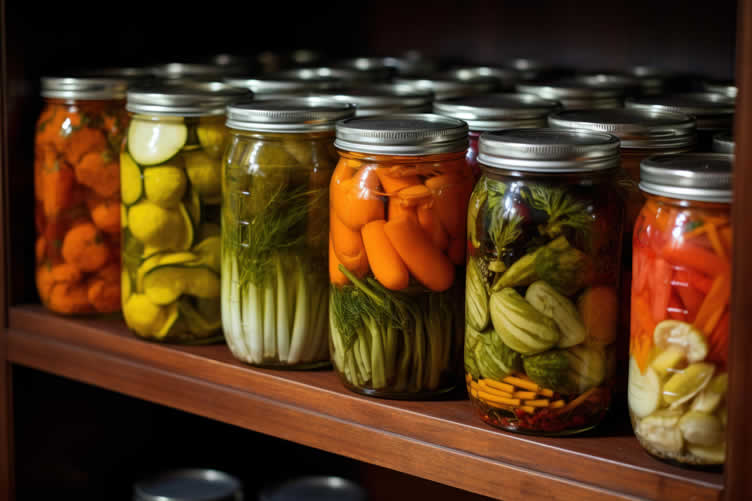
copyright image by 123rf.com
-
-
-
ideas to view and compare from the information discussed above
pad: meal plannereco-friendly trash bagseco-friendly products
Scroll up to directory … or scroll to next section about hidden health risks …
below for …
home remodeling services





Budgeting Worksheet For Costing Hidden Health Risk and Home Improvement Decisions
 File Type (excel)

Find Contracting Services Plumbing Issues Electricians Painting & Staining Interior Designers Landscape Design Major Remodels top-rated, pre-screened local contractors FREE: download contractor selection enter zip code – powered by HomeAdvisor ™
Quick Contractor Guides selecting negotiating working with inspecting

seventh and last “photo remodeling” idea


copyright image by 123rf.com
Health Risk 7: The Importance of Consumer Awareness and Action
Notes:
-
Consumer awareness and action are pivotal in shaping a more sustainable and ethical market. In today’s interconnected economy, consumers wield significant power to influence business practices and industry standards through their purchasing decisions.
By staying informed about the origins, production processes, and environmental impact of the products we buy, we can drive positive change. Taking action involves not only making conscientious choices but also advocating for transparency and accountability from companies.
The following sections will delve deeper into various facets of consumer awareness, including ethical consumption, environmental responsibility, and social justice, highlighting how informed consumers can catalyze progress toward a more equitable and sustainable future.
-
Quirk scroll to topic "taking action" side notes …
-
-
1st: Driving Market Change
Understanding the role consumers play in market dynamics is crucial, especially when it comes to food and product safety. By becoming more aware of the products we purchase and the impact of these products on our health, the environment, and society, we can act as catalysts for substantial change.
Consumer demand can influence companies to adopt safer and more environmentally friendly practices, ultimately leading to a market that prioritizes well-being and sustainability.
-
Educate Yourself and Others
A fundamental step in driving market change is education. Being informed about product ingredients and manufacturing processes helps identify harmful substances that could pose a risk to health and the environment.
By sharing this knowledge, such as through community workshops or social media platforms, consumers can broaden the impact, encouraging others to make informed decisions and avoid harmful substances in the products they choose.
-
Support Ethical Brands
Another powerful way to impact the market is by supporting companies committed to safety and sustainability. Look for brands with transparent practices that prioritize removing harmful substances from their products.
Ecolabels and certifications can guide you in identifying such items, enabling you to support businesses that align with your values. This support pressures other companies to improve their practices to remain competitive.
-
Petition Retailers to Shelf Eco-Friendly and Safe Products
Consumers have the power to influence what products are available on store shelves through collective action such as petitions. By organizing and signing petitions, individuals can directly communicate to retailers and express a strong demand for eco-friendly and safe products.
These petitions can highlight the growing consumer preference for sustainable options and the importance of offering products that do not harm the environment or human health.
Engaging community groups and utilizing online platforms can amplify this effort, making a clear case to retailers about the need to stock products that meet higher safety and environmental standards.
Successfully swaying retailers to prioritize such products not only enhances consumer choices but also encourages broader industry shifts towards more responsible production and consumption.

copyright image by 123rf.com
-
-
2nd: Advocate for Policy Change
In today’s fast-paced world, consumer awareness and action are crucial in promoting food and product safety. With an increasing number of products entering the market, it becomes imperative for consumers to remain informed and vigilant about the potential risks associated with harmful substances.
By advocating for policy changes and demanding higher safety standards, consumers can drive significant improvements in product safety and environmental health.
-
Be Informed
Understanding the risks linked to harmful substances in products is the first step towards advocating for policy change. Consumers should educate themselves about hazardous chemicals commonly found in everyday items, including food, cosmetics, and household goods.
Sharing this knowledge with your community can create a robust network of informed buyers who prioritize safe products. Host workshops, create informative content online, and engage in educational activities to raise awareness.
-
Organize and Join Advocacy Groups
Collaborating with advocacy groups is a powerful way to unite efforts and amplify your voice. These groups often focus on avoiding harmful substances and pushing for legislation that ensures safer standards.
By joining forces, consumers can effectively lobby for changes in policies that govern the use of chemicals in products. Advocacy groups can offer platforms to sign petitions, participate in demonstrations, and engage in dialogue with policymakers.
-
Engage with Legislators
Communication with policymakers is key in advocating for regulatory changes. Consumers can reach out to local representatives, urging them to prioritize food and product safety.
Writing letters, attending town hall meetings, and utilizing social media are effective strategies to communicate the need for stricter regulations on harmful substances. Building relationships with legislators can foster a conducive environment for discussing these critical issues.
-
Support Companies with Safe Practices
Consumer spending is a potent tool for instigating change. Support businesses that demonstrate commitment to high safety standards by avoiding harmful substances in their products.
Endorsing such companies can encourage others to adopt safe practices, pushing the industry towards a safer marketplace. By allocating your resources to responsible companies, you can influence broader patterns of production and consumption.
By actively participating in these efforts, consumers can significantly impact legislative changes and industry standards, ensuring a safer future for all.

copyright image by 123rf.com
[ youtube: health matters 2024 ]
[ youtube: safeConsume food safety ]
-
-
3rd: Using Your Pocketbook
The power of consumers lies not only in their voices but also in their spending habits. Every purchase acts as a vote for the type of marketplace we wish to support.
Understanding the influence of consumer choices is crucial in promoting a safer and healthier environment. By making informed decisions about where and how we spend our money, we can drive substantial changes towards improved product safety and ethical standards.
-
Invest in Safer Products
Every dollar spent can be an endorsement of safer practices. By specifically choosing products that are free from harmful substances, consumers send a strong message to the market.
Industries track these spending patterns and are more likely to adopt safer practices to align with customer preferences. Research and support brands that prioritize transparency and commitment to safety to reinforce this shift.
-
Encourage Family and Friends to Participate
The collective impact of conscientious consumer behavior is magnified when shared among family and friends. Engaging them in discussions about the benefits of avoiding harmful substances can create a ripple effect, leading to more informed purchasing decisions across your social circle.
Share resources and tools that help identify safe products, thus empowering others to join the movement towards a healthier marketplace.
-
Collaborate with Community Initiatives
Local community initiatives often provide opportunities for consumers to band together and advocate for safer products. Partner with these groups to amplify your impact.
By participating in community advocacy, individuals can help organize campaigns that encourage local businesses to prioritize safety and avoid harmful substances. Such collaborative efforts make the push for change more robust and effective.
By strategically utilizing consumer spending and engaging those around us, we can champion the need for safer products. This proactive approach not only supports ethical companies but also encourages industry-wide changes that prioritize consumer health and safety.

copyright image by 123rf.com
-
-
-
FINAL REMARKS
Creating a healthier home is a continuous process that begins with awareness and informed choices. By understanding the presence of harmful chemicals in everyday products and taking steps to avoid them, health enthusiasts and eco-conscious consumers can significantly improve their well-being and that of the planet.
Remember, small changes in your purchasing habits and lifestyle can lead to a healthier, more sustainable future for everyone. Continue to educate yourself and others, and together, let’s build a safer, cleaner world for generations to come.
-
ideas to view and compare from the information discussed above
eco-friendly cleaning stoneteak wood utensilseco friendly paper towels
- What comments can you share about
hidden health risks?
Scroll up to directory … or scroll to more home utility needs-related topics …
view illustration “becoming a bank”



Calendar For:
Home Maintenance
File Type:
… view our sharing links below for a quick "share the knowledge"
Cover image credit: hidden health risks by 123rf.com
end of post … please share it!
 |
did you find this hidden health risks lurking at home analysis helpful? If so, please share the article with your friends and family! |
Nice pic idea? Leave us a quick comment below.
And please share this pic idea within your social networks.