first “how to reduce risk of water damage” idea

copyright image by envato.com
Preventing Home Water Damage
Summary Outline:
Water damage is a headache for homeowners prone to heavy rains, blizzards, and hurricanes. Even if your house is built strong enough to withstand these harsh weather conditions, destruction is inevitable.
It’s best to find ways to prevent further problems and higher expenses in the future. And here are crucial tips for reducing your home’s risk of water damage:
-
- —— begin first topic ——
-
1st:Perform Regular Inspections:
A regular home inspection is best to determine minor problems before they cause significant damage. You may do the inspections yourself or call an expert for a thorough look at every corner of the house, especially those prone to water leakage.
-

copyright image by envato.com
- Some clear signs of water damage are the following.
-
Leaks:
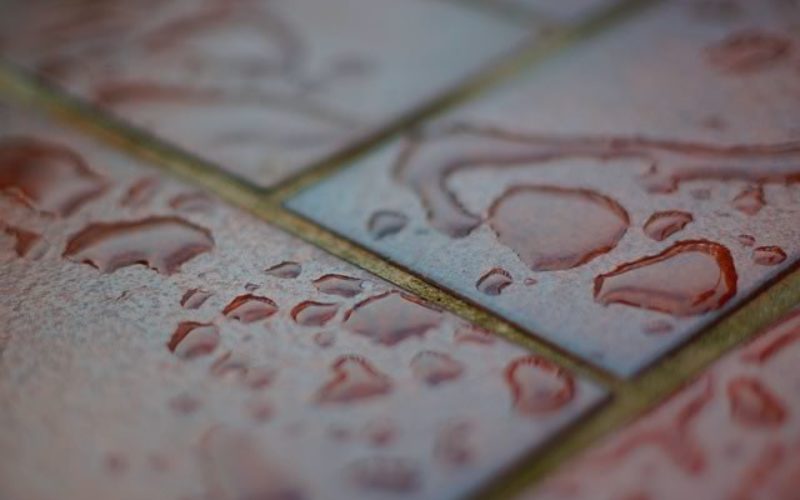
Seeing water leakage around the home is an obvious sign of water damage. It can be as minor as a misaligned roof shingle or a leaking washing machine, but it’s a cause for concern. Some common places to find links:
- – around and behind toilets
- – under sinks
- – ice makers
- – washing machine
- – faucets, spigots and showers
- – shower and tubs
- – supply line leaks
- – invisible leaks behind walls, floors, or ceiling
- – attic and basement inspection
- For instance, frequent water pooling can cause swelling on hardwood and composite wood floors. Disregarding this issue can lead to major expenses in repair and restoration.
- Suppose you’re experiencing leakage around the home. In that case, it’s best to look for repair services in your area specializing in water damage. You may click here to learn more about how water damage impacts your home and what you can do to mitigate it.
-
Discoloration:
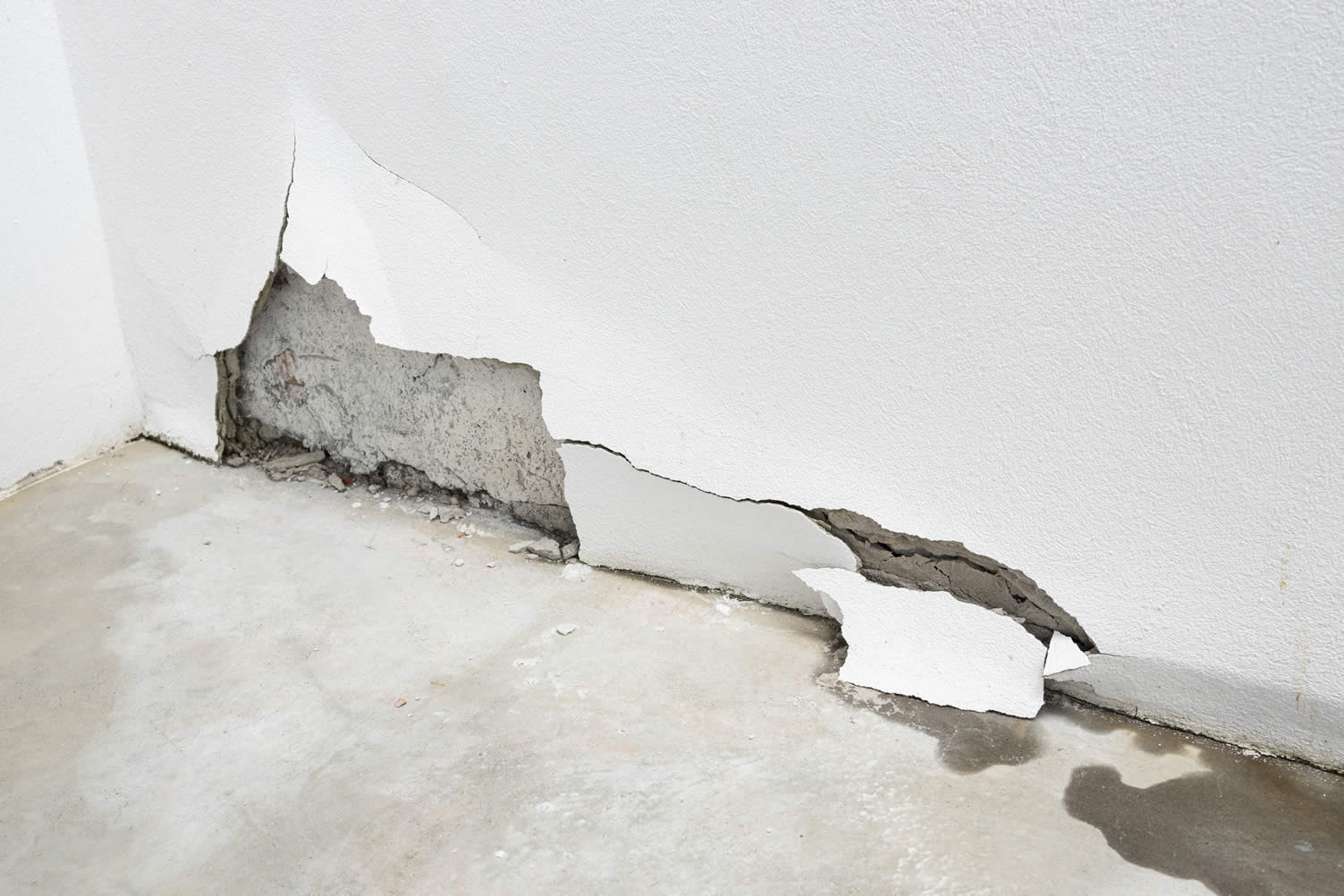
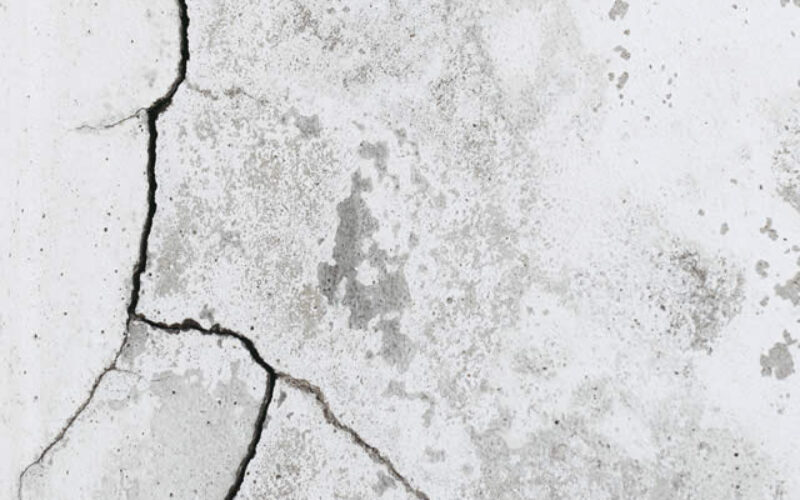
Discoloration in walls, floors, and carpets is a sign of frequent water leaking and pooling. Inspect the nearest water sources for leaks to confirm if these are caused by water. You may also look for cracks and holes on the exterior walls where water can seep in.
-
Foul Smell :
You will notice a foul smell when water damage isn’t addressed immediately. Depending on its source, it can seem moldy. An expert inspection is recommended to reduce the risk of possible significant damage. They can confirm the specific issue and start the repair right away.
-
-
Quik scroll to topic side notes …
-
1st:Beware of Mold:
Toxic black mold, also known as Stachybotrys Chartarum, is one of the most toxic molds found in homes. It generally grows in area affected by water dampness, leakage and flooding. This type of mold requires removal in order to protect the family’s health.
Some of the health-related risks that are associated with toxic black mold include:
- memory loss
- chronic respiratory distress
- chronic fatigue
- anxiety
- insomnia
- confusion
- trouble concentrating
- nausea and vomiting

copyright image by envato.com
The presence of black mold in the lounges of young children and elderly family members poses a great risk. View these resource and remediation tips:
google images: Understanding Black MoldAbout Black Toxic Mold view samples Black Mold Symptoms view samples What is Black Mold youtube How to Kill Black Mold youtube view post: (new win) Does Your Home Layout Affect the Likelihood of Mold Growth? - —— next topic ——
-
2nd:Do Some Deep Cleaning:
Regular deep cleaning reveals many issues in a home. When you clear everything out, it’s easier to determine which areas pose risks of water damage. You can save your home from impending consequences by pointing out the possible causes early on.
-

copyright image by envato.com
- Unlike general cleaning, deep cleaning clears out even hard-to-reach areas like under heavy furniture pieces and appliances. Doing it at least once a year ensures the cleanliness of your home and reduces the risk of water damage. As you determine the possible issues, you can proceed with repairs immediately.
-
Quik scroll to topic side notes …
-
The Importance of Spring Cleaning:
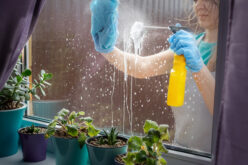
As noted above, deep cleaning of the home should occur at least once each year. This includes cleaning walls, ceiling, behind and under furniture, windows, floors, and washing or deep cleaning upholstery and linens. This removes any elements of mildew or mold that may be growing, along with dust and cob webs that can cause allergens.
Spring is the most popular time to do a thorough cleaning. But why the spring time? Why not clean in the summer, fall, or winter?

copyright image by 123rf.com
The “spring cleaning” has something to do with the end of the dirty home heating season – it evolved from the time we used coal, wood and whale oil to heat up our homes during the winter. These were dirty-related fuels that left residue on the walls, cupboards, windows, and furniture.
But since many of us today use cleaner, burning fuels, it doesn’t necessarily need to be in the spring. You can call it your annual cleaning. Whatever time you designate to move out the furniture, wash the windows, clean the nicks and corners, and all of the extra cleaning that doesn’t get done on a regular basis.
- —— next topic ——
-
3rd:Repair Minor Damages Immediately:
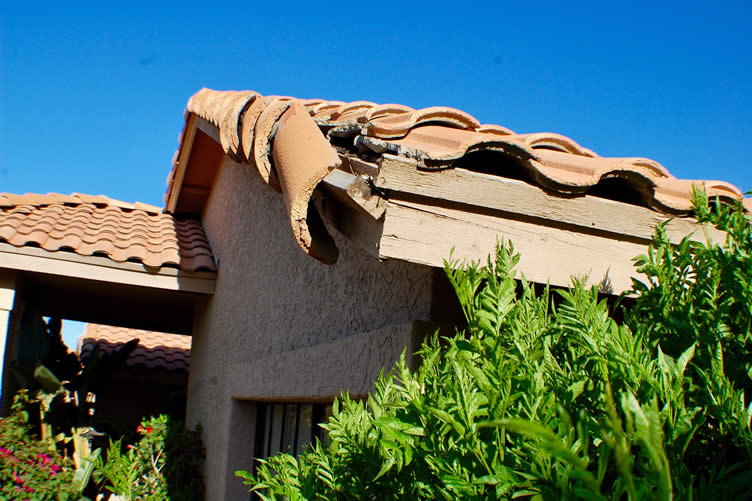
No matter how structurally sound your home is, there’s always the risk of minor damage from frequent heavy rainfall and harsh winters. There might be a slight misalignment of roof shingles, small holes in the exterior walls, and cracks in the pipes.
-
copyright image by envato.com
- Thus, you may prevent water damage by expert repair and restoration if any of these issues occur:
-
Roof:
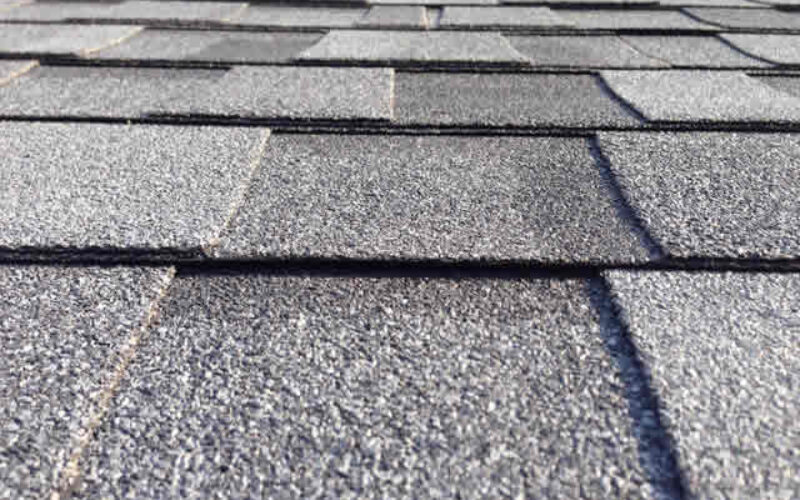
The roof is the home’s primary protection from harsh exterior elements. It keeps the rain and moisture out. When it’s damaged, it fails to function. Water may sneak in between the cracks and deteriorate the interior layers.
- Before this nightmare happens, set a routine roof inspection and cleaning schedule between seasons. Doing so will lessen the risk of the roof breaking down amidst winter.
-
Exterior Walls:
The home’s exterior walls are constantly exposed to the outdoors. It withstands the summer sun’s heat, harsh fall rains, and piercing winter blizzards. Hairline cracks may appear through a prolonged period of frequent wear and tear.
- Depending on the material and severity of the damage, you may do the repairs yourself, or better, call a professional for help.
-
Plumbing:
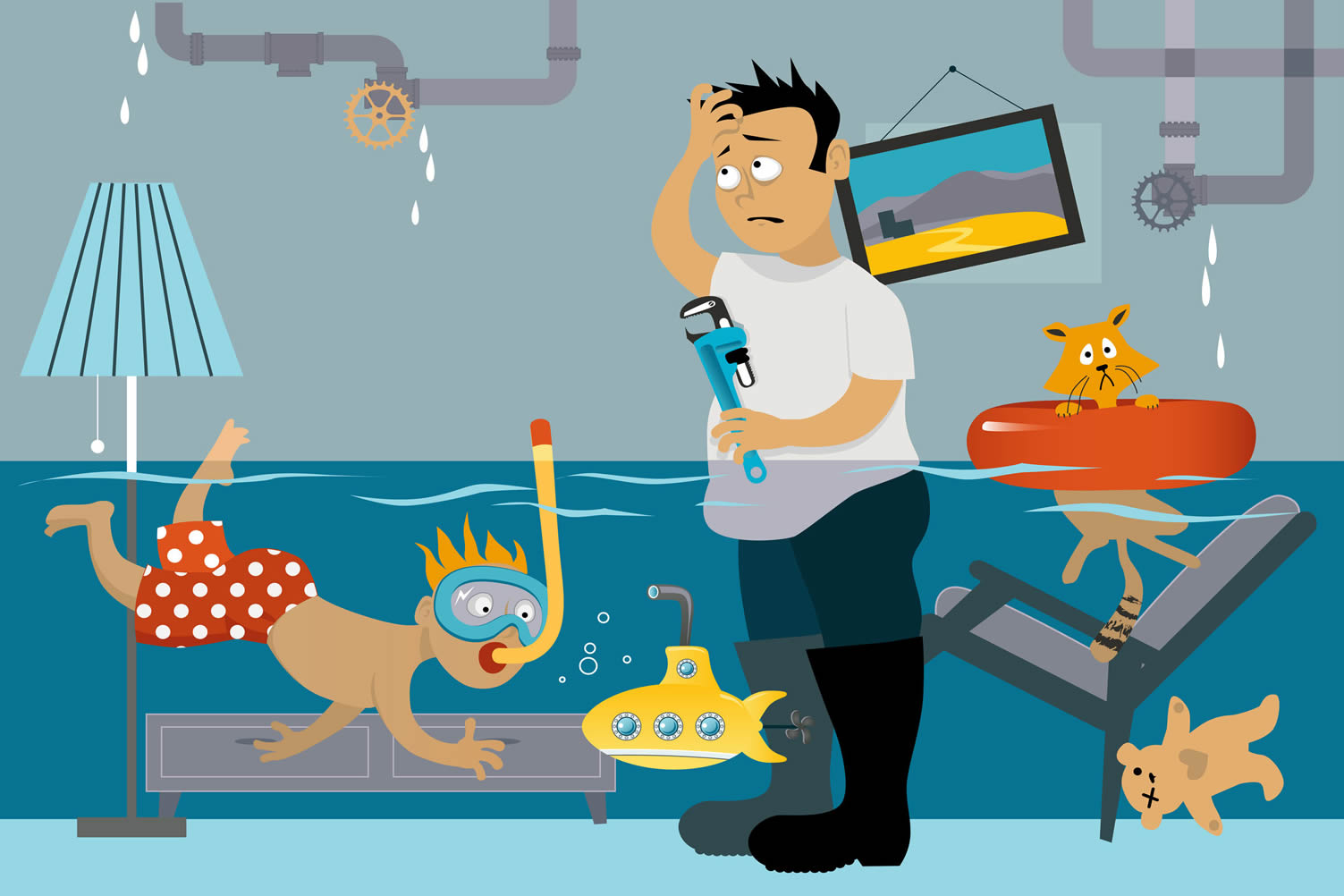
In most cases, home water damage isn’t caused by outdoor elements. Damaged pipes can also cause flooding, especially in older homes.
- If the plumbing fault is along the water supply, one common sign is a sudden spike on your water bill. It’s best to monitor your water consumption and analyze if the bills match.
- Call a professional plumber whenever you suspect there’s a mismatch.
-
-
Quik scroll to topic side notes …
-
Making Repairs:
Some home repairs can be DIY – others may require the help of a professional who has the tools and experience. You can find almost any DIY home repair at YouTube University. But if you lack the experience on major repairs such as roofing, plumbing, electrical and more, perhaps finding a professional may be worth the investment.
Read up on some of our “water-preventative” repairs to determine whether it is DIY or hiring it out:
-
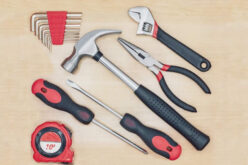
Finding the Right Tools:
The key to making DIY repairs is having the right tools for the job. Some tools can be used over again for varying jobs; other tools may be for an one-time fix. For those one-time uses, such as sanding wood floors after water damage, you can find wood sanders at tool rental places for time needed.
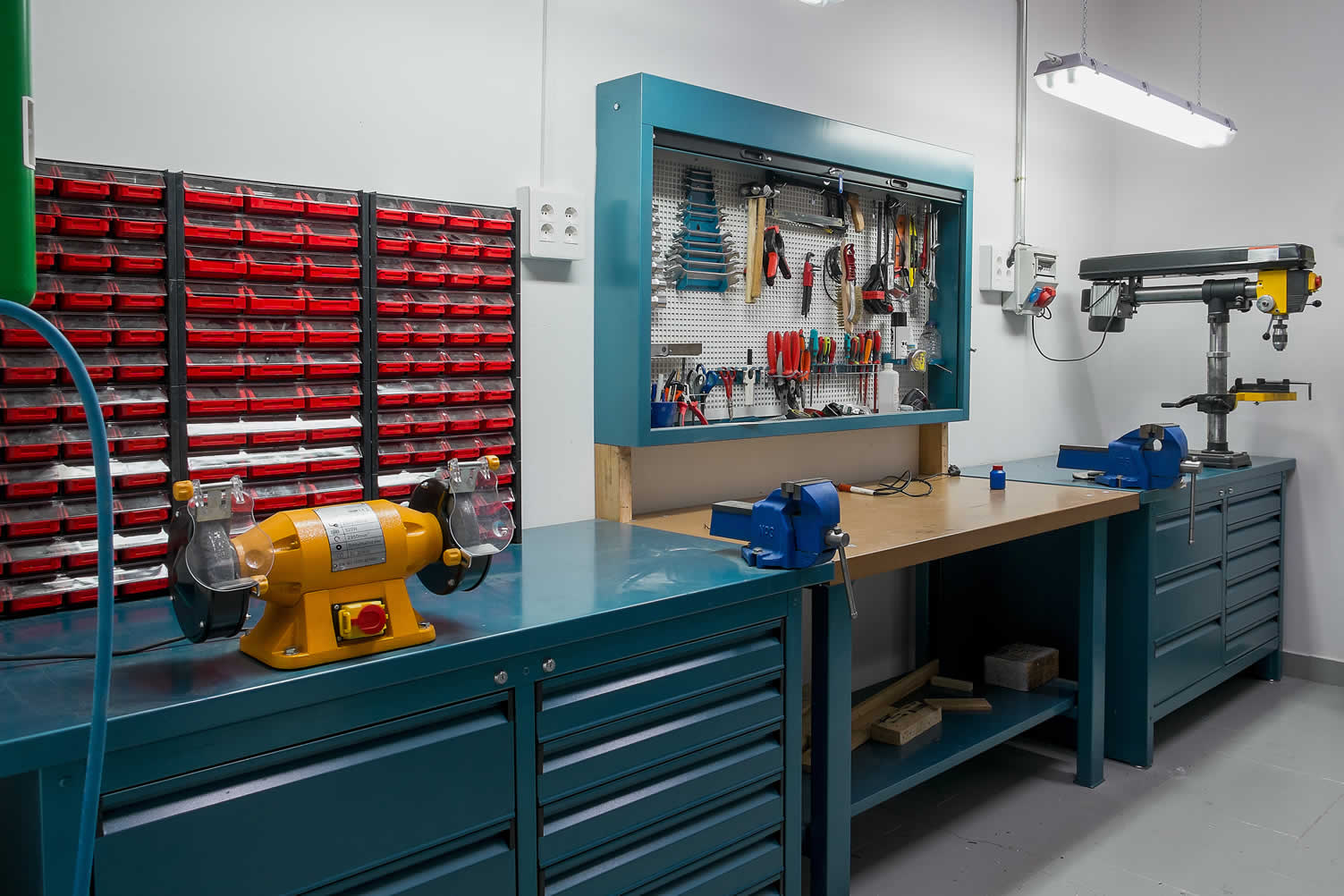
For other related tools that can be used for almost any home repair, you might consider having your own workbench in the garage or shed for DIY projects.
Allocate space where all tools can be neatly organized for fast retrieval to tighten a plumbing fixture, paint an outside wall, or tack down a loose roof shingle after a storm.
copyright image by 123rf.com
- —— next topic ——
-
4th:Improve Your Home’s Waterproofing:
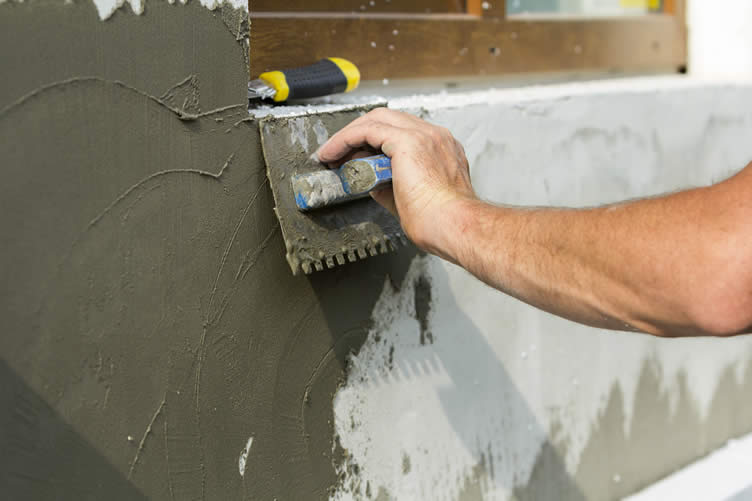
Improving your home isn’t all about the looks. Splurging on essential upgrades is always worth it, especially those concerning water. In some cases, severe water damage is irreversible. Therefore, there’s no other choice but to spend on expensive restoration.
-
copyright image by envato.com
- To reduce the risk, invest in high-quality waterproofing.
-
Resealing Your Basement:
Due to its location and lack of ventilation, the basement is more prone to water damage. However, you can keep your basement safe by resealing it. If you’re looking for the next upgrade for your home, a basement renovation would be practical.
- The most economical way to upgrade your basement waterproofing is to seal it from the inside. With this technique, the project can be done in no time compared to the exterior options. It includes sealing the floors, walls, and foundations to ensure moisture and water can’t penetrate the interiors.
-
Updating Your Bathroom:
Updating your bathroom is the next functional upgrade that can reduce the risk of water damage. Even with a limited budget, you can reseal your shower and bathtub. You may do it yourself with a caulk sealant. However, it’s still best to hire an expert.
- Aside from resealing, you may replace the pipes and faucets, especially if they’re over ten years old. High-quality pipes are more resistant to pressure, reducing the risk of cracking. And it’s best to prevent it by doing an upgrade to escape the hassles of repair.
-
Repainting The Exterior Walls:
Repainting the exterior walls improves your home’s appearance while creating a protective layer from water and moisture. Using a waterproofing primer and elastomeric paint, you can add a functional and eye-catching feature to your house’s exterior.
- This way, you’re maintaining your property’s beauty and value.
-
Sealing The Windows:
The gaps in the windows allow water to penetrate during rainy days. Sealing the windows using silicon sealants keeps water and moisture out.
- If you’re living in a period property, it’s best to allot a budget for upgrades like window repair and replacement. Aside from preventing water damage, it also improves insulation and increases property value.
-
-
Quik scroll to topic side notes …
-
Why Flooded Basements:
Basements and crawlspaces seemed to be the areas where you take extra precaution to prevent water damage. Crawlspaces need to encapsulated and ventilated to keep moisture from building up that can cause mildew and some molds.
Basements need to be sealed and more importantly, be protected from the outside from improper drainage and seeping elements that allow water to find its way into the basement.
copyright image by 123rf.com
Homes with basements and crawlspaces situated in high water table regions – or where there is a lot of rain – may require a sump pump to discharge water build up. Excess moisture after a storm can find it way into the basement or crawlspace. The excess moisture in collected in a reservoir that is below the basement floor or crawlspace where the sump pump channels the water outside and away from the home.
view post: (new win) Why a Continued Flooded Basement - —— next topic ——
-
5th:Keep The Gutters And Downspouts Clear:
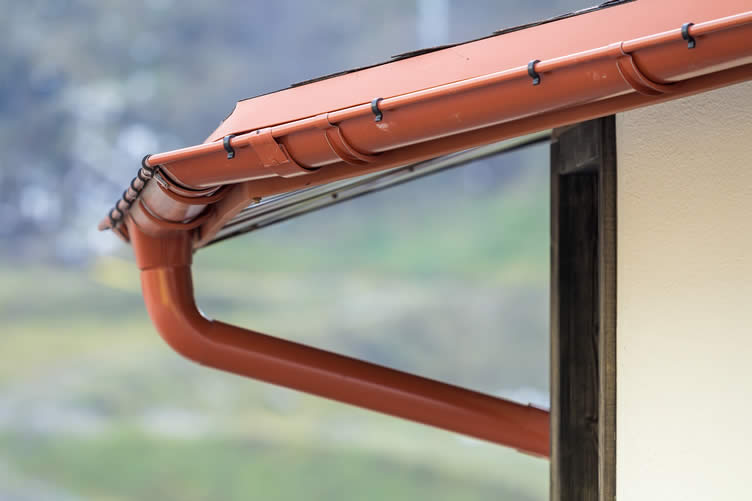
Blocked gutters and downspouts are culprits of typical water damage. This problem is expected in the fall season, especially if trees are around your home. There may also be debris and carcasses of squirrels, mice, and birds.
- Keeping the gutters and downspouts clear of any obstruction is imperative in reducing the risk of water damage. Clearing the drains should be done more frequently than roof cleaning, especially during rainy days. Doing so will save you from hassles when harsher weather conditions come.
-
copyright image by envato.com
- Furthermore, it’s also best to check if the downspout drains are flowing away from your home’s foundation. Water flowing directly beside the house can cause soil erosion which can compromise the structural integrity of your home. Then, water may seep into the tiny cracks on the foundation.
- Homeowners can tackle gutter and downspout cleaning themselves. However, it can be a challenging and tedious task, especially for busy adults. You may choose to hire professionals to do it for you.
-
Quik scroll to topic side notes …
-
The Importance of Drainage:
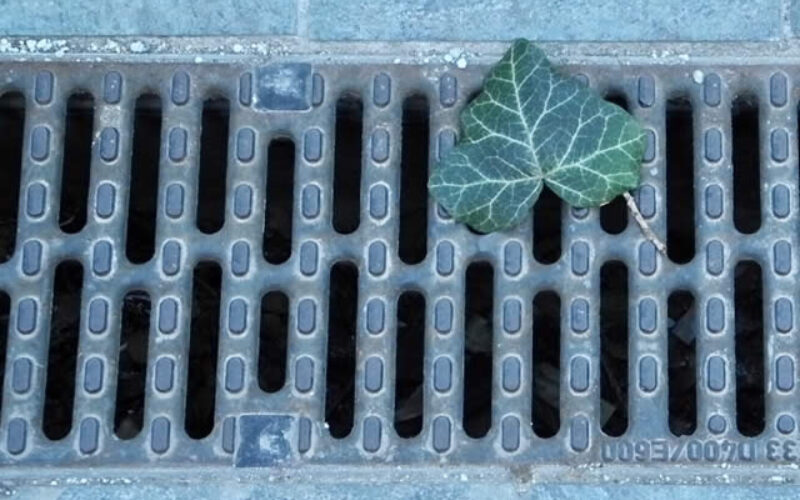
Having proper drainage keeps your home leak and water-damage free for outside sources. Water that drains away from the house perimeter is important so that rain flood water doesn’t penetrate the foundation.
That is also true for gutters and downspouts that collects rain water that flows down from the roof. The purpose of the gutters and downspouts is to channel water away from the house foundation.
copyright image by envato.com
When you have faulty or debris-filled gutters, rain will fill the gutters and spill over down to the base of the house foundation that can increase of probability of eventual leakage into the crawlspace or basement.
view post: (new win) Designing A Better Yard Drainage System (Infographic) - —— next topic ——
-
6th:Maintain Trees And Landscape:
The trees surrounding your home can create a relaxing atmosphere. They provide shade and cool down the environment during summer.
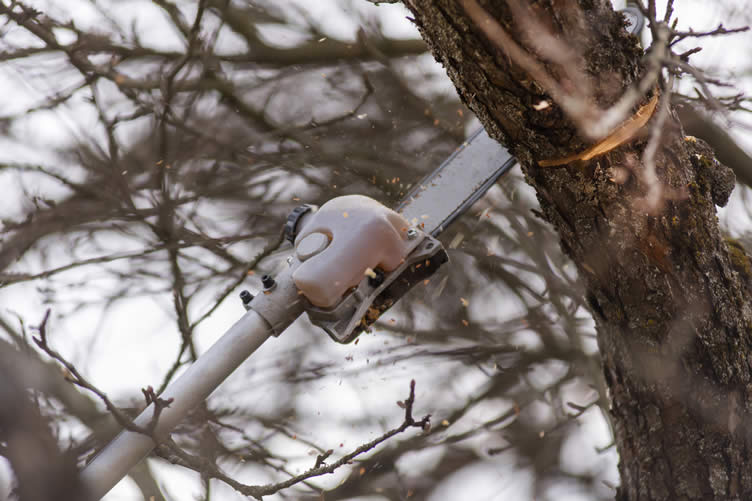
- However, they can also cause hassles during fall and winter. The leaves and small branches can accumulate and block the gutters. Even worse, bigger branches or trees may break down during a storm, causing major damage.
-
copyright image by envato.com
- If you have several tall trees around your home, it’s best to tidy them up before fall. Cut off dried branches that may break with strong winds. Also, ensure the roots of your plants and trees don’t crawl where the pipes are since these can cause cracks.
-
Quik scroll to topic side notes …
-
Keeping Trees Away From The Roof:
Trees surrounding the home do offer some benefits. They add beauty, shade, and privacy, and they provide refuge for both birds and insects.
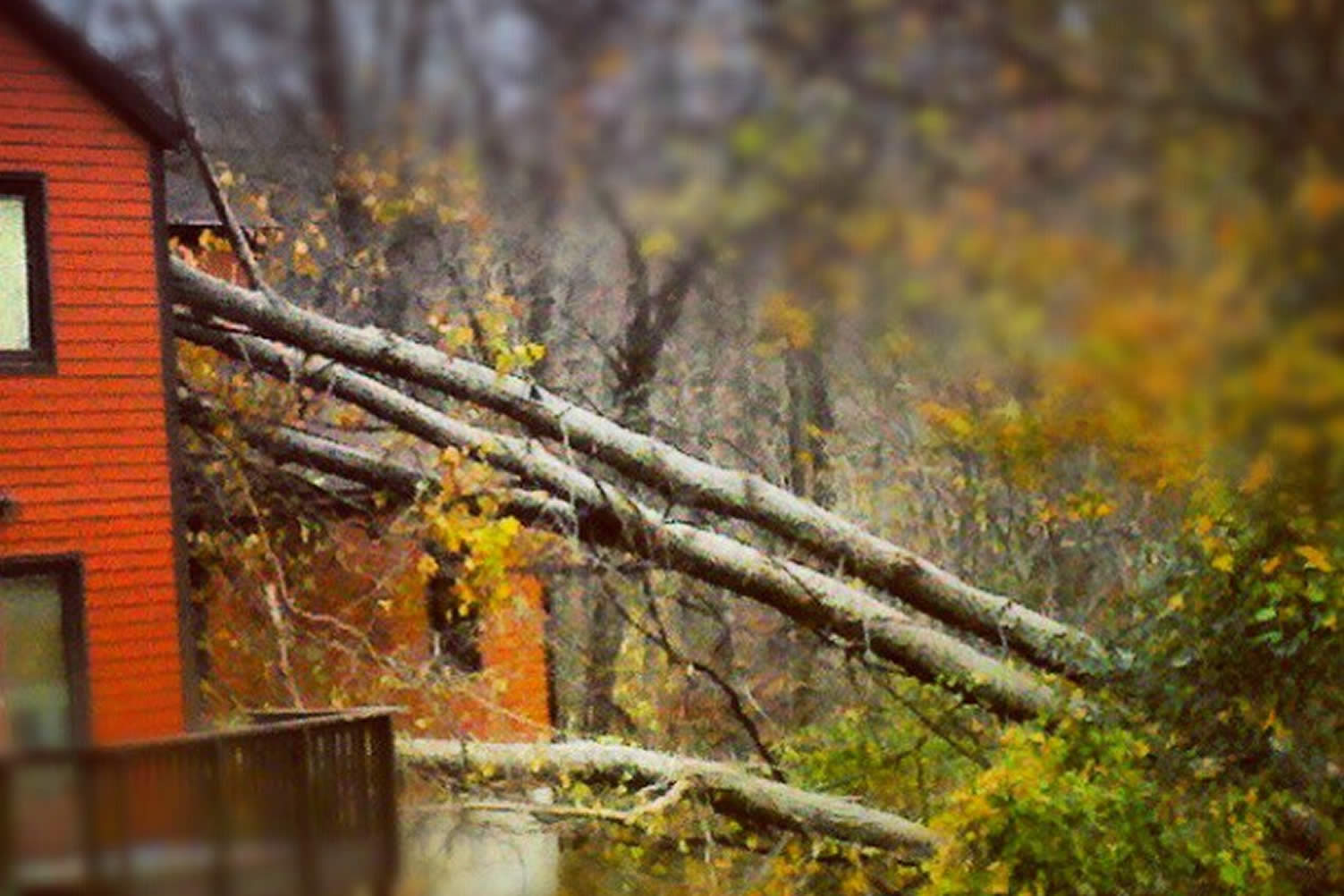
But they can also cause havoc to the structural elements of the home. Large trees that dangle over the home allow passage for termites, ants, and other crawling insects that can wreck havoc to your roof.
copyright image by envato.com
Also tree leaves and pine needles can clog up gutters. And with the added shade, moss and mold can easily grow and penetrate the roof shingles. Not to mention the loose branches that can come crashing down after a storm or windy day.
So take a moment to view why you need to keep large trees away from the roof.
view post: (new win) How Trees Can Ruin Your Roof - —— next topic ——
-
7th:Know Your Plumbing System:
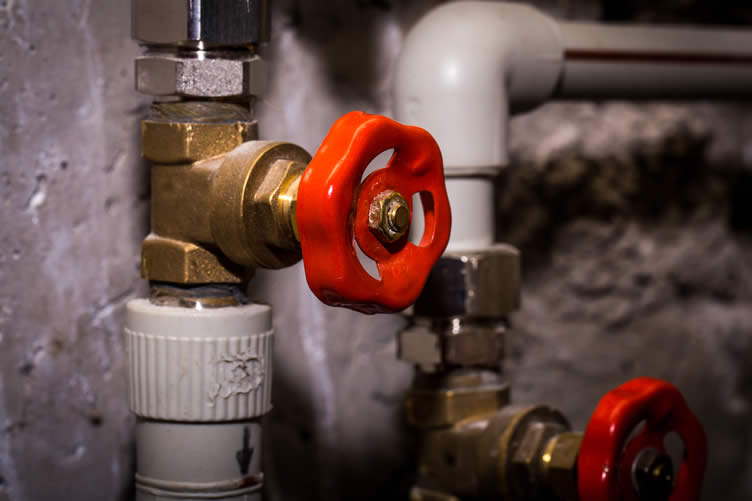
Learning the basics of your home plumbing system is essential for preventing water problems. As a homeowner, you must know how to respond to water emergencies involving broken pipes causing leakage.
-
copyright image by envato.com
- Although fixing them on your own is not recommended, you’ll at least know when to call an expert for immediate help with repairs.
-
Locate The Main Valve:
The main valve controls the water supply for the whole property. Knowing its location helps you shut off the flow when leaking and flooding occur. Plus, you can prevent water wastage.
-
Inspect Pipes:
A plumbing inspection is a must to ensure there are no leaks. For this step, it’s best to call a professional. Experts are equipped with knowledge and tools for detecting problems, no matter how subtle.
-
Install Emergency Pressure Release:
Installing emergency pressure release valves prevent pipes from cracking during winter. When you turn on the water supply with frozen water in the lines, there’s a greater risk of breakage. Releasing the pressure first helps eradicate the danger of bursting pipes.
-
-
Quik scroll to topic side notes …
-
Know Your Plumbing:
The plumbing system in your home is extensive, starting at where your main water supply arrives and then flows to all the places where you need water.
Most of these systems are connected to a drain, that directs wastewater in a conduit that safely removes it from the home.
Your plumbing system is pretty straightforward; however, the majority of pipework is hidden behind your walls and ceiling.
That can make tracing leaks and resolving other plumbing problems more difficult. That is why having rough-in plumbing is so important.
view post: (new win) understanding rough in plumbing and why it’s essential
-
Conclusion
Reducing your home’s risk of water damage is worth the effort and money. In the long run, you can preserve the integrity and beauty of your house while increasing its value.
- With these helpful tips, you can protect your property and strengthen it against wear and tear.
-
Quik scroll to more bathroom remodeling ideas …

-
ideas to view and compare from the photo above
- What comments can you share about
how to reduce risk of water damage?



prevent water damage
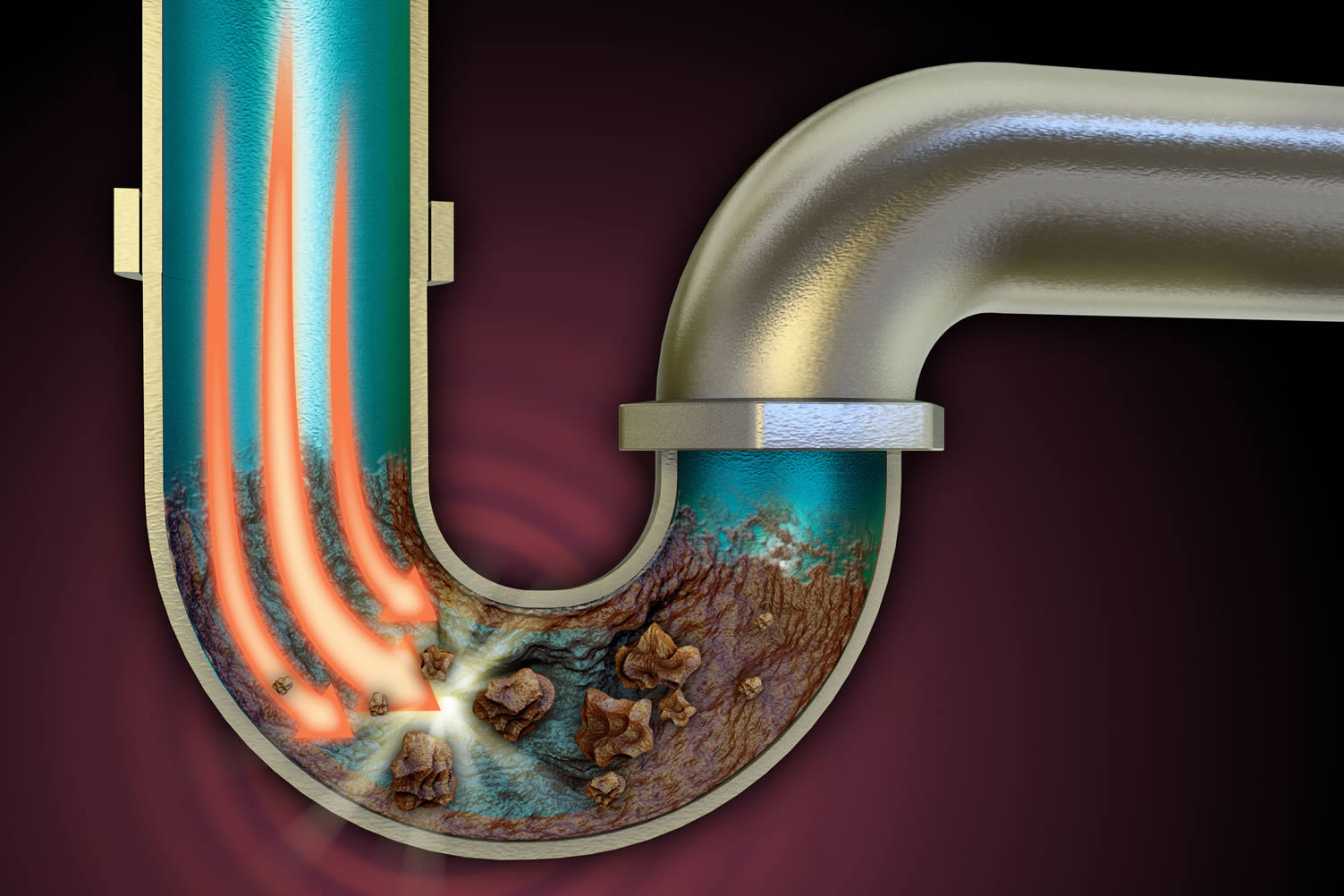
issues to review

about gutters


and mudrooms


Find Professional Services Abatement Services Junk Removal Site Preparation Recovery Services top-rated, pre-screened local contractors FREE: download contractor selection enter zip code – powered by HomeAdvisor ™
Quick Contractor Guides selecting negotiating working with inspecting

Cover image credit: how to reduce risk of water damage by envato.com
end of post … please share it!

 links open new win
or simply search by entering home safety need or other remodeling need

Nice pic idea? Leave us a quick comment below.
And please share this pic idea within your social networks.