Summary Outline –
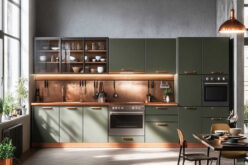
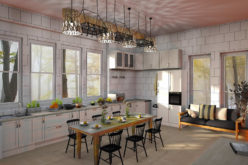
In the real estate world, kitchens often serve as a pivotal selling point for potential buyers, reflecting the lifestyle and tastes of the homeowner.
A well-thought-out and executed kitchen renovation, no matter how minor, can dramatically increase a property’s market value, showcasing the immense importance of these spaces in modern homes.
This analysis will guide you through seven simple yet impactful modifications that promise to rejuvenate your kitchen, making it more inviting, efficient, and valuable.
- post content … analysis/ transform your kitchen
- 1st: Update Your Hardware
- 2nd: Opt for Cabinet Refacing Service
- 3rd: Add Under-Cabinet Lighting
- 4th: Install a New Backsplash
- 5th: Organize with Standalone Space Savers
- 6th: Introduce Greenery
- 7th: Add a New Rug or Mat
- conclusion
- other kitchen-related topics

-
- —— begin first topic ——
-
1st Tweak: Update Your Hardware
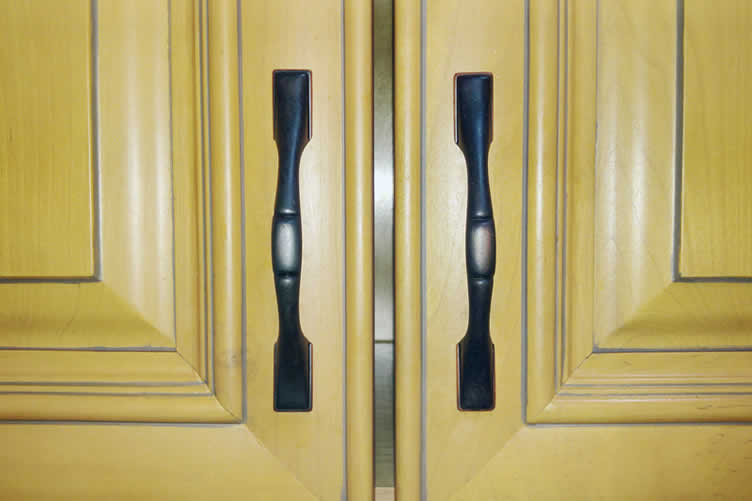
One of the simplest and most cost-effective ways to refresh your kitchen’s look is by updating the hardware. Swapping out dated cabinet knobs and drawer pulls for more contemporary designs can instantly breathe new life into your space. This minor change can significantly impact your kitchen’s aesthetic, offering a modern touch with minimal effort.
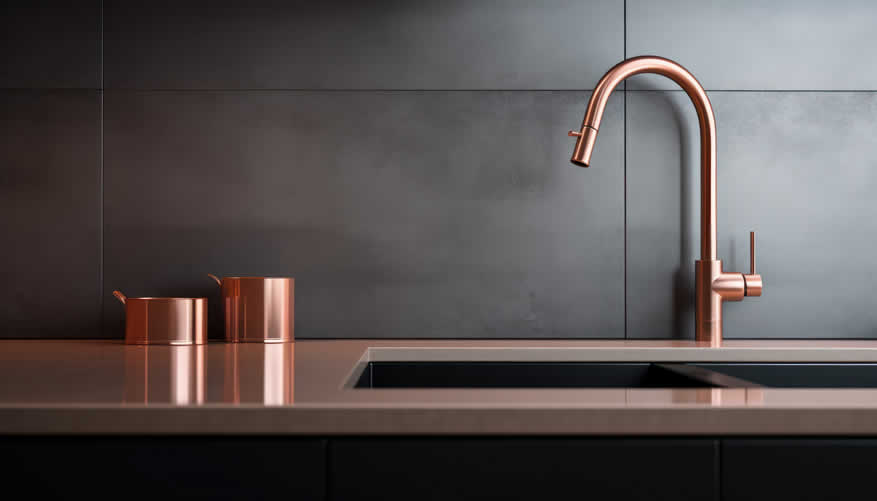
Moreover, replacing an outdated kitchen faucet with a modern, more efficient model can have a surprising impact on your kitchen’s functionality and style. Today’s faucets come equipped with features designed to make kitchen tasks more manageable, such as pull-out sprayers for easy cleaning and touchless technology for enhanced hygiene.
An upgrade to a high-quality faucet not only improves the usability of your kitchen but also serves as a sleek, stylish addition to your sink area, contributing to the overall aesthetic of the space.
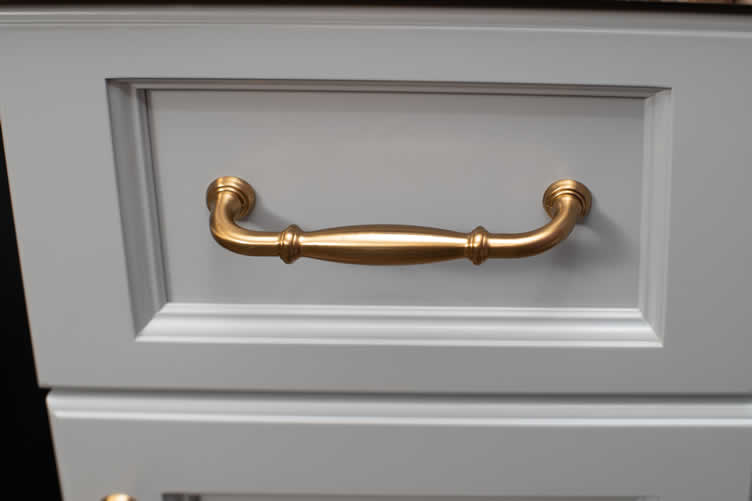
copyright image by 123rf.com
-
Scroll up to directory … or scroll to next section to transform your kitchen …


—— or view this kitchen upgrade idea ——
Looking At Kitchen Faucets
Selecting a new kitchen faucet is a decision that melds aesthetics and functionality. It’s not just about picking a faucet that matches your kitchen’s style; factors such as water efficiency, faucet reach, number of installation holes, and additional features like sprayers and soap dispensers should be considered.
A right faucet can elevate your kitchen’s look and can make daily tasks more efficient and enjoyable.
-
Pull-Down Faucets
Pull-down faucets feature a spray wand that pulls down directly into the sink, offering a high level of convenience for washing dishes or food preparation. They are ideal for deep sinks and those looking for versatility in water spray direction. Their ergonomic design makes them a popular choice for modern kitchens.
[ view ideas: pull-down faucets ]
-
Pull-Out Faucets
Pull-out faucets are similar to pull-down models but are designed to offer a greater range of motion by allowing the user to pull the faucet head towards themselves. This feature is particularly useful in smaller sinks or when filling pots on the countertop. Pull-out faucets often come with adjustable spray settings, making them versatile for various kitchen tasks.
[ view ideas: pull-out faucets ]
-
Single-Handle Faucets
Single-handle faucets offer ease of operation, allowing users to adjust water temperature and flow with one hand. They require fewer installation holes, making for a cleaner look on your kitchen counter. These faucets fit well in any kitchen design, from traditional to contemporary, and are great for those who appreciate simplicity and efficiency.
[ view ideas: single-handle faucets ]
-
Double-Handle Faucets
Double-handle faucets have separate handles for hot and cold water, offering precise temperature control. They can add a classic or vintage touch to your kitchen decor. This type of faucet may require more installation space than single-handle faucets but is ideal for those who prioritize detailed control over water temperature.
[ view ideas: double-handle faucet ]
-
Commercial-Style Faucets
For those seeking a professional kitchen look or enhanced functionality, commercial-style faucets are an excellent choice. They are characterized by their high-arc spouts and multi-function spray heads, providing both power and flexibility. These faucets are perfect for frequent cooking and large cleanup tasks, offering durability and performance.
[ view ideas: commercial-style faucets ]
-
Gooseneck Kitchen Faucets
Gooseneck kitchen faucets, known for their high, arching spouts, offer both aesthetic appeal and practical functionality. The distinctive curve provides ample space beneath the faucet, making it easier to fill large pots or clean tall items.
These faucets are not only stylish but also offer a significant range of motion, allowing for flexibility in kitchen tasks. Their elegant designs can complement a wide variety of kitchen styles, from modern to farmhouse, making them a popular choice for those looking to combine utility with sophistication.
[ view ideas: gooseneck faucet ]
-
Bridge Faucets
Bridge faucets feature a design that connects the hot and cold water valves with a bridge, integrating the spout and handles into a unified piece. This design offers a nod to the past, drawing inspiration from vintage plumbing styles, while providing modern functionality and reliability.
Bridge faucets are ideal for those looking to add a touch of classical elegance to their kitchen, without sacrificing the convenience of contemporary technology. Their distinctive style makes them a statement piece in any kitchen, offering a perfect blend of form and function.
[ view ideas: bridge faucets ]
-
Touchless Kitchen Faucets
Touchless kitchen faucets bring a high level of convenience and hygiene to your kitchen. By using motion sensor technology, these faucets allow you to turn the water on and off with a simple wave of your hand.
This feature minimizes the need to touch the faucet handles, reducing the spread of germs and making it an excellent choice for busy or health-conscious households. Additionally, touchless faucets can help conserve water by automatically shutting off after a period of inactivity, offering both environmental benefits and cost savings.
[ view ideas: touchless faucets ]
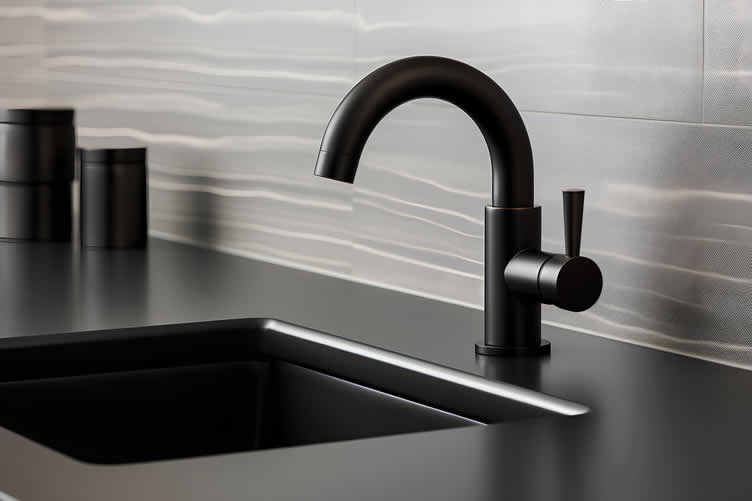
copyright image by 123rf.com

-
-
2nd Tweak: Opt for Cabinet Refacing Service
Refacing kitchen cabinets is a cost-effective and transformative approach to revitalize your kitchen without the expense and disruption of a full renovation. This process entails replacing the cabinet doors without removing the existing cabinet boxes. It’s an excellent way to update the look of your kitchen, offering a fresh facade without the hefty price tag.
Additionally, refacing allows homeowners to customize their kitchen’s appearance with a wide variety of materials, styles, and colors, ensuring a personalized touch. This method not only enhances the aesthetic appeal of the kitchen but also increases its functionality and overall value, making it an attractive option for those looking to refresh their space efficiently.
If you are looking for a reliable kitchen cabinet remodeling company, consider Quality Craftsmen Remodeling Company. With a dedicated team of specialists for various types of remodels, they prioritize customer satisfaction above all, ensuring a stress-free renovation process.
Their service excellence is reflected in their BBB accreditation with an A+ rating, alongside accolades such as the Angi "Super Service Award," a spot on the Qualified Remodeler Top 500 List, and recognition as a Home Advisor Top Rated company.
copyright image by 123rf.com
-
Scroll up to directory … or scroll to next section to transform your kitchen …
—— or view this kitchen upgrade idea ——
Refacing Kitchen Cabinet Doors
Refacing your kitchen cabinet doors can dramatically change the appearance of your kitchen without the extensive cost and time of a full remodel. This process involves replacing the cabinet doors and drawer fronts while keeping the existing cabinet boxes.
Here are the step-by-step tasks for refacing kitchen cabinet doors and tips on selecting the right style.
- Assessment and Measurement:
First, assess the condition of your cabinets to ensure they are suitable for refacing. Measure the cabinet doors and drawer fronts to determine the size of the new fronts needed. - Selecting the Style:
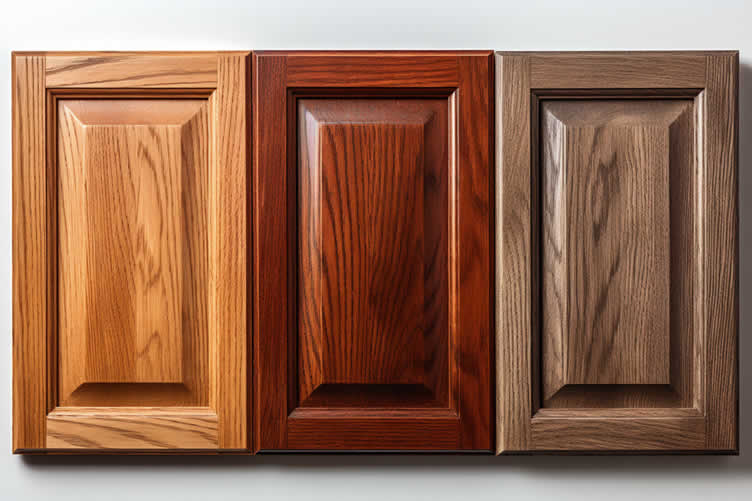
Decide on the style of your new cabinet doors. Consider the theme of your kitchen and the look you want to achieve. Whether it’s modern, traditional, or transitional, the style of your cabinet doors should complement your kitchen’s overall design. Think about the material and color that will best fit your kitchen’s aesthetic. Popular materials include wood, laminate, and MDF. - Ordering Materials:
Once you’ve selected your style and materials, order your new cabinet doors, drawer fronts, and any necessary hardware. Don’t forget to match the hinges to your new design. - Preparing for Installation:
While waiting for your materials, prepare your kitchen for installation. This includes removing the old cabinet doors and drawer fronts, cleaning the surfaces, and making any necessary repairs to the cabinet boxes. - Installation:
When your materials arrive, start by installing the new hinges on the cabinet boxes if needed. Then, install the new cabinet doors and drawer fronts, adjusting for alignment. Finally, add the hardware to complete the look. - Finishing Touches:
With the installation complete, make any adjustments to ensure all doors and drawers open and close smoothly. You may also want to add or replace molding for a finished look.
copyright image by 123rf.com
[ view diagram: kitchen cabinet door styles ]
[ youtube: reface your kitchen cabinets ]
-
-
3rd Tweak: Add Under-Cabinet Lighting
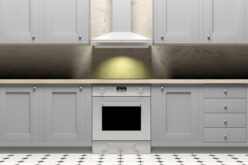
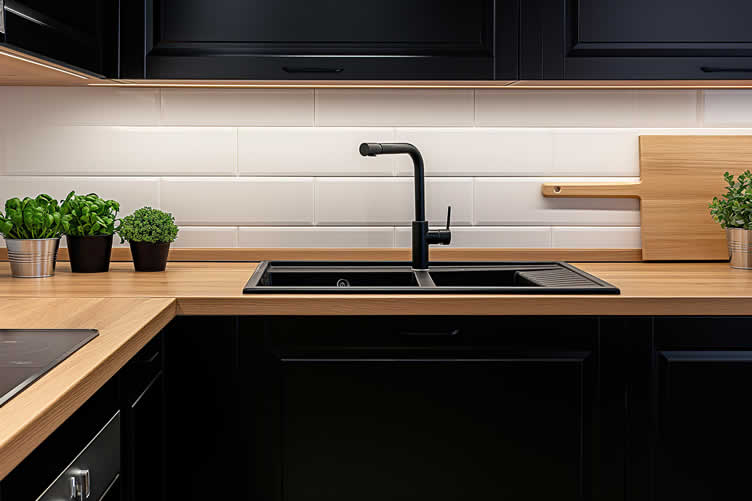
The addition of under-cabinet lighting is a simple yet effective tweak that can transform the functionality and ambiance of your kitchen. By illuminating the countertops, these lights enhance your workspace, making meal preparation easier and more enjoyable.
Furthermore, under-cabinet lighting adds a warm, welcoming glow to the kitchen, creating an inviting atmosphere that encourages family gatherings and social interactions.
Whether opting for LED strips or puck lights, this update can be easily implemented, offering an immediate upgrade to your kitchen’s aesthetics and practicality.
copyright image by 123rf.com
-
Scroll up to directory … or scroll to next section to transform your kitchen …
—— or view this kitchen upgrade idea ——
Hard-wiring Under Cabinet Lighting
While battery-operated LED lights under cabinets provide a quick and easy lighting solution, they often fall short of delivering the consistent and reliable illumination that hard-wired lighting systems offer.
The limitations of battery capacity mean that these lights can dim over time, requiring frequent battery replacements or recharging, which can be both inconvenient and cost-ineffective in the long run.
Additionally, the intensity and color quality of the light can vary, affecting the overall ambiance and functionality of your kitchen lighting.
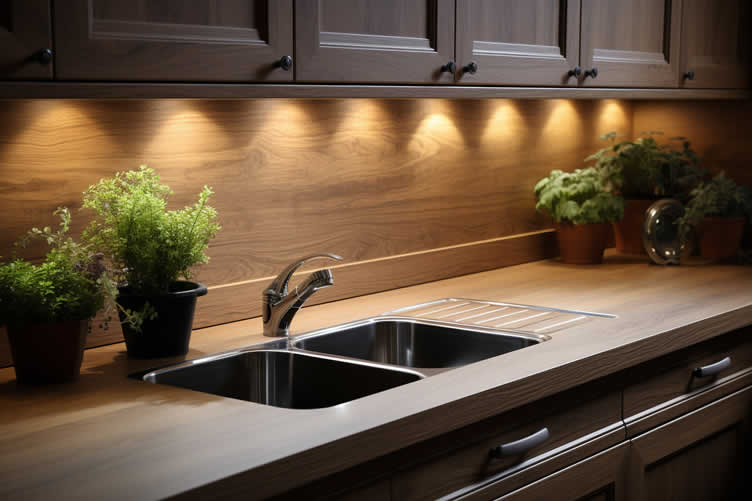
Opting for hard-wired under cabinet lighting can dramatically enhance the functionality and ambiance of your kitchen, illuminating your workspace and highlighting your new cabinetry.
A popular method to achieve this without the costly and disruptive process of tearing out walls involves using a plug-in system that is then converted to a hardwired connection. We look at two possible options:
Option A:
Utilize an existing power source from an electrical outlet to create a seamless and professional-looking installation. Follow these steps to achieve this upgrade:
- Locate an Accessible Outlet:
Choose an outlet that is nearest to where you intend to install the under-cabinet lighting. This outlet will serve as the power source for the lights. - Plan the Wiring Route:
Determine the best route for the electrical wiring from the outlet to the under-cabinet lighting. Consider using a wiremold to conceal the wire along the backsplash or underneath the cabinets for a cleaner look. - Install a Power Adapter:
If your lighting kit is not already equipped for direct wiring, you may need to install a power adapter. This adapter converts standard plug-in lights to be compatible with direct wire installation. - Connect the Lights to the Adapter:
Follow the manufacturer’s instructions to connect your under-cabinet lighting to the power adapter. Ensure all connections are secure. - Run the Wiring:
Carefully run the wiring from the adapter to the chosen outlet. Use adhesive cable clips or a wiremold to secure the wire in place and to keep it hidden. Ensure the wire does not span any areas where it could be subject to wear or interference. - Final Integration:
Plug the adapter into the outlet, or wire it directly to the outlet if you’re familiar with electrical work. Be sure to turn off the power to the outlet before attempting any direct wire connections. - Test Your Installation:
Once everything is connected and in place, turn the power back on and test the under-cabinet lighting to ensure it functions as expected.
Option B:
Follow these steps for an efficient installation:
- Selecting the Right Lighting:
Choose LED strip lights or puck lights designed for under-cabinet use. Ensure they can be converted from plug-in to hard-wire. - Gathering Materials:
In addition to your lighting, you’ll need a power source, typically an existing wall outlet, a junction box, and a hard-wire conversion kit compatible with your chosen lights. - Safety First:
Before beginning any electrical project, switch off the power to the circuit you’ll be working on. Use a voltage tester to confirm the power is off. - Installation of Lights:
Install your chosen under cabinet lights according to the manufacturer’s instructions. If using strip lights, ensure they are evenly spaced and straight. - Conversion to Hard-wire:
Follow the instructions provided with your hard-wire conversion kit. This usually involves removing the plug from the lights and connecting the wires to a junction box. The junction box should then be mounted in a discreet location, such as behind the refrigerator or under the sink, where it can be connected to an existing power source. - Final Steps:
Once the wiring is complete and the junction box is properly mounted, turn the power back on and test your new under cabinet lighting.
This method allows you to achieve a sleek, hardwired look for your under cabinet lighting without the need for extensive electrical work or wall demolition.
copyright image by 123rf.com
[ youtube: install lighting w/o cutting sheetrock ]
[ youtube: kitchen under cabinet lighting – no plugs! ]
-
-
4th Tweak: Install a New Backsplash
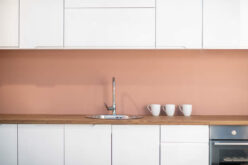
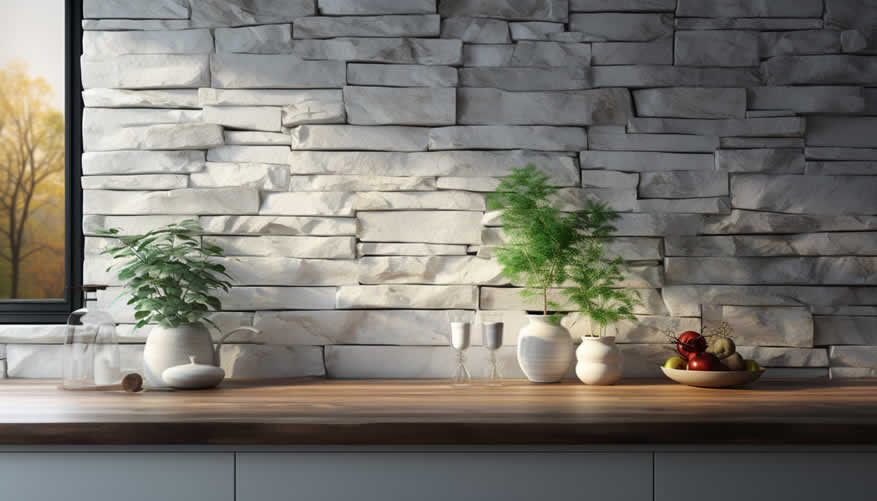
A new backsplash serves not only as a practical addition, protecting your walls from splashes and spills, but also as a significant design element that can define the look of your kitchen.
With endless material options, including tiles, glass, and stainless steel, you can choose a backsplash that perfectly reflects your personal style and complements the kitchen’s existing elements.
Whether you’re aiming for a bold, patterned design or a sleek, minimalist look, updating your backsplash can dramatically change the feel of your space, making it a focal point of your kitchen renovation.
copyright image by 123rf.com
[ pinterest: kitchen backsplash ideas ]
[ youtube: how install tile backsplash ]
-
Scroll up to directory … or scroll to next section to transform your kitchen …
—— or view this kitchen upgrade idea ——
Types of Backsplashes
Choosing the right kitchen backsplash can dramatically change the aesthetic of your kitchen, adding both style and functionality. When selecting a backsplash, consider the color scheme of your kitchen, the durability of materials, and the ease of maintenance.
Your backsplash should not only complement the existing design elements but also stand up to spills and splatters with grace.
-
Ceramic Tile Backsplash
Ceramic tiles are a classic choice, offering versatility in color, size, and pattern. This type of backsplash is durable and easy to clean, making it a practical option for busy kitchens.
[ view ideas: ceramic tile ]
-
Glass Tile Backsplash
Glass tiles add a sleek, modern touch to any kitchen. They reflect light, brightening up the space, and come in a variety of colors and finishes. Glass tiles are relatively easy to maintain but require careful installation to avoid chips.
[ view ideas: glass tile ]
-
Stainless Steel Backsplash
For a contemporary look with industrial flair, a stainless steel backsplash is an excellent option. It’s highly durable, heat resistant, and easy to clean. However, it can show fingerprints and water spots more readily than other materials.
[ view ideas: stainless steel ]
-
Stone Tile Backsplash
Stone tiles, including granite, marble, and slate, offer natural beauty with unique patterns and colors. They require more maintenance than ceramic or glass tiles and often need to be sealed to prevent staining.
[ view ideas: stone tile ]
-
Peel and Stick Backsplash
Peel and stick tiles are a budget-friendly and DIY-friendly option. They come in various materials, including vinyl and metal, and can mimic the look of more expensive tiles. While convenient, they may not be as durable as traditional options.
[ view ideas: peel and stick ]

copyright image by 123rf.com
-
-
5th Tweak: Organize with Standalone Space Savers
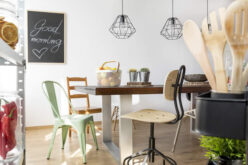
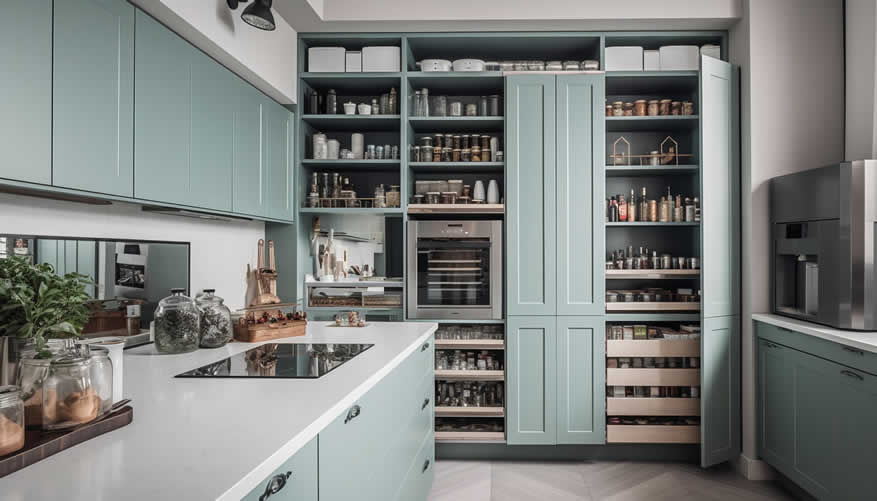
Standalone space-savers offer innovative solutions to common kitchen storage dilemmas, particularly in kitchens where built-in options have reached their limits. When cupboards are overflowing and countertops cluttered, introducing a freestanding piece like a larder cupboard can be a game-changer.
These versatile units provide ample storage for pantry items, appliances, and even cookware, effectively organizing essentials and decluttering the kitchen.
By centralizing storage in a single, accessible location, space is liberated throughout the kitchen, allowing for a more functional and streamlined layout. Not only practical, standalone space-savers can also add aesthetic appeal to the kitchen, serving as statement pieces that complement the room’s decor.

copyright image by 123rf.com
[ view images: kitchen space saving furniture ]
[ pinterest: organizing kitchen ideas ]
-
Scroll up to directory … or scroll to next section to transform your kitchen …
—— or view this kitchen upgrade idea ——
Ways to Organize the Kitchen
A well-organized kitchen not only looks appealing but also enhances functionality and efficiency during meal preparation. Effective organization strategies can transform cluttered countertops and chaotic cabinets into streamlined spaces. Below are some effective types and standalone space savers that can be employed to achieve an orderly kitchen.
-
Drawer Dividers
Drawer dividers are simple yet highly effective tools in maintaining an organized kitchen. They help in categorizing utensils, cutlery, and gadgets, making them easily accessible. Bamboo or plastic dividers can be adjusted to fit various drawer sizes and contents, facilitating a customizable and tidy storage solution.
-
Pantry Organizers
Pantry organizers are essential for keeping food items visible and within reach. Tiered shelving, can racks, and over-the-door organizers maximize space and reduce the time spent searching for ingredients. Clear, labeled containers for bulk items like grains and cereals also contribute to a neater look and preserve freshness.
-
Pot Racks and Hooks
Using vertical space wisely can significantly increase storage capacity in the kitchen. Wall-mounted pot racks or ceiling hangers keep pots and pans accessible while freeing up cabinet space. Similarly, hooks can be used for hanging utensils, mugs, and potholders, keeping them handy yet out of the way.
-
Standalone Space Savers
For kitchens with limited built-in storage, standalone solutions can be a game-changer. Mobile kitchen islands provide additional counter space and storage.
Narrow rolling carts can fit in tight spaces, offering extra shelving for cooking essentials. Over-the-sink shelves utilize otherwise wasted space above the sink for organizing dish soap, sponges, and plants.
Some space saving solutions
-
Kitchen Cabinets:
Freestanding kitchen cabinets come in a variety of sizes and styles to fit any need. They offer ample storage for dishes, pantry items, and small appliances. -
Pantry Cabinets:
These tall and narrow cabinets are perfect for storing dry goods, canned food, and other pantry staples. They come with shelves or drawers, and some even have doors to hide away clutter. -
Bakers Racks:
Bakers racks provide open shelving for storing pots, pans, bakeware, and other kitchen essentials. They’re a great way to keep your most-used items within reach. -
Kitchen Carts:
Kitchen carts offer a combination of storage and prep space. They typically have shelves, drawers, and a countertop, making them ideal for small kitchens that lack counter space. They often have wheels, allowing you to move them around the kitchen as needed. -
Utility Carts:
Utility carts are similar to kitchen carts, but they’re more versatile. They can be used to store anything from cleaning supplies to dishes to extra groceries. -
Wall Shelves:
Wall shelves are a great way to add storage without taking up any floor space. They can be used to store dishes, cookbooks, spices, or anything else you need to keep handy.
-
copyright image by 123rf.com
-
-
6th Tweak: Introduce Greenery
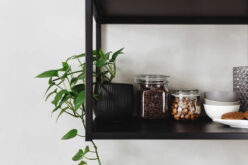
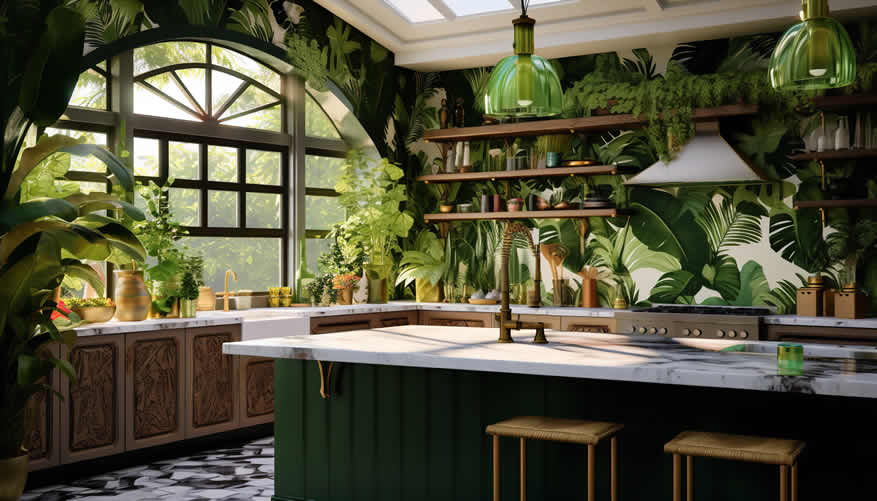
Incorporating plants into your kitchen design not only adds a splash of color and life but also can improve indoor air quality. Whether it’s a windowsill herb garden that provides fresh herbs for cooking or a couple of low-maintenance succulents decorating open shelves, greenery makes a kitchen feel more vibrant and welcoming.
Choose plants that thrive in your kitchen’s specific light conditions, and consider hanging planters or wall-mounted pots if counter space is limited. This living decor will bring a sense of freshness and nature into your kitchen, enhancing its overall appeal.
copyright image by 123rf.com
[ view images: houseplants for kitchen ]
[ pinterest: growing kitchen herbs ]
-
Scroll up to directory … or scroll to next section to transform your kitchen …
—— or view this kitchen upgrade idea ——
Why Houseplants Are a Great Addition to a Kitchen
Integrating houseplants into kitchen design is not just about aesthetics; it’s about creating a healthier, more vibrant living space. Plants are known to improve air quality by absorbing toxins and producing oxygen, which is particularly beneficial in a room where we spend a considerable amount of time preparing meals and socializing.
Additionally, having plants around can boost mood and productivity, making the time spent in the kitchen more enjoyable. Their greenery also adds a splash of color and life to the decor, often serving as a natural accent that complements any style from rustic to modern.
The types of houseplants to consider for your kitchen include,
-
Herbs:
Cultivating a selection of herbs such as basil, mint, and cilantro not only brightens up the kitchen space with their vibrant green hues but also offers the convenience of fresh flavors right at your fingertips. These are best placed on a windowsill where they can get plenty of sunlight.
-
Spider Plants:
With their air-purifying qualities and minimal sunlight requirements, spider plants are an excellent choice for the kitchen. They thrive in indirect light and can easily adapt to different environments, making them a fuss-free addition.
-
Aloe Vera:
This succulent is not only known for its healing properties but also for its ability to fit into small spaces, making it an ideal plant for kitchen countertops or windowsills. Its low water requirements make it a low-maintenance option for busy individuals.
-
Pothos:
Known for its hardiness and beautiful trailing vines, pothos can add a touch of elegance to any kitchen. It requires minimal light and watering, making it suitable for shelves or high cabinets where it can cascade gracefully.
-
Peace Lily:
If your kitchen can spare the space for a slightly larger plant, the peace lily is a beautiful choice. It’s known for its ability to filter out harmful toxins from the air. While it enjoys low to moderate light, it adds a striking visual element with its glossy leaves and occasional white blooms.
copyright image by 123rf.com
Best "Air Cleaning" Houseplants
Best "Indoor" Trees
Best "Pet Friendly" Houseplants
viewing amazon -
-
7th Tweak: Add a New Rug or Mat
The addition of a new rug or anti-fatigue mat can introduce color, texture, and comfort to your kitchen floor, instantly warming up the space. Besides being a decorative element, rugs and mats provide practical benefits, such as cushioning for your feet during long cooking sessions and protecting your flooring from wear and tear.
When choosing a rug or mat for your kitchen, opt for materials that are durable and easy to clean, considering the high traffic and potential for spills in the area. A well-chosen rug can tie the room together, adding a final touch that complements your kitchen’s new look.

copyright image by 123rf.com
[ view images: kitchen rugs ideas ]
[ pinterest: about kitchen rugs and mats ]
-
Scroll up to directory … or scroll to next section to transform your kitchen …
—— or view this kitchen upgrade idea ——
Selecting Rugs and Mats for Your Kitchen
Choosing the right rugs and mats for your kitchen involves more than just picking a color or pattern that complements your decor. These additions should not only enhance the aesthetic appeal of your kitchen but also provide comfort and safety.
When selecting rugs or mats, consider factors like material, ease of cleaning, slip resistance, and the level of foot traffic your kitchen receives. Opt for materials that are durable and can withstand spills, such as polypropylene or other synthetic fibers.
Additionally, cushions or anti-fatigue mats can offer comfort if you spend extended periods standing in the kitchen.
-
Measuring for the Perfect Fit
Measure the area where you plan to place the rug or mat before making a purchase. This ensures that the size is appropriate for the space and serves its intended purpose effectively.
For areas in front of the sink or countertop where you stand for long periods, choose a mat that extends the length of the space.
For a kitchen island or table, select a rug that is large enough to fit under all chairs when they are pulled out from the table. Remember to leave at least 6 inches of floor space around the rug to frame it nicely in the room.
-
Selecting the Right Type
When selecting the type of rug or mat for your kitchen, consider the specific needs of your space.
- Anti-fatigue mats are ideal for areas where you stand for long periods, such as in front of the sink or stove, providing cushioning and reducing strain on your feet and back.
- Flatweave rugs are suitable for high-traffic areas as they are easier to clean and less likely to trip over.
- For a splash of style, choose accent rugs with colors and patterns that reflect your personal taste and complement your kitchen’s decor.
Always prioritize options that have non-slip backing to ensure safety in a kitchen environment.

copyright image by 123rf.com
-
-
Conclusion
Revitalizing your kitchen doesn’t require a complete overhaul. Strategic minor tweaks can significantly impact, creating a space that’s both more functional and more aesthetically pleasing.
From updating hardware and lighting to introducing greenery, each change contributes to a fresher, more inviting kitchen. These improvements not only enhance your daily life but can also increase your home’s value, making them worthwhile investments.
Remember, the kitchen is the heart of the home, and even the smallest upgrades can make it a place where memories are made and shared. With these simple tweaks, you can transform your kitchen into a space that reflects your style and meets your needs, proving that sometimes, it’s the little changes that make the biggest difference.
-
Quick scroll to more kitchen-related ideas …
-
ideas to view and compare from the photo above
- What comments can you share about
tweaks you made to transform your kitchen?
 … grab this directory of ideas

Calendar For:
Home Maintenance Tasks
File Type: 
SHARE IT ..! You might have someone in your social network who could find this informative post about simple tweaks to transform your kitchen valuable. Feel free to share it on Facebook, Twitter, LinkedIn, or Pinterest!


view illustration “becoming a bank”

below for …
handyman help with kitchen upgrades
Find Handyman Services (opens new win) Handyman Carpentry Electrical Plumbing top-rated, pre-screened local contractors FREE: download contractor selection enter zip code – powered by HomeAdvisor ™
Quick Contractor Guides selecting negotiating working with inspecting

Cover image credit: transform your kitchen by 123rf.com
end of post … please share it!
 |
did you find these tweaks to transform your kitchen analysis helpful? If so, please share the article with your friends and family! |
Nice pic idea? Leave us a quick comment below.
And please share this pic idea within your social networks.