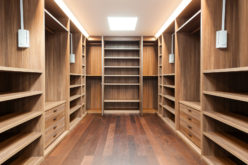
Summary Outline –
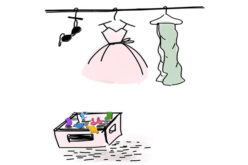
Are you drowning in a sea of clothing, shoes, and accessories every time you open your closet? You’re not alone. Many homeowners, organizational enthusiasts, and interior designers face the daily struggle of maintaining an organized closet.
But what if there was a solution that could turn your cluttered chaos into a serene and orderly space?
In this blog post, we’ll explore how closet systems can revolutionize the way you organize and maintain your bedroom closet, whether it’s large or small.
- post content … analysis/ transform your closet
- 1st: The Daily Dilemma of a Disorganized Closet
- 2nd: Customized Closet Systems for Different Closet Sizes
- 3rd: Closet System Essentials
- 4th: Tips for Choosing the Right Closet System
- 5th: Types of Closet Systems Available
- 6th: Installing Your Closet System: DIY or Professional Installer
- 7th: Organize Your Closet System to Keep It Clutter-Free
- 8th: Maintenance and Longevity of Closet Systems
- conclusion
- other home utility topics

-
- —— begin first topic ——
-
1st TERM: The Daily Dilemma of a Disorganized Closet
Picture this: It’s Monday morning, and you’re running late for work. You open your closet to find a tangled mess of clothes, shoes strewn across the floor, and toiletry items scattered everywhere.
You can’t find your favorite blouse, and your frustration levels are skyrocketing. Sound familiar? This is a common scenario for many, but it doesn’t have to be your reality.
A disorganized closet can lead to wasted time, increased stress, and even damage to your clothing and accessories. That’s why finding an effective solution is essential.
-
The Benefits of Closet Systems
Closet systems aren’t just about tidying up your space; they offer a myriad of advantages that can transform your daily routine and overall well-being.
-
Space Optimization
One of the most significant benefits of closet systems is their ability to maximize the available space. Whether you have a spacious walk-in closet or a small reach-in, a well-designed system can make the most of every inch. This means more room for your belongings and less clutter.
-
Organization
Closet systems provide a structured way to store your items. With designated spaces for hanging clothes, stacking folded garments, and storing accessories, you’ll always know where everything is. This level of organization can save you time and reduce stress.
-
Ease of Maintenance
Maintaining an organized closet becomes a breeze with a closet system. Everything has its place, making it easy to put items back where they belong. This not only keeps your closet tidy but also extends the life of your clothing and accessories.
-
-
Types of Closet Systems
Not all closet systems are created equal. There are various types to suit different needs and preferences. Let’s explore some popular options:
-
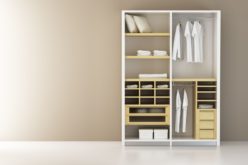
Hanging Systems
Hanging systems are ideal for organizing clothes that need to be hung, such as dresses, blouses, and suits.
These systems often include adjustable rods, allowing you to customize the height to accommodate different lengths of clothing.
[ view ideas: hanging closet organizer ]
-
Stacking Systems
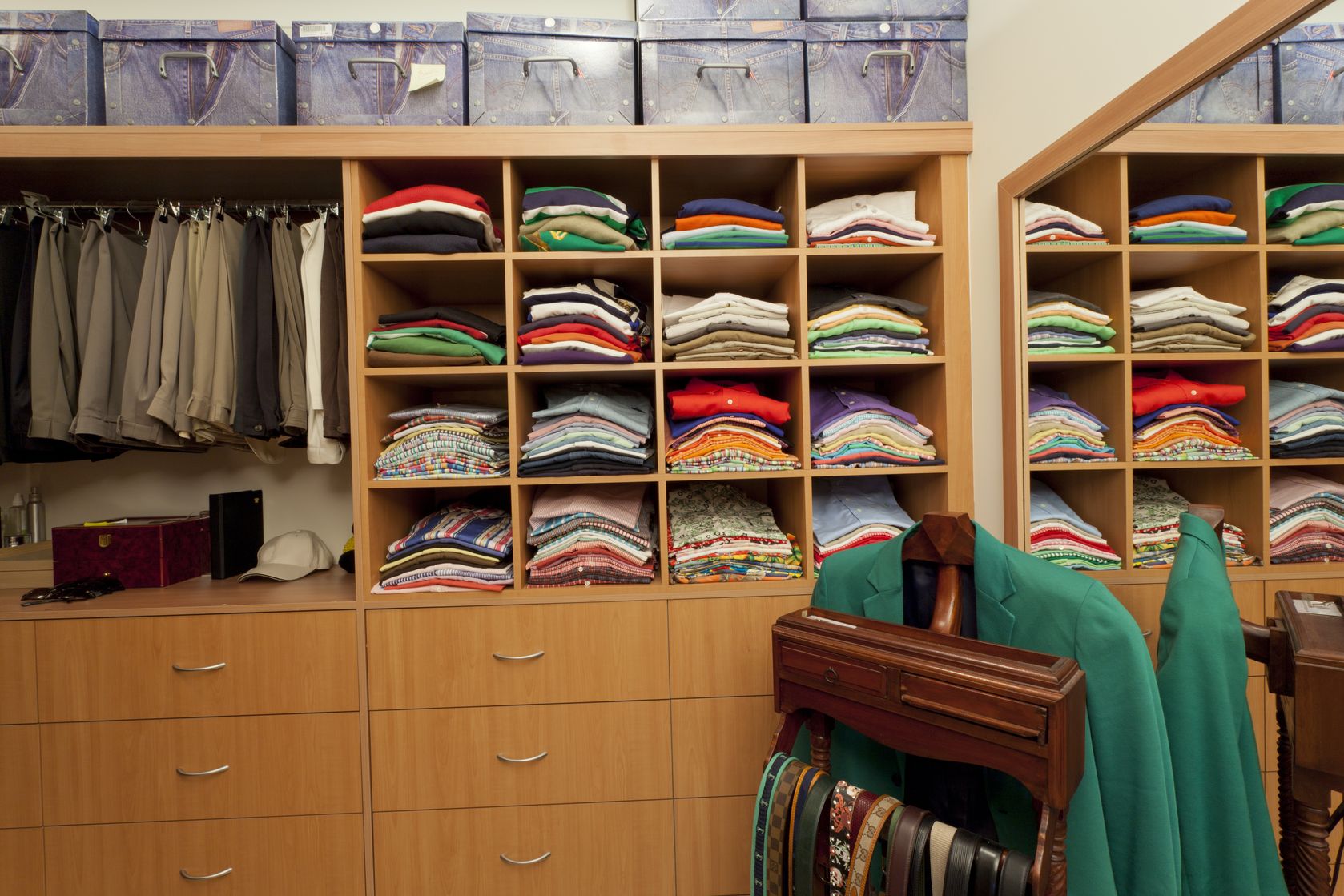
Stacking systems are perfect for folded clothes, such as sweaters, jeans, and t-shirts. They typically consist of shelves or cubbies that provide ample space for neat stacking.
Some stacking systems also include bins or baskets for added versatility.
[ view ideas: stacking closet organizer ]
-
Shelving Units
Shelving units offer a versatile solution for a variety of items, including shoes, bags, and toiletries.
These units can be customized with adjustable shelves to fit your specific needs. They’re great for keeping smaller items organized and easily accessible.
[ view ideas: shelving closet organizer ]
-
copyright image by 123rf.com

-
-
2nd TERM: Customized Closet Systems for Different Closet Sizes
When considering the right closet system for your space, it’s important to take into account the size and layout of your closet. Selecting a system tailored to the dimensions and specific characteristics of your closet can maximize storage efficiency and usability.
Below, we explore the best closet systems for various closet sizes.
-
Walk-In Closets
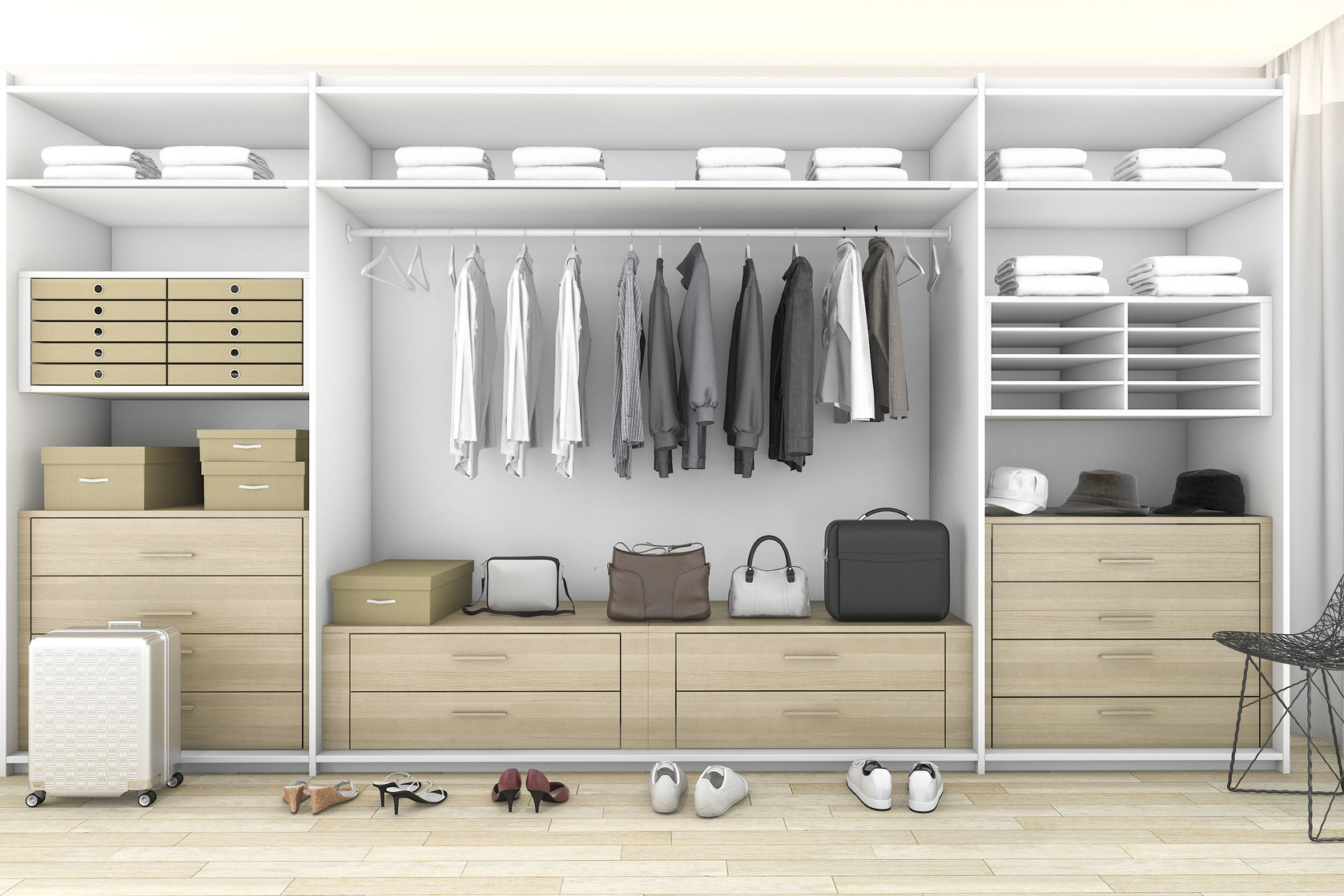
Walk-in closets offer the most flexibility and space, allowing for a broad range of organizational tools and systems. In these spacious areas, you can incorporate multiple types of closet systems to create an elaborate and highly functional storage solution.
Consider combining hanging systems, stacking systems, and shelving units. Walk-in closets can benefit from the inclusion of cabinetry, island storage, and even seating areas.
The key is to utilize the vertical and horizontal space effectively, potentially even inserting a shoe rack or built-in drawers for accessories.
copyright image by 123rf.com
[ pinterest: walk in closet designs layout ]
[ amazon: walk-in closet organizer system ]
-
Large Closets
Large closets, such as those found in master bedrooms, provide ample space but may not have the same expanse as walk-in closets. For these closets, a mix of hanging systems and shelving units can make the most of the available space.
Adjustable rods and shelves are particularly useful in adapting to different clothing types and sizes. Additionally, adding a stacking system for folded clothes and some customizable shelving can provide great versatility.
Consider including drawers or pull-out bins to store smaller items neatly.

copyright image by 123rf.com
[ pinterest: bedroom closet systems ]
[ amazon: bedroom closet systems ]
-
Small Closets
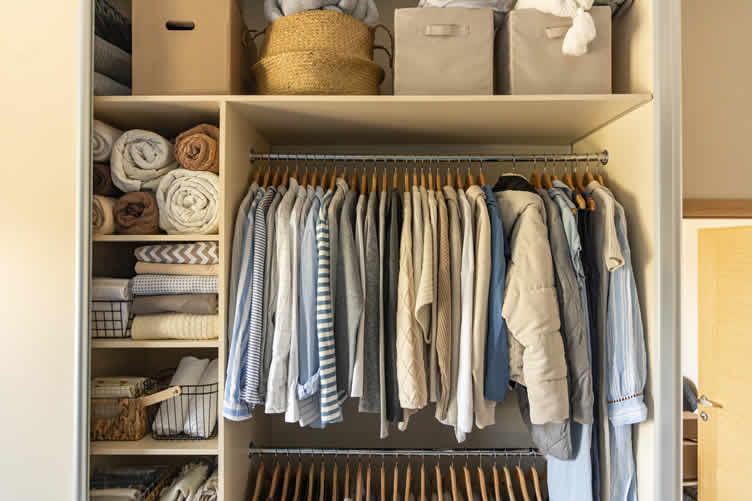
Small closets require strategic planning to ensure every inch is used efficiently. In these tighter spaces, a minimalistic approach with a focus on vertical storage is often the most effective.
Hanging systems with adjustable rods help to maximize hanging space while keeping different styles and sizes of clothing organized. Shelving units can be placed higher up to store items that are less frequently used.
Choose narrow stacking systems or modular shelves that can easily be adjusted or rearranged to adapt to changing storage needs. Utilizing door-mounted organizers can also free up more space within the main closet area.
copyright image by 123rf.com
[ pinterest: small closet system ideas ]
[ amazon: small bedroom closet shelves ]
-
-
3rd TERM: Closet System Essentials
(stuff that can be accommodated)
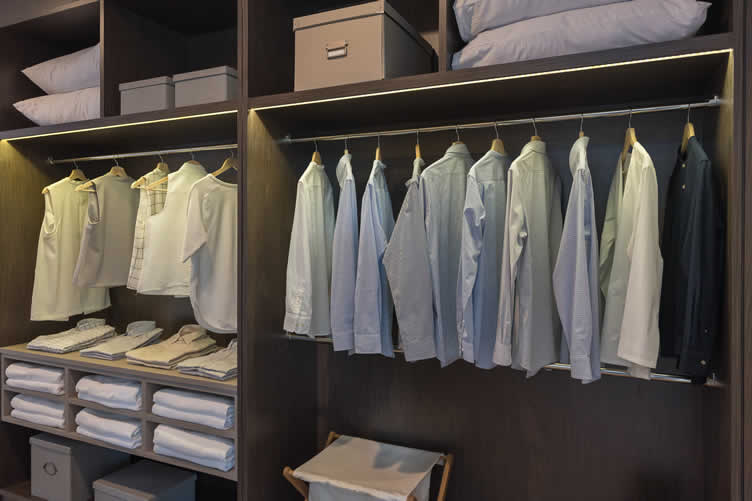
An effectively installed closet system can significantly enhance the organization and functionality of any wardrobe space. By incorporating various types of storage, you can efficiently manage and access your clothing and accessories.
Below are essential items that can be integrated into your closet system.
-
Wardrobe
A well-organized wardrobe section is crucial for hanging clothes such as dresses, suits, and jackets. Utilize adjustable rods to accommodate garments of varying lengths.
Additionally, incorporate a section for longer items to ensure they remain wrinkle-free.
-
Clothes
Clothes that are best stored folded, such as sweaters, jeans, and t-shirts, can be neatly organized on shelves. Stackable bins or baskets can keep your folded items tidy and easily accessible.
Consider using clear bins to quickly identify the contents.
-
Shoes
Dedicated shoe racks or cubbies can help keep your footwear organized and prevent them from cluttering the floor.
Stackable shoe boxes or angled shoe shelves are great options for maximizing space and keeping pairs together.
-
Socks
Socks can easily be lost or become a tangled mess without proper storage. Small bins or drawer dividers are ideal for keeping socks separated and neatly arranged.
Consider sorting by type or color for added convenience.
-
Underwear
Utilizing drawer dividers or small bins within your closet system can keep underwear neatly organized. This method allows for easy access and ensures that items remain tidy and in good condition.
-
Belts, Scarves, and Ties
Accessories like belts, scarves, and ties require specific storage solutions to keep them in order.
Install hooks, racks, or specialty organizers that allow these items to hang neatly without getting tangled or wrinkled.
-
Toiletries
For closets that also serve as storage for toiletries, consider adding shelves or small containers to keep items like lotions, perfumes, and grooming tools organized.
Ensure these items are within easy reach but stored in a way that minimizes clutter.
-
Bed Linens
Designate a section of your closet system for bed linens including sheets, pillowcases, and duvet covers. Use shelves or bins to keep these items folded and organized.
Labeling bins can help identify the contents quickly.
-
Other
Other miscellaneous items can also be stored effectively in a well-planned closet system. Seasonal clothing, sporting gear, or extra bags can be kept in higher shelves or bins.
Ensure less frequently used items are stored in a way that keeps them accessible but out of the main traffic areas of your closet.
copyright image by 123rf.com
[ youtube: closet tour and organization ]
[ amazon: bedroom closet organizer ]
-
-
4th TERM: Tips for Choosing the Right Closet System
Selecting the right closet system can be a daunting task, but these tips will help you make an informed decision. Consider your storage needs, the available space, and your personal style preferences.
Evaluate different materials and designs to find a system that not only maximizes your closet’s functionality but also complements your home’s decor.
-
Assessing Your Needs
Assessing your needs is a crucial step when selecting a closet system, as it ensures that the solution you choose will effectively meet your storage requirements. Start by taking inventory of the items you plan to store in your closet.
- Consider the types of clothing and accessories you have, such as shoes, suits, casual wear, or specialty items like formal attire and active wear, and estimate the amount of space each category will need.
- Identify any special storage requirements, such as racks for hanging clothes, shelves for folded items, or drawers for small accessories.
- Next, think about your daily routines and how you interact with your closet. This understanding will help you prioritize certain features, like easy access to frequently used items or additional compartments for organizing smaller pieces.
- Furthermore, reflect on any future changes, such as wardrobe expansion or seasonal storage needs.
By thoroughly evaluating your current and future storage requirements, you can select a closet system that offers both functionality and flexibility, resulting in a more efficient and personalized storage space.
-
Measuring the Space for Your Closet System
Accurate measurements are fundamental to ensuring that your chosen closet system will fit perfectly within your available space. Follow these steps to correctly measure your closet area:
- Clear the Space:
Before you begin measuring, clear out any items from your closet to ensure you get precise measurements without any obstructions. - Measure the Width:
Using a tape measure, measure the width of your closet from one side wall to the other. Take measurements at different points – top, middle, and bottom – to account for any variations in the wall structure. - Measure the Height:
Measure the height of your closet from the floor to the ceiling. Similar to the width, measure at different points – front, middle, and back – to capture any discrepancies. - Measure the Depth:
Measure the depth of your closet from the back wall to the front edge. Ensure you allow for any door swing or other obstructions that may affect the usable depth. - Measure the Door Openings and Other Obstructions:
Take note of the size and position of any door openings, windows, or other architectural features within your closet. Measure their height, width, and distance from the floor and adjacent walls. - Record Your Measurements:
Write down all your measurements accurately, preferably on a sketch of your closet space for better visual understanding. - Double-Check:
Double-check your measurements to ensure accuracy. It’s always a good idea to measure twice to avoid any errors that could impact the fitting of your closet system.
By following these steps, you will be well-prepared to select a closet system that fits your space perfectly and makes the most of your available storage area.
- Clear the Space:
-
Consider Your Budget
When selecting a closet system, it’s essential to consider your budget. The cost of closet systems can vary widely depending on the materials, design, and complexity.
Here’s a rough guide to help you estimate the budget needed for different types of closet systems:
- Wire Closet Systems:
- Estimated Budget:
$100 – $500 - Details:
Wire closet systems are often the most budget-friendly option. They are easy to install and provide good ventilation for your clothes. Ideal for smaller budgets or temporary solutions.
- Laminate Closet Systems:
- Estimated Budget: $600 – $1,500
- Details:
These systems offer a more polished look and greater durability compared to wire systems. Laminate systems come in various finishes and can imitate the look of real wood. They usually include more customizable features.
- Wood Closet Systems:
- Estimated Budget: $1,200 – $5,000+
- Details:
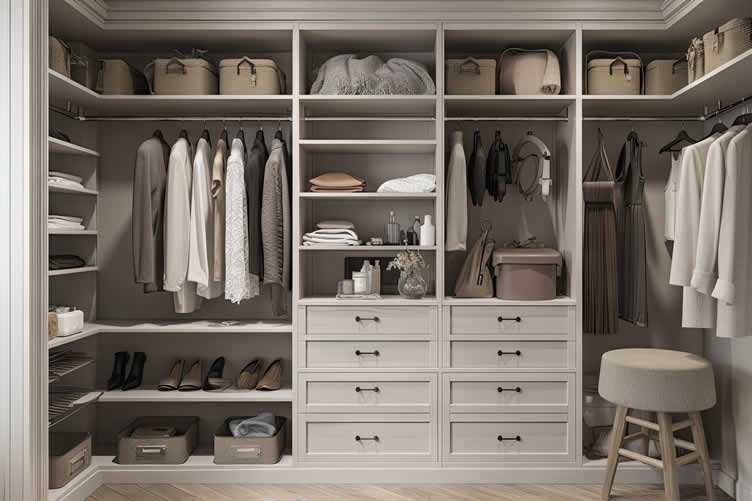
Wood systems provide a high-end, luxurious appearance and are highly durable. They often feature customizable shelving, drawers, and other accessories, making them a more expensive but long-lasting investment.
- Custom Closet Systems:
- Estimated Budget: $2,500 – $10,000+
- Details:
Tailored specifically to your space and needs, custom closet systems offer the ultimate in personalization. They can be made from premium materials and include intricate designs and features.
By considering your budget and understanding the costs associated with different types of closet systems, you can choose a solution that best fits your financial situation and needs.
copyright image by 123rf.com
[ youtube: build vs. buy closet systems ]
[ amazon: mounted wood closet system ]
-
-
5th TERM: Types of Closet Systems Available
When it comes to optimizing your closet space, the variety of closet systems available can cater to every need and budget. Each type of closet system offers unique benefits and functionalities, allowing you to find the perfect solution for your personal storage requirements.
From modular designs to freestanding units, here’s an in-depth look at the different types of closet systems you can choose from:
-
Modular Closet Systems
Estimated Budget:
$200 – $5,000Details:
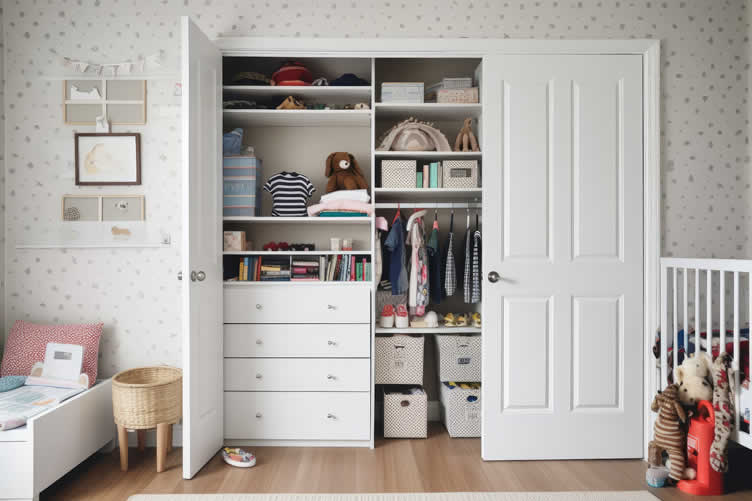
Modular closet systems are highly customizable and can be tailored to fit any space. They consist of individual components such as shelves, drawers, rods, and shoe racks that can be mixed and matched to create a personalized storage solution.Ideal for those who need flexibility, modular systems are perfect for both small and large closets. They can be easily reconfigured as your storage needs change, making them a lifelong investment.
-
Closet Organizers
Estimated Budget:
$50 – $1,000Details:
Closet organizers include a variety of accessories such as hanging shelves, cubbies, shoe racks, and hooks. While they do not constitute a full system, they are a cost-effective way to enhance your current closet’s functionality.Closet organizers are perfect for adding extra storage and keeping your items more accessible without a complete overhaul of your existing space.
-
Freestanding Closet Systems
Estimated Budget:
$100 – $2,000Details:
Freestanding closet systems are versatile and require no installation, making them an ideal choice for rented spaces or those looking for non-permanent solutions.These systems can include garment rods, shelves, lockers, and even built-in mirrors. With various styles and materials available, freestanding units can complement any aesthetic while providing ample storage.
-
Wall-Mounted Systems
Estimated Budget:
$300 – $6,000Details:
Wall-mounted systems are a permanent solution that involves securing components directly to the walls of your closet. These systems offer a sleek, built-in look and are highly durable.Wall-mounted systems typically comprise adjustable shelves, hanging rods, drawers, and sometimes integrated lighting. They are ideal for those seeking a high-end, custom-built appearance and are willing to invest in a long-term solution.
-
Other Options
Estimated Budget:
$50 – $3,000Details:
Other closet system options include corner units, pull-out baskets, and specialty racks for items like ties, belts, and scarves. These can be used to complement other closet systems or as standalone solutions for problem areas.With a wide range of materials and designs available, these options can add both functionality and style to any closet.
copyright image by 123rf.com
-
-
6th TERM: Installing Your Closet System: DIY or Professional
Choosing how to install your closet system is an essential step in achieving your desired organizational goals. Whether you opt for a do-it-yourself (DIY) approach or hire a professional installer, both methods come with their own set of advantages and challenges.
Below, we explore these options in detail to help you make an informed decision.
-
DIY Installation
If you enjoy hands-on projects and have the necessary tools, a DIY installation can be a satisfying and cost-effective option.
Pros:
- Cost Savings:
One of the most significant benefits of a DIY installation is the potential for cost savings. By doing the work yourself, you can avoid labor charges associated with professional installers. - Flexible Scheduling:
Completing the project at your own pace allows you to work according to your schedule, which is particularly useful if you have other commitments. - Personal Satisfaction:
There’s a sense of accomplishment and pride that comes with completing a home improvement project on your own.
Cons:
- Time-Consuming:
DIY installations can be time-intensive, particularly if you encounter unexpected issues or have a complex closet system. - Skill Level Required:
Successful installation often requires a certain level of expertise and familiarity with tools. Mistakes can lead to additional costs and frustration. - Limited Support:
If you run into problems, you may have limited access to professional help or guidance, potentially complicating the project.
- Cost Savings:
-
Professional Installer
Hiring a professional installer ensures that your closet system is assembled and installed correctly and efficiently.
Pros:
- Expertise and Experience:
Professional installers have the necessary skills and experience to handle both standard and custom closet systems. Their expertise can result in a higher-quality installation. - Time Efficiency:
Professionals can often complete the installation more quickly than a DIY approach, minimizing disruption to your daily life. - Warranty and Support:
Many professional services offer warranties on their work, providing peace of mind and protection in case of future issues.
Cons:
- Higher Costs:
The primary downside of professional installation is the associated cost. Labor charges can significantly increase the overall expense of your closet system. - Scheduling Constraints:
You may need to work around the professional’s availability, which could lead to delays if their schedule is busy. - Less Personal Involvement:
While some may see this as a benefit, others who enjoy hands-on projects might miss the personal engagement that comes with a DIY installation.
In conclusion, both DIY installation and hiring a professional installer have their own set of merits. Reflect on your budget, available time, and skill level to determine the best approach for your closet system project.
- Expertise and Experience:
copyright image by 123rf.com
Finding a Closet Professional Installer
When searching for a professional installer to handle your closet system project, it’s essential to follow a few key steps to ensure you find a qualified and reliable individual or service.
- Start by seeking recommendations from friends, family, or neighbors who have had similar work done. Online reviews and testimonials can also provide valuable insights into a professional’s quality of work and customer satisfaction.
- Additionally, consider contacting multiple installers to obtain quotes and compare pricing, services, and time-lines. It’s important to verify that the installer is licensed, insured, and possibly bonded, to safeguard your home and investment.
- Finally, ask for references from previous clients to get a clearer picture of the installer’s reliability and expertise.
Taking these steps will help you find a professional who can deliver a seamless and high-quality closet installation.
But Wait!
Before starting the search and evaluation process for contractors, it is highly recommended to download and utilize this comprehensive worksheet. This will help ensure that you have all the necessary information and tools at your disposal to make informed decisions and streamline the entire process.
This resource will assist in impartially ranking and evaluating potential contractors, taking into consideration essential factors such as pricing,

Evaluation Sheet
File Type:
-
-
7th TERM: Organize Your Closet System to Keep It Clutter-Free
A well-organized closet is pivotal in maintaining a clutter-free and functional living space. By implementing systematic approaches to arranging your closet, you can make the most of your storage solutions and ensure every item has its place.
Understanding how to effectively utilize your closet system can transform it into an optimal storage haven. Below are some essential tips to help you achieve and maintain a clutter-free closet.
-
Categorize and Sort
Organizing begins with categorization. Group your items into categories such as clothes, shoes, accessories, and seasonal wear. Sorting items makes it easier to visualize how much space each category will require.
A key step in this process is to declutter by donating or discarding items you no longer need, ensuring only essential and loved items take up precious closet space.
-
Maximize Vertical Space
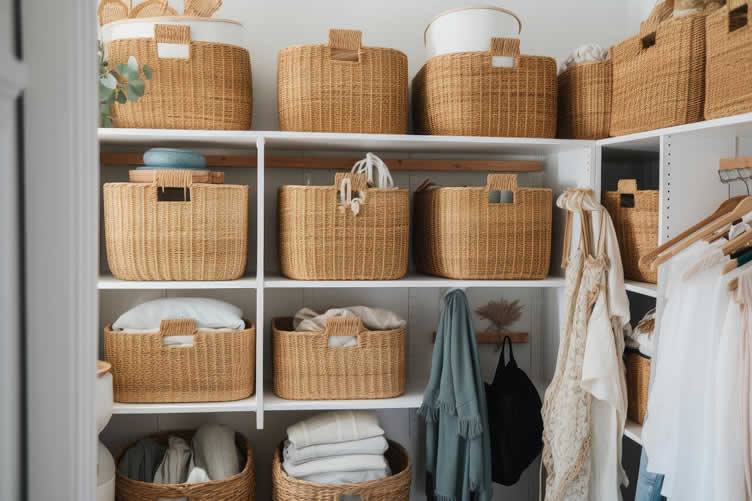
Utilizing vertical space is crucial in ensuring your closet remains organized. Install additional shelves or use hanging organizers to store items like shoes, bags, and folded clothes.
This not only keeps the floor area clear but also ensures that every inch of your closet is efficiently used, making it easier to locate and access your belongings.
-
Use Clear Containers and Labels
Storing smaller items in clear containers can prevent clutter and disorganization. Clear bins allow you to see the contents at a glance, reducing the time spent searching for specific items.
Labels are also an excellent tool for maintaining order, as they provide a visual reminder of where everything belongs, making it simpler to return items to their respective spots.
-
Implement Drawer Dividers
Drawer dividers can work wonders in keeping smaller items neatly separated. They are particularly useful for organizing undergarments, socks, and accessories, preventing these items from getting jumbled together.
By assigning each type of item its own section, you can maintain a high level of order and quickly find what you need.
-
Rotate Seasonal Items
To keep your closet from becoming overcrowded, rotate your wardrobe based on the season. Store off-season items in bins or vacuum-sealed bags and place them on higher shelves or in less accessible areas.
This ensures that your everyday items are easily reachable and your closet remains uncluttered throughout the year.
-
Routine Maintenance
The key to a clutter-free closet is regular maintenance. Set aside time each month to re-evaluate and re-organize your closet.
This could involve re-folding clothes, re-stocking items in their designated spots, and removing any new clutter that may have accumulated. Consistent upkeep ensures that your closet system remains functional and tidy long-term.
copyright image by 123rf.com
[ youtube: plan & organize your closet ]
[ amazon: hyacinth storage baskets ]
-
-
8th TERM: Maintenance and Longevity of Closet Systems
A well-maintained closet system not only helps in keeping your belongings organized but also extends the life of your storage solution. Regular upkeep and a few simple practices can ensure your closet remains functional and aesthetically pleasing for years to come.
Below are some maintenance tips and guidelines to help you preserve your closet system.
-
Regular Cleaning
Dust and dirt can accumulate on both open shelves and hidden corners. Make it a habit to regularly dust your closet system using a microfiber cloth or a gentle brush.
For deeper cleaning, use a mild detergent diluted in water to wipe down the surfaces. This will help eliminate grime and keep your closet looking new.
-
Inspect Hardware
Closet systems often feature various hardware elements like rods, hinges, and sliding mechanisms. Periodically inspect these components for signs of wear or damage.
Tighten any loose screws and lubricate moving parts with appropriate lubricants to ensure smooth operation. Addressing these minor issues promptly can prevent bigger problems in the future.
-
Climate Control
Humidity and temperature fluctuations can wreak havoc on closet materials, especially wood. If possible, maintain a stable climate in your closet area by using dehumidifiers or air conditioners.
This will help prevent warping, swelling, and mold growth, contributing to the longevity of your closet system.
-
Avoid Overloading
Overloading shelves and hanging rods can lead to bowing or even breakage over time. Follow manufacturer guidelines for weight limits and avoid placing heavy items on higher shelves.
Distributing weight evenly can significantly prolong the life of your storage system.
-
Rotate Seasonal Items
Rotating seasonal clothing and accessories not only helps in keeping your closet organized but also reduces wear and tear. Store off-season items in vacuum-sealed bags or dedicated storage bins.
This practice not only frees up space but also minimizes the strain on your closet system, especially on hanging rods and shelves.

copyright image by 123rf.com
-
-
Conclusion
A disorganized closet can be a source of daily frustration, but it doesn’t have to be. By investing in a closet system, you can transform your space into a haven of order and efficiency.
Whether you choose a hanging system for your delicate dresses, a stacking system for your cozy sweaters, or a shelving unit for your accessories, the benefits are clear.
Remember to assess your needs, measure your space, and consider your budget when choosing the right system. Whether you opt for a DIY approach or professional installation, regular maintenance will ensure your closet system stands the test of time.
Ready to take the plunge? Start your journey to an organized closet today and experience the difference it can make in your daily life.
And if you have any closet organization stories or tips, we’d love to hear them! Share your experiences and join our community of organizational enthusiasts. Happy organizing!
-
Quick scroll to more home utility management ideas …

-
ideas to view and compare from the photo above
book: closets and storagecloset system w/ drawerscloset drawer organizers
- What comments can you share about
TERMPHRASE that you have installed?

addressing the need to transform your closet and other home improvement needs …

… grab this directory of ideas for future use


… closet systems and organizational needs




Budgeting Worksheet For Costing Home Remodeling and Home Improvement Decisions
 File Type (excel)
SHARE IT ..! You might have someone in your social network who could find this informative analysis about how to transform your closet valuable. Feel free to share it on Facebook, X (formally Twitter), LinkedIn, or Pinterest!





Calendar For:
Home Maintenance
File Type:
… view illustration “becoming a bank”

plan the specifications you need for making …

… key home improvement and remodeling decisions
Find Handyman Services (opens new win) Handyman Carpentry Electrical Plumbing top-rated, pre-screened local contractors FREE: download contractor selection enter zip code – powered by HomeAdvisor ™
Quick Contractor Guides selecting negotiating working with inspecting

Cover image credit: transform your closet by 123rf.com
end of post … please share it!
 |
did you find this transform your closet analysis helpful? If so, please share the article with your friends and family! |
Nice pic idea? Leave us a quick comment below.
And please share this pic idea within your social networks.