first “formulating home improvement ideas” directory


copyright image by 123rf.com
revised 12/18/23
Formulating Home Improvement Ideas
Any home improvement or remodeling begins with an idea. This idea could be as simple as wanting more natural light in your living room, or as grand as constructing a new outdoor living space.
To generate such ideas, consider your living habits, your aesthetic preferences, and any functional changes that could enhance day-to-day life in your home. Do you find yourself wishing for more storage space in your kitchen? Perhaps an updated, efficient cabinet design could be your next home improvement project.
Summary of Site Content
1st Section: [view formulating ideas]
… the initial step in formulating ideas for home improvement is to explore our vast library of inspiration, analysis, and topics covering all aspects of home improvement, renovation, and outdoor landscaping.
2nd Section: [view formulating ideas]
… the second phase involves taking your concept and focusing on developing the product and design specifications according to your preferences. These specifications encompass various aspects such as flooring, walls, plumbing requirements, and other details that help define the budget and work requirements.
3rd Section: [view formulating ideas]
… the third aspect considers whether your conceptualized ideas are suitable for a DIY approach (like painting a room) or if professional assistance is required (such as removing a wall for plumbing installation). It thoroughly examines both alternatives.
4th Section: [view formulating ideas]
… in the fourth and final section, you will learn about the various methods of financing your home improvement idea. You may choose to fund it using your savings, or other more extensive financing options. We will explore different avenues to turn your visionary ideas into reality.
Make Sure To Convert Your Idea Into a Good ROI
Always remember that home improvement is a personal journey. Your ideas should create a space that feels like home to you. Whether you’re partial to vibrant colors or minimalist designs, make sure that your remodeled space reflects your preferences.
Finally, don’t forget to consider the return on investment (ROI). Choose improvement ideas that not only add value to your life but also to your home’s market value. Renovating the kitchen or bathroom, for instance, usually yields a high ROI.
Below, you’ll find four sections that will assist you in formulating, planning, developing, and financing your home improvement idea.

-
Quik scroll to first topic about formulating home improvement ideas …

first “formulating home improvement ideas” idea

copyright image by 123rf.com
Section 1: Where to Begin Idea Formulation
Notes:
-
When considering home improvements or remodeling, it’s essential to formulate ideas that align with your taste, lifestyle, and budget.
Firstly, start by visualizing what you want your space to look like. Sketch out your ideas or create a digital mood board to illustrate your concept. You could also look at home décor websites (see directory below), magazines, or social media platforms for inspiration.
Additionally, incorporate advice from home improvement professionals and architects. They can provide valuable insights about the latest trends, materials, and technologies, and guide you on how to incorporate these trends into your home remodeling project in a way that matches your personal style and needs.
When formulating ideas, remember to factor in functionality alongside aesthetics. Think about what changes will improve your quality of life in the space.
- Could a kitchen island provide more prep space?
- Would a second bathroom make mornings less hectic?
- Would introducing built-in storage solutions help declutter your living room?
- Could a fire pit or outdoor kitchen enhance your backyard for entertaining?
The LetsRenovate directory of ideas and analysis, along with an extensive library of topics is a comprehensive resource that can significantly aid in formulating ideas for home improvement and remodeling.
Exploring this directory will provide you with ideas for both the interior and exterior of your home, as well as your yard and garden.
-
Quik scroll to topic side notes …
-
-
1st: Ideas for Interior Home
When formulating home improvement or remodeling ideas for the interior rooms of your home, it’s crucial to consider both functionality and aesthetics. Start by identifying your needs and wants for each room.
For the living room, for instance, you might want to focus on creating a cozy and inviting atmosphere with warm lighting and comfortable furniture.
For the kitchen, efficiency might be your main consideration, leading you to consider a remodel that includes a more organized pantry or a larger, more functional island.
Think of each room in terms of how you use it most, and what improvements can make that use more enjoyable or efficient.
From there, you can start to look at color schemes, furniture styles, and decorative elements that reflect your personal taste and create a cohesive look throughout the house.
Home Interior Ideas and Topics
directorykitchen ideas and analysis topics bathroom ideas and analysis topics bedroom ideas and analysis topics living area ideas and analysis topics home office/library ideas and analysis topics home entry/stairway ideas and analysis topics attic ideas and analysis topics basement ideas and analysis topics sunroom ideas and analysis topics Home Decor and Recreation
directoryhome decor ideas and analysis topics furniture ideas and analysis topics fireplace ideas and analysis topics recreation room ideas and analysis topics home theater ideas and analysis topics 

-
2nd: Ideas for Exterior Home
When it comes to formulating home improvement ideas for your home’s exterior, think about what will enhance curb appeal and also add value to your property.
Start by considering the overall style of your home. If you have a traditional style house, stick with improvements that align with that look. For modern houses, look for sleek, minimalist upgrades.
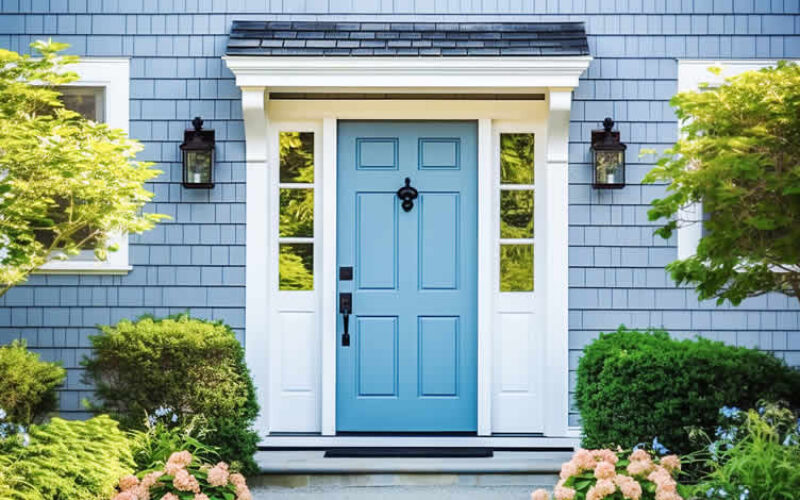
One impactful idea is to refresh your home’s paint color. Opting for a color that complements the architectural style can significantly boost your home’s appearance.
Additionally, upgrading the front door can add a modern touch and also improve your home’s security. Consider adding new hardware, such as a stylish handle or door knocker, for an extra touch of personality.
Home Exterior Ideas and Topics
directorydriveways/walkways ideas and analysis topics exterior decor ideas and analysis topics garage ideas and analysis topics home siding ideas and analysis topics porch systems ideas and analysis topics roof and gutters ideas and analysis topics -
3rd: Ideas for Structural Improvements and Maintenance
In evaluating home improvement ideas for structural projects, focus on elements such as windows, doors, flooring, and lighting. These components have a significant impact on the overall functionality and aesthetic of your home.
For windows and doors, consider both their practical role in ventilation and insulation and their visual contribution to your home’s exterior and interior. Upgrading to energy-efficient windows, for instance, can reduce energy costs and improve your home’s comfort, while also elevating its modern appeal.
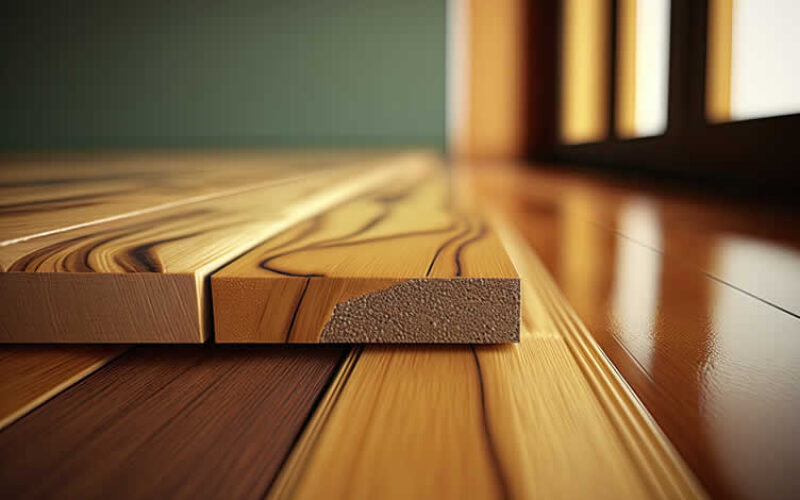
Flooring is another area where function and beauty intersect. Whether you opt for the warmth of hardwood, the durability of tiles, or the comfort of carpet, your choice can dramatically transform the look and feel of a room.
Lighting, often underrated, has a profound effect on the ambiance of a home. Explore the advantages of layered lighting – combining ambient, task, and accent lighting – to create a flexible and inviting environment.
Lastly, don’t overlook your home’s fundamental structural needs. Regular inspection and maintenance of plumbing, wiring, and insulation are pivotal to the longevity and safety of your home.
When undertaking such structural projects, remember that while they may not be as visually transformative as other renovations, they can significantly enhance your home’s functionality and value.
Home Structure
directorydoors n’ windows ideas and analysis topics flooring ideas and analysis topics lighting ideas and analysis topics home remodeling ideas and analysis topics plumbing n’ wiring ideas and analysis topics walls n’ ceiling ideas and analysis topics Other Structural Topics
directoryhome repairs view topics home maintenance view topics home buying/selling view topics home construction view topics home values view topics home inspections view topics moving view topics contractors view topics tools and materials view topics -
4th: Ideas for Home Utility and Management
When formulating home improvement ideas, prioritize utility and home management. A well-organized and functional home not only improves day-to-day life but also increases your house’s market value.
Consider investing in modern home management systems, such as smart home technology. Automation can enhance your home’s security, energy efficiency, and overall convenience.
Smart locks and security cameras provide increased protection, programmable thermostats optimize temperature control, and automated lighting systems can decrease energy consumption.
In terms of utility, think about how you can optimize space and functionality. Update your laundry room with a practical layout and energy-efficient appliances, or transform your space into a functional mudroom.
If your home lacks storage, built-in solutions such as wall-to-wall shelving or under-stair drawers can create extra space.
Lastly, don’t underestimate the value of your HVAC system when it comes to home management. Proper maintenance and upgrades can improve air quality, decrease energy costs, and increase the lifespan of your HVAC system.
Home Utility and Management
directorygreen home ideas and analysis topics automation/security ideas and analysis topics home storage ideas and analysis topics HVAC & utilities ideas and analysis topics laundry mudroom ideas and analysis topics -
5th: Ideas for Yard n’ Garden
Moving on to the outdoors, your yard and garden also provide excellent opportunities for home improvement and remodeling. Lush landscapes, vibrant flower beds, and well-maintained lawns can significantly enhance your home’s curb appeal and provide a serene outdoor space for relaxation and entertainment.
Consider incorporating a patio or deck, which not only provides a functional outdoor living space but also increases property value. For those with green thumbs, installing raised garden beds or creating a vegetable patch can be both an engaging hobby and a sustainable source of home-grown produce.
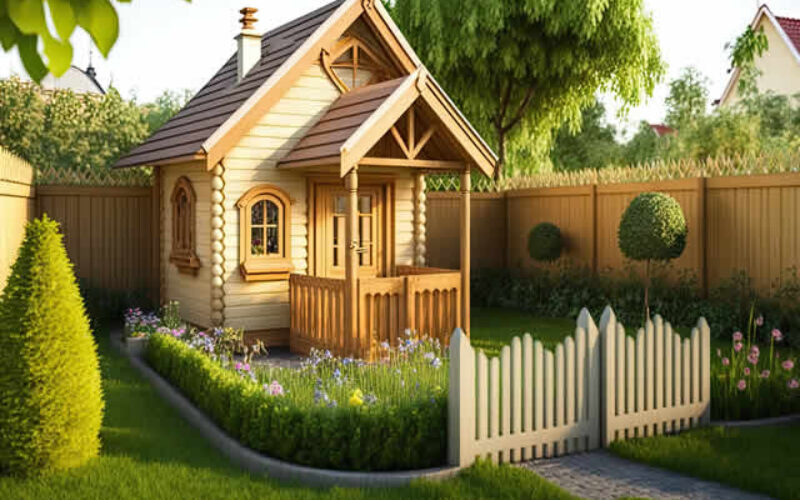
If you have children, consider designating an area for a playground or installing a treehouse. Don’t overlook the potential of your garden shed either – with some creativity, it can be remodeled into a useful space like an art studio or a home office.
Water features such as fountains, ponds, or waterfalls can add an element of tranquility to your yard. To enjoy your outdoor space even after sunset, install outdoor lighting fixtures. Not only do they enhance security, but they also create a captivating ambiance.
Yard n’ Garden Ideas and Topics
directorylandscaping ideas and analysis topics decks n’ patio ideas and analysis topics swimming pool ideas and analysis topics garden planting ideas and analysis topics garden furniture ideas and analysis topics outbuildings ideas and analysis topics ponds n’ fountains ideas and analysis topics decor n’ lighting ideas and analysis topics
-
-
ideas to view and compare from the information discussed above













Scroll up to starting directory … or scroll to next section about formulating home improvement ideas …

 … grab this directory of ideas
SHARE IT ..! You might have someone in your social network who could find this informative post on generating home improvement ideas valuable. Feel free to share it on Facebook, Twitter, LinkedIn, or Pinterest!


DIY tools to achieve your home improvement ideas

second “photo remodeling” idea

copyright image by 123rf.com
Section 2: Plan the Needed Design Specifications
Notes:
-
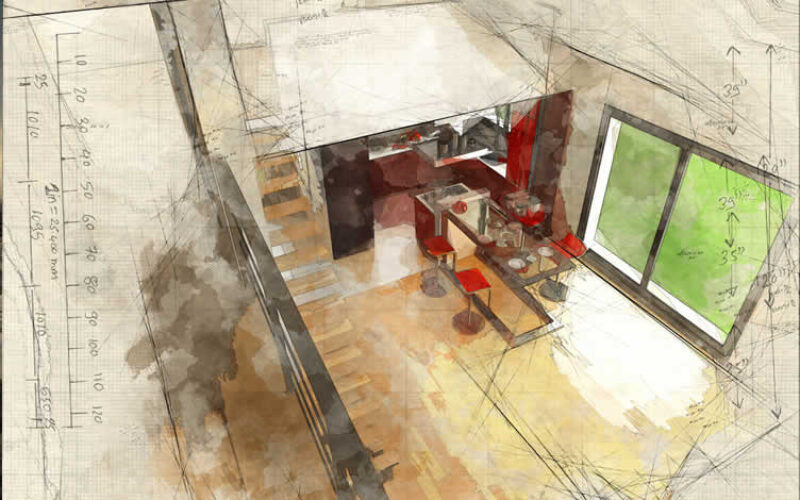
Once you’ve developed your home improvement or remodeling concepts, the next vital step is to document all your desired plans on paper. Begin by drawing a rough sketch of your existing space and visualize the changes you wish to incorporate.
Be it a kitchen remodel with an island counter-top, a living room renovation with a built-in fireplace, or an exterior makeover with a new patio, each feature must be accurately represented in the design plan.
Once you have a rough sketch of your desired plan, you can use our Specification Plan below to add the detail design specifications, including for example:
-
Framing and Structural Changes:
This involves deciding on the structural features of your remodel. Are you adding a second story, modifying the floor plan by knocking down walls, or perhaps adding a deck? Consider the architectural style, structural integrity, and local building codes when planning these changes.
-
Plumbing and Wiring:
Plumbing considerations should include water supply lines to kitchen and bathroom fixtures, as well as waste lines for proper drainage. Electrical wiring considerations should factor in circuit loads, placement of outlets for functionality and convenience, and special wiring needs for appliances or home entertainment systems.
-
Cabinetry and Appliances:
When planning for cabinetry, consider the functionality, storage needs, and aesthetic appeal. Materials, finishes, and hardware should complement the overall design of your space.
Appliances, on the other hand, should be chosen based on their efficiency, functionality, and how well they blend with your design aesthetics. Keep in mind the dimensions of your selected appliances as they will impact your cabinetry layout and overall space utilization.
-
Flooring and Walls:
Choosing the right flooring and wall finishes is crucial for your home’s overall look and feel. Consider the room’s use, foot traffic, and moisture exposure when planning the flooring.
Hardwood or laminate work well for living rooms and bedrooms, while tiles are ideal for bathrooms and kitchens due to water resistance. Carpeting adds coziness to bedrooms or home offices.
For walls, the color and texture choice impact the room’s ambiance and perceived size. Light colors create a spacious and bright feel, while dark colors add depth and sophistication. Remember to consider durability and maintenance requirements.
By considering these and other detailed design specifications, you can ensure that your project is well-defined and tailored to meet your specific design preferences, creating a space that reflects your vision and functionality.
-
-
Quik scroll to topic side notes …
-
-
1st: Help With Specification Planning
The purpose of a specification plan is to assist architects and contractors in visualizing and developing a detailed understanding of your desired outcome.
Whether you are undertaking a DIY project or seeking home improvement ideas, having a well-crafted plan ensures that your vision is accurately translated into reality.
You can freely download this PDF specification plan without registration for your reference and assistance. It provides precise details on every aspect of your home improvement or yard and garden design and upgrade.
File Type:

If you require specifications for specific areas of your home or garden, you can access one or more spec plans below.
Lot Excavation – Doors n’ Windows
Spec Plans: lot excavation – doors n’ windowsPlumbing – Exterior Home
Spec Plans: plumbing – ext homeWalls – Interior Rooms
Spec Plans: walls – interior roomsFlooring – Landscaping
Spec Plans: flooring – landscaping -
2nd: The Need For Budgeting
Planning a budget is an integral aspect of home improvement or remodeling vision. As you draft your design specifications, it is crucial to concurrently map out your budget. This helps comprehend the financial implications of every decision made in the project.
Begin by estimating the costs for materials, labor, and any additional expenses that might arise during the project. This process allows you to prioritize certain aspects over others and helps prevent any potential financial strain down the line.
When planning your budget, always account for unexpected costs, as home improvement projects often entail unanticipated expenses. Collaborating with professional contractors can provide a realistic understanding of costs and help to align your dream project with financial viability.

copyright image by 123rf.com
Below is a sample format of a budgeting worksheet:
| Item
| Estimated Cost
| Actual Cost
| Difference
|| ——– | —————— | ————— | ————– |
| Materials | | | |
| Labor | | | |
| Permits and Inspections | | | |
| Contingency Fund | | | |
| Total
| | | |This worksheet enables you to track the estimated cost of each component and input the actual cost as you progress. By doing so, it becomes simpler to identify any discrepancies and make necessary adjustments to your plan.
Budgeting Worksheet
File Type:
-
-
ideas to view and compare from the information discussed above
home design softwarelandscaping design softwarehome design sketch book
Scroll up to starting directory … or scroll to next section about formulating home improvement ideas …




third “photo remodeling” idea

copyright image by 123rf.com
Section 3: DIY or Find Professional Help
Notes:
-
Deciding whether to adopt a do-it-yourself (DIY) approach or hire a full contractor for your home improvement or remodeling project is a crucial decision that demands careful consideration. Both options come with their own set of advantages and challenges.
-
DIY:
When considering a DIY project, keep in mind that while it can be a cost-effective alternative, it requires a significant amount of time, effort, and a certain level of skill. For certain complex tasks, you may need to enlist the help of specialists.
Remember, the DIY route could also involve additional expenses for tools and equipment. If you have a knack for home improvement and are confident in your abilities, DIY could be a rewarding and cost-efficient option.
-
Contractor:
On the other hand, hiring a full contractor can provide a hassle-free, professional touch to your project. Contractors can handle everything from sourcing materials and managing labor to finalizing the project within the stipulated deadline.
Although it might seem expensive upfront, the expertise and experience contractors bring can help avoid costly mistakes and ensure a high-quality finish.
The choice between DIY or hiring a full contractor depends largely on the complexity of the project, your skill level, budget, and time constraints. It’s always worth seeking professional advice before making your final decision to ensure your home improvement or remodeling project is a resounding success.
-
-
Quik scroll to topic side notes …
-
-
1st: Taking the DIY Route
If you choose the DIY route for your home improvement or remodeling project, it’s important to understand the commitment. DIY projects offer a sense of accomplishment and can be cost-effective, but they also require a significant time investment and certain skills.
It’s worth noting that there’s a learning curve to any DIY project; patience, persistence, and a willingness to learn are key attributes that can make the process smoother.
Here are some essential skills, tools, and needs for a DIY home improvement endeavor:
-
Skills
- Problem-solving:
You’ll often have to troubleshoot issues or find alternative ways to achieve your desired outcome. - Basic Carpentry:
This is useful in many home improvement projects, from fixing cabinets to installing shelves. - Basic Plumbing and Electrical Know-how:
Understanding the basics of plumbing or electrical work can be helpful when dealing with minor repairs and installations. - Painting and Decorating:
Brushing up on your painting and decorating skills can enhance the aesthetic appeal of your project.
- Problem-solving:
-
Tools
- Hand Tools:
This includes hammers, screwdrivers, saws, and pliers. - Power Tools:
These make tasks quicker and easier but require careful handling. Drills, sanders, and circular saws are some common ones. - Safety Equipment:
Safety glasses, gloves, and ear protection should always be used when appropriate.
- Hand Tools:
-
Other Needs
- Time:
A significant amount of time must be allocated for DIY projects, especially if you’re learning new skills along the way. - Space:
Consider where the project will take place and whether you have enough space to store materials and tools. - Budget for Extra Materials:
Mistakes can happen, so it’s wise to budget for extra materials.
- Time:

copyright image by 123rf.com
-
DIY Home Improvement Projects for Savings
There are several home improvement projects that you can undertake yourself to save money. Here are a few examples:
- Painting:
A fresh coat of paint can dramatically change the look and feel of a room. With the right tools and a bit of patience, this is a task most can handle. - Installing Shelves:
If you need additional storage, installing shelves is a straightforward project. - Landscaping:
Basic landscaping tasks like planting shrubs or creating a garden bed can be quite manageable for the DIY enthusiast. - Tiling:
Installing tile in a bathroom or kitchen might seem difficult, but with some careful planning and patience, it’s feasible to do it yourself. - Installing a New Faucet:
Changing out a faucet can make a significant impact in a bathroom or kitchen.
- Painting:
-
Projects Better Left to Professional Contractors
Certain home improvement tasks require a professional touch due to their complexity, permit requirements, or potential for costly errors. Here are some projects you might want to consider hiring a professional contractor for:
- Roofing:
This is a labor-intensive task that requires specific skills to ensure your home remains protected from the elements. - Electrical systems:
Mistakes in electrical work can lead to dangerous situations, so it’s best left to professionals. - Plumbing:
Major plumbing work can be complex and might require permits. - HVAC System Installation:
This requires specialized knowledge and tools, and improper installation can lead to inefficient energy usage. - Structural Changes:
Any project that involves altering your home’s structure, like removing a wall or adding a room, should definitely involve a professional contractor.
- Roofing:
Remember, DIY is all about learning and improving. Take your time to plan, prepare, and execute, and don’t be disheartened by any initial hiccups.
To ensure the smooth progress of your do-it-yourself project, it is crucial to have the right tools readily at your disposal. By possessing the appropriate tools for the task at hand, you can optimize efficiency and make the process seamless.
-
-
2nd: Finding and Selecting a Contractor
Whether you’re considering hiring a contractor for a specific section of your project or for managing the entire remodeling process, it’s essential to ensure you’re working with a reputable professional. Here are some steps to guide you in finding and selecting the right contractor:
- Do Your Research:
Start by seeking referrals from friends, family, or online review platforms. Look for a contractor with a solid reputation and positive feedback from previous clients. - Verify Credentials:
Make sure your potential contractor is licensed and insured. They should also hold any necessary certifications from professional associations. - Request Estimates:
It’s a good idea to get at least three estimates from different contractors. This will give you a sense of the market rate and help you understand the scope of your project better. - Check References:
A reputable contractor should be able to provide a list of past clients. Contact these references and ask about their experiences. - Review the Contract:
Once you’ve selected a contractor, ensure everything is spelled out in a contract, including cost, timeline, and the specific work to be performed.
Note, that the success of your home improvement or remodeling project largely depends on the proficiency of the contractor you hire. So, take your time, conduct thorough research, and make a thoughtful decision.

copyright image by 123rf.com
But Wait!
Before proceeding, please download the contractor search and evaluation worksheet. This worksheet will help you rank and assess patio paver contractors based on various factors such as price, experience, time commitment, insurance, references, and their affiliation with professional associations.
It’s a valuable tool to ensure you make an informed decision.

File Type:
- Do Your Research:
-
3rd: Understanding Building Permits and Codes
When planning a home improvement or remodeling project, it’s crucial to understand the role of building permits and codes. These are set by local jurisdictions to ensure the safety and quality of construction work.
-
Why Building Permits Matter:
Building permits are formal permissions granted by local authorities for the construction or alteration of a property. They are typically required for major projects like additions, renovations, or installations.
The permit process ensures that your project plans comply with local building codes, zoning laws, and other regulations. Undertaking a project without the necessary permits can lead to fines, delays, and can even affect the resale value of your home.
-
The Role of Building Codes:
Building codes are standardized rules and regulations that dictate the design, construction, alteration, and maintenance of buildings. They have been put in place to ensure safety, health, and general welfare of the occupants.
Compliance with building codes is a must in home improvement projects. They directly impact the structural integrity, fire safety, and energy efficiency of your home. Your contractor should be well-versed with the local building codes and ensure compliance throughout the project.
Securing the necessary building permits and adhering to building codes is a critical part of any home improvement project. It not only ensures the safety and longevity of your work but also provides peace of mind that your project meets local standards.

copyright image by 123rf.com
-
-
-
ideas to view and compare from the information discussed above
building codes illustratedbuilding permits logbookDIY remodeling kit
Scroll up to directory … or scroll to next section about formulating home improvement ideas …




Find Home Remodeling Services Additions Major Remodels Minor Remodels Disability Needs Plumbing Drain Clearing Appliances Electrical top-rated, pre-screened local contractors FREE: download contractor selection enter zip code – powered by HomeAdvisor ™
Quick Contractor Guides selecting negotiating working with inspecting

fourth “photo remodeling” idea

copyright image by 123rf.com
Section 4: Financing Your Formulated Ideas
Notes:
-
Managing the financial aspects of a home improvement or remodeling project is as important as planning the construction details. There are several ways to pay for your project, and understanding which option is best suited to your situation can help you effectively manage your budget.
Here are a few options:
- Personal Savings:
This is the most straightforward method, as it involves no interest or fees. However, it’s essential to ensure that using your savings will not deplete your emergency fund or compromise your financial security. - Credit Cards:
Suitable for smaller projects, credit cards can provide the funds you need quickly. Remember that interest rates can be high, so aim to pay off the balance as soon as possible to avoid accumulating debt. - Home Equity Loans or Lines of Credit (HELOC):
These are secured against your home’s value, offering larger amounts at lower interest rates than credit cards. They can be an excellent option for significant renovations or remodeling projects, but it’s essential to remember that defaulting on payments can put your home at risk. - Personal Loans:
These are unsecured loans that do not require collateral and can be used for any purpose, including home improvements. Interest rates may be higher than for home equity loans or lines of credit. - Refinancing:
This involves replacing your current mortgage with a new one, often with a lower interest rate. You could also opt for a cash-out refinance, where you borrow more than you owe on your current mortgage and use the extra cash for your home improvement project. - Government Loans or Grants:
Some local or federal government programs offer loans or grants for specific home improvement projects, especially those aimed at improving energy efficiency or accessibility.
Before deciding on a financing option, it’s important to consult with a financial advisor to understand the potential risks and benefits. Make sure your home improvement or remodeling ideas align with your financial capabilities to keep your project enjoyable and stress-free.
- Personal Savings:
-
Quik scroll to topic side notes …
-
-
About Bank Equity Plan:
One of the most advantageous choices for financing home improvement and other needs is to utilize the bank equity program. This involves converting a HELOC (home equity line of credit) into your bank account, where all personal and family income is deposited into the HELOC, and withdrawals are made from the HELOC to cover monthly expenses.
You can utilize the HELOC to borrow funds for home improvements. The amount you borrow will be promptly reduced by your income deposits.
While using the HELOC to cover monthly expenses may increase the balance, the overall interest paid will be significantly lower compared to borrowing the same amount using an equity loan, refinance, or personal loan.
This Bank Equity method offers a more cost-effective borrowing solution.

copyright image by 123rf.com
-
-
FINAL REMARKS
In conclusion, formulating home improvement or remodeling ideas is an intricate process that requires careful planning and execution. It begins with assessing your current space and identifying areas of improvement. Gathering inspiration from various resources helps to shape your vision of the dream home.
Once you have solidified your ideas, you can proceed to execute your plan by outlining the specifications, determining whether it is a DIY project or if you require contractor support, and finally, allocating the necessary funds to bring your dream project to life.
Remember, these endeavors not only enhance the aesthetics and functionality of your home but also boost its market value, making them a worthwhile investment.
-
ideas to view and compare from the information discussed above
- What comments can you share about
about formulating home improvement ideas?
Scroll up to directory … or quick scroll to more home remodeling ideas …
Cover image credit: formulating home improvement ideas by 123rf.com
end of post … please share it!
 |
did you find this formulating home improvement ideas analysis helpful? If so, please share the article with your friends and family! |
Nice pic idea? Leave us a quick comment below.
And please share this pic idea within your social networks.