Summary Outline –
As we welcome the coming of a New Year, it’s the perfect time to infuse fresh energy into our homes without blowing the budget. It presents a wonderful opportunity to reassess your living space and identify areas that could benefit from a touch of improvement.
Furthermore, small home improvements can be a means of embracing change and ushering in the new year on a positive note. By focusing on small, manageable projects, you can gradually transform your home without feeling overwhelmed or burdened by expense.
Ultimately, these small changes can significantly enhance your home’s comfort and aesthetic appeal, making your living space more enjoyable and inviting as you journey into the New Year.
Summary of Site Content
1st Suggestion: [view home improvement]
… the first part of a small home improvement centers around giving certain rooms a fresh look with a new color and style. This cost-effective home improvement has the power to completely transform your space.
2nd Suggestion: [view home improvement]
… the second suggestion involves upgrading some of the home lighting fixtures, such as the bathroom vanity lights, kitchen pendant lighting, and more. Enhance your lighting with a modern touch and increase energy efficiency by using LED bulbs.
3rd Suggestion: [view home improvement]
… the third suggestion focuses on updating the hardware. This includes replacing cabinet knobs or pulls, upgrading door hardware, and, if the budget allows, installing new bath and kitchen hardware.
4th Suggestion: [view home improvement]
… the fourth suggestion emphasizes the importance of finding innovative storage solutions that meet both practical storage needs and aesthetically pleasing decor. This includes options such as vertical storage, stackable storage, and built-in cabinets.
5th Suggestion: [view home improvement]
… in the fifth and final suggestion, which may be needed, is making home improvement fixes such are re-grouting tile, chalking up bath appliances, and doing other repairs that may be needed. This sums up what small home improvements you can do for the new year.
Simple modifications, such as replacing worn-out doorknobs, updating cabinet handles, or installing energy-efficient light fixtures, can make a noticeable difference without draining your wallet.
Moreover, several of these small home improvements may result in cost savings over time, such as energy-efficient upgrades leading to lower utility bills. Hence, small home improvements not only breathe new life into your space for the New Year, but they also adhere to budget-conscious planning, allowing for a fresh start without financial stress.

-
Quik scroll to first topic about small home improvements for the new year …

first “small home improvements for the new year” idea


copyright image by 123rf.com
New Year Goal 1: Paint It
Notes:
-
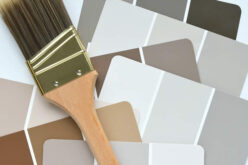
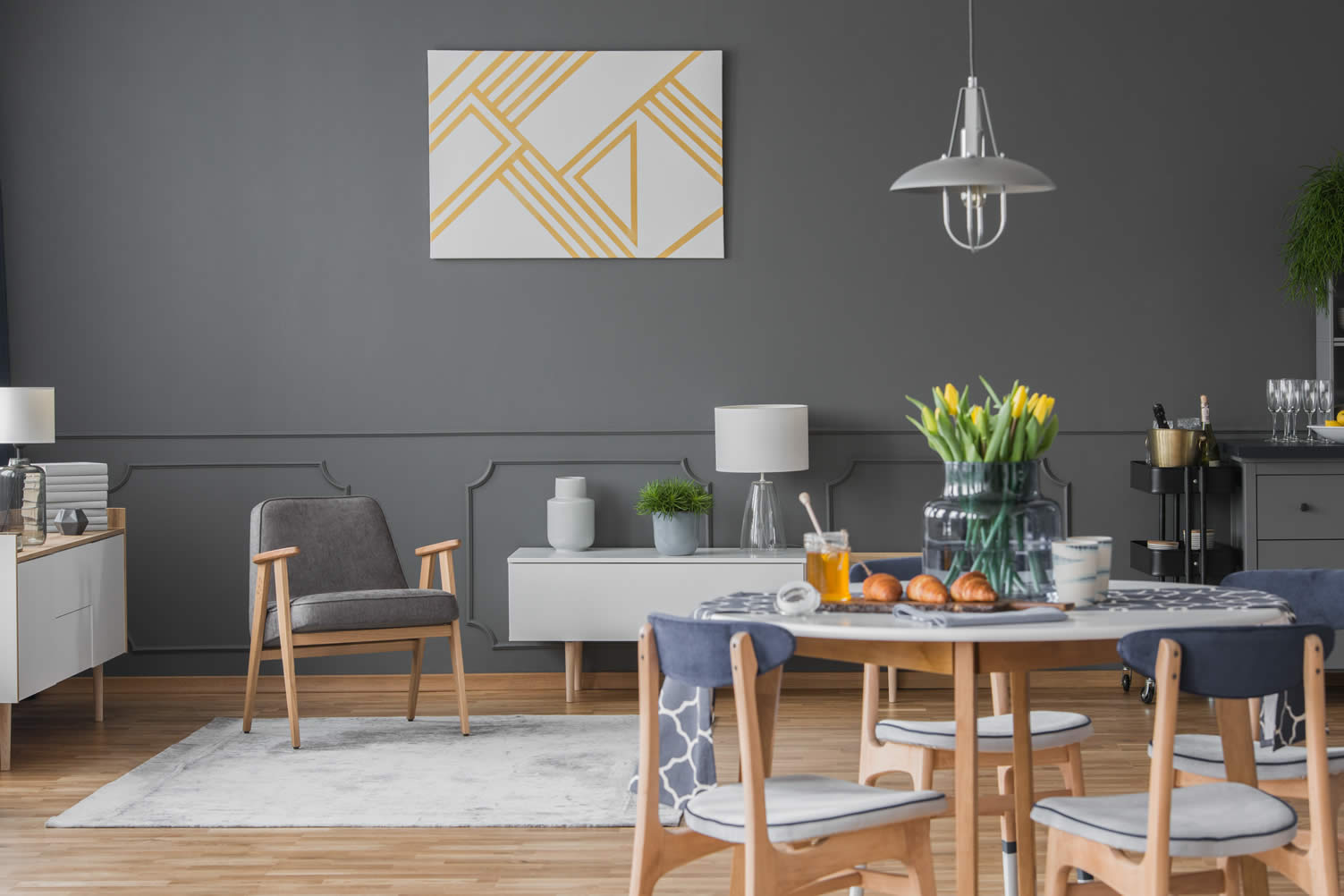
A fresh coat of paint can brighten up your living spaces, making them feel cleaner, newer, and more inviting. Plus, it’s an opportunity to reinvent your rooms, perhaps opting for a calming blue for the bedroom or a vibrant yellow for the kitchen.
Avoid choosing bright shades and instead opt for neutral colors when painting your house. You wouldn’t want to go through the trouble of painting, only to realize later that the color doesn’t suit your liking. Neutral colors are timeless, and they provide a blank canvas for you to accessorize with decorative pieces for a personalized touch.
Neutral hues are a reliable choice as they effortlessly complement any style, allowing future homeowners to seamlessly incorporate their existing furniture and décor without the need for replacements.
In addition to enhancing your home’s overall appearance, painting can also have other benefits. For instance, opting for eco-friendly paint can reduce exposure to harmful chemicals and improve indoor air quality. You can also opt for paints that have built-in technologies, such as mold and mildew inhibitors, to prevent future problems.
-
Estimated Costs:
- Paint: $50-$150
- Primer: $20-$50
- Brushes and rollers: $20-$50
- Drop cloths and tape: $10-$20
- Other supplies (such as sandpaper, putty, and caulk): $10-$30
- Total: ~ $110-$350
-
Quik scroll to topic side notes …
-
-
1st: About Choosing Paint Colors
When considering small home improvements, repainting a room can make a significant impact. A fresh coat of paint can transform a room, changing its mood and personality. The choice of color plays a significant part in this transformation.
When choosing a color, consider how you want to feel in that room. If you desire tranquility and restfulness, cool shades such as greens and blues are your go-to colors. For a cozy and appetizing kitchen, warm colors like red, orange, or yellow hues can work wonders.
When it comes to individual rooms, specific paint colors tend to work best. Some paint color ideas to consider:
- Living Room:
Neutral colors such as beige, gray, or light blue are popular choices for living rooms as they provide a calming backdrop for different design styles. - Kitchen:
Shades of red and yellow stimulate appetite and conversation, making them ideal for a kitchen. - Bedroom:
Cool colors like lavender, light blue, or even a soft green can provide a calming effect, promoting better sleep. - Bathroom:
Light and bright colors work best in bathrooms. Whites, blues, or light grays can make the room feel clean and refreshing.
Remember, the paint color is a reflection of your personality and can significantly influence your mood and comfort in your home, so choose wisely!

copyright image by 123rf.com
Paint Color Ideas
google imagesReds living room kitchen bedroom Oranges living room kitchen bedroom Yellows living room kitchen bedroom Greens living room kitchen bedroom Blues living room kitchen bedroom Purples living room kitchen bedroom Neutrals living room kitchen bedroom Charcoal living room kitchen bedroom Grays living room kitchen bedroom Tan living room kitchen bedroom Whites living room kitchen bedroom Monochromatic Colors
google imagesComplementary Colors
google imagesAnalogous Colors
google images
- Living Room:
-
2nd: Exploring Different Painting Styles
Alongside choosing the right paint color for each room, considering the painting style can greatly enhance the overall appeal of the space. The style of painting involves how the paint is applied to the surface and the texture it creates.
It can be the difference between a flat, uniform look and a rich, layered appearance. Here are some painting styles you might consider while planning your home renovation. Keep in mind the size and dimensions of the room. Some styles work better in larger spaces, while others are more suited to smaller rooms.
-
Smooth:
The smooth paint style is a classic, versatile finish that suits almost any room. Achieved through careful application of paint and diligent sanding between coats, this technique results in a seamless, sleek look. It’s perfect for minimalistic or contemporary home aesthetics. -
Texture Painting:
Texture painting involves using textured rollers or brushes to create different surface effects on the walls. It’s an excellent technique for adding depth and interest to a room, specifically if you have plain, large walls. -
Sponging:
This paint style introduces a highly textured, multidimensional aesthetic to a wall. It involves applying a base color, letting it dry, and then lightly sponging on a second, complementary color with a natural sea sponge. -
Stenciling:
Stenciling is a creative and effective painting technique that can transform your room with intricate patterns and designs. It involves using pre-cut patterns on a stencil which is then laid on the wall. Paint is applied over the stencil, creating a sharp, detailed image on the surface once the stencil is removed. -
Brush Stroking:
Brush stroking is a time-honored painting technique that can provide a unique touch to your room. This method involves applying paint with a brush in deliberate strokes, creating a textured finish that exudes an artistic, hand-painted appeal. -
Rag Rolling:
Rag rolling is a painting technique that results in a textured, depth-filled finish, making it an ideal choice for small home improvements. It involves rolling a rag up and down the wet paint on your walls, creating random patterns that give the surface a dynamic, richly textured appearance. -
Strippling:
Strippling is a unique painting technique that can dramatically transform the room, making it a compelling choice for small home improvements. This method involves using a special stippling brush to dab paint onto the wall, creating a series of small dots that together form an intriguing, textured finish.
Remember, each painting style has its unique charm and can dramatically change the look and feel of a room. Choose a style that compliments your room and reflects your taste.

copyright image by 123rf.com
Paint Styles
google imagesAccent for walls for rooms Ombre for walls for rooms Sponging for walls for rooms Rag Rolling for walls for rooms Color Wash for walls for rooms Taping for walls for rooms Metallic Fusion for walls for rooms Fresco for walls for rooms Strippling for walls for rooms Benoni for walls for rooms Texture for walls for rooms -
-
-
ideas to view and compare from the information discussed above
Scroll up to directory … or scroll to next section about small home improvements for the new year …



second “photo remodeling” idea
copyright image by envato.com
New Year Goal 2: Add New Lighting
Notes:
-
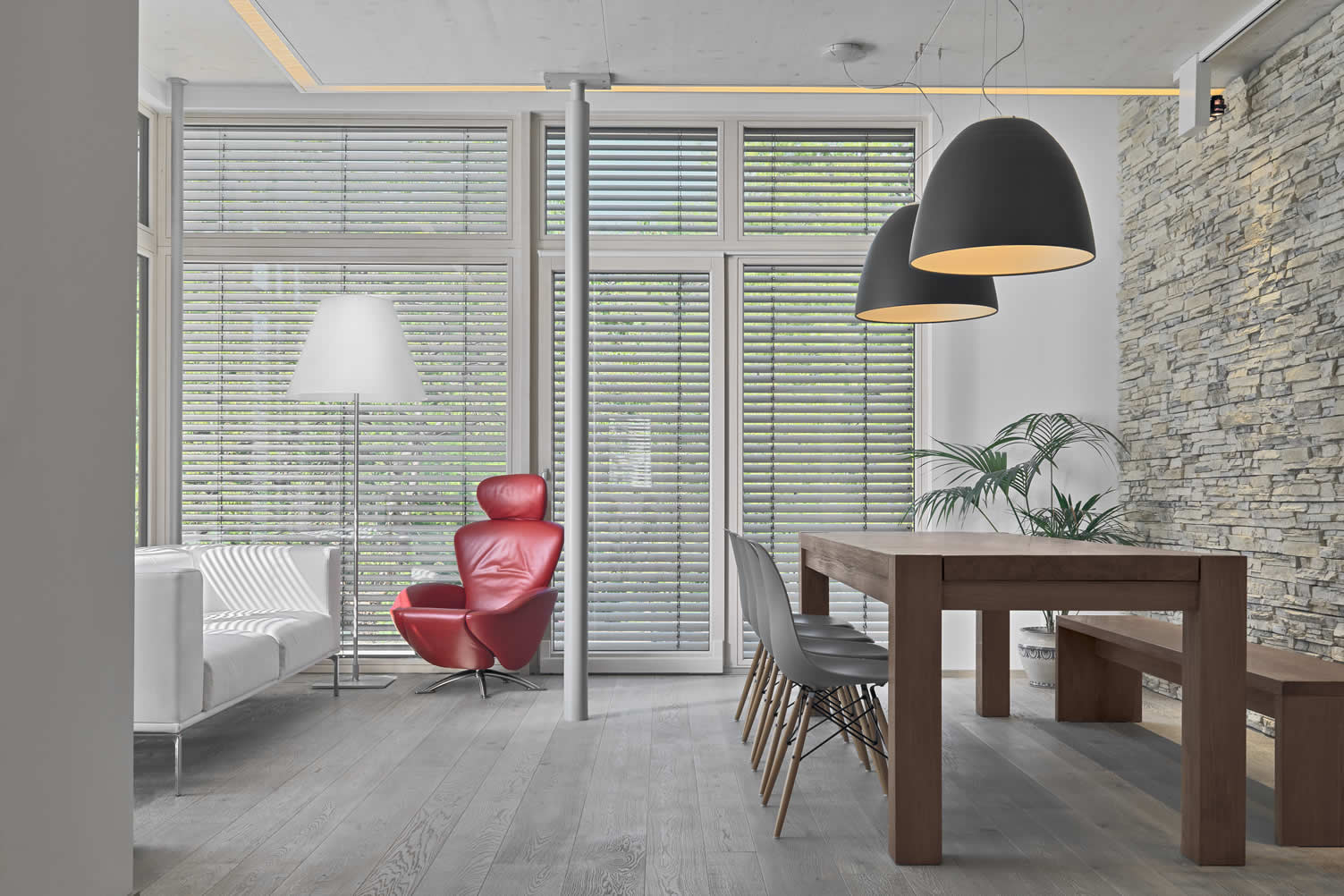
As we enter the New Year, consider illuminating your space with new lighting fixtures as a small yet transformative home improvement. The right light can dramatically alter the ambiance of a room, making it feel cozier, spacious, or even more productive.
From pendant lights in the kitchen to a new table lamp for your living room, options are endless. You might try installing dimmable lights in your bedroom for a calming nighttime atmosphere, or perhaps bright, energizing lights in your home office to keep you motivated throughout your workday.
Remember, changing light fixtures isn’t just about aesthetics; it’s also about improving the functionality and energy efficiency of your home. With a myriad of LED options available, you can reduce your energy consumption while enhancing your home’s appearance. New Year, new lights, and a bright start indeed!
Here are some ideas to inspire your lighting makeover:
- Pendant Lights:
These hang from the ceiling and can add a touch of elegance to your kitchen or dining area. - Sconce Lights:
These are perfect for hallways or flanking a bathroom mirror, providing a soft, ambient light. - Table Lamps:
Ideal for living rooms and bedrooms, they offer a cozy, reading-friendly light. - Recessed Lighting:
These fixtures are flush with the ceiling, providing a clean, modern look that’s great for kitchens and bathrooms. - Chandeliers:
A small, elegant chandelier can make a big statement in a dining room or entryway. - Track Lighting:
This is a versatile option where individual lights can be pointed in different directions, excellent for highlighting artwork or architectural features. - Under-Cabinet Lighting:
This is a practical and stylish choice for your kitchen, illuminating your workspace and adding a warm glow. - LED Strip Lights:
These can be used in various creative ways, such as under your bed for a futuristic look, or behind your TV for a home theater effect.
- Pendant Lights:
-
Estimated Costs:
The estimated cost to add new lighting fixtures can vary depending on several factors, including the type of fixture, the complexity of the installation, and the labor costs in your area. However, you can expect to pay between $100 and $650 per fixture, including labor and materials.
Here is a breakdown of the costs:
- Fixture: $50 to $400+
- Labor: $50 to $250 per fixture
- Total: ~ $100-$600 per fixture
Labor costs will typically be higher for more complex installations, such as chandeliers or pendant lights that require special wiring or support. They may also be higher in areas with a higher cost of living.
-
Quik scroll to topic side notes …
-
-
1st: More About Lighting Types
Understanding the different types of home lighting can greatly enhance the ambiance and functionality of your space. Below, we explore various types of lighting that you can consider for your new year home improvements.
- Ambient Lighting:
This is the base layer of lighting in a room, usually provided by ceiling lights, chandeliers, or recessed lights. It creates a soft glow that envelopes the room and allows for comfortable visibility. - Task Lighting:
This type of lighting is designed to help you perform specific tasks, like reading or cooking. Desk lamps, under-cabinet kitchen lights, and bathroom vanity lights are all examples of task lighting. - Accent Lighting:
If you want to highlight a specific feature in your room, such as artwork or architectural details, accent lighting is the way to go. Picture lights, wall sconces, and landscape lighting are some examples of accent lighting. - Decorative Lighting:
As the name implies, decorative lighting adds a touch of personality and style to your space. This lighting often comes in unique shapes, sizes, and designs, such as pendant lights, chandeliers, or fun table lamps. - Natural Lighting:
Not to be forgotten, natural lighting plays a significant role in home lighting design. Large windows, glass doors, and skylights can significantly brighten a space, and layered with other types of lighting, create a warm and inviting atmosphere.

copyright image by twenty20.com
- Ambient Lighting:
-
2nd: Energy Efficiency with LED Lighting
One of the most impactful small home improvements you can make is replacing your traditional incandescent light bulbs with LED (Light Emitting Diode) bulbs. Not only are LED bulbs more efficient, but they also last much longer.
LED light bulbs consume significantly less energy than traditional incandescent bulbs, and they could reduce your energy usage by up to 80%. This translates directly into savings on your monthly electricity bill.
Furthermore, LED bulbs have a much longer lifespan, lasting up to 25,000 hours compared to the 1,000 hours of an incandescent bulb. While making a change to LED bulbs might cost more upfront, the longevity and energy savings make them a cost-effective choice in the long run.
So, as you consider your lighting options, think about the long-term benefits of LED lighting. Not only will you be making a small home improvement that enhances your space, but you will also be making a choice that benefits the environment and your wallet.

copyright image by 123rf.com
-
3rd: Embracing Home Automation for Lighting Control
Home automation is another small improvement that can significantly enhance your living experience. It affords you the ability to control and schedule your lighting using voice commands or a mobile device, adding a layer of convenience and versatility to your home lighting design.
Smart bulbs, which are typically LED, can be integrated into your home automation system. With these, you can remotely adjust the lighting levels, set schedules for when your lights turn on and off, and even change the color of your lighting with RGB LED bulbs.
This functionality can be particularly useful for security purposes, for instance, you can program your lights to switch on when you’re not home, deterring potential intruders.
Moreover, voice-controlled smart home systems like Google Home or Amazon Alexa allow you to control your lighting completely hands-free. Now you can easily dim the lights for a movie night, or switch off the bedroom light without having to get out of your cozy bed.
Implementing home automation for your lighting not only brings ease and efficiency to your daily life, but is also another step towards energy conservation. It ensures that lights are not left on unnecessarily, thereby saving energy and reducing your electricity bills.
As you plan your small home improvements, consider making your lighting ‘smart’. It will not only modernize your home but also add a higher level of comfort and convenience to your life.

copyright image by twenty20.com
-
-
ideas to view and compare from the information discussed above
Scroll up to directory … or scroll to next section about small home improvements for the new year …

 … grab this directory of ideas
May We Suggest Other Photo Remodeling Ideas About
“Major Home Remodeling Plans …” (new win)


third “photo remodeling” idea
copyright image by 123rf.com
Section 3: Change Out The Hardware
Notes:
-
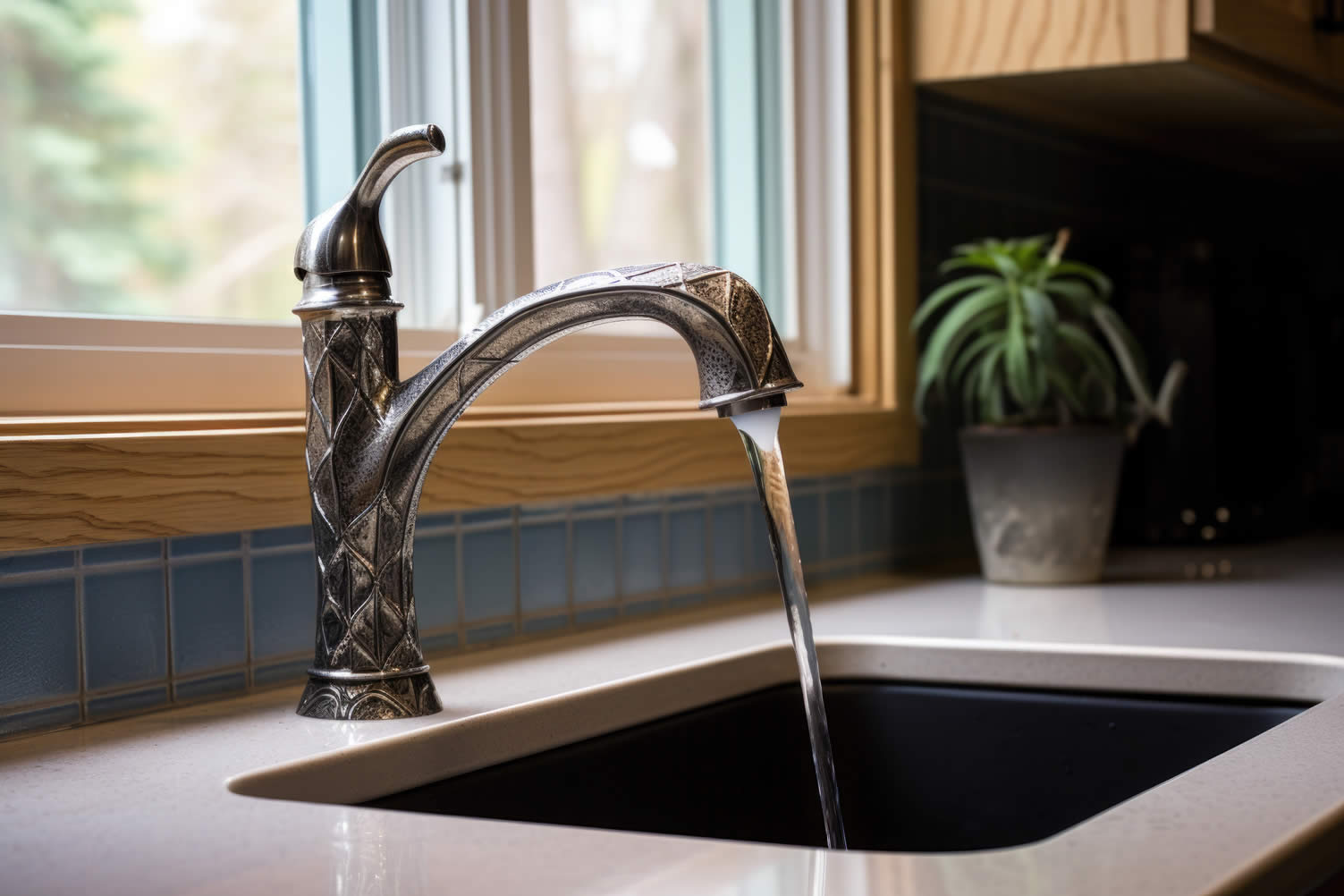
One of the easiest yet most transformative small home improvements you can undertake is changing out your home hardware. It may seem like a minor detail, but the hardware in your home – from door handles to cabinet knobs – can significantly influence the overall aesthetic of your space.
Replacing outdated pieces with new, modern designs can revamp the entire feel of a room without a hefty investment or comprehensive renovation.
Here is a list of varying types of home hardware you might consider changing:
- Door Knobs and Handles:
These are utilized daily and can show wear and tear over time. Updating them can significantly enhance the look of your doors. - Cabinet Knobs and Pulls:
Changing knobs and pulls in your kitchen or bathroom can provide a fresh and modern look. - Drawer Pulls:
Much like cabinet knobs, replacing drawer pulls in your desk or dresser can rejuvenate the item’s appearance. - Light Switch Plates:
Often overlooked, these functional pieces can add a touch of sophistication when updated. - Bathroom Fixtures:
Updating the hardware on your bathroom fixtures, such as faucets and shower heads, can give the space a new lease on life. - Curtain Rods and Hangers:
Changing these can positively impact the overall ambiance of your rooms by drawing attention to your windows and curtains. - Mailbox and House Numbers:
These small details on the exterior of your home can make a big difference in its curb appeal.
In addition to giving your home an instant face-lift, changing out the hardware can also improve functionality. For example, replacing faulty door handles or cabinet knobs that are difficult to open can make daily tasks easier and more efficient.
When selecting new hardware, consider the overall style and theme of your home. You may opt for a more modern look or choose to stick with a classic design. Whatever you decide, make sure the hardware is well-made and durable to ensure long-lasting satisfaction.
- Door Knobs and Handles:
-
Estimated Costs:
Estimated cost breakdown for replacing various types of home hardware:
Cabinet Hardware:
- Knobs: $2-$50 per knob
- Pulls: $5-$100 per pull
- Hinges: $2-$10 per hinge
Door Hardware:
- Interior door handles: $10-$50 per handle
- Exterior door handles: $20-$100 per handle
- Door locks: $10-$100 per lock
Bathroom Fixtures:
- Faucets: $50-$500 per faucet
- Showerheads: $20-$100 per showerhead
- Toilet seats: $10-$50 per seat
- Towel bars: $10-$50 per bar
Other Home Hardware:
- Light switches: $5-$20 per switch
- Outlet covers: $2-$10 per cover
- Door-knockers: $10-$50 per door-knocker
- House numbers: $5-$20 per number
- Curtain rods: $20-$100 per rod
Please note that these are just estimates, and the actual cost may vary depending on the brand, style, and material of the hardware you choose.
-
Quik scroll to topic side notes …
-
-
1st: Level Door Handles
In addition to giving your home an instant face lift, changing out the hardware can also improve functionality. For example, replacing faulty door handles or cabinet knobs that are difficult to open can make daily tasks easier and more efficient.
When selecting new hardware, consider the overall style and theme of your home. You may opt for a more modern look or choose to stick with a classic design. Whatever you decide, make sure the hardware is well-made and durable to ensure long-lasting satisfaction.
Lever door handles can be a unique and stylish choice for updating your door hardware. Not only do they add a touch of elegance to your doors, but they also offer practical benefits.
For instance, lever door handles are often easier to operate compared to traditional round door knobs, especially for individuals with limited hand strength. This makes them a great consideration for homes with children, the elderly, or anyone with mobility challenges.
Moreover, lever door handles come in a plethora of designs and finishes, allowing you to find a style that perfectly aligns with your home’s aesthetic. Whether you prefer a sleek, modern design or a more ornate, traditional look, there’s a lever door handle out there to match your taste.

copyright image by 123rf.com
-
2nd: Enhancing Your Space with New Faucets
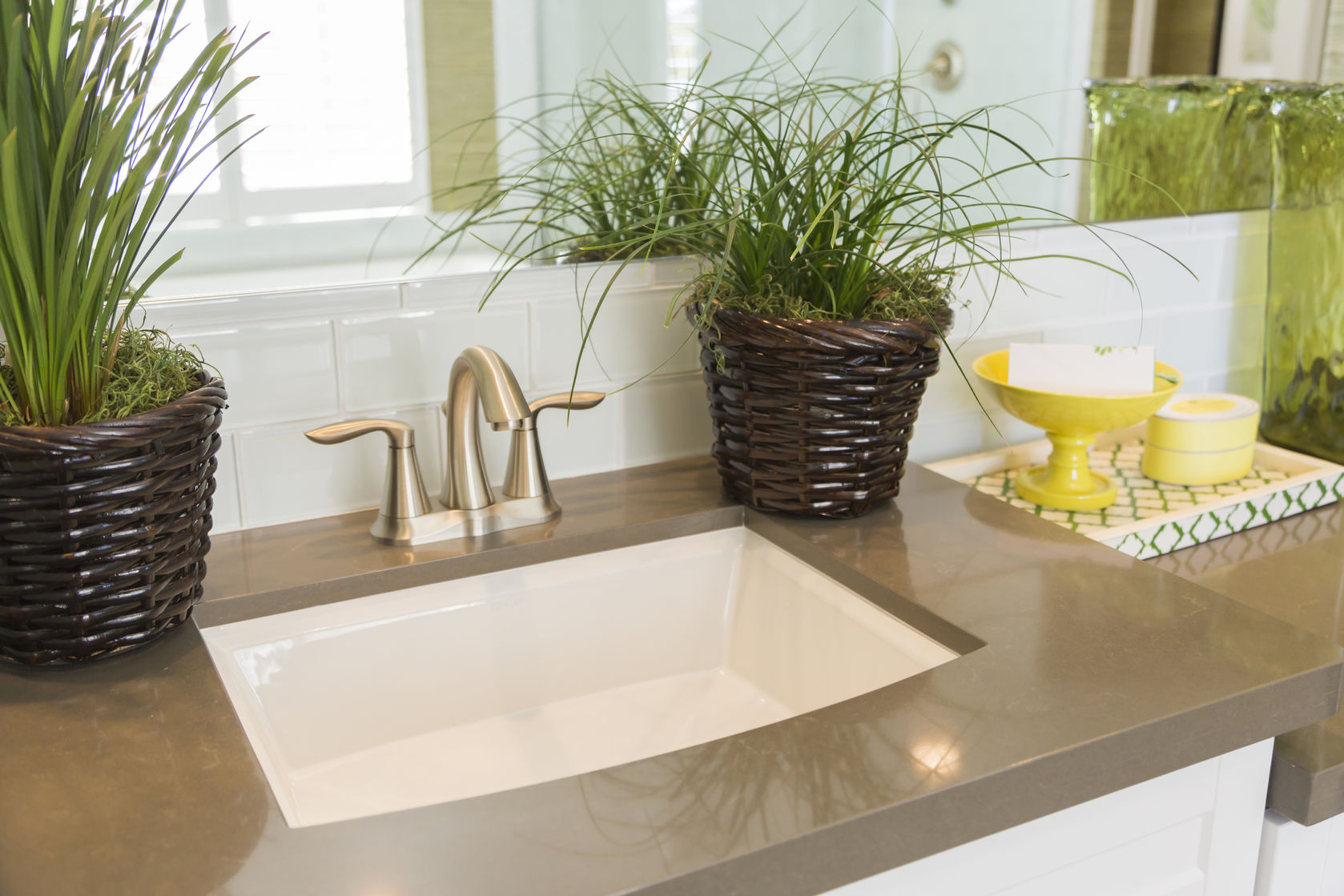
Exchanging your old, dated faucets for new ones can significantly amplify the aesthetics of your bathroom or kitchen, turning ordinary spaces into distinct areas of style and utility. Besides the visual upgrade, new faucets also bring improved functionality, with advanced features such as touch-less operation or water efficiency to contribute to the overall sustainability of your home.
When it comes to choosing the right faucet, the market is filled with a myriad of options. Here’s a list of some popular types of faucets you might consider:
- Single Handle Faucets:
Known for their simplicity and ease of use, these faucets require just one handle to control both hot and cold water. - Double Handle Faucets:
These provide separate controls for hot and cold water, allowing precise temperature adjustments. - Pull-Down Faucets:
Ideal for kitchens, these faucets have a high arc and a spray head that can be pulled down into the sink. - Touch-less Faucets:
Incorporating modern technology, these faucets require just a wave of your hand for operation, promoting hygiene and water conservation. - Wall-Mounted Faucets:
These faucets are mounted on the wall, freeing up counter space and adding an unusual design element to your bathroom or kitchen.
copyright image by 123rf.com
- Single Handle Faucets:
-
-
ideas to view and compare from the information discussed above
Scroll up to directory … or scroll to next section about small home improvements for the new year …
all kinds of home improvement and garden



fourth “photo remodeling” idea
copyright image by 123rf.com
Section 4: Add Some Creative Storage Solutions
Notes:
-
As we kick off the New Year, a great resolution is to improve your living space through creative storage solutions. Managing clutter effectively not only makes your home more functional but it also enhances the aesthetic appeal of your space, providing a sense of calm and order.
It’s time to think beyond the traditional shelves and cabinets and explore innovative, space-saving storage ideas. Here are some creative storage solutions for your home
-
Built-in Cabinets:
One of the most effective ways to maximize your home storage is through built-in cabinets. These are an excellent small home improvement project that can provide substantial storage while maintaining a streamlined, clean look.
Built-in cabinets can be customized to seamlessly blend with your home’s design, thereby enhancing its aesthetic value. They can be utilized in various parts of your home such as the living room for storing books, games, and electronics, the bedroom for clothes and personal items, or the bathroom for toiletries and linens.
Given their flexible design options, built-in cabinets can be made to fit any space, large or small, making them a versatile and creative storage solution.
[ view ideas: built-in cabinets]
-
Floating Shelves:
For another creative storage solution that also adds a touch of style to your home, consider floating shelves. These shelves are mounted directly to the wall, appearing as if they are floating, hence the name. They not only provide you with more storage space but also free up your floor area, making your rooms look more spacious.
Floating shelves are versatile and can be used in any room – the kitchen for spices, the living room for books and ornaments, or the bedroom for photo frames and accessories. Available in various designs, sizes, and materials, you can choose the ideal ones that blend well with your home décor.
[ view ideas: floating shelves]
-
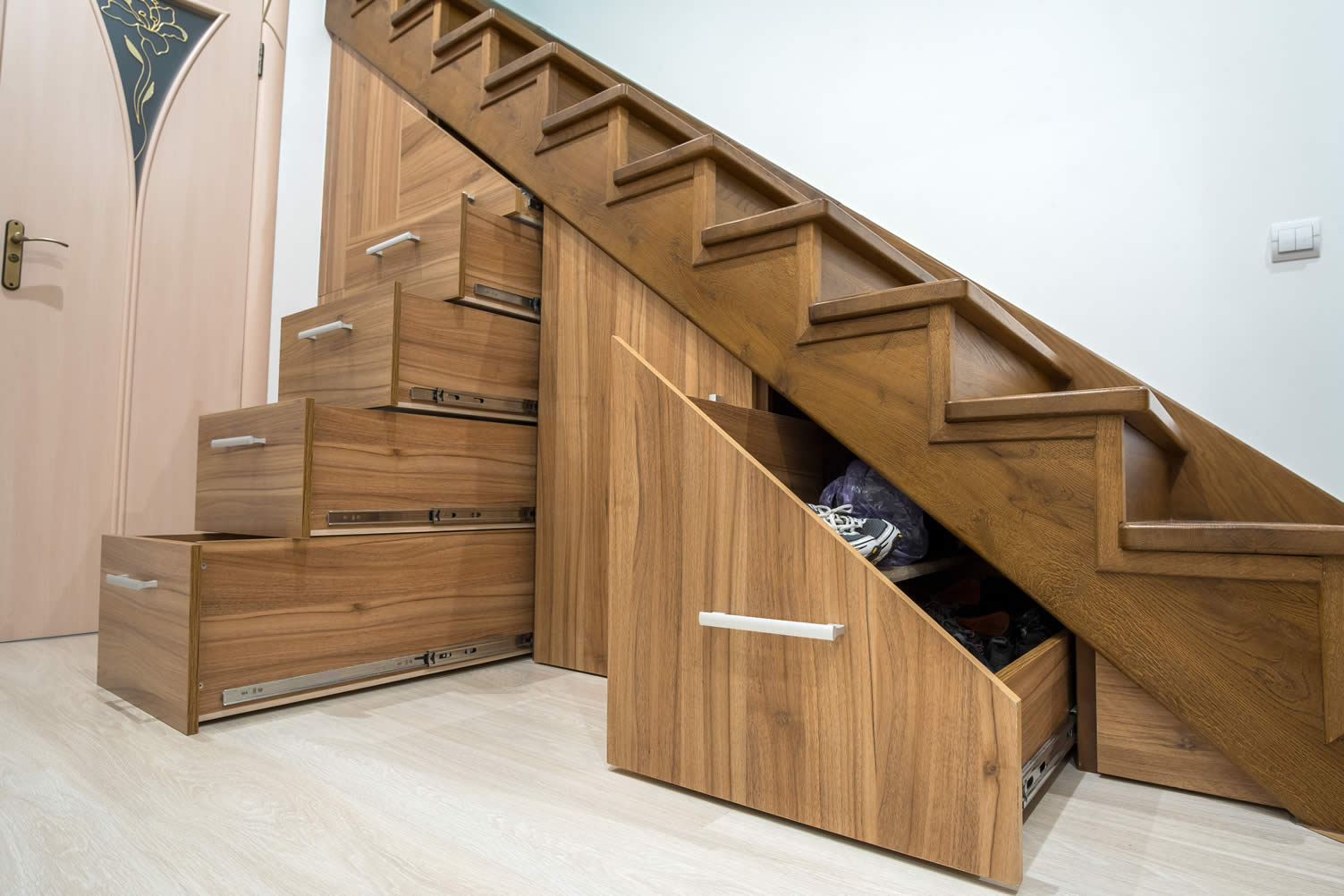
Under Stair Storage:
A typically underutilized space in many homes is the area beneath the staircase. This space can be creatively transformed into a functional storage area with some minor improvements. For a simple fix, consider adding a set of shelves or a closet.
If you’re looking for something more bespoke, custom drawers or cabinets can be built to fit the space perfectly. This efficient storage solution can house anything from books to seasonal decorations, or even serve as an extra pantry.
[ view ideas: under stairs storage]
-
Multi-Functional Furniture:
Another ingenious strategy to improve home storage is by investing in multi-functional furniture. Pieces like storage ottomans, coffee tables with drawers or shelves, and beds with built-in storage compartments can serve double duty by providing a functional purpose while also offering concealed storage.
These can be particularly helpful in smaller spaces where every inch counts. Sofa beds or extendable dining tables can also be excellent space-savers and can transform according to the needs of the moment.
By choosing furniture that can serve multiple purposes, you effectively maximize your living space and introduce creative, practical storage solutions.
[ view ideas: multi-functional furniture storage]
-
Under Bed Storage:
Another excellent small home improvement idea is making use of under bed storage. This creative storage solution is ideal for storing seasonal clothing, extra bedding, or seldom-used items, freeing up closet space and reducing clutter.
There are many ways to implement under bed storage, from simple roll-out plastic bins to stylish, custom-made drawers that blend seamlessly with your bed frame. The key is to use containers that are shallow yet wide to maximize space without compromising easy access.
[ view ideas: under bed storage]
-
Vertical Storage:
Another creative and space-saving solution for your home is the implementation of vertical storage. This small home improvement idea makes use of the vertical space that often goes unoccupied, providing extra storage without consuming valuable floor space.
Consider installing floating shelves on your walls for an elegant look or use tall bookcases for a more traditional approach. You can utilize vertical storage in almost any room, whether it is the kitchen for storing spices and utensils, the bathroom for toiletries, or the bedroom for books and personal items.
The benefits of vertical storage extend beyond functionality, as it also creates a sense of height and spaciousness in your rooms. This type of storage solution is especially beneficial in smaller homes or apartments where space is at a premium.
[ view ideas: vertical storage]
-
Hanging Organizers:
Expanding upon the concept of vertical storage, hanging organizers can be your next small home improvement project. These organizers can be hung over doors, inside closets, or even on walls, offering plenty of storage without taking up any floor space.
Whether you need to store shoes, accessories, or craft supplies, there’s a hanging organizer that fits the bill. They come in several designs, sizes, and materials, enabling you to find something that not only meets your storage needs but also complements your home decor.
[ view ideas: hanging organizer]
-
Hanging Baskets and Pots:
Another unique way to add small home improvements can be through the use of hanging baskets and pots. These can be used in the kitchen to store fruits, veggies, or other perishable goods, freeing up counter and cabinet space.
Similarly, in the bathroom, they can be used to store toiletries or bath essentials, keeping your surfaces neat and tidy. Additionally, hanging plant pots with indoor plants can enhance the aesthetics of your room while providing a creative storage solution.
[ view ideas: hanging baskets | hanging pots]
-
Stackable Baskets:
An incredibly versatile storage solution, stackable baskets can be your next small home improvement. Perfect for any room in the house, they can be used in the kitchen for storing pantry items, in the bedroom for clothes, or in the living room for magazines and books.
These baskets come in a variety of materials and sizes, which means you can find ones that perfectly fit your aesthetic and storage needs. By stacking them, you utilize vertical space efficiently, enhancing your home’s organization without sacrificing floor space.
Moreover, because they’re accessible, you can easily see and grab what you need. Stackable baskets are a simple yet effective home storage solution that can make a big difference in your space.
[ view ideas: stackable baskets organizer]
-
-
Estimated Costs:
A well-organized home is a joy to live in, and adding innovative storage solutions is an excellent small home improvement to consider. Here are estimated costs for varying storage options:
- Shelving units: $30-$200
- Built-in cabinets: $500 to $5,000
- Floating shelves: $100 to $500
- Under stair storage: $200 to $1,000
- Multi-functional furniture: $300 to $1,500
- Vertical storage: $100 to $300
- Stacked baskets: $50 to $100
- Hanging baskets: $10-$50
- Pot Rack: $50-$200
- Storage boxes: $2-$50
- Closet organizers: $20-$500
- Hooks and racks: $5-$100
- Under-bed storage:$20-$150
-
Quik scroll to topic side notes …
-
-
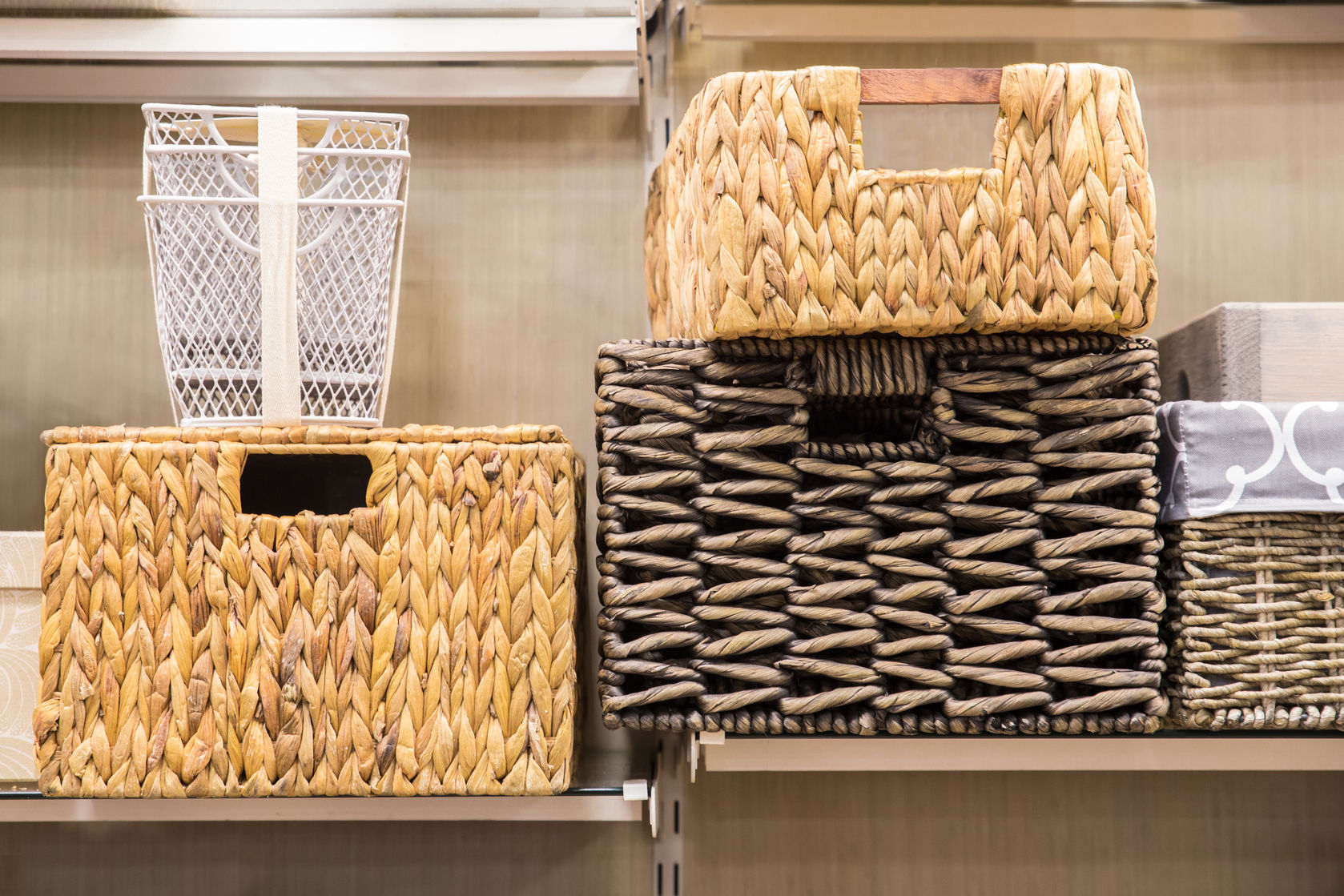
Water Hyacinth Home Storage Baskets:
As you explore creative storage solutions, consider the beauty and functionality of water hyacinth baskets. These naturally woven baskets add a fresh, rustic touch to any room while providing an excellent storage space.
Perfect for storing magazines, toys, or even bathroom essentials, they can be used in virtually any part of your home. But their use is not limited to storage only. Positioned in the right place, they can also serve as decorative elements that enhance the aesthetic appeal of your living space.
Plus, the water hyacinth, a fast-growing and sustainable resource, is an environmentally friendly choice. So, as part of your small home improvements, these baskets can add style and organization to your home with a nod to sustainability.
copyright image by 123rf.com
-
-
ideas to view and compare from the information discussed above
floating shelves for wallmultifunctional furniturevertical storage
Scroll up to directory … or scroll to next section about small home improvements for the new year …
below for …
handyman help

basket storage ideas
Find Handyman Services (opens new win) Handyman Carpentry Electrical Plumbing top-rated, pre-screened local contractors FREE: download contractor selection enter zip code – powered by HomeAdvisor ™
Quick Contractor Guides selecting negotiating working with inspecting

fifth and last “photo remodeling” idea

copyright image by envato.com
Section 5: Do Some Fixing Up
Notes:
-
Starting the New Year off with a few minor home enhancements can infuse new vitality into your living area, boost your property’s worth, and even enhance your overall well-being. Specifically, directing your attention towards home repairs and fixes can yield remarkable results without putting excessive strain on your budget.
Here are some home fix-up ideas to consider:
-
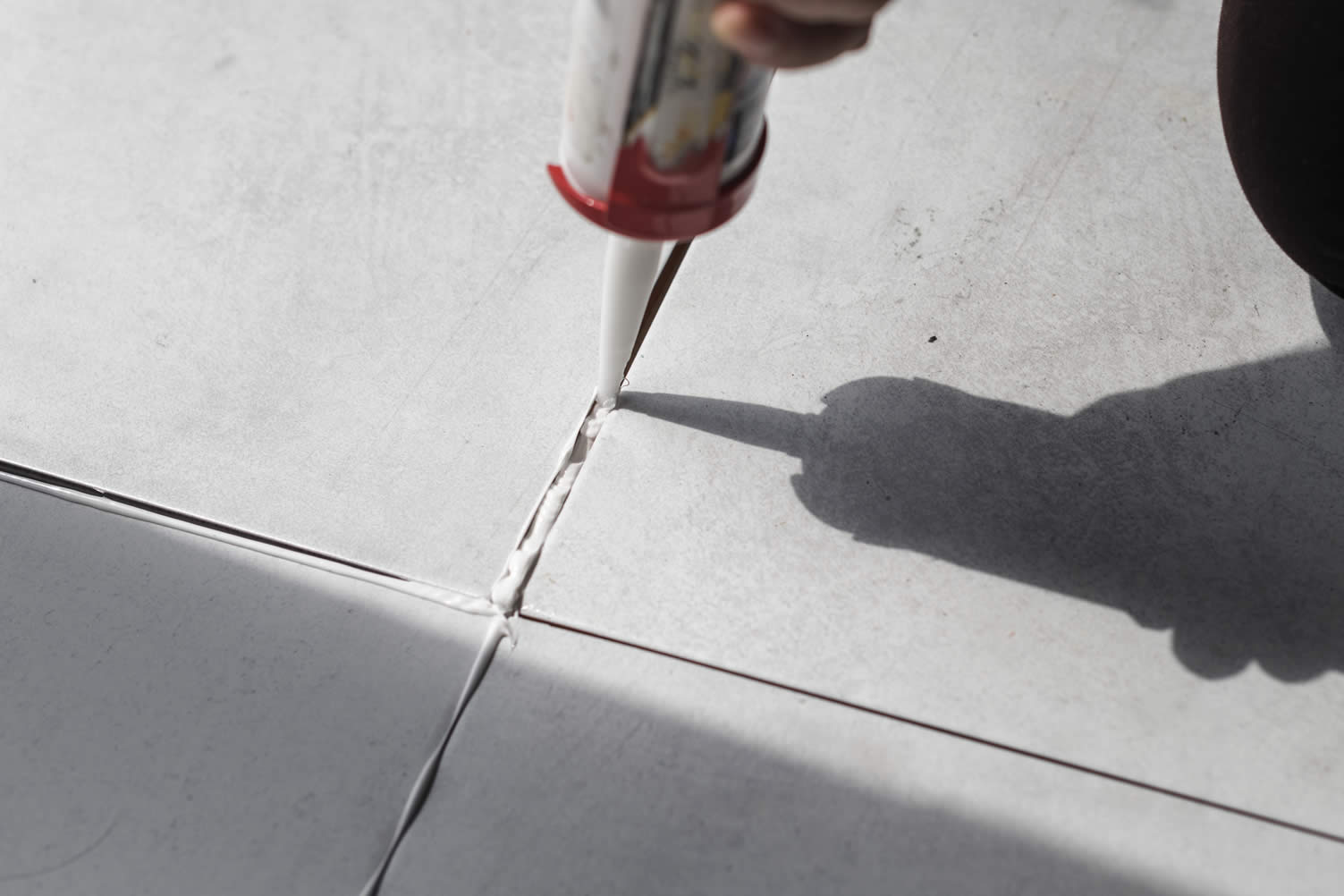
Re-grout Tiles:
Over time, grout can become discolored and worn, detracting from the overall appearance of your tiled surfaces. A simple and cost-effective home improvement task is to re-grout your tiles, whether they are in the bathroom, kitchen, or elsewhere.
This not only improves the look of your tiles but also helps maintain their durability and longevity. Make sure to choose a grout color that harmonizes with your tiles to achieve the best aesthetic result.
-
Cleaning/Sealing Tile Grout:
If your grout doesn’t require replacement, consider cleaning and sealing it. This process restores the original appearance, prevents discoloration or damage, and adds a well-maintained finish to your kitchen or bathroom.
-
Replacing Tile:
Over time, floor and wall tiles can become chipped, cracked, or simply outdated. Replacing old tiles is a small home improvement project that can significantly enhance the aesthetic of your kitchen, bathroom, or any tiled area in your home.
This can breathe new life into these spaces and increase the overall value of your home. This task may require professional assistance, depending on the complexity and size of the area to be tiled.
-
Update Your Backsplash:
Installing a new backsplash can be a transformative small home improvement that adds significant visual interest and style to your kitchen or bathroom. A backsplash not only protects your walls from spills and splashes, but also offers an opportunity to showcase your personal style.
You can choose from a variety of materials such as tiles, stainless steel, glass, or even reclaimed wood to create a backsplash that complements your home decor. While it may require a bit of time and patience, this home repair project is definitely doable for the enthusiastic DIYer.
-
Re-caulk Bath, Kitchen, or Windows:
Over time, the caulking in your bath, kitchen, or windows can deteriorate, leading to potential water leaks and a less-than-ideal appearance. Re-caulking these areas is a small home improvement task that can make a big difference in both the look and functionality of your space.
Choose a high-quality caulk that is suited to the specific area you are fixing up. For instance, use a mold and mildew-resistant caulk for areas that are often damp, like the bathroom or kitchen. Remember to clean and dry the area thoroughly before applying new caulk to ensure a clean finish and strong seal.
-
Fixing Leaky Faucets:
Though often overlooked, leaky faucets are a common issue in many households which can lead to increased water bills and potential water damage if not addressed. Tackling this small home improvement task not only conserves water but also saves you money in the long run.
Furthermore, fixing a leaky faucet can often be accomplished with a basic tool kit and some patience, making it an accessible project for most homeowners.
-
Install New Window Shades:
Window treatments are more than just a decorative element for your home; they also provide privacy and help control the amount of light in a room. Old, outdated, or damaged window shades can detract from the overall appeal of your house.
By installing new window shades, you can give your rooms a mini makeover, enhancing the look and feel of your space. This small home improvement does not require any special skills and can be done over a weekend, making it perfect for a quick home refresh.
-
Repair and Repaint Base Boards and Other Moldings:
Baseboards and moldings add character and architectural detail to your rooms. Over time, they can get damaged, scuffed, or faded, which can detract from the overall appearance of your interiors. Repairing any damages and giving them a fresh coat of paint can instantly elevate the aesthetic of your home.
This is a small home improvement that can make a big impact, and it’s usually a task that can be tackled with a few simple tools and some spare time.
-
Replace Older Appliances:
Replacing outdated appliances with new, energy-efficient models is a small home improvement that can make a significant impact on both the functionality and aesthetics of your kitchen or bathroom. Aging appliances not only consume more energy and increase your utility bills, but they can also detract from the overall look of your space.
Upgrading to newer models can enhance the efficiency of your daily routines, while also adding a modern touch to your home decor. As a bonus, many new appliances offer innovative features and technologies that promise greater convenience and ease of use.
This home repair project requires a bit of investment, but it’s one that typically pays off in terms of improved energy efficiency, increased home value, and elevated living comfort.
-
-
Estimated Costs:
planning your home repair projects, offering a range of options to suit various budgets and needs.
Repair Tile:
- Re-Grout Tile: $5 to $25 per square foot
- Clean and Seal Tile Grout: $20 to $50 per square foot
- Replace Tile: $10 to $50 per square foot
- Update Backsplash: $200 to $500 per square foot
Re-Chalking:
- Bathroom sink: $20 to $50
- Kitchen sink: $20 to $50
- Bathtub: $50 to $100
- Shower: $50 to $100
- Windows and Doors: $20 to $50
Shades and Baseboards:
- Install New Window Shades: $50 to $100 per window
- Repair Baseboards and Molding: $5 to $10 per linear foot
Leaky Faucets:
- Compression faucets: $40 to $80
- Ball faucets: $60 to $120
- Cartridge faucets: $80 to $160
Replace Appliances:
- Refrigerator: $1,000 – $3,000
- Stove: $300 – $1,500
- Oven: $500 – $2,000
- Dishwasher: $300 – $1,000
- Washing Machine: $400 – $1,500
- Dryer: $300 – $1,200
- Microwave: $100 – $300
-
Quik scroll to topic side notes …
-
-
Seek Professional Assistance:
While DIY can be rewarding and cost-effective for many small home improvements, there are times when seeking professional help is not only beneficial, but necessary. Jobs that require expertise in electrical systems, plumbing, or structural modifications, for instance, can pose safety risks if not handled correctly.
Even smaller tasks, like installing a new light fixture or re-grouting tiles, might be done more efficiently and successfully with professional guidance.
Local contractors, handymen, and home improvement services are often more than willing to assist with or advise on these tasks. Don’t hesitate to reach out for help when it’s needed; after all, it’s better to invest in getting the job done right the first time than to risk incurring additional costs for corrections down the line.

copyright image by 123rf.com
But Wait!
Before proceeding, please download the contractor search and evaluation worksheet. This comprehensive tool allows you to assess and rank home improvement contractors based on key factors such as price, experience, time commitment, insurance, references, and their affiliation with professional associations.
It streamlines the process of finding the perfect contractor for your project while ensuring you make an informed decision.

File Type:

-
-
FINAL REMARKS
In conclusion, embarking on small home improvement projects can be a satisfying endeavor that enhances the living quality and value of your home. As we usher in a New Year, it’s the ideal opportunity to consider improvements that add significant value without breaking the budget.
Whether you’re sprucing up an area, installing a new light fixture, or calling on the expertise of professionals for more complex tasks, remember that every small fix contributes to a larger picture of a well-maintained and beautiful home.
So here’s to rolling up your sleeves, seeking help when needed, and making your home the best it can be one small improvement at a time.
-
ideas to view and compare from the information discussed above
- What comments can you share about
small home improvements for the new year?
Scroll up to directory … or scroll to more topics related to home improvement ideas …


view illustration “becoming a bank”
Cover image credit: small home improvements by 123rf.com
end of post … please share it!
 |
did you find this small home improvements analysis helpful? If so, please share the article with your friends and family! |
Nice pic idea? Leave us a quick comment below.
And please share this pic idea within your social networks.