Summary Outline –
When selecting the type of home siding for your new or remodeled home, there are several factors to consider. First, take into account the architectural style of your home. Certain home siding options may align better with the aesthetics of your house, such as brick for a traditional home or metal for a modern design.
The local climate is another key consideration. For instance, vinyl siding is resistant to extreme weather conditions and doesn’t rust or corrode, making it suitable for coastal homes.
Lastly, consider the maintenance and durability of each home siding option. Some materials, such as fiber-cement, require relatively low maintenance, while others, like wood, need regular upkeep but provide a unique beauty. Considering these factors will help you choose the best siding for your home, marrying functionality and aesthetics.
Summary of Site Content
1st Section: [view section]
… the first section summarizes the crucial factors to consider when choosing the right exterior siding for your home. These factors encompass the neighborhood, architectural design, HOA and historical regulations, as well as budget, durability, maintenance, and more.
2nd Section: [view section]
… the second section starts by addressing the crucial role that exterior siding plays as a protective shield for your home. We will then provide a brief overview of the different siding options available, dividing them into two distinct groups.
3rd through 7th Sections: [view sections]
… the next five sections provide an individualized, in-depth analysis of five outstanding home siding options that have stood the test of time. Each option is evaluated based on its pros and cons, as well as the installation and maintenance requirements.
8th Section: [view section]
… the eighth and final section focuses on the implementation phase of side installation. It emphasizes the importance of obtaining the necessary permits and ensuring that the installation complies with building codes. We then get into finding the perfect exterior home siding contractor.
To aid you in your decision-making process, indexed below is a comprehensive guide that starts with thorough research while considering your specific needs and preferences. We will then delve into different home siding options, assessing their advantages and disadvantages, and how they harmonize with your unique home style, local climate, and maintenance capabilities.
- post content
- Section 1: How to Select The Type of Exterior Siding
- Section 2: purpose and the Varying Types of Exterior Siding
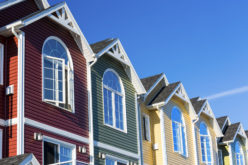
- Section 3: siding option – vinyl
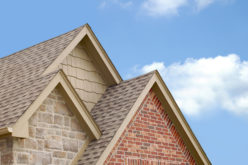
- Section 4: siding option – brick
- Section 5: siding option – fiber cement
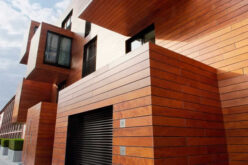
- Section 6: siding option – wood
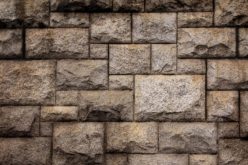
- Section 7: siding option – stone veneer
- Section 8: planning the installation

-
Quik scroll to first topic about home siding options for your home exterior …

first “home siding options” idea


copyright image by 123rf.com
Section 1: How to Select the Type of Exterior Siding
Notes:
-
When considering different home siding options for your new or remodeled home, it is essential to take into account the neighborhood and community aesthetics, along with the environmental conditions.
In neighborhoods with a defined style or historical character, you might prefer a more traditional type of siding, such as wood or brick, to blend in seamlessly. On the other hand, contemporary communities might be more receptive to modern materials like fiber-cement or metal.
Environmental factors are equally crucial in the decision-making process. Areas with high humidity or frequent rain might necessitate the use of vinyl or engineered wood, both known for their water resistance. In regions prone to wildfires, fire-resistant materials such as stucco or fiber-cement are advisable.
Finally, consider the level of maintenance you’re willing to undertake. Natural wood siding, while attractive, requires regular upkeep to prevent rot and insect damage. On the other hand, materials like vinyl or metal require less maintenance, but may not offer the same aesthetic appeal.
In summary, selecting the right type of exterior home siding involves a careful evaluation of your home’s surroundings, local climate conditions, and your personal preferences.
-
Quik scroll to topic side notes …
-
-
1st: Doing Some Research
Researching the types of exterior home siding used in your surrounding area can give you valuable insights into what materials perform best in your specific environment.
Go for a walk in your neighborhood, noting the various types of home siding you see. Pay particular attention to older homes that have withstood the test of time, as these often provide the most reliable information about durability and long-term performance.
Additionally, consider consulting a local contractor or home improvement store for expert advice. They can provide first-hand knowledge of which materials are most popular in the area and why.
This combination of direct observation and professional advice will equip you with the information needed to make an informed decision about your home siding options.

copyright image by 123rf.com

-
2nd: The Home’s Architectural Style
Different styles of homes often have traditional siding options associated with them that can enhance their unique aesthetics.
For instance, a Colonial-style house might look best with classic wooden clapboard siding, while a modern home might be enhanced by sleek, metal siding. On the other hand, a Craftsman-style house might be perfectly complemented by the texture and character of shingle siding.
It’s essential to remember that while the architectural style of your home can guide your choice, it doesn’t limit it. The vast array of home siding options available today means that you can find a combination of materials and colors that both honor the architectural integrity of your home and match your taste and lifestyle.
-
Examples of Architectural Styles
Let’s explore various architectural styles and their corresponding home siding options in more detail. By carefully considering the architectural style of your home, you can make a well-informed decision that not only enhances its aesthetics but also complements its inherent design.
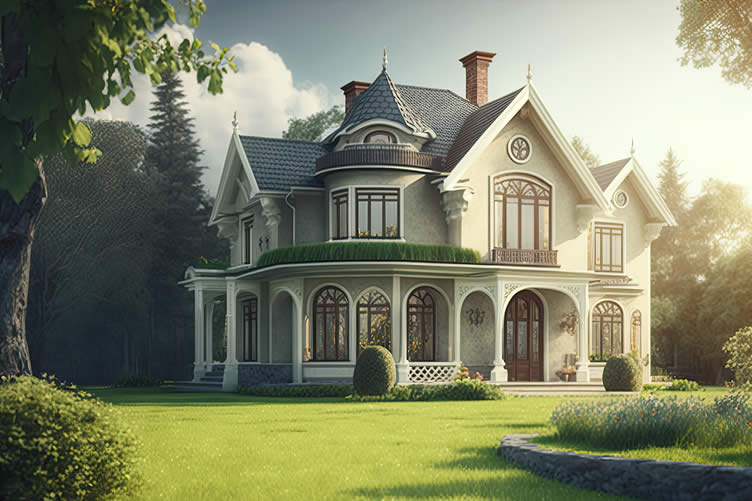
- Victorian Style Homes:
Known for their intricate detailing, Victorian homes often pair well with scalloped or shingle siding that can highlight the complex architectural features. - Cape Cod Style Homes:
These traditionally East Coast homes typically feature wooden shingle siding due to its weather-resistant properties and natural aesthetic. - Ranch Style Homes:
These sprawling, single-story homes often use horizontal lap siding for its simple, clean lines that accentuate the home’s lengthy facade. - Tudor Style Homes:
Tudor homes are characterized by their half-timbering, and often use stucco siding to fill between the wooden beams and enhance the unique design. - Modern Style Homes:
Sleek and minimalist, modern homes often use metal or fiber-cement siding for a clean, streamlined appearance. - Colonial Style Homes:
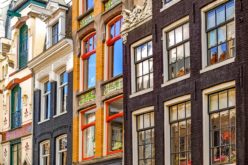
Renowned for their symmetry and classic elegance, Colonial style homes often prefer brick or wood siding. The solid brick siding embodies a sense of history and tradition, while the wooden clapboard or shingle siding adds a warm, rustic charm.
- Victorian Style Homes:
copyright image by 123rf.com
-
-
3rd: What About HOA or Other Community Bylaws
When selecting home siding options, it’s crucial to consider your local Homeowners Association (HOA) or other community bylaws, which may dictate the type of exterior siding you can use. These rules are typically in place to maintain aesthetic consistency and property values within the community.
For instance, some neighborhoods might only allow natural materials such as wood or stone, while others may allow or even prefer durable and low-maintenance options like vinyl or fiber-cement siding.
It’s essential to review your community’s guidelines thoroughly before deciding to avoid potential issues and ensure your chosen home siding aligns with community standards.
-
Consider Home Values
The choice of home siding can significantly impact property values. High-quality, well-maintained siding can enhance curb appeal, attracting potential buyers and driving up the home’s market value.
Traditional options like wood or brick are often associated with higher property values due to their classic appeal and longevity. On the other hand, modern, durable options like vinyl or fiber-cement siding can also add value due to their low maintenance requirements and resistance to weather damage.
However, the impact on property value can also depend on the local market and community preferences. For instance, in a neighborhood that values historical authenticity, synthetic siding might lower a property’s perceived value. Conversely, in a community that values sustainability and low maintenance, eco-friendly or durable synthetic siding might increase a property’s value.
It’s therefore essential to consider both the upfront costs and potential long-term impact on property value when choosing home siding.

copyright image by 123rf.com
-
-
4th: What About Historic Preservation
In many areas, particularly those with a rich history or specific architectural style, historic preservation bylaws may dictate the type of exterior home siding you can select. These bylaws are designed to maintain the historical integrity and aesthetic consistency of the region. They may specify that homeowners use materials like wood or brick, which were traditional building materials when the homes were first constructed.
Before choosing your home siding, it’s crucial to consult with local preservation committees or building regulation offices to understand these restrictions fully. Understanding these rules will help ensure that your home’s exterior maintains the charm and character of its surroundings, while also complying with regional regulations.
-
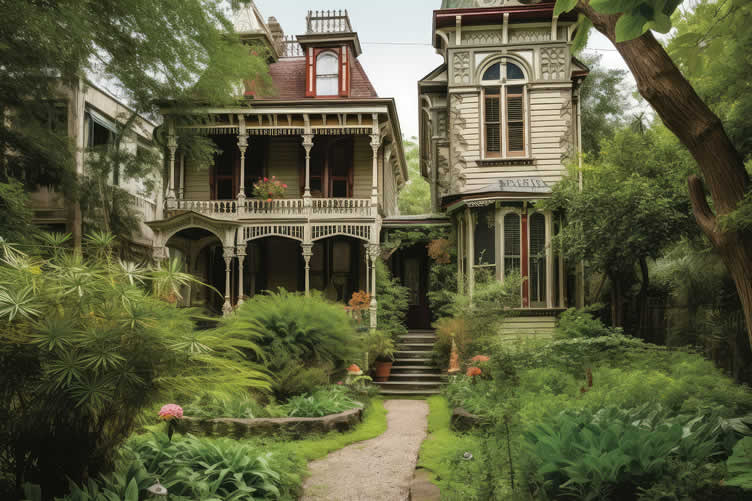
Some Historic Examples
Examples of historic preservation can be found in many towns and cities across the globe. In the United States, districts like the French Quarter in New Orleans, Louisiana, and Beacon Hill in Boston, Massachusetts, are prime examples. Here, strict regulations ensure that homes maintain their historic appeal, often requiring the use of wood or brick siding.
Similarly, in the United Kingdom, the city of Bath is renowned for its Georgian architecture, with stone being the predominant siding material used by local preservation guidelines. These examples demonstrate how the type of home siding adds to the historical narrative of a region, maintaining the essence of its architectural heritage.
copyright image by 123rf.com
-
-
5th: Other Deciding Factors
When it comes to selecting the right type of home siding, there are multiple factors to consider. The ideal choice varies depending on your unique needs and preferences. Here, we’ll guide you through some key aspects to evaluate during this process:
- Budget:
Your budget is a critical determining factor. Siding materials can range from affordable options like vinyl to more costly alternatives like stone or brick. Understanding your financial limits can help narrow down your options. - Durability:
It’s important to select a siding that can withstand the elements and last for many years. Some materials, like brick and fiber-cement, are renowned for their long lifespan and resilience. - Maintenance:
Different siding options require varying degrees of upkeep. Vinyl siding, for instance, requires minimal maintenance, while wood siding may need regular staining or painting to maintain its appearance. - Aesthetics:
Lastly, the visual appeal of your home siding is a significant factor. You’ll likely want to choose a siding that complements the architectural style of your home and aligns with your personal design preferences.
After considering the aspects above, another crucial step is to evaluate specific characteristics of your potential home siding options. These involve aspects such as energy efficiency, fire resistance, and environmental impact. Here is a brief outline of these considerations:
- Energy Efficiency:
Energy-efficient home siding options not only reduce your carbon footprint but also provide significant savings on energy bills. Insulated vinyl and fiber-cement are a couple of choices praised for their energy efficiency. - Fire Resistance:
If you live in a fire-prone area, you may want to choose a siding material that is fire-resistant. Brick, stone, and fiber-cement sidings are known for their excellent fire-resistant properties. - Environmental Impact:
If sustainable living is part of your lifestyle, consider the environmental impact of your siding material. Reclaimed wood, bamboo, and fiber-cement siding are among the options that boast lower environmental impacts.
Remember, the ideal home siding balances all these aspects according to your unique needs and preferences. It’s a matter of weighing the pros and cons of each option and determining which aligns best with your home’s requirements and values.

copyright image by 123rf.com
- Budget:
-
-
ideas to view and compare from the information discussed above
Scroll up to directory … or scroll to next section about home siding options for your home exterior …


second “photo remodeling” idea
copyright image by 123rf.com
Section 2: The Purpose and Need for Exterior Siding
Notes:
-
Home exterior siding is more than just an aesthetic element of your home. It plays a crucial role in safeguarding the structural integrity of your home against external elements. Home siding serves as the first line of defense against weather elements such as rain, snow, and extreme sunlight, preventing water seepage and resultant damage to the internal structures.
Not only that, but quality siding also offers improved insulation, helping maintain the interior temperature of your home and leading to energy efficiency. Furthermore, the right type of home siding can significantly enhance your property’s curb appeal, making a big difference in its overall value.
Hence, when considering home siding options, it’s vital to consider not just the cost and appearance, but also the durability, maintenance requirements, and insulation properties.
-
Need for Maintenance
Regular maintenance of your home siding is absolutely essential for preserving not just its functional aspects, but also its aesthetic appeal. Any neglect can lead to a deterioration of the siding material, eventually compromising its ability to protect your home against weather elements.
Over time, worn-out siding can lead to issues such as water leaks, insulation inefficiencies, and even structural damage to the home. Regular maintenance, which can involve cleaning, painting, or repair, ensures that the siding remains in top condition for its full expected lifespan.
-
-
Quik scroll to topic side notes …
-
-
Types Home Siding Options:
With a vast array of home siding options available in the market, homeowners are presented with an extensive selection of choices when it comes to styles, materials, and colors.
Each type of siding brings its own unique advantages and considerations. Wooden siding, for example, not only provides excellent insulation but also offers the opportunity for customization through paint or stain.
Vinyl siding, on the other hand, requires minimal upkeep and is available in a wide range of colors and textures.
Metal siding boasts exceptional durability and is resistant to fire, insects, and rot. Stucco siding, known for its longevity and ability to regulate temperature, adds a touch of elegance and uniqueness to any home.
These varied options allow homeowners to find the perfect fit for their individual needs, aesthetic vision, and budget. Whether it’s a cozy cottage, a contemporary urban dwelling, or a rustic countryside retreat, the right siding choice can enhance the overall curb appeal and value of a home, while also providing protection and insulation.
So, take your time, explore the possibilities, and make an informed decision that will not only transform the look of your home but also withstand the test of time.
Time-Tested Exterior Siding Options
When making an important decision about type of exterior siding, it is crucial to be well-informed. That’s why it’s worth taking the time to explore and discover five exceptional home siding options that have not only proven their durability but have also stood the test of time in terms of charm and aesthetic appeal.
By considering these options, you’ll have a wide array of choices to choose from, ensuring that you find the perfect siding that not only meets your functional needs but also enhances the overall look and feel of your home.
Time-Tested Home Exterior Siding Options
scroll to view belowvinyl view below – insulation vinyl view below brick view below fiber cement view below wood view below – engineered wood view below stone/stone veneer view below -
Vinyl Siding:
Vinyl siding is a popular choice among homeowners due to its affordability and low maintenance. Made from a durable type of plastic, it stands up well to weather elements and does not rot or rust over time. It comes in a variety of colors and styles, allowing for customization to match the aesthetics of your home.
While not as resistant to impact as some other siding options, its cost-effectiveness and easy installation make it a common choice for many.
[ view samples: vinyl exterior siding]
[ view more detail review below: vinyl siding]
-
Insulated Vinyl Siding:
Insulated vinyl siding is a robust and energy-efficient choice for homeowners. Its key feature is the layer of insulation added to the back of the siding, which significantly enhances the thermal efficiency of your home. This siding not only aids in maintaining indoor temperature but also serves to reduce energy costs.
Besides its insulation benefits, it’s renowned for its low maintenance requirements, and it never needs painting. Available in a wide selection of colors and designs, insulated vinyl siding can cater to a variety of aesthetic preferences. Despite being slightly more expensive than regular vinyl siding, the long-term energy savings often offset the initial cost.
[ view samples: insulated vinyl diagram]
-
Brick Siding:
Brick siding is a timeless and classic choice for home siding, offering unparalleled durability, low maintenance, and a distinct aesthetic appeal. Made from fired clay, brick is a non-combustible material, which means it is resistant to fire, ensuring a high safety level for your home.
It also performs exceptionally well under harsh weather conditions, withstanding high winds and heavy storms. Brick siding can last for decades with minimal maintenance—there’s no need for painting or staining, and it’s resistant to pests.
While the installation cost may be higher compared to other siding options, its longevity and enduring style make it a worthwhile investment.
[ view samples: brick exterior siding]
[ view more detail review below: brick siding]
-
Fiber Cement Siding:
Fiber cement siding is a strong and durable home siding option that strikes a balance between performance and aesthetic appeal. Composed of cement, sand, and cellulose fibers, it withstands harsh weather conditions, resists pests, and is fire-resistant, making it a safe choice for your home.
It offers the beauty of wood siding without the high maintenance, and can mimic different styles such as stucco or masonry. Although fiber cement siding has a higher upfront cost than other materials and requires professional installation due to its weight, it’s longevity and low maintenance needs can make it a cost-effective choice in the long run.
[ view samples: fiber cement exterior siding]
[ view more detail review below: fiber cement]
-
Wood Siding:
A popular choice in traditional and historic homes, wood siding boasts natural beauty and a wide array of styles and finishes. This type of siding comes in different forms including clapboard, shingles, and shakes, each offering a unique aesthetic.
Wood siding is eco-friendly and if properly maintained, can last for many years. However, it requires regular maintenance including painting, staining, and sealing to protect it from elements such as moisture, insects, and rot.
While wood siding tends to be more expensive than vinyl or fiber cement, its timeless charm and ability to be easily customized or repaired can justify the investment for many homeowners.
[ view samples: wood exterior siding]
[ view more detail review below: wood siding]
-
Engineered Wood Siding:
Engineered wood siding is a compelling choice for homeowners who want the beauty of wood without the high maintenance. Composed of wood fibers bonded with a resin, engineered wood offers the aesthetic allure of real wood but boasts superior durability and weather resistance.
This type of siding effectively stands against elements like moisture, rot, and insects, that can damage traditional wood. Furthermore, engineered wood siding is typically more cost-effective than natural wood and is available in a variety of styles, textures, and finishes.
However, it requires some degree of maintenance, such as painting or staining every few years, to retain its appearance and durability.
[ view samples: engineered wood exterior siding]
-
Stone or Stone Veneer Siding:
Stone siding, either natural or in the form of stone veneer, offers an elegant and rustic look to your home. Natural stone siding is incredibly durable and resistant to weather conditions, providing a timeless aesthetic appeal that can significantly increase your home’s value.
However, it can be prohibitively expensive due to the cost of materials and professional installation. On the other hand, stone veneer siding is a more cost-effective option that replicates the look and feel of natural stone. It’s lightweight, durable, and easier to install than natural stone, but still provides the same sophisticated appearance.
Both options require little to no maintenance, making them an attractive choice despite their higher upfront cost.
[ view samples: stone or stone veneer exterior siding]
[ view more detail review below: stone or stone veneer siding]
copyright image by 123rf.com
Other Siding Options
While there are alternative types of exterior siding available, they may not be as widely used as the ones mentioned above in terms of durability, aesthetic appeal, and versatility. However, certain regions still embrace these siding options for their unique style and long-term value.
Other Home Exterior Siding Options
scroll to view belowstucco view below metal view below composite view below masonite view below glass exterior view below solar siding view below -
Stucco Siding:
Stucco is a popular home siding option that exudes a rustic charm, and is often preferred for Spanish or Mediterranean style homes. It is made by combining cement, lime, and sand, which results in a sturdy, fire-resistant, and highly durable siding material.
Stucco can resist harsh weather conditions and has the potential to last for several decades if properly maintained. Additionally, it provides excellent insulation against heat and cold, enhancing the energy efficiency of the home.
However, stucco requires skilled installation to avoid cracking, and may not be ideal for regions with high moisture due to its susceptibility to water damage. Despite these considerations, its ability to be tinted in various colors and textures makes it an attractive and customizable home siding choice.
[ view samples: stucco exterior siding]
-
Metal Siding:
Metal siding is an increasingly popular option due to its contemporary aesthetic appeal and robustness. Crafted from metals like aluminum or steel, this siding choice is highly durable, fire-resistant, and impervious to pests. Metal siding is also known for its low maintenance needs, requiring only occasional cleaning with a hose.
Though initially more expensive than some other home siding options, its longevity and resilience can make it a cost-effective choice in the long run. However, it is worth noting that metal can be prone to denting and scratching, and the color may fade over time.
Despite these factors, its sleek, modern look and diverse range of color options make metal siding a standout choice for homeowners seeking a distinctive, low-maintenance siding solution.
[ view samples: metal exterior siding]
-
Composite Siding:
Composite siding is a multi-layered product that offers an appealing balance of durability and aesthetics. It is typically made from a blend of wood fibers, sand, and cement, resulting in a material that captures the natural beauty of wood while being more resistant to the elements. One of its notable features is its resistance to rot, pests, and moisture, making it a reliable choice for various climate conditions.
Composite siding comes in a variety of styles and finishes, enabling homeowners to customize their exterior to their liking. However, it can be more expensive upfront than other siding options and may require periodic painting or sealing to maintain its appearance.
Despite these factors, the excellent balance between beauty and durability makes composite siding a compelling choice for many homeowners.
[ view samples: composite exterior siding panels]
-
Masonite Siding:
Masonite siding is a type of home siding composed of compressed wood fibers, wax, and resins, offering an aesthetically pleasing appearance similar to natural wood. It is known for its affordability and ease of installation.
However, it requires regular maintenance such as painting and sealing to resist moisture and prevent damage from pests.
[ view samples: masonite exterior siding]
-
Glass Exterior Siding:
Glass exterior siding is a modern, sophisticated choice for homeowners looking for a striking, contemporary aesthetic. The key advantage of glass as a siding option is its ability to maximize natural light within the home. It’s also highly customizable and can be tailored to a range of designs and finishes.
However, glass siding may not be suitable for all climates, as it is less insulating than other materials. The upkeep of glass siding requires regular cleaning to maintain its sparkling appearance.
Additionally, privacy can be a concern unless one-way or frosted glass is used. Despite these considerations, for homeowners seeking an architectural statement, glass siding presents a unique and elegant home siding option.
[ view samples: glass exterior siding]
-
Solar Cell Siding:
Solar cell siding, also known as solar panel siding, is an innovative and eco-friendly home siding option. This siding option incorporates photo-voltaic cells into the siding material, allowing your home to generate its own electricity.
Solar cell siding not only assists in reducing energy costs but also contributes to a sustainable and green lifestyle. These solar cells are designed to be sleek and blend seamlessly into the design of the house, maintaining the aesthetics.
However, the cost of installation can be higher than traditional siding options and its effectiveness is dependent on the amount of sunlight the house receives. Despite these considerations, solar cell siding is a forward-thinking choice that presents both functional and environmental advantages.
[ view samples: solar exterior siding]
[ view samples: solar siding diagram]
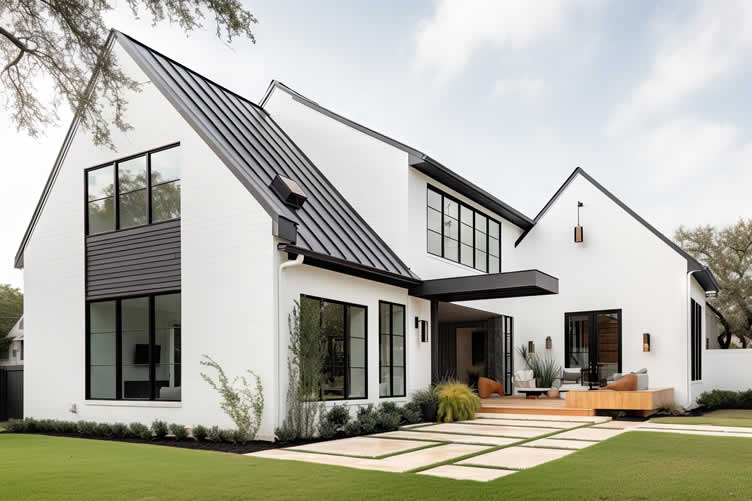
copyright image by 123rf.com
-
-
-
ideas to view and compare from the information discussed above
exterior home lightingstone pathway paversground cover plants
Scroll up to directory … or scroll to next section about home siding options for your home exterior …
 … grab this directory of ideas

exterior home decorating



May We Suggest Other Photo Remodeling Ideas About
“Upgrading or Improving Home Exterior …” (new win)


third “photo remodeling” idea

copyright image by 123rf.com
Section 3:Vinyl Siding
Notes:
-
Vinyl siding has gained immense popularity in recent decades. This synthetic material boasts exceptional durability due to its rot, pests, and moisture resistance. Vinyl siding doesn’t fade or warp, making it an excellent long-term investment. Its low maintenance requirements are another attractive feature; a simple rinse with a garden hose can keep it looking pristine.
The cost of vinyl siding is quite affordable compared to other home siding options, making it an economical choice for budget-conscious homeowners.
Furthermore, vinyl siding offers a wide range of color and texture options, mimicking the appearance of wood, and stone. This versatility allows homeowners to achieve their desired aesthetic without compromising on durability.
Some examples include:
-
Clapboard:
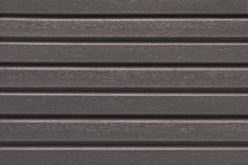
This particular style is meticulously crafted to closely mimic the authentic appearance of traditional wood siding. It features long and slender planks that are expertly installed horizontally, creating a timeless and natural aesthetic that adds warmth and charm to any space. Available in a multitude of colors from classic white to bold blues.
[ view samples: clapboard panels]
-
Vertical Panels:
This captivating style showcases alternating wide and narrow vertical panels, bringing forth a rustic and distinctive look that adds a touch of charm and character to any space. With its unique pattern and texture, it creates a visually dynamic and visually appealing atmosphere that effortlessly blends tradition with modernity. Colors range from neutral grays to vivid reds.
[ view samples: vertical panels]
-
Dutch Lap:
Characterized by a distinctive decorative groove at the top of each panel, this style adds a touch of elegance and sophistication to the siding. The intricately designed groove not only enhances the visual appeal but also creates intriguing dimensions and shadow lines, making the siding truly stand out Available in a wide array of colors.
[ view samples: dutch lap siding]
-
Shakes and Shingles:
Ideal for homeowners seeking a classic or vintage aesthetic, shakes and shingles beautifully replicate the timeless charm and natural grain of cedar wood. With their rustic appeal and durability, these architectural elements effortlessly enhance the overall character and visual appeal of any home, creating a warm and inviting atmosphere that exudes elegance and sophistication. Comes in natural hues like browns, greens, and tans.
[ view samples: shakes and shingles]
-
Scalloped:
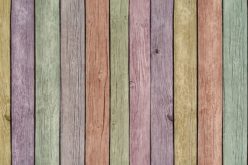
A charming addition to any home, scalloped vinyl siding mirrors the quaint elegance of Victorian-era architecture. This style is characterized by its rounded, scalloped bottom edge, which adds a unique, decorative touch to the siding, making it a perfect choice for highlighting eaves, window boxes, or an entire wall. Available in pastel colors like pink, blue, and yellow.
[ view samples: scalloped]
Each style can dramatically alter the appearance of your home, making vinyl siding a versatile option that caters to various tastes and architectural styles.
-
-
Quik scroll to topic side notes …
-
-
Pros and Cons
When considering home siding options, it’s essential to review the pros and cons of vinyl siding:
Pros of Vinyl Siding:
- Cost-effective:
Vinyl siding is one of the most affordable options in the market, making it an excellent choice for budget-conscious homeowners. - Low Maintenance:
Vinyl siding requires minimal maintenance. It doesn’t need to be painted, and a simple wash can restore its clean look. - Durability:
Vinyl is resistant to common damaging elements like pests and extreme weather conditions, and can last for several decades with proper care.
Cons of Vinyl Siding:
- Environmental Concerns:
Vinyl siding is not biodegradable and its manufacturing process can contribute to pollution. - Aesthetic Limitations:
Despite the variety of colors and patterns, vinyl siding can sometimes appear less premium compared to other materials like wood or brick. - Potential for Damage:
While resistant to common damages, vinyl can crack under severe impact and might not be the best option for areas prone to extreme weather conditions.
This PDF forms will assist you in deciding the spec requirements for vinyl siding needs.
Spec Planning
File Type:
- Cost-effective:
-
Costs – Installation – Maintenance
When considering home siding options, vinyl siding stands out as a popular choice due to its cost-effectiveness and easy installation process.
-
Cost
Vinyl siding costs $4 to $5 per square foot on average, not including labor and materials for installation. The cost depends on what type of vinyl siding you purchase as well as current vinyl prices in your area.
On average, a homeowner can expect to spend $11,000 on vinyl siding. However, the price can range from $6,000 to $16,400 depending on the size of the home.
This cost can vary significantly depending on the quality of the vinyl, your location, and the complexity of the installation job.
-
Installation
Installation of vinyl siding is typically straightforward, largely contributing to its affordable price tag. The material can be cut accurately and quickly using standard carpentry tools, and it snaps together, allowing for efficient installation.
It’s worth noting that while vinyl siding can be a DIY project, professional installation is recommended to ensure accuracy and adherence to warranty standards.
-
Maintenance
Maintenance of vinyl siding over time is a low hassle, another factor contributing to its appeal. Unlike other home siding options, vinyl siding doesn’t require painting and is resistant to common problems like rot, pests, and severe weather conditions.
Simple routine cleaning, typically involving a soft brush or cloth and a mixture of water and mild detergent, is usually sufficient to keep your vinyl siding looking fresh and vibrant.
However, it’s worth noting that vinyl siding isn’t indestructible and can be prone to cracking or chipping over time, necessitating occasional repairs or replacement pieces.

copyright image by 123rf.com
Use worksheet to record the estimated cost of vinyl siding (alone with installation) and then input the actual cost as you go along, therefore, making it easier to spot any discrepancies and adjust your exterior siding accordingly.
Find the tab: exterior home

Budgeting Worksheet
File Type:
-
-
Insulated Vinyl Siding: An Energy-Efficient Solution
When considering home siding options, it’s important to evaluate not only aesthetic appeal but also, more importantly, functionality and efficiency. In this context, insulated vinyl siding comes to the fore as a top contender. This type of home siding is designed with a layer of rigid foam insulation, which is fitted tightly behind the cladding.
This unique setup delivers two major benefits.
- First, it bolsters the siding’s durability, providing it with the necessary rigidity to withstand harsh weather conditions.
- Second, and more importantly for homeowners mindful of energy usage, it adds a layer of thermal protection to your home.
Insulated vinyl siding effectively reduces heat transfer, keeping your home warmer in the winter and cooler in the summer. This means less reliance on heating and air conditioning, leading to significant savings on energy bills.
While the upfront cost of insulated vinyl siding might be higher than other home siding options, the long-term energy savings it offers can more than justify the initial investment. This makes insulated vinyl siding not just a visually appealing option, but a financially savvy one too.

copyright image by 123rf.com
-
-
ideas to view and compare from the information discussed above
vinyl siding panelsvinyl siding shinglesvinyl siding cleaner
Scroll up to directory … or scroll to next section about home siding options for your home exterior …
green energy savings

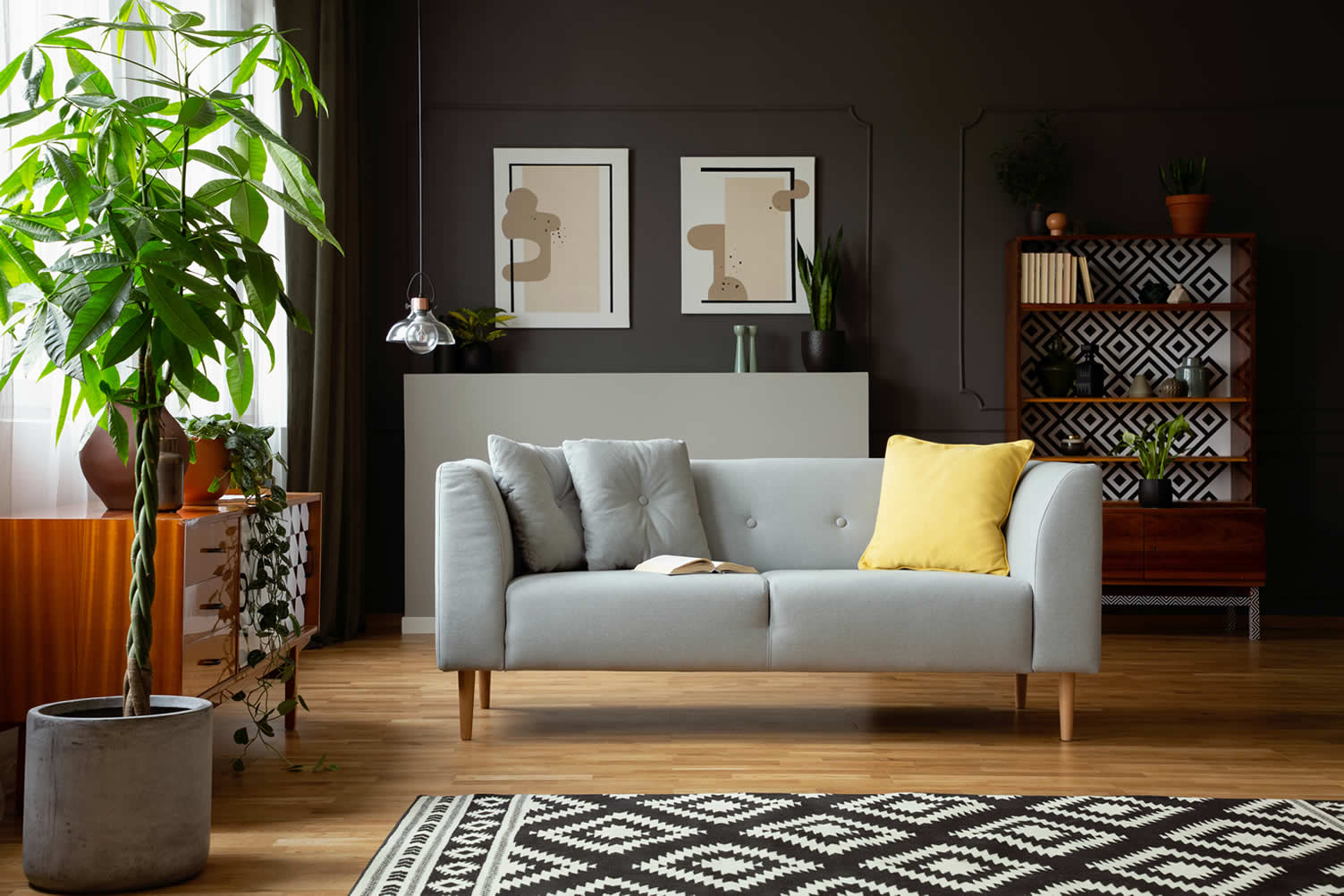
fourth “photo remodeling” idea
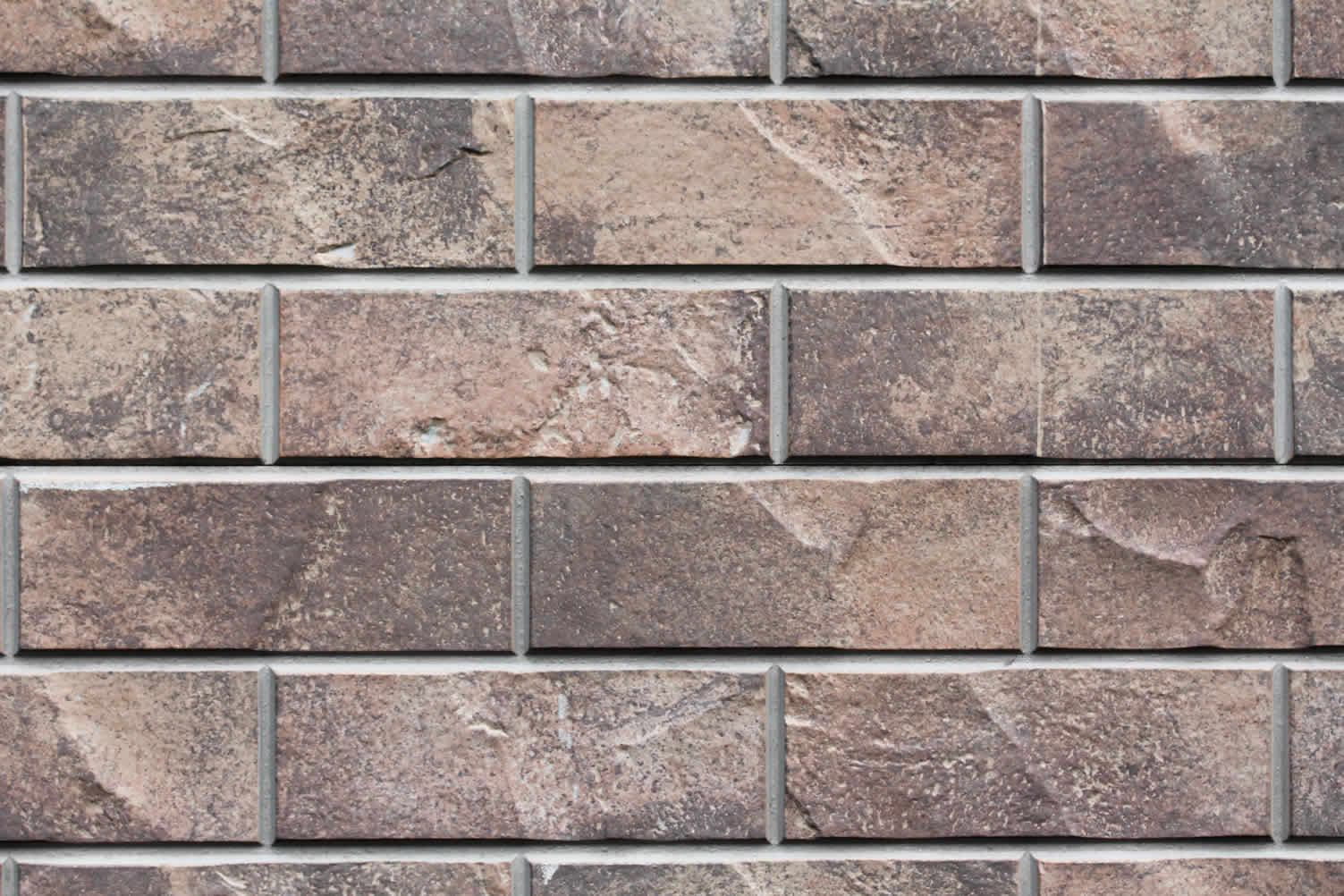
copyright image by 123rf.com
Section 4:Brick Siding
Notes:
-
Brick siding, an ageless classic, has been gracing homes for centuries. Its enduring popularity lies in its strength, durability, and timeless aesthetic. Bricks are made from natural clay and are fired at high temperatures, making them resistant to wear and tear.
They can withstand harsh weather conditions, including heavy rains, scorching sun, and freezing temperatures, without losing appeal. Moreover, brick siding offers excellent thermal insulation, helping to maintain a comfortable indoor temperature and reduce energy costs.
Brick siding is a popular choice for exterior home siding due to its robustness, longevity, and aesthetic appeal. However, it’s worth noting that the cost can be a significant factor when considering brick. Brick siding tends to be more expensive than other options, due to both the cost of materials and the labor-intensive installation process.
Despite the cost, many homeowners find the charm and durability of brick siding to be well worth the investment. Plus, brick siding comes in a range of styles and colors, allowing for considerable personalization.
The variety of colors and patterns allows homeowners to choose a style that suits their taste, whether a traditional red brick or a more contemporary gray or white option. Over time, brick develops a charming patina, further enhancing its visual appeal.
Some of the most popular colors include:
-
Traditional Red:
The classic choice for a warm and welcoming look that exudes timeless elegance and creates a cozy atmosphere. With its rich color palette and intricate design, this choice brings a touch of sophistication to any space.
-
Whitewashed (also known as Lime Washed) bricks:
These handcrafted elements provide a rustic, aged appearance that adds character and charm to historic or country-style homes. With their weathered textures and authentic craftsmanship, they evoke a sense of nostalgia and create a warm, inviting atmosphere.
-
Painted Brick:
This feature allows users to create a fully customized color palette, tailored to their specific preferences and needs. With a wide range of options and controls, you can effortlessly design and personalize your color scheme to match your unique style and branding.
-
Dark Gray and Black Bricks:
These provide a modern and sleek look, with their clean lines and contemporary design elements that effortlessly elevate any space.
-
Multi-tone Bricks:
Bricks that feature multiple tones or colors in a single brick offer a visually appealing and distinctive look. With their unique blend of hues, these bricks add depth and character to any architectural design, creating a captivating and dynamic aesthetic.
Brick siding is not just about color, it also offers a variety of patterns that can dramatically alter the look of your home. Here are some of the common patterns used in brick siding:
-
Running Bond:
This is the most common pattern used in brick siding, featuring overlapping bricks arranged in a horizontal pattern. This design choice not only adds a touch of simplicity but also lends a timeless and elegant look to any home. The precise alignment and uniformity of the bricks create a sense of harmony and balance, enhancing the overall aesthetic appeal.
[ view samples: running bond brick pattern]
-
Stack Bond:
In this pattern, bricks are meticulously stacked directly on top of each other, creating a visually pleasing grid-like look. This approach, often employed in contemporary designs, exudes a sense of modernity and cleanliness. The seamless alignment of the bricks adds a touch of precision and sophistication.
[ view samples: stack bond brick pattern]
-
Herringbone:
A more decorative pattern, herringbone, features bricks positioned at right angles to one another, forming a distinct ‘V’ shape. This intricate design not only adds visual interest and movement to the facade but also creates a sense of depth and dimension. The alternating arrangement of bricks creates a captivating interplay of light and shadow, enhancing the overall aesthetic appeal.
[ view samples: herringbone brick pattern]
-
Basket Weave:
This captivating pattern showcases pairs of meticulously arranged bricks that elegantly intertwine, forming exquisite squares that mimic the intricate craftsmanship of a woven basket. Its unique and decorative appeal makes it an excellent choice for those seeking to create a truly distinctive ambiance.
[ view samples: basket weave brick pattern]
-
English Bond:
One of the oldest known brick patterns, the English bond, is a classic arrangement that has stood the test of time. It features a meticulous alternating pattern of rows: stretchers (bricks laid flat) and headers (bricks laid end-wise). This intentional arrangement not only creates a visually appealing design but also contributes to its exceptional strength and durability.
[ view samples: english bond brick pattern]
-
-
Quik scroll to topic side notes …
-
-
Pros and Cons
Brick siding is a popular choice for exterior home finish owing to its classic appeal and enduring durability. Available in a variety of types and colors, it offers homeowners the flexibility to choose a style that best suits their preferences and the architectural design of their homes.
Pros of Brick Siding
- Durability:
Brick siding is extremely durable, capable of withstanding harsh weather conditions. It’s not uncommon for brick homes to last for several decades with minimal maintenance. - Low Maintenance:
Unlike other exterior home siding options, brick does not require painting or staining and is resistant to rot and pests. - Thermal Insulation:
Brick provides excellent thermal insulation, helping to regulate indoor temperatures and potentially reduce energy costs. - Aesthetic Appeal:
With various types and colors available, brick siding can enhance the visual appeal of your home, potentially increasing its property value.
Cons of Brick Siding
- Cost:
Brick siding is typically more expensive than other siding options, both in terms of material costs and installation. - Installation Complexity:
Installation of brick siding is labor-intensive and requires a high level of expertise, contributing to the overall cost. - Limited Color Change:
While brick siding is available in various colors, changing the color after installation is a difficult and expensive process. - Potential for Damage:
Despite its durability, brick can crack or chip over time, particularly in areas with frequent freeze-thaw cycles. Additionally, improper installation can lead to moisture retention, resulting in potential structural damage.
This PDF forms will assist you in deciding the spec requirements for brick siding needs.
Spec Planning
File Type: - Durability:
-
Costs – Installation – Maintenance
Brick siding, a classic choice for exterior home siding, offers impressive durability and a timeless aesthetic appeal.
-
Cost
The cost of brick siding varies significantly, typically ranging between $9 to $20 per square foot, including both material and installation costs. The installation cost of brick veneer, which is more popular nowadays, is usually around $5 to $12 per square foot.
These figures can fluctuate based on the brick types and colors chosen, with some premium selections commanding higher prices. The cost of brick siding for a complete exterior ranges from $8,000 to $27,000 on average.
-
Installation
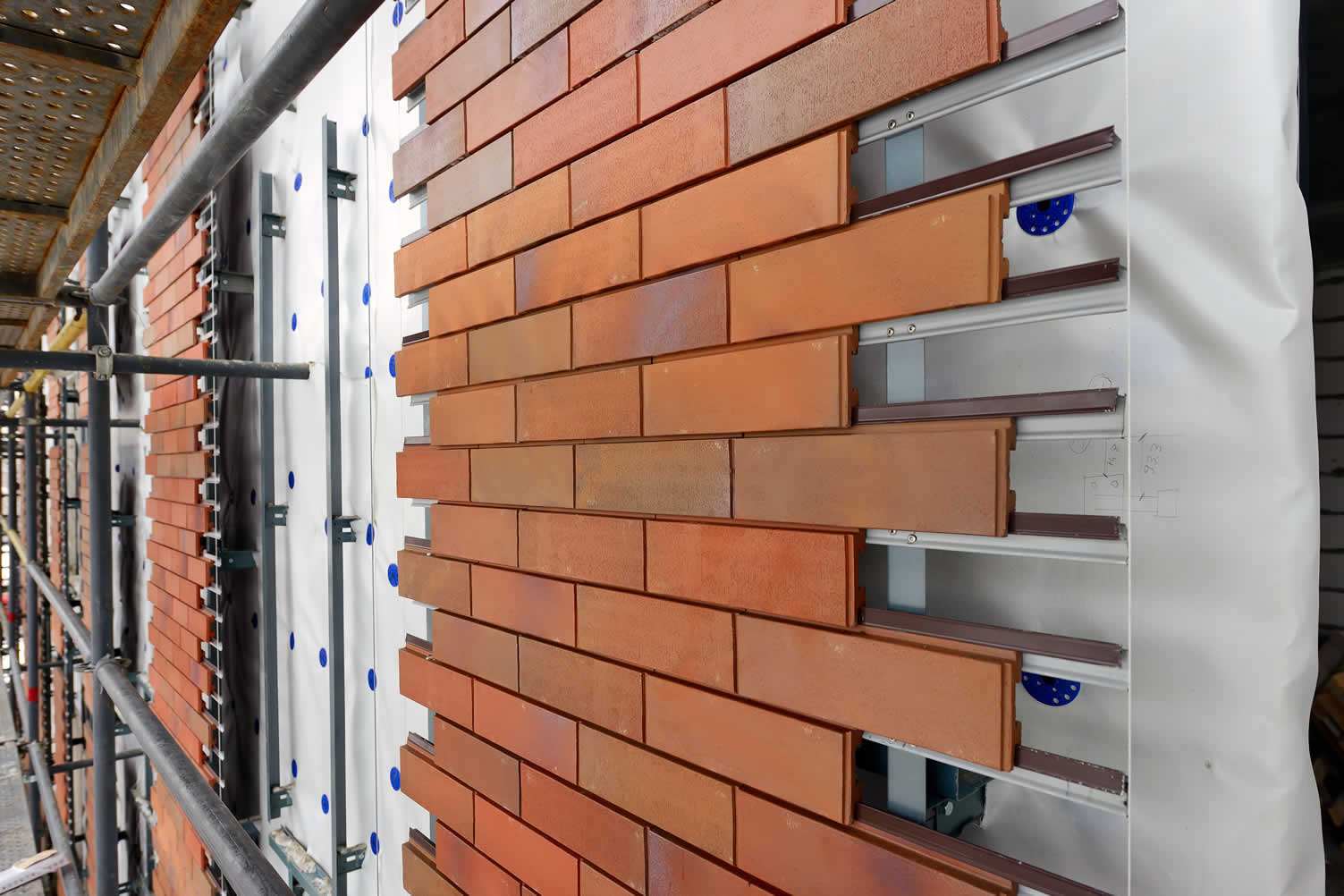
The installation process of brick siding is labor-intensive, requiring skilled professionals for the best outcome. The brick is usually laid over a wood frame or an existing wall, with mortar used to hold the bricks in place.
Moisture barriers and weep holes are also incorporated into the design to prevent water damage.
-
Maintenance
Brick siding is relatively low-maintenance considering its robust nature. However, routine inspections are necessary to identify and rectify any issues early. Over time, watch for signs of weathering or loose mortar.
In case of any damage, professional repair is recommended to maintain the integrity and appearance of your exterior home siding. Regular cleaning, typically by power washing, can also help keep your brick siding looking its best.
Remember to always adhere to manufacturer guidelines for care and maintenance.
copyright image by 123rf.com
Use worksheet to record the estimated cost of brick siding (alone with installation) and then input the actual cost as you go along, therefore, making it easier to spot any discrepancies and adjust your exterior siding accordingly.
Find the tab: exterior home
Budgeting Worksheet
File Type: -
-
-
ideas to view and compare from the information discussed above
Scroll up to directory … or scroll to next section about home siding options for your home exterior …

fifth “photo remodeling” idea
copyright image by 123rf.com
Section 5: Fiber Cement Siding: The Modern Marvel
Notes:
-
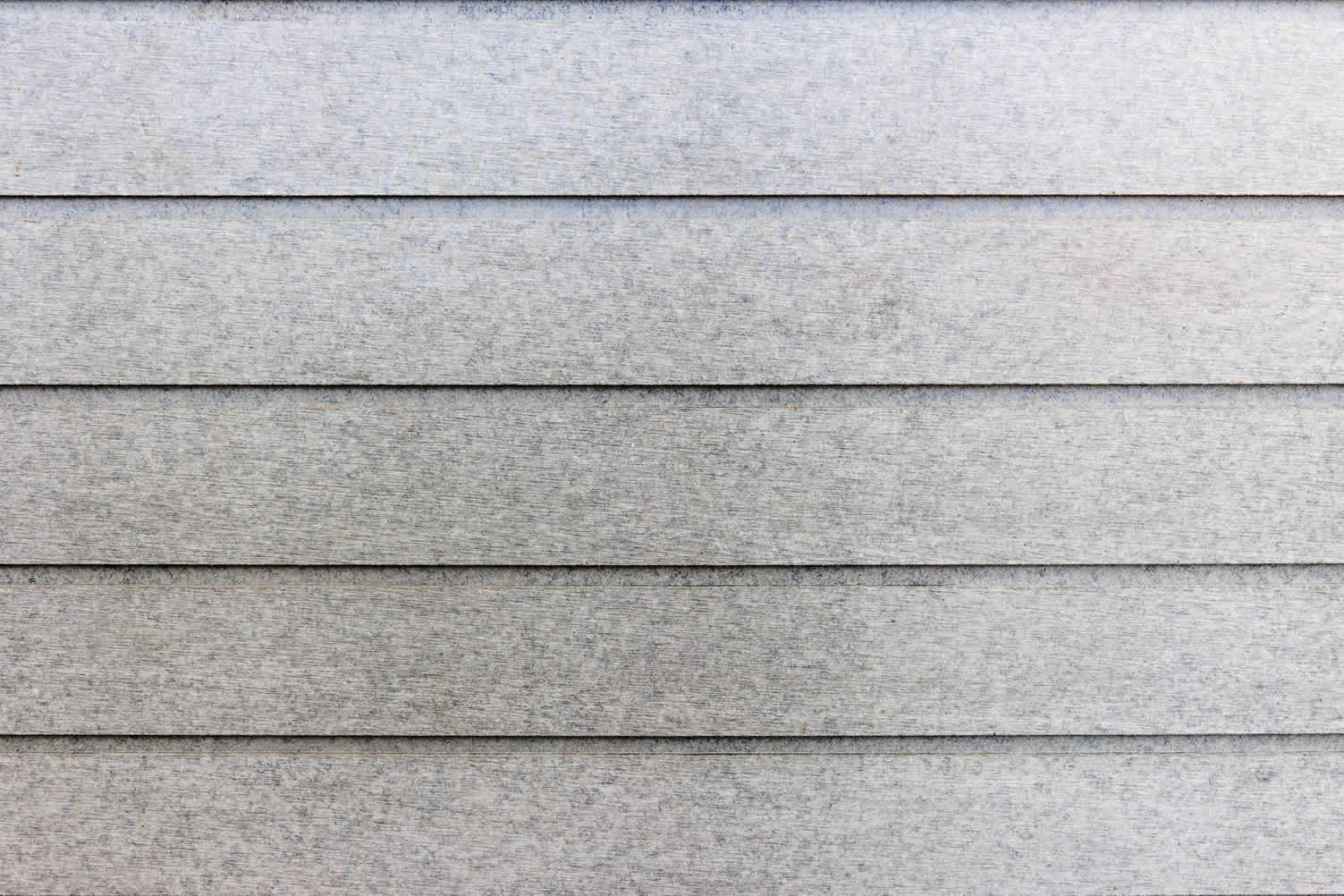
In the quest for a siding option that marries longevity with versatility, fiber cement siding emerges as a modern marvel. Composed of cement, sand, and cellulose fibers, this material combines masonry’s durability with wood’s visual appeal. Fiber cement siding is impervious to termites, rot, and fire, ensuring your home remains safeguarded for years.
One of the standout features of fiber cement siding is its ability to mimic the look of wood. It can be painted in many colors, providing homeowners with endless customization possibilities.
This siding type demands relatively low maintenance, with occasional repainting being the primary upkeep requirement. Its robustness against the harshest elements ensures that your home maintains its charm for generations.
Here are some diverse styles of fiber cement siding:
-
Plank Style:
This siding option beautifully emulates the appearance of traditional wood siding, capturing its natural charm and elegance. With a wide range of colors to choose from, you can find the perfect match for your home’s aesthetic.
[ view samples: plank style]
-
Shingle Style:
This product offers a unique, rustic aesthetic that adds a touch of charm to any setting. It is available in numerous color options, allowing you to find the perfect match for your style and decor. With its carefully crafted design and versatile color choices, this product is sure to elevate the visual appeal of any space.
[ view samples: shingle style]
-
Panel Style:
Ideal for those seeking a contemporary and sleek aesthetic, this versatile option can effortlessly elevate any space. With a wide range of colors to choose from, you can find the perfect shade to complement your style and create a truly customized look.
[ view samples: panel style]
-
Stucco Style:
This product embodies a captivating Southwest aesthetic, showcasing its rich cultural heritage. With a delightful array of vibrant colors to choose from, it effortlessly adds a touch of rustic charm and authenticity to any space.
[ view samples: stucco style]
Each style of fiber cement siding adds a unique aesthetic touch to a home’s exterior, making it a versatile and attractive choice.
-
-
Quik scroll to topic side notes …
-
-
Pros and Cons
While fiber cement siding is a fantastic option for exterior home siding, it’s important to understand both its advantages and disadvantages before making a decision.
Pros
- Durability:
Fiber cement siding is highly durable and can withstand harsh weather conditions, including heavy rain and high winds. - Fire-Resistant:
Unlike other types of siding, fiber cement is non-combustible and won’t contribute to a fire. - Pest-Resistant:
Termites and other pests are not attracted to fiber cement, making it a good choice for long-term maintenance. - Aesthetic Versatility:
As mentioned earlier, fiber cement siding comes in a variety of styles and colors, allowing for customization to fit any home design.
Cons
- Installation:
Fiber cement siding is heavier than other types of siding, making installation more challenging. It often requires professional installation. - Cost:
While fiber cement siding is cost-effective in the long-term due to its durability, the upfront cost can be higher than other siding options. - Maintenance:
Although low-maintenance, fiber cement siding will eventually need to be repainted, adding to the total cost of ownership.
This PDF forms will assist you in deciding the spec requirements for fiber cement siding needs.
Spec Planning
File Type: - Durability:
-
Costs – Installation – Maintenance
Fiber cement siding is a popular option for exterior home siding due to its durability, low maintenance, and aesthetic versatility.
-
Cost
The cost of fiber cement siding can vary greatly depending on the style, brand, and where you live, but on average, homeowners can expect to pay between $5 to $14 per square foot, with an average of $10 per square foot.
For a 1,500 square foot area of siding, the estimated cost of fiber cement siding would be around $35,000 to $45,000. This is a standard price for professional installation.
-
Installation
Installation of fiber cement siding is a task best left to professionals. The process involves cutting the siding to the correct measurements, securing it to the home using special nails, and sealing the seams to prevent water damage.
This is not a DIY project, as improper installation can lead to water damage, warping, and a decrease in the product’s lifespan.
-
Maintenance
In terms of maintenance, fiber cement siding is relatively low-key. One of the biggest tasks you’ll face is repainting the siding after a number of years.
While fiber cement siding holds paint longer than other materials, it will eventually need a fresh coat. Generally, you can expect to repaint every 10 to 15 years, depending on your local climate and the quality of the previous paint job.
To keep your siding in the best possible shape, be sure to conduct regular inspections for any signs of damage or wear, and promptly address any issues that arise. With the right care, fiber cement siding can last for many decades, offering an impressive return on investment.
copyright image by 123rf.com
Use worksheet to record the estimated cost of fiber cement siding (alone with installation) and then input the actual cost as you go along, therefore, making it easier to spot any discrepancies and adjust your exterior siding accordingly.
Find the tab: exterior home
Budgeting Worksheet
File Type: -
-
-
ideas to view and compare from the information discussed above
Scroll up to directory … or scroll to next section about home siding options for your home exterior …

sixth “photo remodeling” idea

copyright image by envato.com
Section 6: Wood Siding
Notes:
-
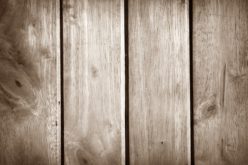
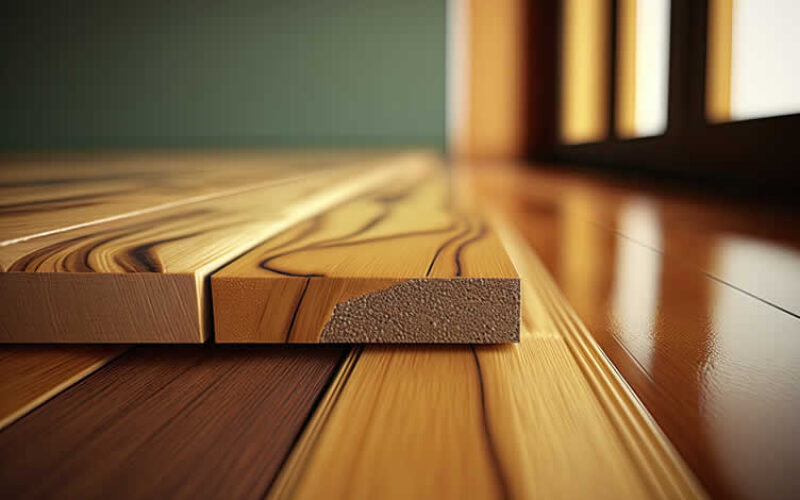
When it comes to classic charm, nothing beats wood siding. This time-honored choice has graced homes for centuries due to its innate beauty and versatility. Wood siding can be crafted from various types of wood, each offering unique textures and colors. Cedar, pine, and redwood are popular choices with distinct appeal.
Wood siding brings a warm and natural feel to your home’s exterior. It can be stained or painted to match your preferred color palette, making it adaptable to different architectural styles such as tongue and groove or board and batten siding.
However, wood siding does require regular maintenance, including staining or painting every few years and vigilant pest control measures. But for those who appreciate wood’s authentic look and feel, these efforts are undoubtedly worth it, as wood siding ages gracefully and adds character to your home.
When it comes to styles and colors of wood siding, there are numerous options to choose from, allowing homeowners to tailor the look of their home according to their particular tastes and the architectural design of the house. Here are some of the most popular choices:
-
Bevel Siding:
This traditional style of installation involves placing the pieces horizontally, with the upper piece overlapping the lower one. It creates a visually appealing effect and adds depth to the overall design. The versatility of this style is further enhanced by the wide range of color options available, ranging from warm and natural wood hues to sophisticated neutral grays and even bold and vibrant reds.
[ view samples: bevel siding]
-
Board and Batten:
This style of design embraces the use of wide boards and narrow battens, creating a visually appealing contrast. The color palette offers a wide range of options, from warm and inviting rustic browns and grays to cool and modern whites and blues. These color choices allow for a versatile and customizable aesthetic that can complement various interior design themes and personal preferences.
[ view samples: board and battan]
-
Shake Siding:
Cedar shake siding, known for its rustic and handcrafted appearance, is created by splitting logs. This unique siding option offers a natural shade that can be left untouched or can be further enhanced with a variety of stain colors, allowing homeowners to customize the look and feel of their exteriors to perfectly suit their style and preferences.
[ view samples: shake siding]
-
Tongue and Groove:
This siding style fits together snugly, offering a smooth and consistent appearance. It can be stained in a variety of colors to complement any architectural style and enhance the overall aesthetic of your home. Additionally, its durable construction ensures long-lasting beauty and protection against the elements, making it an ideal choice for homeowners seeking both functionality and visual appeal. The style can be painted in virtually any color, from stark white to bold colors.
[ view samples: tongue and grove]
-
Shiplap Siding:
Known for its tight joints and clean lines, Shiplap has become synonymous with timeless elegance in home decor. Its traditional charm and versatility make it a popular choice for various interior design styles. While it is often painted in light, neutral colors, such as crisp whites or soft grays, it can also be customized to any preferred color palette, allowing homeowners to create a truly personalized and unique space.
[ view samples: shiplap siding]
-
Log Siding:
Log siding creates a unique, rustic appeal that closely mimics the look of a traditional log home without the associated challenges. This type of siding is available in different styles including full log, half log, and quarter log, providing a variety of profiles to match a homeowner’s specific aesthetic preference. Like cedar wood siding, it is resistant to decay and insect damage and can be stained or painted in virtually any hue, enhancing the flexibility in design.
[ view samples: log siding]
-
-
Quik scroll to topic side notes …
-
-
Pros and Cons
Wood siding, particularly cedar wood siding, has remained a popular choice for homeowners looking for a blend of natural beauty, versatility, and durability. Before deciding on exterior home siding, it’s essential to consider the pros and cons that come with this material.
Pros of Wood Siding
- Aesthetic Appeal:
One of the most appealing aspects of wood siding, especially cedar wood siding, is its natural beauty. The wood’s grain and knots give each plank a unique appearance, contributing to a home’s character. - Versatility:
Wood siding can be painted or stained in any color, offering a wide range of customization options. This allows homeowners to create a unique look that suits their style and complements their home’s architectural design. - Durability:
If properly maintained, wood siding can last for decades. Cedar wood siding in particular is resistant to decay and insect damage, making it a lasting choice.
Cons of Wood Siding
- Maintenance:
Wood siding requires regular maintenance to prevent weather damage and extend its lifespan. This may include repainting or re-staining every few years and periodic checks for signs of damage. - Cost:
Compared to other siding materials, wood can be more expensive upfront. It may also incur additional costs over time due to maintenance needs. - Susceptibility to Elements:
While cedar wood is naturally resistant to decay, it can still be susceptible to rot if not properly treated and maintained. Furthermore, wood is not fire-resistant and can be damaged by extreme weather.
This PDF forms will assist you in deciding the spec requirements for wood siding needs.
Spec Planning
File Type: - Aesthetic Appeal:
-
Costs – Installation – Maintenance
Wood siding is a classic choice for exterior home siding, esteemed for its natural beauty, durability, and versatility. Often made from cedar wood, this siding type offers an organic aesthetic that can blend seamlessly into a variety of landscapes.
Furthermore, cedar wood siding is renowned for its inherent resistance to decay and insect damage, making it a long-lasting option for homeowners.
-
Cost
When it comes to the cost of wood siding, it varies significantly based on the type of wood used, the style of siding, and the region. On average, homeowners can expect to pay between $6.90 to $13.90 per square foot for materials, with cedar wood siding being at the higher end of this scale due to its superior durability and aesthetic appeal.
For a 1,500-square-foot home, the national average cost of wood siding installation ranges from $25,000 to $35,000. The cost of wood siding varies based on the specific type of wood used.
-
Installation
Installation of wood siding involves a series of steps, starting with the preparation of the exterior surface. Once the surface is ready, a water-resistant barrier is applied to protect the underlying structure from moisture damage.
The wood siding is then meticulously attached, usually with nails or screws, ensuring that each board is securely fastened. Care is taken to leave a small gap between each board to accommodate natural expansion and contraction caused by changes in weather and humidity.
-
Maintenance
Maintaining wood siding over time is essential to preserve its beauty and prolong its lifespan. Homeowners should carry out periodic inspections for signs of damage, such as cracking, peeling, or rot. If any damage is found, prompt repairs are necessary to prevent it from worsening.
Regular cleaning, usually with a mild detergent and a soft brush, can help keep the siding looking its best. Wood siding will also need to be repainted or re-stained every few years to protect it from the elements and keep it looking fresh.
Despite these maintenance requirements, the unmatched beauty of wood siding makes it a worthwhile investment for many homeowners.
copyright image by 123rf.com
Use worksheet to record the estimated cost of wood siding (alone with installation) and then input the actual cost as you go along, therefore, making it easier to spot any discrepancies and adjust your exterior siding accordingly.
Find the tab: exterior home
Budgeting Worksheet
File Type: -
-
Engineered Wood Siding
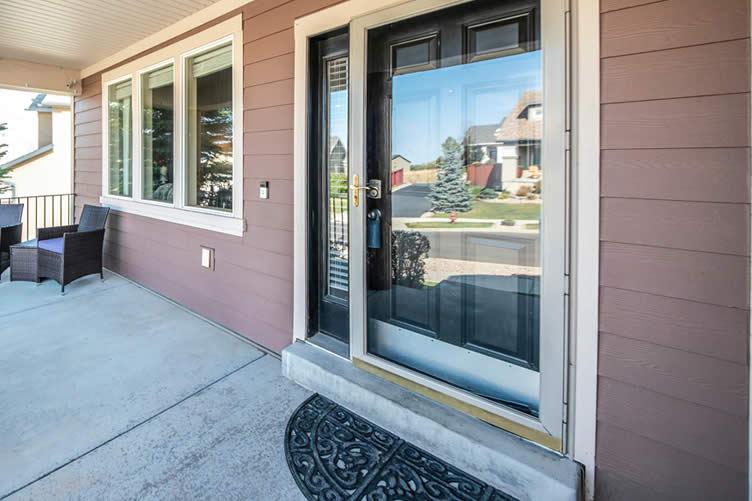
Engineered wood siding is an increasingly popular alternative to traditional wood siding, due to its durability and affordability. Unlike real wood, engineered wood siding is composed of wood strands or fibers combined with a resin binder, which is then molded to mimic the texture and grain of natural wood.
Engineered wood shares many of the aesthetic virtues of real wood, as it can be manufactured to resemble various types of wood, including cedar. However, it surpasses real wood in several key areas.
- Firstly, engineered wood is less susceptible to common wood problems like rot and insect damage, owing to the integration of special treatments in the manufacturing process. This makes it more durable and long-lasting, especially in regions with harsh climates.
- Secondly, the cost factor is another significant advantage of engineered wood. It is generally less expensive than real wood, both in terms of material and installation costs.
This affordability does not compromise its quality or curb appeal, making it a viable choice for homeowners seeking the timeless appeal of wood siding without the associated expense and maintenance.
In comparison, real wood siding, particularly cedar, offers unmatched natural beauty and can add significant value to a home. However, it requires more maintenance and is more prone to environmental damage.
Thus, each homeowner must weigh these factors when deciding between real and engineered wood siding.
copyright image by 123rf.com
-
-
ideas to view and compare from the information discussed above
Scroll up to directory … or scroll to next section about home siding options for your home exterior …



seventh “photo remodeling” idea
copyright image by envato.com
Section 7: Stone Veneer Siding: The Sturdy Elegance
Notes:
-
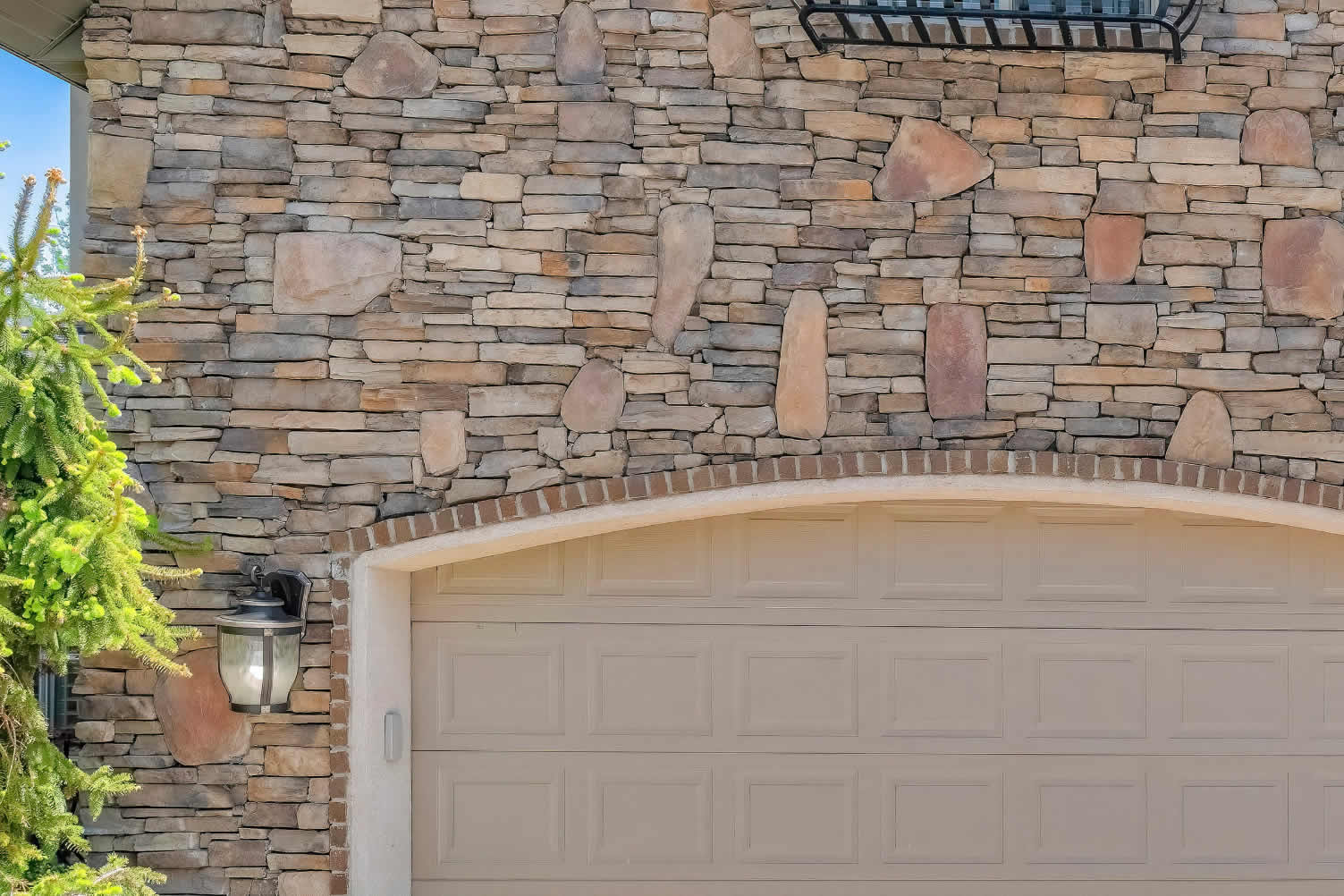
For homeowners seeking a blend of strength and sophistication, stone veneer siding is an excellent choice. This siding option replicates natural stone’s appearance, lending a timeless elegance to your home. It is composed of lightweight, high-density polyurethane that mimics real stone’s texture and color variations.
Stone veneer siding is exceptionally durable and resistant to cracks, chips, and weathering. It can withstand severe weather conditions without deteriorating, making it ideal for regions prone to extreme climates. Its installation is relatively straightforward and requires minimal maintenance compared to genuine stone.
Here are some of the varying styles and colors of Stone Veneer Siding:
-
Ledgestone:
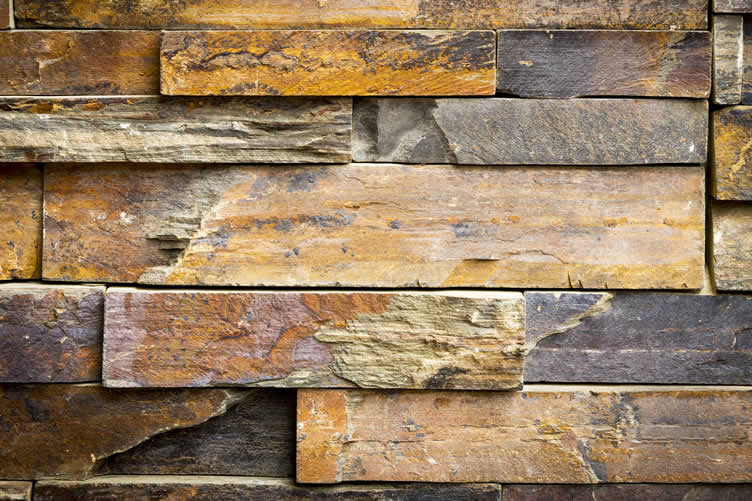
This particular style showcases a rugged and textured appearance, reminiscent of the untamed outdoors. The color palette offers a diverse range, encompassing various shades of gray, rust, brown, and tan. These earthy tones blend harmoniously, evoking a sense of warmth and natural beauty.
[ view samples: ledgestone]
-
Stacked Stone:
Stacked stone veneers showcase an organized, linear aesthetic that adds a touch of sophistication to any space. With their natural hues of earthy browns, grays, and whites, these veneers create a captivating and timeless ambiance. Whether used for accent walls, fireplaces, or exterior facades, they bring a sense of depth and texture that elevates the overall design.
[ view samples: stacked stone]
-
Fieldstone:
Fieldstone veneers are a fantastic choice for adding a touch of natural beauty to your space. These veneers expertly replicate the look of irregularly shaped stones, creating a captivating visual appeal. With a wide range of warm and cool tones to choose from, you can effortlessly find the perfect match for your desired aesthetic.
[ view samples: fieldstone]
-
River Rock:
This style effortlessly captures the essence of smooth, rounded stones that are often found in serene river beds. With a wide array of colors ranging from calming gray-blue to warm shades of brown, as well as captivating multicolor blends, there is a perfect choice to complement any design aesthetic.
[ view samples: river rock]
-
Limestone Veneer:
Limestone veneer offers a classic and timeless aesthetic, adding a touch of elegance to any space. With a wide range of colors available, from soft and subtle shades of light grays and whites to bolder and richer tones of darker grays, there are endless possibilities to create a stunning visual impact.
[ view samples: limestone]
-
Cobblestone Veneer:
Cobblestone veneers, reminiscent of a bygone era, exude a timeless and rustic charm. These versatile veneers come in a range of colors, from warm earthy browns to cool and sophisticated grays, allowing you to create a captivating aesthetic for your space.
[ view samples: cobblestone]
-
-
Quik scroll to topic side notes …
-
-
Pros and Cons
Stone Veneer Siding has become a popular choice among homeowners when it comes to exterior home siding. As with any material, it also has its pros and cons which need to be considered before making a decision.
Pros:
- Aesthetic Appeal:
Stone Veneer Siding offers an elegant and refined look that is sure to impress. It is available in a variety of styles and color options, ensuring that you can find something that fits your home’s exterior perfectly. - Durability:
This type of siding is known for its strength and durability. It can withstand extreme weather conditions and is resistant to fading and chipping. - Maintenance:
Stone Veneer Siding requires very little maintenance once installed. Its color and texture don’t fade easily, making it an ideal low-maintenance option. - Cost-Effective:
Compared to natural stone, Stone Veneer Siding is much more cost-effective. It provides the same look at a fraction of the cost.
Cons:
- Installation:
While Stone Veneer Siding is known for its easy installation, it still requires some level of skill. Incorrect installation can lead to moisture problems down the line. - Repair:
If the siding gets damaged, it can be costly to repair as it may require replacing entire sections. - Weight:
Despite being lighter than natural stone, Stone Veneer Siding is still heavier than other siding options. This means that the structural support of the house must be considered before installation.
This PDF forms will assist you in deciding the spec requirements for stone veneer siding needs.
Spec Planning
File Type: - Aesthetic Appeal:
-
Costs – Installation – Maintenance
Stone Veneer Siding is a popular choice in exterior home siding due to its durability, aesthetic appeal, and versatility. It mimics the look of natural stone but at a fraction of the weight and cost, making it a budget-friendly yet attractive option. Stone veneer siding is also known for its easy installation and maintenance, making it an appealing option for homeowners.
Understanding the cost, installation process, and maintenance needs of Stone Veneer Siding is crucial to making an informed decision for your home’s exterior.
-
Cost
In terms of cost, Stone Veneer Siding is typically priced by the square foot. The attractive aspect of this siding type is that it offers the luxurious appearance of natural stone at a more affordable rate. Though prices can vary based on the style and color choice, on average, you can expect to pay between $5 to $10 per square foot. This includes the cost of the material itself and labor.
-
Installation
Installation of Stone Veneer Siding is a task that requires precision. It begins with the preparation of the wall surface, ensuring it’s clean and dry. The siding is then applied with a bonding agent to adhere securely to the wall. It’s crucial to follow the manufacturer’s instructions to prevent future moisture problems. While it’s possible to attempt DIY installation, hiring a professional is recommended to ensure the job is done correctly.
-
Maintenance
One of the standout benefits of Stone Veneer Siding is its low-maintenance nature. Generally, it requires minimal upkeep. Its color and texture are resistant to fading, meaning it won’t require frequent repainting. However, it’s advisable to conduct periodic inspections for any signs of damage or moisture infiltration. If detected early, issues can be fixed before they lead to more extensive and costly repairs. Regular cleaning with a soft brush and mild detergent will also help to maintain the siding’s aesthetic appeal over time.
copyright image by 123rf.com
Use worksheet to record the estimated cost of stone veneer siding (alone with installation) and then input the actual cost as you go along, therefore, making it easier to spot any discrepancies and adjust your exterior siding accordingly.
Find the tab: exterior home
Budgeting Worksheet
File Type: -
-
About Natural Stone
Natural Stone Siding is another option for homeowners seeking a robust and aesthetically pleasing exterior. Comprised entirely of quarried rock, this siding type exudes an authentic and timeless appearance that many homeowners find appealing.
From a cost perspective, natural stone siding is significantly more expensive than Stone Veneer Siding, with prices ranging from $15 to $30 per square foot, inclusive of materials and labor costs.
Installation of Natural Stone Siding is more complex and time-consuming than its veneer counterpart. The substantial weight of natural stone requires a stronger wall structure for support, and the application process itself is labor-intensive. Therefore, a professional installer with experience handling natural stone is essential.
Despite the higher upfront costs, Natural Stone Siding is incredibly durable and long-lasting. Like Stone Veneer Siding, it’s resistant to fading and requires minimal maintenance. Regular inspections and cleaning will help keep the stone looking its best over the years. However, natural stone siding is also more resilient to severe weather conditions and damage, which can make it a worthwhile investment in the long run.
Comparatively, Stone Veneer Siding provides the look and feel of natural stone without the hefty price tag and installation challenges. However, for homeowners who value authenticity and are willing to invest more for longevity, natural stone siding could be an attractive option.
copyright image by envato.com
-
-
ideas to view and compare from the information discussed above
Scroll up to directory … or scroll to next section about home siding options for your home exterior …


view illustration “becoming a bank”
Find Home Siding Services Siding Brick Concrete Stone top-rated, pre-screened local contractors FREE: download contractor selection enter zip code – powered by HomeAdvisor ™
Quick Contractor Guides selecting negotiating working with inspecting

eighth and final “photo remodeling” idea

copyright image by 123rf.com
Section 8: Implementing the Plan
Notes:
-
Having decided on your preferred siding option, it’s time to move into the implementation phase. This process involves several key steps:
- Securing a Permit:
Before you can install exterior home siding, you will typically need to secure a permit from local building authorities. This process varies by location, so it’s crucial to understand and comply with all local regulations. - Outlining a Timeline:
Develop a realistic timeline for your project. Consider factors like weather conditions, availability of professional installers, and delivery times for your chosen siding material. - Procuring Materials:
Once you have your permit and timeline, you can order your siding material. Ensure you order enough to cover your entire home, and it’s advisable to order a little extra to account for any mistakes or damage. - Hiring Professionals:
Unless you’re an experienced DIYer, it’s recommended to hire professional installers to handle the installation. Look for installers with a solid reputation and plenty of experience in installing the type of siding you’ve chosen. - Prepping Your Home:
Prior to the installation day, ensure your home’s exterior is in good shape. This might involve repairing any damaged areas, clearing away plants or debris, and removing old siding if necessary. - Installation:
Once all the prior steps are completed, the actual siding installation can begin. This process will vary depending on the type of siding you’ve chosen.
Remember, this is a generalized plan, and specific steps might vary based on individual circumstances and local regulations.
- Securing a Permit:
-
Quik scroll to topic side notes …
-
-
1st: About Building Permits and Codes
Before you begin the process of installing exterior home siding, it is critical to obtain the necessary building permits. These permits ensure all work is completed in compliance with local building codes, and are designed to guarantee the safety of the occupants.
The permits are usually obtained from your local city or county building department. This process involves submitting your project plans, and often an on-site inspection is required before approval.
Obtaining the necessary permit for the project is the responsibility of either the homeowner or the contractor. Note that each locality may have different rules and procedures, so be sure to check with your local authority.
Commencing work without the necessary permits can result in fines, and potentially, a demand to remove the unapproved work.
-
Know the Building Codes
Abiding by the designated building codes for siding installation is not only a legal requirement but also a safeguard for your home. These codes are designed to ensure the resilience and longevity of the structure, protecting it against external elements such as wind, heat, and moisture.
Neglecting these codes may result in structural flaws, leading to costly repairs and potentially compromising the safety of the dwelling.
When planning to install exterior home siding, familiarize yourself with the following essential building codes:
- Wind Resistance Codes:
The siding must meet minimum requirements for wind resistance, particularly in regions prone to severe weather conditions. - Fire Safety Codes:
The material and installation method should comply with local fire safety standards, reducing the risk of fire spreading. - Water Resistance Codes:
A proper water-resistant barrier should be installed behind the siding to prevent moisture intrusion, which can lead to mold growth and structural damage. - Thermal Resistance Codes:
In certain climates, the building codes may require the use of insulated siding to increase the home’s energy efficiency.
Always refer to your local building codes, as they vary by region and are subject to change. Preemptive compliance with these codes is the homeowner’s best defense against potential problems down the line.
- Wind Resistance Codes:
copyright image by 123rf.com
-
-
2nd: Finding Home Siding Services
Once you are familiar with the local building codes and the type of siding that best suits your home, the next step involves finding and selecting a reputable home exterior siding contractor. This process requires careful consideration to ensure that the job is done right the first time.
Start by conducting thorough research. Ask for recommendations from friends, family, or neighbors who have had similar work done. Online platforms can also provide a wealth of information, with reviews and ratings for potential contractors.
LetsRenovate has aligned with HomeAdvisor ™, one of the leading providers of top-rated, pre-screened local contractors. Begin your search here by entering your zip code for local contractor search.
copyright image by 123rf.com
-
But Wait!
Download first this contractor search and evaluation worksheet to rank and evaluate siding contractors as it relates to price, experience, time commitment, insurance, references, and their affiliation with professional associations.
Look for and compare siding contractors regarding positive customer reviews, proven experience, and a solid reputation in the community. It’s beneficial to check whether they’re licensed and insured, as this provides an additional layer of protection.

Evaluation Sheet
File Type:Spec Planning
File Type: -
Contractor Evaluation
When you have compiled a shortlist, arrange consultations with each contractor. Ask them about their experience, qualifications, and whether they are licensed and insured. It’s crucial to choose a contractor who is familiar with local building codes and can obtain the necessary permits for exterior siding installation.
Review each contractor’s portfolio to assess their work quality, and don’t hesitate to ask for references. Contacting previous clients can give you a sense of the contractor’s professionalism and reliability.
Ask for itemized quotes that detail the cost of materials, labor, and any additional expenses. Remember, the lowest bid may not be the best. Quality workmanship is an investment that can save you from future repair and maintenance costs.
Finally, ensure all agreements are put in writing. A contract should include the project’s scope, timeline, and total cost, along with specifics about the warranty and terms of payment.
-
-
-
FINAL REMARKS
Selecting the right siding for your home is a decision that should not be taken lightly. It’s not only about aesthetics but also about ensuring your property’s long-term protection and appeal.
Each of five options discussed (and others) offer a unique blend of durability and visual appeal, catering to a wide range of homeowner preferences and architectural styles.
Whether you opt for the classic charm of brick, the low-maintenance appeal of vinyl, or the sturdy elegance of stone veneer, your choice will play a vital role in defining your home’s character and safeguarding it against the test of time.
So, explore these options, consider your specific needs and tastes, and make a selection that will stand strong for generations to come.
-
ideas to view and compare from the information discussed above
book: illustrated building codesbook: permits logbooksiding tools
- What comments can you share about
home siding options for your house?
Scroll up to directory … or scroll to additional topics related to home exterior projects …
below for …
home siding installation
remodeling decisions
Cover image credit: home siding options by 123rf.com
end of post … please share it!
 |
did you find this home siding options analysis helpful? If so, please share the article with your friends and family! |
Nice pic idea? Leave us a quick comment below.
And please share this pic idea within your social networks.