Summary Outline –
Designing a better backyard drainage system is an essential undertaking for homeowners seeking to maintain an attractive, healthy landscape and protect their property from potential water damage. A well-functioning yard drainage system ensures that excess water is effectively redirected away from your property, thus preventing standing water, soil erosion, and potential threats to your home’s foundation.
Summary of Site Content
1st Segment: [view segment]
… the first segment examines the importance of having an effective drainage system and explains the reasons behind protecting home foundations, landscapes, and other associated benefits.
2nd Segment: [view segment]
… the second segment highlights the importance of planning, thoughtful design, and attention to detail when it comes to a drainage system. It is crucial to carefully assess multiple factors to ensure optimal water flow that prevents any potential pooling problems.
3rd Segment: [view segment]
… the third segment provides an overview of various types of drainage systems, including French drains, trenches, dry wells, water gardens, and more. It also offers installation tips and maintenance guidelines to ensure effective functionality.
4th Segment: [view segment]
… the fourth segment discusses the importance of considering climate factors when choosing a drain type. It also reviews the maintenance practices of your drainage system to ensure optimal functioning.
5th Segment: [view segment]
… the fifth and final segment gets into implementing a yard drainage system either by taking the DIY route or hiring a professional. Each option has its advantages and disadvantages that need to be carefully considered.
Whether you are considering a do-it-yourself project or seeking professional assistance, understanding the fundamentals of backyard drainage system design is key.
In this analysis, we will shed light on the basics of drainage system planning, the importance of understanding your yard’s topography and soil composition, and the various factors that contribute to an efficient and effective drainage system.

-
Quik scroll to first topic about designing a better yard drainage system …

first “designing a better yard drainage system” idea


copyright image by 123rf.com
Section 1: About The Need of Good Drainage
Notes:
-
A well-designed yard drainage system is vital to maintaining the health and aesthetic appeal of your outdoor space. Poor drainage can result in water pooling around your property, which not only creates unsightly muddy patches but also poses a risk to your home’s foundation.
Excessive moisture can lead to erosion, compromising the structural integrity of your home and potentially leading to costly repairs. Moreover, stagnant water can serve as a breeding ground for mosquitoes, increasing the risk of vector-borne diseases.
Therefore, investing in a good drainage system is essential to protecting your property and ensuring a healthy, enjoyable outdoor environment.
-
Quik scroll to topic side notes …
-
-
Why Good Drainage is Necessary
Proper drainage means that excess water is efficiently drained away from your property, minimizing the risk of standing water. This is particularly important in areas with heavy rainfall or where the ground has a high water table.
Without proper drainage, you may experience problems such as:
-
Foundation Damage:
Persistent water buildup, caused by inadequate drainage or leaks, can gradually seep into the foundation of your home. This continuous moisture exposure can result in cracks and shifts, jeopardizing the structural integrity of your beloved abode.
As time passes, these issues may escalate, requiring extensive and costly repairs to restore the stability of your home’s foundation. It is crucial to address water buildup promptly to prevent further damage and safeguard your investment.
-
Basement Dampness:
Without proper yard drainage, excessive water can easily seep into your basement, causing persistent dampness. This can not only compromise the structural integrity of your home but also create a favorable environment for the proliferation of harmful mold and mildew.
The presence of these contaminants not only poses health hazards but can also result in unpleasant odors and damage to your belongings.
-
Landscape Deterioration:
A poorly drained yard can cause soil displacement, which in turn can disrupt the carefully crafted landscaping and lead to the formation of uneven ground or potentially dangerous sinkholes.
This not only detracts from the aesthetic appeal of your yard but also poses a risk to the stability of your home’s foundation and overall structural integrity.
-
Unhealthy Plants:
Plants require a delicate balance of water and oxygen to thrive and flourish. Insufficient drainage can cause water to accumulate around the roots, leading to the development of root rot.
This condition hampers the roots’ ability to absorb oxygen, ultimately depriving the plants of the vital element they need to survive. Over time, the lack of oxygen and the detrimental effects of root rot can weaken and eventually lead to the demise of the plants, shrubs and trees.
-
Mold and Mildew Growth:
Excess moisture in the environment can create the perfect conditions for the growth of mold and mildew. These unwanted intruders not only harm plants but also pose a significant health risk to both humans and pets.
Mold and mildew release spores into the air, which can trigger allergies and respiratory issues, especially in individuals with pre-existing conditions such as asthma. Additionally, the presence of mold and mildew can cause unpleasant odors and damage to property, requiring costly repairs.
-
Excess of Mosquitoes and Other Insects:
Poor yard drainage can lead to stagnant water, which provides a breeding ground for mosquitoes and other water-borne insects. These pests are not only a nuisance, interrupting outdoor activities and causing discomfort with their bites, but they also pose serious health risks, carrying diseases such as West Nile Virus and Zika.
By installing a good yard drainage system, you can eliminate standing water and thus, substantially reduce the population of these pests in your yard.
-
Lowered Property Value:
Drainage issues, such as poor water management, can have detrimental effects on your home’s foundation and lead to flooded basements. These problems not only compromise the structural integrity of your property but can also significantly decrease its market value.
Investing in proper yard drainage solutions is a wise decision as it not only protects your home from potential damage but also enhances its overall value and appeal.

copyright image by 123rf.com

-
-
-
ideas to view and compare from the information discussed above
Scroll up to directory … or scroll to next section about designing a better yard drainage system …

second “photo remodeling” idea
copyright image by 123rf.com
Section 2: Planning and Designing a Yard Drainage System
Notes:
-
Creating an effective yard drainage system requires meticulous planning, thoughtful design, and attention to detail. It’s important to carefully consider various factors to ensure optimal water flow that prevents any potential pooling issues.
By taking the time to design a well-thought-out drainage system, you not only protect your property from water damage but also contribute to the long-term structural integrity of your home’s foundation and landscape. A properly designed system ensures that water is efficiently directed away from your property, reducing the risk of costly repairs and providing you with peace of mind.
So, don’t overlook the importance of meticulous planning and thoughtful design when it comes to your yard drainage needs.
-
Quik scroll to topic side notes …
-
-
1st: Conduct A Drainage Assessment
Below is a list of key considerations that are crucial for effectively planning and designing a highly efficient and sustainable yard drainage system.
By exploring various factors such as topography, soil composition, and rainfall patterns, we aim to provide you with a deeper understanding of the intricacies involved in creating a robust and reliable drainage solution.
-
Firstly, Assess Your Yard’s Terrain
Before you begin the process of planning and designing your yard drainage system, it is crucial to thoroughly assess the terrain and topography of your yard. Take a close observation of any low-lying areas or spots where water tends to pool or accumulate after rainfall.
By doing so, you will gain valuable insights into the natural drainage patterns and identify potential problem areas that might require specific attention and solutions.
-
Next, Note the Size and Slope of Your Property
The size and slope of your property are critical factors to consider when designing a yard drainage system. For larger yards, a more complex system may be required, with multiple drains and a network of pipes to ensure that water is effectively redirected away from your home.
Similarly, the slope of your property will affect how water flows and collects. A yard with a steep incline will naturally channel water downhill, so your drainage system would need to cater to this flow.
Conversely, a flat yard may require a more comprehensive solution to prevent water stagnation. In all cases, understanding the unique characteristics of your property is key in creating an effective drainage system.
-
Consider Your Climate
If you reside in an area prone to heavy rainfall, you’ll need to implement a more robust and comprehensive system capable of efficiently managing and directing the excess water away from your property. This could involve installing more intricate drainage channels, strategically placed catch basins, and perhaps even a retention pond if necessary.
On the other hand, if you live in a drier climate, you may not face the same level of water accumulation challenges. In this case, a more straightforward drainage system could suffice. This might involve utilizing strategic grading and sloping techniques to ensure proper water flow, as well as incorporating permeable surfaces or gravel beds to facilitate natural water infiltration.
-
Evaluate the Location of Structures on Your Property
The location of your home and other structures on your property also play a significant role in the planning and design of your yard drainage system. Buildings can obstruct the natural flow of water, making certain areas prone to pooling or flooding.
Outbuildings, patios, driveways, and even large trees or landscaping features can affect how water moves across your yard. Therefore, it’s crucial to incorporate these elements into your drainage plan.
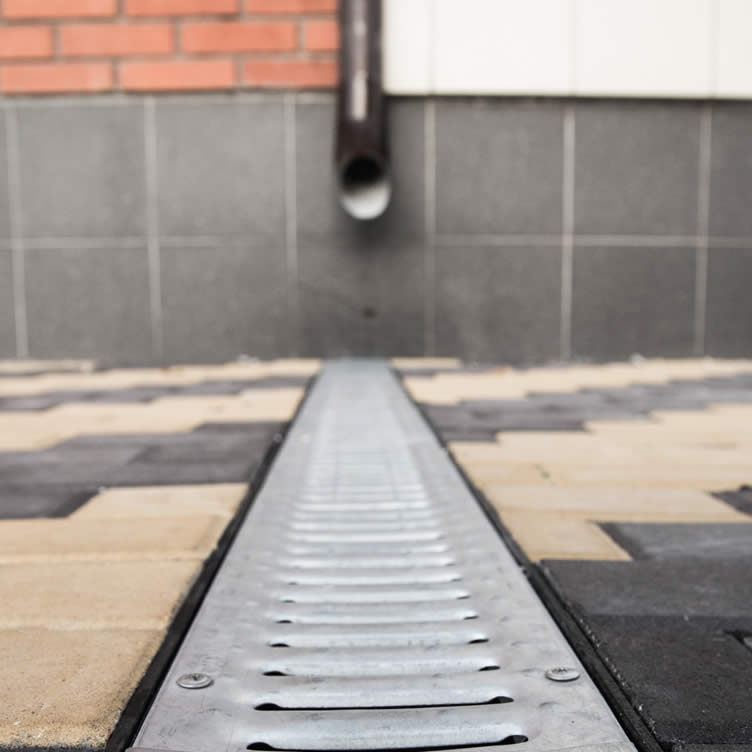
For instance, downspouts should ideally be directed away from the house and any other structures to avoid water damage. Moreover, consider the potential impact of your drainage system on neighboring properties. It’s essential to ensure that the water is redirected in a way that doesn’t cause problems for your neighbors.
-
Consider the Type of Vegetation
Some plants and trees require more water than others, which can potentially contribute to water pooling or retention in certain areas. Furthermore, the root systems of certain trees or shrubs may obstruct or damage underground drainage pipes.
It’s advisable to identify areas where water-loving plants could be strategically placed to absorb excess moisture, thus enhancing your yard’s natural drainage. Conversely, areas with less water-tolerant plants might require additional drainage solutions to prevent waterlogged soil.
In such instances, you may want to consult with a landscape designer or horticulturist to understand the best plant varieties for your yard’s specific drainage needs.
copyright image by 123rf.com
-
-
2nd: Drainage Planning Tips
Once you have accessed the above factors, you can start to design your drainage system. Here are some tips:
-
Use a Variety of Drainage Methods:
A good drainage system will effectively manage water flow, utilizing a variety of methods to direct excess water away from your property. This may include strategically placed gutters and downspouts to collect and channel rainwater, French drains designed to redirect water underground, dry wells that store and gradually release water into the soil, and swales that help to redirect surface water runoff.
[ see topic below: selecting type of drainage system]
-
Make Sure Your Drainage System is Properly Graded
To ensure effective water management, it is recommended that the drainage system is properly sloped. This slope allows for the efficient flow of water away from your home and other surrounding structures, preventing any potential water damage or pooling.
-
Install Catch Basins to Collect Debris:
Catch basins, also known as stormwater drains, play a crucial role in effective drainage systems. They are typically installed at the bottom of downspouts and other areas prone to water accumulation, ensuring that excess water is properly collected and directed away from buildings and properties.
-
Use Permeable Materials In Your Hardscaping:
Permeable materials, such as gravel and permeable pavers, are designed to allow water to seep through their surface. This unique characteristic not only helps to reduce the amount of runoff from your property, but also allows for replenishment of groundwater and minimizes the strain on stormwater systems.
-
Maintain Your Drainage System Regularly:
To maintain a properly functioning gutter system, it is important to regularly clean gutters and downspouts. Additionally, it is advisable to inspect your drainage pipes and catch basins for any signs of cracks or leaks.
[ see topic below: maintaining your drainage system]
Here are some additional tips for designing a good home and property drainage system:
-
Consider Using Green Infrastructure:
Green infrastructure, including rain gardens and bioswales, plays a vital role in managing stormwater. By filtering and absorbing rainwater, these nature-based solutions effectively reduce runoff from your property, minimizing the impact on local water systems.
Furthermore, the unique ability of green infrastructure to improve water quality through natural filtration processes ensures a healthier environment for both humans and wildlife.
-
Disconnect Downspouts From the Sewer System:
Disconnecting downspouts from the sewer system and routing the water to permeable surfaces or rain barrels can significantly reduce the volume of water entering the sewer system during heavy rainfall.
By implementing this simple yet effective solution, we can not only mitigate the risk of sewer overflows but also contribute to water conservation efforts and promote sustainable urban drainage systems.
-
Collect Rainwater for Reuse:
Rainwater, a valuable resource, can be effortlessly collected and reused for various purposes such as irrigation, watering plants, or even washing cars.
By harnessing the power of rainwater, not only can you significantly reduce your water consumption and save money, but you also contribute to the preservation of our precious water sources, promoting sustainability and environmental well-being.

copyright image by AI generated by 123rf.com
-
-
-
ideas to view and compare from the information discussed above
Scroll up to directory … or scroll to next section about designing a better yard drainage system …
 … grab this directory of ideas

May We Suggest Other Photo Remodeling Ideas About
“Taking Care of the Exterior Home …” (new win)

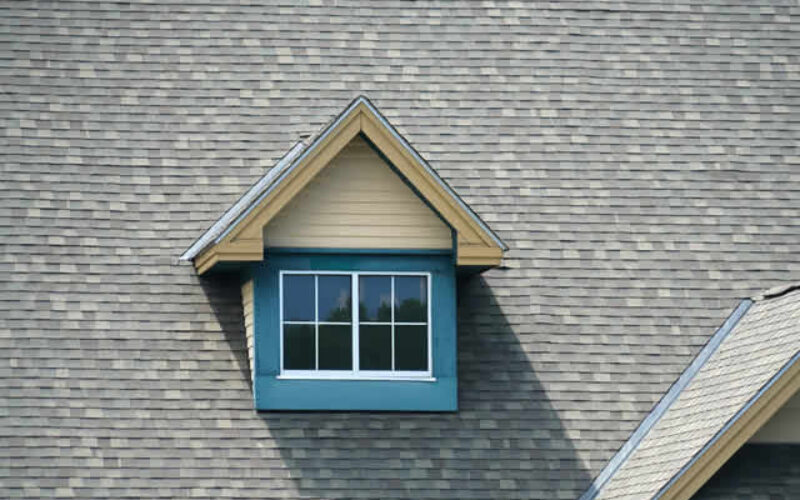

third “photo remodeling” idea
copyright image by 123rf.com
Section 3: Selecting Type of Drainage System
Notes:
-
Choosing the appropriate drainage system for your property is crucial in effectively managing water runoff and protecting your home. The selection process involves assessing the specific conditions of your yard, including the soil type, the gradient of your landscape, and the volume of water your property typically receives.
Some popular methods include French drains, trench drains, and dry wells. French drains are good for dispersing water over a large area, while trench drains quickly whisk water away from your property. Dry wells, on the other hand, can handle large amounts of water and are ideal for properties that experience heavy rainfall.
Each of these systems has its unique advantages, and the best choice depends on the specifics of your yard and your drainage needs.
-
Quik scroll to topic side notes …
-
-
1st: Start With Proper Roof Gutters and Spouts
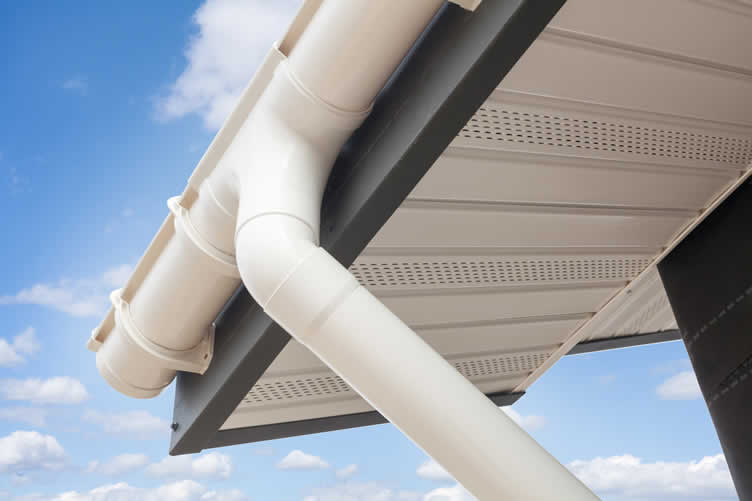
Starting with proper gutters and downspouts is a fundamental step in designing an effective yard drainage system. It’s important to remember that the roof is a large surface area that collects significant volumes of rainwater.
This water needs to be efficiently and strategically moved away from your home’s foundation to prevent water damage. Your gutters should be regularly checked and cleaned to prevent blockages that could lead to overflow.
Choosing the right downspouts is equally important. The downspouts should be positioned to direct water away from your home and into an appropriate drainage area.
It’s generally recommended that water be directed at least 6 feet away from your home’s foundation. The configuration of your downspouts will largely depend on the layout of your property and the type of drainage system you select.
Whether it’s a French drain, a trench drain, or a dry well, each system can be effectively integrated with your gutters and downspouts to create an effective, comprehensive yard drainage system.
copyright image by 123rf.com
[ view diagram: how gutters work]
[ youtube: drain downspout water flow away from a house]
-
2nd: Trench Drains
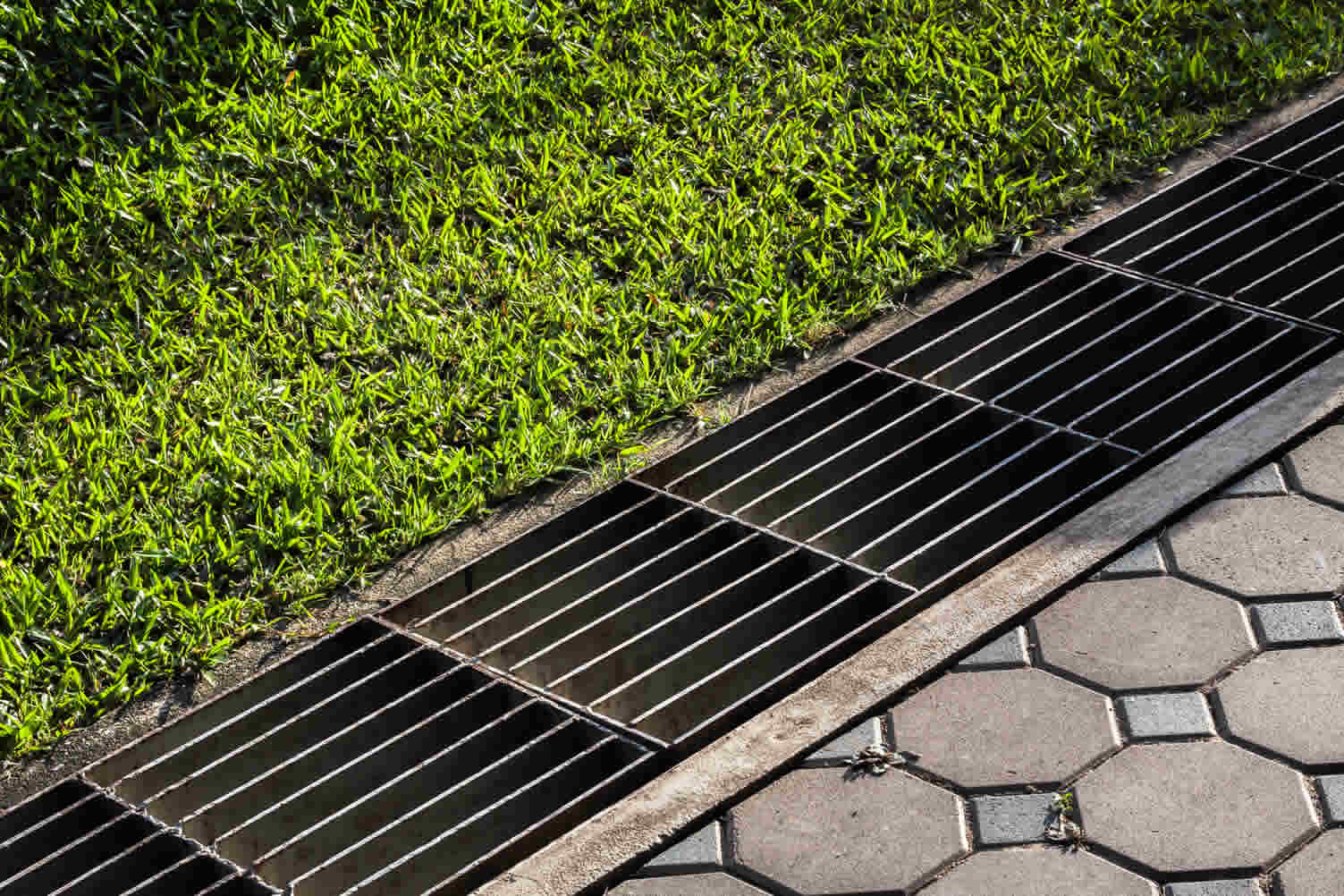
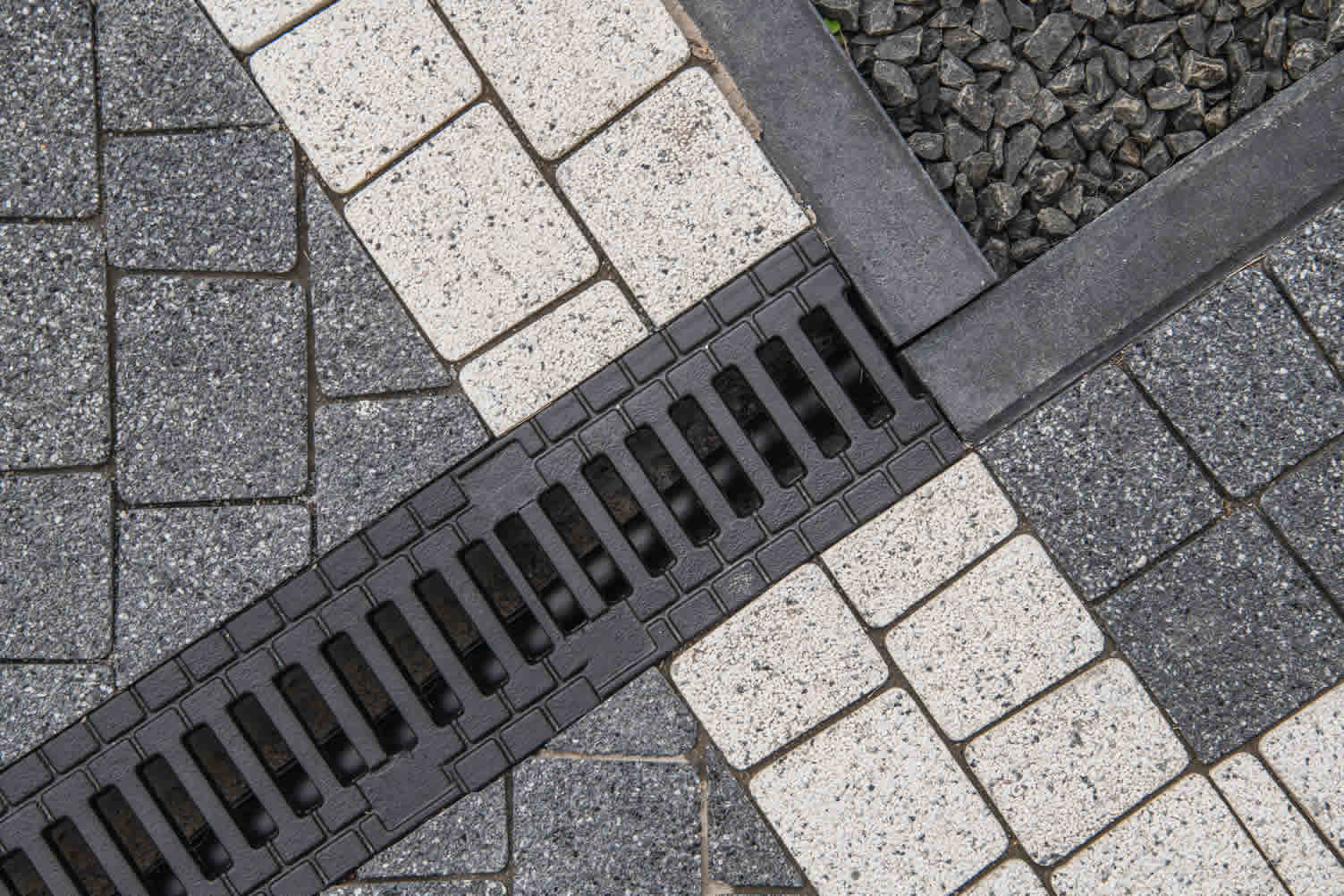
Trench drains, also known as channel drains, are an excellent choice for properties that face issues with surface water. These linear drains collect water over a large area and swiftly direct it away from your property, making them ideal for flat yards and paved areas.
The installation of trench drains involves creating a channel in your yard or driveway, where the drain is then placed. This process requires careful planning and precise execution to ensure proper slope and effectiveness.
The drain should be set at a depth and location that allows water to flow naturally into it, and it’s crucial to install a grate on top to prevent debris from entering the system.
Maintenance is a key aspect of a trench drain’s long-term operation. Regular cleaning is necessary to prevent any buildup of debris that could impede water flow. This typically involves removing the grate and cleaning out the channel.
For more extensive cleanings or to unclog a blocked drain, it may be helpful to hire a professional. Understanding your trench drain system and maintaining it properly will ensure the longevity of your yard drainage system and keep your property protected from water damage.
copyright image by 123rf.com
[ view diagram: trench drain installation]
[ youtube: how to install a channel drain]
-
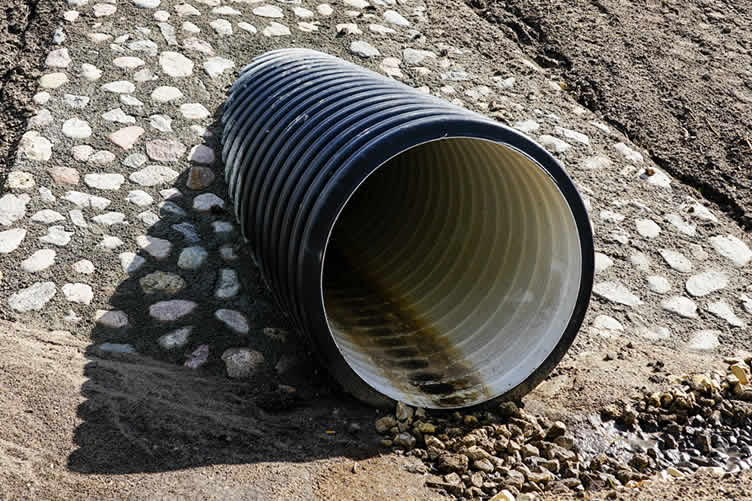
3rd: French Drains
French drains are another effective yard drainage system, particularly useful for properties experiencing issues with subsurface water. They work by directing water away from your property, thus preventing any potential water-related damages.
The installation of a French drain involves digging a sloping trench, with the depth and direction determined by the specific water issues of your property. A perforated pipe, wrapped in landscape fabric to prevent silt and roots from entering, is then laid in the trench.
This pipe is surrounded by gravel, which further filters the water and facilitates its flow into the pipe.
Maintaining a French drain requires regular inspection for signs of clogging or poor water flow. The most common maintenance task is the occasional replacement of the landscape fabric wrapping the pipe, as this can become blocked with silt over time. In severe cases of clogging, it might be necessary to excavate part of the drain and replace the gravel and fabric.
Professional help might be required for such extensive maintenance tasks. With proper understanding and regular maintenance of your French drain system, you can effectively manage water drainage in your yard and protect your property from potential water damage.
copyright image by 123rf.com
[ view diagram: French drain installation]
[ youtube: how do install a French drain]
-
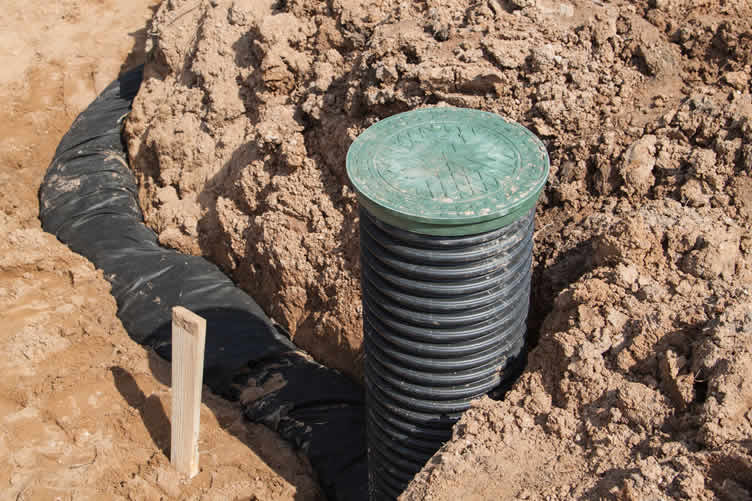
4th: Dry Wells
Dry wells are another viable option for your yard drainage system, particularly designed to manage and dissipate water into the ground. Essentially, dry wells are structures or pits filled with gravel or rubble, which work to disperse excess water collected from roofs or other runoff areas.
The installation of a dry well involves selecting an appropriate location, typically a low-lying area where water tends to accumulate. The next step is to excavate a hole, the size of which depends on the volume of water to be managed.
This hole is then filled with coarse gravel or crushed stone to enhance water absorption and a prefabricated dry well or a perforated drain pipe is placed at the center. This setup is then covered with more gravel or crushed stone before being topped with soil and grass.
Maintenance of dry wells includes regular inspections for any signs of water pooling or sluggish drain rates, which could indicate that the system is getting clogged. If noticed, it is recommended to clean out the well to restore its functionality.
In some cases, professional help may be necessary for deep cleaning or addressing severe blockages. Like any yard drainage system, proper installation and ongoing maintenance is key to the effectiveness and longevity of dry wells.
copyright image by 123rf.com
[ view diagram: dry well installation]
[ youtube: installing dry wells]
-
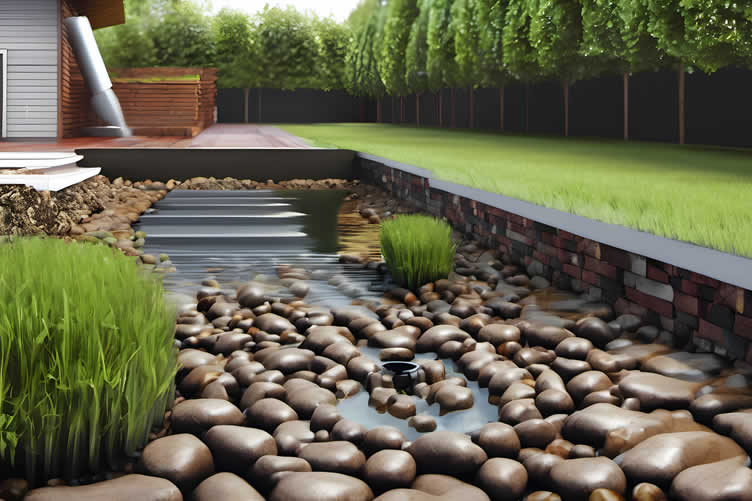
5th: Creek Beds
Creek beds, also known as dry creek beds, provide a visually appealing and functional solution to address drainage issues in your yard. These structures mimic natural waterways, directing water from high points in your landscape to lower areas, making them an excellent method for managing runoff.
The planning phase for a creek bed installation involves determining the start and end points of the creek bed based on the natural slope of your yard. Once these are established, you can outline the creek bed path. Keep in mind that a meandering path often looks more natural and appealing than a straight line.
Next, you’ll need to excavate a trench along the path you’ve outlined. This trench should be deep and wide enough to accommodate your chosen rocks and stones. Landscape fabric should be laid in the trench to prevent weeds and to separate the stones from the soil underneath.
Then, you’ll add a layer of large stones along the sides of the trench to act as the ‘banks’ of your creek, followed by smaller stones or gravel in the center to form the ‘bed’.
For maintenance, visually inspect your creek bed periodically, especially after heavy rains, for any signs of erosion or displacement of stones. You may need to replenish or reposition stones as needed.
Regularly removing debris like leaves and twigs will maintain the unobstructed flow of water and keep your creek bed looking its best.
copyright image by 123rf.com
[ view ideas: creek bed for drainage]
[ youtube: how to build a dry creek bed]
-
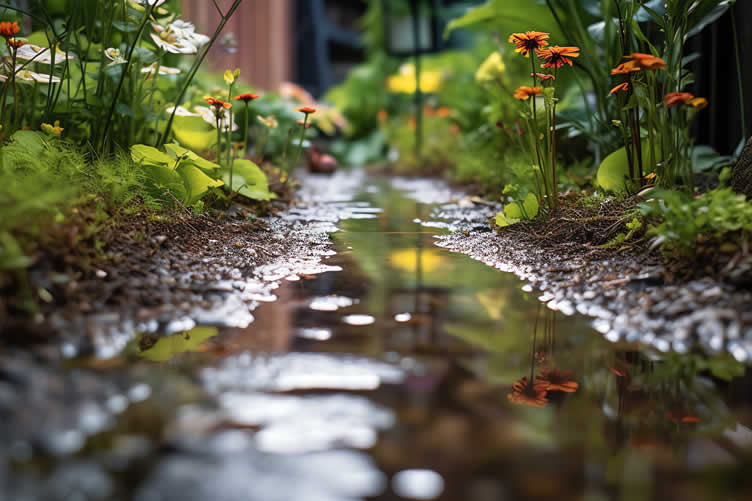
6th: Rain Gardens
Rain gardens are another effective method for managing water drainage in your yard. They are purposefully designed low areas planted with deep-rooted native plants and grasses. They work by temporarily holding rainwater runoff and allowing it to slowly infiltrate into the ground.
For installation, you’ll need to select a location in your yard where water tends to collect or where your downspouts can be directed. The area should receive sun for at least half the day and be at least 10 feet away from your home to prevent water damage.
Next, you’ll need to excavate the area to a depth of about 6 inches to 1 foot, ensuring the bottom is level. The excavated soil can be used to create a berm around the garden to help retain water.
To plant your garden, lay a mix of compost and native soil and select native plants that can tolerate both wet and dry conditions. Place taller plants in the center with shorter plants around the edges. Lay mulch around the plants to help retain moisture and prevent weed growth.
Maintaining a rain garden is relatively low effort. The plants in the rain garden are selected for their ability to thrive in local conditions, so they require little care once established. Just like a regular garden, weeding and mulching will need to be done on an ongoing basis.
It’s also important to inspect the garden after heavy rains to ensure it drains within 24 hours. If standing water persists, you may need to amend the soil to improve absorption or adjust the gradient of the garden.
copyright image by 123rf.com
[ view ideas: rain gardens ]
[ youtube: basics of rain gardens with eco-landscaping expert]
-
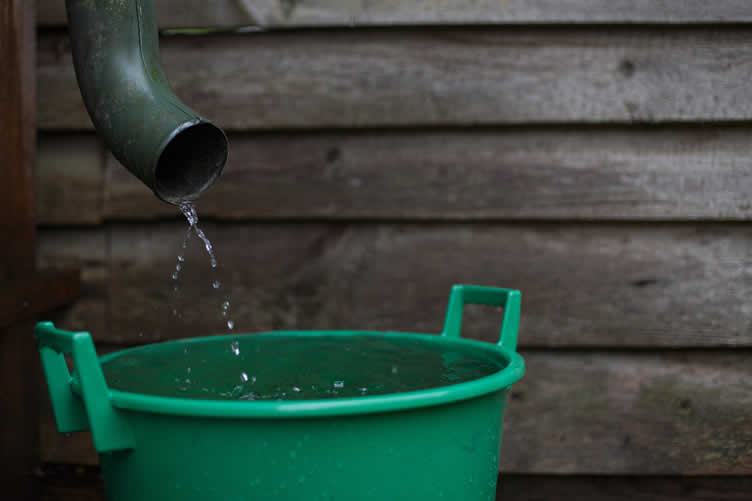
7th: Rain Collection Systems: Barrels and Tanks
Rain collection systems, another efficient method of yard drainage, work by capturing and storing rainwater typically from rooftops. The collected water can then be used for various purposes such as watering lawns or gardens, thus reducing your water bills and conserving water resources.
The two most common types of rain collection systems are barrels and tanks, which can be installed above or underground.
To install a rain barrel, select a location near a downspout where you want to collect water. Keep in mind the surface should be flat and elevated, as you’ll need to fit a watering can under the spigot.
Place the barrel on a secure base, attach the downspout using a flexible plastic pipe, and ensure the lid is securely fitted to prevent debris from entering the barrel.
Underground rain tanks require more complex installations. They often require excavation and the installation of a pump to access the stored water. It’s recommended to seek professional help for such installations.
Maintenance of rain collection systems is straightforward. For barrels, regular checks for leaks and clearing any blockages in the downspouts are important. Also, it’s essential to keep the lid secure to prevent mosquitoes from breeding.
For underground tanks, annual inspections should be performed to ensure all components are working properly. This includes checking the pump, cleaning any filters, and inspecting for signs of damage or leaks.
Both systems should be winterized to prevent damage from freezing temperatures.
copyright image by 123rf.com
[ view ideas: rain collection systems]
[ youtube: how to harvest rainwater]
-
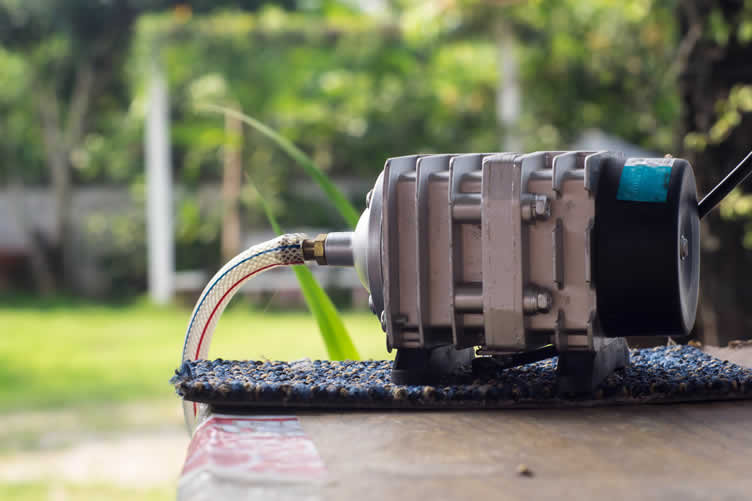
8th: Sump Pumps
Sump pumps are another effective option for managing yard drainage issues. They are primarily used in areas where the water table is above the foundation of a house or in cases where the yard is naturally prone to flooding.
Sump pumps are installed in a specially constructed sump pit, from where they pump out excess water, redirecting it away from your home and yard.
Installing a sump pump involves digging a hole in the lowest part of your yard, typically about two feet deep and 18 inches in diameter. A sump basin or liner is then placed in the hole, and the sump pump is set inside the basin.
PVC pipes are used to connect the pump to the drainage area, usually a municipal storm drain or a dry well. It’s crucial to ensure that the pump’s output is directed well away from the home’s foundation to prevent water from returning to the yard.
Maintenance of sump pumps is critical for their longevity and efficient operation. It is recommended to inspect and clean your sump pump at least once a year by removing any debris that may have collected in the sump pit, checking the operation of the float switch, and running a bucket of water through the pump to ensure it starts and stops correctly.
Additionally, the outlet pipes should be inspected for any blockages or leaks. In areas where heavy rainfall is frequent, more regular checks may be necessary.
copyright image by 123rf.com
[ view diagram: how yard sump pumps work]
[ youtube: sump pump drainage system]
-
9th: Other Tips and Summary Infographic
If your yard is not situated on an elevated hilltop or enclave, you may encounter drainage issues. This is particularly true for homes in neighborhoods that are situated lower than others on the street or hill. In such cases, your property is likely to receive rain runoff that flows into your backyard or surrounding areas.
The removal of trees and forest-rooted plants for home construction and manicured lawns can pose a significant challenge for established neighborhoods. As a result, rainfall lacks the opportunity to be absorbed, leading to easy flow towards lower elevations and the potential creation of a soggy mess within property boundaries.
We have examined the different drainage solutions for your property. Let’s explore all the available options by reviewing this comprehensive infographic on various types of drainage solutions.

copyright image by 123rf.com
Below are some valuable suggestions to enhance the setup of a water drainage system for your home and garden:
- Direct downspouts away from your foundation. This will help to prevent water from pooling around your foundation and causing damage.
- Install gutters and downspouts on all of your roofs. This will help to collect and redirect rainwater away from your home.
- Create a slope in your yard so that water flows away from your foundation.
- Plant trees and shrubs in areas where water tends to pool. This will help to absorb the water and prevent it from causing problems.
- If you have a garden, make sure that the soil is well-draining. You can improve drainage by adding sand or compost to the soil.
- Planting ornamental grasses in areas with drainage runoff or flow can effectively stabilize the soil. These plants possess a fibrous root system that not only provides year-round coverage but also plays a crucial role in soil stabilization.
- Planting absorbent plants, also known as "thirsty" plants, can help absorb any excess water in the yard, providing a natural drainage solution.
-
-
ideas to view and compare from the information discussed above
Scroll up to directory … or scroll to next section about designing a better yard drainage system …

drainage and other exterior needs


home drainage needs

remodeling decisions
fourth “photo remodeling” idea
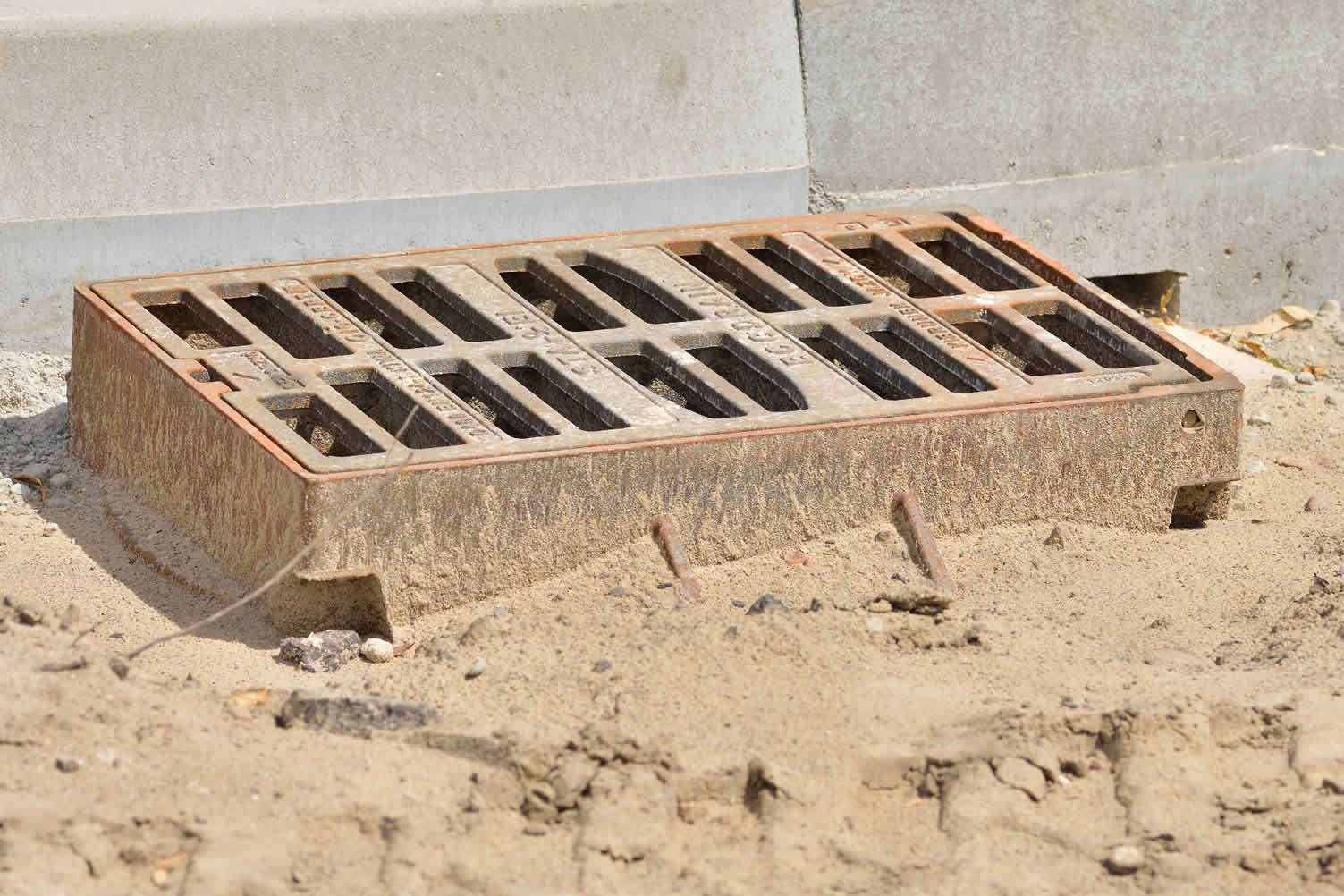
copyright image by 123rf.com
Section 4: Drainage Systems for Different Climates
Notes:
-
The type of yard drainage system selected often depends on the climate in which one resides. In regions with heavy rainfall, trench or French drains are commonly used. These systems involve the creation of a trench filled with gravel or rock that contains a perforated pipe that redirects surface water and groundwater away from an area.
For colder climates prone to freeze-thaw cycles, it’s advantageous to implement a solid drain pipe system underneath the frost line, as it prevents the system from freezing. This type of drainage system is typically installed at the base of the foundation to collect water and redirect it away from the home.
In arid or desert climates where rainfall is infrequent but heavy when it does occur, a dry well system can be beneficial. Dry wells are essentially holes filled with gravel or stone that collect water, allowing it to slowly percolate back into the ground.
However, in every climate, it’s essential to consider the soil type when selecting a drainage method, as some soils drain more efficiently than others. Clay soils, for example, drain slowly, while sandy soils allow water to pass through quickly.
The selection of an appropriate yard drainage system is crucial to effectively manage water flow and prevent potential property damage.
-
Best Drainage Methods for Wet, Rainy Climates
- French Drains:
This type of yard drainage system is ideal for areas with a lot of surface water. A French drain is a trench filled with gravel or rock, containing a perforated pipe that redirects surface water away from your property. - Channel Drains:
Also known as trench drains, these are perfect for areas with heavy rainfall. They are designed to quickly gather and redirect large volumes of water. - Dry Wells:
A dry well is a hole dug into the ground, filled with gravel or rubble, that allows excess water to soak into the ground. It’s an effective solution for properties with poor soil drainage. - Rain Gardens:
These are shallow, constructed depressions planted with deep-rooted native plants and grasses. They are located in your landscape to receive runoff from hard surfaces such as a roof, a sidewalk, and a driveway. Rain gardens are effective in managing stormwater runoff. - Rain Barrels:
These are simple and effective systems for collecting and storing rainwater runoff, typically from rooftops via rain gutters. A typical rain barrel setup includes a barrel (usually around 55 gallons) connected to a downspout diverter.
- French Drains:
-
Best Drainage Methods for Dry, Arid Climates
- Swale Drains:
This type of yard drainage system, known as a French drain, involves the use of shallow, wide trenches that are filled with gravel or rock to redirect the flow of water. The trenches are strategically designed to capture and channel excess water away from the yard, preventing pooling and potential damage. - Soakaway Crates:
These underground structures, known as infiltration basins or soakaways, collect excess surface water and slowly disperse it back into the ground. They are an effective system for handling the sudden influx of water during rare rainy periods in dry climates. - Rainwater Harvesting Systems:
These systems collect rainwater runoff for later use – generally by the use of rain barrels. In arid regions where water is scarce, this method serves a dual purpose of drainage and water conservation. - Terracing:
This ancient technique, suitable for properties on slopes, uses a series of leveled platforms to slow down water runoff, giving it more time to soak into the ground. It’s beneficial in arid climates that experience rapid water loss due to evaporation. - Drip Irrigation Systems:
While traditionally used for watering plants efficiently, these systems can also function as excellent drainage solutions in dry climates. By evenly distributing water and reducing runoff, they help prevent soil erosion and maintain optimal moisture levels for plants to thrive.
- Swale Drains:
-
-
Quik scroll to topic side notes …
-
-
Maintaining Your Yard Drainage System
To ensure the longevity and functionality of your yard drainage system, regular maintenance is a must. A well-maintained system will not only prevent water damage to your property but also enhance the overall health and aesthetics of your yard.
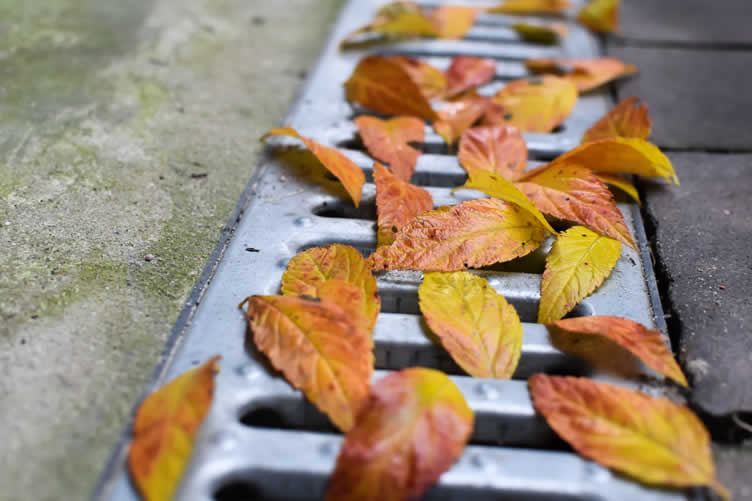
Start by inspecting your drainage system frequently, looking out for blockages or damage that might deter the smooth flow of water. If you find any cracks, leaks or any other damage, have it repaired immediately.
Secondly, regular cleaning of your gutters, downspouts, and drains will prevent the accumulation of debris, thereby preventing potential clogs. If you live in an area prone to heavy rain or flooding, consider installing a sump pump to prevent water buildup.
Finally, remember to keep your trees and shrubs trimmed; overhanging branches can lead to leaves falling into and blocking your gutters.
Other suggestive maintenance tips:
- Keep your yard free of debris. Leaves, branches, and other debris can block drainage flow.
- Make sure that your downspouts extend at least 10 feet away from your foundation. This will help to prevent water from pooling around your foundation.
- Install a sump pump in your basement if you live in an area that is prone to flooding. A sump pump will help to remove water from your basement before it can cause damage.
- Mulch your garden beds with organic matter. This will help to improve drainage and prevent weeds from growing.
copyright image by 123rf.com
-
-
ideas to view and compare from the information discussed above
Scroll up to directory … or scroll to next section about designing a better yard drainage system …
below for …
yard drainage needs
Find Yard Maintenance Services Lawn Maintenance Sprinkler Systems Pest Control Tree & Shrubs top-rated, pre-screened local contractors FREE: download contractor selection enter zip code – powered by HomeAdvisor ™
Quick Contractor Guides selecting negotiating working with inspecting

fifth and last “photo remodeling” idea

copyright image by 123rf.com
Section 5: DIY Versus Hiring a Professional
Notes:
-
When it comes to implementing a yard drainage system, homeowners often debate between the DIY route and hiring a professional. Both options have their own merits and demerits.
Opting for a DIY drainage system installation can be an economical choice for those with some basic knowledge about landscaping and drainage flow. It offers the flexibility to customize the system as per your yard’s specific needs. However, a DIY approach requires substantial time, effort, and can be challenging for those unfamiliar with the nuances of yard drainage systems.
In contrast, hiring a yard drainage expert can be a more efficient and stress-free solution. Professionals have the expertise to accurately assess your yard, identify potential problems, and suggest the most effective drainage system. They possess the necessary tools and experience to ensure a smooth installation, guaranteeing a reliable and long-lasting yard drainage system.
-
Quik scroll to topic side notes …
-
-
1st: Steps Required for DIY Yard Drainage System Installation
Installing a yard drainage system yourself can be a rewarding project that saves you money and provides direct control over your property’s water management. Here are the steps involved in a DIY yard drainage system installation:
-
Step 1: Plan Your Drainage System
Sketch a rough plan of your yard and mark the areas where you will install drains or trenches. Remember to direct water away from your house and towards a safe discharge point. which could be a dry well, a rain garden, or a city storm drain.
Locate your downspouts and plan how to route the pipes from these spouts to your drainage system. You can use flexible drainpipes or PVC pipes to direct the water from the downspouts to your yard drainage system. Ensure the connection is secure and the pipes are buried adequately to prevent damage or disruption.
It’s important to ensure that the water disposal area is not close to your home’s foundation or your neighbor’s property. You should also consider the location of any existing underground utilities to avoid interfering with them when digging. Using a site map of your property can be very useful during this phase.
-
Step 2: Choose Your Materials
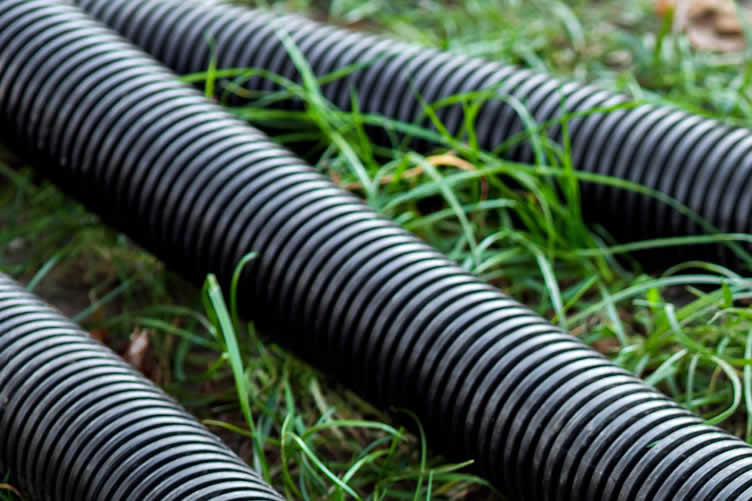
Purchase the necessary materials for your drainage system. This typically includes items such as high-quality PVC pipes for optimal water flow, durable drain grates to prevent debris clogging, and a layer of coarse gravel for efficient water filtration and dispersion.
PVC (polyvinic chloride) pipes are commonly used due to their durability, cost-effectiveness, and ease of installation. For most residential drainage systems, a 4-inch diameter PVC pipe is adequate. However, for larger areas or areas with serious water issues, a larger diameter pipe may be necessary.
PVC pipes come in two types: solid and perforated. Solid PVC pipes are used to divert water, while perforated PVC pipes, with holes punched in them, are used to collect and distribute water in the affected area.
-
Step 3: Dig Trenches
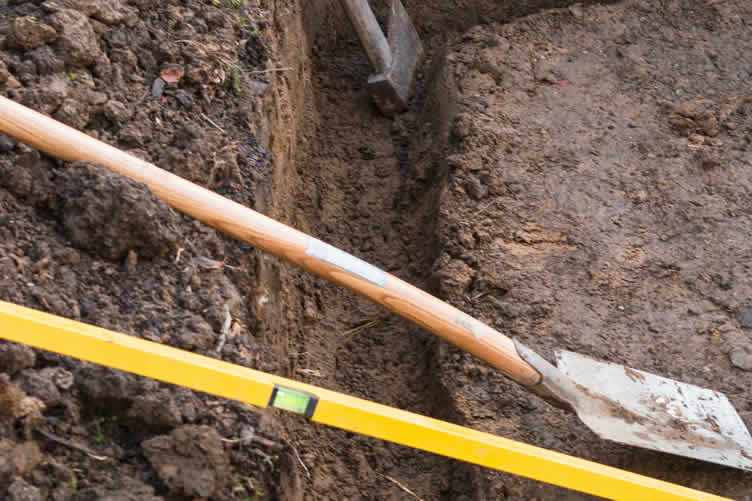
Following your plan, dig trenches that will house your drainage pipes. The trenches should slope downwards towards the discharge point. When it comes to digging trenches for your yard drainage system, using the right tools can significantly ease the process.
A standard round-point shovel or a trenching shovel with a narrow blade is ideal for digging small trenches. For larger trenches or hard soils, consider using a trenching hoe or a power trencher.
A mattock can be handy for breaking up hard ground or roots, while a tamping bar helps to compact and level the soil at the bottom of the trench. Always remember to wear protective gear such as gloves and safety boots to prevent injuries while handling these tools.
It’s important to choose tools that you are comfortable using and which are suitable for the size and nature of your DIY drainage system installation.
Important Note:
It’s critical to identify and locate utility lines, automated irrigation lines, and any other potential obstacles beneath the ground before starting any digging.Striking a utility line when digging can lead to dangerous situations, costly repairs, and service disruptions. Contact your local utility companies to mark the locations of gas, electric, water, and telecommunications lines on your property.
Similarly, ensure you know the route of your automated irrigation lines to avoid damaging them. Remember, it’s always better to be safe than sorry, especially when it involves digging in your yard.
-
Step 4: Install the Pipes
Carefully place the PVC pipes in the prepared trenches, ensuring they are aligned properly. Once in position, securely attach the drain grates on top, providing a sturdy cover for the pipes. This will help to effectively channel and manage the flow of water, ensuring proper drainage and preventing any potential issues.
For effective water flow, the PVC pipe must be installed with a slope. This slope, also known as the ‘fall’, ensures that gravity aids in moving the water from high to low points, thus preventing water pooling. A good rule of thumb is a 1% slope, meaning a 1-foot drop for every 100 feet of pipe length.
Start by digging the trench deeper on the end where the water will be diverted. Then, as you lay your PVC pipe, use a level to ensure the steady downward slope. Take your time with this process; an improper slope can render your drainage system ineffective.
-
Step 5: Cover with Gravel
To ensure optimal drainage and prevent pipe clogging, it is recommended to backfill the trenches with high-quality gravel. The gravel acts as a permeable layer, allowing water to flow freely while filtering out debris and sediment.
Gravel serves two primary purposes in a yard drainage system. First, it allows for better water filtration. Unlike dirt, gravel doesn’t compact, which means water can seep down through it more easily and quickly get to the drainage pipe.
Second, gravel prevents the pipe from clogging. Dirt can carry small particles that may eventually accumulate inside the pipe, causing blockages over time. Gravel, on the other hand, acts as a protective barrier that keeps such particles out.
-
Step 6: Test Your System
Once you’ve laid out the pipes and backfilled with gravel, but before you close up the trench, it’s crucial to conduct a test to ensure your DIY drainage system functions effectively. To conduct the test, you can pour a generous amount of water into the drain outlet and observe if the water flows freely without any obstructions.
If you notice any irregularities or the water flow doesn’t seem optimal, it’s important to rectify these issues immediately. This could mean adjusting the slope of your pipe, enlarging the holes, or even changing the type of gravel. It’s always better to address these issues now rather than discovering them after you’ve closed up the trench.
copyright image by 123rf.com
May Need a Permit
Bear in mind that while a DIY project can be cost-effective, it requires a significant amount of time, effort, and a basic understanding of landscaping and drainage principles. Mistakes can lead to more severe drainage issues, so don’t hesitate to consult with a yard drainage expert if needed.
Likewise, it is crucial to understand the legal requirements associated with such a project. In many instances, obtaining a permit is mandatory. This ensures that the installation adheres to local regulations and safety standards, and that it does not interfere with public services or infringe upon environmental considerations.
Neglecting to obtain the necessary permits can result in penalties, additional expenses, and possible legal complications. Therefore, it’s recommended to consult your local building department or an experienced yard drainage expert to guide you through the permit application process.
-
-
2nd: Finding and Selecting a Yard Drainage Contractor
If your DIY efforts are not sufficient or if you encounter challenges that seem beyond your skill level, it may be time to consult with a yard drainage expert.
When selecting a professional contractor, it’s crucial to conduct thorough research. Look for a contractor with a strong reputation and a wealth of experience in drainage system installations. You can start your search online and check reviews from previous clients to gauge the contractor’s reliability and quality of work.
LetsRenovate has partnered with HomeAdvisor™, a renowned provider of highly-rated, carefully-vetted local contractors. Start your search here by choosing the type of services you need and entering your zip code to find local professionals.
It’s also advisable to get multiple quotes from different contractors. This not only gives you a variety of options but also helps you understand the market rates for such services. When you have a shortlist of potential contractors, arrange for them to visit your yard. This allows them to assess the drainage issues first-hand and provide a more accurate quote.
Remember to ask potential contractors about their experience specifically with yard drainage systems. It’s also beneficial to ask if they provide any guarantees or warranties for their work. This can provide additional peace of mind that the contractor will stand by their work and any issues will be addressed.
Lastly, ensure your chosen contractor is licensed and insured. This protects you in the event of any unforeseen circumstances during the project.
copyright image by AI generated 123rf.com
-
Questions You Should Ask Your Contractor:
- Can you share some examples of similar yard drainage system projects you have completed in the past?
- What kind of drainage system do you recommend for my specific yard, and why?
- How long will the installation process take?
- Will you handle obtaining any necessary permits for the project?
- What measures will you take to ensure minimal disruption to my yard during the installation?
- Can you provide a detailed quote that includes all costs associated with the project?
- Do you offer a warranty or guarantee on your work?
- How do you handle project delays or unexpected issues that might arise during the installation?
- Will you be using subcontractors, and if so, are they insured as well?
- Can you provide references from previous clients who had similar projects?
-
Questions Your Contractor May Ask You
- What problems are you currently experiencing with your yard’s drainage?
- Have you had a yard drainage system previously installed?
- Are there specific areas in your yard that are more prone to pooling or flooding?
- What is the grade or slope of your yard?
- Do you have any existing landscaping or structures that need to be taken into account?
- Are you aware of any underground utilities or systems that we should be mindful of during installation?
- Do you have a specific budget for this project?
- Is there a specific timeline you’re working towards for this project’s completion?
- Do you prefer a certain type of drainage system, or are you open to recommendations?
- Are there any specific concerns or requirements you have for this project?
One More Item!
Download first this contractor search and evaluation worksheet to rank and evaluate drainage system contractors as it relates to price, experience, time commitment, insurance, references, and their affiliation with professional associations.
Use this evaluation and the patio to develop the style and designs noted below.

Evaluation Sheet
File Type:

Spec Plan
File Type: -
-
-
FINAL REMARKS
In summary, when it comes to installing an effective yard drainage system, there are a few key factors that should be taken into consideration. First and foremost, careful planning is crucial to ensure that the system is designed to effectively manage water flow and prevent any potential issues.
Secondly, selecting the appropriate type of drainage system, such as French drains or surface drains, is an important decision that should be based on the specific needs of your yard.
Lastly, regular maintenance is essential to keep the drainage system in optimal working condition and to address any potential clogs or blockages that may arise over time.
By paying attention to these details and following these steps, you can ensure that your yard remains well-drained and free from water-related problems.
-
ideas to view and compare from the information discussed above
- What comments can you share about
designing a better yard drainage system?
Scroll up to directory … or scroll to more exterior home topics…


view illustration “becoming a bank”
Cover image credit: designing a better yard drainage system by 123rf.com
end of post … please share it!
 |
did you find this designing a better yard drainage system analysis helpful? If so, please share the article with your friends and family! |
Nice pic idea? Leave us a quick comment below.
And please share this pic idea within your social networks.