Summary Outline –
Renovating your home can be an exciting but overwhelming endeavor. If you’re drawn to simplicity, functionality, and a sense of calm, a minimalist design might be the perfect choice for your renovated space.
Minimalism is the art of living with less. It’s about decluttering and simplifying your surroundings, both physically and mentally. The goal is not to have a bare, empty space, but rather to only keep the essentials that bring value and joy to your life.
Summary of Site Content
1st Segment: [view segment]
… the initial segment establishes the vision of minimalism you desire for your home, then delves into the essential steps involved in both minimalist living and design.
2nd Segment: [view segment]
… the second segment of your minimalist journey starts with decluttering your space and then focuses on maintaining it to prevent unnecessary items from cluttering your surroundings by daily checking and periodic reviews.
3rd Segment: [view segment]
… the third segment gets into the concept of incorporating open spaces, a crucial remodeling tip for achieving a minimalist aesthetic. This may involve removing barriers that impart a sense of confinement. Subsequently, we explored the importance of selecting a neutral color palette to achieve a clean and cohesive look
4th Segment: [view segment]
… the fourth segment embraces the design phase by integrating natural elements, investing in high-quality and functional furniture, incorporating practical decor, and minimizing decorative accessories
5th Segment: [view segment]
… in the fifth and final segment, we will explore the art of using lighting in minimalist design, as well as identify the most suitable flooring options that will help you achieve the desired minimalistic aesthetic
By carefully curating your design choices and focusing on simplicity and functionality, you can achieve a home that not only looks beautiful but also promotes a sense of peace and tranquility.
In this comprehensive review, we will provide you with valuable tips and insights on how to create a serene and clutter-free minimalist home that truly reflects your style and preferences during your renovation journey.
From selecting the perfect color palette to optimizing storage solutions, you’ll find a wealth of information that will empower you to transform your living space into a harmonious sanctuary that promotes tranquility and simplicity.

-
Quik scroll to first topic about tips for creating a minimalist home …

first “tips for creating a minimalist home” idea


copyright image by 123rf.com
Segment 1: Define Your Minimalist Vision
Notes:
-
Before embarking on your minimalist home renovation, clearly define your vision. Envision the level of simplicity, color scheme, and atmosphere you desire. Determine whether you prefer a monochromatic palette or subdued hues.
This initial step will guide your choices throughout the renovation, ensuring a cohesive and tranquil minimalist design that aligns with your aesthetic preferences.
-
Quik scroll to topic side notes …
-
-
1st: Defining Steps In Minimalist Living
As you embark on your journey to create a minimalist home, it’s important to define your minimalist vision clearly. This vision will serve as a road-map, guiding your design decisions throughout the renovation process.
Let’s review some essential steps to help you shape your minimalist vision effectively. With a well-defined minimalist vision, you can create a home that is not only aesthetically pleasing but also serene, efficiently laid out, and clutter-free.
-
1: Understand the Concept:
To truly understand the concept of a minimalist home, it’s important to grasp the essence of it. It goes beyond simply owning fewer items; it’s about intentionally curating your space and surrounding yourself only with things that serve a purpose or bring joy.
By decluttering and focusing on what truly matters, a minimalist home creates a peaceful and harmonious environment that allows you to fully appreciate the beauty of simplicity.
-
2: Evaluate Your Space:
Take a moment to carefully observe each room in your house. Reflect on what you truly desire from these spaces and envision your ideal minimalist environment.
By delving deeper into the concept of minimalism, you can gain a clearer understanding of which items are truly necessary and which ones can be let go. Embrace the process of defining your minimalist vision and create a home that truly resonates with your values and brings you a sense of tranquility.
-
3: Invest in Quality, Not Quantity:
When making purchasing decisions, it is advisable to buy fewer items and instead prioritize high-quality products that are built to last. By doing so, you not only reduce unnecessary consumption but also invest in items that offer long-term value, durability, and satisfaction.
This approach not only aligns with sustainability but also ensures that you make conscious choices that positively impact both your wallet and the environment. So, next time you go shopping, remember to opt for quality over quantity!
-
4: Keep Surfaces Clear:
To maintain a neat and organized environment, it is important to avoid cluttering surfaces such as tabletops and countertops. By keeping these areas clear and free from unnecessary items, you create a minimalistic space that promotes a sense of calm and clarity.
Embracing simplicity and decluttering not only enhances the visual appeal of your surroundings but also allows for better focus and productivity. So, take a moment to declutter and enjoy the benefits of a clear and peaceful space.
-
5: Organize:
Having a designated spot for each item and diligently ensuring that everything is stored in its rightful place is crucial when it comes to maintaining a minimalist home. By practicing this organizational principle, you not only create a visually appealing and clutter-free living space, but also cultivate a sense of harmony and tranquility within your environment.
-
6: Live with Less:
Embrace the powerful notion that sometimes, having less can lead to having more. By creating more physical and mental space, we invite a greater sense of peace and freedom into our lives. With fewer distractions and possessions, we gain the opportunity to focus on what truly matters, fostering deeper connections and personal growth.

copyright image by 123rf.com

-
-
-
ideas to view and compare from the information discussed above
Scroll up to directory … or scroll to next section about tips for creating a minimalist home …

second “photo remodeling” idea

copyright image by 123rf.com
Segment 2: Declutter Your Space
Notes:
-
Begin your minimalist home transformation by decluttering your space. Purge unnecessary items, donating or selling what no longer serves you. Embrace the philosophy of ‘less is more,’ creating a clean canvas for your renovation.
This initial step sets the foundation for a serene, clutter-free environment, allowing minimalist design elements to shine and promoting a sense of tranquility in your home.
Here are some practical steps to declutter your home as part of your minimalist renovation:
- Start Small:
Begin with a small area like a drawer or a cupboard. This way, the task feels more manageable and less overwhelming. - Category Sorting:
Instead of tackling entire rooms at once, declutter by category. Start with clothes, then books, and so on. This method can provide a clearer perspective on how much of each type of item you have. - Keep, Donate, Discard:
For each item, decide whether to keep, donate, or discard it. If an item doesn’t serve a purpose, consider letting it go. - One In, One Out Rule:
Adopt the "one in, one out" rule. Every time you bring a new item into your home, let go of another. - Avoid Immediate Replacements:
Don’t rush to replace items. Live without certain things for a while to see if you need them. - Establish a Place for Everything:
Every item you decide to keep should have a designated place to prevent clutter from building up again.
- Start Small:
-
Quik scroll to topic side notes …
-
-
The Need of Regular Maintenance:
Regular maintenance, including decluttering and organizing, is crucial to preserve the minimalist tranquility of your renovated home. Ensure items align with the minimalist vision, and regularly dust and organize surfaces.
Consider investing in the best upright vacuum for efficient cleaning, as this ongoing effort will help maintain the serene atmosphere, allowing your minimalist design to stand the test of time.

copyright image by 123rf.com
Setting up a regular maintenance schedule to keep your home clutter-free can be achieved by following these steps:
- Daily Tidying:
Make a habit of tidying up every day. This could be as simple as making your bed, cleaning up after meals, or putting items back in their designated places. - Weekly Deep Cleaning:
Choose one day of the week for a deep clean. This might include tasks like vacuuming, mopping floors, dusting, or wiping down surfaces. - Monthly Decluttering:
Once a month, go through one room or area of your home to declutter. This could involve going through your wardrobe, kitchen cupboards, or your home office. - Seasonal Check-ups:
At the end of each season, assess larger areas of your home like your garage or attic. This can be a good time to get rid of things you haven’t used in the past season. - Yearly Overhaul:
Once a year, give your home a complete overhaul. This involves looking at your possessions and removing any items that no longer serve a purpose or bring you joy. - Useful Tools:
Consider using decluttering apps or scheduling tools to remind you of your regular maintenance tasks. These can be particularly useful in maintaining focus and consistency in your decluttering efforts.
By sticking to this schedule, your home will remain uncluttered and in line with your minimalist aesthetic.
- Daily Tidying:
-
-
ideas to view and compare from the information discussed above
Scroll up to directory … or scroll to next section about tips for creating a minimalist home …
 … grab this directory of ideas
May We Suggest Other Photo Remodeling Ideas About
“Other Interior Design Ideas …” (new win)


third “photo remodeling” idea

copyright image by 123rf.com
Segment 3: Create Open Spaces
Notes:
-
Design spacious, open areas to foster a sense of freedom and tranquility in your minimalist home. Embrace an open floor plan, strategically arranging furniture to avoid overcrowding. Leave empty spaces to allow the eye to rest, promoting a serene atmosphere.
Clean lines and uncluttered layouts contribute to a sense of expansiveness, enhancing the overall minimalist aesthetic and creating a calming environment.
-
About Clean Lines:
Maintain the essence of minimalism by prioritizing clean lines in your home design. Choose furniture, decor, and architectural elements with sleek, uncluttered profiles. Avoid intricate details that disrupt the simplicity of your space.
Embracing clean lines contributes to a cohesive, calming aesthetic, enhancing the overall minimalist experience and fostering a serene atmosphere in every corner of your renovated home. View our topic discussion on line theory for interior design
-
-
Quik scroll to topic side notes …
-
-
1st: Embracing Open Spaces: A Guide to Minimalism
Open space design is a key component in creating a minimalist home. This design philosophy focuses on the strategic use of open spaces to create a sense of simplicity and tranquility.
By removing unnecessary partitions or walls, a home can look more spacious and free-flowing, embodying the ethos of minimalism. Open space design prioritizes function over form, decluttering the visual field, and promoting serenity and calm.
When planning your home renovation, consider the potential of each room. Could the living area flow seamlessly into the dining space? Can you create a sense of openness in the bedroom or study? These considerations can help guide your open space design plans.
From a practical standpoint, an open space design allows for better lighting, improved air circulation, and increased flexibility in furniture arrangement. Remember, the objective is to create a home that breathes, inspires simplicity, and encourages a minimalist lifestyle.

copyright image by 123rf.com
-
2nd: Select a Neutral Color Palette
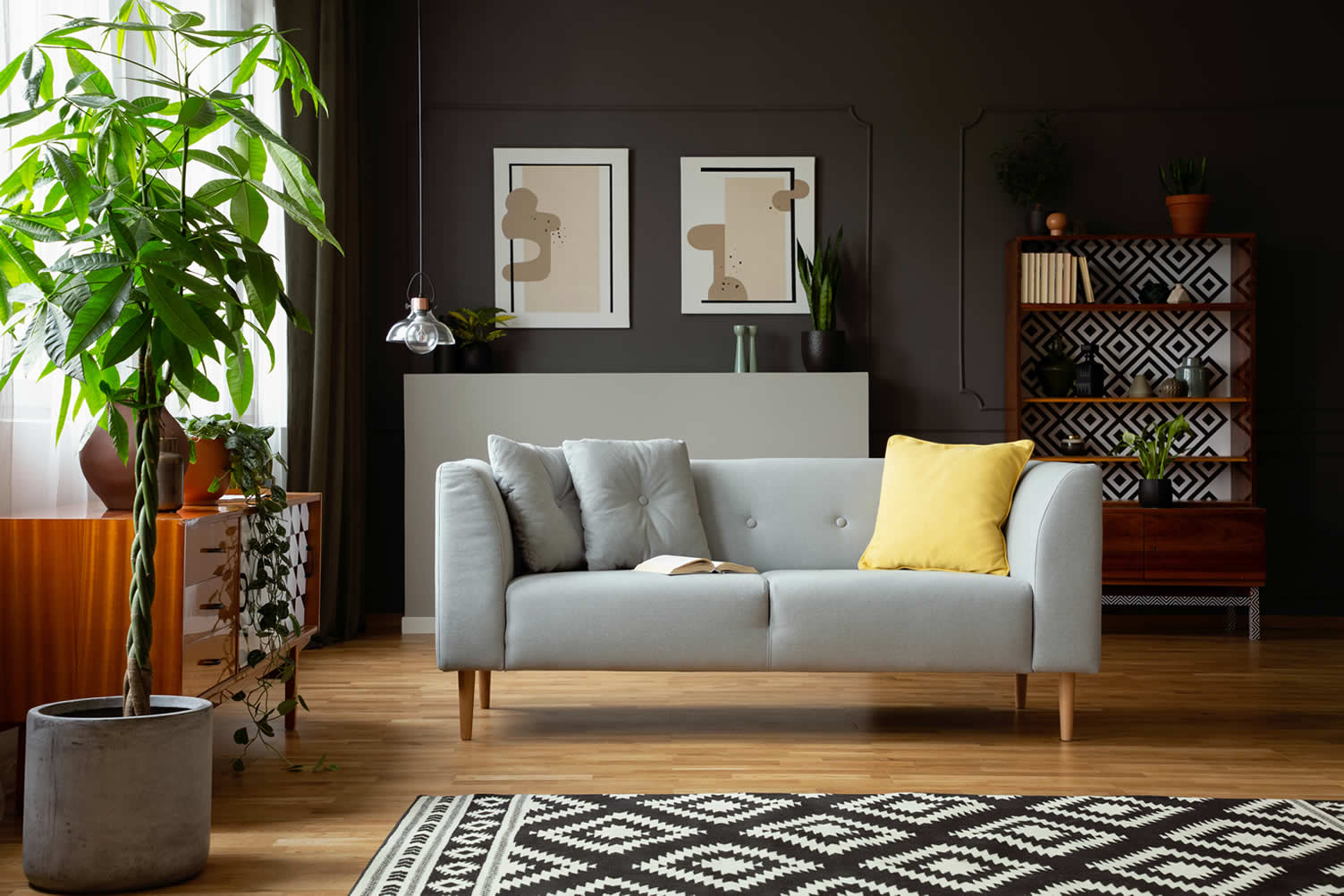
Minimalist design often relies on neutral colors like whites, grays, and beige. Choose a color palette that promotes a sense of tranquility and simplicity. Consider adding a pop of color with strategically placed accent pieces.
These neutral hues provide a timeless backdrop, allowing the simplicity of your design to shine while promoting a sense of tranquility throughout your renovated space.
The use of a neutral color palette brings in light and can make a space seem larger and airier. Neutral hues work as an excellent backdrop, allowing the architectural features and furniture of the room to take center stage, reflecting the minimalist principle of “less is more”.

copyright image by 123rf.com
-
-
ideas to view and compare from the information discussed above
Scroll up to directory … or scroll to next section about tips for creating a minimalist home …

fourth “photo remodeling” idea
copyright image by 123rf.com
Segment 4: Incorporate Natural Elements
Notes:
-
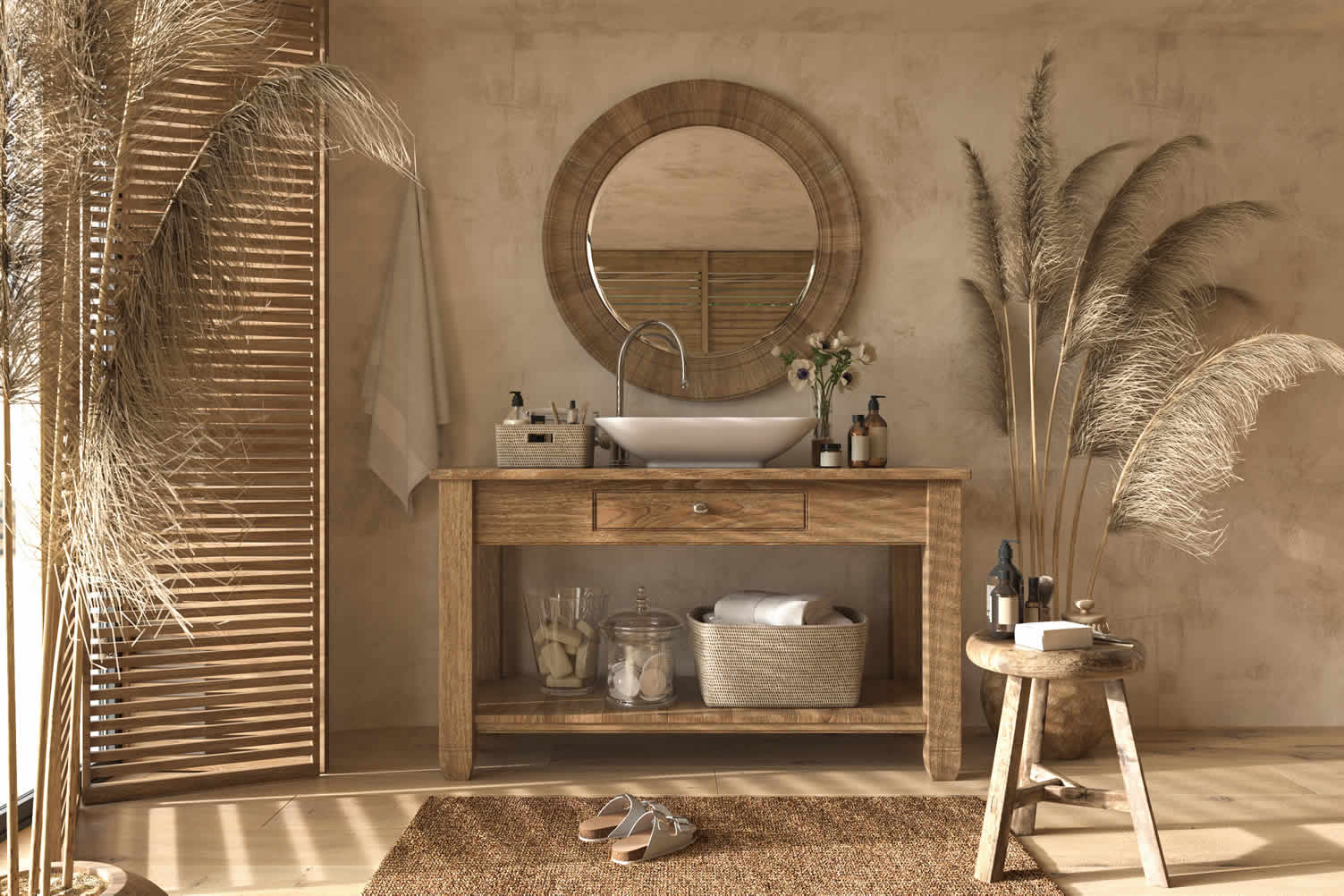
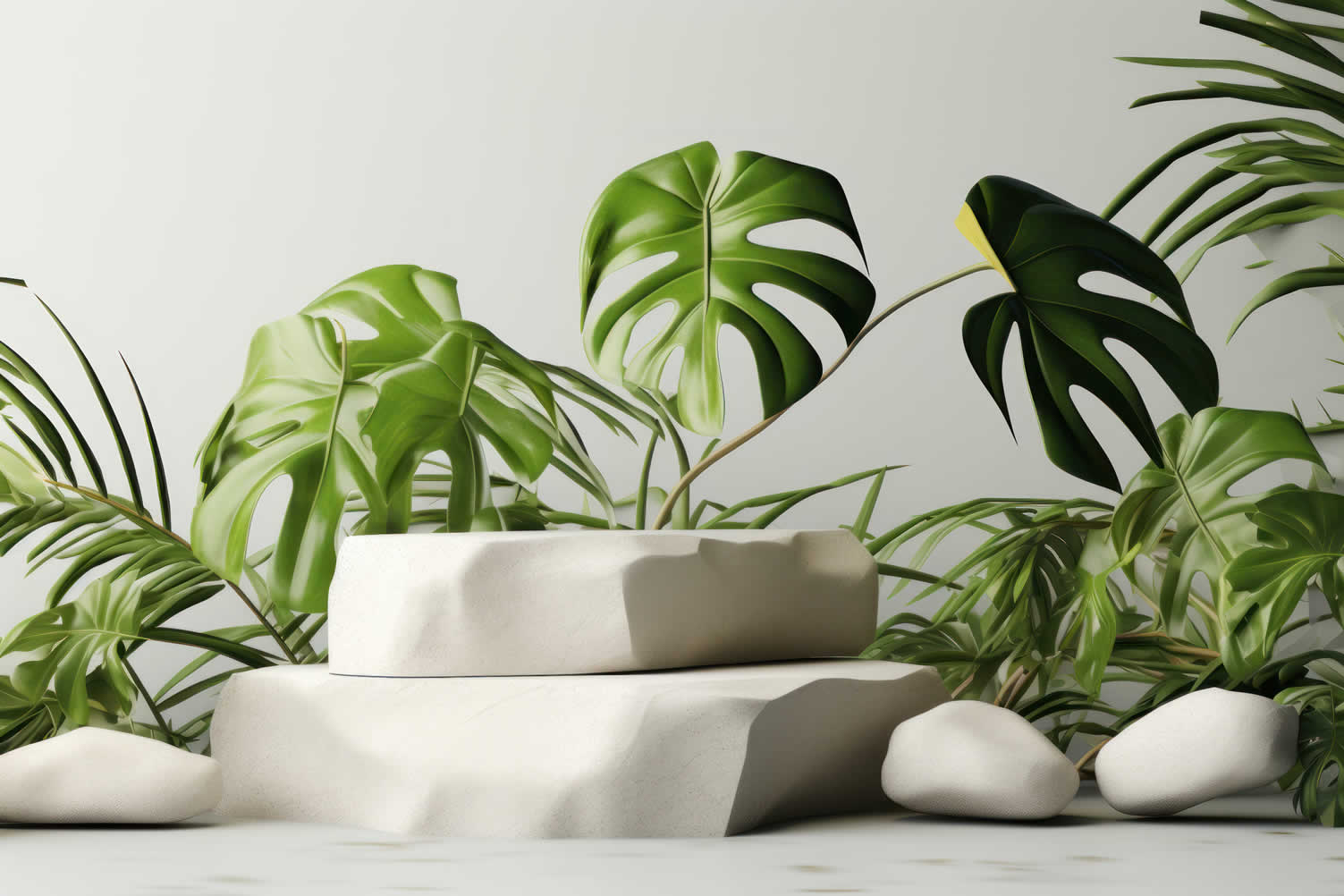
Integrate indoor plants, wooden furniture, and stone accents to bring the outdoors inside. Embracing nature not only adds a touch of warmth but also promotes a sense of serenity.
Choose materials that echo the simplicity of the minimalist aesthetic, creating a harmonious blend of clean lines and natural beauty.
-
Indoor Plants
As noted, one such natural element is indoor plants. These green companions not only add a touch of vibrancy and texture to the surroundings but also offer numerous benefits. Apart from their visual appeal, indoor plants contribute to improving air quality by filtering and purifying the surrounding air, creating a healthier and fresher environment.
Additionally, their presence has been known to create a calming and soothing atmosphere, promoting relaxation and reducing stress levels. Incorporating indoor plants into your space can truly elevate the overall ambiance and well-being of the area.
-
Wooden Furniture
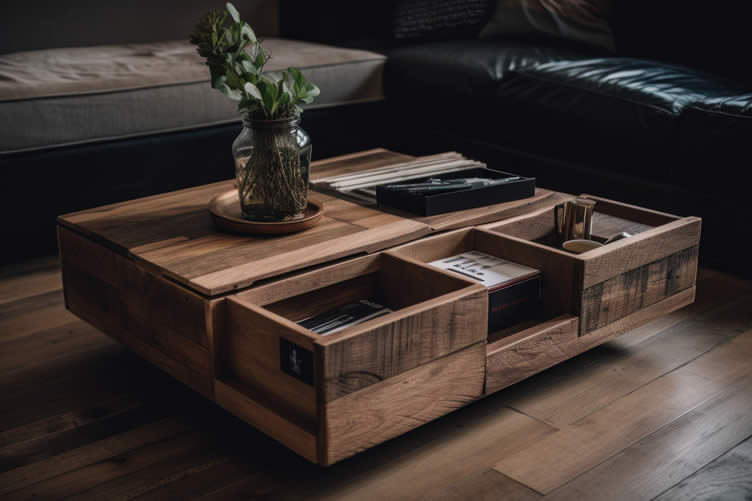
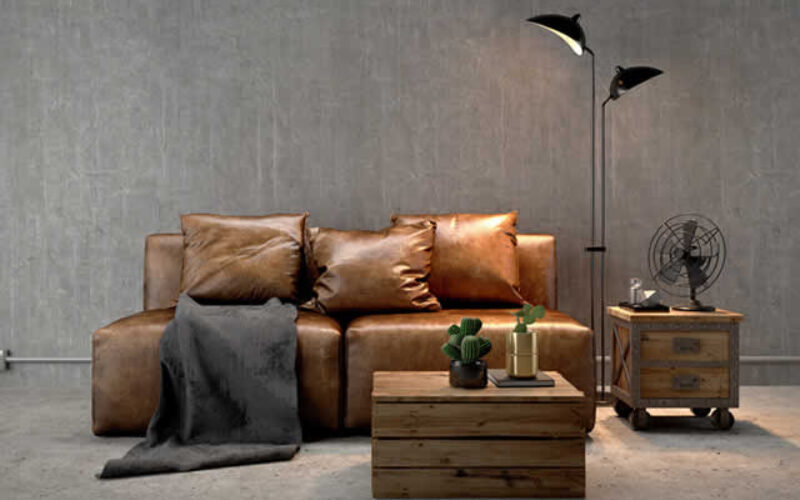
When it comes to furniture, wooden pieces embody the core principles of minimalism, emphasizing functionality and understated elegance. The organic and tactile quality of wood not only enhances the minimalist aesthetic but also adds a delightful sense of warmth and comfort to any space.
Its natural grain and unique textures create a captivating visual appeal, while its durability ensures long-lasting beauty. From sleek and modern designs to rustic and vintage styles, wooden furniture offers a wide range of options to suit any taste and interior decor.
Whether it’s a minimalist Scandinavian-inspired living room or a cozy farmhouse bedroom, the timeless charm of wooden furniture effortlessly blends with any design scheme, making it a versatile and timeless choice for every home.
-
Stone Accents
Finally, stone accents, whether elegantly integrated through a grand fireplace, a beautifully crafted feature wall, or meticulously placed ornamental pieces, effortlessly add a robust, earthy element to the design.
With their natural and inviting neutral tones, along with their captivating textures, they seamlessly complement minimalist spaces, gracefully grounding the room and infusing it with a captivating visual interest that captures the imagination.
-
-
Quik scroll to topic side notes …
-
-
1st: Invest in Quality, Functional Furniture:
When crafting a minimalist home, prioritize quality, functional furniture. Choose furniture with clean lines and multi-functional purposes. Invest in pieces that serve a purpose and contribute to the overall aesthetic of the space. Quality over quantity is key in a minimalist home.
For example:
- Modular Sofas:
These allow for flexibility and can be rearranged according to your needs, making them a smart choice for a minimalist home. - Nesting Tables:
They can be spread out when required, and neatly tucked away when not in use. - Built-In Shelves:
These serve as storage and display units without consuming much space, embracing the minimalist mantra of functionality. - Sleek Dining Table:
Opt for a simple yet elegant dining table. Remember, the focus should be on utility and simple design. - Platform Beds:
These beds, devoid of frills and fancies, align perfectly with minimalist ethos. They also often come with built-in storage, adding to their functionality. - Accent Chairs:
An accent chair with a minimalist design can offer both comfort and aesthetic appeal without creating clutter. - Minimalist Desks:
A simple, clean-lined desk is vital for a minimalist home office. It should offer enough space for work without becoming a centerpiece.
copyright image by 123rf.com
Recliners and Loungers
viewing amazon - Modular Sofas:
-
2nd: Use Functional Decor
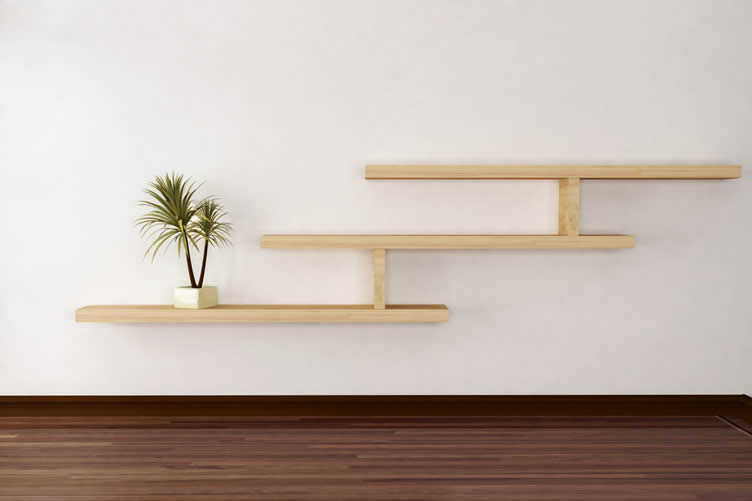
Decorate your home with functional items that serve a purpose. Consider incorporating storage solutions into your decor, such as hidden storage benches or wall-mounted shelves, ensuring each piece aligns with the clean and serene atmosphere you aim to achieve.
Functional decor not only enhances the overall design but also maximizes the utility of your living space.
Some ideas:
- Statement Mirrors:
Not only do they enhance the aesthetic appeal of your minimalist home, but mirrors also contribute to the functionality by creating the illusion of more space. - Storage Ottomans:
These are versatile pieces that serve dual purposes – seating and storage. They help in keeping clutter at bay, a key aspect of minimalist design. - Floating Shelves:
They serve as a platform for displaying art, plants, or books, without consuming floor space. Incorporating natural elements like wooden floating shelves could add warmth to the minimalist decor. - Nesting Tables:
These space-saving, functional pieces can be used as coffee tables, nightstands, or even as a mini home office setup. - Modular Furniture:
This type of functional decor offers flexibility and promotes efficient use of space, making it a great choice for minimalist homes. - Wall-mounted Lights:
These not only save floor space but also provide focused lighting where it’s most needed. - Plant Stands:
Incorporating natural elements like plants is integral to minimalist design. A sleek, modern plant stand can add a touch of nature without cluttering the space. - Multi-functional Kitchen Tools:
Instead of having multiple kitchen gadgets, opt for multi-functional tools that serve various purposes and take up less space. - Hidden Storage:
Consider incorporating hidden storage options like built-in cabinets or drawers to keep items out of sight and maintain a clean, clutter-free look.
copyright image by 123rf.com
Best "Air Cleaning" Houseplants
- Statement Mirrors:
-
3rd: Limit Decorative Accessories
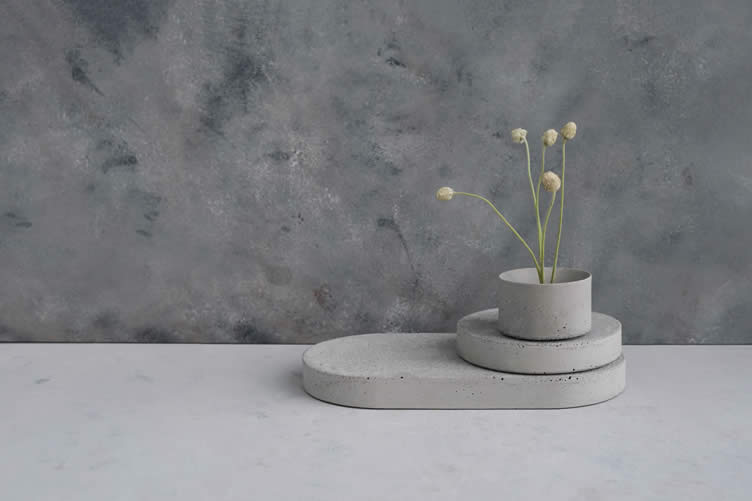
Minimalist design is about simplicity, so limit the number of decorative accessories. Choose a few statement pieces that complement the overall aesthetic without creating visual clutter.
Embrace simplicity by avoiding excessive knick-knacks or decor items. This approach ensures clean lines, reduces visual clutter, and promotes a serene atmosphere, aligning with the core principles of minimalist design.
To maintain a minimalist home, it’s crucial to limit decorative accessories. Here are some tips:
- Quality Over Quantity:
Opt for a few high-quality, meaningful pieces that you truly love instead of cluttering your space with numerous items. - Purposeful Items:
Every item should serve a purpose or have significant sentimental value. This means each piece should either be functional or deeply personal. - Leave Some Empty Space:
Not every corner needs to be decorated. Leaving some space empty creates a clean, open aesthetic that is key to minimalist design. - Neutral Colors:
Use a neutral color palette for your accessories. This not only creates a harmonious look but also reduces visual clutter. - Rotation System:
If you find it hard to part with certain items, consider rotating them seasonally or annually. This way, you can enjoy all your favorite pieces without overloading your space.
copyright image by 123rf.com
- Quality Over Quantity:
-
-
ideas to view and compare from the information discussed above
Scroll up to directory … or scroll to next section about tips for creating a minimalist home …
below for …
interior designers for minimalism


view illustration “becoming a bank”
Find Interior Design Services Decorators Interior Designers Furniture Painting & Staining top-rated, pre-screened local contractors FREE: download contractor selection enter zip code – powered by HomeAdvisor ™
Quick Contractor Guides selecting negotiating working with inspecting

fifth and last “photo remodeling” idea

copyright image by 123rf.com
Segment 5: Optimize Lighting
Notes:
-
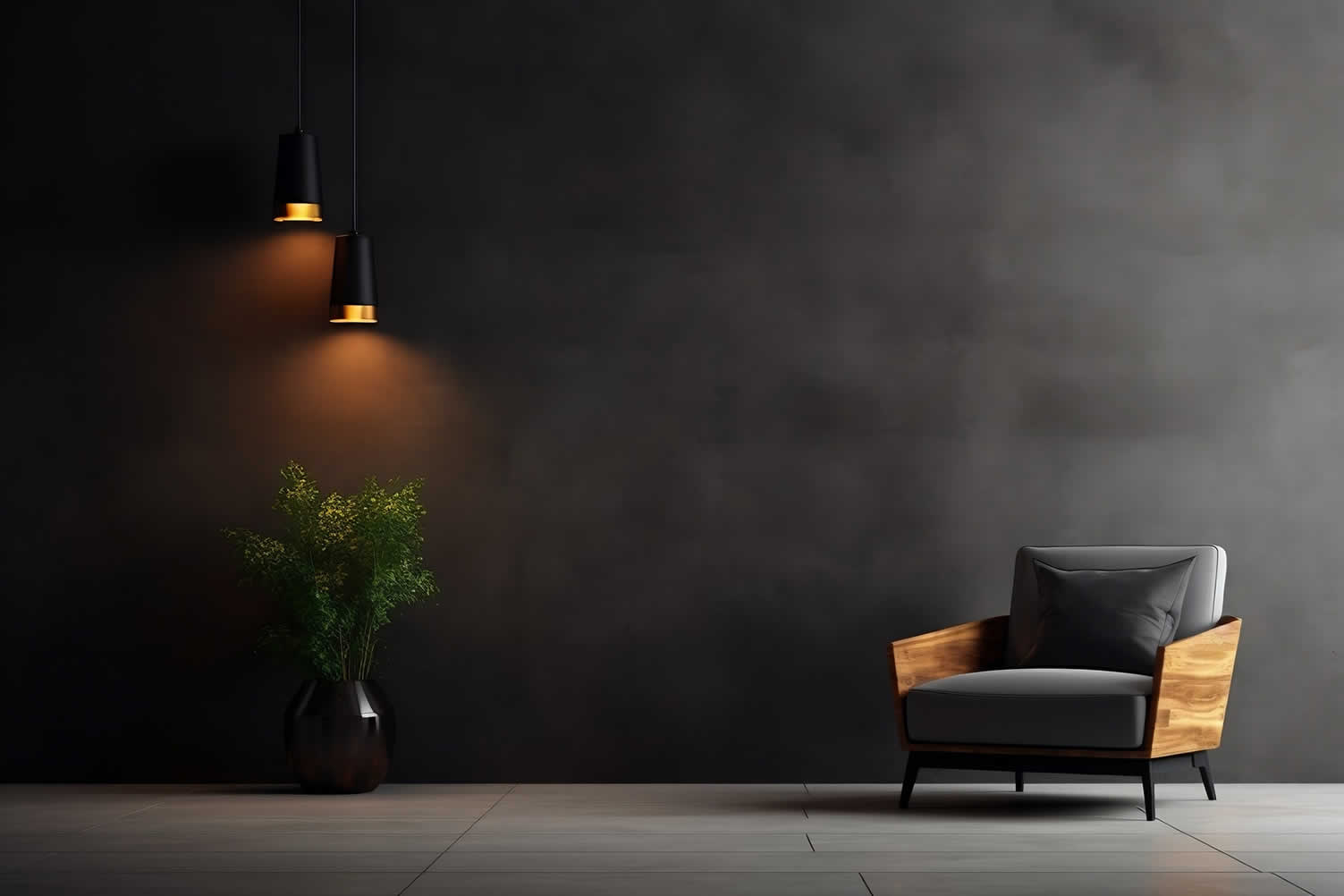
Embrace natural light by choosing light, sheer curtains or blinds, allowing sunlight to flood your space. Natural lighting should be maximized through large windows or skylights, creating a sense of openness and tranquility.
For artificial lighting, opt for hidden fixtures that provide ample light without detracting from the minimalist aesthetic. Incorporate clean-lined, simple artificial lighting fixtures to maintain the uncluttered aesthetic.
Thoughtfully placed lighting enhances the atmosphere, contributing to a serene and well-lit environment, vital for the minimalist design emphasis on simplicity and functionality.
Best Types of Artificial Lighting for Minimalist Design
- Recessed Lighting:
These fixtures are mounted into the ceiling, offering a sleek look that doesn’t take away from the minimalist aesthetic. They provide a consistent, soft glow that can illuminate an entire room. - Pendant Lights:
Simple, modern pendant lights can serve as a focal point in a room. They are perfect for emphasizing specific areas like a kitchen island or a reading corner. - Under-cabinet Lighting:
These hidden light sources are excellent for enhancing functionality in kitchens or bathrooms. They add a subtle elegance without overwhelming the space. - Track Lighting:
With its simple and clean lines, track lighting fits perfectly into a minimalist design. It offers flexibility as you can direct light to specific areas. - LED Strip Lights:
These can be installed in hidden areas such as under the bed or behind the TV for a subtle, ambient glow that adds depth to the room without cluttering it. - Wall Sconces:
These fixtures provide soft, ambient light and can be used to highlight artwork or architectural features in a minimalist setting.
- Recessed Lighting:
-
Quik scroll to topic side notes …
-
-
Flooring Choices
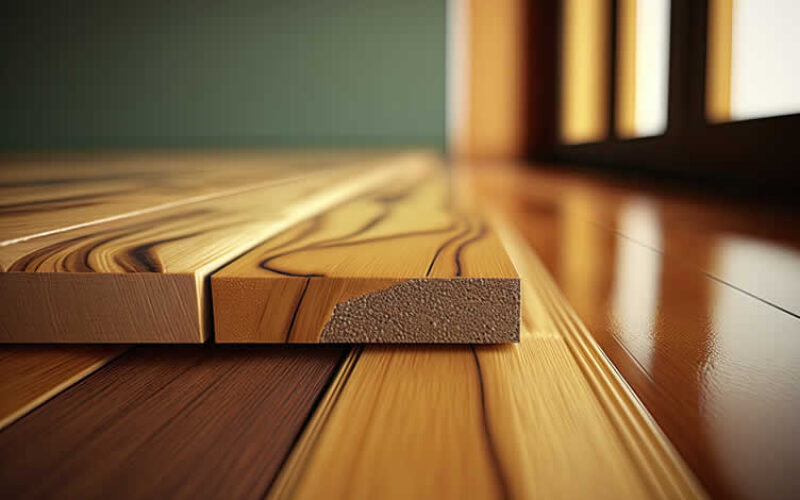
Choose flooring that enhances the minimalist aesthetic. Choose simple, clean flooring options like hardwood, tiles, or neutral carpets. Avoid overly complex patterns or textures to maintain a minimalist look.
The goal is to create a harmonious flow throughout the space, with flooring that complements the overall simplicity and tranquility of your minimalist home.
Flooring options:
- Polished Concrete:
The industrial elegance of polished concrete is a perfect fit for minimalist homes. It is durable, easy to clean and maintain, and offers a sleek look. - Hardwood:
Hardwood flooring with its natural textures and warm tones adds a timeless appeal to minimalist spaces. Opt for wide, straight planks with minimal grain for a clean and uncluttered look. - Laminate:
If you’re on a budget, laminate flooring can mimic the look of hardwood or stone. It is easy to maintain and resistant to scratches and stains. - Porcelain or Ceramic Tiles:
These offer a variety of styles, from smooth and glossy to textured. White or neutral colored tiles can maintain the minimalist aesthetic. - Vinyl:
Modern vinyl flooring can convincingly mimic a variety of materials like stone or wood. It’s a cost-effective, resilient, and low-maintenance choice for minimalist homes.
Remember, the key to a minimalist floor is simplicity and functionality. Choose materials that are durable, easy to maintain, and neutral in color to maintain a clean and minimal aesthetic.
copyright image by 123rf.com
- Polished Concrete:
-
-
CONCLUSION
Creating a minimalist home during your renovation is a rewarding process that results in a clean, serene living space.
By carefully curating your design choices and focusing on simplicity and functionality, you can achieve a home that not only looks beautiful but also promotes a sense of peace and tranquility.
-
ideas to view and compare from the information discussed above
- What comments can you share about
tips for creating a minimalist home?

Scroll up to directory … or scroll to more home interior design topics …


Cover image credit: tips for creating a minimalist home by 123rf.com
end of post … please share it!
 |
did you find this creating a minimalist home analysis helpful? If so, please share the article with your friends and family! |
Nice pic idea? Leave us a quick comment below.
And please share this pic idea within your social networks.