Summary Outline –
Gaining an in-depth understanding of the complexities involved in glass selection and manufacturing is essential while attempting to procure the best glass items. Many factors need to be considered., such as the desired application, environmental conditions, and safety standards, to name a few. However, one of the most crucial aspects that cannot be overlooked is the choice of high-quality materials.
Selecting glass products made from superior quality materials is key if you want to ensure durability and longevity in their performance. High-quality materials not only enhance the overall appearance of glass products but also provide superior strength and resistance to damage.
Furthermore, using premium materials significantly decreases the risk of defects and breakages, making it a wise investment in the long run.
This analysis delves into additional crucial considerations and offers insightful recommendations on acquiring glass products that boast superior quality, durability, and visual appeal.

-
Quik scroll to first topic about how to get the best glass products …

first “how to get the best glass products” idea


copyright image by 123rf.com
Segment 1: Understanding Glass Types
Notes:
-
Glass comes in a wide range of forms, each designed to serve specific purposes and meet different requirements. For instance, while annealed glass is commonly used, it may not be suitable for heavy-duty applications.
Conversely, heat treatment enhances the strength, durability, and resistance to breakage of tempered glass. In situations where security is paramount, laminated glass, consisting of multiple layers with an interlayer for added safety, is often the preferred choice.
When choosing the appropriate type of glass for windows, glasses, or decorative pieces, it is crucial to carefully consider your intended usage. Each variety presents its distinct advantages and disadvantages, making it essential to align your selection with your specific requirements.
-
Quik scroll to topic side notes …
-
-
1st: Understanding Glass Types
For the uninitiated, the world of glass products can be quite overwhelming, given the sheer variety of types available. However, by gaining an understanding of the distinctive characteristics of each type, one can make an informed decision about which glass product will best suit their needs.
Here is a brief overview of various glass types:
-
Annealed Glass:
This is the basic flat glass product that is cut and processed for further use. It is more likely to break into larger, sharper pieces and is often used in applications not subject to harsh conditions. Annealed glass features prominently in a wide variety of applications. This includes:
-
Glassware:
Annealed glass’s suitability for a wide range of shapes and its clarity makes it an ideal choice for various types of glassware. This includes everyday items like drinking glasses and bowls, as well as more specialized products like laboratory glassware and high-end crystal pieces. -
Picture Frames:
The exceptional clarity and smoothness of annealed glass makes it a highly sought-after option for picture frames. Its pristine surface allows for a crystal-clear view of the artwork, enhancing the overall visual experience and bringing out the finer details with precision. -
Shelves and Cabinets:
The stability and aesthetic appeal of this particular material make it highly sought-after for a variety of furniture applications, such as shelves, display cabinets, and even intricate decorative pieces. Its durability ensures long-lasting functionality, while its visual charm adds a touch of elegance to any space. -
Windows:
In regions characterized by milder weather conditions, such as moderate temperatures and less frequent extreme weather events, annealed glass is commonly employed as a reliable and cost-effective choice for window panes. -
Decorative Objects:
Various decorative items and art installations also use annealed glass due to its versatility and ease of customization.
-
-
Tempered Glass:
Also known as toughened glass, it is four times stronger than annealed glass. When broken, it shatters into small, harmless pieces. It is commonly used in shower doors, passenger vehicle windows, and other impact-resistant requirements.
Tempered glass is renowned for its safety and strength, which makes it suitable for a variety of applications. These include:
-
Shower Doors:
The high strength and shatter-resistant nature of tempered glass makes it ideal for use in shower doors. -
Automobile Windows:
Tempered glass is often used in the side and rear windows of vehicles due to its ability to break into small, harmless pieces. -
Architectural Doors and Windows:
For commercial and residential buildings, tempered glass is typically used in doors and windows for its enhanced safety features. -
Microwave Ovens:
The doors of microwave ovens often utilize tempered glass due to its heat resistance. -
Glass Railings and Staircases:
In order to meet safety regulations, tempered glass is commonly used in railings and staircases. -
Mobile Screens:
Many smartphones and tablets use tempered glass for their screens due to its scratch resistance and strength.
-
-
Laminated Glass:
Made by sandwiching a layer of plastic between two glass panes, it is designed to hold together when shattered, making it a preferred choice for safety and security purposes. It is used in places like car windshields and high-rise building windows.
Laminated glass, acclaimed for its superb safety features and robustness, is favored in numerous applications. These encompass:
-
Car Windshields:
Laminated glass is the go-to choice for windshields due to its ability to stay intact upon impact, preventing shards of glass from causing injury. -
Skylights:
With its ability to block UV radiation and its robustness, laminated glass is often used for skylights to enhance safety and thermal efficiency. -
Bank Tellers and Gas Stations:
Laminated glass is used in bank tellers and gas stations thanks to its bullet-resistant properties. -
Hurricane-Prone Areas:
In hurricane-prone areas, windows are often made of laminated glass due to its ability to withstand strong winds and flying debris. -
Soundproof Rooms:
Owing to its sound-insulating properties, laminated glass is preferred for use in soundproof rooms or buildings near noise sources. -
Store Fronts:
For store fronts, laminated glass is used because it remains in place even when shattered, offering additional security against break-ins.
Laminated glass is designed to provide an extra layer of security, making it an optimal choice for situations where safety is paramount and glass breakage would be problematic.
-
-
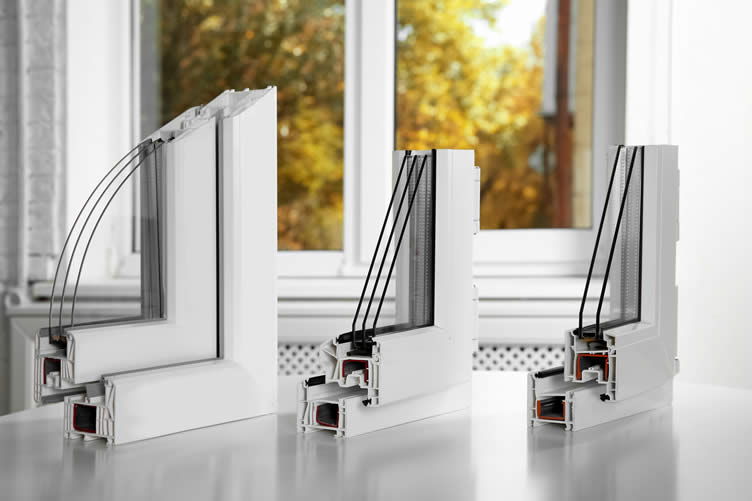
Insulated Glass:
This type comprises two or more glass window panes separated by a vacuum or gas-filled space. It is designed to reduce heat transfer and is used for energy-efficient applications.
Insulated glass finds its application in various products due to its energy-efficient properties. These include:
-
Windows and Doors:
In residential and commercial buildings, insulated glass is widely used in windows and doors for its excellent thermal efficiency. -
Skylights:
Insulated glass is often used in skylights to minimize heat loss and maintain a consistent indoor temperature. -
Refrigeration Units:
In commercial refrigeration units, insulated glass is used to keep the cold air in and the warm air out, ensuring efficient cooling. -
Glass Facades:
For modern architectural structures, insulated glass is used in glass facades to reduce heat transfer and maintain indoor temperature. -
Oven Doors:
Insulated glass is used in oven doors to retain heat inside the oven and prevent the exterior from getting hot, ensuring safety. -
Greenhouses:
Insulated glass is used in greenhouses to strike a balance between light transmission and heat retention, creating an ideal environment for plant growth.
-
copyright image by 123rf.com

-
-
2nd: Glass Type Variations
There are numerous variations of glass types, each designed to serve specific functions, provide unique aesthetic appeal or meet particular safety standards. Choosing the correct type of glass for your project is crucial to ensuring durability and functionality.
Here are some of the most common glass-type variations:
-
Coated Glass:
Coated glass has undergone a process where a coating is applied either during or after the manufacturing process. This coating can serve multiple purposes, from reducing solar heat gain to creating a mirror-like appearance to enhancing privacy.
There are two main types of coated glass – hard coat and soft coat – which offer differing levels of durability, reflectivity, and insulation.
-
Patterned Glass:
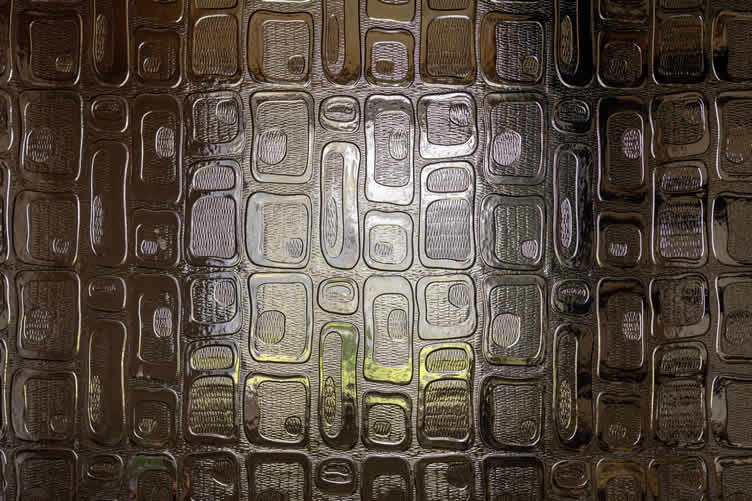
This type of glass product undergoes treatment to have different textures or patterns implemented on its surface. The patterns can range from abstract designs to a more specific theme, offering a unique aesthetic appeal. While patterned glass allows the passage of light, it also provides an element of privacy by obscuring the view from the outside.
It is most commonly used in bathroom windows, office partitions, and decorative interior settings. The choice of pattern should complement the overall design intent of your space.
-
Low-Emissivity (Low-E) Glass:
Low-E glass is a type of energy-efficient glass designed to prevent heat from escaping through your windows to the cold outdoors. Featuring an imperceptible coating, this innovative solution significantly minimizes heat transfer while effectively reflecting interior heat back into your room.
This type of glass product is especially beneficial in climates where the winters are severe. During the summer, the Low-E glass helps to block the harmful ultraviolet rays from entering your home, thus preventing your furniture and fabrics from fading.
-
Wired Glass:
Wired glass is a type of glass into which a wire mesh is embedded during production. The presence of the wire mesh prevents the glass from shattering easily, providing an additional level of safety and security.
While wired glass does not have the same level of impact resistance as tempered or laminated glass, it has the advantage of remaining intact under extreme heat conditions, a feature that makes it particularly useful in fire-resistant applications.
Commonly, wired glass is used in institutional and commercial buildings, where fire safety is a top priority. However, due to its unique aesthetic appeal, wired glass is also finding its way into residential design elements.
-
Tinted Glass:
Tinted glass products are characterized by their color-infused appearance, with common tints including bronze, gray, green, and blue. The primary purpose of the tint is not just aesthetic enhancement, but also to control solar heat gain and glare.
Tinted glass helps to absorb and then radiate a portion of the sun’s heat, keeping interiors cooler in warm weather conditions. It also reduces the level of visible light and can offer a degree of privacy.
Tinted glass is often used in buildings where temperature control and privacy are important considerations, such as office buildings and vehicles.
-
Float Glass:
Float glass, named after the method of its production, is a type of glass that is remarkably smooth, clear, and free of distortions. The process involves floating molten glass on a bed of molten metal, typically tin, to create it. This process gives the sheet of glass a uniform thickness and a highly polished surface, without needing grinding or polishing after production.
Float glass is the starting material for most types of glass, including window panes, glass doors, and mirrors. It can also be further processed into safety glass, tempered glass, or double-glazed windows for enhanced performance in various applications.
Given its versatility and affordability, float glass is prominently used across both residential and commercial settings.
-
Mirrored Glass:
Mirrored glass, as the name suggests, is a type of glass that has been treated with a reflective coating on one side. This coating, usually composed of metals like silver, aluminum, or gold, produces a mirror-like, highly reflective surface.
The mirrored glass allows for a one-way observation, offering privacy to the side with the mirror facing it. It is commonly used in architectural applications for aesthetic enhancement, in spaces like gyms, dance studios, and modern office buildings for visual expansion, and for privacy in interrogation rooms or observation booths.
copyright image by envato.com
-
-
-
ideas to view and compare from the information discussed above
Scroll up to directory … or scroll to next section about how to get the best glass products …


second “photo remodeling” idea

copyright image by 123rf.com
Segment 2: Exploring Craftsmanship
Notes:
-
The quality and visual attractiveness of glass items are greatly influenced by craftsmanship. Hand-blown glass is a classic and labor-intensive method that creates unique pieces with personality and individuality. Customers are better able to recognize the commitment and expertise that goes into making each piece when they are aware of the workmanship involved in the production process.
Skilled craftspeople use a variety of methods, such as glassblowing and complex etching, to create objects that are more than just practical art. Having a deep appreciation for the artistry involved in discovering the finest glass products ensures a unique and visually striking enhancement to your space.
Craftsmanship in glass production involves a plethora of techniques, each contributing to the distinctive aesthetics and functionality of glass products. Here are a few notable ones:
- Glass Blowing:
An ancient technique dating back to Roman times, glassblowing allows the creation of a diverse range of products, from decorative vases to intricate sculptures. - Etching:
This method involves using a sharp tool or acid to create detailed patterns or images on the glass surface, resulting in a unique, tactile finish. - Sandblasting:
A high-pressure technique for creating frosted or carved designs, sandblasting offers a modern, minimalist aesthetic. - Fusing and Slumping:
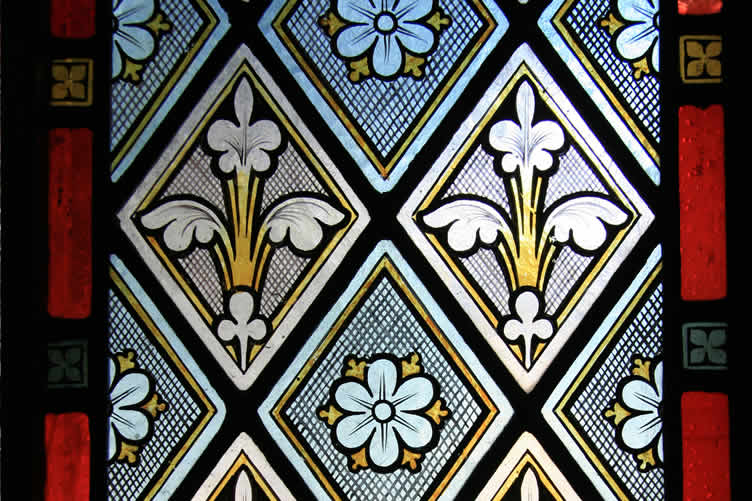
These processes involve heating and shaping glass in a kiln, allowing the creation of layered designs and three-dimensional shapes. - Stained Glass:
A beloved technique in architectural design, stained glass involves piecing together colored glass to create vibrant, light-filled images. - Lampworking:
A method of heating glass rods in a flame, then shaping the molten glass into beads, figurines, and other small items.
- Glass Blowing:
-
Quik scroll to topic side notes …
-
-
Deeper Understanding of the Craftsmanship
By exploring these techniques, customers can better appreciate the craftsmanship that goes into each piece and make informed decisions when purchasing glass products.
-
Glass Blowing
Glass blowing, one of the most prominent techniques used in crafting glass products, is a captivating blend of artistry and physics. This time-honored method involves inflating molten glass into a bubble (or parison), with the aid of a blowpipe or blow tube. The glass is then manipulated and shaped using various tools and small movements.
The molten glass is a canvas for the glassblower, who controls the shape and thickness of the piece by inflating and swinging it. The final product can range from functional items, such as bowls and vases, to complex sculptural pieces.
Glass blowing, with its endless possibilities for creativity, truly showcases the beautiful intersection of technical skill and artistic vision in the world of glass craftsmanship.
[ view technique: glass blowing]
[ view images: glass blowing art]
-
Glass Etching
Glass etching is another fascinating technique employed in the creation of distinctive glass products. This process involves the use of an acidic, caustic, or abrasive substance to make artistic cuts or marks on the surface of the glass.
The result is a frosted appearance that can range from simple and sophisticated to intricate and elaborate, depending on the desired effect.
There are two primary types of glass etching: acid etching and sand etching. Acid etching employs a special type of cream that reacts with the glass to create a smooth, satin-like finish.
This method is ideal for detailed and complex designs. On the other hand, sand etching – also known as sandblasting – uses high-pressure sand particles to create a rougher, textured finish. It’s commonly used for larger designs and signage.
Whether it’s used to make a personal statement on a piece of home decor or to create a sign for a business, glass etching adds a level of detail and customization that explores the depth of craftsmanship in the realm of glass artistry.
[ view technique: glass etching technique]
[ view images: glass etching designs]
-
Sandblasting
Sandblasting is an intriguing process that enables the creation of multifaceted designs on glass products. The process involves forcefully propelling a stream of abrasive material, usually sand, under high pressure, towards a glass surface in order to shape or etch it.
This method of etching requires a high degree of skill as the craftsman guides the abrasive blast to create the intended design.
Unlike acid etching, sandblasting can produce a wide array of effects, depending on the type of abrasive used, the pressure applied, and the angle at which the abrasive hits the glass.
These variables can be manipulated to create varying depths of cut, from light surface etching to deep carving, allowing for a broad canvas of textures and styles. This makes sandblasting a versatile tool in the exploration of glass craftsmanship.
One of the unique characteristics of sandblasted glass is its tactile quality. The process leaves the glass with a rougher texture that can add an intriguing physical element to the finished piece. This textural aspect enhances the aesthetics of the glass product, adding a dimension that goes beyond visual appeal.
Whether it’s for architectural glass in buildings, creating privacy in homes with frosted windows, or producing custom, detailed works of art, sandblasting plays a crucial role in the world of glass products, showcasing the depth and spectrum of possibilities in glass craftsmanship.
[ view technique: glass sandblasting technique]
[ view images: glass sandblasting art]
-
Fusing and Slumping
Fusing and slumping are other vital techniques employed in the realm of glass craftsmanship. Fusing involves the process of joining or welding pieces of glass together by partially melting them in a kiln, at temperatures typically ranging from 599°C to 816°C.
The result is a single piece of glass that combines the characteristics of the original pieces, creating a visually captivating effect.
Slumping, on the other hand, refers to the process where glass is heated in a kiln to a temperature high enough to let it slump or sag into or over a mold without it reshaping or losing its identity.
Slumping is often used to create three-dimensional forms out of two-dimensional sheets of glass, adding depth and perspective to the design.
Both fusing and slumping offer endless possibilities for designing and creating unique glass products. They can be used independently or in conjunction with each other, providing a wide range of textures, colors, and shapes.
From decorative bowls and plates to architectural elements and sculptural works, fusing and slumping breathe life into glass, transforming it from a mere material into a canvas where artistry takes flight. These techniques further highlight the versatility of glass and the boundless creativity of craftsmanship.
[ view images: glass fusing]
[ view images: glass slumping]
-
The Art of Stained Glass
Stained glass is another remarkable facet in the diverse realm of glass craftsmanship. This technique involves the use of colored glass pieces, which are crafted into intricate designs and patterns.
The awe-inspiring beauty of stained glass lies in its unparalleled ability to manipulate and play with light, casting vibrant hues and silhouettes that change with the time of day and the angle of sunlight.
Traditionally, stained glass artistry is associated with grand church windows, where they narrate religious stories in a cascade of light and color. However, the use of stained glass is not confined to religious architecture.
It has gained significant popularity in contemporary design and modern home décor, where it adds a unique aesthetic appeal to spaces.
Creating stained glass products is a meticulous process, requiring a deep understanding of the medium, a keen eye for design, and a deft hand to assemble the pieces. The glass is colored using various metal salts and oxides, and each piece is then cut precisely to fit the design.
They are held together by strips of lead and soldered at the joints to create intricate, robust, and visually captivating designs. This fusion of art and engineering highlights the versatility of glass products and the limitless possibilities of exploring craftsmanship.
[ view technique: stained glass technique]
[ view images: stained glass art]
-
World of Lampworking
Lampworking is a fascinating branch of glass craftsmanship that involves the use of a torch to melt glass rods and tubes. This method enables the artists to form intricate shapes and objects, such as beads, figurines, and even intricate glass sculptures.
The term ‘lampworking’ comes from the practice of crafting glass over oil lamps in the past, a technique that has evolved significantly with modern equipment and technologies.
Unlike other glass working techniques, lampworking allows artisans to work with a high degree of precision and control, making it ideal for creating detailed and complex designs. The process starts with heating the glass to a malleable state in the flame of a torch.
Once softened, the glass can be manipulated using various tools and movements to shape it into the desired form. After the shape is achieved, the glass item must be slowly cooled in a process known as annealing, which strengthens the final product and prevents it from shattering.
Lampworking illustrates the true essence of exploring craftsmanship in glass products. It represents the fusion of creativity, skill, and an understanding of the material, resulting in unique glass items that captivate with their intricate details and artistic beauty.
This technique showcases not only the versatility of glass as a medium but also the limitless potential it offers to artisans worldwide.
[ view technique: glass lampworking technique]
[ view images: glass lampworking art]
copyright image by twenty20.com
-
-
-
ideas to view and compare from the information discussed above
Scroll up to directory … or scroll to next section about how to get the best glass products …

 … grab this directory of ideas
May We Suggest Other Photo Remodeling Ideas About
“Remodeling Plans Using Glass …” (new win)

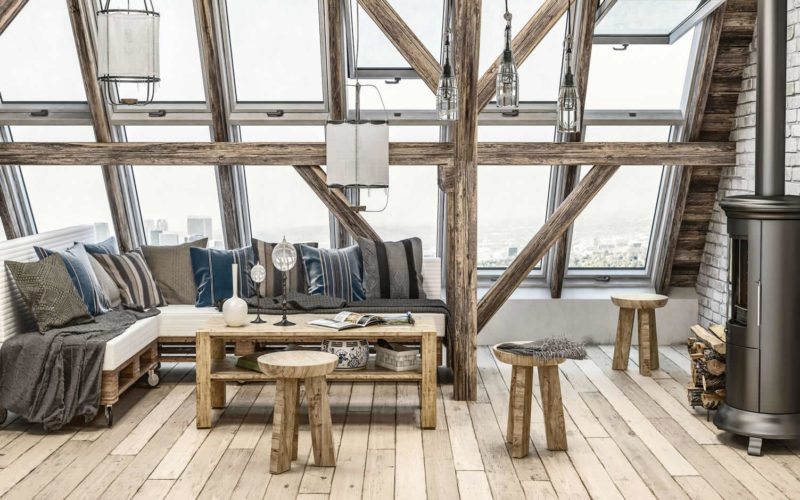

third “photo remodeling” idea

copyright image by 123rf.com
Section 3: Innovative Design Approaches
Notes:
-
Design in glass products is not only functional but also visually appealing. Thanks to modern technology, there are now more opportunities for innovative design approaches that enhance both the practicality and aesthetic charm of glass products. For instance, energy-efficient window designs that optimize natural light and minimize heat loss can be considered as part of this category.
Elevate your dining or drinking experience with innovative glassware designs that boast ergonomic features and imaginative shapes. By seeking out glass products that seamlessly blend form and function, you can effortlessly integrate these items into your daily life, enhancing both style and practicality.
-
Quik scroll to topic side notes …
-
-
1st: Innovative Design in Glass Products
Innovative design plays a crucial role in providing glass products that not only meet functional needs but also embody aesthetic appeal.
With technology, artisans are pushing boundaries, creating glass items that are not only beautiful but also enhance the user’s experience through smart design. Some innovative examples include:
-
Self-cleaning Glass
Self-cleaning glass is an excellent solution for high-rise buildings, hard-to-reach windows, and anyone seeking simplified maintenance. This type of glass features a unique nano-coating that reacts with sunlight to break down dirt and grime.
When it rains, instead of forming droplets, the water sheers off in a "sheeting" action, washing the loosened dirt away. This innovation not only ensures clear, unobstructed views but also significantly reduces the need for frequent manual cleaning, making it an environmentally friendly and cost-effective solution.
-
Solar Power Glass
This inventive solution merges the functionality of traditional glass with the ability to harness solar energy efficiently. These glass panels, often used in windows or building facades, capture sunlight and convert it into usable electricity, providing a sustainable power solution for buildings.
Not only do they contribute to energy conservation, but they also bring down electricity costs, making them a highly beneficial addition to both residential and commercial settings.
-
Smart Glass
Smart glass, also known as switchable glass, changes its light transmission properties when voltage, light, or heat is applied. You can alter the amount of light and heat that passes through, allowing you to adjust for privacy, glare, or temperature conditions.
This innovative design feature significantly reduces the need for artificial lighting and temperature regulation, resulting in substantial energy savings. Furthermore, it offers enhanced privacy at the flick of a switch, eliminating the need for curtains or blinds.
-
Hydrochromic Glass
Hydrochromic glass changes its transparency in response to the presence of moisture, making it particularly useful in areas where visibility is crucial, such as vehicle windshields and bathroom enclosures.
When it comes into contact with water, hydrochromic glass becomes translucent, effectively reducing glare and enhancing visibility in extreme weather conditions. In residential and commercial settings, it can also serve as a creative design element that reacts to environmental changes, adding a unique touch to the aesthetics of a space.
-
Self-healing Glass
This unique type of glass can repair itself when cracked or broken. The secret lies in a special resin, interspersed within the glass, that reacts with sunlight or heat to mend the damage.
This not only prolongs the lifespan of the glass but also minimizes replacement costs, making it an ideal choice for applications where durability is paramount.
From smartphone screens to car windshields, self-healing glass is reshaping our perception of glass products, showcasing the transformative power of innovative design.

copyright image by 123rf.com
-
-
2nd: Other Innovative Designs
The nature of glass allows for this level of creativity and innovation, resulting in products that are truly transformative for both homes and businesses.
Here are some examples of innovative designs:
- Energy-efficient Windows:
These intelligently designed windows are carefully crafted to not only maximize the influx of natural light but also minimize heat loss. By seamlessly blending energy-saving technology with sleek aesthetics, they provide an innovative solution for buildings that prioritize sustainability without compromising on style. - Stained Glass Room Dividers:
These beautifully designed and highly practical room dividers effortlessly blend artistry and functionality, elevating the aesthetics of any space while effectively ensuring privacy. - Glass Furniture:
Including elegant transparent glass tables and chairs that not only add a touch of sophistication but also create the illusion of a more spacious room, making it feel open and inviting. - Insulated Glass Water Bottles:
These high-quality insulated bottles are designed to keep your beverages at the perfect temperature for an extended period. With their sleek and modern design, they not only keep your drinks hot or cold but also make a fashion statement. - Architectural Glass Structures:
These pieces make a bold statement in business spaces, elevating the ambiance with their modern and sleek appearance. Their clean lines and sophisticated design effortlessly blend functionality and style, creating an atmosphere that exudes professionalism and refinement. - Glass Art Installations:
These beautiful and captivating pieces add a unique, artistic feel to any space, transforming it into a haven of creativity and inspiration. Whether it’s a cozy home or a bustling business, these artworks effortlessly elevate the ambiance, inviting everyone to indulge in the magic of aesthetics and imagination.
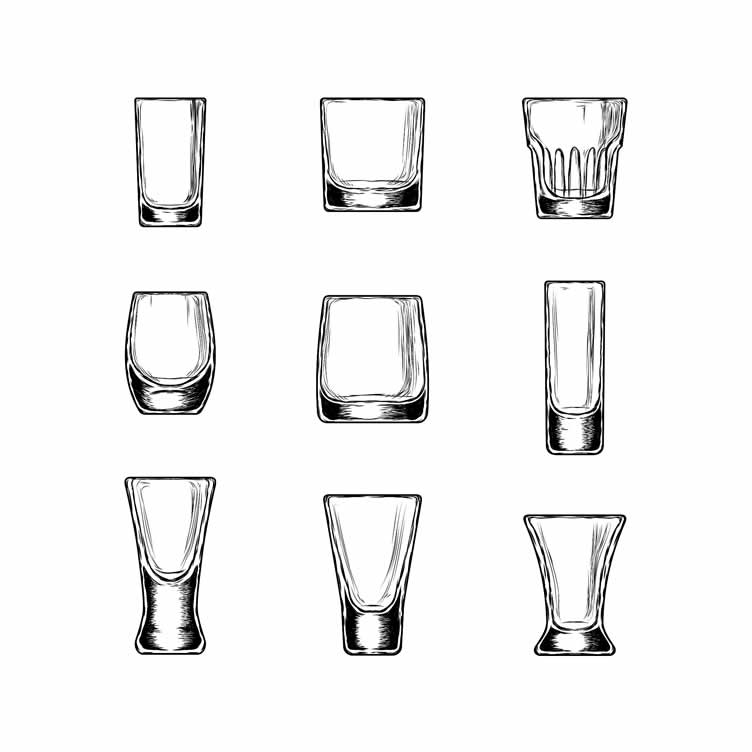
copyright image by 123rf.com
- Energy-efficient Windows:
-
-
ideas to view and compare from the information discussed above
Scroll up to directory … or scroll to next section about how to get the best glass products …
all kinds of home improvement and garden



fourth “photo remodeling” idea
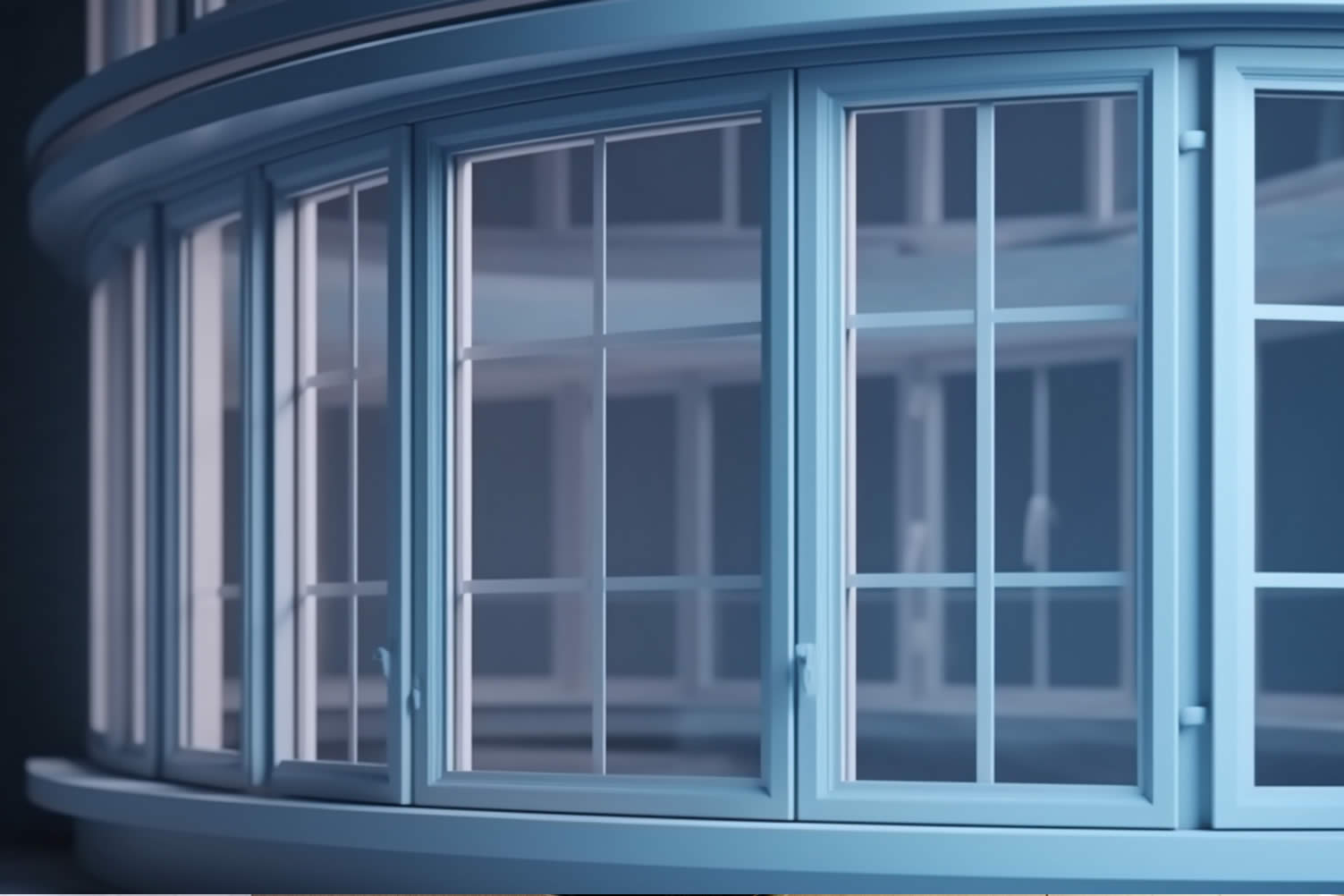
copyright image by 123rf.com
Section 4: Sourcing High-Quality Materials
Notes:
-
The foundation of excellent glass goods lies in the quality of the raw materials used in their manufacturing process. Genuine producers prioritize sourcing glass from reliable vendors known for providing high-grade components. The purity and composition of these raw materials have a direct impact on the strength, clarity, and resistance of the glass to environmental factors.
Opting for items crafted from premium materials not only guarantees the longevity of the glass but also ensures that its performance meets industry standards. Making the sourcing of these materials a top priority is vital in upholding the overall quality of the final glass product.
Additionally, when it comes to glass products, the quality of the materials used also affects the safety and reliability of the product. Inferior materials can lead to breakage or shattering, putting individuals at risk for injury. By using high-quality materials, manufacturers can ensure that their glass products are safe for use and will not pose a threat to consumers.
-
Quik scroll to topic side notes …
-
-
Quality Assurance and Testing:
Highly regarded manufacturers subject their glass products to extensive testing and quality assurance protocols. These assessments encompass various factors, such as surface distortion, impact resistance, and thermal stress resistance.
By investing in glass products that undergo rigorous testing and not only meet but exceed industry standards, you can be assured of purchasing items of unparalleled quality and craftsmanship.
In addition to manufacturing, quality control encompasses packing and shipping. Products that can withstand the challenges of handling and transportation are more likely to reach customers in pristine condition.
By implementing a robust quality assurance system and prioritizing product excellence, you not only protect your investment but also ensure long-term customer satisfaction.
Quality assurance and testing for glass products typically involve the following types:
- Physical Testing:
This assesses the hardness, density, and elasticity of the glass to ensure its physical durability and resistance to impacts. - Thermal Testing:
This examines the glass’s ability to withstand varying degrees of temperature, assessing its thermal expansion and contraction capabilities. - Optical Testing:
This evaluates the transparency and refractive properties of the glass, ensuring optimal clarity and minimal distortion. - Chemical Resistance Testing:
This checks the glass’s resistance against different chemicals to determine its suitability for various applications. - Surface Distortion Testing:
This measures the flatness of the glass surface and the presence of any distortions that could impact its visual quality. - Impact Resistance Testing:
It checks the glass’s ability to withstand forceful impacts without shattering or breaking. - Packaging and Shipping Testing:
This ensures that the glass products are packed and shipped in a way that protects them from damage during transit.

copyright image by envato.com
- Physical Testing:
-
-
ideas to view and compare from the information discussed above
Scroll up to directory … or scroll to next section about how to get the best glass products …
below for …
window selection and installation

Find Home Window Services Windows – Install Window Tinting Windows – Cleaning Window Treatments top-rated, pre-screened local contractors FREE: download contractor selection enter zip code – powered by HomeAdvisor ™
Quick Contractor Guides selecting negotiating working with inspecting

fifth and last “photo remodeling” idea
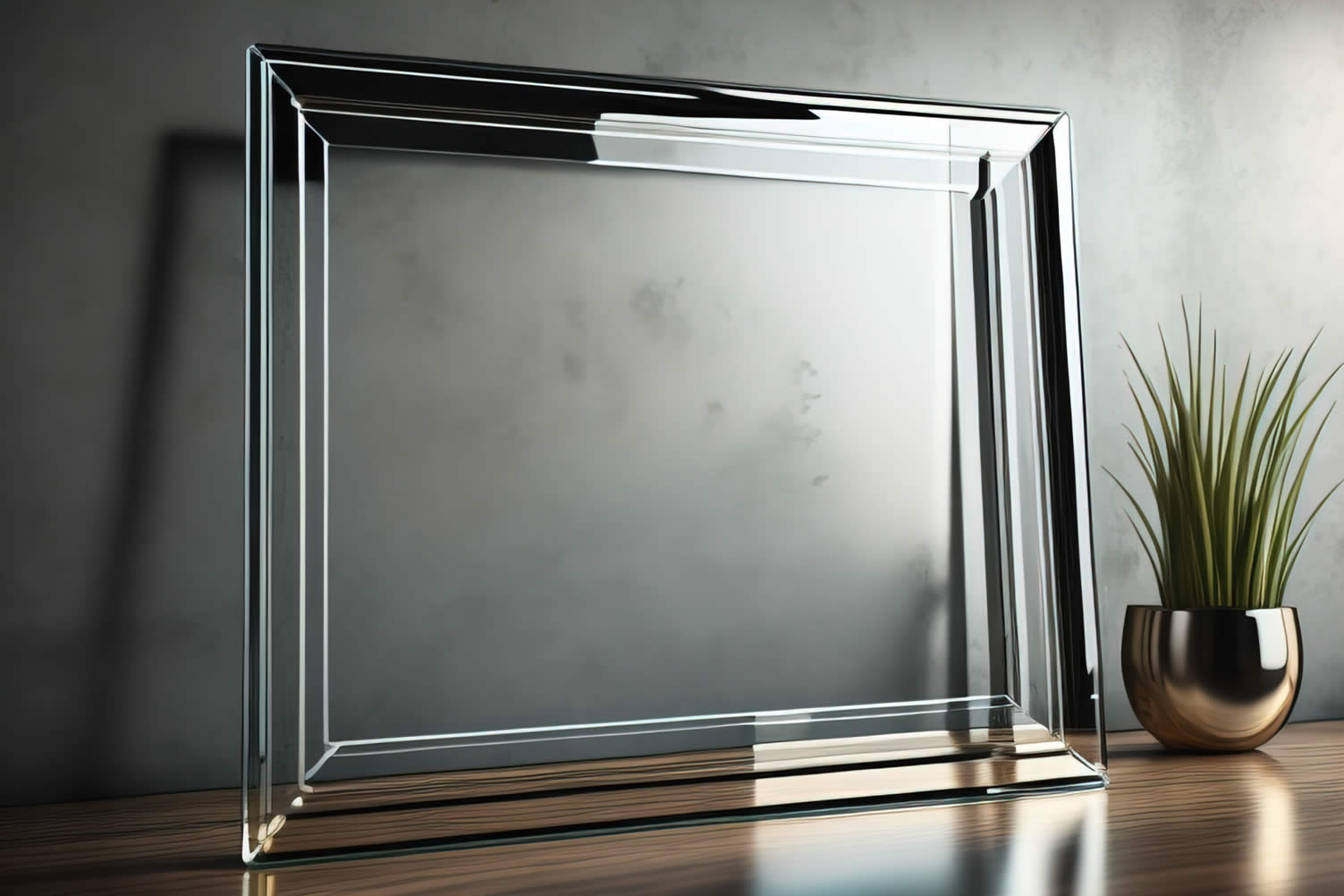

copyright image by 123rf.com
Section 5: Navigating the Online Market
Notes:
-
Discovering the finest glass products online has become more convenient and accessible with the ability to browse reputable websites in the market. By choosing to purchase from trusted platforms, customers can have peace of mind knowing that they are investing in high-quality materials that will not only meet their needs but also exceed their expectations.
So whether it’s for personal use or as a gift for a loved one, rest assured that you’ll get the best glass products possible when shopping online. So why wait? Start exploring the vast world of glass products online and discover the perfect ones for you today.
So don’t hesitate! Start exploring the vast world of glass products online and find your perfect match today!
-
In the era of digital goods, buying glass products can now be conveniently done primarily online. With the rise of online platforms like ShopDFI, customers have access to a vast assortment of premium glass products that cater to their specific needs and preferences.
From exquisite glassware that adds a touch of elegance to any occasion, to high-quality windows that enhance the aesthetics and functionality of homes and buildings, ShopDFI offers a meticulously curated collection of glass products.
With a focus on craftsmanship and quality, their products are designed to meet the highest standards, ensuring customer satisfaction and long-lasting durability and diversity.
-
Quik scroll to topic side notes …
-
-
Seek Professional Help:
Finding professional help for the installation of larger glass products like windows or skylights is essential to ensure their longevity and proper functionality. Experts in the field assure a precise fit and secure installation, preventing any potential damage and ensuring optimal performance.
By leveraging such services, you can ensure that your investment in high-quality glass materials yields the best result, whether it’s a skylight that fills your room with natural light or a large window that offers panoramic views.
Remember, the right installation is as crucial as the product itself.
LetsRenovate has partnered with HomeAdvisor™, a renowned provider of highly-rated, carefully-vetted local contractors. Start your search here by choosing the type of contractor you need and entering your zip code to find local professionals.

copyright image by 123rf.com
But Wait!
Before you continue, make sure to download the contractor search and evaluation worksheet. This powerful tool enables you to evaluate and rank home improvement contractors based on important factors like price, experience, time commitment, insurance, references, and professional affiliations.
It provides a comprehensive assessment to help you make informed decisions.

File Type:

-
-
FINAL REMARKS
In conclusion, embarking on small home improvement projects can be a satisfying endeavor that enhances the living quality and value of your home. As we usher in a New Year, it’s the ideal opportunity to consider improvements that add significant value without breaking the budget.
Whether you’re sprucing up an area, installing a new light fixture, or calling on the expertise of professionals for more complex tasks, remember that every small fix contributes to a larger picture of a well-maintained and beautiful home.
So here’s to rolling up your sleeves, seeking help when needed, and making your home the best it can be one small improvement at a time.
-
ideas to view and compare from the information discussed above
- What comments can you share about
how to get the best glass products?
Scroll up to directory … or scroll to more topics related to home improvement ideas …
view illustration “becoming a bank”
Cover image credit: © baradesign, 123RF Free Images
end of post … please share it!
 |
did you find how to get the best glass products analysis helpful? If so, please share the article with your friends and family! |
Nice pic idea? Leave us a quick comment below.
And please share this pic idea within your social networks.