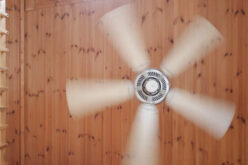
Ceiling fans are an often overlooked yet highly beneficial feature in both interior and exterior spaces of the home. Their primary function is air circulation, providing a refreshing breeze in warmer months and redistributing heat during colder periods.
But beyond the practicality, ceiling fans bring an aesthetic appeal that can enhance the overall design of a space. Whether it’s the living room, bedroom, or even an outdoor patio, the use of ceiling fans can significantly influence the comfort and appeal of the space.
This product analysis will review the numerous benefits of using ceiling fans in your home and outside.

-
Quik scroll to first topic about ceiling fans for interior rooms and outside …

first “ceiling fans for interior rooms and outside” idea


copyright image by 123rf.com
What are Ceiling Fans and Their Origins?
Notes:
-
Ceiling fans are mechanical devices suspended from the ceiling of a room that employ hub-mounted rotating blades to circulate air. The invention of ceiling fans dates back to the early 1860s and 1870s in the United States, a time when innovative minds sought ways to combat the sweltering heat.
These early fans, powered by water and a turbine, ingeniously drove a system of belts that gracefully turned the blades of fan units. Crafted with meticulous craftsmanship, these early fan units boasted an exquisite composition of brass, showcasing the dedication to both functionality and aesthetics.
In interior settings, ceiling fans have been widely used for their practical and aesthetic values. They provide a cost-effective and energy-efficient cooling solution by creating a wind-chill effect, making the room feel cooler than it is. They also aid in heating by pushing down the warm air that naturally rises to the ceiling. From a design standpoint, ceiling fans add an element of elegance and sophistication, serving as a focal point in a room’s decor.
For exterior settings like patios, verandas, or pergolas, ceiling fans contribute to creating a comfortable outdoor living environment. They facilitate air circulation, reducing the heat and discouraging mosquitoes and flies from the area.
Outdoor ceiling fans also come in various styles and designs, complementing the aesthetic of the outdoor space. However, it’s important to ensure these fans are ‘wet-rated’ or ‘damp-rated’ to withstand the outdoor elements.
-
Quik scroll to “ceiling fans” side notes …
-
-
1st: How Ceiling Fans Help Save Energy
Ceiling fans are not just a practical solution for cooling and heating, but also an effective way to save energy. The energy consumption of a ceiling fan is significantly lower than that of an air conditioning unit.
During hot summer days, a ceiling fan working alongside an AC unit can allow you to raise the thermostat setting about 4°F with no reduction in comfort, leading to reduced energy consumption.
In winter, running a ceiling fan in reverse mode (clockwise direction) redistributes warm air that has risen to the ceiling, reducing the need for heating and thus conserving energy.
Now, let’s take a look at how to use ceiling fans throughout different seasons for optimal comfort and energy conservation:
-
Spring:
As the weather starts to warm up, use ceiling fans in a counter-clockwise direction to create a cool, gentle breeze that circulates the air without making the room too cold.
-
Summer:
Keep the fan running counter-clockwise at a higher speed to create a wind-chill effect that makes you feel cooler. This allows you to increase the thermostat setting and save on AC costs.
-
Fall:
As temperatures begin to drop, switch the fan direction to clockwise at a low speed. This pushes warm air down to create a warming effect.
-
Winter:
Maintain the clockwise direction at a low speed to circulate the warm air collected near the ceiling. This distributes heat evenly and reduces the workload on your heating system.
By understanding how ceiling fans work and adjusting their settings seasonally, you can effectively manage your comfort levels while conserving energy.

copyright image by 123rf.com
[ view diagram: ceiling fan direction]
[ youtube: using ceiling fans to save money]

-
-
2nd: Places to Have Ceiling Fans
Ceiling fans are not just functional; they can also be a design statement in various areas within the home. They help maintain a comfortable temperature and improve air circulation in interior spaces. Here are some key interior home placements for ceiling fans and the unique benefits they offer:
-
Living Room:
A ceiling fan in the living room can keep this central space of your home cool and comfortable. It provides a gentle overhead breeze that can be particularly refreshing when entertaining guests.
-
Dining Room:
Placing a stylish and functional ceiling fan directly above the dining table can significantly enhance your dining experience. Not only does it create a pleasant ambiance by gently circulating aromas, but it also provides a refreshing breeze during warm meals, ensuring optimal comfort for you and your guests.
-
Bedrooms:
Ceiling fans in bedrooms are not only functional but also contribute to a restful night’s sleep. By circulating the air and maintaining a comfortable temperature, they create a cozy and tranquil environment. Moreover, their gentle and soothing ambient noise adds an extra layer of relaxation, helping many people drift off into a deep and peaceful slumber.
-
Home Office:
Working from home can be much more comfortable with a ceiling fan. It helps circulate air, reduce stuffiness and prevent a room from becoming too warm, especially with electronic devices running.
-
Kitchen:
While less common, having a ceiling fan installed in the kitchen can be a great addition. Not only does it help disperse heat from cooking, but it also ensures a comfortable and cool environment for the chef. This can make the cooking experience more enjoyable and prevent excessive sweating or discomfort caused by the heat.
-
Rec Room:
Installing a ceiling fan in your rec room can enhance the comfort of your leisure space. It helps in regulating the temperature, especially when the room is filled with people or during high-energy activities like dancing or playing games.
-
Exercise Room:
An exercise room benefits significantly from a ceiling fan. The fan aids in cooling down the room, providing a refreshing breeze during workouts, and promoting better air circulation, which is crucial for maintaining a healthy exercise environment.
Remember, the key to getting the most out of your ceiling fan is to adjust the fan’s direction and speed according to the season and time of day. Experiment with different settings to find what works best for you in each room.

copyright image by 123rf.com
[ view ideas: bedroom ceiling fans]
[ view pinterest: interior room ceiling fans]
Exterior Home Places to Install a Ceiling Fan
While ceiling fans are commonly thought of as an indoor comfort device, they can also notably enhance outdoor living areas. Here are some outside locations where you can place a ceiling fan:
-
Patio:
A ceiling fan in the patio can create a refreshing oasis, perfect for relaxing or entertaining. As the gentle breeze from the fan gracefully caresses your skin, you’ll feel a sense of tranquility and relief on those hot summer evenings. The circulating air not only helps to reduce the stuffiness but also creates a pleasant ambiance, making your outdoor experience even more enjoyable.
Plus, the added benefit of deterring flying insects ensures that you can fully immerse yourself in the serene atmosphere without any interruptions. So, go ahead, embrace the ultimate comfort and ambiance with a patio ceiling fan, and elevate your outdoor oasis to new heights of relaxation and enjoyment.
-
Outdoor Kitchen:
If you have an outdoor kitchen, consider installing a ceiling fan specifically designed for outdoor use. This addition can effectively disperse smoke and heat generated during cooking, ensuring a more comfortable and enjoyable cooking experience.
Not only will it contribute to a well-ventilated space, but it will also provide a refreshing breeze on hot summer days, allowing you to fully embrace the joys of outdoor cooking.
-
Porch:
There’s truly nothing quite like the serene experience of sitting on a cozy porch, feeling the gentle caress of a refreshing breeze emanating from a beautifully crafted ceiling fan. This enchanting combination not only sets the perfect ambiance for relaxation and unwinding, but also offers a respite from the heat on scorching summer days.
And when the sun sets, the ceiling fan becomes more than just a cooling companion – it transforms into a captivating source of soft illumination, casting a warm and inviting glow that enhances the atmosphere for delightful night-time gatherings with loved ones.
-
Gazebo:
Installing a ceiling fan in a gazebo can greatly enhance your comfort. By effectively circulating air, it provides a refreshing breeze that not only reduces heat and humidity but also creates a pleasant and inviting atmosphere.
Whether you seek a peaceful retreat for relaxation or a cozy space for social get-togethers, having a ceiling fan in your gazebo ensures a delightful experience, allowing you to fully enjoy your outdoor oasis.
-
Garage:
Consider installing a ceiling fan in your garage. It can help circulate air, reducing the buildup of fumes if you work with chemicals or engines, and can cool down the area if you use the space for workouts or DIY projects. Plus, a ceiling fan can help dry out damp spaces, reducing the risk of mold or rust.
Remember, outdoor ceiling fans are designed to withstand the elements, but it’s essential to choose wet-rated or damp-rated fans depending on your climate and the particular outdoor area’s exposure to moisture. As with indoor fans, adjusting the fan’s direction and speed according to the season and time of day will maximize its effectiveness.

copyright image by 123rf.com
[ view ideas: patio ceiling fan]
[ view pinterest: outdoor ceiling fans]
-
-
Components of Ceiling Fans
A ceiling fan is more than just an appliance; it is a complex assembly of parts working together to provide air circulation. The primary components include the motor, blades, blade holders, flywheel, and downrod.
-
Motor:
At the heart of every fan lies its motor, a powerful mechanism that drives the blades to spin effortlessly and circulate air throughout the room. The efficiency and performance of a fan greatly rely on the type and quality of its motor, which determines not only the speed and airflow but also the durability and longevity of the appliance.
-
Blades:
Attached to the motor, the blades are the most visible and distinctive part of the fan. With their sleek design and varying numbers, these blades not only serve a functional purpose but also add an aesthetic touch to the room. Carefully crafted to complement the overall aesthetics, the blades efficiently move air, creating a refreshing breeze that enhances the comfort of the space.
-
Blade Holders:
These connectors play a crucial role in linking the blades to the motor, ensuring a secure fit and proper balance for optimal performance. By providing a reliable connection, they facilitate efficient power transfer from the motor to the blades, resulting in smooth operation and enhanced overall performance.
-
Flywheel:
This component, typically made of durable plastic, securely attaches to the motor shaft using blade holders. Over time, the flywheel may experience warping or breakage, but the good news is that it can be easily replaced without the need for an entirely new motor.
-
Downrod:
This rod is specifically designed to suspend the fan from the ceiling, ensuring sufficient clearance for optimal air movement throughout the room. By adjusting the length of the downrod, it can be perfectly tailored to suit the exact height of the room’s ceiling, providing both functionality and aesthetic appeal.
-
Lighting:
Many ceiling fans incorporate lighting fixtures, making them a versatile choice for illuminating a room while promoting air circulation. These lights can range from a single bulb to elaborate, multi-light configurations, and often have options for dimming or color adjustment to suit the mood or time of day.
This dual functionality makes ceiling fans with lights a popular choice for bedrooms, living rooms, and outdoor spaces.
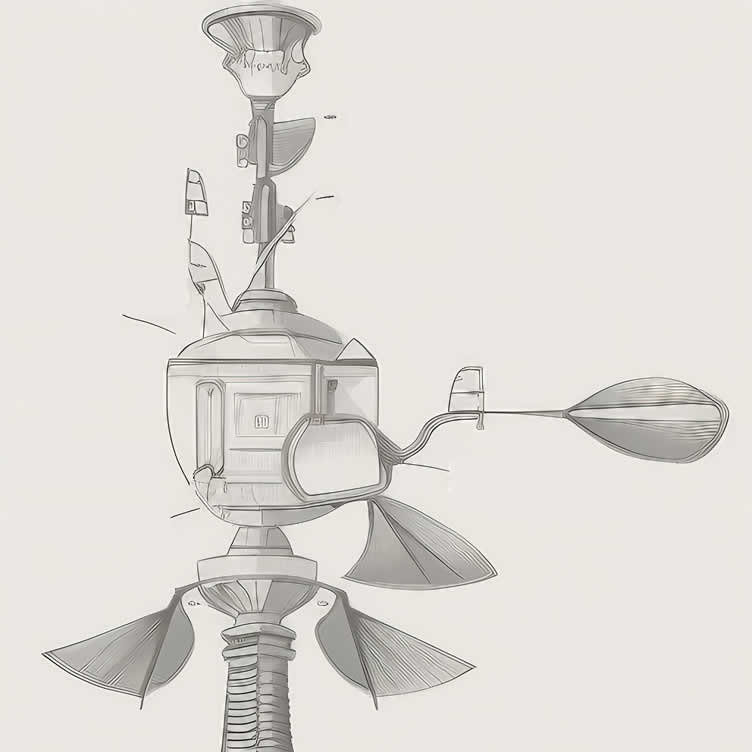
copyright image by AI generated image jasper.ai
[ view illustrations: parts of ceiling fan]
[ view youtube: ceiling fan components]
-
-
Sizing Ceiling Fans
The size of a ceiling fan is determined by its blade span, which refers to the diameter of the circle formed by the rotating fan blades. Common sizes range from 29 to 54 inches, but larger models designed for outdoor use or spacious indoor areas can have blade spans of up to 72 inches or more.
A smaller fan is ideal for a room up to 50 square feet, while a medium-sized fan works well in rooms ranging from 144 to 255 square feet. Larger fans are designed for rooms 300 square feet and above, offering sufficient airflow to accommodate the expansive space.
-
Dual Fans for Smaller Rooms
For smaller rooms, where a single large ceiling fan may not be suitable, dual fans are an excellent alternative. Dual fans consist of two smaller fans on a single fixture, providing the combined air circulation of two fans while taking up less space. They can be a great way to maximize airflow in compact rooms without overwhelming the ceiling space.
Moreover, the size of dual fans can be adjusted according to the room’s dimensions, ensuring an efficient cooling mechanism. It’s worth noting that while selecting dual fans, the same rules apply; the blade span should be proportionate to the room size to ensure optimal performance.
Ultimately, the choice between a large single fan and dual fans comes down to personal preference and the specific needs of your space.
-
Maximizing Fan Size for Best Cooling
When it comes to cooling efficiency, the size of your ceiling fan plays a significant role. A ceiling fan operates by creating a wind chill effect; it doesn’t lower the room temperature, but rather makes the room feel cooler. This is why it’s important to choose a fan with the right blade span for your room.
Larger fans with a wider blade span will circulate more air and create a stronger wind chill effect, making the room feel cooler. However, this doesn’t mean you should install the largest fan you can find. The fan should be proportionate to the room to avoid it being overpowering or inefficient.
For example, a fan that’s too large for the room will not only look unbalanced, but it can also produce too much airflow, creating an uncomfortable, drafty environment. Conversely, a fan that’s too small won’t circulate enough air to cool the room effectively.
Therefore, it’s crucial to measure your room and choose a fan size accordingly for optimal cooling performance.
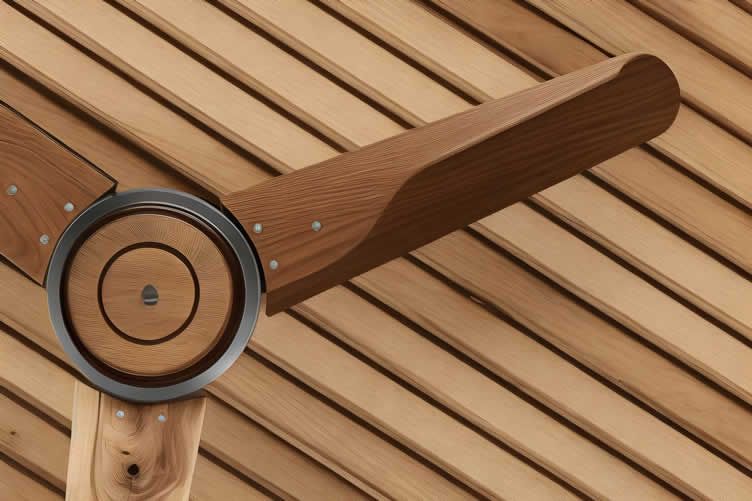
copyright image by 123rf.com
How to Determine the Right Size of a Ceiling Fan
When choosing a ceiling fan, it’s crucial to consider the size of the area where it will be installed. Here’s a simple guide to help you determine the right size:
-
Measure the Room:
Before considering the type of fan to install, start with the basic measurement of the room. This will give you an idea of the potential scale of the ceiling fan needed. Use a tape measure to get the dimensions of the room (length and width), and use these to calculate the room’s square footage.
This initial step is crucial as it lays the groundwork for other factors like blade span and airflow requirements.
-
Consider the Ceiling Height:
Higher ceilings require fans with longer downrods for efficient air circulation. For optimal air circulation, the fan should be about 8 to 9 feet above the floor. If the ceiling is higher than 9 feet, consider purchasing an extension downrod.
Remember, too low a ceiling fan can be a safety hazard, while a fan too high won’t circulate air efficiently. Always refer to the manufacturer’s instructions for exact measurements and mounting details.
-
Check the Blade Span:
The blade span refers to the diameter of the circle that the fan blades make while rotating. It’s crucial to select a fan with a blade span that suits the size of your room. Smaller rooms (up to 50 square feet) can accommodate fans with a 29 to 36 inches blade span, whereas larger rooms (300 square feet and above) require fans with a blade span of 52 inches or more.
The ideal blade span for your space can be determined by measuring the room’s length and width in feet, then multiplying those numbers together, and finally taking the square root of that result. This measurement, in feet, should closely match the fan’s blade span in inches for optimal circulation and efficiency.
Always check the manufacturer’s recommendations for blade span based on room size. Use the room’s square footage to choose the fan’s blade span.
-
Evaluate the Airflow:
Air flow is the rate at which air is moving in a specific area and is measured in Cubic Feet per Minute (CFM). A higher CFM rating means better air circulation. Typically, a ceiling fan with a higher CFM can cool a room faster and more efficiently. It’s therefore important to consider the CFM rating when choosing a ceiling fan.
The ideal CFM will depend on the size of the room and the fan’s intended use. For example, a larger, open room might require a ceiling fan with a higher CFM, while a smaller room might be adequately served by a fan with a lower CFM.
Be sure to also take into account the fan’s energy efficiency in relation to its CFM, as a fan that uses less energy while still providing a high CFM is the most efficient choice.
-
Examine Fan Controls:
Check the type of controls that come with the fan such as pull chain, wall control, remote control, or smart functionality. Some fans offer variable speeds and have a reversible airflow feature which is beneficial for different seasons. These control options also play a role in the overall convenience and performance of the fan.
-
Review the Location:
If the fan is intended for an outdoor area, such as a patio or gazebo, or a damp location like a bathroom where moisture is prevalent, it is crucial to select a fan specifically designed and built to withstand these challenging conditions.
By choosing a fan that is equipped with appropriate weather-resistant features and materials, you can ensure its long-lasting durability and optimal performance, even in the face of outdoor elements or high humidity levels.

copyright image by AI generated image jasper.ai
[ view illustrations: sizing of ceiling fans]
[ view youtube: how to measure ceiling fan]
-
-
Ceiling Fan Types and Styling
Ceiling fans come in varying types to complement any interior or exterior design aesthetic. The varied designs of ceiling fans allow them to be more than just functional elements; they can also serve as focal points in a room, enhancing its overall appeal.
-
Standard Ceiling Fans:
These are the most common type of ceiling fans, typically characterized by a central light fixture. They are versatile and can fit into most interior styles, from traditional to modern.
-
Low Profile Ceiling Fans:
Also known as hugger fans or flush mount fans, they are installed directly on the mounting bracket, making them perfect for rooms with low ceilings.
-
Energy Star Ceiling Fans:
These ceiling fans are designed with energy efficiency in mind. They are ideal for eco-conscious homeowners looking to reduce their energy consumption.
-
Outdoor Ceiling Fans:
These fans are built to withstand the elements, making them suitable for porches, decks, and other outdoor spaces. They often have a rustic or nautical design, fitting well with outdoor aesthetics.
-
Dual Motor Ceiling Fans:
These fans feature two adjustable fan heads. They are a unique design statement and are well-suited for large, spacious rooms.
-
Remote-Controlled Ceiling Fans:
Prioritizing convenience, these fans allow for easy operation from anywhere in the room. They are best suited for bedrooms or high-ceiling rooms where reaching the fan could be a challenge.
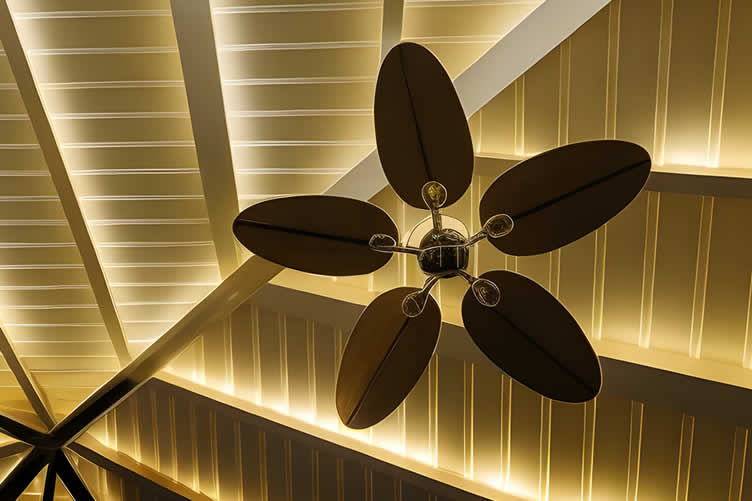
copyright image by 123rf.com
Styling of Ceiling Fans
Beyond their functional aspects, ceiling fans also present a significant aesthetic component. They come in a wide range of styles, each offering a unique touch to the interior. Selecting the right style can elevate the ambiance of a room and tie together its design elements.
-
Traditional:
Traditional-styled fans are a nod to nostalgia, echoing the charm of bygone eras. These fans often feature details like carved wood blades, scrollwork, and glass light covers. They are available in a range of finishes—antique bronze, brass, or brushed nickel—to suit the palette of any traditionally styled room.
-
Modern:
Modern-styled fans are characterized by sleek lines, minimalist design, and innovative functionality. These fans often incorporate cutting-edge technologies like remote control or energy-efficient LED lighting. Their clean aesthetics, typically in neutral hues such as black, white, or brushed steel, make them a perfect fit for contemporary interior designs.
Even in their simplicity, these fans make a bold design statement and are as much a piece of art as they are a practical device. From living rooms to bedrooms, modern-styled fans can add a touch of sophistication and flair to any space.
-
Farmhouse:
Farmhouse-styled ceiling fans are characterized by their rustic charm combined with sophisticated modernity. Typically, featuring wood blades with distressed or reclaimed finishes, and metal accents in black, brass, or antique bronze, they blend seamlessly into the warm and cozy aesthetic of a farmhouse-style decor.
Often incorporating elements like Edison bulbs for lighting, these fans strike a perfect balance between form and function. They provide excellent air circulation while also serving as a unique decorative element in any farmhouse-styled room.
-
Industrial:
Industrial-styled ceiling fans are known for their bold, heavy-duty design elements. Reflecting the raw, unpretentious aesthetics of the industrial age, these fans typically feature metal blades, exposed hardware, and finishes in tones like black, brushed nickel, or rustic bronze.
Some may even incorporate design elements like caged or Edison bulbs for lighting, adding to their industrial appeal. These fans are not just about rugged charm, they also deliver high power and are often larger, making them excellent for larger rooms or outdoor spaces.
-
Eclectic:
Eclectic-styled ceiling fans are the epitome of uniqueness and individuality. These fans break free from traditional design norms, blending elements from multiple styles and periods to create a truly one-of-a-kind aesthetic.
The eclectic style might feature blades made of unexpected materials, unusual color combinations, or incorporate distinctive light fixtures. Some might even have asymmetrical designs or artistic elements that catch the eye.
-
Transitional:
Striking a balance between traditional charm and contemporary chic, Transitional-styled ceiling fans are all about versatility and elegance. These fans typically feature a blend of classic and modern design elements, such as sleek lines mixed with understated detailing or warm wood finishes paired with brushed metal.
The lighting fixtures often exude a soft, welcoming glow, enhancing the overall ambiance. Discarding the extravagance of traditional styles and the stark simplicity of modern design, they bring a harmonious fusion that can complement a broad range of interior decor.

copyright image by AI generated image jasper.ai
Ceiling Fan Styles
google imagesBedroom Fans view samples – traditional view samples – modern view samples – farmhouse view samples – prairie view samples – tropical view samples – rustic view samples – industrial view samples – urban view samples -
-
Ceiling Fan Installation and Maintenance:
Installing a ceiling fan is a task that, when done correctly, can bring numerous benefits to your home, both indoors and outdoors. A well-placed ceiling fan can help circulate air, maintain comfortable room temperatures, and add a touch of elegance to your home decor.
-
Steps for Ceiling Fan Installation
- Turn Off the Power:
It is always crucial to prioritize safety above all else. Before performing any electrical work, it is highly recommended to turn off the electricity from the main power source. By taking this precautionary measure, you can ensure a secure environment and minimize the risk of accidents or electrical hazards. Remember, safety first! - Remove the Existing Light Fixture:
To ensure a safe disassembly process, take the time to carefully and cautiously follow the manufacturer’s instructions when removing your old fixture. By adhering to their guidelines, you can proceed with confidence and minimize any potential risks. - Assemble Your Ceiling Fan:
To ensure precise assembly, it is highly recommended to carefully follow the instructions provided in the manual that accompanies your fan. By doing so, you will have accurate guidance and be able to effortlessly put together your fan for optimal performance and functionality. - Attach the Ceiling Bracket:
To securely mount the ceiling bracket, carefully fasten it in place using the screws provided with the installation kit. Ensuring a sturdy and reliable attachment will help to guarantee the stability and safety of the fixture. - Wire the Fan:
To ensure proper connection, carefully follow the detailed instructions provided by the manufacturer’s guide while connecting the wiring. Ensure all connections are secure and tightly fastened to avoid any potential hazards. - Secure the Fan Blades:
When attaching the fan blades to the motor housing, it is crucial to exercise caution and attention to detail. Ensure that each blade is securely screwed in and aligned correctly, taking into consideration the specific position and orientation for optimal performance and efficiency. - Attach the Light Fixture (if applicable):
For added convenience and functionality, many ceiling fans are designed with a light fixture attached. This allows you to not only cool down your space but also illuminate it with a gentle and ambient light. This combination of cooling and lighting options makes ceiling fans a versatile and practical choice for any room in your home or office. - Test the Fan:
Once you have successfully installed all the necessary components, including the fan, it is time to turn the power back on and proceed with testing. Take a moment to ensure that all connections are secure and that there are no loose ends. Once you are confident in the setup, switch the power back on and observe the fan’s performance. Pay attention to its speed, airflow, and any unusual noises. This thorough testing process will help ensure that your fan is functioning optimally.
Remember, if you’re unsure about any step or if your home has wiring that seems complicated, it’s always best to hire a professional to handle the ceiling fan installation. Proper installation can ensure optimal performance and safety of your ceiling fan.
- Turn Off the Power:

copyright image by 123rf.com
[ view illustrations: install ceiling fan diagram]
[ view youtube: installing ceiling fan]
Ceiling Fan Maintenance
Maintaining ceiling fans is integral to their longevity and optimal functionality. A well-maintained ceiling fan not only runs smoother but also lasts longer, saving you the cost and hassle of frequent replacements or repairs.
Routine checks on your ceiling fan can extend its lifespan and ensure it operates at peak efficiency. Here’s how to do it:
- Inspect Fan Blades:
Regularly check the blades of your ceiling fan for any signs of wear or damage. Ensure they are clean and dust-free for efficient operation. - Check Screws and Connections:
Verify all screws and connections are tight and secure. A loose screw can lead to wobbly operation and potential damage. - Test the Fan Speeds:
Turn on your ceiling fan and cycle through all speed settings. This helps ensure the motor is working properly and the fan is able to maintain consistent speed. - Listen for Unusual Noises:
While the fan is running, listen for any strange noises. Grinding, squeaking, or humming could indicate that the motor needs lubrication or there’s a problem with the wiring. - Check Motor Malfunction:
If you observe that the motor is not working properly, it might be due to accumulated dust or a burnt out capacitor. Cleaning the motor housing and replacing the capacitor, if needed, can solve this issue. - Look for Wobbles:
If you notice an uneven blade spin, it might be due to a balance issue. To fix this, turn off the fan and check the alignment of the blades. If required, adjust the blades or add balancing weights until the blades spin evenly. - Clean Regularly:
Accumulated dust and grime can decrease your ceiling fan’s efficiency. Regular cleaning can help prevent this. - Check the Light Fixture:
If your ceiling fan has a light, make sure it’s working properly. Replace any burnt-out bulbs, and check the wiring if the light is flickering. - Inspect the Pull Chain:
Test the pull chain to ensure it’s functioning correctly. It should easily switch the fan on and off and adjust the speed. - Consult a Professional:
If you notice any issues during your routine checks, it may be time to call in a professional for ceiling fan maintenance.
By following these maintenance tips, you can ensure that your ceiling fan continues to function smoothly and efficiently, offering you the best of its benefits.
-
How to Add Weights to Even the Blade Spin
- Identify the Problematic Blade:
Start by identifying the blade that is causing the imbalance. A blade balancing kit can be useful here. Attach a clip-on weight to the middle of one blade at a time and test the fan’s operation until you identify the blade causing imbalance. - Find the Correct Position:
Once you’ve identified the unbalanced blade, shift the clip-on weight along the length of the blade. Start from the center and move it towards the tip or the base, testing the fan’s balance at each position until the wobble lessens. - Affix the Weight:
After finding the spot where the weight best reduces the wobble, affix the provided weight to that spot. You can usually do this by peeling off the backing of the weight and sticking it to the correct position on the blade. - Test the Fan:
Finally, test the ceiling fan by running it at high speed. Check for any remaining wobble. If there is no wobble, then the process is complete. If there is still a slight imbalance, you may need to repeat the process or consider contacting a professional for ceiling fan installation or repair.
- Identify the Problematic Blade:
-
How to Fix Noisy Components
- Identify the Noise Source:
Start by identifying the source of the noise. This could be a loose screw, a wobbling blade, or a malfunctioning motor. - Tighten Loose Screws:
If the source of the noise is a loose screw, use a screwdriver to tighten it. Make sure to check all screws, especially those attaching the blades to the motor and the light fixture to the fan body. - Balance the Blades:
If the blades are the problem, you may need to balance them. Refer to the "How to Add Weights to Even the Blade Spin" section for a detailed guide. - Check the Motor:
If the motor is noisy, it may be a more serious issue. In some cases, adding oil can help. If not, you may need to replace the motor or contact a professional for ceiling fan installation or repair. - Replace Damaged Components:
If the parts of the ceiling fan are damaged or worn out, replacing them can eliminate the noise. These could include the blade brackets, flywheel, or light fixture. - Consult a Professional:
If none of the above solutions work, it’s best to consult a professional. They may need to perform ceiling fan maintenance or even replace the fan if it’s old or faulty.
- Identify the Noise Source:
-
Identifying and Repairing a Motor Malfunction
- Identify Motor Malfunction:
A malfunctioning motor often makes excessive noise, overheats, or stops working entirely. If the fan blades don’t move or the motor hums loudly even after trying the previous troubleshooting steps, you likely have a motor issue. - Power Off the Fan:
Always ensure the ceiling fan is powered off and unplugged before attempting any repair work. - Inspect the Motor Housing:
Check for visible signs of damage such as burns or rust. Also, look for any loose screws on the motor housing and tighten them. - Check for Debris:
Remove any debris that may be obstructing the motor. This can include dirt, dust, or even small objects that have fallen into the housing. - Lubricate the Motor:
If the motor is making a grinding or squeaky sound, it may need lubrication. Use a non-detergent motor oil to lubricate the motor. Follow the manufacturer’s instructions on where and how much oil to apply. - Check the Motor’s Electrical Connection:
Ensure the motor’s wiring is properly connected and not damaged. Look for any signs of faulty wiring, such as frayed wires or loose connections. - Replace the Motor:
If the motor is still not functioning properly after these steps, it may need replacement. This is a complex task and should be done by a professional. If your fan is still under warranty, contact the manufacturer for repair or replacement. - Consult a Professional:
If you’re uncomfortable with any of these steps or if the motor still isn’t working properly, consult a professional for ceiling fan maintenance or repair.
- Identify Motor Malfunction:

copyright image by 123rf.com
[ view illustrations: how to balance ceiling fan]
[ view youtube: inside of a ceiling fan motor]
-
-
-
ideas to view and compare from the information discussed above
- What comments can you share about
the type of ceiling fans for interior rooms and outside?
Scroll up to directory … or scroll to more home lighting topics…



 … grab this directory of ideas
home lighting


view illustration “becoming a bank”





May We Suggest Other Photo Remodeling Ideas About
“Saving Energy and Home Lighting…” (new win)



Find Electrical Services Electricians Lighting Design Fans Generators Electronics Home Security top-rated, pre-screened local contractors FREE: download contractor selection enter zip code – powered by HomeAdvisor ™
Quick Contractor Guides selecting negotiating working with inspecting

Cover image credit: ceiling fans for interior rooms and outside by 123rf.com
end of post … please share it!

Nice pic idea? Leave us a quick comment below.
And please share this pic idea within your social networks.