

A collection of remodeling photos for every room n' area for the inside and outside home and garden.
Use these pics to collect ideas for your remodeling and home improvement plans: either search or select category
Collection of HVAC and Utility ideas
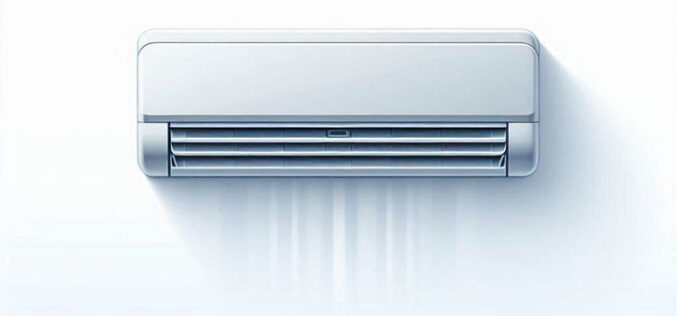
There’s always that one room. The sunroom that turns into a sauna by noon. The converted garage that’s comfortable for about three weeks a year. The finished basement where guests layer up in July. No matter how well your central HVAC performs in the rest of your home, these problem spaces seem to exist in a climate all their own.

Searching for relief from constant sneezing, watery eyes, and breathing difficulties that seem worse indoors? You’re not alone. Over 50 million Americans experience allergies each year, and many don’t realize that indoor air can be two to five times more polluted than outdoor air, according to the Environmental Protection Agency.
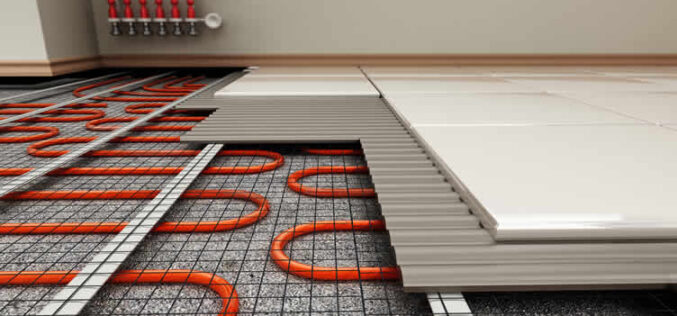
The quest for a warm, comfortable home during the colder months is a familiar one. We often rely on traditional heating, ventilation, and air conditioning (HVAC) systems, which blast hot air through vents, creating a cozy but sometimes uneven environment.
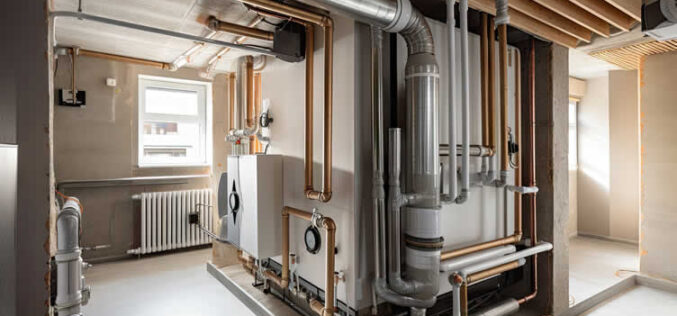
Understanding a home HVAC (Heating, Ventilation, and Air Conditioning) system is essential for ensuring comfort, energy efficiency, and proper indoor air quality in your living space. By learning how these systems work and how to maintain or optimize their performance, homeowners can not only reduce energy costs but also extend the lifespan of the equipment.

We tend to associate air pollution primarily with exhaust fumes or industrial emissions, but the truth is, that the air inside our homes can be just as tainted, if not more so. This post analysis aims to shed light on both outdoor and indoor air pollution, emphasizing the critical need for better air quality in our homes.

Modern home HVAC systems are complex and tightly integrated machines. When they malfunction, it can be difficult to pinpoint the exact cause. However, with the implementation of Fault Detection and Diagnostics (FDD), it becomes easier to identify and address these issues promptly.
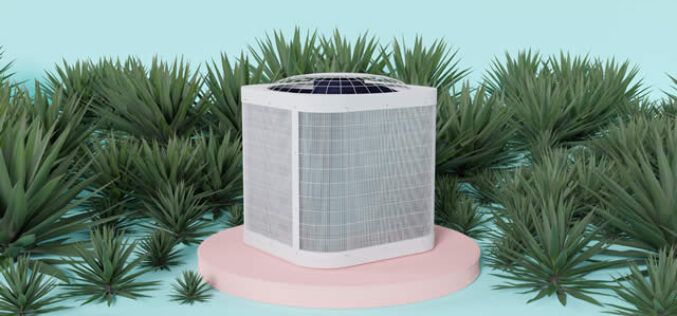
Purchasing a new AC unit online is more than a mere transaction; it’s an exhilarating journey of discovery. Picture yourself immersed in a world of advanced features, energy efficiency, and customizable settings, all crafted to elevate your indoor environment and create the perfect atmosphere.

Given the amount of time we spend at home, we must have access to fresh and clean indoor air. Research, however, has shown that indoor air can be anywhere from two to five times as polluted as air outside.
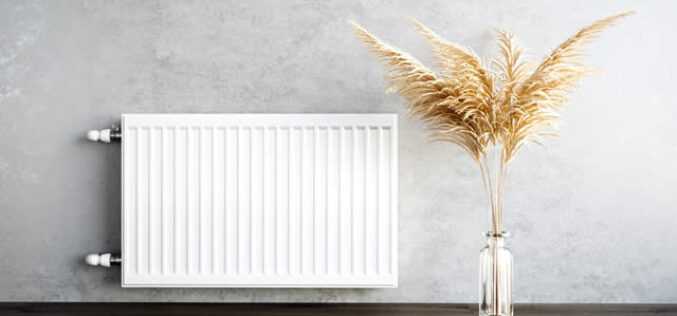
Radiators were once the primary way to heat a home – mostly using the circulation of hot water or steam through the radiator system. Today, there are a number of HVAC systems to heat a home. But radiators are still in use; and they are making a comeback given the system’s efficient way to heat a home – and to heat flooring.

A water heater is a common component of modern homes. Without one, you wouldn’t enjoy hot showers or dishwashing machines that clean your dishes, glasses, and silverware for you.
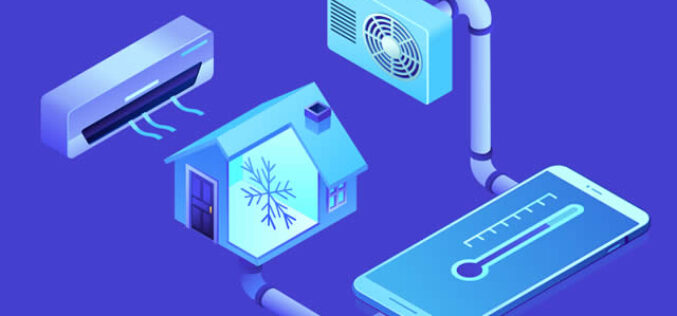
Considering it’s impossible for people to survive without oxygen, you can probably imagine why air quality inside your home is essential. Although some might argue that fresh air is better, there’s no telling how polluted the air is outside.

When the summer season comes, it only means one thing: it’s going to be hot!
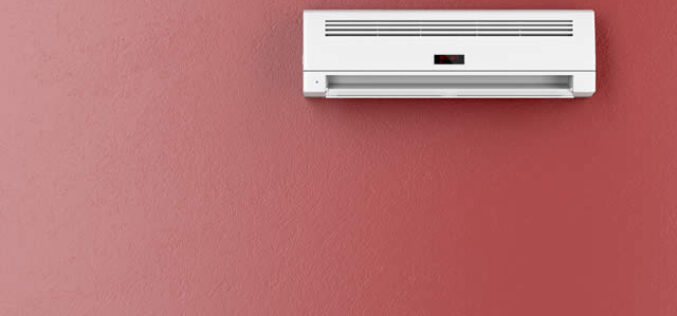
Summer is upon us – and with it comes the heat and humidity. And there is always a room or two that are always hot in the summer and cold in the winter. Ductless HVAC systems may be the solution to cool and warm a particular room. They are perfect for converted attics where running duct work may be too expensive or inefficient.
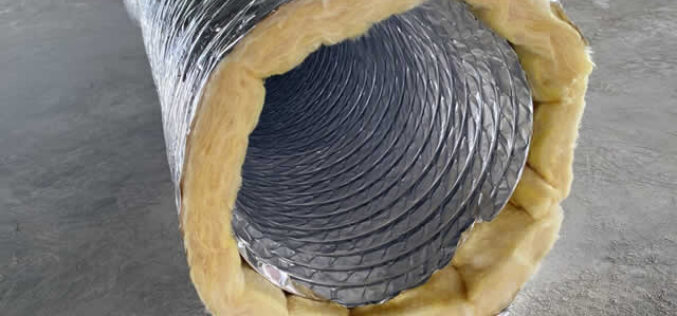
Duct systems are directly connected to your HVAC unit and are responsible for delivering hot or cold air into your space. With the ducts playing such a vital role, they need to run efficiently to meet your needs.

With winter steadily approaching, homeowners are scrambling to ensure their homes are properly heated. Unfortunately, heating can be expensive. With money on the line, efficiency is important.

Three-quarters of all American homes use some type of air conditioning. We consider a pleasant temperature to be an important aspect of household comfort. This in turn makes it important to get that temperature right.
That’s where your HVAC system comes in.

A lot of households all across the country have hard water. This is caused when the water in the area has a high mineral count. Unfortunately, hard water can be harmful to your home in quite a few different ways.

Almost 75 percent of American homes have air conditioning. So, when something as necessary as your HVAC system suddenly develops problems, it’s understandable to worry. The good news is that you can troubleshoot most common HVAC problems on your own.

July and August are noted as hot months – particularly in the Northern hemisphere. It can be quite difficult to keep active when temperatures get above 90 degrees fahrenheit (32 celsius).

As the temperature climbs this summer, you may be tempted to crank up the air conditioner. On the other hand, you may be concerned about the increase to your utility bill that may result.

With the current winter, the more likely we are to get dry skin, chapped lips, nose bleeds, and some respiratory ailments that lead to colds and flues. Is this because of the cold temperatures or something else?

Is the air your breathe in your home clean? Or is it stale air that can increase allergies and illness? Clean the air you breathe with home air purifying systems and filters.

How often have you sat at home wrapped in a cardigan or sweater and still felt a bitter cold seeping into your bones? You might wonder how your home could be so cold all the time, but a quick walkthrough of the property may reveal several sources of preventable heat loss.

It’s cold in the house. Turn up the furnace! But wait! If you occupying just one room, why not close it off and use a portable (space) heater to warm you up.

Infographic illustrating areas of the home where heat loss may be detected during a home energy inspection and audit.

What type of utilities are needed for comfortable home? You have electric, natural gas, water, communications, and refuse collection. Let’s review each.

There are ways to keep cool. But more importantly, there are ways to move the air to keep a room comfortable. Getting back to the portable fan. It works wonders when you need it.

You need to heat your water. So what are the options? Something to consider in the event you need to replace or install additional water heating elements.

Portable air conditioning units are great options to have to cool a room area. You can move them from one room to another as needed. Turn it on and off as needed.

Spring is underway – and with it comes the many allergens from budding trees and plants.

Boost your home’s energy efficiency by installing the latest in HVAC technology. New HVAC concepts include underfloor heating and single monitoring radiator heat.

What is a home utility room? A room to manage your home needs and utility. You need a place to store cleaning supplies, paper products, misc home needs and a place to setup your home networks. Could you use the space?
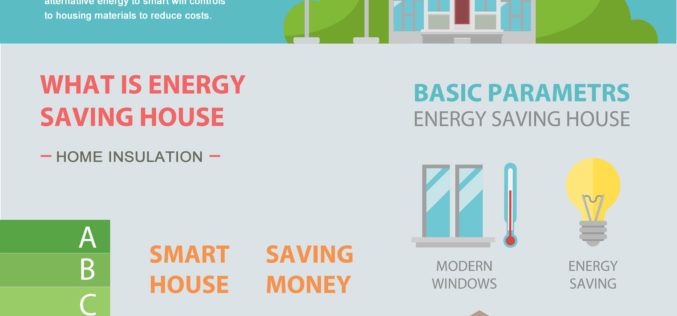
Become an energy saving house with home insulation Notes: Is your home an energy saving house? Energy savings include many different options and technologies depending on your area. In this series, we are going to review home insulation savings. With
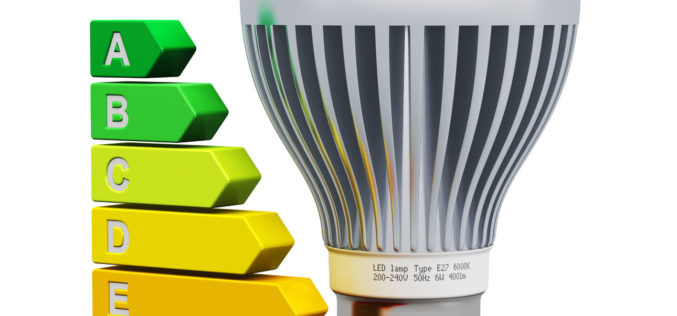
copyright image by 123rf.com copyright image by 123rf.com view post: (same win)Saving Energy With LED Lighting purchased image by https://www.123rf.com
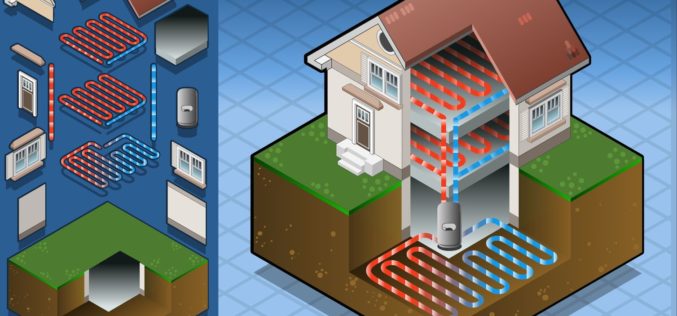
Using geothermal technology to heat and cool your home Notes: If you are thinking of a new HVAC system (or in new home construction),look into geothermal technology. As the diagram illustrates, pipes that run under the ground can circulatea temperate
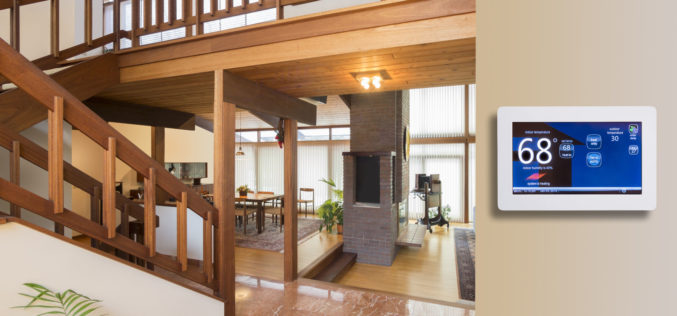
Programmable thermostat for home temperature control. Notes: Programmable thermostats are a must in today’s HVAC needs. You can automatically program heating and cooling turn on/off times and at what temperature. Today’s technologies include WIFI controls that can be monitored by
