Summary Outline –
This home laundry appliances guide cuts through the noise to help you make confident, well-informed decisions. From the latest washing machine technologies to ventless drying systems and compact combination units, you’ll find everything you need to build a laundry room that genuinely works for your home and lifestyle.
Whether you’re equipping a new home, replacing aging appliances, or rethinking a cramped utility space, the right information makes all the difference.
- post content … analysis/ home laundry appliances
- 1st: Understanding Modern Washing Machine
- 2nd: Selecting The Right Laundry Drying System
- 3rd: Compact and Combination Laundry Solutions
- 4th: Enhancing Your Laundry Room’s Functionality
- 5th: Selecting the Right Appliances and Utilities
- 5thb: Appliance Maintenance and Installation
- conclusion
- other home utility management topics

-
- —— begin first topic ——
-
1st TERM: Understanding Modern Washing Machine
… technologies and configurations
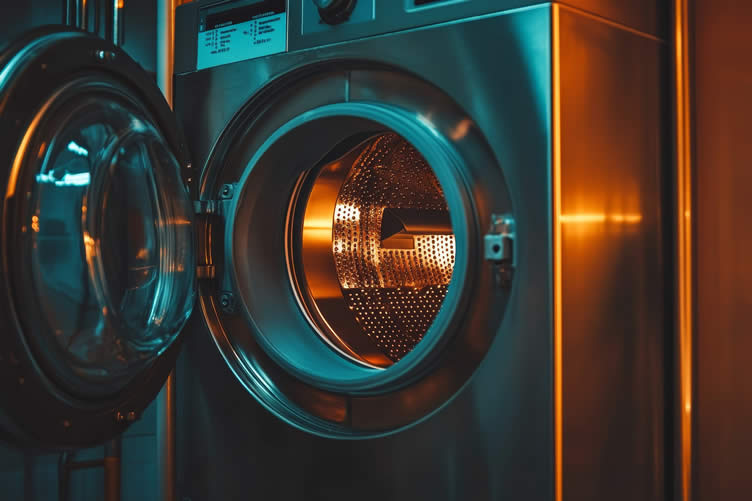
When it comes to choosing a washing machine, understanding the latest innovations and configurations can help you select the perfect option for your home’s needs.
Modern washing machines are designed with advanced technologies that prioritize efficiency, convenience, and fabric care.
copyright image by 123rf.com

Whether you’re replacing an outdated model or upgrading your laundry space, exploring the available options can make doing laundry simpler and more enjoyable.
With a range of features like energy-saving capabilities, enhanced cleaning performance, and space-saving designs, the possibilities are vast and tailored to fit diverse lifestyles.
-
Front-Load Washing Machines
Front-load washers consistently rank among the most efficient washing machines available to homeowners. Their tumbling wash action uses gravity rather than a central agitator, which means gentler treatment for fabrics and significantly less water consumption per cycle.
According to Maytag, front-loaders typically use 40–50% less water than traditional top-load agitator machines.
They’re also stackable, making them a natural fit for tight laundry closets or multi-story homes where the laundry room shares space with other functions.
The trade-off is cost—front-load washers generally carry a higher upfront price—and they require a level installation surface to operate correctly.
Door gasket maintenance is also an ongoing consideration, as moisture can accumulate in the rubber seal if the door is left closed between cycles.
pros and cons
-
Pros of Front-Load Washers
- Energy Efficiency:
Use less water and electricity than traditional top-load models. - Space-Saving Design:
Stackable units save room in small spaces like closets or shared laundry areas. - Gentler on Clothes:
Lack of a central agitator reduces wear and tear on fabrics. - Higher Cleaning Performance:
More effective at removing dirt and stains due to their tumbling action. - Larger Capacity:
Can accommodate bulky items like blankets or comforters with ease.
- Energy Efficiency:
-
Cons of Front-Load Washers
- Higher Initial Cost:
Tend to be more expensive upfront compared to top-load options. - Maintenance Required:
Door gaskets need regular cleaning to prevent mold and odors. - Level Surface Necessary:
Must be installed on an even floor to avoid shaking or operational issues. - Longer Cycle Times:
Washing cycles may take longer than those of traditional top-load machines. - Accessibility:
May require bending down to load and unload, which can be challenging for some users.
- Higher Initial Cost:
-
-
Top-Load Washing Machines With Agitator
The traditional top-load washer with a central agitator has been a household fixture for decades, and for good reason.
These machines are straightforward to use, widely available at accessible price points, and tend to have shorter cycle times than many front-loaders. They’re also easier to load and unload for users who find bending down uncomfortable.
The agitator’s mechanical action, however, is harder on fabrics over time. Delicate items, wool blends, and structured garments fare better in front-loaders or high-efficiency top-loaders.
For households primarily washing everyday cottons, towels, and work clothes, though, the agitator top-loader remains a practical and cost-effective option.
pros and cons
-
Pros of Top-Load Washers
- Lower Upfront Costs:
Generally have lower upfront costs compared to front-load washers. - Efficient Cycle Times:
Shorter cycle times make laundry routines more efficient for busy households. - Ease of Loading:
Easier to load and unload without the need to bend, ideal for users with mobility issues. - Low Maintenance:
Require less maintenance over time, as they are less prone to mold or mildew buildup. - Mid-Cycle Pausing:
Can typically be paused mid-cycle to add forgotten items.
- Lower Upfront Costs:
-
Cons of Top-Load Washers
- Fabric Wear:
Agitators in traditional top-loaders can be harsh on fabrics, leading to quicker wear over time. - Higher Resource Usage:
Tend to use more water and energy per load than their front-load counterparts. - Limited Features:
May offer fewer advanced features, such as steam cleaning or lower spin speeds, in basic models. - Bulky Design:
Bulkier and less suitable for small spaces compared to more compact front-load designs. - Higher Utility Costs:
Higher water usage can translate to higher utility bills over time.
- Fabric Wear:
-
-
High-Efficiency Top-Load Washing Machines With Impeller
High-efficiency (HE) top-load washers replace the traditional agitator with a low-profile impeller disc at the drum’s base. This design generates a rolling wash motion that cleans effectively while using less water and detergent.
The result is a machine that bridges the gap between the accessibility of a top-loader and the efficiency of a front-loader.
These models typically have larger drum capacities than agitator counterparts—useful for households managing bulky items like comforters or large loads regularly.
Note that HE machines require HE-specific detergent; using standard detergent produces excess suds that can impair performance and trigger error codes.
pros and cons
-
Pros of HE Top-Loads
- Water and Detergent Efficiency:
Efficient use of water and detergent, reducing overall utility costs. - Large Drum Capacity:
Larger drum capacities accommodate bulky items and large loads. - Fabric Care:
Gentler on fabrics compared to traditional agitator models. - Improved Wash Performance:
Cleaner and more even wash performance due to optimized water movement. - Innovative Features:
Modern designs with innovative features, such as smart technology integration.
- Water and Detergent Efficiency:
-
Cons of HE Top-Loads
- Special Detergent Requirement:
Require HE-specific detergent, as standard detergents can cause issues. - Longer Wash Times:
Longer wash cycles compared to agitator models. - Cleaning Limitations:
May not clean heavily soiled items as effectively without pre-treatment. - Maintenance Risks:
Potential for increased maintenance if improper detergents are used. - Higher Initial Cost:
Higher upfront cost compared to basic agitator models.
- Special Detergent Requirement:
-
-
Compact And Portable Washing Machines
Compact washers—generally measuring 24 inches wide versus the standard 27–28 inches—offer full washing functionality in a reduced footprint.
They’re particularly well-suited to apartments, condominiums, smaller homes, and secondary laundry spaces like a mudroom or upper-floor closet.
Portable washing machines take space-saving a step further, operating on wheels and connecting directly to a standard sink faucet.
While their capacity is limited, they serve well as supplemental machines or as a practical solution for renters who cannot install a permanent washer.
pros and cons
-
Compact Washing Machines
Pros
- Space-Saving Design:
Fit seamlessly into small spaces, including apartments and tight laundry areas. - Full Functionality:
Offer full washing functionality despite their reduced footprint. - Energy Efficiency:
Energy-efficient options are often available, saving on utility costs. - Permanent Installation:
Can be installed permanently for a more stable setup.
Cons
- Limited Drum Capacity:
Compared to full-sized washers, compact models may require more frequent loads due to their smaller drum size. - Installation Challenges:
Setting up compact washers can require modifications to fit into smaller spaces effectively. - Fewer Advanced Features:
Compact washers may lack some of the advanced features commonly found in standard-sized models.
- Space-Saving Design:
-
Portable Washing Machines
Pros
- Highly Versatile:
Perfect for renters or those unable to install permanent machines. - Easy to Move and Store:
Thanks to their lightweight, wheeled design, they are easy to relocate and store when not in use. - Simple Connection:
Can be connected to standard sink faucets with ease—no permanent plumbing changes are required. - Ideal for Small Households:
Perfect for small families or individuals with limited laundry needs.
Cons
- Limited Load Capacity:
Making them unsuitable for larger households. - Lacks High-End Features:
May lack advanced wash cycles and other premium functionalities. - Manual Setup Required:
Additional steps may be necessary, such as manually connecting to water sources or emptying tanks. - Reduced Durability:
Less durable than traditional or compact machines due to their portable construction.
- Highly Versatile:
-
- Quick scroll to summary content …
Washing Machine Type Key Features Pros Cons Front-Load Washing Machines Energy-efficient design, tumbling wash action, stackable for space-saving configuration, gentle on fabrics, higher cleaning performance. - Uses less water and electricity.
- Stackable design saves space.
- Gentler on clothes due to no central agitator.
- Effective at removing dirt and stains.
- Larger capacity for bulky items.
- Higher upfront costs.
- Requires regular cleaning of door gaskets.
- Needs level installation surface.
- Longer cycle times.
- May require bending to load/unload.
Top-Load Washing Machines with Agitator Traditional design with central agitator, lower upfront costs, efficient cycle times, straightforward usability. - Lower initial costs.
- Shorter cycle times.
- Ease of loading/unloading without bending.
- Low maintenance required.
- Mid-cycle pausing capability.
- Harsher on fabrics.
- Higher water and energy usage.
- Fewer advanced features.
- Bulky design unsuitable for small spaces.
- Higher utility costs due to water usage.
High-Efficiency Top-Load Washing Machines with Impeller Impeller-based design, optimized water movement, larger drum capacity, uses HE-specific detergent. - Efficient use of water and detergent.
- Accommodates larger loads and bulky items.
- Gentler on fabrics.
- Enhanced wash performance.
- Modern designs with innovative features.
- Requires HE-specific detergent.
- Longer wash cycles.
- May struggle with heavily soiled items without pre-treatment.
- Potential maintenance issues with improper detergent use.
- Higher initial cost compared to traditional models.
Compact Washing Machines Smaller footprint, suitable for limited spaces, permanent installation option, energy-efficient options available. - Space-saving design for small areas.
- Full washing functionality in a compact size.
- Energy-efficient models reduce costs.
- Can be permanently installed for stability.
- Smaller drum capacity requires more frequent loads.
- Installation may need modifications.
- Fewer advanced features available.
Portable Washing Machines Lightweight, wheeled design, connects to sink faucets, operated manually, ideal for renters or small households. - Highly versatile and renter-friendly.
- Easy to move and store.
- Simple connection to standard faucets.
- Perfect for small households.
- Limited load capacity.
- No advanced or premium features.
- Requires manual setup and emptying.
- Less durable than stationary models.


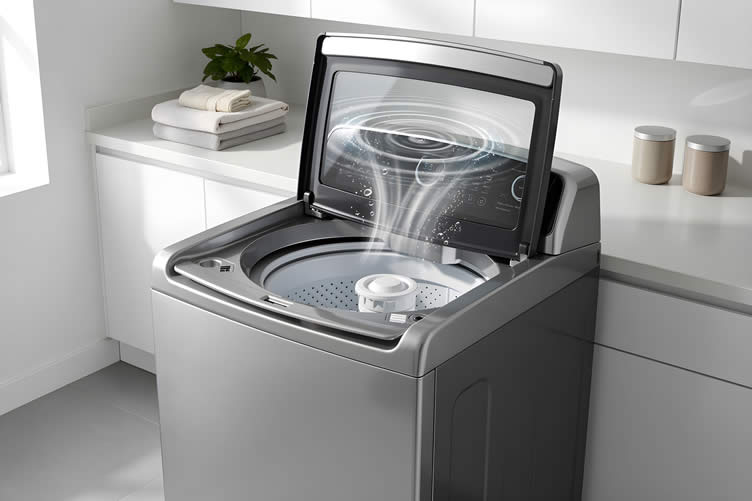
AI generated image by 123rf.com
Keep Your Home Clean
Washing machines keep clothes clean, but a tidy home begins before the laundry cycle. A well-designed mudroom acts as the first line of defense, preventing outdoor dirt from entering your living spaces.
It offers a dedicated spot for wet clothes and muddy shoes to be handled before they track through your house.
By incorporating efficient storage and easy-to-clean surfaces, a mudroom promotes both cleanliness and household organization.
view ideas: reasons to add a mudroom(new win)
-
Scroll up to directory … or scroll to next home laundry appliances review – dryers …

-


Helping to select home laundry appliances and all your home improvement needs …

… save this curated directory of ideas for future reference.





Download this PDF for a concise summary of everything you need to know about …?

… remodeling decisions

-
-
2nd TERM: Selecting The Right Laundry Drying System
Selecting the right drying system for your home infrastructure is an essential step in creating a functional and efficient laundry space.
With a variety of options available, ranging from traditional vented systems to energy-efficient condenser and heat pump dryers, it’s important to evaluate what best suits your household’s needs, budget, and available space.
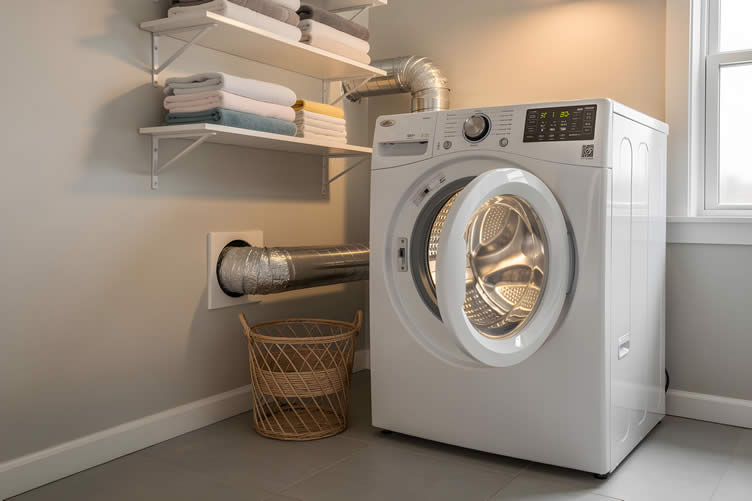
AI generated image by 123rf.com
Key factors to consider include the size and layout of your home, the volume of laundry you typically manage, and your electricity usage preferences.
Additionally, understanding the maintenance requirements and durability of each system can help you make an informed decision that promotes both convenience and sustainability.
By carefully weighing these elements, you can choose a drying system that enhances your home’s functionality and meets the demands of your daily routine.
-
Electric Vented Dryers
Electric vented dryers are the most common dryer type found in North American homes. They exhaust hot, moist air through a dedicated duct to the outside of the home, which makes them effective and relatively fast.
Installation requires a 240-volt electrical outlet and an exterior vent path—factors that are already in place in most homes built for laundry appliances.
Running costs depend on local electricity rates, and because vented dryers continuously draw in and exhaust air, they are less energy-efficient than ventless alternatives.
That said, their reliability, wide availability, and straightforward repair history make them a dependable choice for most households.
pros and cons
-
Pros of Electric Vented Dryers
- Efficiency:
Efficient drying performance with shorter cycle times. - Affordability:
Lower upfront cost compared to ventless alternatives. - Variety:
Wide availability in various sizes, styles, and brands. - Maintenance:
Simpler design allows for easier repairs and maintenance. - Compatibility:
Suitable for homes with an existing 240-volt outlet and exterior venting setup.
- Efficiency:
-
Cons of Electric Vented Dryers
- Energy Efficiency
Less energy-efficient due to continuous air intake and exhaust. - Placement Limitations
Requires an exterior vent path, limiting placement options within the home. - Electricity Usage
Can contribute to higher electricity usage depending on local rates. - Installation Complexity
Installation may be more complex if the proper venting infrastructure is not in place. - Maintenance Needs
Potential for lint buildup in ducts, requiring regular cleaning for safety.
- Energy Efficiency
-
-
Gas Vented Dryers
Gas dryers connect to a home’s natural gas or propane supply and, in many regions, cost less to operate per cycle than electric models due to lower fuel costs. They heat up faster than electric dryers, which can reduce overall drying time for large loads.
Installation requires both a gas line connection and a standard 120-volt outlet, in addition to the same exterior venting required for electric vented models.
Households without an existing gas hookup in the laundry area may face significant installation costs, which should be factored into the total cost of ownership.
pros and cons
-
Pros of Gas Vented Dryers
- Lower Fuel Costs:
Gas dryers typically have lower fuel costs per cycle compared to electric models, making them a cost-effective option in the long run. - Faster Heating Time:
With quicker heating capabilities, gas dryers significantly reduce the overall drying duration, especially for large, heavy loads of laundry. - Energy Efficiency:
Gas dryers are often more energy-efficient than their electric counterparts, helping homeowners save on energy consumption over time.
- Lower Fuel Costs:
-
Cons of Gas Vented Dryers
- Requires a Gas Line Connection:
This may incur significant installation costs if a proper gas line is not already available in your home. - Limited Portability and Placement Options:
These dryers need both a gas hookup and an exterior vent, which can restrict where they can be placed in your living space. - Higher Initial Purchase Price:
Compared to electric dryers, gas vented dryers tend to have a more expensive upfront cost. - Potential Risks of Gas Leaks:
If not installed or maintained properly, there is a risk of gas leaks, which could pose safety hazards.
- Requires a Gas Line Connection:
-
-
Ventless Condenser Dryers
Ventless condenser dryers don’t expel air outside the home. Instead, they cool the moist exhaust air internally, condense the moisture into water, and either drain it through a hose or collect it in a reservoir for manual emptying.
This makes them suitable for spaces where exterior venting isn’t possible—interior apartments, finished basements, and converted rooms among them.
Cycle times tend to run longer than vented dryers, and the laundry room temperature can rise slightly during operation. Still, for homes where venting simply isn’t an option, condenser dryers deliver full drying performance without infrastructure compromise.
pros and cons
-
Pros of Ventless Condenser Dryers
- Great for Small Spaces:
Ideal for apartments, basements, or areas without venting access. - Energy Efficient:
Uses less energy compared to some vented dryers. - Space-Saving Design:
Compact design fits well in smaller laundry areas. - Flexible Installation Options:
Can be installed in various locations without the need for ductwork. - Cleaner Indoor Air:
Prevents outdoor contaminants from entering the home.
- Great for Small Spaces:
-
Cons of Ventless Condenser Dryers
- Longer Drying Time:
Typically takes more time to dry clothes compared to vented units. - Room Temperature Impact:
Can cause a slight increase in room temperature during operation. - Maintenance Requirements:
Requires regular emptying of the water reservoir or cleaning of the condenser. - Higher Cost:
Often more expensive than traditional vented dryers. - Lower Efficiency for Large Loads:
May not handle large loads as efficiently as vented models.
- Longer Drying Time:
-
-
Heat Pump Dryers
Heat pump dryers represent the most energy-efficient drying technology currently available for residential use.
Rather than generating heat through electrical resistance or combustion, they use a refrigerant cycle to recapture and recirculate heat within the drum. The U.S. Department of Energy’s ENERGY STAR program recognizes heat pump dryers as using up to 28% less energy than conventional electric dryers.
They’re ventless by design, require only a standard 120-volt outlet in most configurations, and operate at lower temperatures—which extends the life of fabrics.
The higher purchase price compared to conventional dryers is typically offset by energy savings over time, making them a sound long-term investment for environmentally conscious households or those in regions with high electricity costs.
pros and cons
-
Pros of Heat Pump Dryers
- Energy Efficiency:
Use up to 28% less energy compared to conventional electric dryers, reducing utility bills over time. - Fabric Care:
Operate at lower temperatures, prolonging the lifespan of fabrics. - Vent-Free Design:
Do not require external venting, making them a great choice for apartments or homes without a vent hookup. - Easy Installation:
Can be used with a standard 120-volt outlet in most configurations, simplifying setup. - Eco-Friendly Benefits:
Lower energy consumption contributes to a reduced carbon footprint. - Cost Savings Over Time:
Despite a higher upfront cost, energy savings offset the purchase price over the appliance’s lifespan.
- Energy Efficiency:
-
Cons of Heat Pump Dryers
- Higher Initial Cost
Generally more expensive to purchase compared to conventional dryers. - Longer Drying Times
May take longer to dry clothes due to their energy-efficient operation. - Smaller Drum Size
Some models may have a smaller drum size, which might not be ideal for larger households. - Maintenance Requirements
Require regular cleaning of the lint filter and condenser to maintain optimal performance. - Limited Availability
Certain models or brands may not be as widely available in all regions.
- Higher Initial Cost
-
-
Types of Dryer Load Position
When choosing a dryer, understanding the different load positions and their features is essential to finding the best fit for your space and needs.
Dryers typically come in two primary load positions: front-load and top-load, each available in both electric and gas models, as well as vented and ventless options.
-
Front-Load Dryers are designed with the door on the front of the unit, allowing for stacking in compact laundry setups. These models are energy-efficient and provide a gentler drying process, as the tumbling action reduces wear on clothes.
Many front-load dryers also include sleek, modern designs and advanced features like moisture sensors and multiple cycle options.
-
Top-Load Dryers, on the other hand, offer a more traditional approach with the door located on the top. These dryers are prized for their ergonomic design, making it easier to load and unload without bending over.
While top-load models may not stack like their front-load counterparts, they are a convenient option for those seeking simplicity and accessibility.
Dryers in both load positions are available as vented or ventless models.
Whether you prefer the compact versatility of a front-load dryer or the ease of use of a top-load model, selecting the right dryer load position and type ensures your laundry needs are met with optimal efficiency and convenience.
-
- Quick scroll to summary content …
Dryer Type Key Features Pros Cons Electric Vented Dryers Exhausts hot, moist air through a duct; requires a 240-volt outlet and exterior vent path. Efficient drying performance, lower upfront cost, wide availability, easier maintenance, compatible with existing vent setups. Less energy-efficient, requires venting setup, higher electricity usage, potential lint buildup, complexity in installation without venting infrastructure. Gas Vented Dryers Connects to natural gas or propane supply, heats faster for reduced drying time; also requires exterior venting. Lower fuel costs, faster heating, energy-efficient, great for large loads, cost-effective in the long term. Needs a gas line connection, limited placement options, higher upfront cost, risks of gas leaks. Ventless Condenser Dryers Cools moist air internally, condenses moisture into water for draining or reservoir collection; suitable where venting isn’t possible. Ideal for small spaces, energy-efficient, compact design, flexible installation, cleaner indoor air. Longer drying times, may increase room temperature, requires periodic maintenance, higher cost, less efficient for large loads. Heat Pump Dryers Uses a refrigerant cycle to recapture and recirculate heat; operates without venting and requires only a standard 120-volt outlet. Highly energy-efficient, gentle on fabrics, vent-free design, easy installation, eco-friendly, lower cost over time. Higher initial cost, longer drying times, smaller drum size in some models, needs regular maintenance, limited availability in certain regions. Front-Load Dryers Door located at the front; can be stacked; known for energy efficiency and gentle tumbling action. Space-saving stacking options, gentle on clothes, modern design, moisture sensors, energy-efficient performance. Requires bending to load and unload, may have longer cycle times compared to top-load models. Top-Load Dryers Door located on top for ergonomic accessibility; traditional design. Easy to load and unload, ergonomic design, simple and user-friendly operation. Cannot be stacked, might lack advanced features found in front-load models, less space-efficient. 
copyright image by 123rf.com
The Evolution of Laundry
From washing clothes by hand in rivers to the invention of washboards and electric washing machines, the history of laundry reflects our pursuit of convenience and efficiency.
Ancient civilizations relied on manual labor, while the Industrial Revolution introduced mechanized systems that reduced effort. Today, energy-efficient machines and versatile detergents have refined the process.
To get the best results, sort clothes by color and fabric, use the right amount of detergent, and select the correct wash cycle.
Modern laundry routines balance efficiency and care, keeping fabrics vibrant and lasting longer.
view ideas: steps we take to keep clean(new win)
-
Scroll up to directory … or scroll to next home laundry appliances review – combos …
-
-

Outline the specific requirements needed for making laundry room upgrades …
… and other key home improvement and remodeling decisions


Download this PDF for a concise summary of everything you need to know about …?
-
-
3rd TERM: Compact and Combination Laundry Solutions
Modern living environments often demand versatile, space-saving solutions, and compact or combination laundry units are perfect for meeting these needs.
These appliances are specifically designed for smaller spaces, such as apartments, condos, or urban homes, where maximizing square footage is a priority.
Compact washers and dryers provide excellent functionality without sacrificing performance, while combination units, which wash and dry clothes in a single machine, offer unmatched convenience.
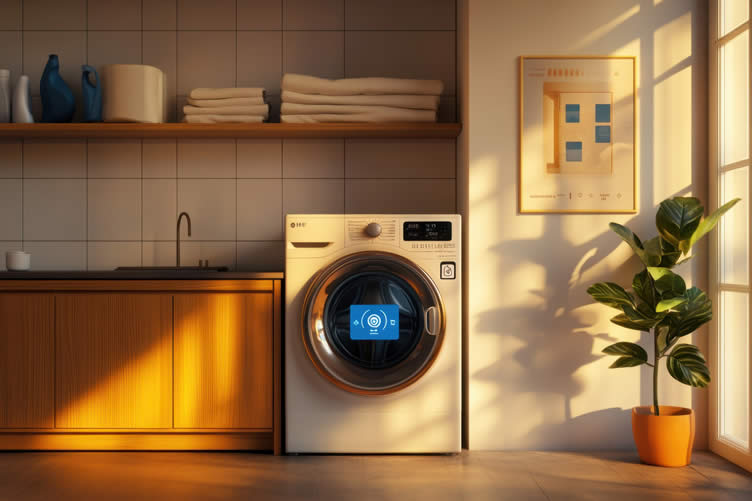
copyright image by 123rf.com
These space-efficient options come equipped with advanced features like energy efficiency, quiet operation, and sleek designs that seamlessly integrate into contemporary living spaces.
Whether you’re working with a tight footprint or seeking an all-in-one solution, compact and combination laundry appliances deliver both practicality and style to accommodate the modern lifestyle.
-
All-In-One Washer-Dryer Combo Units
All-in-one combo units perform both washing and drying functions within a single drum. Load a cycle before leaving for work, and return to clean, dry clothes—no manual transfer required.
These appliances are a compelling solution for micro-apartments, tiny homes, RVs, and any space where two separate appliances simply won’t fit.
Most combo units are ventless and connect to standard plumbing and a 120-volt outlet, though some models offer a vented configuration. Capacity is typically smaller than standalone appliances, and drying cycles run longer.
For households managing modest laundry volumes with minimal space, the convenience trade-off is well worth considering.
pros and cons
-
Pros of All-in-One Combo Units
- Space-saving design:
Combines two appliances into one, ideal for small spaces like apartments, RVs, or tiny homes. - Convenience:
No need to transfer clothes between separate machines; washing and drying occur in one cycle. - Flexible installation:
Most models are ventless, requiring only standard plumbing and a 120-volt outlet, simplifying setup. - Energy efficiency:
Many units use less water and energy compared to traditional systems. - Modern features:
Often equipped with advanced functionalities like multiple wash/dry cycles and smart technology.
- Space-saving design:
-
Cons of All-in-One Combo Units
- Smaller capacity:
Limited drum size means less laundry per load, which may not suit larger households. - Longer drying times:
Drying cycles tend to take significantly more time compared to standalone dryers. - Higher upfront cost:
These units can be more expensive than buying separate machines with larger capacities. - Maintenance complexity:
Being a two-in-one system, repairs can be more complicated and costly. - Potential performance trade-offs:
Some users note that drying efficiency can be less effective than dedicated dryers.
- Smaller capacity:
-
-
Stackable Washer And Dryer Units
When floor space is the constraint but full capacity isn’t negotiable, stacking a front-load washer and matching dryer is often the most practical solution.
Stackable units use the same footprint as a single appliance while delivering the separate wash and dry performance of a full laundry suite.
Compatibility matters here—always confirm that the dryer is rated for stacking with your specific washer model, and use the manufacturer’s stacking kit to ensure structural stability.
Stacking also raises the dryer controls above standard reach height, which may be a consideration for some users.
pros and cons
-
Pros of Stackable Units
- Space-saving design:
Perfect for smaller laundry areas or apartments, utilizing vertical space efficiently. - Separate wash and dry performance:
Offers the functionality and performance of a full-sized washer and dryer. - Customizable setups:
Flexibility to choose models with features that suit specific needs and preferences. - Modern appearance:
Creates a sleek, organized look in laundry rooms with matching units. - Energy efficiency:
Many stackable washers and dryers come with energy-saving features, reducing utility costs.
- Space-saving design:
-
Cons of Stackable Units
- Height considerations:
The elevated dryer controls may be difficult to access for shorter users or those with accessibility needs. - Limited capacity:
Stackable units might have a smaller load capacity compared to standalone models. - Specific compatibility required:
Only certain washer-dryer combinations can be stacked, and a stacking kit is necessary for safety. - Potential vibrations:
If not installed properly, vibrations during operation can cause noise or instability. - Upfront cost:
High-quality matching units can be more expensive compared to traditional setups.
- Height considerations:
-
- Quick scroll to summary content …
Type Description Pros Cons Compact and Combination Laundry Solutions These appliances are designed for small spaces, offering either compact standalone units or all-in-one solutions that combine washing and drying functions into a single machine. They are ideal for apartments, condos, or urban homes. Space-saving, energy-efficient, quiet operation, modern designs, versatile installation options. Smaller capacity, higher upfront cost, longer drying times, potentially complex maintenance. All-in-One Washer-Dryer Combo Units An all-in-one solution that washes and dries in a single drum. These units are perfect for micro-apartments, RVs, and tiny homes with limited space. No manual transfer needed, ventless installation capability, energy-efficient, modern features. Smaller drum size, extended drying cycles, higher initial cost, repair complexity, may have less effective drying performance. Stackable Washer and Dryer Units A set of front-load washer and dryer designed for stacking vertically to save floor space while delivering full functionality. Efficient use of vertical space, full wash and dry performance, customizable model options, sleek and organized design, energy-saving features. Height may limit accessibility, smaller capacity than standalone units, requires specific compatibility and a stacking kit, potential vibration issues if improperly installed, higher cost for high-quality units. 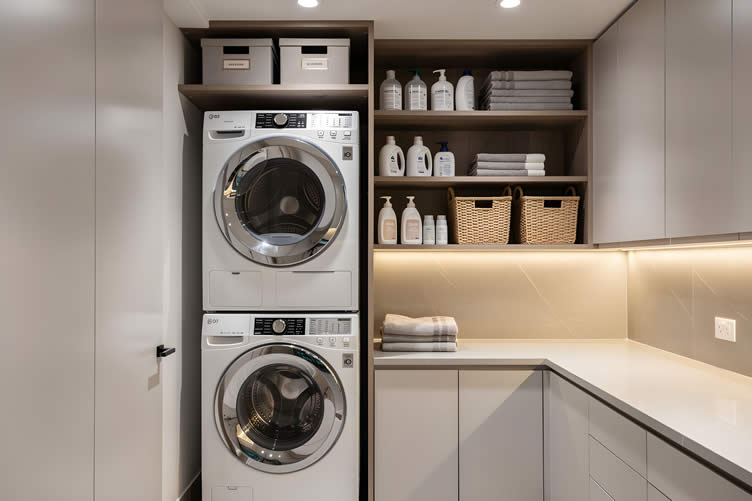
AI generated image by 123rf.com
Maximizing Home Storage
Effective storage solutions are crucial for small spaces. Focus on vertical areas by adding shelves, wall hooks, or pegboards to free up floor space.
Use multi-functional furniture like storage ottomans or beds with built-in drawers. Don’t forget hidden spots like the backs of doors, under stairs, or inside closets—these can be turned into useful storage zones.
With a little creativity and smart planning, even the smallest spaces can stay organized and clutter-free.
view ideas: home storage solutions(new win)
-
Scroll up to directory … or scroll to next home laundry appliances review – utility …
-
-
SHARE IT ..! Someone in your network might benefit from this insightful post about reviewing and selecting home laundry appliances. Feel free to share it on Facebook, X (formally Twitter), LinkedIn, or Pinterest!


… view our home remodeling guides and steps
-
-
4th TERM: Enhancing Your Laundry Room’s Functionality
A fully functional laundry room is much more than just a washer and dryer.
Thoughtful design and the integration of supporting appliances and fixtures can optimize your laundry space’s efficiency, convenience, and overall experience.
AI generated image by 123rf.com
From saving time with advanced tools to making the room more organized and aesthetically pleasing, these upgrades cater to both practical needs and modern lifestyles.
Below, we explore essential laundry room enhancements and their advantages to help you craft a space that works smarter, not harder.
-
Laundry Sinks and Utility Tubs
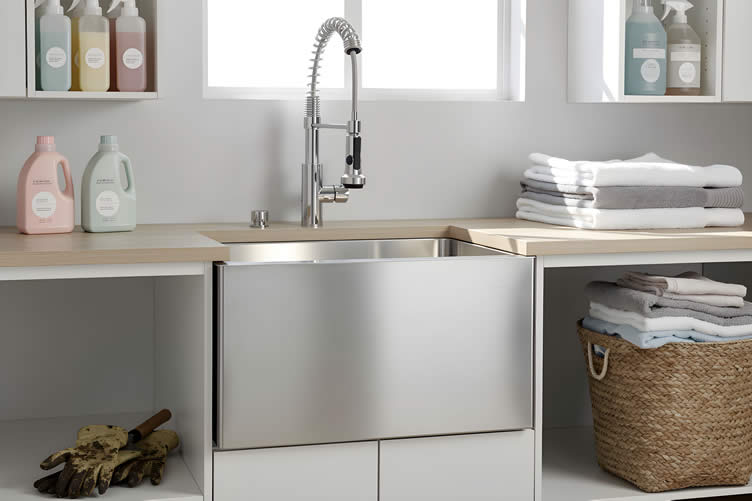
Laundry sinks and utility tubs are invaluable, multi-purpose additions that can transform any laundry room into a more functional and versatile space. These deep, practical sinks are perfect for handling a variety of tasks that you might not want to do elsewhere.
They’re ideal for pre-soaking heavily soiled garments, gently hand-washing delicate items, rinsing off muddy clothes after a day in the garden, and managing all sorts of messy cleanup tasks that are best kept away from your kitchen or bathroom sinks.
- Sprayer Faucet Option:
When paired with sprayer faucets, these sinks become even more versatile, allowing for targeted cleaning of hard-to-reach stains. - Durability:
Often made of heavy-duty materials like stainless steel or durable plastic, they resist wear and tear. - Value Addition:
A well-integrated sink can also enhance the overall utility of your space, especially for homes with active lifestyles or frequent DIY projects.
- Sprayer Faucet Option:
-
Built-in Ironing Centers
Recessed or cabinet-style ironing centers are clever, space-saving solutions perfect for homes aiming to simplify and streamline their laundry routines.
These built-in units offer a practical way to keep ironing boards neatly tucked away when not in use, freeing up valuable space in laundry rooms or closets.
By integrating seamlessly into your home’s design, they make it easier to stay organized while also providing a convenient, ready-to-use setup for tackling wrinkles in your clothing.
- Convenience:
These units fold discreetly into walls or cabinets, keeping the laundry room clean and clutter-free. - Advanced Features:
Many models include built-in power outlets, lighting, and steaming functions, reducing setup time and effort. - Space Optimization:
Their compact design makes them an excellent choice for smaller laundry rooms without sacrificing functionality.
- Convenience:
-
Stand-Alone Irons and Steamers
Whether you’re handling quick touch-ups to freshen up an outfit or tackling larger, more stubborn pressing tasks like smoothing out heavy fabrics, stand-alone irons and garment steamers are dependable tools.
Irons are perfect for creating crisp creases and tackling structured materials, while steamers excel at gently refreshing delicate fabrics and removing wrinkles with ease. Both offer reliable solutions to keep your wardrobe looking polished and neat.
- Versatility:
Steam irons and garment steamers work well on a variety of fabrics, from casual t-shirts to delicate upholstery. - Efficiency:
High-quality steamers reduce wrinkles quickly and may even sanitize fabrics, offering hygienic benefits.
- Versatility:
-
Mechanical Clothes Drying and Airing Equipment
Mechanical drying equipment, such as ceiling-mounted drying racks, wall-mounted retractable lines, or rotary/clothesline systems, offers practical and eco-friendly alternatives to powered dryers.
These solutions not only reduce energy consumption but also help preserve the quality of clothes by avoiding the wear and tear often caused by machine drying.
For instance, ceiling-mounted racks are perfect for maximizing vertical space in smaller homes, while wall-mounted retractable lines can be tucked away when not in use, making them ideal for compact spaces.
Rotary or traditional clothesline systems are a great choice for outdoor drying, taking full advantage of sunlight and fresh air.
- Energy Savings:
These systems reduce dependence on electric dryers, lowering energy bills. - Clothing Care:
Air drying extends the lifespan of delicate garments by minimizing heat exposure.
- Energy Savings:
-
Powered Drying Cabinets and Shoe/Gear Dryers
For homes located in colder or wetter climates, powered drying cabinets and shoe or gear dryers can be highly effective tools for quickly and efficiently drying essential clothing and outdoor gear.
These appliances are particularly useful for items like damp coats, heavy boots, or ski gear, which can take a long time to air dry in such conditions.
By speeding up the drying process, they help ensure that your clothing and equipment are ready to use again sooner, making them an invaluable addition for anyone frequently exposed to wet or snowy environments.
- Quick Results:
These units dry items evenly and help reduce moisture buildup within shoes, preventing odor or mold. - Specialized Use:
They are highly beneficial for athletic families or homes with pets that require frequent drying of gear.
- Quick Results:
-
Laundry Pedestals with Storage
Laundry pedestals are designed to elevate washers and dryers, making them more ergonomic and easier to use by reducing the need to bend down.
In addition to improving accessibility, they provide convenient below-unit storage, offering a practical space to keep laundry essentials like detergent, fabric softener, or dryer sheets within easy reach.
- Ergonomic Benefits:
By raising machines, users can avoid bending to load or unload, reducing back strain. - Extra Storage:
The built-in storage compartments provide space for detergents, fabric softeners, and other supplies, keeping them neatly organized and accessible.
- Ergonomic Benefits:
-
Ventilation and Air-Treatment Units
Ventilation and air-treatment appliances like exhaust fans, make-up air kits, and dehumidifiers are essential for a safe, comfortable laundry room. Exhaust fans remove moisture and odors, preventing humidity buildup that can cause mold.
Make-up air kits balance airflow, especially in enclosed spaces, while dehumidifiers reduce dampness for a fresher, more inviting atmosphere. Together, these tools maintain optimal air quality and a healthier space.
- Moisture Control:
Dehumidifiers prevent mold and mildew by removing excess humidity caused by laundry. - Air Quality:
Exhaust fans ensure proper air circulation, which is particularly important in enclosed spaces.
- Moisture Control:
-
Dedicated Water Treatment Systems
Dedicated water treatment systems, including water softeners, filtration units, and conditioners, can significantly improve washing efficiency and the quality of your laundry.
By treating the water specifically for laundry purposes, these systems address issues like hard water, which can leave mineral deposits on your clothes and inside your washing machine.
- Fabric Longevity:
Softened or filtered water reduces mineral deposits, preserving fabric softness and color vibrancy. - Machine Protection:
These systems reduce scale buildup in washing machines, extending their lifespan.
- Fabric Longevity:
-
Laundry Sorting and Handling Systems
Built-in hampers, pull-out hamper cabinets, and mobile sorting carts are all excellent solutions to tame the chaos of overflowing laundry piles. Built-in hampers provide a discreet and permanent spot for dirty clothes, keeping them out of sight.
Pull-out hamper cabinets offer a convenient way to organize laundry while blending seamlessly with your cabinetry, making them perfect for bathrooms or laundry rooms with limited space.
For flexibility, mobile sorting carts are ideal—they let you easily separate loads by color or fabric type and move them wherever you need. These options simplify laundry day and help keep your space tidy and organized.
- Efficiency:
Color-coded hampers allow for pre-sorting, saving time on laundry day. - Neatness:
These systems maintain a tidy appearance, keeping clothing concealed and organized.
- Efficiency:
-
Folding and Finishing Stations
A well-thought-out folding and finishing station has the power to turn a repetitive, often time-consuming task into a smooth and efficient process. By focusing on smart design and functionality, such a station can streamline workflows, reduce effort, and help ensure a more organized approach.
Whether used for personal or professional purposes, having a station that is intentionally designed can make all the difference in transforming routine chores into a more seamless and satisfying experience.
- Built-in Folding Counters:
These counters provide a dedicated surface for sorting and folding clean laundry, reducing the chances of wrinkles. - Additional Features:
Incorporate folding boards or even pressing units for precise finishing touches on garments.
By combining these versatile fixtures and appliances, you can enhance your laundry room’s functionality and aesthetic. Create a space that simplifies chores and elevates your home’s value with thoughtful upgrades tailored to your needs and preferences.
Whether you’re starting small with a new sorting system or opting for high-tech drying cabinets, every improvement brings your laundry room closer to total efficiency.
- Built-in Folding Counters:
- Quick scroll to summary content …
Feature Description Advantages Laundry Sinks and Utility Tubs Deep and practical sinks that assist in tasks like pre-soaking soiled garments, hand-washing delicate items, and managing messy cleanups. Versatile for targeted cleaning, made with durable materials, and enhance utility in homes with active lifestyles. Built-in Ironing Centers Recessed or cabinet-style units designed to neatly store and provide a practical way to iron clothes easily. Space-saving, include features like power outlets and lighting, and perfect for compact spaces. Stand-Alone Irons and Steamers Effective tools for smoothing out wrinkles and refreshing fabrics through targeted steam or traditional ironing. Work well on a variety of fabrics, reduce wrinkles quickly, and may sanitize fabrics. Mechanical Clothes Drying and Airing Equipment Includes ceiling-mounted racks, retractable lines, and rotary systems for energy-efficient air drying. Eco-friendly, saves energy bills, and extends the lifespan of clothes by avoiding heat exposure. Powered Drying Cabinets and Gear Dryers Appliances designed to dry essential clothing and gear quickly in colder or wetter climates. Provide quick results, reduce moisture buildup in shoes, and are ideal for athletic homes or wet climates. Laundry Pedestals with Storage Units that elevate washers and dryers for ergonomic use while offering storage space below. Reduce back strain, provide extra storage space, and keep laundry essentials organized. Ventilation and Air-Treatment Units Include exhaust fans, air kits, and dehumidifiers to maintain optimal air quality in laundry rooms. Prevent mold by controlling moisture, improve air circulation, and maintain a fresher atmosphere. Dedicated Water Treatment Systems Systems like water softeners or filters designed to improve washing efficiency and fabric care. Preserve fabric quality, protect washing machines from scale buildup, and extend their lifespan. Laundry Sorting and Handling Systems Built-in hampers, pull-out cabinets, or mobile carts to simplify laundry handling and sorting. Pre-sorting saves time, maintain a neat appearance, and conceal clothing piles effectively. Folding and Finishing Stations Dedicated spaces for folding and finishing garments, with possibilities for built-in tools and boards. Streamlines workflows, reduces effort, and ensures a more organized and seamless laundry process. 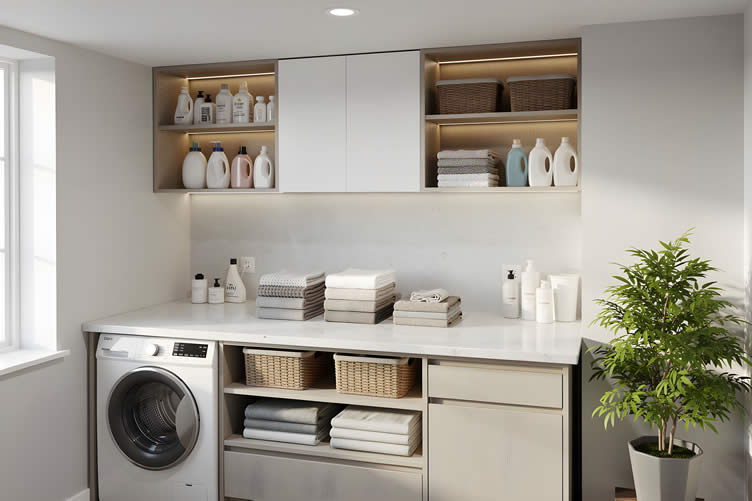
AI generated image by 123rf.com
Multi-Functional Family Hub
Your laundry room doesn’t have to serve just one purpose—it can evolve into a versatile utility space that simplifies life for the whole family.
By incorporating smart storage solutions, a designated area for chores like folding or sorting, and creative organization ideas, you can turn this often-overlooked space into a command center for household management.
From housing cleaning supplies and seasonal gear to creating a family message board or crafting station, there’s no limit to the potential of a well-designed laundry room.
view ideas: re-imagine the space(new win)
-
Scroll up to directory … or scroll to next home laundry appliances review – selection …
-
-
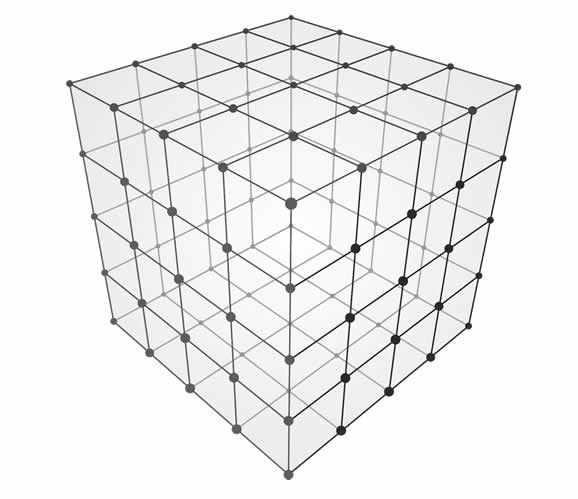
Easily determine the dimensions you need for any home remodeling project …
… ensuring functionality, visual appeal, and compliance with building codes.




Budgeting Worksheet For Costing Home Remodeling and Home Improvement Decisions
 File Type (excel)
-
-
5th TERM: Selecting the Right Appliances and Utilities
… for Your laundry room
Designing a functional, efficient, and aesthetically pleasing laundry room begins with choosing the right appliances and utilities.
Whether you are building from scratch or upgrading an existing space, these selections will have a significant impact on how well your laundry room serves your household’s needs.
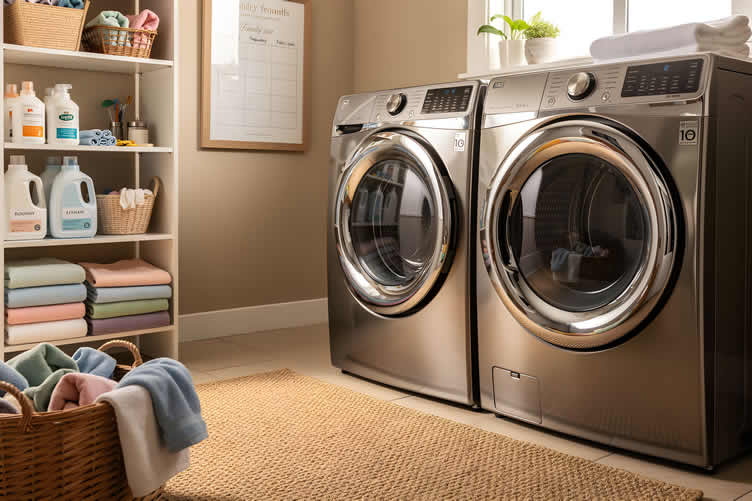
AI generated image by 123rf.com
Factors such as energy efficiency, room dimensions, household size, and personal preferences must all be taken into account to ensure your laundry area supports your daily life seamlessly.
Below, we explore critical considerations for choosing the best appliances and addressing your utility needs to help you craft a laundry room that is both practical and beautifully tailored to your lifestyle.
-
Understanding Your Laundry Needs
Before making any purchase decisions, it’s important to evaluate the specific laundry requirements of your household. The size of your family, how often you do laundry, and the types of fabrics you regularly clean all play significant roles in determining the type of appliances you need.
For larger families, high-capacity washers and dryers are ideal for managing frequent loads, while single-person households may benefit from compact or stackable options to save space.
Additionally, consider any specific challenges such as laundering delicate fabrics, removing tough stains, or pressing clothing. If you regularly handle specialty garments or linens, features like steam cleaning or preset cycles for delicate fabrics should be prioritized.
Taking time to assess your unique laundry habits ensures you invest in appliances that enhance your routine rather than hinder it.
-
Assessing Energy Efficiency and Eco-Friendliness
Energy efficiency is a crucial element to consider when selecting laundry appliances. Modern machines often feature advanced technologies like high-efficiency (HE) washing designs and moisture-sensing dryers that conserve water and energy without compromising performance.
Look for Energy Star-certified appliances, which are verified to reduce energy costs and minimize environmental impact.
Eco-conscious individuals may also want to explore appliances that support sustainable habits. For example, gas-powered dryers typically operate more efficiently than their electric counterparts, and front-loading washers tend to use less water than top-loading models.
Investing in energy-efficient machines not only cuts utility bills but also aligns with environmentally friendly practices that contribute to a greener home.
-
Space and Layout Considerations
The size and layout of your laundry room will heavily influence the type of appliances you select. Measure your space carefully to ensure that the machines fit comfortably with adequate clearance around them for doors and ventilation.
For narrower laundry areas, compact or stackable washer and dryer sets allow for vertical space optimization. If you have ample room, consider side-by-side machines with additional countertops or storage units in nearby spaces.
Laundry rooms that double as utility spaces—such as mudrooms or hobby areas—may require additional flexibility in their layout.
Folding tables, custom cabinetry, or built-in ironing stations can transform a simple laundry area into a multi-functional workspace that meets a variety of household needs.
-
Leveraging Smart Technology for Convenience
The rise in smart home technology has revolutionized the functionality of laundry appliances. Wi-Fi-enabled washers and dryers now allow homeowners to monitor cycles, receive notifications, and even schedule loads through smartphone apps.
Some appliances also feature advanced diagnostics, alerting you to potential maintenance needs before they become major issues.
When evaluating appliances with smart technology, ensure that their features genuinely enhance your workflow rather than complicate it.
For example, a machine with programmable timing and automatic detergent dispensers can streamline your routine, while others with overly complex interfaces may prove more challenging to operate. Prioritize user-friendly models that align with both your technical expertise and household requirements.
-
Factoring in Aesthetics and Design
While functionality should always take precedence, aesthetics are an important consideration when designing a laundry room that complements your home’s overall style.
Many appliances are now available in a range of finishes such as classic white, sleek stainless steel, or bold modern colors. Coordinating the look of your washer and dryer with cabinetry, flooring, and walls can create a cohesive and inviting space.
Built-in designs or front-loading machines can also contribute to a streamlined aesthetic, especially when paired with custom cabinetry to maintain a clean and uncluttered appearance.
Consider combining open shelves for easy access to essentials with closed cabinets for discreet storage, striking a balance between visual appeal and organization.
-
Plumbing, Ventilation, and Electrical Needs
Finally, make sure to address the foundational utilities of your laundry room while planning for appliances. Ensure the plumbing system can support your washer’s water usage, checking for proper water pressure and drain capacity.
Ventilation is equally important, particularly for dryers, which require venting ducts to avoid overheating or moisture buildup. Ventless dryer models are an option for homes lacking existing ducts, but these may take longer to dry clothes and use more energy.
Electrical requirements should also be mapped out to confirm that the room’s outlets align with the voltage specifications of your appliances.
For added safety and efficiency, consult a licensed contractor or electrician when installing electrical connections or modifying existing utilities to accommodate your selections.
- Quick scroll to summary content …
Section Details Selecting the Right Appliances and Utilities Design a functional and efficient laundry room by choosing the right appliances and utilities. These decisions should be based on factors like energy efficiency, room dimensions, household size, and preferences, ensuring the space supports your daily needs seamlessly. Understanding Your Laundry Needs Assess household-specific requirements such as family size, laundry frequency, and fabric types. Larger households may require high-capacity machines, while smaller homes could benefit from compact or stackable appliances. Features like steam cleaning or delicate cycles can address specialized laundry needs. Assessing Energy Efficiency Look for Energy Star-certified appliances with advanced technologies like high-efficiency washing designs or moisture-sensing dryers. Gas-powered dryers and front-loading washers are typically more eco-friendly, helping to cut costs and minimize environmental impact. Space and Layout Considerations Measure the laundry room carefully to ensure appliances fit comfortably. Compact or stackable machines work well in narrow spaces, while larger layouts can incorporate side-by-side machines with storage or countertops. Multi-functional spaces may benefit from folding tables or built-in ironing stations. Leveraging Smart Technology Consider appliances with Wi-Fi capability for monitoring cycles, scheduling loads, and receiving notifications via apps. Smart diagnostics can alert users to maintenance needs. Choose user-friendly models that align with your lifestyle and technological preferences. Factoring in Aesthetics and Design Coordinate appliance finishes with the overall style of your home, choosing from options like white, stainless steel, or bold colors. Use built-in designs or front-loading machines paired with custom cabinetry for a streamlined look, and balance open shelves with closed storage. Plumbing, Ventilation, and Electrical Needs Ensure plumbing supports water usage and check for proper venting or ducts for dryers. Ventless models are an option for homes without ducts. Ensure electrical connections align with appliance voltage requirements, consulting professionals for modifications or installations if needed. 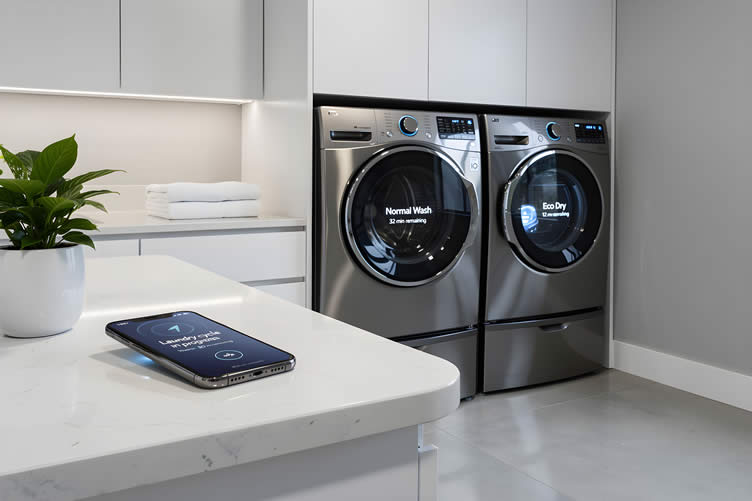
AI generated image by 123rf.com
Machine Technologies And Configurations
Laundry rooms play a crucial role in maintaining family cleanliness and staying on top of home organization.
By integrating the latest home automation technologies, you can streamline tasks and create a space that works smarter, not harder.
Smart appliances with energy-saving settings, automated supply trackers, and task-scheduling systems can turn your laundry room into a multi-functional hub that simplifies daily chores.
With thoughtful design and modern tools, your laundry space can evolve into an essential part of managing your home efficiently and stylishly.
view ideas: home automation 101(new win)
Appliance Maintenance and Installation
Choosing the right appliances is only the beginning. How you maintain them determines how long they serve you.
Front-load washers benefit from monthly drum cleaning cycles and consistent gasket wiping after each use to prevent mildew. Vented dryers require lint trap cleaning after every load and duct inspection at least once annually—lint accumulation in ducts is a leading cause of residential dryer fires.
Heat pump dryers add a condenser filter to the maintenance checklist, typically cleaned every few months depending on usage.
Washing machine hoses—particularly rubber supply hoses—should be inspected annually for cracking or bulging and replaced every three to five years.
Stainless steel braided hoses offer greater durability and are worth the modest additional cost at installation. Water inlet filters on both washers and dishwashers also benefit from periodic cleaning to maintain water flow and wash performance.
For long-term budget planning, most major laundry appliances carry a lifespan of 10–15 years with proper care. Keeping appliance model numbers, purchase dates, and warranty documentation in a dedicated home file simplifies servicing and warranty claims when needed.
-
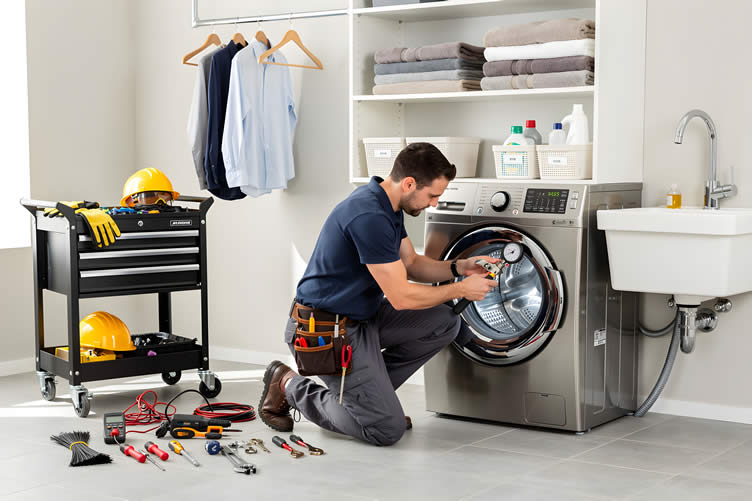
Why You Should Hire an Appliance Installation Contractor
Installing, maintaining, or replacing laundry appliances is a task that often goes beyond a simple plug-and-play process. It can require expertise in plumbing, gas connections, electrical hookups, and ventilation systems to ensure everything is properly installed and functions safely.
Additionally, if you’re upgrading or adding laundry room amenities—such as shelving, clothing racks, or utility sinks—professional assistance can make a significant difference. Hiring an experienced appliance installation contractor ensures your project is completed efficiently and to the highest standards.
What an Experienced Appliance Installation Contractor Offers:
- Safety Assurance:
Proper handling of gas lines, electrical connections, and ventilation systems to prevent hazards or future malfunctions. - Expert Knowledge:
Familiarity with various appliance brands and models, ensuring compatibility and proper setup. - Code Compliance:
Ensures installations meet local building codes, helping avoid potential violations or costly corrections. - Precision and Efficiency:
Reduces potential errors and delays by having the job done right the first time. - Laundry Room Optimization:
Offers insights on placement, storage, and additional features to maximize your space’s functionality. - Comprehensive Service:
Handles every aspect of the installation, from removing old appliances to connecting new ones and testing their performance.
Finding the right appliance installation contractor starts with research. Look for trusted professionals in your area through online reviews, local recommendations, or certified directories.
Verify their credentials, licenses, and experience with the types of appliances you own. Asking for a detailed estimate and ensuring they provide a warranty on their work are also crucial steps in selecting a reliable contractor.
With the right expert, you can enjoy a smooth installation process and a laundry room that meets all your needs.
- Safety Assurance:
LetsRenovate has partnered with HomeAdvisor™, a renowned provider of highly-rated, carefully-vetted appliance install contractors. Start your search here by choosing the type of contractor you need and entering your zip code to find local professionals.
AI generated image by 123rf.com
Suggestion!
Before you start looking for and evaluating appliance installation contractors, we highly recommend downloading and using this evaluation worksheet.
This resource will help you objectively rank and assess potential contractors based on essential factors like pricing, licensing, and referrals.

Evaluation Sheet
File Type:-
Scroll up to directory … or scroll to conclusion and references …
-
-
-
Conclusion
… building the laundry room that works for you
A well-chosen laundry room isn’t a luxury—it’s a foundation for a smoother, more organized home. The right combination of washer, dryer, and supporting fixtures reduces the time and friction of a chore that touches every member of the household, every week of the year.
Start by assessing your home’s infrastructure: available electrical circuits, gas access, venting options, and floor space. Layer in your household’s actual laundry demands—load frequency, fabric types, and who’s doing the loading. From there, the decisions become clear rather than overwhelming.
When you’re ready to compare specific models, resources like Consumer Reports’ dryer buying guide and the ENERGY STAR certified appliances database offer independently verified performance data to support your final selections.
Resource Citations And References
- Whirlpool. (n.d.). Washing machine types and sizes buying guide.
https://www.whirlpool.com/… - Maytag. (n.d.). Types of washing machines.
https://www.maytag.com/… - Maytag. (n.d.). Types of dryers.
https://www.maytag.com/… - Whirlpool. (n.d.). Types of dryers buying guide.
https://www.whirlpool.com/… - Lowe’s. (n.d.). Vented versus ventless dryers.
https://www.lowes.com/… - Lowe’s. (n.d.). Washing machine buying guide.
https://www.lowes.com/… - Consumer Reports. (n.d.). Clothes dryers buying guide.
https://www.consumerreports.org/… - U.S. Environmental Protection Agency. (n.d.). ENERGY STAR certified clothes dryers.
https://www.energystar.gov/… - Don’s Appliances. (n.d.). 8 must-have laundry room accessories.
https://www.donsappliances.com/…
- Whirlpool. (n.d.). Washing machine types and sizes buying guide.
-
Quick scroll to more interior home utility management ideas …
-
ideas to view and compare from the photo above
- What comments can you share about
home laundry appliances that you would recommend?




Calendar For:
Home Maintenance
File Type:
… view our sharing links below for a quick "share the knowledge"
Find Household Appliance Services Appliances Appliance Install Appliance Repair Electrical top-rated, pre-screened local contractors FREE: download contractor selection enter zip code – powered by HomeAdvisor ™
Quick Contractor Guides selecting negotiating working with inspecting

Cover image credit: home laundry appliances by 123rf.com
end of post … please share it!
 |
did you find home laundry appliances analysis helpful? If so, please share the article with your friends and family! |
Nice pic idea? Leave us a quick comment below.
And please share this pic idea within your social networks.