Summary Outline –
A fire can engulf a home in as little as five minutes. It is fast, destructive, and potentially life-threatening. Protecting your family from home fires is not just about preventing property loss; it’s about saving lives.
By understanding the dangers, implementing preventive tactics, and preparing for emergencies, you can reduce the risk of fire and ensure your family’s safety.
This analysis will walk you through essential steps for home fire safety, including key statistics, preventive strategies, and emergency planning to protect your family from fire hazards.

-
Quick scroll to first topic about protecting your family from a house fire …

first “protecting your family from a house fire” idea


copyright image by 123rf.com
Fire Tip 1: Understanding the Danger: Home Fire Statistics
Notes:
-
Home fires in the United States are a significant concern, occurring frequently and causing considerable damage and loss. Fire departments respond to a fire every 21 seconds on average, highlighting how common these incidents are.
Among these, home structure fires are particularly alarming, with one reported every 88 seconds. These fires not only result in property damage but also pose serious risks to lives, emphasizing the importance of fire prevention measures, safety awareness, and having functional smoke alarms in homes.
-
Home Fire Statistics
When it comes to home fire incidents, understanding the statistics is crucial to raise awareness and take appropriate preventive measures. The following key statistics shed light on the seriousness and impacts of home fires:
-
Civilian Deaths
According to the National Fire Protection Association (NFPA), there were 353,000 home fires in the United States in 2021 alone, resulting in over 2,560 fatalities and 11,000 injuries. These tragic outcomes highlight the urgent need for effective fire safety measures.
-
Timing and Frequency
Fire departments respond to a fire every 21 seconds on average, with a home structure fire reported every 88 seconds. These alarming figures emphasize the frequency and urgency of home fire incidents.
Most fatal fires occur at night, often catching victims off guard while they are asleep and least prepared to react. The lack of immediate awareness makes it harder to escape in time, highlighting the importance of functioning smoke alarms and fire safety measures.
-
Demographics and Causes
Cooking remains the leading cause of home fires, accounting for nearly half of all incidents. It is important to exercise caution and practice safe cooking habits to minimize the risk of fire in the kitchen.
-
Smoke Alarms
Three out of five fire-related deaths occur in homes without working smoke alarms. Installing and maintaining smoke alarms in your home is a critical step in early fire detection and saving lives.
-
Other Key Statistics
Children and older adults are at a higher risk of injury or death in home fires due to their vulnerability and potential limitations in responding to emergency situations.
Electrical malfunctions, heating equipment, and smoking materials are among the common causes of home fires, highlighting the importance of proper maintenance and safe practices.
By understanding these key statistics, we can better appreciate the importance of proactive fire safety measures and take the necessary steps to protect ourselves, our loved ones, and our homes from the devastating effects of home fires.
-
-
Quick scroll to “causes of house fire” side notes …
-
-
1st: Fire Statistical Numbers
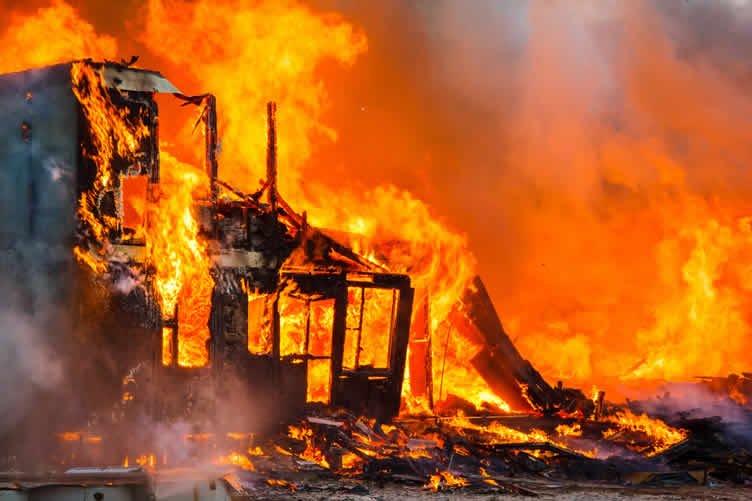
The number of home fire-related deaths in the United States has shown some fluctuation over the years, reflecting changes in safety practices, awareness campaigns, and improvements in fire prevention technology.
However, despite these efforts, there has been a slight overall increase in recent times, raising concerns about the effectiveness of current measures and the need for further action to ensure public safety. [1]
Between 2013 and 2022, residential building fire fatalities increased by 1%.
- In 2022, residential building fires claimed 2,720 lives, a slight decrease from the 2,755 fatalities reported in 2013.
- Between 2014 and 2018, home fires claimed an average of 2,620 civilian lives annually.
- The age groups most impacted by fire fatalities have shifted significantly over the years:
- In 1980, children under five accounted for 18% of home fire deaths, but this figure dropped to just 6% by 2011.
- Conversely, adults aged 65 and older saw an increase in fire-related fatalities, rising from 19% in 1980 to 31% in 2011.
- The causes of fire-related deaths in residential settings have shifted over the years:
- Between 2013 and 2022, deaths from residential fires categorized as "other unintentionally or carelessly set" rose by 44%.
- During the same period, residential fire deaths labeled as "cause under investigation" saw a significant 89% increase.
- Conversely, fire deaths linked to smoking in residential settings declined by 10% over those years.
While the overall number of home fires has decreased by 4% from 2013 to 2022, the number of deaths has slightly increased, indicating that home fires have become more lethal in recent years.
copyright image by 123rf.com

-
2nd: The Most Common Causes of House Fires
House fires can be devastating, causing significant damage to property and posing a threat to the safety of occupants. Understanding the most common causes of house fires is essential for taking preventive measures and safeguarding your home.
Let’s explore these causes in detail:
-
Cooking-related Fires
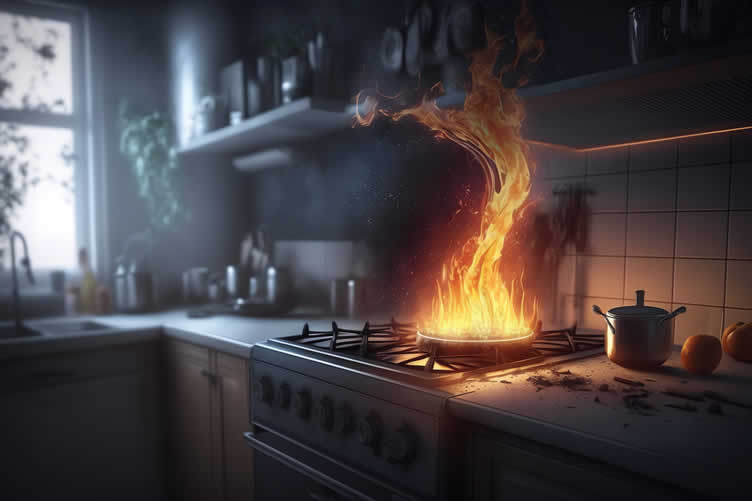
Cooking is a leading cause of house fires, often resulting from unattended cooking, overheating oil, or kitchen distractions. Here are some key statistics:
- Key Statistic: Cooking-related fires account for approximately 49% of all house fires. Unattended cooking is the primary factor contributing to these fires, causing nearly two-thirds of cooking-related incidents.
-
Heating-related Fires
Heating equipment, including space heaters, fireplaces, and wood stoves, can pose fire hazards if not used and maintained properly. Consider the following statistics:
- Key Statistic: Heating-related fires contribute to around 14% of house fires. The leading cause is the improper placement of heating equipment too close to flammable materials.
-
Electrical Malfunction Fires
Electrical malfunctions can spark fires, especially in older homes with outdated wiring or overloaded circuits. Take note of the following statistics:
- Key Statistic: Electrical malfunctions are responsible for approximately 9% of house fires. Overloaded circuits and faulty electrical distribution systems are common culprits.
-
Unintentional or Careless Actions
Unintentional or careless actions, such as leaving candles unattended or mishandling flammable substances, can quickly lead to house fires. Consider the following statistics:
- Key Statistic: Unintentional or careless actions contribute to approximately 7% of house fires. The misuse of candles and smoking materials is a significant factor in these incidents.
-
Smoking-related Fires
Smoking materials, including cigarettes and lighters, pose a significant fire risk, especially when not properly extinguished. Take note of the following statistics:
- Key Statistic: Smoking-related fires account for around 5% of house fires. Careless disposal of smoking materials often leads to these incidents.
-
Other Causes
Various other factors can contribute to house fires, including arson, children playing with fire, and natural disasters. While these causes are less common, they should not be overlooked.
By understanding the main causes of house fires and their associated statistics, you can take proactive steps to minimize the risks in your home and ensure the safety of your loved ones.
copyright image by 123rf.com
[ view diagram: house fire statistics]
[ pinterest: house fire infographic]
-
-
3rd: The Rapid Spread of Fire: A Home’s Vulnerability
When a fire starts in a home, its progression can be alarmingly swift, leaving little time for escape. Understanding the path a fire may take and the speed at which it can consume a home is crucial for implementing effective fire safety measures.
Fires tend to spread rapidly, fueled by combustible materials and oxygen. In a matter of minutes, a small flame can escalate into a full-blown inferno, engulfing an entire room.
From there, the fire can quickly extend to adjacent areas, fueled by flammable objects, such as furniture, curtains, and carpets. The intense heat radiated by the flames can cause nearby objects to ignite, leading to a cascading effect of spreading fire.
The general path a fire takes is influenced by several factors, including the availability of oxygen, the layout of the home, and the presence of combustible materials. Often, fires move vertically, rapidly climbing up walls and spreading to upper floors or the attic.
They may also spread horizontally, moving through doorways and into adjacent rooms. Additionally, fires can travel through unprotected openings, such as windows or ventilation systems, allowing flames and smoke to reach different areas of the home.
Given the speed and destructive potential of fires, it is essential to have working smoke alarms, an easily accessible and practiced escape plan, and appropriate fire extinguishers in key locations within the home.
These preventive measures can significantly increase the chances of safely evacuating and mitigating the damage caused by a fire.
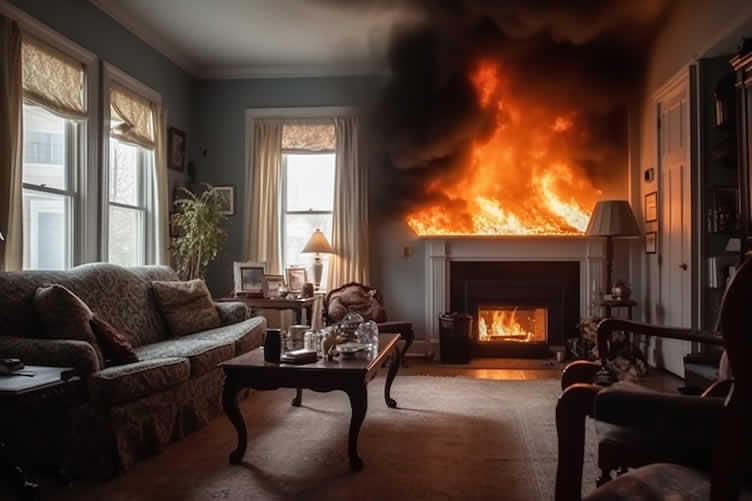
copyright image by 123rf.com
[ youtube: why house fires spread so quickly]
[ youtube: how fast a house fire can spread]
-
-
ideas to view and compare from the information discussed above
Scroll up to directory … or scroll to next section about protecting your family from a house fire …


… to avoid a house fire

second “photo remodeling” idea
copyright image by 123rf.com
Fire Tip 2: Preventive Tactics to Avoid Home Fires
Notes:
-
Understanding the major causes of home fires is key to keeping your family and property safe. By identifying common risks like unattended cooking, faulty wiring, or improper use of heating equipment, you can take proactive steps to prevent fires before they start.
Taking these precautions can help ensure your home remains a secure and protected space.
-
Quick scroll to “preventive tactics” side notes …
-
-
1st: Avoid Cooking Hazards
Cooking is a common cause of household fires, but by implementing preventive measures, you can significantly reduce the risk. By staying present, practicing safe cooking habits, and maintaining a clean environment, you can create a safer kitchen for you and your loved ones.
Let’s explore some key steps you can take to avoid cooking hazards and prevent home fires:
-
Staying Present
Leaving cooking food unattended is a major fire hazard. Always stay in the kitchen when cooking and never leave the stove or oven unattended. If you need to leave the kitchen, even for a short period, turn off the burner to eliminate any potential risks.
-
Practice Safe Cooking
To further minimize risks, it’s important to practice safe cooking habits. Keep flammable items like towels and wooden utensils away from the stove to prevent accidental ignition. Additionally, using timers when cooking can help prevent burning food, which can potentially lead to fires.
-
Regular Cleaning
Regular cleaning is vital in maintaining a safe kitchen environment. Grease buildup on stovetops and ovens can be highly flammable, increasing the risk of fire. Regularly clean and remove grease from cooking surfaces to prevent the potential for fires to ignite.
By implementing these preventive measures, you can significantly reduce the risk of cooking-related fires in your home. Stay vigilant, practice safe cooking habits, and maintain a clean and organized kitchen to create a secure environment for you and your family.
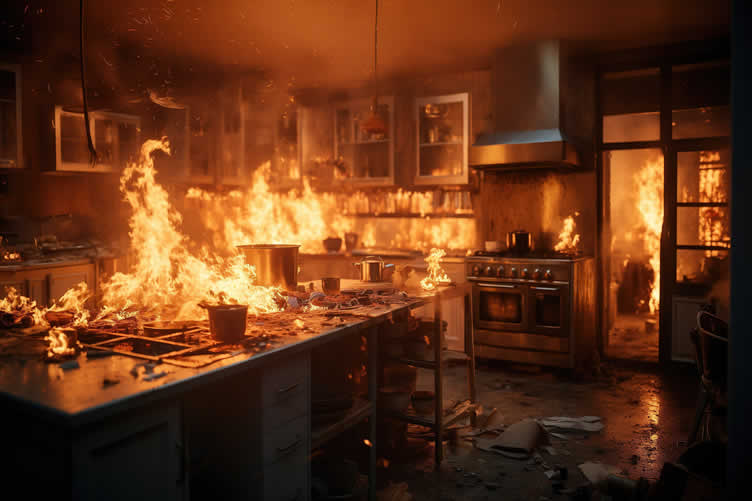
copyright image by 123rf.com
[ youtube: how to prevent kitchen fires ]
[ amazon: kitchen fire blanket ]
-
-
2nd: Use Electrical Appliances Safely
Using electrical appliances safely is crucial for preventing house fires and ensuring the safety of your home. By following these preventive measures, you can significantly minimize the risk of electrical fires and protect your family and property.
-
Outlet Safety
Ensure the safety of your electrical outlets by implementing the following measures:
- Avoid Overloading Outlets:
Plugging too many appliances into one outlet or power strip can cause overheating and increase the risk of fire. Spread out your appliances and use multiple outlets or power strips when necessary. - Inspect Cords and Plugs:
Regularly check the condition of cords and plugs. Replace any damaged or frayed cords immediately to prevent sparks and potential fire hazards. - Use Surge Protectors:
Consider using surge protectors to safeguard your electrical devices and prevent power surges that could lead to fires.
- Avoid Overloading Outlets:
-
Proper Appliance Usage
Follow these tips to use electrical appliances safely:
- Turn Off Unused Devices:
Always switch off and unplug electrical devices when they are not in use. This simple practice can prevent overheating and reduce the risk of electrical fires. - Space Heater Safety:
Keep space heaters at least three feet away from any combustible materials, such as curtains or furniture. Never leave space heaters unattended, and ensure they have a thermostat and an automatic shut-off feature.
- Turn Off Unused Devices:
-
Extra Precautions
Take these additional precautions to maintain electrical safety:
- Install Smoke Detectors:
Ensure you have working smoke detectors installed throughout your home, especially near bedrooms and high-risk areas like the kitchen. - Educate Your Family:
Teach your family members, especially children, about electrical safety practices. Emphasize the importance of not tampering with electrical outlets or playing with cords.
By implementing these preventive measures and maintaining awareness of electrical safety, you can minimize the risk of electrical fires and create a safe living environment for you and your loved ones.
- Install Smoke Detectors:
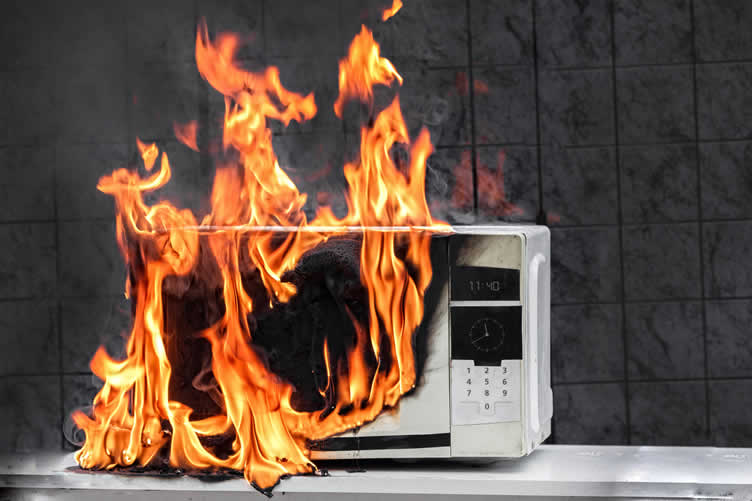
copyright image by 123rf.com
[ amazon: surge protectors ]
[ youtube: fires caused by appliances ]
-
-
3rd: Be Smart About Heating
Heating systems play a crucial role in keeping our homes warm and cozy, especially during the colder months. However, it’s essential to exercise caution and implement preventive measures to ensure the safety of your household.
By following these recommendations, you can reduce the risk of fire and create a secure environment for your family.
-
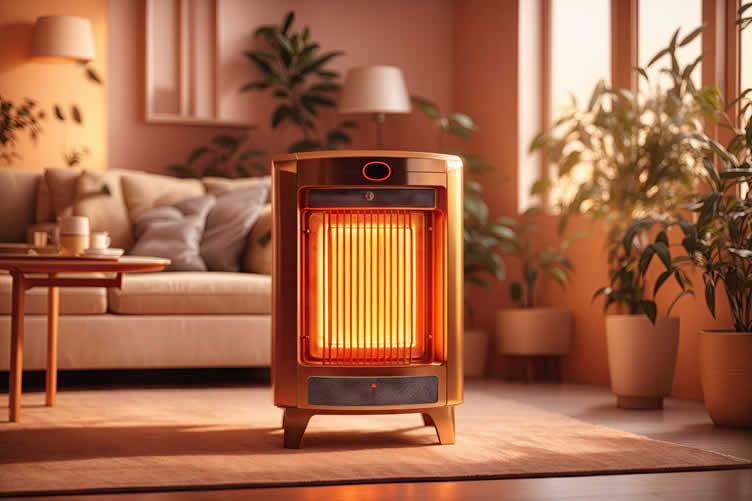
Space Heater Safety
Space heaters provide supplemental warmth but require extra attention to avoid potential hazards. Here are some key safety measures to keep in mind:
- Maintain Distance:
Keep space heaters at least three feet away from any flammable materials, such as curtains, furniture, or bedding. - Automatic Shut-off:
Look for heaters equipped with automatic shut-off features that turn off the unit if it tips over or reaches an unsafe temperature. - Unattended Use:
Never leave a space heater unattended, especially when sleeping or leaving the room. Always turn it off before leaving. - Clear Surroundings:
Ensure that there are no obstructions around the heater and that it is placed on a stable, level surface.
- Maintain Distance:
-
Inspect Fireplaces
Fireplaces provide warmth and ambiance, but regular maintenance and precautionary measures are necessary to prevent fire incidents. Consider the following:
- Chimney Cleaning:
Schedule a professional chimney cleaning and inspection at least once a year to remove soot and debris that can cause chimney fires. - Protective Screen:
Use a sturdy, properly fitted screen to prevent sparks and embers from escaping the fireplace and potentially igniting nearby objects. - Proper Disposal:
Dispose of fireplace ashes in a metal container and store it outdoors, away from flammable materials. Wait until the ashes have cooled completely before disposal.
- Chimney Cleaning:
-
Annual Inspection of Heating System
Regular maintenance and inspection of your heating system are essential for its safe and efficient operation. Consider the following preventive measures:
- Professional Inspection:
Hire a qualified technician to inspect your heating system annually, ensuring that it is functioning properly and free from any potential fire hazards. - Filter Replacement:
Regularly replace or clean the filters, as clogged filters can restrict airflow and increase the risk of overheating. - Clearance:
Ensure that there is adequate clearance around heating equipment and that no combustible materials are stored nearby.
By implementing these preventive measures and remaining vigilant about heating safety, you can significantly reduce the risk of fire incidents and ensure the well-being of your home and loved ones.
- Professional Inspection:
copyright image by 123rf.com
[ view diagram: avoiding chimney fires ]
[ youtube: warning about air conditioner fires ]
-
-
4th: Bad or Old Electrical Wiring
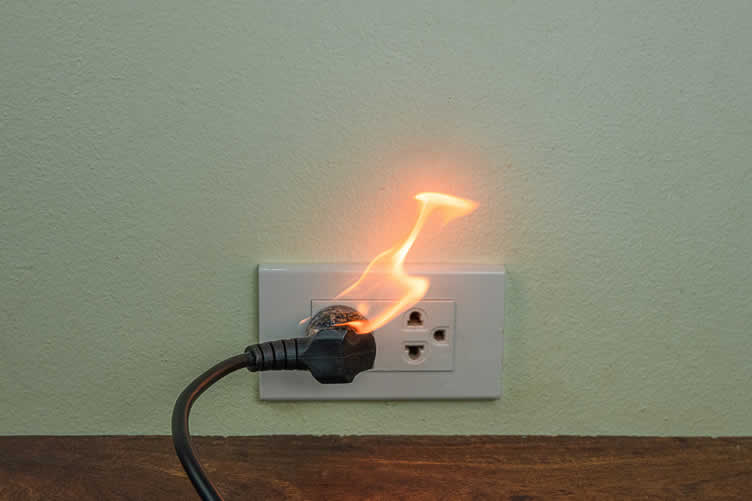
Electrical fires can be devastating, causing significant damage to homes and posing serious risks to the safety of occupants. One common cause of electrical fires is bad or old electrical wiring.
Over time, wiring can become worn out, damaged, or outdated, increasing the likelihood of electrical malfunctions and potential fire hazards. Taking proactive measures to address and prevent these issues is crucial in ensuring the safety and well-being of your home.
-
Identifying Signs of Bad or Old Electrical Wiring
It’s important to be aware of the signs that may indicate the presence of bad or old electrical wiring in your home. Look out for the following indicators:
- Flickering Lights:
If you notice lights flickering or dimming frequently, it could be a sign of faulty wiring that needs attention. - Frequently Tripping Breakers or Blown Fuses:
If your circuit breakers trip or fuses blow frequently, it could be a sign of overloaded or faulty wiring. - Burning Smell:
Any persistent burning smell, even if faint, should never be ignored, as it could signify overheating or damaged wiring. - Hot Outlets or Switches:
If outlets or switches feel hot to the touch, it may indicate an electrical issue that needs immediate attention. - Sparks or Electrical Shocks:
Sparks or electrical shocks when plugging in or using appliances are warning signs of potential wiring problems. - Rodent Activity:
Rodents such as mice and rats are known to chew on electrical wiring, which can lead to exposed wires and potential fire hazards. Look for signs of droppings, nesting materials, or any indications of rodent presence around your electrical system.
- Flickering Lights:
-
Preventive Measures to Address Bad or Old Electrical Wiring
To minimize the risk of electrical fires due to bad or old wiring, consider implementing the following preventive measures:
- Regular Electrical Inspections:
- Schedule regular inspections by a qualified electrician to assess the condition of your home’s electrical wiring.
- Inspections can identify potential issues early on and help prevent hazardous situations.
- Wiring Upgrades:
- If your home has old or outdated wiring, consider upgrading to modern, safer wiring systems.
- Upgrading to safer wiring materials, such as copper, can reduce the risk of electrical fires.
- Overloading Prevention:
- Avoid overloading circuits by spreading the use of high-wattage appliances across different outlets and circuits.
- Install additional circuits or outlets if needed to distribute the electrical load evenly.
- Proper Outlet Usage:
- Use outlets appropriately and avoid overloading them with multiple adapters or extensions.
- Never force plugs into outlets, and replace any loose or damaged outlets promptly.
- Professional Installation:
- Always hire a qualified electrician for any electrical installations or repairs in your home.
- Professional installation ensures compliance with safety standards and reduces the risk of wiring issues.
Taking these preventive measures and promptly addressing any signs of bad or old electrical wiring can significantly reduce the risk of electrical fires, providing a safer living environment for you and your family.
- Regular Electrical Inspections:
copyright image by 123rf.com
[ youtube: common wiring mistakes ]
[ youtube: what causes electrical fires? ]
-
-
5th: No Smoking Indoors
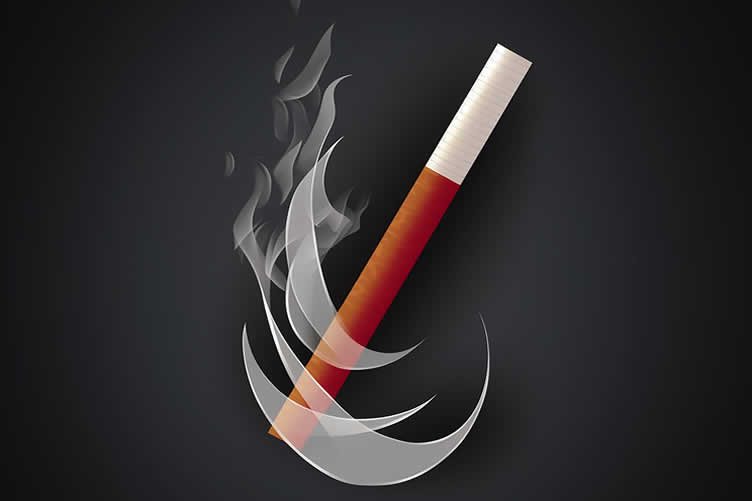
Smoking indoors poses a significant fire risk, endangering not only your property but also the safety of your loved ones. The combination of lit cigarettes and flammable furnishings can quickly lead to devastating fires.
To ensure the utmost safety in your home, it is imperative to strictly adhere to a no-smoking policy indoors. By taking this preventive measure, you can greatly mitigate the risk of fire incidents and protect your home and family from harm.
-
Proper Disposal of Cigarettes
Properly disposing of cigarettes is essential to prevent accidental fires. Follow these guidelines:
- Extinguish Completely:
Always ensure that cigarettes are fully extinguished before discarding them. Use designated ashtrays or fire-safe containers filled with sand or water to safely extinguish and contain cigarette butts. - Avoid Flammable Furnishings:
Never dispose of cigarette butts in waste baskets, as they can easily ignite flammable materials. Instead, use designated outdoor ashtrays or designated fire-safe containers.
- Extinguish Completely:
-
Create Designated Outdoor Smoking Areas
To further minimize the risk of smoking-related fires, consider creating designated outdoor smoking areas. This helps contain cigarette debris and reduces the chances of accidental fires. Ensure that these designated areas are located away from flammable materials or structures.
-
Educate Housemates and Guests
Ensure that all housemates and guests are aware of the no-smoking policy indoors. Clearly communicate the importance of adhering to this rule and the potential risks associated with indoor smoking.
Encourage open dialogue and provide alternative options, such as designated outdoor smoking areas, to support a safe and healthy living environment for everyone.
Taking a firm stand against indoor smoking is a crucial step in preventing house fires. By strictly enforcing a no-smoking policy indoors, you can significantly reduce the risk of fire incidents and create a safer home environment for everyone.
copyright image by 123rf.com
[ images: home destroyed by cigarettes ]
[ youtube: smoking and fire safety ]
-
-
6th: Other Preventative Measures
When it comes to fire safety, prevention is key. In addition to enforcing a strict no-smoking policy and equipping your home with smoke alarms, there are several other important preventive measures you can take to minimize the risk of a house fire.
By pro-actively addressing potential hazards and implementing safety precautions, you can create a secure environment for you and your loved ones. Let’s explore some key areas to focus on:
-
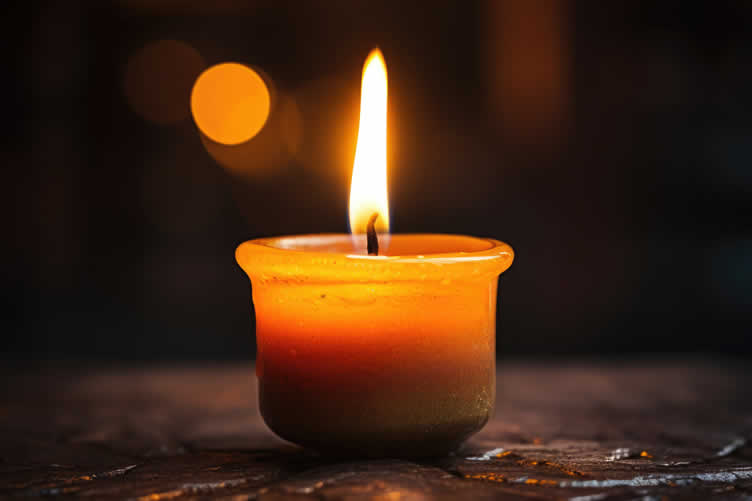
Preventing Candle-Related Fires
- Always keep candles on stable, heat-resistant surfaces away from flammable materials.
- Never leave candles unattended, and extinguish them before leaving the room or going to bed.
- Consider using flameless LED candles as a safer alternative.
-
Using Deep or Turkey Fryers
- Follow manufacturer’s instructions and guidelines when using deep fryers.
- Ensure the fryer is placed on a stable surface, away from flammable materials.
- Large fryers, such as turkey fryers, should be operated outside the perimeter of the home.
- Never leave the fryer unattended while in use.
-
Educating Children about Fire Safety
- Keep matches and lighters out of reach of children.
- Educate children about the dangers of playing with matches and the importance of fire safety.
copyright image by 123rf.com
[ youtube: danger for deep fryers ]
[ youtube: engulfed in flames after deep-fried turkey fire ]
-
-
-
ideas to view and compare from the information discussed above
kitchen fire blanketelectrical safety plugsspace heater w/ auto shutoff
Scroll up to directory … or scroll to next section about protecting your family from a house fire …

protecting your family from a house fire and other home improvement needs …

… grab this directory of ideas for future use



… remodeling decisions


… in the event of a house fire
May We Suggest Other Photo Remodeling Ideas About
“Your Interior Home …” (new win)


third “photo remodeling” idea
copyright image by 123rf.com
Fire Tip 3: Protective Measures to Install in Your Home
Notes:
-
Ensuring the safety of your home and loved ones is of utmost importance, especially when it comes to protecting them from the devastating effects of fire.
While preventive measures play a crucial role in minimizing the risk of fire, it is equally important to have protective measures in place to swiftly respond in case of an emergency. By equipping your home with the right fire safety tools, you can significantly enhance your family’s safety and peace of mind.
-
Quick scroll to “protective measures” side notes …
-
-
1st: Installation of Smoke Alarms
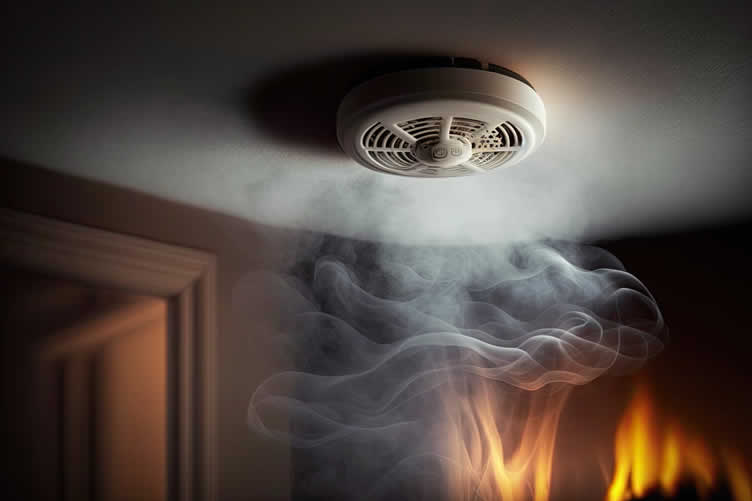
Smoke alarms serve as the first line of defense in alerting occupants to the presence of fire and providing precious seconds to evacuate safely.
Understanding the different types of smoke alarms and how to install them strategically is crucial for maximizing their effectiveness in protecting your home and loved ones from fire hazards.
-
Wired Smoke Alarms
Wired smoke alarms are directly connected to the electrical system of your home. They are typically installed by a professional electrician and are interconnected, meaning that when one alarm detects smoke, all alarms in the system will sound simultaneously.
This ensures that if a fire breaks out in one part of the house, everyone in the home will be alerted, regardless of their location.
- Non-wired Smoke Alarms
Non-wired smoke alarms, also known as battery-operated smoke alarms, are standalone devices that use batteries for power. These alarms are easy to install and can be placed anywhere in the home, making them a versatile option for homeowners.It is important to regularly check the batteries in non-wired smoke alarms and replace them at least once a year or whenever the low-battery indicator sounds. This ensures that the alarms will function optimally in the event of a fire.
- Non-wired Smoke Alarms
-
Where to Install Smoke Alarms
To maximize the effectiveness of smoke alarms, it is recommended to install them in every bedroom, hallway, and common area of your home. Bedrooms are especially important because fires can spread rapidly while occupants are sleeping.
By placing alarms in hallways and common areas, you can ensure that everyone has ample warning to escape in the event of a fire. Additionally, consider placing smoke alarms near sources of potential fire hazards, such as kitchens, furnaces, and garages.
-
Regular Testing and Maintenance
To ensure the proper functioning of smoke alarms, it is crucial to test them regularly. Press the test button on each alarm monthly to make sure the alarm sounds. If an alarm fails to sound or the sound is weak, replace the batteries immediately.
It is also recommended to vacuum the alarms regularly to remove dust and debris that may interfere with their operation. Additionally, follow the manufacturer’s instructions for cleaning and maintenance.
-
Upgrading to Smart Smoke Alarms
Smart smoke alarms have revolutionized home fire safety with their advanced features. These alarms can connect to your home’s Wi-Fi network and send alerts to your smartphone or other devices in case of a fire, even when you are not at home.
This real-time notification ensures that you are promptly informed about potential fire emergencies, allowing you to take immediate action or contact the appropriate authorities.
Keeping your smoke alarms in optimal condition, placing them strategically, and considering advanced options like smart smoke alarms can significantly enhance the safety of your home and provide you with peace of mind knowing that you have taken proactive measures to protect your loved ones from the devastating effects of fire.
copyright image by 123rf.com
[ youtube: smoke and carbon monoxide detectors ]
[ amazon: smart smoke alarm ]
-
-
2nd: Having Fire Extinguishers and Fire Retardant Materials
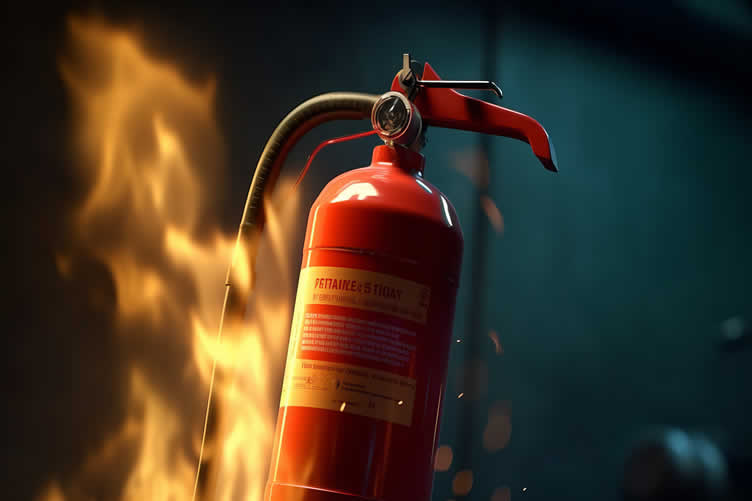
When it comes to fire safety, it’s not just about having smoke alarms; strategically placing fire extinguishers and other fire retardant materials throughout your home can make a significant difference in combating fires effectively.
These essential tools provide an additional layer of protection and empower you to take immediate action in the event of a fire emergency. Let’s explore the key considerations for their installation and usage:
-
1. Strategically Placement
Positioning fire extinguishers in high-risk areas of your home is crucial for quick access during emergencies. Here are some recommended locations:
- Kitchen:
Place a fire extinguisher in a readily accessible spot near the cooking area, as kitchen fires are one of the most common types of household fires. - Garage:
Install a fire extinguisher near any potential sources of ignition, such as power tools, flammable liquids, or electrical panels. - Near Exits:
Ensure that fire extinguishers are easily reachable near exits or escape routes, allowing for a safe evacuation while also providing an opportunity to combat the fire.
- Kitchen:
-
2. Learn How to Use with PASS Sweep
Having fire extinguishers is only effective if you know how to use them correctly. Follow the PASS technique to maximize the effectiveness of your firefighting efforts:
- Pull: Pull the pin to break the tamper seal and unlock the operating lever.
- Aim: Aim the nozzle or hose at the base of the fire where the fuel source is located.
- Squeeze: Squeeze the handle to discharge the extinguishing agent, releasing it in a controlled manner.
- Sweep: Sweep the nozzle or hose from side to side, covering the entire area of the fire with the extinguishing agent until the flames are extinguished.
-
3. Fire Retardant Blanket to Snuff Out a Fire
In addition to fire extinguishers, consider having a fire retardant blanket readily available. These blankets are made from fire-resistant materials and can be used to smother small fires or wrap around a person to protect them while evacuating a fire.
Keep the fire retardant blanket in an easily accessible location, such as near the kitchen or in the bedroom.
copyright image by 123rf.com
[ youtube: how to use a fire extinguisher ]
[ amazon: house fire extinguisher ]
-
-
3rd: Upgrading Your Home with Fire-Resistant Materials
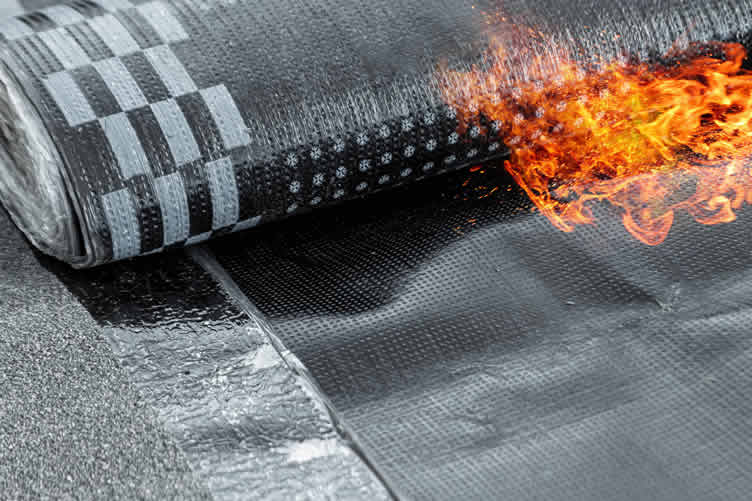
Protecting your home from the devastating effects of fire goes beyond just having smoke alarms and fire extinguishers. Consider upgrading your home with fire-resistant materials to further enhance safety and protection.
These materials are designed to withstand high temperatures, slow down the spread of flames, and minimize the risk of fire-related damage. Here are some key areas where you can make these important upgrades:
-
Fire-Resistant Doors and Windows:
Installing fire-resistant doors and windows can be a valuable investment in safeguarding your home. These specialized products are constructed using materials that can withstand intense heat and flames, acting as a barrier to prevent fire from spreading between rooms or from the outside in.
-
Fire-Resistant Roofing:
Your roof plays a critical role in protecting your home from external fire threats. Consider using fire-resistant roofing materials, such as metal or fire-rated asphalt shingles, which are designed to resist ignition and provide an extra layer of defense against airborne embers.
-
Fire-Resistant Siding:
Choosing fire-resistant siding materials can significantly reduce the risk of fire damage to your home’s exterior. Options such as fiber cement siding, stucco, or fire-rated vinyl siding can help protect your property by slowing down the spread of flames and resisting ignition.
-
Fire-Resistant Insulation:
Insulating your home with fire-resistant insulation materials can provide an additional layer of protection. Opt for insulation products that are specifically designed to resist combustion and minimize the spread of fire through walls and ceilings.
Making these upgrades to your home with fire-resistant materials can provide you with valuable peace of mind, knowing that you have taken proactive steps to enhance the fire safety of your property.
Remember to consult with professionals who specialize in fire-resistant materials to ensure proper installation and compliance with local building codes and regulations.
copyright image by 123rf.com
[ youtube: building homes that can withstand wildfires ]
[ youtube: building material created that is 100% fireproof ]
-
-
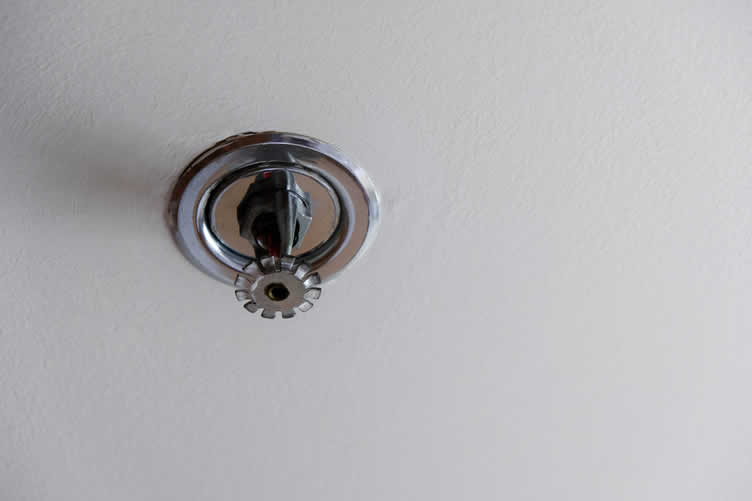
4th: Installing a Sprinkler System
A sprinkler system is a vital component of comprehensive fire protection for your home. This automated system provides an additional layer of defense by quickly detecting and suppressing fires, helping to minimize property damage and save lives.
By installing a sprinkler system in your home, you can significantly enhance your fire safety measures. Here are some key benefits and considerations to keep in mind:
-
Benefits of Installing a Sprinkler System
- Early Fire Detection:
Sprinkler systems are equipped with sensors that can detect fires in their early stages, allowing for a rapid response and containment of the fire before it spreads further. - Immediate Fire Suppression:
When a fire is detected, sprinklers activate individually in the affected area, releasing water to suppress the flames. This quick response can help prevent the fire from intensifying and spreading throughout your home. - Protection 24/7:
Unlike smoke alarms or fire extinguishers that rely on human intervention, sprinkler systems provide round-the-clock protection. They can activate even when you are not at home, ensuring continuous fire suppression. - Minimized Property Damage:
With their fast response time, sprinkler systems can significantly reduce property damage by extinguishing fires quickly. This can help preserve your belongings and minimize the costs associated with fire-related repairs and restoration.
- Early Fire Detection:
-
Considerations for Installation
- Professional Installation:
It is crucial to consult with a professional fire protection company to design and install a sprinkler system that meets the specific needs of your home. They will assess factors such as the layout, size, and occupancy of your property to ensure proper coverage. - Maintenance and Inspections:
Regular maintenance and inspections are essential to keep your sprinkler system in optimal working condition. This includes periodic testing, checking for leaks or obstructions, and ensuring that all components are functioning correctly. - Compliance with Building Codes:
It is important to ensure that the sprinkler system installation complies with local building codes and regulations. A professional fire protection company will have the expertise and knowledge to ensure proper installation and compliance.
Investing in a sprinkler system for your home is a proactive step towards enhancing fire safety and protecting your property and loved ones. Consult with fire protection professionals to assess your specific needs, determine the system design, and ensure proper installation and ongoing maintenance.
With a well-designed and properly maintained sprinkler system, you can have peace of mind knowing that you have taken significant measures to safeguard your home against the devastating effects of a fire.
- Professional Installation:
copyright image by 123rf.com
view post: (new win)
4 Reasons Your Business (and Home) Should Have a Fire Sprinkler System Installed[ view diagram: residential fire sprinkler system ]
[ youtube: home fire sprinklers ]
-
-
-
ideas to view and compare from the information discussed above
wired smoke alarmsaerosol fire extinguisherfire sprinkler head
Scroll up to directory … or scroll to next section about protecting your family from a house fire …
SHARE IT ..! You might have someone in your social network who could find this informative post about protecting your family from a house fire valuable. Feel free to share it on Facebook, X (formally Twitter), LinkedIn, or Pinterest!







fourth “photo remodeling” idea
copyright image by 123rf.com
Fire Tip 4: Fire Emergency Planning
Notes:
-
Fire emergency planning is a critical aspect of ensuring the safety and well-being of your household in the event of a fire.
While taking proactive measures like installing smoke alarms, fire extinguishers, and other preventive measures, having a comprehensive fire emergency plan in place adds an extra layer of preparedness. In the event of a fire, every second counts, and having a well-thought-out plan can make all the difference.
-
Quick scroll to “emergency planning” side notes …
- 1st: Creating a Fire Escape Plan
- 2nd: Fire Escape Plans for Special Areas of the Home
- 3rd: Storing Key Information in the Cloud or Other
- 4th: Providing Other Emergency Needs
- 5th: Escaping House Fire: Prioritize Safety Over Valuables
- shop ideas
- next topic: Post-Fire Preparation: Rebuilding and Recovery
-
-
1st: Creating a Fire Escape Plan
Having a well-prepared fire escape plan is crucial to ensuring the safety of your family in the event of a fire emergency. It’s important to develop a clear and comprehensive plan that outlines escape routes, designated meeting points, and practices regular drills.
By taking these proactive steps, you can minimize the risk and potential harm caused by fires.
-
Develop a Floor Plan
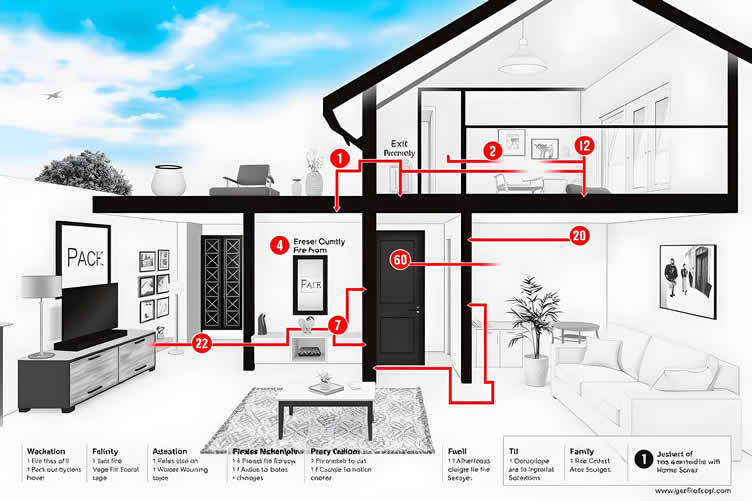
Developing a floor plan is a crucial step in creating a well-prepared fire escape plan for your home. By mapping out your home and identifying all possible exits, you can ensure that everyone knows the best routes to take in case of an emergency.
- Map Your Home:
Create a detailed floor plan of your home, identifying all possible exits, including doors and windows in every room. Be sure to mark primary exits, such as front and back doors, as well as secondary options like large, accessible windows. - Primary and Secondary Exits:
Identify at least two ways out of each room in your home or workplace to ensure safety in case of an emergency. Designate one as the primary exit, such as a door leading directly outside, and the other as the secondary exit, which could be a window or another door. - Make sure both routes are easily accessible and free of obstacles, so they can be used quickly if needed.
- Mark Escape Routes:
Use the floor plan to clearly mark all exits and escape routes with arrows, ensuring they are easy to see and follow. Indicate the best and safest path to take in case of an emergency, considering factors like blocked paths or potential hazards. - Make sure the markings are visible to everyone and update the plan regularly to reflect any changes in the building layout.
- Map Your Home:
-
Establish a Centralized Meeting Place
Establishing a centralized meeting place is a crucial aspect of emergency preparedness for your family. In times of crisis, having a designated location where everyone can gather and be accounted for is essential for ensuring everyone’s safety.
- Designate a Meeting Point:
Choose a safe location outside your home where everyone will gather after escaping in case of an emergency. This spot should be easy to identify and accessible to all family members, such as a neighbor’s house, a large tree in the yard, or a nearby lamppost. - Make sure everyone in the household knows the location and practices reaching it during fire drills to ensure a quick and safe evacuation.
- Ensure Accessibility:
Make sure the meeting place is easily accessible and known to all family members. Choose a location that is convenient for everyone, such as a local park, a nearby landmark, or a familiar public space, and ensure that everyone knows how to get there safely.
- Designate a Meeting Point:
-
Practice Drills
Practicing emergency drills is a crucial aspect of ensuring the safety and preparedness of your family in times of crisis. By conducting regular practice drills, you can familiarize your loved ones with evacuation procedures and reinforce their understanding of escape routes.
- Regular Fire Drills:
Conduct fire drills at least twice a year, both during the day and at night. This will help family members become familiar with the escape routes and practice evacuating under different conditions. - Clear Escape Routes:
During drills, ensure that all escape routes are clear of obstacles such as furniture, equipment, or debris, and that they are easily accessible to everyone, including individuals with mobility challenges. - Double-check that doors and pathways are unobstructed and that all participants are aware of the designated evacuation routes.
- Special Needs Considerations:
Consider the needs of family members with disabilities or special requirements by ensuring their escape routes are fully accessible and free of obstacles. - Make sure they have any necessary mobility aids, such as wheelchairs or walkers, readily available, and assign a specific person to assist them during emergencies if needed.
- Practice these plans regularly to ensure everyone feels prepared and confident in case of an evacuation.
- Regular Fire Drills:
-
Educate Children
When it comes to fire safety, it is crucial to ensure that every member of the family is well-prepared and knowledgeable about the necessary actions to take in an emergency situation. This includes educating children about fire safety measures and teaching them essential skills that can potentially save their lives.
- Teach Stop, Drop, and Roll:
Teach children the essential steps to stay safe if their clothing catches fire: stop immediately to avoid fanning the flames, drop to the ground to get low and prevent the fire from spreading, and roll back and forth repeatedly to smother the flames. - Remind them to cover their face with their hands while rolling to protect it from burns.
- Crawl Low:
Teach them to stay low to the ground and crawl, as this will help them avoid inhaling smoke and dangerous fumes that rise during a fire. By staying closer to the floor, they can access the cleaner, cooler air, which is crucial for breathing and staying safe while escaping.
- Teach Stop, Drop, and Roll:
-
Emergency Communication
When it comes to fire safety, effective emergency communication is paramount. In this section, we will explore essential considerations and strategies for communicating during fire incidents.
- Emergency Numbers:
Ensure that everyone is aware of and has access to the emergency phone numbers for the fire department, medical services, police, and other relevant authorities. - It’s a good idea to keep these numbers clearly displayed in common areas, saved on mobile phones, and included in any emergency preparedness plans to ensure quick and effective response during a crisis.
- Emergency Communications Plan:
Establish a clear communication plan for family members to follow in case you become separated during an emergency. This plan should include designated meeting points, methods of communication such as phone calls or text messages, and a list of emergency contacts. - Make sure everyone understands the plan and practices it regularly to stay prepared.
- Emergency Numbers:
-
Review and Update the Plan
To ensure the utmost safety of your loved ones during emergencies, it is crucial to have a well-thought-out fire escape plan in place. However, simply having a plan is not enough; it requires periodic review and updates to remain effective.
- Annual Review:
Regularly review and update your fire escape plan, ensuring it reflects any changes to your home’s layout, such as renovations, new furniture, or additional rooms. - Consider family dynamics as well, including the ages and mobility of family members, to ensure everyone knows their specific role and route in case of an emergency. Practicing the plan together can help identify any issues and ensure everyone is prepared.
- Educate New Members:
As new family members join your household, it’s important to ensure they are familiar with the fire escape plan. Take the time to walk them through the designated escape routes, point out the location of fire extinguishers, and explain the meeting spot outside the home. - Additionally, practice regular fire drills with them so everyone knows exactly what to do in an emergency and can act quickly and confidently.
- Annual Review:
AI generated image by 123rf.com
[ view diagram: residential fire escape plan ]
[ youtube: practice your escape plan ]
-
-
2nd: Fire Escape Plans for Special Areas of the Home
Fire safety is paramount in every area of your home, including special areas that may require additional consideration for effective escape plans. Here are some guidelines to ensure the safety of your family in specific areas of your home:
-
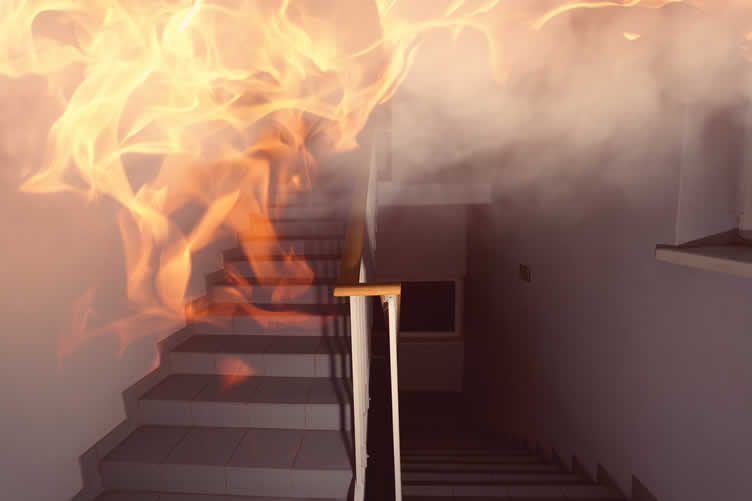
Second Floor Bedrooms and Other Living Areas
While it may seem intuitive to jump out of a window during a fire, it is important to emphasize the potential dangers and risks involved in such actions.
Encourage family members to prioritize safer escape routes, such as using designated fire escape ladders or following pre-planned evacuation routes. Jumping from a window should only be considered as a last resort when all other options are exhausted and when there is a lower risk of injury.
- Install Window Escape Ladders:
For second-floor bedrooms and other living areas without direct access to the ground floor, consider installing window escape ladders. - These collapsible ladders can be easily stored near windows and provide a secure and quick exit route in case of fire. Ensure that everyone in the household knows how to properly deploy and use these ladders.
- Install Window Escape Ladders:
-
Attic Living Area
The attic, although often serving as a living area or storage space, can present a unique challenge in emergency situations. With typically only one entrance leading up to the attic, it’s important to consider potential scenarios where this entrance becomes compromised.
In such cases, having an alternative escape route becomes crucial for the safety of everyone in the household.
- Designate an Escape Window:
If your attic serves as a living area, it’s crucial to have a designated escape window. Ensure the window is easily accessible and unobstructed at all times. - Educate family members on how to open the window quickly and safely, allowing for a secondary escape route in case the main staircase is compromised.
- Designate an Escape Window:
-
Basement (Window Well or Other Escape Route)
Basements, often serving as additional living spaces or storage areas, can quickly become fire traps if they have only one way up. In emergency situations, such as a fire, the main staircase may become inaccessible due to smoke, flames, or structural damage.
Without a secondary escape route, the safety of everyone in the household could be compromised. Therefore, it is crucial to address this potential hazard and ensure that basements have alternative escape routes to guarantee the well-being of occupants.
- Install Window Wells:
If your basement has windows that are partially or entirely below ground level, consider installing window wells to provide an escape route. Ensure that window wells are clear of debris and easily accessible from the inside. - Create Alternate Escape Routes:
In addition to windows, identify other possible escape routes from the basement, such as secondary doors or staircases leading to the ground floor. Ensure that these routes are well-maintained, well-lit, and easily accessible to all family members. - Ensure Clear Pathways:
Keep the basement free from clutter and ensure clear pathways to windows or other potential escape routes.
By addressing the specific needs of these special areas in your fire escape plan, you can enhance the safety and preparedness of your family in case of a fire emergency.
Regularly review and practice these escape plans to ensure everyone is familiar with the procedures and can respond swiftly and confidently in an emergency.
- Install Window Wells:
copyright image by 123rf.com
[ youtube: egress basement window installation ]
[ amazon: fire escape ladder ]
-
-
3rd: Storing Key Information in the Cloud or Other
In addition to physical fire safety measures, it is essential to protect and secure important documents and information that may be crucial during and after a fire incident.
Storing key information in the cloud or other online servers provides an added layer of protection, ensuring that important documents and data are accessible even if physical copies are destroyed. Consider the following guidelines to safeguard essential information:
- Bank and Investment Accounts:
Compile a list of your bank and investment accounts, including account numbers, financial institutions, and contact information. Store this information securely in the cloud or an encrypted online storage platform. - Insurance Information:
Document your insurance policies, including policy numbers, coverage details, and contact information for insurance providers. Take clear photographs of your insurance cards and any important policy documents, storing them in a secure online location. - Key Passwords to Online Sources:
Maintain a list of key passwords for online platforms, such as email accounts, financial accounts, and social media. Consider using a reputable password manager tool that encrypts and securely stores your passwords. - Photographs of Key Documents:
Capture digital photographs of essential documents like driver’s licenses, passports, medical records, and insurance cards. Ensure the images are clear and legible, and store them securely in the cloud or an encrypted online server. - List and Photographs of Key Valuables:
Create an inventory of valuable items in your home, such as jewelry, electronic devices, and heirlooms. Include detailed descriptions, photographs, and estimated values. Store this inventory securely online to assist with insurance claims and recovery efforts. - Other Important Information:
Consider digitizing and storing additional important documents, such as wills, property deeds, tax records, and medical records. Ensure they are stored securely and protected with strong, unique passwords.
By storing key information in the cloud or other online servers, you can have peace of mind knowing that critical documents and data are safeguarded and easily accessible, even in the event of a fire. Remember to regularly update and review your stored information to keep it accurate and up to date.

copyright image by 123rf.com
- Bank and Investment Accounts:
-
4th: Providing Other Emergency Needs
When it comes to fire safety, it’s important to consider not only the immediate escape plan but also other emergency needs that may arise during a house fire. Being prepared for various situations can greatly increase the safety and well-being of your family.
Here are some additional emergency needs to consider:
-
Emergency Lighting to Escape the Home
In the event of a house fire, it’s possible that the electrical power may be disrupted, leaving your home in darkness. It is crucial to have a reliable source of emergency lighting to safely navigate and escape.
Keep flashlights or other battery-powered lights readily accessible in strategic locations throughout your home. Consider storing them in easily reachable areas such as near exits or in designated emergency kits.
-
Emergency Clothing or Blankets Stored Outside
In the unfortunate event of a house fire during the winter months, it’s important to have emergency clothing or blankets readily available to protect yourself and your family from the cold temperatures.
Store extra warm clothing or blankets outside the main living area, such as in a garage, shed, or other designated storage space. This ensures that they remain accessible and unaffected by the fire, providing a vital layer of protection against the cold during the evacuation process.
-
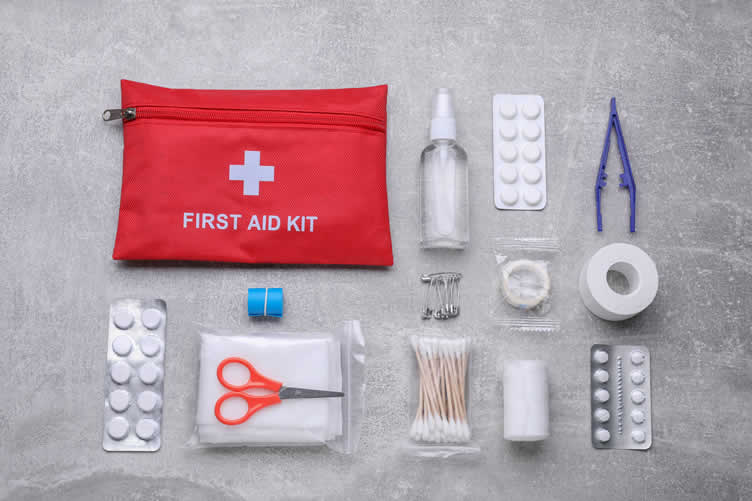
72-hour Kit Stored Outside
A 72-hour kit, also known as a "go-bag" or emergency kit, contains essential supplies to sustain you and your family for at least three days following a disaster. In the event of a house fire, having a 72-hour kit stored outside your home can be invaluable.
Consider keeping this kit in a garage, shed, or another safe location where it can be easily retrieved during an emergency. The kit should include essential items such as non-perishable food, water, medication, first aid supplies, personal hygiene items, and important documents.
By considering and preparing for these additional emergency needs, you can enhance your family’s safety and readiness in the face of a house fire. Remember to regularly review and update your emergency plans and supplies to ensure they remain effective and relevant to your family’s needs.
copyright image by 123rf.com
-
-
5th: Escaping House Fire: Prioritize Safety Over Valuables
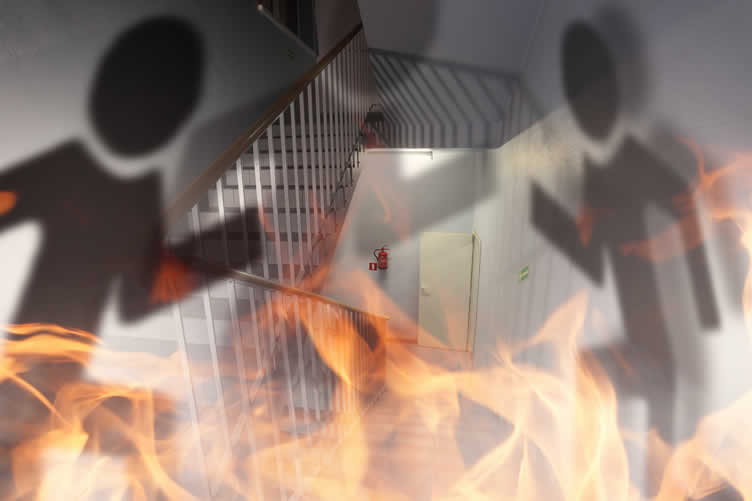
In the rare and alarming event of a house fire, our instinct is often to grab important valuables, cherished heirlooms, or personal items, thinking it will only take a moment. It’s easy to believe that we have just enough time to save these possessions that hold sentimental or monetary value.
However, in a fire, every second truly matters. Fires spread faster than most people realize, filling rooms with smoke and heat, and those few moments spent searching for belongings could make all the difference between safely escaping or putting yourself in harm’s way. Prioritizing your safety and the safety of your loved ones should always come first.
-
Leave the Valuables Behind
In the event of a house fire, it is crucial to prioritize the safety of yourself and your loved ones over retrieving valuable possessions. Material items can be replaced, but lives cannot.
Remember, your primary goal is to escape the burning building as quickly and safely as possible.
- Store Valuables Offsite:
Consider storing important documents, valuable items, and sentimental heirlooms in offsite locations such as a safe deposit box at a bank or a secure storage facility. This adds an extra layer of protection in case of a fire or other disasters at home. - Document Your Belongings:
Take inventory of your valuable possessions by creating a detailed list, including photographs or videos of each item. Store this documentation in a secure location, either physically or digitally, to facilitate insurance claims or replacement procedures in case of loss or damage.
- Store Valuables Offsite:
-
The Importance of Life
Nothing is more valuable than the lives of yourself and your family members. When faced with a house fire, focus on getting everyone out of the house immediately.
Do not delay evacuation by searching for personal belongings or valuables. Alert others in the house, help each other, and follow your emergency escape plan to reach a safe location outside.
-
The Significance of Time
During a fire, time is of the essence. Fires can spread rapidly, filling the house with smoke and dangerous heat. The longer you spend searching for valuables, the higher the risk of being overcome by smoke or trapped by flames. Every second counts when it comes to escaping a house fire safely.
copyright image by 123rf.com
-
-
-
ideas to view and compare from the information discussed above

Scroll up to directory … or scroll to next section about protecting your family from a house fire …

plan the specifications you need for making …

… key home improvement and remodeling decisions



… home remodeling – improvement – repair



Budgeting Worksheet For Costing Home Remodeling and Home Improvement Decisions
 File Type (excel)

Find Professional Services Abatement Services Junk Removal Site Preparation Recovery Services top-rated, pre-screened local contractors FREE: download contractor selection enter zip code – powered by HomeAdvisor ™
Quick Contractor Guides selecting negotiating working with inspecting

fifth and last “photo remodeling” idea

copyright image by 123rf.com
Fire Tip 5: Post-Fire Preparation: Rebuilding and Recovery
Notes:
-
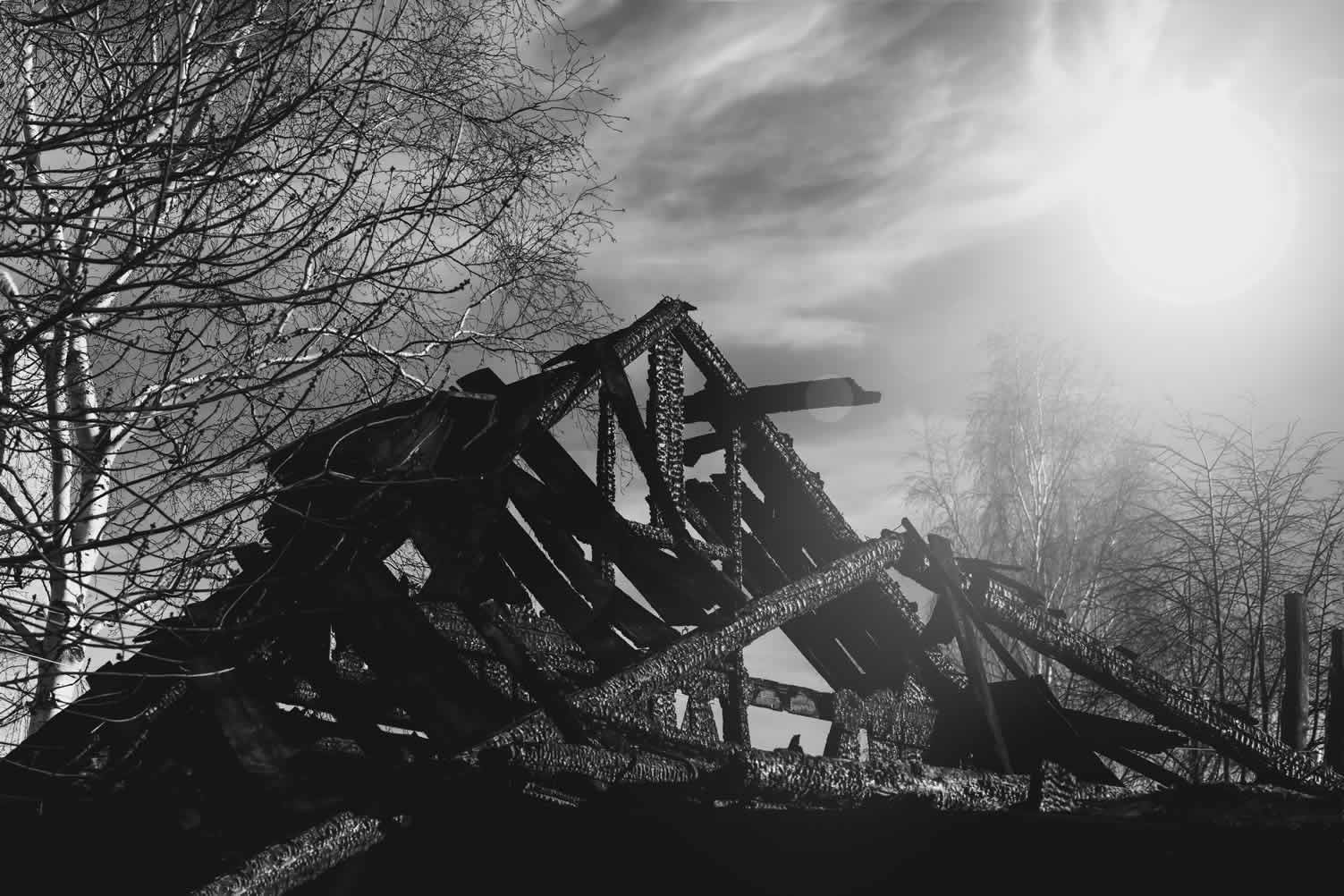
In the aftermath of a home fire, it is crucial to take immediate steps to begin the process of rebuilding and recovery. This can be an overwhelming and emotional time, but acting quickly and thoughtfully can make a significant difference.
Start by ensuring the safety of everyone involved, and do not re-enter the property until it has been cleared by authorities. Document the damage with photos and contact your insurance provider to initiate a claim.
Additionally, consider reaching out to local disaster relief organizations for support and resources. Here are some essential considerations for post-fire preparation:
-
Quirk scroll to topic "post-fire" side notes …
-
-
1st: First Steps After a Fire
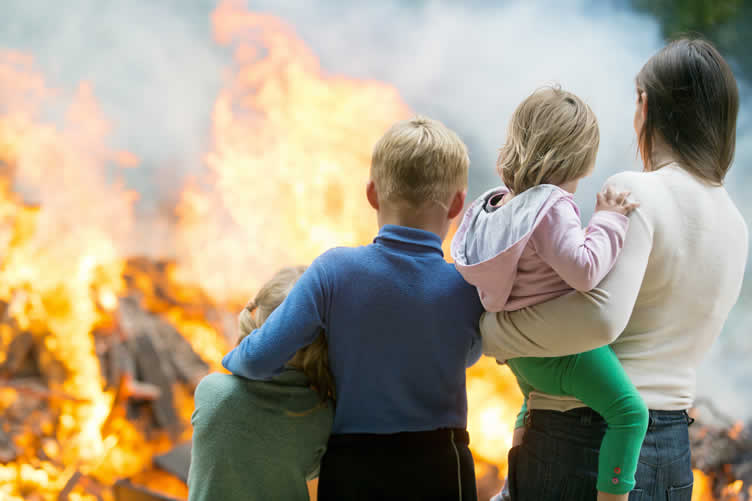
Experiencing a fire can be an overwhelming and emotional time, but knowing the initial steps to take can help you navigate the aftermath with more clarity and confidence. The immediate priority is to ensure the safety of everyone involved.
-
Make Sure Everyone is Safe
The immediate aftermath of a fire can be chaotic and distressing. The safety of everyone involved should be the top priority. Ensure that all family members, pets, and occupants of the property are accounted for and out of harm’s way. If anyone is missing or injured, notify emergency services immediately.
-
Seek Temporary Shelter
If your home has been rendered uninhabitable due to the fire, it is crucial to make arrangements for temporary shelter. Consider reaching out to family members, friends, or neighbors who may be able to provide a safe place to stay temporarily.
Alternatively, you can explore options such as staying in a hotel or renting a temporary accommodation. Your insurance provider may also offer assistance or guidance in finding suitable temporary housing.
-
Arrange for Clothing and School Support
In addition to securing temporary shelter, it is essential to arrange for clothing as quickly as possible. Reach out to family members, friends, or local support services that can provide assistance in obtaining necessary clothing items.
For families with school-going children, it is crucial to ensure they have appropriate attire to return to school. Consider contacting the school or relevant support services to explore options for obtaining school uniforms or necessary supplies.
Getting back to school and work is an important step towards regaining stability during this challenging time.
copyright image by 123rf.com
[ youtube: tips recovering from a house fire ]
[ youtube: what to do after house fire ]
-
-
2nd: Contact Your Home Insurance Provider
It is crucial to promptly contact your home insurance provider to initiate the claims process after experiencing property damage or loss. By starting the process as soon as possible, you can begin the journey towards recovering and rebuilding.
Here’s what you need to do:
-
Gather Necessary Information
Before contacting your insurance provider, gather any important documents related to your property, such as insurance policies, proof of ownership for valuable items, and personal identification documents.
This will be essential when filing your insurance claim and ensuring that you have all the necessary information readily available.
- Insurance policy details
- Contact information for all parties involved
- Date and time of the incident
- Detailed description of the damage or loss
- Supporting evidence such as photographs or videos
-
Provide a Detailed List of Damaged or Destroyed Belongings
Create a comprehensive and detailed list of all damaged or destroyed belongings to help with your claim. Be sure to include as much information as possible for each item, such as a clear description, the age of the item, the original purchase price, where and when it was purchased, and its estimated current value.
If available, include supporting documentation like receipts, photos, or warranties to strengthen your claim further. A detailed inventory will ensure a more accurate and thorough assessment, helping you receive the compensation you deserve.
- Important to Have Prior to Fire:
Create a comprehensive inventory of your valuable belongings by compiling a detailed list, complete with photos or videos of each item. Keep this record securely stored, either physically or digitally, to streamline insurance claims or replacement processes in the event of loss or damage.
- Important to Have Prior to Fire:
-
Document the Damage
Before any cleanup or restoration begins, it is crucial to thoroughly document all damage caused by the fire. Start by taking clear photos or videos of every affected area, ensuring you capture both close-up and wide-angle shots.
Include evidence of structural damage, such as burned walls, ceilings, or floors, as well as any damaged belongings like furniture, electronics, or personal items. Be methodical and organize the documentation room by room to avoid missing anything.
This visual evidence will be invaluable when working with insurance adjusters and contractors, as it helps provide a detailed record of the fire’s impact and ensures you receive proper compensation and assistance during the recovery process.
-
Contact Your Insurance Provider
Reach out to your insurance provider through their designated claims hotline or contact person. Provide them with all the necessary information and documentation you have gathered. They will guide you through the next steps of the claims process and help expedite the assessment and settlement of your claim.
Remember to keep copies of all correspondence and documents related to your claim. Open and ongoing communication with your insurance provider is essential throughout the claims process to ensure a smooth and fair resolution.

copyright image by 123rf.com
[ youtube: insurance 101: fire insurance claim process ]
[ youtube: most from personal property insurance claim ]
-
-
3rd: Seeking Support After a House Fire
Dealing with the aftermath of a house fire can be overwhelming, both emotionally and practically. It is important to remember that you don’t have to face this challenging situation alone.
Seeking support from various organizations can provide valuable assistance and resources to help you navigate through this difficult time.
-
Local Disaster Relief Organizations
Local disaster relief organizations are dedicated to providing immediate support and assistance to individuals and families affected by disasters like house fires. These organizations can offer a range of services, including:
- Emergency Housing:
They can guide you in finding temporary housing options such as emergency shelters, hotels, or rental assistance programs. - Financial Aid:
They may provide financial assistance to help cover immediate expenses like food, clothing, and other essential items. - Emotional Support:
Trained professionals and volunteers can offer emotional support, counseling services, and referrals to mental health resources. - Assistance Programs:
They can provide information on available assistance programs, such as disaster relief grants, to help with long-term recovery and rebuilding efforts.
- Emergency Housing:
-
Religious Organizations
Religious organizations often play a vital role in providing support and assistance to their communities during times of crisis. Reach out to local churches, mosques, synagogues, or temples for potential assistance. They may offer:
- Temporary Shelter:
Religious organizations may have facilities that can provide temporary shelter or help connect you with community members willing to offer temporary housing. - Material Support:
These organizations often have networks to gather donated items such as clothing, furniture, and household necessities to support fire victims. - Counseling and Spiritual Guidance:
Clergy members may offer emotional support, counseling, and spiritual guidance to help you cope with the trauma and loss.
- Temporary Shelter:
-
Insurance Company
Your insurance company is a critical resource after a house fire. Contact your insurance provider as soon as possible to initiate the claims process. They can provide guidance on the necessary steps and documentation required for filing your claim. Key support services they offer include:
- Claims Assistance:
Your insurance company will guide you through the claims process, explaining the necessary steps and documentation needed for an efficient assessment and settlement. - Financial Coverage:
Depending on your policy, your insurance may cover the cost of repairs, replacement of damaged belongings, and additional living expenses during the restoration period. - Contractor Referrals:
Insurance companies often have a network of trusted contractors and restoration professionals that they can recommend to help with the cleanup and rebuilding process.
- Claims Assistance:
copyright image by 123rf.com
[ youtube: fire insurance claim tips ]
[ youtube: public adjusters help with fire insurance claims ]
-
-
4th: Restoring Your Home
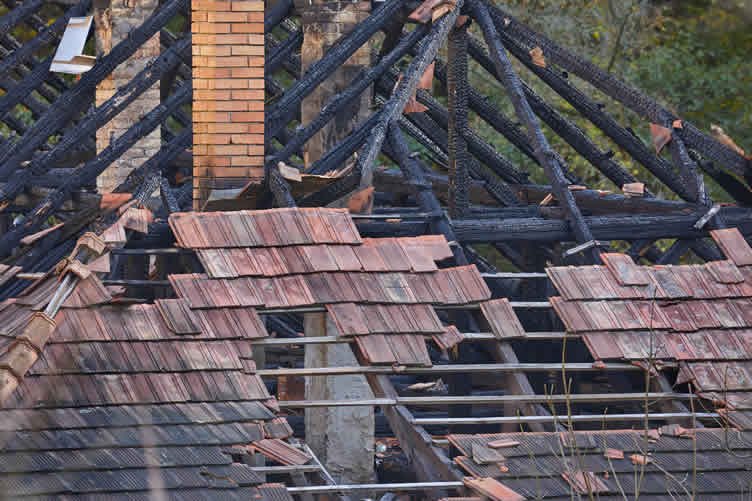
Recovering from a fire incident and restoring your home to its pre-fire condition can be a challenging process. However, with the right steps and guidance, you can navigate through the restoration journey effectively.
Here’s a detailed description of the restoration process and the key steps involved:
-
Assessment and Documentation
In the process of restoring your home after a fire, the initial step involves a thorough assessment and documentation of the damage. This crucial phase allows you to evaluate the extent of the fire’s impact and lays the foundation for the subsequent restoration efforts.
- Assessing the Damage:
Before beginning the restoration process, it’s crucial to thoroughly assess the extent of the damage caused by the fire. This involves evaluating not only the visible damage to structures, walls, and belongings but also identifying hidden issues such as smoke residue, soot buildup, and potential water damage from firefighting efforts. - Documenting the Damage:
Take detailed photographs of all the damaged areas and affected belongings, ensuring you capture different angles and close-ups for clarity. Create a comprehensive inventory, listing each item along with its condition, estimated value, and any relevant details such as purchase receipts if available.
- Assessing the Damage:
-
Working with Your Insurance Company
Working with your insurance company is a vital step in the fire damage restoration process. It is crucial to promptly contact your insurance provider and inform them about the fire incident.
- Contacting Your Insurance Provider:
Notify your insurance company about the fire incident as soon as possible to ensure a smooth claims process. Be prepared to provide them with all the necessary details, such as the date, time, and location of the incident, along with a description of the damage. - Additionally, gather any relevant documentation, including photos of the damage, a copy of the fire department’s report, and any receipts or records of the affected property. This information will help initiate the claims process and ensure your case is handled promptly.
- Reviewing Your Policy:
It’s important to thoroughly understand the coverage provided by your insurance policy, including what is included or excluded, and any limits or deductibles that may apply. Take the time to review the terms and conditions carefully to avoid surprises later. - Additionally, familiarize yourself with the process for filing a claim, including the steps you need to take, any documentation required, and specific deadlines you must meet. Being informed about these details will help ensure a smoother claims process and give you greater peace of mind in the event of an unexpected situation.
- Contacting Your Insurance Provider:
-
Seeking Restoration Experts
When it comes to fire damage restoration, seeking the expertise of professionals is crucial for a successful recovery.
Finding a reliable restoration company is the first step in the process. It’s recommended to seek recommendations from your insurance company, friends, or family, and conduct thorough research to ensure you choose a reputable and experienced restoration team.
Once you have identified potential experts, schedule consultations to assess the damage and develop a comprehensive restoration plan. These experts will guide you through the process, provide cost estimates, and ensure that the restoration process is carried out efficiently and effectively.
Their knowledge and experience will greatly contribute to the smooth and successful restoration of your property.
-
Restoration Process
The restoration process is a crucial step in recovering from fire damage and restoring your property to its pre-loss condition. It involves a series of comprehensive actions aimed at addressing various aspects of the damage.
From securing your property to remedying water and smoke damage, as well as undertaking necessary structural repairs and reconstruction, each step plays a vital role in the restoration journey.
By following a systematic approach and seeking guidance from experienced restoration professionals, you can ensure a thorough and efficient restoration process that brings your property back to life.
- Securing Your Property:
Ensure the safety of your property by boarding up windows, reinforcing doors, and addressing any structural concerns. - Water and Smoke Damage Remediation:
Address water damage caused by firefighting efforts and eliminate smoke odor and residue through thorough cleaning and deodorization. - Structural Repairs and Reconstruction:
Repair or replace damaged structures, including walls, ceilings, and flooring. This may involve working with contractors, carpenters, and other skilled professionals. - Content Cleaning and Restoration:
Salvage and restore as many of your belongings as possible through specialized cleaning techniques, such as dry cleaning, ozone treatment, or ultrasonic cleaning. - Final Inspections and Safety Checks:
Conduct thorough inspections to ensure all repairs and restoration work meet safety and building code requirements. - Returning to Your Home:
Once the restoration is complete, you can move back into your home and begin the process of rebuilding and moving forward.
Restoring your home after a fire is a complex and multi-faceted process that requires careful planning, expertise, and collaboration with professionals.
By working closely with your insurance company and restoration experts, you can navigate the restoration journey with confidence and bring your home back to its pre-fire condition.
- Securing Your Property:
LetsRenovate has partnered with HomeAdvisor™, a renowned provider of highly-rated, carefully-vetted recovery services. Start your search here by entering your zip code to find local professionals.
copyright image by 123rf.com
[ youtube: start to finish: house fire restoration ]
[ youtube: restoration process: preventing future issues ]
But Wait!
Before starting your search and evaluation of fire recovering services, it is highly recommended to download and use this evaluation worksheet.
This resource will help you objectively rank and assess potential restoration contractors, considering essential factors such as pricing, licensing, and referral information.

Evaluation Sheet
File Type: -
-
-
FINAL REMARKS
Protecting your family from the devastating effects of a home fire starts with awareness. By understanding fire dangers, taking preventive measures, and equipping your home with the right safety tools, you can greatly reduce the risk of harm.
And when you pair this with a solid fire emergency plan, you’re empowering your family to act quickly and confidently in an emergency.
Don’t wait for a disaster to strike—take action today. Review your home’s safety measures, practice your emergency plan, and invest in the protective equipment that can save lives.
Home fire safety isn’t optional. It’s an essential responsibility for every homeowner.
-
ideas to view and compare from the information discussed above
book: building codes illustratedbook: home restoration planner book
- What comments can you share about
protecting your family from a house fire?
Scroll up to directory … or scroll to more home utility management topics …
view illustration “becoming a bank”



Calendar For:
Home Maintenance
File Type:


get the size dimensions for any home remodeling project …
… for functionality, aesthetics, and adhering to building codes


… view our sharing links below for a quick "share the knowledge"
Cover image credit: protecting your family from a house fire by 123rf.com
end of post … please share it!
 |
did you find how simple renovations can protecting your family from a house fire analysis helpful? If so, please share the article with your friends and family! |
Nice pic idea? Leave us a quick comment below.
And please share this pic idea within your social networks.