Summary Outline –
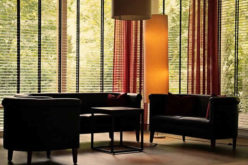
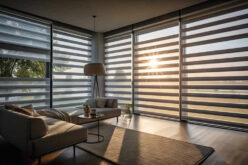
Window treatments are not just functional elements in our homes; they are design features that can transform the ambiance of a room. Whether you’re aiming for a cozy, intimate space, a bold and colorful artsy room, or a bright and airy atmosphere, selecting the right window treatments is crucial.
From controlling light to adding a touch of elegance, the options are endless. This guide will take you through the many factors to consider when choosing window treatments to ensure they enhance both the aesthetics and functionality of your space.
The type of window treatments include:
- Curtains:
Typically made of lightweight to medium-weight fabrics and are versatile in style and function. - Drapes:
Heavier than curtains and often lined, they are ideal for darkening a room. - Blinds:
Available in various materials like wood, faux wood, or metal, they offer adjustable light control. - Shades:
Come in many styles, including roller, Roman, and cellular, providing a range of light filtering options. - Sheers:
Made from lightweight fabric to softly filter sunlight while offering some privacy. - Valances:
Used as top treatments to conceal hardware and add a finishing touch to window decor. - Shutters:
Wooden or faux wood panels that can add a traditional or country feel to your windows.
In this comprehensive guide, our discussion will be centered entirely on the various types, styles, and functionalities of window curtains and the impact they have on interior design and ambiance.
- post content about curtains … w/ side notes
- 1st: Definition and Purpose of Curtains
- 2nd: Understanding Your Needs
- 3rd: Choosing The Right Type of Curtain
- 4th: Light Filtering Level
- 5th: Colors and Textures
- 6th: Size of Panels
- 7th: Curtain Hardware and Accessories
- 8th: Tips for Different Room Types
- 9th: DIY Window Curtain Installation
- 10th: When to Get Professional Help
- 11th: Don’t Forget To Automate
- shop ideas
- next topic

-
- —— begin first topic ——
-
1st: Definition and Purpose of Curtains
Curtains are a type of window treatment that serve both functional and decorative purposes in a space. They are panels of fabric that hang on either side of a window, and can be drawn together to cover the window completely or parted to let in light and showcase the outside view.
Curtains are crafted from a variety of materials, ranging from sheer lace to heavy velvet, and can vary in style from plain, unadorned designs to elaborate patterns with trims and embellishments.
While the primary function of curtains is to provide privacy and control the amount of natural light entering a room, they also play a significant role in the aesthetics of interior design.
They add texture, color, and a sense of softness to a space. In addition, curtains can enhance or alter the perceived dimensions of a room—long drapes can make a ceiling seem higher, while wider curtains can make a window appear more expansive.

copyright image by 123rf.com
[ view images: history of window curtains ]
[ wikipedia: about window curtains ]

-
2nd: Understanding Your Needs
Picture this: you’re in a department store, and you come across a beautiful set of curtains that would look perfect in your home, only to realize when you hang them up, they’re too long, too dark, and too ornate for your minimalist tastes.
Before you even set foot in a store or shop online, take the time to understand your specific goals for your window accents. Ask yourself:
-
Light Control and Privacy
Do you live in a bustling city where privacy is a top concern, or is your home nestled in a quiet suburb where bringing in maximum light is a priority? Curtains have a spectrum of opacities from sheer to blackout, each serving a different purpose.
Consider a layered approach with sheers and heavier curtains for daytime privacy that still allow light to filter through, or opt for room-darkening options to help keep out the morning sun.
-
Style Preferences
Your personal style should be the main influence on your curtain choices. Do you prefer a modern aesthetic, or do you lean toward more traditional designs?
Perhaps you’re a fan of earthy materials like linen, or the luxury of silk. Let your curtains be an expression of your personal taste and the architectural style of your home.
-
Functionality
It’s important to consider the functionality of your curtains. Do you want them solely for decorative purposes, or do you need them to serve multiple functions like insulation and noise reduction?
Curtains can also be used to frame a beautiful view or add a pop of color to an otherwise neutral room. Think about how you want your curtains to enhance the overall function and ambiance of your space.
-
Maintenance
Some curtains require special care, so it’s important to think about how much time and effort you are willing to invest in maintaining them. If you have young children or pets, consider choosing durable and easy-to-clean materials that can withstand daily wear and tear.
-
Budget
Last but not least, set a budget for your curtain purchase and stick to it. While high-end curtains may be tempting, don’t overlook more affordable options that can still achieve the same look and functionality.
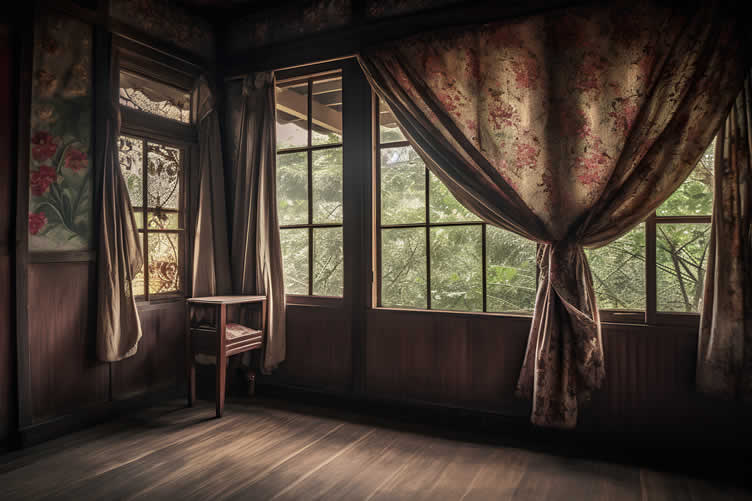
Take your time to research and compare prices before making a decision. Remember, curtains are an investment in both style and function for your home. Ultimately, the perfect set of curtains will not only add beauty but also enhance the overall atmosphere of your living space.
copyright image by 123rf.com
-
-
3rd: Choosing the Right Type of Curtain
When selecting the perfect curtain for your room, it’s essential to consider various attributes such as fabric, color, style, and length to ensure that your choice complements the interior design and meets your practical needs. The type of curtain you choose can drastically alter the appearance of a room.
-
Fabric Variety
The fabric of your curtains plays a crucial role in their overall look and function. Heavier materials like velvet or brocade provide a luxurious feel and excellent insulation, while lighter fabrics such as linen or cotton offer a casual and airy ambiance, promoting better airflow.
It’s also important to think about sunlight exposure; some fabrics are more prone to fading, so for sunlit rooms, choose a fabric that can hold its color well.
Cotton is versatile and easy to care for, making it great for family rooms and kids’ spaces. Linen offers a relaxed, casual vibe and is perfect for achieving that ‘beachy’ feel. Velvet and silks are luxurious and heavy, ideal for creating a sense of opulence in the dining room. Polyester blends often offer the ease of maintenance and come in array of patterns.
-
The Color
Color can make a bold statement or blend harmoniously with your existing décor. Select colors that either coordinate with your current color scheme or act as an accent piece within the space.
If you’re going for a more dramatic effect, consider vibrant shades that stand out, or for a tranquil setting, opt for muted tones that bring a sense of calm and serenity to the environment.
Color plays a vital role in the psychology of a space. Cool colors like blues and greens can promote a sense of calm and tranquility, while warm hues such as reds and oranges can create an energetic environment. Neutrals provide a timeless backdrop and can be complemented with pops of color through curtains.
Remember, consider not just the color, but the pattern of your chosen drapes. A busy pattern might fight for attention with other key design elements in the room, while solids can provide an elegant, understated backdrop.
-
Knowing Style
The style of curtain you choose should reflect the personality of the room. Elegant drapes with fine stitching and intricate patterns add a touch of sophistication, perfect for formal settings. Meanwhile, tab top or grommet curtains bring a modern and functional look that suits contemporary spaces.
The curtain’s design can also influence how much light is filtered into the room, so select a style that aligns with your desired level of privacy and illumination.
Drape, Sheer, or Valance?
Drapes, with their pleated tops and flowing fabric, are typically chosen for more formal spaces like the living or dining room. Sheers are a delicate way to filter light and add a soft touch to any room.Valances or swags, often used in combination with blinds or shutters, are a great way to add a decorative touch without fully obscuring the window.
-
Getting the Length Right
Curtain length is key to achieving your desired aesthetic and functionality. For a traditional look, opt for floor-length curtains that slightly puddle on the ground. To create the illusion of height, hang curtains closer to the ceiling and ensure they reach the floor, which makes the walls appear taller.
Conversely, if practicality is a concern, especially in kitchens or bathrooms, consider shorter curtains that hang just below the window sill to prevent obstruction and facilitate easier handling.
Curtains that kiss the floor offer an elegant finish to most rooms. Make sure you measure from the top of the window to where you want the curtain to end, whether that’s right above the floor or an inch or so longer for a puddled look.
Hanging curtains higher than the top of the window (almost to the ceiling) can create a grander statement and give the illusion of taller ceilings, expanding the visual space in the room.

copyright image by 123rf.com
[ view diagram: types of window curtains ]
[ youtube: different types of curtain styles ]
-
-
4th: Light Filtering Level
One of the primary functions of window treatments is controlling the amount of light entering a room. Consider the level of privacy and light control you desire when selecting your treatments.
-
Sheer Fabrics:
Sheer curtains are ideal for spaces where you want to maintain natural light while adding a soft, ethereal touch. They filter light gently, creating a luminous ambiance. Perfect for living rooms and dining areas, sheer curtains allow for privacy while still offering a view outside.[ view samples: sheer fabric curtain ]
-
Darkening Curtains:
If you’re seeking a balance between privacy and light control, opt for curtains made from thicker fabrics like cotton or polyester. These fabrics offer moderate light filtering, making them suitable for bedrooms and home offices where you may want to reduce glare without completely blocking out sunlight.[ view samples: darkening curtain ]
-
Blackout Shades:
For ultimate light control and privacy, blackout shades are the go-to option. Often constructed from dense materials such as foam or vinyl, blackout shades effectively block out sunlight, making them ideal for bedrooms, nurseries, or media rooms where complete darkness is desired.[ view samples: blackout shades ]

copyright image by 123rf.com
[ view images: understanding filtering curtains ]
[ youtube: light filtering vs room darkening ]
-
-
5th: Colors and Textures
Window treatments serve as a canvas to express your personal style and complement your existing décor. Consider the color scheme and texture of your curtains or blinds to create a cohesive look.
-
Neutral Tones:
Neutral colors such as white, beige, or gray are timeless choices that blend seamlessly with any interior style. They create a clean, sophisticated look and can make small rooms appear larger and more airy.[ view samples: neutral tone curtains ]
-
Bold Statements:
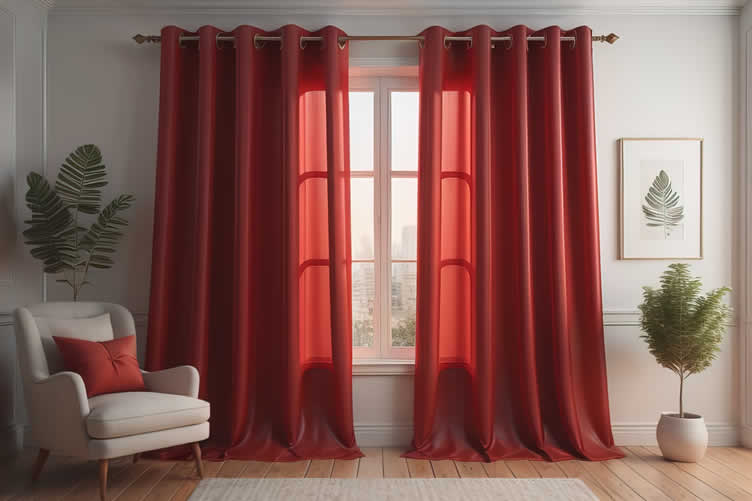
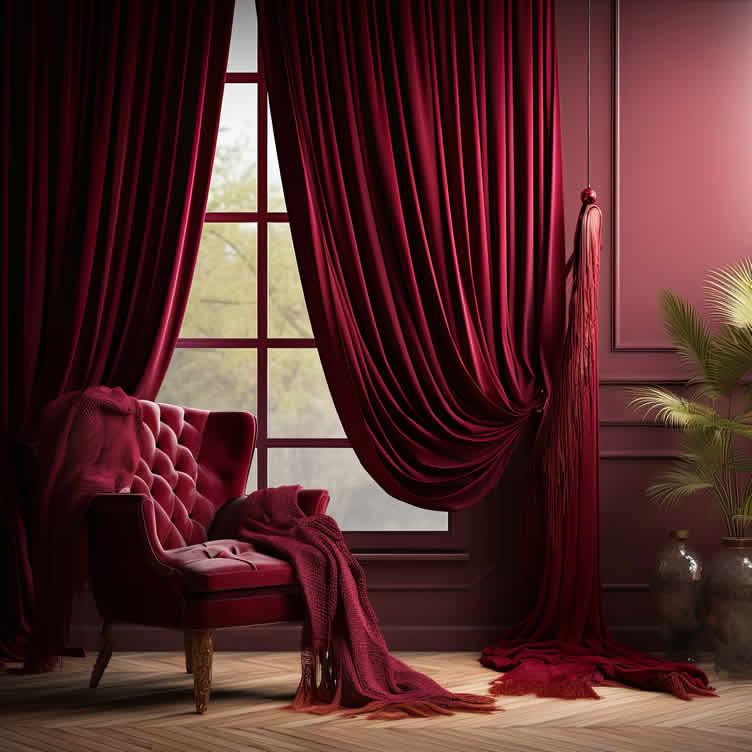
Inject personality into your space by opting for window treatments in bold colors or patterns. Vibrant hues like deep blues, emerald greens, or rich burgundies add drama and visual interest to a room. Additionally, patterns such as stripes, florals, or geometric designs can infuse energy and character into your décor.[ view samples: bold color curtains ]
-
Texture Play:
Incorporating different textures adds depth and dimension to your windows. Consider fabrics like velvet, silk, or linen for a luxurious touch, or opt for woven blinds or bamboo shades to introduce natural elements into your space. Mixing textures creates visual intrigue and makes your windows a focal point of the room.[ view samples: textured curtains ]
copyright image by 123rf.com
[ view diagram: types of textured curtains ]
[ youtube: which color is best for curtains? ]
-
-
6th: Size of Panels
The size and length of your window treatments can significantly impact the overall look and feel of a room. Follow these guidelines to ensure the perfect fit:
-
Floor-Length Curtains:
To create a sense of height and grandeur, opt for curtains that extend from the curtain rod (preferably placed close to the ceiling) all the way to the floor. This elongates the appearance of the windows and adds a touch of elegance to your space. Ensure that the curtains hover slightly above the floor to prevent dust accumulation and allow for easy cleaning.[ view samples: floor length curtains ]
-
Café Curtains:
For a charming, casual look, consider café curtains that cover only the lower half of the window. These are perfect for kitchens or bathrooms where privacy is needed without sacrificing natural light.[ view samples: cafe curtains ]
-
Layering:
Experiment with layering different types of window treatments for a dynamic and versatile look. Pair sheer curtains with blackout shades for maximum light control, or combine blinds with decorative curtains for added texture and style.[ view samples: layered curtains ]
-
Width of Panels:
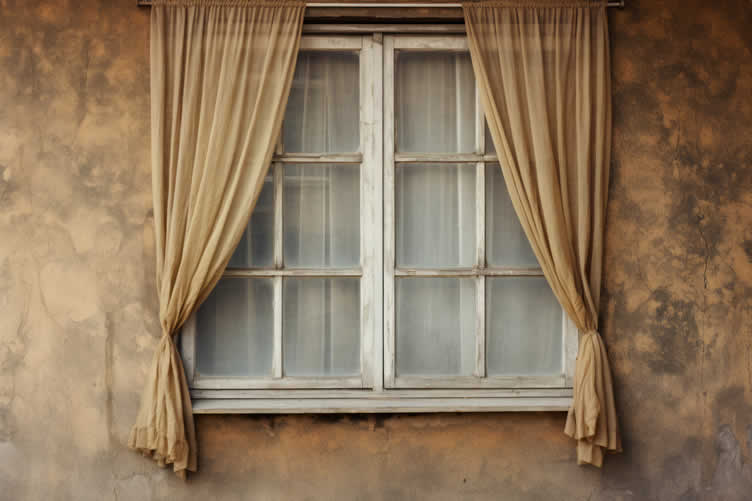
The length isn’t the only important measurement. Getting the correct width is just as important. Measure your window from left to right and be sure to add about 25% to get the total width you’ll need to cover your windows and have a fuller look when the panels are open.[ view diagram: measuring for curtains ]
copyright image by 123rf.com
[ view diagram: length of curtains chart ]
[ youtube: how choose curtain length ]
-
-
7th: Curtain Hardware and Accessories
When selecting window treatments, the importance of curtain hardware and accessories cannot be overstated as they not only serve a functional purpose but also contribute to the overall aesthetic. Choosing the right pieces will ensure that your curtains hang beautifully and complement your decor.
-
Curtain Rods and Finials
Curtain rods are the backbone of your drapery stand, providing structure and support. Available in a variety of materials and finishes, they can complement any decor style from sleek and modern to ornately traditional. The end caps or finials add a decorative flair to the rods; select ones that reflect the design scheme of your room for a cohesive look.
Matching your curtain rod to the style of your curtains and the rest of the hardware in the room can unify the design. Simple rods work well with basic tab-top and grommet-style curtains, while more ornate rods with finials can add a touch of elegance to pleated or ruffled drapes.
Curtain rods and tracks come in various materials like wood, metal, and plastic, offering different textures and finishes to suit any style.
[ view images: rods and finials ]
[ amazon: shop rods and finials ]
-
Brackets and Supports
Brackets hold the rod in place and come in various design and strength options to support different curtain weights. They also play a role in determining how far your curtains will hang from the wall. Providing adequate support, especially for wider windows, can include using additional center supports to prevent sagging.
Adjustable brackets offer a versatile solution for enhancing the flexibility of your curtain placement. Seek out decorative brackets that complement the aesthetic of the curtain structure.
[ view images: curtain brackets ]
[ amazon: shop curtain brackets ]
-
Curtain Rings and Hooks
Curtain rings and hooks are not only functional, allowing for the smooth opening and closing of your drapes, but also an opportunity to add a subtle design element. Rings come in numerous finishes and materials and may feature clips or loops to attach to drapery. Hooks can hold your pleated drapery in place and slide along the rod or fit into a track for smooth operation.
Decorating with curtain rings and hooks is an excellent way to add a touch of style while maintaining functionality. Choose rings that match or complement your curtain rod’s finish and material to create a unified look.
Opt for rings with clips if you wish for easy installation and versatility, or go for loops if you prefer a more secure attachment. Hooks can be particularly useful for pleated drapes, ensuring a clean, tailored appearance.
When selecting these accessories, consider their practicality as well as how they contribute to the overall aesthetic of the room.
[ view images: rings and hooks ]
[ amazon: shop rings and hooks ]
-
Tiebacks and Holdbacks
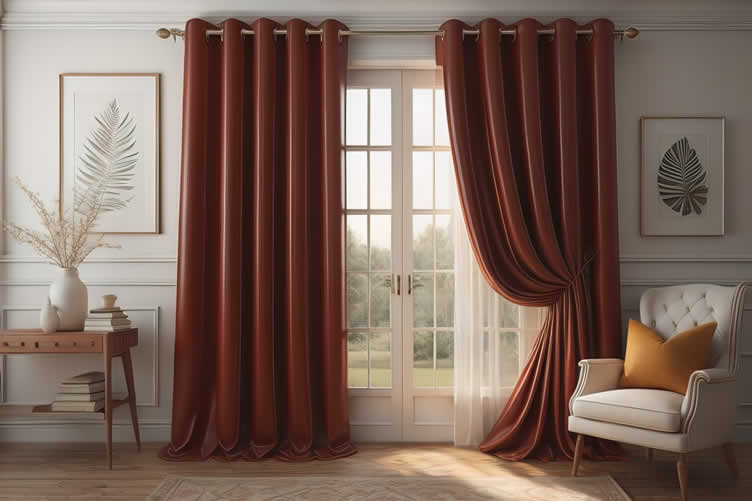
Tiebacks and holdbacks are accessories used to pull curtains away from the window, shaping the fabric elegantly while letting light enter the room. They come in various styles from fabric tiebacks that match your drapery to metal or wooden holdbacks that affix to the wall, adding both functionality and an ornamental touch.
Decorating with tiebacks and holdbacks presents a dual opportunity to enhance the functionality and aesthetic appeal of window treatments. These accessories enable the manipulation of curtains to allow natural light, while also contributing to the decor by adding a structured elegance to the drapery.
Whether choosing fabric tiebacks for a harmonious look or opting for the contrasting allure of metal or wooden holdbacks, selecting the right style can define the room’s character and infuse a touch of personality into the space.
Holdbacks fixed elegantly to the wall serve as both practical tools and decorative pieces, underlining the importance of detail in interior design.
[ view images: curtain tiebacks ]
[amazon: tiebacks-holdbacks ]
-
Pulls and Wands
For those who prefer not to touch their curtains often or have hard-to-reach windows, pulls and wands provide a practical solution. They allow for easy manipulation of the curtains and can protect delicate fabrics from oils and dirt on hands, thus extending the life of your window treatments.
Decorating with pulls and wands not only adds a practical element to managing window treatments, but it also brings a certain polished finesse to the overall appearance. By offering an effortless means to adjust drapes, pulls and wands keep the fabrics pristine, free from the wear and tear of frequent handling.
This seemingly small addition can make a significant difference, especially for windows that are tall or otherwise difficult to reach, ensuring that both functionality and the aesthetic integrity of the curtains are maintained.
[ view images: pulls and wands ]
[ amazon: shop pulls and wands ]
copyright image by 123rf.com
[ view diagram: types of curtain hardware ]
[ youtube: types of curtain rods ]
-
-
8th: Tips for Different Room Types
Each room in your home has its own unique needs when it comes to curtains. Curtains not only serve a functional purpose but also contribute to the aesthetics of your space.
-
Living Room: The Welcoming Heart
Living room curtains often serve as a focal point since they’re typically the largest in the house. They should reflect the warmth and hospitality of the space. Pleated drapes in a medium-weight fabric can add a touch of formality and texture. Layering with sheers or blinds can give you the flexibility between privacy and light control.
[ view samples: living room curtains ]
-
Bedroom: The Personal Sanctuary
Here, the main priority is often privacy and light control. Blackout curtains can help you create a cozy environment that promotes restful sleep. Bolder colors and heavier fabrics can also work well in a bedroom, adding a snug, comforting aesthetic.
[ view samples: bedroom curtains ]
-
Kitchen: The Heart of the Home
Kitchens often benefit from lighter fabrics that are easier to maintain. They also may require more frequent washing due to cooking odors and potential spatters. Shorter lengths can prevent your curtains from becoming a kitchen hazard; consider tiers or café curtains to maintain a cozy look while ensuring safety and functionality.
[ view samples: kitchen curtains ]
-
Bathroom: The Little Oasis
The bathroom calls for moisture-resistant materials that are also easy to clean. You can go bold with bright colors or cheerful patterns to liven up the space. Consider a combination of shades and curtains for more flexibility in controlling natural light and maintaining privacy.
[ view samples: bathroom curtains ]
-
Home Theater: The Entertainment Hub
In a home theater, controlling light is crucial to enhance the viewing experience. Opt for blackout curtains that can completely darken the room for the perfect cinema atmosphere.
Choose thick, heavy fabrics to also aid in sound insulation, complementing your surround sound system. Deep, rich colors can bring a sense of luxury and theater-like quality to your space, making your home theater the ultimate retreat for film enthusiasts.
[ view samples: home theater curtains ]
-
Home Office: The Professional Corner
For those who work from home, the home office should be a blend of functionality and comfort, promoting productivity while also minimizing outside distractions. Curtains with light-filtering capabilities can reduce glare on computer screens while still allowing natural light to encourage a focused work environment.
Earth tones or pastel colors can induce a sense of calm and orderliness. Additionally, noise-reducing curtains can be beneficial for maintaining a quiet zone, essential for conference calls and deep concentration tasks.
[ view samples: home office curtains ]
-
The Importance of Natural Light
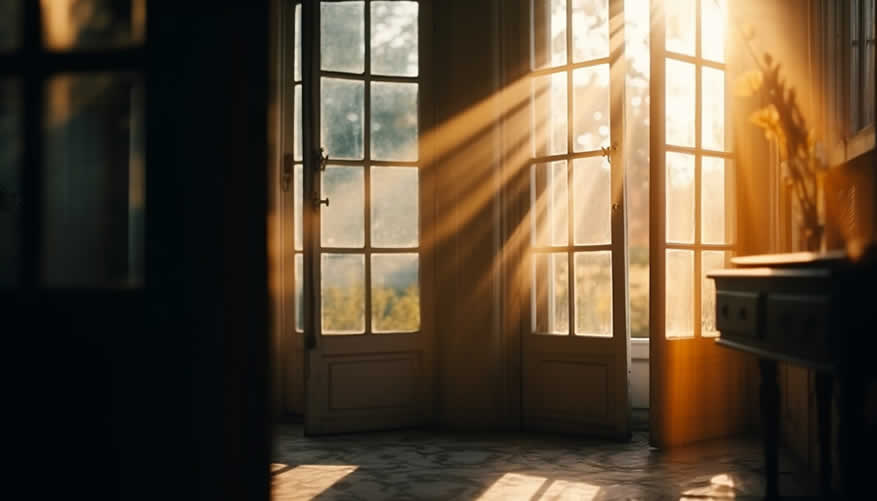
Natural light is a vital element in home design, as it can influence both the aesthetics of a space and the wellbeing of its inhabitants. It has the power to make rooms feel more spacious and invigorating, promoting a positive mood and boosting energy levels.
In crafting your home décor, balancing light control with the benefits of natural light should be considered. Curtains that allow soft light diffusion contribute to a warm and welcoming ambiance while still protecting your privacy.
Moreover, studies have shown that exposure to natural light can enhance concentration and improve sleep patterns, making it a crucial feature to incorporate in every room.
[ view samples: natural light curtains ]
copyright image by 123rf.com
[ view diagram: types of curtains by room ]
[ youtube: best window coverings for every room ]
-
-
9th: DIY Window Curtain Installation
Installing your own window curtains can be a rewarding DIY project that adds both beauty and functionality to your space. It’s a task that requires precision and attention to detail but can be accomplished with some basic tools and a bit of patience. Below is a simplified step-by-step guide to help you through the process.
-
Step 1: Selecting Your Curtains and Hardware
First, choose curtains that fit your desired aesthetic and functional needs. Alongside, purchase a suitable curtain rod, brackets, screws, and, if needed, wall anchors. Ensure that the rod is capable of supporting the weight of the curtains you have chosen.
Tool Required:
- Measuring tape
- Level
- Pencil
- Drill
-
Step 2: Measuring for Placement
Use a measuring tape to determine the height at which you’ll hang the rod—it’s typically placed about 4 to 6 inches above the window frame. Mark this with a pencil. Then, measure the width of the window to decide on the rod’s width, allowing for 3 to 6 inches on either side of the frame for proper coverage.
Tool Required:
- Measuring tape
- Pencil
-
Step 3: Installing the Brackets
Once you have marked where your brackets will go, use a level to ensure the alignment is straight. Then drill holes for the screws or wall anchors. Secure the brackets with the screws tightly, so the curtain rod will hold up properly.
Tool Required:
- Drill
- Level
- Screws/wall anchors
- Screwdriver or drill bit
-
Step 4: Placing the Curtain Rod and Curtains
Slide your curtains onto the rod, making sure they are arranged as you prefer—remember to consider whether you want them gathered or evenly spread out. Place the rod onto the brackets. If your rod comes in two pieces, extend it to your desired length before securing it onto the brackets.
Tool Required:
- None; just your hands
-
Step 5: Ensuring Functionality
Before you call it done, make sure to open and close the curtains fully. Adjust the brackets as necessary if you notice any sticking or unevenness in the way the curtains hang.
Tool Required:
- Level
- Pencil (for any additional adjustments)
Each step of this project is crucial in ensuring the final look is polished and professional. With the right tools and techniques, you can create window treatments that elevate the style and comfort of your home.

AI generated image by 123rf.com
[ youtube: how to hang curtains (7 steps) ]
[ youtube: how to measure for curtains ]
-
-
10th: When to Get Professional Help
While DIY curtain installations can be a rewarding challenge, there are times when professional help is the ideal route. If you’re working with high ceilings, oversized windows, or require electrical installations for motorized curtains, hiring a professional can ensure safety and precision.
Look for local contractors who specialize in window treatments, or visit your favorite home décor store; many offer installation services. Seeking assistance from a professional ensures that your curtains are not only aesthetically pleasing but also securely and safely mounted.
In addition, larger projects may require specific tools and equipment that you may not have on hand. Consulting with a professional can help determine the best approach for your unique window situation.
But don’t let this deter you from getting creative and trying out some DIY techniques for smaller windows or simpler curtain designs. With the right materials, tools, and guidance, you can create beautiful and functional curtains for your home without breaking the bank.
copyright image by 123rf.com
[ view diagram: 5 rules for hanging curtains ]
[ youtube: curtain mistakes to avoid ]
-
11th: Don’t Forget To Automate
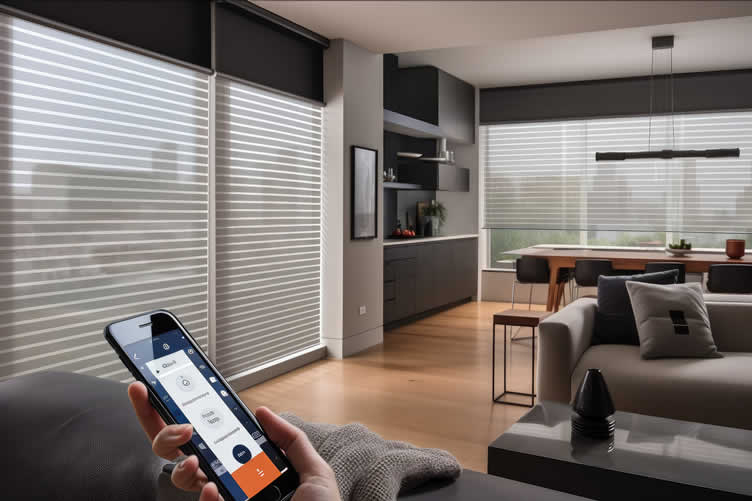
Automated window treatments are revolutionizing the way we interact with our living spaces. With the push of a button or a voice command, you can adjust your curtains or blinds to the perfect position, optimizing natural light and temperature control.
Automation brings a new level of convenience and efficiency, allowing for pre-set schedules that open and close treatments at sunrise or sunset, or when you are away from home, enhancing both security and energy efficiency.
-
Types of Automated Window Treatments
-
Motorized Curtains and Blinds
Motorized curtains and blinds can be integrated into smart home systems for seamless operation. These are available in various styles to suit different room aesthetics and functionalities. -
Solar-Powered Shades
Utilizing solar power, these shades adjust automatically in response to sunlight intensity, which is perfect for maintaining consistent indoor temperatures and reducing energy usage.
-
-
Setting Up Automated Window Treatments
-
Choose Your Control Method
Decide whether you prefer a wall-mounted control, remote control, or a smart device application. For full integration, select treatments compatible with your existing smart home ecosystem. -
Installation Process
Following manufacturer instructions, mount the automated system carefully, ensuring all components are aligned and securely attached. Professional installation might be recommended for complex systems or higher windows. -
Programming Your Preferences
Set your preferences using the chosen control method. Program daily schedules, create scenarios for different conditions like movie nights, and enjoy personalized automation that caters to your lifestyle.
Using automated window treatments is a step forward in home automation, providing comfort, convenience, and a touch of luxury to any living space. Remember to consider the compatibility of devices and ease of use when selecting the perfect automated solution for your home.
-
copyright image by 123rf.com
[ view youtube: what to know before you buy ]
[amazon: motorized window treatments ]
-
-
Conclusion
Choosing the right window treatments involves considering factors such as light filtering, colors, textures, and panel size. By carefully selecting treatments that align with your aesthetic preferences and functional needs, you can enhance the beauty and comfort of your home.
Whether you opt for sheer curtains to create a soft, luminous ambiance or blackout shades for ultimate privacy and light control, let your window treatments elevate your space to new heights of style and sophistication.
-
Quirk scroll to more home decor ideas …

-
ideas to view and compare from the photo above
- What comments can you share about
choosing the right window treatments?


 … grab this directory of ideas
making home improvement decisions



making your curtain smart and automatic

SHARE IT ..! You might have someone in your social network who could find this informative post about choosing the right window treatments valuable. Feel free to share it on Facebook, Twitter, LinkedIn, or Pinterest!


view illustration “becoming a bank”
below for …
curtain installation
Find Home Window Services Windows – Install Window Tinting Windows – Cleaning Window Treatments top-rated, pre-screened local contractors FREE: download contractor selection enter zip code – powered by HomeAdvisor ™
Quick Contractor Guides selecting negotiating working with inspecting

Cover image credit: choosing the right window treatments by 123rf.com
end of post … please share it!
 |
did you find this choosing the right window treatments analysis helpful? If so, please share the article with your friends and family! |
Nice pic idea? Leave us a quick comment below.
And please share this pic idea within your social networks.