This guide will provide you with essential tips to navigate the recovery process efficiently. Additionally, we’ll cover preventative measures to guard your home against potential fire hazards.
By following these clear, actionable steps, you can protect your home and loved ones, regaining a sense of normalcy and security amidst the chaos.
Assessing Structural Damage
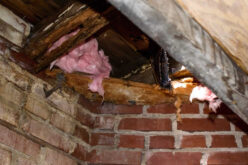
Fires can wreak havoc on a home’s structural integrity, posing risks that extend beyond immediate visual damage. You may struggle to spot compromised load-bearing walls or weakened beams, making it imperative to seek a professional inspection for these critical elements.
Such experts have the tools and knowledge to uncover hidden structural issues that might not be visible to the untrained eye, ensuring that you address the core problems that could lead to future hazards.
Prompt action is required to secure the safety of your home for you and your loved ones. Prioritize repairs to any structural components identified as weak or damaged.
Delaying necessary repairs can lead to further deterioration, escalating repair costs, and putting you at risk of injury from unseen structural failures. Employing experienced inspectors and contractors who understand the specifics of post-fire restoration will restore your home’s safety and provide peace of mind as you rebuild.

Smoke Remediation Services
Persistent smoke odor can significantly impact indoor air quality and your family’s comfort, necessitating immediate attention after a fire. As a homeowner, addressing this issue promptly is important because the microscopic particles that cause these odors can pose health risks and exacerbate respiratory conditions.
You are faced with the challenge of ensuring that the very spaces where you live and breathe are free from these potentially harmful remnants of the fire.

To effectively tackle this, you should consider engaging professional smoke remediation service providers like All Dry Services of Ocala & The Villages, as they have the expertise and equipment necessary to thoroughly cleanse your home of any lingering pollutants.
Smoke remediation specialists employ advanced techniques like thermal fogging and ozone treatments to target and neutralize smoke particles deeply embedded in your walls, carpets, and furniture.
This not only eliminates unpleasant odors but also mitigates potential health hazards, contributing to a healthier living environment for you and your loved ones.
By addressing smoke damage as part of your comprehensive fire recovery plan, you are taking a proactive step toward restoring a safe, comfortable home environment.
Remember, your health and peace of mind are worth the investment in professional services that promise to bring your home back to its pre-loss condition.
Replacing Damaged Roofing
Fire-resistant roofing can be the decisive factor in safeguarding your home from future fires. If you experienced roof damage as a result of a fire, consider replacing it with materials specifically designed to resist fire, such as clay tiles or metal roofing.
Clay tiles serve as an effective choice; their non-combustible nature limits fire spread while also providing aesthetic appeal. Metal roofing, on the other hand, offers durability and a lightweight profile that stands up well under various weather conditions, all while providing robust fire protection.
By investing in these materials, you’re not only reinforcing your home’s safety but also potentially increasing its market value.
When selecting fire-resistant roofing materials, ensure they meet safety ratings and local building codes designed for fire-prone areas.
Consult with professionals such as the team at Mighty Dog Roofing of Colorado Springs to evaluate which materials best match your home’s architectural design and your budget constraints. Consider the long-term benefits of these upgrades, as they significantly reduce risks and offer peace of mind.
By choosing to reroof with these specialized materials, you’re taking a proactive step to defend your home from future fires, making it more resilient and secure. Prioritizing fire-resistant roofing solutions is an investment in both safety and property longevity.
Fire-Resistant Home Siding
The right choice of home siding can significantly alter how your house withstands fire exposure, especially in regions prone to wildfires. You need to consider materials that offer a unique blend of resistance, durability, and aesthetic appeal.
Fiber-cement siding, for instance, is an exceptional choice due to its robust composition of cement and cellulose fibers, which allows it to withstand extreme heat and flames without losing its structural integrity. It also offers a wide variety of textures and colors, enabling you to maintain your home’s visual appeal without compromising on safety.
Stucco is another viable option, made from sand, cement, and water, which provides a seamless finish with high fire resistance, making it an effective barrier against fire damage.
As you evaluate siding options, prioritize materials that not only meet fire safety standards but also align with local building codes specific to fire-prone areas. Consult with professionals to ensure your choice fits your home’s design and your budgetary needs.
Remember, investing in fire-resistant siding goes beyond protection—it’s a step toward enhancing your property’s long-term value and security. By selecting materials known for their fire retardant properties, you can shield your home from potential fire hazards while retaining an aesthetically pleasing exterior.
This proactive approach gives you peace of mind, knowing you’ve strengthened your first line of defense against the threat of fire damage.
Upgrading Home Fire Alarms
A quick and decisive response during a fire can mean the difference between minor damage and complete devastation, emphasizing the importance of upgrading your fire alarm system. Modern systems have advanced features like interconnected alarms, ensuring that if one alarm detects fire, every alarm in your house will sound.
This offers invaluable minutes for safe evacuation. Furthermore, some state-of-the-art systems come with smart technology, providing real-time alerts through your smartphone, so you can take immediate action even when away from home.
To make the most effective choice, work closely with suppliers like Harford Alarm Company who can guide you on the latest available technologies and help you choose a system tailored to your home’s specific needs and layout.
Collaborating with security experts for installation ensures that every alarm is placed for optimal coverage, particularly in high-risk areas such as the kitchen and near heating equipment. Such professionals can also offer insights into maintaining and testing your system to guarantee functionality at all times.
Installing a modern fire alarm system is more than a routine upgrade—it’s an investment in your home’s safety and your family’s well-being, providing peace of mind knowing you’re well-prepared for any emergency.
By taking these proactive measures, you’re not only preventing potential fire damage but also enhancing your overall home security.
Developing an Emergency Plan
Failure to prepare an emergency escape plan can mean the difference between a safe evacuation and perilous confusion in the event of a fire. When a fire breaks out, time is of the essence, and having a structured plan ensures that every family member knows exactly what to do.
Start by mapping out all possible exits in your home, including windows and doors. Each room should have at least two ways to get out, and your plan should include a designated meeting point at a safe distance from the house.
Practicing this escape route regularly—with everyone in the household involved—solidifies the process in everyone’s mind and can dramatically reduce panic during an actual emergency.
It’s also important to run these drills with various scenarios in mind, such as blocked exits or nighttime evacuations, to ensure you’re prepared for any situation. Keep escape routes clear of obstacles and ensure that escape ladders for higher floors, if necessary, are easily accessible.
Incorporate regular maintenance checks of alarms and practice stop-drop-and-roll techniques to stay safe physically. Furthermore, ensure everyone, including children, understands the importance of not retrieving personal items during an evacuation.
This proactive approach minimizes risk and prepares you to handle an unexpected fire with confidence and composure. By dedicating time to cultivate a comprehensive emergency plan, you significantly enhance your family’s safety and readiness, contributing to a resilient recovery and preventative strategy against future fire damage.

Landscaping for Fire Prevention
Preventing fire damage begins right in your yard, where strategic landscaping choices significantly minimize your home’s vulnerability to wildfires. It’s essential to create defensible space, a concept unique to landscaping, by clearing flammable debris like dead branches and leaves, which fuel fires.
Consider organizing your garden into fire-preventive zones: closest to your home, use hardscaping or rock-based features, while incorporating succulent plants like aloe that retain moisture and resist flames.
As you venture further from the house, selectively plant fire-resistant species such as lavender or California lilac, which are less likely to ignite. This deliberate arrangement curtails fire’s pathway, affording vital protection to your residence.
You must also ensure proper spacing between trees and shrubs to prevent flames from leaping from plant to plant. Opt for low-growing plants near structures and trim tree branches to maintain at least ten feet of clearance from the ground.
Keep grass and other vegetation well-watered, as dry conditions increase fire risk. Utilize gravel or stone pathways to break up vegetation while adding visual interest.
Regular maintenance, including pruning and removing combustible mulch near structures, is crucial to uphold safety. By thoughtfully designing and sustaining your landscape, you’re investing in a practical and aesthetically pleasing defense against fire threats.
Regular Maintenance Checks
Faulty electrical wiring and malfunctioning heating systems commonly trigger house fires, making it imperative for you to inspect these components regularly. Neglecting such inspections can result in unnoticed frayed wires or poor connections, which pose serious fire risks.
It is crucial that you engage a qualified electrician at least once a year to thoroughly examine your electrical system. During this check-up, ensure the electrician inspects circuit breakers, outlets, and any visible wiring for signs of wear or damage.
Pay special attention to areas where rodents might cause damage with gnawing, as these spots are often overlooked yet particularly vulnerable to electrical faults.
Beyond electrical systems, your home’s heating units also require regular attention to safeguard against fire hazards. Whether you have a furnace, boiler, or electric heating setup, each system demands periodic maintenance to ensure safe and efficient operation.
Schedule a professional inspection for your heating systems before winter sets in, an essential step to ensure that every component, from filters to burners, is functioning properly. If you utilize chimneys or wood-burning stoves, make sure they’re cleaned and free of creosote buildup.
other related articles of interest:
By dedicating time and resources to regular maintenance checks, you reduce the risk of fire significantly, contributing to your peace of mind and the safety of your home for years to come.
Implementing these specific strategies not only enhances your home’s safety but also offers peace of mind for those recovering from or aiming to prevent fire damage. Each actionable step focuses on immediate recovery while establishing robust, long-term preventative measures.
By investing in fire-resistant materials, upgrading alarm systems, maintaining regular inspections, and strategic landscaping, you’re actively safeguarding your property and ensuring a resilient living environment.
These guidelines are tailored to protect your home, securing your investment and providing assurance that you’ve taken every possible step to ward off future fire threats effectively.
Landscaping for Fire Prevention
Preventing fire damage begins right in your yard, where strategic landscaping choices significantly minimize your home’s vulnerability to wildfires. It’s essential to create defensible space, a concept unique to landscaping, by clearing flammable debris like dead branches and leaves, which fuel fires.
Consider organizing your garden into fire-preventive zones: closest to your home, use hardscaping or rock-based features, while incorporating succulent plants like aloe that retain moisture and resist flames.
As you venture further from the house, selectively plant fire-resistant species such as lavender or California lilac, which are less likely to ignite. This deliberate arrangement curtails fire’s pathway, affording vital protection to your residence.
You must also ensure proper spacing between trees and shrubs to prevent flames from leaping from plant to plant. Opt for low-growing plants near structures and trim tree branches to maintain at least ten feet of clearance from the ground.
Keep grass and other vegetation well-watered, as dry conditions increase fire risk. Utilize gravel or stone pathways to break up vegetation while adding visual interest.
Regular maintenance, including pruning and removing combustible mulch near structures, is crucial to uphold safety. By thoughtfully designing and sustaining your landscape, you’re investing in a practical and aesthetically pleasing defense against fire threats.
Regular Maintenance Checks
Faulty electrical wiring and malfunctioning heating systems commonly trigger house fires, making it imperative for you to inspect these components regularly. Neglecting such inspections can result in unnoticed frayed wires or poor connections, which pose serious fire risks.
It is crucial that you engage a qualified electrician at least once a year to thoroughly examine your electrical system. During this check-up, ensure the electrician inspects circuit breakers, outlets, and any visible wiring for signs of wear or damage.
Pay special attention to areas where rodents might cause damage with gnawing, as these spots are often overlooked yet particularly vulnerable to electrical faults.
Beyond electrical systems, your home’s heating units also require regular attention to safeguard against fire hazards. Whether you have a furnace, boiler, or electric heating setup, each system demands periodic maintenance to ensure safe and efficient operation.
Schedule a professional inspection for your heating systems before winter sets in, an essential step to ensure that every component, from filters to burners, is functioning properly. If you utilize chimneys or wood-burning stoves, make sure they’re cleaned and free of creosote buildup.
other related articles of interest:
By dedicating time and resources to regular maintenance checks, you reduce the risk of fire significantly, contributing to your peace of mind and the safety of your home for years to come.
Implementing these specific strategies not only enhances your home’s safety but also offers peace of mind for those recovering from or aiming to prevent fire damage. Each actionable step focuses on immediate recovery while establishing robust, long-term preventative measures.
By investing in fire-resistant materials, upgrading alarm systems, maintaining regular inspections, and strategic landscaping, you’re actively safeguarding your property and ensuring a resilient living environment.
These guidelines are tailored to protect your home, securing your investment and providing assurance that you’ve taken every possible step to ward off future fire threats effectively.
Find Professional Services Abatement Services Junk Removal Site Preparation Recovery Services top-rated, pre-screened local contractors FREE: download contractor selection enter zip code – powered by HomeAdvisor ™


Image credit: post-fire restoration by envato.com
end of post … please share it!
|__________________________________________________________|
home remodeling surprise
find out where it might go - new win


Helpful article? Leave us a quick comment below.
And please share this article within your social networks.