Summary Outline –
Transforming your kitchen into a bright, efficient, and welcoming environment does not require a massive renovation budget. By implementing a few thoughtful updates, you can create a beautiful space that works effortlessly for your lifestyle.
In this guide, you will discover simple, affordable, and expert-backed methods to revitalize your cooking area and make it the perfect heart of your home this summer.
- post content … analysis/ refresh your kitchen
- refresh tip: 1: Lighten Up Your Decor
- refresh tip: 2: Declutter And Organize
- refresh tip: 3. Introduce Fresh Greenery
- refresh tip: 4. Update Your Lighting
- refresh tip: 5. Focus On Functionality
- refresh tip: 6. Deep Clean And Sanitize
- conclusion
- other kitchen & dining topics

-
- —— begin first topic ——
-
first tip: 1. Lighten Up Your Decor
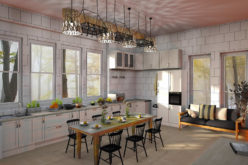
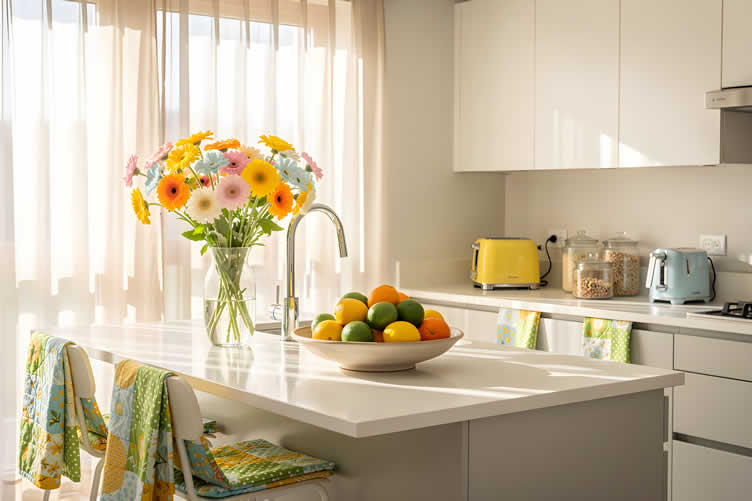
Shedding the visual weight of winter is the first step to breathing new life into your cooking space. Swapping out heavy, dark curtains for lighter, breathable fabrics instantly changes the atmosphere, allowing natural sunlight to flood the room.
You can easily introduce bright, seasonal colors through affordable accessories like fresh dish towels, placemats, and small appliances.
Interior design experts at Better Homes & Gardens often highlight that simply placing a bowl of vibrant citrus fruit or a vase of fresh-cut flowers on the counter provides an immediate, mood-boosting pop of color.
For a practical approach, choose cotton or linen blends for your window treatments, as these materials beautifully filter the harsh afternoon sun while maintaining an airy feel.
Considering a Kitchen Remodel or Update?
(includes referenced images and summary table – or scroll to next topic)
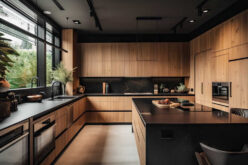
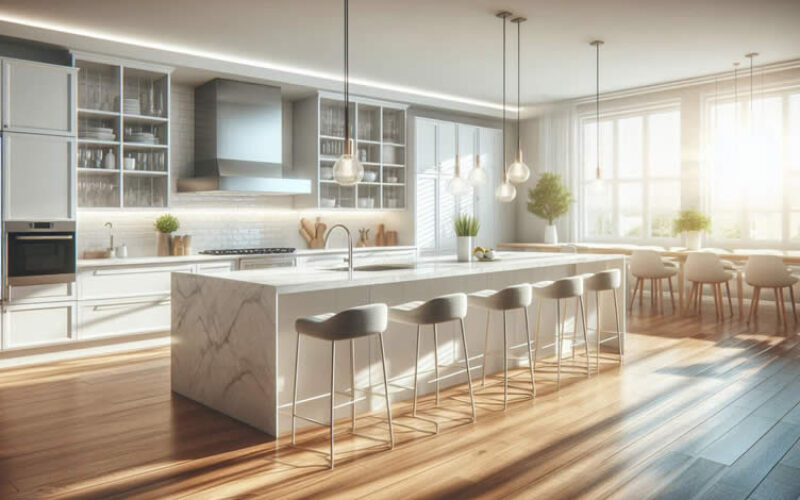
The Warm Modern Kitchen Look
The kitchen is often called the heart of the home, where form meets function. One of the most popular kitchen styles today is the warm, modern design.
It pairs white or neutral cabinets with natural wood accents and elegant stone surfaces to create a clean, inviting space that blends comfort with sophistication.
Whether you’re planning a full remodel or just a few updates, this trend is a stylish, practical choice that adds lasting value.
This design strikes a perfect balance between contemporary elegance and cozy warmth. By layering organic materials over a neutral base, the result is both visually stunning and highly functional.
Let’s explore the key elements of this popular kitchen style.

-
White or Cream Cabinets
White and cream cabinets are at the heart of the warm, modern kitchen aesthetic. These lighter tones create a spacious and airy feel in the room, reflecting natural light and making the kitchen appear larger and more inviting.
Although a classic choice, they are far from boring. Using soft, matte finishes or opting for shaker-style doors adds subtle texture without overwhelming the space.
White or cream cabinetry also provides a versatile canvas, making it easier to incorporate other design elements that align with your personality or seasonal trends.
-
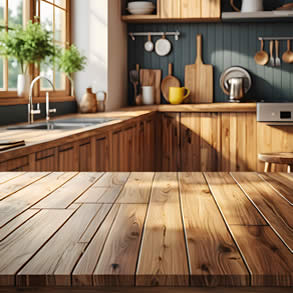
Wood Accents
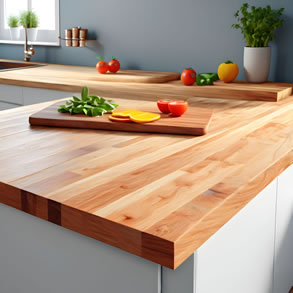
Adding natural wood elements is one of the easiest ways to inject warmth and character into a neutral kitchen. From open shelving to floating islands and ceiling beams, wood tones bring an earthy charm that grounds the space.
Opt for light or medium wood finishes like oak, birch, or walnut for a sophisticated yet approachable vibe. Even small inclusions, such as wooden cutting boards or stools, can help balance the modern feel with rustic warmth.
Experts from Elle Decor emphasize that the combination of wood with sleek, modern surfaces bridges the gap between classic and contemporary styles, catering to wide aesthetic preferences.
-
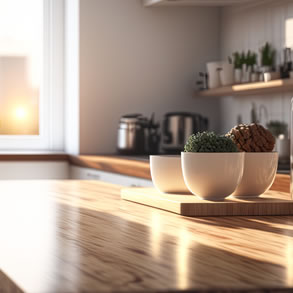
Stone or Marble-Look Counters
Elegant and durable, stone or marble-look countertops are a major hallmark of a modern kitchen.
Quartz, granite, or marble-inspired surfaces provide a luxurious focal point while standing up to daily wear and tear. Look for subtle veining or soft patterns to maintain the clean and cohesive vibe of the warm-modern theme.
Pairing these countertops with a neutral backsplash creates seamlessness, while contrasting them with wood accents adds visual depth and dimension.
Designers often recommend quartz as a practical option because of its resilience, ease of maintenance, and ability to mimic natural stone without the high price tag.
-
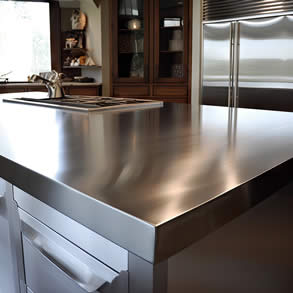
Simple Black, Brass, or Stainless Hardware
Achieving a cohesive design is all in the details, and hardware plays a pivotal role. Straightforward, elegant handles or knobs in finishes like matte black, brushed brass, or stainless steel complement this modern style beautifully.
These understated touches act as jewelry for your cabinets, offering just the right contrast to lighter tones or neutral bases.
Additionally, they highlight clean lines and maintain the sleekness of the overall design. Swapping outdated hardware is a quick and affordable way to modernize any kitchen space with minimal effort.
-
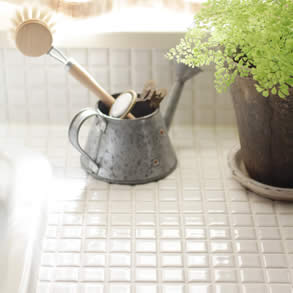
Thoughtful Open Accents
Well-styled open shelving or curated display spaces help to personalize the kitchen, turning it into a warm and welcoming environment.
Consider showcasing a few functional yet decorative items, such as a row of chic ceramic bowls, glass jars filled with pantry staples, or even your favorite cookbooks.
Adding organic elements like potted herbs, fresh flowers, or indoor plants softens the space and brings a pop of life into the design.
Be careful, however, to keep these displays intentional. A cluttered shelf can work against the streamlined aesthetic of a warm modern kitchen.
-
A Balanced Atmosphere
This kitchen style thrives on harmony. The combination of neutral tones, natural textures, and minimalist touches creates a unified look that is cozy without feeling cluttered, modern without feeling cold.
The beauty of this trend lies in its versatility—it suits homes of all sizes and adapts effortlessly to your needs and preferences.
Whether you’re fully renovating or making small adjustments, this design ensures your kitchen is not only on-trend but also a true reflection of your personal style.
For best results, consult trusted resources or professional designers to confirm the right materials and solutions for your specific space.
- Quick scroll to section content …
Key Element Description Benefits White or Cream Cabinets Light-colored cabinets form the foundation of the warm, modern kitchen aesthetic. With soft, matte finishes or shaker-style doors, they create a clean, spacious feel. Reflect natural light, enhance space perception, and offer a versatile backdrop for other design elements. Wood Accents Wood elements such as open shelving, ceiling beams, or islands add organic warmth and visual balance to the kitchen. Brings earthy charm, bridges classic and modern styles, and adds character to the neutral base. Stone or Marble-Look Counters Quartz, granite, or marble-inspired surfaces serve as luxurious yet practical countertops with subtle veining or clean patterns. Durable, easy to maintain, and provides a refined focal point that complements the warm-modern style. Simple Black, Brass, or Stainless Hardware Minimalistic handles or knobs in matte black, brushed brass, or stainless steel complete the cohesive design. Enhances sleekness, offers contrast to neutral tones, and is an easy, affordable update for modernizing the space. Thoughtful Open Accents Curated shelves with decorative or functional items such as ceramic bowls, glass jars, or potted plants personalize the kitchen. Softens the design, adds life to the space, and creates a welcoming, intentional atmosphere. 


AI generated image by 123rf.com
Start Small, Dream Big
If you’ve been dreaming about updating your kitchen but feel overwhelmed by the potential costs, you’re not alone.
Many homeowners take a phased approach to remodeling, tackling one segment at a time to fit their budget.
Whether it’s refreshing cabinets, upgrading appliances, or adding a stylish backsplash, small changes can still have a significant impact.
By setting a clear budget and planning in stages, you can transform your kitchen gradually while keeping your wallet intact. With thoughtful planning and affordable options, your dream kitchen is within reach.
view ideas: budgeting for a kitchen remodel(new win)

-
Scroll up to main directory … or scroll to next section about kitchen organization …


-

















-
-
second tip: 2. Declutter And Organize
A truly refreshing summer kitchen relies heavily on an open, airy foundation, which means tackling hidden messes. Wrestling with overstuffed pantry shelves or discovering expired ingredients pushed to the back can quickly drain your joy of cooking.
Take a quiet afternoon to go through your pantry, discarding expired items and wiping down the shelves.
Investing in clear, budget-friendly storage containers keeps your staple ingredients tidy and highly visible, transforming chaotic spaces into streamlined environments.
Group similar items together in your drawers and cabinets, ensuring that the tools you reach for most frequently are easily accessible for spontaneous summer meals.
Kitchen Organizational Tools
(includes referenced images and summary table – or scroll to next topic)
Essential Kitchen Organizational Tools
An organized kitchen can transform how you cook, clean, and entertain, making the heart of your home more functional and enjoyable. With the right tools, you can maximize every inch of space while keeping everything easily accessible.
Here are the most useful kitchen organizational tools to help you declutter and bring order to your cooking space:
- Drawer Dividers and Drawer Organizers:
Keep drawers tidy by separating utensils, cutlery, and kitchen gadgets. These adjustable tools ensure every item has its place, saving time during meal prep. - Shelf Risers to Double Usable Cabinet Space:
Maximize vertical cabinet space by incorporating risers. Ideal for stacking plates, mugs, or bowls, they increase storage while keeping items neatly separated. - Lazy Susans or Turntables for Corners and Deep Cabinets:
Perfect for hard-to-reach areas, Lazy Susans make it easy to access condiments, spices, or jars, ensuring nothing gets lost in the back of your cabinets. - Stackable Storage Bins for Pantry Items and Cleaning Supplies:
Create a streamlined look in your pantry by using stackable bins for snacks, canned goods, or cleaning supplies. Transparent designs allow for easy identification. - Clear Airtight Containers for Dry Goods:
Store essentials like pasta, cereal, flour, and snacks in clear airtight containers to stay fresh longer. They also provide a uniform aesthetic for your pantry. - Pan and Lid Racks to Store Bakeware and Cookware Upright:
Use dedicated racks to organize frying pans, baking sheets, and lids vertically. This eliminates the frustration of stacking heavy items and prevents scratches. - Spice Racks or Spice Drawer Inserts:
Keep spices visible and within reach using tiered racks or drawer inserts. These designs make finding the right seasoning a breeze while maintaining order. - Cabinet Door Organizers for Wraps, Foil, or Cutting Boards:
Utilize the inside of cabinet doors for extra storage space. Hang organizers for cutting boards, plastic wrap, or cleaning essentials to keep countertops clutter-free. - Pull-Out Organizers or Sliding Trays for Deep Cabinets:
Transform deep cabinets with pull-out shelves or trays, allowing you to access pots, pans, or appliances without rummaging through piles. - Can Organizers for Pantry Shelves:
Keep canned goods neat and categorized with tiered or gravity-feed can organizers, so you can quickly grab what you need for a recipe. - Magnetic Strips for Knives or Shelving for Refrigerator Sides:
Free up counter and drawer space with magnetic strips to securely hold knives. Use magnetic shelving for spice jars or small items on the side of your refrigerator. - Overhead Pan Rack Storage:
Hang pots and pans on an overhead rack to save cabinet space. This doubles as a functional decor piece, showcasing your favorite cookware. - Rails or Mug Racks for Hanging Items:
Install rails or under-cabinet racks for mugs, ladles, or small utensils. This not only frees up space but also adds a touch of personality to your kitchen. - Other Creative Storage Solutions:
Explore solutions like under-shelf baskets, appliance garages, tiered corner organizers, or built-in dividers for maximizing storage in small spaces.
These tools can revolutionize your kitchen, making it more spacious, practical, and enjoyable. By customizing solutions to meet your needs, you ensure every aspect of your kitchen is functional and easy to use, no matter the size or layout.
- Quick scroll to section content …
Tool Name Function Benefits Drawer Dividers and Drawer Organizers Keep drawers tidy by separating utensils, cutlery, and kitchen gadgets. Ensures every item has its place, saving time during meal prep. Shelf Risers Maximize vertical cabinet space by stacking plates, mugs, or bowls. Increase storage while keeping items neatly separated. Lazy Susans or Turntables Provide easy access to condiments, spices, or jars in hard-to-reach areas. Ensures nothing gets lost in the back of cabinets. Stackable Storage Bins Store snacks, canned goods, or cleaning supplies in a streamlined way. Transparent designs allow easy identification and provide a neat look. Clear Airtight Containers Keep dry goods like pasta, cereal, and flour fresh longer. Provide a uniform pantry aesthetic and practical storage. Pan and Lid Racks Store bakeware and cookware upright. Prevents stacking frustrations and avoids scratches. Spice Racks or Drawer Inserts Make spices visible and accessible with tiered racks or inserts. Facilitates finding seasonings while keeping order. Cabinet Door Organizers Use cabinet door interiors for extra storage like wraps or cutting boards. Helps keep countertops clutter-free. Pull-Out Organizers or Sliding Trays Transform deep cabinets into accessible storage spaces. Eliminates the need to rummage through piles. Can Organizers Organize canned goods neatly with tiered or gravity-feed systems. Allows quick access to needed ingredients. Magnetic Strips or Shelving for Refrigerators Hold knives securely or store small items on refrigerator sides. Frees up counter and drawer space. Overhead Pan Rack Storage Hang pots and pans overhead. Saves cabinet space and adds decorative appeal. Rails or Mug Racks Hang mugs, ladles, or utensils under cabinets or on rails. Frees up storage while personalizing the kitchen space. Other Creative Storage Solutions Explore options like under-shelf baskets, appliance garages, or tiered corner organizers. Maximizes storage and suits small kitchen layouts. 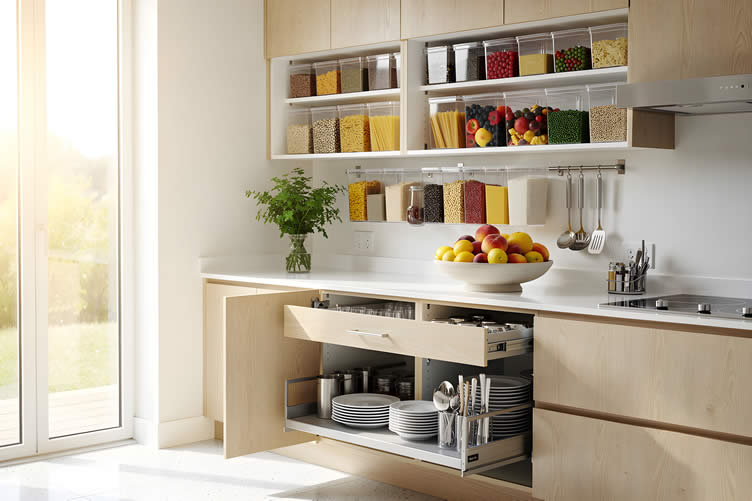
AI generated image by 123rf.com
Organize Your Kitchenware for Efficiency
To create an efficient kitchen, start by taking stock of your kitchenware.
Identify the items you use most frequently and give them prime storage spots, like easy-to-reach drawers or open shelves.
Less-used items can go in higher cabinets or secondary storage. Anything you no longer need can be donated or discarded to free up space.
Tailoring your organization to your habits will transform your kitchen into a functional, clutter-free workspace.
view ideas: must-haves for family cooking(new win)
-
Scroll up to main directory … or scroll to next section looking at fresh greenery …
- Drawer Dividers and Drawer Organizers:
-

Tackling home upgrades (such as refresh your kitchen) and fulfilling all your home improvement needs …

… save this curated directory of ideas for future reference.

-
-
third tip: 3. Introduce Fresh Greenery
Harmonious coexistence with nature is a wonderful way to nurture your home environment. Bringing the outdoors in with small potted plants adds a vibrant touch of life to your countertops and windowsills.
Cultivating a small indoor herb garden serves a dual purpose, offering beautiful greenery while providing fresh ingredients right at your fingertips.
Studies consistently show that incorporating plants into your living spaces improves indoor air quality and naturally elevates your mood.
Try placing a small pot of basil, mint, or rosemary near a sunny window, allowing you to easily pluck fresh leaves for your summer salads, marinades, and cooling beverages.
How-to Kitchen Herb Garden Setup
(includes referenced images and summary table – or scroll to next topic)
How to Set Up and Care
… for a thriving kitchen herb garden
Growing your own herbs can be a rewarding experience that adds fresh flavors to your cooking and brings vibrant energy into your home.
With some simple preparation, you can cultivate a thriving herb garden on a sunny windowsill or with the help of grow lights.
This guide will show you how to set up, care for, and harvest your herbs to ensure a continuous supply of fresh ingredients.
-
Where to Begin
-
Choose the Right Spot:
Your herbs will thrive best if placed near a sunny kitchen window that receives at least 4-6 hours of direct sunlight per day.
If natural light is limited, consider investing in a grow light, which can mimic sunlight and provide the necessary energy for plant growth.
-
Create a Stable Base:
If your windowsill is too small for your herb containers, an extension wood base or a small floor table can create the space you need.
These additions provide stability and give your plants enough room to grow and get sunlight. For a stylish touch, pick materials that complement your home decor or use an adjustable setup.
-
Select Appropriate Containers:
Opt for pots with good drainage holes to prevent water buildup and root rot.
Use small to medium-sized containers for individual herbs or a longer rectangular container to grow several herbs together.
-
Use Quality Soil:
Choose a well-draining potting mix suitable for herbs, preferably one that is nutrient-rich and retains enough moisture to keep plants hydrated without becoming waterlogged.
-
-
Planting Your Herbs
-
Begin with Seeds or Starter Plants:
While starting from seeds can be an enjoyable challenge, using starter plants from a local nursery is a quicker way to establish your garden.
Gently loosen the roots of the plant before potting it to ensure healthy growth.
-
Spacing and Planting Depth:
Follow the seed packet instructions or planting guidelines for the recommended spacing and depth.
Most herbs need enough room for airflow and proper root expansion, so avoid overcrowding containers.
-
Watering and Fertilizing:
Water your herbs when the soil feels dry to the touch, but avoid soaking them excessively.
A balanced liquid fertilizer every two weeks can help maintain nutrient levels and promote steady growth.
-
-
Tending to Your Herb Garden
- Prune Regularly:
Trimming your herbs encourages bushier growth and prevents them from becoming leggy. Remember to harvest only the top third of the plant at a time to allow continued regeneration. - Monitor for Pests:
Kitchens can attract pests like aphids or gnats. Check your herbs regularly for any signs of infestation and treat them naturally with a mild soap solution or insecticidal spray if needed. - Rotate Your Plants:
If natural sunlight is uneven, consider rotating your plants weekly to ensure even growth and development from all sides.
- Prune Regularly:
-
Popular Herbs to Grow in Your Kitchen
Here are some beginner-friendly herbs to consider for your kitchen garden:
- Basil:
Great for pasta dishes, salads, and pesto; thrives in warm and bright environments. - Mint:
Perfect for teas, desserts, and refreshing drinks; spreads easily, so contain it in its own pot. - Thyme:
A versatile herb, ideal for soups, roasted vegetables, and meats. - Parsley:
Adds a fresh, vibrant flavor to almost any dish and grows well indoors. - Rosemary:
A fragrant option for roasted dishes, bread, and marinades; loves bright conditions. - Cilantro (Coriander):
A must-have for salsas, tacos, and curries; prefers cooler temperatures. - Chives:
Fantastic for garnishing eggs, potatoes, and creamy dips; grows quickly in small spaces.
By following these steps and caring for your herb garden consistently, you’ll not only enjoy the bounties of fresh, flavorful herbs but also create a purposeful and refreshing addition to your kitchen decor.
Happy gardening!
- Basil:
- Quick scroll to section content …
Topic Description Details Setting Up Choose the Right Spot Herbs need 4-6 hours of sunlight daily or grow lights for areas with limited natural light. Use a sunny kitchen window for optimal growth. Create a Stable Base If the windowsill is small, use an extension base or a small table for stability and decor. Adjustable setups can complement home aesthetics. Select Appropriate Containers Containers should have drainage holes to prevent root rot. Use small to medium pots for individual herbs or longer containers for multiple herbs. Use Quality Soil Herbs thrive in nutrient-rich, well-draining potting mix that retains moisture without water-logging. Planting Begin with Seeds or Starter Plants Starter plants are easier for beginners. Gently loosen roots before planting for healthy growth. Spacing and Planting Depth Follow guidelines for spacing and depth to avoid overcrowding. Ensure plants have room for roots and airflow. Watering and Fertilizing Water when the soil feels dry. Avoid over-watering and use balanced liquid fertilizer every two weeks for nutrients. Care Prune Regularly Trimming herbs encourages bushier growth and prevents legginess. Harvest top third for continued growth. Monitor for Pests Check regularly for aphids or gnats. Treat infestations with mild soap solution or insecticidal spray. Rotate Your Plants Rotate plants weekly to distribute sunlight evenly if natural light is uneven. Popular Herbs Beginner-Friendly Options Basil, Mint, Thyme, Parsley, Rosemary, Cilantro, and Chives are easy to grow and enhance various dishes. 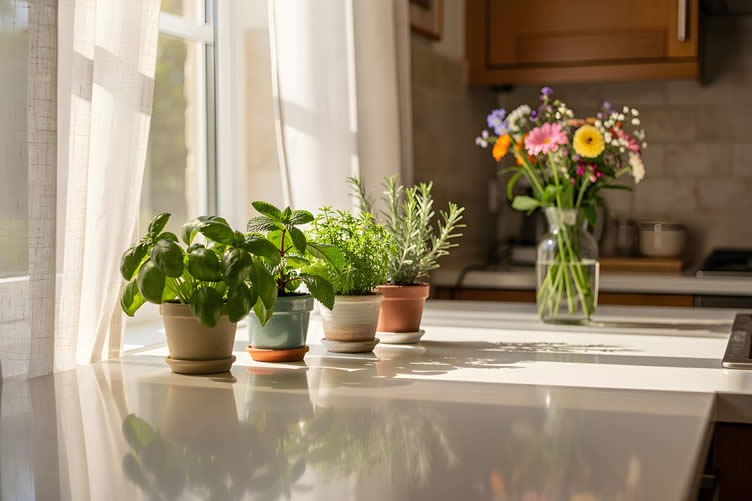
AI generated image by 123rf.com
Knowing Your Herbs and Spices
Herbs and spices are the heart of any kitchen, bringing depth, aroma, and flavor to your dishes.
Understanding their unique qualities can transform your cooking from ordinary to extraordinary.
For example, basil adds a fresh sweetness to Italian recipes, while cumin brings warm, earthy notes to hearty stews.
Experimenting with combinations like rosemary and thyme for roasted vegetables or coriander and turmeric for curries opens up a world of culinary possibilities.
Learning how to properly use these ingredients will help you confidently craft meals that delight the senses.
view ideas: herbs and spices in food preparation(new win)
-
Scroll up to main directory … or scroll to next section about kitchen lighting …
-
-
SHARE IT ..! Someone in your network might benefit from this "refresh your kitchen analysis" for the summer. Feel free to share it on Facebook, X (formally Twitter), LinkedIn, or Pinterest!


-
-
fourth tip: 4. Update Your Lighting
Lighting dramatically influences how a space feels, and updating your fixtures is a powerful way to transform your kitchen.
Replacing old, dim bulbs with brighter LED options creates a crisp, clean look that mimics the brilliance of summer sunshine. Energy-efficient LED lighting not only illuminates your workspace beautifully but also reduces your household energy consumption over time.
If your food preparation areas feel shadowed, consider adding simple under-cabinet lighting.
You can easily install battery-operated or plug-in light bars under your upper cabinets, instantly illuminating your chopping stations and creating a warm, inviting atmosphere for evening gatherings.
Kitchen Lighting Types
(includes referenced images and summary table – or scroll to next topic)
Types of Kitchen Lighting
… and the benefits of retrofits
Lighting is essential for your kitchen’s function and atmosphere. Choosing the right types of lighting and retrofitting your space can improve your cooking experience, highlight your décor, and boost energy efficiency.
Updating your kitchen lighting through retrofits can be a simple, cost-effective way to modernize your space.
This approach offers customization, energy savings, and increased home value, transforming your kitchen into a practical and inviting area.
Let’s explore the available lighting types and their benefits.
-
Ambient Lighting
Ambient lighting serves as the primary light source for your kitchen. This can include ceiling-mounted fixtures, recessed lighting, or pendant lights. It provides overall illumination and sets the tone of the room.
By retrofitting with energy-efficient LED bulbs or dimmable features, you can reduce power consumption and create adjustable lighting for any mood.
Ambient lighting ensures an evenly lit space, cutting down on shadows and enhancing visibility.
-
Task Lighting
Task lighting focuses on key areas where precision is essential, such as countertops, stovetops, and sinks. Popular options include under-cabinet light bars, puck lights, or strip lighting.
Retrofitting your kitchen with task lighting enhances safety and efficiency by casting bright light directly on work surfaces.
This type of lighting is especially helpful for intricate activities, like chopping or measuring, and ensures you work comfortably regardless of the time of day.
-
Accent Lighting
Accent lighting allows you to highlight specific features, such as a backsplash, open shelving, or displayed items. LED strip lights or small spotlights are commonly used to achieve this effect.
Retrofitting accent lighting adds depth and dimension to your kitchen while creating a polished and visually appealing aesthetic. It also lets you showcase design elements with a sophisticated and stylish touch.
-
Decorative Lighting
Decorative lighting combines function and form, serving as a design element to complement your overall style. Chandeliers, pendant lights, or artistic fixtures can make a bold statement and enhance the kitchen’s character.
Upgrading decorative lighting adds charm and personalization, turning your kitchen into a space that reflects your taste while maintaining optimal brightness where needed.
-
Energy Savings and Environmental Impact
One of the most compelling benefits of retrofitting your kitchen lighting is the energy savings it provides. By switching to LED fixtures or energy-efficient bulbs, you can significantly lower your electricity usage and reduce your carbon footprint.
These solutions last longer compared to traditional incandescent or halogen bulbs, reducing waste and ensuring a sustainable choice for your home.
With so many versatile lighting options available, retrofitting your kitchen provides the opportunity to transform a functional space into one that is stylish, comfortable, and energy-efficient.
By selecting the right combination of ambient, task, accent, and decorative lighting, you’ll create a kitchen that suits your needs while boosting its overall value and appeal.
- Quick scroll to section content …
Types Kitchen Lighting
(from the summary table below)
Lighting Type Description Retrofit Benefits Ambient Lighting Primary light source for overall illumination, including ceiling-mounted fixtures, recessed lighting, or pendant lights. Sets the tone for the kitchen space. Energy-efficient LED bulbs reduce power consumption and provide adjustable lighting for any mood. Ensures evenly lit spaces, enhancing visibility and reducing shadows. Task Lighting Focused lighting for key areas like countertops, stovetops, and sinks. Examples include under-cabinet light bars, puck lights, or strip lighting. Enhances safety and efficiency by casting bright light on work surfaces. Ideal for precision tasks such as chopping, measuring, or cooking at any time of day. Accent Lighting Highlights specific features such as backsplashes, open shelving, or displayed items. Utilizes LED strip lights or small spotlights. Adds depth and dimension, creating a polished aesthetic. Showcases design elements with sophistication and style. Decorative Lighting Serves as both a design element and functional light source. Examples include chandeliers, pendant lights, or artistic fixtures. Enhances charm and personalizes the space, reflecting your style while maintaining brightness in key areas. Energy Savings and Environmental Impact Swapping to energy-efficient lighting options such as LEDs reduces electricity usage and lowers carbon footprints. Longer-lasting solutions reduce waste and ensure a sustainable choice for your home while lowering overall energy costs. 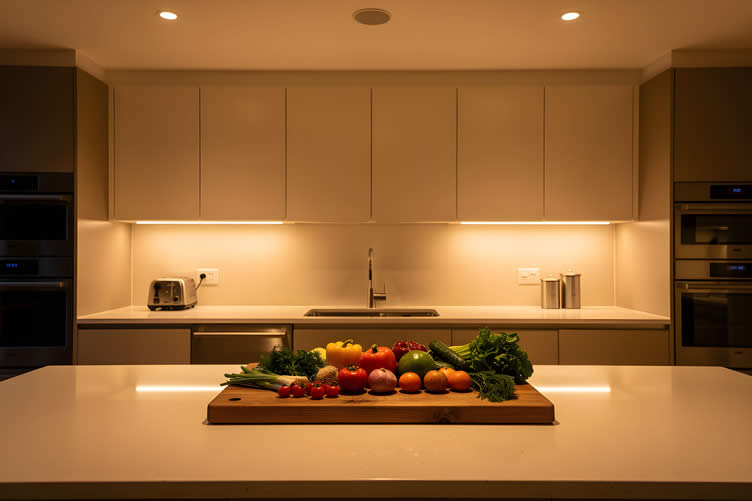
AI generated image by 123rf.com
Layered Lighting in Your Kitchen
Properly layering your lighting is key to creating a kitchen that is both functional and inviting.
A good lighting plan combines task, ambient, and accent lighting to ensure the space is well-lit for food prep while creating a warm atmosphere for dining.
For example, under-cabinet fixtures provide focused light for chopping, while ambient lighting offers a general glow. Accent lighting can be used to highlight your kitchen’s best features.
This balanced approach improves visibility and helps create a versatile environment for both cooking and relaxing.
view ideas: lighting design and layering(new win)
-
Scroll up to main directory … or scroll to next section to focus on functionality…
-
-


-
-
5th tip: 5. Focus On Functionality
Summer entertaining often means moving the dining experience from the kitchen table to the backyard patio. To make this transition seamless, you need to streamline your kitchen for easy food preparation and transportation.
Dedicate a specific, easy-to-reach cabinet for all your outdoor dining essentials, such as unbreakable plates, acrylic glasses, and extra napkins.
A rolling utility cart is an incredibly versatile and affordable addition to your space. You can load the cart with condiments, side dishes, and cutlery, allowing you to effortlessly wheel your entire meal setup from the kitchen directly to your outdoor seating area.
Entertaining Outside Ideas
(includes referenced images and summary table – or scroll to next topic)
Elevated Outdoor Entertaining Ideas
There’s nothing better than entertaining outdoors when the weather is beautiful.
Whether it’s a casual barbecue, a garden party, or a simple family get-together, an inviting outdoor space can make all the difference. With a little planning, your backyard can become the perfect spot for relaxation and celebration.
To help you create the ideal setting, we’ve put together a guide to essential outdoor furnishings, cooking appliances, and creative amenities.
Let’s make the most of your space while the warm weather lasts.
-
Furniture Essentials
The foundation of outdoor entertaining is comfortable and stylish furniture. Start with a durable dining table and chairs, sized to accommodate your typical number of guests.
For a more relaxed vibe, consider seating options like cushioned loungers, sectional sofas, or Adirondack chairs.
Don’t forget weather-resistant materials, such as teak, rattan, or powder-coated aluminum, to ensure your furniture stays beautiful season after season. Add in soft outdoor rugs and accent pillows for a cozy, welcoming touch.
-
Cooking Appliances
Outdoor cooking is the heart of any gathering, and the right appliances can make all the difference. A quality gas or charcoal grill is a popular choice for preparing everything from burgers to vegetables.
For more versatility, consider adding a pizza oven, a smoker, or even a built-in outdoor kitchen with countertops and storage.
Don’t overlook the convenience of mobile prep stations or smaller items like tabletop grills for intimate gatherings.
-
Entertainment Amenities
Elevate your guests’ experience with thoughtful amenities. A beverage cart or outdoor cooler keeps drinks within arm’s reach, while an outdoor sound system provides background music.
A small fire pit not only creates a warm atmosphere but also serves as an activity centerpiece where guests can roast marshmallows.
If your space allows, set up a projector and screen for an unforgettable movie night under the stars.
-
Captivating Lighting
Outdoor lighting transforms your space once the sun sets. String lights hung above seating areas add a magical ambiance, while solar-powered path lights improve safety and style.
Incorporate lanterns, candles, or LED lighting for added warmth. For a more modern look, consider installing built-in lights along your deck, railing, or pergola.
-
Finishing Touches
The little details make your setup truly memorable. Add greenery with potted plants, hanging baskets, or even a vertical garden. Keep the area fresh with citronella candles or tiki torches to deter pests.
Finally, have cozy throws or blankets on hand for cooler evenings, ensuring your guests feel comfortable from start to finish.
- Quick scroll to section content …
Category Details Suggestions Furniture Essentials The foundation of outdoor entertaining lies in comfortable and stylish furniture, ensuring durability and weather-resistance. Options include teak, rattan, or powder-coated aluminum materials, coupled with soft outdoor rugs, accent pillows, and seating like loungers, sectional sofas, or Adirondack chairs. Cooking Appliances Outdoor cooking is central to any gathering, with appliances that enhance preparation variety and convenience. Recommendations include gas or charcoal grills, pizza ovens, smokers, mobile prep stations, or even a built-in outdoor kitchen with extra storage and countertops. Entertainment Amenities Elevate the guest experience with features that combine functionality and fun, encouraging interaction and comfort. Consider options like a beverage cart, outdoor coolers, sound systems, fire pits, or projectors with screens for outdoor movie nights. Captivating Lighting Outdoor lighting plays a crucial role in enhancing ambiance and safety once the sun sets. Suggestions include string lights, solar path lights, lanterns, candles, LED lights, or built-in lighting for decks and railings. Finishing Touches Add the final elements that make the outdoor space unique and welcoming for memorable gatherings. Ideas include potted plants, citronella candles, tiki torches, cozy throws, blankets, or vertical gardens for added greenery. 
AI generated image by 123rf.com
The Ultimate Backyard Entertainment
A swimming pool is the crown jewel of a summer-ready backyard, offering both relaxation and entertainment for the whole family.
Whether you’re looking to cool off during scorching afternoons or host unforgettable poolside gatherings, a pool transforms your outdoor space into a personal paradise.
Beyond its refreshing escape from the heat, it also adds value and charm to your home.
With various designs and sizes available, it’s easy to find an option that suits your style and budget, ensuring endless summer enjoyment for everyone.
view ideas: adding an in-ground swimming pool(new win)
-
Scroll up to main directory … or scroll to next section about doing a deep clean …
-
-


-
-
sixth tip: 6. Deep Clean And Sanitize
A sparkling clean room feels inherently more spacious and inviting, making a thorough deep clean essential for your seasonal refresh.
It is easy to overlook the hidden grime that accumulates over the year, so focus your attention on often-missed spots like the interior of your refrigerator, the roof of your microwave, and the filter in your dishwasher.
Home care authorities at The Spruce recommend dedicating time to properly sanitize these high-use appliances to prevent lingering odors.
A simple, natural mixture of baking soda and warm water provides an excellent, eco-friendly scrub that safely removes stains from your refrigerator shelves, leaving your entire kitchen feeling deeply revitalized and ready for joyful summer activities.
Key Cleaning Tips
(includes referenced images and summary table – or scroll to next topic)
Keeping Your Kitchen Clean
A clean kitchen is not just about appearances; it’s essential for protecting your home and family from unwelcome visitors like bacteria, mold, and pests.
By cultivating simple, consistent habits and routines, you can transform your kitchen into a truly healthy and inviting space—a place where you feel good about preparing meals and spending quality time with your loved ones.
-
Cleaning Tips
- Clear counters first so you can clean surfaces properly.
- Wash dishes as you go to prevent pileups.
- Wipe countertops and the stovetop daily with dish soap and water or an all-purpose cleaner.
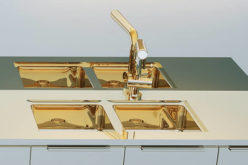
- Clean the sink and faucet often, since they collect grease and food residue.
- Sweep crumbs off the floor each day, then mop weekly.
- Take out the trash and recycling before odors build up.
- Clean the microwave regularly by steaming it with a bowl of water, then wiping the loosened mess.
- Wipe cabinet handles, appliance fronts, and light switches because they get touched constantly.
- Deep clean the fridge, oven, and pantry monthly, including tossing expired food.
- Keep sponges and dishcloths fresh by replacing or sanitizing them often.
-
Suggested Cleaning Routine
Here’s a simple routine you can follow:
- Daily:
Tackle high-use areas like washing the dishes, wiping down counters, cleaning the sink and stovetop, and sweeping the floor. - Weekly:
Give a little extra attention to your appliances, wipe down the fridge exterior, clean the microwave, and sanitize the trash and recycling area. - Monthly:
Set aside time for a deeper clean of the inside of your fridge, oven, cabinets, pantry, and drawers to keep everything fresh and organized.
- Daily:
- Quick scroll to section content …
Task Frequency Details Clear counters Before cleaning surfaces Organize counters to ensure surfaces can be cleaned properly. Wash dishes Immediately Wash dishes as you go to prevent pileups in the sink. Wipe countertops and stovetop Daily Use dish soap and water or an all-purpose cleaner. Clean sink and faucet Often Remove grease and food residue from the sink and faucet. Sweep crumbs off the floor Daily Maintain cleanliness with daily sweeping and weekly mopping. Take out trash and recycling Before odors build up Dispose of waste promptly to avoid unpleasant smells. Clean the microwave Regularly Steam with a bowl of water, then wipe away loosened messes. Wipe cabinet handles, appliance fronts, and light switches Constantly Focus on areas that are frequently touched. Deep clean fridge, oven, and pantry Monthly Remove expired food and thoroughly clean the interiors. Replace or sanitize sponges and dishcloths Often Ensure freshness by replacing or sanitizing regularly. 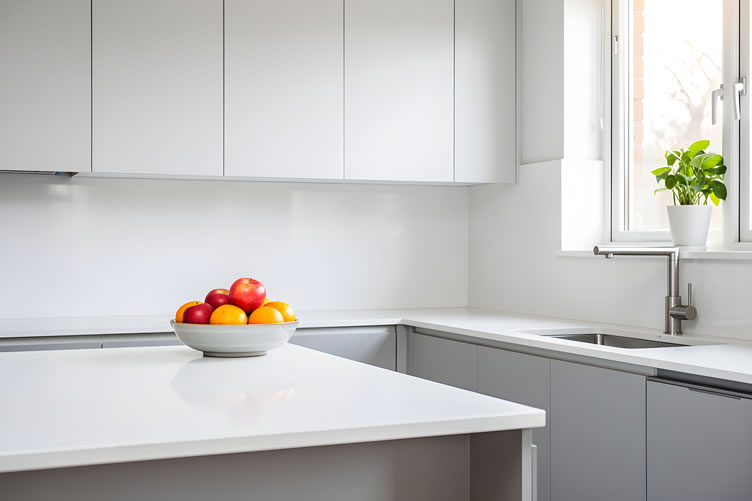
AI generated image by 123rf.com
Clean Household Appliances
While the kitchen often takes center stage in home care, it’s important not to overlook other essential appliances like the laundry machines, oven, and dishwasher.
These hardworking tools can accumulate grime, residue, and odors over time, impacting their performance and longevity.
Regular cleaning not only keeps them functioning efficiently but also ensures a hygienic and pleasant environment in your home.
Simple maintenance steps, such as wiping down surfaces, running cleaning cycles, and using the right products, can make all the difference in extending their life and keeping your household running smoothly.
view ideas: cleaning appliances in under two hours(new win)
-
Scroll up to main directory … or scroll to conclusion and references …
-
-
-
Conclusion
Transforming your kitchen for the season is all about creating a space that nurtures your family and supports your lifestyle.
Explore our comprehensive decor galleries and step-by-step project tutorials to find the perfect tools and affordable solutions for your next home update, and please share your own beautiful kitchen transformations in the comments below.
Resources:
- Better Homes & Gardens: Summer Kitchen Decor Ideas
- The Spruce: How to Deep Clean Your Kitchen
-
Quick scroll to more kitchen and dining ideas …
-
ideas to view and compare from the photo above
- What comments can you share about
refresh your kitchen suggestions?

Calendar For:
Home Maintenance
File Type:
… view our sharing links below for a quick "share the knowledge"

Find Kitchen Appliance Services Appliance Install Appliance Repair Electrical Appliance Refinish Kitchen Design Flooring top-rated, pre-screened local contractors FREE: download contractor selection enter zip code – powered by HomeAdvisor ™
Quick Contractor Guides selecting negotiating working with inspecting

Cover image credit: refresh your kitchen by 123rf.com
end of post … please share it!
 |
did you find this “refresh your kitchen” analysis helpful? If so, please share the article with your friends and family! |
Nice pic idea? Leave us a quick comment below.
And please share this pic idea within your social networks.