Summary Outline –
Life is a beautiful journey, filled with a rich tapestry of things, memories, and experiences. However, without a well-organized place to store them, our homes can quickly descend into chaos.
Effective home storage is more than just stowing away your items; it’s about creating a sense of harmony and tranquility within your living space. By carefully crafting your storage units, you can not only keep your belongings in order but also add a personalized touch that reflects your unique style and taste.
Summary of Site Content
1st Section: [view storage tips]
… we initiate this analysis by conducting an assessment of your home storage requirements, while also identifying the starting points for segmenting your storage, determining specialized storage, and decluttering.
2nd Section: [view storage tips]
… the second section jumps into various storage solutions and options that can be utilized to efficiently organize and store your items in a functional and visually appealing manner that complements your overall decor.
3rd Section: [view storage tips]
… continuing on, the third section provides a comprehensive breakdown of storage solutions for every room in your home, ranging from the kitchen to the bedroom and everything in between. Each room is carefully considered, ensuring the best recommendations tailored to its specific needs.
4th Section: [view storage tips]
… the fourth section offers up organizational tips and maintenance practices to ensure the preservation and easy accessibility of your storage whenever needed.
5th Section: [view storage tips]
… the fifth and final section emphasizes that numerous home storage solutions can be DIY projects completed over a weekend or two. However, if your storage requirements necessitate a construction project, it may be necessary to seek the assistance of a contractor.
Imagine the satisfaction of a job well done as you transform your home with innovative storage solutions tailored to your needs. This comprehensive guide is dedicated to the DIY enthusiast who is eager to embark on this exciting journey of creating an organized and inviting living environment.
Get ready to discover the endless possibilities and unleash your creativity as you embark on this transformative storage adventure!

-
Quick scroll to first topic about home storage solutions …

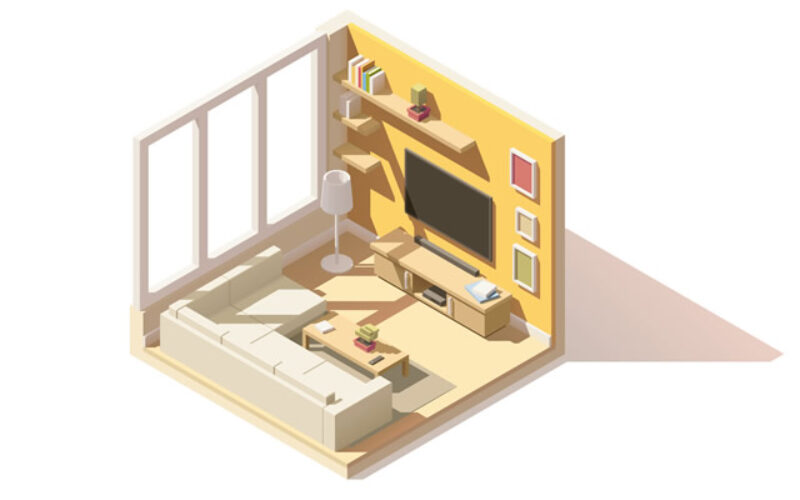
first “home storage solutions” idea


copyright image by 123rf.com
Section 1: Assessing Your Home Storage Needs
Notes:
-
Before charging into the building process, it’s vital to take stock of what you need. Start by evaluating the available space in your home. Measure the dimensions of your areas meticulously. Identify your storage requirements by categorizing items and considering how frequently they’re used.
These steps will guide you to make informed decisions about the type and size of storage solutions that will work for you.
-
Quick scroll to “storage assessment” side notes …
-
-
1st: Evaluating Your Home Storage Needs
This process aids in determining the size and type of storage units you will require, ensuring that everything has a place. Begin by decluttering each room and deciding which items are essential and which can be donated or discarded.
Then, think about how you use your space on a daily basis. Assess which items you need on hand and which are seasonal or infrequently used. Consider the functionality of each storage solution, making sure they contribute positively to your daily routine.
This careful consideration will lay the groundwork for a well-organized home tailored to your lifestyle.
-
Step 1: Declutter Your Space
Start by sorting through your belongings in each room. Create piles to keep, donate, sell, or throw away. This will not only clear up space but also give you a clearer picture of the volume of items that need storage.
-
Step 2: Categorize Your Belongings
Organize what remains into categories. Group items by type, use, or room. This will help you determine what kinds of storage solutions are needed, such as bookshelves for reading materials or bins for craft supplies.
-
Step 3: Measure Your Space
With clear categories in mind, measure the space where you plan to place your storage units. Note the height, width, and depth, remembering to leave room for aisles and doors to open. Accurate measurements are crucial for choosing or building the right size storage.
-
Step 4: Consider Accessibility and Frequency of Use
Reflect on how often you use certain items. Everyday use items require easy-to-reach storage solutions while seasonal or rarely used items can be stored in less accessible areas, like high shelves or under-bed containers.
-
Step 5: Visualize and Plan Your Storage Solutions
Visualize where everything will go, keeping in mind the flow of your space. Sketch your planned storage solutions, placing them in a way that enhances the room’s functionality. This step helps avoid potential clutter and space mismanagement.

copyright image by 123rf.com
[ view diagram: measuring for home storage ]
[ youtube: cabinet door measuring cup storage]

-
-
2nd: Segmenting Items for Storage
Following your space assessment, the next logical step is to systematically itemize what you need to store. This can be a revealing exercise as you uncover items long forgotten or infrequently utilized.
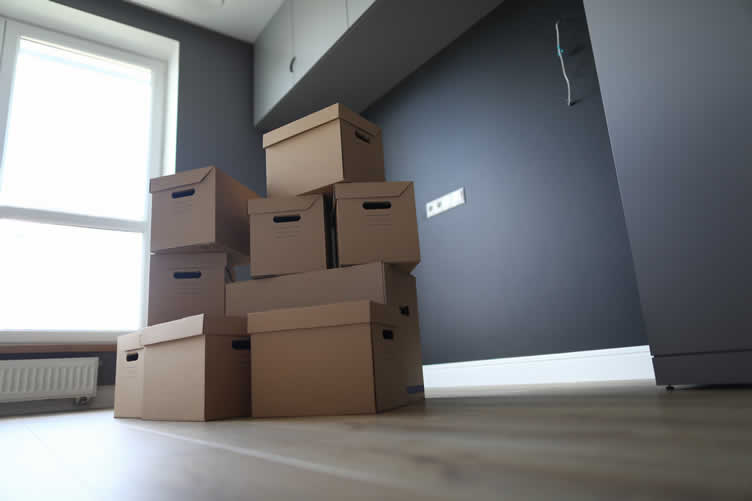
Begin by separating your belongings into distinct categories such as clothing, books, kitchenware, tools, and keepsakes. Within each category, prioritize your items based on usage—daily, weekly, or seasonal. For example:
-
Daily Use Items
Items that fall under daily use are those that you need quick and constant access to. These could include kitchen utensils, everyday shoes, or workplace bags and accessories. Because of their frequent use, these items should ideally be stored in easily accessible locations.
-
Weekly to Monthly Use Items
This category encompasses items that are important but not needed constantly, such as board games, certain cooking appliances, or spare linens. While they don’t need to be front and center, you’ll want to store them in a manner that’s orderly and still within reach when required.
-
Seasonal and Infrequent Use Items
Seasonal decorations, holiday gear, or specialized tools used occasionally fall into this category. These are items that can be stored away in less accessible areas like higher shelves or deeper storage spaces since they are not regularly in rotation.
copyright image by 123rf.com
-
-
3rd: Determining Items for Specialized Storage
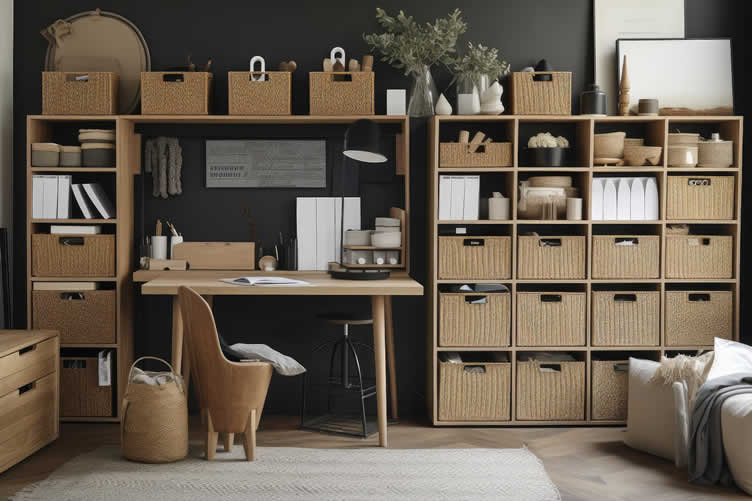
After identifying usage frequency, it becomes clear some items necessitate special storage considerations to preserve their condition or accommodate their size. It’s essential to give extra thought to such belongings, as they often include valuables or bulky items that can be challenging to store efficiently.
- Valuables and Fragile Items:
Precious family heirlooms, jewelry, or fine china require secure storage that protects them from damage and potential theft. Consider temperature-controlled environments and soft protective materials for wrapping. - Large Equipment:
Sports gear like kayaks, bicycles, or ski equipment demand significant space and often benefit from unique storage solutions like overhead racks or wall mounts to maximize floor space. - Documents and Records:
Important papers, from tax records to personal identification documents, need to be stored in a way that’s both accessible and protected from environmental damage. Fireproof safes or filing cabinets could serve this need well. - Electronics:
Unused gadgets, old phones, or computer equipment should be kept in a dry, cool place to prevent damage from humidity or heat. Original packaging can offer the best form of storage for maintaining the integrity of these devices. - Art Supplies:
For the creatives with collections of paints, brushes, or canvases, storage needs to be readily accessible but also orderly to both inspire and facilitate the artistic process. - Seasonal Clothing:
Coats, boots, and other seasonal attire are used for part of the year and then put away. Vacuum-sealed bags, under-the-bed containers, or cedar-lined closets are excellent options to consider for these items.
copyright image by 123rf.com
- Valuables and Fragile Items:
-
4th: Decluttering Your Space
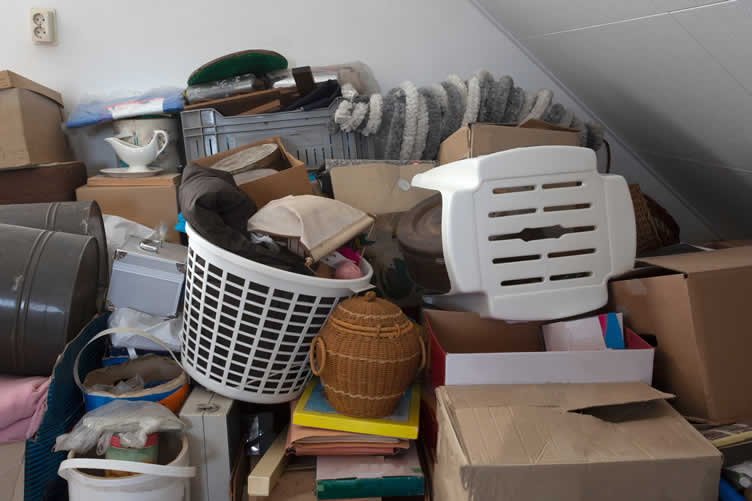
Decluttering your space is a critical step in achieving a more organized and stress-free environment. Begin by assessing each room and categorizing items based on frequency of use, emotional value, and necessity.
Breaking the process down into manageable steps can help keep you motivated and make decluttering an achievable task.
-
Step 1: Sort Your Items
When sorting your belongings, it can be helpful to divide them into distinct categories to streamline the process. Consider creating separate categories such as ‘Keep’, ‘Donate/Sell’, ‘Recycle’, and ‘Trash’. The basics rule is if you don’t use it … lose it!
-
Step 2: Organize a Yard Sale or Donation Drive
For the items you’ve decided to sell or donate, organize a yard sale, list them online, or contact local charities to schedule a donation pickup. This not only clears your space but can also benefit others or provide a monetary return.
-
Step 3: Proper Disposal of Recyclables and Trash
Take the time to dispose of recyclables and trash responsibly. Locate recycling centers for electronics or hazardous materials to minimize environmental impact.
-
Step 4: Reorganize Retained Items
With the excess out of the way, you can now reorganize the items you’ve chosen to keep. Invest in storage solutions that fit your space and lifestyle, ensuring each item has its own place.
-
Step 5: Maintain a Decluttered Space
Implement a regular cleaning schedule and make a conscious effort to assess the utility of newly acquired items, which will help maintain your decluttered, harmonious living space.
copyright image by 123rf.com
[ view diagram: declutter home flow chart]
[ youtube: 10 tips to declutter faster]
-
-
-
ideas to view and compare from the information discussed above
book: declutter homebook: declutter journallarge trash bags heavy duty
Scroll up to directory … or scroll to next section about home storage solutions …



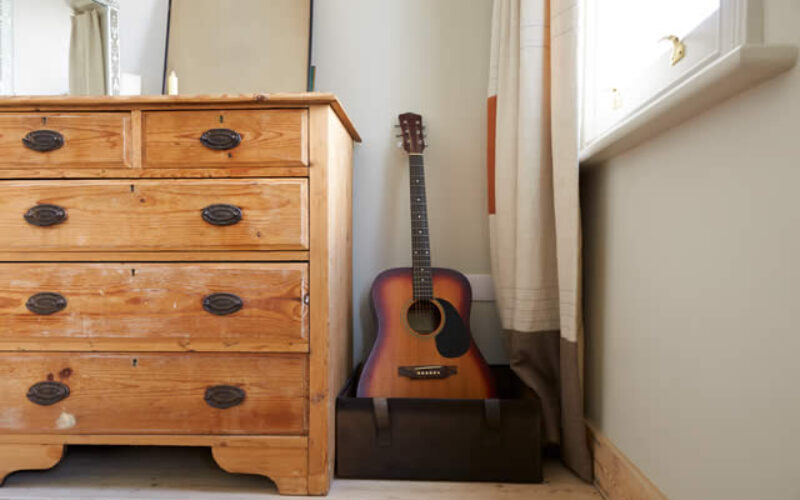
second “photo remodeling” idea
copyright image by 123rf.com
Section 2: Types of Home Storage Solutions
Notes:
-
Once you’ve decluttered and decided what to keep, the next step is to find smart ways to store these items. Choosing the right storage options maximizes space utilization, reduces clutter, and can complement your home’s aesthetic.
Below, we explore various home storage solutions to accommodate your needs while keeping your living areas organized and tidy.
-
Quick scroll to “types home storage” side notes …
-
-
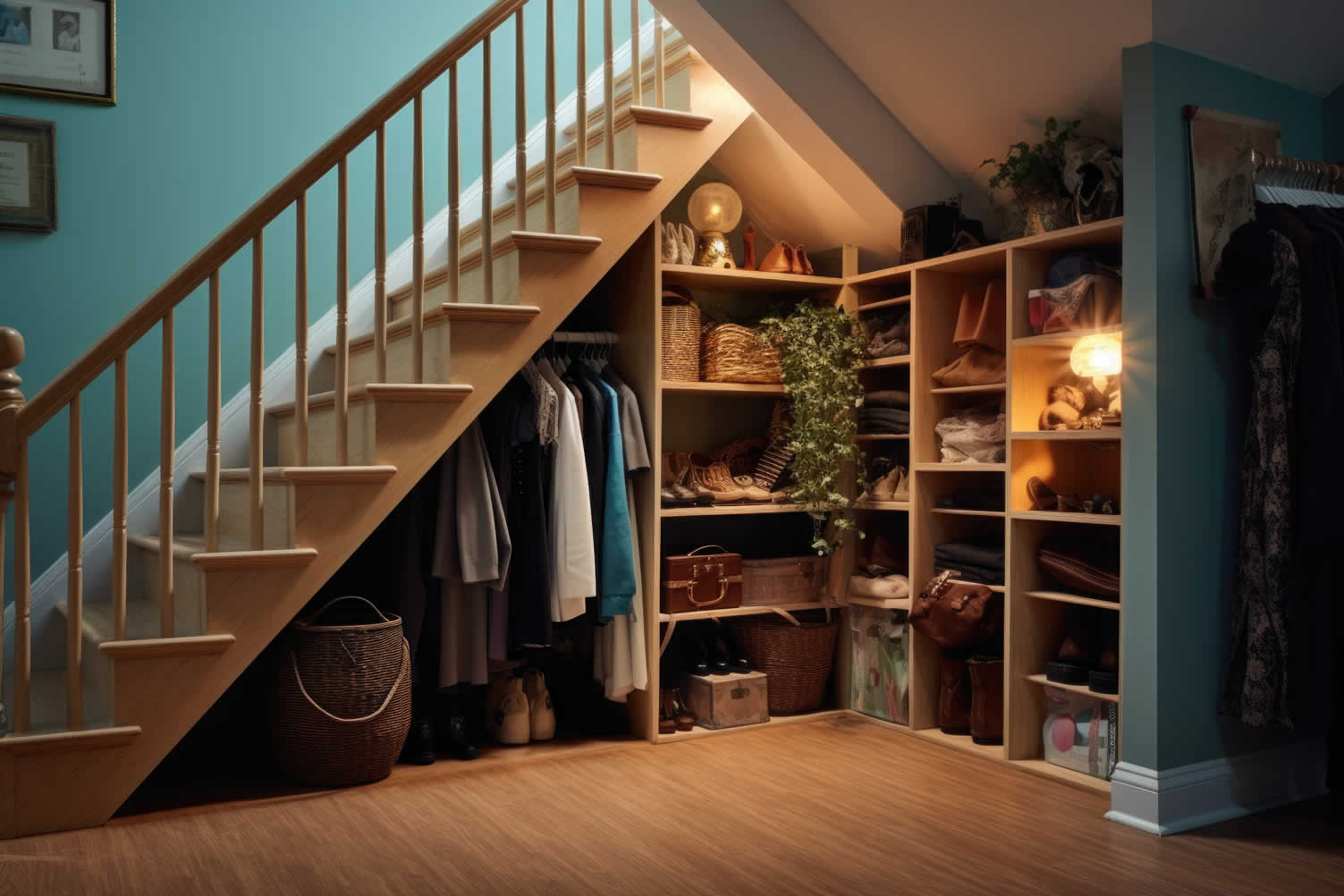
1st: Under Stair Storage
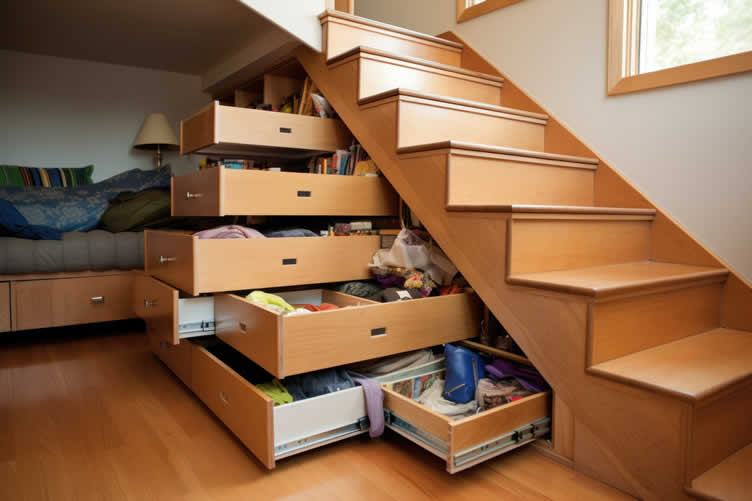
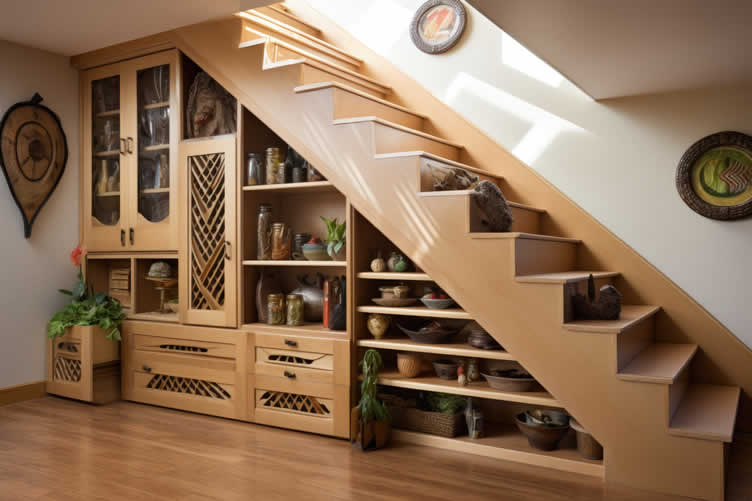
The space under a staircase often goes unnoticed, but with a creative approach, it can become one of the most efficient storage areas in a home. Under stair storage capitalizes on this otherwise unused square footage and can be custom-built to suit a variety of organizational needs.
From pull-out drawers to open shelving, the under-stair area can be transformed into a functional part of your home’s design.
-
Utilizing Under Stair Storage
Smart use of under stair storage can include a custom-built unit with shelves for books and decor, making it an additional feature to your living space. For a more concealed approach, integrating drawers or cabinets can store away household items.
In tighter spaces, a compact home office or reading nook can also be crafted within this alcove.
- Design Custom Shelves:
Tailor the shelving units to fit the unique space under your stairs for books, ornaments, or collectibles. - Install Pull-Out Drawers:
Make it easy to access items with drawers that slide out, perfect for storing shoes, tools, or craft supplies. - Create a Home Office Nook:
Fit a small desk and some shelving into the space to use as a compact work from home area. - Build Concealed Cabinets:
For a sleek look, install doors to hide the storage area, creating a seamless part of your home’s design. - Add a Reading Spot:
Incorporate a cozy seat with bookshelves on the sides, turning it into a quaint reading nook. - Include a Wine Rack:
Take advantage of the stable temperature and humidity to store wine bottles in a custom-built rack. - Extend Your Pantry:
Use the space to supplement kitchen storage, with areas for dry goods, small appliances, or seldom-used dinnerware. - Utilize as Utility Storage:
Organize cleaning supplies, vacuum, and laundry items efficiently in this hidden spot.
- Design Custom Shelves:
copyright image by 123rf.com
-
Integrating Under Stair Storage: A How-To Guide
Integrating under stair storage requires careful planning and design to ensure the space is utilized effectively. Consulting with a professional carpenter or interior designer can provide tailored solutions that maximize functionality while maintaining aesthetic appeal.
When choosing materials, consider durability and the overall style of your home, aiming for a seamless integration with the existing décor. During the construction phase, attention to detail is key as it involves working within a uniquely shaped space and may require custom-built components.
- Assess the Space:
Begin by measuring the dimensions under your stairs to determine the amount of usable space. - Plan the Layout:
Sketch out a plan for your storage, considering how you will access the area and what you will store. - Select Materials:
Choose durable materials suited for the space and the intended use, like hardwood for shelves or quality sliders for drawers. - Prepare Tools and Supplies:
Gather all the necessary tools like saws, drills, screws, anchors, and other hardware. - Construct the Framework:
Build the basic frame according to your design, ensuring it’s level and securely attached to the wall. - Install Shelving or Cabinets:
Add your custom shelving, cabinets, or drawers onto the frame, making sure they fit snugly. - Apply Finishing Touches:
Sand any rough edges and apply paint, varnish, or laminates to match your home’s interior. - Optimize for Accessibility:
Install lighting, handles, and other accessibility features to make the storage user-friendly. - Organize Stored Items:
Arrange your items in the new storage space, grouping like items together for efficiency. - Perform a Safety Check:
Make sure that all structures are secure and that there are no sharp edges or points that could cause injury.
- Assess the Space:
copyright image by 123rf.com
[ view images: under stair storage ideas]
[ youtube: how build under stair storage drawers]
-
-
2nd: Expanding Closet or Pantry Space
Expanding your current closet or pantry is a practical and effective way to significantly increase your home’s storage capacity. By enlarging these spaces, you can create ample room to store and organize a wide range of items that are currently cluttering your home and causing unnecessary stress.
Whether it’s additional shelving, customized organizers, or clever storage solutions, investing in expanding your closet or pantry will not only enhance the functionality of your living space but also provide a sense of tranquility and orderliness.
Say goodbye to cramped and cluttered areas and welcome a more spacious and organized home environment.
- Evaluate the Existing Structure:
Carefully consider the current layout and identify which walls can be altered without compromising the structural integrity of the house. - Plan the Extension:
Work with a professional to create a detailed plan that not only maximizes space but also maintains the flow of your home’s design. - Choose Storage Solutions:
Decide whether you need more shelving, hanging rods, or specialized organizers like shoe racks or pull-out baskets. - Update or Extend Utilities:
Ensure lighting, ventilation, and other systems are adapted to fit the new configuration of the closet or pantry. - Perform the Build-Out:
With a clear plan in place and all materials ready, proceed with the construction of the expansion.

copyright image by 123rf.com
[ view images: the tiny closet remodel]
[ youtube: kitchen pantry remodel time-lapse]
- Evaluate the Existing Structure:
-
3rd: Adding Built-in Wall Units
Incorporating built-in wall units is a stylish and space-efficient way to amplify the storage capabilities of your home. These units can be customized to fit the exact dimensions of your wall, making them an ideal solution for underutilized spaces or nooks.
From floor-to-ceiling bookcases in the living room to custom cabinetry in the bedroom, built-in units provide a seamless look that can be tailored to match your home’s aesthetic and storage needs.
Here are the steps involved in creating and installing built-in wall units:
- Design the Unit:
Determine the purpose of the built-in unit and design the layout, keeping in mind the items you plan to store. Consider the architectural style of your home for a cohesive look. - Measure the Space:
Accurately measure the dimensions of the wall space to ensure the built-in units fit perfectly. Don’t forget to account for any electrical outlets or existing features that need to be accessible. - Select Materials:
Choose materials that complement the interior decor and meet your durability requirements, whether it be solid wood, MDF, or plywood. - Construct the Carcass:
Build the frame or carcass of the unit according to the measurements and design. Ensure it is sturdy and level. - Install Shelving and Doors:
Add shelving, doors, and other components to the carcass. Adjustable shelves add versatility to the storage unit. - Prime and Paint:
Prime the woodwork and paint or stain the unit to match your room’s color scheme. - Secure the Unit to the Wall:
Carefully secure the unit to the wall, anchoring it safely in place to prevent any potential hazards. - Add Finishing Touches:
Install trim, knobs, and any additional decorative elements to complete the installation and give the unit a finished, built-in appearance.

copyright image by 123rf.com
[ view images: built-in wall units]
[ youtube: how build custom wall unit]
[ youtube: media cabinet build]
- Design the Unit:
-
4th: Cabinets and Bookcases
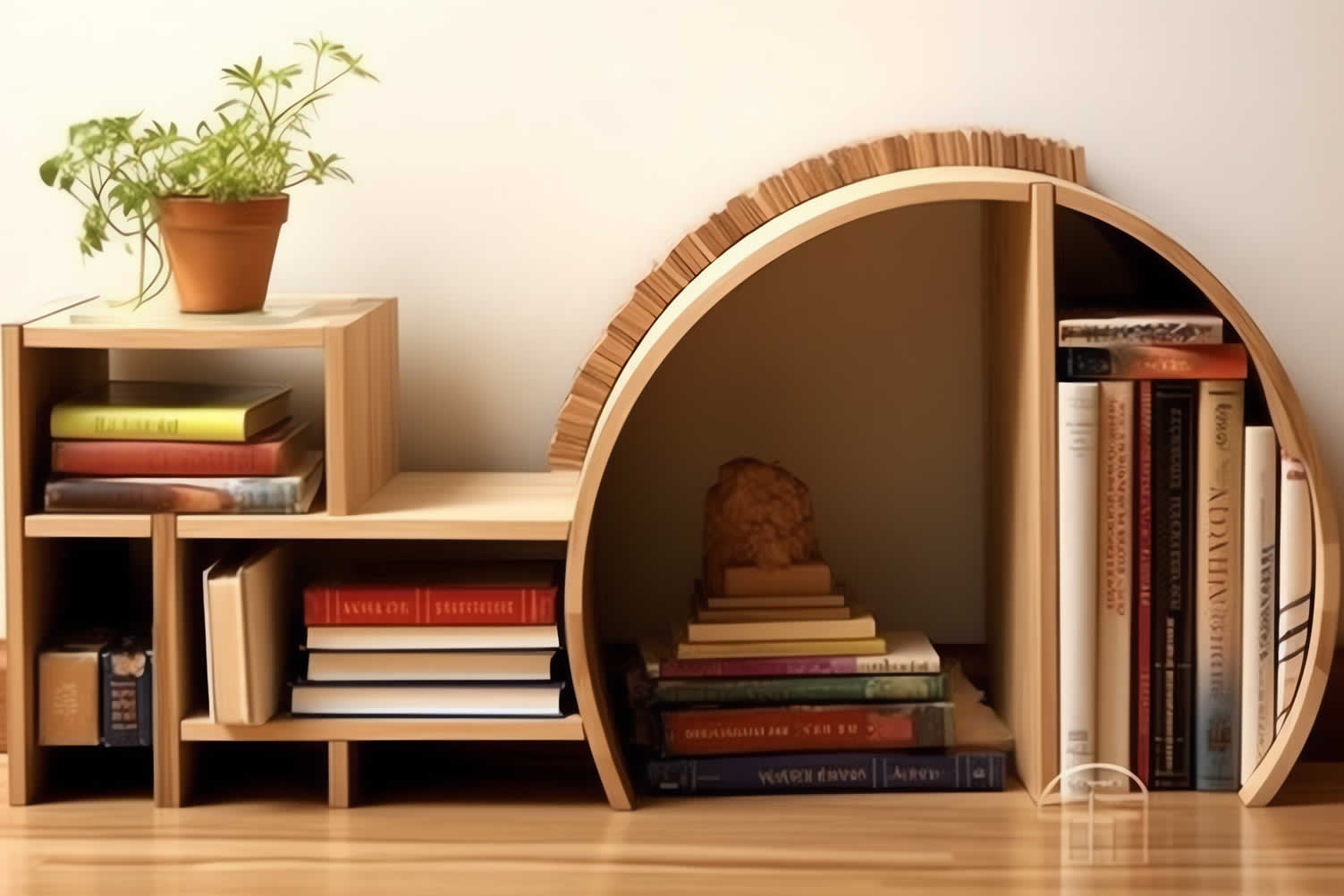
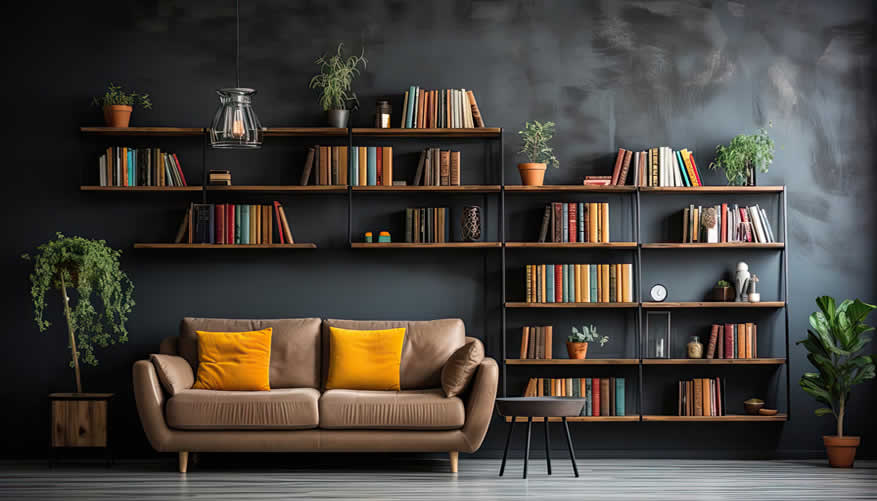
Cabinets and bookcases are versatile home storage options that can be incorporated into nearly any room, serving both functional and aesthetic purposes. They range from floor-to-ceiling bookcases that can house an extensive collection of literature, to sleek cabinets designed for organizing documents and miscellaneous items.
Besides adding value to your home, these storage solutions can be customized to reflect your personal style and meet specific organizational needs.
When selecting cabinets and bookcases, consider the following types that may be available:
- Standard Bookcases:
With adjustable shelves, these are ideal for storing a variety of book sizes and displaying collectibles.
[ view ] - Wall-Mounted Cabinets:
A great space-saving solution, offering a clean look and helping to keep the floor area uncluttered.
[ view ] - Corner Cabinets:
Designed to maximize storage space in often under-utilized corners, perfect for smaller rooms.
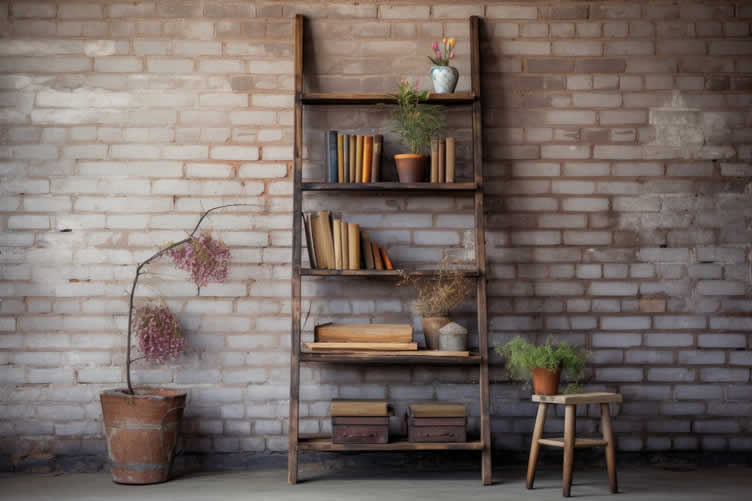
[ view ] - Ladder and Leaning Bookcases:
These add a modern touch and are suited for rooms with limited space.
[ view ] - Barrister Bookcases:
With their distinctive glass doors, these are excellent for protecting books and valuables from dust.
[ view ] - Modular Storage Systems:
These units provide the flexibility to mix and match components and create a custom storage solution.
[ view ] - Library Wall Units:
An impressive option for an extensive collection, often equipped with a ladder for easy access to high shelves.
[ view ] - Floating Shelves:
While not cabinets per se, they offer a minimalist approach to storage and can be placed anywhere on the wall.
[ view ] - Display Cabinets:
These come with glass panels to showcase fine china, glassware, or other display pieces while keeping them safe and dust-free.
[ view ] - File Cabinets:
An essential for home offices, they help keep documents organized and secure.
[ view ]
copyright image by 123rf.com
- Standard Bookcases:
-
5th: Storage Furniture
Adding functional yet aesthetically pleasing furniture pieces that contribute additional storage is an effective strategy to keep a home organized and tidy. Storage furniture can range from classic to contemporary, crafted to not only hold your belongings but to complement your home’s decor.
When considering which pieces to incorporate, factor in the overall space, design theme, and specific storage requirements. Below are some popular types of storage furniture that combine utility and style:
- Ottomans with Storage:
Ideal for living spaces, they serve as seating or footrests while offering concealed storage within.
[ view ] - Storage Benches:
Perfect for entryways or bedrooms, these provide a spot to sit as well as space below the seat to store items.
[ view ] - Bed Frames with Drawers:
A smart way to utilize the space under a bed, with drawers built into the frame for clothing or linen storage.
[ view ] - Credenzas:
With a low profile, they work well in dining areas or living rooms and come with various compartments.
[ view ] - Buffets and Sideboards:
Traditional dining room fixtures, they are great for storing tableware and linens, often with both shelves and drawers.
[ view ] - Wardrobes and Armoires:
Tall, standalone pieces that can offer hanging space, shelves, and drawers for clothing and accessories.
[ view ] - Hall Trees:
Freestanding units typically featuring hooks, bench seating, and sometimes shelves for additional foyer storage.
[ view ] - Storage Trunks:
They double as decorative accents and are suitable for storing larger items or keepsakes.
[ view ] - Multi-functional Media Consoles:
Designed to house entertainment systems while providing storage for electronics, games, and movies.
[ view ] - Kitchen Islands with Storage:
Besides providing extra countertop space, they often include cabinets and drawers for kitchen utensils and pantry items.
[ view ]

copyright image by 123rf.com
- Ottomans with Storage:
-
6th: Shelving
Adding shelving to your home is another seamlessly efficient way to create extra storage space while enhancing the aesthetics of a room.
Whether you’re displaying books, arranging collectibles, or organizing kitchen essentials, shelves offer versatile solutions that can be customized to suit any decor style or functional requirement.
Here’s a list of shelving options that cater to different needs and preferences:
- Floating Shelves:
A sleek and modern option, they appear to ‘float’ on the wall without visible brackets, ideal for minimalist designs.
[ view ] - Corner Shelves:
Perfect for making use of overlooked spaces, corner shelves fit neatly into the angles of walls to display or store items.
[ view ] - Ladder Shelves:
With a tiered, ladder-like design, they provide a casual, airy aesthetic and can be leaned against any wall.
[ view ] - Freestanding Bookcases:
Traditional and versatile, bookcases range from small, low units to expansive, library-style shelving.
[ view ] - Modular Shelving Systems:
These can be customized for specific spaces and needs, with components that can be moved or adjusted as required.
[ view ] - Mounted Wall Shelves:
Fixed to the wall with brackets, these shelves come in a variety of sizes and styles to accommodate heavier items.
[ view ] - Adjustable Shelving:
With the ability to adjust the height and position of individual shelves, this type offers flexible storage solutions.
[ view ] - Cube Storage Units:
Often modular in design, cube shelving can be stacked or combined in various ways, with each ‘cube’ serving as a storage niche.
[ view ] - Picture Ledges:
Shallow shelves intended for displaying framed photos or artwork but can also hold small trinkets and treasures.
[ view ] - Industrial Pipe Shelves:
Offering an urban, rustic look, these shelves combine wooden planks with metal piping for a distinctive style.
[ view ] - Wall Stud Shelving:
Designed to fit snugly between mounted wall studs, these shelves utilize the hidden structural elements of a wall to create recessed storage and display spaces, ideal for a built-in look without compromising floor space.
[ view ]

copyright image by 123rf.com
- Floating Shelves:
-
7th: Vertical Storage
Vertical storage units offer a sleek and efficient way to maximize storage space in homes where the square footage is at a premium. These units utilize the often-underused vertical space, drawing the eye upwards and making a room feel larger and more open.
They are particularly useful in areas like small apartments, home offices, or in any living space where clutter can quickly accumulate. By taking advantage of height rather than floor space, vertical storage units can keep belongings organized without contributing to a cramped and congested environment.
Here is a list of some popular vertical storage options:
- Tallboy Dressers:
Slim, high-set drawers that take up minimal floor space while providing ample storage.
[ view ] - Vertical Spice Racks:
Space-saving racks that can be installed inside cabinet doors or on walls to keep spices and condiments within reach.
[ view ] - Stacked Bins:
Durable bins that can be vertically stacked, great for storing items like toys, craft supplies, or tools.
[ view ] - Over-the-Door Organizers:
Utilize the back of doors for storing shoes, accessories, cleaning products, or pantry items.
[ view ] - Stacked Shelves:
Independent shelving units that can be piled securely on top of one another for customizable height.
[ view ] - Hanging Closet Organizers:
Soft shelves that hang from closet rods, offering extra shelving within a small footprint.
[ view ] - Narrow Pull-Out Cabinets:
Slim cabinets that can be pulled out to reveal hidden storage, ideal for kitchens and bathrooms.
[ view ] - Corner Rack Stands:
Triangular shelves that fit into corner spaces, providing vertical storage without taking up room.
[ view ] - Tiered Baskets:
Hanging or standing baskets in a tiered arrangement, perfect for storing fruit, vegetables, or small household items.
[ view ] - Vertical Plate Racks:
Racks that keep plates standing on edge, saving space in cupboards and making dishware more accessible.
[ view ]

copyright image by 123rf.com
- Tallboy Dressers:
-
8th: Other Creative Solutions
In addition to vertical storage solutions, there are numerous other creative storage ideas that can help maximize space while adding a touch of personality to your home.
For those looking to break free from conventional storage options, consider re-purposing everyday items or integrating multipurpose furniture to serve both utility and aesthetic functions.
Below is a curated list of alternative storage ideas that pack both style and efficiency:
- Re-purposed Mason Jars:
Ideal for holding pens, utensils, or small crafting supplies and can be displayed on floating shelves or within cabinets.
[ view ] - Vintage Suitcase Shelves:
Old suitcases transformed into unique wall shelves, adding a retro flair to room decor.
[ view ] - Book Nooks:
Spaces between wall studs turned into recessed shelving for books, ornaments, and more, maintaining a sleek wall profile.
[ view ] - Ladder Shelving:
An old ladder re-purposed into a chic storage piece, perfect for draping blankets, hanging pots, or organizing bathroom towels.
[ view ] - Bicycle Mounts:
Wall or ceiling-mounted hooks for bicycles, freeing up precious floor space in small apartments or garages.
[ view ] - Pegboards:
Highly versatile wall systems for hanging tools, utensils, or crafting items, customizable with various hooks and shelves.
[ view ] - Window Bench Storage:
Benches with flip-top or drawer storage situated under windows, providing a beautiful reading spot and organizational space.
[ view ] - Cabinet Door Storage:
Lightweight, slim storage solutions attached to the insides of cabinet doors, perfect for cutting boards, foil, and cling wrap.
[ view ] - Hyacinth Storage Baskets:
Woven with water hyacinth for a natural and aesthetic look, these baskets can be placed inside crate boxes to organize and conceal household items, adding texture and warmth to any room’s decor.
[ view ] - Shelving Cubicles:
Cubicles built into shelving units provide the perfect niche for storage baskets, keeping items neatly tucked away yet easily accessible. Ideal for organizing toys in a playroom, crafting materials in a studio, or linen in a closet, they simplify sorting and can contribute to a decluttered and stylish space.
[ view ] - Suspended Ceiling Storage:
Ingenious overhead compartments that dangle discreetly from the ceiling, utilizing vertical space often overlooked. Ideal for storing seasonal gear or long-term storage items, it keeps them out of sight but within easy reach when needed.
[ view ]
copyright image by 123rf.com
- Re-purposed Mason Jars:
-
-
ideas to view and compare from the information discussed above
mounted wall shelvesmultifunctional furnituremedia center bookshelf
Scroll up to directory … or scroll to next section about home storage solutions …
 … grab this directory of ideas

DIY steps and tool for expanding storage space





windows and doors


May We Suggest Other Photo Remodeling Ideas About
“Managing Your Home …” (new win)



third “photo remodeling” idea

copyright image by 123rf.com
Section 3: Tailored Storage Solutions by Room
Notes:
-
When it comes to contemplating storage solutions, it is absolutely imperative to meticulously tailor strategies to suit the unique requirements of each specific room in the home.
This entails ensuring that the organization system not only efficiently supports the functionality of the room but also contributes to maintaining a neat, clutter-free environment. Additionally, it is of utmost importance to create an aesthetically pleasing atmosphere that aligns with the overall interior design of the space.
By paying meticulous attention to every little detail, one can achieve the perfect harmony between functionality, organization, and visual appeal in every room of the home.
-
Quick scroll to “room-by-room” side notes …
-
-
1st: Kitchen Storage and Organization
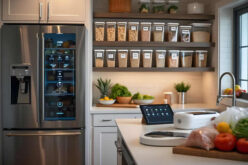
Kitchen organization is pivotal in creating an efficient and enjoyable cooking space. The key is to use smart storage solutions that not only make the best use of available space but also keep ingredients and utensils within arm’s reach.
By integrating clever organizational systems, anyone can transform their kitchen from cluttered chaos to a functional haven of culinary creativity. Some ideas include:
-
Pull-Out Pantry Systems
These systems make deep storage in kitchens more accessible. Installed on sliders, these shelves bring items hidden in the back of cabinets effortlessly to the forefront. Ideal for spices, canned goods, and other pantry essentials, pull-out pantries reduce the need to rummage through shelves.
[ view n’ shop ]
-
Magnetic Knife Strips
A magnetic knife strip, mounted to the wall, is an innovative way to store and display knives. Not only does it save drawer space and protect knife edges, but it also makes it simple to choose the right knife for the job at a glance.
[ view n’ shop ]
-
Pot Racks
Suspended from the ceiling or wall-mounted, pot racks are a great way to keep pots and pans within easy reach, while also serving as a rustic decorative element. They work particularly well in kitchens with limited cabinet space
[ view n’ shop ]
-
Lazy Susans
Perfect for corner cabinets or hard-to-reach spots, Lazy Susans feature rotating trays that bring every item into view with just a spin. They are especially useful for storing condiments, spices, and small jars
[ view n’ shop ]
-
Drawer Dividers
Customizable drawer dividers create designated spots for utensils and cutlery, bringing order to what can often become jumbled storage spaces. These simple inserts can be adjusted to fit various drawer sizes and contents
[ view n’ shop ]
-
Over-the-Cabinet Door Organizers
Utilizing the often-unused space on the inside of cabinet doors, these organizers can hold everything from cleaning supplies to foil and plastic wrap, freeing up valuable drawer and shelf space in the process
[ view n’ shop ]
-
Utensil Trays
To further streamline kitchen organization, utensil trays can be a game-changer. They fit neatly into drawers and provide compartmentalized spaces for different types of kitchen tools, from spatulas to whisks. By having a specific place for each utensil, meal preparation becomes a more efficient and enjoyable process.
[ view n’ shop ]
-
Utensil Caddies
For cooks who prefer to keep their most used tools at hand, a utensil caddie is an excellent solution. Positioned conveniently on countertops, these caddies can accommodate a variety of cooking implements, from wooden spoons to tongs, ensuring they are readily accessible during food preparation.
[ view n’ shop ]
-
Peg Boards
Peg boards are versatile organizers that can transform an empty wall into a customizable storage area. With an array of hooks and shelves that can be repositioned, peg boards allow for a tailored arrangement to hang pots, pans, and kitchen tools, making them easily accessible while saving precious cupboard space.
[ view n’ shop ]
-
Spice Racks
Incorporating a spice rack is an efficient way to organize seasonings and make them easily accessible during meal prep. Spice racks come in various forms, such as wall-mounted shelves, in-drawer inserts, or countertop models, each designed to save space and reduce clutter.
[ view n’ shop ]
-
Bakers Racks
Bakers racks serve as a charming and functional addition to any kitchen, offering extra storage space for bakeware, appliances, and even decorative items. Traditionally made of wrought iron or other sturdy materials, these racks often feature multiple shelves and hooks for hanging utensils or linens.
[ view n’ shop ]
-
Refrigerator Organizers
Refrigerator organizers help to categorize and separate items within the fridge for easier access and to monitor food freshness. From clear bins to stackable drawers and egg holders, these tools maximize space efficiency and help maintain an orderly environment, simplifying the task of keeping track of perishables.
[ view n’ shop ]
copyright image by 123rf.com
[ view images: kitchen storage solutions]
[ youtube: kitchen storage ideas]
-
-
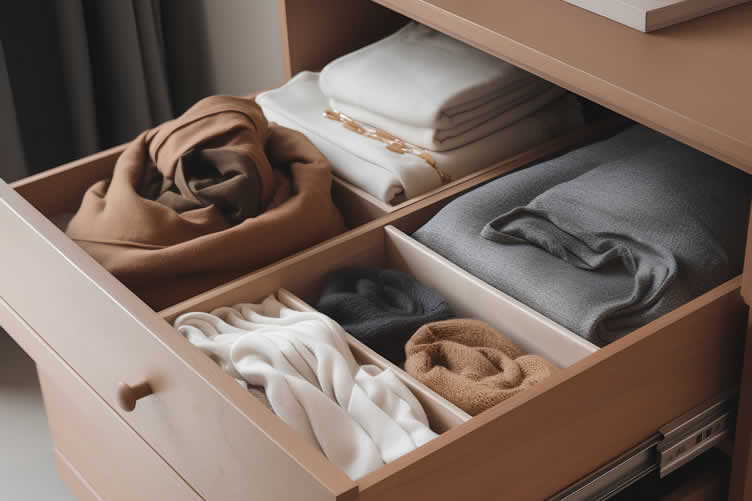
2nd: Bed n’ Bath Storage
Successful bed n’ bath organization hinges on maximizing space while maintaining a tranquil, clutter-free environment. Tailored storage solutions can transform these personal areas into havens of calm and efficiency.
From under-bed storage boxes to over-the-door racks, optimizing your bedroom and bathroom storage makes for a more serene and orderly living space
-
Under-Bed Storage
Maximize the often-underutilized space beneath the bed with storage containers designed for easy access and discrete concealment. Ideal for storing out-of-season clothing, extra bedding, or seldom-used items, under-bed storage comes in a variety of materials and styles, some even equipped with wheels for added convenience.
[ view n’ shop ]
-
Over-the-Door Hooks and Racks
An over-the-door hook or rack is a simple and effective way to increase hanging space without needing to drill into walls. These versatile organizers are perfect for hanging towels, robes, or clothes, keeping them off the floor and within reach.
[ view n’ shop ]
-
Vanity Organizers
Cluttered countertops can be streamlined with vanity organizers, which compartmentalize cosmetics, toiletries, and grooming tools. They come in an array of designs, from drawer dividers to tiered trays, making it easy to find what you need and maintain a tidy, stress-free countertop.
[ view n’ shop ]
-
Shelving Units
Shelving units take advantage of vertical space and can be used to store a variety of bed and bath essentials, from towels to toiletries. Freestanding or wall-mounted shelves can be strategically placed to keep necessary items within arm’s reach while contributing to the overall aesthetic of the room.
[ view n’ shop ]
-
Medicine Cabinets
Medicine cabinets are classic storage solutions that keep bathroom counters clear without sacrificing accessibility. Mounted above the vanity or sink, they offer a mirror for grooming as well as shelving hidden behind for discreet storage of medications, hygiene products, and other small items.
[ view n’ shop ]
-
Towel Racks and Bars
Installing towel racks or bars is an elegant solution for drying and displaying towels. They can be placed on walls or the back of the bathroom door, providing a dedicated spot that helps towels dry more quickly and keeps them organized and off the floor.
[ view n’ shop ]
-
Wardrobes and Armoires
Wardrobes and armoires are substantial pieces of furniture that add both functionality and elegance to a bedroom or bath setting. Especially useful in rooms lacking built-in closets, they offer a generous space for hanging garments, stowing away seasonal bedding, and organizing accessories.
[ view n’ shop ]
-
Bathroom Standing Cabinets
Bathroom standing cabinets, also known as free-standing cupboards, are versatile storage units that can accommodate a wide range of items. Often designed to fit in narrow spaces, these cabinets can stand alone without the need for wall mounting, making them an ideal solution for renters or those looking to avoid permanent alterations.
[ view n’ shop ]
copyright image by 123rf.com
[ view images: bedroom storage solutions]
[ youtube: bedroom storage ideas]
-
-
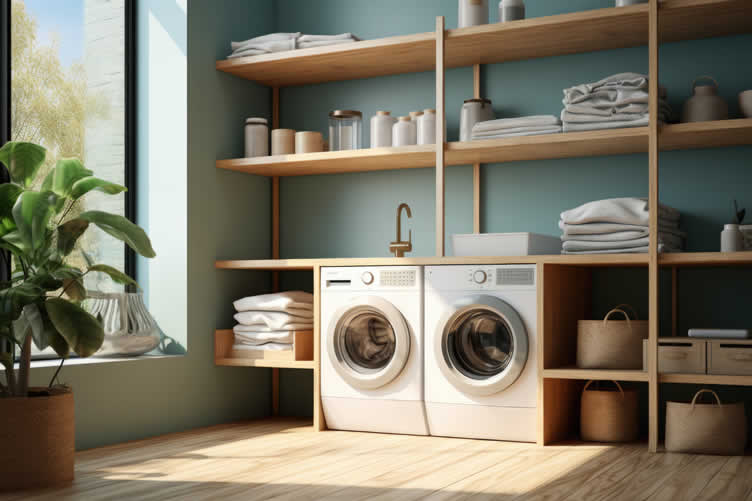
3rd: Home Utility Storage and Organization
Creating an efficient and orderly home relies significantly on the organization of utility spaces. Proper storage solutions in these areas are essential for maintaining a clutter-free environment, ensuring that every tool and supply has a designated space.
By optimizing storage in the laundry room, cleaning closet, and utility room, households can achieve a more streamlined and stress-free living experience
-
Laundry Room Organization
Laundry rooms often multitask as storage space for cleaning supplies, linens, and of course, laundry essentials. Innovative options for this space include:
[ view n’ shop ]
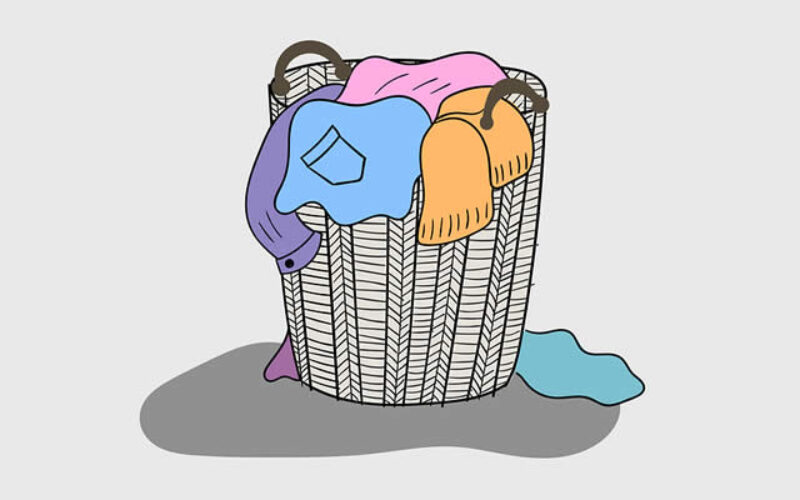
- Pull-Out Laundry Hampers:
Concealed within cabinetry, pull-out hampers keep dirty clothes out of sight and help sort laundry efficiently. - Wall-Mounted Drying Racks:
These foldable racks provide space to dry delicate items without monopolizing the room. - Overhead Shelving:
Utilizing vertical space, overhead shelves can hold laundry detergents, fabric softeners, and other supplies, keeping them at arm’s reach but out of the way.
- Pull-Out Laundry Hampers:
-
Cleaning Closet Solutions
The cleaning closet is a powerhouse of organization, storing an array of cleaning tools and products. To maximize its utility:
[ view n’ shop ]
- Adjustable Shelving:
These allow for customized storage, accommodating various bottle heights and cleaning tools. - Door Organizers:
Ideal for holding smaller items and tools, they enhance space usage on the back of the closet door. - Utility Hooks and Holders:
Perfect for storing brooms, mops, and dusters, keeping them accessible yet neatly arranged.
- Adjustable Shelving:
-
Utility Room Systems
Utility rooms serve as a home’s operational hub and require robust organization systems, such as:
[ view n’ shop ]
- Modular Storage Units:
With adjustable components, these units are tailored to fit the room’s specific storage needs. - Pegboards:
A versatile option for hanging tools, extension cords, and frequently used items in a clear and accessible manner. - Storage Bins:
Labeled bins can be used to separate and store seasonal items, sports equipment, and miscellaneous tools, ensuring they’re easy to find when needed.
- Modular Storage Units:
copyright image by 123rf.com
[ view images: using pegboards for storage]
[ youtube: creative laundry room storage]
-
-
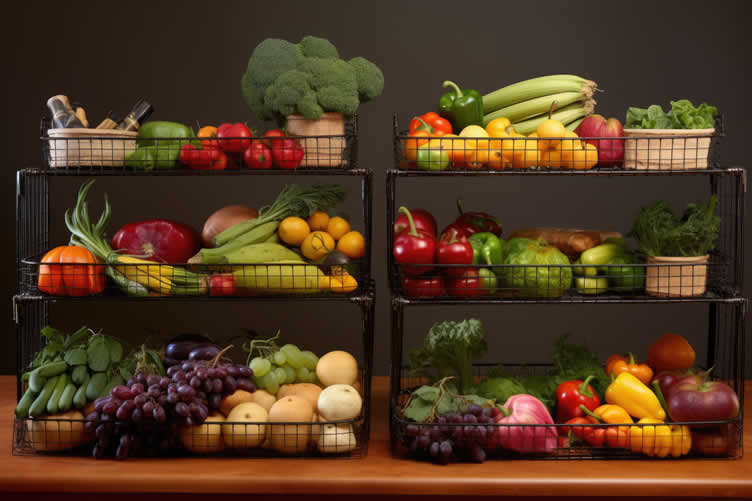
4th: Food Storage and Organization Options
Proper food storage and organization are critical for maintaining the freshness of ingredients, preventing food waste, and keeping the kitchen clutter-free. Effective solutions help to maximize space, streamline meal preparation, and extend the shelf life of food.
With various options available, individuals can customize their approach based on kitchen size, lifestyle, and personal preferences
-
Pantry Shelving Systems
Pantry shelving systems come in various designs to efficiently utilize vertical space and keep food items visible and accessible. Adjustable shelves allow for customization according to the size of the stored items, while pull-out drawers make it easier to reach items stowed at the back.
[ view n’ shop ]
-
Food Storage Containers
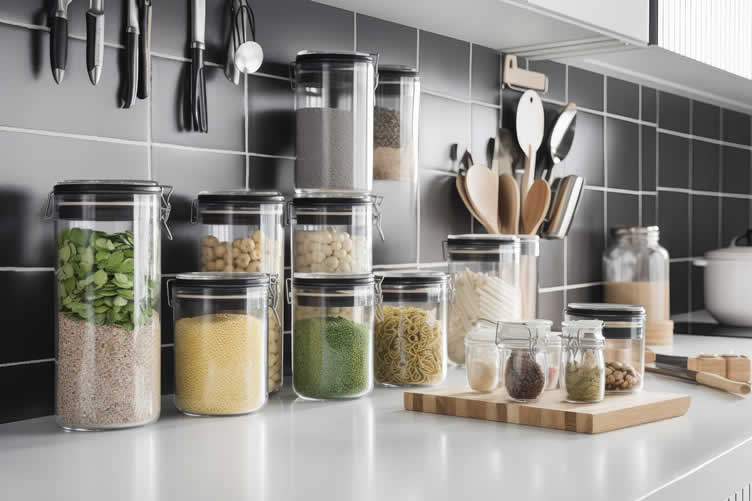
Food storage containers are indispensable for keeping food fresh and safe from pests or contaminants. Available in different sizes and materials such as glass, plastic, or metal, they are perfect for organizing dry goods, leftovers, or meal prep ingredients. Airtight seals preserve the quality of the food and prevent spillage.
[ view n’ shop ]
copyright image by 123rf.com
[ view images: food storage solutions]
[ youtube: how to build 1-year food storage]
-
-
5th: Attic, Basement and Garage Storage
Attics, basements, and garages often become the final resting place for seasonal items, tools, and miscellaneous belongings that do not have an immediate place within the home. Managing household clutter is a challenge, but with the right storage solutions, it can be an attainable goal.
Each area of the home has unique potential for optimization. In attics, the focus can be on preserving items that are rarely used, while basements might serve as multi-functional spaces that require adaptable storage systems. Garages often double as workshops, necessitating organized and accessible tool storage options
-
Attic Storage Solutions
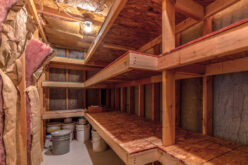
The attic is often an underutilized area that, with proper organization, can provide ample storage solutions for a household. It’s critical to consider the structural integrity and conditions of the attic space because these factors influence the type of storage items best suited for the environment.
- Built-In Closet Systems:
Maximize organization and space with built-in closet systems. These tailored storage solutions can be designed to fit the unique angles and dimensions of your attic, providing specific places for your belongings while maintaining an aesthetic coherence.
[ view n’ shop ] - Climate-Controlled Storage Units:
When storing sensitive items like clothing, photographs, or collectibles that could be damaged by extreme temperatures or humidity, climate-controlled units within the attic can provide an extra layer of protection. These units maintain a consistent environment to safeguard your valuables against the weather fluctuations typical in attic spaces.
[ view n’ shop ] - Modular Storage Solutions:
Modular storage systems are highly adaptable, allowing for a custom arrangement that can evolve with your storage needs. They usually consist of stackable units or shelving that can be arranged to fit the unique dimensions and angles of your attic space.
[ view n’ shop ]
- Built-In Closet Systems:
-
Basement Storage Solutions
Basements can vary from finished rooms to utilitarian spaces, but they typically offer more square footage for storage. The key to maximizing basement storage is to balance accessibility with the preservation of items from potential basement issues such as moisture or pests
- Shelving Units and Plastic Totes:
Sturdy shelving units are the backbone of any well-organized basement. Adjustable shelves allow customization according to the item size. Pair these with plastic totes to keep items dry and protected; clear totes can also make it easier to identify contents at a glance.
[ view n’ shop ] - Wall-Mounted Systems:
Wall-mounted storage systems can include a combination of hooks, bins, and racks that can be customized to fit various storage needs. This flexible option takes advantage of vertical space and can be adjusted as storage needs change over time.
[ view n’ shop ] - Ceiling Storage:
Make use of the overhead space in a basement with hanging shelves or racks. This is ideal for items that are not frequently used, such as holiday decorations or off-season clothing, ensuring they are out of the way yet still accessible when needed.
[ view n’ shop ] - Sealed Cabinets:
Cabinets with doors offer extra protection from dust and pests, making them a good option for storing items that need to be kept in a more controlled environment. These can range from simple plastic units to more substantial, humidity-resistant materials suitable for long-term storage.
[ view n’ shop ] - Freestanding Closets:
For those needing to store clothing or outerwear in the basement, freestanding closets provide a portable and protective environment. They can come equipped with hanging rods and shelves and are typically made from lightweight materials for easy repositioning.
[ view n’ shop ] - Climate-Controlled Cabinets:
In regions with high humidity or extreme temperature fluctuations, climate-controlled cabinets can safeguard sensitive items, such as wine collections or important documents, within the basement area.
[ view n’ shop ]
- Shelving Units and Plastic Totes:
-
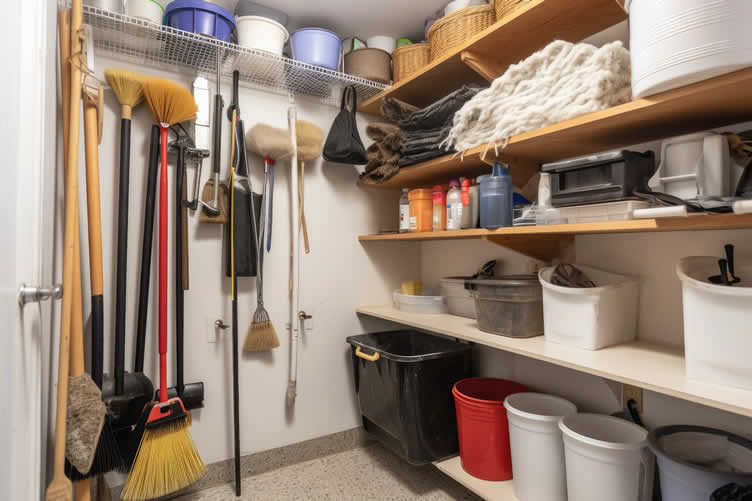
Garage Storage Solutions
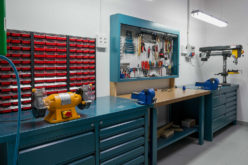
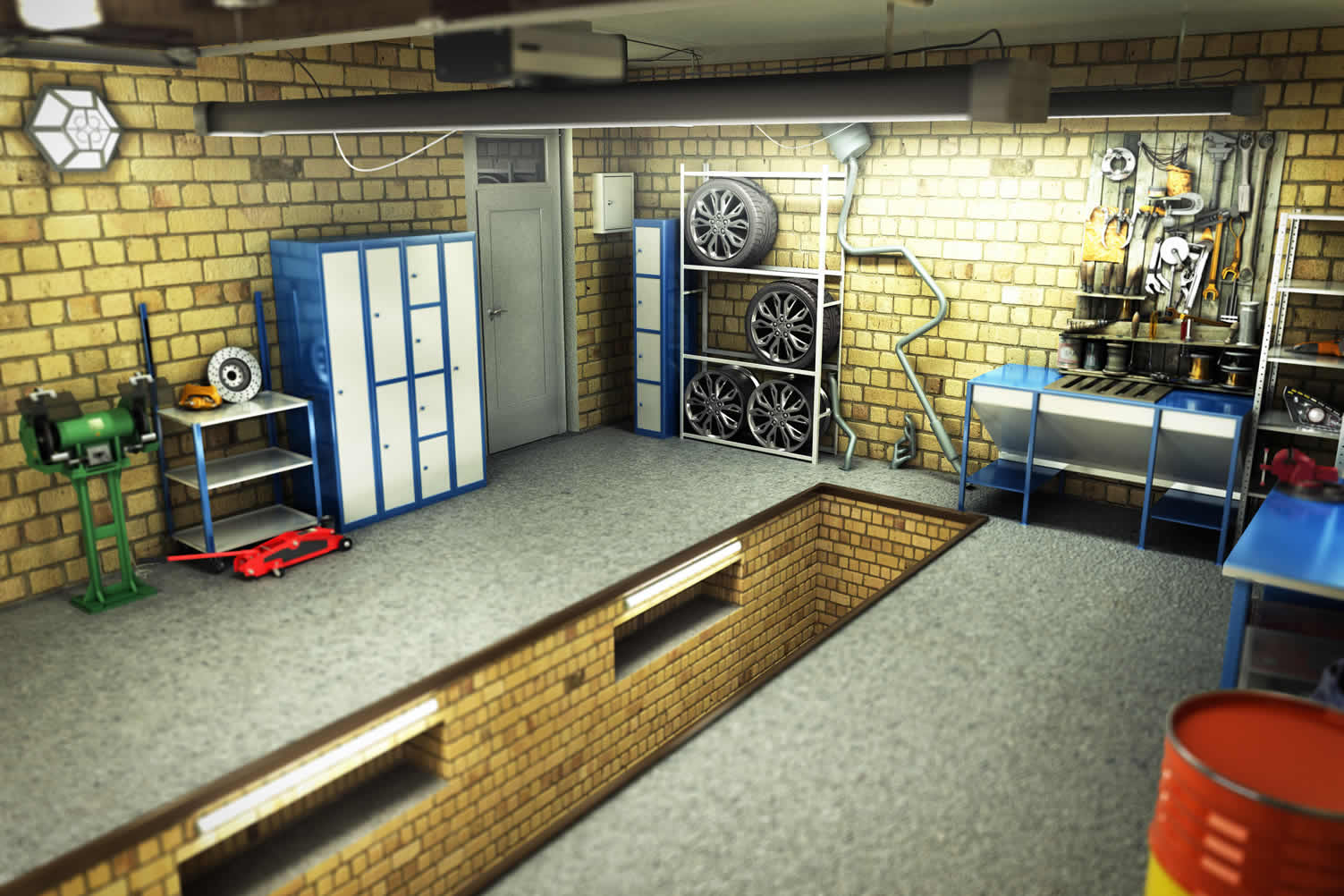
A garage can serve as a multi-purpose area—part work area, part storage space—necessitating organization that allows for practical utility as well as storage. The most popular garage storage solutions include cabinets, shelving units, and versatile wall panels
- Cabinets for High-Use Tools:
Tools used frequently in the garage should be stored in cabinets or on open shelves. A cabinet with a locking door can store hazardous tools out of reach of children while preventing them from becoming disorganized or lost.
[ view n’ shop ] - Sports Equipment Racks:
Sports and outdoor enthusiasts can benefit from dedicated racks for bicycles, skis, and other sports gear. Not only do they keep equipment organized, but they also help to prevent damage and make it easier to grab what you need for your next adventure.
[ view n’ shop ] - Overhead Storage Solutions:
To maximize the vertical space in your garage, consider installing overhead storage racks. These high-mounted storage platforms are perfect for stowing away seasonal decorations, camping gear, and other items that are used less frequently. They not only save valuable floor space but also keep things out of reach from children and pets.
[ view n’ shop ] - Wall-Mounted Pegboards and Shelving:
Wall-mounted pegboards and shelving units take advantage of vertical space along the perimeter of attics and garages. Pegboards are excellent for hanging tools, garden equipment, and small items that can be easily lost, while shelving units can support heavier items, organized in bins or boxes.
[ view n’ shop ] - Magnetic Storage Bars:
Magnetic storage bars are a sleek and efficient way to store and organize your metal tools and bits. You can easily mount them on the wall, saving counter and drawer space for other items. With a strong magnetic pull, tools like wrenches, screwdrivers, and pliers are held securely in place and are easily accessible.
[ view n’ shop ] - Slatwall Panels:
Slatwall panels offer a versatile and customizable storage solution with a variety of hooks, bins, and baskets that can be arranged to fit the storage needs of any garage. The horizontally grooved panels allow for easy adjustments, enabling homeowners to modify their setup as their storage needs change over time.
[ view n’ shop ] - Storage Bins and Totes:
Storage bins and totes are perfect for grouping similar items together, such as automotive parts, holiday decorations, or gardening supplies. Labeling each bin can further enhance organization, making it simple to find what you need without wasting time searching through clutter. These containers can be neatly stacked on shelves or slid under benches to optimize space.
[ view n’ shop ] - Ceiling-Mounted Bicycle Lifts:
For cycling enthusiasts with limited floor space, ceiling-mounted bicycle lifts offer a clever storage alternative. These systems utilize a pulley mechanism to hoist bicycles up and out of the way, capitalizing on unused ceiling space while keeping your bikes secure and easily retrievable when needed..
[ view n’ shop ]
- Cabinets for High-Use Tools:
copyright image by 123rf.com
[ view images: garage storage solutions]
[ youtube: reclaiming attic space for storage]
-
-
6th: Outdoor Storage and Organization
Optimizing outdoor storage enhances not only the functionality of the space but also its aesthetic appeal. Organizing your outdoor area can transform it from a cluttered, uninviting space into an orderly sanctuary suitable for relaxation and entertainment
-
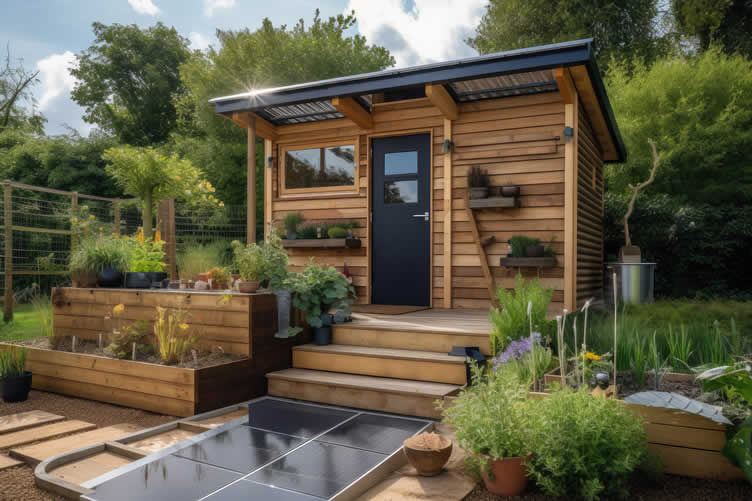
Storage Sheds
Storage sheds are quintessential for managing a broad range of outdoor equipment, from garden tools to lawnmowers.
- Wooden Sheds:
Offer a classic look that can be customized to match your home’s exterior and can be treated for weather resistance.
[ view n’ shop ] - Metal Sheds:
Provide durability and strength, ideal for storing heavy equipment and offering enhanced security against theft.
[ view n’ shop ] - Resin Sheds:
These are made from high-quality plastic, ensuring that they are maintenance-free and resistant to rust, rot, and fading.
[ view n’ shop ]
- Wooden Sheds:
-
Outbuildings
Larger than storage sheds, outbuildings serve as multipurpose spaces that can be used as workshops, hobby rooms, or even guest quarters.
- Barn-style Structures:
These often provide ample overhead space suitable for lofts or additional storage.
[ view ] - Modular Buildings:
Can be pre-fabricated and delivered, designed for quick setup and flexible in their use.
[ view ] - Greenhouses:
Specifically crafted to support gardening throughout the year, with options for climate control and shelving.
[ view ]
- Barn-style Structures:
-
Patio/Deck Storage
Maintaining a tidy patio or deck is crucial for creating an inviting outdoor living area.
- Deck Boxes:
Provide a discreet storage area for cushions, grilling equipment, and pool accessories.
[ view n’ shop ] - Outdoor Cabinets:
Weather-resistant cabinets can protect finer outdoor tableware and serve as a serving station during gatherings.
[ view n’ shop ] - Bench Storage:
Multi-functional furniture with built-in storage can be both practical and space-saving, perfect for smaller patios and decks.
[ view n’ shop ]
- Deck Boxes:
copyright image by 123rf.com
[ view images: outdoor storage solutions]
[ youtube: how to choose shed and storage]
-
-
-
ideas to view and compare from the information discussed above
Scroll up to directory … or scroll to next section about home storage solutions …




remodeling decisions




fourth “photo remodeling” idea
copyright image by 123rf.com
Section 4: Organization Tips and Maintenance
Notes:
-
An obstacle to maintaining pristine storage is clutter creep, the gradual accumulation of unnecessary items. To combat this, it is crucial to regularly sort through your belongings and discard what is no longer needed.
Implementing effective organization strategies, such as clear labeling and the use of dividers, can help keep your newly built storage system organized and optimized for its intended purpose. Organizing storage effectively can dramatically improve the functionality and aesthetics of any space.
An orderly environment not only makes finding items easier but also brings a sense of calm and efficiency to daily routines. Here are several tips to consider for tidying up your storage areas.
-
Regularly Declutter
To maintain organization, it’s crucial to periodically assess and declutter your storage areas. Dispose of or donate items that are no longer needed, and reorganize spaces to accommodate any changes in your storage needs. This cycle of reassessment ensures that your organizational systems evolve and remain effective.
Implementing these organizational tips can lead to a more harmonious living environment and can save time and frustration when searching for stored items.
-
Labeling and Categorizing
One of the key elements of effective storage is having a system in place. Labeling and categorizing your storage containers can help make finding items easier and keep things organized in the long run.
Use clear labels or color-coded tags to identify what is inside each container, making it simple to locate specific items without having to dig through multiple boxes. This tactic is particularly effective in areas like pantries, garages, and craft rooms, where multiple small items are stored.
-
Implement Drawer Dividers
Drawer dividers are a simple and affordable way to compartmentalize your drawers for better organization. By segmenting drawers into defined sections, you can keep similar items together and prevent the jumble that often happens with daily use.
Ideal for desk, kitchen, and bathroom drawers, dividers can help maintain order with minimal effort.
-
Adopt Storage Bins and Containers
Using bins and containers of various sizes can help categorize and protect items, making them easier to stack and store efficiently. Opt for clear containers for visibility or solid ones that can be labeled for quick identification. Consolidating items into these containers also helps to declutter shelves and closets.
-
Seasonal Storage
As the seasons change, so do our belongings. Making use of seasonal storage can help keep your living space clutter-free and organized. Consider investing in under-bed storage containers or vacuum-sealed bags for items that are not in use during certain seasons.
This will also make it easier to rotate seasonal clothing and decorations without taking up unnecessary space in your closets and cabinets.
-
Regular Cleaning Routines
Incorporating regular cleaning into your routine can significantly extend the life of your storage areas and improve their functionality. Set aside time weekly to dust and wipe down shelves, ensuring that dirt and grime do not accumulate.
This not only maintains the quality of your storage units but also allows you to review the items stored, keeping everything in its right place and making mental notes of where everything is located. Regular cleaning prevents long-term damage to both the items stored and the storage units themselves.
-
Incorporating Storage in Your Décor
Storage units do not have to be standalone items that are hidden away from view. With the rise of minimalistic designs, integrating storage into your décor has become increasingly popular. From open shelving to modular furniture pieces, incorporating storage into your room’s aesthetic can add both functionality and style.
Consider using decorative baskets or bins as a way to store and organize items while also adding a touch of visual interest to the room. This integration of storage into your décor can help eliminate clutter and create a cohesive look in your living space.
-
Utilizing Vertical Space
When it comes to optimizing storage, utilizing vertical space is often overlooked. Instead of filling up floor space with large bins or boxes, consider using shelving units or hanging storage containers that take advantage of the vertical space in your room.
This can free up more floor area and provide additional storage options. Vertical storage is also a great way to display decorative items, adding both functionality and aesthetic appeal to your living space.
-
-
Quick scroll to “organizational” side notes …
- 1st: Streamlining the Bedroom Closet
- 2nd: Making Your Kitchen More Functional
- 3rd: Garage Organization Strategies
- 4th: Attic Organization Essentials
- 5th: Mudroom (Entryway) Organization
- 6th: Artful Bookcase Arrangement
- shop ideas
- home renovation professionals
- next topic: DIY Storage and/or Professional Help
-
-
1st: Streamlining the Bedroom Closet
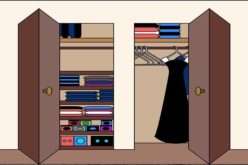
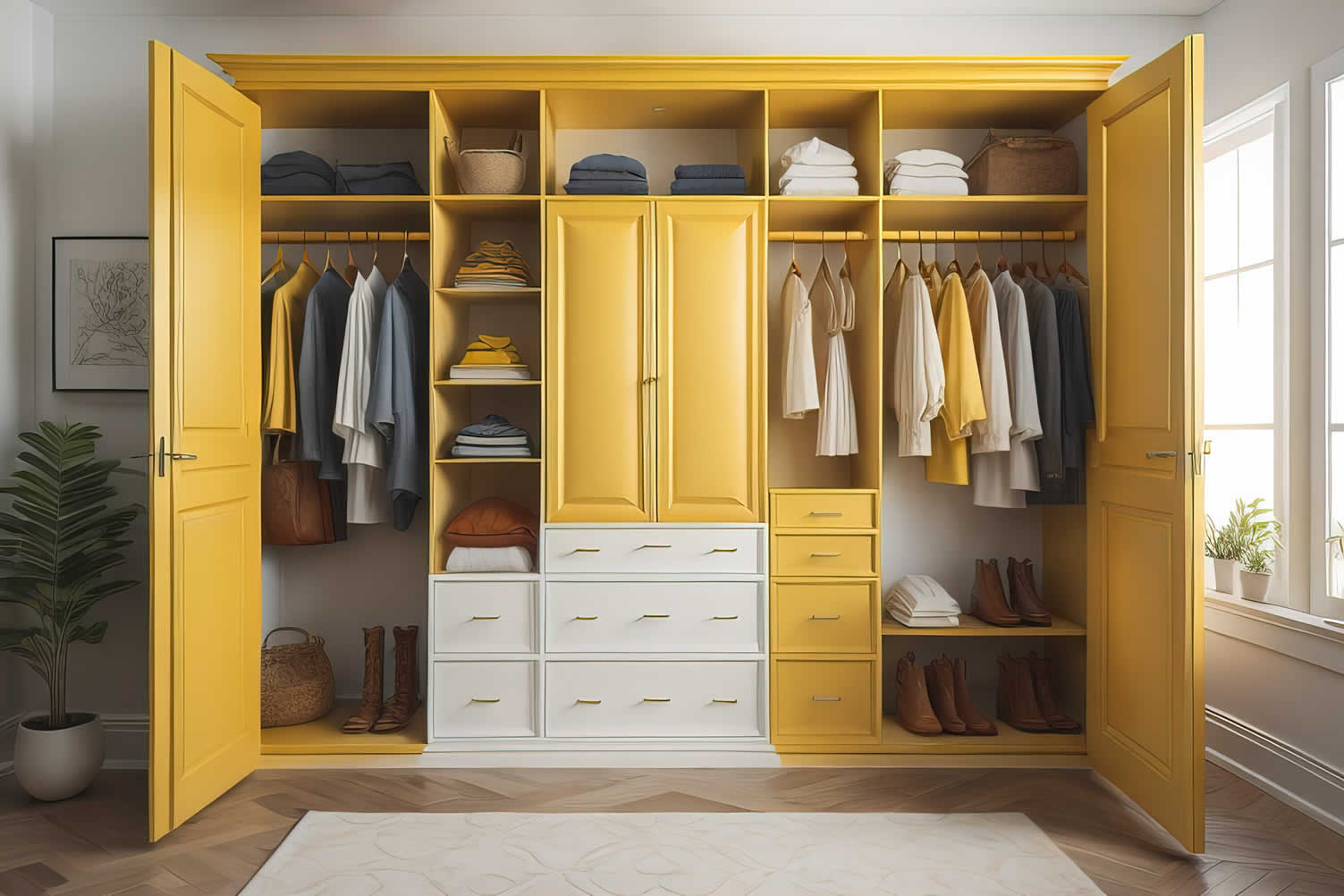
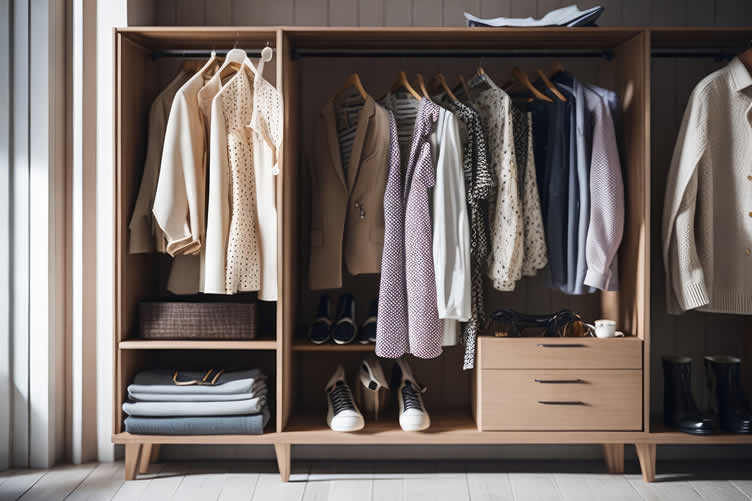
An organized bedroom closet can drastically improve your morning routine, allowing you to find your desired attire with ease. Investing in uniform hangers creates a cohesive look and can often accommodate more garments within the space.
For an added layer of organization, sort clothing by type and color, which not only streamlines the selection process but also transforms your closet into an aesthetically pleasing element of the room.
Merging style with function, clear storage boxes can be a visually appealing way to store seasonal items, keeping your closet in sync with the current season while protecting off-season clothing from dust.
To avoid neglecting any piece, implement the reverse hanger technique; after wearing and washing an item, place it back with the hanger facing the opposite direction. This method will quickly reveal which items are seldom used and may need to be reassessed during your next decluttering session.
-
Accessorize with Intent
- Drawer Organizers:
Utilize drawer organizers to keep small items such as socks and undergarments in order. This prevents the all-too-common ‘drawer chaos’ and speeds up your outfit selection process each morning. - Labels:
For those with extensive wardrobes, labels can be immensely helpful. Label shelves, boxes, and drawers to streamline the process of retrieving and returning items to their designated spots. - Shoe Organization:
Designate a space for shoes rather than leaving them scattered on the floor. Whether it’s a hanging organizer on the back of the door, a shoe rack, or clear boxes, keeping shoes grouped together saves time and preserves their shape.
- Drawer Organizers:
-
Maximize Space with Multi-Use Hangers
- Dual-Purpose Hangers:
Employ multi-use hangers that can hold multiple items at once, such as scarves, ties, or belts. This is not only space-efficient but also keeps accessories neatly displayed and prevents tangling. - Tiered Hangers:
Consider using tiered hangers for trousers and skirts to consolidate space. Having these items hung vertically allows for more horizontal space for other clothing.
- Dual-Purpose Hangers:
-
Embrace Vertical Storage Solutions
- Shelf Dividers:
Add shelf dividers to prevent stacks of clothing from toppling over. This simple addition can keep each stack in place and makes for easy retrieval. - Hanging Organizers:
Take advantage of hanging organizers for storing lightweight items such as sweaters and shirts. They are perfect for making the most of the vertical space that traditional shelves and hanging rods may not use efficiently.
- Shelf Dividers:
Embrace these bedroom closet and drawer organizational tips to simplify your life and create a tranquil, clutter-free environment. With your clothing and accessories in order, you’ll have more time to enjoy the serenity of your personal space.
copyright image by 123rf.com
[ view images: bedroom closet organization]
[ youtube: organize your bedroom closet]
-
-
2nd: Making Your Kitchen More Functional
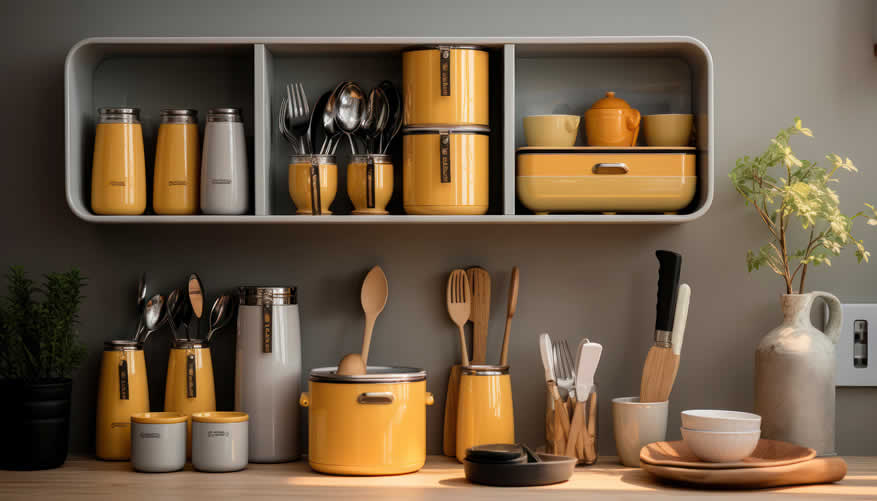
The heart of the home, your kitchen, could benefit greatly from creative storage solutions. To optimize kitchen organization, start by decluttering your countertops and employing custom shelving units or hanging racks to utilize every inch of vertical space. These installations not only serve as functional additions to your culinary workspace but also add to the aesthetic appeal of your kitchen.
Additionally, consider implementing a utensil pegboard—a tip inspired by professional chefs—for easy access and efficient space use. Remember, an organized kitchen is key to making meal preparation a delightful experience.
-
Optimize Kitchen Cabinet and Drawer Layout
- Group Similar Items:
Begin by categorizing items in your cabinets and drawers. Place similar types of cookware, dishes, and utensils together. For example, keep all baking sheets in one area, pots and pans in another, and so on. This categorization simplifies the process of finding what you need without sifting through disorganized piles. - Utilize Drawer Dividers:
Employ drawer dividers to compartmentalize kitchen utensils, gadgets, and cutlery. This will prevent drawers from becoming cluttered and ensure each item has a precise location — making cooking preparation more efficient.
- Group Similar Items:
-
Implement Stackable Shelves and Racks
- Stackable Shelves:
Add stackable shelves within cabinets to create additional levels of storage. This is particularly effective for organizing plates, bowls, and cups, allowing you to take advantage of the full height of the cabinet. - Spice Rack Organizers:
Spice rack organizers can be a game-changer for cabinets. Whether you choose a tiered shelf, a lazy Susan, or a pull-out spice rack, keeping spices organized and visible will make it a breeze to season your dishes while cooking.
- Stackable Shelves:
-
Master the Art of Container Storage
- Airtight Containers:
Transfer dry goods such as pasta, rice, and flour into clear, airtight containers. Not only does this help preserve freshness, but it also allows you to easily see your inventory at a glance. - Label Everything:
Take organization one step further with labels. Whether you’re using containers, baskets, or shelves, labeling helps maintain the system you’ve set up and aids others in following it as well.
- Airtight Containers:
-
Commit to Kitchen Cabinet Clarity
- Use Clear Containers:
Switch to clear containers for your pantry staples like flour, sugar, and pasta. Being able to see what’s inside, as well as quantity remaining, helps in maintaining order and knowing when it’s time to restock. - Door-Mounted Racks:
Install door-mounted racks to hold wraps, foils, and cleaning supplies. This keeps them out of the way yet easily accessible when needed.
- Use Clear Containers:
-
Drawer Dividers for Utensils
- Utensil Trays:
Invest in adjustable utensil trays for your kitchen drawers to keep cutlery and cooking tools separated and within easy reach. - Deep Drawer Organizers:
Use deep drawer dividers for larger utensils, pots, and pans. This helps in maintaining a tidy space, making it easier to find and retrieve larger kitchen tools without rummaging.
- Utensil Trays:
-
Organize Vertically for Efficiency
- Vertical Pot Racks:
Install vertical pot racks inside your cabinets for a tidy way to store pots, pans, and their lids, making them more manageable and easier to access. - Stackable Shelving:
Incorporate stackable shelves inside your cabinets to double the amount of usable space, perfect for dishes, bowls, and cups.
- Vertical Pot Racks:
copyright image by 123rf.com
[ view images: kitchen organization]
[ youtube: tips to keep your kitchen organized]
-
-
3rd: Garage Organization Strategies
Unlock the full potential of your garage with our expert tips on garage organization. A well-organized garage can provide not only a place for your vehicle but also a workshop, a storage haven, and even a space for hobbies.
By integrating storage solutions into your garage, you’ll revolutionize the way you use this often-overlooked space. Construct custom shelving to store tools, sports equipment, and holiday decorations, freeing up floor space and reducing clutter.
Opt for wall-mounted racks to hold bikes and garden gear, and use ceiling-mounted storage systems for seldom-used items. These creative storage solutions will help you maintain a clean and orderly garage, transforming it into a versatile and practical extension of your home.
-
Tool Territory: Crafting an Efficient Workspace
Organizing your tools doesn’t have to be a daunting task. Designate a specific area in your garage as your tool territory. Use pegboards or magnetic strips to hang wrenches, hammers, and hand tools for easy access.
Smaller items like screws and nails can be sorted into clear, labeled bins, so you always find what you need at a glance. Installing a sturdy workbench with built-in storage is an excellent way to keep equipment within reach while working on DIY projects.
-
Seasonal Gear Swap: Seamless Transitions for Your Storage
As seasons change, so do our storage needs. Using a seasonal gear swap strategy aids in keeping your garage adaptable. Use shelving units with adjustable heights to accommodate different items throughout the year, from bulky winter coats to beach chairs and umbrellas.
Consider clear, stackable totes to make it easy to view contents, and label each with the corresponding season. This system ensures that transitioning from winter to summer gear (and vice versa) is seamless and stress-free.
-
Adventure-Ready Racks: Accessible Storage for Active Lifestyles
For adventurous spirits, easy access to equipment is essential for spur-of-the-moment fun. The adventure-ready racks concept focuses on storing sporting goods and outdoor equipment in a way that makes them readily accessible yet out of the way.
Wall-mounted hooks and racks can be a game-changer for holding bikes, kayaks, and skateboards. Ceiling hoists are perfect for larger items like canoes or roof boxes, utilizing space that is often wasted.
-
Implement a Tool Checkout System
For those sharing their garage and tools with family members or roommates, consider implementing a tool checkout system.
A simple sign-out sheet or a digital tool management app can help keep track of who has borrowed what, ensuring that tools are returned to their rightful spot after use. This system promotes accountability and helps prevent loss or misplacement.

copyright image by 123rf.com
[ view images: garage organization]
[ youtube: how to organize your garage]
-
-
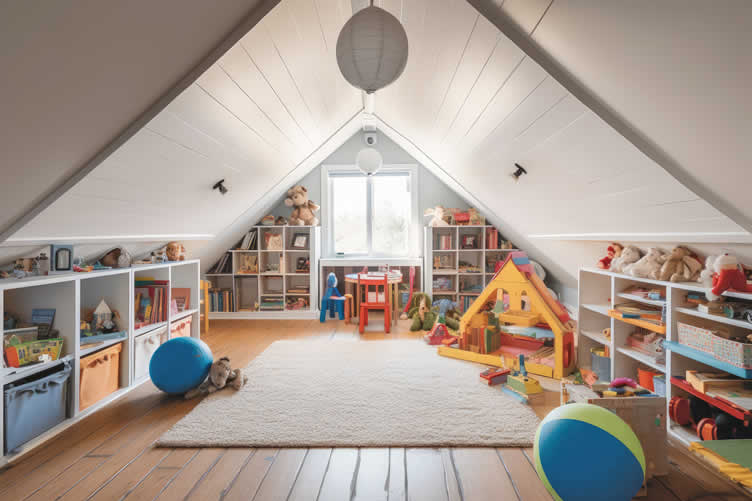
4th: Attic Organization Essentials
Transforming your attic into a functional storage area can be a game-changer for homeowners looking to maximize space. With the right home storage techniques, you can turn this often-overlooked area into an organizational haven. Here’s how you can achieve attic organization mastery and ensure every item has a place.
-
Start with a Clean Slate
Before you build custom shelving or introduce storage solutions, clear out the attic completely. This gives you the opportunity to sort through your belongings, categorize items for keeping, donating, or throwing away, and assess the space you have to work with.
-
Maximize Vertical Space
In attic organization, harness the power of vertical space. Consider installing custom shelving along the walls or rafters that’s tailored to your attic’s dimensions. This ensures your storage is as efficient as possible, and with creative storage solutions, you can use the unique angles and corners of your attic to your advantage.
-
Temperature-Sensitive Storage
The attic can experience more extreme temperature fluctuations than the rest of the house. Use airtight bins to protect your belongings and opt for climate-controlled storage solutions for items that might be sensitive to changes in temperature and humidity.
-
Accessibility is Key
Organize your attic so items you use more frequently are easily accessible. Seasonal decorations and equipment can be stored in clear, labeled bins at the front, while lesser-used items can be placed further back. This strategic placement saves you time and effort throughout the year.
-
Safety First
Always prioritize safety by ensuring a clear path is maintained through the attic. This not only facilitates easier access but also prevents accidents. Make sure any heavy items are stored at a lower level to reduce the risk of injury when moving them.
-
A Dedicated Inventory List
Keep an inventory list of what’s stored in the attic. Organize the list by category and corresponding location within the attic. This will streamline finding items when you need them, and it’s a handy tool for keeping track of what you own.
-
Seasonal Check-Ins
Schedule seasonal visits to your attic to reorganize and declutter. This habit helps maintain organization and allows you the chance to evaluate what’s necessary, ultimately keeping your storage areas functional and manageable.
copyright image by 123rf.com
[ view images: attic organization]
[ youtube: how to organize your attic]
-
-
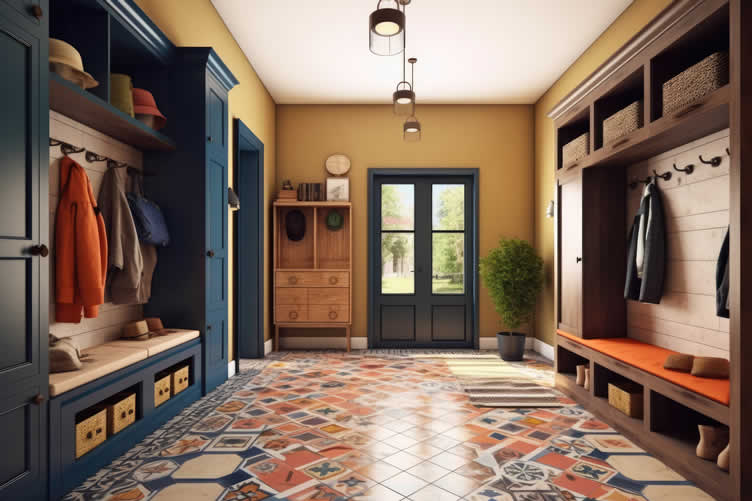
5th: Mudroom (Entryway) Organization
Transform your home’s entryway using home storage strategies to create a welcoming and clutter-free mudroom. This area is the frontline defense against outdoor messes and a proper organization system can ensure a harmonious transition into the sanctuary of your home. Incorporate built-in cubicles or benches with storage to provide a place for shoes and outdoor accessories, keeping the area tidy and walkways clear.
Utilize wall space by installing hooks or a custom shelving unit to hang coats, scarves, and bags for easy grab-and-go access. A dedicated spot for each family member’s essentials not only minimizes clutter but also streamlines your daily routine.
With these creative storage solutions, your mudroom will not only boost your home’s functionality but also its overall aesthetic.
-
Personalized Storage Lockers
Creating individual lockers in your mudroom offers a unique way to manage belongings. Assign one locker to each person in the household, where they can store shoes, coats, and backpacks.
This approach fosters responsibility and keeps items organized. Enhance the functionality by adding name tags or decorative elements to reflect each family member’s personality.
-
Multi-Purpose Storage Bench
Incorporate a storage bench into your mudroom design for a multi-purpose solution. This functional piece of furniture provides a comfortable seat for putting on or taking off shoes, while the space underneath can house various items such as rain boots and sports equipment.
Choose a bench with drawers or a lift-up seat to maximize storage potential.
-
Strategic Accessory Hangers
Install a variety of hooks and hangers at different heights to accommodate accessories of all sizes—from hats and umbrellas to heavy winter coats. A catch-all basket nearby can serve as a spot for smaller items like gloves and sunglasses, ensuring they’re always within easy reach.
copyright image by 123rf.com
[ view images: mudroom organization]
[ youtube: how to organize mudroom]
-
-
6th: Artful Bookcase Arrangement
Transform your bookshelf into a statement of personal style by organizing your books and accents in a visually pleasing manner. Aim for a balance between form and function by grouping books in both vertical and horizontal stacks.
Intersperse these with decorative items such as vases, framed photos, or souvenirs that tell a story about your interests and experiences.
-
Use Color Coordination
Arrange books by color to create a cohesive look that can become a focal point in your room. This strategy makes the shelf appealing and can become a part of the room’s overall color scheme. If you prefer a minimalist look, consider grouping books with similar neutral shades or with white, black, and gray spines together.
-
Incorporate Decorative Objects
Mix in a variety of decorative pieces among the rows of books to break up the monotony. Adding plants, sculptural objects, or unique bookends can give your shelf personality and depth. This also allows you to display your collections and keepsakes, making your bookcase a gallery of small treasures.
-
Play with Heights and Texture
Varying the height of items on your shelves can make the display more interesting to the eye. Use stacks of books to elevate smaller objects, and include items with a variety of textures to add depth. Shiny metals, woven baskets, and ceramics all contribute to a rich sensory experience.
-
Leave Breathing Room
Avoid overcrowding each shelf. It’s visually pleasing and easier to locate items if there’s some empty space. This breathing room can help highlight your most prized possessions and creates a cleaner, more organized appearance.
By following these tips, you’ll ensure your bookcase is not only organized but also a delight to look at, contributing to the overall beauty and ambiance of your living space.

copyright image by 123rf.com
[ view images: book shelf organization ideas]
[ youtube: ways to organize bookshelf]
-
-
-
ideas to view and compare from the information discussed above
kitchen organizerbedroom closet organizergarage overhead storage
Scroll up to directory … or scroll to next section about home storage solutions …
below for …
home remodeling services
SHARE IT ..! You might have someone in your social network who could find this informative post on how simple renovations can boost your mental health valuable. Feel free to share it on Facebook, Twitter, LinkedIn, or Pinterest!





Find Home Remodeling Services Additions Major Remodels Minor Remodels Disability Needs Plumbing Drain Clearing Appliances Electrical top-rated, pre-screened local contractors FREE: download contractor selection enter zip code – powered by HomeAdvisor ™
Quick Contractor Guides selecting negotiating working with inspecting

fifth and last “photo remodeling” idea

copyright image by 123rf.com
Section 5: DIY Storage and/or Professional Help
Notes:
-
For those who enjoy a bit of crafting and customization, many storage solutions can be created through do-it-yourself projects if you measure your space accurately and select the appropriate materials.
Simple shelving, magnetic strips for tools or kitchen utensils, and re-purposed furniture units can go a long way in providing tailored storage that meets your specific needs. With a myriad of online tutorials available, creating custom storage can also be an enjoyable and rewarding weekend project.
However, when it comes to more extensive modifications that might involve the alteration of your living space, such as built-in units or construction to open up new storage areas, it may be wise to consult with a contractor.
A professional can ensure that the changes are made safely, comply with building regulations, and are integrated seamlessly with the existing structure and design of your home.
-
Quirk scroll to topic "DIY" side notes …
-
-
1st: DIY Storage Solutions
For the handy and thrifty homeowner, there are countless storage solutions that can be achieved through do-it-yourself initiatives. Armed with a few key tools and materials, transforming cluttered spaces into well-organized areas is entirely feasible.
Essential tools for these projects include a reliable set of screwdrivers, a power drill, a saw for cutting various materials, a measuring tape for precise dimensions, and a level to ensure even placement. With these at your disposal, constructing items such as bookcases, under-bed storage boxes, or closet organizers becomes a straightforward task.
Materials necessary for these storage builds might encompass plywood or medium-density fiberboard (MDF) for the main structures, screws and nails for assembly, wood glue for additional strength, and various finishing materials such as paint or varnish to match your existing decor.
With creativity and some elbow grease, these tools and materials can be the foundation for functional and stylish storage solutions.
-
Basic Tool Checklist for DIY Storage Projects
- Measuring Tape – For precise measurements of space and materials.
- Level – To ensure shelves and storage units are even and balanced.
- Screwdrivers (Philips and Flathead) – For manual screwing tasks and assembly.
- Power Drill – Essential for making pilot holes and driving screws efficiently.
- Saw (Hand saw or Power saw) – For cutting wood, plywood, or MDF to the correct size.
- Hammer – For nailing and other tasks requiring impact.
- Pliers – Useful for holding small items and bending metal components.
- Adjustable Wrench – To tighten or loosen nuts and bolts.
- Stud Finder – For locating wall studs before mounting shelves or cabinets.
- Safety Gear (Goggles and Gloves) – To protect eyes and hands during construction.
-
Recommended Materials for DIY Storage Projects
- Plywood – Versatile and sturdy, great for constructing shelves and cabinets.
- Medium-Density Fiberboard (MDF) – Smooth and easy to paint, ideal for indoor projects.
- Solid Wood (Pine or Oak) – Durable and visually appealing, perfect for high-end finishes.
- Particle Board – Cost-effective and suitable for lightweight projects.
- Melamine – Comes with a pre-finished surface, which can reduce the painting workload.
- Screws – Wood screws for most joinery work, preferably corrosion-resistant.
- Nails – Finishing nails for trim work and smaller, non-structural attachments.
- Wood Glue – High-quality PVA glue for a strong bond between wooden parts.
- Sandpaper – Various grits for preparing the wood surface before finishing.
- Paint or Stain – To add color and protect the wood from moisture and wear.
- Varnish or Polyurethane – To seal the finished project for added durability and shine.
- Hinges and Drawer Slides – Metal parts should be chosen with a protective finish to prevent rust and ensure smooth operation.
-
Skill Set Needed for DIY Storage Implementation
- Basic Carpentry Skills – Knowledge of sawing, drilling, and joining techniques.
- Measuring and Layout – Ability to accurately measure and mark material for cutting and assembly.
- Painting and Finishing – Skill in applying paints, stains, and sealants for a professional finish.
- Tool Proficiency – Familiarity with the use of hand and power tools required for the project.
- Problem-Solving – Aptitude to address and adapt to project challenges or material imperfections.
- Attention to Detail – Precision in workmanship for a polished and sturdy end product.
- Safety Awareness – Understanding of how to safely operate tools and handle materials.
- Time Management – Ability to plan and execute the project within a realistic timeframe.
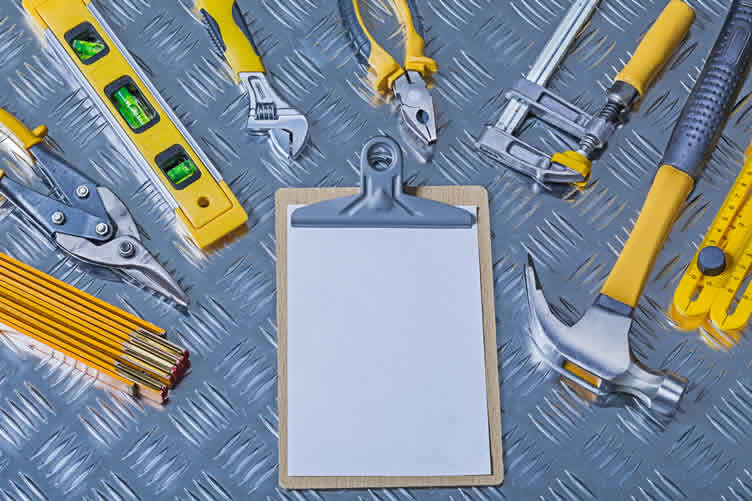
copyright image by 123rf.com
-
-
2nd: When to Opt for a Professional Contractor
While many storage solutions can be accomplished with DIY efforts, there are scenarios where hiring a professional contractor may be necessary. These typically include projects that require:
- Structural Changes:
If your storage solutions involve altering the structural integrity of the building, such as removing walls or building new ones. - Complex Designs:
Custom storage systems that are beyond basic shelving, especially if they require intricate craftsmanship or special materials. - Electrical Work:
Integrating lighting or electrical outlets within your storage units. - Plumbing:
If your storage solution impacts water lines or drainage systems, particularly in areas like laundry rooms or garages. - Permitting:
Projects that are large enough to require building permits and inspections by local authorities.
In these instances, contractors bring their expertise to ensure that the storage solutions are not only aesthetically pleasing but also safe, up to code, and structurally sound.
Tips for Finding the Right Contractor
Selecting the right contractor is crucial for ensuring that your storage project is completed to the highest standard. Here are some tips to help you find a reliable professional:
- Check Licenses and Insurance:
Make sure the contractor is licensed to work in your area and carries the necessary insurance to protect you and your property. - Look for Experience:
Seek out contractors who have experience with projects similar to yours and can provide references or a portfolio of past work. - Get Multiple Quotes:
It’s wise to obtain quotes from several contractors to compare pricing, timelines, and approaches to the project. - Read Reviews:
Online reviews and ratings can give you insights into past clients’ experiences with the contractor. - Ask About Warranties:
Inquire about warranties or guarantees for the work performed, offering you protection and peace of mind post-completion. - Communicate Your Vision:
Ensure that the contractor understands your exact needs and expectations to avoid mis-communications. - Evaluate Professionalism:
The contractor’s responsiveness, punctuality, and communication skills are telltale signs of their professionalism and how they will handle your project.
LetsRenovate has partnered with HomeAdvisor™, a renowned provider of highly-rated, carefully-vetted local contractors. Start your search here by choosing the type of contractor you need and entering your zip code to find local professionals.

copyright image by 123rf.com
But Wait!
Before starting the search and evaluation process for contractors, it is highly recommended to download and utilize this comprehensive worksheet. This will help ensure that you have all the necessary information and tools at your disposal to make informed decisions and streamline the entire process.
This resource will assist in impartially ranking and evaluating potential contractors, taking into consideration essential factors such as pricing,

Evaluation Sheet
File Type:
- Structural Changes:
-
-
FINAL REMARKS
In summary, home storage solutions and organization streamline our living spaces, fostering a sense of tranquility and efficiency in our daily lives. By integrating innovative storage options and maintaining organizational systems, we can dramatically improve the functionality of our homes, making every square inch count.
Whether through multi-purpose furniture, vertical storage, or decluttering strategies, an organized space translates to a clearer mind and an enhanced quality of life.
-
ideas to view and compare from the information discussed above
- What comments can you share about
home storage solutions?
Scroll up to directory … or scroll to more home utility management topics …
view illustration “becoming a bank”


Cover image credit: home storage solutions by 123rf.com
end of post … please share it!
 |
did you find how this home storage solutions analysis helpful? If so, please share the article with your friends and family! |
Nice pic idea? Leave us a quick comment below.
And please share this pic idea within your social networks.