Summary Outline:
Air quality refers to the condition of the air you breathe, including the presence of pollutants or contaminants that can negatively affect health. Some common sources of indoor air pollution at home include:
- Dust
- Pollen
- Pet dander
- Mold
- Pollutants produced by cooking
- Volatile compounds from cleaning products
- Chemicals from smoking tobacco
- Poor air quality from the outside
Ridding your home of these pollutants can help clean indoor air and lead to a healthier and more comfortable life. This post analysis discusses the importance of good indoor air quality and how you can achieve cleaner, fresher air at home.

-
Quik scroll to first topic about addressing your home’s indoor air quality …

first “home’s indoor air quality” idea


copyright image by 123rf.com
Why You Should Pay Attention to Your Home’s Indoor Air Quality
Notes:
- Indoor air pollution has been linked to a variety of respiratory issues as well as other serious health concerns. The air quality in your home is important for many reasons, and we’ve listed some of the most important ones below:
-
Poor indoor air quality can trigger allergies and asthma attacks:
Dust mites, pet dander, mold spores, and pollen are common indoor allergens that can worsen indoor air quality and affect overall health. Constant and prolonged exposure to these pollutants can trigger allergies and significantly worsen asthma symptoms, increasing hospitalizations and medical costs.
-
Indoor air pollution can lead to respiratory illnesses and other serious diseases:
Poor indoor air quality can also increase the risk of respiratory infections, such as colds, flu, and respiratory syncytial virus (RSV). Indoor air pollutants can compromise the health of your immune system, making it easier for viruses and bacteria to infect the respiratory tract.
- Furthermore, prolonged exposure to polluted indoor air can have serious long-term health effects, including heart disease and lung cancer.
-
The quality of the air you breathe at home affects your mental well-being:
Poor indoor air quality can contribute to feelings of fatigue, irritability, and even mood disorders. On the other hand, good indoor air quality can help create a healthier and more comfortable environment, promoting a better state of mind and overall mental well-being..
-
Maintaining good indoor air quality can enhance the overall quality of life:
Access to clean and healthy indoor air can help create a more pleasant and comfortable living environment, reducing the risk of health issues and creating a safer space for occupants to thrive. This is especially important for vulnerable populations such as children, elderly individuals, and those with respiratory conditions.
-
-
Quik scroll to topic side notes …
-
-
How Bad Is the Air Outside:
Outside air quality can be quite concerning, especially in highly populated urban areas. And that air can get inside through open windows, doors, and any crevices in the foundation, roof and other exterior surfaces.
Pollutants such as particulate matter and ozone, both of which come from car exhaust and a variety of industrial sources, can have far-reaching health effects. Long-term exposure to these pollutants has been linked to breathing problems and other respiratory illnesses.
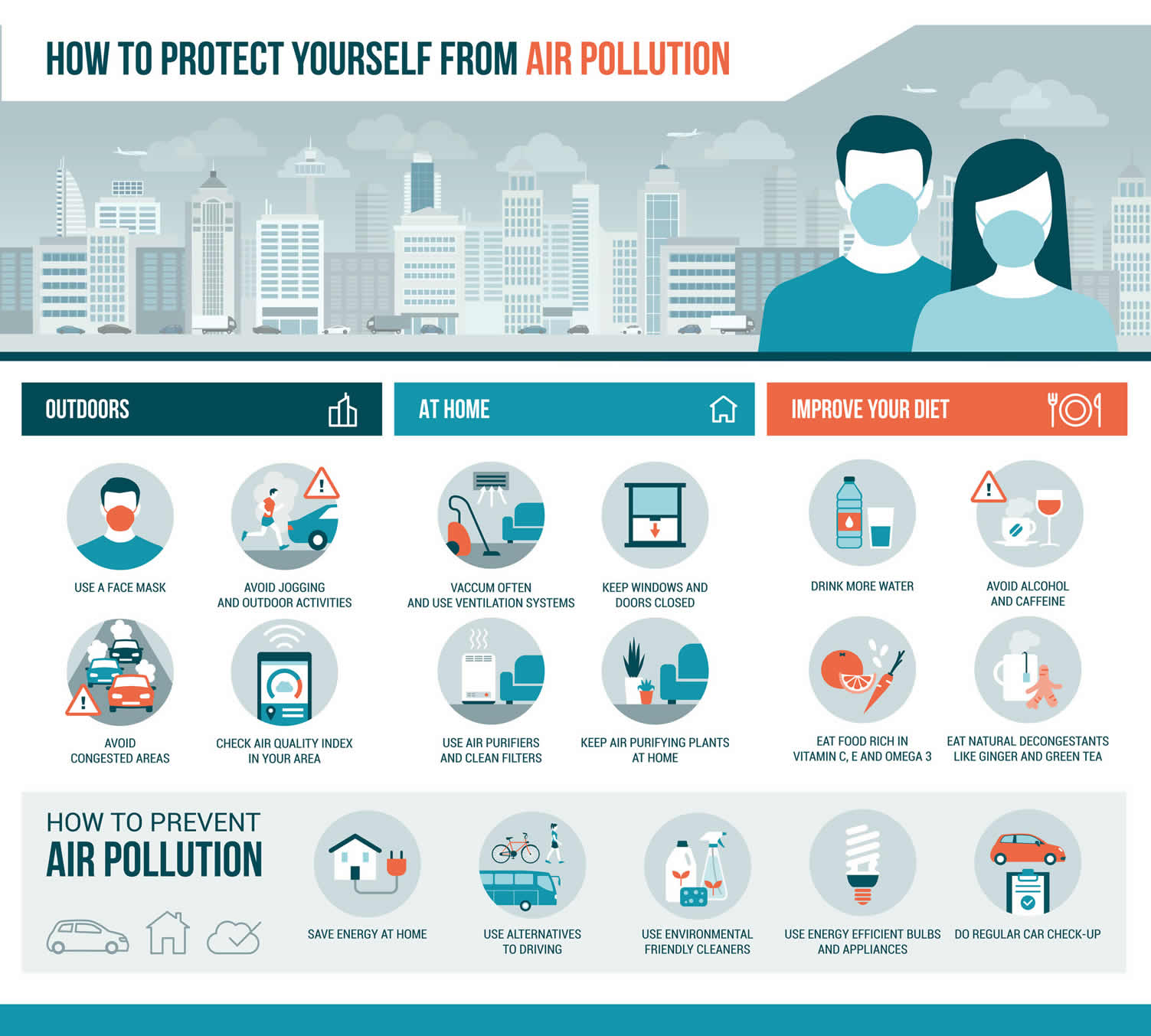
Checking your local air quality is an important first step towards protecting your health and the environment. The Environmental Protection Agency (EPA) provides several tools for monitoring air quality, including AirNow and AQI calculators.
-
About Airnow.gov:
AirNow is a website that provides real-time air quality information for the entire United States. It uses color-coded maps and reports to show current levels of six major air pollutants: ozone, particulate matter, carbon monoxide, sulfur dioxide, nitrogen dioxide, and lead.
-
Using the API Calculator:
The AQI calculator takes information from local monitoring sites and then calculates an index value that reflects how clean or polluted the air is in your area. It also provides information about health risks associated with various AQI levels.
-
Mobile Apps:
You can also find mobile apps that allow you to check local air pollution levels on a smartphone or other mobile device. These apps usually give an indication of how healthy it is outside based on measurements taken in nearby areas as well as forecast data from weather services like NOAA or AccuWeather.
copyright image by 123rf.com
By using one or more of these tools based on your health risks, you can make decisions about activities and other protective measures when outside or whether to remain indoors during certain periods.
-
-
-
Quik scroll to next topic about the home’s indoor air quality …
-
ideas to view and compare from the information discussed above
 … grab this directory of ideas
second “photo remodeling” idea

copyright image by 123rf.com
Common Signs of Poor Indoor Air Quality
Notes:
- These indicators of poor indoor air quality can assist you in taking the necessary steps to improve air quality and protect the health and well-being of everyone in your home:
-
Persistent Odors:
Persistent and unpleasant odors in your home are common signs of poor indoor air quality. These odors can signify the presence of mold, mildew, pets, or volatile compounds from cleaning supplies in the air.
-
Mold Growth:
Mold thrives in damp and poorly ventilated environments and can indicate poor indoor air quality. Mold can release spores into the air, which can cause respiratory symptoms and allergies in some people.
-
Excessive Dust:
The abundance of dust in the air and on surfaces is one of the most visible signs of poor indoor air quality. Dust can contain indoor air pollutants such as pollen, pet dander, and particles from household products, which can negatively impact indoor air quality and contribute to respiratory issues..
-
Respiratory Symptoms:
Experiencing persistent respiratory symptoms such as coughing, wheezing, or shortness of breath could mean the air quality in your home is compromised. If you notice these symptoms are exacerbated when you are indoors and improve when you are outdoors, it could be a sign that your indoor air quality needs improvement.
-
-
Quik scroll to topic side notes …
-
-
About The Dangers of VOCs:
Volatile Organic Compounds (VOCs) are a broad class of man-made and naturally occurring chemicals that can be found in many common household items. These are emitted as gases and can released into the air through everyday activities such as cleaning and cooking.
Examples of VOCs include benzene, formaldehyde, ethylene glycol, methylene chloride, toluene, xylene, and acetone. These compounds can be found in items such as paints, solvents, wood preservatives, cleaners, air fresheners, adhesives and aerosols.
Exposure to these VOCs has been linked to a variety of health impacts such as headaches, nausea, dizziness and eye or throat irritation.
copyright image by 123rf.com
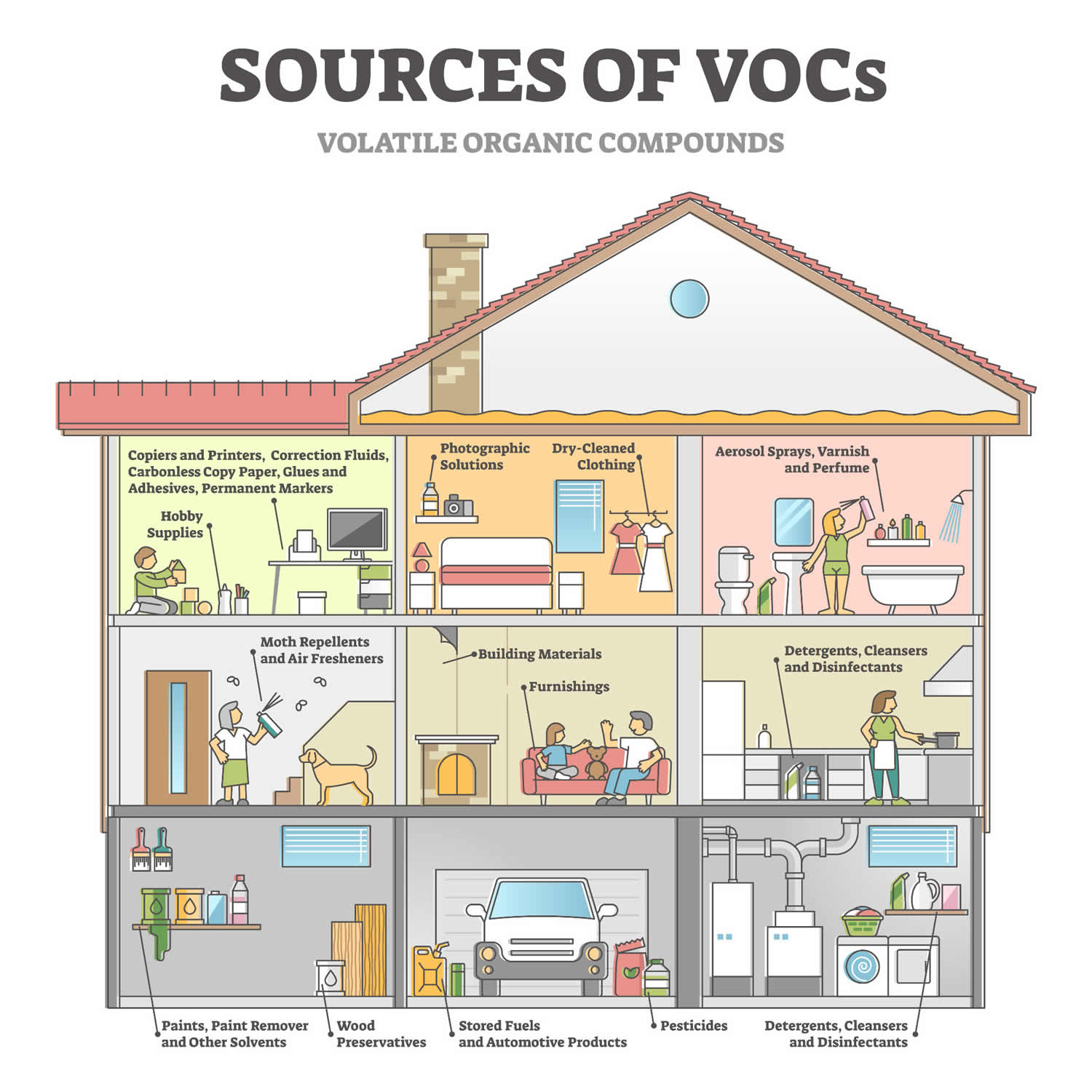
Potential Sources of VOCs (from the image above):
- Bathrooms: aerosols sprays – perfumes – other cosmetics
- Bedrooms: dry cleaning clothing – photographic solutions
- Home Office: copier and printers – glues and adhesives – permanent markers
- Entryways: pesticide sprays – air fresheners
- Living Areas: building materials – furnishings
- Kitchen: detergents – cleansers – disinfectants
- Basement: paints – paint removals – wood preservatives
- Garage: stored fuels – automotive products – pesticides
- Laundry: detergents – cleansers – disinfectants
It is important to take steps to reduce indoor exposure to VOCs by ventilation with fresh air when using products that contain VOC; and properly disposing of any unused portions of the product.
Additionally, using scentless products or natural alternatives can help reduce levels of VOCs in the home. One way of reducing exposure is to choose low or zero-VOC products when purchasing paints, solvents, cleansers, in-door spray solutions and cosmetics, and other potentially hazardous materials.
-
What About Mold:
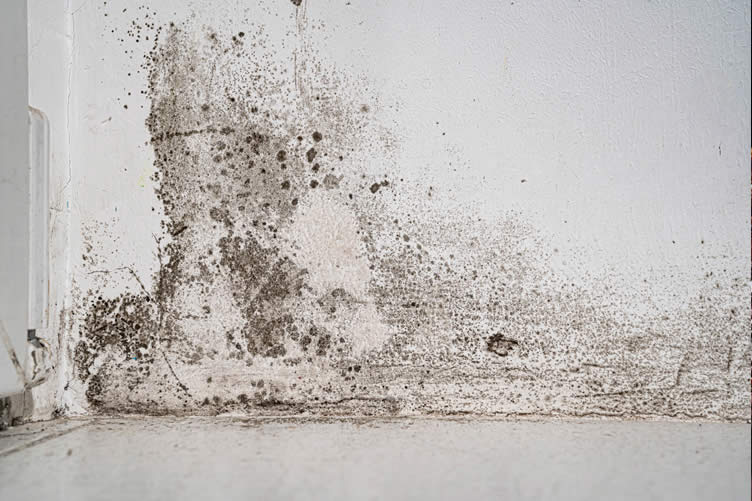
Mold is an insidious problem in many homes – as it can cause serious health and structural issues. The dampness that encourages mold growth creates an ideal environment for the growth of fungi, bacteria and other potentially harmful organisms.
Mold over time can damage building materials such as drywall, carpets and fabrics by breaking down the material. This could lead to costly repairs or replacements.
copyright image by twenty20.com
Black mold, in particular, produces allergens and harmful toxins called mycotoxins, which can cause breathing problems such as asthma attacks. These toxins can also be toxic to the skin, eyes, nose, throat and lungs, leading to irritation or other serious symptoms.
In extreme cases of black mold exposure, people may experience headaches, nausea, respiratory issues, memory loss and even death.
You should also regularly inspect your home for signs of black mold such as musty odors or discoloration on walls or surfaces. If you find any suspicious areas in your home you should contact a professional immediately to assess the situation and plan an appropriate course of action to remove the mold safely.
Types of Home Mold (places found)
google imagesAcremonium (drainage areas) view samples Alternaria (showers, bathtubs) view samples Aspergillus (on walls) view samples Aureobasidium (wood surfaces) view samples Chaetomium (water damage) view samples Cladosporium (fabrics) view samples Fusarium (food) view samples Mucor (damp carpet, rugs) view samples Penicillium (food, mattress) view samples Stachybotrys (black mold) view samples Understanding Black Mold
google imagesAbout Black Toxic Mold view samples Black Mold Symptoms view samples What is Black Mold youtube How to Kill Black Mold youtube Types of Good Mold
google imagesPenicillium (makes penicillin) view samples Cheese (blue cheese, gorgonzola) view samples Mushrooms (growing) view samples Fermentation (the process) view samples
-
-
Quik scroll to next topic about the home’s indoor air quality …
-
ideas to view and compare from the information discussed above
HVAC and home ventilation

air ventilation and HVAC needs

May We Suggest Other Photo Remodeling Ideas About
“Other Home Utility Needs for Better Living …” (new win)



third “photo remodeling” idea


copyright image by 123rf.com
How to Improve Indoor Air Quality
Notes:
- Fortunately, improving the air quality in your home is not difficult. Here are five essential tips that you can implement to enhance the air quality in your indoor living spaces:
-
Ensure Proper Ventilation:
Proper ventilation is crucial for good indoor air quality. It allows fresh outdoor air to circulate, reducing the buildup of indoor air pollutants.
- Open windows and doors and install exhaust fans in kitchens and bathrooms to remove moisture and odors. You may also consider using a mechanical ventilation system to enhance indoor air exchange.
-
Regular Cleaning and Dusting:
Regular cleaning and dusting can help reduce the accumulation of indoor air pollutants such as dust, pet dander, and allergens. Vacuum carpets, rugs, and upholstery using a vacuum cleaner with a HEPA filter to trap small particles effectively. Dust surfaces with a microfiber cloth to capture dust instead of spreading it into the air.
-
Use Air Purifiers:
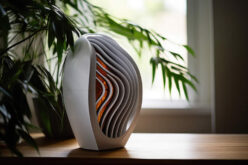
Air purifiers can help improve indoor air quality by filtering out airborne particles, allergens, and pollutants. Choose an air purifier with a HEPA filter, which can capture tiny particles as small as 0.3 microns.
- Consider placing air purifiers in frequently used rooms, such as bedrooms and living areas, to reduce exposure to indoor air pollutants.
-
Avoid Smoking Indoor:
Smoking is a significant source of indoor air pollution and can have severe health effects on both smokers and non-smokers. Avoid smoking indoors, and designate outdoor smoking areas away from windows and doors.
- Encourage family members and guests to smoke outside to prevent the accumulation of harmful pollutants in your home.
-
Routine HVAC Maintenance and Inspections:
Regular maintenance and inspections of your heating, ventilation, and air conditioning (HVAC) system can help identify and correct potential sources of indoor air pollution.
- Change HVAC filters regularly according to the manufacturer’s instructions, and have your HVAC system professionally inspected and cleaned at least once a year. This can help ensure that your HVAC system is operating efficiently and not circulating indoor air pollutants.
-
-
Quik scroll to topic side notes …
-
-
Invest Into A Central Ventilation System:
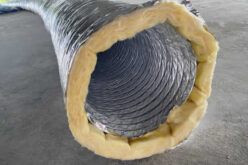
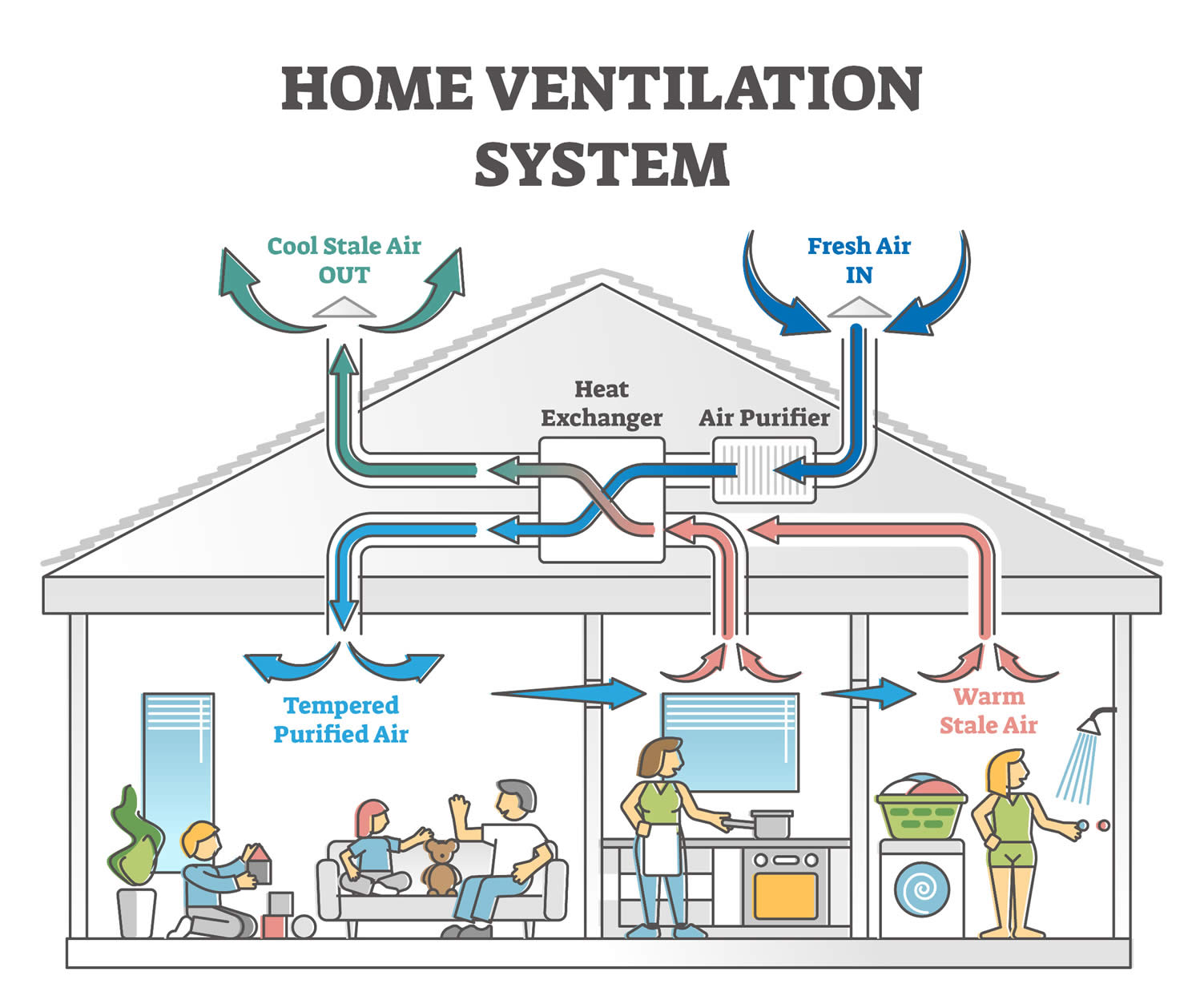
A home ventilation system typically consists of several components that work together to provide fresh air throughout the entire home. The common components include an intake vent, an exhaust vent, a fan for circulation, a filter, and a ductwork system.
The intake vents are usually located on exterior walls in bedrooms or living rooms to allow cool, fresh air to enter the home while stale air is pushed out through the exhaust vents.
The fans used in home ventilation systems are designed to move enough air quickly enough to maintain healthy indoor air quality and comfortable temperatures.
Filters are used to capture pollutants from the air before it enters the house, thus providing cleaner air for occupants. Finally, a ductwork system with insulated ducts ensures that heated or cooled air is delivered efficiently throughout the home.
copyright image by 123rf.com
Having a ventilation system in your home is essential to maintain the air quality, reduce humidity levels and keep temperatures and dust levels low.
A proper ventilation system can help eliminate pollutants such as mold, bacteria, pollen, dust mites and other particles that can lead to allergies or respiratory illnesses.
Some other benefits include:
- helps to eliminate stale odors in the house
- maintains a consistent temperature throughout the home
- reduces energy costs by using outside air for cooling/heating purposes
- improves overall comfort level and enhances the ambiance by providing a steady flow of fresh air
- enhances indoor air quality with purifiers, dehumidifiers and humidifiers
A home ventilation system would require the installation and/or reconfiguration of duct work with intake and exhaust vents. That may not be a feasible remodeling operation for your existing home.
Alternative options is the use of mobile air purifiers, dehumidifiers and humidifiers strategically located in varying rooms where air quality is needed; ie, bedrooms, kitchens and living areas.
-
-
FINAL REMARKS
Having good indoor air quality is essential to keeping your family healthy. Poor outdoor air quality has been linked to numerous health problems, while high-quality indoor air has been shown to reduce sickness and increase productivity.
- From proper ventilation to regular cleaning and maintenance, these simple yet effective tips can help you breathe cleaner and healthier air, ensuring a safe and comfortable home for you and your family.
-
Quik scroll more home utility ideas …
-
ideas to view and compare from the information discussed above
ventilation systemsventilation fans for windowbasement ventilation fans
- What comments can you share about
ideas on improving your home’s indoor air quality?
view illustration “becoming a bank”
Find HVAC Services Air Conditioning Central Heating Ducts & Vents Insulation Thermostats Water Heaters top-rated, pre-screened local contractors FREE: download contractor selection enter zip code – powered by HomeAdvisor ™
Quick Contractor Guides selecting negotiating working with inspecting

Cover image credit: home’s indoor air quality by 123rf.com
end of post … please share it!
 links open new win
or simply search by entering home HVAC item or other remodeling need

Nice pic idea? Leave us a quick comment below.
And please share this pic idea within your social networks.