Summary Outline –
Faults in residential HVAC equipment can arise from poor installation practices or develop over time, negatively impacting system efficiency, thermal comfort, and equipment lifespan.
This underscores the importance of fault detection and diagnostics (FDD) in preventive maintenance. However, despite the potential benefits, fault detection technologies face many technical and market barriers preventing broad adoption.
Let’s explore these challenges along with provider and user perspectives, effective strategies, innovative approaches, and a comprehensive guide to fault management.
- post content
- section 1: the growing significance of fault detection and diagnostics
- sidenote: understanding FDD
- section 2: complete guide to fault detection and diagnosis
- sidenote: demonstrating FDD framework
- section 3: hurdles hndering widespread FDD implementation
- sidenote: future of home HVAC systems
- section 4: advancing strategies for optimal fault management
- section 5: cutting-edge innovations in fault detection and diagnostics
- section 6: Integrating FDD into Building Performance Management
- sidenote: key FAQs

-
Quik scroll to first topic about implementing fault detection and diagnostics …

first “implementing fault detection and diagnostics” idea


copyright image by 123rf.com
Section 1:The Growing Significance of Fault Detection and Diagnostics
Notes:
-
With rising energy costs and growing awareness of sustainability, the demand for efficient equipment maintenance is increasing. Here, the role of FDD is imperative in preventing costly downtime and equipment damage through early fault detection for HVAC systems.
However, myths and misunderstandings about FDD’s capabilities often hinder its adoption. Clarifying its true potential is key.
- While the importance of FDD is evident, numerous challenges prevent its widespread adoption. Let’s delve into these barriers.
-
Quik scroll to topic side notes …
-
-
Understanding Fault Detection and Diagnostics in Home HVAC Systems
Fault Detection and Diagnostics (FDD) in home HVAC systems is a crucial process that ensures the optimal functioning of the heating, ventilation, and air conditioning units.
This process involves identifying anomalies or faults that may compromise the performance, efficiency, or safety of the HVAC system.
-
The Importance of HVAC Fault Detection
Fault detection is critical in maintaining the overall health of HVAC systems. Early detection of faults can prevent system breakdowns, increase energy efficiency, and prolong the lifespan of the unit. It also contributes to improved indoor air quality and comfort for residents.
-
Common Faults in HVAC Systems
Some common faults in HVAC systems include refrigerant leaks, dirty filters, thermostat issues, and mechanical wear and tear. These faults, if undetected, can lead to reduced system efficiency, increased energy costs, and eventual system failure.
-
How HVAC Fault Detection Works
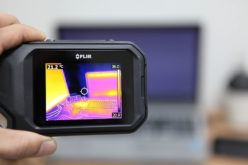
Technicians use a variety of diagnostic tools and techniques for HVAC fault detection. These might include visual inspections, thermal imaging, pressure and temperature measurements, and more advanced methods such as machine learning algorithms that analyze system parameters to detect anomalies.
By understanding the process of fault detection and diagnostics in home HVAC systems, homeowners can ensure their systems are running effectively and efficiently, leading to cost savings and a comfortable home environment.

copyright image by 123rf.com

-
-
-
ideas to view and compare from the information discussed above

Scroll up to directory … or scroll to next section about implementing fault detection and diagnostics …

second “photo remodeling” idea

copyright image by 123rf.com
Section 2: A Complete Guide to Fault Detection and Diagnosis
Notes:
-
Faults can result from poor installation, service, or lack of maintenance. Refrigerant undercharge and airflow problems can arise at installation or develop over time. Pinpointing the root cause is vital for effective diagnosis and resolution.
This requires an in-depth fault analysis methodology covering data collection, performance assessment, fault detection, diagnosis, and prioritization. A solid framework like fault detection and diagnostics software combines these elements for maximized uptime and efficiency.
-
Quik scroll to topic side notes …
-
-
Implementation Review
To implement a robust FDD framework, key principles, and methodologies spanning the fault lifecycle must be leveraged:
Data Acquisition
-
The first step in implementing a robust Fault Detection and Diagnostics (FDD) framework is data acquisition. This process involves the collection of critical data points from various sources, which are then used to provide meaningful insights.
In the context of an FDD framework, data acquisition can consist of collecting information from sensors installed in different parts of a system, such as temperature sensors, pressure sensors, and flow meters.
The collected data is then subjected to various stages of processing and analysis, forming the basis of fault detection and diagnostics.
- Install an adequate density of sensors for proper performance variable coverage
- Ensure reliable connectivity and real-time data transmission
- Leverage communication protocols like Modbus, and BACnet for seamless integration
Data Preprocessing
-
The next crucial element after data acquisition is Data Preprocessing. This step is designed to clean and standardize the collected data, ensuring it is in a useable format for further analysis and interpretation.
In the context of an FDD framework, data preprocessing might involve activities such as noise filtering, missing data handling, and data normalization.
Noise filtering helps to remove any irrelevant or redundant data and reduces the chance of misinterpretation. Missing data handling involves dealing with any gaps in the data collected, either by elimination or substitution with a calculated value.
Data normalization, on the other hand, ensures all data is on a similar scale, irrespective of their original units, aiding in accurate fault diagnosis and detection.
Through data preprocessing, the raw data collected transforms into a more digestible format, paving the way for efficient feature extraction and ultimately accurate fault detection and diagnostics.
- Remove noise from raw sensor data via filtering/smoothing techniques
- Handle missing values via interpolation or predictive models
- Normalize data features for consistency across parameters
Fault Detection Techniques
-
Following data preprocessing, the subsequent step consists of implementing Fault Detection Techniques. These techniques play a crucial role in identifying abnormal behaviors, deviations, or ‘faults’ within a system.
Within the FDD framework, fault detection techniques usually involve statistical methods, machine learning algorithms, or model-based techniques. Statistical methods often include outlier detection or change-point detection, which spot aberrations from the normal data patterns.
Machine learning algorithms, such as neural networks or support vector machines, can find hidden patterns in large data sets and predict potential faults.
Model-based techniques, on the other hand, use mathematical or physical models of the system to predict the system’s behavior and identify any discrepancies.
These fault detection techniques help to reveal potential issues within a system promptly, enabling swift corrective action to be taken. This results in improved system reliability and performance, highlighting the importance of fault detection techniques within a robust FDD framework.
- Parameter limit checking: Compare sensor values to acceptable bands
- Statistical modeling: Identify deviations from baseline behavior
- Machine learning: Classify edge cases using labeled fault data
Fault Diagnosis Strategies
-
The next crucial element is the Resolution Methodology. This component of the FDD framework is where the identified faults are addressed, repaired, or resolved efficiently and effectively.
The method of resolution can be as simple as manual intervention, where a technician is dispatched to fix the identified fault, or as complex as automated system recalibrations, where the system adjusts itself to rectify the fault.
The resolution methodology should prioritize efficiency and effectiveness. Swift fault resolution minimizes system downtime and ensures high reliability and performance.
The effectiveness of the resolution strategy is pivotal to preventing the recurrence of faults and mitigating the impact of faults on the overall system performance.
The choice of resolution methodology depends on the type of fault, the complexity of the system, and the available resources. Automated resolution methods are often preferred for systems with high fault frequencies and where manual resolutions are not feasible due to the complexity or scale of the system.
Manual methods, on the other hand, may be more appropriate for complex, singular faults, where human expertise and judgment are required. The resolution methodology, like all elements of the FDD framework, must be tailored to the specific system’s needs and resources for optimal performance.
- Decision trees: Trace fault to root cause via branching logic
- Rule-based reasoning: Leverage expert knowledge for diagnostic rules
- Pattern recognition: Match fault signatures to known failure modes
Resolution Methodology
-
Following fault detection, the next integral element of an FDD framework is Fault Diagnosis. This process involves analyzing the detected anomalies or ‘faults’ to determine their root causes. Fault diagnosis strategies are critical in pinpointing exact failure points within a system, thus facilitating targeted remedial action.
Various strategies can be employed in fault diagnosis, and these often depend on the specific nature of the system and the type of faults expected.
For instance, analytical methods are used where the behavior of the system can be accurately described by mathematical models. They leverage these models to isolate the fault by comparing the actual and expected system behaviors.
On the other hand, knowledge-based methods use expert knowledge in the form of rules or decision trees to identify the fault cause. These methods work well when explicit system knowledge is available, and the fault space is well-defined.
Machine learning methods have also gained popularity in fault diagnosis. These methods can work with both structured and unstructured data, learning from historical fault data to predict the cause of new faults.
Regardless of the method employed, the goal of fault diagnosis strategies is to ensure accurate identification of faults and their causes, facilitating swift and effective system maintenance and repair.
- Prioritize defects based on criticality, frequency, and costs
- Execute maintenance procedures, shutdowns, or redundancies per priority
- Refine the FDD program with post-resolution insights
A solid framework combines these elements for maximized uptime and efficiency.
In the evolving world of HVAC, implementing effective FDD is paramount. Addressing barriers, embracing innovations, and using comprehensive strategies can ensure optimal system performance.

copyright image by 123rf.com
-
-
Demonstration: Implementing a FDD Framework
Imagine a typical day in your home, when your HVAC system is running smoothly. Suddenly, the temperature inside starts to rise, and you realize your HVAC system is not functioning correctly.
Here’s where the Fault Detection and Diagnostics (FDD) framework can prove to be a lifesaver.
-
Constant Monitoring
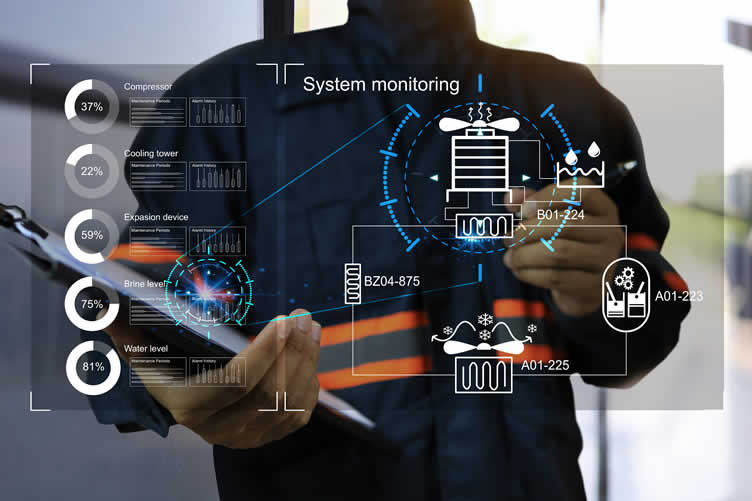
The FDD framework is akin to the control center of your HVAC system. It continuously monitors and records all HVAC operations, including temperature, energy use, and other critical parameters. If it notices any anomalies or ‘faults,’ it instantly triggers an alert.
For instance, if the FDD framework detects a rise in the temperature above the set limit, it identifies the issue as a ‘fault’. The framework then runs a ‘diagnosis’ to ascertain the root cause of the fault. It could be something as minor as a filter needing replacement or as serious as a compressor failure.
-
Taking Corrective Action
Upon diagnosing the issue, the FDD framework takes corrective action. In scenarios where minor tweaking can resolve the issue, the framework adjusts the settings on its own.
In cases where professional help is needed, it sends you an alert, so you can call in an HVAC technician. Or if you have a service contract, the FDD sends an alert to your technician.
-
In the Realm of IoT
In the context of the Internet of Things (IoT), the FDD framework takes on even greater significance. IoT essentially allows various devices to connect and communicate with each other over the internet, thereby enhancing both the accessibility and the functionality of these devices.
For instance, an HVAC technician can monitor the performance of your HVAC system remotely, thanks to IoT. If the FDD framework detects a fault and sends an alert, the technician can immediately access the relevant data and assess the issue remotely.
This not only saves time but also allows the technician to arrive prepared, with the right tools and spare parts.
As a homeowner, IoT gives you more control over your HVAC system. You can receive alerts from the FDD framework directly to your smartphone, giving you real-time updates about your system’s performance. Plus, if the fault is something that can be fixed easily, like resetting the thermostat, you can do it yourself without waiting for a technician.
[ see topic below: the future of HVAC systems]
In essence, the FDD framework provides a constant vigilance system for your HVAC, ensuring optimal performance and preventing expensive damage. By quickly identifying and diagnosing faults, it saves time, reduces energy wastage, and enhances your overall comfort.
This is just a simple illustration of how a FDD framework might work. Of course, the actual operations might be much more complex, based on the specific features and capabilities of your HVAC system and the FDD framework.
In a large business setting, for example, the FDD framework takes on a more complex role,
-
monitoring multiple HVAC systems across different zones of a large building or even multiple buildings,
-
identifying potential faults and inefficiencies, and
-
delivering real-time alerts enabling maintenance teams to swiftly address and resolve issues … thereby, optimizing energy use and ensuring constant comfort for all employees.
copyright image by 123rf.com
-
-
-
ideas to view and compare from the information discussed above

Scroll up to directory … or scroll to next section about implementing fault detection and diagnostics …
 … grab this directory of ideas
remodeling decisions



May We Suggest Other Photo Remodeling Ideas About
“Using Solar Energy To Power Home …” (new win)

third “photo remodeling” idea
copyright image by 123rf.com
Section 3: Hurdles Hindering Widespread FDD Implementation
Notes:
-
Despite proven benefits, fault detection technologies face obstacles like cost barriers, implementation challenges, and issues like installer training and customer awareness.
-
Firstly, the complexity of data acquisition can become a substantial challenge. It entails gathering data from different sources, cleansing, and standardizing it, which can be a daunting task given the enormous volume and velocity of data in modern systems.
-
Secondly, there’s a lack of knowledge and understanding of FDD among various stakeholders. Many organizations are not fully aware of the potential advantages of FDD, and this lack of awareness often results in a lack of commitment to the implementation of an FDD framework.
-
Thirdly, cost implications can also pose a barrier. The initial expense of setting up an FDD system, coupled with the ongoing maintenance costs, can be prohibitive for many.
-
Lastly, the issue of interoperability can be a considerable hurdle. The need for different systems to effectively communicate and operate with each other often complicates the implementation of an FDD framework.
For example, retrofitting older units is complex, and the lack of standardized FDD platforms makes integration difficult. Upfront costs also deter investment in FDD, despite potential long-term savings. Overcoming these hurdles is essential for broader FDD adoption.
Understanding these barriers is crucial, but it’s equally important to consider the perspectives of both providers and users when it comes to automated fault detection.
-
Contrasting Expectations and Realities of Automated FDD
For residential HVAC, automated fault detection and diagnostics (AFDD) can be implemented through various means, including OEM embedded sensors or add-on products during/after installation. However, expectations often differ from actual experiences.
Providers tout advanced self-correction while users report inadequate fault resolution. Bridging this gap between promises and realities can optimize user value.
Now that we’ve explored the various perspectives on AFDD, let’s dive deeper into the strategies that can make fault management more effective.
-
-
Quik scroll to topic side notes …
-
-
The Future of Home HVAC Systems
Home HVAC (Heating, Ventilation, and Air Conditioning) systems are set to undergo radical changes in the future. As technology continues to advance, the way we regulate the temperature and air quality in our homes is evolving.
The future of HVAC is one that promises to be more efficient, environmentally friendly, and technologically advanced.
-
Technological Advancements in HVAC Systems
In the future, HVAC systems will likely be smarter and more interconnected than they are today. This means they won’t just be a standalone system, but a part of an integrated home automation system. Innovations such as smart thermostats and sensors allow homeowners to control their HVAC systems from anywhere, ensuring optimal comfort and efficiency.
Beyond smart thermostats and sensors, the future of HVAC technology is also leaning towards the use of AI and IoT (Internet of Things). These technologies can learn a homeowner’s preferences and adjust settings accordingly, significantly improving efficiency and comfort.
For instance, AI can predict weather changes and adjust the HVAC system in advance to ensure the desired indoor climate.
Another promising technological advancement is the usage of FDD (Fault Detection and Diagnostics) in HVAC maintenance. FDD systems use advanced algorithms and sensors to monitor the HVAC system’s performance, identifying potential faults before they become significant issues.
This proactive approach can lead to substantial cost savings, as it helps prevent costly breakdowns and extends the system’s lifespan.
Finally, alternative energy sources such as solar power are also being integrated into HVAC systems, contributing to a more energy-efficient and sustainable future.
By harnessing the power of the sun, these HVAC systems can operate without straining the electrical grid, reducing energy costs and carbon footprint.
-
The Future of HVAC Maintenance
The future of HVAC maintenance is increasingly becoming digital with the adoption of FDD (Fault Detection and Diagnostics). FDD technology uses computer algorithms to monitor and analyze system performance, detecting potential faults and inefficiencies before they become a problem.
This not only increases the lifespan of HVAC systems but also reduces energy consumption and costs. By constantly monitoring the system, FDD can identify inefficiencies and faults before they lead to system failure.
This proactive approach to maintenance means less downtime, reduced repair costs, and improved system performance.

copyright image by 123rf.com
-
-
-
ideas to view and compare from the information discussed above
Scroll up to directory … or scroll to next section about implementing fault detection and diagnostics …


fourth “photo remodeling” idea

copyright image by 123rf.com
Section 4: Advancing Strategies for Optimal Fault Management
Notes:
-
A fault detection and diagnosis (FDD) algorithm uses a two-step process: first, using available data to detect faulty operation, and then applying diagnostic rules to identify the cause. While traditional methods have merits, the future lies in innovative approaches to reshaping the industry.
-
Step 1 – Fault Detection
This involves continuously monitoring equipment performance using sensor data and identifying deviations from expected baseline parameters. Statistical models and rule-based expert systems analyze the differences to detect potential faults.
-
Step 2 – Fault Diagnosis
Once a fault is detected, diagnostic techniques like decision trees and fault signature analysis are used to determine the likely root causes. This links the detected abnormality to specific fault types.
-
Step 3 – Fault Evaluation
The diagnosed fault is then evaluated based on severity, risk, and priority factors. This stage determines the urgency and timescale for resolution.
-
Step 4 – Decision Making
An optimal course of action is determined based on diagnosis results, priority status, and maintenance resource constraints. The output can range from routine scheduled actions to emergency shutdowns.
-
Step 5 – Resolution and Optimization
Finally, the necessary control actions, maintenance procedures, or emergency measures are executed to resolve the fault. Post-resolution data is used to refine baseline parameters and FDD rulesets to improve future performance.
-
-
Quik scroll to topic side notes …
-
-
Finding FDD HVAC Specialist
Finding a HVAC specialist with proficiency in Fault Detection and Diagnostics (FDD) can be a daunting task, but by following these steps, the process can be made easier and more efficient:
- Identification of Needs:
Understand your specific requirements related to FDD. This could be anything from system installation to troubleshooting an existing FDD framework. - Research:
Conduct thorough research on HVAC specialists who have specifically mentioned FDD as one of their areas of expertise. This can be done using online directories, professional platforms like LinkedIn, or through recommendations. - Certification Check:
Verify the professional’s credentials. Look for certifications or training specifically in FDD from renowned institutions or organizations. - Experience Assessment:
Evaluate the HVAC specialist’s past work and practical experience with FDD. Years of experience, the complexity of the projects they’ve handled, and client testimonials can give you a better idea of their capabilities. - Consultation:
Arrange a consultation meeting. Discuss your FDD-related requirements and assess their understanding and approach towards your project. - Cost Estimation:
Ask for a cost estimate for their services. Make sure it falls within your budget without compromising on the quality of the service.
Remember, finding the right HVAC specialist with FDD experience might take some time, but the effort will ensure efficient and effective fault detection and diagnosis in your HVAC systems.
copyright image by 123rf.com
But Wait!
Download first this contractor search and evaluation worksheet to rank and evaluate HVAC contractors as it relates to price, experience, time commitment, insurance, references, and their affiliation with professional associations.
Use the spec sheet to decide the right specifications for your HVAC needs.

Evaluation Sheet
File Type:
Spec Plan
File Type: - Identification of Needs:
-
-
ideas to view and compare from the information discussed above
Scroll up to directory … or scroll to next section about implementing fault detection and diagnostics …
below for …
your home HVAC needs
Find Home Cooling Services Air Conditioning Cooling Fans Thermostats top-rated, pre-screened local contractors FREE: download contractor selection enter zip code – powered by HomeAdvisor ™
Quick Contractor Guides selecting negotiating working with inspecting

fifth “photo remodeling” idea
copyright image by 123rf.com
Section 5: Cutting-Edge Innovations in Fault Detection and Diagnostics:
Notes:
-
AFDD technologies can be categorized into smart diagnostic tools, add-ons (either indirect/direct HVAC AFDD), and OEM-embedded. Each has unique features and applications.
For instance, while add-ons allow retrofitting existing systems, OEM-embedded FDD enables tighter integration and data sharing across components. Tracking the latest innovations is key for optimized fault management.
As we explore these innovative approaches, it’s essential to understand how they fit into the broader landscape of building performance monitoring.
-
Quik scroll to topic side notes …
-
-
More About AFDD and OEM
Fault Detection and Diagnostics (FDD) have taken significant leaps forward, with the advent of Automated Fault Detection and Diagnostics (AFDD) technologies. AFDD technologies, with their real-time monitoring and diagnosis functionality, have revolutionized the way we approach faults in complex systems.
By enabling automatic, continuous tracking of system performance, they ensure quick detection of anomalies, thereby reducing downtime and maintenance costs.
-
The Role of OEM-Embedded Technology
The FDD framework has also been bolstered by the introduction of Original Equipment Manufacturer (OEM)-embedded technology. This innovation incorporates FDD capabilities directly into the equipment at the time of manufacturing.
OEM-embedded technology simplifies the integration process and enhances the effectiveness of FDD systems, allowing for a more seamless, efficient fault detection process. It represents a significant step towards proactive management of systems, ensuring optimal performance and longevity.
-
IoT Environment With AI
In the context of the Internet of Things (IoT) environment, AFDD and OEM-embedded technologies are set to play a transformative role.
IoT, with its network of interconnected devices, provides an ideal ecosystem for AFDD technologies to thrive. Real-time data from IoT devices can be leveraged by AFDD systems for continuous performance tracking and anomaly detection.
Incorporating AI into this setup takes things a step further. With AI’s machine learning algorithms, the AFDD framework can learn from the vast data streams generated by IoT devices, improving its accuracy over time in detecting and diagnosing system faults. This makes for an even more efficient and proactive management of systems.
Similarly, OEM-embedded technology in an IoT environment, armed with AI, becomes a powerful tool for fault detection. The technology’s inherent FDD capabilities, coupled with AI’s predictive analytics, can foresee potential system failures before they occur, enabling preventive maintenance and thereby extending equipment lifespan.
copyright image by 123rf.com
-
-
-
ideas to view and compare from the information discussed above
- What comments can you share about
home office set-up in small spaces?
Scroll up to directory … or scroll to next section about implementing fault detection and diagnostics …
view illustration “becoming a bank”
sixth and last “photo remodeling” idea

copyright image by 123rf.com
Section 6: Integrating FDD into Building Performance Management:
Notes:
-
Conventional HVAC systems operate on simple 24 VAC signals and are non-communicating. In contrast, systems with two-way digital communication enable advanced monitoring and control. This evolution has paved the way for integrating cutting-edge FDD into holistic building performance management.
With a grasp on building performance monitoring intricacies, let’s consolidate our knowledge into a comprehensive FDD guide.
-
Quik scroll to topic side notes …
-
-
FAQs
What are the most well-known misinterpretations about Shortcoming Discovery and Diagnostics?
The most well-known misinterpretations about Fault Detection and Diagnostics (FDD) often stem from a lack of understanding of the FDD framework.
One common misconception is that FDD is only applicable to complex systems or heavy machinery. FDD can be applied to a wide range of systems, from small household appliances to large industrial machines.
Another misinterpretation is that FDD is an expensive and time-consuming process. While it may require some initial investment in diagnostic tools and training, the cost savings from early detection of faults can greatly outweigh these initial costs.
Furthermore, many modern systems come with built-in FDD capabilities, making them more affordable and accessible than ever.
Lastly, there is a misbelief that FDD is a one-time process. However, FDD is a continuous process that requires regular monitoring and updating to ensure the system is operating at optimal efficiency.
A successful FDD framework is maintained and adapted as the system it is monitoring changes and evolves.
How do mechanized FDD frameworks vary from manual shortcoming location?
Mechanized FDD frameworks significantly differ from manual failure detection methods. Automated FDD systems leverage advanced algorithms and machine learning techniques to analyze system data, recognize patterns, and detect anomalies.
This level of sophistication allows for more precise and rapid detection of faults, often before they result in significant system failure or damage. Furthermore, mechanized FDD can monitor complex systems continuously, providing real-time diagnostics and alerts.
In contrast, manual detection primarily relies on human observation and interpretation, which can be time-consuming, prone to error, and often only possible during scheduled system checks.
Manual methods may miss subtle signs of system faults or fail to detect them until after they have caused significant system degradation.
Therefore, while manual methods can be useful for simple systems or as a backup to mechanized FDD, they cannot match the efficiency, precision, and proactive nature of automated FDD frameworks.
What are the most recent advancements in Issue Discovery and Diagnostics?
The most recent advancements in Fault Detection and Diagnostics (FDD) are largely driven by developments in Artificial Intelligence (AI) and Machine Learning (ML). These technologies have given birth to smarter, self-learning FDD systems capable of identifying complex patterns and anomalies in system data.
The integration of AI and ML into FDD has resulted in the creation of predictive models that can forecast potential faults before they occur, enhancing system reliability and preventing costly downtime.
Another significant advancement is the application of Internet of Things (IoT) technology. IoT devices can gather and transmit a wealth of real-time data, enabling continuous monitoring and immediate fault detection.
Also, the advent of cloud computing has made it possible to store and analyze vast amounts of data remotely, enabling more powerful and comprehensive FDD analytics.
Together, these recent advancements are shaping a new landscape for fault detection and diagnostics, making the process more accurate, efficient, and proactive.
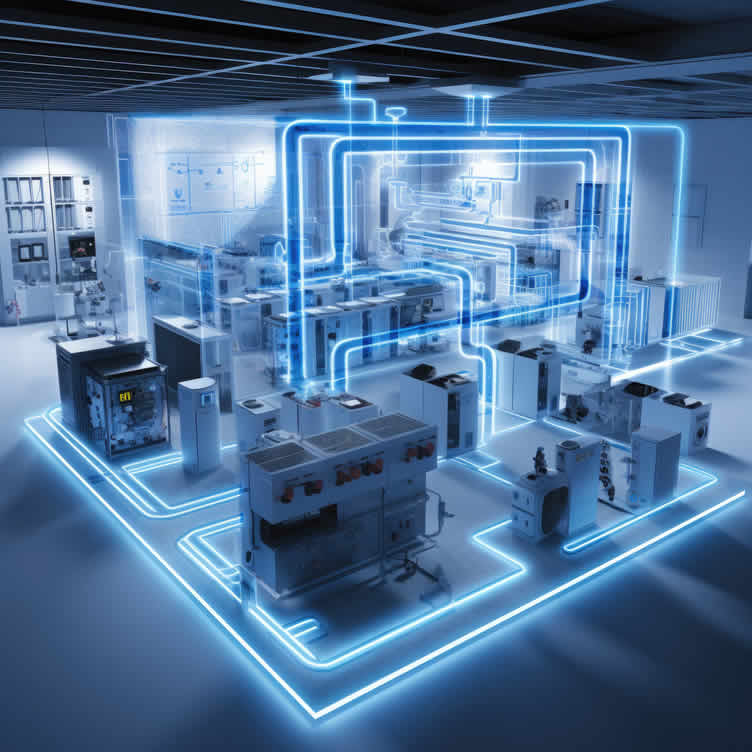
copyright image by 123rf.com
-
-
FINAL REMARKS
Successful issue identification and diagnostics are key for enhanced air conditioning execution. With purposeful methodologies, we can open the maximum capacity of these advancements for upgraded productivity and supportability.
All in all, winning over difficulties in executing shortcoming discovery and diagnostics requests is an essential methodology. Substantial information assortment and investigation, supported by cutting-edge examination, establish the groundwork for early issue recognizable proof and goal.
Cooperation among cross-utilitarian groups becomes foremost, advancing information sharing and an all-encompassing comprehension of framework conduct.
Supported achievement likewise requires a pledge to nonstop improvement. Customary observing and quick and informed intercessions guarantee that potential disturbances are quickly turned away.
By sticking to these prescribed procedures, associations can accomplish ideal functional proficiency, limit margin time, and eventually lift their shortcoming location and diagnostics drives to support greatness.
-
ideas to view and compare from the information discussed above
- What comments can you share about
your home HVAC needs and maintenance?
Scroll up to directory … or scroll to next section about implementing fault detection and diagnostics …
Cover image credit: implementing fault detection and diagnostics by 123rf.com
end of post … please share it!
 |
did you find this HVAC analysis helpful? If so, please share the article with your friends and family! |
Nice pic idea? Leave us a quick comment below.
And please share this pic idea within your social networks.