Summary Outline:
Did you know that the majority of your energy use comes from your water heating system? Statistics show that almost 20% of your home’s energy use goes towards heating water. And, with the increasing energy cost, homeowners are now looking for alternative and cheaper options to heat water.
One of the most attractive choices is a solar hot water system. However, before you start upgrading to this setup, consider reading this article first. Below is a discussion on the numerous solar hot water tank benefits and drawbacks you need to know.
-
Quik scroll to first topic about pros and cons of solar hot water systems …

first “pros and cons of solar hot water systems” idea


copyright image by envato.com
1. Pros Of A Solar Hot Water System
Notes:
-
-
It Reduces Energy Cost:
Just like with solar PV system installations, a solar water heater can help you reduce your energy use. Whether you’re currently heating your water with gas or electricity, solar hot water systems offer the same amount of hot water every day for free. Those savings can easily add up over time.
- Once you’ve paid for the system installation, you don’t have to pay anything for hot water throughout its lifespan. Even if your solar hot water system can’t produce 100% of the energy you consume, it can still help reduce your utility bills and save you a lot of money every month.
-
It’s Good To The Environment:
When you heat up your water using natural gas, greenhouse gases are released into the atmosphere. And, even water heaters powered by electricity can also cause pollution. That electricity from the grid powering up your power heater is most likely produced from fossil fuels.
- However, with a solar hot water system, you’re harnessing the power of the sun. This means you’re using renewable, zero-emissions resources for your water heating needs, ensuring that it has no impact whatsoever on the environment.
-
It Increases Home Value:
Most home buyers are looking for homes with renewable energy systems to save money while reducing their negative environmental impact.
- Thus, homes with solar systems sell for more than homes without. And, when you consider the fact that solar hot water systems allow you to eliminate or reduce electric bills as far as heating water is concerned, it’s easy to understand why.
-
It’s Easy To Maintain:
Once you install a solar water heater, you don’t have to worry much about its maintenance. While it’s important to replace the antifreeze fluid and have it inspected by a professional every few years, in general, maintenance requirements are minimal.
- In addition, a well-maintained solar hot water system can last for over two decades, while producing free hot water with the sun’s energy.
-
-
Quik scroll to topic side notes …
-
-
Reducing Utility Bills:
The cost of energy is going up to heat, cool, and run the basic utilities and appliances for your home. So finding ways to reduce these costs – including converting to renewable energy sources – should become the near and long-term goals of any homeowner.
Renewables include solar panels on the roof for generating electricity; dedicated solar cells for heating water; and a solar-generating battery for storing excess energy during periods when the sun doesn’t shine. We will review these options in more detail below.

copyright image by envato.com
However, there are some immediate energy-saving solutions you can undertake with little or minimal cost as follows:
- Convert to LED Light Bulbs:
switch out any incandescent and CFL light bulbs with LED bulbs. Residential LED bulbs use at least 75% less energy, and last up to 25 times longer, than incandescent bulbs. LEDs should be used wherever you need lighting – both inside and out. - Improve Insulation:
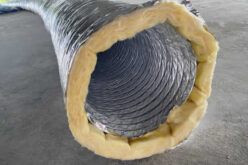
inspect your outer perimeter for places where improved or additional insulation may be needed, especially in the attic and crawl space areas. Insulation keeps cooled and heated air inside, reducing the cost to operate your HVAC systems during seasonal months. - Another cost-saving option is to insulate your pipes – especially the pipes coming from the water heater. You can find pipe insulation and blankets that prevents the heat loss from the water heater to the faucet.
- Seal Off Air Leaks:
run your hand around the out edges of your windows, entry doors, and electrical outlets. If you feel cold or warm air seeping in, use chalk, weatherstripping, and covers to seal off areas. - Reduce Water Usage:
water is a precious resource that needs to be preserved – thus reducing costs. You can save water by installing low flowing toilet mechanisms, low-flow shower heads, and water monitoring systems to find drips and other to reduce water waste. - More Information:
we invite you to review our post on 7 tips to reduce your electricity bills alone with other key resource information on what to do (new win).
- Convert to LED Light Bulbs:
-
What a Future Home May Look Like:
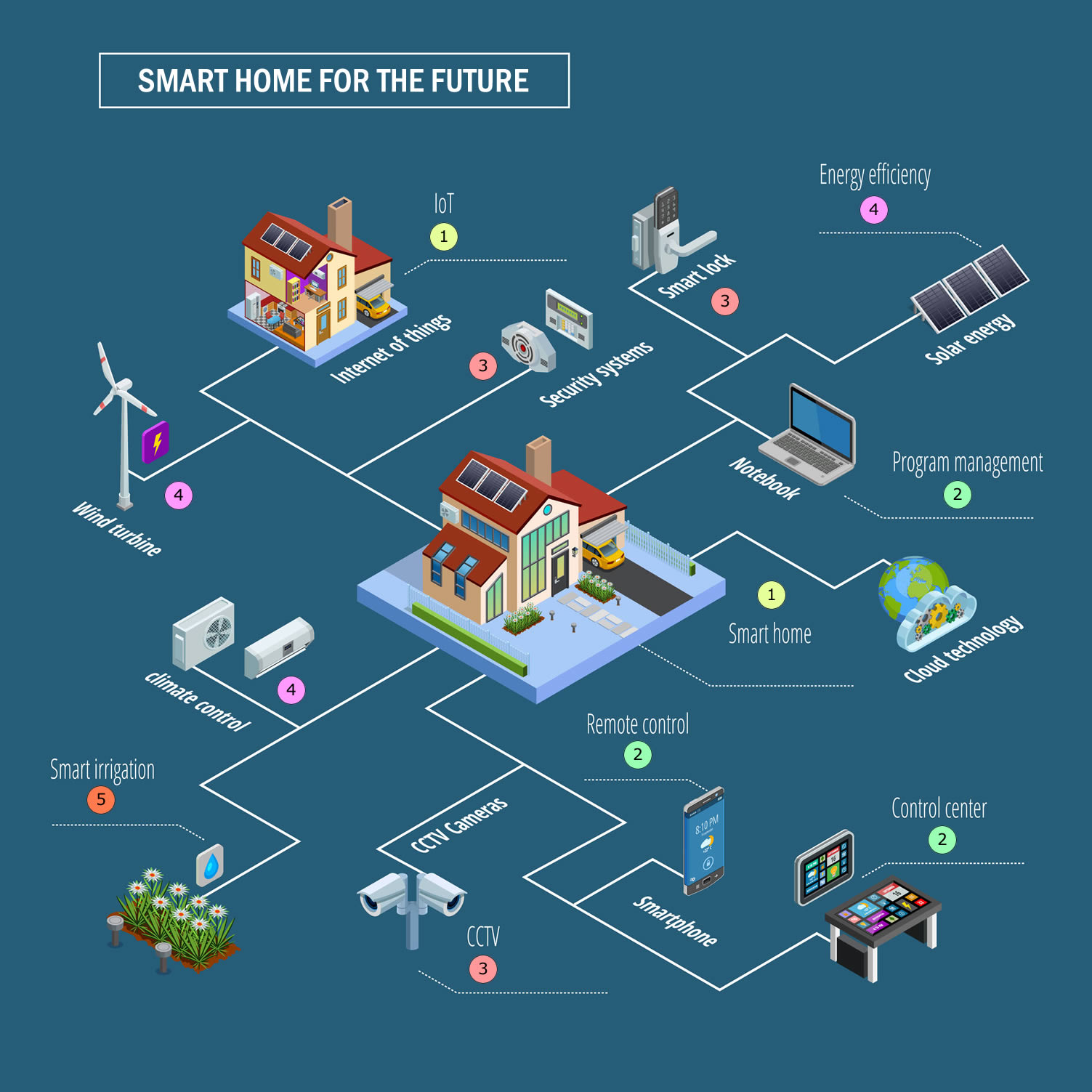
Homes of the future will become more self-sustaining, with energy production produced at home that will be all automated and controlled via a central command commend center connected to a cloud-based system.
Additionally, future homes will have monitoring systems that reduce waste – both with energy use and in home management.
copyright image by 123rf.com
The design of future homes will connect automation and communication to a central hub for managing home, work, family needs, utility and appliance needs, matter where you are located – either at work, at home, or on vacation.
view post: (new win) What a Future Smart Home May Look Like
-
-
Quik scroll to next topic about pros and cons of solar hot water systems …
-
ideas to view and compare from the information discussed above
| Supporting Resources (opens new win) | |
| HOW: solar water heaters work | |
| AE THEY: worth the cost? | |
| INFO: understanding how they work | |
| YOUTUBE: solar water heaters are amazing | |
| SHOP: green energy (scroll) | |
home energy use

second “photo remodeling” idea

copyright image by envato.com
Cons Of Solar Hot Water Systems
Notes:
-
-
It’s Expensive To Install:
While a solar hot water system can provide you with free hot water every month, it’s generally expensive to install. As with most renewable projects for homes, a solar hot water system installation requires significant upfront costs.
- A solar hot water system may cost around USD$1,600-USD$5,200, depending on the size, style, and installation. On average, it’ll cost you USD$3,400, including labor and parts, making it a more expensive investment than traditional water heater systems.
- That said, if you consider the savings you’ll gain for two decades and more, solar hot water systems generally pay for themselves in the long term. Also, you may be qualified for government incentives, availing of discounts and rebates to offset some of the costs of solar hot water system installation.
-
Its Performance And Efficiency Depend On The Weather:
One of the most critical factors to consider when determining the practicality of installing a solar water heater in your home is your local climate. Since your system relies on solar energy to produce hot water, it may not be able to efficiently and sufficiently provide you with hot water on snowy or cloudy days.
- Well, you don’t need direct sunlight every day of the year for a solar water heater to make sense. After all, you can also invest in a good solar battery to power the system when the sun doesn’t shine bright. Plus, most systems often include a backup heater, so you won’t have to run out of water.
- That said, you’ll be able to get the most out of your water heater system if you live in a sunny area. Otherwise, it may not be worth the high initial cost.
-
It’s Only Intended For Water Heating:
As its name suggests, a solar water heater will only provide you with heated water. So, unlike traditional solar panels to help you get off the grid, a solar water heater can’t power your electric appliances.
- To use solar energy to power your home, you’ll need to install PV solar panels that produce usable electricity.
-
-
Quik scroll to topic side notes …
-
-
Getting and Installing Solar Battery:
In order to become energy independent, you will need to have a whole-home battery system to store electricity that has been produced by your solar panels.
Electricity is only generated when the sun shines; but it is at night when you need much of your electricity. True, you may sell your excess electricity produced during the day to an utility grid, that in-turn gives you credits on utility usage. But this sale sometimes come with a cost, depending where you live.

copyright image by tesla.com
A better option is to store your electricity with a home battery and generator. That way you can use electricity anytime you need and sell off any excess that you don’t need. This way you become totally energy independent without the worry of utility price increases, down power lines, and brown-out conditions.
view post: (new win) Should Homeowners Install a Solar Battery? -
Becoming 100% Energy Independent
What does it mean to become 100% energy independent? Or by using another term such as, “living off-the-grid”. Is this something that is doable?
Let’s take a look at what “off-the-grid” means. What utility services do you presently pay for?
- electricity
- natural gas or other fossil fuels
- water and sewage
- refuse collection
- internet, communication, and entertainment connections

copyright image by envato.com
Well, maybe you don’t want to be 100% off the grid – especially if you live in a communal area that requires sewage connections. But it is possible to become nearly 100% by generating your own electricity to run home electric needs, lighting, appliances, HVACs, water heating, and other home needs that require plugging-in.
This will require installing solar panels on your roof and other sunny locations where electricity can be generated and stored in a power battery for household use. Depending on how much sun you get on a normal day, these panels can generate enough electricity to make you totally independent of “paying that electric bill”.
view post: (new win) Is It Possible To Be 100% Energy Independent?
-
-
In Summary
A solar hot water system is a great alternative to traditional water heaters. It allows you to take advantage of free solar energy, providing significant savings on your utility bills. Plus, there’s also the fact that it helps reduce your negative impact on the environment.
- While it comes with a lot of positives, don’t forget to weigh its drawbacks, particularly the high initial cost, as well. Also, if you live in an area with snowy or inclement weather or you have significant shading on your property, then a solar water heater may not be that productive or work efficiently.
-
Quik scroll more HVAC related topics …
-
ideas to view and compare from the information discussed above
tankless water heaterelectric tank water heatergas tank water heater
- What comments can you share about
your experience of the pros and cons of solar hot water systems
and keeping house cool

Find Home Solar Services Roof Installation Skylights Home Automation Generators top-rated, pre-screened local contractors FREE: download contractor selection enter zip code – powered by HomeAdvisor ™
Quick Contractor Guides selecting negotiating working with inspecting

Cover image credit: things to look for in a new grill by envato.com
end of post … please share it!
 links open new win
or simply search by entering green home item or other remodeling need

Nice pic idea? Leave us a quick comment below.
And please share this pic idea within your social networks.