Summary Outline –
Spiders—just the thought of them can elicit a shiver for many homeowners. While they’re an essential part of the ecosystem, it’s safe to say most of us would prefer they stay outside.
If you’ve noticed one lurking in the corner of your living room or dangling in your garage, you’re not alone. Understanding where house spiders hide, how they enter, and what they do can offer peace of mind—and help you manage them safely.
This comprehensive guide explores everything you need to know about house spiders. From their habitats and feeding habits to how you can safely remove them and prevent future invasions, we’ve got you covered.

-
Quick scroll to first topic about house spiders 101 …

first “house spiders 101” idea
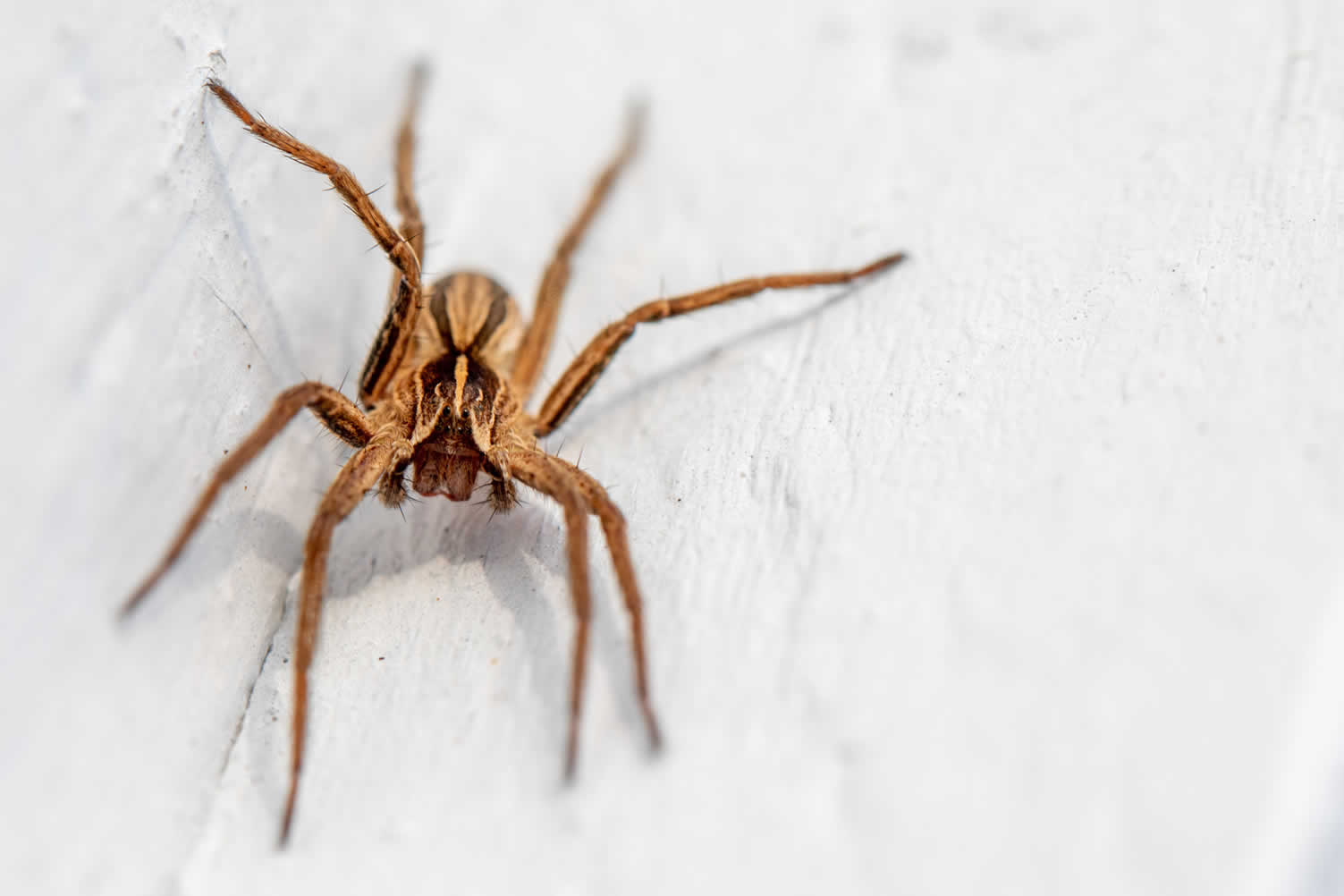

copyright image by 123rf.com
Spiders Tip 1: Understanding House Spiders
Notes:
-
House spiders love the quiet, undisturbed corners of your home. Some of their favorite spots include basements, attics, garages, and closets.
You might also find them in areas with higher humidity, like under sinks or in bathrooms. These places provide shelter from predators and easy access to food in the form of smaller insects.
If you spot a spider hanging out in a rarely cleaned closet or up in a high-ceiling corner, chances are it’s been there for a while.
-
Quick scroll to “understanding house spider” side notes …
-
-
1st: How House Spiders Get Inside
Understanding how house spiders gain access to your home can be crucial in preventing infestations. These small arachnids are expert navigators and can exploit even the tiniest of entry points to make their way indoors.
Once inside, they’re often lured by warmth, shelter, and the promise of a steady food supply. House spiders 101 dictates that knowing their pathways can better equip you in safeguarding your home.
-
Cracks and Gaps
Spiders often enter through cracks and gaps found in the foundation, windows, and doors of your home. These crevices are prime entry points, as they offer a direct passageway inside.
Regularly inspecting and sealing these openings can help minimize the risk of spiders slipping into your living spaces.
-
Open Windows and Doors
Leaving windows or doors open without screens can invite unwelcome visitors like house spiders to roam freely into your home. It is essential to keep these entry points closed or well-screened, especially during the warmer months when spiders are more active.
-
Vents and Ducts
House spiders 101 includes understanding that vents and ducts can also serve as entryways into your home. These structures provide spiders with a convenient route from the outside environment to the interior of your residence.
Regular maintenance and proper sealing can help prevent spiders from using these paths.
-
Exterior Items Brought Indoors
Bringing in firewood, plants, or outdoor equipment can inadvertently introduce spiders into your home. Before bringing these items inside, it’s beneficial to inspect them thoroughly to ensure no spiders or egg sacs are hitching a ride indoors.
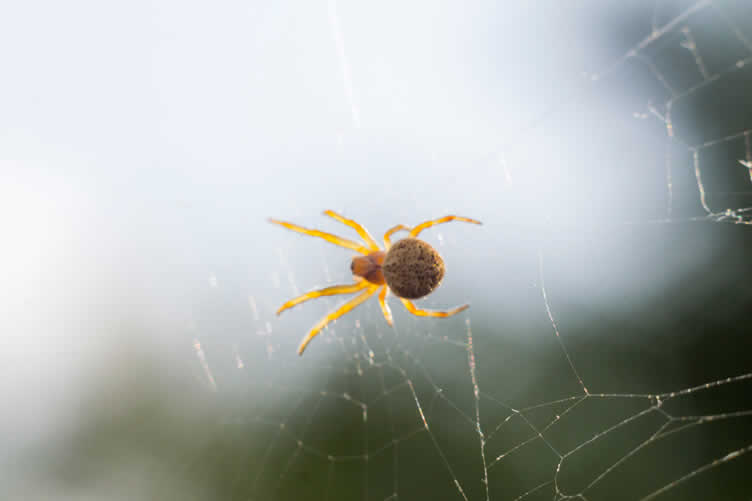
copyright image by 123rf.com
[ view diagram: facts about house spiders ]
[ youtube: every spider in your house ]

-
-
2nd: Habitat of House Spiders
House spiders typically thrive in environments that are sheltered from the elements and provide ample hiding and nesting opportunities. Indoors, they are commonly found in dark, undisturbed areas such as basements, attics, and crawl spaces.
The presence of clutter or unused items can create ideal conditions for these spiders to establish their webs and remain out of sight. Additionally, house spiders favor environments with a consistent supply of food sources, primarily insects, which are also drawn to indoor shelters.
-
Feeding Habits
House spiders are primarily insectivores, feeding on a diet consisting mainly of other small invertebrates. They are adept hunters, utilizing their webs to capture unsuspecting prey including flies, mosquitoes, and other insects that venture into their territory.
Once an insect is ensnared in their web, the spider quickly immobilizes it with venom before consuming it. Their role as natural pest controllers often goes unnoticed, but house spiders can help maintain a balance in indoor ecosystems by keeping insect populations in check.
-
Reproductive Cycle
The reproductive cycle of house spiders is initiated when a male identifies and courts a female, generally through a series of complex web vibrations and physical gestures. Once mating occurs, the female lays eggs, which she encases in a protective silk sac often attached to her web or hidden nearby.
Depending on species and environmental conditions, the number of eggs can vary significantly. After a period of incubation, spiderlings hatch from the eggs and may remain near the mother for a short time before dispersing to establish webs of their own.
This cycle allows house spiders to maintain their presence in favorable environments, often leading to multiple generations inhabiting the same general area.
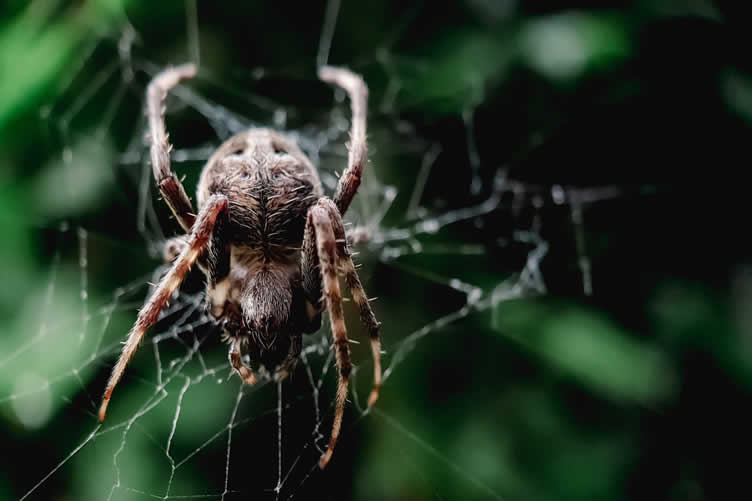
copyright image by 123rf.com
[ view diagram: spider structure]
[ youtube: spider basics]
-
-
3rd: Types of Webs House Spiders Build
House spiders are fascinating creatures not only because of their ability to stealthily take up residence in your home but also due to the intricate webs they weave.
Each species of house spider spins a distinct type of web suited to its hunting and survival needs. Understanding these webs can help you identify the spiders that may be sharing your living space.
[ see images below: Spider Webs ]
-
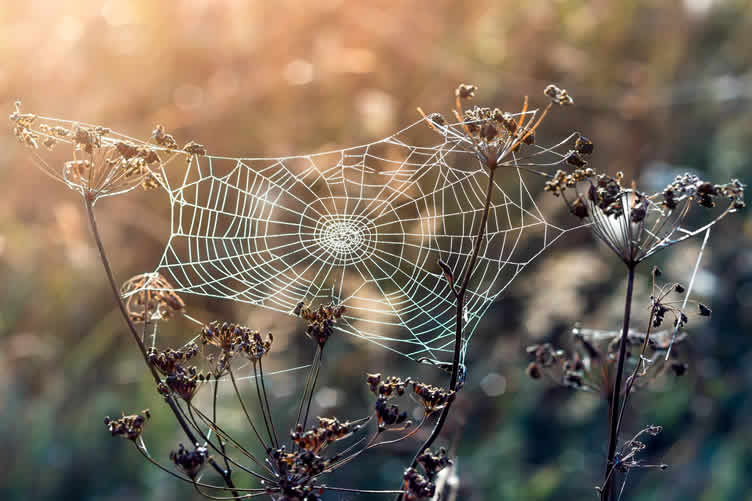
Orb Webs
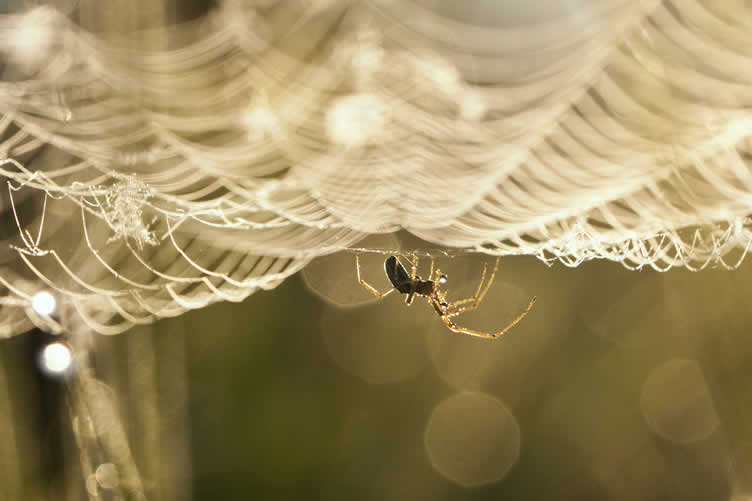
Orb webs are the iconic circular webs often seen in gardens and occasionally inside homes. These webs are characterized by their precise, wheel-like structure, built with natural silk that is both strong and elastic.
Orb-weaving spiders use their webs to capture flying insects, ensnaring their prey in the sticky, spiral threads. These webs are often crafted at night to reduce detection by both prey and predators.
-
Cobwebs
Cobwebs are the uneven, tangled webs commonly found in the corners of rooms or unused spaces. Unlike the organized structure of orb webs, cobwebs appear haphazard and irregular, which is a signature of the cobweb spider family.
These webs are sticky and efficient at trapping a variety of crawling or flying insects. Their disordered form allows for quick construction, making them a favored trap for opportunistic hunters.
-
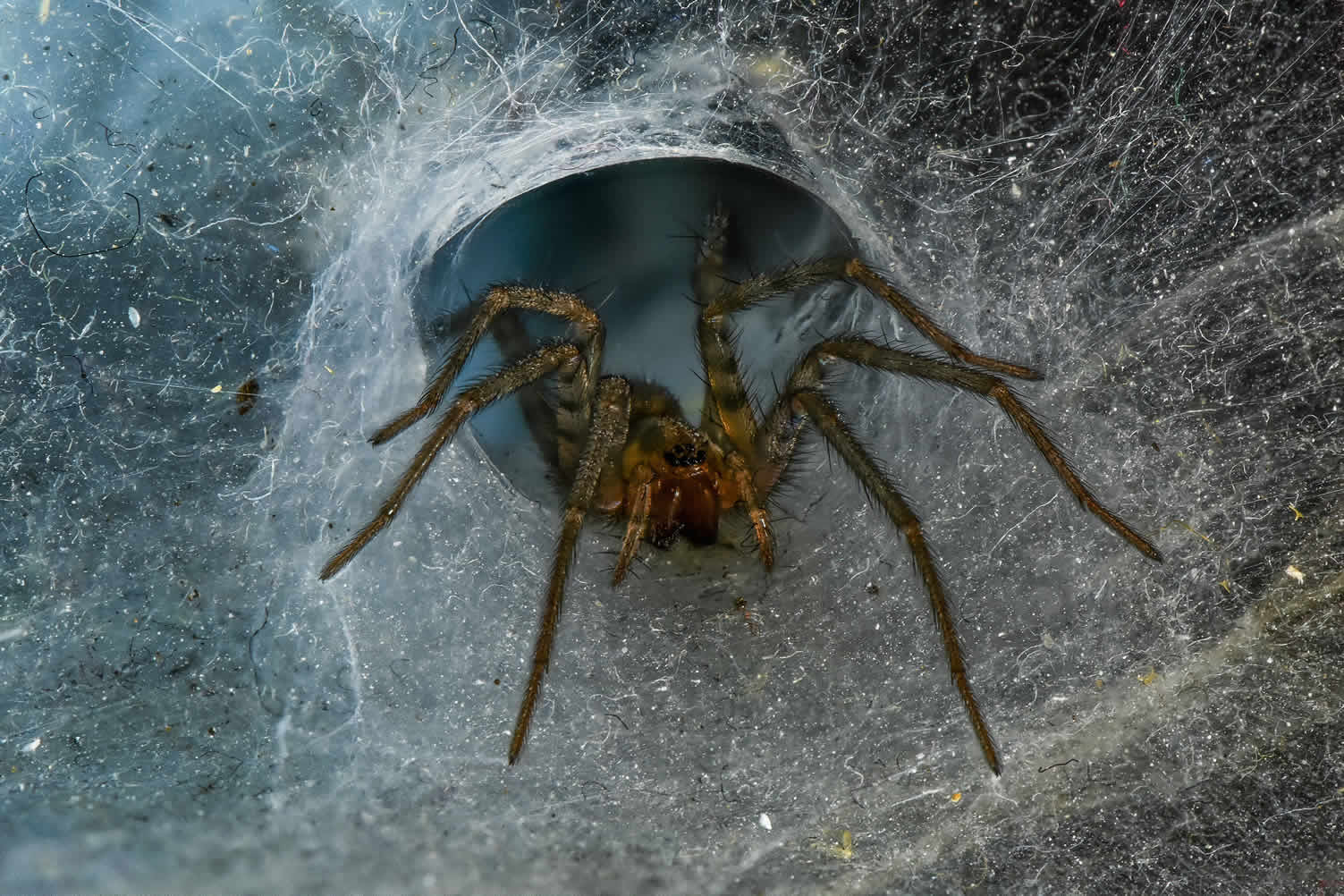
Funnel Webs
Funnel webs are unique constructions that resemble miniature funnels or tubes made out of silk. Often located in the recesses of windowsills or leaf litter, these dense webs provide a retreat for the spider.
At the end of the funnel, the spider waits patiently for prey to stumble into the wide, opening mouth. The funnel design enables the spider to quickly retreat into its haven when threatened or disturbed, providing both a method of capture and protection.
-
Sheet Webs
Sheet webs are horizontal, densely woven layers of silk, appearing like sheets stretched across vegetation or ground. These webs are typically built by sheet-weaving spiders, who use the flat surface to catch prey falling from above.
Aerial lines are often constructed above the sheet, causing insects to knock into them and drop onto the web. The spider then ambushes its ensnared prey from below, taking advantage of the tangled silken threads to secure its meal.
Understanding these web types not only offers insights into the behavior and life of house spiders but also aids in identifying and managing their presence in your home.

copyright image by 123rf.com
[ youtube: types of spider webs]
[ youtube: 15 cool spider webs]
-
-
-
ideas to view and compare from the information discussed above
Scroll up to directory … or scroll to next section about house spiders 101 …



second “photo remodeling” idea
copyright image by 123rf.com
Spiders Tip 2: Types of House Spiders
Notes:
-
House spiders exhibit a range of colors from yellowish-brown to gray, often adorned with darker chevron patterns. Females generally measure between 5 to 8 mm, while males are slightly smaller at around 4 mm. They possess eight eyes arranged in two lateral pairs and have an elongated abdomen.
Usually harmless, these spiders tend to retreat when disturbed rather than attack. Identifying the species can provide insights into their preferred environment and the best methods for managing them. They weave irregular, tangled webs to trap insects, often found in room corners, under furniture, and near windows.
A female house spider can produce up to 2,000 eggs over her lifetime, typically placing them in several round, silken sacs. The eggs hatch within 7-10 days, with the young spiders staying in the mother’s web for a few days post-hatching.
Spiders commonly found indoors are often classified into two categories: house spiders and cellar spiders. While both thrive in various parts of human habitats, they exhibit distinct characteristics and behaviors.
-
House Spiders
House spiders, often known for their prevalence in urban environments, are frequently encountered in homes. They typically feature yellowish-brown to gray coloring, faint chevron patterns on their bodies, and eight eyes arranged in lateral pairs.
House spiders weave irregular webs to trap prey, primarily insects, and can be spotted in corners, under furniture, or near windows. They build webs in multiple locations and often abandon them.
Females are slightly larger than males, and both sexes generally avoid confrontation, opting to escape when threatened. A female house spider can lay up to 2,000 eggs in her lifetime, ensuring substantial propagation.
-
Cellar Spiders
In contrast, cellar spiders, commonly referred to as "daddy long-legs," are known for their notably long, slender legs and small, rounded bodies. They are often pale yellow or light brown, with a somewhat translucent appearance.
These spiders prefer damp, dark environments like basements, cellars, and crawl spaces, where moisture levels are higher. Their webs are loosely constructed and frequently contain many dead insects due to the spider’s consistent hunting behavior.
Hang upside down in webs and vibrate when disturbed. Despite their ominous name, cellar spiders are relatively harmless and can actually help control other pest populations within the home.
The primary distinction between house spiders and cellar spiders lies in their physical appearance and preferred environments. House spiders are more diverse in coloration and inhabit areas throughout the home, while cellar spiders favor humid, secluded locations and are characterized by their unmistakably long legs.
Understanding these differences can assist in identifying which type you might encounter and how best to manage their presence.
-
-
Quick scroll to “types of house spiders” side notes …
-
-
1st: Common Species of House Spiders
House spiders are a diverse group of arachnids that have adapted to living in close proximity to humans. They vary greatly in size, color, web structure, and behavior. Understanding these common species can help in identifying, appreciating, or managing their presence in your home.
Not all spiders are created equal, and identifying them can help you determine whether they’re harmful or harmless. Here are some common house spiders you may encounter:
Below, we delve into some of the most frequently encountered house spiders, discussing their characteristics, habitats, and potential danger to humans.
-
American House Spider (Achaearanea tepidariorum)
Similar in appearance to the Common House Spider, the American House Spider is small, with a body length that typically ranges from less than a quarter-inch.
It exhibits a rounded abdomen with a brownish hue and various markings that enhance its camouflage abilities in indoor environments.
[ view spider: american house spider ]
-
Habitat:
Preferring sheltered, indoor locations, the American House Spider often establishes its tangled webs in corners, attics, basements, and untouched corners of rooms where it benefits from limited human disturbance. -
Danger Level:
Like other house spiders, the American House Spider is not harmful to humans. While it possesses venom, its bite poses little threat and is generally no more painful than a mild insect bite. -
Where Found:
The American House Spider can typically be found in indoor settings where there is shelter and minimal disturbance. It often creates its webs in the corners of rooms, attics, basements, and other secluded areas within a home.
-
-
Common House Spider (Parasteatoda tepidariorum)
Often mistaken for the more dangerous Black Widow, the Common House Spider is typically small, measuring about a quarter-inch in body length. It has a brownish body color with various patterns, making it well-camouflaged in home settings.
[ view spider: common house spider ]
-
Habitat:
These spiders thrive in human dwellings, particularly in dark corners, eaves, and basements. They build irregular webs that often occur in areas with minimal disturbance. -
Danger Level:
The Common House Spider is not considered dangerous to humans. Their bite is mild, roughly equivalent to a mosquito bite, posing no significant health risk. -
Where Found:
The Common House Spider can often be found in dimly lit and undisturbed areas of a home. It favors dark corners, eaves, and basement spaces where it can weave its irregular webs with minimal disruption.
-
-
Black Widow Spider (Latrodectus mactans)
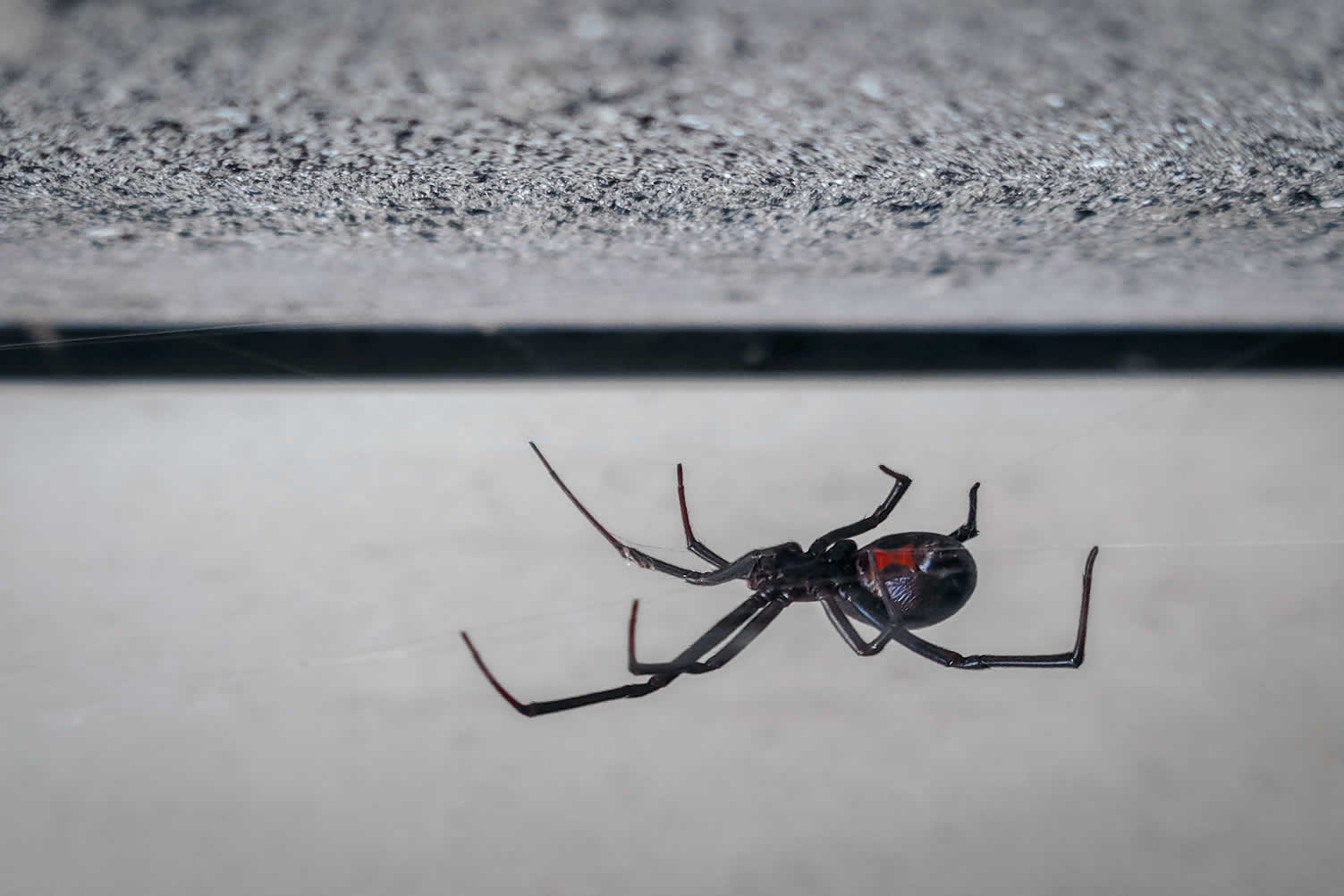
The Black Widow Spider is renowned for its glossy black body and distinctive red hourglass marking on the underside of its abdomen. Females, which are larger than males, can reach up to half an inch in body length.
The males, typically brown and much smaller, are noted for their lack of harmful venom and more intricate body markings.
[ view spider: black widow ]
-
Habitat:
Black Widow Spiders prefer dimly lit and undisturbed areas such as woodpiles, sheds, and around stones and debris. They are commonly found in warmer climates and may also inhabit cluttered areas in homes, garages, and outdoor furniture. -
Danger Level:
The venom of the female Black Widow is highly potent and can cause severe pain, muscle cramps, and other systemic symptoms in humans. Despite this, bites are rarely fatal to healthy adults. Seeking prompt medical attention is advised if bitten. -
Where Found:
Black widow spiders are most commonly found in outdoor areas such as woodpiles, sheds, and under rocks. They can also be found in dark and cluttered indoor areas.
-
-
Brown Recluse Spider (Loxosceles reclusa)
The Brown Recluse Spider is medium-sized, with body lengths ranging from a quarter to half an inch. It is recognized by its violin-shaped marking on the dorsum of its cephalothorax.
The spider has a uniform, light to dark brown color and long legs, making it readily identifiable in regions where it inhabits.
[ view spider: brown recluse ]
-
Habitat:
This spider prefers warm, dry, and secluded areas. Common hiding spots include basements, closets, attics, and woodpiles. Unlike many house spiders, the Brown Recluse often resides in undisturbed places and may wander indoors. -
Danger Level:
The Brown Recluse Spider poses a more significant health risk compared to typical house spiders. Its venom can cause severe skin lesions and systemic symptoms in humans, necessitating medical attention. -
Where Found:
Brown recluse spiders are often found indoors in dark, cluttered areas where they can hide. They can also be found outdoors in woodpiles, leaf piles, and under rocks.
-
-
Daddy Longlegs (Pholcus phalangioides)
Often mistaken for spiders, Daddy Longlegs are actually a type of arachnid known for their exceptionally long, thin legs relative to their small, rounded bodies.
They are usually light brown in color, with a somewhat translucent appearance.
[ view spider: daddy longlegs ]
-
Habitat:
Daddy Longlegs thrive in a range of environments but are most commonly found in dark, damp places such as basements, garages, and crawl spaces. They spin irregular, messy webs and are often seen in undisturbed corners of homes or outbuildings. -
Danger Level:
Contrary to popular myths, Daddy Longlegs are harmless to humans. They possess venom but have fangs too small and weak to pierce human skin, making them non-threatening despite their imposing looks. -
Where Found:
Daddy Longlegs are commonly found in dark, damp areas of the home. They often inhabit basements, garages, and crawl spaces, where the environment suits their preference for undisturbed, humid corners.
-
-
Grass Spider (Agelenopsis spp.)
Grass Spiders are medium-sized arachnids recognized for their distinctive funnel-shaped webs. They have a striped pattern on their brown bodies and long, slender legs which enable rapid movement.
Their appearance is slender, with two darker bands running along their carapace.
[ view spider: grass spider ]
-
Habitat:
Grass Spiders are primarily found in grassy areas, hence their name. They thrive in meadows, gardens, and lawns, constructing webs in low shrubs, thick grass, and other vegetation. These webs often have a funnel-shaped retreat where the spider hides. -
Danger Level:
Although Grass Spiders can look intimidating due to their speed and intricate webs, they are non-venomous to humans. Their primary defense is retreating into the funnel portion of their web rather than exhibiting aggressive behavior. -
Where Found:
Grass Spiders are unlikely to be found inside the home. Instead, they are typically located in outdoor areas close to the house, such as gardens, lawns, and meadows.
-
-
Hobo Spider (Eratigena agrestis)
Hobo Spiders are medium to large in size, with a brown body and chevron-patterned markings on their abdomen. These spiders have long, robust legs and are known for their quick and agile movements.
Their appearance can sometimes be confused with other common house spiders.
[ view spider: hobo spider ]
-
Habitat:
Hobo Spiders are typically found in a variety of environments, ranging from gardens and fields to basements and garages. They build funnel-shaped webs in holes or crevices, often in human-made structures or low vegetation, providing them an ideal spot for trapping prey. -
Danger Level:
While the Hobo Spider has been the subject of some controversy regarding its venom, recent studies suggest that it poses little threat to humans. Bites are rare and generally cause only mild discomfort; they are not considered medically significant. As with most spiders, they prefer to avoid human interaction and will likely retreat when disturbed. -
Where Found:
Hobo Spiders can typically be found in secluded and undisturbed areas. Common indoor habitats include basements, garages, crawl spaces, and utility rooms where clutter may provide ample hiding spots. They are also known to take refuge in boxes, behind furniture, and within crevices along walls or flooring.
-
-
Jumping Spider (Salticidae)
Jumping Spiders are known for their incredible leaping abilities, making them one of the most fascinating species of house spiders. They have large eyes and come in various colors and patterns.
[ view spider: jumping spider ]
-
Habitat:
These spiders prefer living outdoors but can occasionally make their way into homes through open doors or windows. They do not build webs and instead hunt for prey by jumping on them. -
Danger Level:
Jumping Spiders are not known to be harmful to humans, and their bites are usually mild. However, some people may experience allergic reactions that require medical attention. -
Where Found:
Jumping Spiders are more often found outdoors, but they occasionally wander inside homes, particularly through open doors or windows. Inside the home, they might be spotted in areas where they can easily hunt for prey, such as near windowsills, corners of rooms, or other places where insects are likely to gather.
-
-
Wolf Spider (Lycosidae)
Wolf Spiders are characterized by their robust and hairy bodies, which can range in color from brown to gray, with various markings and stripes. Unlike many other spider species, they do not spin webs to catch prey.
Instead, they are active hunters, relying on their keen eyesight and quick movements to capture insects in grass or leaf litter.
[ view spider: wolf spider ]
-
Habitat:
These spiders are highly adaptable and can be found in diverse environments including forests, grasslands, suburban gardens, and sometimes even indoor spaces. They tend to dwell in burrows and are often seen wandering on the ground rather than climbing. -
Danger Level:
Wolf Spiders may appear formidable due to their size and speed, but they are generally non-aggressive towards humans. Although their bite can cause mild irritation, it is not considered dangerous to humans. They prefer to avoid contact and will frequently escape rather than confront when threatened. -
Where Found:
Wolf spiders are often found in outdoor environments such as gardens, fields, and forests. They can also be found inside homes and buildings in dark, hidden places like basements and closets.
-
-
Yellow Sac Spider (Cheiracanthium spp.)
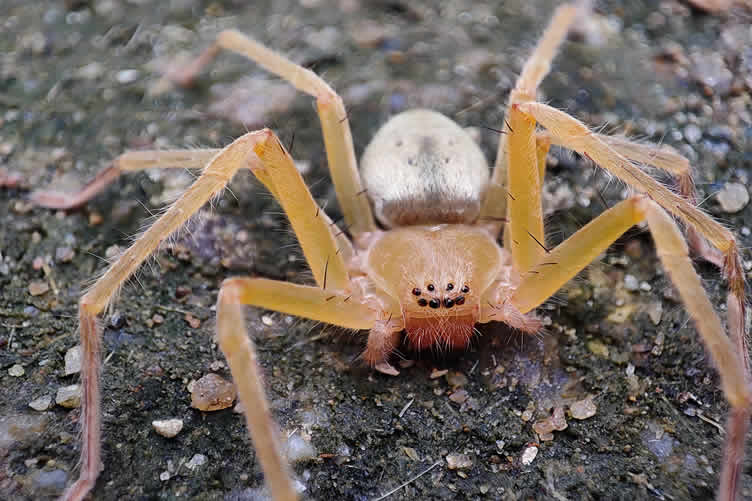
Yellow Sac Spiders are small, with a pale yellow or greenish body, and are known for their distinctive long front legs. They have a reputation for being somewhat aggressive and are often active at night.
These spiders do not create webs to capture prey but instead hunt and scavenge actively.
[ view spider: yellow sac spider ]
-
Habitat:
Yellow Sac Spiders are commonly found in gardens and inside homes, where they create silken sacs for resting during the day. They are often seen in corners, under furniture, or in folds of curtains and linens. -
Danger Level:
While the bite of a Yellow Sac Spider can cause skin irritation and mild pain similar to a bee sting, it is rarely serious. Symptoms can include redness and itching at the site of the bite. As with many spiders, they generally bite as a defensive response and are not typically aggressive unless provoked. -
Where Found:
Yellow Sac Spiders tend to create silken sacs for daytime rest in corners, under furniture, as well as in the folds of curtains and linens. These spiders prefer hiding spots that are undisturbed, making dark and hidden areas of the home, such as basements and closets, ideal environments for them. Their presence is often more noticeable at night due to their nocturnal hunting habits.
-
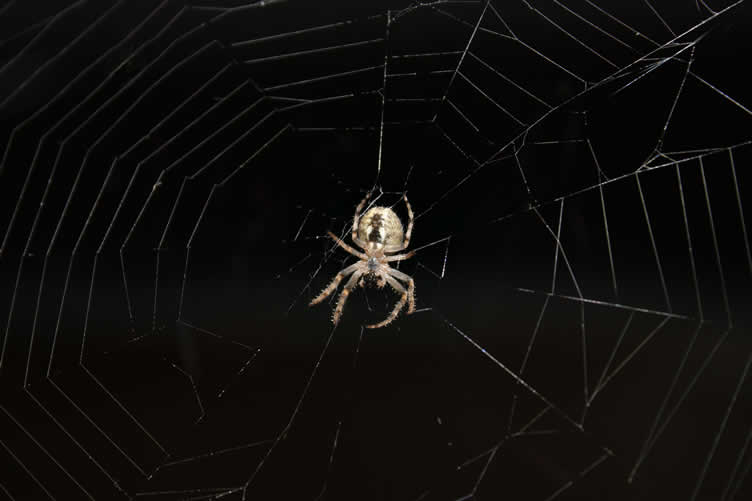
copyright image by 123rf.com
[ view diagram: house spider types ]
[ youtube: spiders in your house ]
-
-
-
ideas to view and compare from the information discussed above
spider web removerspider spray indoorultrasonic spider repeller
Scroll up to directory … or scroll to next section about house spiders 101 …

addressing preventing house spiders and other home improvement needs …

… grab this directory of ideas for future use



… remodeling decisions



May We Suggest Other Photo Remodeling Ideas About
“Working In the Garden …” (new win)


third “photo remodeling” idea
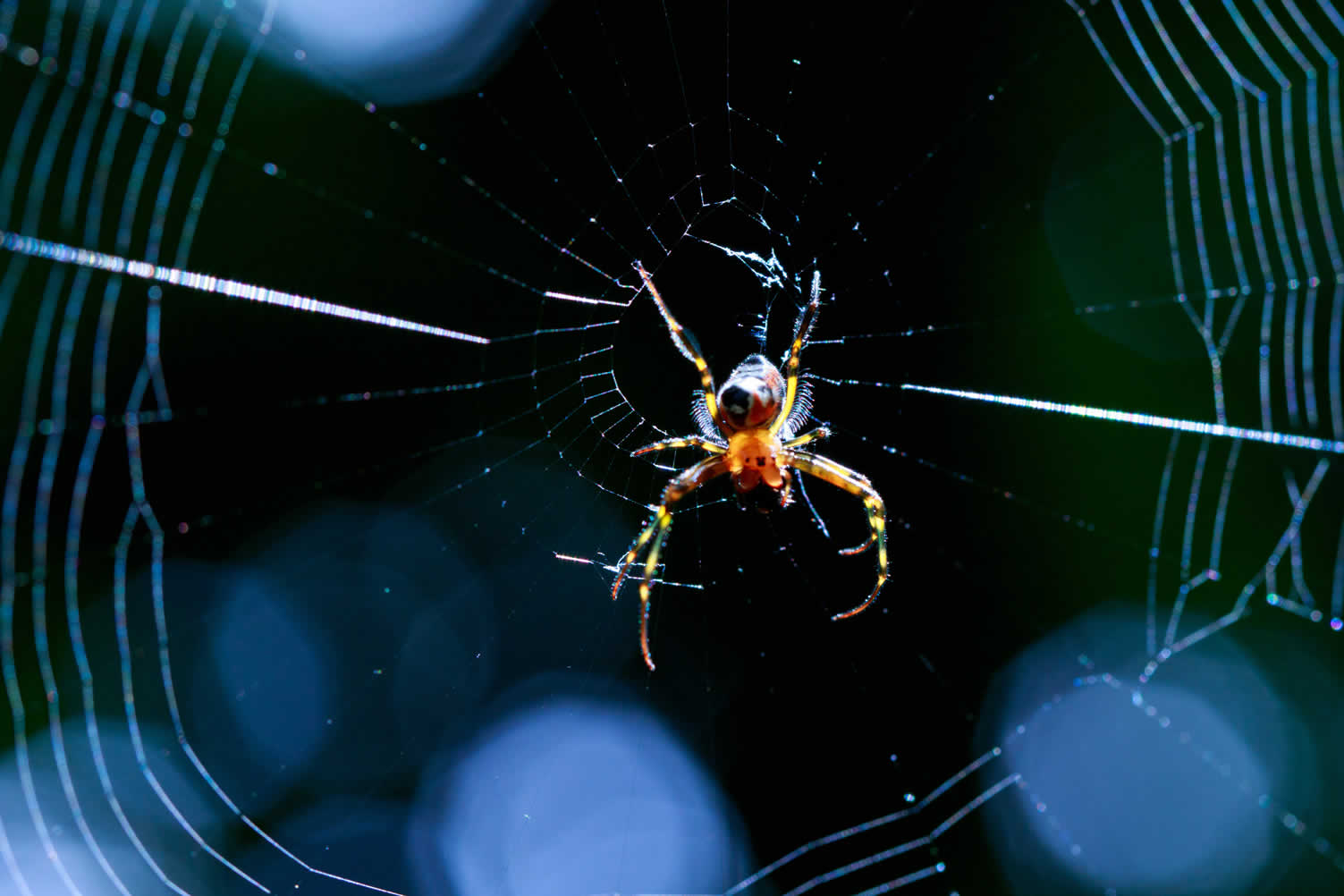
copyright image by 123rf.com
Spiders Tip 3: Management and Prevention of Household Spiders
Notes:
-
Effectively managing and preventing household spiders involves a combination of cleanliness, home maintenance, and deterrent strategies. Regular cleaning helps eliminate webs and potential hiding places, reducing the likelihood of spiders settling in.
Ensuring that windows, doors, and other entry points are well-sealed prevents spiders from entering your home. Additionally, using natural deterrents such as essential oils or setting traps in strategic locations can further discourage these arachnids from making your house their home.
With these combined efforts, you can maintain a spider-free environment.
-
Quick scroll to “management and prevention” side notes …
-
-
1st: Common Locations of House Spiders
House spiders are adept at finding refuge in a variety of indoor environments, each offering the specific conditions they need to thrive, such as quietude and access to food sources.
These areas provide concealment from humans and other predators, making them perfect for web-building sites or resting spots during the day. Identifying these common locations can help manage spider populations within the home more effectively.
[ see images below: Spider Locations ]
-
Basements and Crawlspaces
Basements and crawlspaces are among the most favored habitats for house spiders due to their typically dark, damp, and undisturbed nature. Here, spiders can often be found in corners and along ceiling rafters, where they build their webs or resting sacs. Regular cleaning and sealing cracks can help minimize their presence.
-
Attics
Attics provide a secluded environment that is usually undisturbed by household activities. Spiders can frequently be found in the nooks and crannies, particularly around stored items and wooden beams. Inspecting these areas and keeping them tidy can aid in reducing spider habitats.
-
Closets
The confined and quiet space of closets makes them attractive to spiders. They tend to settle in dimly lit sections, along shelves, and behind hanging clothes. Regularly organizing closets and shaking out clothes can disrupt their habitats and reduce spider presence.
-
Corners of Rooms
Spiders often choose room corners as they offer unparalleled support for web construction. They can blend into surroundings, making webs difficult to spot unless directly searching for them. Regular cleaning schedules can help diminish the number of spiders found in these locations.
-
Underneath Furniture
The space underneath furniture provides ideal hiding spots for house spiders, as it is typically dark and less disturbed. Check under sofas, beds, and cabinets for any signs of webs or sacs. Moving furniture and vacuuming underneath can assist in controlling spider populations.
-
Curtains
Folded and hanging curtains offer yet another shelter for spiders. They can weave webs within the folds or use the texture of the fabric as a resting ground. Occasionally closing blinds or shades and shaking out curtains can discourage them from settling therein.
-
Window Frames
The small crevices in window frames provide perfect nooks for spiders in search of warmth and shelter. Inspecting these frames regularly and ensuring a snug closure can prevent spiders from taking residence and entering the home.
-
Other Areas
Other commonplace spider locations include behind picture frames, along molding, and in piles of books or newspapers. Regularly tidying and rearranging such items can help displace any spiders that have settled in these less conspicuous spots.
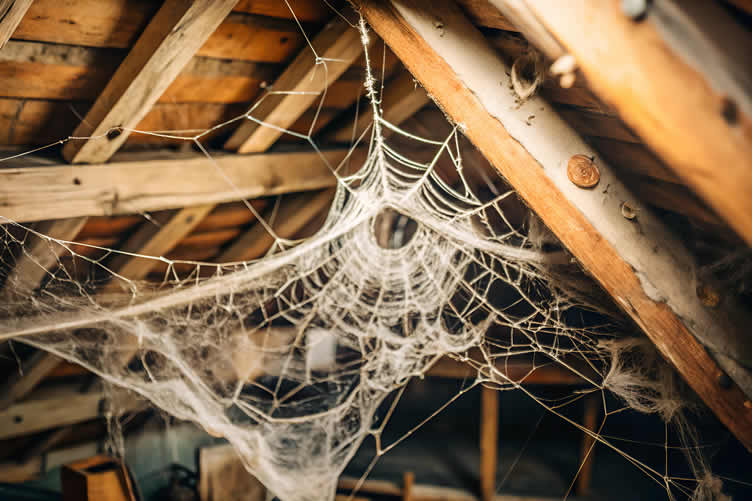
copyright image by 123rf.com
[ amazon: crawlspace flashlight ]
[ amazon: spider repellent indoor ]
-
-
2nd: Safely Removing House Spiders
Removing house spiders can be done humanely and efficiently through several careful methods. The key is to approach the task calmly and to utilize techniques that minimize harm to both the spider and humans.
Below are recommended procedures for safely removing house spiders from various areas within your home.
-
Catch and Release
The catch and release method is simple and effective. Use a glass jar or cup and a piece of stiff paper to trap the spider gently.
Place the jar over the spider, then carefully slide the paper underneath to contain it. Once secured, carry the spider outside and release it in a shaded area away from the house.
-
Vacuuming
For those who prefer not to handle live spiders, vacuuming can be an effective way to remove them from hard-to-reach places. Use a vacuum with a hose attachment to suction spiders and their webs quickly.
Make sure to empty the vacuum bag or canister outdoors immediately, allowing spiders to escape safely.
-
Essential Oils
A natural deterrent, essential oils like peppermint or tea tree, can be used to repel spiders.
Mix several drops of essential oil with water in a spray bottle and apply it around window frames, doorways, and other entry points. This creates a barrier that is unpleasant for spiders but safe for humans.
-
Glue Traps
Glue traps can be placed in various locations to capture wandering spiders without the use of poisons. However, this method will not release the spiders safely, so it’s primarily for controlling populations rather than safe removal. Place traps in corners or underneath furniture, and check them regularly.
-
Professional Assistance
In cases of severe infestation, professional pest control may be required. Experts use environmentally friendly techniques to manage spider populations effectively without risking harm to household occupants. Consulting a professional ensures that the problem is addressed thoroughly and safely.
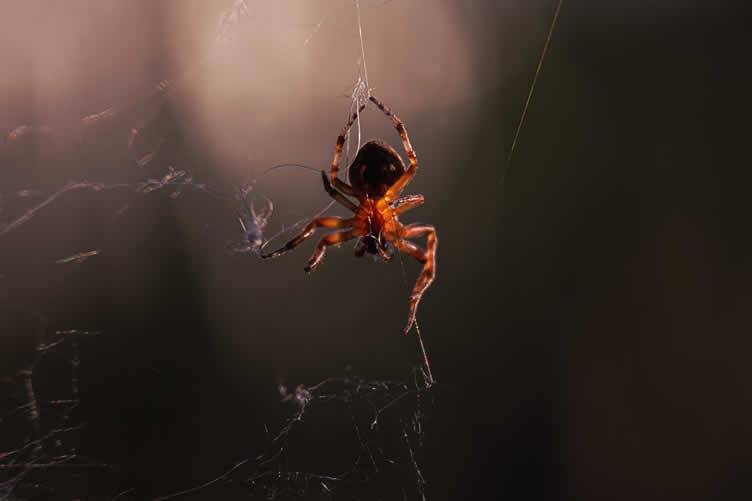
copyright image by 123rf.com
[ amazon: peppermint oil ]
[ amazon: spider glue traps ]
-
-
3rd: Best Practices to Keep Your Home Spider-Free
Maintaining a spider-free home requires a multi-faceted approach that combines cleanliness, prevention, and maintenance. By implementing effective strategies, you can minimize spider encounters and help create a more comfortable living environment.
The following best practices will guide you in reducing the likelihood of spiders taking up residence in your home.
-
Regular Inspection and Cleaning
Frequent cleaning and inspecting areas prone to dust or clutter are essential steps to deter spiders from nesting in your home. Focus on regularly dusting and checking corners, basements, and attics, as these are common hiding spots for spiders.
These areas often provide the dark, undisturbed environments that spiders prefer for nesting. Regular vacuuming and dusting not only disrupt spider habitats but also remove potential food sources, such as insects, which attract spiders.
Ensuring that windows and doors are properly sealed can also help prevent spiders from entering in the first place. By maintaining a clean and organized space, you create an environment that is less appealing to these eight-legged visitors.
-
Seal Entry Points
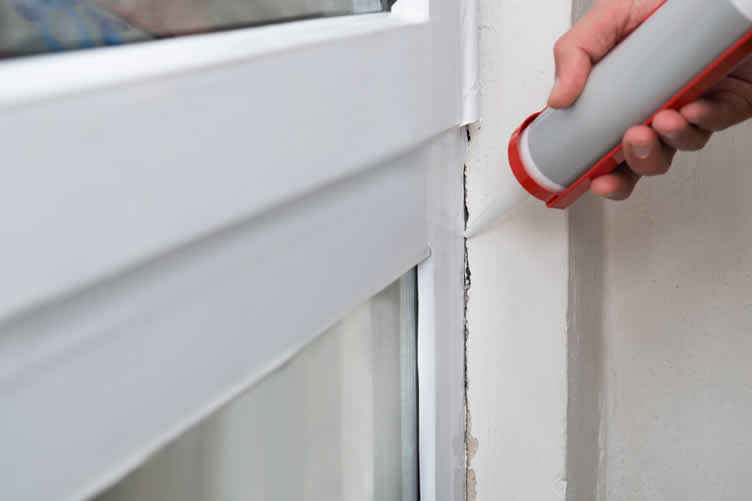
Prevent spiders from entering your home by thoroughly sealing cracks, crevices, and gaps around doors, windows, and foundations. These tiny openings can act as entry points for spiders seeking shelter or food.
Use caulk or weather stripping to fill any openings, ensuring a tight seal that creates a physical barrier, making it difficult for spiders to gain access. Additionally, regularly inspect these areas for new gaps or wear and tear, as maintaining these barriers is essential for long-term prevention.
Consider using door sweeps to cover gaps under exterior doors, and ensure window screens are securely fitted and free of tears. By taking these proactive steps, you can significantly reduce the likelihood of spiders making your home theirs.
-
Minimize Outdoor Lighting
Spiders are naturally attracted to the insects that tend to gather around outdoor lights, as these insects serve as a primary food source for them. When outdoor lights are left on, especially with bright bulbs, they act as a beacon for a variety of insects, creating a convenient hunting ground for spiders.
To reduce the number of spiders around your home, consider minimizing the use of outdoor lighting or switch to yellow sodium vapor lights. These types of lights are less attractive to insects, thereby reducing the number of insects, and consequently, the spider population in your vicinity.
Additionally, ensuring outdoor lights are directed away from your home and using motion sensors can help limit unnecessary light exposure.
-
Manage Other Pests
Spiders often enter homes in search of food, primarily other insects. These eight-legged creatures are drawn indoors as they hunt for sustenance, especially in places where insects are plentiful.
Implementing effective pest control measures to manage and reduce the population of insects, such as flies, ants, and moths, diminishes the available food supply for spiders.
By addressing the root of the problem, you can naturally discourage spiders from making your home their own, leading to a more comfortable and pest-free living space.
-
Outdoor Maintenance
Regularly maintaining the exterior of your home also plays a crucial role in preventing spiders from taking up residence. Start by keeping vegetation trimmed, such as bushes and trees, to minimize areas where spiders can hide or build webs.
It’s important to also maintain clean gutters, as clogged gutters can create damp environments that attract insects, which in turn attract spiders. Additionally, store firewood, leaf piles, and other debris away from the house to prevent spiders from finding shelter nearby.
Creating a clear perimeter around your home not only enhances its appearance but also reduces the number of entry points for these eight-legged guests.
copyright image by 123rf.com
-
-
4th: Natural Deterrents to Keep Your Home Spider-Free
Using natural deterrents is an effective and eco-friendly way to keep spiders out of your home. These non-toxic alternatives make use of scents and plants that spiders find unpleasant, helping to prevent them from entering your living spaces.
By employing natural remedies, you not only create a spider-free environment but also infuse your home with delightful and refreshing aromas.
-
Peppermint Oil
Peppermint oil is known for its strong scent which spiders find overwhelming and unpleasant. To use peppermint oil as a deterrent, mix 10-15 drops with water in a spray bottle.
Shake well and spray the mixture around entry points such as windowsills, doorframes, and corners. Reapply every few days to maintain its effectiveness. This not only deters spiders but also leaves your home smelling minty fresh.
-
Citrus Peels
Spiders dislike the smell of citrus. You can use fresh citrus peels, such as lemon or orange, to deter them. Rub the peels along window sills, baseboards, and other areas where spiders frequent.
As the peel dries, replace it with fresh ones to sustain their effectiveness. Additionally, consider wiping surfaces with citrus-scented cleaners to enhance the repellent effect.
-
Lavender or Eucalyptus Plants
Lavender and eucalyptus are both beautiful plants with fragrances that repel spiders. Consider planting them in pots near entryways or windows to keep spiders at bay.
You can also use dried lavender or eucalyptus leaves by placing them in sachets around your home. The calming aromas will deter spiders while providing a soothing atmosphere.
-
Other Natural Deterrents
Aside from the mentioned options, other natural elements such as vinegar or diatomaceous earth are also effective against spiders. Vinegar’s acidity deters spiders, and it can be used in a 1:1 mix with water to spray in spider-prone areas.
Diatomaceous earth can be sprinkled lightly around the base of your home or in corners to create a protective barrier, though care should be taken to use food-grade products.

copyright image by 123rf.com
-
-
-
ideas to view and compare from the information discussed above
Scroll up to directory … or scroll to next section about house spiders 101 …
SHARE IT ..! You might have someone in your social network who could find this informative post house spiders 101 valuable. Feel free to share it on Facebook, X (formally Twitter), LinkedIn, or Pinterest!





Budgeting Worksheet For Costing Home Remodeling and Home Improvement Decisions
 File Type (excel)

fourth “photo remodeling” idea
copyright image by envato.com
Spiders Tip 4: Dealing with Venomous Spiders in the Home
Notes:
-
Handling venomous spiders requires careful consideration and caution. It is crucial to accurately identify the species of the spider, as some venomous spiders can pose significant health risks.
Commonly found venomous spiders in homes, such as the brown recluse and black widow, should be approached with great care. If you suspect the presence of venomous spiders, it’s advisable to contact a pest control professional to safely address the issue.
Keeping your home clean and free of clutter reduces hiding spots for spiders. Seal any cracks or gaps in walls, windows, and doors to prevent their entry. It’s also beneficial to regularly inspect bedding and infrequently used clothing items, where these spiders may find shelter.
Educate household members about the potential hazards of venomous spiders and establish clear guidelines for what to do if one is found.
-
Quick scroll to “venomous spider” side notes …
-
-
1st: Educating Household Members About Venomous Spiders
Educating household members about venomous house spiders, such as the brown recluse and black widow, is essential for ensuring family safety.
Begin by providing clear information on identifying these spiders. Share images of the spiders, highlighting distinguishing features such as the brown recluse’s violin-shaped marking or the black widow’s red hourglass.
Explain the potential health risks associated with their bites and stress the importance of avoiding direct contact.
Next, conduct a home spider check together, pointing out common hiding spots like dark corners, basements, attics, garages, or behind furniture. Emphasize that these spiders prefer undisturbed areas, so reducing clutter and maintaining cleanliness is crucial.
Encourage family members to wear gloves and long sleeves when cleaning or reaching into these areas. Establish clear protocols on what to do if a spider is found. Encourage immediate reporting to an adult, rather than trying to handle the spider independently.
Discuss the importance of leaving the spider alone and letting trained professionals handle the situation if needed. By fostering an informed and cautious approach, you can equip your family with the knowledge and skills to minimize dangerous interactions with venomous spiders.
copyright image by envato.com
[youtube: black widows are killer queens ]
[ youtube: the truth about the brown recluse ]
[ youtube: black widow vs brown recluse! ]
-
2nd: Finding and Using Professional Pest Control Services
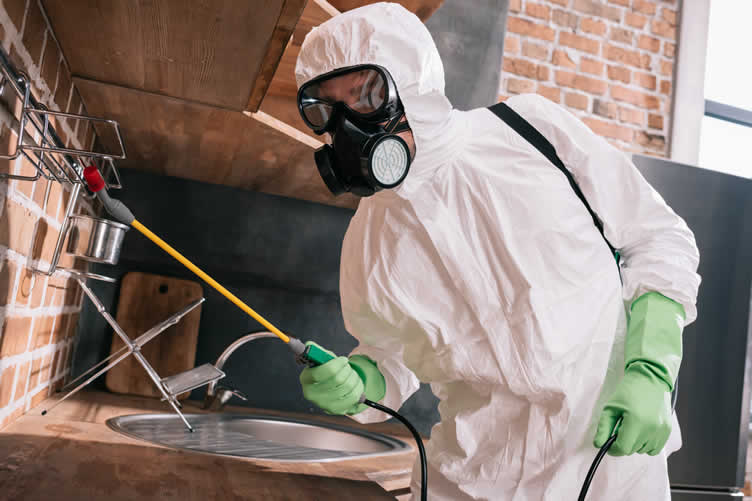
Hiring professional pest control services is a prudent step in effectively managing the removal, prevention, and maintenance of a spider-free home.
When searching for a pest control provider, seek companies with expertise in dealing with venomous spiders and a reputable track record. Start by researching local pest control firms online, reading reviews, and asking for recommendations from neighbors or community online forums.
Once you select a potential service provider, inquire about their specific approach to dealing with venomous spiders. A comprehensive pest control plan should include an initial inspection to assess the extent of the spider problem, tailored solutions for immediate removal, and detailed preventive measures to stop future infestations.
Discuss the integration of environmentally-friendly methods, if important to you, to protect both your family and household pets. Furthermore, a professional service should offer guidance on maintaining cleanliness and reducing clutter to eliminate potential habitats for spiders.
Regular follow-ups and maintenance checks by the pest control company ensure that any re-emergence of spiders is swiftly managed. This ongoing relationship not only helps maintain a spider-free environment but also offers peace of mind knowing that experts are on hand to handle any pest-related concerns.
By utilizing professional pest control services, you are pro-actively safeguarding your home against the threats posed by venomous spiders.
LetsRenovate has partnered with HomeAdvisor™, a renowned provider of highly-rated, carefully-vetted local pest control services. Start your search here by entering your zip code to find local professionals.
copyright image by envato.com
But Wait!
Before starting your search and evaluation of outdoor kitchen contractors, it is highly recommended to download and use this evaluation worksheet.
This resource will help you objectively rank and assess potential contractors, considering essential factors such as pricing, licensing, and referral information.

Evaluation Sheet
File Type:
-
-
ideas to view and compare from the information discussed above
Scroll up to directory … or scroll to next section about house spiders 101 …

plan the specifications you need for making …

… key home improvement and remodeling decisions
Quick Contractor Guides selecting negotiating working with inspecting
fifth and last “photo remodeling” idea

copyright image by envato.com
Spiders Tip 5: The Importance of Spiders
Notes:
-
While we might not appreciate having spiders indoors, they play a vital role outside that greatly benefits the environment. Spiders serve as natural pest controllers by preying on other insects, such as mosquitoes, flies, and other pests, which can spread diseases and cause damage to crops.
This natural predation helps maintain a balanced ecosystem by controlling the population of these insects, thus preventing them from overwhelming the environment. Many spider species are also a food source for birds and other small animals, contributing to the food web.
So instead of instantly killing spiders when you see them, consider safely capturing and releasing them back into their natural habitats, where they can continue to support ecological balance and biodiversity.
-
Quirk scroll to topic "importance of spiders" side notes …
-
-
1st: The Role of Spiders in the Ecosystem
Spiders play a crucial part in maintaining ecological balance across various environments. Often seen as mere pests, they are, in fact, nature’s pest controllers, keeping the population of insects in check.
Spiders are integral to the food web, contributing significantly to biodiversity and ecosystem health. By understanding their roles, we can appreciate their presence beyond the confines of our homes.
-
Natural Pest Control
Spiders are natural predators to a wide range of insects, including mosquitoes, flies, and other pesky bugs. By controlling the population of these insects, spiders help reduce the spread of diseases, damage to crops, and nuisances within human dwellings.
Their hunting activities contribute to the natural regulation of insect populations, offering an environmentally friendly alternative to chemical pesticides.
-
Contribution to Biodiversity
As both predators and prey, spiders occupy a pivotal position in the food web. While they feed on insects, they are also a food source for other animals such as birds, lizards, and other larger insects.
This dynamic supports diverse and robust ecosystems, ensuring that no single species dominates, which could lead to ecological imbalance.
-
Soil Health and Plant Life
Beyond their role in controlling insect population, some spiders contribute to soil health. Ground-dwelling spiders, such as wolf spiders, aid in aerating the soil as they burrow, which enhances the process of nutrient cycling.
This activity not only supports plant growth but also contributes to overall soil quality and resilience to erosion.
-
Indicators of Environmental Health
The presence and diversity of spider species in an area can serve as indicators of environmental health. Areas with a rich variety of spider species often suggest a well-balanced ecosystem with minimal pollution.
Environmental scientists and ecologists can study spider populations to gain insights into the status of habitats, helping to monitor and guide conservation efforts.
copyright image by 123rf.com
[ view diagram: spiders in the ecosystem ]
[ youtube: ecological importance of spiders ]
-
-
2nd: Understanding the Life Cycle of a Spider
Spiders are fascinating creatures with intricate life cycles that reveal much about their adaptability and survival strategies.
From the moment they hatch from eggs to reaching adulthood, spiders undergo several distinct stages that prepare them for their critical role in various ecosystems. Comprehending these life stages helps us appreciate their complex biology and ecological significance.
-
Egg Stage
The life cycle of a spider begins with the egg stage. Female spiders lay eggs in a silken egg sac, which they may guard attentively or hide in a secure location to ensure their offspring’s safety.
These sacs can contain hundreds of eggs, depending on the species, and offer a protective environment until the spiderlings are ready to emerge.
-
Spiderling Stage
Once the eggs hatch, they give rise to spiderlings, which are small, immature spiders. During this stage, spiderlings may remain in the immediate vicinity of the egg sac or disperse through a method known as ballooning, where they release silk threads to catch the wind and travel to new locations.
This adventurous phase is crucial for reducing competition and promoting the spreading of the species.
-
Molting and Growth
As spiderlings grow, they undergo a process called molting. Spiders, like other arthropods, must shed their exoskeleton to accommodate their expanding bodies.
This molting occurs multiple times throughout their development until they reach full maturity. Each molt is a vulnerable period for spiders, as they are softer and more exposed to predators until their new exoskeleton hardens.
-
Maturity and Reproduction
Upon reaching maturity, spiders are ready to reproduce, marking an essential phase in their life cycle. Female spiders often display intricate courtship behaviors, and mating rituals can be both elaborate and perilous.
After mating, many female spiders will produce their egg sacs, continuing the cycle. Males typically have shorter lifespans and may die shortly after mating.
Understanding this life cycle provides valuable insights into how spiders thrive and maintain their vital ecological roles across various environments.
-
Lifespan of Spiders
The lifespan of spiders varies considerably depending on the species and environmental conditions. Generally, most common spiders live for about one to two years. However, some species, like tarantulas, can have remarkably longer lifespans, with females living up to 20 years or more in captivity.
Environmental factors such as temperature, availability of food, and presence of predators play a significant role in determining how long a spider will live.
While some spiders face high mortality rates during their vulnerable early stages, those reaching maturity have a greater chance of survival. Overall, the lifecycle of a spider is a fascinating reflection of adaptation and survival in diverse ecosystems.
copyright image by 123rf.com
[ view diagram: life cycle of a spider ]
[ youtube: spiders and their lifecycle ]
-
-
-
Say Goodbye to Spiders for Good
Though house spiders may seem unwelcome, understanding their habits and purpose can ease your discomfort and help you address them safely. Whether you’re sealing cracks, using natural deterrents, or learning to identify different species, keeping your home spider-free is entirely possible.
Take these steps today to reclaim your space—and enjoy your sanctuary without any uninvited guests.
-
ideas to view and compare from the information discussed above
spider decorations for outsideinflatable spidersjumping spider terrarium
- What comments can you share about
house spiders 101?
Scroll up to directory … or scroll to more home remodeling-related topics …
view illustration “becoming a bank”

Calendar For:
Home Maintenance
File Type:
… view our sharing links below for a quick "share the knowledge"
Cover image credit: house spiders by 123rf.com
end of post … please share it!
 |
did you find this house spiders 101 analysis helpful? If so, please share the article with your friends and family! |
Nice pic idea? Leave us a quick comment below.
And please share this pic idea within your social networks.