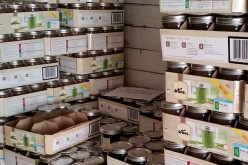
One solution that’s gaining attention is cold storage—a practical and reliable way to extend the life of key foods while securing your household’s food supply.
This guide will walk you through the essentials of setting up a cold storage room, offering expert advice that ensures your efforts are both effective and sustainable.
- post content
- Understanding Cold Storage
- Planning Your Cold Storage Room
- Temperature and Humidity Control
- Food Selection and Preparation
- Organization and Inventory Management
- Troubleshooting Common Issues
- Case Studies of Successful Cold Storage Setups
- Legal and Safety Considerations
- Building a Resilient Food Storage System for the Future
- view key:collective notes
Understanding Cold Storage
Cold storage is a designated space designed to preserve perishable foods or extend the shelf life of specific items. Unlike a refrigerator, which serves as a compact cooling device for short-term use, a cold storage room functions on a larger scale, typically accommodating bulk quantities of food to support long-term needs.
The principle behind cold storage is straightforward—it uses low temperatures to slow the growth of bacteria, fungi, and other microorganisms that cause spoilage.
It’s also an effective method for storing foods that thrive in cool, slightly humid environments, such as root vegetables, apples, and cured meats. For anyone looking to maintain a steady food supply while reducing waste, a cold storage room is indispensable.

Planning Your Cold Storage Room
Before you begin building or repurposing a space for cold storage, careful planning is essential. The first consideration is location.
Ideally, your cold storage room should be placed in a naturally cool area such as a basement, cellar, or shaded outbuilding to reduce energy costs. Avoid spaces exposed to direct sunlight or frequent temperature fluctuations.

Size is your next consideration. Assess the amount of food you plan to store and ensure the room is large enough to accommodate shelves, bins, and organizational tools.
However, too much unused space can make maintaining optimal temperatures inefficient. A good rule of thumb is to choose a size slightly larger than your immediate needs to allow for future expansion.
Insulation is another critical step. Proper insulation helps regulate temperatures and can significantly reduce energy consumption.
Seal doors and gaps to prevent warm air from entering the room, and consider installing foam boards, spray foam, or insulated panels on walls and ceilings. Maintaining a stable environment will make your cold storage highly efficient.
Temperature and Humidity Control
Effective cold storage requires precise control over temperature and humidity. Most foods stored in cold storage rooms require consistent temperatures between 32°F and 50°F, although exact needs will vary depending on the type of food. A dedicated thermometer is a must-have for regular monitoring.
Humidity is equally important. Certain items, such as root vegetables, benefit from higher humidity levels (between 85% and 95%), while others, like cured meats, require lower humidity to avoid mold. A hygrometer can help measure and maintain optimal humidity levels.
For full control, invest in a humidifier or dehumidifier to regulate moisture based on your food selection. Ventilation also plays a role—good airflow ensures even temperature distribution and reduces the risk of condensation, which can lead to mold. Fans or vents may be installed as required to promote circulation.
Food Selection and Preparation
Not all foods are suitable for cold storage. To make the most of your setup, focus on items that naturally hold up well in cooler environments. Root vegetables like potatoes, carrots, and beets are excellent choices as they can remain fresh for months. Apples and pears are also ideal, provided they are checked regularly for signs of spoilage to avoid contaminating the batch.
Cured meats, such as prosciutto or salami, have traditionally been preserved in cold, dry settings, making them perfect candidates for your storage room. Additionally, canned goods store exceptionally well and provide a convenient backup supply when fresh options are unavailable.
Before placing food into cold storage, ensure proper preparation. Clean root vegetables gently to remove soil but avoid washing them, as excess moisture promotes decay. Fruits can be individually wrapped in newspaper to prevent direct contact, while cured meats should be hung away from walls to promote airflow. Label and date items to streamline inventory checks.
Organization and Inventory Management
An organized cold storage room not only saves time but also prevents waste. Use sturdy shelves to create layers of storage, with heavier or bulk items placed on the bottom and smaller items easily accessible on top.
Separate foods based on their storage requirements. High-humidity produce like potatoes should not be stored with fruits like apples, which emit ethylene gas and can accelerate spoilage. Use storage bins or crates to create designated areas for different food types.
Regularly inventory your stock to ensure rotation—older items should be consumed before adding new ones. Record-keeping can be as simple as using a spreadsheet or app to track expiration dates and quantities, allowing you to plan meals effectively and reduce wastage.
Troubleshooting Common Issues
Even a well-maintained cold storage room can face issues. Mold is one of the most common problems and usually results from poor ventilation or excess humidity. Regular inspections and cleaning, coupled with proper airflow, can reduce this risk significantly.
Pests, such as rodents or insects, can also be a nuisance. Seal any gaps in the walls, floor, or door, and consider using pest deterrents like traps or natural repellents. Keep all food containers tightly sealed to avoid contamination.
Temperature fluctuations can arise from environmental changes or equipment issues. Regularly check your thermometer and HVAC systems to ensure they’re functioning correctly. Backup systems or alarms may be worth investing in to alert you to any severe changes.

The Joy of Canning Your Garden Harvest for Year-Round Enjoyment
Canning your garden harvest is a rewarding way to preserve the bountiful produce you have worked so hard to grow. Not only does it extend the shelf life of your fruits and vegetables, but it also allows you to enjoy the tastes of summer all year round.
Case Studies of Successful Cold Storage Setups
Real-life examples can serve as a powerful source of inspiration. A sustainable homestead in Idaho transformed an unused basement corner into a cold storage haven for apples, root vegetables, and cured meats. With proper insulation and ventilation equipment, their setup allowed them to save over $1,000 annually on grocery costs.
Similarly, a budget-conscious family in New York revamped an outdoor shed into a cold storage space using affordable materials like foam boards and weatherstripping. By adding a small humidifier and smart shelving system, they effectively stored fresh produce through winter without overcrowding their kitchen refrigerator.
Legal and Safety Considerations
Certain regulations may apply to cold storage rooms, especially for businesses or large-scale setups. Consult your local government for food storage guidelines, building codes, and safety regulations to ensure compliance. Also, secure your space against fire hazards by avoiding combustible materials and installing a smoke detector.
Basic food safety practices should always be followed. Keep raw meats stored away from ready-to-eat foods, and sanitize your storage area periodically to prevent bacterial growth. Carefully monitor expiration dates to prevent consuming spoiled products.
Building a Resilient Food Storage System for the Future
A cold storage room is more than just a temperature-controlled space—it’s a practical solution for navigating inflation, reducing waste, and creating a secure food supply for your household. Whether you’re a seasoned homesteader or a budget-conscious family, taking the time to establish a proper cold storage system can help you weather uncertain times with confidence.
Take the first step toward food security by assessing your space and gradually building out your cold storage room. With the right planning and maintenance, you’ll create a dependable resource that will serve you and your loved ones well into the future.
other related analysis of interest: (new win)
The Importance of Clean Home Drinking Water and How to Maintain It
Raising Healthy and Mentally Adapt Kids In Troubling Environments
Find Home Remodeling Services Additions Major Remodels Minor Remodels Disability Needs Plumbing Drain Clearing Appliances Electrical top-rated, pre-screened local contractors FREE: download contractor selection enter zip code – powered by HomeAdvisor ™


Image credit: by envato.com
end of post … please share it!
| more photo remodeling |
Jump Over to Our Photo Analysis Center for Ideas on
"Renovating Home"
|__________________________________________________________|
home remodeling surprise
find out where it might go - new win


Helpful article? Leave us a quick comment below.
And please share this article within your social networks.