Summary Outline –
Whether you are just getting started with home repairs or you have been tackling projects for years, having the right tools makes the difference between a frustrating afternoon and a job done right.
The wrong tool wastes time, compromises results, and in the case of electrical or plumbing work, can create serious safety hazards. Investing in a smart, well-organized collection of tools is one of the most practical decisions a homeowner can make.
This guide covers everything you need to build a professional-grade DIY toolkit—from core hand tools and power equipment to specialized plumbing and electrical gear, precision layout instruments, and the protective equipment that keeps you safe on every job.
Think of it as your road-map to a more capable, confident home workshop.
- post content … analysis/ assembling your DIY toolkit

-
- —— begin first topic ——
-
1st Tool Set: Prioritizing Safety
… with comprehensive personal protective equipment
Before reaching for any tool, experienced DIYers know that safety equipment comes first. Personal protective equipment (PPE) is not optional—it is an essential part of your toolkit and the first line of defense against potential hazards.
Whether you’re tackling a minor home repair or an ambitious renovation project, prioritizing your safety ensures a smooth, injury-free experience that allows you to focus on achieving your goals instead of risking unnecessary setbacks.
Unfortunately, many amateurs and even seasoned DIY enthusiasts underestimate the importance of proper PPE until an incident occurs.
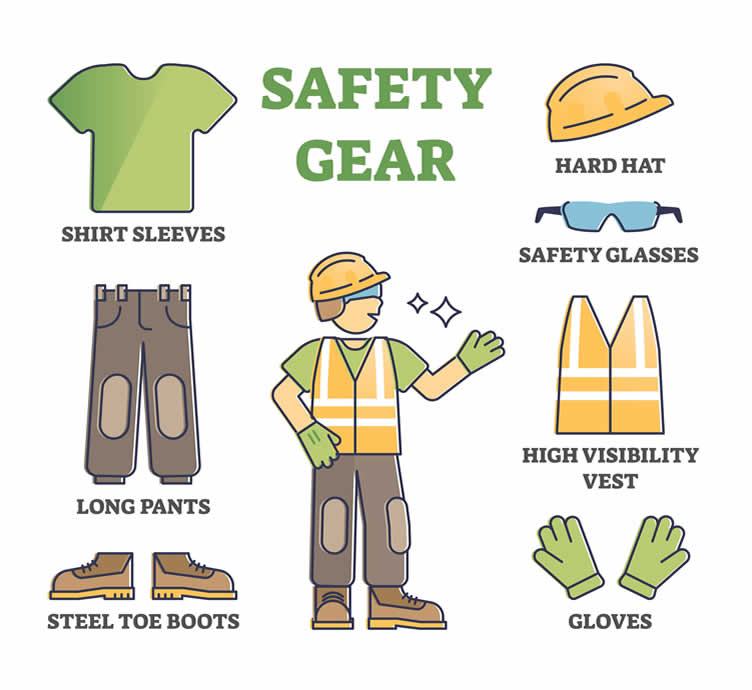
copyright image by 123rf.com

This guide aims to change that mindset by outlining the key protective gear you need and emphasizing how these items safeguard you during a wide range of home improvement tasks.
A thoughtful approach to PPE can protect against eye injuries, hearing loss, respiratory issues, and much more, creating a safer environment for every project.
Below is a comprehensive breakdown of the most important protective equipment you should have ready before starting any task. Maintaining and using this equipment properly will ensure lasting effectiveness and enhance your confidence on the job.
- Quick scroll to “type safety gear” to consider …
-
Eye Protection
Your eyes are among the most vulnerable parts of your body during any DIY project. Tasks involving flying debris, sawdust, chemicals, or sparks can cause serious damage.
Invest in high-quality safety goggles or glasses that meet ANSI (American National Standards Institute) Z87.1 standards. For specialized jobs, such as using power tools or handling hazardous chemicals, consider full-face shields to provide additional coverage.
Quick Tip:
Anti-fog coatings and UV protection are valuable features when working outdoors or for extended periods.

-
Hearing Protection
Sustained exposure to loud tools like drills, saws, and nail guns can lead to permanent hearing damage. Over-ear earmuffs or in-ear plugs designed for noise reduction are practical solutions to preserve your hearing.
Look for devices with a high Noise Reduction Rating (NRR) to ensure comprehensive protection, especially in noisy environments.
Pro Insight:
Combine hearing protection with comfortable, adjustable designs to keep focus during long projects.
-
Respiratory Protection
Many DIY tasks release airborne particles, fumes, or harmful chemicals that can irritate or damage your respiratory system.
Wearing the correct respiratory equipment, such as disposable N95 respirators or reusable half-mask respirators, can prevent inhalation of harmful materials like sawdust, mold spores, and paint fumes.
Safety Reminder:
Select respirators rated for your specific hazard and ensure proper fit for maximum effectiveness.
-
Work Gloves
Protecting your hands against cuts, abrasions, and chemical exposure is crucial.
Durable work gloves made of synthetic leather, nitrile, or Kevlar provide both flexibility and robust protection for carpentry, electrical, or heavy-duty tasks.
Pro Tip:
Choose gloves suited to the level of dexterity required for the task. For example, thin gloves might be better for electrical work, while thicker ones are ideal for heavy lifting.
-
Disposable Gloves
For tasks that require better hygiene, such as painting or chemical handling, disposable gloves are essential.
Nitrile gloves, in particular, provide chemical resistance and durability compared to latex gloves, which may cause allergies for some users.
Use Case:
Always dispose of gloves after a single use to avoid contamination or compromised protection.
-
Headlamp
A headlamp is an invaluable safety device when working in low-light or dark environments. It offers hands-free illumination, allowing you to focus on your task while reducing the risk of accidents caused by poor visibility.
LED headlamps are popular for their brightness, energy efficiency, and long battery life. Look for one with adjustable straps to ensure a secure and comfortable fit.
Use Case:
Perfect for plumbing in tight, dim spaces, inspecting attics, or completing outdoor repairs after sunset. Keep your batteries charged or carry spares to avoid interruptions.
-
Body Protection
When you’re tackling big, disruptive projects, it’s so important to think about protecting your body from head to toe.
Having the right equipment doesn’t just minimize the risk of injury; it gives you the confidence to work safely and effectively. Below are some vital pieces of body protection to consider adding to your toolkit:
- Hard Hats:
Protect your head from falling objects, especially during demolition or structural work. Ensure the hat meets OSHA safety requirements for impact protection. - Knee Pads:
Essential for prolonged tasks performed on hard surfaces such as installing floors or tiles, offering joint cushioning and strain prevention. - Fall Protection:
When working at heights, such as on roofs, a certified harness system is crucial for fall protection and better balance. For added safety on tall ladders, consider using a stabilizer and non-slip feet. - Steel-Toe Boots:
These sturdy boots help prevent foot injuries from falling objects or accidental compression, while slip-resistant soles ensure stability. - Back-Support Belts:
Perfect for heavy lifting tasks, back-support belts reduce strain on the lower back and help prevent injuries caused by improper posture. - Additional Body Armor:
- Flame-resistant clothing for welding tasks.
- Sturdy aprons for woodworking or chemical handling.
- Reflective clothing to improve visibility in low-light conditions.
- Hard Hats:
-
Additional Essentials
Finally, consider other safety tools and accessories tailored to specific jobs or environments.
For example:
- First-Aid Kits
Bandages, gauze, medical tape, antiseptic ointment, tweezers, and eye wash solution handle the minor injuries that occur despite careful work. Keep a kit in the shop and one accessible in the main living area. Refresh supplies annually or after any use. - Fire Extinguishers
A multipurpose ABC-rated fire extinguisher mounted in the workshop is essential, particularly when using torches for plumbing, grinding metal, or working with flammable solvents and adhesives. Verify that smoke detectors and carbon monoxide detectors near work areas are functioning and have fresh batteries. These are the items most people assume are covered—and most often are not.
- First-Aid Kits
-
Why Safety Matters
No home improvement goal is worth compromising your well-being. By incorporating the proper PPE into your toolkit and following recommended safety standards, you are equipping yourself for success while mitigating common, costly hazards.
Stay proactive, stay safe, and turn every DIY project into a rewarding and injury-free accomplishment.
Source: National Safety Council (NSC), Occupational Safety and Health Administration (OSHA), and DIY Safety Best Practices.
- Quick scroll to summary content …
Category Details Additional Notes Eye Protection High-quality safety goggles or glasses that meet ANSI Z87.1 standards are crucial to protecting eyes from flying debris, sawdust, chemicals, or sparks. For specialized tasks, full-face shields offer additional coverage. Anti-fog coatings and UV protection are useful features for outdoor or prolonged use. Hearing Protection Over-ear earmuffs or in-ear plugs with a high Noise Reduction Rating (NRR) safeguard against hearing damage from loud tools such as drills, saws, or nail guns. Comfortable and adjustable designs enhance focus and usability during extended projects. Respiratory Protection Disposable N95 respirators or reusable half-mask respirators prevent inhalation of harmful particles, fumes, and dust during tasks like sawing, painting, or handling mold. Ensure the respirator is rated for specific hazards and properly fitted for maximum effectiveness. Work Gloves Durable gloves made of synthetic leather, nitrile, or Kevlar protect hands from cuts, abrasions, and exposure to harmful chemicals during tasks ranging from carpentry to electrical work. Choose glove materials and thickness according to task requirements for optimal dexterity and protection. Disposable Gloves Nitrile gloves offer durability and chemical resistance, making them ideal for handling hazardous substances or tasks requiring hygienic precautions, such as painting. Dispose of gloves after a single use to prevent contamination or compromised protection. Headlamp Useful for low-light settings, LED headlamps provide hands-free illumination to enhance visibility and reduce accident risks during tasks like plumbing or inspecting attics. Look for adjustable straps and keep spare batteries on hand to avoid interruptions. Body Protection Includes essential safety gear like hard hats, knee pads, fall protection systems, steel-toe boots, back-support belts, and task-specific clothing. These items protect against falls, impact injuries, and environmental hazards. Ensure the equipment meets safety standards and is suited for the specific project requirements. Additional Essentials Tools such as first-aid kits and fire extinguishers are vital for handling emergencies during work. Well-stocked kits with bandages, gloves, and antiseptic ointments should be accessible. Smoke detectors, carbon monoxide detectors, and refreshed supplies enhance preparedness for unforeseen events. 


copyright image by 123rf.com
Prioritize Fire Safety
When tackling home improvement projects, your family’s safety from fire hazards should always come first.
Start by installing modern smoke alarms in every bedroom, hallway, and main living area, and consider adding carbon monoxide detectors for more complete protection.
Test all your alarms regularly and replace the batteries when needed. It’s also a good idea to keep a fire extinguisher in high-risk areas like the kitchen and garage.
By making fire safety a priority, you create a secure environment to enjoy all your home projects.
view ideas: protect your family from a house fire(new win)
-
Scroll up to main directory … or scroll to next DIY toolkit need: hand tools …




-
-
2nd Tool Set: The Core Hand Tools
… for everyday home maintenance and repair
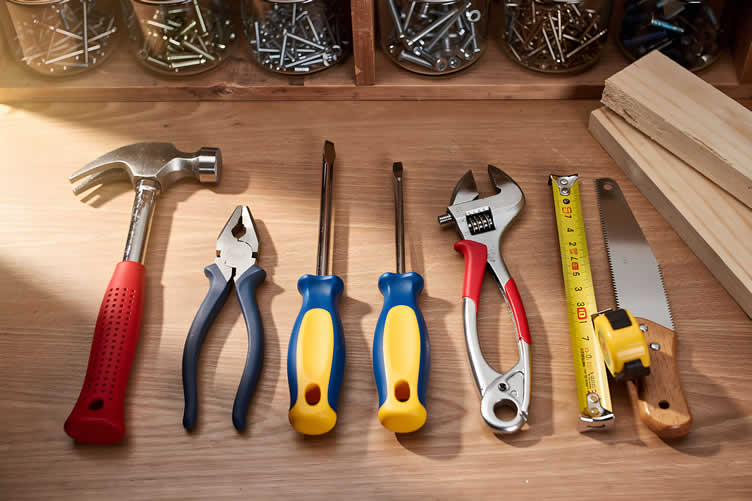
A reliable set of hand tools is the backbone of any DIY enthusiast’s toolkit. Whether you’re fixing a leaky faucet, assembling furniture, or tackling a more extensive home renovation, having essential tools at your disposal ensures efficiency, precision, and confidence in every task.
Unlike power tools, hand tools are timeless, versatile, and require no electricity—making them indispensable for virtually every project.
AI generated image by 123rf.com
Building a well-rounded collection of hand tools doesn’t have to be intimidating or expensive. Focus on acquiring high-quality essentials that can handle a wide variety of tasks.
This guide highlights the fundamental hand tools every homeowner should own, exploring their uses and the value they bring to home improvement and repair projects.
Prioritize durability, functionality, and ergonomic designs to truly maximize your investment. Core hand tools every homeowner needs:
- Quick scroll to “types of hand tools” to consider …
-
Claw Hammer (16–20 oz)
- Versatility:
This versatile tool is ideal for everyday tasks like driving nails into walls for hanging pictures, but it’s also powerful enough for removing stubborn fasteners. The claw end is perfect for extracting bent or misplaced nails and can even be used for light demolition tasks, such as prying apart pieces of wood or removing old trim. - Selection Tip:
When choosing your hammer, pay close attention to the handle. Look for one with a comfortable, ergonomic grip that fits well in your hand. An anti-vibration grip is particularly helpful, as it will absorb much of the shock from each strike, helping to minimize hand and arm fatigue, especially during longer projects.
- Versatility:
-
Tape Measure (25 ft)
- Accurate Measurements:
A tape measure is absolutely essential for a wide range of household projects, from planning out room layouts and measuring spaces for new furniture or fixtures to ensuring your material cuts are precise every time. It’s the tool you’ll reach for again and again to make sure everything fits and aligns just right. - Features to Seek:
A blade-locking mechanism is a great help, especially when you’re measuring long distances or working alone. Clear, wear-resistant markings are also important to ensure readability over time. For quick access, look for a tape measure with a sturdy belt clip so it’s always within arm’s reach when you need it.
- Accurate Measurements:
-
Torpedo and 2 ft Level
- Ensure Straight Lines and Angles:
These versatile tools are essential for a variety of tasks around the home, from making sure surfaces are perfectly level to hanging artwork straight and installing shelves that won’t tilt. They ensure your projects have a professional and polished finish. - Importance:
The 2 ft level offers a longer straightedge, making it perfect for bigger projects like installing cabinetry or long shelves, while the more compact torpedo level fits neatly into tight spaces, ensuring accuracy where a larger tool wouldn’t fit.
- Ensure Straight Lines and Angles:
-
Screwdrivers (Quality Multi-bit or Full Set)
- Universal Functionality:
From tightening loose screws on kitchen cabinets and doorknobs to assembling flat-pack furniture or even changing batteries in toys, a good set of screwdrivers is indispensable for countless everyday tasks. - Recommendations:
Look for a high-quality multi-bit model that feels sturdy in your hand, or consider investing in a complete set that includes a variety of both flathead and Phillips options. Having multiple sizes and types on hand will give you the flexibility to tackle any screw you might encounter around the house.
- Universal Functionality:
-
Hex/Allen Keys
- Specialized Use:
If you’ve ever put together flat-pack furniture, you know how essential hex keys (also known as Allen keys) can be. They’re also crucial for adjusting certain types of bolts and performing basic maintenance on bicycles. - Advice:
It’s a good idea to invest in a set that offers a range of sizes. Having different options ensures you’ll always have the right key for the various hex screws commonly found in furniture, bicycles, and other household items.
- Specialized Use:
-
Utility Knife
- Precise Cutting:
A utility knife is your go-to tool for a variety of tasks that require precise, clean cuts. It’s perfect for everything from opening stubborn cardboard packages and trimming excess material from craft projects to carefully scoring drywall for home renovations. - Safety First:
When choosing a utility knife, look for features designed with your safety in mind. A retractable blade is essential, as it lets you tuck the sharp edge away when not in use to reduce the risk of accidental cuts. An ergonomic handle also provides a more secure grip, giving you better control and minimizing the chances of slipping.
- Precise Cutting:
-
Adjustable Wrenches & Combination Wrench and Socket Set
- Fastening Solutions:
An adjustable wrench is incredibly versatile, allowing you to tackle nuts and bolts of various sizes with a single tool, which is perfect for general tasks. For jobs that require a more exact and secure grip, a combination wrench set is invaluable, as it provides a range of sizes for more precise and specific fits. - Value Addition:
A complete wrench set that includes both adjustable and combination wrenches is ideal for a wide variety of plumbing tasks and mechanical repairs around the house. Having the right size and type of wrench on hand can make all the difference when you’re working on pipes under the sink or assembling furniture.
- Fastening Solutions:
-
Standard, Needle Nose, and Linesman Pliers
- Grip and Manipulation:
Pliers are an essential part of any toolkit, providing critical support for a wide range of household tasks. They allow you to hold small objects securely, which is especially useful when you need an extra hand. Additionally, they are perfect for bending and cutting wires and other small materials with a level of precision that your hands alone can’t achieve. - Special Applications:
The slender tips of needle nose pliers are specifically designed for reaching into tight, hard-to-access spots, making them indispensable for delicate tasks. Meanwhile, the robust construction of linesman pliers makes them excellent and reliable for various types of electrical work, such as cutting and twisting wires.
- Grip and Manipulation:
-
Locking Pliers (Vise Grip Type) and Tongue and Groove Pliers
- Lock and Hold:
Locking pliers, often known by the brand name Vise-Grip, give you incredible gripping power for those frustratingly stubborn bolts that refuse to budge. They can lock onto an object, freeing up your hands for other tasks. On the other hand, tongue and groove pliers are adjustable and particularly well-suited for gripping larger, rounded objects like pipes and various large fittings. - Durability:
For tasks that require significant force, you’ll want to ensure the pliers are made of high-grade, durable steel. This will give them the strength to handle tough jobs without bending or breaking, ensuring they last for many years.
- Lock and Hold:
-
Stud Finder, Square (Speed and Combination), Chalk Line, and Carpenter’s Pencil
- Precision Tools
- Stud Finder:
Locates studs behind walls for secure hanging. - Square Tools:
Ensure accurate right angles for framing and cutting. - Chalk Line:
Assists in marking long, straight lines for precise measurements. - Carpenter’s Pencil:
Essential for making visible marks on a variety of materials.
- Stud Finder:
- Precision Tools
-
Other Tools to Consider
- Additional Essentials:
Depending on the specific nature of your projects, you might also find it beneficial to consider a few other items. A crowbar, for instance, is invaluable for any demolition work you might be undertaking, while a reliable hand saw can be a lifesaver for making quick cuts when you don’t need or want to set up your power tools.
Investing in these core hand tools will empower you to tackle a wide range of home maintenance and repair projects. Focus on organizing and maintaining your tools, as proper care ensures longevity and readiness when the need arises.
By building this foundational kit, you’ll be prepared to manage most DIY challenges with confidence and skill.
- Additional Essentials:
- Quick scroll to summary content …
Tool Name Primary Uses Features to Look For Claw Hammer (16–20 oz) Driving nails, removing fasteners, light demolition tasks Comfortable anti-vibration grip to reduce hand fatigue Tape Measure (25 ft) Planning layouts, measuring spaces, ensuring precise cuts Lockable blade, wear-resistant markings, belt clip for easy access Torpedo and 2 ft Level Checking level surfaces, hanging artwork, installing shelves Torpedo level for compact spaces, 2 ft level for larger projects Screwdrivers (Multi-bit or Full Set) Tightening screws, assembling furniture Sturdy multi-bit model or a complete set with flathead and Phillips options Hex/Allen Keys Assembling furniture, adjusting bolts, working with bicycles Set with various sizes for compatibility with different screw types Utility Knife Trimming materials, opening packages, scoring drywall Retractable blade, ergonomic handle for safe handling Adjustable Wrenches & Combination Wrench Set Fastening nuts and bolts, plumbing tasks, mechanical repairs Durable, complete set for precise fits and various sizes Standard, Needle Nose, and Linesman Pliers Holding, bending, cutting wires and materials Needle nose for tight spots, linesman for electrical work Locking Pliers (Vise Grip) & Tongue and Groove Pliers Secure gripping of bolts, gripping pipes and large fittings High-grade steel for durability Stud Finder, Square Tools, Chalk Line, Carpenter’s Pencil Locating studs, ensuring right angles, marking long lines, visible material marking Reliable stud finder, precision square tools, durable chalk line, sturdy pencil Additional Essentials (Crowbar, Hand Saw) Demolition, quick manual cuts without power tools Durable materials for tough tasks 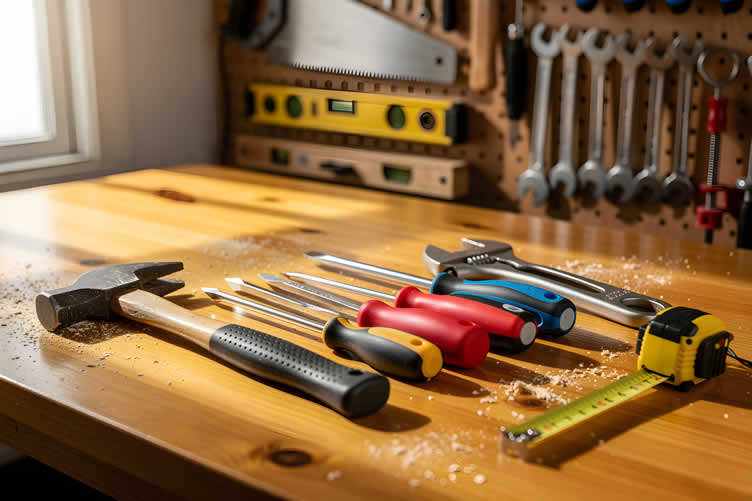
AI generated image by 123rf.com
Navigating Home Emergencies
Having a well-rounded DIY toolkit is essential for managing unexpected home emergencies with confidence.
From leaky pipes to broken fixtures, being prepared can save you time and money while minimizing stress.
This guide will provide you with vital tips, step-by-step instructions, and recommended tips to handle common urgent repairs effectively.
Whether you’re dealing with a sudden power outage or a burst pipe, you’ll have the knowledge and resources to protect your home and keep everything running smoothly.
view ideas: comprehensive guide to urgent repairs(new win)
-
Scroll up to main directory … or scroll to next DIY toolkit need: essential power tools …
-

Tackling home upgrades with your DIY toolkit to fulfill all your home improvement needs …

… save this curated directory of ideas for future reference.





Download this PDF for a concise summary of what to know about …?

-
-
3rd Tool Set: Essential Power Tools
… to accelerate construction and remodeling projects
Power tools have revolutionized the way we approach construction and remodeling projects, offering speed, precision, and efficiency that hand tools simply cannot match.
Among these advancements, cordless power tools stand out as pivotal in modern home improvement, combining both portability and powerful performance.
By eliminating the constraints of cords, these tools offer unmatched mobility, allowing users to tackle tasks across a variety of environments without being tethered to power outlets.
copyright image by 123rf.com
A critical strategy when investing in cordless power tools is to remain within a single battery platform. Leading brands such as Milwaukee, DeWalt, Makita, and Bosch offer robust ecosystems built around 18V or 20V battery platforms.
Committing to a single system simplifies your setup, reducing the hassle of juggling multiple chargers and batteries while also saving on costs over time.
By adopting this approach, you can expand your tool collection with confidence, knowing that each new addition is fully compatible with your existing power platform.
- Quick scroll to “types of cordless power tools” to consider …
-
Cordless Drill/Driver
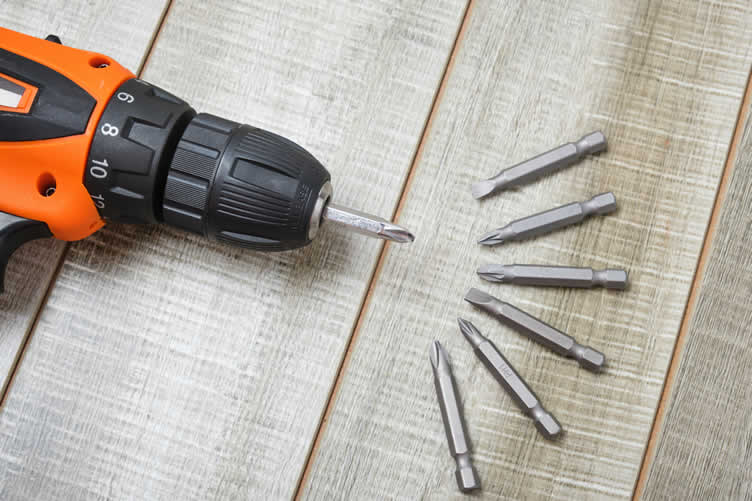
A cordless drill/driver is perhaps the most versatile and indispensable power tool in any toolkit. Its ability to drill holes and drive fasteners into a variety of materials, such as wood, metal, and plastic, makes it an essential starting point for both beginners and seasoned DIY enthusiasts.
When paired with a high-quality drill and driver bit set, the versatility of this tool expands even further, accommodating tasks ranging from assembling furniture to creating pilot holes for intricate installations.
-
Impact Driver
For driving structural screws, deck screws, or lag screws with ease, the impact driver is unmatched in both speed and performance.
Unlike a traditional drill, an impact driver delivers rotational force coupled with concussive blows, making it ideal for driving fasteners into tough materials without stripping the screw head.
Whether you’re building a deck or fastening framework, this tool ensures precise and efficient fastening in even the most demanding applications.
-
Circular Saw
The circular saw is a powerhouse for cutting wood and sheet goods, making it a staple in framing, decking, and other large-scale carpentry projects.
This tool excels at delivering clean, accurate cuts, whether you’re ripping plywood or trimming 2x4s. Look for models with adjustable bevel and depth settings to handle a variety of cut styles, ensuring flexibility and precision across your projects.
A cordless circular saw enhances safety and mobility, enabling you to bring the tool directly to the workspace without compromising power.
-
Multi-Tool/Oscillating Tool
When detail work or access to tight spaces is required, the multi-tool or oscillating tool emerges as an invaluable asset.
With its ability to make precise cuts, remove grout, sand surfaces, and scrape away old materials, this tool is remarkably versatile.
It is particularly useful for cuts close to edges, such as trimming door jambs for flooring installations or addressing confined areas that larger tools cannot reach. A variety of interchangeable attachments allow the tool to adapt effortlessly to numerous tasks.
-
Reciprocating Saw
For demolition and rough cuts, the reciprocating saw is an essential player. Its rapid back-and-forth blade motion allows it to cut through wood, metal, plastic, and even nails embedded in construction material.
Whether tearing down old framework or trimming tree branches, this robust tool offers unparalleled efficiency in deconstruction tasks. A cordless version ensures that you can tackle jobs outdoor or off-grid without constraint.
-
Orbital Sander
An orbital sander is your go-to tool for achieving smooth, professional finishes on wood, metal, or plastic surfaces. Its circular sanding motion, combined with a lightweight and ergonomic design, makes it easy to maneuver while preventing unsightly sanding marks.
Perfect for refinishing furniture, prepping walls for painting, or smoothing out rough edges, this tool works efficiently to create a flawless surface. With options for adjustable speeds and detachable dust collectors, modern orbital sanders ensure both precision and cleanliness in your projects.
-
Other Power Tools to Consider
For more specialized applications, additional tools such as jigsaws and angle grinders may also prove useful, depending on your projects. Each of these tools caters to specific needs, providing options for greater precision, smoother finishes, or specialized cuts.
Selecting these tools as you expand your collection will depend on the unique demands of your ongoing and future projects, further justifying the importance of committing to a unified battery platform.
Power tools represent a significant investment in both time-saving and craftmanship.
By building your collection wisely within a reputable cordless ecosystem and starting with these essentials, you can accomplish your renovation and remodeling goals with professional results.
Remember to prioritize quality, compatibility, and safety in every purchase, ensuring that your tools serve you well for years to come.
- Quick scroll to summary content …
Tool Name Description Key Features Cordless Drill/Driver A versatile tool capable of drilling holes and driving fasteners into a variety of materials like wood, metal, and plastic. Essential for beginners and DIY enthusiasts, works best with a high-quality drill and driver bit set to expand functionality. Impact Driver Designed for driving screws with speed and performance, delivering rotational force coupled with concussive blows. Ideal for demanding applications like decking and fastening framework without stripping screw heads. Circular Saw Excellent for cutting wood and sheet goods with clean, accurate results, suitable for framing, decking, and carpentry projects. Features adjustable bevel and depth settings for flexibility, with cordless options enhancing safety and mobility. Multi-Tool/Oscillating Tool Highly versatile tool for precise cuts, grout removal, sanding, and scraping in tight or detailed areas. Adaptable to numerous tasks with interchangeable attachments, ideal for cuts close to edges and confined spaces. Reciprocating Saw Built for demolition and rough cuts, capable of cutting wood, metal, plastic, and materials with embedded nails. Perfect for tearing down old framework or trimming tree branches, with cordless models offering off-grid usability. Orbital Sander Optimized for achieving smooth finishes on wood, metal, or plastic through circular sanding motions. Lightweight, maneuverable, and features adjustable speeds and dust collectors for efficient and clean refinishing tasks. Other Tools Specialized tools such as jigsaws and angle grinders for precision cuts, smoother finishes, or specific applications. Useful for specialized tasks and can be added to your collection based on project needs, ensuring compatibility with unified battery platforms. 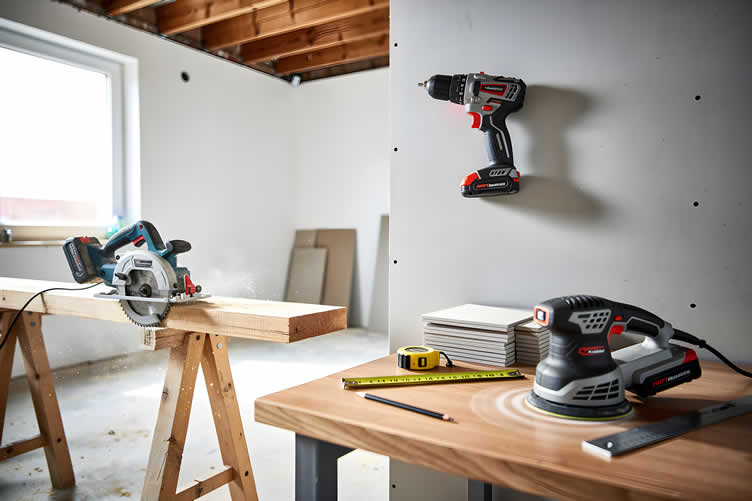
AI generated image by 123rf.com
Remodeling Projects to Consider
For DIY enthusiasts eager to enhance their living spaces, small remodeling projects can make a big difference in both functionality and property value.
With the right tools and a bit of creativity, tackling updates such as installing new lighting, refreshing cabinet hardware, or adding a fresh coat of paint can transform a room without breaking the bank.
Whether your focus is on improving aesthetics or increasing practicality, the guide below offers a wealth of ideas to inspire your next home improvement endeavor.
view ideas: formulating remodeling ideas(new win)
-
Scroll up to main directory … or scroll to next DIY toolkit need: plumbing tools …
-

Outline the specific requirements needed for making …
… key home improvement and remodeling decisions with your DIY toolkit

-
-
4th Tool Set: Specialized Plumbing Tools
… for handling leaks and installations
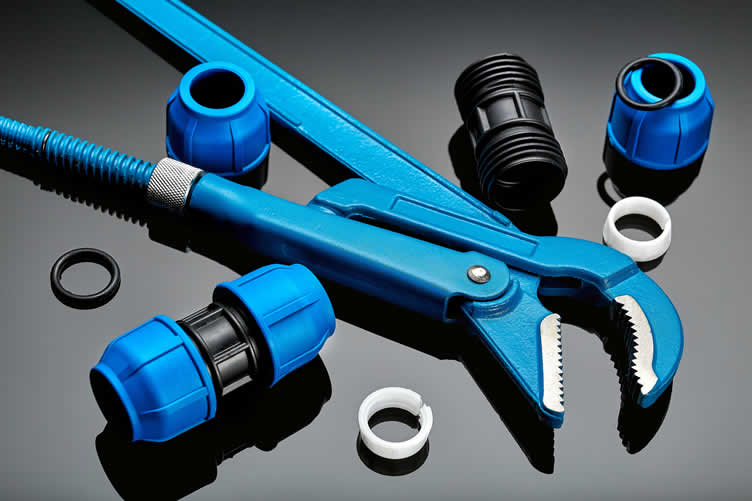
Plumbing issues, such as leaks or clogs, are among the most urgent and common problems faced in home maintenance. A sudden burst pipe or a malfunctioning faucet not only disrupts day-to-day life but can also lead to costly damage if left unattended.
That’s why having the right tools on hand is essential for any DIY homeowner ready to tackle plumbing repairs or installations.
copyright image by 123rf.com
With a well-equipped plumbing toolbox, you can address many issues quickly and confidently without needing to wait for professional assistance.
From fixing leaks and unclogging drains to installing new fixtures or pipes, investing in specialized plumbing tools ensures you’re prepared for a variety of plumbing challenges.
Below, we’ll explore the tools every homeowner should have and how they can help save time, money, and frustration.
- Quick scroll to “types of plumbing tools” to consider …
-
Cup Plunger and Flange Plunger
A plunger is the first line of defense for addressing clogs in sinks, bathtubs, and toilets. However, not all plungers are the same—selecting the right type ensures better performance.
- Cup Plunger (for sinks and tubs)
Create a strong seal over the drain to clear clogs with simple suction. The flat-bottom design is ideal for flat drain surfaces like sinks and bathtubs. - Flange Plunger (for toilets)
Designed with an extended rubber flange, this plunger fits into toilet bowl drains and creates a better seal, making it highly effective for clearing toilet blockages.
Tip:
Always ensure you dedicate a separate plunger for toilets and sinks to maintain hygiene.
- Cup Plunger (for sinks and tubs)
-
Tongue and Groove Pliers & Pipe Wrenches
These tools provide grip and leverage for dealing with threaded or stubborn fittings, making them foundational for plumbing work.
- Tongue and Groove Pliers
Adjust to various sizes and provide a strong grip for turning, twisting, or holding pipes securely, especially useful in tight spaces. - Pipe Wrench
Essential for gripping and turning threaded iron fittings. This heavy-duty tool provides maximum torque to loosen tough connections.
Tip:
Use two pipe wrenches simultaneously—one to hold the pipe stationary and the other to turn the fitting, preventing damage.
- Tongue and Groove Pliers
-
Adjustable Wrench and Basin Wrench
Faucet installations and maintenance often require these specialized wrenches for optimal access and control.
- Adjustable Wrench
Ideal for tightening or loosening nuts and bolts in standard plumbing fixtures. Its adjustable jaw accommodates different sizes. - Basin Wrench
Designed for hard-to-reach fasteners under sinks. Its pivoting head enables access to nuts behind basins or tight spaces.
Tip:
Ensure these wrenches are free of wear to avoid slipping that could damage softer fittings.
- Adjustable Wrench
-
Tubing/Pipe Cutters
When working with copper, PEX, or CPVC pipes, precision cutting tools are indispensable.
- Tubing Cutter
Specifically sized for copper, PEX, or CPVC, this tool creates clean, burr-free cuts. Ensure you have the correct size for the materials you commonly use in your home. - Pipe Cutters for PVC or PEX:
Sized specifically for lightweight materials like plastic piping, ensuring quick cuts without cracking.
Tip:
Pair a cutter with a deburring tool or reamer to smooth out rough pipe edges for clean, secure joints.
- Tubing Cutter
-
Hacksaw and Deburring Tool/Reamer
For more complex installations or repairs, these tools assist in creating and smoothing cuts in a variety of plumbing materials.
- Hacksaw
Versatile for cutting metal or plastic pipes, bolts, and other materials, it’s a must-have for modifications during repairs or installations. - Deburring Tool or Reamer
Smooths pipe edges after a cut, ensuring a proper fit and preventing jagged edges from interfering with connections.
Tip:
Always use a sharp blade on your hacksaw for smoother cuts and replace blades as needed.
- Hacksaw
-
Teflon Tape and Pipe Joint Compound
For threading pipe connections or fittings, sealing materials are vital to prevent leaks.
- Teflon/Thread Tape
A thin tape used to seal threaded pipe connections, reducing the risk of leaks. - Pipe Joint Compound ("Plumber’s Putty")
Used alongside or in place of thread tape for an additional layer of sealing. It creates a watertight seal on threaded fittings and enhances the durability of the connection.
Tip:
Tightly wrap Teflon tape in the direction of the threads to ensure proper application.
- Teflon/Thread Tape
-
Small Drain Snake and Hand Auger
When plungers fail to clear a clog, these tools serve as powerful backup options for removing debris.
- Drain Snake
Excellent for clearing minor clogs in sinks, tubs, or showers. Its flexible design allows it to reach blockages deep within the drain. - Hand Auger
A more extensive tool than a drain snake, this auger is perfect for snaking longer pipes in larger drainage systems.
Tip:
Clean and sanitize these tools after use to prevent buildup or odor.
- Drain Snake
-
Soldering Kit or SharkBite Fit Couplings
For joining pipes, your approach may vary depending on your soldering skills or convenience preferences.
- Soldering Kit (if soldering skills are present)
Includes a propane or MAP-Pro torch, solder, flux, and a basic heat shield. This setup allows you to create permanent, watertight seals for copper pipes. - Push-Fit Couplings (e.g., SharkBite)
For those who prefer a non-soldering solution, SharkBite-style fittings provide an efficient and secure connection for emergency repairs.
Tip:
Keep push-fit couplings as part of your emergency repair kit for quick fixes.
- Soldering Kit (if soldering skills are present)
-
Other Handy Tools
- Bucket
A simple but critical tool for catching water during leak repairs or pipe removals. - Wet/dry vacuum
For clearing small spills or extracting water before working on pipes. - Flashlight or Inspection Camera
Assists in locating leaks or assessing problem areas in dark or hidden spaces. - Pliers set
For general-purpose adjustments and gripping.
- Bucket
-
Final Thoughts on Building Your Plumbing Toolkit
Having the right tools on hand can significantly reduce the stress and cost of plumbing repairs. Start with the essentials and gradually add to your collection based on your home’s specific needs and your comfort with DIY projects.
Proper preparation can save you time and help you prevent costly water damage, making every tool in your kit a worthwhile investment.
By gathering these tools and learning how to use them, you’ll be prepared to tackle most plumbing issues with confidence. For more complex jobs, don’t hesitate to consult professional resources or instructional videos.
Remember to always prioritize safety to ensure your repairs are both effective and durable. With the right toolkit, even a beginner can handle home plumbing tasks successfully.
- Quick scroll to summary content …
Tool Category Tool Name Purpose/Usage Additional Tips Basic Tools Cup Plunger Creates a strong seal over flat drain surfaces like sinks and bathtubs to clear clogs using suction. Always dedicate separate plungers for toilets and sinks for hygiene. Basic Tools Flange Plunger Fits into toilet bowl drains with an extended rubber flange, creating a better seal to clear blockages effectively. Ensure proper hygiene by keeping it specifically for toilets. Grip Tools Tongue and Groove Pliers Adjusts to various sizes; provides a strong grip for turning, twisting, or holding pipes securely. Useful in tight spaces for increased control. Grip Tools Pipe Wrench Grips and turns threaded iron fittings with maximum torque to loosen tough connections. Use two pipe wrenches simultaneously to hold the pipe stationary and avoid damage during work. Specialized Wrenches Adjustable Wrench Loosens or tightens nuts and bolts in standard plumbing fixtures. Ensure the jaw is free of wear to avoid slipping and damaging connections. Specialized Wrenches Basin Wrench Designed for hard-to-reach fasteners under sinks; allows for access to nuts in tight spaces with a pivoting head. Ensure tool maintenance to maintain grip efficiency. Cutting Tools Tubing Cutter Creates clean, burr-free cuts in copper, PEX, or CPVC pipes; essential for precision cutting. Pair with a deburring tool to smooth rough edges before joining pipes. Cutting Tools Pipe Cutters for PVC or PEX Quickly cuts through lightweight plastic piping without cracking. Always use the correct size based on the materials you commonly work with. Installation Tools Hacksaw Used for cutting metal or plastic pipes and other materials during repairs or installations. Replace blades as needed to ensure smoother cuts. Finishing Tools Deburring Tool or Reamer Smooths pipe edges after cutting to ensure proper fit and prevent jagged edges from interfering with connections. Always check for burrs after each cut for a secure fit. Sealing Tools Teflon/Thread Tape Seals threaded pipe connections, reducing the risk of leaks. Wrap the tape tightly in the direction of the threads for effective sealing. Sealing Tools Pipe Joint Compound Provides a watertight seal on threaded fittings, enhancing durability and preventing leaks. Use in conjunction with Teflon tape for added security. Advanced Tools Small Drain Snake Clears minor clogs in sinks, tubs, or showers with its flexible design. Sanitize after each use to prevent odor or buildup. Advanced Tools Hand Auger Removes debris from longer pipes in larger drainage systems; ideal for deeper blockages. Clean after use to maintain performance for future tasks. Joining Tools Soldering Kit Provides permanent, watertight seals for copper pipes using solder, flux, and a heat source. Use only if comfortable with soldering techniques. Joining Tools Push-Fit Couplings Efficient, secure connections for emergency pipe repairs without soldering. Keep on hand for quick fixes in plumbing emergencies. Other Handy Tools Bucket Useful for catching water during leak repairs or pipe removals. Essential for minimizing water damage. Other Handy Tools Flashlight or Inspection Camera Helps locate leaks or assess problem areas in dark or hidden spaces. Ensure batteries are charged for unexpected situations. 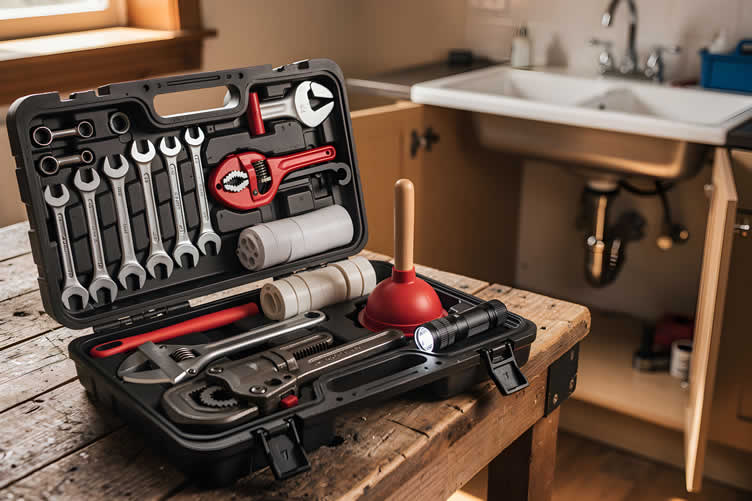
AI generated image by 123rf.com
When to DIY Plumbing Issues …
When it comes to plumbing, many minor issues like fixing a leaky faucet or unclogging a drain can be tackled with basic tools and a bit of DIY knowledge.
However, complex projects, especially those involving pipes hidden behind walls or under floors, often require the expertise of a professional.
Attempting these without the right skills or experience can lead to unforeseen damage, escalating costs substantially.
Understanding your limits and seeking help when necessary can save both time and money while ensuring the integrity of your home’s plumbing system.
view ideas: … and when to call a plumber(new win)
-
Scroll up to main directory … or scroll to next DIY toolkit need: electrical tools …
-

Are there any other interesting topics that might have been overlooked but could offer valuable insights …?







-
-
5th Tool Set: Electrical Tools for Safe and Effective
… wiring and troubleshooting
Electrical work in your home requires a thoughtful approach and meticulous preparation to ensure both safety and success. Whether you’re installing a new light fixture, troubleshooting an outlet, or replacing a switch, having the right tools is essential to perform the job effectively.
One critical principle to always adhere to is confirming that the power is fully off before handling any wires or components.
This simple step is the foundation of safe electrical DIY work, reducing the risk of shock, injury, or damage to your home’s electrical system.
AI generated image by 123rf.com
Equipping yourself with the correct tools not only makes the work more efficient but also allows you to approach every project with confidence, regardless of your skill level.
For homeowners exploring DIY electrical repairs or minor installations, investing in quality tools can prevent costly errors and ensure compliance with safety standards.
Below, we’ll explore some indispensable electrical tools, their uses, and helpful tips that will guide you in becoming a more capable and cautious DIYer in electrical projects.
- Quick scroll to “types of electrical tools” to consider …
-
Essential Electrical Tools and Their Uses
When working on electrical projects, having reliable, high-quality tools is non-negotiable. Each tool mentioned below serves a specific purpose, ensuring your work is precise and aligned with safety practices.
Electrical shock presents a serious hazard, ranging from minor tingling sensations to severe injuries and even life-threatening conditions. The severity of a shock often depends on factors such as voltage level, current flow, and the duration of contact.
Mild shocks might cause temporary discomfort, but higher-voltage exposures can lead to burns, muscle damage, or even cardiac arrest. Additionally, wet environments significantly increase the risk, as water is a strong conductor of electricity.
To protect yourself while working on electrical projects, wearing the proper safety gear is essential. Insulated gloves specifically designed for electrical work are a must-have to prevent direct contact with live wires.
Protective eyewear shields your eyes from potential sparks or debris, while non-conductive footwear adds an extra layer of protection by preventing grounding.
Additionally, using tools with rubberized, insulated handles reduces the risk of accidental shocks. By pairing the right gear with cautious practices, you can prioritize your safety and handle electrical tasks with greater confidence.
-
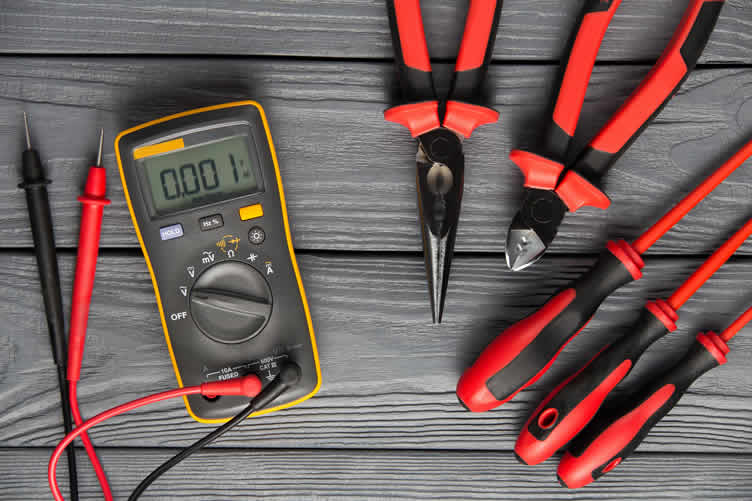
Non-Contact Voltage Tester and Basic Multimeter
A non-contact voltage tester allows you to verify that power is completely off before touching any wires or components. It eliminates the need for direct contact with live wires and is an essential tool for ensuring your safety.
Similarly, a basic multimeter is indispensable for troubleshooting issues, such as testing voltage, continuity, or resistance across circuits.
- Non-Contact Voltage Tester
Quickly determines if wires or outlets are live without contact. Look for a model with audible alerts and sensitive voltage ranges for flexibility. - Basic Multimeter
Measures voltage, current, and resistance for diagnosing electrical problems. Choose a multimeter with clear digital readouts and robust features suited for your needs.
Tip:
Always verify your voltage tester or multimeter is functioning by testing it on a known live circuit before use.
- Non-Contact Voltage Tester
-
Quality Wire Strippers with Built-in Cutters and Crimping Capability
A good set of wire strippers ensures clean, damage-free removal of insulation from wires, making connections neat and reliable.
Many models also incorporate cutting and crimping capabilities, simplifying multiple steps into one convenient tool.
- Wire Strippers
Allow efficient stripping of insulation on various wire sizes. Models with ergonomic handles reduce hand strain during repetitive use.
Tip:
Match the stripper gauge to your wire size to avoid nicking the wire strands, which could weaken the connection. - Wire Strippers
-
Linesman Pliers and Needle Nose Pliers
Pliers are a must-have for twisting wires, bending connections, and working in tight spaces. They offer greater control and strength for precision tasks.
- Linesman Pliers
Excellent for cutting wires, twisting together conductors, and crimping connectors. Opt for insulated versions rated for electrical work. - Needle Nose Pliers
Ideal for accessing tight spaces in junction boxes and making detailed adjustments, such as bending wire loops or placing components.
Tip:
Always confirm your pliers have insulated handles and a comfortable grip for added safety.
- Linesman Pliers
-
Assortment of Wire Nuts, Wago Style Connectors, and Electrical Tape
Reliable wiring connections require well-designed connectors and proper insulation techniques. Carrying a variety of connectors can help simplify nearly every project type.
- Wire Nuts
Available in a range of sizes, these create secure and insulated connections between wires. - Wago Style Connectors
Offer tool-free connections for faster and more secure setups, especially in complex wiring situations. - Electrical Tape
Provides additional insulation and ensures a finished, professional appearance.
Tip:
Use color-coded connectors to match wire sizes for the most secure fit.
- Wire Nuts
-
Fish Tape or Fiberglass Fish Sticks
Running new wires behind walls, ceilings, or through conduits is less daunting with fish tape or fiberglass fish sticks. These tools guide wires through tight or concealed spaces with ease.
- Fish Tape
A coiled, semi-rigid tape designed for navigating wires through conduits or wall cavities. - Fiberglass Fish Sticks
Strong yet flexible sticks, usually used for longer runs or overhead installations.
Tip:
Apply a wire-pulling lubricant when working with fish tape to reduce friction and prevent snags.
- Fish Tape
-
Headlamp and Compact Insulated Screwdrivers
Proper lighting and safe handling of small screws or electrical components in panels and boxes are crucial when dealing with detailed electrical tasks.
- Headlamp
Keeps your hands free and illuminates dark areas, ensuring precision. - Compact Insulated Screwdrivers
Designed to protect users from electric shock. Look for models rated to handle the appropriate voltage for your projects.
Tip:
Use a headlamp with adjustable brightness levels to suit various working conditions.
- Headlamp
-
Other Useful Tools
- Cable Stapler
Safely secures cables to joists or walls without damaging the insulation. - Wire Labeling Kit
Helps keep your wiring organized and traceable for future projects.
- Cable Stapler
-
Final Thoughts
Electrical work rewards knowledgeable preparation and the right tools. By equipping yourself with these essentials, you can tackle a range of wiring and troubleshooting tasks with confidence while prioritizing safety at every step.
Remember to invest in high-quality tools and always double-check your power sources before beginning any project.
For complex or large-scale projects, don’t hesitate to consult licensed professionals to ensure code compliance and flawless execution.
- Quick scroll to summary content …
Tool Description Tips Non-Contact Voltage Tester Quickly determines if wires or outlets are live without the need for direct contact. Essential for ensuring safety during electrical work. Look for a model with audible alerts and sensitive voltage ranges for greater flexibility. Basic Multimeter Measures voltage, current, and resistance for diagnosing electrical problems effectively. An indispensable tool for troubleshooting circuits. Choose a multimeter with clear digital readouts and robust features, and always test it on a known live circuit before use. Wire Strippers Allow efficient stripping of insulation from wires, ensuring clean and damage-free connections. Many models also include cutting and crimping features. Match the stripper gauge to your wire size to avoid damaging wire strands. Linesman Pliers Ideal for cutting wires, twisting conductors, and crimping connectors. Provides strength and precision for electrical tasks. Opt for insulated pliers specifically rated for electrical work for added safety. Needle Nose Pliers Useful for accessing tight or confined spaces and making detailed adjustments such as bending wire loops or placing components accurately. Ensure the handles are insulated and provide a comfortable grip for extended use. Wire Nuts Available in various sizes, these create secure and insulated connections between multiple wires to ensure stability and safety. Use color-coded connectors that match the wire sizes for the most secure fit. Wago Style Connectors Offer tool-free connections, enabling faster and more secure wiring setups, particularly useful in complex wiring projects. Ensure compatibility with your wire gauge for optimal performance. Fish Tape A coiled, semi-rigid tape that aids in guiding wires through conduits or concealed spaces behind walls or ceilings. Use a wire-pulling lubricant to reduce friction and prevent snags during use. Headlamp Illuminates dark work areas, allowing for precision and hands-free operation in tight spaces or during low-light conditions. Choose a headlamp with adjustable brightness to suit various working environments. Compact Insulated Screwdrivers Designed to protect users from electrical shock while securely fastening screws on terminals or components. Select models rated for the voltage level you will be working with for added safety assurance. 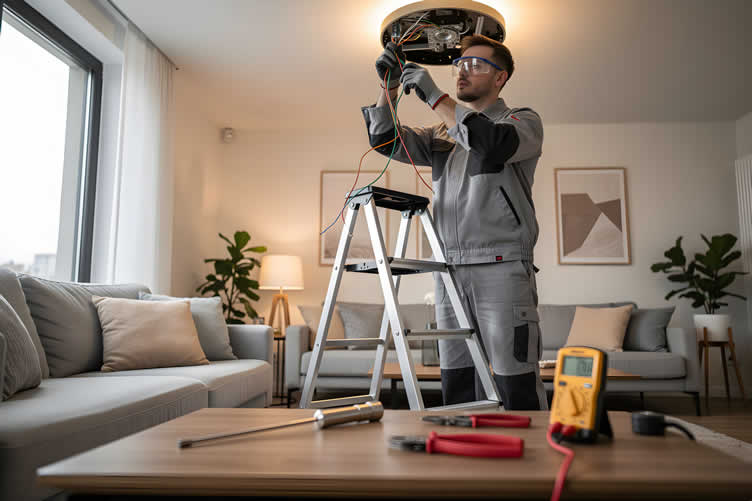
AI generated image by 123rf.com
Electricity and Safety Precautions
Before starting any home electrical project, it’s essential to understand how electricity works and what safety measures to take.
Since electricity is powerful, improper handling can lead to serious harm or property damage.
This guide provides an overview of home electrical systems, from basic circuits and wiring to critical safety practices like shutting off power at the breaker box and using insulated tools.
Learning these fundamentals will help you tackle your project with confidence and safety.
view ideas: understanding home electrical needs(new win)
-
Scroll up to main directory … or scroll to next DIY toolkit need: measuring tools …
-
SHARE IT ..! Someone in your network might benefit from this insightful post about building up your DIY toolkit. Feel free to share it on Facebook, X (formally Twitter), LinkedIn, or Pinterest!



Download this PDF for a concise summary of everything you need to know about …?
-
-
6th Tool Set: Layout and Measuring Tools
… for professional precision results
Achieving precision in layout and measurement is fundamental to the success of any construction or remodeling project. Whether you’re framing walls, installing cabinetry, or laying flooring, precise measurements ensure alignment, structural integrity, and a flawless finish.
Mistakes at the measurement stage can lead to costly corrections, wasted materials, and diminished results. For homeowners and professionals alike, investing in reliable measuring tools is a key step to achieving exceptional quality in every project.
copyright image by 123rf.com
Taking the time to ensure layouts are accurate and level prevents issues from compounding as your project progresses. Even a fraction of an inch can determine whether a structure holds up under stress or begins to fail prematurely.
By utilizing professional-grade tools designed for accuracy, you can work confidently and efficiently, minimizing errors and ensuring the best possible results.
Below, we’ll explore essential measuring tools, their specific applications, and how they can elevate the precision of your work.
- Quick scroll to “types of layout and measuring tools” to consider …
-
Framing Square
The framing square is a staple in construction and remodeling because of its reliability and versatility. This tool, typically made of durable steel or aluminum, features a long blade and a shorter tongue, forming a perfect 90-degree angle.
It is commonly used for marking right angles when cutting lumber or for squaring up wall studs during framing. Due to its simple design, a framing square is easy to use yet powerful in achieving precision where structural integrity depends on clean angles and proper alignment.
For professionals, choosing a high-quality framing square ensures it remains sturdy and accurate over time, even with frequent use.
-
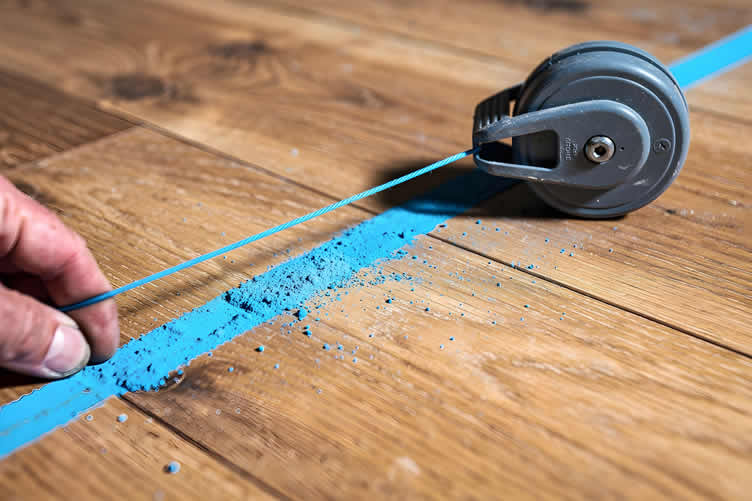
Chalk Line
A chalk line is an indispensable tool for creating straight, visible reference lines over long distances. Used commonly in flooring, roofing, and wall construction, it allows workers to lay out guides for cuts, nail placements, or layout configurations.
By pulling the string taut, snapping it, and leaving a trail of chalk, this tool eliminates the guesswork when marking long, straight paths. Modern chalk lines often come with durable casings and refillable chalk reservoirs, making them a practical and reusable option for any precision task.
Professionals recommend using brightly colored chalks for maximum visibility depending on the project surface and conditions.
-
Laser Distance Measurer
For quick and exceptionally accurate distance measurements, especially in larger spaces, a laser distance measurer is a game-changer. This tool uses laser technology to calculate distances with pinpoint accuracy, often up to a fraction of an inch, even over long spans.
It is particularly effective for measuring room dimensions, calculating square footage, or determining spacing for fixtures. Many modern models include additional features such as area and volume calculations, making them ideal for planning renovations or large-scale layouts.
Remember to look for a device with clear display units and compatibility with your preferred measurement system (metric or imperial).
-
Crossline Laser Level
A crossline laser level is essential for establishing level and plumb lines in highly visible and easy-to-follow formats. Unlike traditional spirit levels, crossline lasers project precise horizontal and vertical lines onto surfaces, allowing for easier alignment of materials such as tiles, shelves, or cabinets.
They are especially useful for projects requiring large-scale precision, where traditional levels may fall short. Modern crossline lasers often feature self-leveling mechanisms and adjustable brightness settings for enhanced usability in different working conditions.
Using this tool ensures that your installations will align perfectly, eliminating discrepancies that could affect the overall appearance or function of your project.
-
Other Crucial Tools for Layout Precision
Additional tools like spirit levels, marking gauges, and specialty rulers can complement the core measuring instruments. Spirit levels, for instance, provide highly accurate readings for smaller tasks, such as hanging pictures or aligning countertops.
Marking gauges are indispensable for precise measurements on woodworking projects, enabling consistent spacing for cuts or joins. Similarly, adjustable rulers and combination squares offer flexibility when dealing with intricate layouts or nonstandard dimensions.
Having a well-rounded toolkit ensures you’re prepared for any challenge, regardless of complexity or scale. By incorporating these professional-grade tools into your workflow, you not only improve the accuracy of your work but also set the stage for a smoother, more efficient project from start to finish.
Accurate layout and measuring are cornerstones of quality craftsmanship, and these tools empower you to meet the highest standards every step of the way.
- Quick scroll to summary content …
Tool Name Description Applications Features Framing Square A reliable and versatile tool made of steel or aluminum, featuring a long blade and a shorter tongue forming a 90-degree angle. Used for marking right angles when cutting lumber or squaring wall studs during framing. Durable, easy to use, ensures structural integrity and proper alignment. Chalk Line Creates straight, visible reference lines over long distances with a taut string and chalk. Commonly used for flooring, roofing, and wall construction to provide guides for cuts, nail placements, or layout configurations. Durable casings, refillable chalk reservoirs, bright chalk colors for visibility. Laser Distance Measurer Uses laser technology to calculate distances with pinpoint accuracy, often up to a fraction of an inch. Effective for measuring room dimensions, calculating square footage, and determining fixture spacing. Clear display units, additional features like area and volume calculations, metric or imperial compatibility. Crossline Laser Level Projects precise horizontal and vertical lines onto surfaces for alignment. Useful for aligning tiles, shelves, or cabinets in projects requiring high precision. Self-leveling mechanisms, adjustable brightness settings, ideal for large-scale installations. Other Tools (Spirit Levels, Marking Gauges, Specialty Rulers) Complementary tools for smaller, intricate, or specialized layout and measurement tasks. Useful for tasks such as hanging pictures, aligning countertops, and woodworking projects. Highly accurate, flexible, and adaptable to various project requirements. 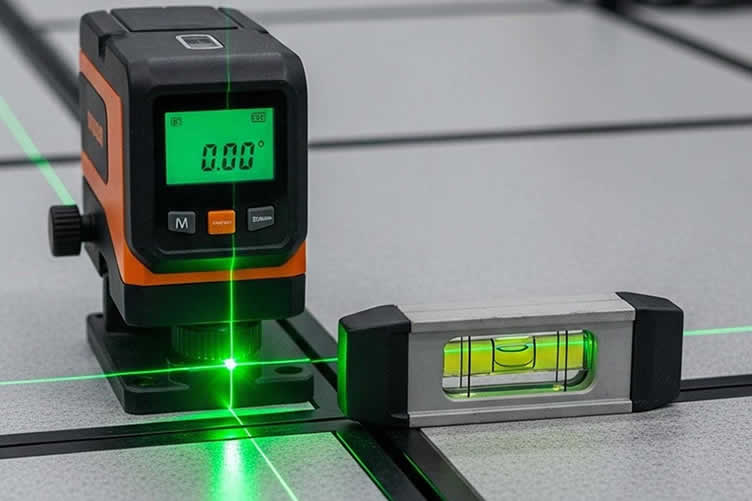
AI generated image by 123rf.com
Perfect Outdoor Projects
Using tools like laser distance measurers and precision levels is crucial for achieving accuracy and efficiency in landscaping projects.
These instruments help ensure straight lines, even surfaces, and exact measurements, whether you’re adding a stone path, constructing an outdoor kitchen, or designing a garden layout.
They reduce guesswork, save time, and enhance the overall quality of your work, resulting in professional-grade results that elevate the beauty and functionality of your outdoor spaces.
view ideas: yard n’ garden projects(new win)
-
Scroll up to main directory … or scroll to next DIY toolkit need: advanced tools …
-
Download this PDF for a concise summary of everything you need to know about …?
… remodeling decisions

-
-
7th Tool Set: Advanced Tools for Light Construction/Remodel
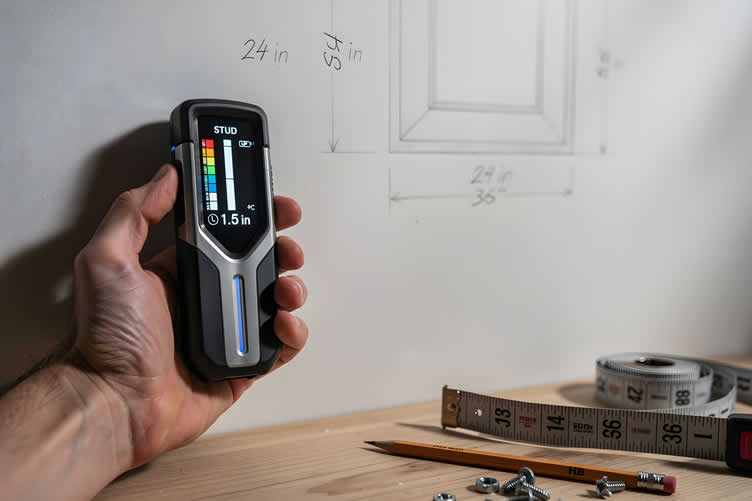
When transitioning from basic repairs to more advanced home improvement projects, having the right tools is essential to ensure both precision and efficiency.
Light construction tasks, such as framing, drywall work, and trim carpentry, require specific tools that allow you to measure, cut, and assemble materials with accuracy and confidence.
Unlike basic DIY repairs, these projects often involve long-lasting structural and aesthetic elements, making the choice of tools a critical factor in achieving professional-quality results.
AI generated image by 123rf.com
The foundation of successful light construction lies in investing in durable, well-designed tools that are suited to specialty tasks.
Whether you’re tackling a full structural remodel or upgrading key areas like cabinetry or walls, the right equipment empowers you to work faster, safer, and with greater precision.
Below, we’ll explore some of the most essential tools for advanced remodeling and how they serve distinct purposes across various remodeling tasks.
- Quick scroll to “light construction and remodeling tools” …
-
Layout and Measurement Tools
Accurate measurements and layouts are vital for structural integrity and visual alignment. Using the right tools ensures that every cut, angle, and measurement matches your project plans, leading to professional-grade outcomes.
[ view ideas: see more above: layout and measuring tools ]
- Framing Square:
Ensures perfect right angles for framing tasks and measurements for rafters or stairs. - Speed Square:
Ideal for marking angles during quick cuts and ensuring layout accuracy on lumber. - Chalk Line:
Used to mark straight lines over long distances for framing or cutting material.
Tip:
Always double-check measurements and markings with at least two tools to minimize errors.
- Framing Square:
-
Wall and Structural Tools
For tasks such as framing walls, hanging cabinets, or installing tiles, ensuring that surfaces are level and structurally sound is non-negotiable.
- Stud Finder:
Locates wall studs with precision for securely anchoring cabinets or heavy fixtures. - Long Level:
Ensures vertical and horizontal alignment for walls, cabinets, tiles, and other multi-surface projects.
Tip:
Move your level slowly along larger surfaces to catch even the slightest misalignment, ensuring reliable results.
- Stud Finder:
-
Demolition and Nail Setting
Renovation often involves removing old structures or making way for new installations. Having tools that balance force and finesse is crucial.
- Pry Bars (Flat Bar and Larger Wrecking Bar):
Used for controlled demolition, whether pulling trim or dismantling larger sections of framing. - Nail Set:
Essential for properly embedding finish nails, ensuring a clean surface ready for paint or finishing.
Tip:
Wear safety goggles during demolition to protect yourself from flying debris.
- Pry Bars (Flat Bar and Larger Wrecking Bar):
-
Drywall Tools
Drywalling is a staple of remodeling that requires tools designed to handle cutting, finishing, and smoothing.
- T Square:
For marking straight lines and dimensions on larger drywall sheets. - Keyhole/Drywall Saw:
Handy for precise cutouts for outlets, light fixtures, and vents. - Taping Knives:
Used for applying joint compound smoothly, from seams to screw indentations. - Mud Pan:
Keeps your joint compound accessible and portable during taping and finishing. - Sanding Block:
Removes surface imperfections for a polished drywall finish.
Tip:
Sand drywall in circular motions and use proper ventilation to minimize airborne dust.
- T Square:
-
Finishing and Fastening Tools
Attention to detail is key in adding the final touches to any remodel. Tools that assist with precision and versatility complete the job perfectly.
- Caulk Gun and Assorted Caulks (e.g., paintable acrylic, silicone for wet areas): Ensure neat and lasting seams in areas like trim or wet spaces such as bathrooms.
- Basic Masonry Bits and Anchors:
Perfect for fastening items to concrete or block walls with long-lasting durability.
Tip:
Match the type of caulk or anchor to its intended purpose for durability and proper adhesion.
-
Final Thought
Equipping yourself with these advanced tools opens up a world of possibilities in light construction and remodeling.
By using professional-grade equipment and following best practices, you can transform your projects into works of art that not only enhance the functionality and aesthetics of your home but also increase its long-term value.
Always invest in quality tools, as they are more cost-effective over time and provide the reliability needed for every stage of your construction or remodeling endeavors.
- Quick scroll to summary content …
Light Construction Tools
(from the summary table below)
Category Tools Purpose/Tips Layout and Measurement Tools Framing Square, Speed Square, Chalk Line Ensures accurate measurements and layouts for structural integrity and design. Tip: Double-check measurements with at least two tools. Wall and Structural Tools Stud Finder, Long Level Helps locate wall studs and ensures surfaces are level. Tip: Move the level slowly across surfaces to detect misalignment. Demolition and Nail Setting Pry Bars, Nail Set Facilitates controlled demolition and ensures clean nail finishes. Tip: Use safety goggles during demolition to prevent injuries. Drywall Tools T Square, Keyhole/Drywall Saw, Taping Knives, Mud Pan, Sanding Block Used for cutting, finishing, and smoothing drywall. Tip: Sand in a circular motion and ensure proper ventilation to reduce dust. Finishing and Fastening Tools Caulk Gun, Masonry Bits, Anchors Provides precision for final touches and ensures durability in fastening. Tip: Match the tool and material to the intended purpose. 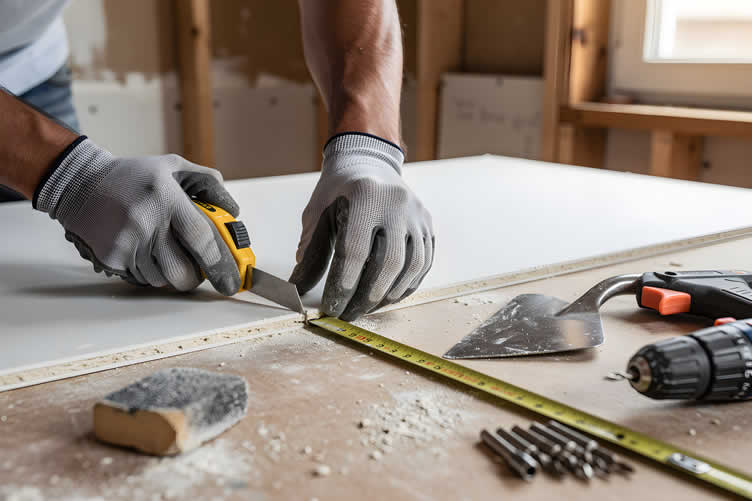
AI generated image by 123rf.com
Elevate Your DIY Skills
If you’re looking to bring your DIY abilities to the next level, tackling a drywalling project could be the perfect challenge.
While it requires patience and precision, the reward of completing a beautifully installed and seamlessly finished wall is immensely satisfying.
Whether you’re renovating an old room or creating a new space, mastering drywalling empowers you to transform your home with your own hands.
Check out our comprehensive drywall guide below to gain the confidence and knowledge you need to get started!
view ideas: about drywall installation and repair(new win)
-
Scroll up to main directory … or scroll to next DIY toolkit need: tool upgrades …
-

Easily determine the dimensions you need for any home remodeling project …
… ensuring functionality, visual appeal, and compliance with building codes.



-
-
8th Tool Set: Nice-to-Have Upgrades as You Grow
Once you’ve mastered the basics and completed a few successful projects, it’s natural to start exploring tools and upgrades that take your work to the next level.
These upgrades are perfect for seasoned DIYers and home improvement enthusiasts looking to tackle more complex tasks with greater precision and efficiency.
Investing in these pieces of equipment not only reduces the time spent on projects but also ensures professional-quality results that can rival those of skilled contractors.
AI generated image by 123rf.com
Before choosing these tools, consider the scope of your future projects, your preferred methods, and how often you will use the equipment.
By strategically expanding your toolbox, you’ll not only streamline your workflow but also unlock opportunities for creative and innovative projects that add value and beauty to your home.
Below, we’ve outlined essential tools to consider when you’re ready to make that next leap in your home improvement or light construction ventures.
- Quick scroll to “types of layout and measuring tools” to consider …
-
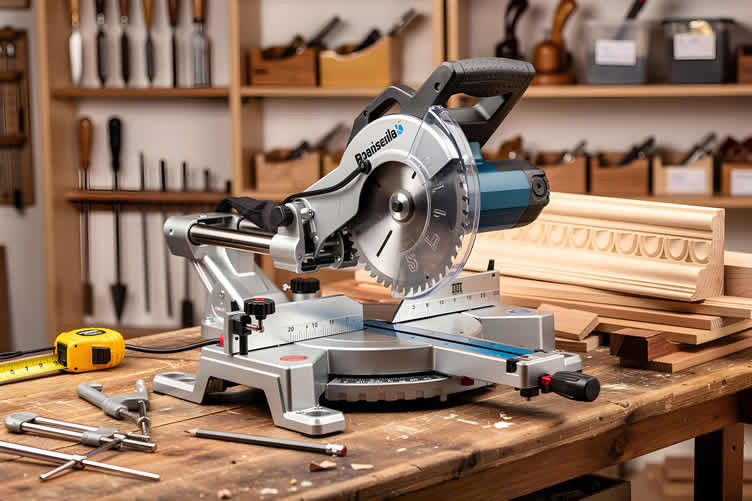
Miter Saw for Trim and Framing Cuts
A miter saw is indispensable for clean, precise cuts on molding, baseboards, and framing components. Whether you’re installing crown molding or building a custom deck, the accuracy of a miter saw ensures tight-fitting joints and professional results.
Look for a sliding compound miter saw for added versatility, allowing you to handle wider boards and angled cuts with ease.
-
Table Saw for Woodworking Projects
For those who frequently work with wood, a table saw is a key upgrade. This powerful tool is perfect for ripping sheet goods, cutting precise angles, and creating custom furniture or cabinetry pieces.
Opt for a high-quality model with a reliable fence system and a sturdy build—it’s an investment that will serve as the backbone of your woodworking projects.
-
Pocket-Hole Jig and Clamps for Cabinets and Furniture
If you enjoy creating furniture or cabinetry, a pocket-hole jig is a game changer. This tool simplifies the process of joining wood pieces securely and invisibly, providing strong connections without the need for advanced joinery skills.
Pair it with heavy-duty clamps to ensure your projects remain stable during assembly, resulting in flawless outcomes every time.
-
Wet/Dry Shop Vac for Cleanup and Dust Control
A wet/dry shop vac isn’t just a nice-to-have—it’s a game-changing tool for maintaining cleanliness and safety on your project site. Whether it’s sawdust, debris, or spills, this versatile tool handles it all.
Look for a model with HEPA filtration for effective dust control, especially if you’re working indoors to create a healthier environment for your family and yourself.
-
Other Advanced Tools to Consider
- Planers and Jointers for smoothing and straightening wood when preparing it for furniture or carpentry work.
- Oscillating Multi-Tools for handling tricky areas like grout removal, cutting odd shapes, or making flush cuts.
- Laser Levels for precise alignment during cabinet installations, tiling, or hanging artwork.
Each of these tools is designed to fill a specific need, ensuring that your projects are completed faster, safer, and with a higher level of quality.
Remember to select tools from reputable brands with good reviews, and always follow safety guidelines. With these advanced tools in hand, you’ll be well-equipped to tackle any remodeling challenge or creative project your home calls for.
- Quick scroll to summary content …
Tool Description Key Benefits Considerations Miter Saw An essential tool for making clean, precise cuts on molding, baseboards, and framing components. Ideal for projects like crown molding installation or deck construction. Ensures tight-fitting joints and professional-quality results. Sliding compound models offer added versatility for wider boards and angled cuts. Choose a reliable model that suits your project scope and frequency of use. Table Saw A powerful tool for woodworking, perfect for ripping sheet goods, cutting precise angles, and creating furniture or cabinetry. Serves as the backbone of woodworking projects, enabling precision and efficiency. Invest in a high-quality model with a sturdy build and reliable fence system for better results. Pocket-Hole Jig and Clamps Used for securely joining wood pieces, creating strong and invisible connections. Suitable for cabinets, furniture, and face frame assembly. Simplifies joinery tasks and ensures stability during project assembly. Delivers flawless finishes for DIY enthusiasts. Pair with heavy-duty clamps for better project stability and accuracy. Wet/Dry Shop Vac A versatile tool for cleaning sawdust, debris, and spills. Improves cleanliness and safety on work sites. Enhances dust control and contributes to a healthier indoor environment, especially with HEPA filtration models. Choose a model based on suction power and filtration abilities suited to your work needs. Other Advanced Tools Includes planers, jointers, oscillating multi-tools, and laser levels for specialized tasks like smoothing wood, removing grout, or aligning cabinets. Enables handling complex tasks more efficiently and achieving precise outcomes. Select tools designed for specific purposes and from reputable brands. Ensure proper safety adherence during use. 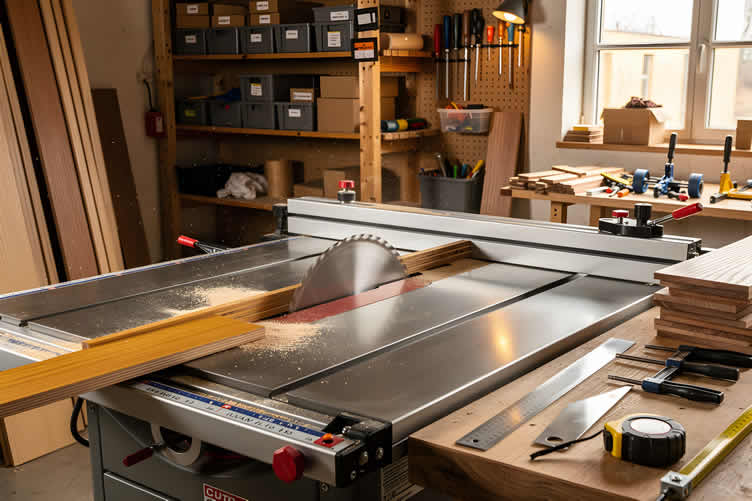
AI generated image by 123rf.com
Crafting Custom Furniture
With the right set of advanced tools, along with some experience and creativity, you can transform raw wood from a tree or other cuts into stunning, custom furniture pieces.
From crafting rustic tables to elegant shelving, these projects allow you to bring nature indoors with a personal touch.
By following step-by-step guides and utilizing specialized equipment, you can elevate your DIY skills while creating functional, unique pieces that enhance your home’s character and charm.
view ideas: transforming trees into tables(new win)
Specialized Safety Gear for Hazardous Environments
Certain environments and tasks demand safety gear beyond standard PPE. Understanding when to upgrade your protection is part of working professionally.
Chemical work—whether applying drain cleaners, solvents, adhesives, or stripping compounds—calls for chemical-resistant gloves (nitrile or neoprene) rather than standard work gloves.
Some chemical products also require eye protection rated for splash resistance rather than just impact. Always read product safety data sheets before working with unfamiliar compounds.
Demolition of older homes raises specific concerns. Materials installed before the 1980s may contain asbestos in floor tiles, pipe insulation, or textured ceiling coatings, as well as lead-based paint on trim and walls.
If your project involves disturbing these materials, a standard N95 is insufficient—work should be stopped until materials are properly tested, and remediation of confirmed hazardous materials typically requires licensed contractors.
Protective clothing—long sleeves, work pants, and coveralls when appropriate—shields skin from dust, fiberglass insulation, chemical splatter, and minor abrasions. This is a simple habit that prevents a surprising number of minor injuries over time.
-
Specialized Gear for Chemical and Demolition Work
For more advanced projects, including those involving demolition or chemical applications, having the right protective gear and specialized tools is crucial for both safety and efficiency.
Consider the following:
- Respirators for working with paint strippers, adhesives, or other chemicals that produce harmful fumes.
- Heavy-duty gloves for handling rough materials like brick, concrete, or metal.
- Protective eyewear to guard against flying debris during demolition.
- Demolition hammers or rotary tools for breaking apart tiles, concrete slabs, or old walls.
- Disposable coveralls for messy projects like spray painting or insulation work.
-
Removal and Installation of Fiberglass Insulation
Fiberglass insulation is essential for maintaining energy efficiency in your home, but careful handling is required during its removal and installation to ensure safety and optimal performance.
Below is a list of key steps and essential tools for this process:
- Protective Gear:
Wear gloves, goggles, and a dust mask to safeguard against irritation from fiberglass particles. - Utility Knife or Insulation Knife:
For cutting insulation to fit specific spaces accurately. - Plastic Sheeting:
Lay this down to capture debris and prevent contamination of surrounding areas. - Staple Gun:
Used to secure new insulation material in place, ensuring a snug fit. - Trash Bags:
Heavy-duty bags are necessary for safely disposing of old insulation. - Measuring Tape:
To measure walls, attics, or cavities accurately before installing new materials. - Vacuum with HEPA Filter:
Helps remove fine fiberglass dust during the cleanup process. - Insulation Ruler:
Useful for checking and ensuring consistent depth during installation.
- Protective Gear:
-
Safely Removing Asbestos from Older Homes
Safely removing asbestos from an older home requires careful planning and specialized equipment.
Because asbestos fibers are a health hazard if inhaled, it’s vital to follow proper procedures and wear the right protective gear.
- Full-face respirator equipped with HEPA filters to prevent inhalation of asbestos fibers.
- Disposable coveralls with a hood to minimize the risk of asbestos contamination on clothing.
- Gloves made from nitrile or neoprene for effective protection while handling contaminated materials.
- Protective goggles to shield your eyes from dust and debris.
- Asbestos waste disposal bags labeled and compliant with local regulations for safe disposal.
- Plastic sheeting and duct tape to seal off work areas and prevent asbestos fibers from spreading.
- Garden sprayer to mist materials and reduce the release of airborne fibers.
- HEPA vacuum specifically designed to collect hazardous particles without dispersing them.
- Wet wipes or disposable cleaning cloths for decontaminating surfaces and tools during the process.
- Warning signs to alert others that asbestos removal is in progress and the area is restricted.
Before beginning asbestos removal, consider consulting with professionals to confirm if DIY removal is suitable for your situation, as some cases may require licensed experts.
Always adhere to local guidelines and regulations for asbestos removal and disposal.
- Quick scroll to summary content …
Specialized Safety Tools
(from the summary table below)
Title Description Key Items/Considerations Specialized Safety Gear for Hazardous Environments and Heavy Labor Certain environments and tasks demand advanced safety measures. Chemical work requires specific gear like chemical-resistant gloves and splash-resistant eye protection. Demolition work in older homes with hazardous materials like asbestos or lead calls for tested remediation and licensed contractors when necessary. Chemical-resistant gloves, splash-resistant goggles, protective clothing, and N95 respirators for basic safety. Proper testing and special contractors are required for confirmed hazardous materials such as asbestos or lead. Specialized Gear for Chemical and Demolition Work For projects involving demolition or chemical applications, having the proper tools and protective equipment ensures safety and efficiency. Respirators for harmful fumes, heavy-duty gloves for rough materials, protective eyewear, demolition hammers, rotary tools, and disposable coveralls for messy work. Removal and Installation of Fiberglass Insulation Fiberglass insulation helps maintain energy efficiency, but careful handling is crucial during removal and installation to ensure safety and performance. Key tools include gloves, goggles, dust masks, utility knives, plastic sheeting, measuring tape, HEPA filters, insulation rulers, trash bags, and staple guns. Safely Removing Asbestos from Older Homes Removing asbestos requires specialized planning and equipment to prevent inhalation of harmful fibers and ensure compliance with regulations. Essential items include full-face respirators with HEPA filters, disposable coveralls, nitrile gloves, protective goggles, asbestos waste bags, plastic sheeting, warning signs, HEPA vacuums, and wet wipes. Consulting professionals is recommended when necessary. 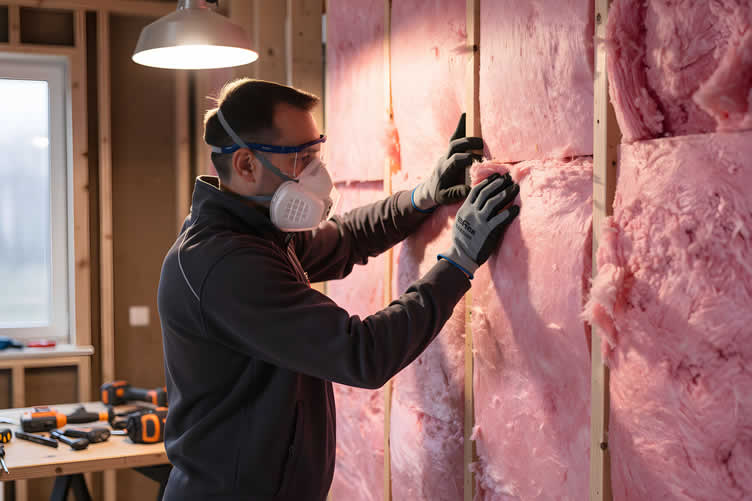
AI generated image by 123rf.com
Should You Move or Improve?
Taking on a major home remodeling project can be both thrilling and daunting, but the reward of transforming your space to better match your needs is truly fulfilling.
That’s why stay-put renovations are becoming more popular, allowing homeowners to upgrade functionality and aesthetics without the stress of relocating.
Whether it’s adding value with a modern kitchen or creating a cozier living area, improvements tailored to your lifestyle can make your home feel brand new.
Before you decide to move, weigh the costs of remodeling against the challenges of buying a new home—sometimes, refining your current haven is the perfect choice.
view ideas: rise of “stay-put renovations”(new win)
-
Scroll up to main directory … or scroll to next DIY toolkit need: workbench …
-




Budgeting Worksheet For Costing Home Remodeling and Home Improvement Decisions
 File Type (excel)

… home remodeling – improvement – repair
-
-
9th Tool Set: Installing a Workbench for Your Workspace
A well-equipped workspace begins with a sturdy and efficient workbench. As your DIY toolkit grows and you become more experienced with home projects, a reliable workbench is a game-changer.
It not only provides a stable surface for building and repairing but also plays a critical role in organizing your tools for easy access.
From garages to sheds to dedicated workshops, installing a workbench ensures that you maintain an efficient, clutter-free workspace that sets you up for success.
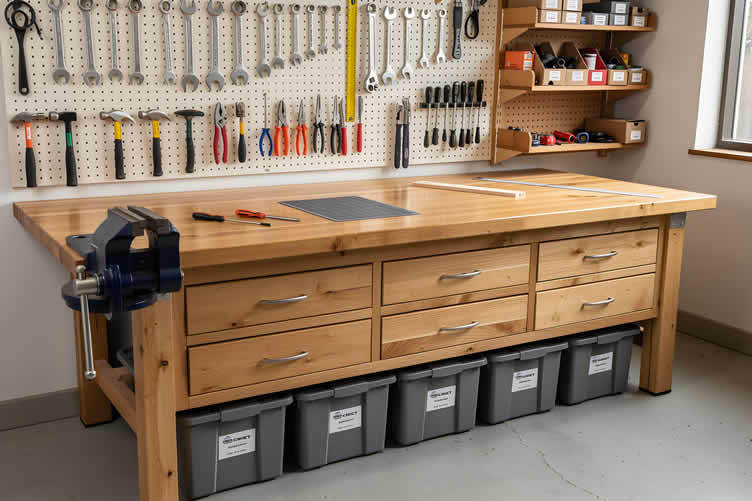
AI generated image by 123rf.com
Choosing and installing the right workbench depends on your specific needs, the available space, and the type of projects you plan to undertake. A well-thought-out workbench ensures durability, ergonomic comfort, and customization options tailored to your requirements.
Beyond functionality, a workbench can become the creative epicenter of your home workshop, inspiring confidence as you take on new challenges.
From woodworking to home repairs, a carefully installed bench supports a range of activities while keeping tools well-organized.
-
Why You Need a Workbench for Your Projects
A workbench is essential for creating a designated space where you can focus on your work without distractions. It offers a sturdy, flat surface capable of supporting heavy tools, materials, and ongoing projects.
Whether you’re drilling, cutting, or assembling, a reliable workbench minimizes the risk of accidents by keeping your materials secure and stable during use.
Furthermore, workbenches contribute to efficiency. With proper storage options like drawers, pegboards, or shelves integrated into the bench, you can organize your tools by type and frequency of use.
This eliminates the frustration of searching for misplaced tools, allowing you to maintain a steady workflow. For anyone who’s ever struggled with cluttered countertops or uneven surfaces, a workbench becomes an indispensable tool in itself.
-
Enhancing Your Workspace with Tool Storage
While the main purpose of a workbench is to provide a workspace, incorporating storage solutions can elevate its usefulness. Many modern workbenches come with built-in storage options, such as cabinets, hooks, and removable trays, which keep your most-used tools within arm’s reach.
For instance, a pegboard mounted on the wall above your workbench offers vertical storage space, allowing you to easily hang and organize wrenches, hammers, or measuring tapes.
For tools that require precision or delicate care, consider investing in foam inserts or dividers for custom-fit drawers. By allocating a specific spot for each tool, you’ll not only keep your workspace organized but also extend the lifespan of your equipment.
Adding magnetic strips or caddies for smaller, frequently used items such as screws and nails can also significantly enhance your workflow.
-
Key Considerations for Installing a Workbench
When planning the installation of your workbench, start by assessing the dimensions of your desired workspace. Measure the area carefully to ensure that the bench fits comfortably while leaving enough room for movement and additional equipment.
If your garage or shed has limited square footage, you might opt for a foldable or wall-mounted workbench, which can be stowed away when not in use.
Material selection is critical as well. Hardwood tops, such as maple or oak, are popular for their durability and ability to withstand heavy impacts, while steel workbenches are excellent for high-intensity tasks that involve heat or sharp tools.
An adjustable-height workbench is ideal if you share your workspace with others, as it accommodates different ergonomic preferences.
-
Customizing Your Workbench to Suit Your Needs
A workbench should ultimately reflect your specific needs and projects. For those working with power tools, integrating a power strip or built-in outlets can be a practical addition.
Meanwhile, hobbyists focusing on intricate crafts or repairs may benefit from adding a soft, anti-slip mat to the workbench surface to avoid damage to delicate objects.
Lighting is another crucial aspect of customization. A properly illuminated workspace reduces strain on your eyes and enhances precision. Installing overhead lighting or clip-on LED lamps specifically aimed at the workbench ensures visibility during detailed tasks.
For individuals dealing with sawdust or hazardous materials, incorporating dust collection systems or protective barriers onto your workbench setup can provide a safer environment.
-
Maintaining Your Workbench and Workspace
Once your workbench is installed and fully operational, care and maintenance will keep it functioning for years to come. Regularly clean the surface to remove debris, oil, or sawdust that could affect its longevity.
Inspect the joints, screws, and other components periodically to ensure the structure stays stable. If your workbench includes movable parts like drawers or extendable sections, lubricate them as needed to prevent wear and tear.
By investing in a well-chosen, properly installed workbench and integrating the right features, you’ll create a workspace that’s efficient, functional, and truly your own.
It serves as the foundation for all your projects, helping you stay organized and confident as you transform your ideas into reality.
- Quick scroll to summary content …
Topic Description Key Features Getting and Installing a Workbench A well-equipped workspace starts with a sturdy workbench, providing a stable surface for projects and keeping tools organized. It enhances efficiency and is a critical component for DIY success. Durability, ergonomic comfort, customization, and organization of tools. Why You Need a Workbench A workbench creates a focused area for work, prevents distractions, and offers a solid platform for various tasks, reducing risks of accidents. Efficient storage options help maintain steady workflow. Sturdy surface, integrated storage like drawers or shelves, safe tool organization. Enhancing with Tool Storage Integrating storage like pegboards, cabinets, and magnetic strips enhances utility, keeps tools accessible, and extends their lifespan. Built-in storage, foam inserts, magnetic strips, and vertical organization. Key Considerations for Installation Assess workspace dimensions, choose materials for durability, and consider adjustable or foldable options for limited spaces. Include ergonomic and functional designs for specific tasks. Material selection (e.g., hardwood or steel), foldable options, ergonomic adjustments. Customization Customize your workbench for power tools, lighting, dust collection, or soft surfaces based on project needs to improve comfort and safety. Power strips, lighting, anti-slip mats, and dust collection systems. Maintenance Regular cleaning and inspection ensure longevity and stable performance. Movable parts benefit from proper lubrication to reduce wear and tear. Cleaning, structural inspection, and lubrication of movable parts. 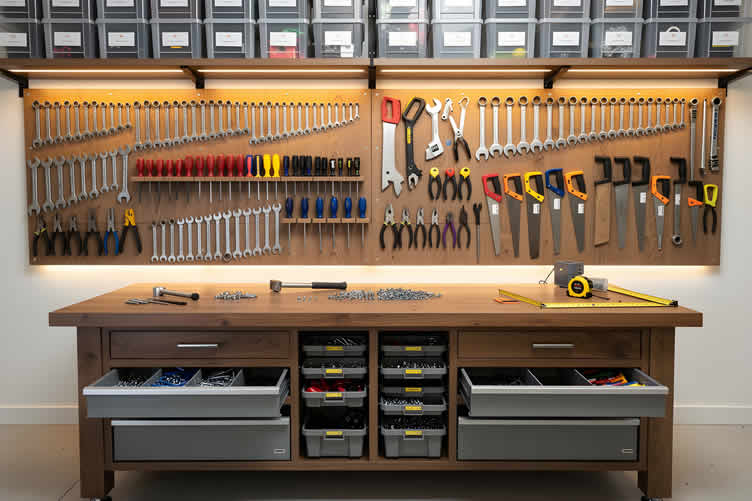
AI generated image by 123rf.com
Home Workshop
A reliable workbench is the heart of any workshop, turning your garage or shed into a hub for creativity and repairs. It provides a solid surface for everything from assembling furniture to crafting decor.
Adding storage like drawers or pegboards keeps your DIY toolkit organized and accessible.
A quality workbench boosts efficiency and opens up a world of possibilities for your home and garden projects.
view ideas: upgrade every homeowner needs(new win)
-
Scroll up to main directory … or scroll to next DIY toolkit need: codes and permits…
-
-



-
-
10th Tool Set: Understanding Building Codes and Permits
… for DIY projects
When embarking on DIY home improvement projects, it’s essential to prioritize safety, compliance, and long-term functionality. A crucial yet often overlooked aspect of this process involves adhering to local building codes and obtaining necessary permits.
These regulations are designed to ensure that any modifications made to your home meet safety standards, protect structural integrity, and enhance the overall quality of your living space.
Neglecting to follow these requirements can lead to a host of issues, from safety hazards to costly fines or even the requirement to undo your work entirely.

copyright image by 123rf.com
Building codes and permit requirements may seem like an extra step in your DIY process, but they are invaluable for safeguarding your investment and ensuring a smooth project workflow.
Beyond keeping your home safe, compliance with these codes can also prevent unexpected delays or challenges during future inspections—particularly when selling your home or refinancing.
To set yourself up for success, it’s critical to plan your project with these regulations in mind and to understand how they might apply to your specific remodel or renovation.
-
The Importance of Following Building Codes
Building codes are established by local, state, or national authorities to maintain the safety and well-being of occupants while also contributing to the structural durability of homes.
They cover a wide range of aspects, from electrical wiring and plumbing systems to structural framing and fire safety standards. By following these regulations, you can ensure that your DIY work aligns with professional standards and minimizes the risk of hazards.
Neglecting building codes can have serious repercussions, including safety issues for you and your family and inspection complications that may arise down the line.
For example, improperly configured electrical systems could lead to fires, while inadequately supported structures might compromise stability.
When it’s time to sell your home, an inspection that reveals non-compliant DIY work could complicate the process, requiring costly repairs or replacements before the sale can proceed.
Compliance from the start is not only a matter of legality but also an investment in your home’s future value and security.
-
Securing a Permit for Specific DIY Projects
Certain DIY projects go beyond what is considered cosmetic work, such as painting or minor landscaping, and venture into structural or system-level modifications, which can require permits.
Projects such as demolitions, room additions, or installing new electrical systems typically fall under this category. Permits serve as formal approval from your local jurisdiction, confirming that your planned work complies with building codes and zoning laws.
Failing to obtain the necessary permits can have significant consequences. Not only could there be fines or penalties, but your project might also be halted by local authorities until compliance is achieved.
If the unpermitted work poses any risks, you may be required to undo it entirely. By checking with your local building department before beginning major tasks, you can ensure that your project runs smoothly and remains within legal and regulatory boundaries.
-
Why Compliance Matters for Your Home’s Future
While it may be tempting to skip permitting processes or gloss over building codes to save time or money, such shortcuts often have long-term consequences. Beyond the immediate safety risks, non-compliant work can jeopardize your ability to pass a home inspection.
If an inspector finds that improper DIY work does not meet code, you may be forced to redo the work or risk devaluing your property.
Additionally, unapproved work can cause complications during future renovations. For example, outdated or poorly installed systems can create difficulties for contractors or even necessitate tearing down parts of your existing project.
Finally, complying with building codes and permitting requirements demonstrates responsibility and professionalism, making your home a safer and more reliable environment for you, your family, and future occupants.
-
Final Guidance for Homeowners
To avoid common pitfalls, thoroughly research the building codes in your area and seek professional advice if needed.
Many jurisdictions provide easy access to building regulations online or at local offices, making it simple to assess what is required for your specific project. You may also consult trusted resources like the International Code Council (ICC) or your local city planning department for expert guidance.
Setting up your DIY project for success involves more than creative ideas and determination—it requires a commitment to safety, compliance, and quality.
By taking the necessary steps to follow building codes and acquire permits when applicable, you can transform your living spaces with confidence, knowing your work is both enduring and legally sound.
- Quick scroll to summary content …
Aspect Description Significance Understanding Building Codes and Permits When engaging in DIY projects, following local building codes and securing permits ensures safety, compliance, and functionality. These regulations protect structural integrity and enhance the quality of living spaces. Prevents safety hazards, costly fines, or the need to undo non-compliant work. Ensures smooth workflow and protects the value of your home. The Importance of Following Building Codes Building codes cover electrical work, plumbing, structural framing, and fire safety. These codes ensure professional standards and minimize risks such as fires or structural instability. Enhances home safety, avoids inspection complications, and maintains the future value of your property. Securing a Permit Permits are required for structural or system-level modifications like demolitions or new electrical installations. They guarantee that work complies with codes and zoning laws. Ensures legality and prevents fines, penalties, or project delays due to regulatory non-compliance. Why Compliance Matters Compliance minimizes safety risks, prevents property devaluation, and avoids future renovation challenges. It reflects responsibility and professionalism. Safeguards against future issues, including inspection failures and contractor complications during renovations. Final Guidance for Homeowners Research local building codes and consult professionals if necessary to ensure project success. Resources like the International Code Council (ICC) can offer additional guidance. Promotes safety, compliance, and long-term reliability of your DIY projects. 
copyright image by 123rf.com
Building Codes for Safe Remodeling
Building codes aren’t static; they evolve with new building and safety technology to ensure structures are durable and safe.
When planning even simple remodeling projects, it’s crucial to know the latest regulations. This helps you avoid compliance issues and ensures your updates meet modern safety standards.
Researching local requirements or consulting an expert can prevent costly errors and give you peace of mind as you improve your home.
view ideas: the need of permits and codes(new win)
When to Call in a Professional Contractor
While DIY projects are a fantastic way to personalize and enhance your living space, some tasks may exceed your skill level or require specialized knowledge.
For projects involving intricate systems like electrical work, plumbing, or structural changes, it’s often wiser to hire a licensed and experienced contractor.
Doing so ensures the job is done safely and up to code while maintaining the integrity and value of your home.
-
What Experienced Contractors Bring to the Table
- Technical Expertise:
Professionals have in-depth knowledge of building codes, safety regulations, permit requirements, and advanced techniques. - High-Quality Workmanship:
Their experience ensures precision and high standards in every aspect of the project. - Specialized Tools and Equipment:
Contractors utilize industry-grade tools that may not be easily accessible or cost-effective for personal use. - Time Efficiency:
With their experience, they can complete tasks more efficiently, minimizing disruptions and delays. - Access to Resources:
Professionals often have connections to reliable suppliers and can source premium materials at competitive prices. - Warranty and Insurance:
Licensed contractors generally offer warranties on their work and are insured, providing peace of mind in case of unexpected issues.
- Technical Expertise:
-
Finding the Right Professional Contractor
To find a contractor that best fits your project needs, start by researching reviews and recommendations from trusted sources such as family, friends, or online platforms.
Look for contractors who specialize in your specific project type and check credentials, including licenses and certifications. Request multiple quotes to compare pricing and services, and don’t hesitate to ask for a portfolio of past projects.
A good contractor will communicate transparently, outline clear timelines, and align their vision with your desired outcome. Working with the right professional ensures your home improvement goals are met with excellence and care.
LetsRenovate has partnered with HomeAdvisor™, a renowned provider of highly-rated, carefully-vetted local home remodeling and improvement contractors. Start your search here by choosing the type of contractor you need and entering your zip code to find local professionals.

AI generated image by 123rf.com
But Wait!
Before you begin searching for and evaluating contractors for your home remodeling or other projects, we recommend using this evaluation worksheet.
This resource can help you objectively rank and assess potential candidates by considering key factors like pricing, licensing, and referrals.

Evaluation Sheet
File Type:-
Scroll up to main directory … or scroll to conclusion and references …
-
-
-
Conclusion
… building a DIY toolkit that grows with you
Building a DIY toolkit isn’t about buying everything at once. Start with essential hand tools, a good cordless drill/driver, and the proper safety gear for your initial projects. Then, add more specialized tools as new tasks require them.
This investment pays off quickly. With the right equipment and safety practices, you can handle most home maintenance, plumbing, electrical, and remodeling jobs yourself, saving money on service calls.
More importantly, using quality tools in an organized space makes DIY a rewarding experience rather than a stressful one.
As your skills grow, your toolkit will expand, broadening the scope of what you can achieve. That’s the true value of starting with the right foundation.
Resource Citations
- Wagner Meters — 50 Tools for the DIY Homeowner
https://www.wagnermeters.com/… - Pro Tool Reviews — Best Power Tool Combo Kit
https://www.protoolreviews.com/… - Oatey — 14 Must-Have Plumbing Tools for Homeowners
https://www.oatey.com/… - The Home Depot — Power Tool Combo Kits
https://www.homedepot.com/… - Plumbing Supply — Tools Every DIY Plumber Needs
https://www.plumbingsupply.com/… - Grandma’s House DIY — 8 Plumbing Tools
https://www.grandmashousediy.com/… - Artman Official — Best Home Tool Sets
https://artmanofficial.com/…
- Wagner Meters — 50 Tools for the DIY Homeowner
-
Quick scroll to more structural projects ideas …
-
ideas to view and compare from the photo above
books: illustrated building codesDIY plumbingDIY electrical wiring
- What comments can you share about
your personal DIY toolkit that you would recommend?



Calendar For:
Home Maintenance
File Type:
… view our sharing links below for a quick "share the knowledge"
Find Home Remodeling Services Additions Major Remodels Minor Remodels Disability Needs Plumbing Drain Clearing Appliances Electrical top-rated, pre-screened local contractors FREE: download contractor selection enter zip code – powered by HomeAdvisor ™
Quick Contractor Guides selecting negotiating working with inspecting

Cover image credit: DIY toolkit by 123rf.com
end of post … please share it!
 |
did you find DIY toolkit analysis helpful? If so, please share the article with your friends and family! |
Nice pic idea? Leave us a quick comment below.
And please share this pic idea within your social networks.