Summary Outline –
Adding an in-ground swimming pool to your backyard is not just about creating a space for swimming and fun; it’s about transforming your outdoor space into a personal oasis, a focal point for family gatherings, and a potentially valuable addition to your property.
This comprehensive guide is designed to walk you through the necessary tasks involved in the design, needs, and development of your pool, ensuring that the end result perfectly aligns with your vision.
From initial planning stages to choosing the right materials and understanding the construction process, we aim to provide you with all the information needed to make informed decisions on this significant investment.
Summary of Site Content
Introduction: [view intro]
… we begin this guide by outlining the tasks required for your backyard pool project. This blueprint will serve as your guide as you strategize, create, and execute your pool plans.
1st Set of Tasks: [view section]
… the initial step is to determine the type of pool you desire. Will it serve as a fitness, entertainment, or relaxation pool? Once you have decided on the pool type, proceed to assess the backyard space where the pool will be located.
2nd Set of Tasks: [view section]
… the next set tasks include defining the pool’s styles, shape, and size within an initial budget that aligns with your needs and fits the allocated space. Furthermore, selecting your preferred material type is also discussed.
3rd Set of Tasks: [view section]
… moving on, the third set of tasks focuses on the various amenities that will be included in your pool design. Consider features such as a slide, diving section, waterfall, or other amenities based on the pool’s intended use.
4th Set of Tasks: [view section]
… the fourth section gets into the significance of pool safety, highlighting essentials like fencing, alarms, emergency equipment, and surveillance cameras.
5th Set of Tasks: [view section]
… the fifth section involves adding the finishing touches as you plan the landscaping details for your pool. Consider how it will blend with your patio or deck and explore landscaping ideas to enhance the overall look of your backyard.
6th Set of Tasks: [view section]
… having chosen the type, design, and features, including safety and landscaping elements, we move on to the implementation phase in the sixth section. The process begins with a thorough understanding of the step-by-step procedures, necessary permits, budget considerations, and work with a contractor.
7th Set of Tasks: [view section]
… the seventh and final section covers commencing operations, comprehending pool components, and regular maintenance along with seasonal check-ups to ensure optimal pool performance.
Whether you’re picturing a tranquil oasis for unwinding after a long day or an energetic hub for hosting lively gatherings with friends and family, this comprehensive guide is your go-to resource for transforming your vision of a dream pool into a stunning reality.
Step by step, from initial concept to the finishing touches, let this guide be your companion on the journey to creating the perfect aquatic haven tailored to your unique preferences and lifestyle.
- post content
- introduction: Start By Mapping Out Swimming Pool Plan Ideas
- Section 1: Site Evaluation and Use
- Section 2: Pool Design and Material Type
- Section 3: Selecting Amenities for Your Pool
- Section 4: Safety Always Comes First
- Section 5: Pool (Surround) Landscaping
- Section 6: Construction and Implementation
- Section 7: Swimming Pool Maintenance

-
Quick scroll to first topic about adding an in-ground swimming pool …

introduction “adding an in-ground swimming pool” idea

copyright image by 123rf.com
Introduction: Start By Mapping Out Backyard Swimming Pool Plan
Notes:
-
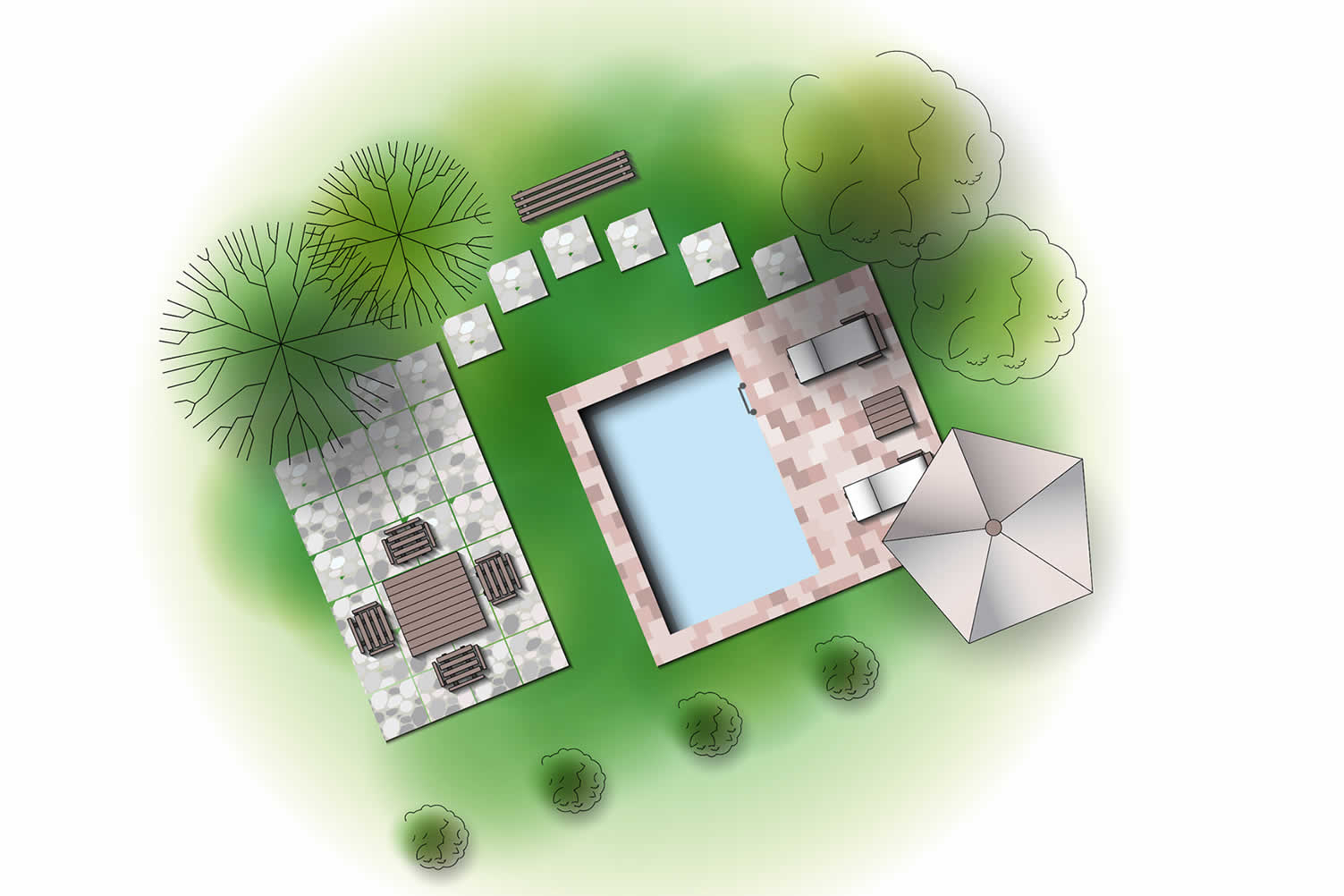
The first step in adding a backyard swimming pool is to meticulously map out your plan. This encompasses understanding the design, style, and features you envision for your pool and estimating the budget required to turn your dream into reality.
Use this map as a guide to meticulously devise a plan that maintains your design style while staying within the budget you’ve set. You can also consult with a professional pool builder to help you create a detailed plan and provide an accurate estimate of the project’s cost. This will prevent any surprises or setbacks during construction.
An architectural layout of your swimming pool and any landscaping changes are essential for acquiring the necessary permits and approvals for residents living within a homeowners’ association.
-
Quick scroll to “mapping” side notes …
-
-
1st: Key Swimming Pool Mapping Tasks
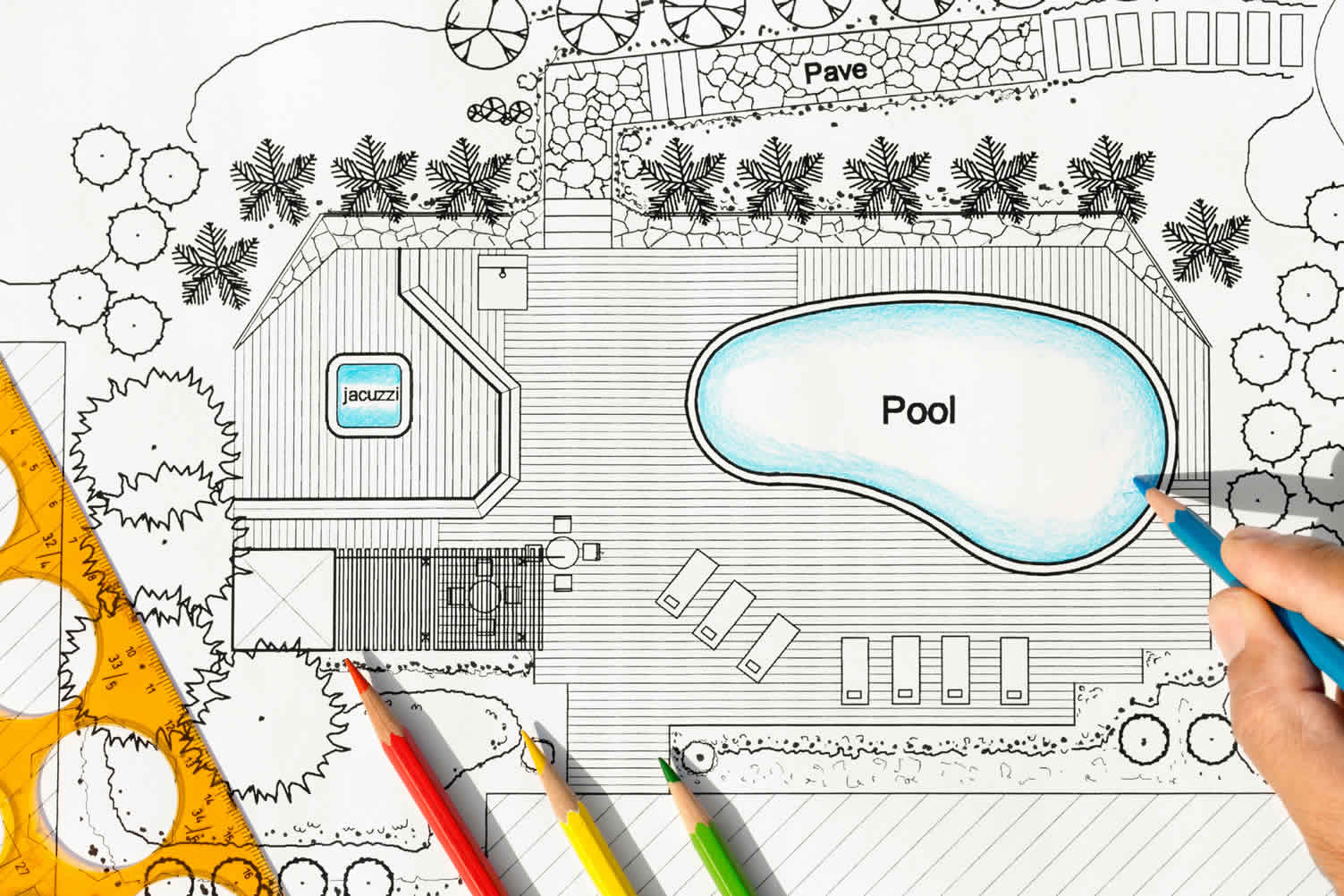
The purpose of the mapping is to provide an outline of the necessary tasks involved in adding a swimming pool to your backyard. This summary encapsulates key elements such as the pool’s purpose, location, desired size and style, and the steps required to install it within your budget.
A pool contractor can typically provide this plan for you. But before you reach out to a pool contractor, have a preliminary draft of your vision to assist in bringing it to life, possibly with some refinements from a professional.
Below, you will find the necessary tasks that will help achieve your goals, supported by relevant information.
-
Task A: Decide the Pool Purpose
The first step in this process is to consider what the primary purpose of the backyard pool will be.
Whether you’re looking for a serene oasis for relaxation, a recreational area for family and friends, or a lap pool for exercise, the intended use will significantly influence the pool’s size, shape, and features.
For instance, a pool designed for fitness may include swim lanes and be deeper than one intended for casual family use.
[ see topic below: pool purpose ]
-
Task B: Evaluating Your Existing Space
To ensure that the swimming pool fits seamlessly into your backyard, precise measurement is crucial. Begin with outlining the exact area where you plan to install the pool.
Keep in mind that additional space may be required for walking, furniture, or landscaping. It’s essential to record these dimensions accurately to inform the pool design and layout planning process.
Existing structures, such as patios, sheds, or trees, may impact the placement and shape of your pool. Before finalizing your pool’s design, consider how these elements fit into your overall backyard layout.
[ see topic below: site assessment ]
-
Task C: Research Design Ideas
Exploring various pool design ideas is crucial to realizing the vision for your backyard oasis. Dig into magazines, websites, and social media platforms like Pinterest and Instagram for inspiration.
Pay attention to different styles, such as infinity pools, natural pools, or classic rectangular designs, noting what appeals to you and might suit your space and intended use best.
Additionally, consider innovative features like waterfalls, LED lighting, or hidden pool edges that can turn a simple pool into a stunning focal point of your backyard.
[ see topic below: design ideas ]
-
Task D: Pool Materials
Choosing the right material for your swimming pool is pivotal in determining its look, feel, longevity, and maintenance needs. The most common materials include concrete, vinyl, and fiberglass.
Concrete pools offer unparalleled durability and the flexibility to customize shapes and sizes but require significant maintenance. Vinyl-lined pools, while more affordable and quicker to install, may need liner replacements every 5 to 9 years.
Fiberglass pools boast a smooth surface, are quick to install, and require less maintenance but come in pre-made shapes and sizes, limiting customization.
[ see topic below: pool make ]
-
Task E: Pool Amenities
Adding amenities to your swimming pool can transform a simple backyard into a luxurious outdoor oasis. When selecting features, consider incorporating a designated hot tub for relaxation, a slide for entertainment, and water features like waterfalls or fountains for aesthetic appeal.
Other amenities to contemplate include swim-up bars for adult entertainment, integrated lighting for evening swims, and heating systems for extending the swimming season.
[ see topic below: pool amenities ]
-
Task F: Safely Procedures
Safety should be a paramount concern when designing and outfitting your swimming pool. Implementing rigorous safety procedures and features can significantly reduce the risks of accidents and ensure a secure environment for all swimmers.
It is advisable to include fencing around the pool area to prevent unsupervised access, especially for homes with young children and pets. Equip your pool with slip-resistant surfaces can also minimize the chances of falls and injuries.
Furthermore, installing pool alarms can provide an additional layer of protection by alerting you to unsupervised access or disturbances in the water.
[ see topic below: about pool safety ]
-
Task G: Blending In the Landscape
Evaluate how the pool, deck, patios, and any other planned features will coexist within the designated space. Consider how each element will be used and the flow between them to ensure a functional and aesthetically pleasing design.
For example, the deck area should be ample enough for loungers and seating, while leaving space for unobstructed movement around the pool. Planning for future additions, such as an outdoor kitchen or fire pit, at this stage can save on costly modifications later.
[ see topic below: adding landscape ]
-
Task H: Implementation
Executing your swimming pool project involves comprehending the essential steps, crafting detailed specifications from your research and design, creating an architectural draft to materialize your vision, obtaining required permits and approvals, and selecting proficient contractors with expertise in pool construction.
It is also crucial to establish a realistic time-line for the project, considering factors like budget constraints and weather conditions.
[ see topic below: implementing plan ]
-
Task I: Operation and Maintenance
Once your swimming pool has been successfully constructed and is ready for use, initiating proper operations and maintenance routines is crucial for sustaining its cleanliness, safety, and longevity.
Additionally, setting up a rigorous cleaning schedule to regularly remove debris and clean pool surfaces will help maintain the pool’s aesthetic appeal and hygienic standards. Proper pool maintenance also includes inspecting and servicing pool equipment regularly to prevent breakdowns that could lead to costly repairs.
[ see topic below: pool maintenance ]

-
-
-
ideas to view and compare from the information discussed above
book: swimming pool constructionsoftware: backyard landscaping design
Scroll up to directory … or scroll to first section about adding an in-ground swimming pool …

first “adding an in-ground swimming pool” idea
copyright image by 123rf.com
Section 1: Site Evaluation and Use
Notes:
-
Before breaking ground, it’s essential to meticulously plan your backyard swimming pool to align with your vision, while adhering to any local regulations and budget constraints.
Begin by considering the primary use of your pool—whether for leisure, fitness, or as a focal point for social gatherings. This decision will influence the size, shape, and features of your pool.
Next, assess the layout of your backyard. Factor in the space required not just for the pool but also for the surrounding deck or patio, landscaping, and any additional features like a spa or outdoor kitchen.
It’s wise to consult with a professional to understand what’s feasible in your space and what permits you may need to obtain before construction begins.
Additionally, think about the long-term maintenance of the pool, including cleaning, chemical balance, and seasonal preparations. Choosing the right materials and equipment from the start can significantly reduce future maintenance costs and efforts.
Taking the time to develop a comprehensive plan with clear objectives and considerations will ensure your swimming pool not only enhances your property but becomes a cherished addition to your home.
-
Quick scroll to “site analysis” side notes …
-
-
1st: Defining the Primary Use
Determining the primary use of your backyard swimming pool is crucial in planning its layout, size, and additional features. A well-defined purpose will guide your decisions throughout the design and construction process, ensuring that the pool meets your lifestyle needs and preferences.
Consider how your pool will be used—whether for exercising, entertaining, relaxation, or a combination of these activities—each use case will influence your pool’s design in unique ways.
-
For Fitness and Exercise
If the primary use of your pool is for fitness and exercise, consider a long and narrow lap pool design. Lap pools are typically at least 45 feet in length to accommodate uninterrupted swimming.
Including built-in lanes and starting blocks can further specialize the pool for serious training. The depth should be consistent to allow for safe flip turns, with at least 4 feet being a common standard.
[ view samples: pool for fitness ]
-
For Entertainment and Social Gatherings
Pools designed for entertaining often feature a more expansive and freeform shape, creating a visually appealing centerpiece in your backyard. Consider including a shallow lounge area, integrated hot tub, and wide, inviting steps that double as seating areas.
Additional amenities like an outdoor kitchen, fire pit, or poolside bar can be incorporated into the surrounding landscape, enhancing the social atmosphere.
[ view samples: pool for entertainment ]
-
For Relaxation and Aesthetic Appeal
When the primary role of your backyard pool is relaxation or to enhance your property’s aesthetic, designing with an emphasis on visual harmony is key. Infinity or vanishing edge pools create a stunning visual effect, making them perfect for properties with scenic views.
Incorporating water features such as waterfalls, fountains, or bubblers can add to the tranquil ambiance. Integrating natural stone and utilizing strategic lighting can further complement your pool’s aesthetic and create a serene backyard oasis.
[ view samples: pool for aesthetic appeal ]
By carefully considering the main purpose of your pool, you’ll be better equipped to make informed decisions about its design and features, ensuring that your pool fulfills your desired function and complements your lifestyle.
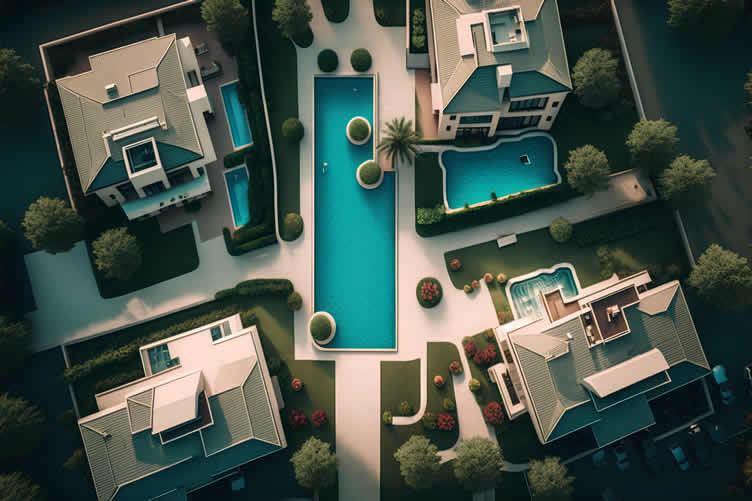
copyright image by 123rf.com
[ view diagram: dimensions of backyard swimming pool ]
[ view diagram:: dimensions of swim lap pool ]
-
-
2nd: Site Location and Evaluation
The first step in adding an in-ground pool to your backyard is to assess the available space. The area should be spacious enough to accommodate the pool, deck, and any additional features you plan to include.
Measure the dimensions carefully and consider existing structures, trees, and utility lines that may need to be worked around.
-
Measuring Dimensions Accurately
To ensure that the swimming pool fits seamlessly into your backyard, precise measurement is crucial. Begin with outlining the exact area where you plan to install the pool.
Use a tape measure to mark the length and width, considering the pool’s size and the surrounding area needed for the deck or patio.
Keep in mind that additional space may be required for walking, furniture, or landscaping. It’s essential to record these dimensions accurately to inform the pool design and layout planning process.
How to Take Measurements for Your Pool:
- Prepare the Area:
Clear the intended pool area of any debris or obstacles that might affect accurate measurements. - Gather Needed Tools:
Ensure you have a long measuring tape, stakes, a hammer, and string or chalk line available. - Mark the Perimeter:
Use stakes and string or chalk to outline the perimeter of the pool. This helps in visualizing the space the pool will occupy. - Measure Length and Width:
With the tape measure, record the length and width of the proposed pool area. If planning for a non-rectangular pool, measure the widest and longest points. - Account for Surrounding Area:
Beyond the pool itself, measure additional space needed for a deck, walking area, or landscaping. A general rule is to add at least 3 to 4 feet around the pool perimeter for walking space. - Check for Slope:
If your backyard is sloped, consider how this will impact the pool depth and construction. You may need to measure the slope to plan for potential leveling. - Document Everything:
Write down all measurements and any observations about the site that might influence the pool design and construction.
- Prepare the Area:
-
Accommodating the Pool, Deck, and Other Needs
After measuring, evaluate how the pool, deck, patios, and any other planned features will coexist within the designated space. Consider how each element will be used and the flow between them to ensure a functional and aesthetically pleasing design.
For example, the deck area should be ample enough for loungers and seating, while leaving space for unobstructed movement around the pool. Planning for future additions, such as an outdoor kitchen or fire pit, at this stage can save on costly modifications later.
-
Considering Existing Structures and Landscaping
Existing structures, such as patios, sheds, or trees, may impact the placement and shape of your pool. Before finalizing your pool’s design, consider how these elements fit into your overall backyard layout.
Some structures might be incorporated into the new design, while others may require relocation or removal. Similarly, evaluate how your landscaping plan will adapt to accommodate the new pool and deck areas while maintaining or enhancing the aesthetic appeal of your backyard.
It’s also important to identify any underground utilities to avoid disruptions during construction.
-
Mindfulness Towards Trees and Their Impact
When planning your pool area, particular attention should be paid to existing trees and potential tree plantings. Trees that shed leaves, needles, or other debris can significantly increase maintenance demands on your pool.
Leaves not only necessitate frequent cleaning but can also clog filters and potentially disrupt the water’s chemical balance.
Furthermore, the roots of trees positioned too close to the pool can pose a long-term risk. They have the potential to penetrate the pool’s structure or disrupt the surrounding deck area, leading to costly repairs or renovations.
Therefore, it’s crucial to assess the types of trees in proximity to the proposed pool site and make informed decisions about their retention, removal, or the planting of new, more suitable species.
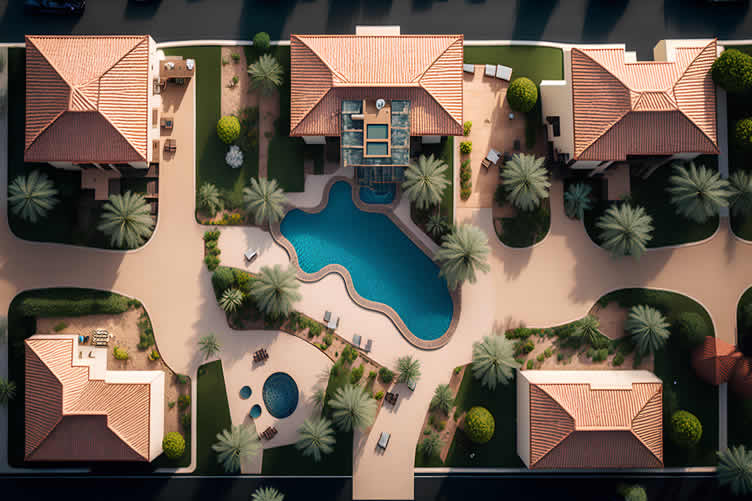
copyright image by 123rf.com
[ youtube: lawn square footage calculator ]
[ youtube: using a digital measuring wheel ]
-
-
3rd: Evaluating Soil Conditions
Prior to breaking ground for a new pool, conducting a thorough soil evaluation is essential. This evaluation is not just about determining soil type but also involves assessing the soil’s stability and drainage capabilities.
A professional geotechnical engineer can perform soil tests to provide valuable insights into the soil’s composition, bearing capacity, and potential for expansion or contraction. These factors are critical as they directly influence the design and construction needs of the pool, ensuring its stability and longevity.
-
Understanding Stable Soil Conditions
Vital for Pool Foundation
Stable soil conditions are paramount when planning for a pool installation. Soil with high stability supports the pool structure, reducing risks of uneven settling or cracking over time.
Ideal soil types for pool construction are generally sandy and gravelly soils that offer excellent drainage and consistency. Clay-based soils, known for their expansive properties when wet, can pose challenges and may require special preparation or reinforcement techniques.
-
Implementing Proper Yard Drainage
Preventing Water Accumulation
Effective yard drainage is crucial to safeguard the area around your new pool from water damage. Pool constructions often alter the natural drainage pattern of a backyard, necessitating the installation of additional drainage solutions.
French drains or graded landscaping can guide excess water away from the pool and home foundation, preventing potential pooling and soil erosion.
Ensuring proper drainage not only protects the structural integrity of the pool but also maintains the surrounding landscape’s health.
-
Conducting Other Essential Tests
Assessing Long-term Stability
Beyond soil stability and drainage, several other tests may be recommended to evaluate the backyard’s suitability for a pool. These can include checking for the presence of underground utilities, assessing the water table level, and understanding the environmental impact of the construction.
Taking these comprehensive steps helps in creating a detailed plan that addresses all potential challenges, ensuring your pool area is safe, sustainable, and enjoyable for years to come.
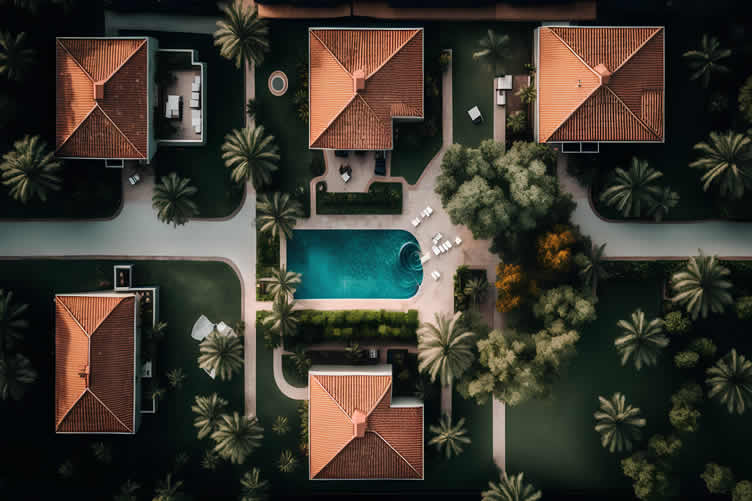
copyright image by 123rf.com
[ view diagram: backyard soil types ]
[ youtube: understanding soil types ]
-
-
4th: Preparing the Site for Construction
Clearing the area is the next vital step. Remove any obstacles, such as rocks, roots, and debris. Depending on the terrain, you may need to grade the land to create a level surface.
This is also the time to consider if any tree removal or relocation is necessary, keeping in mind local regulations and the impact on the landscape.
-
Selection of Pool Location
Choosing the right location for your pool is a critical decision impacting the overall project. The location should be conveniently accessible yet provide enough privacy.
Factors such as sun exposure, proximity to trees, and how you plan to use the surrounding space for landscaping or other features should influence this choice.
Consider the sun’s path during summer to maximize natural light and warmth, while also thinking about wind patterns which can affect water temperature and cleanliness.
Consulting with a pool construction expert can provide valuable insights into the optimal placement based on your backyard’s specific conditions
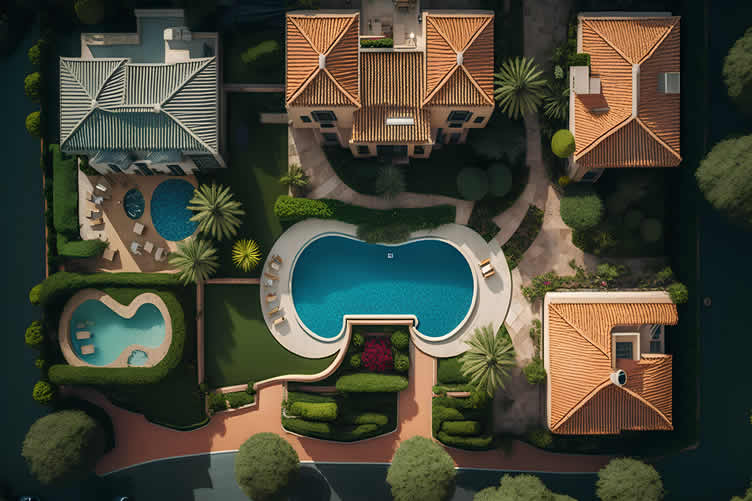
copyright image by 123rf.com
[ view diagram: clearing backyard ]
[ youtube: clearing land for swimming pool ]
-
-
-
ideas to view and compare from the information discussed above
Scroll up to directory … or scroll to next section about adding an in-ground swimming pool …



 … grab this directory of ideas
second “photo remodeling” idea
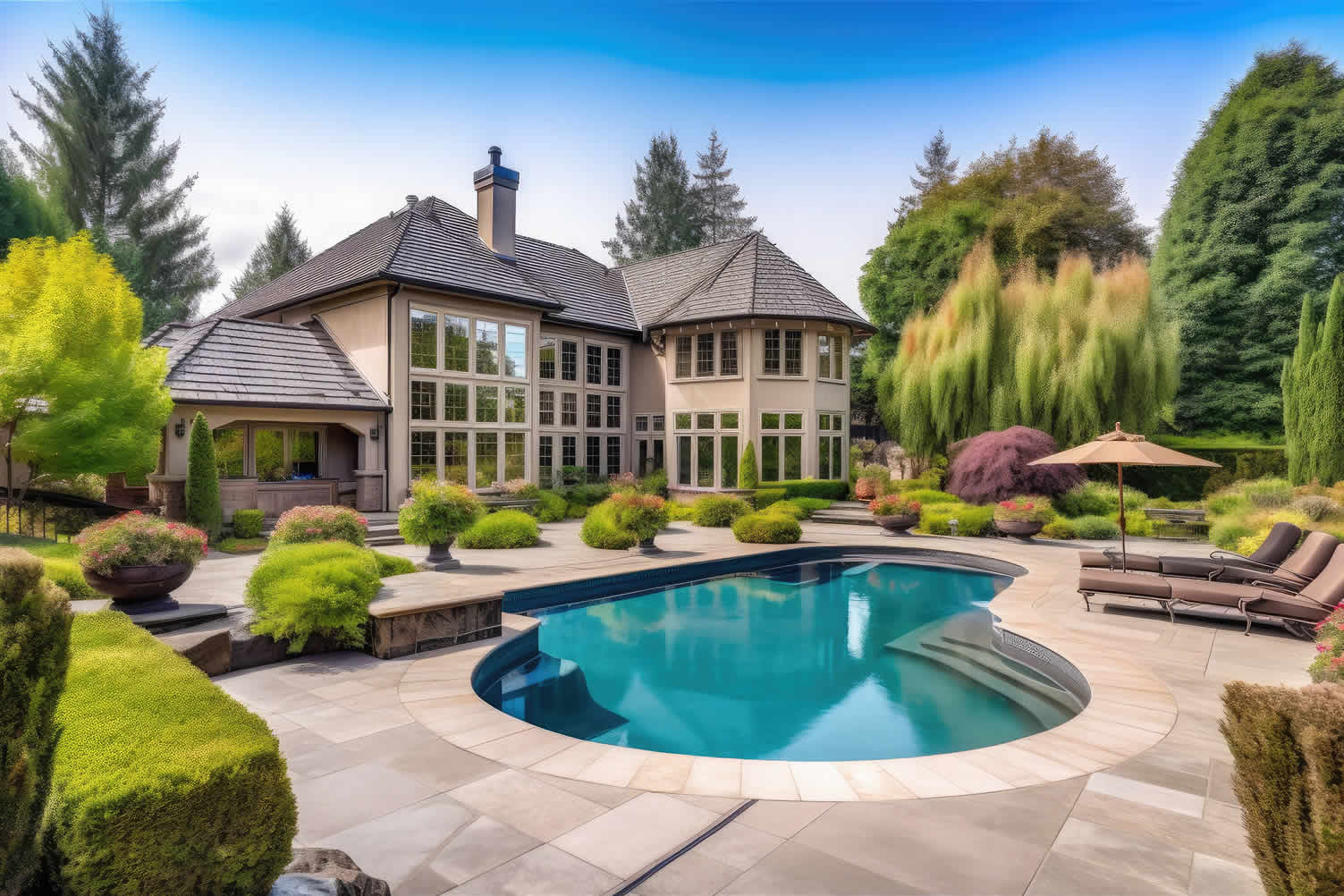
copyright image by 123rf.com
Section 2: Pool Design and Material Type
Notes:
-
The design and style of your swimming pool are crucial as it sets the tone for the overall aesthetic of your backyard. Start by considering the size and depth of the pool, the type of materials you prefer, and also the the dimensions based on the available space and budget you have to work with.
When considering design options, think about how you want to use the pool. Do you want a shallow and kid-friendly area, or do you prefer a deeper lap pool for exercise? Will it be used for entertaining or relaxation?
-
Shape and Style:
The shape of your pool should complement your backyard’s layout and aesthetic. Traditional shapes include rectangles, ovals, and kidney shapes, each offering its unique charm and benefits.
Rectangular pools are perfect for laps and competitive swimming, while kidney-shaped pools can adapt flexibly to various landscape designs and are ideal for casual use.
-
Size:
The size of your pool is determined by the available space in your backyard and your intended use. If swimming laps is a priority, a larger pool might be necessary. For family fun and relaxation, the size can be more compact, provided it accommodates the number of users comfortably.
-
Depth:
The depth of your pool should align with its primary uses. For families with children, a shallow end is essential, while a deeper section might be desired for diving or more strenuous swimming activities. Progressive depths cater to all ages and activities, offering a versatile solution.
Taking time to research and decide on these design elements not only ensures that your swimming pool meets your needs but also contributes to the safety and enjoyment of all its users.
-
-
Quick scroll to “pool type” side notes …
-
-
1st: Deciding Shape and Style
Choosing the right shape and style for your backyard swimming pool is crucial for achieving the perfect harmony between functionality and aesthetics. The decision should reflect both your personal preferences and the intended use of the pool, whether it be for exercise, entertainment, or relaxation.
Today’s pool designs offer a multitude of shapes, each with its distinctive advantages, enabling homeowners to find a solution that matches their lifestyle and the contours of their backyard space.
-
Rectangle Pools
Rectangle pools are the epitome of classic pool design, synonymous with traditional elegance. Their straightforward, elongated shape is ideal for swimming laps, making them a preferred choice among fitness enthusiasts.
Why This Shape is Useful:
The rectilinear form not only maximizes swimming space but also fits seamlessly into the clean lines of contemporary landscapes. Additionally, rectangle pools are ideal for installing automatic pool covers, enhancing safety and reducing maintenance.[ view images: rectangular ]
[ pinterest: different rectangular designs ]
-
Kidney-Shaped Pools
Kidney-shaped pools, resembling the curvature of a kidney bean, offer a natural aesthetic that blends harmoniously with any landscape design. This shape is versatile, fitting well into irregularly shaped backyards where a rectangular pool might not be feasible.
Why This Shape is Useful:
The kidney shape creates a distinct shallow and deep end, making it family-friendly and suitable for a variety of water activities. Its curved lines encourage a more organic flow of water, which can simplify circulation and filtration.[ view images: kidney-shape ]
[ pinterest: different kidney-shape designs ]
-
Freeform Pools
Freeform pools defy traditional shapes, taking on contours that are often inspired by natural water bodies, such as ponds or lagoons. This shape allows for maximum creativity and customization to echo the unique style of a homeowner and complement the surrounding landscape.
Why This Shape is Useful:
Freeform pools are the ultimate in personal expression and design flexibility. They are especially potent for creating a tropical oasis or a naturalistic backyard environment, offering edges that can be adorned with landscaping, water features, or integrated spa areas.[ view images: freeform ]
[ pinterest: different freeform designs ]
-
Oval Pools
Oval pools possess the elegance of rectangular pools with a softer edge, making them a great middle-ground for those seeking both functionality for activities like laps and a gentle appearance that enhances backyard tranquility.
Why This Shape is Useful:
This shape is beneficial for families looking for a compromise between the strict lines of a rectangle and the more whimsical curves of a kidney or freeform pool. Oval pools offer ample space for swimming and games, while ensuring a smooth circulation of water.Each pool shape comes with its distinct set of advantages, catering to various lifestyles, backyard sizes, and aesthetic preferences. Whether prioritizing fitness, relaxation, or entertainment, there is a pool shape designed to meet every homeowner’s needs, ensuring endless summers of enjoyment and convenience.
[ view images: oval ]
[ pinterest: different oval designs ]
-
L-Shaped Pools
L-shaped pools combine the long, straight lines of rectangular pools with an additional shorter leg, offering a distinct area that can be used for shallow play or lounging. This layout is particularly versatile, accommodating both those who wish to swim laps and those who prefer to wade or relax in shallower water.
Why This Shape is Useful:
The L-shape is particularly advantageous for families or entertainers, providing distinct zones for various activities within the pool. It can neatly fit into corner lots or complement homes with L-shaped architecture, maximizing available space and enhancing the overall flow of the backyard area.[ view images: L-shape ]
[ pinterest: different L-shape designs ]
-
Roman Styled Pools
Roman styled pools are characterized by their opulent, classical design featuring rounded ends and symmetrical lengths, reminiscent of the luxurious baths from ancient Rome. These pools often include elegant staircases at each end, adding a touch of grandeur and making for a graceful entrance and exit. The timeless aesthetic of a Roman-style pool makes it a focal point in any backyard, inviting both relaxation and social gatherings.
Why This Shape is Useful:
Ideal for homeowners seeking a blend of luxury, sophistication, and functional design, Roman styled pools offer spacious areas for swimming and lounging.Their classic shape not only enhances the aesthetic appeal of outdoor spaces but also provides a seamless flow for water circulation. These pools are perfect for those who admire historical elegance while enjoying modern swimming amenities.
[ view images: roman style ]
[ pinterest: different roman style designs ]
-
Infinity (Vanishing Edge Pools)
Infinity pools, also known as vanishing edge pools, feature one or more edges where water flows over the edge into a catch basin, giving the illusion of the water extending endlessly towards the horizon. This design is often employed to spectacular effect when overlooking scenic views like oceans, lakes, or cityscapes.
Why This Shape is Useful:
This shape is ideal for homeowners looking to infuse a sense of luxury and tranquility into their outdoor space. The infinity (vanishing edge) not only serves as a visual bridge to the surrounding landscape but also creates a serene, mirror-like surface that beautifully reflects the sky and adjacent areas.[ view images: infinity ]
[ pinterest: different infinity designs ]
-
Customized Swimming Pools
Customized swimming pools are tailored to the individual preferences and spatial constraints of the homeowner. These pools can integrate a combination of styles, shapes, and features, such as waterfalls, hidden caves, or swim-up bars, to create a unique, personalized aquatic experience.
Why This Shape is Useful:
Opting for a customized pool enables homeowners to maximize their outdoor space efficiently, addressing specific desires for leisure, exercise, or entertainment.Whether the goal is to mimic a natural oasis, incorporate an eco-friendly design, or achieve a specific thematic look, customized pools offer the ultimate flexibility in pool design.
[ view images: customized ]
[ pinterest: different luxury designs ]
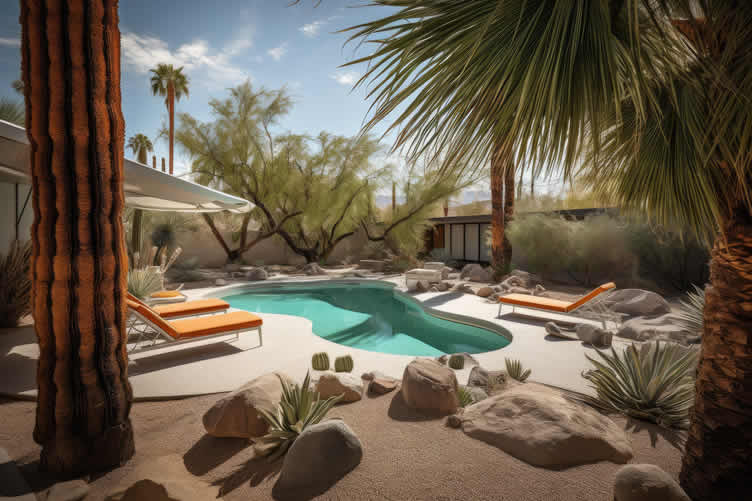
copyright image by 123rf.com
[ view ideas: luxury backyard swimming pools ]
[ youtube: different types of swimming pools ]
-
-
2nd: Determining the Size
Choosing the right size for your backyard swimming pool involves balancing desires with practicality. It’s crucial to consider the primary functions the pool will serve—whether it’s for leisure family activities, fitness through lap swimming, or perhaps hosting gatherings.
Additionally, the pool size must not overwhelm the yard but rather complement the available outdoor space, leaving room for other landscape elements or activities.
-
Compact Pools:
Ideal for limited spaces or small families, compact pools are typically around 10×20 feet. They cater well to leisure activities, cooling off, and are easier to maintain.
-
Medium-Sized Pools:
Averaging 15×30 feet, these pools accommodate more activities, including casual swimming and pool games. They strike a balance between usability and the requirement for space, making them a popular choice for most households.
-
Lap Pools:
For those focused on fitness and swimming laps, pools of this category are usually long and narrow, about 10×40 feet. This design caters specifically to swimmers looking to practice laps without needing a large traditional pool.
-
Large Entertainment Pools:
Spanning areas larger than 20×40 feet, these pools are designed for those who love to entertain. They often feature various depths, integrated hot tubs, and elaborate shapes, suitable for hosting large gatherings or simply for those desiring a luxurious backyard oasis.
Ultimately, the decision on pool size should reflect your lifestyle, the physical constraints of your backyard, and budget considerations. Balancing these factors will lead to a more satisfying and functional outdoor living space.
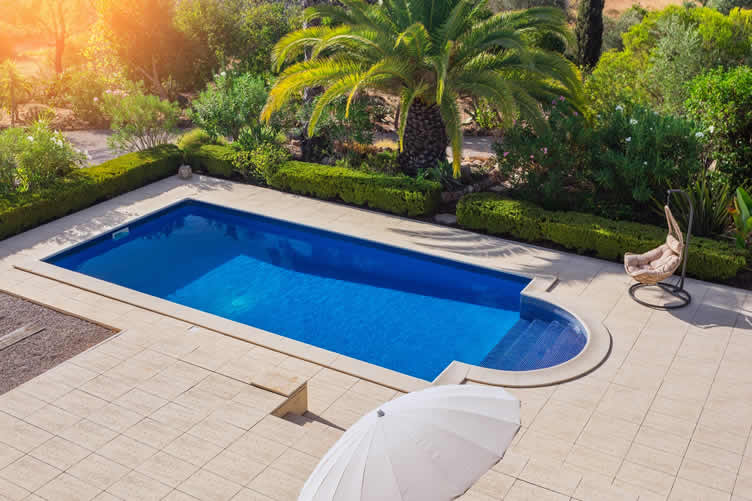
copyright image by 123rf.com
[ view diagram: in-ground swimming pool sizes ]
[ youtube: best pool for small yard ]
-
-
3rd: How Much Depth
Choosing the right depth for your backyard pool is crucial for both safety and functionality. The depth should cater to the activities you envision, from playful splashing to athletic lap swimming.
It’s also essential to consider the pool users; families with young children may prioritize shallower areas, whereas avid swimmers might prefer at least part of the pool to be deeper. Here’s a breakdown of common depth options:
-
Shallow End:
- Purpose: Ideal for children’s play areas, lounging, and entry points.
- Depth Range: Typically ranges from 3 to 4 feet. This depth ensures safety for young swimmers and provides comfort for adults standing.
-
Standard Depth:
- Purpose: Suitable for general swimming and pool games.
- Depth Range: A common standard is around 5 feet. This depth accommodates a variety of activities while still being safe and manageable for most swimmers.
-
Diving Area:
- Purpose: Designed for pools equipped with a diving board.
- Depth Range: Must be at least 8 feet to safely accommodate the impact of a diver, but some may go deeper depending on the board’s height or personal preference.
-
Lap Swimming:
- Purpose: For those focusing on lap swimming or athletic training.
- Depth Range: A uniform depth of about 4 to 5 feet is often recommended. This depth allows for efficient turns and prevents feet from touching the bottom, providing a more consistent swimming experience.
When deciding on the depth of your pool, it’s essential to think about the primary users and the activities you want to accommodate. Safety should always be a top priority, closely followed by the pool’s intended use.
Consulting with a professional can help tailor the depth to fit your needs, ensuring a safe and enjoyable swimming environment for everyone.
copyright image by 123rf.com
[ view diagram: in-ground swimming pool depth ]
[ youtube: how deep should a pool be ]
-
-
4th: Calculating the Dimensions
When planning to install a swimming pool in your backyard, accurately calculating the dimensions is crucial. These dimensions not only influence the overall design but also the cost, amount of materials needed, and the placement within your yard.
Begin by assessing the available space, ensuring there’s adequate room for the pool itself as well as surrounding areas for lounging, walking, or landscaping.
-
Step 1: Assess Available Space
- Description: Evaluate the total area of your backyard to determine the maximum size for your pool. Remember to consider local regulations which may dictate how close the pool can be to your property boundaries.
- Tools Needed: Measuring tape, local building codes, a notepad for sketches or notes.
-
Step 2: Decide on Pool Shape
- Description: The pool shape greatly influences how space is utilized. Popular shapes include rectangular, oval, and freeform. Consider the shape that best fits your backyard’s layout and desired aesthetic.
- Tools Needed: Graph paper or pool design software for sketching potential shapes.
-
Step 3: Determine Pool Purpose
- Description: Reflect on how you intend to use the pool. If it’s for lap swimming, a long and narrow rectangle might be best. For family fun, a freeform or larger shallow-end pool might be more appropriate.
- Considerations: Pool usage, potential users, and preferred activities.
-
Step 4: Mark Out the Pool Area
- Description: Use stakes and string to outline the pool’s perimeter based on your calculated dimensions and chosen shape. This physical representation will help you visualize the pool’s size and adjust as necessary.
- Tools Needed: Stakes, string, measuring tape.
-
Step 5: Consult with Professionals
- Description: Once you have an idea of the dimensions and shape, consulting with a pool installation professional can provide insights into practical considerations, such as underground utilities, and may help refine the final dimensions.
- Recommended Action: Schedule consultations with at least two pool installation companies for professional advice and quotes.
By carefully following these steps, you can accurately calculate the dimensions of your backyard swimming pool to fit both your space and lifestyle. Remember, while DIY measurements are a great starting point, professional advice is invaluable in ensuring the success of your pool project.
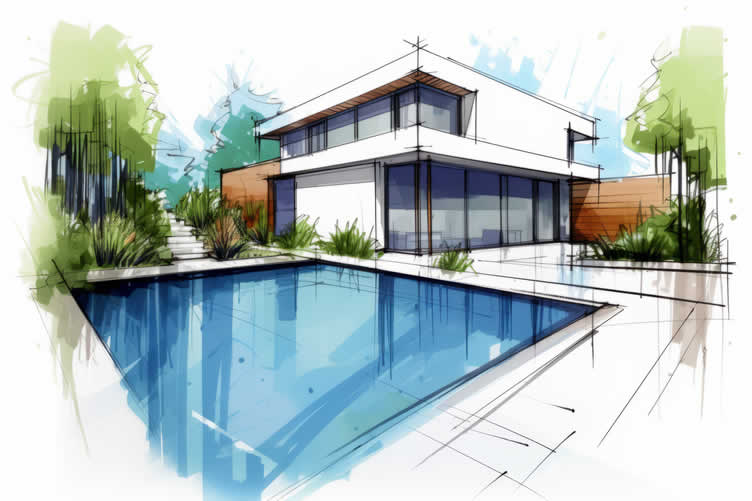
copyright image by 123rf.com
[ view diagram: backyard swimming pool dimensions ]
[ youtube: choose right size pool for yard ]
-
-
5th: Selecting Pool Material
After settling on the dimensions and the desired shape for your backyard swimming pool, the next step is selecting the appropriate material. The material not only dictates the aesthetics of your pool but also its longevity, maintenance needs, and budget implications.
-
Concrete Pools
- Description: Customizable and durable, concrete pools allow for a variety of shapes and sizes. They are constructed with steel-reinforced concrete and can be finished with plaster, paint, or tiles.
- Pros: Highly customizable, concrete pools can fit any size, shape, or depth. They are known for their durability and can last for several decades if properly maintained.
- Cons: Concrete pools require more time for installation, usually several months. They are also on the higher end of the spectrum in terms of initial cost and ongoing maintenance. Rough surfaces can be abrasive to skin and swimsuits.
-
Fiberglass Pools
- Description: These pools are factory-molded into one giant piece and installed into the excavated hole, making the installation process much faster than that of concrete pools.
- Pros: Fiberglass pools have a smooth finish, are low maintenance, and more resistant to algae due to their non-porous surface. Installation can be completed in a matter of weeks.
- Cons: The shapes and sizes of fiberglass pools are limited to those available from manufacturers. They also require a more substantial initial investment compared to vinyl liner pools, though typically less than concrete pools.
-
Vinyl Liner Pools
- Description: Consisting of a custom-made sheet of vinyl between the water and the pool structure, vinyl liner pools have panels constructed of aluminum, galvanized steel, or polymer.
- Pros: Vinyl liner pools are the most cost-effective option for in-ground pools and offer a smooth surface. They come in a variety of shapes and sizes because the liner can be customized.
- Cons: The liners are susceptible to punctures and typically need to be replaced every 5 to 9 years, which adds to the lifetime cost. They also may have higher long-term costs due to these replacements.
Selecting the right material for your backyard pool depends on your budget, maintenance willingness, and aesthetic preference. Consult with your pool installation professional to determine the best choice for your specific situation.
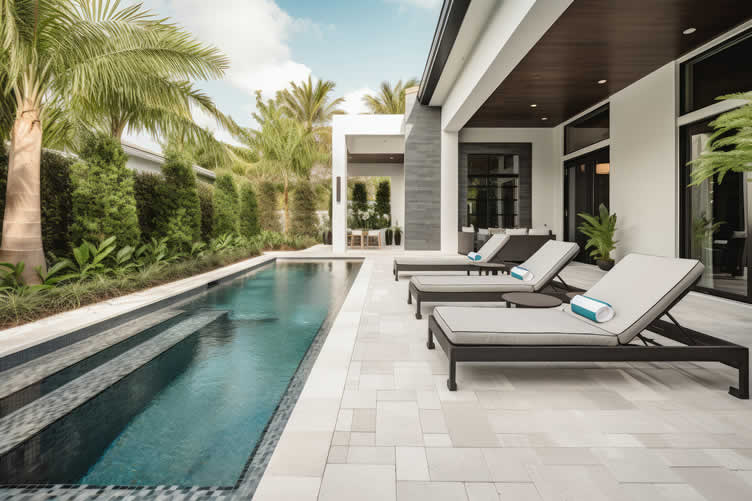
copyright image by 123rf.com
[ view diagram: in-ground swimming pool anatomy ]
[ youtube: vinyl vs concrete vs fiberglass ]
-
-
-
ideas to view and compare from the information discussed above
Scroll up to directory … or scroll to next section about adding an in-ground swimming pool …
yard n’ garden design and landscaping





swimming pool fun and amenities



May We Suggest Other Photo Remodeling Ideas About
“The Interior Home …” (new win)


third “photo remodeling” idea
copyright image by 123rf.com
Section 3: Selecting Amenities for Your Pool
Notes:
-
Adding amenities to your swimming pool can transform a simple backyard into a luxurious outdoor oasis. When selecting features, consider incorporating a designated hot tub for relaxation, a slide for entertainment, and water features like waterfalls or fountains for aesthetic appeal.
Other amenities to contemplate include swim-up bars for adult entertainment, integrated lighting for evening swims, and heating systems for extending the swimming season. Each addition serves not only to enhance the visual allure of your pool but also to increase its functionality and enjoyment.
However, it’s important to balance desires with budgetary constraints, as the more amenities you add, the higher the initial investment and maintenance costs will be. Reflect on what amenities will truly elevate your swimming experience and craft a space that meets both your aspirational and practical needs.
-
Quick scroll to “pool amenities” side notes …
-
-
1st: Adding a Hot Tub
Adding a hot tub to your swimming pool area is a fantastic way to enhance the functionality and luxury of your outdoor space. When considering the integration of a hot tub, it’s vital to focus on its location, design, and the systems that will support its operation.
Ideally, the hot tub should be situated in close proximity to the pool for aesthetic cohesion and ease of use, yet positioned in a way that offers privacy and tranquility.
Design-wise, you can opt for a hot tub that seamlessly blends with the pool’s appearance or choose a contrasting style for a standout feature. Furthermore, it is essential to equip the hot tub with efficient heating and filtration systems, ensuring it remains warm and clean.
For those looking to create a truly relaxing environment, incorporating features such as hydrotherapy jets, mood lighting, and ergonomic seating can significantly enhance the hot tub experience.
Remember, adding a hot tub to your swimming pool project requires careful planning and consideration of additional costs, including installation, maintenance, and increased energy consumption.
Consulting with a professional early in the planning process can help you understand the technical requirements and make informed decisions that align with your overall vision for your outdoor oasis.
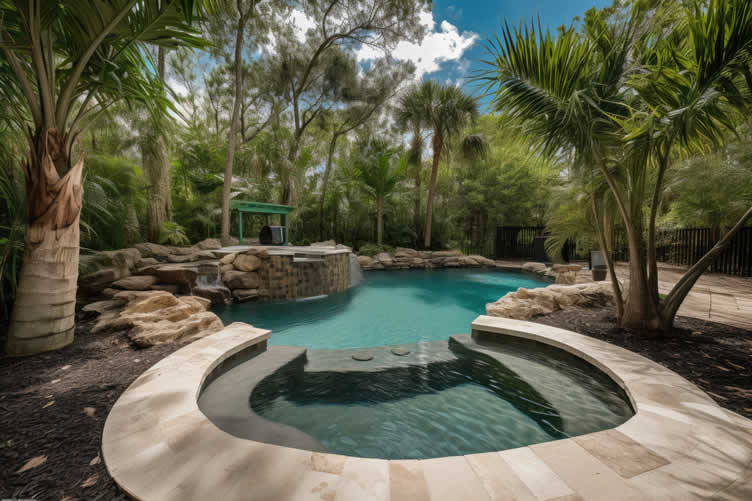
copyright image by 123rf.com
[ view images: pool with hot tub ]
[ pinterest: integrated hot tub ]
-
2nd: Slides and Diving Boards for Extra Fun
Incorporating a slide and a diving board into your swimming pool area can exponentially increase the fun and appeal of your outdoor space. These features introduce an adventurous twist to the pool, making it more enticing for users of all ages.
When adding a slide or a diving board, safety and matching the pool’s overall design aesthetic become primary considerations.
For slides, selecting a model that complements the pool’s design while ensuring it has a smooth, safe landing area is crucial. The slide should be positioned over a sufficiently deep part of the pool to prevent injuries, and the materials used for the slide need to be durable and resistant to weather elements. Including a water feature on the slide not only adds to the excitement but also aids in a sleeker ride down.
Diving boards require careful planning regarding placement and pool depth. A pool needs to be deep enough to safely accommodate divers, generally at least 8 feet deep, and comply with local safety standards and regulations. The style and color of the diving board can be chosen to match or contrast with the pool design, depending on your personal preference.
Both slides and diving boards introduce additional considerations, such as increased supervision for younger swimmers and additional insurance or liability coverage.
Consulting with a pool design professional can ensure that these features not only boost the enjoyment of your pool but also adhere to safety standards and integrate well with your pool’s overall design scheme.
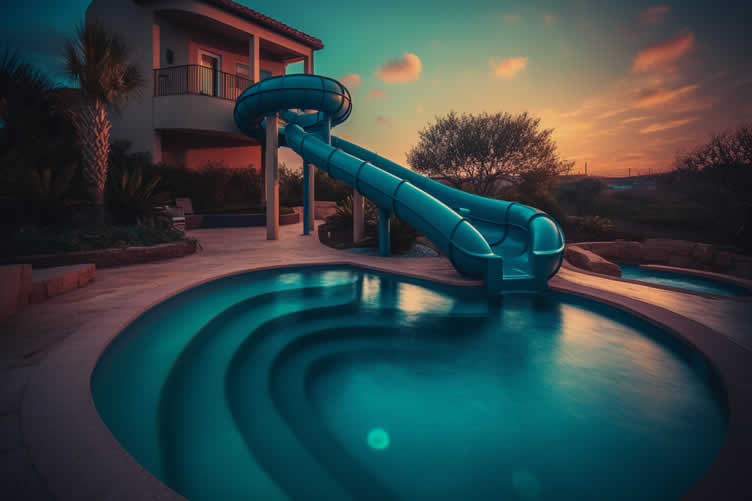
copyright image by 123rf.com
[ view images: pool with slides ]
[ pinterest: adding a pool slide ]
-
3rd: Water Features
Adding a waterfall or other water feature to your swimming pool area can transform a standard pool into a serene oasis or a vibrant, interactive space, depending on the design. Water features such as waterfalls, fountains, or jets add an element of tranquility and aesthetic appeal through the soothing sound and visual movement of water.
When planning to add such features, it’s important to consider the pool’s existing design and how the new feature will complement it. The size, flow rate, and materials of the water feature should be coordinated with the pool’s overall theme and capacity to ensure a harmonious integration.
The installation of a water feature will also necessitate a reassessment of the pool’s filtration and pump systems. Larger features might require additional pumps or an upgraded system to handle the increased water circulation needs.
Similarly, water quality can be impacted by the added feature, thus requiring more frequent testing and possible adjustments to the pool’s chemical treatments.
Engaging with a reputable contractor who specializes in pool features can help in assessing these needs accurately and achieving a successful addition to your outdoor space.
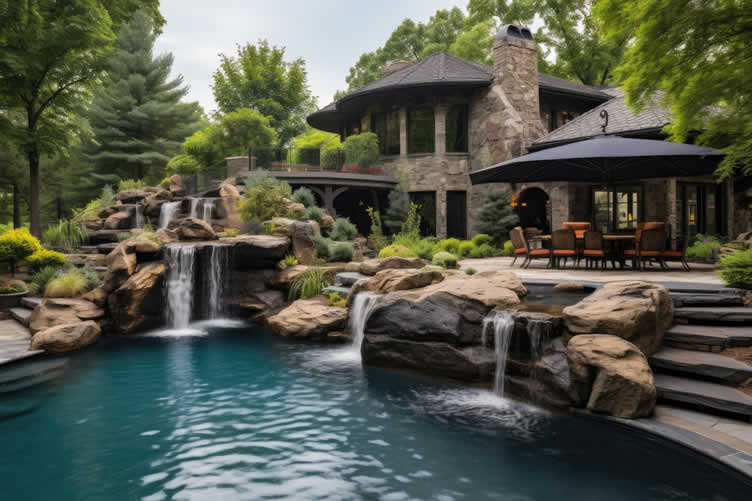
copyright image by 123rf.com
[ view images: pool with waterfall ideas ]
[ pinterest: building a pool waterfall ]
-
4th: Swim-Up Bar
Adding a swim-up bar to your swimming pool can elevate the entire swimming experience, turning your pool into a luxurious resort-like retreat perfect for entertaining. A swim-up bar combines functionality with leisure, allowing guests to enjoy their favorite beverages without ever leaving the water.
When considering the addition of a swim-up bar, several factors need attention. Firstly, the size and design of the bar should blend seamlessly with the existing pool layout. It will require enough seating for guests and an accessible area for the bartender or server.
Secondly, the construction will likely involve modifications to the pool’s structure, including waterproofing and the integration of a durable, water-resistant countertop material. Additionally, consider the practical aspects such as the availability of electrical outlets for blenders or refrigerators and storage for glasses and drink accessories.
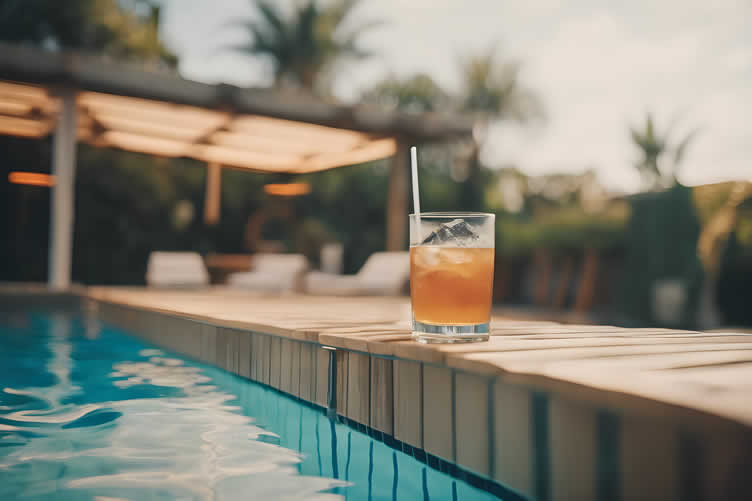
AI generated image by 123rf.com
[ view images: swim up bar ]
[ pinterest: swim up bar designs ]
-
5th: Deciding Additional Features
Certain features can transform your pool from a simple swimming area into an all-season oasis, offering comfort, convenience, and a touch of luxury.
Before making any decisions, evaluate your budget, the existing pool design, and how you primarily use your pool. This evaluation will guide you in choosing the right features that align with your needs and preferences.
-
Underwater Lighting
Underwater lighting can significantly enhance the ambiance of your swimming pool, making nighttime swims more enjoyable and safe. It can also highlight architectural features of the pool and create an enchanting atmosphere for evening gatherings.
LED lights are a popular choice due to their energy efficiency, longevity, and availability in various colors to set the desired mood.
[ view ideas: underwater lighting ]
-
Pool Heater
A pool heater extends the swimming season by maintaining a comfortable water temperature, even on cooler days. There are several types of heaters to consider, including solar, gas, and electric heat pumps. Each has its advantages and compatibility depending on your local climate, pool size, and usage patterns.
[ view diagram: solar pool heating ]
-
Automatic Pool Cover
An automatic pool cover is a convenient and safety-enhancing feature. With the push of a button, the cover can be rolled over the pool, preventing debris from entering, reducing water evaporation, and retaining heat. It also serves as a safety barrier to help prevent accidents, making it an excellent investment for families.
[ view ideas: automatic pool covers ]
-
Other Features
Beyond these, there are numerous other features to consider that can elevate the aesthetics and functionality of your pool. A tanning ledge, often a shallow, flat area within the pool, allows for lounging in the water.
For added convenience, incorporating smart pool technologies for remote monitoring and control of temperature, lighting, and pool covers can make pool maintenance simpler.
[ view ideas: tanning ledge ]
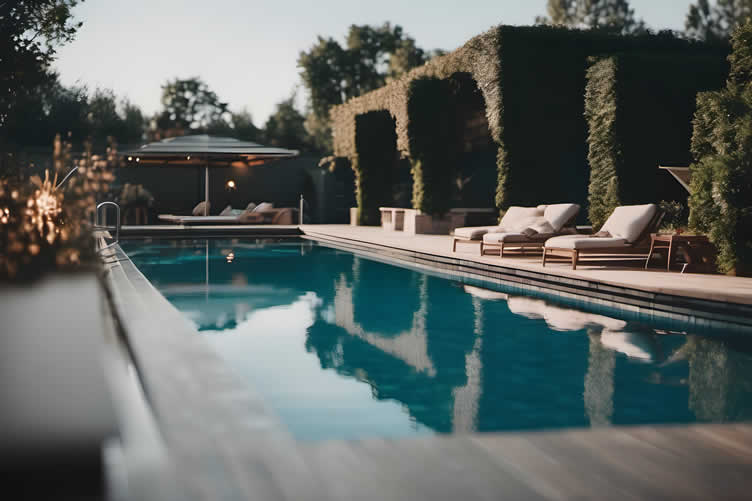
AI generated image by 123rf.com
-
-
-
ideas to view and compare from the information discussed above
Scroll up to directory … or scroll to next section about adding an in-ground swimming pool …
SHARE IT ..! You might have someone in your social network who could find this "adding an in-ground swimming pool" valuable. Feel free to share it on Facebook, Twitter, LinkedIn, or Pinterest!


everything backyard pool needs

fourth “photo remodeling” idea
copyright image by 123rf.com
Section 4: Safety Always Comes First
Notes:
-
Safety should be a paramount concern when designing and outfitting your swimming pool. Implementing rigorous safety procedures and features can significantly reduce the risks of accidents and ensure a secure environment for all swimmers.
It is advisable to include fencing around the pool area to prevent unsupervised access, especially for homes with young children and pets. Equipping your pool with slip-resistant surfaces can also minimize the chances of falls and injuries.
For emergency preparedness, consider having life-saving equipment, such as life rings or flotation devices, readily available around the pool area. Furthermore, installing pool alarms can provide an additional layer of protection by alerting you to unsupervised access or disturbances in the water.
Beyond physical safety features, it’s also essential to establish and communicate clear pool safety rules to all users, reinforcing the importance of cautious and responsible behavior around water.
-
Quick scroll to “pool safety” side notes …
-
-
1st: The Importance of Pool Fencing
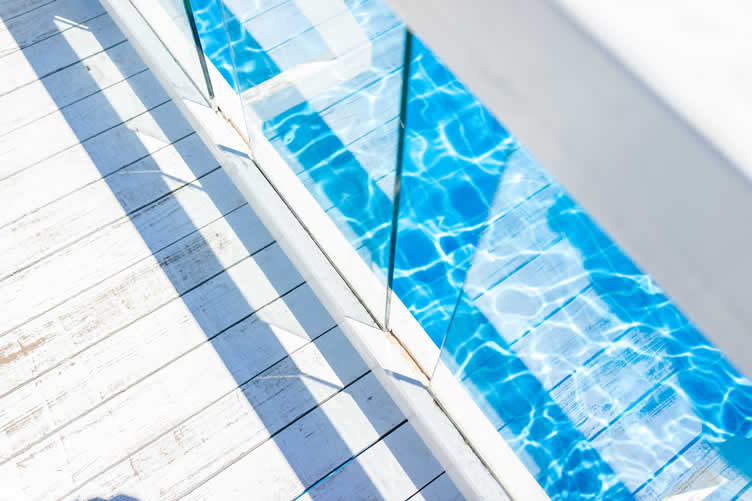
Installing fencing around your backyard swimming pool is not just an important safety measure; it’s also a legal requirement in many areas. Fences serve as a critical barrier to prevent accidental drownings—especially amongst children and pets who may wander into pool areas unsupervised.
Furthermore, they provide privacy and security, creating a safe and secluded environment for your swimming pool.
There are several types of pool fencing available, each offering distinct advantages in terms of safety, aesthetics, and durability.
-
Frameless Glass Fencing:
Frameless glass pool fencing is a popular choice for its sleek, modern look that does not obstruct views. It provides a clear barrier without compromising the aesthetic appeal of your outdoor space. This type of fencing requires sturdy, tempered glass panels and stainless-steel clamps for secure installation.
-
Aluminum Fencing:
Aluminum fencing is highly durable, low maintenance, and available in various styles and colors. It offers security and safety for the pool area while allowing for some visibility through the fence. Its resistance to rust and corrosion makes it an ideal choice for poolside installation.
-
Mesh Pool Fencing:
Removable mesh pool fences offer a flexible, cost-effective solution. These fences are easy to install and remove, providing a safe barrier for children and pets without the permanence of other fencing options. They come in various heights and can be customized to fit the specific dimensions of your pool area.
-
Fencing Requirements:
Pool fencing must adhere to local building codes and regulations to ensure optimal safety and compliance.
-
Height:
The minimum height for pool fences is typically 4 feet, but local regulations may require taller barriers. Ensuring your fence meets or exceeds these standards is crucial for compliance and safety. -
Gates:
Pool fence gates should be self-closing and self-latching, with latches placed high enough to be out of reach of young children. The direction of the gate’s swing should be away from the pool area to prevent accidental access. -
Spacing:
The space between the bottom of the fence and the ground should be no more than 4 inches to prevent children or pets from squeezing underneath. Similarly, the gaps between vertical slats or panels should not allow passage of a 4-inch diameter sphere to ensure small children cannot slip through. -
Visibility:
While privacy is a consideration, it’s important that the pool area remains visible from the main house or designated supervision area to allow for monitoring of pool use and to quickly detect any potential safety issues.
-
By carefully considering the type of fencing and adhering to local requirements and guidelines, homeowners can ensure their pool area is both safe and compliant, creating a secure environment for enjoyment and peace of mind.
copyright image by 123rf.com
[ view images: pool fence ideas ]
[amazon: swimming pool fence ]
-
-
2nd: Pool Alarms: An Essential Layer of Protection
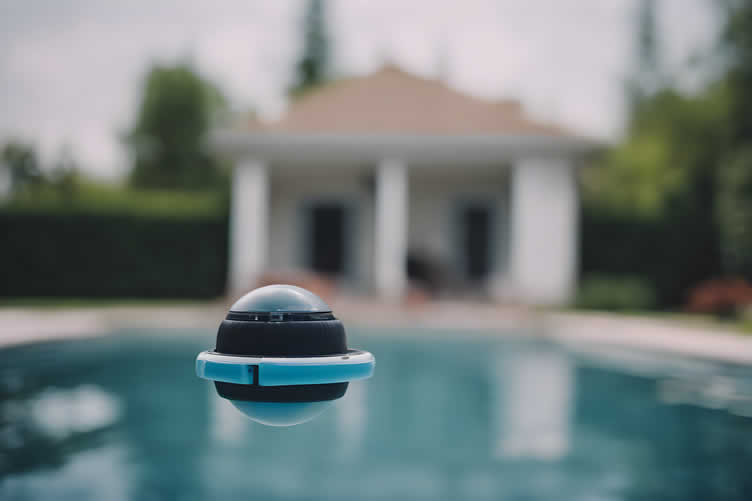
In addition to physical barriers like fencing, integrating pool alarms adds an essential layer of protection for backyard swimming pools. These devices play a crucial part in preventing unsupervised access to the pool area, especially for homes with young children or pets.
Pool alarms are designed to alert homeowners immediately when unexpected entry into the water occurs, offering peace of mind and enhancing safety measures. They come in various types, each with its own mechanism for detecting entry into the pool area or water.
-
Surface Wave Detection Alarms:
These alarms float on the water’s surface and monitor wave activity. When something enters the pool, causing waves, the alarm detects this disturbance and triggers an alert. They are sensitive to wave sizes and can be adjusted to minimize false alarms from wind or small objects falling into the pool.
-
Subsurface Disturbance Alarms:
Installed below the water’s surface, these alarms use pressure sensors to detect changes in water pressure that occur when an object or person enters the pool. This type offers a higher level of accuracy and is less likely to be triggered by wind or rain.
-
Wristband Alarms:
Designed for children, wristband alarms activate when submerged in water. The child wears a waterproof wristband that communicates with a base station. If the wristband is immersed in water, it sends a signal to the base station, sounding an alarm.
-
Gate and Door Alarms:
These alarms are mounted on the fence gate or the door leading to the pool area. They sound when the gate or door is opened, alerting homeowners to potential unsupervised access. Some models require a code to deactivate, adding an extra layer of security.
By utilizing pool alarms, homeowners can significantly reduce the risk of pool-related accidents. When combined with adequate fencing and supervision, pool alarms provide a comprehensive safety solution that safeguards both loved ones and peace of mind.
AI generated image by 123rf.com
[ amazon: pool gate alarm ]
[amazon: pool alarms ]
-
-
3rd: Handy Emergency Equipment
Ensuring the safety of your backyard swimming pool extends beyond the use of alarms and preventative measures. Equipping your pool area with handy emergency equipment is crucial for responding effectively in case of an accident.
Having the right tools can mean the difference between a swift, controlled response and a situation that escalates into something more serious. Below, we discuss essential types of emergency equipment every pool owner should consider.
-
Life Rings and Throw Ropes
Also known as lifebuoys, these flotation devices are designed to be thrown to a person in the water, providing them with something to grab onto. Life rings should be made of durable, buoyant material and be easily accessible around the pool area.
Paired with life rings, throw ropes are used to pull someone in trouble towards safety. A throw rope should be long enough to cover the width of your pool and stored in a way that it can be quickly deployed without tangling.
-
First Aid Kit
A well-stocked first aid kit is essential for addressing minor injuries and stabilizing more serious conditions until professional help arrives.
Include waterproof band-aids, antiseptics, sterile dressings, scissors, and a CPR mask. Tailor your kit to the specific needs of your household and guests, considering allergies and medical conditions.
-
Rescue Poles
Sometimes referred to as life hooks or shepherd’s crooks, rescue poles are long, rigid poles with a hook at the end designed to reach and pull a swimmer to safety. They should be sturdy enough to support the weight of a person and long enough to reach the center of the pool from the side.
By integrating these types of emergency equipment into your pool safety plan, you can prepare yourself and your loved ones for a variety of potential scenarios, ensuring everyone’s safety and enjoyment.
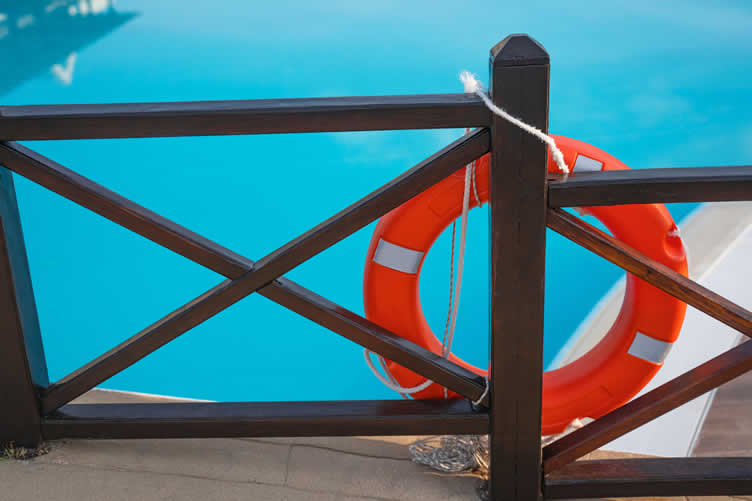
copyright image by 123rf.com
[ amazon: pool life rings ]
[amazon: pool first aid kit ]
-
-
4th: Clearly Defined Safety Rules
Establishing and visibly posting a set of safety rules is a critical step in preventing accidents and ensuring that everyone enjoys the pool safely. Clear guidelines can help swimmers of all ages understand what behaviors are expected of them and what actions are off-limits, minimizing the risks associated with water activities.
-
Supervision
Never leave children unattended in or near the pool, even for a moment. Designate a responsible adult as the designated watcher, especially during social gatherings where it’s easy to become distracted.
-
No Diving
Clearly mark areas where it is safe to dive and where it is not. If your pool is not deep enough for diving, make sure to post "No Diving" signs to prevent head and neck injuries.
-
Swimming Skills
Ensure that all pool users, especially children, have basic swimming skills or are wearing appropriate flotation devices. Consider requiring non-swimmers to be within arm’s reach of an adult at all times.
-
Walking, Not Running
Wet surfaces around pools are notoriously slippery. Enforce a strict ‘no running’ policy to avoid slips and falls that can lead to serious injuries.
-
Emergency Plan
Make sure everyone using the pool is familiar with the emergency action plan, including how to use life-saving equipment and how to contact emergency services.
By implementing and enforcing these safety rules, pool owners can create a fun and secure environment for everyone to enjoy the water with peace of mind.
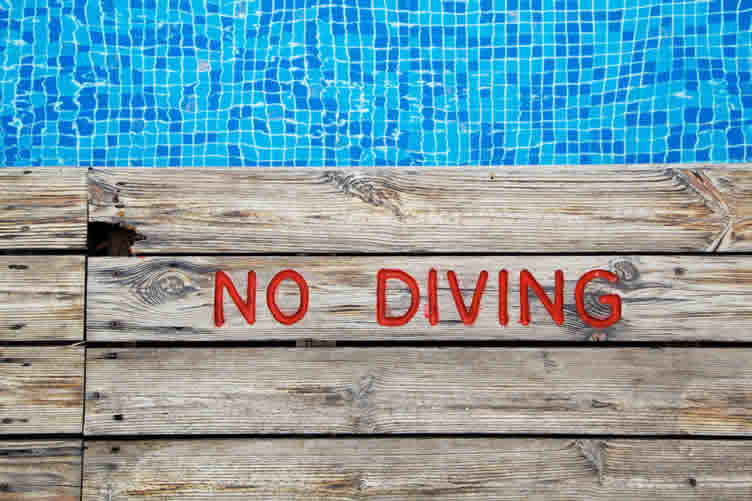
copyright image by 123rf.com
[ view images: safety rules illustrations ]
[amazon: pool safety rules signage ]
-
-
5th: Safety Slip-Free Surfaces and Handrails
Ensuring the area around your pool is outfitted with slip-free surfaces and sturdy handrails is critical for preventing accidents.
Slip-free surfaces reduce the risk of falls, while handrails provide stability and support for entering or exiting the pool, especially for young swimmers, elderly guests, or individuals with mobility challenges.
When selecting materials, it’s essential to choose options that are designed to withstand constant exposure to water and fluctuating weather conditions without becoming slick. Some of the best slip-free surfaces include;
-
Textured Concrete:
This is a popular choice for pool decking because it offers excellent traction underfoot, whether wet or dry. Textured concrete can also be customized in various colors to complement your outdoor aesthetic.
-
Pavers:
Pavers come in a variety of materials including stone, brick, and concrete, each with a textured surface optimal for wet conditions. They also have the added benefit of being replaceable individually should they become damaged.
-
Ceramic and Porcelain Tiles:
While traditional tiles can be slippery when wet, those specifically designed for pool areas are treated to have a non-slip surface. They come in various designs, allowing for a customized look around your pool.
-
Composite Decking:
Made from a mixture of wood fibers and plastics, composite decking is designed to resist water and minimize slip risks. Its texture and composition provide safer footing around pool areas.
Incorporating these materials into your pool area, along with installing handrails at key points, can significantly enhance safety, ensuring that your backyard remains a joyous place for all your aquatic activities.
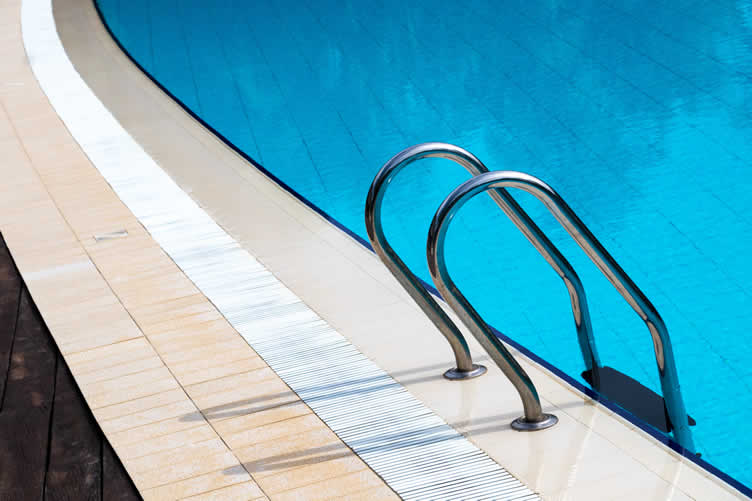
copyright image by 123rf.com
[ amazon: non slip pavers ]
[amazon: pool non slip mat ]
-
-
6th: Surveillance Cameras
Implementing surveillance cameras in the area surrounding your backyard swimming pool can significantly enhance safety and security, providing peace of mind for homeowners.
These cameras serve not only as a deterrent to unauthorized access or potential intruders but also as a crucial tool for monitoring children, elderly family members, or guests to prevent accidents.
With advances in technology, many surveillance cameras now offer live streaming, enabling you to keep an eye on the pool area from anywhere, at any time.
Optimal Camera Positions include:
-
Entrance and Exit Points:
Position cameras to cover all gates or entrances leading to the pool area. This ensures that anyone entering or leaving the pool area is recorded.
-
Overlooking the Pool Area:
Install a camera in a high, unobstructed location overlooking the entire pool. This angle provides a comprehensive view, making it easier to monitor activities and quickly spot any safety issues.
-
Secluded Sections:
If there are hidden or secluded sections in your pool area, like behind large plantings or structures, consider placing cameras there as well. These spots can be blind spots for supervision but are covered by surveillance.
-
Equipment and Storage Areas:
Cameras aimed at equipment and storage areas help in monitoring the safety and integrity of pool maintenance tools, toys, and chemicals.
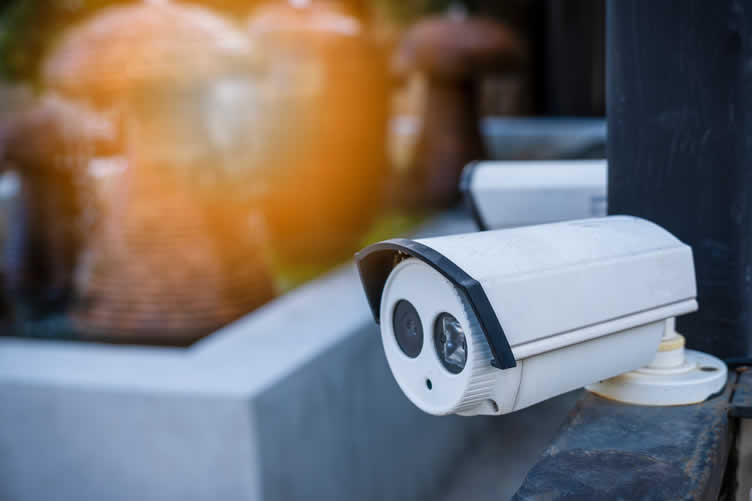
copyright image by 123rf.com
-
-
-
ideas to view and compare from the information discussed above
Scroll up to directory … or scroll to next section about adding an in-ground swimming pool …
below for …
pool installation services



fifth and last “photo remodeling” idea
copyright image by 123rf.com
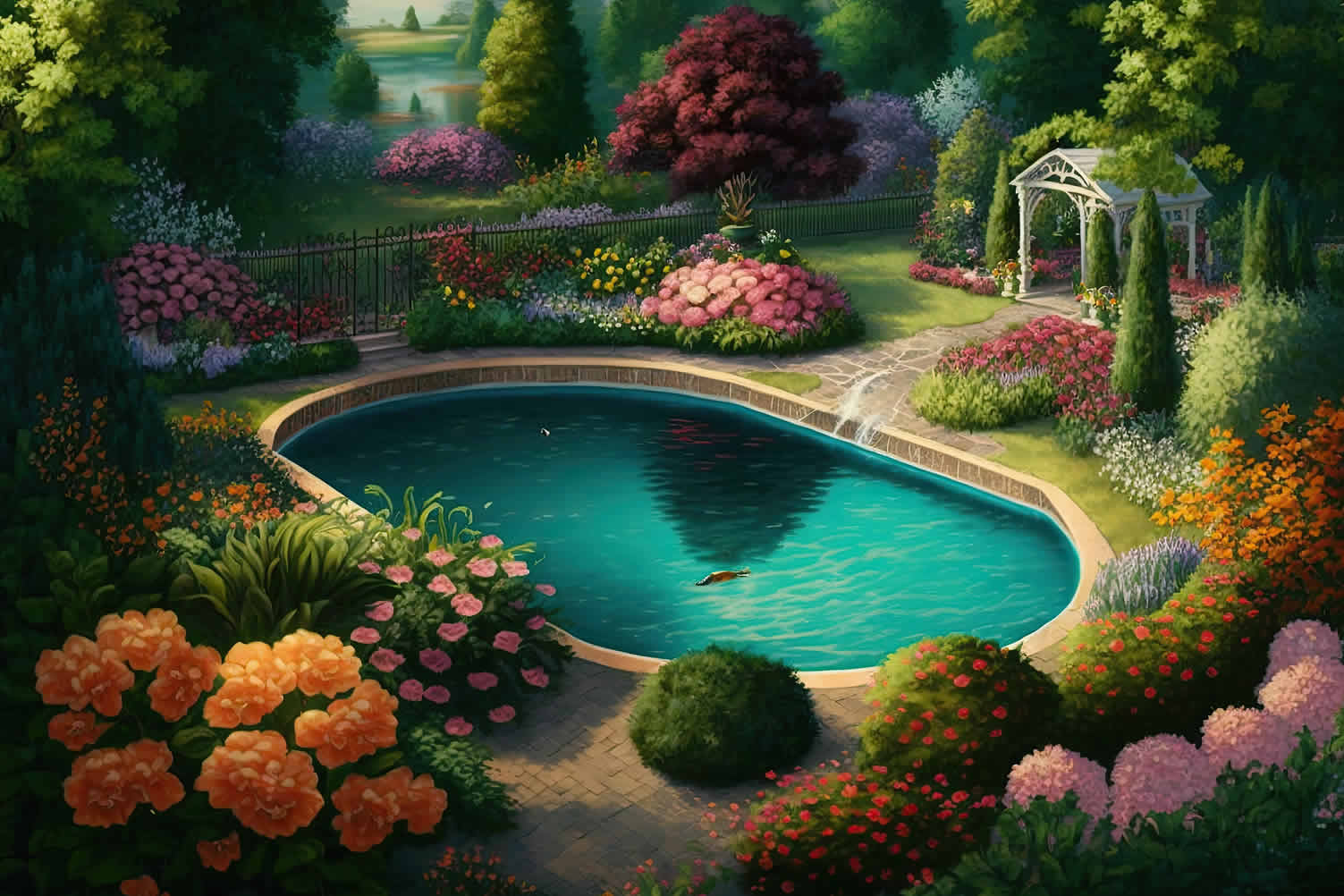
Section 5: Pool (Surround) Landscaping
Notes:
-
Safety should be a paramount concern when designing and outfitting your swimming pool. Implementing rigorous safety procedures and features can significantly reduce the risks of accidents and ensure a secure environment for all swimmers.
It is advisable to include fencing around the pool area to prevent unsupervised access, especially for homes with young children and pets. Equipping your pool with slip-resistant surfaces can also minimize the chances of falls and injuries.
For emergency preparedness, consider having life-saving equipment, such as life rings or flotation devices, readily available around the pool area. Furthermore, installing pool alarms can provide an additional layer of protection by alerting you to unsupervised access or disturbances in the water.
Beyond physical safety features, it’s also essential to establish and communicate clear pool safety rules to all users, reinforcing the importance of cautious and responsible behavior around water.
-
Quirk scroll to topic "pool landscaping" side notes …
-
-
1st: Creative Decking
A stunning deck is not just a transitional space around your pool; it is a vital component that defines the character and ambiance of your outdoor living area. Creative decking can transform a simple backyard pool into a luxurious resort-like retreat, providing both beauty and functionality.
Below are some innovative decking ideas to inspire your next poolside makeover.
-
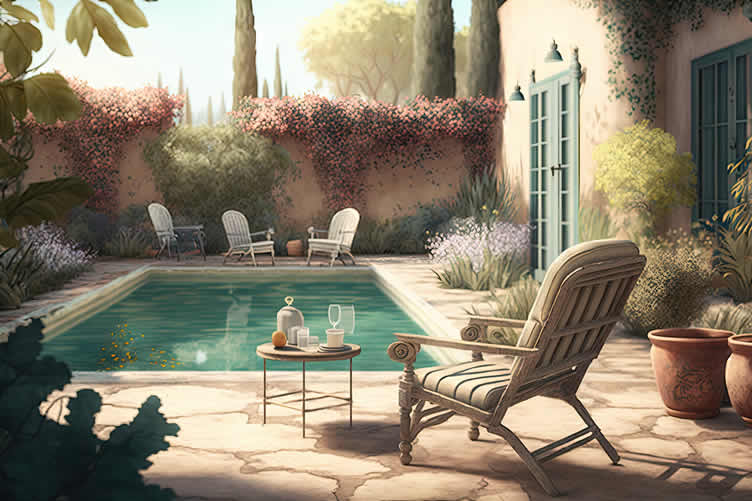
Natural Stone Decking
Natural stone offers a timeless appeal, making it a popular choice for pool decking. Its durability, slip resistance, and natural coolness underfoot, particularly with materials like travertine, make it ideal for pool surrounds.
Each piece’s unique color and texture ensure that no two decks are exactly alike, allowing for a truly personalized outdoor space.
[ view ideas: natural stone ]
-
Composite Decking
For those seeking a low-maintenance alternative to wood that does not compromise on aesthetics, composite decking is the answer. This eco-friendly option replicates the look of natural wood without the associated upkeep.
It resists fading, staining, and moisture, making it an excellent choice for pool environments. Composite decking is available in various colors and finishes, allowing for endless customization possibilities.
[ view ideas: composite decking ]
-
Pavers and Brick Decking
Pavers and bricks offer versatility in design through their array of shapes, sizes, and colors. They can be laid in distinctive patterns to create visually engaging spaces around your pool.
Beyond their aesthetic appeal, pavers and bricks provide a durable and slip-resistant surface, essential for poolside safety.
[ view ideas: pavers and brick decking ]
-
Elevated and Multi-Level Decking
Elevated and multi-level decking can add dimension and intrigue to your outdoor area. These designs allow for the segmentation of spaces, each serving a different purpose — be it lounging, dining, or sunbathing. Additionally, raised decks can offer breathtaking views and enhance the sense of privacy within your pool oasis.
[ view ideas: elevated and multi-level decking ]
-
Integrating Eco-Friendly Elements
Incorporating sustainable and eco-friendly materials into your decking design not only contributes to environmental preservation but also adds a unique charm to your poolside area. Reclaimed wood, bamboo, and recycled pavers are just a few options that can be used to craft a beautiful, eco-conscious deck.
[ view ideas: eco-friendly decking ]
copyright image by 123rf.com
[ youtube: swimming pool decking options ]
[ youtube: best wood for pool decks ]
-
-
2nd: Thematic Landscaping
Creating a thematic landscape around your backyard swimming pool can transport you and your guests to a completely different world. Whether you’re aiming for a tropical paradise, a Mediterranean retreat, or a Zen garden, integrating thematic elements into your pool’s surrounding landscape can significantly enhance its beauty and atmosphere.
This incorporation not only boosts the aesthetic value of your outdoor space but also contributes to a more immersive and relaxing poolside experience.
-
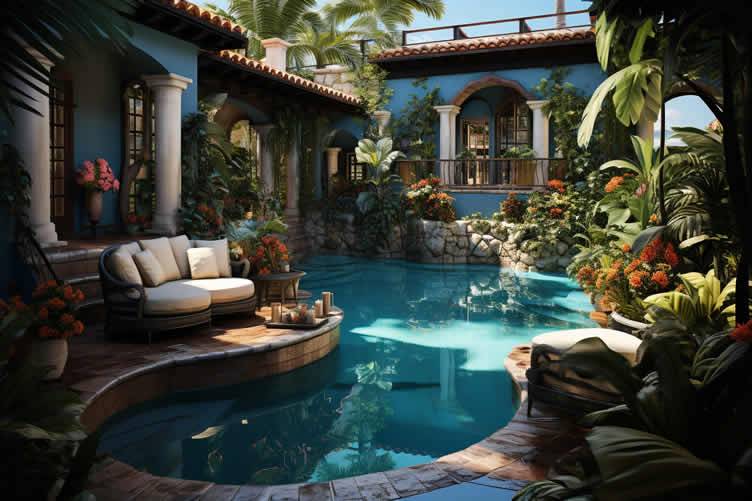
Tropical Paradise
Imagine stepping into your backyard and being greeted by the lush, vibrant surroundings of a tropical paradise. To achieve this, consider planting a variety of palm trees, ferns, and other exotic plants around your pool area.
Adding a water feature like a small waterfall or a rock stream can amplify the tropical feel, creating soothing background sounds that mimic a natural rainforest. For the finishing touch, strategically place tiki torches or hanging lanterns to light up the area with a warm, inviting glow during the evenings.
[ view ideas: tropical landscaping ]
-
Mediterranean Retreat
To evoke the charm of the Mediterranean, use terra cotta planters filled with lavender, rosemary, and olive trees around your pool. Incorporating stone pathways, archways, and a pergola can enhance the European ambiance, making you feel as though you’ve stepped into a countryside villa.
For seating, consider wrought iron or rustic wooden furniture, complemented by colorful ceramic tiles for a vibrant pop of pattern and color. This setup is perfect for those who love to entertain, providing a stunning backdrop for poolside dinners and gatherings.
[ view ideas: mediterranean landscaping ]
-
Zen Garden
For those seeking a serene and minimalist escape, transforming your pool area into a Zen garden might be the perfect fit. Use natural stone pavers and gravel to create a simplistic yet elegant landscape design.
Bamboo plants, bonsai trees, and ornamental grasses can add a touch of greenery, creating a tranquil environment. Incorporate a small koi pond or a Zen rock garden nearby to foster relaxation and mindfulness.
With the gentle sound of trickling water and the visually soothing green space, your poolside can become the ultimate Zen retreat.
[ view ideas: zen garden landscaping ]
-
Desert Escape
For a distinctive and low-maintenance option, consider designing your pool area with a desert escape theme. Utilize sand-colored decking or stone to replicate the warm tones of a desert landscape.
Plant drought-resistant vegetation like cacti, succulents, and desert palms to add life and color without requiring extensive watering. Outdoor fire pits or fireplaces can create a cozy gathering spot for chilly evenings, while geometric patterns and sun-bleached fabrics can bring in the desert vibe.
This setting not only offers a unique aesthetic but also embraces sustainability through water conservation efforts.
[ view ideas: desert landscaping ]
-
Oasis Theme
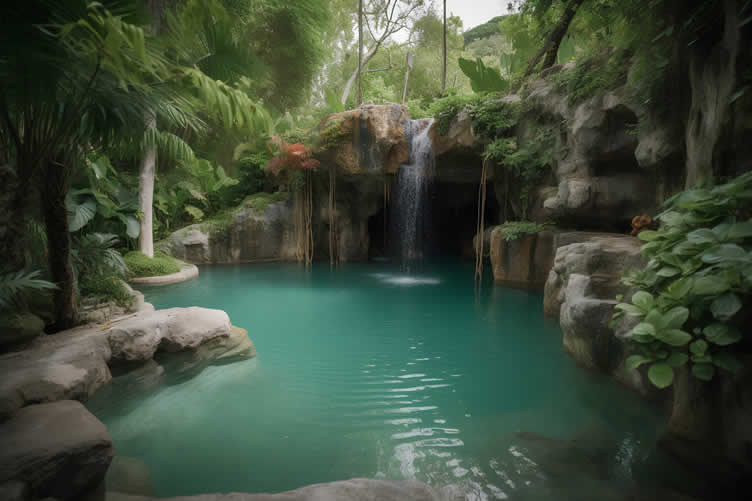
Creating an oasis-themed pool area can transform your backyard into a luxurious retreat evoking the essence of an exotic getaway. Focus on lush landscaping with palm trees, ferns, and flowering plants to create a dense, green paradise that surrounds the pool.
Use natural stone or mosaic tiles in shades of blue and green to line the pool for a refreshing, inviting look. Features like waterfalls or a hidden grotto can add an element of mystery and adventure.
Comfortable lounge areas, with plush seating and vibrant cushions, ensure relaxation under the sun or stars. By integrating elements of water, greenery, and comfort, your pool area can become the perfect personal oasis.
[ view ideas: garden oasis landscaping ]
copyright image by 123rf.com
[ youtube: swimming pool landscaping ]
[ youtube: best plants for around a pool ]
-
-
3rd: Functional and Aesthetic Pool Landscaping
Creating a beautiful pool landscape involves more than just aesthetics; it also encompasses incorporating functional features that enhance convenience and leisure around your backyard swimming pool. Thoughtful landscaping can combine both visual appeal and practicality, creating a space that is not only a feast for the eyes but also serves multiple purposes.
-
Walkways and Lighting
Design elegant and safe walkways around your pool area to ensure easy and safe movement, especially during the evening. Using slip-resistant materials can prevent accidents, and integrating soft, ambient lighting along these paths not only adds to the beauty of your outdoor space but also improves visibility at night.
[ view ideas: walkways landscaping ]
-
Outdoor Kitchen and Bar
An outdoor kitchen or bar near your pool area can elevate your backyard into an entertainer’s dream. Including a built-in grill, a fridge, and a bar counter where guests can enjoy a refreshing drink while taking a break from swimming can make poolside gatherings and barbecues both enjoyable and convenient.
[ view ideas: outdoor kitchen and bar landscaping ]
-
Shower and Changing Area
Integrating a discreet outdoor shower and a small changing room near your pool not only adds to the functionality but also encourages guests to rinse off before and after swimming, helping to keep your pool clean.
This feature can be designed to blend seamlessly with your overall landscaping theme, ensuring functionality without compromising on style.
[ view ideas: outdoor shower ideas ]
-
Cabana or Pool House
A cabana or pool house not only serves as a stylish addition to your pool area but also offers a multitude of functional benefits. It can provide a shaded retreat from the sun, a private space for guests to change, or even serve as an overnight guesthouse.
When outfitted with comfortable seating, a mini-fridge, and entertainment options like a sound system or a television, it becomes the perfect spot for relaxation and socialization by the poolside. Choosing designs that complement the overall aesthetic of your garden and pool can also significantly enhance the visual harmony of your outdoor space.
[ view ideas: cabana and pool house ideas ]
-
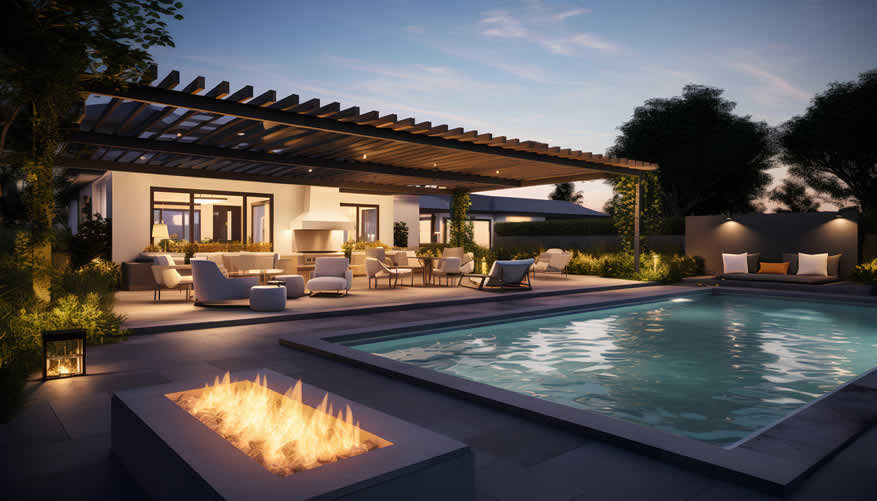
Shaded Seating Areas
Incorporating shaded seating areas around your pool, such as pergolas or cabanas, can offer a cool retreat from the sun. These areas can be outfitted with comfortable lounging furniture, making them the perfect spot for relaxation or keeping an eye on children while they swim.
[ view ideas: shaded seating ]
copyright image by 123rf.com
-
-
4th: Water Features for Enhanced Ambiance
Incorporating water features into your pool landscaping not only amplifies the visual appeal but also creates a serene atmosphere, often accompanied by the soothing sound of water. Different water features can cater to various themes and preferences, transforming your backyard into a tranquil oasis or a lively entertainment space.
-
Cascading Waterfalls
Waterfalls that cascade directly into the pool add a dynamic element of motion and sound, embodying a naturalistic aesthetic. The design can range from a single, wide sheet of water to a series of smaller, rock-lined falls to complement the landscaping theme.
Opting for adjustable flow can allow for the ambiance to be tailored to different occasions, from serene to vibrant.
[ view ideas: cascade waterfall ]
-
Fountain Features
Fountains serve as a focal point, adding a touch of elegance and artistry to the pool area. They can come in various forms, from simple, jetted arcs of water to ornate, sculptural pieces that serve as a centerpiece.
Fountains not only enhance visual interest but also aerate the pool, contributing to water cleanliness.
[ view ideas: pool fountain ]
-
Rain Curtains
Incorporating a rain curtain offers a contemporary and sleek design element, where a thin sheet of water falls from an overhead structure, such as a pergola roof, creating a curtain-like effect.
This feature not only adds to the ambiance but also provides a unique experience as guests can walk through or stand under the gentle rainfall.
[ view ideas: rain curtain ]
copyright image by 123rf.com
-
-
5th: Creative Lighting Features for Enchanting Evenings
A well-thought-out lighting scheme can transform your poolside landscape into a magical nighttime haven, extending the hours of enjoyment well after the sun has set. Creative lighting not only highlights the pool area’s best features but also enhances safety by illuminating paths and pool edges. By carefully selecting and placing lights, you can craft an ambiance ranging from softly lit tranquility to a vibrant, party-ready backdrop.
-
LED Pool Lights
LED lights are a versatile option for illuminating both the pool water and its surroundings. They can be installed underwater to create a glowing effect or around the pool to light up walkways and accentuate landscaping features.
With a spectrum of colors available, LED lights offer the flexibility to set the mood for any occasion, whether it’s a calm, blue hue for a relaxing evening or a rainbow of colors for a lively party.
[ view ideas: LED pool lighting ]
-
Pathway Lights
Pathway lights serve the dual purpose of enhancing the beauty of your garden while ensuring safety around the pool area. By strategically placing these lights along walkways and around the pool perimeter, you ensure guests can safely navigate the space. Solar-powered options provide an eco-friendly solution, charging during the day and glowing softly at night, guiding the way through your outdoor oasis.
[ view ideas: pool pathway lighting ]
-
Floating Lights
For a whimsical and enchanting touch, floating lights offer an easy and effective way to add charm to your pool. These lights come in a variety of shapes, sizes, and colors, and can either be static or change colors gently. Floating lights are not only visually captivating but also create fascinating reflections on the water’s surface, turning the pool into a dynamic art installation.
[ view ideas: floating lights ideas ]
-
Accent Lighting
Accent lighting focuses on highlighting the unique features of your pool and landscaping, such as statues, trees, or architectural elements. This type of lighting is about creating drama and drawing the eye to specific points of interest. Spotlights or in-ground uplighting can be used to dramatic effect, casting shadows, and revealing textures that might be missed during the daytime.
[ view ideas: accent lighting ]
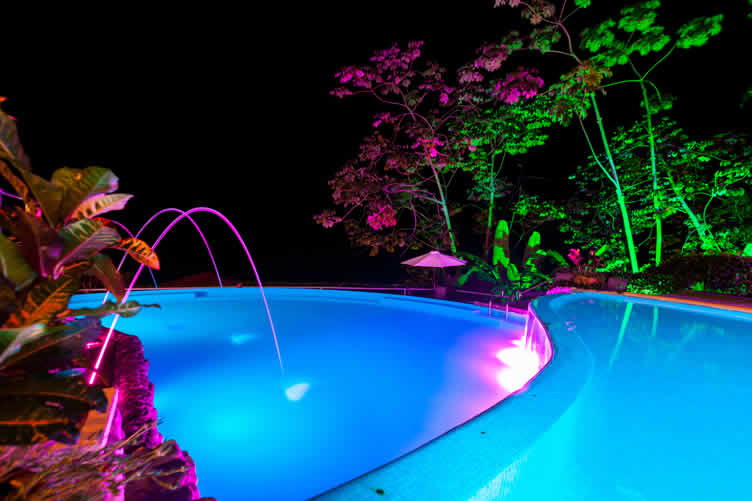
copyright image by 123rf.com
-
-
6th: Additional Landscaping Features
Beyond on what have been discussed, integrating various landscaping features can transform your swimming pool area into a more inviting and enjoyable space.
Incorporating native plants and shrubs not only adds a touch of greenery but also promotes biodiversity and creates a more natural-looking oasis. For a low-maintenance option, consider using drought-resistant plants that thrive in your local climate.
Adding a deck or patio area with comfortable seating allows for relaxation and entertainment spaces adjacent to the pool. Lastly, privacy fences or tall plants can provide seclusion, making your pool area a secluded retreat from the outside world.
Some other landscaping enhancements to think about
-
Creative Floral Containers
Bringing life and color to your poolside landscaping can be beautifully achieved through the use of creative floral containers. Opt for containers of various sizes and materials to add depth and texture to the area.
You can plant vibrant flowers that thrive in your local climate, or even low-maintenance succulents for a more modern look. Positioning these containers at different levels around your pool area not only enhances its visual appeal but also creates a more immersive natural environment.
[ view ideas: floral containers ]
-
Statuary
Adding statuary around your backyard pool can introduce an element of elegance and serenity to the space. Choose sculptures that reflect your personal style or that contribute to a specific theme, such as classical figures, modern abstract forms, or whimsical garden creatures.
Placement is key; consider positioning your statuary where it can be reflected in the pool’s surface or illuminated by your accent lighting for a dramatic effect.
[ view ideas: statuary ]
Hammock or Swing
Incorporating a hammock or swing near your pool area offers a cozy retreat for relaxation and adds a charming touch.
A hammock strung between two trees provides a perfect spot for lounging on sunny afternoons, while a standalone swing can serve as a serene reading nook or a quiet place to enjoy the evening breeze. Choose materials and colors that complement your outdoor decor to create a cohesive and inviting space.
[ view ideas: hammock or swing ]
-
Conversational Seating
Creating a conversational seating area around your pool invites social interaction and relaxation. Whether it’s a set of comfortable lounge chairs, a circular seating arrangement with a firepit at the center, or a cozy outdoor sofa set, the goal is to foster an atmosphere where guests and family members can gather and enjoy each other’s company.
Accent pillows and outdoor rugs can add comfort and style, making your poolside the ultimate destination for leisure and entertainment.
[ view ideas: conversational seating ]
-
Net Games
Adding games like volleyball or badminton by your pool area can instantly elevate the fun factor, making it a lively hub of activity. A portable net is easy to set up and can be stored away when not in use, ensuring your pool area remains versatile.
These games encourage friendly competition and physical activity, providing both children and adults with a delightful way to stay active and entertained.
To seamlessly integrate these activities, ensure there is ample space around the pool for movement and that the equipment materials are weather-resistant to withstand the outdoor elements.
[ view ideas: net games ]
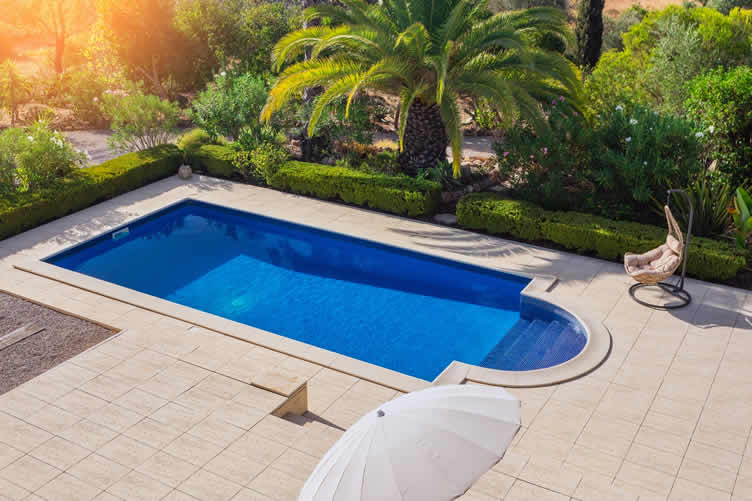
copyright image by 123rf.com
-
-
-
ideas to view and compare from the information discussed above

Scroll up to directory … or scroll to next section about adding an in-ground swimming pool …
below for …
pool landscaping and more


home remodeling – improvement – repair
comfortable pool-side seating

Find Pool n’ Ponds Services Swimming Pools Spas & Hot Tubs Water Features Fencing Landscape Design Outbuildings top-rated, pre-screened local contractors FREE: download contractor selection enter zip code – powered by HomeAdvisor ™
Quick Contractor Guides selecting negotiating working with inspecting

sixth “photo remodeling” idea
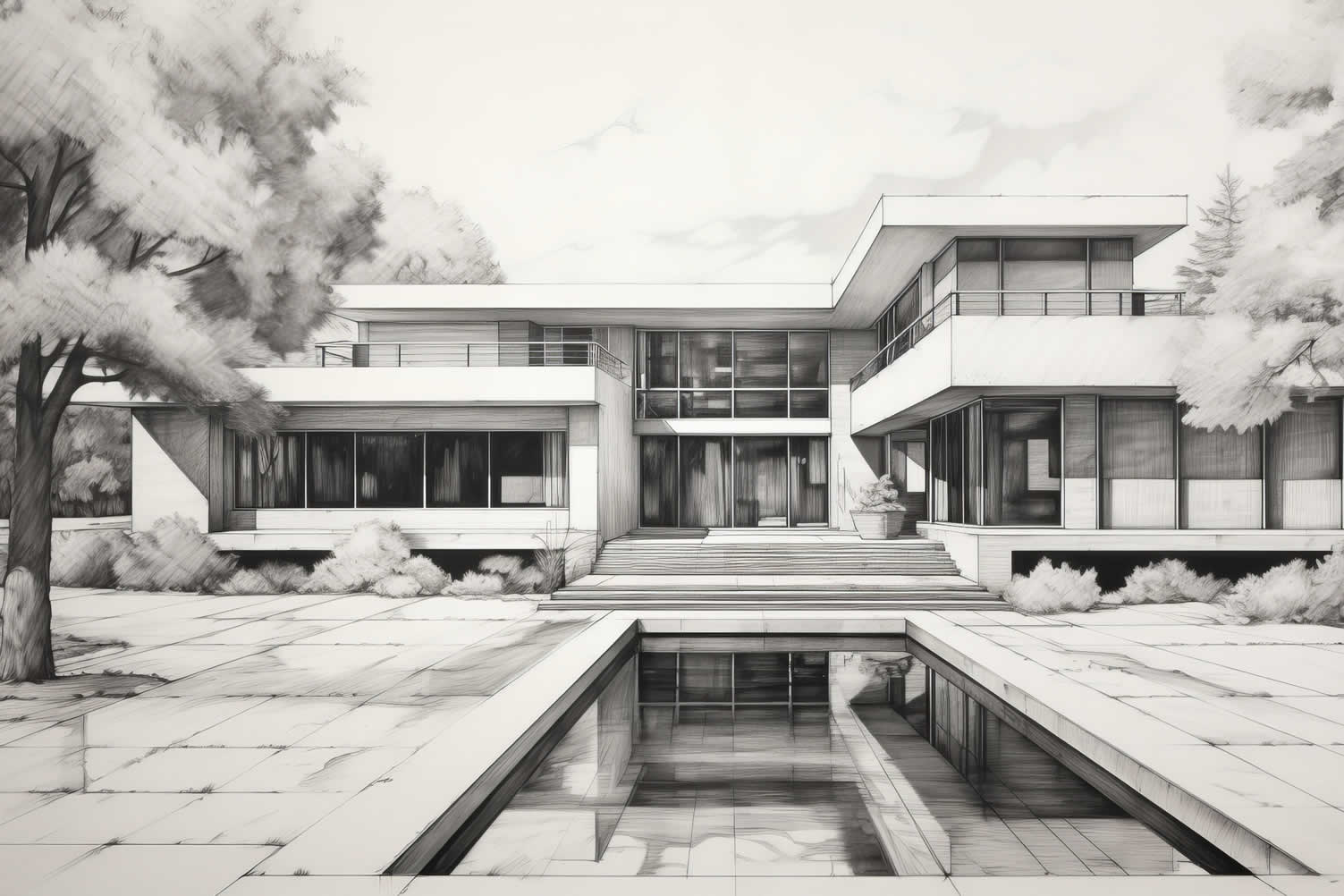
copyright image by 123rf.com
Section 6: Construction and Implementation
Notes:
-
Executing your swimming pool project involves comprehending the essential steps, crafting detailed specifications from your research and design, creating an architectural draft to materialize your vision, obtaining required permits and approvals, and selecting proficient contractors with expertise in pool construction.
It is also crucial to establish a realistic time-line for the project, considering factors like budget constraints and weather conditions. A detailed time-line will not only help you manage the project efficiently but also ensure that all safety inspections and compliance procedures are completed before using the pool.
Below is a detailed overview of what will be necessary for the construction phase.
-
Quirk scroll to topic "get started" side notes …
-
-
1st: Summary Step-by-Step Plan
Adding an in-ground swimming pool to your backyard is a significant decision that requires careful thought and planning. By following this ultimate guide, you’ll be well-equipped to create a stunning, safe, and enjoyable oasis for your family.
Remember that the process from start to finish may be long, but the joy and memories your pool will provide are endless. Enjoy this exciting project and the serenity of your personalized poolside retreat!
Given the comprehensive guide above, a detailed step-by-step plan for constructing a backyard swimming pool would involve the following phases. Make sure to reference the index information in this guide to address each of the step-by-step points listed below.:
- Planning and Design
- Research and Ideation:
Start by gathering ideas and requirements for your pool design, considering the shape, size, and overall aesthetic you desire. - Professional Consultation:
Hire a pool designer or contractor to refine your ideas into a feasible plan, ensuring it meets local regulations and codes. - Obtain Permits:
Secure all necessary construction permits from local authorities to proceed legally with your pool construction.
- Preparation of Site
- Site Clearing:
Remove any obstacles, vegetation, or debris from the pool area. - Excavation:
Excavate the designated area to the required depth and shape based on your pool design.
- Construction
- Foundation:
Lay down a sturdy foundation, typically made of reinforced steel or concrete, to support the pool structure. - Walls and Flooring:
Construct the walls and floor of the pool using materials such as concrete, fiberglass, or vinyl, depending on your selected pool type. - Plumbing and Electrical:
Install all necessary plumbing lines for water circulation and electrical wiring for lighting and pool equipment.
- Finishing Touches
- Interior Surface:
Apply the finishing surface inside the pool, such as tiles, plaster, or a liner, depending on the pool type and personal preference. - Water Features and Accessories:
Add any desired water features (like waterfalls or jets) and accessories (such as ladders and diving boards).
- Surrounding Area
- Deck Construction:
Build the deck or patio around the pool for lounging and activities. - Landscaping:
Landscape the surrounding area to enhance the pool’s aesthetics and integrate it seamlessly into your backyard.
- Final Inspection and Filling
- Safety and Functionality Checks:
Have a final inspection by a professional to ensure the pool meets safety standards and that all equipment is functioning correctly. - Filling the Pool:
Once approved, fill the pool with water, and begin the process of chemical balancing.
- Maintenance Setup
- Routine Maintenance Planning:
Establish a regular maintenance schedule for cleaning, chemical balancing, and equipment checks to ensure the longevity and safety of your pool.
By following these detailed steps, you can systematically approach the construction of your backyard swimming pool, ensuring a smooth process and a durable, enjoyable outcome.
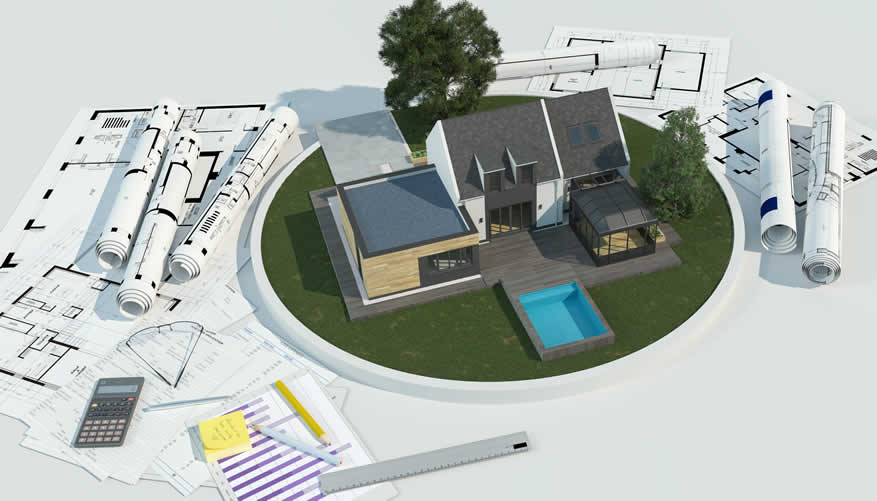
copyright image by 123rf.com
Step 1: Analyze the NumbersBefore you start any yard n’ garden landscaping – such as a swimming pool, patio kitchen, and other backyard landscaping, run some financial numbers to determine whether the landscaping is a smart investment.
The numbers include the estimated costs, home value assessment, financing costs, and other related calculations.
Review these cost-related issues to remodeling vs. buying a new home.
links to internal page (opens new win)
analyze the numbers estimate the cost of your project start assembling a budget get your home value Step 2: Collect IdeasThe 2nd step for planning your landscaping is deciding what you would like to do.
Will it be a –
- installing a swimming pool,
- building a play area with courts, playground, and other,
- redo your landscaping,
- build a deck or patio,
- install an outdoor kitchen and bar,
- start your own farm,
- or something else by referencing this extensive landscape planning and design guide.
You can find other yard n’ garden ideas by referencing our landscape analysis and topic directories (opens new win)
view landscaping "ideas" directory view latest "topics" for yard ‘n garden Step 3: Plan the Needed SpecsStep 3 is sketching your ideas on paper (or digitally) and developing the spec plan.
The spec plan determines what type of yard n’ garden equipment and design considerations that will be needed. It will also contain the product specifications for each landscape element.
You will use the spec plan and architectural design to bid the project out to a contractor.
links to internal page (opens new win)
developing the spec plan sketch remodeling plan design considerations Step 4: Find a ContractorStep 4 is finding and negotiating the contract with a landscape contractor.
Give your landscaping ideas and specs to a contractor for review and bid analysis. Use the local network (aligned with HomeAdvisor) to find the right contractor for your project.
Review guides for contractor selection and negotiation.
links to internal page (opens new win)
search yard n’ garden contractors selecting your contractor checklist contractor negotiations contractor evaluation form Step 5: Financing Your ProjectStep 5 is arranging financing once you selected the contractor and finalized the contract for your project.
Using the equity value in your home is one of the best financing option for landscaping. Start with a home equity line of credit or use the bank equity program.
Other options may include cash-out refinancing, personal savings, and/or financing from home improvement contractors.
links to internal page (opens new win)
financing options getting qualified for financing negotiate rates Step 6: Manage the ProjectStep 6 is where the project begins.
It starts with setting up the work area, removing everything that needs to be replaced, installing electrical and network connections, putting in the final touches, etc.
It also means working with the contractor, managing the project, and getting the landscape project inspected before releasing any funds.
links to internal page (opens new win)
working with the contractor managing remodeling project about a home project inspections find home inspector -
2nd: Preparing the Budget
Creating a comprehensive budget is a crucial step in the pool installation process, setting the foundation for a successful project. A well-prepared budget should account for all potential costs, from initial construction to long-term maintenance. Consider consulting with multiple contractors to get a range of quotes and ensure your budget covers not only the obvious expenses like labor and materials but also any unforeseen costs that may arise during construction.
-
Initial Construction Costs
The bulk of your budget will go towards the construction of the pool. This includes excavation, the pool shell (fiberglass, concrete, or vinyl), filtration system, and any initial landscaping to complement the pool. Depending on the complexity and size of the pool, these costs can vary widely, so obtaining detailed quotes from contractors is essential.
Approximate Costs for Initial Construction
The cost of building a backyard swimming pool can significantly vary depending on numerous factors such as size, materials, and any additional features. Here is a general breakdown of potential costs:
- Excavation:
Between $400 to $1,500, depending on the complexity of the terrain. - Pool Shell:
- Fiberglass pools range from $15,000 to $25,000.
- Concrete pools can cost between $20,000 to $45,000.
- Vinyl-lined pools are generally between $10,000 to $20,000.
- Filtration System:
Approximately $1,500 to $2,500, depending on the system’s complexity and efficiency. - Initial Landscaping:
Can vary widely, starting from $2,000 to $10,000+, based on aesthetic choices and the extent of landscaping desired.
These estimates provide a basic overview, but it’s important to get specific quotes from contractors who can assess the unique aspects of your project for the most accurate pricing.
- Excavation:
-
Permits and Legal Fees
Securing the necessary permits comes with its own set of fees, varying greatly by location and the scope of your project. It’s important to research local regulations thoroughly and budget for these costs upfront. In some cases, you may also need to budget for legal fees, especially if you encounter zoning issues or disputes.
Approximate Costs for Permits and Legal Fees
The cost for acquiring the necessary permits and potentially incurring legal fees can significantly vary by location and the specific requirements of your project. Here’s a rough guide to help you budget:
- Building Permit:
Depending on your local municipality and the extent of your project, costs can range from as low as $100 to upwards of $1,000 or more. - Zoning Permits:
If applicable, these can cost anywhere from $50 to several hundred dollars. - Legal Fees:
Should you need to consult with an attorney regarding zoning issues, property lines, or disputes, these fees can range from $150 to $500 per hour.
It’s crucial to consult with local authorities and possibly a legal advisor early in the planning process to get a clearer picture of the expected expenses in these areas.
- Building Permit:
-
Additional Features and Accessories
Consider any additional features you wish to include, such as lighting, heaters, pool covers, or a decking area around the pool. These extras can significantly impact your overall budget but also enhance the pool experience. Getting quotes for these items in advance will help you gauge their cost-effectiveness.
Approximate Costs for Additional Features and Accessories
When planning your pool project, factoring in the cost for additional features and accessories is essential to ensure a comprehensive budget. Below is a list of common enhancements along with their estimated costs:
- Lighting:
Installing LED or fiber optic pool lights can range from $450 to $1,800, depending on the quality and number of lights. - Heaters:
A pool heater’s cost varies by type; electric and gas heaters typically range between $1,500 and $4,000, while solar heaters can cost between $1,000 and $5,000. - Pool Covers:
Basic covers can cost as little as $100, whereas automatic covers can range from $1,000 to $15,000, depending on the pool size and cover quality. - Decking Area:
The cost for decking varies widely based on materials and size; wooden decks start at about $15 per square foot, whereas pavers and concrete can range from $5 to $40 per square foot.
- Lighting:
-
Ongoing Maintenance Costs
Ongoing maintenance is a crucial aspect of pool ownership that should be accounted for in your budget. This includes regular cleaning, chemical treatments, and any necessary repairs. Additionally, increased utility costs for water and power use should be considered. Setting aside a portion of your budget for these ongoing costs will ensure your pool remains in good condition for years to come.
Ongoing Maintenance
Ongoing maintenance is crucial to ensure your pool remains in pristine condition and is enjoyable for years to come. Below are some average costs associated with regular pool maintenance:
- Chemicals:
Maintaining the right chemical balance in your pool is essential for clean and safe water. Typical chemical costs run between $50 and $100 per month. - Cleaning:
Professional pool cleaning services can range from $80 to $150 per month, depending on the frequency and level of service required. - Repairs:
The cost for repairs varies widely based on what needs fixing. Minor repairs, like patching a leak, might start at $100, while more significant issues, such as replacing a pump, could cost upwards of $200 to $800. - Energy:
Running pool pumps and heaters contributes to your energy bill. On average, pool owners can expect to spend $50 to $300 per month on additional energy costs, depending on their pool’s size and usage. - Water:
Depending on your location and the size of your pool, filling your pool and maintaining water levels can add an additional $20 to $100 to your monthly water bill, especially during the warmer months.
These costs are estimates and can vary based on local rates, pool size, and how frequently the pool is used.
- Chemicals:
-
Home Insurance Increase
Another financial aspect to consider is the increase in home insurance premiums. Owning a pool can increase your liability risk, which may result in higher home insurance costs.
While the exact amount varies by location and insurance provider, homeowners can expect an average increase of $50 to $75 in their monthly insurance premiums. It’s essential to speak to your insurance provider to understand how adding a pool affects your coverage and to ensure you have adequate protection.

copyright image by 123rf.com
To effectively manage your budget and stay on track with your swimming pool project, it is beneficial to have a budgeting worksheet that works alongside your specification plan.
Below is a sample budget worksheet:
| Item
| Estimated Cost
| Actual Cost
| Difference
|| ——– | —————— | ————— | ————– |
| Materials | | | |
| Labor | | | |
| Permits and Inspections | | | |
| Contingency Fund | | | |
| Total
| | | |This worksheet will allow you to record the estimated cost of each component and then input the actual cost as you go along, therefore, making it easier to spot any discrepancies and adjust your plan accordingly.

Budgeting Worksheet
File Type:
[ view topic: about budgeting tips ]
[ youtube: guide to pool size, costs, and prices ]
-
-
3rd: Permits and Building Codes
Before breaking ground on your pool project, it’s essential to secure the necessary building permits and approvals from local authorities. This step verifies that your proposed pool meets all zoning regulations, safety standards, and community guidelines.
The process involves submitting detailed plans (with specifications), including the architectural draft, to the relevant municipal department for review. It may also require a survey of your property to ensure boundary and easement compliance.
Be prepared for this phase to take some time, as approvals can be subject to public hearings or require modifications to meet all regulatory requirements.
Likewise, if your property falls under a homeowners association (HOA), securing approval from the HOA board is another critical step. This often involves presenting your pool project plans for review to ensure they adhere to the community’s aesthetic standards and regulations, potentially avoiding any future disputes or required modifications.
Engaging a professional experienced in navigating local regulations can streamline this process, ensuring that all paperwork is accurately prepared and submitted, minimizing delays in starting your project.
-
Swimming Pool Building Codes
Swimming pool construction is governed by a comprehensive set of building codes designed to ensure safety, durability, and compliance with environmental standards. These codes encompass a wide range of regulations, from pool fencing requirements to electrical safety measures.
Familiarizing yourself with these codes is paramount to a successful pool project, as adherence is strictly monitored by local building departments. Failure to comply can result in costly modifications and legal complications.
It’s advisable to consult with professionals who are well-versed in these codes early in the planning process.
-
Key Building Codes
- Fencing and Barrier Requirements:
Most jurisdictions require pools to be enclosed by a fence or barrier of a certain height, typically 4 feet, with self-latching gates to prevent unauthorized access, particularly by children. - Electrical Safety:
Electrical installations must comply with the National Electrical Code (NEC), which includes specifications for wiring, grounding, and safety devices to prevent electrical accidents. - Sanitation and Water Quality:
Regulations stipulate the necessary filtration and chemical treatment systems to maintain clean and safe water conditions. - Setback Distances:
Pools must be built a certain distance away from property lines, septic tanks, and wells to prevent contamination and ensure structural integrity. - Drainage and Overflow Systems:
To prevent flooding and water damage, codes require adequate drainage systems around the pool area. - Emergency Access:
There must be unobstructed access for emergency services, outlined in local fire and rescue codes. - Noise Control:
Some areas have regulations to minimize noise from pools and associated equipment, such as pumps and filtration systems, to avoid disturbing neighbors.
Compliance with these building codes is not just a legal obligation but also a commitment to safety and community standards. Engaging with a knowledgeable contractor who understands the intricacies of these codes will significantly aid in navigating this complex landscape.
- Fencing and Barrier Requirements:

copyright image by 123rf.com
[ youtube: the pool permitting process ]
[ youtube: electrical code requirements ]
-
-
4th: Specification Planning
Before leaping into construction, creating a detailed plan for your swimming pool’s specifications is paramount. This plan acts as a blueprint, guiding every phase of the project and ensuring that the final outcome aligns with your expectations.
This includes detailed measurements, materials for construction, preferred water type (saltwater or chlorine), and any additional features like heating systems, pool covers, or landscaping around the pool.
It’s crucial to work closely with your pool designer or contractor during this phase to ensure all specifications
Some key specifications to consider:
-
Pool Size and Depth
- Size:
Decide on the pool’s length, width, and shape based on the available space and your intended use. For instance, lap pools require different dimensions compared to entertainment pools. - Depth:
Tailor the pool’s depth to its primary users and activities. A pool intended for family use might have a shallow end for children and a deeper section for adults.
- Size:
-
Materials and Construction
- Interior Finish:
Choose from plaster, tiles, or a pebble finish, considering durability, maintenance, and aesthetic appeal. - Decking and Coping:
Decide on the materials for the surrounding deck area and the coping that edges the pool. Options include concrete, stone, and composite materials, each offering different looks and maintenance needs.
- Interior Finish:
-
Plumbing and Filtration System
- Filtration:
Select a filtration system that effectively removes dirt and debris while maintaining water clarity. Consider systems like sand, cartridge, or diatomaceous earth filters based on their efficiency and maintenance requirements. - Pumps:
The heart of your pool’s plumbing system, a quality pump, ensures water is circulated through the filtration system, keeping it clean and safe for swimming. Opt for energy-efficient models to reduce operational costs. - Heating:
If you desire a heated pool, consider installing a solar, electric, or gas heater. Each has its benefits and operating costs, but a heater can significantly extend your pool use throughout the year. - Drains and Returns:
Strategically placed main drains and return jets will promote optimal water circulation, preventing stagnant areas and ensuring uniform water temperature and chemical distribution.
- Filtration:
-
Electrical System
- Lighting:
Incorporating lighting into your pool can enhance both its functionality and aesthetic appeal. LED lights are a popular choice due to their energy efficiency and longevity. Consider placement both inside the pool for nighttime swimming and around the deck area for safety and ambiance. - Automation:
Modern pools can benefit from automation systems that control lighting, heating, pumps, and filtration systems with the touch of a button or through a smartphone app. These systems can provide convenience and may also lead to energy savings by optimizing operation times. - Safety Features:
It’s crucial to include ground-fault circuit interrupter (GFCI) outlets around the pool area to reduce the risk of electrical shock. All electrical installations should be performed by a licensed electrician and adhere to local codes and standards for pool safety.
- Lighting:
-
Pool Landscaping
- Plants and Trees:
Incorporate a selection of plants and trees around your pool area to create a natural, relaxing oasis. Choose species that are known to be low-maintenance and resistant to chlorine or saltwater splash. Additionally, opt for non-deciduous plants to minimize leaf debris in the pool. - Decking and Paving:
The choice of materials for the pool deck and surrounding paving is crucial for both aesthetics and safety. Materials that are slip-resistant and cool to the touch, such as textured concrete, pavers, or natural stone, are recommended. Consider the overall design to ensure it complements the landscape and pool design. - Privacy and Fencing:
Creating a private retreat can be achieved through strategic landscaping and fencing. Dense hedges, privacy screens, or decorative fencing not only enhance seclusion but also add to the aesthetic appeal of the pool area. - Lighting:
Outdoor lighting plays a pivotal role in pool landscaping, illuminating pathways, highlighting plants, and creating a serene ambiance for evening swims. Choose energy-efficient LED lights for durability and long-term savings. - Furniture and Features:
Add functionality and comfort with outdoor furniture, such as loungers, umbrellas, and a dining area. Consider also incorporating water features like fountains or waterfalls for a soothing background sound and visual interest.
- Plants and Trees:

copyright image by 123rf.com
[ youtube: detail specifications outline ]
[ youtube: swimming pool layout and details ]
Swimming Pool Specifications
File Type:
5th: Architectural Draft
Once you’ve weighed the design specifications, the next step is to visualize your dream pool by obtaining a rough architectural draft. This preliminary design sketch should integrate not only the pool itself but also the surrounding landscape, ensuring a harmonious blend with your property.
Working with a professional architect or a landscape designer at this stage can provide valuable insights into maximizing both aesthetic appeal and functionality. They can suggest innovative features and design solutions that cater to your needs while adhering to budgetary constraints.
The architectural draft isn’t just a tool for visualization; it’s also essential for the logistical aspects of pool construction. Before any physical work begins, securing the necessary building permits and approvals is a must.
Local regulations often require detailed plans that match specific codes and standards, especially for projects that significantly alter the property’s landscape, such as installing a pool. The architectural draft you’ve developed will be submitted to local authorities for review. This process ensures your project complies with safety standards, zoning laws, and environmental considerations.
Additionally, this draft serves as a crucial tool for refining your vision and communicating your expectations clearly to contractors, ensuring that the final outcome aligns with your initial concept.
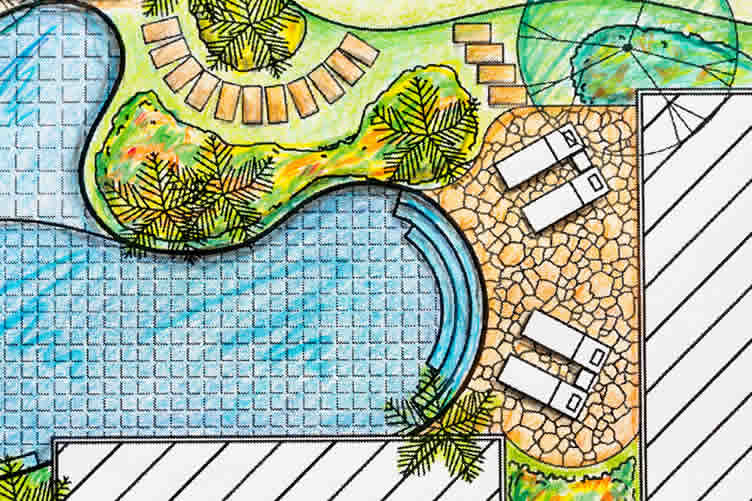
copyright image by 123rf.com
[ view topic: swimming pool architectural plans ]
[ youtube: designing pools with home design software ]
6th: Finding and Hiring a Swimming Pool Contractor
After securing the necessary permits, the next crucial step is selecting the right swimming pool contractor. This involves a meticulous process of researching and vetting potential builders who can turn your architectural plans and specifications into reality.
Please note that involving the chosen contractor at an early stage in the planning process can assist in defining specifications, architectural layout, and submitting the project for approval and permits. Nevertheless, having detailed thoughts and preliminary plans in place beforehand will facilitate turning your vision into reality.
Look for contractors with a strong portfolio of completed pools that resonate with your vision and quality expectations. It’s essential to check references and review their track record for timely completion, budget adherence, and post-construction service.
A reputable contractor will not only provide a detailed bid based on your specifications but also offer insights and suggestions to enhance your project. Consider scheduling in-person meetings to gauge their professionalism and communication skills, ensuring they are a good fit for your project’s needs.
LetsRenovate has partnered with HomeAdvisor™, a renowned provider of highly-rated, carefully-vetted local contractors. Start your search here by entering your zip code to find local professionals.

copyright image by 123rf.com
But Wait!
Before starting the search and evaluation process for pool contractors, it is highly recommended to download and utilize this comprehensive worksheet. It will provide the necessary tools to help select the right contractor for your pool project.

Evaluation Sheet
File Type:Landscaping Spec Plan
File Type:Thinking DIY
Venturing into a DIY swimming pool installation can be enticing for homeowners seeking to put a personal touch on their projects or to potentially save costs. Basic tasks such as landscape preparation, minor excavation, and installing simple above-ground pools are within the realm of skilled DIY enthusiasts.
These aspects allow homeowners to be actively involved in their pool installation process, offering a sense of accomplishment upon completion.
However, it’s crucial to recognize the limits of DIY efforts. Complex tasks such as in-ground pool installation, plumbing, electrical work, and ensuring proper filtration and water chemistry require specialized knowledge and skills.
These areas are critical to the safety and longevity of your swimming pool and must adhere to stringent building codes and standards.
Professional contractors bring invaluable expertise to these complex aspects. They ensure that the structural integrity of the pool is uncompromised, all systems are safely installed and compliant with local regulations, and the finished product aligns with the homeowner’s vision and quality expectations.
For these reasons, while certain preparatory or auxiliary tasks may be suitable for DIY, the core aspects of swimming pool installation are best entrusted to seasoned professionals.
-
Keeping the Project on Task
One DIY project you can manage is keeping the project on task. Regular communication with your contractor is key to staying informed about the project’s progress and any potential delays.
Establishing a clear schedule, including milestones and deadlines, helps in monitoring the construction phases closely.
It’s also advisable to prepare for unexpected challenges that may arise, such as weather delays or supply chain issues, by incorporating flexibility into your time-line
Setting up regular check-ins can provide assurance that the project remains on task and adjustments are made swiftly to keep the build moving forward efficiently.
[ youtube: how to build your own swimming pool ]
[ youtube: build a DIY in-ground pool kit ]
Scroll up to directory … or scroll to next section about adding an in-ground swimming pool …
ideas to view and compare from the information discussed above
book: building code illustratedplanning notebookpool building plans
-
-
view illustration “becoming a bank”



remodeling decisions




seventh and last “photo remodeling” idea
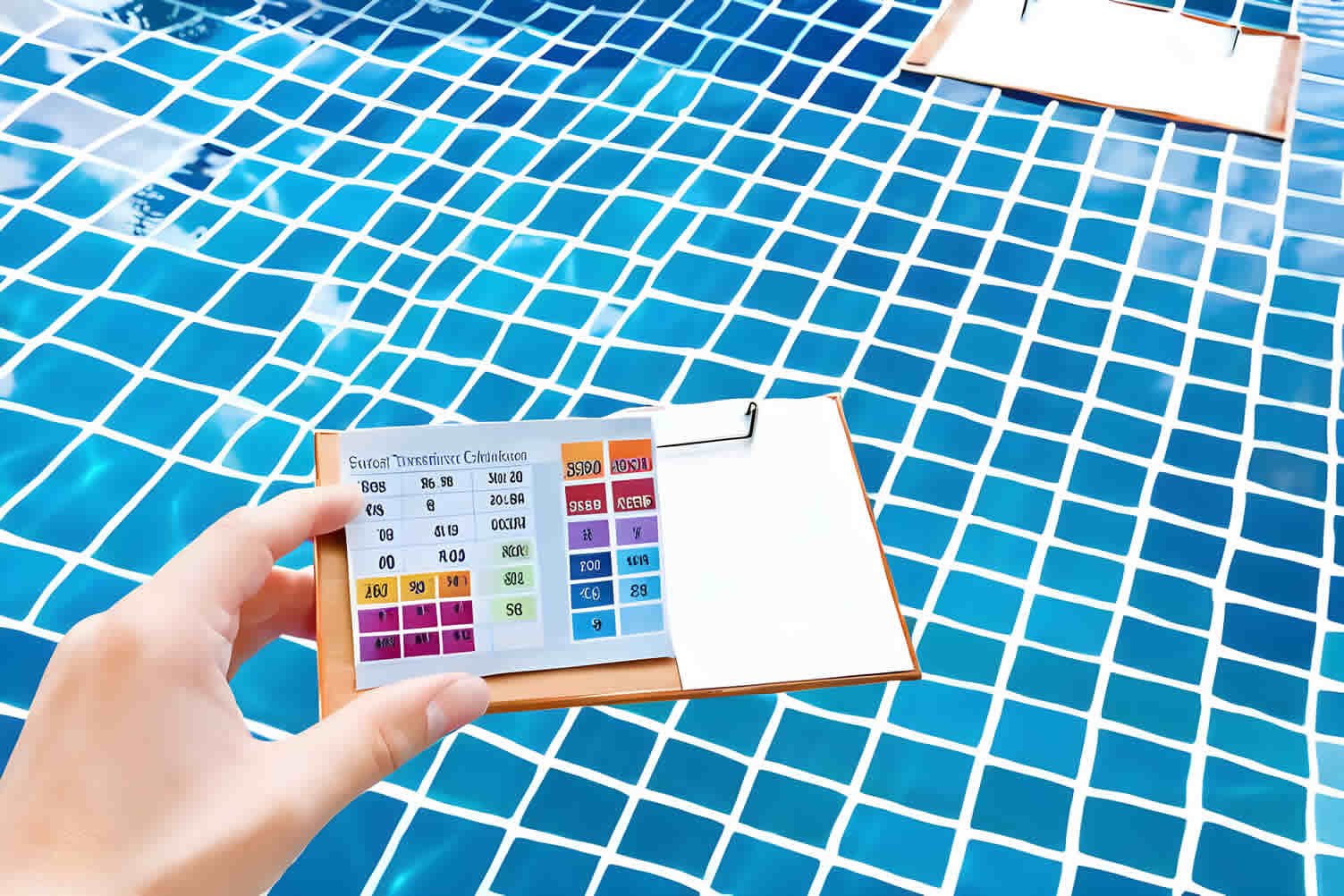

copyright image by 123rf.com
Section 7: Swimming Pool Maintenance
Notes:
-
Regular upkeep is crucial for preventing issues and preserving the beauty and functionality of your pool. It involves tasks like skimming the surface to remove debris, vacuuming to keep the water clean and clear, and scrubbing the pool and deck for a sparkling finish.
Additionally, it’s important to regularly check the equipment to ensure smooth operation and maintain safety standards. By staying on top of these maintenance tasks, you can enjoy a pristine pool environment all season long.
-
Quirk scroll to topic "pool maintenance" side notes …
-
-
1st: Starting and Running a Backyard Swimming Pool
Starting and running a backyard swimming pool is an enjoyable yet responsible task that involves understanding the basic components and operations to ensure a safe and pleasant swimming environment.
Let’s first look at the operation components of a pool:
-
Filtration System
The heart of a clean pool, the filtration system, removes impurities from the water. It consists of a pump that circulates the water and a filter that traps and removes debris and contaminants. Regular maintenance of the filtration system is essential for ensuring its efficiency and longevity.
-
Heating System
A pool heater allows you to extend your swimming season by adjusting the water’s temperature to a comfortable level. There are various types of heaters, including gas, electric, and solar, each with its maintenance requirements and operational costs.
-
Chemical Feeders
Chemical feeders gradually dispense chlorine or bromine into the pool, simplifying the process of maintaining a sanitized and well-balanced swimming environment. They reduce the need for manual chemical handling and help in maintaining consistent chemical levels.
-
Pool Cleaners
Automatic pool cleaners simplify the task of removing debris and dirt from your pool. Available in suction-side, pressure-side, and robotic types, they offer convenience and efficiency in keeping your pool clean with minimal effort.
Get It Going!
Getting your pool up and running involves several key steps, including initial setup, understanding water chemistry, and establishing a maintenance routine.
-
Initial Setup
- Filling the Pool:
Begin by filling your pool with water. Use a garden hose, and consider installing a water filter to minimize the introduction of impurities. - Installing Pool Equipment:
Set up your pool pump, filter, heater (if applicable), and any other equipment according to the manufacturer’s instructions. Ensure all equipment is properly connected and in good working order.
- Filling the Pool:
-
Understanding Water Chemistry
- Testing the Water:
Initially test the water for pH, total alkalinity, chlorine levels, and other relevant parameters using a reliable pool water test kit. - Balancing the Water:
Adjust the water’s chemical balance by adding necessary chemicals such as chlorine, pH increasers or decreasers, and alkalinity adjusters to achieve the recommended levels.
- Testing the Water:
-
Establishing Maintenance Routines
- Routine Cleaning:
Implement a regular cleaning schedule that includes skimming the surface, vacuuming the pool floor, and brushing the walls to remove debris and algae. - Filter Maintenance:
Regularly clean and maintain the filter according to the type of filter you have (sand, cartridge, or diatomaceous earth). This is crucial for maintaining clear, clean water.
- Routine Cleaning:
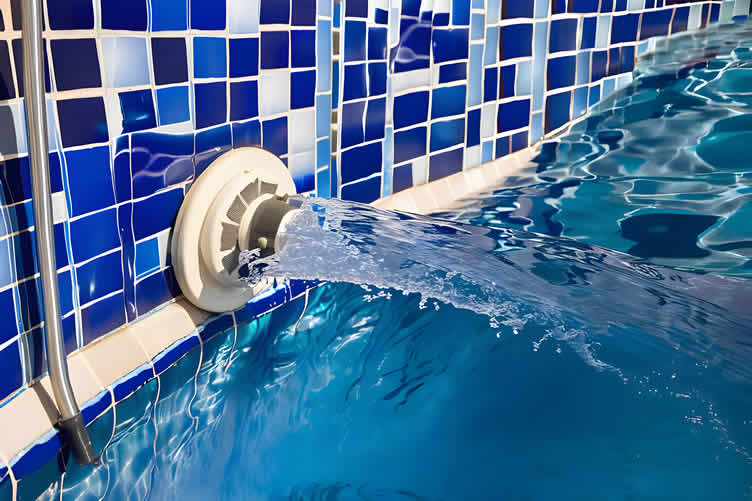
copyright image by 123rf.com
[ youtube: pool anatomy basics ]
[ youtube: how does swimming pool work? ]
[ youtube: brand new pool owner fast start guide ]
-
-
2nd: On-going Maintenance Tasks
Operating a backyard swimming pool involves a series of regular tasks to ensure that the pool remains a safe, clean, and enjoyable space for swimmers.
These operations are designed to maintain the chemical balance of the water, ensure the efficient functioning of the pool’s filtration system, and keep the pool’s surfaces clean and free from algae and debris.
For pool owners, getting acquainted with these basics is crucial for the smooth running of their backyard oasis.
-
Daily Tasks
- Inspecting the Pool Area:
Quickly scan the pool area daily for any potential hazards or debris. - Checking the Water Level:
Ensure the water level is maintained at the optimal level for proper circulation and filtering.
- Inspecting the Pool Area:
-
Weekly Tasks
- Testing Water Chemistry:
Use a pool testing kit to check the pH, chlorine, and alkalinity levels and adjust chemicals as necessary to maintain balance. - Cleaning the Pool:
Vacuum the pool, brush the walls and floor, and skim the surface to remove debris and prevent algae build-up. - Inspecting the Equipment:
Check the pool pump, heater, and filtration system for any signs of wear or malfunction.
- Testing Water Chemistry:
-
Monthly Tasks
- Deep Cleaning the Filters:
Depending on your pool’s filter type (sand, cartridge, or diatomaceous earth), perform a backwash or clean the filters thoroughly. - Professional Inspection:
Consider having a pool professional inspect your pool monthly during peak usage times to ensure everything is operating correctly and efficiently.
Understanding and performing these basic operating tasks are essential for keeping your pool in top condition throughout the swimming season. Regular maintenance not only extends the life of your pool but also ensures it remains a healthy and inviting place for family and friends.
- Deep Cleaning the Filters:
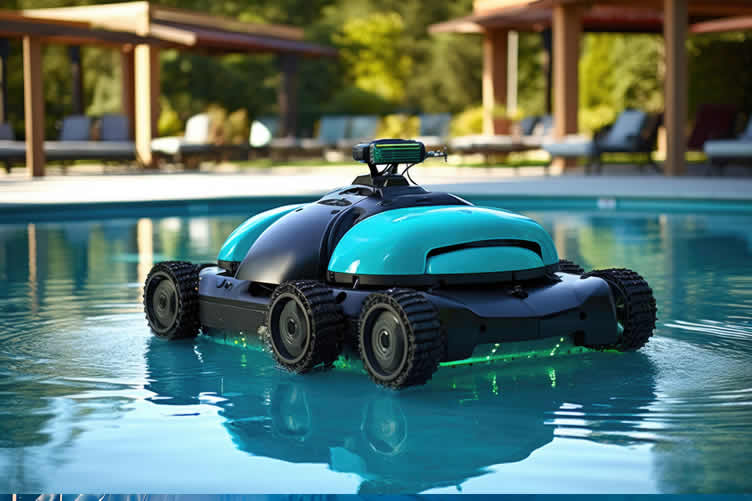
copyright image by 123rf.com
[ youtube: pool care for beginners ]
[ youtube: pool maintenance for beginners ]
-
-
3rd: Seasonal Tasks
Keeping a pool in prime condition also involves adhering to a seasonal maintenance schedule. These tasks, tailored to suit the changing seasons, ensure your pool remains in optimal condition year-round and is ready for peak usage times.
-
Spring Opening
- Uncover the Pool:
Carefully remove the pool cover, clean it, and store it properly. - Inspect and Repair:
Check for any damage to the pool’s structure, liner, or equipment and perform necessary repairs. - Refill the Pool:
If water levels were lowered for winter, refill the pool to its appropriate level. - Rebalance Water Chemistry:
Test and adjust the water’s chemistry to ensure it’s safe for swimming. - Restart Pool Equipment:
Reactivate the pump, filter, and heater, ensuring they operate smoothly.
- Uncover the Pool:
-
Summer Maintenance
- Increase Frequency of Maintenance Tasks:
Due to higher usage, daily and weekly maintenance tasks should be performed more frequently to keep the water clean and clear. - Monitor and Adjust Chemical Levels Regularly:
Summer heat can affect water chemistry; frequent testing and adjustments may be needed.
- Increase Frequency of Maintenance Tasks:
-
Fall Preparation
- Reduce Pool Usage:
Begin reducing the pool’s temperature and prepare for decreased use. - Begin Winterizing:
Start the process of winterizing by balancing the chemicals and reducing water levels if necessary.
- Reduce Pool Usage:
-
Winterizing
- Deep Clean:
Perform a thorough cleaning of the pool and its equipment. - Balance Water Chemistry:
Adjust the chemicals one last time before closing the pool for winter. - Cover the Pool:
Securely cover the pool to protect it from debris and weather conditions.
By following these seasonal maintenance tasks, pool owners can enjoy a clean, safe, and functioning swimming pool that is ready for enjoyment at any time of the year.
- Deep Clean:
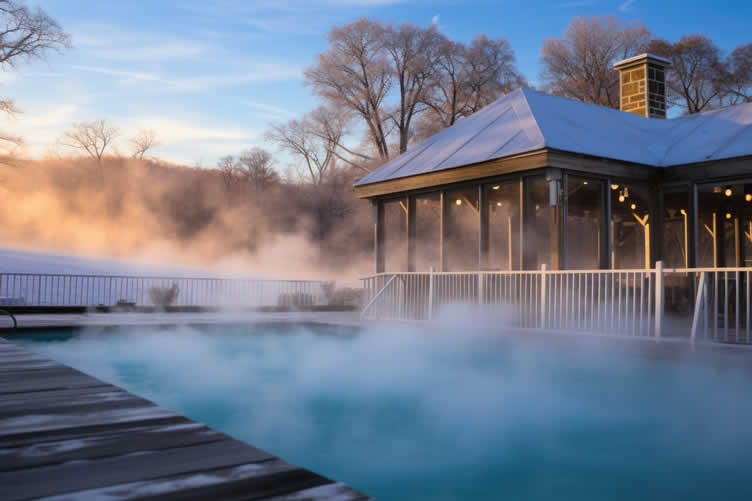
copyright image by 123rf.com
[ youtube: how close in-ground pool ]
[ youtube: off-season pool maintenance ]
-
-
-
FINAL REMARKS
Adding an in-ground swimming pool to your backyard is a significant decision that requires careful thought and planning. By following this ultimate guide, you’ll be well-equipped to create a stunning, safe, and enjoyable oasis for your family.
Remember that the process from start to finish may be long, but the joy and memories your pool will provide are endless. Enjoy this exciting project and the serenity of your personalized poolside retreat!
-
ideas to view and compare from the information discussed above
- What comments can you share about
adding an in-ground swimming pool?
Scroll up to directory … or scroll to more home remodeling-related topics …
maintaining or repairing your pool


view illustration “becoming a bank”
Cover image credit: adding an in-ground swimming pool by 123rf.com
end of post … please share it!
 |
did you find how this adding an in-ground swimming pool analysis helpful? If so, please share the article with your friends and family! |
Nice pic idea? Leave us a quick comment below.
And please share this pic idea within your social networks.
Amazon Affiliate Disclosure: LetsRenovate.com is a participant in the Amazon Services LLC Associates Program, an affiliate advertising program designed to provide a means for sites to earn advertising fees by advertising and linking to Amazon.com. The commission earnings are used to defray our cost of operation.
View our FTC Disclosure for other affiliate information.