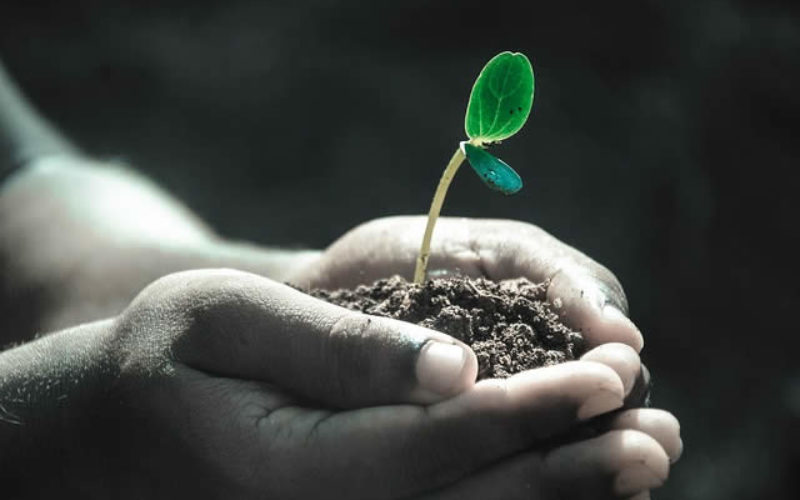
And yet, we don’t hear as much about the global soil crisis as we do about other potentially catastrophic environmental challenges like climate change.
The reality is that the planet as a whole is losing 10 times more soil than it replenishes each year, with that rate as high as 50 times in areas like China. Knowing how to protect it starts with getting to understand it. So, first things first…
What Even Is Soil?
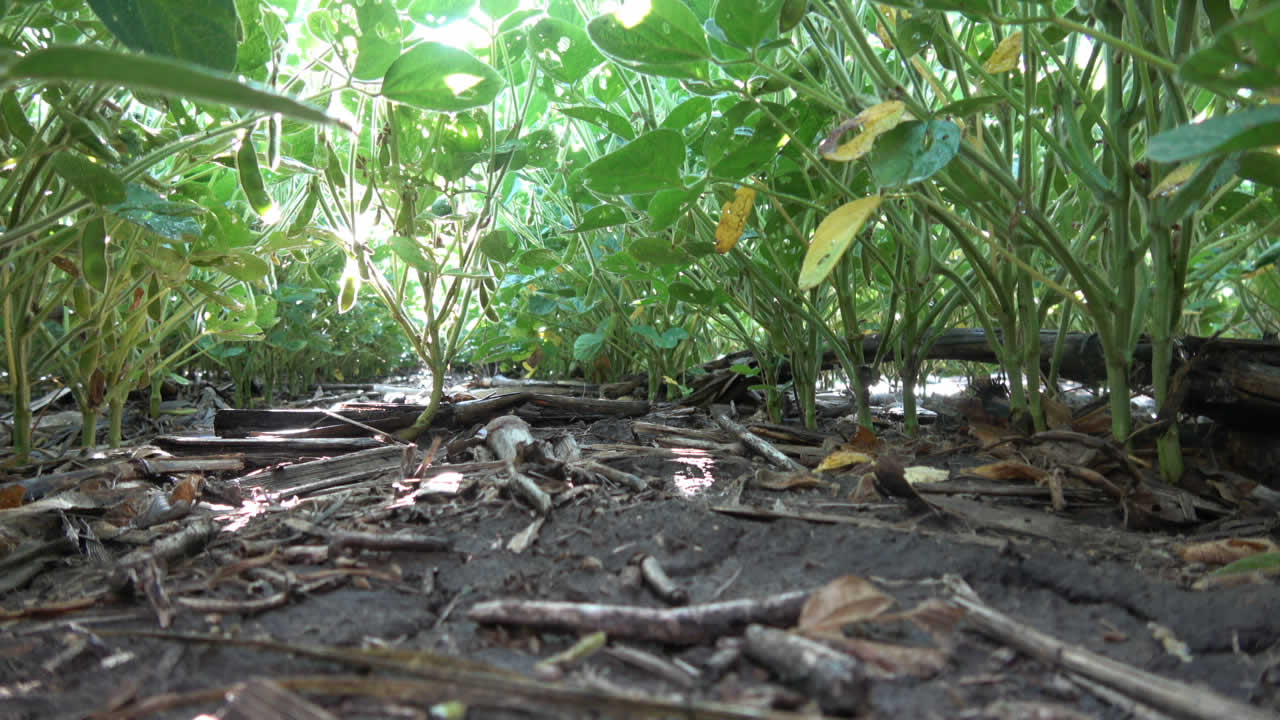
On the surface, it might seem like a bizarre question. Soil is just dirt, right? It turns out, there’s a whole other microscopic universe going on beneath our feet, and the components that make up soil – minerals, gases, clay and rock particles, organic matter, sand, water and living organisms – are just the beginning.

soil ph test kitsoil additives
Different regions have dramatically different soils and soil profiles, from the rich loamy topsoil above, all the way down to the crumbling bedrock beneath. There are five common soil types used by gardeners and farmers – namely sandy, silty, clay, peaty and saline – although most soils are really a combination of several of these.
The Amazing Soil Microbiome
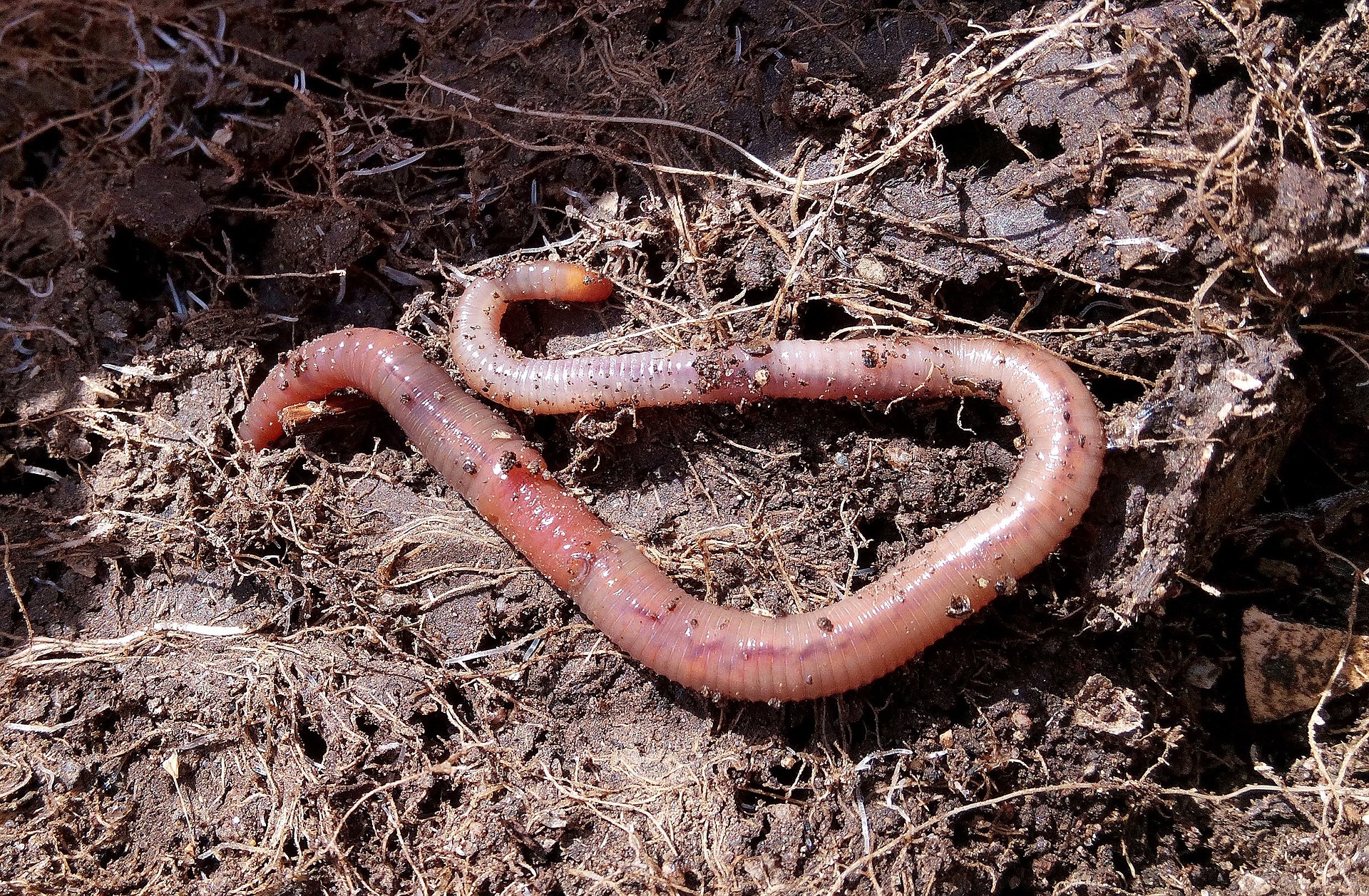
You might have heard the somewhat mindboggling factoid that there are more organisms in a teaspoon of healthy soil than there are human beings on the planet. This includes bacteria, fungi, archaea, as well as larger creatures like nematode worms, ants and beetles. All of these interact with plants growing in the soil and each other, and this complex network has a huge role to play in the long-term productivity of the soil.
other valuable tips:
When we interfere with a healthy soil microbiome through unsustainable agricultural practices like excessive tilling and the use of pesticides and chemical fertilizers, we’re not doing ourselves any favors in the long run. Aside from capturing nutrients which plants can use, soil microbiota also helps to retain the moisture level and structural integrity of the soil.
We’re only just beginning to scratch the surface of this complex, nuanced and interconnected system, which has implications for science far beyond food production. The common antibiotic, Streptomycin, for example, was discovered in the soil. Healthy soil can act as a carbon sink, helping to mitigate climate change. Trees use a fascinating “underground internet” to communicate with one another as well as exchange nutrients across a network of mycorrhizae (essentially, symbiotic fungi friends).
Soil even contains bacteria that may work as natural antidepressants, which should be no big surprise to keen gardeners who have long espoused the therapeutic effects of their favorite pastime!
garden compostergarden composter worms
Soil Stabilization
The wise man may indeed build his house upon the rock, but that’s not always possible when a road, port or building needs to be located in a specific spot. This is where the field of soil stabilization comes into play – strengthening and preparing the underlying soil so infrastructure can built on top of it safely. The naturally occurring soil in the area needs to be considered carefully when deciding on the right method to accomplish this – either through physical, mechanical, biological or chemical means.
As we look towards more environmentally sustainable construction methods the world over, finding the most appropriate soil stabilization technique plays a crucial role. Ideally, the technique should make as little impact as possible during construction, but also after the project is finished.
In areas with expansive clay, sand or peat bogs, for example, building long-lasting roads is challenging. In these instances, the use of geocell technology in building a gravel road has multiple benefits – local soils can be used, the system is self-draining, and is durable enough to withstand rainy conditions without ongoing repairs.
Better Soil Management
It’s crucial to understand that soil is essentially a non-renewable resource – at least over the span of a human lifetime. Good quality soil may take thousands of years to form but can be washed away in a matter of minutes through erosion caused by human activities like irresponsible agricultural practices and deforestation. It’s vital that we learn more about it and take action to protect it.
hydroponics growing systemhydroponics supplies
Through more responsible soil stabilization techniques, and initiatives like regenerative agriculture, no-till farming, the application of cover crops, composting and woodland regeneration, we can both increase crop yields and unlock the carbon sequestration potential of this crucial resource – undoubtedly making countless valuable scientific discoveries along the way.
Image credit: Pixabay
end of post … please share it!
SERVICES: tree and shrub services
|__________________________________________________________|
home remodeling surprise
find out where it might go - new win


Helpful article? Leave us a quick comment below.
And please share this article within your social networks.