Summary Outline –
Creating a colorful and fragrant garden oasis goes far beyond simply having green thumbs. It requires the perfect balance of thoughtful design, nurturing techniques, and a deep understanding of horticulture. By implementing these essential elements, you can transform your garden into a colorful oasis of flourishing beauty.
In this analysis, we will uncover the seven magical components that will transform your garden into a truly extraordinary and verdant haven. From selecting the right plants and flowers to creating stunning focal points and incorporating sustainable gardening practices, we will explore every aspect of cultivating a garden that not only captivates the senses but also nurtures the soul.
Summary of Site Content
1st Garden Tip: [view Garden Tip]
… let’s start with our first gardening tip, where we look into the significance of having high-quality and nutrient-rich soil that contains the essential ingredients for promoting the growth of your flowers and plants.
2nd Garden Tip: [view Garden Tip]
… the second gardening tip
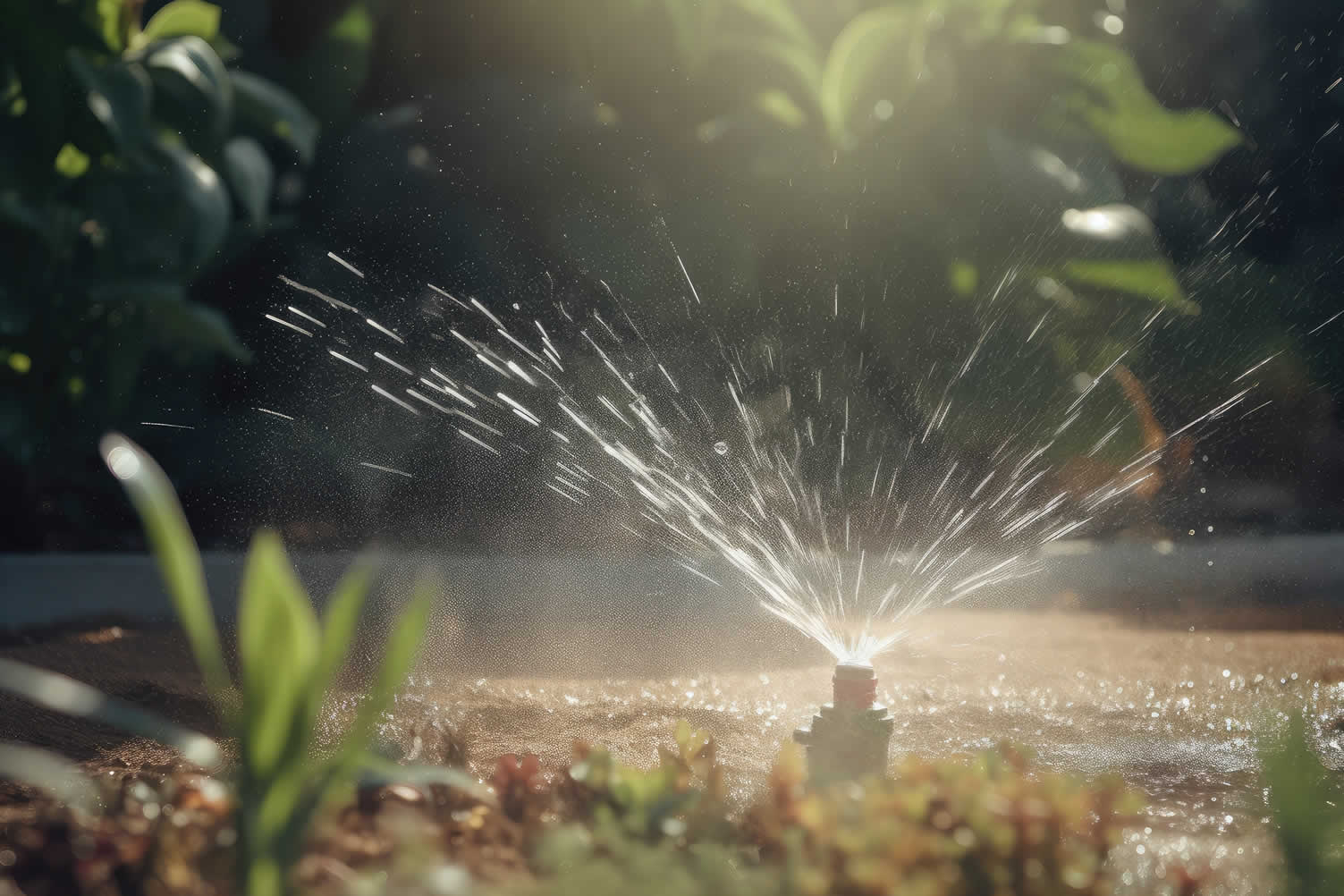
centers around the importance of hydration. Every garden oasis needs a proper balance of nutrients and water to showcase vibrant colors. We explore various watering options, with a special focus on smart irrigation systems. Enhance your garden’s beauty and efficiency with our insightful review.
3rd Garden Tip: [view Garden Tip]
… once we have the appropriate soil and hydration, we can move on to the third tip for gardening: the significance of using mulch in your garden planting. Not only does it enhance the aesthetic appeal, but it also serves as protection against extreme weather conditions, weeds, and certain pests.
4th Garden Tip: [view Garden Tip]
… now, let’s jump into the fourth gardening tip, where we explore designing your garden oasis. We’ll discuss the strategic placement of plants, considering their sunlight and moisture requirements. We’ll also explore the use of garden beds in various shapes, as well as incorporating complementary plantings like trees, shrubs, and other elements.
5th Garden Tip: [view Garden Tip]
… in our fifth gardening tip, we get into the science of pruning. This art is essential for maintaining a neat and healthy yard, as well as prolonging the blooming period of flowers throughout the season. Mastering the skill of pruning will not only enhance the appearance of your yard, but also contribute to its overall health and vitality.
6th Garden Tip: [view Garden Tip]
… the sixth gardening tip involves choosing the right floral plants for your garden, including both perennial and annual flowers. We categorize the selection based on their sunlight requirements, providing a brief description of some of the most popular flowers found in gardens.
7th Garden Tip: [view Garden Tip]
… the seventh and final gardening tip delves into the seasonal maintenance of your garden oasis, ensuring a continuous display of blooms from spring to fall, and even some winter plantings. The key lies in understanding your specific growing zone and selecting the plants that thrive best in your region.
Ready to unlock the secrets of creating a garden that’s not just visually stunning, but also bursting with life? Dive into the wonderful world of gardening and discover the potential of your outdoor space.
Join us on this transformative journey as we guide you through the ins and outs of designing, nurturing, and maintaining a garden that will truly amaze you and your guests. Let’s get started!
- post content
- Garden Tip 1: Nourishing Soil for Thriving Plants
- Garden Tip 2: Optimal Watering Techniques for Perfect Hydration
- Garden Tip 3: The Enchantment of Mulching for Retaining Moisture
- Garden Tip 4: Strategically Positioning Plants for Optimal Growth
- Garden Tip 5: Master the Art of Pruning
- Garden Tip 6: Selecting Plants for Diversity and Resilience
- Garden Tip 7: Caring for Every Season

-
Quick scroll to first topic about creating a colorful garden oasis …

first “creating a colorful garden oasis” idea


copyright image by 123rf.com
Garden Tip 1: Nourishing Soil for Thriving Plants
Notes:
-
A garden oasis is a vision of tranquility, an escape from the hustle and bustle of everyday life. It’s a place where one can relax, unwind, and reconnect with nature. But creating a beautiful garden oasis takes more than just planting a few flowers here and there. It requires careful planning, hard work, and most importantly, nourishing soil.
The soil is the foundation of any garden oasis. It’s what provides nutrients to plants, helps retain moisture, and creates a healthy environment for them to thrive. Without nutrient-rich soil, your plants will struggle to grow and flourish.
To ascertain the soil composition and adjust nutrient levels accordingly, consider conducting a soil test. To ensure a consistent nutrient supply, regularly incorporate organic amendments into the soil.
In addition to promoting robust plant growth, well-nourished soil improves drainage and water retention, resulting in a flourishing and vibrant garden sanctuary.
-
Quick scroll to “nutrient-dense soil” side notes …
-
-
1st: About Nutrient-Dense Soil
Nutrient-dense soil is a powerhouse for plant growth, as it provides essential elements plants need to thrive. This includes macro-nutrients—like nitrogen, phosphorus, and potassium—each of which plays a crucial role in plant development. Nitrogen, for instance, is key for leaf growth and gives plants their lush, green color.
Phosphorus aids in root development and flower production, while potassium is necessary for overall plant health and disease resistance. Moreover, nutrient-rich soil also contains important micro-nutrients such as zinc, molybdenum, and copper, which, though required in smaller amounts, are vital for various plant functions.
With nutrient-dense soil, your garden oasis will not only be visually stunning, but it will also be dynamically thriving, promoting a prosperous garden ecosystem. So, ensure to regularly amend your soil with organic matter and conduct soil tests to keep it at its optimal health. Trust us; your plants will thank you!
Here are some critical nutrients that a well-balanced, nutrient-dense soil must contain:
- Nitrogen (N):
Nitrogen is one of the most vital nutrients for plants, as it plays a key role in the formation of proteins and chlorophyll. It aids in the growth of lush, green leaves. - Phosphorus (P):
Phosphorus is involved in energy transfer and storage in plants. It’s essential for root development, blooming, and fruiting. - Potassium (K):
This nutrient helps with photosynthesis, protein synthesis, and improving the plant’s resistance to diseases. It also aids in the regulation of water in plants. - Calcium (Ca):
This nutrient helps in cell wall formation and normal growth of the plant. It plays a role in nutrient uptake and neutralizing cell acids. - Magnesium (Mg):
As a part of chlorophyll, this nutrient is crucial for the process of photosynthesis. It also helps in the activation of plant enzymes necessary for growth. - Sulfur (S):
Sulfur is a part of some amino acids and vitamins, vital for the production of proteins. It also aids in disease resistance. - Micro nutrients (Zinc, Copper, Manganese, etc.):
These are needed in smaller quantities but are still essential to plant health, aiding in various biological functions.

copyright image by 123rf.com
[ youtube: all about soil ]
[ youtube: soil is a living organism ]

- Nitrogen (N):
-
-
-
2nd: Types Of Soil
Creating a flourishing garden oasis involves much more than simply planting and watering. One of the key elements that significantly contribute to plant prosperity is the quality of the soil used. The soil is the lifeblood of your garden, providing the essential nutrients that plants need to grow and flourish.
But not all soils are created equal! There are several types of commercially available soils that you can buy and use, each with their own unique properties and benefits.
- Loamy Soil:
This is a gardener’s favorite. It’s a balanced mix of sand, silt, and clay, and is packed with nutrients and organic matter. Loamy soil has ideal water retention and drainage properties, making it suitable for a wide variety of plants. - Sandy Soil:
Light and gritty to touch, sandy soil has quick drainage and is great for plants that prefer a drier environment. However, it’s low in nutrients and may require frequent fertilizing. - Clay Soil:
Rich in nutrients but poor in drainage, clay soil is often heavy and hard for plants to navigate. It’s best for water-loving plants or as a component of a soil mix. - Silt Soil:
Silty soil feels smooth and retains water longer than sandy soil. It’s fertile but can compact easily, affecting its drainage. - Peat Soil:
Typically dark and rich in organic material, peat soil is acidic and great for acid-loving plants. However, it may require lime to balance its pH for other types of plants. - Chalky Soil:
This soil type is alkaline in nature, which can affect the availability of certain nutrients. It’s often used for growing bulbs or as a component of a soil mix.
Understanding the properties of these soils helps in selecting the most suitable one for your garden oasis. A well-chosen soil can provide a solid foundation for your plants, facilitating robust growth and a thriving garden ecosystem.

copyright image by 123rf.com
[ youtube: types of soil ]
[ youtube: all things soil taxonomy ]
- Loamy Soil:
-
-
-
3rd: Setting Up a Smart Garden
A smart garden is a game-changer for both novice and experienced gardeners, beautifully combining technology and nature to create a garden oasis that thrives with minimal manual effort. An intelligently designed smart garden helps to automate processes such as watering, lighting, and even monitoring the health of your plants.
Here’s how you can set up your smart garden:
- Automated Irrigation System:
This is the backbone of a smart garden. Install an automated irrigation system to ensure your garden receives the right amount of water at the right times. This system often includes moisture sensors that gauge the need for water, based on soil moisture levels, and automatically activate irrigation when necessary. - Smart Lighting:
Smart LED lights with adjustable settings allow you to control the intensity, color, and duration of lighting. Some even have a sunrise and sunset simulation, which helps maintain the natural circadian rhythm of your plants. - Climate Control:
Equip your garden with devices that regulate temperature and humidity. These smart devices help create the ideal environment for plant prosperity by adjusting conditions according to plant preferences. - Plant Sensors:
These smart devices sink into the soil next to your plants to measure sunlight, temperature, moisture, and nutrient levels. The data is sent to your smartphone, helping you monitor and manage plant health pro-actively. - Robotic Lawn Mower:
Embrace automation further with a robotic lawn mower. Based on pre-set schedules and boundaries, these mowers keep your lawn neatly trimmed without any manual effort. - Smart Planters:
These planters not only add aesthetic appeal but also contain built-in sensors that monitor the water, light, and nutrient needs of your plants. They can even water your plants automatically when you’re away. - Smartphone Apps and Wi-Fi Connectivity:
Finally, consolidate all your smart devices via a central hub and control them using smartphone apps. Wi-Fi connectivity allows remote management, letting you tend to your garden even when away.

copyright image by 123rf.com
- Automated Irrigation System:
-
-
ideas to view and compare from the information discussed above
Scroll up to directory … or scroll to next section about creating a colorful garden oasis …


second “photo remodeling” idea
copyright image by 123rf.com
Garden Tip 2: Optimal Watering Techniques for Perfect Hydration
Notes:
-
Water is essential for the growth and survival of plants, but not all water is created equal. Depending on your location, tap water may contain high levels of chlorine or other chemicals that can be detrimental to plant health. Whenever possible, use filtered or rainwater to ensure your plants receive pure hydration.
In addition to choosing the right water source, it’s important to know how and when to water your garden. Watering in the early morning or evening helps to minimize evaporation, ensuring that more water reaches the roots of your plants. Avoid watering in the heat of the day, as this can lead to water loss and potential damage to plants.
Another important aspect of watering is to water deeply and less frequently. This encourages plants to develop deep, strong roots, making them more resilient to drought conditions. It also helps prevent shallow root growth which can make plants more susceptible to damage from extreme weather.
-
Quick scroll to “plant hydration” side notes …
-
-
1st: Types Of Watering Systems
When creating your garden oasis, a well-designed and efficient hydration system is key. Just as the human body thrives on consistent hydration, the same applies to your garden. This is an essential component to ensure the success of your plants and to maintain a thriving garden oasis.
Now, let’s explore the different types of watering systems available:
- Drip Irrigation Systems:
Drip systems deliver water directly to the plant’s roots, reducing the amount of water lost to evaporation. They are ideal for row crops, shrubs, or garden beds, and they are known for their efficiency and conservation of water. - Soaker Hoses:
These hoses are designed to ‘sweat’ water along their entire length. They are perfect for watering established plants and shrubs, and they help to minimize water loss due to evaporation or runoff. - Sprinkler Systems:
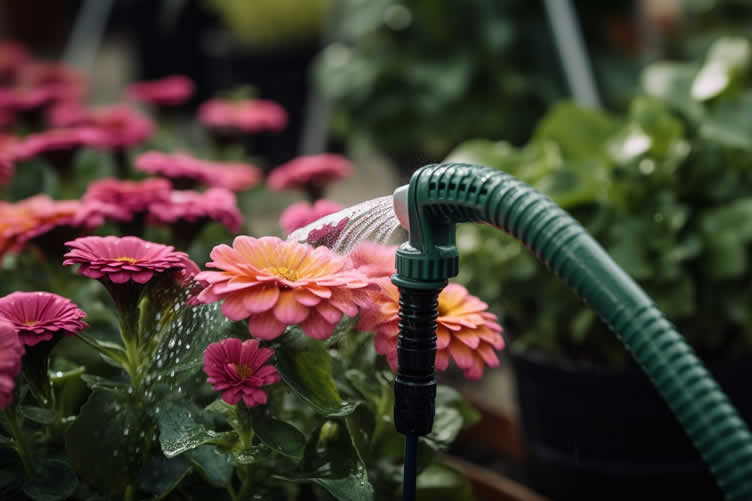
These systems mimic natural rainfall and are great for watering large areas. They are perfect for lawns, large flower beds, and vegetable gardens. - Hand Watering:
This is the simplest and most traditional method of watering. It allows for the most control over where and how much water your plants receive. It’s great for smaller gardens or for watering individual plants.
Remember, the right watering system for your garden oasis will depend on the specific needs of your plants, the size of your garden, and your local climate conditions.
copyright image by 123rf.com
- Drip Irrigation Systems:
-
2nd: Installing an Automatic Irrigation System
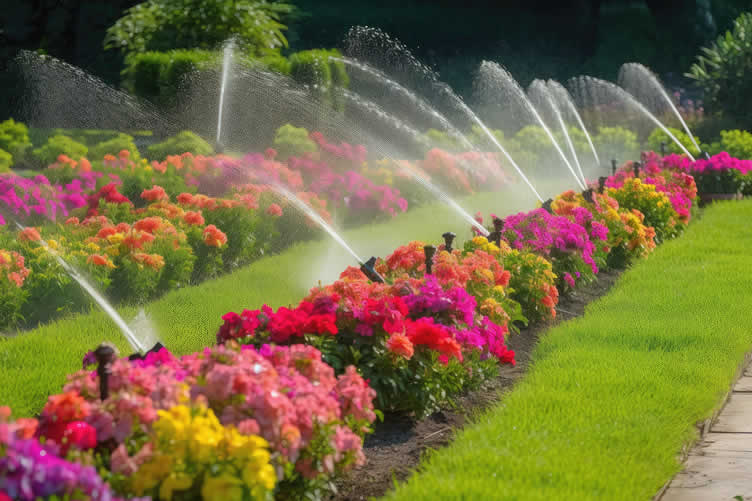
Installing an automatic irrigation system in your garden oasis is a powerful step towards efficient and effective garden care.
To begin with, you’ll need to identify the layout of your garden, noting the different plant types and their respective watering needs. Then, select an appropriate system – either a sprinkler, soaker, or drip irrigation system.
Once chosen, position the system to ensure maximum coverage, and then connect it to your water source. The beauty of an automatic system is the ability to schedule watering times, providing your garden with consistent hydration without manual intervention.
The benefits of an automated irrigation system include:
- Efficiency:
Automatic irrigation systems are designed to deliver water directly to where it’s needed, minimizing wastage and maximizing effectiveness. - Convenience:
Once installed and programmed, these systems require minimal intervention. This means more time enjoying your garden oasis and less time tending to it. - Consistency:
These systems provide consistent watering, ensuring that your plants receive the right amount of hydration at the right times. - Flexibility:
With programmable systems, you can adjust the watering schedule based on seasonal changes or specific plant needs. - Sustainability:
With their precision, automatic systems help conserve water, making them an environmentally friendly choice for your garden oasis.
copyright image by 123rf.com
- Efficiency:
-
3rd: Preserving Water – Especially in Arid Regions
Creating a vibrant garden oasis can be a daunting task if you reside in water-stressed areas or arid regions with scant rainfall. However, with the right approach, it is possible to achieve a lush and thriving garden even in such challenging conditions.
However, with the right strategies, it’s possible to maintain a thriving garden even under such conditions. Here are some tactics you should consider:
-
Smart Irrigation Systems:
Embrace technology in your garden with smart irrigation systems. These systems are designed to provide the right amount of water at the right time, based on real-time weather data and soil conditions.
Key features often include smartphone connectivity for remote control, scheduling options, and the ability to adjust watering based on weather forecasts.
Examples include weather-based systems (also known as "ET systems") and soil moisture-based systems. Both will significantly reduce water waste and ensure your garden oasis stays lush and healthy, even in arid conditions.
Smart irrigation systems are specifically designed for arid conditions. Drip irrigation systems, for instance, deliver water directly to the plant roots when needed, reducing wastage and ensuring maximum absorption.
-
Timed Irrigation System:
Another feature of smart system is that you can schedule your watering cycles at optimal times, typically early in the morning or late in the evening when temperatures are cooler and evaporation rates are lower.
This ensures that the water you provide is effectively utilized by the plants and not lost to evaporation. A timed irrigation system not only conserves water but also relieves you of the task of watering manually, making your gardening experience more convenient and enjoyable.
-
Capturing Rainwater:
Make the most out of nature’s water supply by installing rainwater harvesting systems. These systems can range from simple rain barrels to more complex storage tanks, all designed to collect and store rainwater from rooftops for later use.
Using harvested rainwater for irrigation is an eco-friendly and cost-effective method to provide your garden oasis with the necessary hydration, especially in arid conditions.
To harness this free and abundant resource, you can set up a rain harvesting system to connect it to your smart irrigation system. Here’s how:
- Installation of Rain Barrels:
Install rain barrels at downspouts to collect rainwater. Choose barrels with a spigot at the bottom for easy hose attachment. Ensure they have a screen top to keep out debris and insects. - Connect to Irrigation System:
The collected rainwater can be piped directly into your smart irrigation system. For this, connect a hose from the spigot at the bottom of your rain barrel to your irrigation system. Make sure to install a filter to prevent any debris from clogging the irrigation system. - Automation:
The final step is to integrate this setup with your smart irrigation system. You may need to consult your system’s manual or contact manufacturer support for specific instructions. - Once set, your irrigation system will use the harvested rainwater, switching to an alternate source only when the rainwater supply is depleted.
- Installation of Rain Barrels:
-
Deep Watering:
This method involves watering plants less frequently but more thoroughly, allowing the water to penetrate deep into the soil. As a result, plant roots grow deeper, making them more resilient to drought conditions and less dependent on surface water.
This practice does not only promote healthier and stronger plants, it also results in significant water savings. Remember, it’s not about watering often, but about watering deeply and efficiently. This is where deep watering techniques can be instrumental in maintaining your garden oasis.
-
Drought-Tolerant Plants:
Opt for drought-tolerant species that can withstand prolonged periods without water. These plants have adapted to survive in arid conditions by developing deep root systems to absorb water from deeper soil levels, thick leaves to reduce water loss, and other unique mechanisms.
Examples include succulents, native wildflowers, and certain types of grasses. Choosing such plants will not only help save water but will also add a unique aesthetic appeal to your garden oasis.
-
Mulching:
Mulch helps conserve soil moisture, reduce weed growth, and improve soil health. By covering the soil around your plants with a layer of organic matter such as wood chips, straw, or compost, you can effectively slow down the evaporation process, ensuring your plants stay hydrated for longer periods.
Mulching also adds nutrients to the soil and provides a conducive environment for beneficial insects and microbes. In a nutshell, mulching is an essential ingredient for a thriving garden oasis in arid conditions.

copyright image by 123rf.com
-
-
-
ideas to view and compare from the information discussed above
smart rain monitorsmart weather stationssmart hose timer faucet
Scroll up to directory … or scroll to next section about creating a colorful garden oasis …
 … grab this directory of ideas

May We Suggest Other Photo Remodeling Ideas About
“Other Key Landscaping Ideas for a Garden Oasis…” (new win)
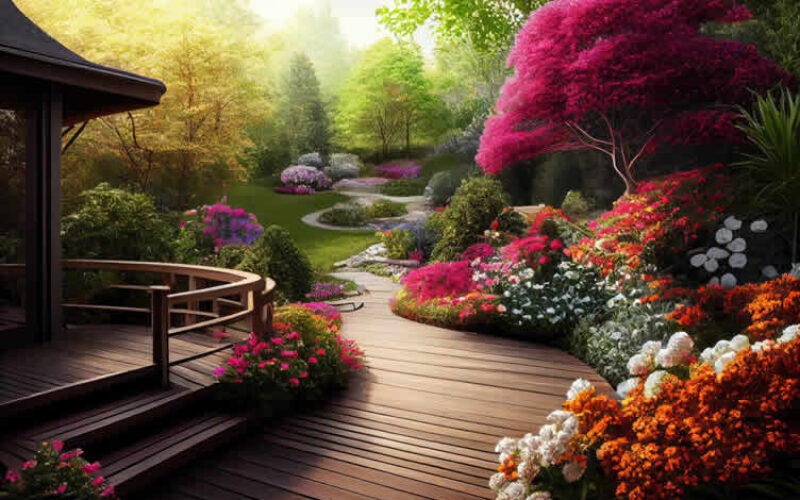


third “photo remodeling” idea
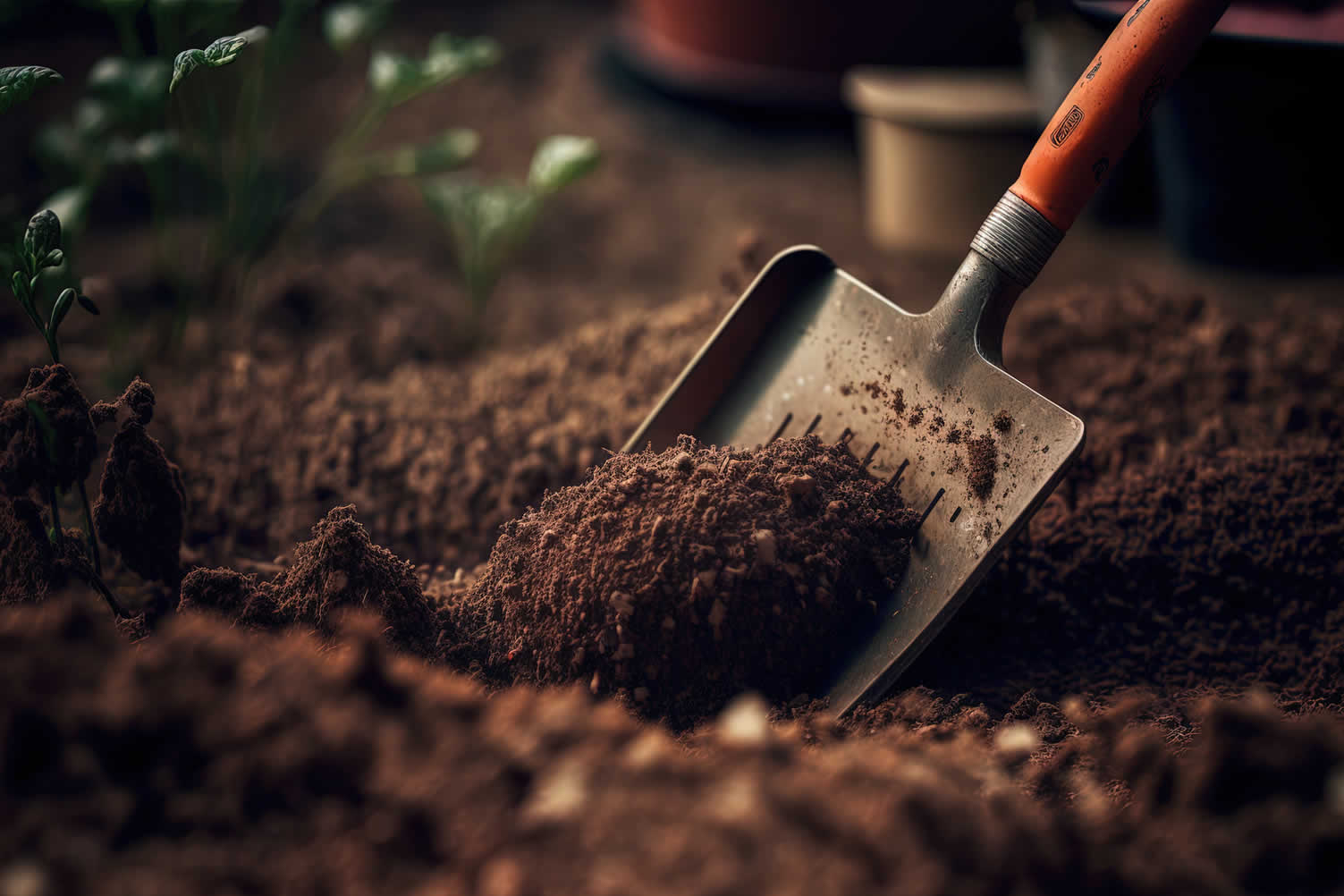
copyright image by 123rf.com
Garden Tip 3: The Enchantment of Mulching for Retaining Moisture
Notes:
-
Mulching is a highly beneficial practice for maintaining the health and beauty of a garden. By covering the soil with a layer of mulch, you can help retain moisture, suppress weeds, regulate soil temperature, and improve overall soil health.
-
Weed Control
Beyond moisture retention, mulch serves as a protective barrier against both weed growth and soil erosion. A substantial layer of mulch stifles weeds by limiting their access to sunlight, disrupting their growth and proliferation.
-
Soil Erosion
This organic barrier also helps protect against soil erosion, retaining the valuable topsoil and nutrients that plants need to thrive. By preventing runoff, mulch ensures that your plants are not only well-fed but also securely rooted.
-
Insulation
Equally significant is the role of mulch in insulating the soil against temperature extremes. During the heat of summer, mulch shields the soil, keeping it cooler and reducing water evaporation.
Conversely, in the colder months, it acts as an insulating blanket, holding in heat and protecting plant roots from frost damage. This year-round temperature regulation creates a stable environment in which plants can prosper.
-
-
Quick scroll to “garden mulching” side notes …
-
-
1st: Types of Mulch
One of the most effective methods to create a thriving garden oasis is the use of mulch. Mulch not only conserves moisture, but it also suppresses weeds, improves soil fertility, and enhances the visual appeal of your garden. Now, let’s take a look at the different types of mulch you can consider for your garden oasis:
-
Organic Mulch:
This type of mulch consists of natural materials such as straw, grass clippings, compost, wood chips, shredded bark, and pine needles. These organic mulches not only enrich the soil with nutrients as they decompose, but they also help retain moisture and regulate soil temperature.
Additionally, they create a protective layer that suppresses weed growth and reduces soil erosion, promoting a healthier and more sustainable garden environment.
-
Inorganic Mulch:
Inorganic mulch, such as stones, fabric, gravel, and rubber, offers a durable and long-lasting option for landscaping. Unlike organic mulch, which decomposes over time, inorganic mulch maintains its form and functionality for an extended period.
This makes it particularly suitable for areas where you desire a low-maintenance and long-lasting coverage solution.
-
Dyed Mulch:
Dyed mulch, a popular choice for gardeners, is typically made from wood chips that are carefully selected and then dyed in a variety of vibrant colors. This type of mulch not only adds aesthetic appeal to your garden, but also helps to retain moisture, suppress weed growth, and regulate soil temperature.
With its natural composition and visually pleasing hues, dyed mulch is a versatile option that can enhance the overall beauty and functionality of your outdoor space.
-
Cocoa Bean Mulch:
Made from the shells of cocoa beans, this type of mulch gives off a delightful chocolate aroma that can make your garden smell like a cocoa paradise.
However, it’s crucial to note that cocoa bean mulch can be toxic to pets, specifically dogs and cats, due to the presence of theobromine, which can be harmful if ingested in large quantities.
-
Straw Mulch:
Straw is a commonly employed material in vegetable gardens or large plant beds, owing to its exceptional ability to suppress weeds effectively. By forming a natural barrier, straw helps prevent weed growth, allowing plants to thrive in a weed-free environment.
Its insulating properties also help regulate soil temperature and moisture levels, promoting healthier plant growth.
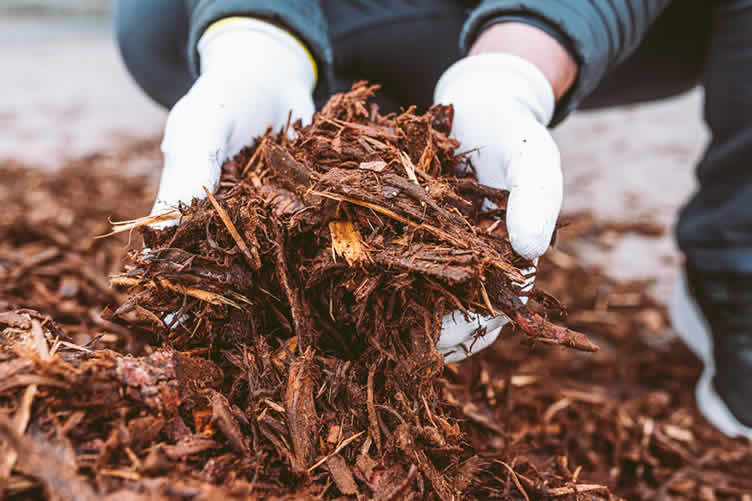
copyright image by envato.com
-
-
2nd: Steps in Mulch Application
Mulch not only enhances the aesthetic appeal of your garden but also provides numerous functional benefits, including moisture retention, weed suppression, and soil temperature regulation. But how exactly do you apply mulch to get these benefits?
- Prepare the Garden Bed:
Start by removing weeds and other unwanted plants from the area where you intend to apply the mulch. Make sure the bed is clean and ready for mulching. - Water the Soil:
Before you start spreading the mulch, moisten the soil adequately. Dry soil can repel water, which can affect the effectiveness of the mulch. - Spread the Mulch:
Apply a 2-4 inches thick layer of your chosen mulch across the garden bed. Ensure it is evenly distributed to guarantee optimal benefits. - Avoid the Base of Plants:
While spreading the mulch, make sure not to pile it against the stems or bases of trees or plants. This could lead to rot and other harmful conditions. - Maintain a Mulch-Free Zone Around Annuals:
For plants that require more sunlight, like annuals, maintain a mulch-free zone. These plants need more direct sunlight and less moisture retention. - Replenish Mulch Annually:
Organic mulch decomposes and enriches the soil over time. Therefore, it’s essential to replenish the mulch annually or as needed to maintain its effectiveness. - Monitor the Plants:
After applying the mulch, keep an eye on your plants. If they show signs of distress, such as yellowing leaves or stunted growth, adjust the mulch application as needed.
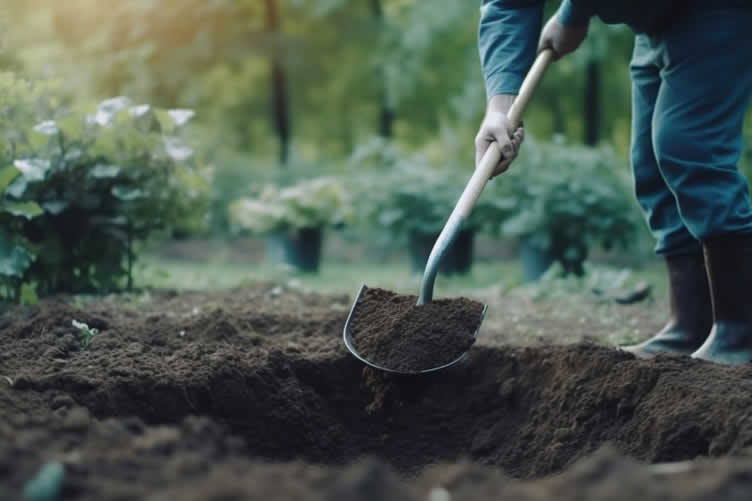
copyright image by 123rf.com
- Prepare the Garden Bed:
-
-
ideas to view and compare from the information discussed above
Scroll up to directory … or scroll to next section about creating a colorful garden oasis …
SHARE IT ..! You might have someone in your social network who could find this informative post on creating a colorful garden oasis valuable. Feel free to share it on Facebook, Twitter, LinkedIn, or Pinterest!



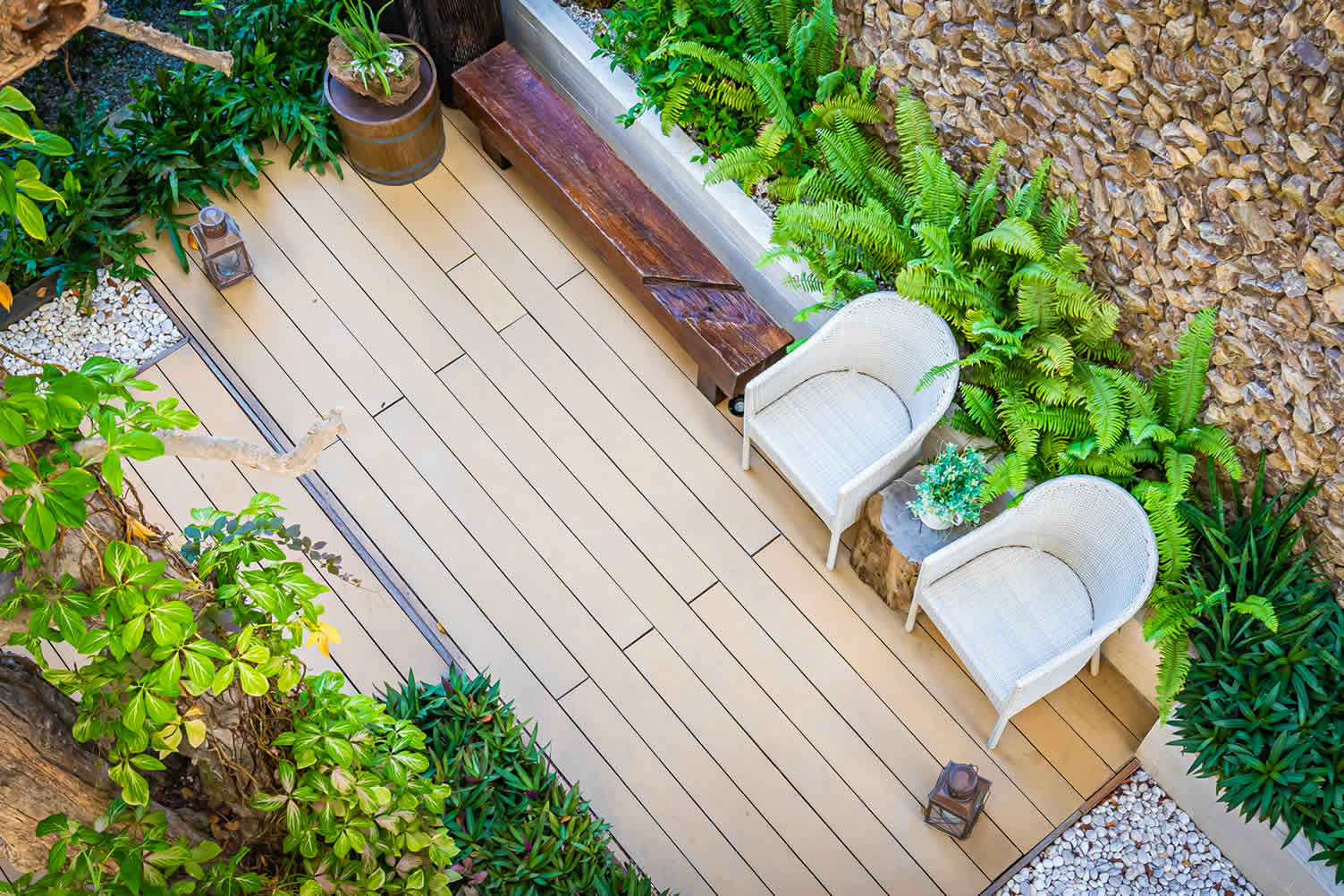
fourth “photo remodeling” idea
copyright image by 123rf.com
Garden Tip 4: Strategically Positioning Plants for Optimal Growth
Notes:
-
Beyond nutrient-rich soil, the strategic placement of plants is another crucial ingredient in creating a blooming garden. Each plant has its own unique needs, including sunlight exposure, water requirements, and spacing.
-
Groupings
When selecting plants for your garden, consider their specific needs and group them together accordingly. For example, placing sun-loving plants in an area with ample sunlight will promote healthy growth and bloom. Similarly, grouping plants with similar watering needs together will make watering more efficient and effective.
-
Height
Additionally, consider the height of each plant when positioning them in your garden. Taller plants should be placed towards the back of a border or in the center of a bed to create depth and dimension. This also ensures that all plants receive adequate sunlight without being overshadowed by taller plants.
Consider the overall vision and design of your garden when strategically placing plants. Create focal points with larger, eye-catching plants or clusters of colorful flowers. Use lower-growing plants to fill in gaps and provide a cohesive look to your garden space.
-
-
Quick scroll to “plant positioning” side notes …
-
-
1st: Understanding Strategic Placement
Creating a blooming garden oasis isn’t just about selecting the right plants; strategic plant placement plays a significant role in your garden’s growth, health, and aesthetic appeal. Thoughtful plant arrangement considering the plant’s requirements and your garden’s environmental conditions can enhance your oasis’s overall charm.
-
Sunlight Optimization:
Many plants thrive in direct sunlight, while others require shade. It’s essential to place your plants in areas that match their sunlight needs. For instance, sunflowers and roses love the sun, so place them in your garden’s sunniest spots.
On the other hand, plants like ferns or hostas prefer shady areas. Understanding your garden’s sun and shade patterns is crucial for the success of your plant arrangement. There are generally three types of plants based on their sunlight requirements:
-
Sun-loving plants:
These plants need at least six hours of direct sunlight each day. Examples include Marigold, Lavender, and Petunias. Their ideal placement would be in the sunniest parts of your garden oasis. -
Partial sun or partial shade plants:
These plants thrive with three to six hours of sunlight each day, either in the morning or afternoon. Hydrangeas and Rhododendrons fall into this category. They should be placed where they can enjoy morning sun and afternoon shade or vice-versa. -
Shade plants:
These plants require less than three hours of direct sunlight per day and are comfortable in filtered or dappled light. Ferns and Hostas are exemplary shade-loving plants, suitable for placement in the shadiest parts of your garden.
-
-
Soil Consideration:
Different plants have different soil requirements. Some prefer rich, heavy soils, while others need sandy, well-drained soils. Arrange your plants in areas of your garden that cater to these individual soil preferences.
The type of soil in your garden is another critical factor to consider when planning your garden oasis. Different plants thrive in different soil types. For instance:
-
Sandy soil plants:
These plants prefer well-drained soil conditions. Lavender, Marigold, and Hibiscus are exemplary of this category. They are perfect for areas in your garden oasis where the soil tends to dry out quickly. -
Clay soil plants:
These plants love the high nutrient content and moisture retention properties that clay soil offers. Go for plants like Iris, Hydrangea, or Rhododendron if your garden oasis has areas with heavy, clayey soil. -
Loamy soil plants:
Loamy soil is a balanced mix of sand, silt, and clay, offering good structure, moisture retention, and drainage. It’s considered the ideal soil type for most plants. Roses, Tomatoes, and Carrots thrive in loamy soil and would make great additions to any part of your garden oasis.
-
-
Wind Protection:
Delicate plants and flowers can be adversely affected by strong winds, potentially damaging their structure and growth. Strategically place these plants in areas with natural wind barriers, such as walls, fences, or bigger, hardier plants.
It is essential to fortify your garden oasis against strong winds that can potentially damage your plants. Various plants are known for their wind-resistant properties and can act as natural wind barriers. Here is a list of a few examples:
-
Cypress Trees:
These are tall, slender trees that can provide an excellent windbreak with their dense foliage. -
Holly:
Holly bushes are not only beautiful but also sturdy enough to withstand strong winds. -
Juniper:
Junipers, especially the horizontal variety, can serve as a low-lying wind barrier. -
Bamboo:
While bamboo is a fast-growing and efficient wind blocker, be mindful of its invasive nature. -
Oleaster:
Also known as Silverberry, Oleaster is a robust shrub with a high tolerance for wind and poor soil conditions.
-
-
Water Accessibility:
Water is fundamental to plant health. Plants that require more water should be placed closer to your water source, while those that thrive in drier conditions should be placed further away. Strategic plant placement in your garden oasis should also consider water accessibility.
Some plants require lots of water, while others thrive with minimal watering. By understanding your garden’s water availability and plant needs, you can create a flourishing oasis. Here are some examples:
-
Water-loving Plants:
If your garden oasis has areas that are well-irrigated or prone to retaining water, consider planting species like Willows, Astilbes, or Lobelias. These plants thrive in moist conditions and can add beauty and diversity to your garden. -
Drought-resistant Plants:
For areas in your garden oasis that do not receive much water, opt for drought-resistant plants. Succulents like Aloe Vera, Agave, or species like Lavender and Russian Sage are perfect for these conditions. They require minimal watering and can survive in drier parts of your garden while adding a unique aesthetic.
-
-
Shade & Ornamental Trees:
Strategic plant placement extends beyond just the ground level. Consider incorporating shade and ornamental trees in your garden oasis. They provide a cooling effect during hot summer days and serve as a visual centerpiece, enhancing the overall aesthetic of your garden.
Here are some examples:
-
Maple Trees:
Known for their stunning fall colors, Maple trees can add a burst of color to your garden while providing ample shade. -
Dogwood Trees:
Dogwoods are small ornamental trees that offer year-round interest. In spring, they produce beautiful flowers, leaves in summer, colorful foliage in fall, and bright berries in winter. -
Crape Myrtle:
Crape Myrtle is a versatile tree that provides shade and ornamental value. In summer, it blooms with vibrant flowers, and in winter, its exfoliating bark adds interest. -
Japanese Red Pine:
This ornamental tree brings a unique, artistic vibe to your garden oasis with its irregular form and reddish bark.
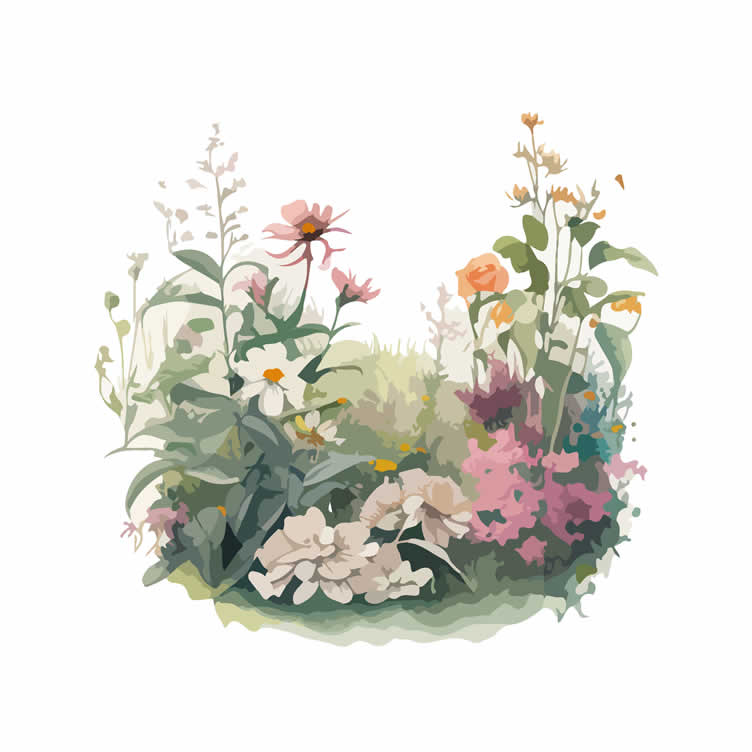
Strategic plant placement is a balancing act that ensures all your plants’ individual needs are met, resulting in a harmonious, blooming garden oasis.
-
copyright image by 123rf.com
-
-
2nd: Designing a Garden Layout and Beds
Designing a garden bed is a crucial step in creating a garden oasis. This process involves planning the placement, style, and arrangement of plants that will thrive in different conditions to create a harmonious and aesthetically pleasing layout.
-
Rectangular Beds
When adding rectangular beds to your garden oasis, the key lies in careful planning and deliberate design. A rectangular bed offers a classic aesthetic, providing ample space for a variety of plants. It’s best to position rectangular beds along a house wall, fence, or garden boundary to maximize your garden’s space.
Consider the size of the plants you intend to grow. Beds that are too wide may make it difficult to reach plants in the middle for care and maintenance, so it is advisable to keep the width under 4 feet. The length of the bed can vary based on your garden space and aesthetic preference.
Remember to leave enough space between your rectangular beds for easy movement and access. Paths of at least 2 feet wide will ensure that you can move comfortably around your garden.
By incorporating rectangular beds into your garden layout, you not only create an appealing visual structure but also foster an environment conducive to your plants’ growth, ultimately contributing to your blooming garden oasis.
[ view images: rectangular garden beds]
[ view pinterest: designing rectangular beds]
-
Circular Beds
Adding circular beds to your garden layout brings a dynamic element of shape and form. These beds are particularly effective in breaking up straight lines and adding interest to open lawn spaces, allowing you to create a central feature that becomes a focal point in your garden oasis.
When designing a circular bed, think about the radius – this will determine the bed’s size and the amount of plants it can accommodate. A larger radius means a larger bed, but remember to keep it to a size where all plants can be comfortably reached from the edge for ease of care.
The plants in your circular bed should be chosen with care. Taller plants should be placed in the center, with shorter ones radiating outwards, creating a tiered effect that complements the circular design.
Just as with rectangular beds, you should ensure there’s adequate space around your circular bed to move and access all its plants. The paths leading to and from the bed can create interesting garden vistas, further enhancing the appeal of your garden oasis.
Incorporating circular beds into your garden layout provides an attractive contrast to the angular lines of rectangular beds, contributing to the diverse and harmonious look that characterizes a truly blooming garden oasis.
[ view images: circular garden beds]
[ view pinterest: designing circular beds]
-
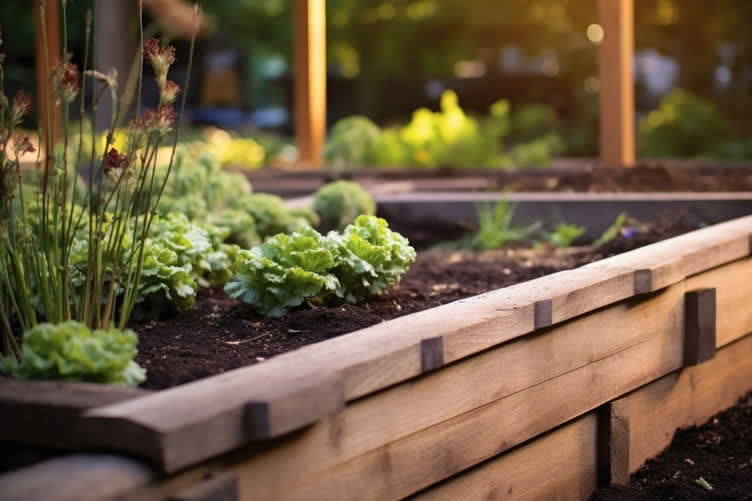
Raised Beds
Integrating raised garden beds into your design not only adds architectural interest, but also offers a host of practical benefits to the earnest gardener. These elevated structures, which can be filled with your choice of soil and compost, create a controlled environment optimal for plant growth.
When designing a raised garden bed, consider varying the height of different beds for a visually appealing garden layout. The added height can also make tending to your plants more comfortable by reducing the need to bend down. This can simplify tasks like weeding and harvesting, making your garden oasis more enjoyable to maintain.
As for plant selection, raised beds are particularly suited for root vegetables, such as carrots and radishes, as the deep, loose soil allows them to grow freely. However, they can accommodate a wide range of plants from herbs to flowers, adding color and vibrancy to your garden oasis.
Raised beds can be constructed from a variety of materials, including wood, stone, or metal. Choosing a material that complements your garden’s aesthetic will further enhance the overall appeal of your blooming garden oasis. Just remember to leave enough space between each raised bed to comfortably move and work around them.
Raised garden beds, with their versatility and practicality, are a fantastic addition to any garden layout and can significantly contribute to your garden oasis’s overall allure and bloom.
[ view images: raised garden beds]
[ view pinterest: designing raised beds]
-
Tiered Garden Beds
Tiered garden beds take the concept of raised beds to a new level, literally and figuratively. By stacking beds at different heights, you add an extra dimension to your garden layout, creating a dynamic, layered look that is both pleasing to the eye and efficient in terms of space utilization.
A tiered garden bed can be thought of as a mini garden oasis within your larger oasis. The different levels offer varying depths of soil, catering to the needs of a diverse range of plants. You can arrange plants according to their sunlight and watering needs, with thirstier plants on the bottom tier where water naturally accumulates, and sun-loving plants on the top tier, unobstructed from the sun’s rays.
Designing a tiered garden bed also allows for an efficient use of compost and other soil enrichments. Spread them on the top tier, and they will gradually trickle down to the lower tiers, enriching all of your plants in the process.
Built from materials that match or contrast with your other garden elements, tiered beds can become a focal point of your garden oasis, drawing the eye and inviting exploration. Indeed, tiered garden beds could be the secret ingredient that takes your blooming garden oasis to new heights of beauty and productivity.
[ view images: tiered garden beds]
[ view pinterest: designing tiered beds]
-
Spiral Garden Beds
Another creative method to diversify your garden’s layout is by incorporating spiral garden beds. These captivating garden structures, often known as herb spirals, add a three-dimensional element, height, and an organic aesthetic to your garden oasis.
A spiral garden bed is designed by creating a mound in the shape of a spiral, which can reach up to a few feet high. The spiral design provides a variety of micro-climates, with the top being the sunniest and dry, gradually becoming cooler and moist as you descend the spiral. This unique design feature allows gardeners to plant a diverse range of plants with different light and moisture preferences in one concentrated area, thus maximizing the utility of space in your garden oasis.
Herbs such as rosemary, thyme, and oregano thrive in the sunnier and well-drained top regions of the spiral, while plants like parsley, chives, and mint, preferring cooler and moister conditions, flourish in the lower parts. Designing a spiral garden bed requires careful planning, but the end result is a visually striking and productive addition to your blooming garden oasis.
Remember, whether it’s raised or spiral, garden beds are the heart of your garden oasis, and they should be designed to cater to the unique needs of your plants and your comfort.
[ view images: spiral garden beds]
[ view pinterest: designing spiral beds]
-
Vertical Gardening
When designing your garden layout, incorporating vertical gardening can significantly elevate its aesthetic appeal and versatility. This gardening method allows you to make the most of your available space, especially in smaller gardens or urban areas where horizontal space may be limited.
When planning your vertical garden, consider the placement of structures that can support plants, such as trellises, arbors, or pergolas. The positioning of these structures should align with the sunlight requirements of the plants you wish to grow.
For instance, if you’re planning to cultivate sun-loving climbers like roses or honeysuckle, ensure the structures are placed in areas that receive ample sunlight. Conversely, if you’re growing shade-loving plants like ivy or ferns, position the structures in areas with less direct sunlight.
This strategic use of vertical space in your garden layout not only enhances the visual interest of your garden oasis but also fosters a dynamic and diverse plant environment.
[ view images: vertical gardening]
[ view pinterest: designing vertical gardens]
copyright image by 123rf.com
-
-
3rd: Garden Beds for Different Landscaping Areas
When designing your garden oasis, it’s critical to understand that different areas of your landscape may benefit from different types of garden beds.
-
Front Landscaping:
The front yard is your home’s first impression, and a well-curated flower garden bed can add a splash of color and sophistication. Consider low-maintenance perennials like Lavender and Coneflowers that provide a burst of color and require minimal care.
Raised garden beds or tiered beds can provide structure and height, adding visual interest to your front yard.
[ view ideas: front yard garden bed ideas]
-
Side Landscaping:
This often-overlooked area is excellent for vertical garden beds. Climbing plants like Ivy, Clematis, or even climbing Roses can add a touch of nature to your home’s side aspect.
A narrow raised bed with shade-loving plants such as Ferns or Hostas can also thrive in this typically shady space.
[ view ideas: side garden bed ideas]
-
Back Landscaping:
The backyard is a private oasis, a perfect place for you to express your gardening creativity. Large raised beds are excellent for growing a variety of veggies or larger plants.
Spiral garden beds can also be a unique feature here, creating a diverse micro-climate for a range of plants.
[ view ideas: backyard garden bed ideas]
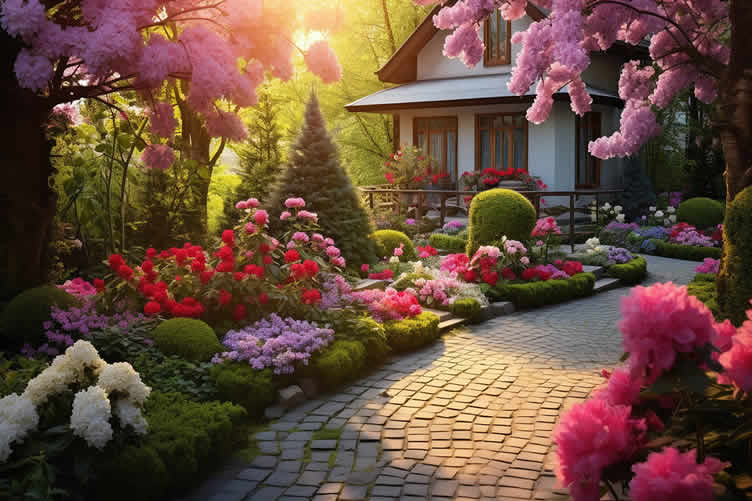
Remember, the choice of garden beds should complement your overall garden layout and cater to the specific conditions of each area, ensuring a thriving and blooming garden oasis.
copyright image by 123rf.com
-
-
-
ideas to view and compare from the information discussed above
Scroll up to directory … or scroll to next section about creating a colorful garden oasis …
decorative shrubs





using ornamental grasses
fifth “photo remodeling” idea
copyright image by 123rf.com
Garden Tip 5: Master the Art of Pruning
Notes:
-
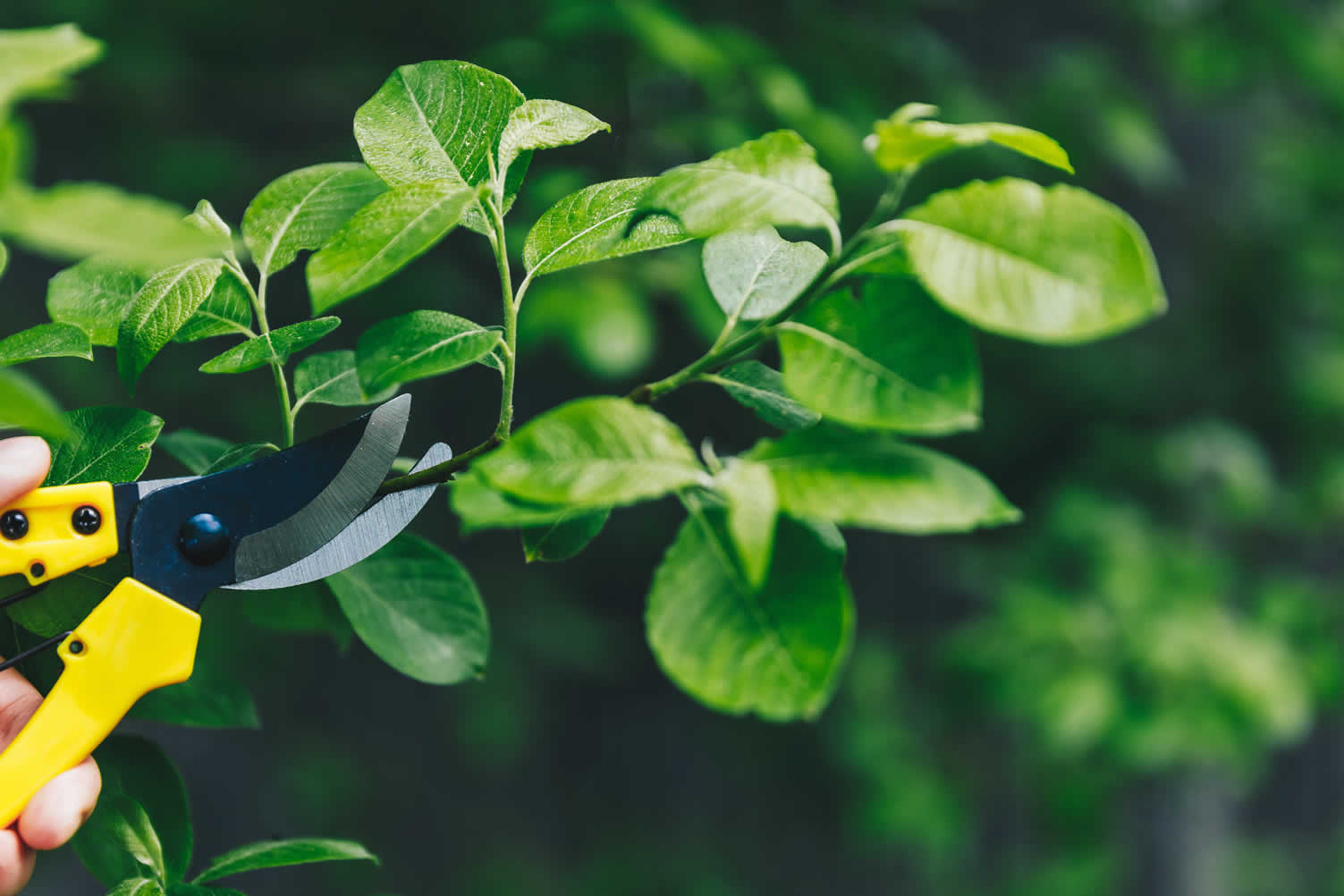
Pruning is an essential gardening practice that involves removing specific parts of a plant, such as branches or leaves. Regular pruning can help to improve the overall health and appearance of your garden and landscape.
-
Vigorous Growth:
One key benefit of pruning is that it encourages stronger and more vigorous growth in plants. By selectively removing dead or diseased branches, you allow the plant to channel its energy towards healthy growth. This results in lusher foliage, brighter blooms, and a more robust garden overall.
-
Form Shaping:
Moreover, pruning can also help to shape plants into desired forms. With strategic trimming and cutting, you can control the size and shape of your plants, allowing them to fit seamlessly into the design of your garden oasis. Just be sure to research which pruning methods are appropriate for each specific plant in your garden to avoid damaging or stunting its growth.
-
Manage Pest and Diseases:
Proper pruning can also help manage pests and diseases. By removing dead or damaged branches, you eliminate potential entry points for pests and reduce the risk of disease spread. Additionally, by thinning out dense foliage, you create better air circulation within the plants, making it harder for pests and diseases to thrive.
Overall, mastering the art of pruning is crucial for maintaining a blooming and healthy garden. By regularly pruning your plants, you can promote stronger growth, create desired shapes, and manage pests and diseases effectively.
With time and practice, you’ll become an expert pruner and see the amazing results in your lush garden oasis. So don’t be afraid to pick up those shears and start pruning! Your plants will thank you.
-
-
Quick scroll to “the art of pruning” side notes …
-
-
1st: What and When
Seasonal pruning is an essential task in maintaining a vibrant garden oasis. Pruning encourages healthy growth, enhances plant structure, and helps prevent the spread of diseases.
By removing damaged or overgrown branches, you’re allowing light and air to reach all parts of the plant, stimulating growth and flowering. Now, let’s delve into which landscape features require pruning and the appropriate times to do so.
-
Deciduous Trees (Fall Color Varieties):
Fall color deciduous trees, such as maples and aspens, should be pruned in late winter. Pruning during dormancy encourages vibrant fall colors and robust spring growth.
-
Shade Trees:
Pruning for shade trees can be done late winter to early spring or during the dormant period in early fall. Avoid pruning in the summer, as this can stress the tree and make it more susceptible to pests and diseases.
-
Fruit Trees:
Pruning for fruit trees, such as apple or peach trees, should take place in late winter or early spring. This helps to promote healthy growth and fruit production. Pruning during dormancy allows the tree to direct energy to the growth of new branches and buds in the spring.
-
Evergreen Trees:
Unlike deciduous trees, evergreen trees retain their foliage throughout the year. However, this doesn’t mean they don’t require pruning. Regular pruning, ideally in late winter or early spring, helps maintain their shape and promotes overall health.
-
Shrubs:
Shrubs are the backbone of any garden oasis, offering year-round interest with their diverse shapes, sizes, and colors. They can work as standalone features, form part of a mixed border, or act as a privacy screen when planted in groups.
Like other plants, shrubs also need pruning, but the timing and method largely depend on their variety. Spring-flowering shrubs like rhododendrons and azaleas are best pruned immediately after blooming, while late-summer or fall-flowering shrubs like hydrangeas should be pruned in late winter or early spring.
Regular pruning encourages healthy growth, maintains the shape, and enhances flowering. Particularly, removing any damaged, diseased, or dead branches promptly helps to maintain the overall health of your shrubs.
-
Hedges:
Pruning hedges need a slightly different approach than other plants. The best time to prune will depend on the type of hedge – evergreen hedges often benefit from being pruned in late spring, while deciduous hedges are best pruned in late summer.
Regular trimming ensures dense and vigorous growth while helping to maintain the desired shape and height. It is important to remove any dead or diseased branches promptly, to prevent the spread of disease and maintain the overall health of your hedges.
-
Flowering Shrubs (Late Bloomers):
These varieties of flowering shrubs bloom in late summer or fall, such as hydrangeas or roses. Pruning should occur in late winter or early spring. Early pruning will stimulate the growth of new wood, which is where the late-season blooms will form.
Care should be taken not to prune these shrubs too late in the season, as this can remove the new growth that will produce the upcoming season’s blooms.
-
Flowering Vines:
Flowering vines, such as clematis or morning glory, add a vertical dimension to your garden oasis. Pruning requirements vary depending on the type of vine. For clematis, pruning in early spring is beneficial as it encourages new growth and abundant flowering.
Morning glory, a fast-growing annual vine, doesn’t require much pruning, but occasional trimming can keep the plant in check.
-
Perennials:
Unlike annuals, which complete their life-cycle in a single year, perennials can live for many years, providing a consistent source of color and beauty in your garden. Key perennials such as hostas, daylilies, and geraniums require pruning to sustain their health and vigor.
Pruning of perennials often involves cutting back the plants in late fall or early spring to encourage new growth. Additionally, deadheading spent blooms can encourage a second bloom in certain varieties. As with any other plant, always ensure prompt removal of any diseased or damaged foliage to maintain the plant’s overall health.
-
Summer Blooming Flowers:
There’s a vast variety of summer flowers to choose from, each with its own pruning requirements. Some popular summer bloomers include roses, hydrangeas, and lilies. These plants often benefit from deadheading – the process of removing faded or dead flowers to encourage new growth and prolong blooming.

copyright image by AI generated image by 123rf.com
-
-
2nd: What Kind of Tools
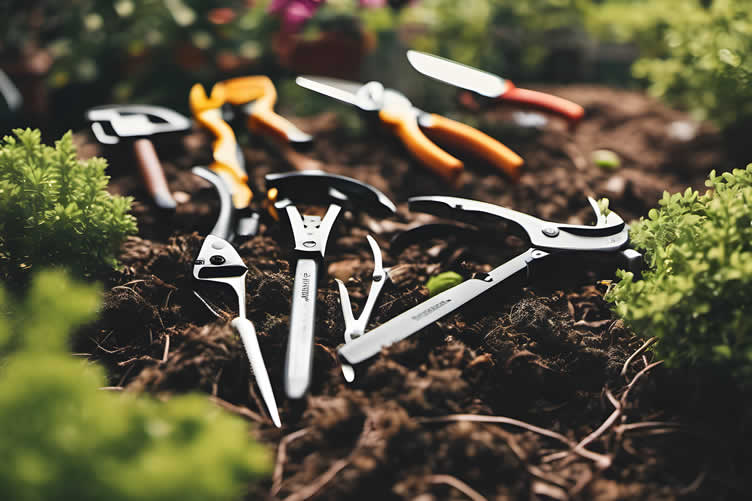
Equally important to knowing when and what to prune is understanding the need for the right pruning tools. The right pruning tools not only make the task easier, but also ensure clean cuts, minimizing plant damage and reducing the risk of disease transmission.
Below is a segmented list of the types of pruning tools needed for various plantings:
- Hand Pruners:
Ideal for cutting stems and light branches up to 3/4 inch in diameter. A must-have for roses, perennials, and small shrubs. - Loppers:
With their long handles and powerful blades, loppers are perfect for trimming branches up to 2 inches in diameter, particularly in fruit trees and larger flowering vines. - Pruning Saw:
For branches more than 2 inches in diameter, a pruning saw is necessary. It’s useful for the maintenance of larger shrubs and trees. - Hedge Shears:
These are great for shaping and trimming hedges and shrubs. They ensure symmetry and promote a tidy appearance. - Pruning Scissors:
Best for precise trimming of indoor plants, herb gardens, bonsai, and flowering vines.
Each of these tools has a unique role in creating and maintaining your garden oasis, ensuring optimal health, and promoting vigorous growth and blooming.
copyright image by 123rf.com
- Hand Pruners:
-
-
ideas to view and compare from the information discussed above
Scroll up to directory … or scroll to next section about creating a colorful garden oasis …
below for …
landscaping services


Find Landscaping/Maintenance Landscape Design Landscape Maintenance Pest Control Sprinkler Systems Tree & Shrubs Water Features top-rated, pre-screened local contractors FREE: download contractor selection enter zip code – powered by HomeAdvisor ™
Quick Contractor Guides selecting negotiating working with inspecting

sixth “photo remodeling” idea


copyright image by 123rf.com
Garden Tip 6: Selecting Plants for Diversity and Resilience
Notes:
-
When selecting plants for your garden, consider not only their visual appeal but also their ability to thrive in your climate and soil conditions. By choosing a variety of plants with different characteristics, you can create interest and balance in your garden while also promoting resilience against harsh weather conditions.
-
Use Native Plants:
In addition, incorporating native plants into your garden oasis can also be beneficial as they are accustomed to the local climate and have a better chance of thriving in your garden. Native plants also support local ecosystems and attract pollinators, making them an essential ingredient for any blooming garden.
-
Mix n’ Match:
Don’t be afraid to experiment with different plant selections and combinations. You can mix and match different colors, textures, and heights to create a visually appealing and diverse space. Consider using companion planting techniques where certain plants can benefit one another by attracting beneficial insects or repelling pests.
-
Keep It Easy:
Remember to also pay attention to the maintenance requirements of each plant when selecting. Choose plants that fit into your lifestyle and schedule so that you can properly care for them and avoid any potential issues.
-
All-Season Blooms:
One final secret tip is choosing plants with different bloom times. This will ensure that your garden has something in bloom throughout the year, creating a constantly changing and lively atmosphere.
-
-
Quirk scroll to “type of flower planting” topic side notes …
-
-
1st: Types of Perennial Flowers
Perennial plants, as the name suggests, are hardy plants that live for more than two years. Unlike annuals that bloom for a season and then die off, perennials grow and bloom over the spring and summer, die back every autumn and winter, and then return in the spring from their rootstock.
This enduring nature makes them an excellent choice for those looking to create a lasting garden oasis. The types of perennial plants commonly used in gardens include:
- Hostas:
Known for their beautiful foliage, Hostas are shade-loving perennials that can bring a lush, cool look to your garden oasis. - Daylilies:
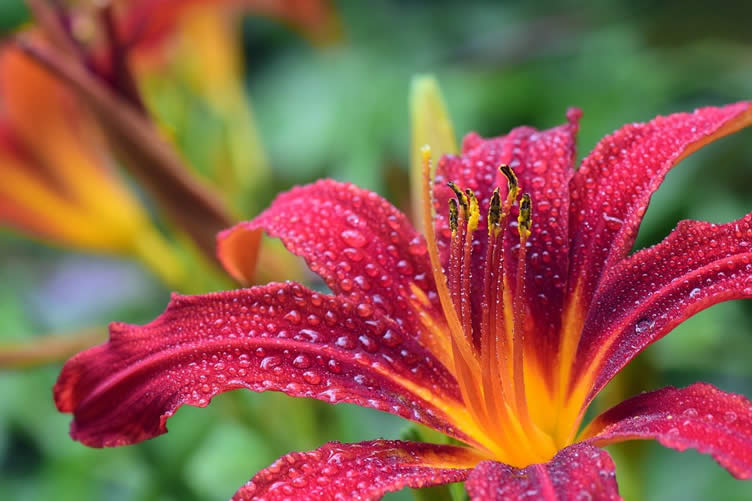
These sun-loving perennials are beloved for their bright, trumpet-shaped flowers. They’re easy to grow and care for, making them a popular choice among gardeners. - Coneflowers:
Coneflowers, or Echinacea, are flowering plants that attract butterflies and bees, adding an element of wildlife to your garden. - Sedum:
Sedum, or stonecrop, is a succulent perennial. It’s a very versatile plant that can survive in various climates and soil conditions. - Astilbe:
Astilbe is a perennial known for its feather-like flowers and fern-like foliage. This shade-tolerant plant can add texture and color to your garden. - Peonies:
The large, fragrant blooms of peonies make these perennials a timeless classic in a flowering garden. - Irises:
With their unique shape and vibrant colors, irises can add a touch of elegance to any garden oasis. They also come in a variety of sizes, making them suitable for both small and large spaces. - Tulips:
Tulips are one of the most recognized and loved perennials worldwide. Their distinctive, brightly colored blooms are a classic symbol of spring.
Perennials are plants that come back year after year, adding beauty and color to any garden. When it comes to their lighting needs, it’s important to consider whether they prefer full sun, partial shade, or full shade.
-
Sun-Loving:
- Coneflowers (Echinacea): Purple, pink, orange, yellow varieties, attract pollinators, drought-tolerant.
- Daylilies: Long bloom time, diverse colors, easy care.
- Coreopsis: Daisy-like flowers, yellow, orange, pink, attracts butterflies.
- Lavender: Fragrant flowers, attracts bees, drought-tolerant.
- Salvia: Blue, purple, white flowers, attracts hummingbirds, long bloom time.
- Black-eyed Susan (Rudbeckia): Golden daisy-like flowers, attracts pollinators, easy care.
- Roses: Diverse colors and fragrances, climbing or bush varieties, require moderate care.
-
Shade-Loving:
- Hostas: Varied foliage colors and textures, low maintenance.
- Astilbe: Feathery plumes of pink, white, purple flowers, prefers moist soil.
- Columbine: Delicate flowers in many colors, attracts hummingbirds.
- Bleeding Hearts: Unique heart-shaped pink flowers, shade or dappled sun.
- Coral Bells (Heuchera): Colorful foliage in various shades, low maintenance.
- Ferns: Textural interest, shade or dappled sun, low maintenance.
-
Additional Options:
- Lilies: Showy summer blooms, diverse varieties, good for cutting.
- Peonies: Large, fragrant flowers in spring, long-lived.
- Hydrangeas: Large flower heads in blue, pink, white, prefers moist soil.
- Ornamental grasses: Add movement and texture, low maintenance.
- Sedum: Succulent foliage, drought-tolerant, attracts butterflies.

copyright image by 123rf.com
Sunny Perennial Pics
Part-Sun Perennials
viewing amazon - Hostas:
-
2nd: Annuals
Annual flowers, as the name suggests, are plants that complete their life cycle in one growing season. After germination, these plants grow, bloom, set seed, and finally die all in the span of a single year. Their spectacular and continuous bloom throughout the season make them a popular choice for gardeners looking to add instant color and vibrancy to their garden oasis.
The common types of annual flowers include:
- Marigolds:
Known for their vibrant orange and yellow blooms, Marigolds are easy to care for and offer a delightful burst of color to any garden. - Petunias:
Petunias come in a variety of bright colors and patterns, making them a great choice for gardeners who want a pop of color in their gardens. - Zinnias:
Hardy and drought-resistant, Zinnias are adored for their long-lasting, brightly colored flowers. - Begonias:
With their beautiful foliage and flowers, Begonias can provide a continuous display of color throughout the entire summer. - Sunflowers:
These towering plants are known for their large, vibrant yellow flowers. Sunflowers are also relatively easy to grow and care for, making them a popular choice among gardeners. - Impatiens:
Also known as Busy Lizzies, these plants are shade-loving and produce a plethora of brightly colored flowers. - Pansies:
These hardy plants are known for their multi-colored, face-like flowers. They can bloom throughout spring, summer, and fall, making them a versatile addition to any garden. - Cosmos:
These easy-to-grow plants produce delicate, daisy-like flowers in a variety of colors, adding a touch of whimsy to your garden oasis.
When creating your garden oasis, remember that one key to a successful garden is understanding the light requirements of your chosen plants. Each flowering plant has its unique light requirement, impacting its growth, blooming, and overall health.
-
Sun-Loving:
- Zinnias: Easy to grow, abundant blooms, wide range of colors and sizes.
- Marigolds: Cheerful blooms, attract beneficial insects, deter pests.
- Cosmos: Delicate daisy-like flowers, airy foliage, attract pollinators.
- Sunflowers: Large, showy blooms, tall varieties make a statement.
- Celosia: Unique cockscomb or plume-shaped flowers, bold colors.
- Portulaca: Low-growing, heat-tolerant, ideal for edging and containers.
- Begonias: Continuous blooms, shade tolerant varieties available.
-
Shade-Loving:
- Impatiens: Vibrant colors, shade or partial sun, easy care.
- Coleus: Colorful foliage, diverse patterns, ideal for containers.
- Browallia: Delica
- te trumpet-shaped flowers, attracts hummingbirds.
- Calibrachoa: Mini petunia-like flowers, long bloom time, cascading habit.
- Nicotiana: Fragrant evening blooms, good for containers.
- Fuchsias: Elegant hanging baskets, shade or partial sun, moderate care.
-
Additional Options:
- Petunias: Classic bedding plant, cascade or upright varieties, require regular deadheading.
- Snapdragons: Tall spikes of flowers, cool weather tolerant, good for cutting.
- Salvias: Diverse flower colors and forms, attract pollinators, some drought-tolerant.
- Nasturtiums: Easy to grow, peppery foliage, edible flowers.
- Bachelor Buttons: Button-like blooms in blue, white, and pink, good for cutting.
- Cleome: Spider-like flowers, tall plants, attract pollinators.
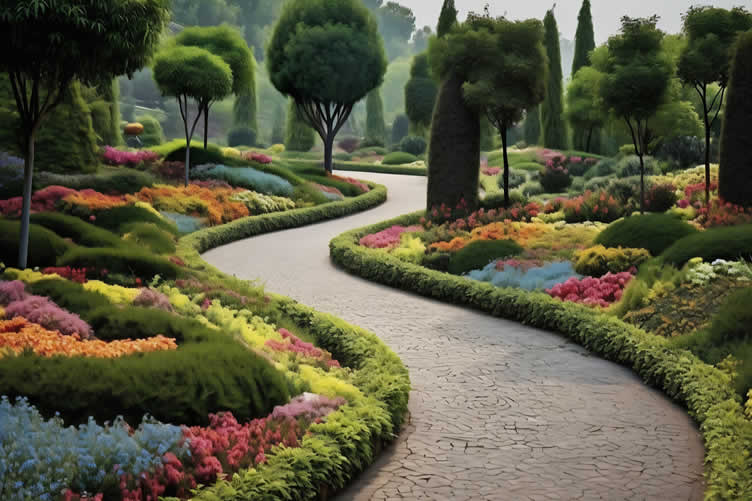
copyright image by 123rf.com
Part-Sun Annuals
viewing amazon - Marigolds:
-
-
ideas to view and compare from the information discussed above
book perennial gardenbook flower gardenbook landscape garden beds
Scroll up to directory … or scroll to next section about creating a colorful garden oasis …



seventh and last “photo remodeling” idea

copyright image by 123rf.com
Garden Tip 7: Caring for Every Season: Appeal All Year Round
Notes:
-
In addition to selecting a variety of plants, it is important to also consider the changing seasons and ways to enhance your garden during each one –
-
Spring
For a vibrant and colorful spring display, why not consider planting an array of beautiful bulbs such as tulips or daffodils? These stunning flowers, with their diverse range of colors and elegant forms, will bring a touch of joy and freshness to your garden.
Imagine the sight of tulips in shades of red, yellow, and pink, or the delicate beauty of daffodils swaying gently in the breeze.
-
Summer
During the summer season, it is advisable to choose heat-tolerant plants such as succulents or lavender. These plants have the remarkable ability to thrive in high temperatures and require minimal water, making them ideal for hot and dry climates.
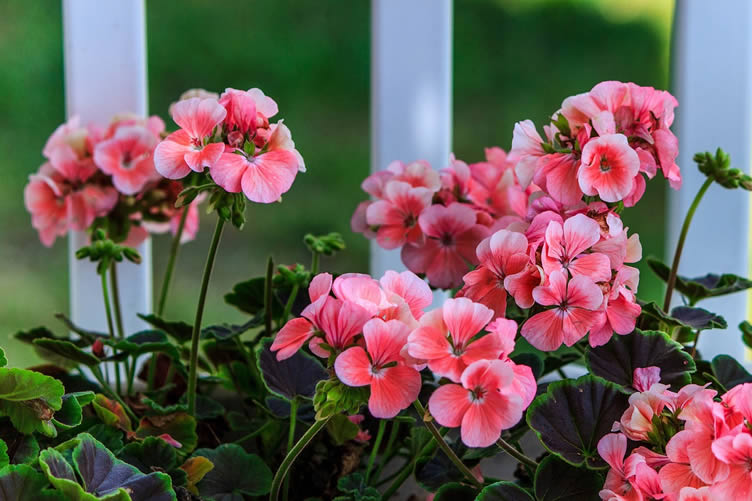
You might also consider summer perennials and annual flowers that enjoy the summer sun shine such as Geraniums, Zinnias, and Marigolds. These colorful blooms will not only add a pop of color to your garden but also attract pollinators such as bees and butterflies.
-
Fall
During the fall season, nature treats us to a mesmerizing display of vibrant hues as trees and shrubs undergo a breathtaking transformation, showcasing a kaleidoscope of colors.
From the fiery reds of maple trees to the rich and warm tones of dogwood, the landscape becomes a picturesque canvas, inviting us to immerse ourselves in the beauty of this enchanting time of year.
-
Winter
And for the winter season, don’t forget to add evergreens like pine or holly to your garden landscape for a touch of natural greenery. These plants not only provide a much-needed splash of color during the winter months but also offer shelter and food for birds and other wildlife.
Keep in mind that your garden haven is a living space that evolves with the seasons. Adapt your gardening practices accordingly, considering weather patterns and the types of plants that flourish.
By carefully selecting a variety of plants and incorporating elements for each season, your garden oasis will truly come alive all year round. So get creative with your plant selection and have fun creating a blooming oasis that you can enjoy throughout every season.
-
-
Quirk scroll to “seasonal landscaping” side notes …
-
-
1st: Techniques for Season-Long Blooms
Strategic planning of your growing season can result in a breathtaking display of colors and hues throughout the year in your garden oasis. The secret lies in understanding the growth cycles of different plants and coordinating them in such a way that as one species finishes blooming, another is ready to burst forth.
This strategy ensures a consistent bloom, making your garden a visual treat all year round.
-
Succession Planting:
Succession planting is an effective way to maximize garden productivity and ensure a constant display of flowers and a continuous harvest of vegetables throughout the growing season. The idea is to follow one crop with another, planting new seeds as soon as the preceding crop is harvested.
This technique not only keeps your garden oasis productive, but it also extends the period of fresh produce availability and ensures an ongoing explosion of color all season.
For example, after harvesting early-season lettuce, you could immediately plant a quick-growing crop like radishes or turnips. This approach requires careful planning and timing, but the rewards are worth the effort, providing a garden oasis that flourishes throughout the seasons.
[ view images: succession planting diagram]
[ view pinterest: designing succession planting]
-
Layering Plants:
Layering is a strategic technique that involves arranging your plants in a way that takes their height, spread, color, and blooming time into consideration. By doing so, you can create a dynamic and visually appealing landscape that changes throughout the growing season.
Start with taller plants and trees in the back or center, and then arrange smaller plants, shrubs, and ground cover in descending order towards the front or edges. This technique not only helps every plant get the light it needs, but also adds depth and variety to your garden oasis.
Choosing species that bloom at different times or have contrasting leaf colors can further enhance the visual impact, ensuring your garden retains color all season.
[ view images: layering planting diagram]
[ view pinterest: designing layering planting]
-
Companion Planting:
Companion planting is a time-tested gardening method that enhances the garden oasis by grouping together plant species that mutually benefit one another. This practice makes efficient use of space, improves soil health, and helps manage pests.
For instance, planting marigolds near tomatoes can deter harmful nematodes, while growing basil alongside can enhance the flavor of the tomatoes.
By carefully pairing plants that complement each other, you can optimize your garden’s productivity and ensure a thriving ecosystem throughout the growing season, adding yet another dimension of color and vibrancy.
[ view images: companion garden diagram]
[ view pinterest: designing companion planting]
-
Selecting Plants with Re-blooming Characteristics:
To ensure your garden oasis remains visually captivating throughout the growing season, consider incorporating plants with re-blooming traits into your design. These remarkable plants have the ability to produce multiple flushes of flowers, extending their color display beyond the typical bloom time.
Some popular re-blooming plants include certain varieties of roses, daylilies, and irises. By choosing these types of plants, you not only extend the blooming period but also add an extra layer of interest to your garden, ensuring bursts of color all season.
[ view images: re-blooming garden diagram]
[ view pinterest: designing re-blooming garden]
-
Using Colorful Foliage and Bark:
While flowers are often the stars of the show, don’t overlook the impact of colorful foliage and unique bark. Various plants offer leaves in hues like deep purples, bright yellows, and silvers.
Additionally, some trees and shrubs have unusually colored or peeling bark that provides interest and color all season, even when these plants are not in bloom.
By carefully selecting and layering these types of plants in your garden design, you can create a garden oasis that maintains visual interest throughout the entire growing season.
[ view images: colorful foliage ideas]
[ view pinterest: using colorful bark]
-
Incorporating Evergreen Plants:
Another key ingredient to creating a blooming garden oasis is the inclusion of evergreen plants. These plants retain their foliage and color throughout the year, providing a rich, verdant backdrop against which seasonal flowers can really shine.
The constant presence of evergreens ensures a sense of life and vitality in your garden even during the less productive winter months. Their durability and resilience against harsh weather conditions make them a must-have addition to your garden oasis.
From junipers and cedars to hollies and spruces, there’s an array of evergreen plants to suit every garden style and growing condition. Incorporating these plants could be your secret to maintaining a lush and vibrant garden oasis, ensuring bursts of color all season.
[ view images: evergreens in garden bed design]
[ view pinterest: using evergreens]
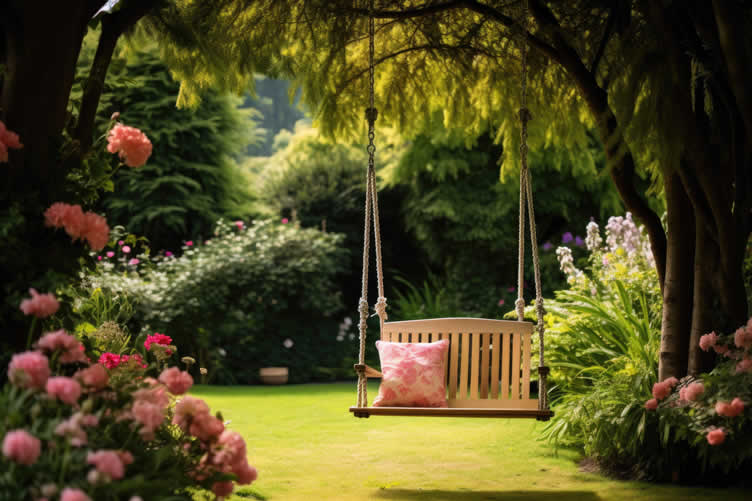
copyright image by 123rf.com
-
-
2nd: Know What Grows Best In Your Area
Understanding the plant growing zones is crucial to maintaining a thriving garden oasis. Each plant, whether perennial or annual, has a specific growing zone that is ideal for its growth.
These zones are determined by the USDA and represent the average minimum winter temperatures of areas. For instance:
[ view map: USDA plant hardiness zone map]
-
Zone 1
(Minimum temperatures below -50 degrees F)
This zone is reserved for the hardiest of plants, capable of withstanding freezing conditions. The Siberian Iris and the Dwarf Arctic Willow are two examples of plants that can endure the harsh climate of this zone.
While they require certain care considerations, these robust plants can add a unique charm to your garden oasis, exhibiting resilience and beauty even in the face of extreme temperatures.
-
Zone 2
(Minimum temperatures of -50 to -40 degrees F)
For those living in this harsh climate, creating a garden oasis may seem challenging, but it is not impossible. Plants like the Paper Birch and the Black Spruce are two examples that can withstand the challenging conditions of Zone 2.
These plants are designed to endure the freezing, and with the correct care and attention, they can add a unique aesthetic to your garden oasis.
-
Zone 3
(Minimum temperatures of -40 to -30 degrees F)
While still chilly, Zone 3 offers a slightly milder climate that allows for a greater variety of plant life. The American Cranberry Bush and Norway Spruce are two examples of plants that are well-suited to this zone.
These hardy plants can withstand the cold winters while providing a lush, colorful landscape for your garden oasis.
-
Zone 4
(Minimum temperatures of -30 to -20 degrees F)
As we move into slightly warmer climates, we enter Zone 4. This zone allows for a broader range of plant species to flourish, contributing to a more diverse garden oasis.
The Eastern Redbud and the Northern Red Oak are excellent choices for this zone, both offering vibrant foliage that can bring your garden to life. These plants are resistant to the cold and can thrive in the climate conditions of Zone 4.
-
Zone 5
(Minimum temperatures of -20 to -10 degrees F)
Entering Zone 5 brings us to a climate that offers an even wider array of plants that can contribute to creating a beautiful garden oasis. This zone is favorable for many trees such as the White Ash and the American Yellowwood.
These trees are known for their hardiness against cold climates and their vibrant colors that can bring an array of hues to your garden.
-
Zone 6
(Minimum temperatures of -10 to 0 degrees F)
Zone 6 presents gardeners with an opportunity to incorporate a greater diversity of plants into their garden oasis. This zone is suitable for a variety of perennials, shrubs, and trees such as the Red Maple and the Pin Oak.
These species are renowned for their resilience in colder climates and are capable of adding vibrant color and structure to any garden setting.
-
Zone 7
(Minimum temperatures of 0 to 10 degrees F)
Zone 7 offers a much more diverse array of plants for your garden oasis, thanks to its milder temperatures.
This zone is perfect for various perennials, shrubs, and trees such as the Sweetbay Magnolia and the Eastern Redbud, both of which are notable for their beautiful blossoms and ability to thrive in moderate climates.
-
Zone 8
(Minimum temperatures of 10 to 20 degrees F)
Zone 8 presents a unique opportunity for gardeners to incorporate a wide array of plant species into their garden oasis. The moderate to mild temperatures of this zone are favorable for a vast assortment of perennials, shrubs, and trees such as Crepe Myrtle and Southern Magnolia.
These plants are known for their remarkable blooms and resilience in warmer climates.
-
Zone 9
(Minimum temperatures of 20 to 30 degrees F)
Zone 9 provides gardeners with the chance to cultivate an even more diverse range of plant species in their garden oasis. The generally warm and frost-free climate of this zone makes it an ideal environment for plants like the Chinese Hibiscus and Bottlebrush Tree.
These exotic plants are renowned for their striking flowers and adaptability to temperate climates.
-
Zone 10
(Minimum temperatures of 30 to 40 degrees F)
Zone 10 offers garden enthusiasts the rare opportunity to cultivate a truly tropical garden oasis. The consistently warm and frost-free climate of this zone is a haven for exotic plants such as the Royal Poinciana and the Bird of Paradise, both of which are known for their vibrant and unique blooms.
These tropical species thrive in the higher temperatures of Zone 10, adding a touch of the exotic to any garden.

copyright image by 123rf.com
-
-
-
FINAL REMARKS
In summary, this 7-point guide will empower you with the know-how to cultivate a flourishing and enchanting garden. The key to a flourishing garden lies in understanding the seasons, choosing a diverse range of plants, and being open to continual learning and experimentation.
Remember, the beauty of a colorful garden oasis is its capacity to evolve and grow with you. As you implement these guidelines, your garden will transform into a sanctuary of tranquility and beauty.
Let the art of gardening become a fulfilling journey, making your garden the envy of the neighborhood. Enjoy the process, and happy gardening!
-
ideas to view and compare from the information discussed above
- What comments can you share about
creating a colorful garden oasis?
Scroll up to directory … or scroll to more yard n’ garden-related topics …
view illustration “becoming a bank”


Cover image credit: creating a colorful garden oasis by 123rf.com
end of post … please share it!
 |
did you find creating a colorful garden oasis analysis helpful? If so, please share the article with your friends and family! |
Nice pic idea? Leave us a quick comment below.
And please share this pic idea within your social networks.