This review will take you on a fascinating tour of household spiders, clearing up common misconceptions and helping you understand why these eight-legged creatures come into our homes. You’ll learn how to identify the good, the bad, and the ugly spiders, and discover ways to keep "spiders in the house" at bay.
Whether you’re a homeowner, seeking pest control solutions, or a nature enthusiast curious about spiders, this guide is for you.
Why Spiders Enter Homes
Have you ever wondered why spiders make their way into your home? It’s not because they want to scare you.
Spiders usually enter homes for food, warmth, and shelter. They feed on other insects, so if your home has a lot of bugs, it’s like an all-you-can-eat buffet for spiders.
Another reason spiders enter homes is the change in weather. During colder months, spiders seek warmth, and your cozy home is an inviting refuge. Similarly, during rainy seasons, spiders look for dry places to stay.

Cracks in windows, gaps under doors, and vents are common entry points. By sealing these, you can prevent many spiders from making their way inside.
Finally, some spiders come into homes purely by accident. They’re exploring new territories, and sometimes that territory is your living room. Once inside, they often find it to be a suitable environment and decide to stay.

The Good Spider
Believe it or not, some spiders are actually good for your home. These beneficial spiders help control the population of other pests, like flies, mosquitoes, and even other spiders. One such good spider is the common house spider.
House spiders are harmless to humans and prefer to stay out of sight. They build their webs in corners or other out-of-the-way places and capture nuisance insects.
Another beneficial spider is the cellar spider, also known as the daddy longlegs. These spiders are known for their long, thin legs and small bodies. They are great at catching mosquitoes and other small insects.
Jumping spiders are another good variety. Although they might look intimidating with their quick movements, they are harmless and excellent hunters of small insects. By having these spiders around, you’re actually reducing the number of other pests in your home.
Good Spiders
The Bad Spiders
While some spiders are beneficial, others can pose a risk to humans. Venomous or aggressive spiders fall into the “bad” category.
One of the most infamous is the black widow spider, easily identified by its shiny black body and red hourglass marking on its abdomen. Their bites can cause severe pain, muscle cramps, and in rare cases, more serious health issues.
Another dangerous spider is the brown recluse. Recognizable by the violin-shaped marking on its back, this spider’s bite can result in necrosis, where the tissue around the bite site dies. It’s important to seek medical attention if bitten by a brown recluse.
Hobo spiders are also considered bad due to their aggressive nature. Although their venom is not as harmful as that of black widows or brown recluses, their bites can still cause discomfort and minor health issues.
Knowing how to identify these bad spiders can help you take the necessary precautions to avoid them.
Bad Spiders
The Ugly Spiders
Some spiders aren’t particularly dangerous but can give you the creeps due to their appearance. These “ugly” spiders often have unsettling features or behaviors.
The wolf spider is a prime example. With its large size and hairy body, it looks quite menacing. However, wolf spiders are generally harmless and prefer to hunt rather than build webs.
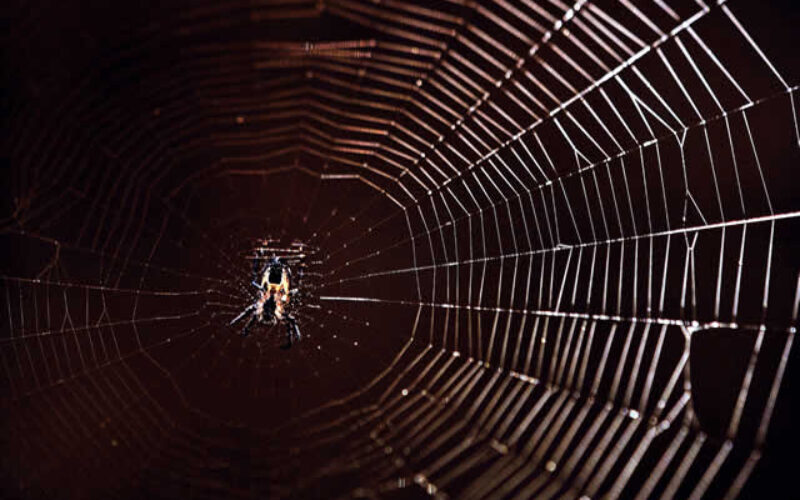
The orb-weaver spider may also fall into the ugly category due to its large, bulbous body and intricate web designs. While their appearance might be unsettling, they are harmless and contribute to controlling insect populations.
Lastly, the huntsman spider, which can be quite large and fast-moving, often causes distress. Despite their intimidating size, huntsman spiders are not dangerous to humans and can actually be beneficial by eating other insects.
Ugly Spiders
Spiders by US Region
Different regions in the US have different spider species. Knowing which spiders are common in your area can help you better prepare for and manage them.
In the western United States, you might encounter the black widow and the brown recluse. In the southern states, you’ll find the brown widow, a cousin of the black widow, with similar venom but less aggressive behavior. The northern states are home to the common house spider and the cellar spider, both of which are harmless.
The Midwest has its share of wolf spiders and jumping spiders, while the eastern United States is known for orb-weaver spiders and fishing spiders. By understanding the regional distribution of spiders, you can be more vigilant about the types you might encounter.

Prevention Methods
Keeping spiders out of your home doesn’t mean you have to harm them. There are several humane methods to prevent spiders from entering in the first place. Start by sealing cracks and gaps around windows, doors, and vents. This not only keeps spiders out but also other pests.
Another preventive measure is to reduce the clutter in your home. Spiders love hiding in piles of clothes, papers, and other cluttered areas. Regularly cleaning and organizing your home makes it less inviting for them.
Lastly, consider using natural repellents. Essential oils like peppermint, tea tree, and eucalyptus are known to repel spiders. You can mix a few drops with water in a spray bottle and spritz it around entry points to deter them.
How to Remove Spiders
If you find spiders in your home, there are safe and effective ways to remove them. One method is the cup-and-paper technique. Gently place a cup over the spider, slide a piece of paper underneath, and carry it outside to release it.
For those who prefer not to get too close, spider catchers are available. These devices allow you to capture and release spiders without direct contact.
If you have a significant spider problem, consider reaching out to a professional pest control service. They can assess the situation and provide solutions tailored to your needs, ensuring a spider-free home.
other related articles of interest:
Conclusion
Household spiders are often misunderstood creatures. While some pose risks, many are beneficial and help control other pests in your home.
Understanding why spiders enter homes, identifying the good, the bad, and the ugly, and knowing how to prevent and remove them can make cohabiting with these eight-legged visitors much more manageable.
Remember, spiders play a vital role in our ecosystem. Instead of reaching for the bug spray, consider the benefits they offer.
For more tips and personalized advice, consider consulting with a pest control expert or researching further into the fascinating world of spiders. Stay informed, stay safe, and appreciate the hidden helpers in your home.
Find Pest and Environmental Services Pest Control Lead-Mold-Radon Recovery Services Water Softening top-rated, pre-screened local contractors FREE: download contractor selection enter zip code – powered by HomeAdvisor ™


Image credit: spiders in the house by envato.com
end of post … please share it!
| more photo remodeling |
Jump Over to Our Photo Analysis Center for Ideas on
"Renovating Home"
|__________________________________________________________|
home remodeling surprise
find out where it might go - new win


Helpful article? Leave us a quick comment below.
And please share this article within your social networks.