Summary Outline –
Building a personal library is one of the most rewarding home projects you can take on—and you don’t need a grand mansion or a wood-paneled study to do it.
A cozy corner can be just as inviting as a dedicated room, as long as you plan it thoughtfully. This guide walks you through four library types based on size, with practical setup tips for each.
You’ll learn how to assess your collection, choose the right spot, organize your shelves, and create a reading space that feels like your own personal retreat.
Let’s turn those wandering books into a library you’ll love coming home to.
- post content … analysis/ home library design
- 1st: Understanding Your Library’s Potential
- 2nd: Mini Library: Maximizing Small Spaces
- 3rd: Small Library: Expanding Your Literary Corner
- 4th: Medium Library: A Room of Your Own
- 5th: Large Library: The Ultimate Bibliophile’s Retreat
- 6th: Mastering The Art Of Book Organization
- 7th: Beyond The Books
- 8th: Frequently Asked Questions
- 9th: Finding Help
- conclusion
- other interior home topics

-
- —— begin first topic ——
-
1st Section: Understanding Your Library’s Potential
Before you invest in a single bookcase, it’s important to take a thoughtful approach to designing your library. A well-planned library isn’t just a storage solution—it’s a curated extension of your personality, interests, and style.
Considering the potential of your library not only ensures it fits within your space but also embraces the purpose it will serve in your home.
From adding aesthetic value to enhancing functionality, the right library setup can transform any room into an inviting and organized sanctuary.
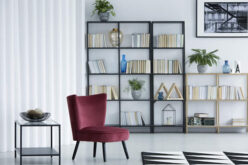
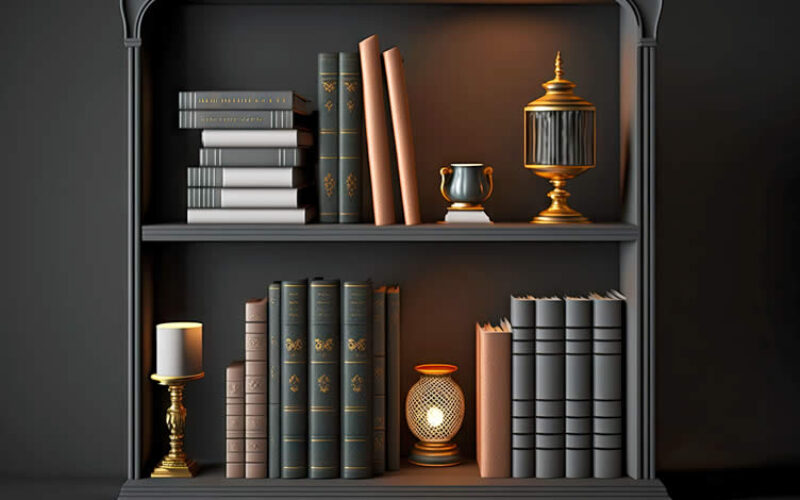
AI generated image by 123rf.com

By assessing your collection, understanding your spatial constraints, and envisioning future growth, you can create a lasting library system that balances form and function.
Whether you’re designing for a small apartment, a cozy nook, or an expansive study, proper planning is key to maximizing small spaces while enjoying the process of showcasing your literary treasures.
-
Count Your Literary Treasures
The first step in maximizing your library space is taking inventory. Scan your collection and categorize your books by type—hardcovers, paperbacks, or oversized editions.
This helps you estimate the number of shelves required and understand the minimum height and depth needed for your bookcases. Keep in mind that different types of books may need varied shelving dimensions to comfortably accommodate them without damaging their spines or covers.
A simple calculation goes a long way. For instance, a single 36-inch shelf typically holds 30 to 35 average-sized hardcovers.
Knowing these metrics not only ensures accuracy in your design but also prevents costly errors like purchasing inadequate shelving units that don’t fit your collection.
-
Envision Future Growth
Building a library is more than just organizing your books; it’s about planning for the future. If you’re an avid reader, chances are your collection will continue to grow over time.
To account for this, leave approximately 25% of extra shelf space to accommodate new additions. This foresight allows your library to remain uncluttered and functional for years to come.
Additionally, consider the possibility of expanding genres or interests. Today your library may hold mostly fiction, but in the future, you might add cookbooks, art portfolios, or children’s books.
A little extra space now ensures flexibility for potential changes in the years ahead.
-
How You Expect to Utilize the Space
Your library isn’t just about storing books—think about the overall role it will play in your home. Will it double as a reading nook, a workspace, or simply a display for your prized possessions?
Determining this will influence the type of furniture, lighting, and decor decisions you incorporate into the setup.
For instance, if you plan to spend significant time reading there, adding a comfortable chair, adequate lighting, and perhaps a small side table can transform the area into a functional yet cozy retreat.
Alternatively, if your goal is to showcase your collection and create a visually striking focal point, focus on aesthetics.
Incorporate adjustable shelving, complementary color schemes, and decorative accents like plants or artwork that elevate the room’s design while highlighting your books.
-
Additional Considerations
- Storage Balance:
Consider incorporating closed cabinetry for items you want to keep out of sight, such as documents, magazines, or knick-knacks. This keeps the focus on your books while maintaining a clean and uncluttered look. - Space Constraints:
For smaller homes or apartments, think vertically. Floor-to-ceiling shelving maximizes storage without taking up extra square footage, while ladder-style shelves can add a decorative touch. - Material and Quality:
Invest in durable, high-quality shelving to ensure your library stands the test of time. Solid wood shelves or reinforced metal options are ideal for heavy collections. - Ambient Lighting:
Proper lighting enhances the functionality and aesthetic of your library. Opt for a mix of natural light during the day and soft, warm lighting for evenings. Adjustable lamps or LED strip lights can help illuminate dim corners or showcase decorative pieces.
By focusing on these key aspects of planning, you ensure that your library is practical, visually appealing, and reflective of your lifestyle.
With some thoughtful preparation, you can craft a space that not only preserves your literary treasures but becomes a cherished part of your home.
- Storage Balance:
- Quick scroll to section content …
Aspect Description Key Considerations Understanding Your Library’s Potential Designing your library thoughtfully ensures it reflects your personality, interests, and style. A well-planned library adds aesthetic value and enhances functionality, turning any room into an inviting and organized sanctuary. Assess your collection, understand spatial constraints, and plan for future growth to achieve a balanced system that combines form and function. Count Your Literary Treasures Take inventory of your collection, categorizing books by type to determine the number of shelves needed and their required dimensions. This minimizes errors in shelving design and protects your books. A 36-inch shelf typically holds 30 to 35 hardcover books. Ensure shelving matches the size and shape of your collection to avoid damage and maximize space. Envision Future Growth Plan for growth by leaving approximately 25% extra shelf space for new additions. This keeps your library uncluttered and adaptable to changing needs over time. Design shelving with flexibility for potential additions like cookbooks, art books, or children’s books, ensuring the library can evolve with your interests. How You Expect to Utilize the Space Determine the role of your library—whether as a reading nook, workspace, or decorative display. This influences furniture, lighting, and decor choices to meet functional and aesthetic needs. Consider adding comfortable seating, adequate lighting, or decorative elements like plants to enhance usability and showcasing potential. Additional Considerations Focus on storage balance, space constraints, material quality, and lighting to create a cohesive library design. Closed cabinets can hide clutter, and lighting enhances both functionality and aesthetics. Think vertically in smaller spaces, use durable materials like solid wood, and combine natural and artificial lighting to highlight your library’s features. 

copyright image by 123rf.com
Combining a Home Library with a Home Office
A practical way to create a dedicated home library is to combine it with your home office.
Many professionals use a library backdrop for video conferences, adding a touch of sophistication to their virtual meetings.
By choosing furniture that supports both productivity and comfort—like an ergonomic chair and organized shelving—you can create a space that encourages focus while beautifully displaying your books.
This dual-purpose design maximizes your home’s functionality and adds aesthetic charm.
view ideas: The Perfect Home Office(new win)

-
Scroll up to directory … or scroll to next section: setting up a mini library …

-
-
-
2nd Section: Mini Library: Maximizing Small Spaces
Creating a mini home library is a wonderful way to combine functionality with charm, even in the coziest of spaces.
Whether you are an avid reader with a budding collection or a casual book lover seeking a quiet corner, a mini library brings warmth, character, and inspiration to your home.
With thoughtful planning and design, you can transform a limited area into a functional and inviting book haven without sacrificing style or comfort.
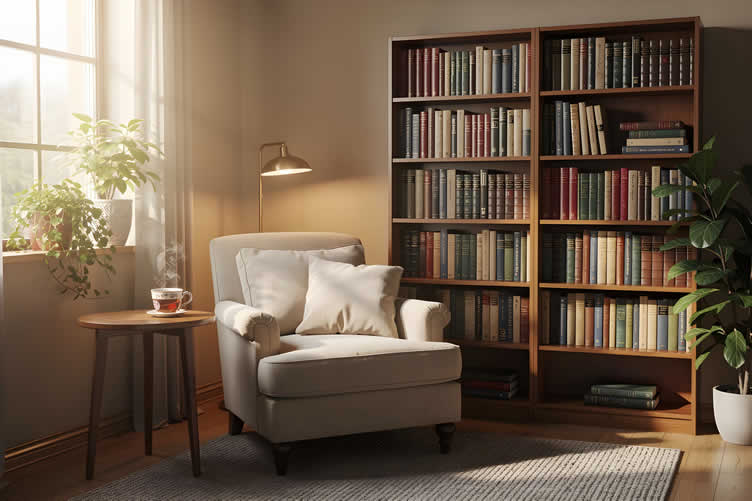
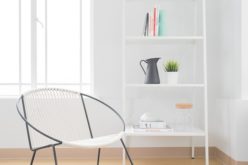
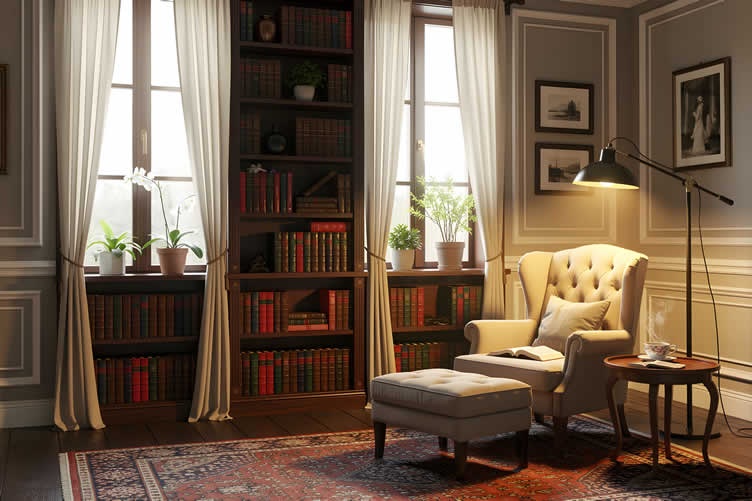
AI generated image by 123rf.com
The key to successfully maximizing small spaces lies in strategic organization and thoughtful decor. With the right setup, your mini library can reflect your personality while offering practicality.
From selecting the perfect corner to incorporating smart storage, this guide will walk you through the essentials of creating a stylish, comfortable spot for both books and relaxation.
-
Selecting the Perfect Corner[ view]
When looking for the right spot for your mini library, consider underutilized corners or architectural nooks in your home.
Look for spaces that receive natural light but can also accommodate a cozy setup with artificial lighting. Bay windows, unused alcoves, or even a quiet hallway corner can work perfectly.
-
Essential Elements[ view]
To create a fully functional and comfortable mini library, include the following essentials:
- Bookcase:
Choose a design that suits your space—tall and slim for vertical storage, or a low-profile shelf for compact areas. - Reading Chair:
A comfortable chair is a must. Look for an ergonomic option or a plush armchair with padding for long reading sessions. - Lamp:
Ensure proper lighting with an adjustable floor lamp or a compact yet bright table lamp placed at the right height for reading. - Other Touches:
Add a side table or small ottoman for drinks or accessories, and consider organizing your books with stylish bookends.
- Bookcase:
-
Prioritizing Comfort and Accessibility[ view]
Comfort should be your primary goal in designing the space. Use soft textiles like a cozy throw blanket or a cushion to enhance the seating area.
Make sure all shelves and storage solutions are within easy reach, ensuring that your library remains highly functional. Accessibility ensures that every time you pick up a book, the experience is seamless and enjoyable.
-
Using Smart Storage Solutions[ view]
Leverage storage techniques that maximize space without overcrowding. Use floating shelves to take advantage of wall space and stack books horizontally and vertically to create visual interest.
Consider dual-purpose furniture, such as a storage ottoman that can hold magazines or decorative storage boxes to contain items like bookmarks or notebooks.
-
Decorating Your Mini Haven
Personalize your mini library with small yet impactful decor pieces. Add greenery with low-maintenance plants, introduce aromatic candles for a calming vibe, and hang minimalistic art or literary-themed prints on adjacent walls.
Include items that reflect your style, such as a framed quote or a unique bookend, to make the space uniquely yours.
-
Other Inspiration
- Color-code your books to create a striking visual effect.
- Incorporate mirrors to make the space feel larger and brighter.
- Use rugs to define the area, especially if your mini library is part of an open-plan living space.
- Add a bulletin board or chalkboard for notes, favorite quotes, or reading lists.
A mini library is more than just a space for books; it’s a retreat for relaxation, reflection, and rejuvenation.
By thoughtfully planning and incorporating these ideas, you can create a small-space library that feels both luxurious and entirely your own.
- Quick scroll to section content …
Feature Description Benefits Mini Library Overview Creating a mini home library combines functionality with charm, even in small spaces. It provides a warm and inviting area for book lovers, reflecting personality and offering practicality through thoughtful design. Reflects personality and offers practicality while maximizing small spaces. Perfect Corner Underutilized spaces such as bay windows, alcoves, or hallway corners with natural or artificial light. Creates an efficient, cozy nook for reading without needing a large area. Essential Furniture Include a bookcase, ergonomic reading chair, table lamp, and small side table for accessories. Ensures the space is functional, comfortable, and stylish for readers of all ages. Storage Solutions Floating shelves, dual-purpose furniture (e.g., storage ottoman), and decorative storage boxes for small items. Maximizes space utility while maintaining a neat and appealing setup. Decor and Accessories Green plants, aromatic candles, minimalistic art, book-themed prints, mirrors, and soft textiles like throws or cushions. Adds personal touches to make the space inviting while reflecting individual style. Color Coding Organize books by color to create a visually striking effect and aesthetic appeal. Transforms book storage into a decor feature that elevates the overall design. 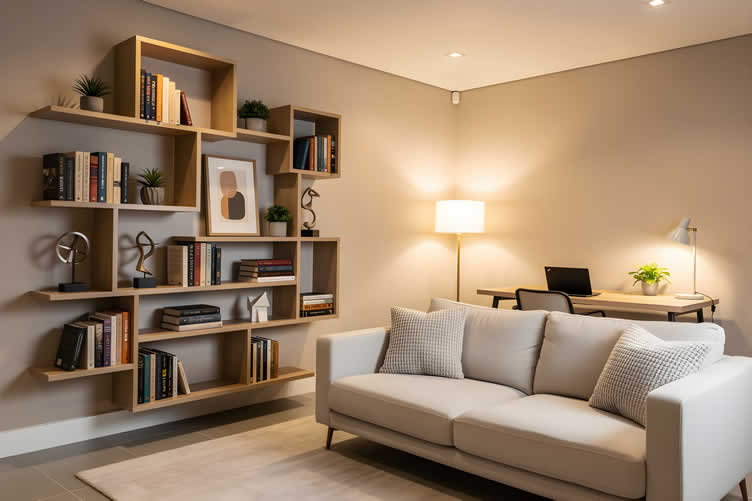
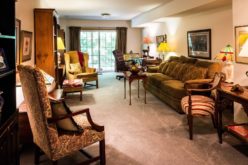
AI generated image by 123rf.com
Sharing Space
When your living space serves multiple purposes, incorporating a mini library might seem like a challenge—but creative wall shelving can come to the rescue.
Functional and stylish, wall-mounted shelves utilize vertical space, keeping your floor clear while showcasing your book collection beautifully.
Opt for modular shelving units or floating shelves that allow for customization to fit your unique style and space constraints.
By blending your library seamlessly with your decor, you can create a visually appealing and functional space without compromising on storage or aesthetics.
view ideas: Creative Wall Bookcases(new win)
-
Scroll up to directory … or scroll to next section: about having a small library …
-
-

Deciding home library design and other home improvement needs …
… save this curated directory of ideas for future reference.

-
-
3rd Section: Small Library: Expanding Your Literary Corner
When your book collection grows into the hundreds, that cozy nook you started with might feel a bit too cramped.
A small library offers the perfect step up, providing more shelving space and a dedicated area for your growing collection, all without demanding an expensive or large-scale renovation.
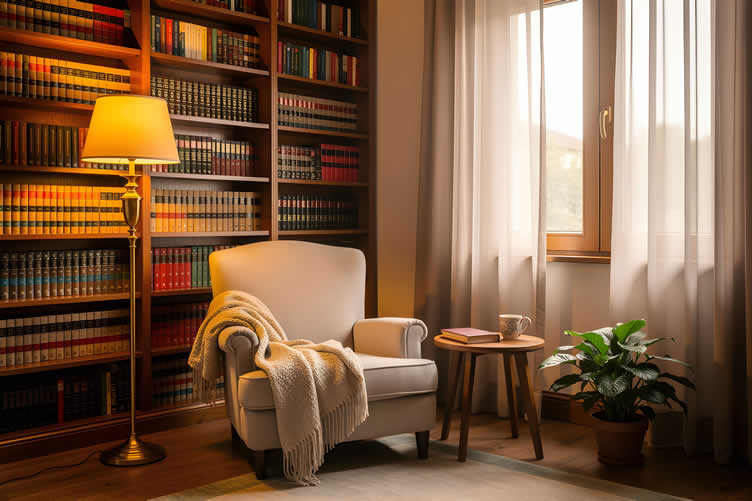
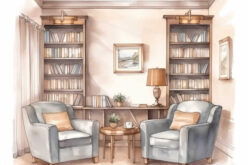
AI generated image by 123rf.com
By allocating a corner or a spare room and thoughtfully designing your setup, you can transform your expanding collection into an organized, inspiring, and tranquil retreat.
To get started, it’s crucial to design your small library with both functionality and atmosphere in mind. From arranging multiple bookcases to creating inviting seating areas, a well-planned library not only enhances usability but also reflects your personal style.
Now, let’s explore the key elements you’ll want to consider when building your ideal small library.
-
Multi-Bookcase Arrangements[ view]
When working with a small library, strategically arranging multiple bookcases can maximize space and storage. For tighter areas, consider using vertical shelving units that draw the eye upward, making the most of the room’s height.
Alternatively, opt for modular or corner bookcases for a more flexible arrangement that can adapt to the space. Ensure stability by securing taller units to the wall, especially in family homes.
For a visually appealing layout, try grouping bookshelves into zones for specific genres, creating a natural flow around the room.
-
Organized Shelving Strategies[ view]
Efficient organization is essential to keep your collection accessible and neat. Use a mix of spine-out and face-out arrangements to display favorite titles or showcase decorative pieces.
Organize books by category, author, or even aesthetic color schemes to create a cohesive look. Incorporating adjustable shelving is also a smart way to accommodate books of varying sizes and ensure your library grows with your collection.
To avoid clutter and dust collection, aim to leave some space at the top of each shelf for airflow and decor.
-
Comfortable Seating Options[ view]
No library is complete without a comfortable place to sit and indulge in your favorite stories. For a small library, choose seating that’s stylish yet compact, such as an upholstered armchair, a cushioned corner bench, or even a slim loveseat.
Add a soft throw blanket or a few plush pillows for extra coziness. Proper lighting is also critical; pair your seating area with an adjustable reading lamp or position it near a window for natural light.
-
Enhancing the Ambiance[ view]
Ambiance plays a central role in creating a space that’s inviting and inspiring. Use warm, layered lighting to soften the room—combining floor lamps, table lamps, and overhead fixtures.
Incorporate rugs, curtains, or fabric-covered furniture to introduce texture and improve acoustics. Scented candles or an essential oil diffuser can add a calming aroma, making your small library a true retreat from the busyness of the day.
-
Personalizing Your Small Library[ view]
Make your small library a reflection of your personality and interests. Add personal touches like framed photos, artwork, or travel mementos. Include greenery to bring in a refreshing, natural element—small potted plants or hanging planters work well for limited space.
You could also integrate a feature wall with patterned wallpaper or a bold paint color to give the space its own distinctive character while ensuring it harmonizes with the rest of your home.
By addressing each of these key considerations, you can craft a small library that meets both your practical needs as a reader and your aesthetic desires as a homeowner.
From storage solutions to curated design elements, this intimate space will not only house your cherished books but also become a sanctuary you’ll love spending time in.
- Quick scroll to section content …
Key Element Description Suggestions Multi-Bookcase Arrangements Strategically arranging multiple bookcases maximizes space and storage in a small library. Vertical shelving units or modular/corner bookcases can help make the most of limited space. Secure taller units to walls for stability and create zones by grouping bookshelves for specific genres to enhance flow and organization. Organized Shelving Strategies Efficiently organize your book collection to keep it neat and accessible. A mix of spine-out and face-out arrangements can showcase favorite titles and decorative pieces. Use adjustable shelving for varying book sizes, categorize books by genre or author, and leave some space for decor and airflow. Comfortable Seating Options Compact and stylish seating enhances the comfort of your small library. Options include upholstered armchairs, corner benches, or slim loveseats. Include soft blankets, plush pillows, and position seating near a window or with adjustable lighting for optimal reading comfort. Enhancing the Ambiance Creating a warm and inviting atmosphere is essential. Layered lighting, rugs, and curtains can soften the room while improving acoustics. Add scented candles or essential oils for a calming aroma and incorporate textures through decor for a tranquil setting. Personalizing Your Small Library Make the space your own with personal touches such as framed photos, artwork, or plants. A feature wall can add unique character to the design. Use bold paint, wallpaper, or greenery in limited spaces to harmonize the library with your home’s decor while reflecting your personality. 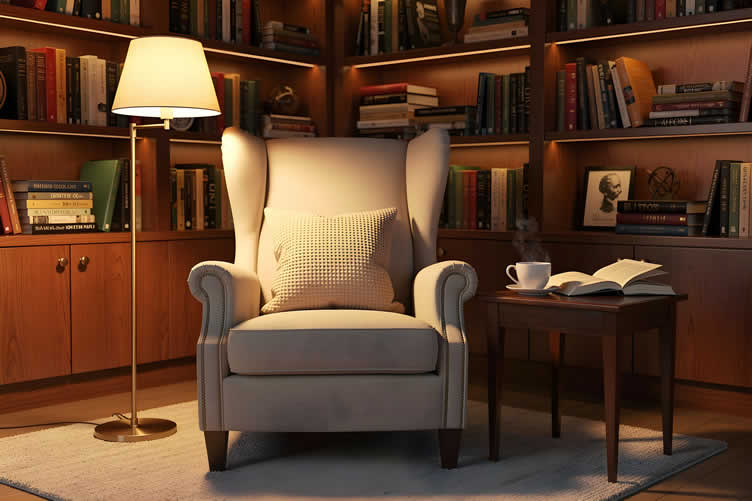
AI generated image by 123rf.com
For Your Small Home Library
Choosing the right furniture is essential for elevating the comfort and aesthetic of your small home library.
A cozy, supportive reading chair should be the centerpiece, offering a snug spot to get lost in your favorite stories.
Look for a chair with good ergonomic support and soft cushioning to ensure comfort during long reading sessions. Complement it with a small side table for a cup of tea and a stylish floor lamp to create the perfect lighting.
These elements will transform your library into a warm, inviting haven for any book lover.
view ideas: Finding the Perfect Home Furniture(new win)
-
Scroll up to directory … or scroll to next section: dedicated room for medium library …
-
-

Download this PDF for a concise summary of everything you need to know about …?
-
-
4th Section: Medium Library: A Room of Your Own
A medium library is more than just a space for storing books; it is a sanctuary dedicated to the joy of reading, working, and relaxing.
By claiming an entire room for your book collection, you can create an environment that seamlessly combines functionality with comfort.
This type of library offers the perfect setup for serious bibliophiles who value organization, atmosphere, and accessibility, as well as those who seek a peaceful retreat within their home.
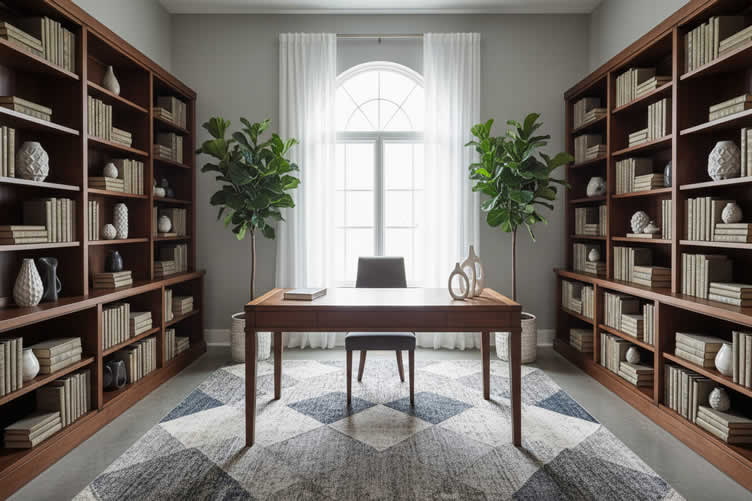
AI generated image by 123rf.com
Designing a medium library allows you to redefine how you interact with books and engage in quiet moments of productivity or relaxation. It’s a space that celebrates your passion while providing the essentials for creative exploration and leisure.
From furniture to lighting and functional areas, a well-thought-out medium library delivers both aesthetic appeal and practical utility.
-
Built-in vs. Tall Bookcases[ view]
The foundation of any library is its book storage. Built-in bookcases provide a polished and customized look, integrating seamlessly into the room’s architecture while maximizing storage along every wall.
On the other hand, tall standalone bookcases can add flexibility and charm, especially if you frequently reconfigure your space. Consider your collection size, future growth, and the overall aesthetic you wish to achieve when choosing between these options.
-
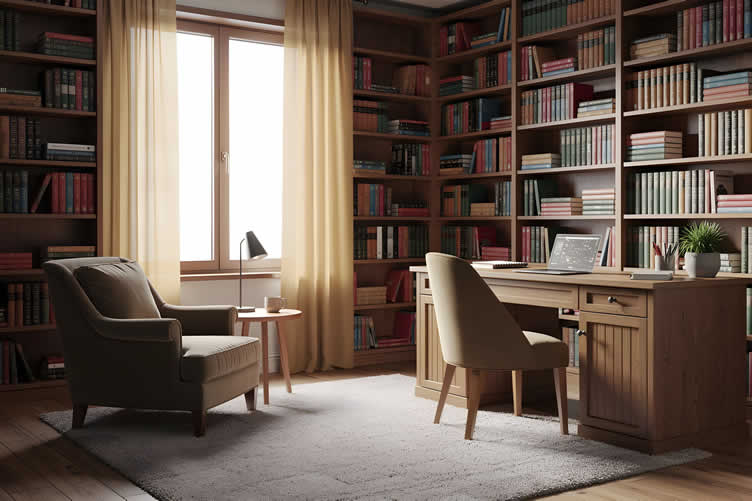
Incorporating a Desk Area[ view]
A medium library often doubles as a workspace. Adding a desk area allows you to comfortably write, study, or work in a focused environment.
Opt for a desk that complements your bookcases and provides sufficient surface area for your tasks. Include storage solutions like drawers or shelves for organization, and position the desk near a window, if possible, to take advantage of natural light.
-
Comfortable Seating Options[ view]
Your seating should be as inviting as the books themselves. Armchairs, chaise lounges, or even a loveseat can anchor the room and create a cozy reading nook.
Upholstered furniture with plush cushions ensures long-lasting comfort, while side tables and ottomans enhance functionality. Match the seating to your room’s design style for a cohesive look.
-
Defining Distinct Reading and/or Study Zones[ view]
If your library serves multiple purposes, create zones for different activities. A reading corner can be set apart with a comfortable chair and floor lamp, while the desk area is more suited for focused work.
Use rugs, shelving placement, or subtle dividers to define these spaces without overwhelming the room.
-
Lighting for Productivity and Relaxation[ view]
The right lighting elevates both the mood and functionality of your library. Task lighting, such as adjustable desk lamps, aids in productivity, while warm, ambient lighting like sconces or pendant fixtures creates a relaxed atmosphere.
Consider dimmable options to transition from work to leisure effortlessly.
-
Integrating Technology Seamlessly[ view]
Today’s libraries often blend the analog and digital worlds. Thoughtfully include technology such as a hidden charging station, built-in speakers for soft background music, or even a mounted screen for research purposes.
Keep cables discrete by using wire management systems to maintain the room’s clean, uncluttered look.
-
Curating Your Medium Library
Curation is at the core of a successful medium library. Regularly evaluate your collection to ensure that every title has significance to you or your family. Donate or sell books that have outlived their purpose to create space for future finds.
A curated collection not only enhances the room’s aesthetic but also brings a sense of personal pride and connection to your library.
By focusing on these elements, you can design a medium library that aligns with your needs and becomes a treasured retreat within your home.
- Quick scroll to section content …
Medium-Size Home Library Setup
(from the summary table below)
Element Description Details Medium Library Purpose A sanctuary for reading, working, and relaxing It functions as a dedicated space combining functionality and comfort while enhancing organization, atmosphere, and accessibility. Perfect for bibliophiles and those seeking a peaceful retreat. Book Storage Built-in vs. Tall Bookcases Built-in bookcases integrate with room architecture for a polished look, while tall standalone bookcases provide flexibility, charm, and easy reconfiguration. The choice depends on collection size and aesthetic preferences. Desk Area Workspace Integration Adding a desk fosters a productive environment for writing or studying. Optimal desks include storage for organization and should ideally be placed near windows for natural light. Seating Options Comfortable and Functional Armchairs, chaise lounges, or loveseats create cozy reading spaces. Upholstered furniture with plush cushions ensures comfort, while side tables and ottomans add practicality. Activity Zones Defining Spaces Separate reading and work zones using rugs, shelving, or dividers. For instance, a reading nook can feature a chair and lamp, while the desk area encourages focused tasks. Lighting For Productivity and Relaxation Task lighting aids work activities, while warm, ambient lighting creates a leisure-friendly ambiance. Dimmable fixtures provide versatility for transitions between tasks and relaxation. Technology Integration Blending Analog and Digital Add hidden charging stations, built-in speakers, or mounted screens for a modern touch. Use wire management systems to keep cables discreet for an uncluttered look. Library Curation Personal Touch Regularly evaluate and curate the collection to ensure each title is meaningful. Create space for new additions by donating or selling outdated books, enhancing personalization and room aesthetic. 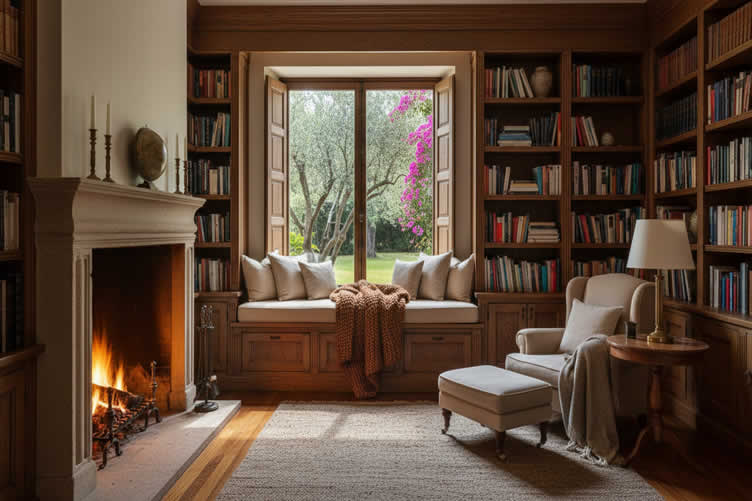
copyright image by 123rf.com
Designing Your Dream Space
When you allocate an entire room for a library, it’s the perfect chance to create a custom space that reflects your personal style and enhances comfort.
A custom home library offers endless possibilities, from built-in shelving tailored to your collection to cozy seating for long reading sessions.
Consider adding thoughtful touches like adjustable lighting, a workspace, and decor that inspires creativity.
With careful planning, this room can become your favorite space in the home—a haven for relaxation, inspiration, and learning.
view ideas: Build Your Custom Library(new win)
-
Scroll up to directory … or scroll to next section: managing a large library …
-
-
… home remodeling – improvement – repair

-
-
5th Section: Large Library: The Ultimate Bibliophile’s Retreat
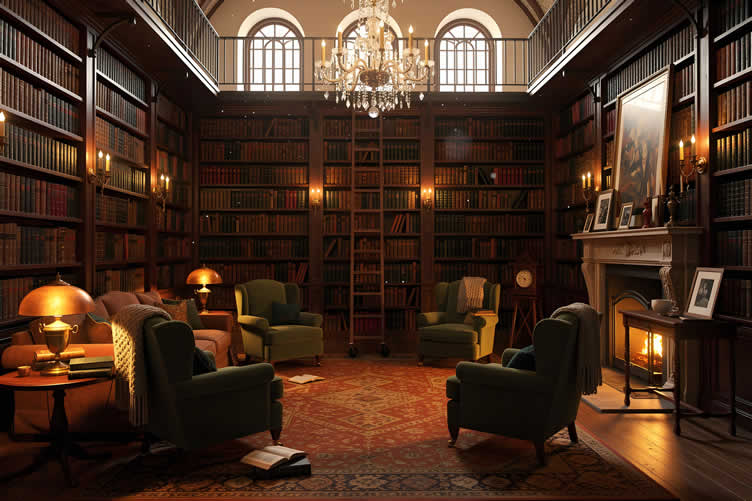
A large library is the ultimate dream for any bibliophile—a dedicated retreat where an extensive collection of books creates its own world.
This is more than just storage; it’s a sanctuary, a place where the books themselves shape the room’s character and design.
From floor-to-ceiling shelves that seem to stretch into infinity to cozy and elegant reading areas, the large library transforms a once ordinary room into a space filled with personality and purpose.
AI generated image by 123rf.com
Whether you’re indulging your literary passions or creating an heirloom-worthy collection, this is a room that speaks to your identity and aspirations.
Designing such a library is an intricate process that requires thoughtful planning. Each element, from shelving solutions to lighting, plays a role in bringing the vision to life while addressing both present needs and future expansions.
Done right, a library of this scale becomes both a functional space and a timeless personal retreat.
-
Floor-to-Ceiling Shelving Solutions[ view]
Proper shelving is the backbone of a large library. Floor-to-ceiling shelves maximize available vertical space, accommodating more books while making a dramatic aesthetic statement.
Opt for high-quality materials, such as solid wood or durable composites, to ensure longevity. Adjustable shelving systems are particularly beneficial, offering flexibility as your collection evolves.
Additionally, incorporating sliding ladders not only adds functionality but also a traditional charm reminiscent of classic libraries.
-
Advanced Cataloging Systems
When managing thousands of books, an advanced cataloging system is essential. Consider digital cataloging tools or apps that allow quick searches by title, author, or category.
Organizing books by genre or theme is common, but for more personalized collections, sorting by publication date or even cover color can add a unique touch.
Labeling shelves with clear categories or using coded markers ensures ease of access while maintaining visual balance.
-
Planning for Future Expansion
A large library is rarely static. Plan for growth by incorporating extra shelving space or modular units. Ensure your shelving system can handle additional weight over time, and leave room for displaying decorative items or unique artifacts that you might acquire in the future.
Regular reviews of your collection will help you identify areas for curation and expansion, enabling the space to evolve alongside your interests.
-
Architectural Considerations
The design of the library should harmonize with the architectural style of your home. Crown moldings, built-in bookcases, and rich materials such as hardwood floors or detailed paneling can add elegance and sophistication.
Proper insulation and temperature control are also key to protecting your books from damage caused by humidity or extreme temperatures, ensuring the space remains comfortable and protective for years to come.
-
Creating a Grand Reading Experience
A large library should evoke comfort and inspiration. Incorporate sumptuous seating options like oversized chairs or a classic chaise lounge for long reading sessions.
Add layered lighting with adjustable options, such as ceiling pendants, wall sconces, and task lights, to create ambiance and reduce eye strain.
Personal touches like artwork or a curated display of rare books will enhance the room’s character, making it feel both practical and inspiring.
Given the room’s size, you can also add educational decor items like standing globes, chess tables, antique telescopes, and wall maps to cultivate a classic library atmosphere.
-
Maintaining Your Large Library
Maintenance is key to preserving your investment in a large library. Dust shelves regularly and ensure the room is well-ventilated to prevent mildew.
Use UV-blocking window treatments or install UV-filtering glass to reduce the risk of sun damage to book covers and spines. For extremely rare or valuable books, consider archival storage solutions to prevent wear and tear.
By committing to regular upkeep, you’ll keep your library beautiful and functional for generations to come.
A well-designed large library goes beyond mere utility—it becomes an elegant blend of passion, practicality, and personal expression.
With thoughtful planning and attention to detail, this dream space will undoubtedly enrich your home and your life.
- Quick scroll to section content …
Section Description Details Introduction The ultimate bibliophile’s retreat A large library serves as a sanctuary where an extensive book collection shapes the room’s character and design. It combines storage, personality, and purpose to create a personal retreat. Floor-to-Ceiling Shelving Solutions Maximizing vertical space Shelves that stretch from floor to ceiling enhance storage and offer a dramatic aesthetic. High-quality materials and adjustable systems provide durability and flexibility, while sliding ladders add traditional charm. Advanced Cataloging Systems Organizing and accessing your collection An advanced system aids in managing thousands of books. Use digital tools for quick searches and organize by genre, theme, or other personalized methods. Clear labels or coded markers ensure ease of navigation. Planning for Future Expansion Building for growth Modern libraries should account for future needs with expandable shelving and modular units. Regular curation allows the space to evolve, reflecting changing interests and display elements such as decorative pieces. Architectural Considerations Harmonizing design with your home Design elements such as crown moldings, rich materials, and built-in bookcases add elegance. Proper insulation and temperature control protect books and ensure the space remains comfortable. Creating a Grand Reading Experience Combining comfort and inspiration Comfortable seating, layered lighting, and personal touches like artwork create a practical yet inspiring atmosphere for long reading sessions. Maintaining Your Large Library Preserving your collection Regular maintenance, such as dusting and ventilation, keeps books in perfect condition. Protective measures like UV-blocking window treatments and archival storage solutions prevent damage to rare or valuable books. 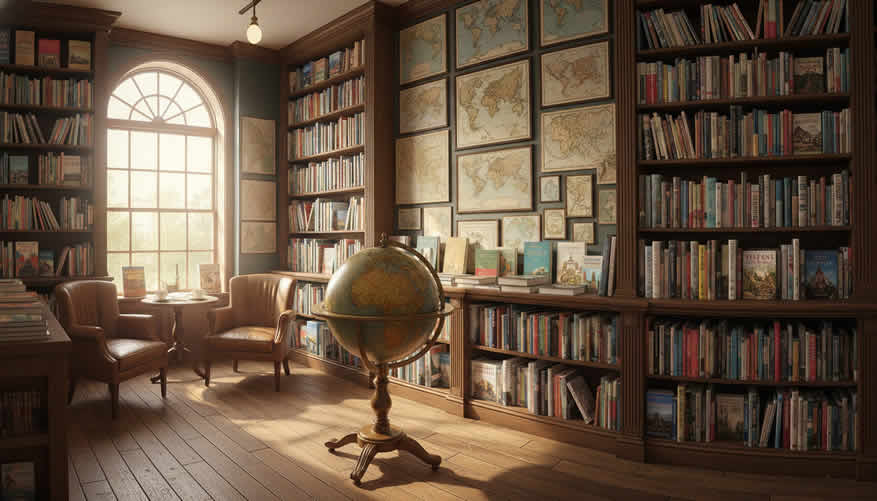
copyright image by 123rf.com
Home Library with Educational Elegance
A dedicated large home library offers endless possibilities to personalize the space with unique and educational decor that reflects your interests.
Imagine standing globes that spark curiosity about geography, a refined chess table to challenge your strategic thinking, or a classic telescope to explore the wonders of the night sky.
These elements not only enhance the library’s aesthetic but also invite moments of discovery and inspiration, making your library a truly distinctive and enriching sanctuary.
view ideas: Classic Chess Sets(new win)
-
Scroll up to directory … or scroll to next section: book organization …
-
-
SHARE IT ..! Someone in your network might benefit from this insightful post planning a home library design. Feel free to share it on Facebook, X (formally Twitter), LinkedIn, or Pinterest!


-
-
6th Section: Mastering The Art Of Book Organization
Confronting overstuffed shelves and precarious stacks of books can feel like a never-ending battle.
When your beloved paperbacks are crammed together and hardcovers are piled high in every corner, it becomes nearly impossible to find the exact title you’re searching for when you want it.

copyright image by 123rf.com
Fortunately, a thoughtful organizational system can transform that chaotic collection of literature into a highly functional, accessible, and visually pleasing display that not only simplifies your life but also invites you to rediscover the treasures within your collection.
-
Choosing Your Organizational System[ view]
There are many methods for organizing books, and the best one is simply the one that makes sense to your brain. You can organize by genre, separating your mysteries from your biographies.
You can organize alphabetically by the author’s last name, which mimics a public library system and makes finding specific novels incredibly easy.
For those who prioritize visual aesthetics, organizing books by color has become a highly trend-forward idea. This creates a stunning rainbow effect across your walls. Whichever system you choose, the key is to stay consistent across all your shelves so the system remains usable over time.
-
Strategic Shelving Placement[ view]
How you place your books on the shelves impacts both the look and the usability of your library. Keep your most frequently used books, such as reference materials or current favorites, right at eye level. This saves you from constantly bending down or reaching up on your tiptoes.
Reserve your highest shelves for overflow items, decorative pieces, or titles you rarely need to access. Lower shelves are excellent for heavy, oversized books that need extra support.
Mixing horizontal stacks of books alongside traditional vertical rows breaks up the visual monotony and adds a personalized touch to your displays.
-
Maintaining Shelf Integrity
Books are surprisingly heavy, and improper storage leads to damaged spines and sagging shelves. Avoid packing your shelves too tightly. Books need breathing room so you can easily pull them out without tearing the top of the spine.
Ensure your shelves are constructed from thick, durable materials that will not bow under pressure. Dust your collection regularly and re-sort your books every few months.
This routine maintenance keeps your environment fresh, prevents pest issues, and ensures your organizational system stays intact as your collection grows.
- Quick scroll to section content …
Home Library Book Organization
(from the summary table below)
Aspect Description Key Tips Mastering Book Organization Confronting overstuffed shelves and precarious stacks of books ensures accessibility and aesthetic appeal. Adopt a thoughtful system for usability and rediscovery. Choosing Your System Organizing books by genre, author’s last name, or color improves usability and adds visual flair. Stick to a consistent system for long-term effectiveness. Strategic Shelving Placement Position books at eye level for convenience while mixing horizontal and vertical rows to enhance display aesthetics. Place heavy items on lower shelves and lesser-used materials higher. Maintaining Shelf Integrity Regular care such as dusting and re-sorting prevents damage while ensuring functionality and pest control. Use durable shelving materials to avoid sagging under weight. 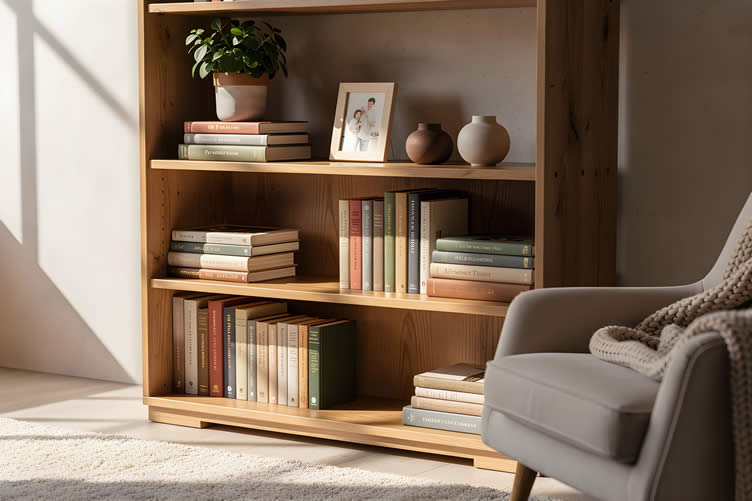
AI generated image by 123rf.com
Styling Your Books as Art
When it comes to books for a home library, the way you style them can turn your collection into a captivating display of artistic expression.
By arranging books by color, size, or theme, you can create visually appealing patterns that add personality to your space.
Mix in decorative accents like small sculptures, framed photos, or plants to break up rows of spines and create dynamic, curated shelves.
With a thoughtful approach, your books can be more than just read—they can become a statement of style that enhances the ambiance of your home library.
view ideas: Bookcase Styling Ideas(new win)
Bookends
viewing amazon-
Scroll up to directory … or scroll to next section: beyond the books …
-
-

Budgeting Worksheet For Costing Home Remodeling and Home Improvement Decisions
 File Type (excel)
-
-
7th Section: Beyond The Books
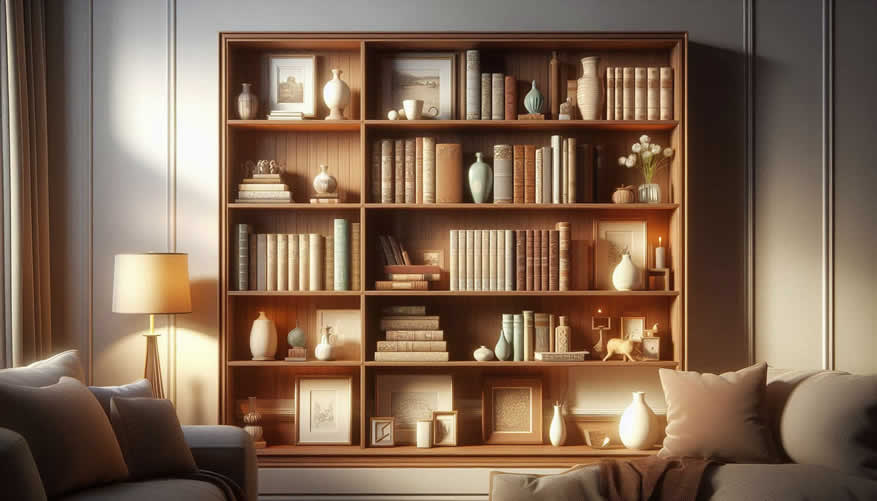
A true home library is so much more than just a collection of books neatly arranged on shelves; it’s a living space that should reflect the unique personality, passions, and spirit of the person who carefully built it.
copyright image by 123rf.com
By thoughtfully incorporating specific design elements and modern conveniences that speak to you, you can elevate your space from a simple storage room into a deeply personal retreat.
It becomes a sanctuary tailored precisely to your tastes, where every detail contributes to a feeling of comfort and belonging.
-
Personal Touches And Decor
Incorporating personal elements reflects your style and unique interests. Nestle framed family photographs, travel souvenirs, or small potted plants between your book stacks. Houseplants not only look beautiful but also help purify the air, adding to the nurturing feel of the room.
Display artwork on the front of your bookcases by hanging small frames directly onto the vertical supports. This adds layers of visual interest and makes the space feel curated and lived-in.
Expertly curated selections of decor items break up the heavy blocks of books and give your eyes a place to rest.
-
The Importance of Lighting
Proper lighting is crucial for making your home library both functional and inviting. Good illumination enhances the room’s aesthetic while ensuring comfort for reading and relaxing.
Start with layered lighting. Task lighting, like an adjustable desk or floor lamp, is essential for focused reading, providing brightness without causing eye strain. Soft, warm tones create a cozy ambiance.
Accent lighting, such as LED strips along shelves or wall sconces, can highlight your book collection and decor, adding depth to the room. Finally, natural light can breathe life into your library.
Position a reading nook near a window, using light-filtering curtains to manage glare. Thoughtful lighting choices will transform your library into a cherished sanctuary where style meets comfort.
-
Technology Integration
Modern libraries easily blend digital resources with physical books. Dedicate a small charging station on a side table or desk for your e-reader, tablet, or laptop. This ensures your devices are always ready when you want to read digital formats or research a new topic.
If you listen to audio books, consider adding a smart speaker to your room. Hide cables and cords neatly behind books or inside decorative boxes to maintain a clean, streamlined environment.
Embracing technology allows your library to function as a versatile, thoroughly modern space that supports all the ways you love to learn and relax.
- Quick scroll to section content …
Beyond the Books
(from the summary table below)
Design Element Description Benefits Beyond The Books A home library should reflect the personality, passions, and spirit of its creator. By incorporating thoughtful design elements, it becomes a deeply personal retreat. Transforms a simple storage area into a sanctuary, tailored for comfort and belonging. Personal Touches And Decor Integrate framed photos, travel souvenirs, or plants between book stacks. Display artwork on shelves for a curated, lived-in look. Breaks visual monotony, adds personality, and creates a nurturing feel. The Importance of Lighting Layered lighting enhances both function and ambiance. Use task lighting for reading, accent lighting for decor, and natural light to enliven the room. Ensures comfort, highlights aesthetics, and sets a cozy mood. Technology Integration Include charging stations for devices and smart speakers for audio books. Keep cables neatly tucked away for a modern feel. Creates a versatile space for reading, listening, and relaxation, blending technology with tradition. 
copyright image by 123rf.com
Creating a High-Tech Home Library
Transform your home library into a high-tech haven for ultimate convenience.
Automated lighting can adjust brightness for the perfect reading atmosphere, while smart shelving with RFID or barcode scanners helps organize and track your collection digitally.
Use voice assistants like Alexa or Google Assistant for instant access to audio books and music.
You can even integrate climate control to maintain an ideal reading environment. These features create a modern retreat tailored just for you.
view ideas: Home Automation 101(new win)
-
Scroll up to directory … or scroll to next section: FAQs…
-
-
Easily determine the dimensions you need for any home remodeling project …
… ensuring functionality, visual appeal, and compliance with building codes.
-
-
8th Section: Frequently Asked Questions
-
How many books do I need to start a home library?
There’s no minimum. A mini library works beautifully with just a few dozen favorite titles on a single bookcase.
Small libraries typically hold a few hundred books, medium libraries fill a dedicated room, and large libraries house thousands. Start with whatever you own and build from there.
-
How much shelf space should I leave for new books?
Leave about 25% of your shelf space empty if you expect your collection to grow. This breathing room means new books have a home right away, so you won’t end up stacking them sideways or piling them on the floor.
-
What’s the best way to organize a personal library?
Choose one system—by genre, author, or color—and apply it consistently across every shelf.
Keep your favorites at eye level and reserve higher shelves for overflow or décor. The best system is the one you’ll actually maintain over time.
-
How do I protect my books from damage?
Keep books out of direct sunlight to prevent fading, and maintain stable temperature and humidity to avoid warping and mold.
Don’t pack shelves too tightly, since crowding can damage spines. Dust regularly and re-sort your collection to keep it in good shape.
-
Which home library type is best for a small apartment?
A mini library is ideal for apartments and tight spaces. It requires just one bookcase, a comfortable chair, and a lamp—often tucked into a corner, bay window, or hallway nook.
Build upward with tall, narrow shelving to make the most of limited floor space.
Question Answer How many books do I need to start a home library? There’s no minimum. A mini library works beautifully with just a few dozen favorite titles on a single bookcase. Small libraries typically hold a few hundred books, medium libraries fill a dedicated room, and large libraries house thousands. Start with whatever you own and build from there. How much shelf space should I leave for new books? Leave about 25% of your shelf space empty if you expect your collection to grow. This breathing room means new books have a home right away, so you won’t end up stacking them sideways or piling them on the floor. What’s the best way to organize a personal library? Choose one system—by genre, author, or color—and apply it consistently across every shelf. Keep your favorites at eye level and reserve higher shelves for overflow or décor. The best system is the one you’ll actually maintain over time. How do I protect my books from damage? Keep books out of direct sunlight to prevent fading, and maintain stable temperature and humidity to avoid warping and mold. Don’t pack shelves too tightly, since crowding can damage spines. Dust regularly and re-sort your collection to keep it in good shape. Which home library type is best for a small apartment? A mini library is ideal for apartments and tight spaces. It requires just one bookcase, a comfortable chair, and a lamp—often tucked into a corner, bay window, or hallway nook. Build upward with tall, narrow shelving to make the most of limited floor space. 
copyright image by 123rf.com
Is Expanding the Right Choice?
If you’re considering an expansion for your home library—or any other home upgrade—it’s essential to evaluate whether this project is a wise investment.
Start by asking questions like, “Will this improvement add functionality or value to my home?” and “Does it align with my current budget?”

Additionally, think about what resources you’ll need, such as hiring professionals, obtaining necessary permits, and selecting materials that match your home’s aesthetic.
Proper planning ensures your project is not only successful but also satisfying in the long run.
view ideas: Essential Questions to Ask(new win)
-
Scroll up to directory … or scroll to next section: using an interior designer …
-
-
-
-
9th Section: Why Use an Interior Designer
… for Your home library?
Bringing an interior designer into your home library project can turn your vision into a polished, functional, and inviting space that reflects your personality.
Their expertise ensures every detail is thoughtfully planned and executed. Here’s what an interior designer can provide:
- Tailored Layout and Design:
Designers can create a custom layout that optimizes your available space, balancing aesthetics and practicality. - Style Expertise:
They help curate decor elements that match your personal style, from modern minimalism to cozy traditional looks. - Furniture and Shelving Selection:
Designers recommend the best furniture and shelving options, factoring in your book collection size, room dimensions, and ergonomic needs. - Lighting Optimization:
They ensure your space has the right ambient and task lighting for an enjoyable reading experience. - Improved Storage Solutions:
Designers can incorporate creative storage options, ensuring even the smallest spaces have room for growth. - Resourcefulness:
They have access to exclusive retailers, materials, and design tools, ensuring the final outcome is unique and high-quality. - Time Efficiency:
With professional guidance, your project timeline is streamlined, saving you the hassle of trial and error.
If you’re ready to find the right designer, several resources can point you in the right direction:
- Local Design Studios:
Search for reputable interior design firms in your area that specialize in residential projects. - Online Directories:
Platforms like Houzz, Thumbtack, or the ASID (American Society of Interior Designers) directory can help you find qualified professionals. - Community Recommendations:
Ask friends or neighbors who have undertaken similar renovation projects for recommendations. - Social Media and Blogs:
Many interior designers showcase their work on Instagram and Pinterest, providing a sneak peek of their style and expertise.
With the guidance of a skilled designer, your home library dreams can become a beautifully crafted reality that you’ll enjoy for years to come.
LetsRenovate has partnered with HomeAdvisor™, a renowned provider of highly-rated, carefully-vetted interior design contractors. Start your search here by choosing the type of services you need and entering your zip code to find local professionals.
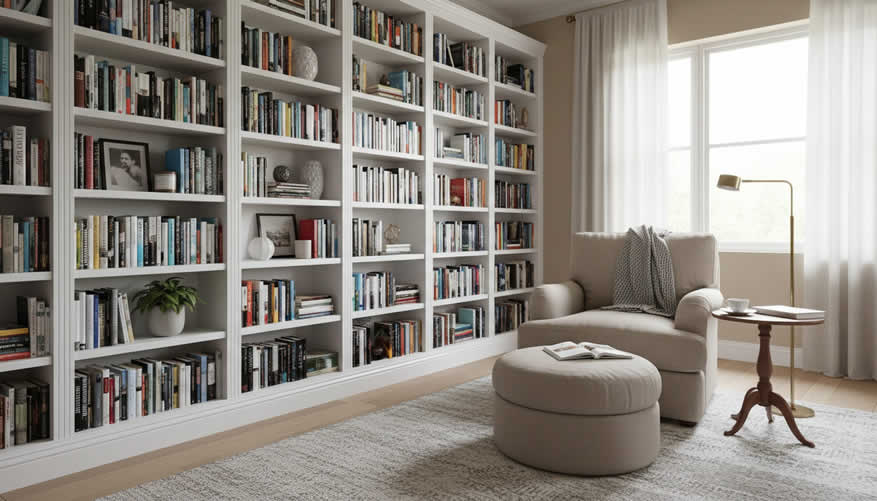
copyright image by 123rf.com
But Wait!
Before you start looking for an interior designer or decorator to create your home library, we highly recommend using this evaluation worksheet.
This resource will help you objectively compare potential contractors by considering key factors like pricing, licensing, and referrals.

Evaluation Sheet
File Type:-
Scroll up to directory … or scroll to conclusion and references …
- Tailored Layout and Design:
-
-
Conclusion
… your journey to a perfect home library
Building a home library isn’t about square footage—it’s about creating a space that fits your collection, your room, and the way you love to read.
Whether you start with a single bookcase in a quiet corner or transform an entire room into a floor-to-ceiling sanctuary, the same principles apply: plan for your collection, prioritize comfort, organize with intention, and leave room to grow.
The best first step is the simplest one. Count your books, choose your spot, and pick the library type that matches your space today—knowing you can always expand later. Your dream reading nook is closer than you think.
Resources:
- "The Inspired Home: Creating a Library That’s Uniquely Yours" – Home Decor Magazine, Spring 2023.
- "Maximizing Small Spaces: Library Edition" – Architectural Digest, February 2024.
- "The Art of Organization: A Guide to Curating Your Book Collection" – Literary Journal, October 2023.
-
Quick scroll to more interior home and decor ideas …
-
ideas to view and compare from the photo above
- What comments can you share about
home library design that you have installed?

Calendar For:
Home Maintenance
File Type:
… view our sharing links below for a quick "share the knowledge"
Find Interior Design Services Decorators Interior Designers Furniture Painting & Staining top-rated, pre-screened local contractors FREE: download contractor selection enter zip code – powered by HomeAdvisor ™
Quick Contractor Guides selecting negotiating working with inspecting

Cover image credit: home library design by 123rf.com
end of post … please share it!
 |
did you find this home library design analysis helpful? If so, please share the article with your friends and family! |
Nice pic idea? Leave us a quick comment below.
And please share this pic idea within your social networks.