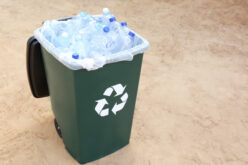
Effective waste management practices not only benefit our immediate surroundings but also have a positive impact on the environment in the long run. Proper waste segregation and disposal can prevent pollution, reduce greenhouse gas emissions, and conserve natural resources.
Moreover, sustainable waste management can also generate economic benefits by creating new job opportunities in the recycling and waste processing industries. It can also save money for households by reducing the amount of waste sent to landfills, which often come with costly disposal fees.
Creating a sustainable home requires careful planning and conscious efforts. Incorporating waste management practices into your daily routine is a great start, but going beyond that can make an even bigger impact.
Home Sustainability:
In this three-part “Home Sustainability” Series, we will explore three effective tactics for embracing sustainability in the upcoming year:
-
Part 1: Energy Efficiency: A Key Pillar of Sustainability
[ see posting: energy efficiency ]
-
Part 2: Waste Management: Reducing, Reusing, Recycling
[ see topic below: the three R’s: reduce-reuse-recycle ]
-
Part-3: Sustainable Materials: The Foundation of a Green Home
[ see posting: sustainable materials ]
The Three R’s: Reduce, Reuse, Recycle for Sustainable Living
Adopting the "Three R’s" – Reduce, Reuse, Recycle – is a fundamental step towards sustainability within our homes.
-
Reduce:
The first step in waste management is to reduce the amount of waste we generate. We can achieve this by making mindful purchasing decisions. Opt for products with minimal packaging, and consider the lifespan of an item before purchasing. Also, reducing consumption of disposable items and choosing more durable, long-lasting goods can substantially lessen the amount of waste produced.
-
Reuse:
The second R involves finding new uses for things that would otherwise be considered waste. For instance, glass containers can be used for storage, old clothes can be turned into rags, and food scraps can be composted to enrich garden soil. By reusing items, we extend their lifespan and defer their journey to the landfill.
-
Recycle:
The last R, recycle, turns waste materials into new products. Paper, glass, metal and certain types of plastic can often be recycled. By recycling, we help conserve natural resources, decrease pollution, and reduce the amount of waste that ends up in landfills.
Incorporating the principles of reduce, reuse, and recycle into our daily lives will not only help us create a sustainable home but also contribute to a healthier planet. It’s not only a sustainability plan but a lifestyle commitment towards responsible waste management.
1: Compost
Composting is a quintessential aspect of sustainable waste management, especially in a home striving for sustainability. It is the process of breaking down organic waste materials, such as vegetable peels, leaves, and grass clippings, into a nutrient-rich soil conditioner.
This process not only reduces the amount of waste heading to landfills but also enriches the soil in your garden, promoting plant health and growth. By composting at home, you’re taking a proactive stance towards responsible waste management and contributing to the sustainability of your home ecosystem.
Types of Composting
- Home Composting:
This is the most common form of composting, typically done in backyards. It involves layering organic waste, such as kitchen scraps and yard waste, in a compost bin and allowing it to decompose over time. - Vermicomposting:
This involves the use of worms to eat organic waste and produce worm castings, a rich soil amendment. It’s ideal for those with limited outdoor space as it can be done indoors. - Green Composting:
Here, the emphasis is on composting plant-based waste, like grass clippings, vegetable scraps, and leaves. - Brown Composting:
This type focuses on composting "brown" organic material like twigs, branches, and fallen leaves, which are rich in carbon. - Commercial Composting:
Larger scale operations often seen in cities and municipalities, where organic waste is collected and composted in industrial facilities.
By understanding and utilizing these composting methods, we can further enhance our home’s sustainability and commit to more responsible waste management.

2: Recycling
Beyond composting, another integral part of sustainable home living and responsible waste management is recycling. Recycling essentially involves converting waste materials into reusable materials, thereby significantly reducing the amount of waste that ends up in landfills, conserving natural resources, and preventing pollution.
Establishing a robust recycling system at home not only contributes to sustainability efforts but also fosters a sense of environmental responsibility among household members.
Recycling Tips By Segment
- Paper and Cardboard:
Reuse paper wherever possible before recycling. Flatten cardboard boxes to save space in your recycling bin. - Plastic:
Rinse out plastic containers before recycling to remove any residue. Avoid plastic bags as they can’t be recycled in most facilities. - Glass and Metals:
Rinse glass bottles and metal cans before recycling. Note that not all types of glass can be recycled, so check with your local facility. - E-waste:
Electronic waste like computers, phones, and TVs contain harmful substances. Look for e-waste recycling programs in your area. - Batteries and Light Bulbs:
These items should not be put in your regular recycling bin due to their hazardous components. Many stores and community centers have drop-off bins for these items.
By adhering to these recycling guidelines, we can contribute significantly to our plan for sustainability and better waste management.

3: Embrace Reusables
In addition to recycling, another effective strategy in the plan for sustainability and improved waste management is the use of reusables. By choosing items that can be used repeatedly over those designed for single use, we can substantially decrease the volume of waste we generate.
Embracing reusables not only helps conserve natural resources but also reduces pollution associated with waste disposal processes. Transitioning to reusables may require an initial investment, but the long-term benefits to the environment and potential cost savings make it a worthwhile endeavor.
Reusables by Segment
- Shopping Bags:
Invest in durable, reusable shopping bags to replace single-use plastic bags. - Water Bottles/Coffee Cups:
Instead of disposable plastic bottles or coffee cups, consider using bottles or cups made of stainless steel or glass that can be used for years. - Kitchenware:
Use washable, reusable items like cloth napkins, metal cutlery, and glass or ceramic dishes instead of their disposable counterparts. - Packaging:
Opt for products with minimal packaging or those packaged in recyclable or reusable containers. - Batteries:
Rechargeable batteries, while more expensive initially, last much longer and reduce the amount of battery waste.
By adopting the use of these reusables, we can make significant strides towards sustainable home living and better waste management.

4: Adopt Biograduables
The incorporation of biodegradable products is another pivotal step in any sustainability plan, significantly contributing to improved waste management. Biodegradables are items that can be naturally decomposed by microorganisms, meaning they return to the environment and help nourish the earth rather than cluttering our landfills.
Switching to biodegradable alternatives for everyday items in our homes lessens our environmental footprint and promotes sustainable living.
Biodegradables by Segment:
- Trash Bags:
Opt for biodegradable or compostable trash bags, a simple switch with substantial impact. - Cleaning Products:
Look for biodegradable cleaning products that will not harm the environment after they’re washed down the drain. - Toiletries:
Items such as bamboo toothbrushes, silk dental floss, and soap bars are all biodegradable alternatives to their plastic counterparts. - Tableware:
Compostable tableware made from plant materials can replace plastic at functions and parties. - Gardening:
Use biodegradable plant pots and gardening equipment that will naturally decompose over time.
By integrating these biodegradable items into our households, we can further our commitment to sustainable home living and more responsible waste management.

5: Live Minimally
Minimal living, or minimalism, is a lifestyle that is increasingly being recognized for its potential to enhance sustainability and improve waste management. It involves reducing consumption and focusing on what is essential, thereby decreasing the total volume of waste produced.
By choosing quality over quantity, we can ensure the longevity of our possessions, reduce the amount of waste we generate, and make a positive impact on the environment. A minimalist lifestyle is not only about having less – it’s about making room for more: more time, more peace, and more sustainability.
Minimal Living by Segment:
- Furniture:
Opt for multifunctional furniture that can serve various purposes, reducing the need for multiple items. - Kitchen:
Invest in durable, high-quality kitchenware and limit the amount of appliances to what is truly needed. - Wardrobe:
Adopt a capsule wardrobe, consisting of a few versatile pieces that can be mixed and matched, discouraging fast fashion consumption. - Digital:
Minimize digital clutter by regularly cleaning up your digital workspace and unsubscribing from unnecessary emails, which also reduces energy consumption. - Shopping:
Practice conscious shopping by buying only what you need and opting for products with less packaging, supporting waste reduction.
By adopting a minimalist lifestyle, we can significantly enhance our sustainability efforts and contribute to more effective waste management at home.

In conclusion, effective waste management is crucial for maintaining a sustainable home. By incorporating biodegradable products into our daily lives, we can reduce our environmental footprint and promote a healthier planet.
Let’s make a positive impact on the environment by embracing waste management practices that support sustainable living in our homes.
Find Energy Efficient Services Insulation Windows-Insulation Ducts & Vents Thermostats Solar Installation Skylights Home Automation Generators Home Automation Electrial Wiring Networks/Phone Computers/ Media Home Security Alarms top-rated, pre-screened local contractors FREE: download contractor selection enter zip code – powered by HomeAdvisor ™


Image credit: waste management by envato.com
end of post … please share it!
| more photo remodeling |
Jump Over to Our Photo Analysis Center for Ideas on
"Renovating Home"
|__________________________________________________________|
home remodeling surprise
find out where it might go - new win


Helpful article? Leave us a quick comment below.
And please share this article within your social networks.