A sudden electrical grid failure can plunge entire communities into darkness, leaving residents scrambling for solutions. For sustainability enthusiasts and those committed to living a more resilient life, preparing for such an event is not just practical—it’s essential.
In this post, we’ll explore how to prepare for potential grid failures, from understanding how the grid works to investing in renewable energy sources that can keep your household functional even when the grid is down.
You’ll learn practical steps and discover real-life examples of communities that have successfully navigated grid disruptions. By the end of this post, you’ll be equipped with the knowledge to safeguard your family and contribute to community resilience.
Understanding the Grid
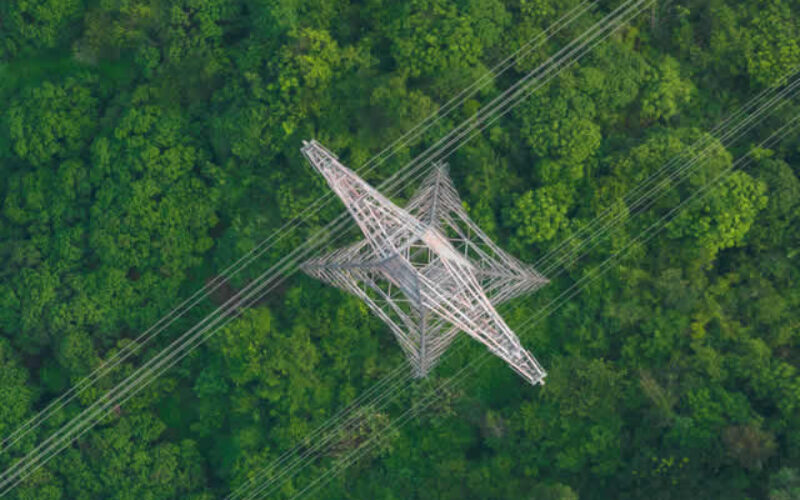
Before we can prepare for grid failures, it’s important to understand how the electrical grid functions. The grid is a complex network that delivers electricity from power plants to consumers through a series of transmission and distribution lines. It’s a marvel of engineering, but it’s not infallible. A variety of factors can lead to outages, including natural disasters, equipment failures, and cyber-attacks.
Natural disasters like hurricanes, wildfires, and earthquakes are among the most common causes of grid failures. These events can damage power lines and substations, leading to widespread outages. Equipment failures, though less dramatic, can also disrupt service, especially if aging infrastructure isn’t maintained or upgraded.
Additionally, with the increasing reliance on digital technology, the grid is vulnerable to cyber-attacks that could compromise its security and reliability.
Understanding these vulnerabilities is the first step in preparing for a grid failure. Knowledge empowers us to take proactive measures that enhance resilience and reduce the impact of outages on our lives and communities.


Preparing for the Worst
When it comes to coping with grid failures, preparation is key. One of the most effective ways to mitigate the impact of an outage is by investing in renewable energy sources.
Solar panels, wind turbines, and even small-scale hydroelectric systems can provide a reliable source of power, independent of the grid. Not only do these solutions offer energy security, but they also contribute to environmental sustainability by reducing reliance on fossil fuels.
Another critical component of grid failure preparedness is battery storage. Batteries store excess energy generated by renewables, ensuring that you have power even when the sun isn’t shining or the wind isn’t blowing.
Modern battery systems, like those from Tesla or LG, are designed to integrate seamlessly with renewable energy installations, providing a backup power supply that kicks in automatically during outages.
Energy-efficient appliances can also play a role in reducing the strain on your household during a grid failure. By consuming less power, these appliances prolong the life of your stored energy, allowing you to maintain essential functions for longer periods.
Investing in LED lighting, Energy Star-rated appliances, and smart home technologies can make a significant difference in your ability to endure an outage comfortably.
Solar Generators
In addition to adopting renewable energy sources and battery storage, acquiring a solar generator can be a pivotal part of your preparation strategy for grid failures. Solar generators operate by capturing sunlight through their panels and converting it into electricity, which can then be used immediately or stored for later use.
These generators are highly portable and versatile, making them ideal for both home use and outdoor activities. They offer an excellent alternative to traditional gas-powered generators, producing clean energy without emissions or noise.
Moreover, solar generators require minimal maintenance as they have no moving parts, ensuring durability and reliability over time. Investing in a solar generator provides an additional layer of energy security, ensuring that you can maintain essential appliances and communication devices during prolonged power outages.
Community Resilience
While individual preparation is important, community resilience is crucial for weathering grid failures. When neighbors come together to share resources and knowledge, they can create a support network that benefits everyone.
Establishing a community emergency plan ensures that all residents know what to do in the event of an outage and can help each other when needed.
Microgrids are an innovative solution that enhances community resilience. These localized energy systems can operate independently from the main grid, providing power to a specific area during emergencies.
Microgrids often incorporate renewable energy sources and battery storage, creating a sustainable power system that serves the community’s needs. By investing in microgrids, communities can ensure continuity of essential services like hospitals, schools, and emergency response centers.
Working together to develop and implement resilience strategies fosters a sense of solidarity and shared purpose. Communities that prioritize preparedness are better equipped to handle grid disruptions and recover more quickly afterward.

Case Studies
Real-life examples of communities and households that have successfully adapted to grid failures offer valuable insights and inspiration.
In Puerto Rico, following the devastation of Hurricane Maria, several communities have embraced solar energy and microgrids to enhance their resilience. By investing in solar panels and battery storage, these communities have reduced their dependency on the unstable central grid and gained greater control over their energy future.
Similarly, in California, many households have turned to solar power and home battery systems in response to frequent wildfires and power shutoffs.
By generating and storing their own electricity, these residents have maintained power during emergencies, reducing their reliance on external sources and contributing to grid resilience.
These case studies demonstrate the potential of off-grid living and renewable energy solutions to transform the way we approach energy security. By learning from their experiences, we can identify strategies that work and adapt them to our own needs and circumstances.
Conclusion
As we’ve explored throughout this blog post, preparing for grid failures is not only a matter of personal security but also an opportunity to make a positive impact on the environment and our communities.
By investing in renewable energy, battery storage, and energy-efficient appliances, we can reduce our reliance on the grid and increase our resilience in the face of unexpected disruptions.
But preparation doesn’t stop at the individual level. Community engagement and collaboration are essential for building resilience and ensuring that everyone is equipped to handle emergencies. By sharing resources, knowledge, and support, we can create a network of preparedness that extends beyond our households.
Now is the time to assess your own readiness for grid disruptions and take steps to enhance your resilience. Whether it’s installing solar panels, joining a community microgrid initiative, or simply connecting with neighbors to discuss emergency plans, every action counts. Together, we can build a more sustainable and resilient future for ourselves and generations to come.
Find Energy Efficient Services Insulation Windows-Insulation Ducts & Vents Thermostats Solar Installation Skylights Home Automation Generators Home Automation Electrial Wiring Networks/Phone Computers/ Media Home Security Alarms top-rated, pre-screened local contractors FREE: download contractor selection enter zip code – powered by HomeAdvisor ™


Image credit: when the grid fails by envato.com
end of post … please share it!
| more photo remodeling |
Jump Over to Our Photo Analysis Center for Ideas on
"Renovating Home"
|__________________________________________________________|
home remodeling surprise
find out where it might go - new win


Helpful article? Leave us a quick comment below.
And please share this article within your social networks.
.breaking-news {display: none !important;}