Picture this—your refrigerator stops running, compromising your food and freezer supplies; your heating or cooling system shuts down, leaving your household uncomfortable; essential devices are suddenly cut off.
The solution? A whole house or partial house generator. These reliable backup power sources provide peace of mind and ensure that your home remains functional during even the worst weather-related outages.
- post content
- Understanding the Need for Backup Power
- Exploring Whole House and Partial House Generators
- The Installation Process
- Maintenance and Care
- Cost Considerations
- Real-Life Benefits of Backup Generators
- Power Reliability When You Need it Most
- side idea:Look For In a New Electric Generator
- view key:collective notes
Understanding the Need for Backup Power
The world is witnessing an increasing number of weather extremes—hurricanes, snowstorms, and heatwaves that can wreak havoc on power grids.
According to the U.S. Energy Information Administration, power outages due to severe weather have increased significantly in recent years. These outages not only disrupt routines but can also create costly and potentially dangerous situations.
When electricity fails, food stored in refrigerators and freezers begins to spoil within hours. Beyond groceries, essential systems like sump pumps, HVAC units, and even medical devices become non-operational, putting both property and personal safety at risk. Backup power isn’t just a convenience anymore; it’s a necessity for safeguarding your household.

Exploring Whole House and Partial House Generators
When it comes to generators, you have two primary options to choose from—whole house generators and partial house generators. Each option offers unique advantages depending on your needs.
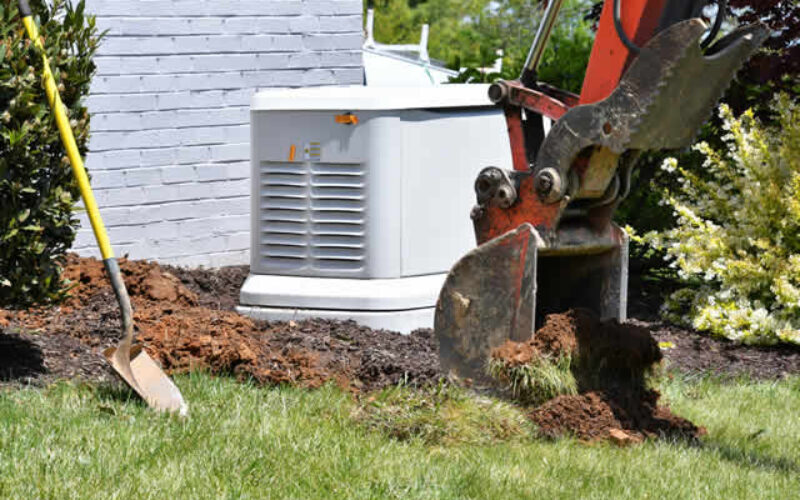
A whole house generator is designed to power your home entirely during an outage. These systems are permanently installed and capable of running all your household appliances and systems, from kitchen equipment to heating and cooling units.
They ensure seamless comfort and functionality with automatic power restoration when the grid fails, suitable for households with substantial energy requirements.
On the other hand, a partial house generator provides backup power to select critical systems. It is a more cost-effective solution, allowing you to maintain basic functions like lighting, refrigeration, and heating without powering the entire home. This option is perfect if you aim to balance affordability with practicality.
Both types of systems offer peace of mind and protection against the uncertainty of power outages. The right choice ultimately depends on your household’s specific energy needs and budget.
The Installation Process
Installing a generator is not as simple as plugging in a device. The process demands careful planning, professional expertise, and adherence to safety standards.
It begins with assessing your home’s energy requirements to determine whether a whole house or partial house generator is better suited for your needs. Factors like the size of your home, number of occupants, and essential systems will influence the decision.
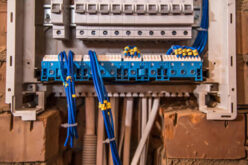
Professional installation is vital to ensure that the setup meets local building codes and operates safely. Trained technicians will establish a connection between the generator and your home’s electrical panel, install any necessary fuel lines for gas-powered systems, and test the unit for functionality. Proper installation protects your home and ensures efficient performance during emergencies.
Maintenance and Care
Purchasing a generator is just the first step. To ensure reliability during unexpected outages, regular maintenance is crucial. Fortunately, generator maintenance doesn’t have to be complicated.
Homeowners should schedule annual checkups with certified professionals to inspect for wear and tear, replace filters, and test the system. It’s also important to run the generator periodically, even during non-outage periods, to keep it functioning smoothly.
Watch for warning signs like sluggish starts, unusual noises, or reduced efficiency—these could indicate the need for repairs or servicing.
Consistent care guarantees that your generator is in top condition when you need it most, offering protection for years to come.

Cost Considerations
One of the most common hesitations homeowners face when exploring backup power options is cost. Whole house generators typically require a larger upfront investment than partial house systems due to their higher capacity and features. Installation costs will also vary based on your home’s size and specific requirements.
However, the long-term savings can often outweigh the initial expenses. Reliable backup power protects you from food spoilage costs, emergency housing payments during prolonged outages, and potential home repairs caused by lack of functional systems. Additionally, a generator can increase your home’s value, making it attractive to potential buyers.
Many homeowners can take advantage of financing options to make generator ownership more accessible. Discussions with trusted generator providers can shed light on the best solutions for balancing upfront costs and long-term peace of mind.
Real-Life Benefits of Backup Generators
Homeowners across the country have experienced firsthand the benefits of having a generator during severe weather events. Consider this account from a family in Florida—a region notorious for hurricanes.
After a major storm knocked out power across the state, their whole house generator kicked in seamlessly, allowing them to maintain comfort and preserve their food supplies while their neighbors faced days without electricity.
Another homeowner in the Midwest shared their experience with a partial house generator during an extended snowstorm. While it didn’t power every appliance, it kept their essential heating system operational, protected their pipes from freezing, and allowed them to stay in their home safely during frigid temperatures.
These stories highlight how both whole house and partial house generators can provide critical lifelines during emergencies.
other related analysis of interest: (new win)
Turn Your Kitchen into an Efficient and Functional Workspace with These Expert Organization Tips
The Importance of Clean Home Drinking Water and How to Maintain It
Power Reliability When You Need it Most
Power outages should never leave you stranded, uncomfortable, or worried about what’s left in your fridge. Whole house and partial house generators turn unpredictable outages into manageable inconveniences, empowering you to maintain your household’s comfort and safety.
Whether you’re looking to run your entire home or select essential systems, there’s an option that fits your needs, lifestyle, and budget. When the power goes out, you’ll have peace of mind knowing you’re prepared to weather the storm.
Find Electrical Services Electricians Lighting Design Fans Generators Electronics Home Security top-rated, pre-screened local contractors FREE: download contractor selection enter zip code – powered by HomeAdvisor ™


Image credit: why your home needs a generator by envato.com
end of post … please share it!
| more photo remodeling |
Jump Over to Our Photo Analysis Center for Ideas on
"Renovating Home"
|__________________________________________________________|
home remodeling surprise
find out where it might go - new win


Helpful article? Leave us a quick comment below.
And please share this article within your social networks.