Summary Outline –
When it comes to furnishing your home, each room has its unique requirements. The right furniture not only enhances the look of a space but also improves its functionality.
Investing in quality pieces can transform your home into a haven of comfort and style. It’s important to consider factors such as space, usage, and personal preferences when selecting your home furniture.
Summary of Site Content
1st Find Furniture Tip: [view tip]
… let’s kick off your quest for the ideal furniture by focusing on the master bedroom. This is the space where you spend a significant amount of time with one primary goal: achieving the perfect night’s sleep. Therefore, choose the best bed frame, mattress, and complementary furniture to help you reach that goal of restful slumber.
2nd Find Furniture Tip: [view tip]
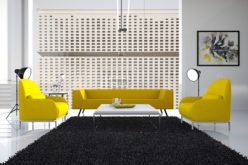
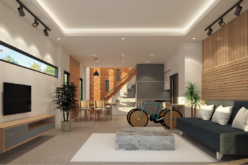
… the second room we enter is the living room, which is connected to the adjoining entryway and hallway. This space defines the home’s style through your choices of sofas, chairs, tables, and other furniture pieces that enhance both comfort and elegance in these areas.
3rd Find Furniture Tip: [view tip]
… next up is the home office. With many career opportunities now allowing for remote work, this space should be designed to enhance both productivity and comfort. Even if you don’t work from home, consider transforming this room into a cozy library or a relaxing den.4th Find Furniture Tip: [view tip]
4th Find Furniture Tip: [view tip]
… the fourth area we explore is the kitchen and dining room, where comfort and organization are paramount. We examine various types of furniture, including dining tables, chairs, and stools, as well as organizational elements like islands, pantries, china cabinets, and more.
5th Find Furniture Tip: [view tip]
… the fifth section addresses the needs of children’s and teen bedrooms. We start with the nursery, followed by the toddler/child room, which evolves with furniture pieces suitable for this precious stage of life. You’ll also discover furniture recommendations for teens, as well as essential pieces for play and study.
6th Find Furniture Tip: [view tip]
… the sixth and final room is the home media and entertainment room. This space can either be an extension of your living or family room or a dedicated home theater. Regardless of the choice, it’s essential to select the right furniture and storage solutions to create the ultimate entertainment experience.
7th Find Furniture Tip: [view tip]
… our final step, after determining the type of furniture you need, is to explore various sourcing options. You can find furniture through local stores, online retailers, or budget-friendly alternatives. We will review each option and collaborate with a furniture expert who may have access to discounted choices.
Whether you’re a first-time homeowner excited to create your dream space or seeking to refresh and revitalize your current decor with a new style, this comprehensive guide will provide you with valuable insights and tips to help you make informed choices when shopping for home furniture.
From understanding different furniture styles and types to considering practical aspects like size, comfort, and functionality, we’ll cover everything you need to know to transform your home into a reflection of your personal taste and lifestyle.
- post content
- Furniture Tip 1: Master Bedroom Furniture
- Furniture Tip 2: Living Room/Hallway Furniture
- Furniture Tip 3: Selecting Home Office Furniture
- Furniture Tip 4: Kitchen/Dining Room Furniture
- Furniture Tip 5: Child/Teen Bedroom Furniture
- Furniture Tip 6: Media Room: Entertainment-Centric Furniture
- Furniture Tip 7: Where to Find Affordable Furniture

-
Quick scroll to first topic about finding the perfect home furniture …

first “finding the perfect home furniture” idea

copyright image by 123rf.com
Find Furniture Tip 1: Essential Master Bedroom Furniture
Notes:
-
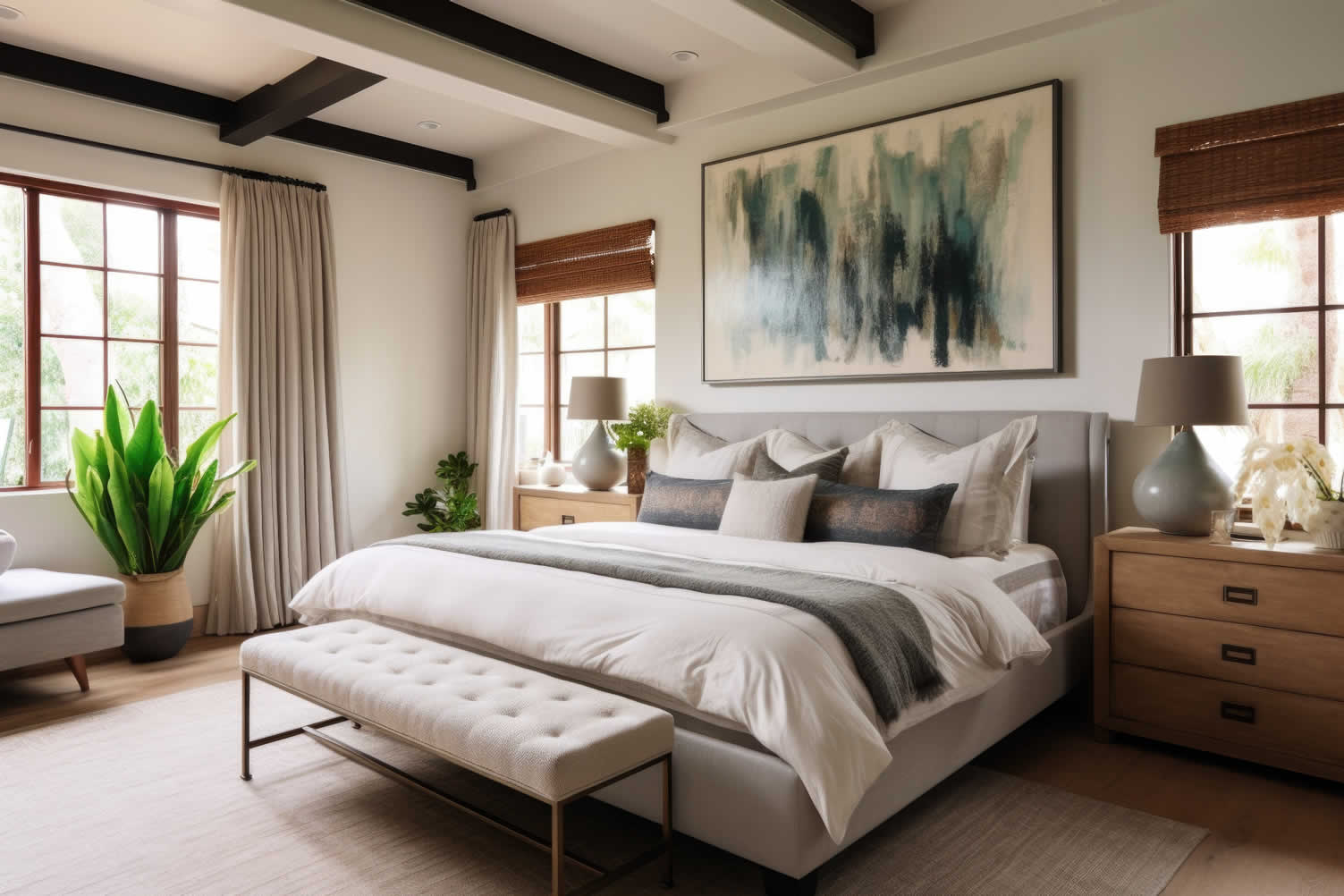
Creating an ideal master bedroom involves selecting essential furniture pieces that offer both comfort and functionality. Important factors to consider include the size and layout of the room, your personal style preferences, and the overall ambiance you wish to achieve.
Below are segmented sections outlining the key pieces of furniture that are indispensable for a well-appointed master bedroom.
-
Quick scroll to “master bedroom furniture” side notes …
-
-
1st: Master Bed
The bed is undoubtedly the centerpiece of any master bedroom. When choosing a bed, consider both the size and the type of mattress that will best suit your needs. Options range from luxurious king-sized beds to more modestly sized queen or full beds.
Additionally, the bed frame style—be it traditional, modern, or rustic—should complement the room’s decor. The right bed can significantly enhance your sleep quality and provide a focal point for the room’s design.
-
Bed Frame Styles
Choosing the right style for your master bed frame can greatly influence the room’s overall feel and relaxation potential. Whether your taste leans towards a classic aesthetic or a more contemporary look, the style you select sets the tone for the entire space.
Below, we delve into various popular bedroom styles, each offering its own unique charm and ambiance.
- Traditional:
Characterized by ornate details, wood carvings, and a classic design that evokes a timeless appeal.[ view ideas: traditional ]
- Modern:
Featuring clean lines, minimalistic shapes, and often made with metal or sleek wooden finishes, modern bed frames offer a contemporary look.[ view ideas: modern ]
- Rustic:
Made from natural materials like reclaimed wood or wrought iron, rustic bed frames bring a cozy, farmhouse feel to the bedroom.[ view ideas: rustic ]
- Platform:
A low-profile frame that eliminates the need for a box spring, featuring a flat surface for the mattress and often with built-in storage options.[ view ideas: platform ]
- Poster:
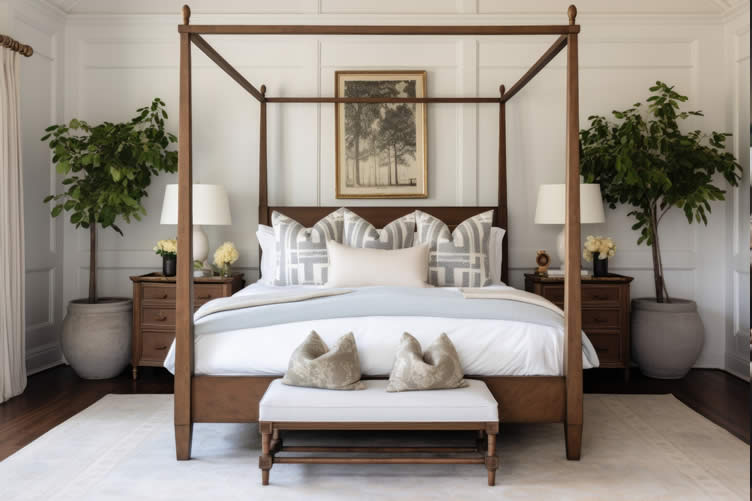
Featuring four vertical columns, one at each corner, that can support a canopy or be left open, poster bed frames add a majestic and stately presence to the bedroom.[ view ideas: poster ]
- Canopy:
With four tall posts and a connecting frame, canopy bed frames can be draped with fabric to create a romantic and luxurious ambiance.[ view ideas: canopy ]
- Sleigh:
Recognizable by its curved headboard and footboard, resembling a sleigh, this style adds a touch of elegance and drama.[ view ideas: sleigh ]
- Industrial:
Incorporating raw materials like metal and reclaimed wood, industrial bed frames offer a rugged yet stylish appearance.[ view ideas: industrial ]
- Upholstered:
Covered in fabric or leather, these bed frames often feature tufted headboards, adding a plush and sophisticated look.[ view ideas: upholstered ]
- Metal:
Known for their durability and strength, metal bed frames come in various styles and finishes, ranging from sleek and modern to vintage-inspired designs.[ view ideas: metal ]
- Storage:
Built-in drawers or compartments under the bed frame provide functional storage solutions, ideal for optimizing space in smaller rooms.[ view ideas: storage ]
Each style has its unique charm and functional benefits, so choose one that aligns with your personal taste and complements your overall bedroom decor.
- Traditional:
-
Bed Sizes to Consider
When selecting a bed for your master bedroom, it’s important to choose the right size that meets your needs and fits well within your space. Here are the standard bed sizes along with their dimensions:
- King:
76 inches by 80 inches - California King:
72 inches by 84 inches - Queen:
60 inches by 80 inches - Full (Double):
54 inches by 75 inches - Twin:
38 inches by 75 inches - Twin XL:
38 inches by 80 inches -
[ view images: mattress bed size chart ]
[ pinterest: selecting bed size ]
Each size offers different levels of comfort and space, so consider your room’s dimensions and your personal requirements when making a choice.
- King:
-
Bed Components
Understanding the different components of a bed frame can greatly enhance your ability to choose the right model for your needs and aesthetic preferences.
From the headboard to the support slats, each part plays a crucial role in the comfort, stability, and style of your bed.
Familiarizing yourself with these components will allow you to make a more informed decision and ensure your bed complements your bedroom’s decor while providing a good night’s sleep.
Below, we’ll delve into the specific elements that make up a bed frame, offering insights into their functions and various design options.
- Headboard:
The decorative panel at the head of the bed, often designed to provide support when sitting up in bed and to add a statement piece to the room. - Footboard:
The panel at the foot of the bed, which can be decorative or functional, adding stability to the bed frame. - Slats:
Horizontal boards or bars placed across the bed frame to support the mattress, often made from wood or metal. - Side Rails:
The side panels that connect the headboard to the footboard, providing structural integrity to the bed frame. - Center Support Rail:
A middle rail that provides additional support for the mattress and helps prevent sagging, especially in larger bed sizes like queen and king. - Legs:
The supports under the bed frame that elevate it off the ground, ranging from simple wooden blocks to intricately designed metal posts. - Bed Base/Foundation:
The surface on which the mattress rests, which could be a box spring, a solid platform, or adjustable bases for additional comfort and support. - Casters/Wheels:
Small, pivoting wheels attached to the legs, allowing for easy movement of the bed for cleaning or rearranging the room.
- Headboard:
copyright image by 123rf.com

-
-
2nd: Mattresses
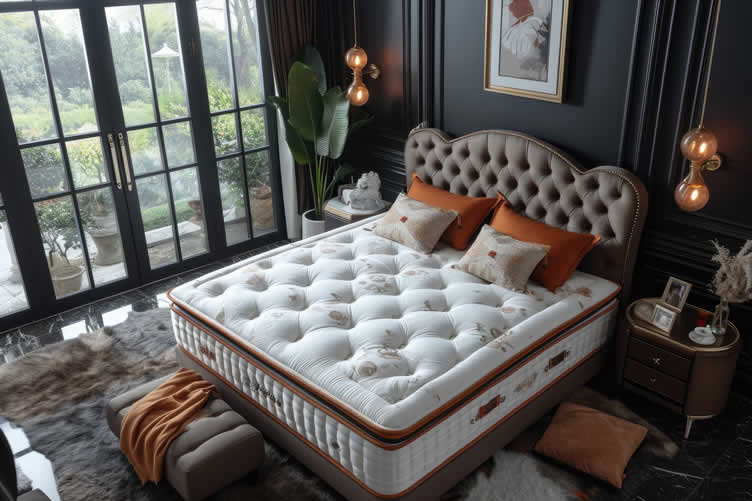
Understanding the different types of mattresses available on the market is crucial for selecting one that best meets your sleep needs and preferences. Mattresses come in various materials, designs, and firmness levels, each offering distinct benefits and comfort levels.
Below, we’ll explore the main types of mattresses, providing insights into their construction, advantages, and potential drawbacks to help you make an informed choice.
-
Inner Spring Mattresses:
These traditional mattresses use a network of metal coils to provide support. They are known for their durability and strong edge support, making them a popular choice for many sleepers.
[ view diagram: inner spring ]
-
Memory Foam Mattresses:
Made from viscoelastic foam, these mattresses conform to the shape of your body, offering excellent pressure relief and motion isolation, ideal for those with back pain or partners who move frequently.
[ view diagram: memory foam ]
-
Latex Mattresses:
Constructed from natural or synthetic latex, these mattresses contour to your body’s shape, providing exceptional pressure relief and motion isolation, providing a more eco-friendly sleeping option.
[ view diagram: latex mattress ]
-
Hybrid Mattresses:
Combining innerspring coils with one or more types of foam (such as memory foam or latex), hybrid mattresses offer a balanced feel of support and comfort, catering to a wide range of sleeping preferences.
[ view diagram: hybrid mattress ]
-
Gel Mattresses:
Infused with gel particles in the memory foam, these mattresses help to dissipate heat and keep you cool throughout the night, offering pressure relief along with temperature regulation.
[ view diagram: gel mattress ]
-
Air Mattresses:
Featuring air chambers as the primary support system, these mattresses allow you to adjust the firmness level by adding or releasing air, making them highly customizable.
[ view diagram: air mattress ]
copyright image by 123rf.com
-
-
3rd: Box Springs and Foundations
Understanding the importance of a solid foundation for your mattress can significantly impact your overall sleep quality. Box springs and foundations play a crucial role in providing the necessary support and prolonging the life of your mattress.
While a box spring traditionally consists of a wooden frame filled with springs, offering a combination of support and bounce, a foundation generally includes a wooden or metal frame with slats or a solid surface, ensuring a firmer base.
Each type has its unique benefits and is designed to work with specific mattress types. Below, we’ll delve deeper into the characteristics and advantages of both options to help you decide which is best suited for your sleeping needs.
-
Box Springs:
A type of bed base typically composed of a sturdy wooden frame filled with springs or a metal grid covered in cloth. Box springs provide additional height, shock absorption, and a flat, supportive surface for the mattress.
[ view ideas: box spring inside ]
-
Platform Foundations:
These are solid or slatted bases that eliminate the need for a box spring. Platform foundations provide firm support and can contribute to a more modern, streamlined look in the bedroom.
[ view ideas: platform foundation types ]
-
Adjustable Bases:
Bases that allow you to elevate the head or foot of the bed, offering customizable comfort and health benefits, such as better circulation and reduced snoring.
[ view ideas: adjustable base ]
-
-
4th: Other Types of Master Bedroom Furniture
Creating a comfortable and aesthetically pleasing master bedroom involves carefully selecting a variety of furniture pieces that cater to both functionality and personal style.
Beyond the essential bed and mattress foundation, incorporating additional furniture can enhance the room’s usability and visual appeal.
Below, we explore key items to consider, complete with guidance on how to use and place each piece.
-
Nightstands
Nightstands are practical additions that flank your bed, offering convenient storage and surface space. They provide easy access to essentials like lamps, alarm clocks, and personal items.
When choosing nightstands, consider matching them with your bed frame or other bedroom furniture for a cohesive look. Features to look for include drawers or shelves for extra storage, which can help keep the room clutter-free and organized.
- Description:
Available in a range of styles and materials, nightstands often include drawers or shelves for additional storage. - Use:
Ideal for keeping nighttime essentials within arm’s reach. - Placement:
Position one nightstand on each side of the bed to create symmetry and balance. -
[ view images: nightstand ideas ]
[ pinterest: selecting bedroom nightstands ]
- Description:
-
Dresser
A dresser is an essential piece for storing clothes and personal items, helping to maintain a tidy and organized master bedroom. Dressers come in various styles, sizes, and finishes, so selecting one that fits well within your space is crucial.
Look for a dresser with ample drawer space and a sturdy construction to ensure longevity. Whether you prefer a sleek, modern design or a classic, ornate piece, the dresser should enhance the room’s aesthetic while providing functional storage.
- Description:
Dressers come in various sizes and designs, featuring multiple drawers stacked vertically. - Use:
Perfect for organizing folded clothes, undergarments, and other items. - Placement:
Place the dresser against a wall, ideally opposite or adjacent to the bed, for easy access. -
[ view images: dresser ideas ]
[ pinterest: selecting bedroom dresser ]
- Description:
-
Wardrobe Closet
A wardrobe closet is an excellent solution for additional hanging storage, especially if your bedroom lacks sufficient built-in closet space.
Wardrobe closets come in various sizes and styles, from single-standing units to large, wall-spanning designs.
- Use:
Ideal for hanging clothes, storing shoes, and organizing accessories. - Placement:
Position against a wall or in a corner to maximize space without overwhelming the room. -
[ view images: wardrobe closet ]
[ pinterest: selecting bedroom wardrobe closet ]
- Use:
-
Chest and Cabinets
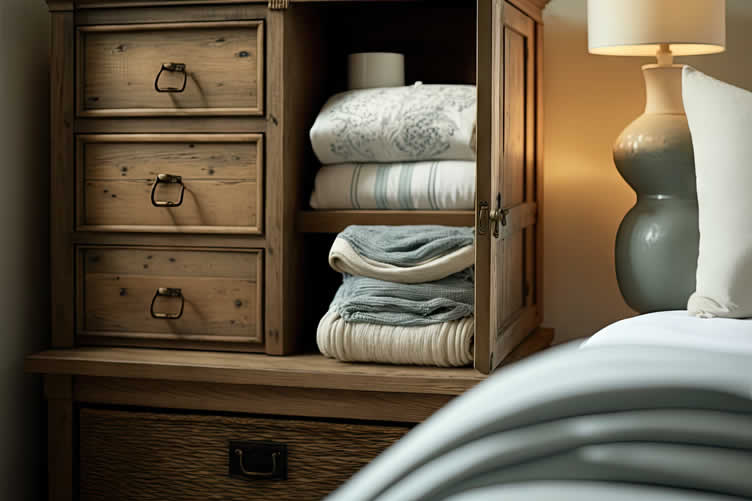
Chests and cabinets are versatile storage options that can cater to different needs, from clothing to linens and beyond. These pieces can vary in size and design, fitting seamlessly into different bedroom aesthetics.
- Use:
Great for storing seasonal items, extra linens, or even bulky clothing. - Placement:
Place near the foot of the bed, along a wall, or within a walk-in closet for easy access. -
[ view images: bedroom cabinets ]
[ pinterest: selecting bedroom cabinets ]
- Use:
-
Seating Area
Incorporating a seating area in the master bedroom adds a touch of luxury and comfort. This could include anything from a cozy armchair to a full seating arrangement with a loveseat and side table.
- Use:
Perfect for reading, relaxing, or enjoying morning coffee. - Placement:
Ideally situated near a window for natural light or in a quiet corner of the room. -
[ view images: sitting area ideas ]
[ pinterest: setting up bedroom seating area ]
- Use:
-
Other
Additional pieces, such as vanity tables, blanket racks, and mirrors, can further enhance the functionality and appeal of your master bedroom.
- Vanity Table:
Use for personal grooming and makeup application. Place near good lighting, such as next to a window or under a bright lamp. - Blanket Rack:
Ideal for storing extra blankets and throws, keeping them within easy reach. Position at the foot of the bed or along a wall. - Mirrors:
Full-length or decorative mirrors can amplify light and give the illusion of more space. Hang on walls adjacent to windows for maximum impact. -
[ view images: vanity table ]
[ view images: blanket rack ]
- Vanity Table:
copyright image by 123rf.com
Bedroom Furniture
viewing amazon -
-
-
ideas to view and compare from the information discussed above
Scroll up to directory … or scroll to next section about finding the perfect home furniture …


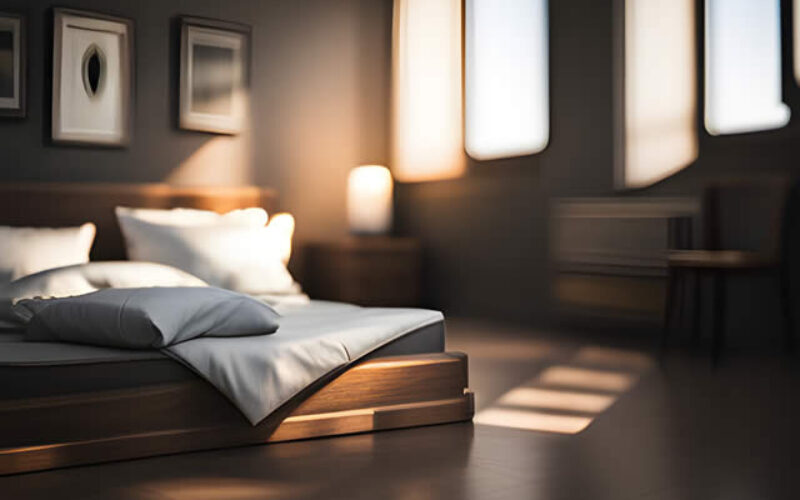
… for best mattress types

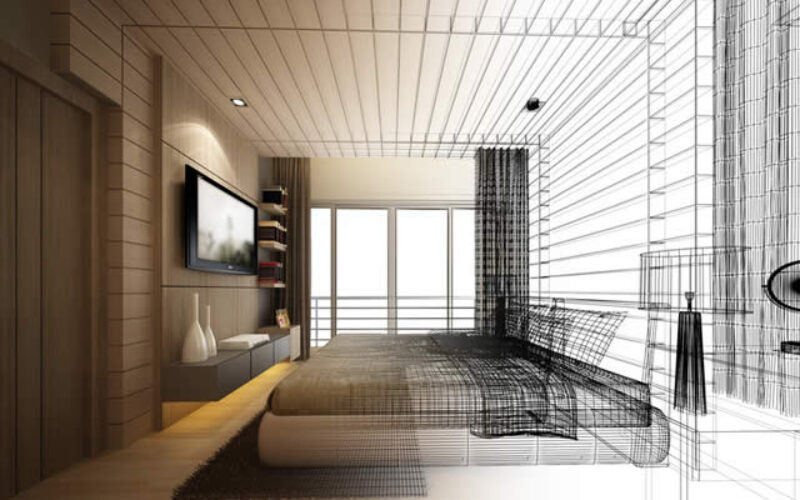
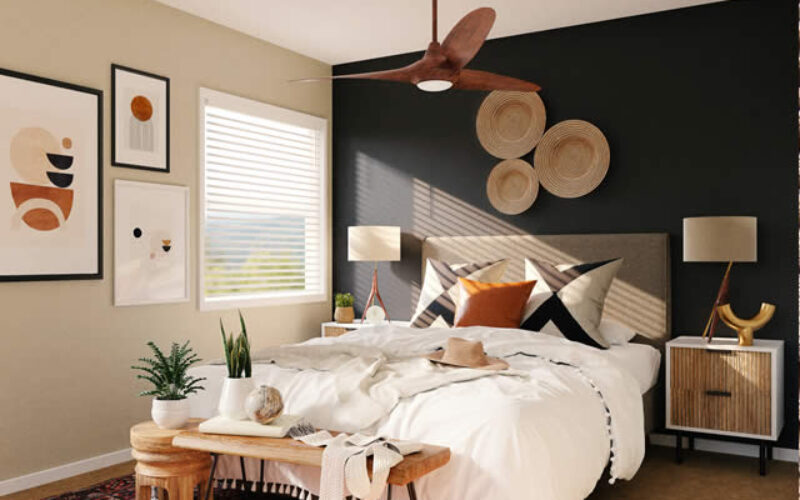
… bedroom furniture pieces and needs
second “photo remodeling” idea
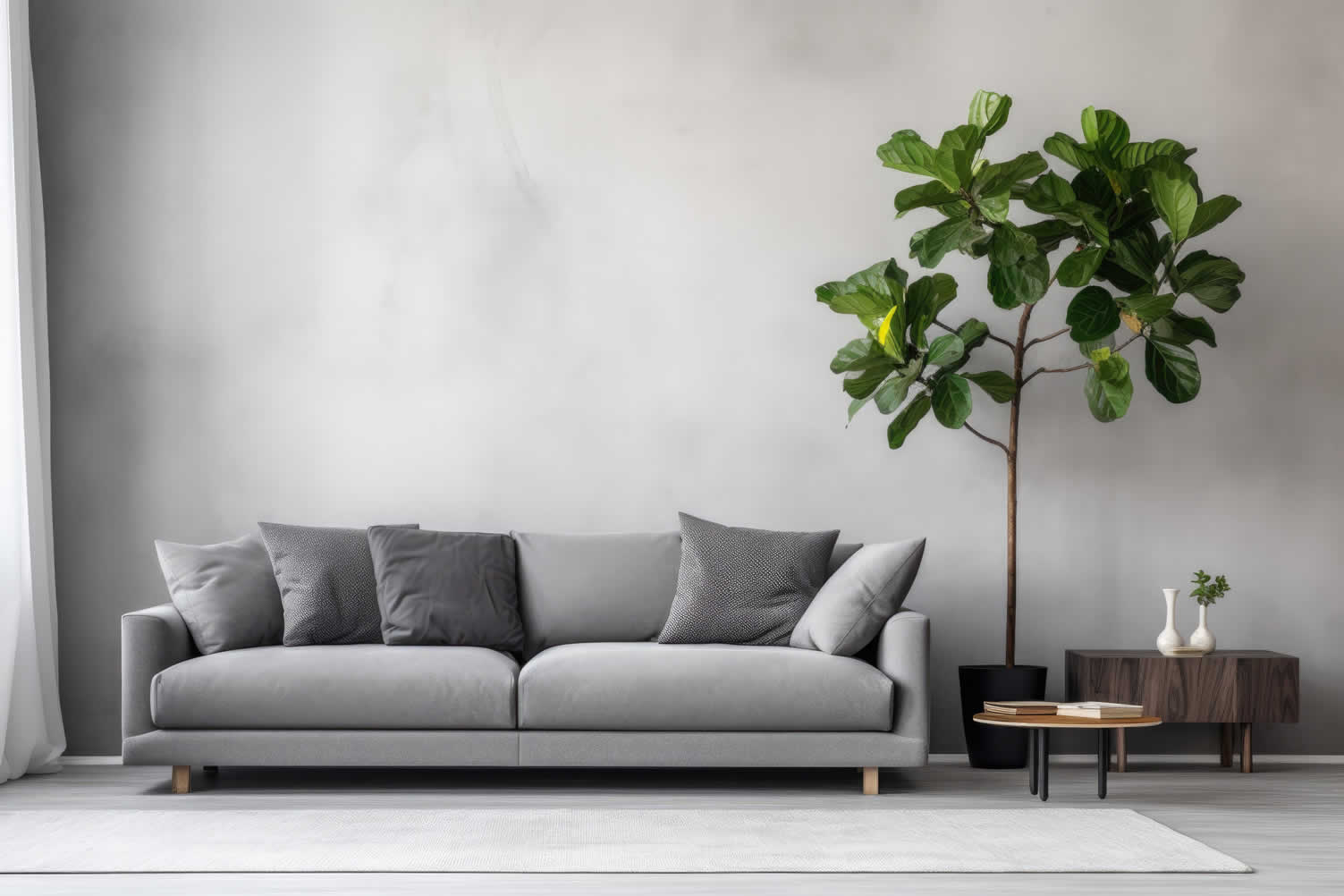
copyright image by 123rf.com
Find Furniture Tip 2: Living Room/Hallway Furniture Needs
Notes:
-
The living room is often the "other heart" of the home, serving as a space for relaxation, entertainment, and social gatherings. Proper planning of your living room furniture is essential to create an inviting and functional environment.
When selecting furniture for this central room, it’s important to consider factors such as the size and layout of the space, the number of people who regularly use the room, and your lifestyle needs.
In the sections below, we will explore different types of living room furniture, including sofas, coffee tables, entertainment centers, and storage solutions, to help you design a cohesive and comfortable space.
-
Quick scroll to “living room furniture” side notes …
-
-
1st: Living Room Seating
When it comes to living room seating, a variety of options are available to suit different tastes, lifestyles, and needs. Each type of seating has its own characteristics and best uses, allowing you to tailor your living room to maximize both comfort and style.
In the following sections, we will delve into various types of living room seating furniture and provide insights on how to effectively incorporate each piece into your space.
[ see below: seating images ]
-
Sofas
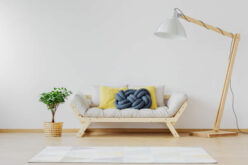
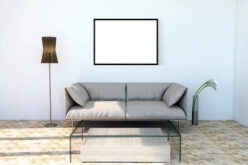
Sofas are the cornerstone of living room seating, offering ample space for family and guests to sit comfortably. They come in various sizes, styles, and materials, making it easy to find one that complements your decor.
When placing a sofa, consider positioning it against a wall or floating it in the center of the room with a rug underneath to create a defined seating area.
-
Sectionals
Sectionals are ideal for larger living rooms or open-concept spaces, offering more seating capacity and flexibility than traditional sofas. They can be configured in multiple ways to fit the layout of your room.
Place sectionals in a way that encourages conversation, often forming an "L" or "U" shape around a central focal point such as a coffee table or television.
-
Loveseats
Loveseats are perfect for smaller spaces or as a complementary piece to a larger sofa. They provide cozy seating for two people and can be placed facing a sofa to create a balanced look.
Alternatively, a loveseat can serve as a standalone piece in a reading nook or near a window for a serene, intimate setting.
-
Armchairs
Armchairs offer individual seating and can add personality to your living room. Consider placing an armchair near a sofa or in a corner with a small side table and lamp to create a cozy reading area.
Choose designs that either match or complement your sofa to ensure a cohesive look.
-
Club Chairs
Club chairs are deep-seated and comfortable, ideal for relaxed lounging. They are often upholstered in leather or high-quality fabric, adding a touch of sophistication to your living room.
Place club chairs across from a sofa or next to a fireplace to create an inviting spot for conversation.
-
Recliners
Recliners provide the ultimate comfort with their adjustable settings, making them perfect for relaxing after a long day. These chairs are best placed in less trafficked areas of the living room to allow for easy reclining.
Pair recliners with a side table to hold books or beverages for added convenience.
-
Accent Chairs
Accent chairs are designed to be eye-catching and can enhance the aesthetic of your living room. Use these chairs to add a pop of color or an interesting pattern to your space.
Position them where they can be easily noticed, such as near a coffee table or in an entryway.
-
Chaise Lounge
A chaise lounge combines the features of a chair and a sofa, perfect for stretching out and relaxing. Place a chaise lounge near a window or in a quiet corner of the living room to create a serene spot for napping or reading.
It can also be used to complement a sectional setup for luxurious seating.
-
Bean Bag Chairs
Bean bag chairs offer casual, versatile seating and are great for game nights or informal gatherings. These chairs are easy to move and can be stored away when not in use.
Arrange bean bag chairs in a way that they can quickly be pulled into a circle for social activities or spread out for individual relaxation.
-
Other Seating Options
Beyond the traditional choices, other unique seating options can add character to your living room. Think about incorporating a bench, ottoman, or window seat to diversify the seating arrangements.
These pieces can serve dual purposes, such as additional storage, while enhancing the overall functionality and appeal of the space.
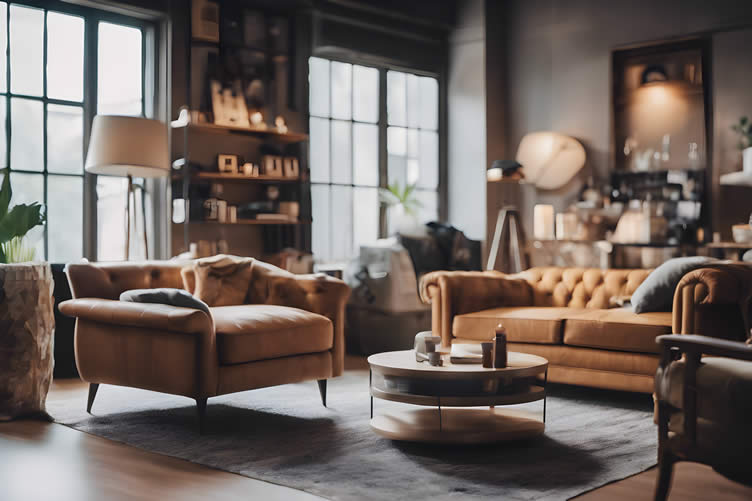
AI generated image by 123rf.com
-
-
2nd: Living Room Tables
When designing a living room, the choice of tables can greatly influence the functionality and aesthetic appeal of the space.
Various types of tables serve different purposes, from holding beverages to displaying decor, and choosing the right ones can transform your living area into a harmonious blend of style and practicality.
[ see below: table images ]
-
Coffee Table
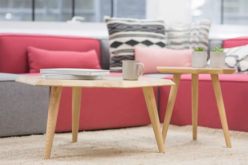
A coffee table is often the centerpiece of a living room, placed centrally in front of a sofa or seating area. This table is perfect for holding drinks, snacks, books, and decorative items like candles or flower arrangements.
Opt for a coffee table with a lower shelf or drawers for extra storage and to keep the surface clutter-free.
-
Console Table
Typically positioned against a wall or behind a sofa, a console table can provide additional surface space and serve as an attractive focal point.
Use it to display decorative pieces, family photos, or even as a place to store keys and mail. Console tables also work well in entryways, emphasizing the transition from one room to another.
-
End Table
End tables are small, versatile pieces that sit beside sofas or chairs, offering a convenient surface for lamps, books, or beverages. These tables help balance the furniture arrangement and often come with lower shelves or drawers to provide extra storage.
Place them within arm’s reach of your seating to ensure they are both stylish and functional.
-
Cocktail Table
Similar to a coffee table but slightly taller, a cocktail table adds a touch of elegance to any living room. Ideal for entertaining, it provides a perfect space for drinks, hors d’oeuvres, and games.
Position a cocktail table in an open area where guests can easily gather around it during social events.
-
Side Table
Side tables are similar to end tables but often slightly larger and can be used throughout the room. These tables can be placed next to seating or in a corner with decorative elements like lamps or planters.
Choosing side tables that match the room’s decor can enhance its overall aesthetic.
-
Nesting Tables
Nesting tables are a versatile option, consisting of two or more tables that fit neatly together. They can be used separately when needed, providing additional surface space, or neatly stowed away to save space.
These tables are perfect for smaller living rooms or multi-functional spaces.
-
Ottoman Table
An ottoman table serves a dual purpose, combining seating with a flat surface to hold trays, magazines, or remote controls.
Upholstered and comfortable, they can also be used as footrests. Position an ottoman table in front of a sofa or sectional for a cozy and functional living room centerpiece.
-
Other
Beyond the standard options, consider unique and creative table choices to add character to your living room. Think of incorporating a vintage trunk as a table or a modern, minimalist piece to make a bold statement.
These unconventional tables can serve as conversation starters while enhancing the overall design of your space.
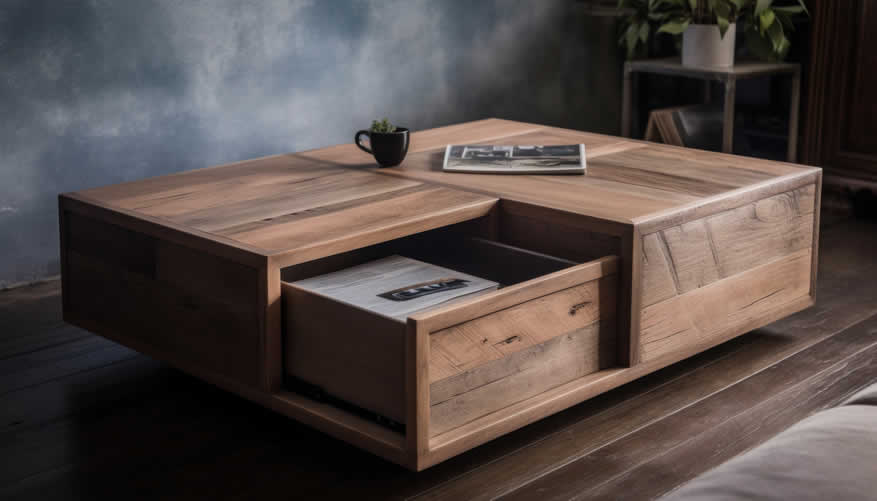
copyright image by 123rf.com
-
-
3rd: Media Viewing Furniture
Creating a comfortable and functional media-viewing experience in your living room involves choosing the right furniture. The right furniture not only supports your devices and store your media but also enhances the overall aesthetic of the room.
Below are some types of media viewing furniture to consider:
[ see below: media viewing images ]
-
TV Stand
A TV stand is a classic choice for supporting your television. These stands come in various sizes and styles to match your living room’s decor.
Position the TV stand against a wall where it can be viewed easily from multiple seating arrangements. Many TV stands also offer additional shelving or cabinets to store audio-visual equipment, DVDs, or decorative items.
-
Entertainment Center
An entertainment center is a larger, more encompassing piece of furniture that serves as a hub for all your media devices. These units often come with multiple shelves, cabinets, and compartments, making them ideal for housing not only your TV but also gaming consoles, speakers, and other electronic devices.
Place the entertainment center on a focal wall in your living room to create an eye-catching and organized media area.
-
Media Console
Media consoles are sleek, low-profile units that provide a stylish way to house your media devices. These consoles often have a minimalistic design, fitting well in contemporary or modern living rooms.
Media consoles are typically placed under wall-mounted TVs, offering a convenient storage solution for your media equipment without taking up too much space.
-
Media Seating
Media seating includes specialized chairs, recliners, or sectional sofas designed to enhance your viewing experience. These seats often come with built-in features like cup holders, reclining mechanisms, and even USB ports for charging devices.
Arrange media seating in a semi-circle or straight line facing the television, ensuring each seat offers a clear and comfortable view of the screen.
-
Other
Apart from traditional media furniture, consider integrating unique and innovative pieces to elevate your living room’s entertainment experience.
Floating shelves can offer a sleek way to display media equipment without occupying floor space. Additionally, incorporating a rolling media cart can provide flexibility, allowing you to move your media setup as needed.
These unconventional pieces can help you craft a personalized and functional media viewing area.
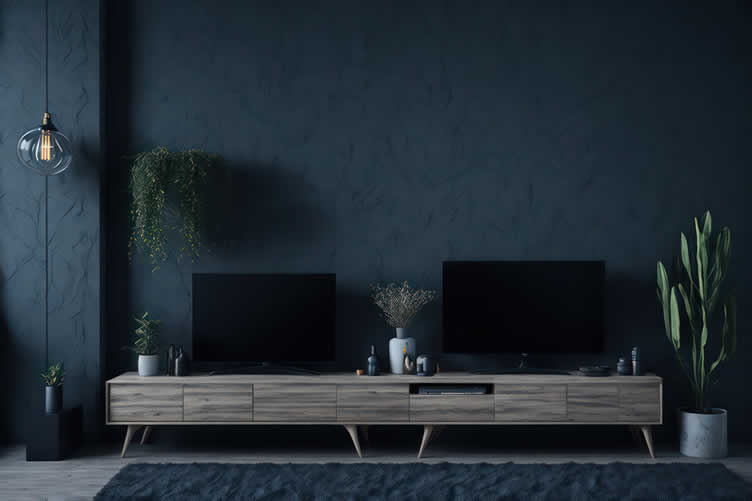
copyright image by 123rf.com
Media
viewing amazon -
-
4th: Living Room Storage Solutions
Living room storage is a crucial aspect of home design, providing both functionality and aesthetic appeal. Efficient storage solutions help maintain a tidy space while allowing you to showcase your personal style.
Here’s a look at other types of living room storage furniture to consider:
[ see below: storage solution images ]
-
Built-in Storage
Built-in storage provides a seamless and integrated solution for your living room. Custom-built units can be designed to fit the exact dimensions of your space, creating a uniform look that blends with the room’s architecture.
Use built-in storage for books, decorative items, or even as an entertainment center. Placing built-in units around a fireplace or television can centralize the room’s focal points while keeping everything organized.
-
Library Units
Library units are ideal for avid readers and those who want to create a cozy reading nook within their living space. These tall, expansive shelves can house a vast collection of books, making them a dominant feature in the room.
Position your library unit along a wall with adequate lighting to ensure a comfortable reading environment. Consider placing a comfortable chair or small sofa nearby to create an inviting reading corner.
-
Bookstands
Bookstands serve as an excellent way to display current reads and favorite volumes. These stands can range from simple, freestanding units to more elaborate designs.
Position bookstands close to seating areas or places where you frequently read, like next to a sofa or a recliner, enabling easy access to your favorite literature without cluttering the space.
-
Cabinets
Cabinets are versatile pieces of furniture that can be used to store various items while keeping them out of sight. Opt for stylish cabinets that match your living room decor to enhance the visual appeal.
Place them against a wall or within a built-in unit for a more cohesive look. Cabinets are perfect for storing games, blankets, or other household items that you want to keep handy but hidden.
-
Shelving Units
Shelving units come in a variety of shapes, sizes, and styles, providing flexible storage solutions for your living room. From floating shelves to freestanding units, they offer space for decorative items, books, and media equipment.
Arrange shelving units on a prominent wall or use them to frame a television or artwork, adding both storage and display space to your living area.
-
Storage Ottomans
Storage ottomans are multi-functional pieces that provide both seating and hidden storage. Use them as footrests, additional seating, or coffee tables while storing items like blankets, pillows, or magazines inside.
Place storage ottomans in front of a sofa or sectional to keep your living room functional and tidy.
-
Sideboards and Buffets
Sideboards and buffets add a sophisticated touch to your living room while offering ample storage space. These units are perfect for storing dining accessories, tableware, or even electronic gadgets.
Position a sideboard or buffet along a wall or behind a sofa to serve as both a storage solution and a statement piece.
-
Display Cabinets
Display cabinets allow you to showcase your prized possessions while keeping them protected. Use them to display collections, souvenirs, or fine china.
Place display cabinets in areas of your living room where they can be easily admired, such as near the entrance or opposite seating areas, ensuring they draw attention and add character to the space.
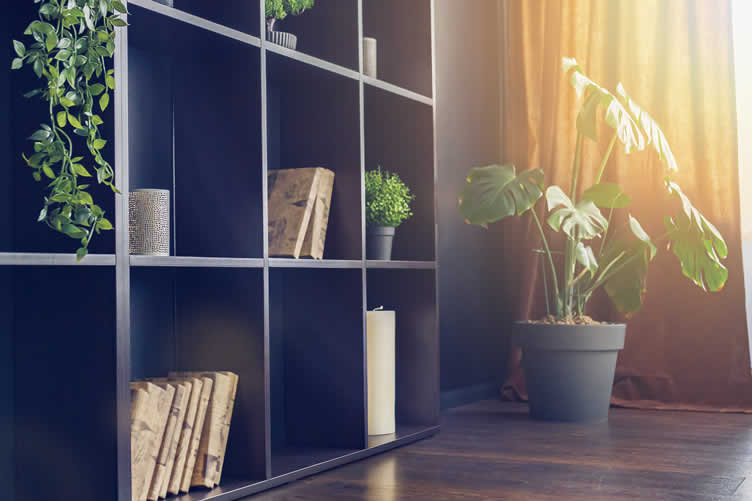
copyright image by 123rf.com
-
-
5th: Entryway/Hallway Furniture
Creating a welcoming and organized entryway and hallway is essential for setting the tone of your home. The right furniture pieces not only offer functional storage solutions but also enhance the aesthetic appeal of these transitional spaces.
Here are some key types of entryway and hallway furniture to consider, along with their uses and placement tips.
[ see below: entryway/hallway images ]
-
Console Table
A console table is a versatile piece that fits perfectly in narrow hallways or entryways. Use it to drop your keys, mail, and other small items when you walk in the door. It can also hold decorative items like vases, photo frames, and lamps to add a touch of personality.
Place a console table against the wall below a mirror to create the illusion of more space and provide a quick spot for last-minute touch-ups before heading out.
-
Bench
A bench provides a practical seating solution for putting on or taking off shoes. Choose one with built-in storage underneath to keep your entrance neat and clutter-free.
Positioned near the front door, a bench can also serve as a central spot for guests to sit comfortably while waiting.
-
Hall Tree
A hall tree combines multiple functions into one piece, often featuring a bench, hooks, and cubbies or shelves. It maximizes vertical space and helps keep your entryway organized.
Place a hall tree near the door to provide a convenient place for hanging coats, storing shoes, and organizing other items like bags and scarves.
-
Coat Rack
A standalone coat rack is perfect for smaller entryways or as an additional storage option. It provides a handy place for hanging coats, hats, and umbrellas.
Place it near the door to ensure that guests and family members have easy access to outerwear when entering or leaving the house.
-
Tall Cabinet
A tall cabinet offers ample storage space for larger items and can even be used to store seasonal clothing, sports equipment, or cleaning supplies. Its vertical design makes it an excellent fit for entryways with limited floor space.
Position a tall cabinet against a wall to provide a sleek storage solution that keeps your hallway looking neat and organized.
-
Other Entryway and Hallway Furniture
Consider incorporating other functional pieces such as shoe racks, umbrella stands, and accent chairs to further enhance the utility and style of your entryway or hallway.
Shoe racks keep footwear neatly organized and off the floor, umbrella stands offer a handy spot for wet umbrellas, and an accent chair can provide additional seating or a decorative touch.
Place these items strategically to ensure easy access and maintain a visually appealing arrangement.
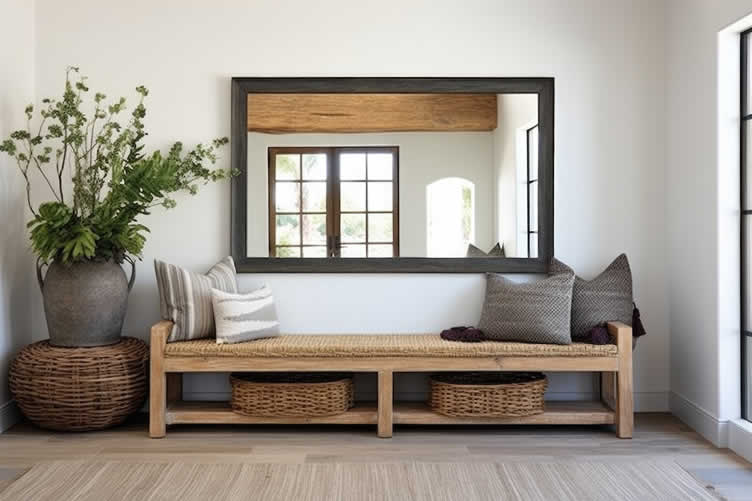
copyright image by 123rf.com
-
-
-
ideas to view and compare from the information discussed above
Scroll up to directory … or scroll to next section about finding the perfect home furniture …
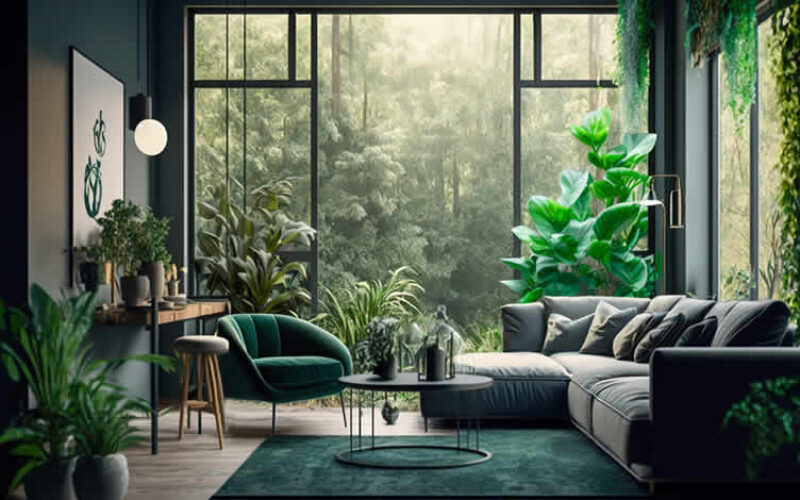
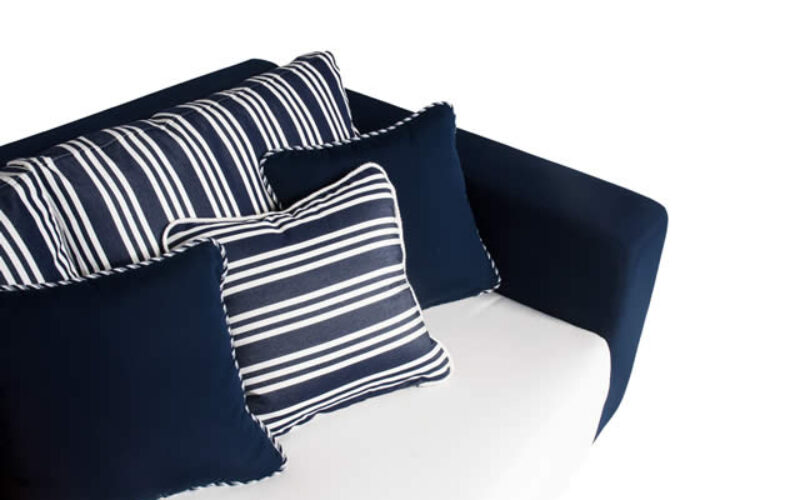

addressing finding the perfect home furniture and other home improvement needs …

… grab this directory of ideas for future use

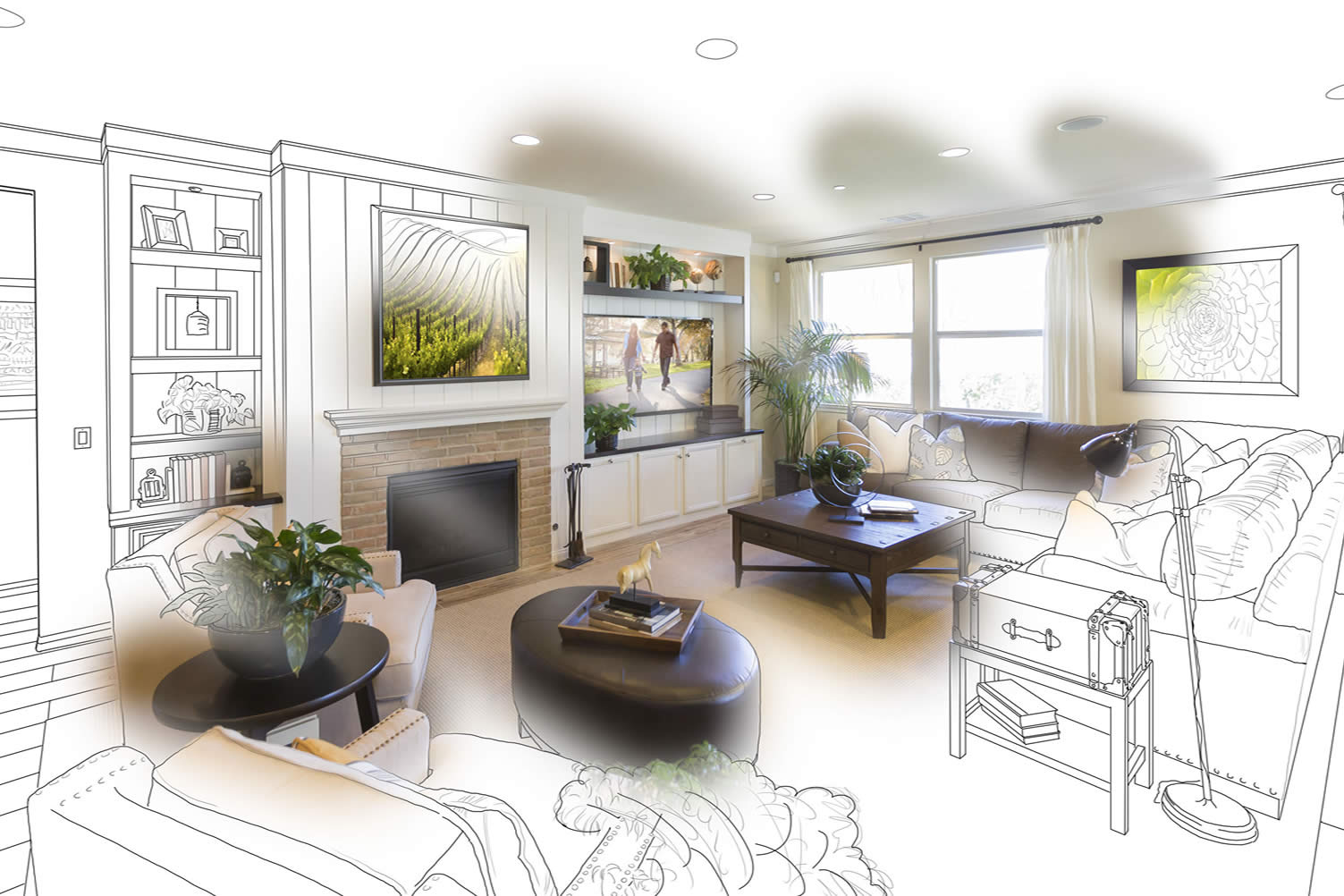


May We Suggest Other Photo Remodeling Ideas About
“Getting Into The Garden …” (new win)



third “photo remodeling” idea
copyright image by 123rf.com
Find Furniture Tip 3: Selecting Home Office Furniture
Notes:
-
Creating an efficient and comfortable home office begins with selecting the right furniture. The right pieces can enhance productivity, improve organization, and contribute to overall well-being.
From the desk to the chair and storage solutions, each item plays a crucial role in making your home office a place where you can work effectively.
Below, we will explore essential home office furniture and provide tips for making the best choices to suit your needs and space.
-
Quick scroll to “home office furniture” side notes …
-
-
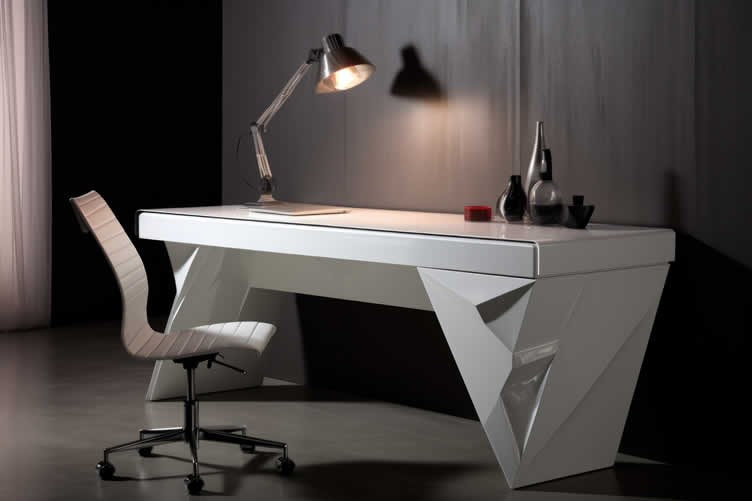
1st: Selecting the Right Type of Desk
A desk is often the centerpiece of any home office, so selecting the right type can significantly enhance your productivity and comfort.
While many factors will guide your choice, including available space, personal work habits, and aesthetic preferences, understanding the various types of desks and their benefits can help you make an informed decision.
Below, we’ll explore different types of home office desks and why each might be an ideal selection for your workspace.
[ see below: home office desk images ]
-
Executive Desk
An executive desk is a spacious and commanding option for those who require a lot of surface area and storage space. These desks often come with multiple drawers, compartments, and even hutches for added storage.
The generous surface area allows you to spread out your work materials, making it ideal for individuals who handle a lot of paperwork or multi-task with various projects.
Executive desks also tend to have a professional and sophisticated design, adding a touch of elegance to your home office.
-
Writing Desk
A writing desk is a minimalist option, perfect for those who require a clean and uncluttered workspace. Typically featuring a simple surface with a few or no drawers, writing desks are ideal for individuals who primarily work on a laptop or need a space for occasional paperwork.
Their straightforward design makes them a versatile choice that can fit into various room configurations and decor styles. Writing desks are also light and often easy to move, making them a flexible option for dynamic home office setups.
-
Corner Desk
A corner desk provides an efficient use of space, making it an excellent choice for smaller rooms or apartments. By utilizing the corner of a room, this type of desk frees up valuable floor space and creates a cozy workstation.
Corner desks often come in an L-shaped design, offering two connected surfaces that can help you organize different aspects of your work. This setup is particularly beneficial for those who juggle multiple monitors or need distinct areas for computer work and writing.
-
Standing Desk
A standing desk is a popular option for those looking to improve their health and ergonomics while working from home. By allowing you to alternate between sitting and standing positions, standing desks can help reduce the risks associated with prolonged sitting, such as back pain and poor posture.
Many standing desks are adjustable, enabling you to customize the height to your preference. This adaptability makes them ideal for promoting movement and maintaining energy throughout the workday.
-
Adjustable Desk
An adjustable desk offers the best of both worlds for those who require versatility in their workspace. These desks can be easily modified in height to accommodate both sitting and standing positions.
Adjustable desks are perfect for households with multiple users who have different ergonomic needs. Some models even come with programmable settings, allowing you to switch between heights with the push of a button.
This flexibility makes them a smart investment for a dynamic and ergonomic home office.
copyright image by 123rf.com
-
-
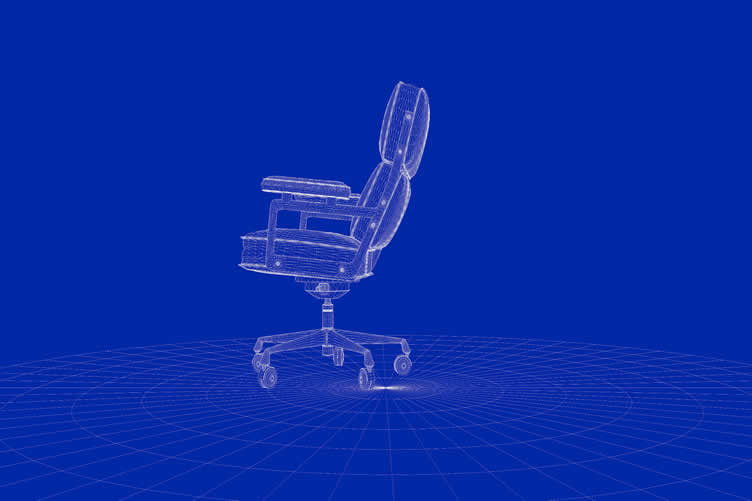
2nd: Home Office Chairs
Selecting the right type of desk chair for your home office is crucial to ensuring comfort, productivity, and overall well-being.
With a plethora of options available, understanding the benefits and features of each type can help you make an informed decision that best suits your workspace and ergonomic needs.
[ see below: home office chair images ]
-
Ergonomic Chairs
Ergonomic chairs are designed with the user’s comfort and health in mind, focusing on providing support to the spine, neck, and shoulders.
These chairs often feature adjustable components, such as seat height, lumbar support, armrests, and backrests, enabling a customized fit. Ideal for those who spend long hours at their desk, ergonomic chairs can help prevent back pain, neck strain, and other common issues associated with prolonged sitting.
-
Executive Chairs
Executive chairs exude luxury and sophistication, commonly used by individuals in managerial or executive positions. These chairs are typically larger, with high backs, ample padding, and high-quality materials such as leather.
Executive chairs often feature adjustable settings and offer excellent support for the head, neck, and back, making them an excellent option for those who prioritize both comfort and style.
-
Task Chairs
Task chairs are versatile and functional, suited for a variety of tasks and activities within the home office. These chairs are typically smaller and more lightweight compared to ergonomic and executive chairs, providing ease of movement with their swivel bases and caster wheels.
Task chairs often come with basic adjustable features, offering a cost-effective solution for those who need a simple yet comfortable seating option for shorter periods.
-
Kneeling Chairs
Kneeling chairs promote a unique seating posture designed to reduce the strain on the lower back by distributing weight more evenly between the buttocks and shins. This type of chair encourages an open hip angle, which can help improve posture and alleviate pressure on the spinal discs.
While kneeling chairs may take some time to get used to, they can be a great choice for those seeking an alternative to traditional seating.
-
Balance Ball Chairs
Balance ball chairs incorporate an exercise ball into the chair design, promoting active sitting and engaging the core muscles. These chairs can help improve posture, balance, and muscle tone while reducing the risks associated with prolonged sitting.
Balance ball chairs are ideal for those who want to incorporate a bit of physical activity into their workday without compromising their workspace layout.
-
Saddle Chairs
Saddle chairs, as the name suggests, are shaped like a saddle and promote a sitting posture similar to that of riding a horse. These chairs encourage an open hip angle and engage the core muscles, which can help improve posture and reduce back pain.
Saddle chairs are a great option for individuals looking for an ergonomic and back-friendly seating solution that supports active sitting.
copyright image by 123rf.com
-
-
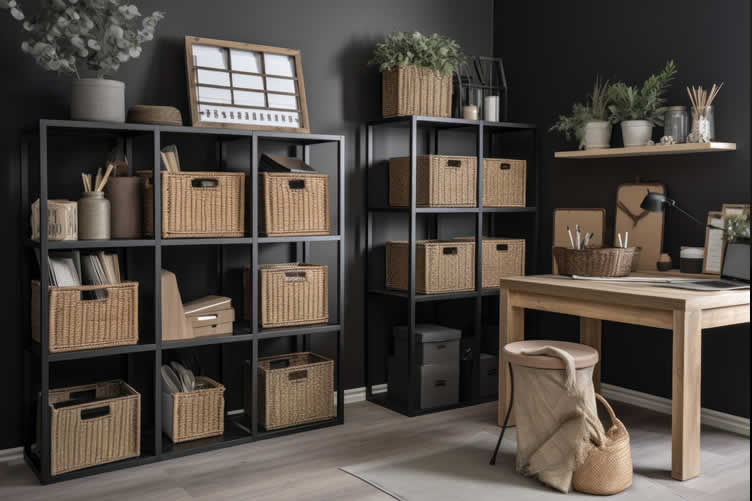
3rd: Home Office Storage Solutions
Choosing the right storage solutions for your home office is crucial to creating a productive and organized workspace. With numerous options available, it’s important to select storage that not only fits your space but also meets your specific needs.
Whether you need to store documents, office supplies, or personal items, the following types of home office storage solutions offer various benefits and features to consider.
[ see below: home office storage images ]
-
Filing Cabinets
Filing cabinets are a classic choice for office storage, providing an organized way to store and access important documents. Available in lateral, vertical, and mobile variations, filing cabinets can fit diverse spaces and storage requirements.
They are ideal for keeping paperwork neatly filed and easily accessible, which is essential for maintaining an orderly workspace and improving productivity.
-
Shelving Units
Shelving units offer versatile storage options for a home office, capable of holding books, decorative items, and office supplies. They come in a variety of materials and styles, from wall-mounted shelves to freestanding bookcases.
Shelving units maximize vertical space, making them perfect for small offices where floor space is limited, and they can also add a decorative touch to your workspace.
-
Desk Organizers
Desk organizers are essential for keeping your desktop clutter-free and ensuring that frequently used items are within easy reach. These organizers range from drawer dividers and pencil holders to letter trays and monitor stands with built-in storage.
By providing designated spaces for different office supplies, desk organizers contribute to a tidy, efficient workspace.
-
Storage Boxes and Bins
Storage boxes and bins are versatile options for categorizing and storing office items. Available in various sizes, materials, and designs, they can be used to hide away documents, craft supplies, or personal belongings.
Stackable and easy to label, storage boxes and bins make it simple to maintain an organized office while keeping things accessible.
-
Cabinets and Cupboards
Cabinets and cupboards provide enclosed storage solutions that can help reduce visual clutter in your home office. These units can store everything from files and office supplies to electronics and personal items.
With options like lockable doors and adjustable shelves, cabinets and cupboards can be customized to fit your organizational needs and add a sleek, professional look to your workspace.
-
Drawer Units
Drawer units are excellent for adding extra storage space beneath desks or in open office areas. They can store a variety of office essentials, such as stationery, cables, and personal items.
Available in both stationary and mobile designs, drawer units help keep your workspace organized by providing easily accessible, compartmentalized storage options.
-
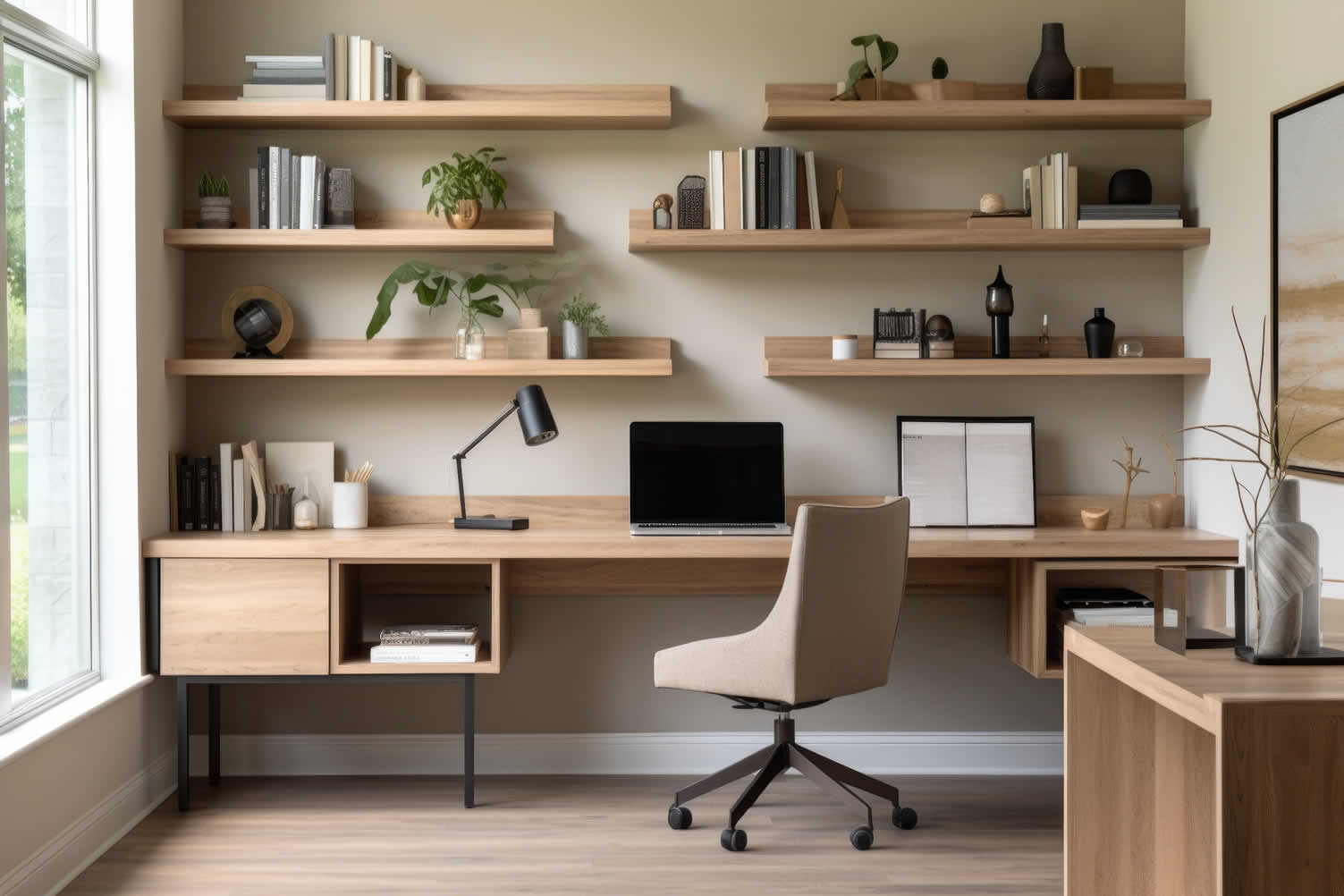
Floating Shelves
Floating shelves offer a minimalist and stylish solution for displaying books, decor, and small office supplies without taking up floor space. They can be installed at various heights to suit your needs and can make an empty wall functional.
Floating shelves are a great choice for those looking to enhance their home office aesthetics while adding practical storage space.
-
Storage Solutions
Effective storage is key to keeping your home office organized. Filing cabinets, bookcases, and shelving units can help store documents, books, and office supplies.
Opt for pieces that allow easy access to frequently used items while maintaining a clutter-free environment.
copyright image by 123rf.com
-
-
4th: Tables for Printers and Other Peripherals
When selecting tables for printers and other peripherals, it’s essential to consider the size, functionality, and placement within your home office. These tables should provide easy access to your devices while keeping your workspace tidy.
Here are some options to consider:
[ see below: home office table images ]
-
Peripheral Tables
Peripheral tables come in various shapes and sizes to accommodate different devices, from printers and scanners to fax machines and shredders. Using a peripheral table specifically designed for these items ensures that your devices have adequate ventilation and are within easy reach when needed.
By dedicating a designated space for peripherals, you prevent cords and cables from becoming tangled and maintain a clean, organized workspace.
Additionally, many peripheral tables feature shelves or compartments for storing extra paper, ink cartridges, and other supplies, further enhancing the efficiency and tidiness of your home office.
- Printer Stands:
Specifically designed to hold printers, these stands often feature additional storage shelves for paper, ink, and other supplies. They help free up desk space and keep everything you need within arm’s reach. - Mobile Carts:
Equipped with wheels, mobile carts allow you to easily move your printer and peripherals around your office as needed. They usually come with multiple tiers to store other office essentials. - Compact Desks:
For a more integrated setup, compact desks with designated printer compartments can be a smart choice. These desks provide a seamless look while maintaining the functionality of separate storage areas. - Lateral File Cabinets:
Dual-purpose pieces like lateral file cabinets with a built-in printer shelf offer both storage and accessibility. These are great for small offices where maximizing space is crucial.
- Printer Stands:
-
Drafting Tables
Ideal for designers and architects, drafting tables offer a large, adjustable work surface perfect for creating detailed drawings and layouts.
Many models come with a tilting top, providing flexibility to work at different angles, and some have built-in storage compartments for tools and materials.
-
Foldable Tables
Foldable tables are an excellent choice for those who require a flexible and space-saving solution. These tables can be easily folded and stored away when not in use, making them perfect for small home offices or multipurpose rooms.
Despite their convenient design, foldable tables are sturdy and can support various office equipment, from laptops to printers. They come in different sizes and styles, allowing you to choose one that fits your décor and needs.
-
Console Tables
Console tables are a stylish and functional addition to any home office. These slim tables can be placed against a wall to create a minimalist workspace or serve as a supplementary surface for additional storage and display.
Console tables often feature drawers or shelves, providing a discreet place to store office supplies, documents, and personal items. They come in a range of designs, from modern to traditional, making it easy to find one that complements your home office aesthetic.

copyright image by 123rf.com
-
-
-
ideas to view and compare from the information discussed above
Scroll up to directory … or scroll to next section about finding the perfect home furniture …

Budgeting Worksheet For Costing Home Remodeling and Home Improvement Decisions
 File Type (excel)

… remodeling decisions


fourth “photo remodeling” idea
copyright image by 123rf.com
Find Furniture Tip 4: Kitchen/Dining Room Furniture
Notes:
-
Selecting the right furniture for your kitchen and dining room is essential to creating an inviting and functional space. Whether you are furnishing a compact kitchen or a spacious dining area, the furniture you choose plays a significant role in the overall atmosphere and usability of the room.
Consider factors such as style, durability, and the specific needs of your household to make informed decisions that will enhance your dining experience.
Below, we delve into various types of kitchen and dining room furniture to help you make the best choices for your home.
-
Quick scroll to “kitchen/dining room furniture” side notes …
-
-
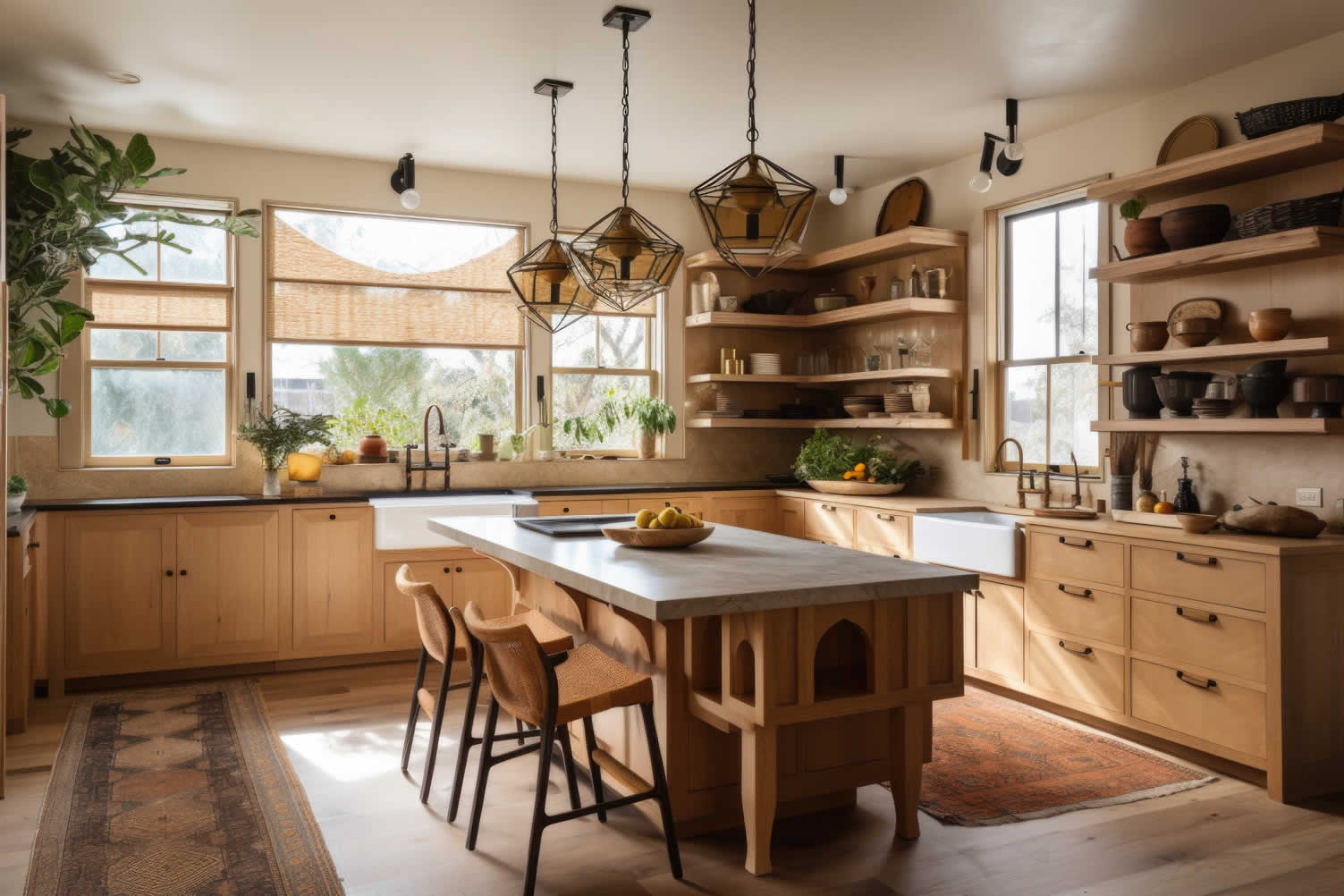
1st: In-The-Kitchen Furniture
Choosing the right in-the-kitchen furniture is crucial in designing a space that is not only functional but also aesthetically pleasing.
Given that the kitchen is often the hub of the home, the furniture selected can make a significant difference in how the space is experienced by family members and guests alike.
Each piece of furniture serves a specific role, and carefully considering your options ensures that your kitchen is both practical and stylish.
[ see below: kitchen furniture ]
-
Kitchen Island
A kitchen island is a versatile addition that can serve multiple purposes, from food preparation to dining. It often features built-in storage, such as cabinets or shelves, making it ideal for freeing up counter-top and pantry space.
Kitchen islands can also include appliances like a sink or stovetop, adding to their utility. They can act as a central gathering spot for family and friends, making your kitchen more social and interactive.
-
Bar Stools
Bar stools are an excellent choice for seating around a kitchen island or high counter. They come in various heights and styles, allowing you to find options that complement your kitchen’s design.
Bar stools can provide a casual and relaxed seating option, perfect for quick meals or socializing while cooking. They often have features like padded seats and backrests for added comfort.
-
Kitchen Table
A kitchen table is a traditional and practical centerpiece for casual family meals. Available in multiple shapes and sizes, a kitchen table can fit into almost any space.
It provides a dedicated area for dining, which can help keep the rest of your kitchen clutter-free. Materials range from wood to metal, allowing you to select a table that matches your kitchen’s décor.
-
Table Chairs
Table chairs are indispensable for creating comfortable seating around your kitchen table. They come in a wide variety of designs, from upholstered options to simple wooden chairs.
Choosing ergonomic and stylish chairs can enhance your dining experience, making meals more enjoyable.
-
Breakfast Nook
A breakfast nook is a cozy, often built-in seating area typically located in a corner of the kitchen. It can include a small table and bench seating, offering a charming spot for morning coffee or casual meals.
This type of furniture creates an inviting and intimate atmosphere, perfect for smaller kitchens or adding a unique touch to your layout.
-
Kitchen Carts
Kitchen carts are mobile units that provide additional storage and prep space. They often feature wheels for easy mobility and can be moved around the kitchen as needed.
Kitchen carts are perfect for small kitchens or as an auxiliary space for larger meal preparations. They can include drawers, shelves, and even built-in wine racks for added functionality.
-
Kitchen Buffets
Kitchen buffets, also known as sideboards, offer valuable storage for dishes, glassware, and other dining essentials. They typically have cabinets and drawers, perfect for keeping your kitchen organized.
A buffet can also serve as an extra serving station during large gatherings, enhancing the functionality and appeal of your dining area.
-
Baker’s Rack
A baker’s rack is a multi-tiered stand that can be used for storage and display. Traditionally used for cooling baked goods, modern baker’s racks often feature shelves and hooks to hold pots, pans, cookbooks, and decorative items.
This multi-functional piece can add both style and practicality to your kitchen.
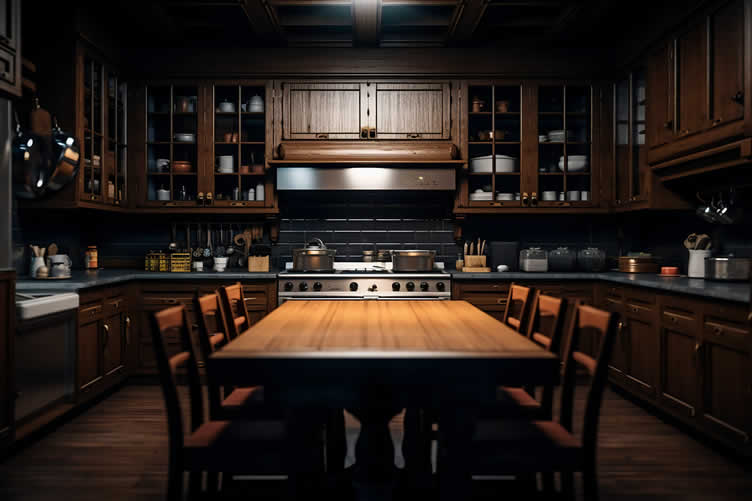
copyright image by 123rf.com
-
-
2nd: Right Type of Dining Room Furniture
Choosing the appropriate dining room furniture is essential to creating a welcoming and functional space for meals, gatherings, and daily use. The right pieces can enhance your room’s aesthetics while ensuring comfort and practicality.
Here are some key types of dining room furniture to consider:
[ see below: dining room furniture ]
-
Dining Table
The dining table is the centerpiece of any dining room. Available in various shapes, sizes, and materials, it serves as the gathering spot for meals and celebrations.
When selecting a dining table, consider the size of your room and the number of people you typically accommodate. A wooden table offers a classic, timeless look, whereas a glass table can make a smaller space feel more open.
-
Dining Chairs
Dining chairs play a crucial role in both style and comfort for your dining area. They come in an array of designs from upholstered to wooden, with or without armrests, and in various materials.
Upholstered chairs provide additional comfort and elegance, making them suitable for longer meal times and extended gatherings. On the other hand, wooden or metal chairs can be more practical and easier to clean.
-
Dining Bench
A dining bench is a versatile seating option that can add a casual, communal feel to your dining space. Often used in place of chairs or in combination with them.
Benches are particularly useful for maximizing seating in smaller areas and can be easily tucked under the table when not in use, saving space. They can be upholstered for extra comfort or left bare for a more rustic and minimalist aesthetic.
-
China Cabinet
A china cabinet is a sophisticated piece for displaying and storing fine china, glassware, and other dining essentials. This piece adds a touch of elegance and keeps valuable items organized and within reach for special occasions.
A well-chosen china cabinet can serve as a focal point in your dining room, showcasing your collection with pride.
-
Buffet
A buffet, also known as a sideboard, is a multi-functional piece that offers ample storage with cabinets and drawers. It can be used to hold dining linens, utensils, and other items, while also providing a surface for serving food and drinks during gatherings.
A buffet enhances the functionality and formality of your dining room, making it a practical and stylish addition.
-
Dining Cart
A dining cart is a mobile unit that adds both storage and serving options to your dining room. Equipped with wheels, it can be easily moved around to serve drinks, appetizers, or desserts.
Dining carts often include features like shelves, wine racks, and drawers, making them a flexible and space-saving solution for entertaining.
-
Other Considerations
Other furniture options, such as bar stools, side tables, and accent chairs, can complement your dining room’s décor and functionality.
Bar stools are a great addition if you have a bar or a high counter, while side tables can provide additional surfaces for decorative items or extra serving space.
By thoughtfully selecting dining room furniture that balances style, comfort, and utility, you can create a space that is both inviting and perfectly suited to your needs.
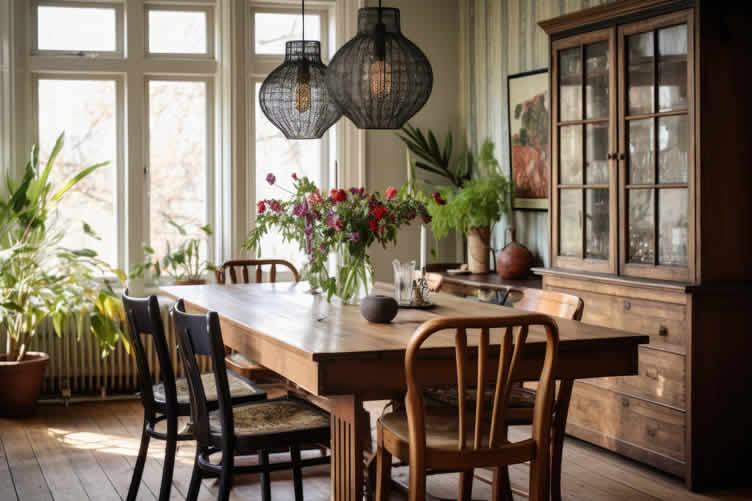
copyright image by 123rf.com
-
-
3rd: Kitchen and Dining Storage Solutions
Creating a well-organized and aesthetically pleasing kitchen and dining area begins with selecting the right storage solutions.
Proper storage not only enhances the functionality of your space but also contributes to a clean and inviting atmosphere. There are several types of storage options available, each catering to different needs and preferences.
Below, we explore various storage solutions and their benefits to help you make an informed decision.
[ see below: kitchen storage solutions
-
Cabinetry
Cabinetry is a fundamental storage solution in any kitchen. It comes in various styles, finishes, and sizes, allowing you to customize your kitchen to meet your specific requirements.
Cabinets are essential for storing cookware, dishes, utensils, and other essentials, keeping them neatly out of sight while remaining easily accessible.
-
Drawers
Drawers are perfect for items that require more frequent access, such as cutlery, cooking tools, and smaller kitchen gadgets.
They provide easy visibility and accessibility, making it simpler to organize and retrieve items without digging through deep shelves.
-
Corner Cabinet
A corner cabinet maximizes otherwise unused space in your kitchen. These cabinets often include features like lazy Susans or pull-out shelves, ensuring that even the deepest corners remain functional and accessible, making them ideal for storing less frequently used items.
-
Pantry
A pantry offers extensive storage space for non-perishable foods, canned goods, and kitchen supplies.
With options ranging from walk-in pantries to pull-out pantry shelves, you can select a configuration that best suits your space and storage needs, keeping your kitchen clutter-free.
-
Standing Cabinet
A standing cabinet, often referred to as a freestanding cabinet, provides versatile storage space without the need for installation.
These cabinets can be moved and rearranged as necessary, making them perfect for housing items like small appliances, cookbooks, or serving pieces.
-
Island or Peninsula
An island or peninsula not only serves as additional counter space but also offers built-in storage. Islands often feature cabinets and drawers on multiple sides, providing ample room for pots, pans, and other kitchen essentials.
Peninsulas, connected to the main counter, can similarly incorporate storage solutions while enhancing the kitchen’s layout.
-
China Cabinet
A china cabinet is designed to display and store fine china, glassware, and dining essentials. Its glass doors showcase your prized collections while protecting them from dust, adding a touch of elegance and functionality to your dining room.
-
Hutch
A hutch combines storage and display areas, often consisting of a lower cabinet with drawers or doors and an upper section with open shelving or glass doors.
It is an ideal solution for storing and showcasing dishes, glassware, and decorative pieces.
-
Sideboard or Buffet
Sideboards or buffets are versatile, multi-functional pieces that provide additional storage with cabinets and drawers.
They are perfect for storing dining linens, utensils, and serving pieces, while also serving as a surface for a buffet-style meal during gatherings.
-
Dining Cart
A dining cart is a mobile unit, often equipped with shelves, wine racks, and drawers, that adds flexibility to your storage and serving options.
Its mobility makes it ideal for entertaining, as it can be easily moved around to serve drinks, appetizers, or desserts.
-
Kitchen Storage Organization
Effective kitchen storage organization involves utilizing multiple smaller solutions to keep everything in order:
- Wall-Mounted Storage:
Wall-mounted racks and hooks keep frequently used items like pots, pans, and utensils within easy reach. - Hanging Pot Rack:
A hanging pot rack saves cabinet space and adds a rustic or industrial touch to your kitchen. - Spice Racks:
Spice racks organize your spices and seasonings, making them easy to access while cooking. - Baskets and Bins:
These versatile containers can be used inside cabinets or on open shelves to hold a variety of items, from produce to kitchen linens. - Wall Shelves:
Wall shelves add extra storage space for decorative items, cookbooks, or everyday essentials. - Food Storage Containers:
Properly labeled food storage containers help keep your pantry tidy and your ingredients fresh.
- Wall-Mounted Storage:
-
Other
Additional furniture like bar stools, side tables, and accent chairs can complement your kitchen or dining room’s decor and functionality. Bar stools offer seating at a kitchen island or high counter, while side tables provide extra space for decorations, serving dishes, or storage.
By considering these varied storage solutions and selecting those that best align with your needs and preferences, you can create a well-organized, efficient, and visually appealing kitchen and dining area.
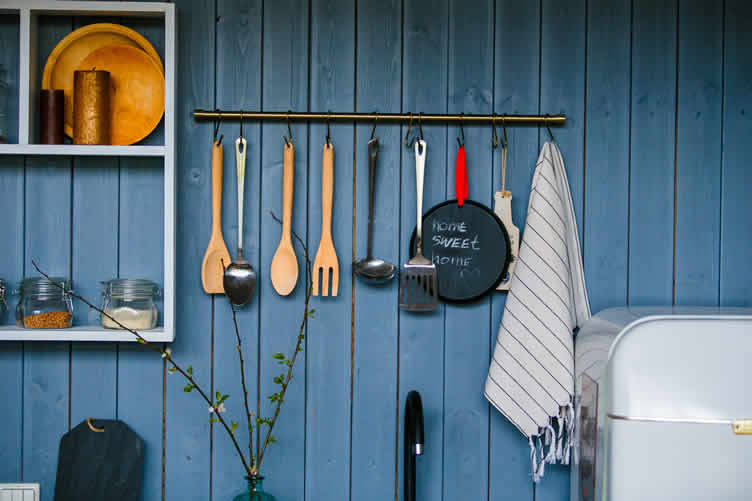
copyright image by 123rf.com
-
-
-
ideas to view and compare from the information discussed above
Scroll up to directory … or scroll to next section about finding the perfect home furniture …
SHARE IT ..! You might have someone in your social network who could find this informative post on finding the perfect home furniture for every room valuable. Feel free to share it on Facebook, X (formally Twitter), LinkedIn, or Pinterest!



… or creating a more functional kitchen experience

fifth “photo remodeling” idea
copyright image by 123rf.com
Find Furniture Tip 5: Child/Teen Bedroom Furniture
Notes:
-
Choosing the right furniture for a nursery or child’s bedroom is crucial for creating a space that evolves with your child’s needs. As children grow, their requirements and preferences change, so selecting versatile and adjustable pieces can save you time and money in the long run.
From cribs that convert into toddler beds to desks with height-adjustable chairs, investing in adaptable furniture ensures that the bedroom can seamlessly transition from infancy through the teenage years.
Below, we dive into specific types of furniture and design considerations to help you create a space that supports your child’s development at every stage.
-
Quick scroll to “child/teen bedroom furniture” side notes …
-
-
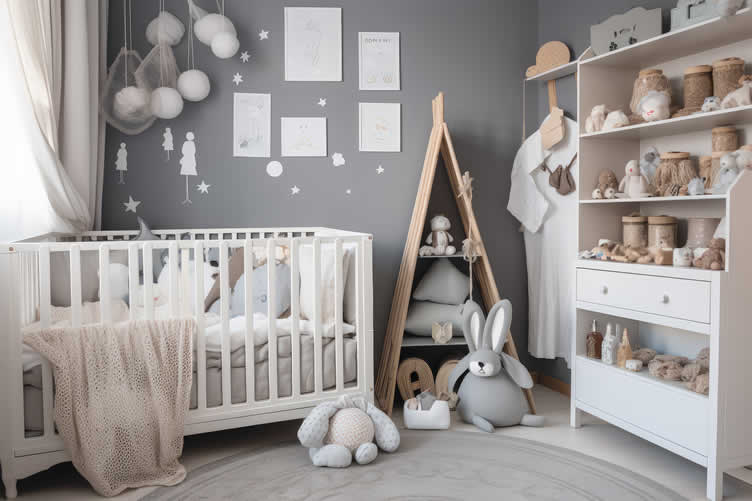
1st: Nursery Room Furniture
Choosing the right nursery room furniture is an important task for new parents.
Practicality and versatility are key considerations as the furniture should ideally grow with your child, adapting to their changing needs from infancy through the toddler years and beyond. This approach ensures that your investment in nursery furniture remains valuable over time.
Below, we explore several essential pieces of nursery furniture and why they are excellent choices for a versatile and functional nursery.
[ see below: nursery room furniture
-
Crib
A convertible crib is a must-have in any nursery. These cribs can transform from a standard crib to a toddler bed, and in some cases, even into a daybed or full-size bed.
This adaptability means the crib can serve your child well beyond their first few years, making it a lasting investment.
-
Changing Table
Opt for a changing table that doubles as a dresser. This combination piece can be used for diaper changes initially but can later be re-purposed as a regular dresser as your child grows.
Some models even come with removable changing trays, allowing for an easy transition without needing to replace the entire unit.
-
Dresser
A sturdy dresser is another versatile piece for the nursery. Beyond storing clothes, a dresser can be used to keep baby essentials and toys organized.
Choose a model with deep drawers and a solid build to ensure it withstands years of use.
-
Rocking Chair or Glider
A rocking chair or glider offers a comfortable spot for late-night feedings, story-time, and quiet moments with your baby.
Opt for one with a sturdy frame and cushioned seating to provide maximum comfort. As your child grows, this chair can continue to serve as a favorite reading nook or relaxation spot.
-
Storage Bins
Investing in quality storage bins helps to keep the nursery tidy and organized. These bins can be used to store toys, books, clothes, and other essentials.
Look for bins with labels or clear fronts for easy identification. As your child grows, the storage bins can be re purposed for different needs or easily moved to other rooms in the house.
-
Other Accessories
Consider additional versatile pieces such as a bookshelf that can hold both baby books and toys or a small table and chair set that can be used for playtime or drawing.
These multi-functional items can seamlessly transition through various stages of your child’s development.
By selecting furniture that is adaptable and versatile, you create a nursery that evolves with your child’s needs, ensuring both functionality and comfort for years to come.
copyright image by 123rf.com
-
-
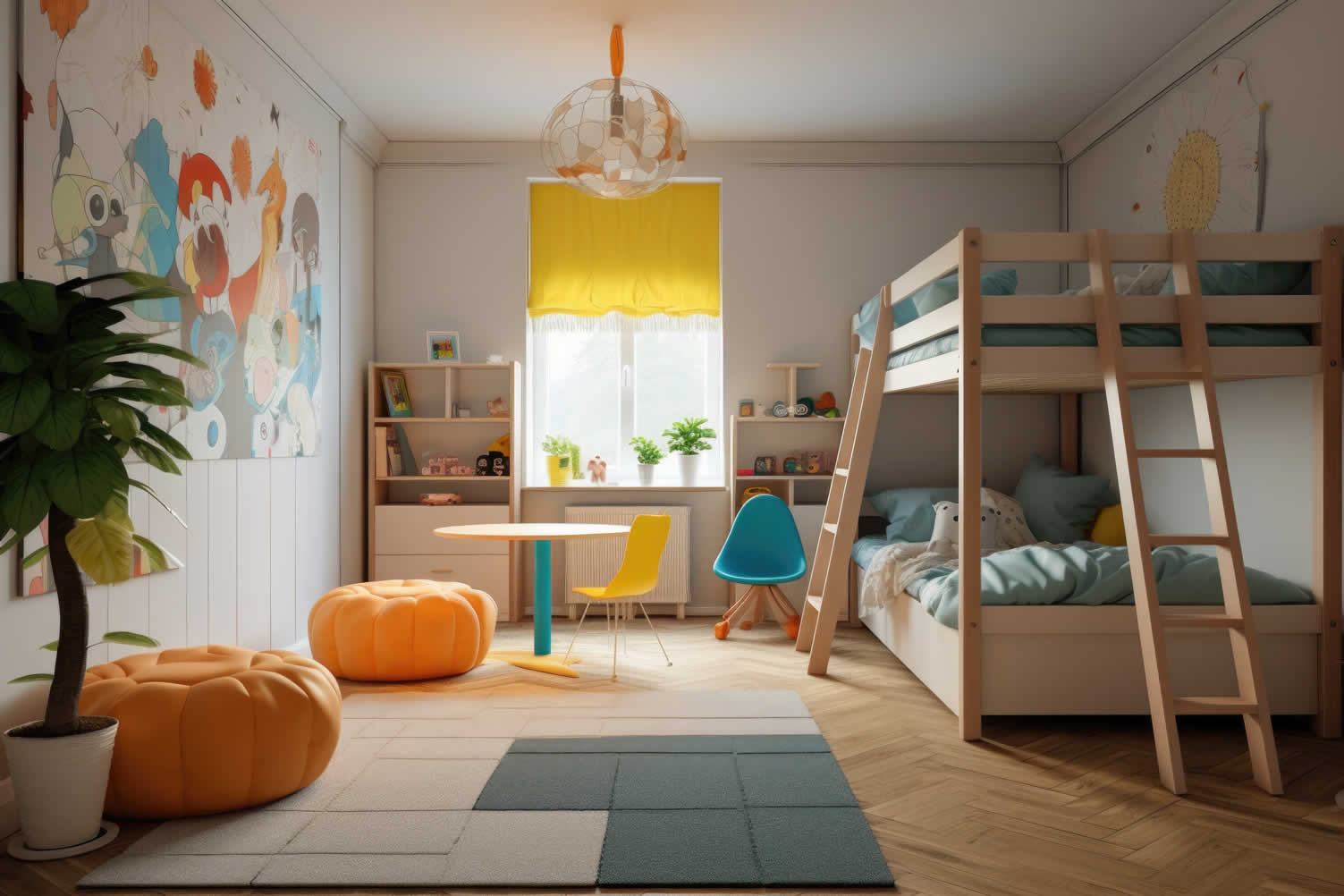
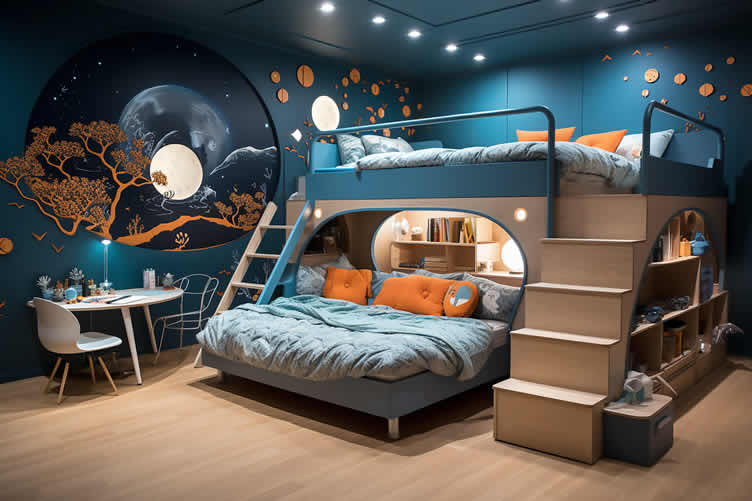
2nd: Child Bedroom Furniture
Creating a child’s bedroom that is both stylish and functional requires careful selection of versatile furniture that can adapt as your child grows.
Investing in adaptable pieces ensures that the room evolves to meet changing needs, providing comfort and practicality over the years.
Below, we detail essential furniture items and their benefits for a growing child’s bedroom.
[ see below: child bedroom furniture
-
Toddler Bed
A toddler bed is an ideal transition from a crib, offering a safe and comfortable sleeping space for young children. Look for options with low frames and guardrails to ensure safety.
Many toddler beds can later be converted into daybeds or used as a first step toward a larger bed, making them a versatile choice.
-
Child Bed
A child bed, often referred to as a twin or single bed, is suitable for children who have outgrown their toddler bed. Choose a design with a sturdy frame and durable materials to ensure longevity.
Consider beds with additional features like under-bed storage drawers or trundle options to maximize space and functionality.
-
Bunk Bed
A bunk bed is perfect for siblings sharing a room or for sleepover guests. Bunk beds save floor space and often come with features like built-in drawers, shelves, and desks.
Some models are designed to be split into separate twin beds, providing flexibility as your children grow older.
-
Desk
A dedicated desk area fosters a productive environment for homework, creative projects, and hobbies. Select a desk with ample storage for supplies and a surface large enough to accommodate a computer or laptop. As your child grows, the desk can continue to serve as a crucial study area or workspace.
-
Reading Chair
A cozy reading chair provides a comfortable spot for reading, relaxing, and unwinding. Choose a chair with supportive cushioning and a design that complements the room’s décor.
As your child ages, this chair can become a cherished spot for relaxation and quiet time.
-
Dresser or Wardrobe
A dresser or wardrobe offers essential storage for clothing and accessories. Opt for a piece with deep drawers or versatile compartments to keep items organized and easily accessible.
A well-designed dresser or wardrobe can transition from storing baby clothes to holding a teenager’s wardrobe.
-
Shelving
Shelving units are excellent for displaying books, toys, and decorative items. Look for adjustable shelves that can accommodate items of varying heights.
Sturdy, well-made shelves can be used throughout your child’s life, from storing childhood collections to organizing school materials.
-
Other Accessories
Consider additional pieces like a toy chest, which can provide both storage and seating, or a small table and chair set that can be used for arts and crafts.
Multi-functional furniture items ensure that your child’s room remains practical and enjoyable through various stages of development.
copyright image by 123rf.com
-
-
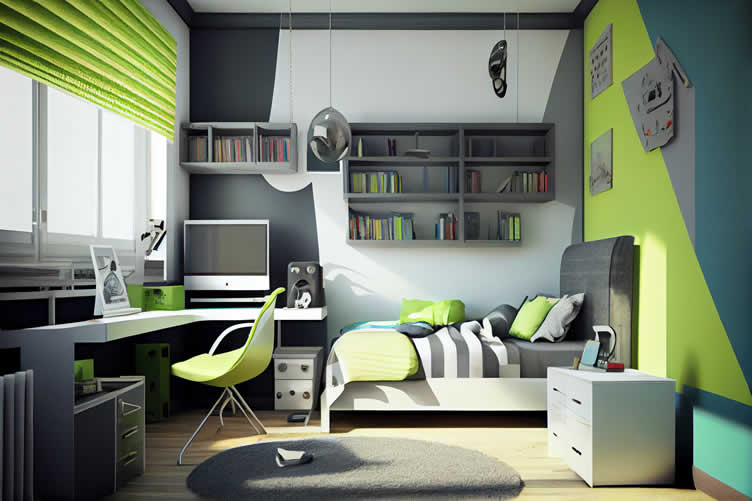
3rd: Teen Bedroom Furniture
Designing a teenager’s bedroom involves choosing versatile furniture that not only suits their current needs but also grows with them as they transition to adulthood.
Each piece should contribute to creating a cohesive and functional space that adapts to their evolving preferences and lifestyle.
Here’s a look at essential types of teen bedroom furniture and why each might be a good selection.
[ see below: teen bedroom furniture
-
Teen Bed
A teen bed should offer comfort and durability while reflecting their personal style. Opt for a bed frame that can transition from a twin to a full or queen size as they grow.
Consider storage beds with drawers underneath or loft beds that free up floor space for a study area or additional seating.
-
Desk
A sturdy and spacious desk becomes indispensable for a teenager who needs a dedicated place for homework, studying, or hobbies.
Look for desks with ample surface area and storage options like drawers or shelves. Adjustable height desks can grow with the teen and remain useful through high school and even college.
-
Chair
A supportive and ergonomic chair is crucial for a teen’s study space. Choose a chair with adjustable features such as height, lumbar support, and armrests to ensure comfort during long periods of use.
A stylish design can also serve as an accent piece in the room.
-
Closet or Wardrobe
As teens accumulate more clothing and accessories, a well-organized closet or wardrobe becomes essential.
Opt for customizable storage solutions with adjustable shelves, hanging rods, and compartments. This versatility allows for easy reorganization as their wardrobe needs change.
-
Dresser or Chest of Drawers
A dresser or chest of drawers provides vital storage for folded clothing and other items. Select a piece with deep, sturdy drawers and a timeless design that can transition from a teenager’s room to an adult living space.
Look for dressers that can double as a vanity with the addition of a mirror.
-
Shelving or Bookshelf
Shelving units or bookshelves are perfect for displaying books, trophies, and decorative items.
Choose adjustable shelves to accommodate items of various sizes and look for designs that can blend seamlessly into different room styles.
Wall-mounted shelves can save floor space and add a modern touch.
-
Other Accessories
Additional accessories like a bean bag chair, a cozy reading nook, or a multi-functional ottoman can enhance the versatility and comfort of a teen’s bedroom.
Consider pieces that offer storage or can be easily moved and rearranged to adapt to changing needs.
By thoughtfully selecting versatile furniture, you can create a teen bedroom that balances functionality with personal expression. Each piece plays a key role in supporting your teen’s lifestyle, ensuring the room remains a beloved and practical space as they grow.
copyright image by 123rf.com
[ shop above: teen bedroom furniture ]
-
-
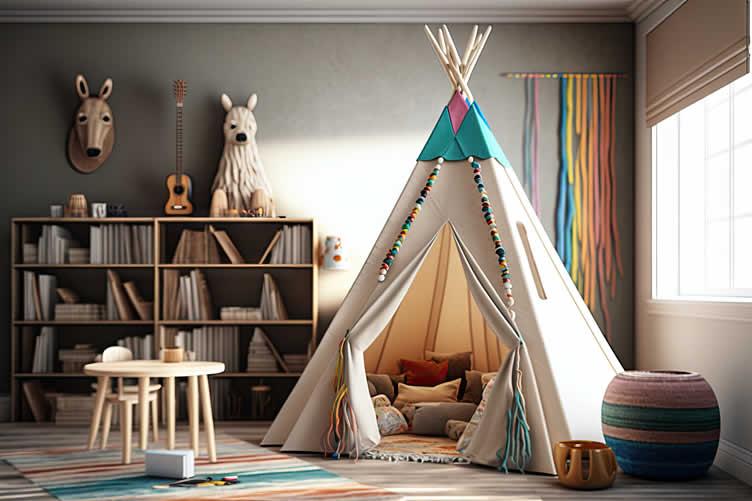
4th: Furniture for Child/Teen Play
Choosing the right furniture for play areas in a child or teen’s room requires a balance of versatility, durability, and the capacity to grow with them.
It’s essential to consider pieces that not only serve their current needs but can also adapt to their evolving interests and activities. Below are some thoughtful selections that cater to these requirements.
[ see below: child/teen play
-
Play Tents
Play tents offer a private, imaginative space for children to play, read, or even take a nap. Easy to set up and movable, they can transform any room into an adventure zone.
As your child grows, these tents can be used for sleepovers or as a cozy retreat for studying.
-
Activity Tables and Chairs
Activity tables and chairs are multi-functional furnishings that can be used for crafts, homework, or meal times.
Look for options with adjustable heights to extend their usability as your child matures. Storage compartments under the table can help keep art supplies and small toys organized.
-
Soft Play Mats
Soft play mats provide a safe, cushioned area for young children to play and tumble. Choose designs with interlocking pieces that can be easily expanded or rearranged.
As children grow, these mats are perfect for exercise activities such as yoga or stretching.
-
Bean Bag Chairs
Bean bag chairs are lightweight, comfortable, and highly portable. They offer flexible seating that can be easily moved around the room to accommodate different activities.
A high-quality bean bag chair can last for many years, providing a cozy spot for reading, gaming, or relaxing.
-
Gaming Chairs
Gaming chairs are tailored for comfort during long hours of play or study. They typically feature ergonomic designs with adjustable settings to meet the needs of growing teens.
Look for models with additional back support and reclining functions to enhance their comfort.
-
Modular Seating
Modular seating units are versatile pieces that can be configured in multiple ways.
Whether stacked to create a lounging area or separated for individual seating, these units can evolve as playtime needs change. They’re perfect for hosting friends or creating a flexible study space.
-
Hammocks
Hammocks offer a unique, fun place for relaxation or reading. Install them in a corner of the room for a distinctive touch that can be easily removed when no longer needed.
Opt for designs that can support an adult’s weight, ensuring longevity as your child grows.
-
Floor Cushions
Floor cushions are large, padded seats that encourage informal seating arrangements perfect for group activities or solitary relaxation.
They are easy to move and stack, making them ideal for flexible play areas. Choose durable materials that can withstand rough use and are easy to clean.
-
Other Accessories
Consider additional accessories like multi-functional storage benches, adjustable lighting, and themed décor elements to complete the play area. These items not only add functional value but also contribute to the overall aesthetic of the room.
copyright image by 123rf.com
-
-
5th: Study Furniture for Your Child or Teen
Creating an effective study space for your child or teen involves selecting furniture that is not only functional but also adaptable to their growing needs.
The right pieces should foster an environment conducive to learning, organization, and creativity while offering flexibility as your child progresses through different stages of their education.
Below are some essential furniture types to consider, each chosen for their versatility and long-term usability.
[ see below: child/teen study furniture
-
Desk
A well-chosen desk serves as the cornerstone of a productive study space. Opt for a desk with ample surface area to accommodate books, laptops, and other study materials.
Adjustable desks that can be height-modified are excellent for growing children, ensuring proper posture and comfort through various stages of development.
-
Corner Desk
Corner desks are ideal for maximizing space, particularly in smaller rooms. They provide a dedicated study area without dominating the entire room, leaving ample space for other activities.
This setup can make the study space feel more organized and less intrusive while still offering plenty of work surface.
-
Fold-Down Desk
For rooms with limited space, a fold-down desk can be a game changer. These desks can be mounted on the wall and folded up when not in use, saving valuable floor space.
They’re convenient for multi-purpose rooms and provide a clutter-free environment when closed.
-
Ergonomic Chair
Investing in an ergonomic chair is crucial for maintaining good posture and reducing discomfort during long study sessions.
Look for chairs with adjustable height, lumbar support, and reclining functions to cater to your child’s changing needs and ensure comfort over time.
-
Bulletin Board or Whiteboard
A bulletin board or whiteboard offers a practical solution for keeping assignments, schedules, and important reminders in clear view.
They’re great tools for promoting organization and time management, allowing teens to customize their study space with relevant information.
-
Chalkboard Wall
A chalkboard wall is a fun and functional addition to any study space. It provides a large, reusable surface for brainstorming, solving problems, or practicing creativity.
Plus, it can be easily erased and updated, making it useful from early schooling through high school.
-
Bookshelf
A sturdy bookshelf helps keep textbooks, notebooks, and supplies neatly organized. Choose a bookshelf with adjustable shelves to accommodate books and materials of various sizes.
It also serves as a dedicated space for personal items, ensuring the study area remains clean and orderly.
-
Storage Units
Functional storage units, such as drawers, bins, and cabinets, help keep the study space clutter-free. They provide designated areas for stationery, art supplies, and other materials, promoting an organized and efficient study environment.
Look for units that can be easily accessed and reconfigured as needed.
-
Other Accessories
Consider additional accessories like desk lamps with adjustable lighting, cable organizers, and comfortable floor mats to enhance the functionality and comfort of the study area.
These small touches can make a significant difference in creating a welcoming and efficient space for learning.
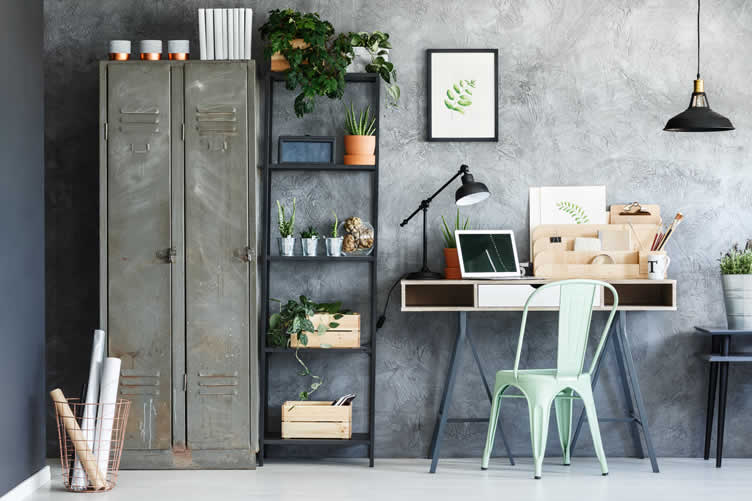
copyright image by 123rf.com
-
-
-
ideas to view and compare from the information discussed above
Scroll up to directory … or scroll to next section about finding the perfect home furniture …
below for …
home interior/decorating services



plan the specifications you need for making …

… key furniture selection and other home improvement needs


… study furniture and needs for the child’s bedroom


sixth “photo remodeling” idea
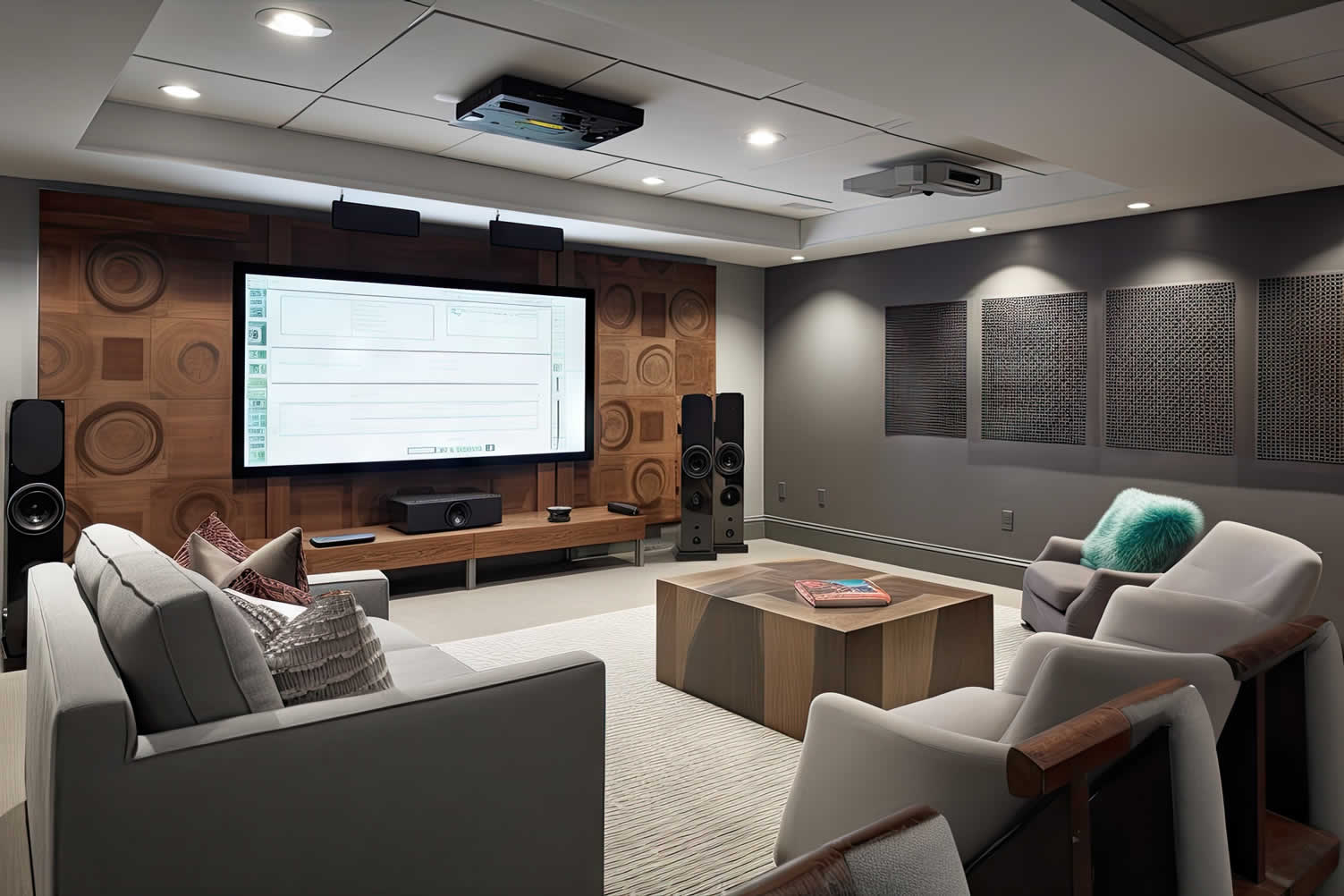
copyright image by 123rf.com
Find Furniture Tip 6: Media Room: Entertainment-Centric Furniture
Notes:
-
Designing a home media room requires thoughtful selection of furniture to create an immersive entertainment experience. The right pieces can transform an ordinary room into a cozy, cinema-like haven.
Considerations such as seating comfort, screen placement, and storage for media devices will ensure functionality and enjoyment.
Below, explore essential tips and options for furnishing your ideal home media room.
-
Quick scroll to “Media Viewing Furniture” side notes …
-
-
1st: Home Media Room Seating Furniture
Choosing the right seating for your home media room is crucial for creating a comfortable and enjoyable entertainment space. The options range from luxurious recliners to versatile modular seating.
View below the various types of seating furniture to help you find the perfect fit for your media room setup.
[ see below: home media seating
-
Recliners
Recliners are an excellent choice for those who prioritize comfort and individual seating. These chairs come with adjustable backrests and footrests, allowing viewers to find their perfect lounging position.
Some models also include built-in cup holders, storage compartments, and even massage features, making them an ideal selection for a truly relaxing movie night.
-
Sofas and Loveseats
Sofas and loveseats offer versatile seating solutions that can accommodate multiple people. They are perfect for families or those who frequently host gatherings.
With a wide range of styles, fabrics, and sizes available, you can easily find a sofa or loveseat that complements your media room’s decor and provides the comfort needed for extended viewing sessions.
-
Modular Seating Sofa
Modular seating sofas are highly adaptable and can be rearranged to fit the specific layout of your media room. These sofas consist of individual pieces that can be configured in various ways, accommodating different numbers of guests and room sizes.
Modular seating is ideal for those who value flexibility and customization in their furniture.
-
Home Theater Seating
Home theater seating is designed specifically for media rooms, offering a cinema-like experience. These seats often come in rows and can include features such as built-in lighting, cup holders, and power recline mechanisms.
Home theater seating is a great choice for those looking to replicate the look and feel of a traditional movie theater in their own home.
-
Bean Bag Chairs
Bean bag chairs provide a casual and playful seating option that is particularly popular among younger audiences. They are lightweight, easy to move, and available in a variety of colors and sizes.
While they may not offer the same level of support as other seating types, bean bag chairs can add a fun and laid-back atmosphere to your media room.
-
Other Seating Options
Other seating options include oversized floor cushions, gaming chairs, and swivel chairs. These alternatives can cater to specific needs or preferences, such as additional seating for kids or specialized support for gamers.
These eclectic choices can enhance the versatility and appeal of your media room, making it a multi-functional space.
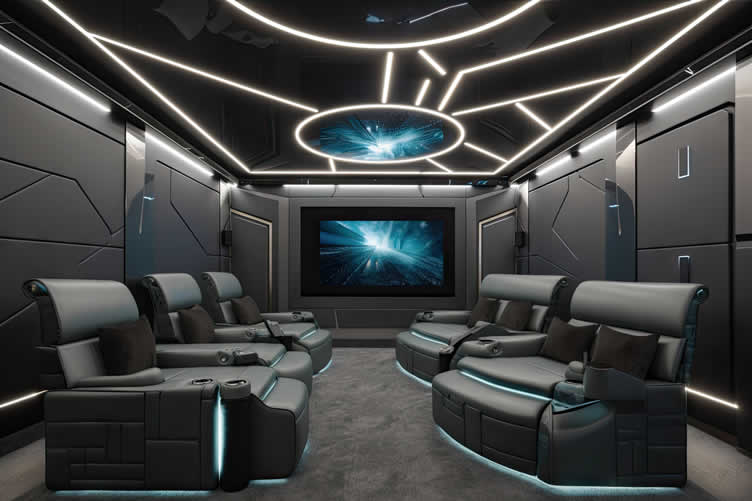
copyright image by 123rf.com
-
-
2nd: Media Viewing Support
Selecting the right type of television or monitor viewing support is essential for enhancing the overall entertainment experience in your media room. The right support not only ensures an optimal viewing angle and stability but also complements your room’s aesthetics.
With various options available, it’s important to assess your space, furniture, and personal preferences before making a decision.
Below is a breakdown of popular types of viewing supports that can bring your media room to life.
[ see below: media viewing support
-
Wall-Mounted
Wall-mounted supports are a sleek and modern solution that saves floor space while providing an unobstructed view. They allow for customizable height options, helping to achieve the best sight lines from various seating arrangements.
Many wall mounts also offer tilting features, allowing you to adjust the angle of the screen for optimal visibility, particularly in rooms with light glare issues.
-
Ceiling-Mounted
Ceiling-mounted options are ideal for rooms where wall space is limited or when projectors are used. This type of support can help maximize screen space and provide a unique design feature.
Ceiling mounts typically allow for adjustable length and can create the ultimate immersive experience, especially when combined with a projector for large viewing surfaces.
-
Console
A console provides a traditional yet functional approach to supporting your television or monitor.
These units often come with spacious surfaces for additional media equipment, such as game consoles and DVD players, as well as storage for accessories. Consoles can blend seamlessly with your room’s décor, offering both style and practicality while elevating your viewing experience.
-
TV Stand
A TV stand is a versatile piece of furniture that combines functionality and style. Typically featuring shelves or storage compartments, TV stands not only hold your television at the perfect height but also provide ample space for various media components, such as sound systems, gaming consoles, and streaming devices.
Available in a myriad of designs, materials, and finishes, a TV stand can enhance your room’s aesthetic appeal while ensuring that everything from cables to remote controls is neatly organized and accessible.
This option is particularly beneficial for family rooms where a central gathering space is essential for a comfortable viewing experience.
-
Entertainment Center
Entertainment centers are all-in-one solutions that combine TV support with storage, shelving, and display space. They have a larger footprint than consoles but can accommodate a full media setup with space for a TV, sound systems, books, and decorative items.
These pieces often serve as a focal point in the room, adding both character and versatility to your entertainment area.
-
Wall Shelf
Wall shelves are an excellent choice for minimalist designs. They offer a practical space-saving solution while allowing for flexibility in design.
With adjustable placement options, you can create a personalized look that matches your style. Wall shelves are particularly beneficial for smaller rooms or when you want to avoid bulky furniture.
-
Other
Beyond the conventional options, other unique supports like pedestal stands, mobile carts, or DIY solutions can be considered.
Pedestal stands can offer a more sculptural approach to TV placement, while mobile carts allow for flexibility in moving the setup as needed. These alternatives cater to diverse preferences and can add a distinct flair to your media room.
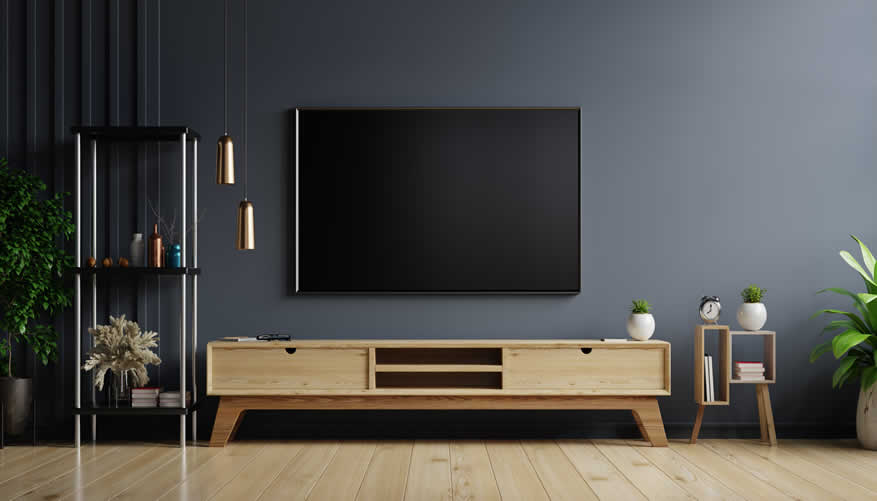
copyright image by 123rf.com
-
-
3rd: Home Media Room Storage Solutions
Creating an organized and clutter-free media room requires the right storage solutions. Not only does appropriate storage enhance the overall aesthetic of your space, but it also ensures that all your media equipment and accessories are easily accessible.
Choosing from various storage options allows you to tailor your media room to your specific needs and preferences.
Below are some popular storage solutions to consider and why they might be a good selection for your home media room.
[ see below: home media storage
-
Media Console
A media console is a classic choice for home media rooms, providing a central spot to house your television and other electronic devices.
Typically lower in height, media consoles often come with multiple shelves and compartments for easy organization of gaming consoles, DVD players, and cable boxes.
They offer a sleek and streamlined appearance, making them ideal for minimalist or contemporary room designs.
-
Media Cabinet
Media cabinets offer more enclosed storage compared to media consoles, providing ample space to hide away electronics and other items.
These cabinets generally feature doors and sometimes drawers, which help keep your media room looking tidy by concealing potential clutter.
Media cabinets can also accommodate larger collections of movies, games, or music, making them perfect for avid media enthusiasts.
-
Entertainment Center
An entertainment center is a comprehensive storage solution that typically includes space for a television as well as multiple shelves and cabinets.
These larger units can often occupy an entire wall, offering extensive storage for various electronics, decor, and media.
Entertainment centers are ideal for those looking to create a focal point in their media room while keeping all their components in one central location.
-
Bookshelves
Bookshelves are a versatile storage option that can be used to display not only books but also media items like DVDs, CDs, and video games.
Open shelves allow for easy access and can be organized to showcase your collections. Bookshelves are especially suitable for media rooms that double as personal libraries or study spaces.
-
Wall-Mounted Shelves
Wall-mounted shelves offer a space-saving solution by utilizing vertical space on your walls. These shelves are perfect for displaying decorative items, small media equipment, or collections without taking up floor space.
Wall-mounted shelves provide a sleek and modern look, making them a great choice for smaller media rooms or for adding extra storage to an already furnished space.
-
Cube Storage System
Cube storage systems consist of modular units that can be arranged in various configurations to suit your storage needs.
These systems offer open compartments that are perfect for storing and displaying a variety of items, including media equipment, books, and decorative pieces.
The flexibility of cube storage systems makes them an excellent choice for those who want adaptable and customizable storage options.
-
Other Storage Solutions
Other storage solutions include storage ottomans, built-in cabinetry, and floating cabinets. Storage ottomans offer a dual-purpose solution, providing seating space as well as hidden storage for media accessories.
Built-in cabinetry can be customized to fit any room layout and offer a seamless look, integrating storage directly into the architecture of your media room.
Floating cabinets provide a modern aesthetic and keep floor space clear, making them ideal for smaller rooms.
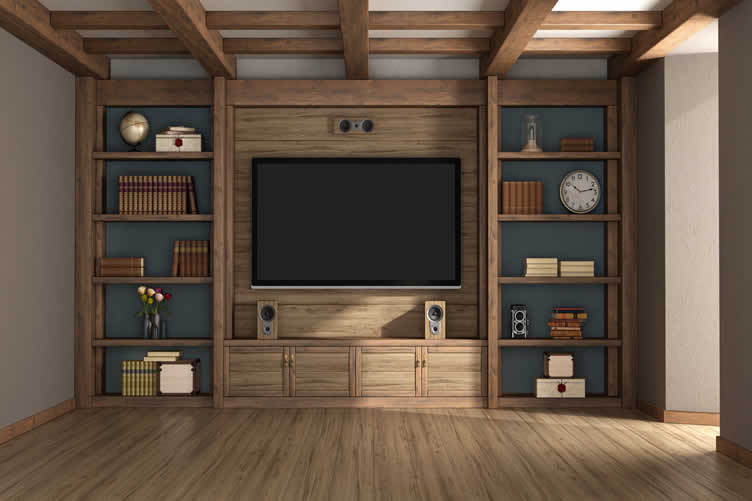
copyright image by 123rf.com
-
-
-
ideas to view and compare from the information discussed above
Scroll up to directory … or scroll to next section about finding the perfect home furniture …
… media room video needs and display options



get the size dimensions for any home remodeling project …
… for functionality, aesthetics, and adhering to building codes
Find Interior Design Services Decorators Interior Designers Furniture Painting & Staining top-rated, pre-screened local contractors FREE: download contractor selection enter zip code – powered by HomeAdvisor ™
Quick Contractor Guides selecting negotiating working with inspecting

seventh and last “photo remodeling” idea

copyright image by 123rf.com
Find Furniture Tip 7: Where to Find Affordable Furniture
Notes:
-
Finding affordable furniture doesn’t mean you have to compromise on style or quality. With a bit of research and some smart shopping strategies, you can furnish your home beautifully without breaking the bank.
In the sections below, we’ll explore various options and tips to help you discover the best places to shop for budget-friendly furniture, ensuring you get the most value for your money.
-
Quirk scroll to topic "finding affordable furniture" side notes …
-
-
1st: Shopping Furniture Stores
Furniture stores are a reliable option for finding a wide range of styles and pieces to suit any room in your home.
To make the most of your shopping experience, it’s essential to know where to find the best furniture stores and the optimal times for purchasing to secure the best deals.
-
Where to Find Furniture Stores
Furniture stores can be found in various locations, from dedicated retail parks to bustling high streets and shopping malls. Simply do a google search of furniture stores near you.
Some popular options include large chains like IKEA, Ashley HomeStore, and Wayfair, which offer extensive selections catering to different tastes and budgets.
In addition to national chains, don’t overlook local furniture boutiques and regional chains that can offer unique pieces and personalized customer service.
-
When to Buy Furniture
Timing your furniture purchases can significantly impact the amount you spend. The best times to buy furniture are typically during major sales events such as Black Friday, Memorial Day, and Labor Day, when retailers offer substantial discounts to attract customers.
Additionally, consider shopping at the end of seasons, specifically in January and July, when furniture stores tend to clear out old inventory to make room for new collections.
By planning your purchases around these key times, you can take advantage of markdowns and promotions, ensuring you get high-quality furniture at a more affordable price.
copyright image by 123rf.com
-
-
2nd: Online Furniture Shopping
Shopping for furniture online presents a convenient and often cost-effective alternative to visiting brick-and-mortar stores.
The internet offers access to a vast array of furniture pieces, styles, and price points, making it easy to compare options and find exactly what you’re looking for without leaving your home.
When browsing online furniture stores, consider the following types:
- E-commerce Giants:
Established platforms like Amazon and Walmart offer a wide range of furniture items at various price points. These sites are known for their competitive pricing, frequent sales, and extensive customer reviews to help guide your purchase. - Specialty Retailers:
Websites like Wayfair, Overstock, and AllModern focus exclusively on home furnishings and décor. They offer extensive collections that cater to different tastes and budgets, with curated selections and often detailed product information. - Direct-to-Consumer Brands:
Companies like Article, Joybird, and Burrow sell directly to consumers, often resulting in lower prices due to the absence of middlemen. These brands typically emphasize modern, stylish pieces and customer-friendly policies such as free shipping and easy returns. - Online Marketplaces:
Platforms like Etsy and eBay offer unique, handmade, or vintage furniture pieces that you might not find elsewhere. These sites can be ideal for finding one-of-a-kind items that add character to your space.
-
When to Buy Furniture Online
Much like traditional stores, the best times to buy furniture online are during major sales events when retailers offer significant discounts.
Look out for deals during:
- Black Friday and Cyber Monday:
These events, following Thanksgiving, often feature the year’s deepest discounts. - Major Holidays:
Sales around Memorial Day, Labor Day, Independence Day, and Presidents’ Day are also common, presenting opportunities for savings. - End-of-Season Sales:
As with physical stores, online retailers clear out old stock in January and July to make way for new inventory. These times can yield substantial markdowns. - Annual Sales Events:
Some stores hold annual sales, such as Amazon Prime Day, where members can enjoy exclusive discounts on a wide range of products, including furniture.
By understanding where to shop and timing your purchases strategically, you can maximize savings and find the perfect furniture pieces to enhance your home.
- Black Friday and Cyber Monday:

copyright image by 123rf.com
- E-commerce Giants:
-
3rd: Budget-Friendly Options
Finding stylish and durable furniture on a budget is entirely achievable with the right approach and a bit of creativity.
By exploring various budget-friendly avenues, you can uncover unique pieces that add charm and functionality to your home without breaking the bank.
Here are some excellent options to consider:
-
Thrift Stores
Thrift stores are treasure troves for affordable furniture. Items here are typically donated, meaning you can often find gently used furniture at a fraction of the retail price.
Each visit can offer a different selection, making it an exciting hunt for unique pieces. Popular thrift store chains like Goodwill and Salvation Army often carry a wide range of furniture options.
-
Consignment Shops
Consignment shops offer higher-end furniture that owners no longer need but want to sell. These stores carefully curate their stock, so while prices might be slightly higher than those at thrift stores, the quality is usually better.
Consignment shops operate on a profit-sharing basis with the original owners, which incentivizes them to select only good-condition items that are likely to sell.
-
Goodwill Stores
Goodwill stores function similarly to thrift stores but often have a distinct system for categorizing and pricing items.
Shopping at Goodwill not only helps you find affordable furniture but also supports a charitable organization committed to providing job training and employment placement services.
-
Garage and Estate Sales
Garage and estate sales are excellent opportunities to find furniture at rock-bottom prices. These sales often occur when residents are moving or downsizing and must quickly offload their belongings.
While garage sales usually feature a variety of everyday items, estate sales can offer more vintage and high-quality furniture at significant discounts.
-
Online Marketplaces for Used Furniture
Online platforms like Craigslist, Facebook Marketplace, and OfferUp make it easy to find used furniture in your local area.
These sites allow people to list their items directly, often leading to better deals than you would find in stores. Always use caution and meet in safe, public spaces when arranging to view or pick up items from online marketplaces.
-
Other Budget-Friendly Options
Don’t overlook alternative budget-friendly options such as local furniture auctions, university surplus sales, and even curbside “free” finds. Local auctions can feature great deals on furniture, sometimes from estates or businesses.
Universities often sell off used dormitory or office furniture at low prices during certain times of the year. Finally, don’t be afraid to check the curb for free furniture — sometimes you can find excellent pieces that only need a bit of TLC.
By exploring these diverse options, you can furnish your home stylishly and affordably, proving that beautiful furniture doesn’t have to come with a high price tag.

copyright image by 123rf.com
-
-
4th: Using an Interior Designer or Decorator
Engaging the services of an interior designer or decorator can significantly streamline the process of selecting and sourcing the perfect furniture for your home.
These professionals bring a wealth of knowledge, creativity, and industry connections to the table, ensuring that your living space not only looks stunning but also functions efficiently.
Whether you’re starting from scratch or looking to update your current decor, an interior designer or decorator can tailor their services to meet your unique needs and preferences.
-
Expertise and Creative Vision
An interior designer or decorator has a trained eye for design and a deep understanding of style, color, space planning, and current trends.
They can help you achieve a cohesive look that reflects your personal taste while maximizing the potential of your space.
From concept development to the final touches, their creative vision can transform your home into a harmonious and aesthetically pleasing environment.
-
Access to Exclusive Resources and Discounts
One of the key advantages of hiring an interior designer or decorator is their access to exclusive resources and industry discounts.
They often have established relationships with furniture suppliers, artisans, and manufacturers that the general public cannot access.
This means they can source unique and high-quality pieces at competitive prices, potentially saving you money and time.
-
Tailored Planning and Budget Management
Interior designers and decorators excel in project management, ensuring your design project stays on track and within budget. They can develop a detailed plan that outlines every aspect of the design process, from initial consultations to final installations.
By managing time-lines and coordinating with vendors, they relieve you of the stress and hassle of handling these logistics yourself.
-
Finding the Right Interior Designer or Decorator
To find an interior designer or decorator that’s right for you, begin by researching local professionals and reviewing their portfolios.
Websites like Houzz, Yelp, and the American Society of Interior Designers (ASID) directory are excellent places to start. Look for testimonials and reviews from past clients to gauge their satisfaction with the designer’s work.
Once you’ve shortlisted a few candidates, schedule consultations to discuss your project, budget, and design preferences. This is also a great opportunity to ensure that their communication style and vision align with your expectations.
LetsRenovate has partnered with HomeAdvisor™, a renowned provider of highly-rated, carefully-vetted local interior designers and decorators. Start your search here by entering your zip code to find local professionals.
copyright image by 123rf.com
But Wait!
Before starting your search and evaluation process for a home designer or decorator, it’s essential to download and use this comprehensive worksheet.
It will equip you with all the essential information and tools needed to make informed decisions throughout the hiring process.

Evaluation Sheet
File Type: -
-
-
FINAL REMARKS
Choosing the right furniture for your home is an exciting but challenging task.
By considering the specific needs of each room and shopping smart, you can create a stylish and functional living space that reflects your personal taste.
Share your favorite tips and experiences in the comments below, and don’t hesitate to reach out for personalized advice.
Happy decorating!
-
ideas to view and compare from the information discussed above
- What comments can you share about
finding the perfect home furniture?
Scroll up to directory … or scroll to more home deocr-related topics …
view illustration “becoming a bank”

Calendar For:
Home Maintenance
File Type:
… home remodeling – home improvement – and home repair
Cover image credit: finding the perfect home furniture by 123rf.com
end of post … please share it!
 |
did you find this finding the perfect home furniture analysis helpful? If so, please share the article with your friends and family! |
Nice pic idea? Leave us a quick comment below.
And please share this pic idea within your social networks.