Summary Outline –
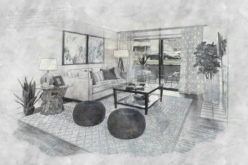
Your living room is the heart of your home—a place to relax, entertain, and create lasting memories. A well-developed living room design can elevate your home’s ambiance, making it both functional and aesthetically pleasing.
Whether you’re a homeowner, an interior design enthusiast, or a DIY aficionado, this guide will provide you with the inspiration and practical tips you need to remodel your living room into something spectacular.
Summary of Site Content
1st Living Room Tip: [view tip]
… we begin this analysis by addressing preliminary considerations before embarking on your living room remodeling project. These considerations include determining your budget, envisioning the desired living room style, and evaluating the available space.
2nd Living Room Tip: [view tip]
… the second sections jumps into a review of popular living room remodeling ideas you might want to consider. These ideas include open floor plans, achieving more natural lighting, integrating smart home technology, and other innovative concepts.
3rd Living Room Tip: [view tip]
… moving on, the third section gets into essential upgrades that will elevate your living room style. Key enhancements include new lighting, flooring, wall colors, furniture, decor, and potentially creating a dedicated space for home entertainment.
4th Living Room Tip: [view tip]
… the fourth section explores space-saving and storage solutions. It emphasizes incorporating innovative storage ideas, utilizing vertical space, and potentially adding multi-functional furniture to your living room design.
5th Living Room Tip: [view tip]
… the fifth and final section initiates the planning phase by incorporating the living room design considerations discussed in the previous sections. Here, you’ll find a step-by-step guide for remodeling your living room, complete with a comparison of DIY approaches versus hiring a professional to achieve the stunning look you desire.
In this blog post, we’ll explore various ideas, upgrades, and considerations to help you create a space that reflects your personal style and meets your lifestyle needs.
- post content
- Living Room Tip 1: Preliminary Considerations Before Remodeling
- Living Room Tip 2: Popular Living Room Remodeling Ideas
- Living Room Tip 3: Essential Upgrades to Enhance Your Living Room
- Living Room Tip 4: Space-Saving and Storage Solutions
- Living Room Tip 5: Planning Your Living Room Remodel

-
Quick scroll to first topic about let …

first “remodeling tips for stunning living room design” idea
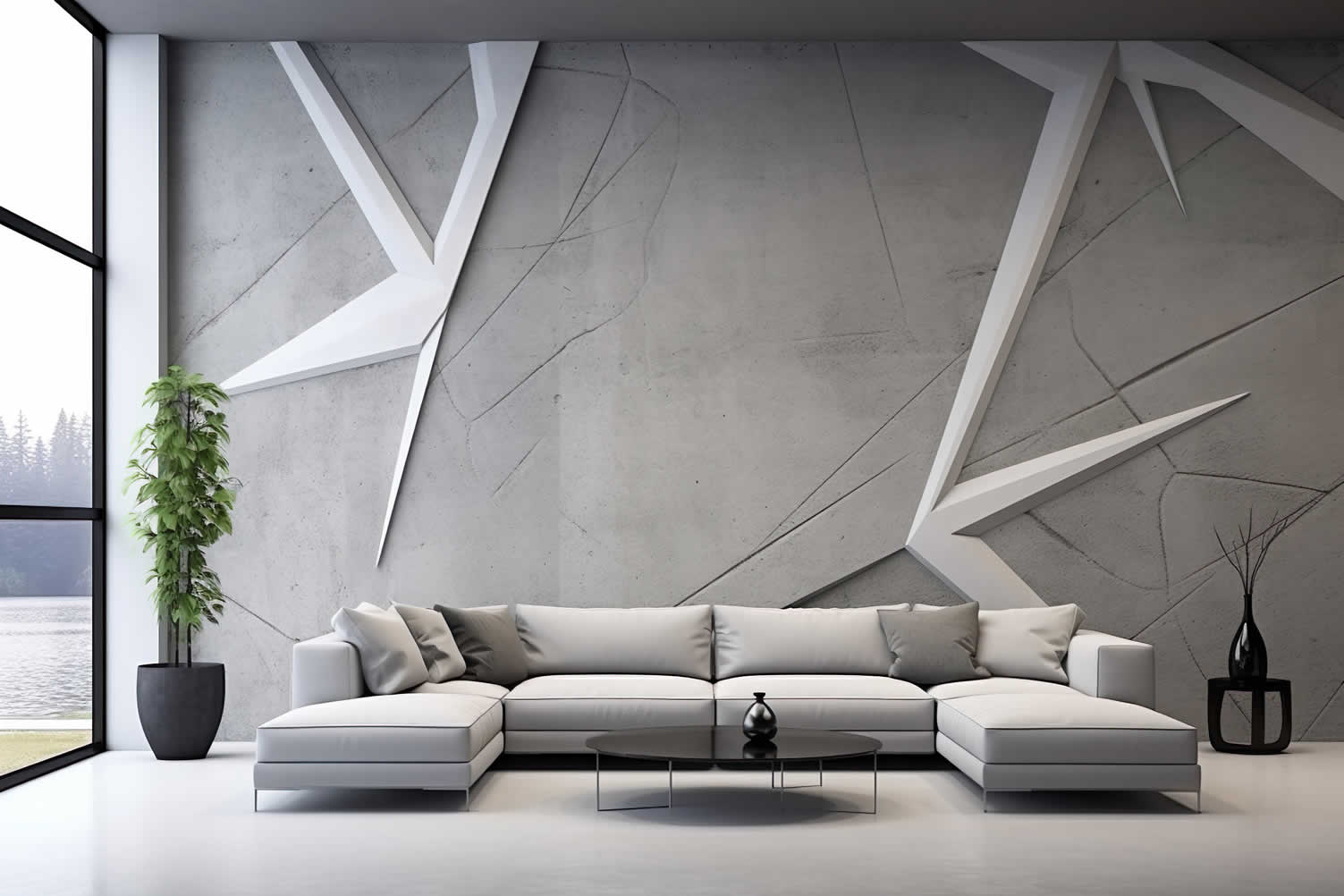

copyright image by 123rf.com
Living Room Tip 1: Preliminary Considerations Before Remodeling
Notes:
-
Content
-
Quick scroll to “preliminary considerations” side notes …
-
-
1st: Budgeting Tips
Remodeling your living room can be an exciting venture, but it’s essential to manage your finances wisely to avoid overspending and ensure you achieve your desired outcome.
A well-thought-out budget serves as a roadmap, helping you make informed decisions and prioritize expenditures effectively.
Here are some key budgeting tips to consider before embarking on your living room remodel.
-
Set a Realistic Budget
Begin by determining a realistic budget for your project. Take into account your financial situation and how much you’re willing to spend without straining your finances.
Be sure to include a contingency fund of about 10-20% of your total budget for unexpected expenses that may arise during the remodeling process.
-
Prioritize Needs vs. Wants
Identify the essential elements that need to be addressed in your living room remodel and distinguish them from optional upgrades.
Prioritizing your needs, such as repairing structural issues or updating outdated fixtures, will ensure that your budget is allocated to the most critical aspects first.
-
Research and Compare Prices
Take the time to research various materials, furnishings, and services to understand their price range and quality.
Comparing prices from different suppliers and contractors will help you find the best deals and stretch your budget further without compromising on quality.
-
DIY Where Possible
Consider what aspects of the remodel you can realistically tackle on your own. Taking on DIY projects like painting, assembling furniture, or minor decor changes can significantly reduce labor costs.
However, be honest about your skills and limitations to avoid costly mistakes.
-
Obtain Multiple Quotes
For tasks that require professional expertise, such as electrical work or major renovations, obtain multiple quotes from reputable contractors.
Comparing quotes will not only help you get a fair price but also provide an opportunity to negotiate and potentially save on costs.
-
Track Your Spending
Maintain a detailed record of all expenditures related to your remodel. Tracking your spending helps ensure you stay within your budget and gives you a clear picture of how your funds are being allocated.
Use a spreadsheet or budgeting app to monitor expenses in real-time.
[ see below: home remodeling budgeting spreadsheet ]

copyright image by 123rf.com

Budgeting Worksheet For Costing Living Room Design and Other Home Improvement Decisions
 File Type (excel)
click here for budgeting worksheet
-
-
2nd: Identifying Your Style
One of the first steps in any remodeling project is identifying your personal style. Do you prefer a modern, minimalist look, or are you drawn to a more traditional, cozy aesthetic?
Browse through magazines, online galleries, and social media platforms like Pinterest to gather inspiration and create a mood board that reflects your taste.
Understanding different design styles and selecting one that resonates with you will guide your choices in furniture, color schemes, and decor, resulting in a cohesive and aesthetically pleasing space.
-
Traditional
Traditional living rooms often feature classic, timeless elements such as ornate furniture, rich wood tones, and intricate patterns. Think of plush, deep-cushioned sofas, elegant window treatments, and detailed crown molding.
The color palette tends to be warm and inviting with hues of cream, beige, and dark woods.
[ view ideas: traditional ]
-
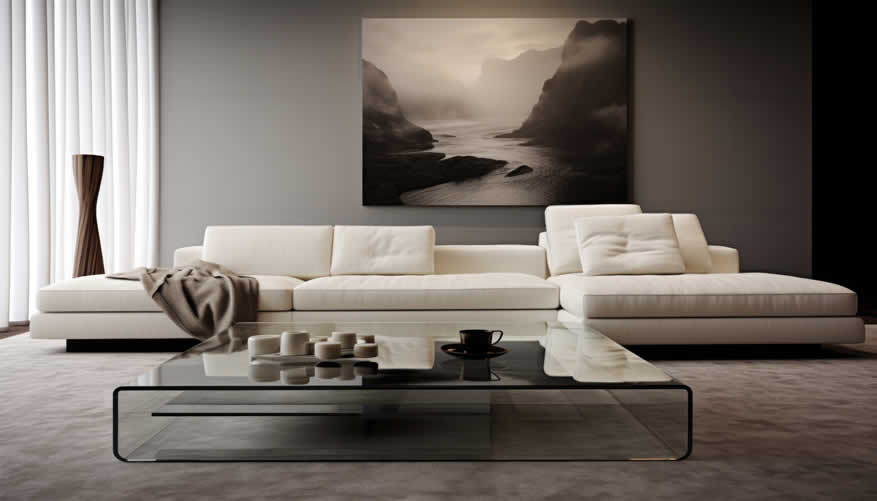
Modern
Modern style is characterized by clean lines, minimalistic forms, and a strong emphasis on functionality. Furniture often features sleek, smooth surfaces and chrome or glass accents.
Colors are usually neutral, with black, white, and gray dominating, punctuated by bold, primary colors used sparingly.
[ view ideas: modern ]
-
Modern Farmhouse
Modern farmhouse style combines the cozy and rustic charm of traditional farmhouse aesthetics with modern amenities and clean lines.
Key features include distressed wood elements, shiplap walls, vintage accessories, and a neutral color palette with pops of color through textiles and decor.
[ view ideas: modern farmhouse ]
-
Art Moderne
Art Moderne, also known as Art Deco, emphasizes luxury and glamour from the early to mid-20th century. Expect bold geometric patterns, rich colors like gold and teal, and high-shine finishes such as mirrors and lacquered surfaces.
This style often incorporates glass and chrome materials.
[ view ideas: art moderne ]
-
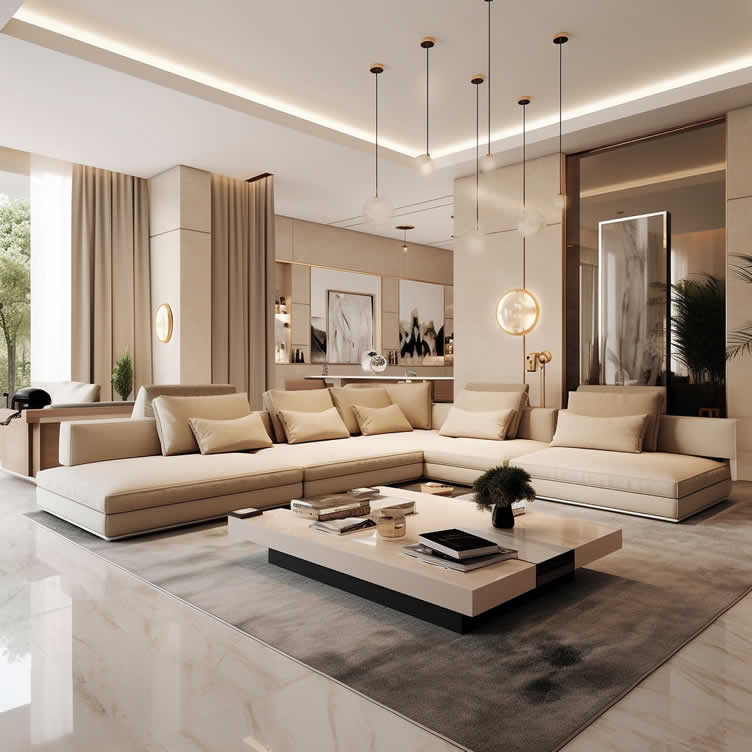
Contemporary
Contemporary style focuses on current design trends, often blending elements from various styles. It’s characterized by simplicity, sophisticated lines, and a subtle use of texture and color.
Furnishings are deliberate and functional, with an emphasis on creating open and airy spaces.
[ view ideas: contemporary ]
-
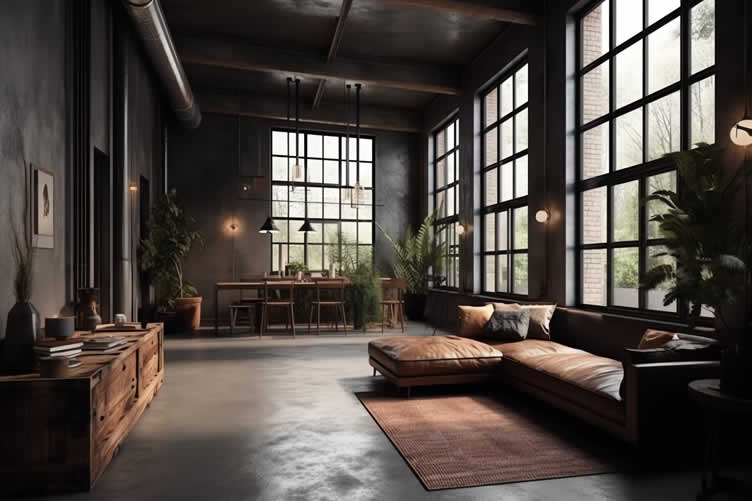
Industrial
Industrial style draws inspiration from urban lofts and warehouses. Key elements include exposed brick walls, metal beams, and unfinished wood.
The color palette is typically neutral, featuring black, gray, and earth tones, with a mix of metal and wood furnishings.
[ view ideas: industrial ]
-
Mid-Century
Mid-century modern style is known for its retro charm, with designs dating back to the mid-20th century. Iconic features include organic shapes, clean lines, and functional forms.
Expect to see furniture with tapered legs, bold patterns, and a mix of traditional and non-traditional materials.
[ view ideas: mid-century ]
-
Minimalist
Minimalist living rooms focus on simplicity and the essentials. The design approach eliminates clutter and unnecessary items, favoring a clean and open space.
Colors are often muted and neutral, such as whites, grays, and blacks, with an emphasis on high-quality, functional furniture.
[ view ideas: minimalist ]
-
Scandinavian
Scandinavian style embraces simplicity, functionality, and comfort, often with an understated elegance. This style is known for its use of light colors, natural materials, and minimalist furnishings.
Expect to see light wood floors, cozy textiles, and plenty of natural light.
[ view ideas: scandinavian ]
-
Other
There are countless other styles you may consider, depending on your personal preferences.
From Bohemian, which emphasizes vibrant colors and eclectic decor, to Coastal, which captures a laid-back, beachy vibe with light, airy colors and natural materials, the right style choice will resonate with your individual taste and lifestyle.
copyright image by 123rf.com
[ pinterest: living room styles ]
[ youtube: 10 interior design styles explained ]
-
-
3rd: Assessing the Space
Take a good look at your current living room layout and assess its strengths and weaknesses. Consider the flow of the space, natural light sources, and existing architectural features. Identify any areas that need improvement, such as awkward corners or underutilized spaces.
A detailed evaluation can guide your design choices and help avoid costly mistakes. Below are critical aspects of space assessment to consider:
-
Layout and Flow
Understanding the layout and flow of your living room is fundamental. Consider how people move in and out of the space, as well as how various areas of the room interact.
Identify existing entry and exit points and ensure pathways between furniture and other elements are unobstructed to maintain a natural, easy movement throughout.
-
Natural Light
Evaluate the natural light available in the room. Note the size and placement of windows, doors, and other openings. Natural light can greatly influence the atmosphere and function of the space.
Determine if you need to enhance or control the light with window treatments or by rearranging the layout to maximize its potential.
-
Focal Points
Identify the room’s natural or intended focal points, such as a fireplace, a large window with a view, or a piece of artwork.
The design should highlight and work around these focal points to create a harmonious and balanced space. Arrange seating and decor to draw attention to these features.
-
Structural Elements
Take note of any structural elements that could impact your design, such as support beams, columns, or built-in shelves. These features offer both constraints and opportunities for your remodeling plans.
Deciding whether to work around them or integrate them into your new design can significantly influence the room’s final look.
-
Electrical Outlets and Fixtures
Check the locations and number of electrical outlets, switches, and lighting fixtures in the room. This assessment will inform decisions about where to place electronic devices, lights, and possibly additional outlets for convenience.
Ensuring adequate power access can prevent future frustrations.
-
Storage Needs
Consider your storage requirements for the living room. Evaluate if the current space provides sufficient storage or if you’ll need to incorporate additional storage solutions, such as built-in cabinets or shelving units.
Adequate storage is key to maintaining an uncluttered and functional living room.
-
Potential Limitations
Finally, assess any potential limitations in your living room. This includes budget constraints, structural issues, or zoning regulations that might affect your remodeling plans.
Being aware of these early in the process can help you plan more effectively and avoid unexpected setbacks.
copyright image by 123rf.com
[ view diagram: living room focal points]
[ youtube: living room layout configurations]
-
-
-
ideas to view and compare from the information discussed above
Scroll up to directory … or scroll to next section about remodeling tips for stunning living room design …


 … view our latest posts for living room design


second “photo remodeling” idea
copyright image by 123rf.com
Living Room Tip 2: Popular Living Room Remodeling Ideas
Notes:
-
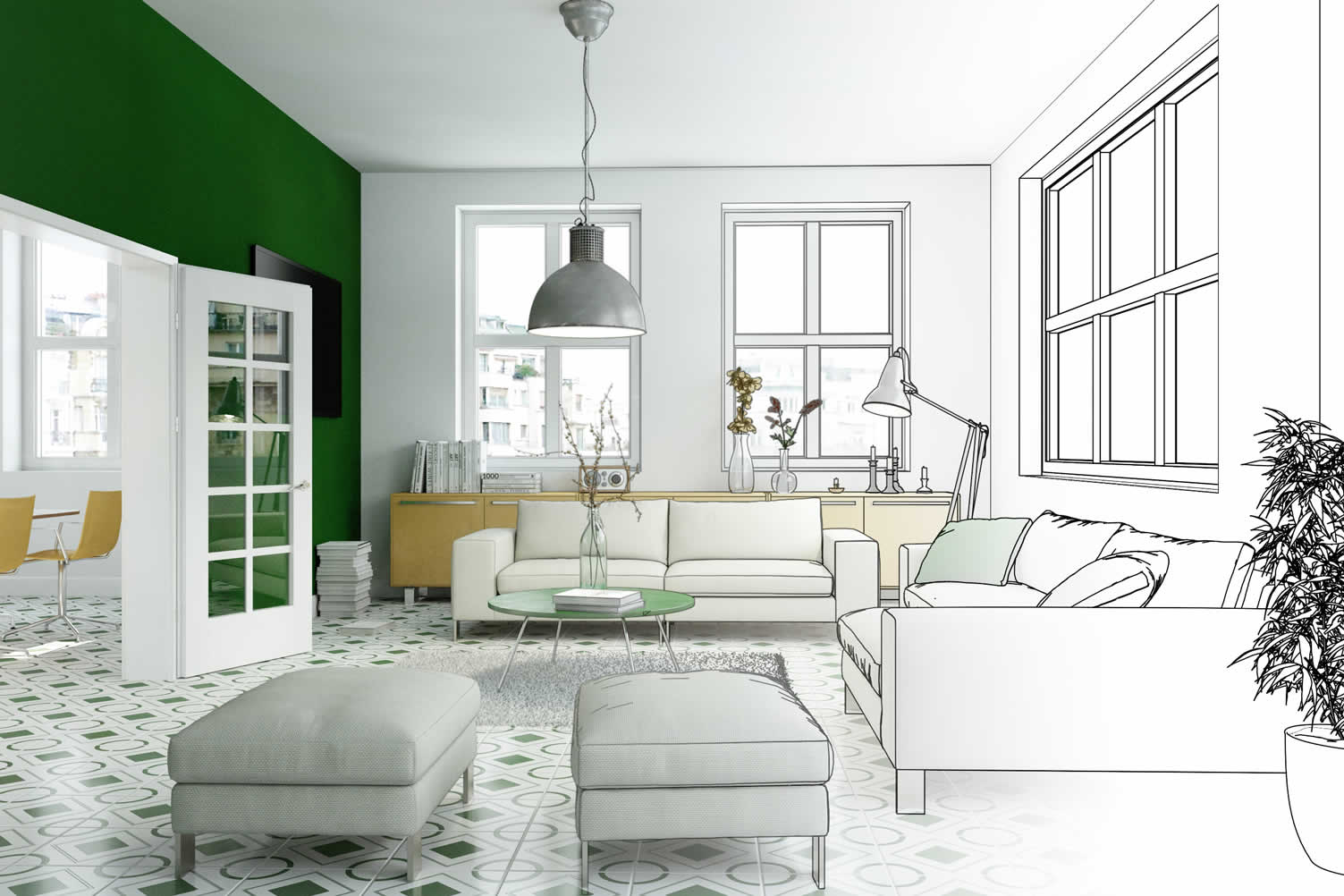
Embarking on a living room remodeling project can be both exciting and challenging, given the myriad of possibilities to refresh and enhance your space.
Whether you are looking to upgrade the aesthetics, improve functionality, or incorporate modern features, popular remodeling ideas can provide a wealth of inspiration.
In the following sections, we will explore some of the trending concepts and strategies that homeowners are adopting to transform their living rooms into stylish, comfortable, and multi-functional spaces.
-
Quick scroll to “popular living room ideas” side notes …
-
-
1st: Open Floor Plan Integration
Open floor plans have become increasingly popular in modern home design, and for good reason. They create a sense of spaciousness and promote better interaction between family members and guests.
If your current living room feels cramped or isolated, consider removing non-load-bearing walls to create a more open and connected space. This can also improve the flow of natural light, making your living room feel brighter and more inviting.
-
Why Consider an Open Plan
Opting for an open floor plan offers numerous benefits.
Firstly, it maximizes the use of available space, which is especially advantageous in smaller homes or apartments. By eliminating unnecessary walls, an open plan makes the area appear larger and more inviting.
Secondly, it enhances social interactions and connectivity within the home, allowing family members and guests to engage with each other more easily, even from different parts of the combined space.
Lastly, an open floor plan boosts natural light distribution, creating a brighter and more welcoming environment.
-
What Must Be Considered to Have an Open Plan
Before committing to an open floor plan, several factors must be carefully evaluated. Structural considerations are paramount; removing walls can impact the stability of your home, so it’s essential to consult a structural engineer or architect to ensure safe modifications.
Additionally, an open space can sometimes pose challenges with noise control and privacy, so it’s important to incorporate elements such as area rugs, furniture arrangements, and room dividers that can help manage acoustics and define zones within the open area.
Finally, the integration of consistent design themes and color schemes is crucial to maintain a cohesive look throughout the space.
-
Other Considerations
Other important aspects of adopting an open floor plan include the reconfiguration of lighting and electrical systems. With walls removed, lighting fixtures and outlets may need to be redistributed and enhanced to ensure sufficient illumination and utility in all parts of the open area.
Furthermore, heating and cooling efficiency should be examined, as open spaces can influence how air circulates within the home.
Proper planning and the possible installation of additional HVAC solutions may be required to maintain comfort.
Lastly, identifying multi-functional furniture pieces that can serve dual purposes will contribute to both the aesthetics and functionality of your open floor plan living room.
By thoughtfully considering these factors, you can successfully integrate an open floor plan into your living space, achieving a harmonious blend of style, comfort, and practicality.
copyright image by 123rf.com
[ view ideas: open living rooms ]
[ youtube: biggest open plan design mistakes ]
-
-
2nd: Allowing in More Natural Lighting
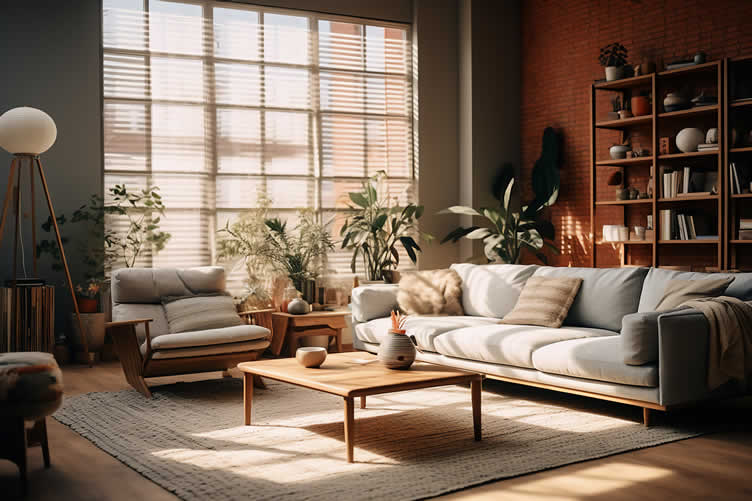
One of the most transformative living room remodeling ideas is the strategic enhancement of natural lighting. Natural light not only makes a space feel larger and more inviting but also has considerable benefits for your mental and physical well-being.
By optimizing the entry of sunlight, you can create a bright and uplifting environment that infuses vitality throughout your living area.
-
Expanding Windows and Doors
The most effective method to increase natural light in your living room is by expanding existing windows or installing new, larger ones.
Floor-to-ceiling windows or sliding glass doors can flood the space with sunlight, providing an unobstructed view of the outdoors and creating a seamless indoor-outdoor connection.
If expanding windows isn’t feasible, consider adding sidelights or transom windows to existing frames to capture more daylight.
-
Using Glass Partitions
For homes needing to partition spaces without sacrificing light, glass walls or partitions are an excellent choice.
These elements allow for the division of areas while still permitting sunlight to pass through, thus maintaining a bright and airy atmosphere throughout your living room.
Frosted or textured glass can also provide privacy without compromising on light.
-
Reflective Surfaces
Incorporating reflective surfaces such as mirrors and glossy finishes can significantly amplify the natural light in your living room. Strategically placing large mirrors opposite windows can double the amount of light entering the room.
Additionally, choosing furniture, flooring, and decor with light-reflecting materials like glass, metal, or shiny ceramics can further enhance the overall brightness.
-
Lighter Color Palette
Opting for a lighter color palette on walls, ceilings, and furnishings can help to maximize natural light. Soft whites, beiges, and pastels reflect light more efficiently than darker shades, making the space appear brighter and more open.
Complementing these with light-colored textiles and accessories can further enhance the effect.
-
Skylights and Solar Tubes
Installing skylights or solar tubes is a fantastic way to introduce direct overhead sunlight into your living room.
Skylights can be placed in areas where windows cannot reach, ensuring uniform light distribution throughout the day.
Solar tubes, also known as light tubes, are smaller, more flexible options that channel natural light from the roof into the living area, offering an energy-efficient lighting solution.
-
Minimalistic Window Treatments
Choosing minimalistic window treatments that don’t obstruct sunlight is key to maximizing natural light flow. Sheer curtains, blinds, or shades made from lightweight fabrics can provide privacy while still allowing ample daylight to permeate the room.
For an unobstructed view and maximum light, consider motorized, retractable options that can be easily managed depending on the time of day.
copyright image by 123rf.com
[ view ideas: natural light living room ]
[ youtube: designing for sunlight ]
-
-
3rd: Smart Home Technology Integration
Incorporating smart lighting systems allows you to control the ambiance of your living room with ease. Systems like Philips Hue or LIFX can be controlled via smartphone apps or voice commands, enabling you to change the light intensity and color to suit any activity or mood.
Additionally, smart lighting can be scheduled to turn on and off at specific times or connect with other devices for coordinated actions, enhancing both energy efficiency and convenience.
-
Voice-Controlled Assistants
Voice-controlled assistants such as Amazon Alexa, Google Assistant, or Apple HomeKit serve as the cornerstone of a smart living room. These devices can control various smart home gadgets, provide hands-free information, and even assist with tasks like setting reminders or playing music.
Placing a voice assistant in your living room integrates effortlessly into daily routines, offering both entertainment and functionality at your command.
-
Automated Climate Control
Upgrading to a smart thermostat, such as the Nest Thermostat or Ecobee, can help maintain an optimal living environment while reducing energy consumption. These devices learn your preferences and adjust the temperature accordingly, ensuring your living room is always comfortable.
Integration with other smart home systems allows for seamless interaction, such as adjusting the thermostat when sensors detect that the room is empty.
-
Automated Window Treatments
Automated window treatments, including motorized blinds and smart curtains, offer an excellent way to enhance the comfort and energy efficiency of your living room.
Brands like Somfy and Lutron provide solutions that can be programmed to open and close based on the time of day, ambient light levels, or temperature.
With the ability to control these window treatments via a smartphone app or voice command, you can effortlessly manage natural light exposure, reduce glare, and maintain privacy.
Additionally, integrating automated window treatments with other smart home devices allows for scenarios where blinds close automatically as the smart lights dim or the thermostat adjusts, creating a harmonious, energy-efficient living space.
-
Home Entertainment Systems
Transform your living room into a multimedia hub with smart home entertainment systems. Devices like smart TVs, streaming sticks (e.g., Amazon Fire Stick, Roku, or Apple TV), and high-quality sound systems can be integrated for a cohesive entertainment experience.
These smart systems can be easily controlled via apps or voice commands, allowing you to enjoy your favorite movies, shows, and music with minimal effort.
-
Security and Surveillance
Adding smart security features provides peace of mind and enhances the safety of your living room. Smart cameras, motion sensors, and doorbells can be monitored and controlled remotely, offering real-time alerts and video feeds directly to your smartphone.
Integrating these with your living room setup ensures you are always informed about what is happening in and around your home.

copyright image by 123rf.com
-
-
4th: Bio-Ethanol Fireplace: A Modern Touch
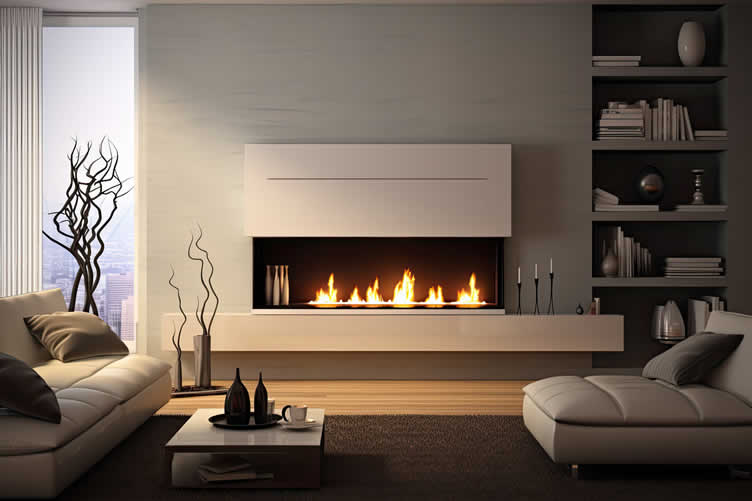
Incorporating a bio-ethanol fireplace into your living room can transform the ambiance and aesthetic of the space, providing both a cozy focal point and an eco-friendly heating solution.
Unlike traditional wood-burning or gas fireplaces, bio-ethanol fireplaces burn cleanly and do not require a chimney or flue, making them an attractive option for modern homes.
-
Wall Fireplace
A wall-mounted bio-ethanol fireplace acts as a sleek and stylish centerpiece that can easily be integrated into any living room design. Installing the fireplace at eye level ensures it becomes an instant eye-catcher, perfect for creating a warm and inviting atmosphere.
This placement is ideal for smaller living rooms where floor space is at a premium, as the fireplace does not encroach into the room.
[ view ideas: wall fireplace ]
-
Mantel Fireplace
For a more classic look, consider placing your bio-ethanol fireplace within an existing mantel. This setup combines the traditional charm of a mantelpiece with the modern benefits of bio-ethanol fuel, creating a unique and elegant statement.
The mantel provides a perfect platform for decorative elements such as candles, vases, or seasonal decorations, enhancing the overall aesthetic of your living room.
[ view ideas: mantel fireplace ]
-
Countertop Fireplace
A countertop bio-ethanol fireplace offers flexibility and convenience, allowing you to move the unit around as needed. These fireplaces are typically compact and can be placed on coffee tables, sideboards, or shelving units.
They are perfect for renters or anyone looking for a temporary fireplace solution without the need for installation.
[ view ideas: countertop fireplace ]
-
Other Placements
For those who prefer unconventional design, bio-ethanol fireplaces can be placed in a variety of other locations. Consider a freestanding unit that can be positioned in the center of the room, acting as a unique room divider with a stunning visual appeal.
[ view ideas: freestanding fireplace ]
Alternatively, an outdoor bio-ethanol fireplace can bring the warmth and ambiance of a fireplace to your patio or garden, seamlessly extending your living space to the outdoors.
copyright image by 123rf.com
[ view diagram: about ethanol fireplace ]
[ images: how to use an ethanol fireplace? ]
-
-
5th: Statement Furniture and Décor Ideas
Incorporating statement furniture and décor pieces is a popular trend in living room remodeling, as it allows homeowners to express their unique styles and create a focal point in their space.
By carefully selecting bold, stylish items, you can transform an ordinary living room into a captivating and sophisticated area.
-
Bold Sofas
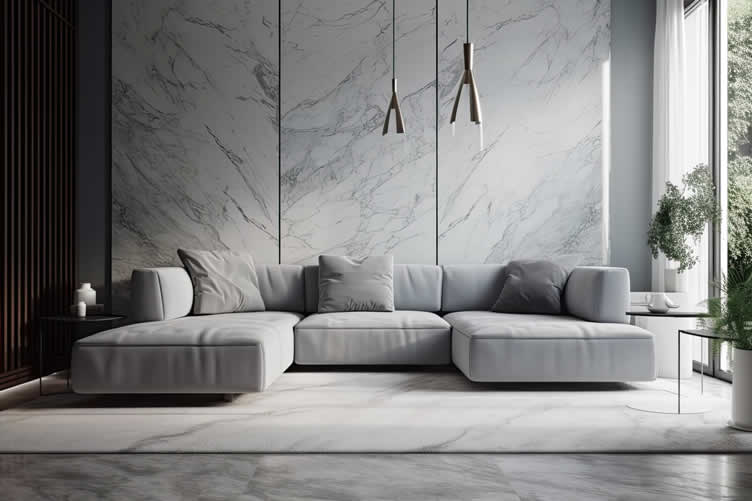
A statement sofa serves as the centerpiece of your living room, making an immediate impact. Look for designs with unique shapes, bold colors, or luxurious fabrics such as velvet or leather.
Whether you opt for a modern sectional in a vibrant hue or a classic chesterfield with sumptuous detailing, your sofa can set the tone for the entire room.
-
Unique Lighting Fixtures
Lighting plays a crucial role in enhancing the ambiance and functionality of your living room. Consider adding a striking chandelier or an artful pendant light as a statement piece.
Floor lamps with sculptural designs or distinctive table lamps can also draw attention and add an element of sophistication to the space.
-
Artistic Coffee Tables
A coffee table is not merely functional; it can also be an eye-catching piece of art. Choose a coffee table with an unusual shape, interesting materials, or intricate design details.
Options like a geometric metal-and-glass table or a rustic wooden slab can make a bold statement and serve as a conversation starter.
-
Dramatic Accent Chairs
Accent chairs provide additional seating while also contributing to the aesthetic of your living room. Opt for chairs with distinctive silhouettes, vibrant upholstery, or unique patterns.
Placing a pair of dramatic accent chairs opposite your sofa can create a balanced and visually appealing arrangement.
-
Striking Wall Art
Wall art is an excellent way to incorporate personality and style into your living room. Large-scale paintings, bold prints, or an eclectic gallery wall can serve as a focal point.
Choose pieces that resonate with your taste, whether it’s abstract art, photography, or classic portraits, to infuse your living room with character.
-
Eye-Catching Rugs
Rugs have the power to tie a room together while adding warmth and texture. A statement rug with bold patterns, vibrant colors, or unique textures can anchor the space and complement your furniture.
Consider Moroccan rugs, modern geometric patterns, or plush shag rugs to make a substantial impact.
-
Accent Throw Pillows
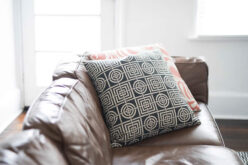
Throw pillows are a versatile and easily changeable element that can breathe new life into your living room decor. Opt for pillows with vibrant colors, interesting textures, or unique patterns to add depth and visual interest to your seating arrangement.
Mixing and matching different sizes and shapes can create a layered and inviting look. Whether you choose luxurious velvet, rustic woven fabrics, or bold prints, throw pillows can enhance the comfort and aesthetic of your living space.
-
Distinctive Shelving Units
Shelving units are both practical and decorative. Opt for designs that stand out, such as asymmetrical arrangements, floating shelves, or units made from unique materials like reclaimed wood or metal.
These pieces can display your favorite books, plants, and decorative items, adding layers of visual interest.
copyright image by 123rf.com
-
-
-
ideas to view and compare from the information discussed above
Scroll up to directory … or scroll to next section about remodeling tips for stunning living room design …

addressing transforming your living room and other home improvement needs …

… grab this directory of ideas for future use



May We Suggest Other Photo Remodeling Ideas About
“Something For the Garden …” (new win)



third “photo remodeling” idea

copyright image by 123rf.com
Living Room Tip 3: Essential Upgrades to Enhance Your Living Room
Notes:
-
Remodeling your living room can breathe new life into your home, creating an inviting and stylish space where you can relax and entertain.
Whether you’re planning a full-scale redesign or just looking for some key enhancements, making thoughtful upgrades can significantly impact the functionality and aesthetic of your living area.
Below, we’ve outlined essential upgrades that can elevate your living room design, ensuring it meets your practical needs while showcasing your personal style.
-
Quick scroll to “living room upgrades” side notes …
-
-
1st: Incorporating Lighting Solutions
Lighting solutions can drastically transform the ambiance and functionality of your living room. Proper lighting ensures that your space is well-lit for various activities, from hosting dinner parties to enjoying a quiet evening with a book.
By incorporating different types of lighting, you can create a layered lighting scheme that adds depth and enhances the overall aesthetic of your living room.
-
Ambient Lighting
Ambient lighting serves as the primary source of illumination in your living room. It provides a comfortable level of brightness without causing harsh shadows or glare.
Common sources of ambient lighting include ceiling-mounted fixtures such as chandeliers, pendant lights, or recessed lighting. Selecting dimmable fixtures can offer versatile lighting levels to suit different moods and occasions.
-
Task Lighting
Task lighting is essential for activities that require focused illumination, such as reading, writing, or knitting. This type of lighting can be achieved through table lamps, floor lamps, or adjustable wall sconces.
Placing these lights near seating areas, desks, or workspaces can ensure adequate lighting for precision tasks, reducing eye strain and enhancing productivity.
-
Accent Lighting
Accent lighting highlights specific features or focal points within your living room, such as artwork, architectural details, or decorative elements. This type of lighting adds drama and interest to your space.
Use track lighting, picture lights, or LED strips to draw attention to these elements, creating a layered effect that enhances the visual depth of your living room.
-
Other Lighting Solutions
Beyond the traditional categories, consider incorporating other innovative lighting solutions to elevate your living room.
Smart lighting systems allow you to control the brightness and color temperature of your lights via smartphone or voice commands, providing convenience and customization.
Additionally, integrating under-cabinet lighting or using statement light fixtures can add unique touches to your decor, making your living room truly distinctive.
Living Room Ambient Lighting
google imagesChandeliers view samples Ceiling Flush Mounts view samples Cove Lighting view samples Semi-Mounts view samples Sconces view samples Recessed Lighting view samples Track Lighting view samples Living Room Task Lighting
google imagesDesk Lamps view samples Floor Lamps view samples Pendant Lights view samples Swing-Arm Lamps view samples Table Lamps view samples Wall Sconces view samples Living Room Accent Lighting
google imagesTrack Lighting view samples Picture Lighting view samples Above Cabinet view samples Floor Lighting view samples Tape and Extrusion view samples 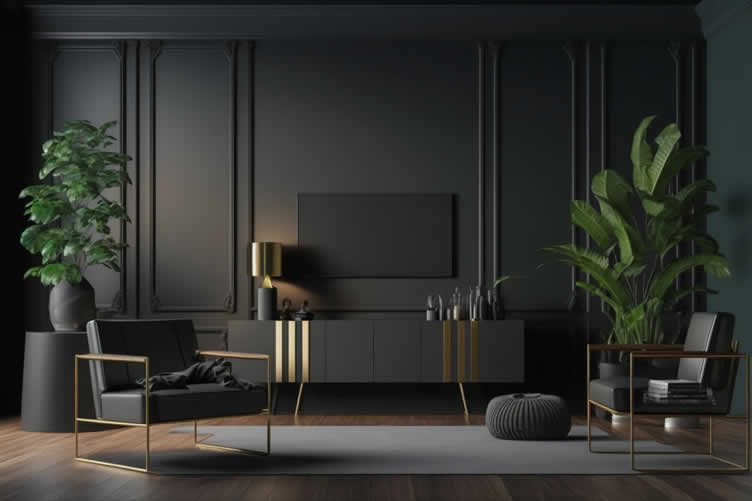
copyright image by 123rf.com
-
-
2nd: Flooring Upgrades
When it comes to enhancing your living room, flooring upgrades play a crucial role in transforming the look and feel of the space. The right flooring not only complements your decor but also adds value to your home and improves comfort.
Below are some key types of flooring upgrades to consider:
-
Hardwood Flooring
Hardwood flooring is a timeless and elegant choice that can drastically uplift the aesthetic of your living room. Known for its durability and classic appeal, hardwoods like oak, maple, or walnut can bring warmth and sophistication to your space.
While it may require periodic refinishing to maintain its luster, the elegance and long-lasting nature of hardwood make it a worthwhile investment.
-
Engineered Wood Flooring
Engineered wood is an excellent alternative to solid hardwood. Made from a layered wood structure, it offers enhanced stability and resistance to moisture and temperature changes.
Engineered wood is available in a variety of finishes, allowing you to achieve the look of traditional hardwood without the associated maintenance challenges.
-
Laminate
Laminate flooring provides a cost-effective yet visually appealing option that mimics the appearance of wood. It’s incredibly durable, resistant to scratches and dents, and easy to install, making it an ideal choice for households with pets or young children.
Laminate flooring comes in various styles and shades, ensuring you can find a design that suits your living room.
-
Carpet
Carpeting is perfect for adding a sense of warmth and coziness to your living room. Available in numerous textures, colors, and patterns, carpet can either act as a subtle backdrop or be a standout feature of your decor.
It also provides excellent insulation, sound absorption, and comfort underfoot. Consider high-quality, stain-resistant varieties to ensure longevity and ease of maintenance.
-
Polished Concrete
For a modern and industrial look, polished concrete is an increasingly popular option. It offers a sleek, minimalist aesthetic and is highly durable.
Polished concrete floors are low maintenance, hypoallergenic, and have excellent thermal properties, keeping your living room cool in the summer and warm in the winter. You can also customize the finish with dyes or patterns to match your decor.
-
Other Flooring Solutions
In addition to the popular choices above, other innovative flooring solutions can elevate your living room. Luxury vinyl tiles (LVT), for example, are moisture-resistant and provide a versatile, durable surface that can resemble wood, stone, or ceramic.
Cork and bamboo flooring offer sustainable options that bring unique textures and eco-friendly benefits to your space.

copyright image by 123rf.com
-
-
3rd: Changing Wall Colors
Changing the wall colors in your living room is a powerful way to transform the entire ambiance and feel of the space. Subtle shifts in color can revive a tired room and create a fresh, inviting atmosphere.
Whether you want to make a bold statement or maintain a calm, soothing environment, selecting the right hues and combinations can significantly enhance your living room.
-
Neutral Tones
Neutral tones are timeless and versatile, making them an excellent choice for living rooms. Shades like white, beige, and gray can create a clean, serene backdrop that allows furniture and decor to stand out.
These colors are perfect for those who frequently change their decor since they complement a wide range of styles and accents. Additionally, neutral walls can make a small room appear larger and brighter.
-
Bold Colors
For those looking to make a dramatic impact, bold colors such as deep blues, rich greens, or vibrant reds can add personality and energy to your living room. These colors work well as accent walls or throughout the whole room for a more daring look.
Bold shades can create a focal point, drawing attention to specific areas like a fireplace or an art piece. However, it’s essential to balance strong colors with neutral furnishings to prevent the room from feeling overwhelming.
-
Pastel Shades
Pastel shades offer a soft, understated elegance that can make your living room feel airy and light. Colors like soft pinks, muted lavenders, and pale blues introduce a gentle, calming effect perfect for creating a relaxing environment.
Pastels are ideal for those who want to incorporate color without overpowering the room. These hues can also be paired with both modern and traditional decor styles, adding versatility to your design choices.
-
Earthy Hues
Inspired by nature, earthy hues such as terracotta, olive green, and warm browns can create a cozy, grounded feel in your living room. These colors bring warmth and a sense of tranquility, making the space inviting and comfortable.
Earthy tones are especially effective in rooms with plenty of natural light, enhancing the connection between indoor and outdoor environments. These shades are ideal for those who appreciate a more rustic or bohemian aesthetic.
Living Room Paint Colors
google imagesReds view ideas Oranges view ideas Yellows view ideas Greens view ideas Blues view ideas Purples view ideas Browns view ideas Grays view ideas Tans view ideas Whites view ideas 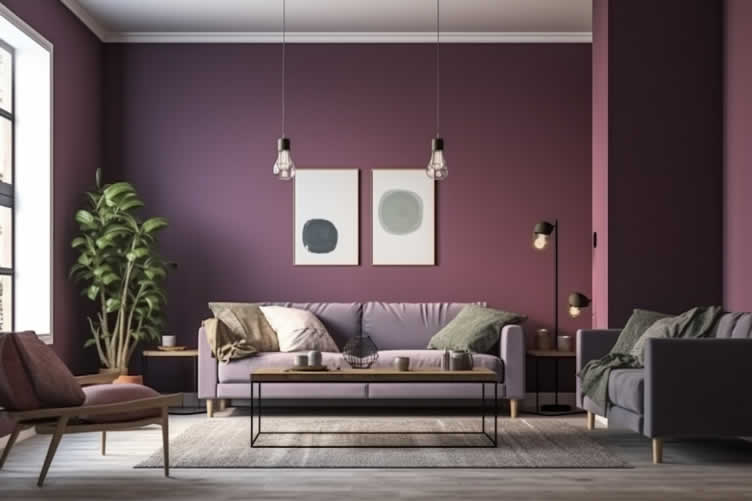
copyright image by 123rf.com
-
-
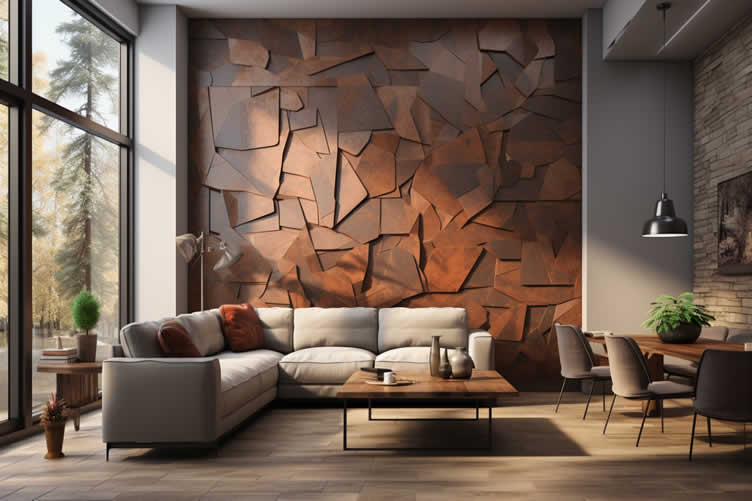
4th: Accent Walls
Creating an accent wall is a simple yet effective way to add depth and intrigue to your living room. An accent wall can instantly transform a space by giving it a focal point, offering the perfect opportunity to experiment with bolder colors or unique patterns without overwhelming the entire room.
When done correctly, it can highlight architectural features, display artwork, or simply inject personality into the space.
Below are some color combinations that work well for accent walls:
- Navy Blue and White:
A navy blue accent wall paired with crisp white furniture and decor creates a timeless and sophisticated look.[ view ideas: navy blue ]
- Deep Forest Green and Beige:
This combination introduces a natural, serene feel to the living room, ideal for creating a calm sanctuary.[ view ideas: forest green ]
- Charcoal Gray and Light Gray:
Using a dark charcoal gray wall against softer gray tones can add modern sophistication and depth.[ view ideas: charcoal gray ]
- Terracotta and Cream:
A warm terracotta accent wall with cream furnishings offers a cozy, earthy ambiance perfect for relaxed living.[ view ideas: terracotta ]
- Bold Red and Neutral Tones:
For a dramatic effect, a bold red wall paired with neutral tones like gray or beige can create a vibrant, energetic space.[ view ideas: bold red ]
By incorporating an accent wall into your design, you can effectively personalize your living room while maintaining balance and harmony with the rest of the decor.
copyright image by 123rf.com
[ view images: brick accent wall ]
[ pinterest: living room accent wall ]
- Navy Blue and White:
-
5th: Updating Your Furniture
Incorporating updated furniture as part of your living room upgrade can significantly enhance the aesthetic and functionality of the space.
Modernizing your furniture choices not only refreshes the room’s appearance but also ensures that each piece contributes to a cohesive and inviting environment.
By selecting furniture that fits your evolving style and meets your everyday needs, you can achieve a living room that is both beautiful and practical.
-
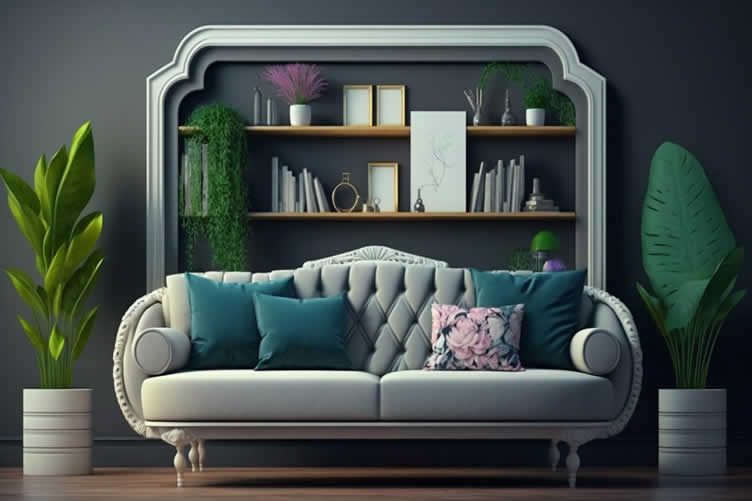
Sofas and Sectionals
The sofa is often the centerpiece of the living room. Upgrading to a new sofa or sectional can dramatically change the room’s look and feel.
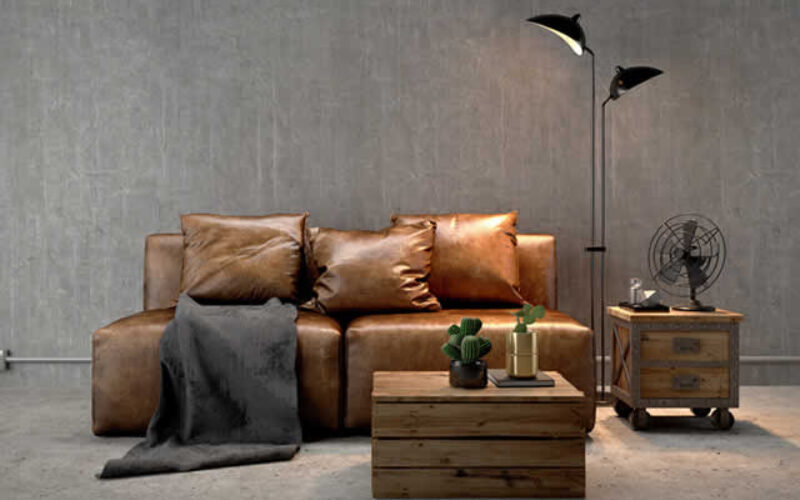
Consider options like modular sectionals that offer flexibility and can be rearranged to suit different occasions. Opt for materials that are both comfortable and durable, such as high-quality leather or performance fabrics that can withstand daily use and spills.
Sleek, contemporary designs or plush, deep-seated models can provide both style and comfort.
-
Coffee Tables
A coffee table is not just a place to set drinks; it can serve as a focal point that ties your living room together. Modernize your space by choosing a coffee table that combines form and function.
Consider options with built-in storage to help keep clutter at bay, or select a design with unique materials like reclaimed wood or tempered glass to add character. Nesting coffee tables or ones with adjustable heights can also offer versatility.
-
Accent Chairs
Adding accent chairs to your living room can provide additional seating while injecting a touch of personal style. Look for chairs in bold colors or interesting shapes to create a striking visual impact.
Swivel chairs or ones with intricate detailing such as tufting or nailhead trim can add both flair and functionality.
Ensure that the chairs you choose complement the existing decor and provide comfortable seating options for guests.
-
Rugs and Textiles
Rugs and textiles can complete the look of your living room by adding layers of texture and warmth. Updating your area rug can introduce new colors and patterns to the space, tying together different elements of the room.
Additionally, incorporating throws and cushions in coordinating hues and materials can create a cohesive and inviting atmosphere. Consider natural fibers like wool or cotton for durability and easy maintenance.
copyright image by 123rf.com
-
-
6th: Adding Decor
Enhancing your living room with carefully chosen decor can dramatically uplift the ambiance and aesthetic appeal of your space. These finishing touches not only add personality but also help create a cohesive look.
Let’s explore some key types of decor to consider for an upgraded living room.
-
Wall Art
Wall art can serve as a focal point in your living room, setting the tone for the rest of the decor. Whether you choose a statement piece like an oversized painting or a curated gallery wall of photographs, art can express your tastes and interests.
Consider selecting pieces that resonate with your personality while also complementing the room’s color scheme and style.
-
Decorative Accessories
Small decorative accessories like vases, sculptures, and trays can add layers of interest to your living room setup. These items can be placed on coffee tables, shelves, or mantels to fill empty spaces and introduce different textures and colors.
When choosing accessories, aim for a balanced mix; avoid overcrowding surfaces by selectively displaying cherished pieces.
-
Greenery
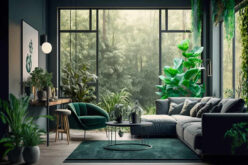
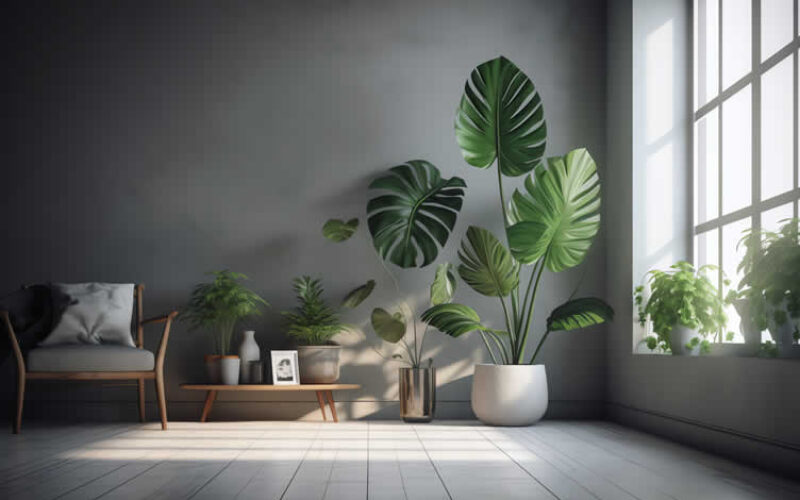
Adding plants to your living room brings a touch of nature indoors, contributing to a tranquil and fresh environment. From large potted plants to small succulents, greenery can enhance the room’s aesthetics and improve air quality.
Choose plants that are easy to care for and suitable for the lighting conditions in your living room.
-
Mirrors
Mirrors are a versatile decorative element that can make your living room appear larger and brighter. Positioning a mirror opposite a window will reflect natural light, enhancing illumination throughout the space.
The frame of the mirror should complement your existing decor, adding an elegant touch without overwhelming the room.

copyright image by 123rf.com
-
-
7th: Media Entertainment Section
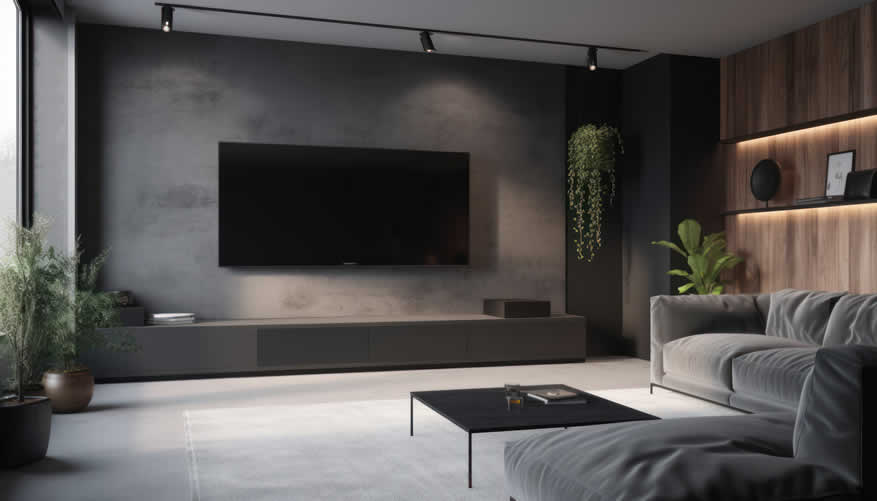
Allocating a section of your living room into a media entertainment center can significantly enhance your home’s relaxation and recreation possibilities.
A well-designed media setup can bring a cinematic experience to your living space, providing an ideal environment for unwinding and enjoying various multimedia content.
This section will guide you through the essential elements needed to create a high-quality media entertainment center.
-
Large TV Monitor
A large TV monitor is the cornerstone of any media entertainment center. Opt for a high-definition or 4K Smart TV to ensure you get the best visual experience, whether you’re watching movies, playing video games, or streaming shows.
Mounting the TV on the wall can save space and provide an optimal viewing angle for everyone in the room.
-
Wired Behind Wall Sound System
To complement your visual setup, a wired behind-wall sound system can bring immersive audio to your space. Installing speakers within the walls can reduce clutter hiding visible wires and speakers behind walls while ensuring that sound is evenly distributed throughout the room.
A high-quality sound system can vastly improve the audio experience, making it feel like you’re in a theater.
-
Access Panels for Speaker Maintenance
When installing a wired behind-wall sound system, it’s crucial to consider future maintenance or upgrades. Integrating access panels into your wall design can make it significantly easier to change out faulty speakers or upgrade to better ones without damaging your walls.
These panels provide a convenient entry point for technicians to reach the wiring and speaker components, ensuring that your sound system can be serviced efficiently.
Opt for discreet, paintable access panels that blend seamlessly with your wall decor, so they don’t detract from the overall aesthetic of your media entertainment center.
-
-
Streaming Services
Ensure your media center is up-to-speed by incorporating various streaming services. Subscribing to platforms like Netflix, Hulu, Amazon Prime Video, and Disney+ can keep a wide variety of content at your fingertips.
An integrated streaming device or a Smart TV can simplify access to these services, allowing for a seamless entertainment experience.
-
Automated Blackout Curtains
Automated blackout curtains can enhance your viewing experience by controlling the room’s lighting.
With the push of a button or through a smart home system, you can darken the room to achieve optimal screen visibility and reduce glare. These curtains also add a touch of luxury and modernity to your living room.
-
Comfortable Seating
Comfortable seating is essential for prolonged viewing sessions. Invest in plush sofas or recliners that provide ample support.
Consider seating arrangements that allow for clear lines of sight to the TV from any angle. Adding throw pillows and blankets can also improve comfort and aesthetics.
-
Media Storage Solutions
Efficient media storage solutions are crucial for keeping your entertainment center organized and clutter-free. Opt for cabinets and shelves that can house your DVDs, Blu-rays, video games, and other media items.
For a sleek look, consider built-in storage units that blend seamlessly with your wall. Additionally, label your storage compartments to easily find what you need.
Investing in a media console with cable management features can also help keep unsightly wires and cables hidden, maintaining a clean and polished appearance.
-
Automated Lighting Control
Automated lighting control with possible ambient lighting for viewing can significantly enhance your home entertainment experience. With smart lighting systems, you can effortlessly adjust the brightness and color temperature of your lights to create the perfect atmosphere for any movie or show.
Pre-set lighting scenes can be triggered with a remote, voice command, or through a smart home app, allowing for a customized viewing experience that reduces eye strain and adds to the overall ambiance.
Ambient lighting, such as LED strips behind the TV or recessed ceiling lights, can softly illuminate the room without causing glare on the screen, ensuring a distraction-free and immersive experience.
copyright image by 123rf.com
-
-
-
ideas to view and compare from the information discussed above
Scroll up to directory … or scroll to next section about remodeling tips for stunning living room design …




SHARE IT ..! You might have someone in your social network who could find this informative analysis about remodeling tips for a stunning living room design valuable. Feel free to share it on Facebook, X (formally Twitter), LinkedIn, or Pinterest!



get the size dimensions for living room and any other home remodeling project …

… for functionality, aesthetics, and adhering to building codes



fourth “photo remodeling” idea
copyright image by 123rf.com
Living Room Tip 4: Space-Saving and Storage Solutions
Notes:
-
Maximizing space in your living room while keeping it organized can be a challenging task, especially in smaller homes or apartments.
However, with clever space-saving and storage solutions, you can create a functional and visually appealing environment without sacrificing on style.
The following sections will explore innovative ideas and practical tips to help you make the most of your living room space, ensuring every corner serves a purpose while maintaining a clutter-free and harmonious atmosphere.
-
Quick scroll to “space-saving” side notes …
-
-
1st: Innovative Storage Ideas
Innovative storage solutions can redefine how space is utilized in your living room, creating an environment that is not only aesthetically pleasing but also highly functional.
By integrating these ideas, you can transform cluttered areas into organized, stylish spaces that cater to your household’s needs.
-
Built-In Shelving Units
Built-in shelving units create a seamless and elegant storage solution that integrates perfectly with the architecture of your living room.
These units can be customized to fit any space, providing ample storage for books, decorative items, and even multimedia equipment.
Built-ins make use of vertical space, clearing floor areas and giving the room a more open feel.
-
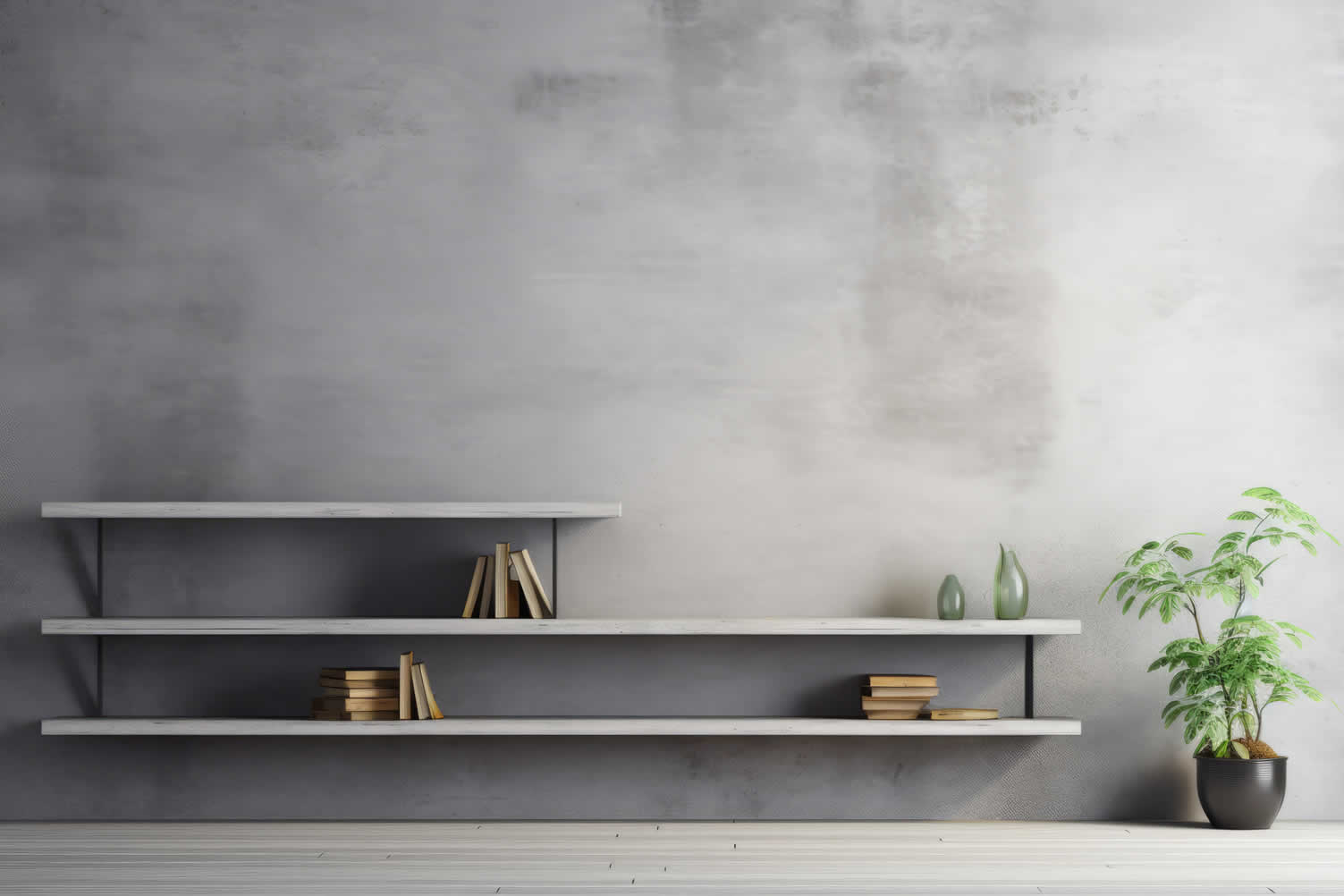
Floating Shelves
Floating shelves are a minimalist and modern way to add storage without taking up valuable floor space.
These shelves can be arranged in various configurations to showcase art, photos, or small plants. Their sleek design adds to the visual interest of the room while providing practical storage.
-
Decorative Baskets
Decorative baskets offer a stylish and versatile storage option. Available in different materials, shapes, and sizes, these baskets can be used to store blankets, toys, or magazines.
They can be placed under coffee tables, next to sofas, or on open shelving units to add texture and warmth to the space.
-
Bins and Boxes
Storage bins and boxes are perfect for organizing items out of sight while maintaining a neat appearance.
They come in various colors and styles, allowing you to choose ones that blend with your decor. Bins and boxes are great for storing electronics, DVDs, or seasonal items, keeping clutter at bay.
-
Other Innovative Solutions
Think outside the box with multi-functional furniture such as ottomans with hidden storage, coffee tables with lift tops, or sofas with built-in compartments.
These pieces not only serve their primary purpose but also provide additional storage, making them perfect for smaller living rooms.
Another clever idea is to use under-sofa or under-chair storage to stow away less frequently used items efficiently.

copyright image by 123rf.com
[ pinterest: living room storage solutions ]
[ youtube: smart living room storage ideas ]
-
-
2nd: Using Vertical Space
Maximizing vertical space is an often-overlooked strategy in creating an organized and spacious living environment.
Whether you’re dealing with small rooms or simply seeking to reduce clutter, utilizing the area above eye level can dramatically increase your storage capacity without occupying valuable floor space.
Here are a few effective ideas for using vertical space as part of your space-saving and storage solutions.
-
Tall Bookcases
Investing in tall bookcases is an excellent way to make use of vertical space, particularly in living rooms, home offices, or bedrooms.
These bookcases can house a significant number of books, photo albums, or decorative pieces. Some designs also include a ladder for easy access to items stored on higher shelves.
-
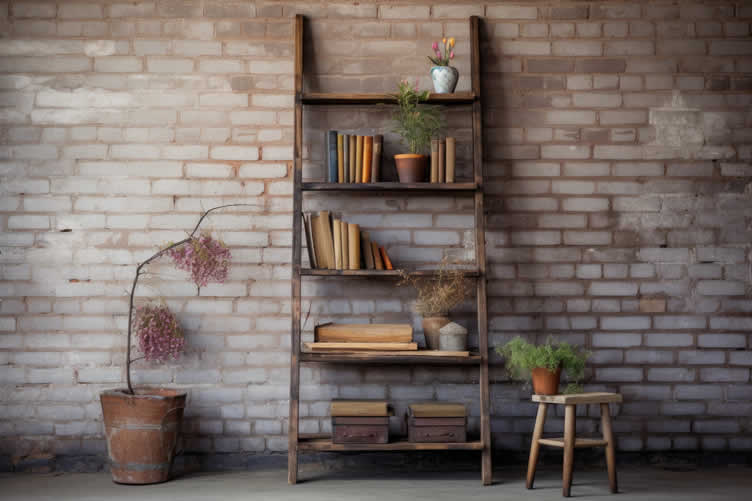
Ladder Storage
Leaning ladders or ladder shelves offer a trendy yet practical storage solution. These ladders can be propped against a wall and used to hang throws and living room linens.
Ladder shelves can hold plants, books, or decorative items, adding both functionality and charm to any room.
copyright image by 123rf.com
[ amazon: tall bookcases ]
[ amazon: ladder shelf ]
-
-
3rd: Multi-functional Furniture Suggestions
Incorporating multi-functional furniture into your living space is an ingenious way to maximize both utility and aesthetic appeal.
These dual-purpose pieces are designed to serve more than one function, making them perfect solutions for small living areas or homes where efficient use of space is a priority.
-
Convertible Sofas
Convertible sofas, often referred to as sofa beds, are ideal for living rooms that double as guest rooms.
These sofas can be easily transformed into a comfortable bed for overnight guests, providing a convenient sleeping solution without the need for a dedicated guest bedroom.
-
Ottoman with Storage
Ottomans with hidden storage compartments are versatile pieces that can serve as footrests, extra seating, or coffee tables.
The internal storage space is perfect for stashing away blankets, pillows, or magazines, keeping your living area tidy and organized.
-
Fold-out Desks
Fold-out desks are excellent for creating a temporary workspace in your living room without sacrificing valuable floor space.
When not in use, these desks can be folded up and stored away, maintaining a clean and uncluttered environment.
-
Extendable Coffee Tables
Extendable coffee tables are a brilliant solution for those who frequently entertain guests.
These tables can be expanded to provide additional surface area for serving food and drinks, and then contracted back to their original size once the gathering is over.
-
Shelving Units with Seating
Shelving units that incorporate seating options offer an innovative approach to combining storage and function.
Some designs feature built-in benches or chairs, perfect for creating a cozy reading nook or additional seating while also offering ample shelf space for books and decorative items.
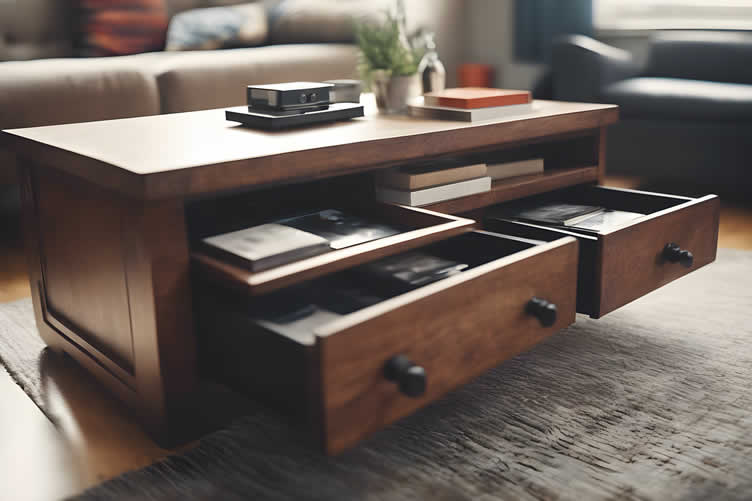
AI generated image by 123rf.com
[ amazon: convertible sleeper sofa ]
[ amazon: ottoman with storage ]
-
-
-
ideas to view and compare from the information discussed above
floating shelvesdecorative storage basketswall shelving units
Scroll up to directory … or scroll to next section about remodeling tips for stunning living room design …
… remodeling decisions

… step-by-step planning your living room remodel


Find Interior Design Services Decorators Interior Designers Furniture Painting & Staining top-rated, pre-screened local contractors FREE: download contractor selection enter zip code – powered by HomeAdvisor ™
Quick Contractor Guides selecting negotiating working with inspecting

fifth and last “photo remodeling” idea
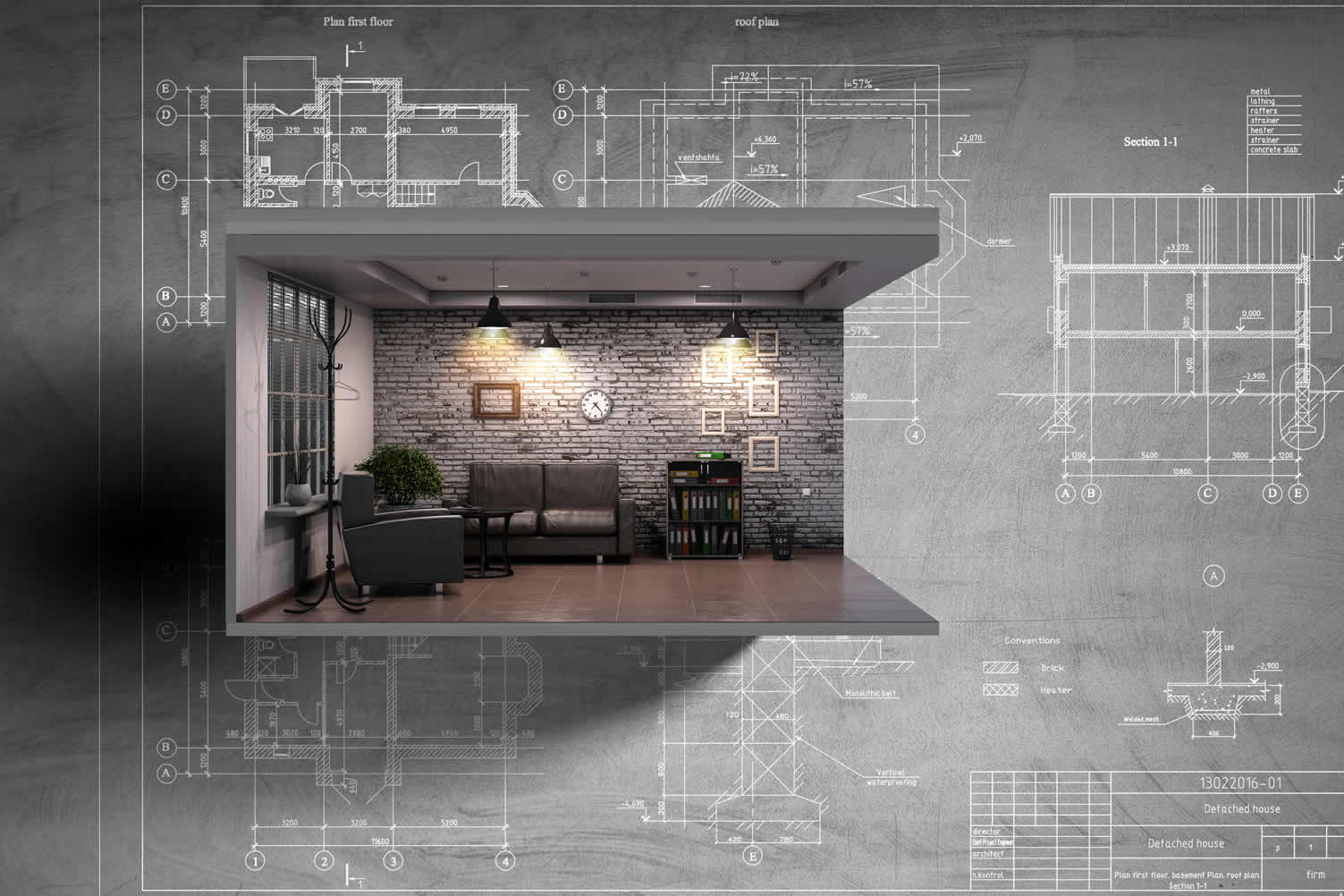

copyright image by 123rf.com
Living Room Tip 5: Planning Your Living Room Remodel
Notes:
-
Remodeling your living room can seem like a daunting task, but with careful planning and consideration, you can create a space that is both functional and stylish.
Begin by assessing your current living room setup and identifying the primary needs and challenges you face. Consider the activities that take place in your living room—whether it’s entertaining guests, family movie nights, or a quiet retreat for reading.
Refer to the transformation elements and ideas suggested above. Decide which of these elements will become part of your transformative plan and what you want to achieve.
By following a well-structured plan and carefully selecting each element, you’ll be able to implement your living room transformation smoothly, resulting in a space that meets all your needs and reflects your personal style.
-
Quirk scroll to topic "planning the remodel" side notes …
-
-
1st: Planning the Living Room Remodel
Remodeling your living room into a functional and stylish space requires careful consideration and detailed planning.
The journey from conceptualization to the final reveal involves various steps that ensure your vision aligns with your budget, lifestyle, and needs.
Here’s a structured guide to navigate through the transformation process smoothly:
-
Step1: Analyze the Numbers
Before diving into the creative aspects, it’s crucial to analyze the financials. Determine your budget by assessing your current savings, potential financing options, and the estimated cost of the remodel.
Consider the impact of your renovation on the overall home value and weigh the benefits of remodeling versus purchasing a new home with the desired features.
This comprehensive financial overview will guide your decision-making process and help prioritize expenditures.
-
Step2: Get Your Ideas Down on Paper
Begin by brainstorming and documenting your ideas. Refer back to the remodeling and living room upgrades discussed earlier, such as styling, whether to opt for a open floor plan, structural upgrades and more.
Visualize how these elements can fit into your living room design and enhance its functionality. Creating a mood board with pictures, color swatches, and material samples can also help consolidate your vision.
-
Step3: Develop the Specification Plans
Part of your "ideas plan" includes detailed specification plans for each element of the room. Define the materials, dimensions, colors, and functionalities of the expected remodel. Specification plans ensure that every detail is accounted for when developing the architectural plan.
Using the specifications plan provided below, consider other elements such as lighting, flooring, and wall treatments.
These aspects can significantly impact the overall feel of your living room. Track your progress, document any changes, and stay flexible to adapt to unexpected challenges.
[ see tool below: specification planning ]
-
Step4: Get an Architectural Layout
An accurate layout is essential for effective planning. You can either use an online architectural program or hire a professional to create a detailed floor plan of your living room.
This layout should include precise measurements of the room, existing structural elements, and the proposed arrangement of based upon the specification plan.
A well-defined layout will serve as a roadmap for the remodel.
-
Step5: Decide DIY or Professional Project
Decide whether the remodel will be a DIY endeavor, require professional assistance, or a combination of both. Assess your skills, available time, and the complexity of the tasks at hand.
While DIY can be cost-effective and rewarding, some aspects may necessitate professional expertise to ensure safety and quality.

copyright image by 123rf.com
-
Step6: Present Plans to a Contractor or Designer
Present your architectural plans and specifications to a contractor or interior designer to obtain an accurate cost estimate.
Professionals can offer valuable insights and suggest modifications to optimize both aesthetics and functionality. Their expertise will ensure that your plans are feasible and aligned with industry standards.
-
Step7: Analyze Costs to the Budget
Compare the estimated cost provided by the professional against your budget. Identify areas where costs can be cut, such as opting for more affordable materials or postponing certain elements of the transformation.
Determine what can be accomplished through DIY to save on labor costs and consider delaying non-essential features to stay within budget.
-
Step8: Get Necessary Permits and Codes
Ensure that your planned transformation complies with local building codes and regulations. Obtain the necessary permits before commencing any work.
This step is vital to avoid any legal complications and ensure the safety and integrity of your renovation.
-
Step9: Arrange Financing
If additional funds are needed beyond your savings, explore financing options such as home improvement loans or lines of credit.
Make sure to shop around for the best interest rates and terms to minimize the financial burden.
-
Step10: Begin the Transformation
With planning complete and funding secured, it’s time to embark on the transformation.
Follow your roadmap meticulously, starting with structural changes, followed by the installation of new electrical or plumbing systems if required, and culminating with the placement of new furniture and decor. Keep the end goal in sight and be prepared for any adjustments along the way.
Throughout the remodel, consider other elements such as lighting, flooring, and wall treatments. These aspects can significantly impact the overall feel of your living room.
Track your progress, document any changes, and stay flexible to adapt to unexpected challenges.
-
Step11: Get an Inspection on Structural Changes
Before committing any significant funds, it is crucial to have an inspection conducted on any proposed structural changes. This step ensures that the modifications are feasible and will not compromise the integrity of your home.
A professional inspector can identify potential issues that might lead to costly repairs down the line, providing peace of mind and a sound basis for moving forward with your project.
[ print these steps in PDF format: living room remodeling steps ]

plan the specifications you need for making …
… key home improvement and remodeling decisions
click here for specification planning sheet -
-
2nd: DIY Remodeling Your Living Room
Transforming your living room through a DIY remodel can be a rewarding and cost-effective way to breathe new life into your space.
By taking the DIY route, you can infuse your personal style into every aspect of the project while saving on labor costs.
However, successful DIY remodeling requires preparation, time, and the proper knowledge.
Below are essential factors to consider as you embark on your DIY living room remodel journey.
-
Having the Time and Experience
Before diving into a DIY remodel, assess whether you have sufficient time and experience to complete the project.
DIY remodeling can be time-consuming, and unforeseen complications can extend the timeline.
Evaluate your skill level honestly; having prior experience in tasks such as carpentry, painting, or electrical work can be invaluable.
-
Having the Right Tools
Equipping yourself with the right tools is crucial for a smooth remodeling process. Essential tools might include a drill, a hammer, various saws, measuring tapes, levels, and safety gear such as gloves and goggles.
Investing in or renting high-quality tools can make your tasks more manageable and efficient.
-
Safety First
Safety should always be a top priority during any DIY project. Familiarize yourself with the safe operation of tools and follow recommended guidelines to prevent accidents.
Use protective equipment, ensure proper ventilation when dealing with fumes or dust, and take breaks to avoid fatigue-related mishaps.
-
Necessary Permits and Building Codes
Before commencing your remodel, verify whether any aspects of your project require permits. Building codes and regulations vary by location, and non-compliance can lead to fines or necessitate undoing completed work.
Contact your local building authority to ensure all planned modifications adhere to legal standards.
-
Using Sub-Contractors for More Intensive Work
Recognize your limits and know when to seek professional help.
For complex tasks such as major electrical rewiring, plumbing, or structural modifications, hiring licensed sub-contractors can ensure the work is done safely and up to code.
Integrating professionals into your DIY project can mitigate risks and improve overall quality.
-
Other Considerations
Consider other logistical and aesthetic factors, such as budgeting, design cohesion, and ongoing maintenance. Create a detailed plan and budget to track expenses and avoid overspending.
Think about future-proofing your design to ensure it remains functional and stylish over time. Regular maintenance post-remodel will keep your new living room looking fresh and well-kept.
Embarking on a DIY living room remodel can be an exciting venture, blending creativity with hands-on work.
By carefully planning and arming yourself with the right knowledge and tools, you can achieve a beautifully renovated space that reflects your personality and style.

copyright image by 123rf.com
-
-
3rd: Finding a Contractor and Design Services
Taking on a living room remodel can be a complex and demanding project, one that often benefits significantly from professional expertise.
While DIY renovations have their charm and cost-saving aspects, hiring a professional contractor or designer can ensure that your vision is implemented with precision, efficiency, and a high standard of quality.
Here’s how you can navigate the process of finding and working with the right professionals to transform your living space.
-
Why Use a Professional
Hiring a professional contractor or designer brings a wealth of knowledge, experience, and specialized skills to your project.
Professionals can offer insights into the latest design trends, materials, and technologies that you might not be aware of. They handle the technical details, from structural integrity to code compliance, so you can focus on the aesthetic aspects.
Additionally, professionals often have established relationships with suppliers, which can lead to cost savings on materials and fixtures.
Ultimately, their expertise can save time, reduce stress, and ensure a superior outcome.
-
Where to Find a Professional
Locating a reputable professional contractor or designer starts with research. Ask for recommendations from friends, family, or colleagues who have had similar projects completed.
Online platforms like Houzz, Angie’s List, or HomeAdvisor provide directories of local professionals, complete with reviews and ratings. Attend home improvement shows or visit local design stores to meet professionals in person.
Always check credentials, certifications, and affiliations with professional organizations, such as the National Association of Home Builders (NAHB) or the American Society of Interior Designers (ASID).
-
How to Choose
Choosing the right professional involves evaluating their qualifications, experience, and compatibility with your vision.
Begin by interviewing multiple candidates to compare their portfolios, which will give you an idea of their style and quality of work. Ask for references and follow up with previous clients to gauge their satisfaction.
Discuss your project in detail and ensure the contractor or designer understands your goals and budget constraints.
Transparency in communication and a clear contract outlining the scope of work, timelines, and payment schedules are crucial to a successful collaboration.
-
How to Manage
Effective management of your professional team involves clear communication, regular updates, and mutual respect. Establish a project timeline with milestones and check-ins to monitor progress.
Use digital project management tools or apps to track tasks, schedules, and budgets. Stay engaged with the process by asking questions and providing feedback promptly.
Trust in their expertise, but also ensure that your preferences and concerns are addressed. Managing the relationship well can lead to a smoother process and a more satisfactory end result.
-
Developing the Work Order
A detailed work order is essential to outline the specifics of your project, including materials, labor, timelines, and costs. Work with your contractor or designer to develop this document, ensuring every aspect of the remodel is covered.
The work order should include start and completion dates, a payment schedule, and procedures for handling changes or unforeseen issues.
Having everything in writing protects both parties and provides a clear roadmap for the project.
-
Inspections Prior to Finalizing Payment
Before making the final payment, it is crucial to conduct thorough inspections to ensure that all work has been completed to your satisfaction and meets the required standards.
Schedule a walk-through with your contractor or designer to review each aspect of the project, comparing the completed work with the detailed work order.
Check for any discrepancies, incomplete tasks, or quality issues that need to be addressed. Be sure to inspect both the aesthetic and functional elements, including plumbing, electrical work, and structural components.
Address any concerns promptly and ensure that all corrections are made before finalizing the payment.
This final inspection is a safeguard, ensuring that you receive the expected quality and that the project has been fully and correctly executed.
-
Other Considerations
Beyond hiring and managing professionals, consider the overall project logistics, such as timing, disruptions to your household, and contingency plans for delays or additional costs. Discuss these aspects with your contractor to minimize inconvenience.
Planning for the future is equally important – think about how the new design will adapt to your changing needs or lifestyle.
Regular maintenance of the remodeled space will preserve its condition and functionality, ensuring that your investment brings lasting satisfaction.
LetsRenovate has partnered with HomeAdvisor™, a renowned provider of highly-rated, carefully-vetted local contractors. Start your search here by choosing the type of contractor you need and entering your zip code to find local professionals.
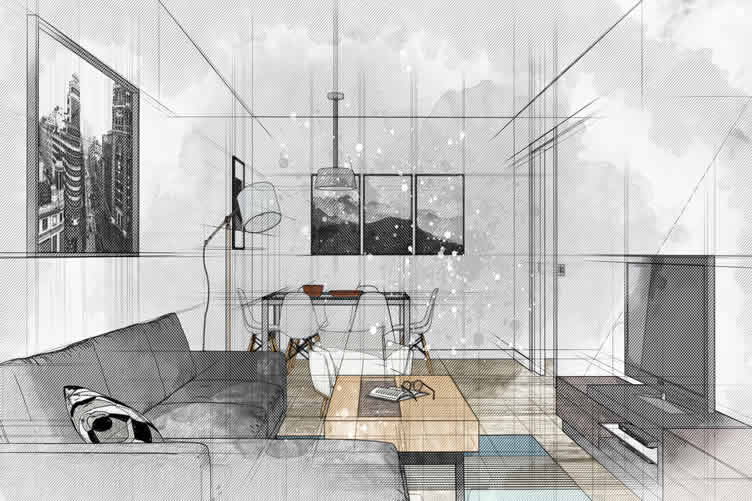
copyright image by 123rf.com
But Wait!
Before starting the search and evaluation process for contractors, it is highly recommended to download and utilize this comprehensive worksheet. This will help ensure that you have all the necessary information and tools at your disposal to make informed decisions and streamline the entire process.
This resource will assist in impartially ranking and evaluating potential contractors, taking into consideration essential factors such as pricing,

Evaluation Sheet
File Type: -
-
-
FINAL REMARKS
Remodeling your living room can be a transformative experience, enhancing both the functionality and aesthetic appeal of your home.
By considering factors such as budgeting, personal style, and space assessment, you can create a well-designed living room that suits your lifestyle needs.
Explore popular remodeling ideas, essential upgrades, and practical tips to bring your vision to life. Remember, the key to a successful remodel is personalization and creativity.
Don’t be afraid to experiment with different styles and elements to create a space that truly reflects your personality. Happy remodeling!
-
ideas to view and compare from the information discussed above
book: illustrated building codesbook: DIY handbook home improvement
- What comments can you share about
remodeling tips for stunning living room design?
Scroll up to directory … or scroll to more home interior-related topics …
view illustration “becoming a bank”



Calendar For:
Home Maintenance
File Type:


… everything home remodeling – improvement – repair
Cover image credit: remodeling tips for stunning living room design by 123rf.com
end of post … please share it!
 |
did you find these remodeling tips for a stunning living room design analysis helpful? If so, please share the article with your friends and family! |
Nice pic idea? Leave us a quick comment below.
And please share this pic idea within your social networks.