Summary Outline –
Understanding common home remodeling mistakes can save you thousands of dollars and months of frustration.
Whether you’re planning your first renovation or looking to improve upon past experiences, recognizing these pitfalls early allows you to make informed decisions that protect both your investment and your peace of mind.
The journey from concept to completion involves numerous critical decisions, from selecting the right contractor to managing your budget effectively. Small oversights can cascade into major problems that affect not only your timeline and costs but also the quality and functionality of your finished space.
By learning from the experiences of others, you can navigate your remodeling project with greater confidence and success.

-
Quick scroll to first topic about key remodeling mistakes … or review summary content

Content Summary
section directory1st Set of Remodeling Mistakes: [view section]
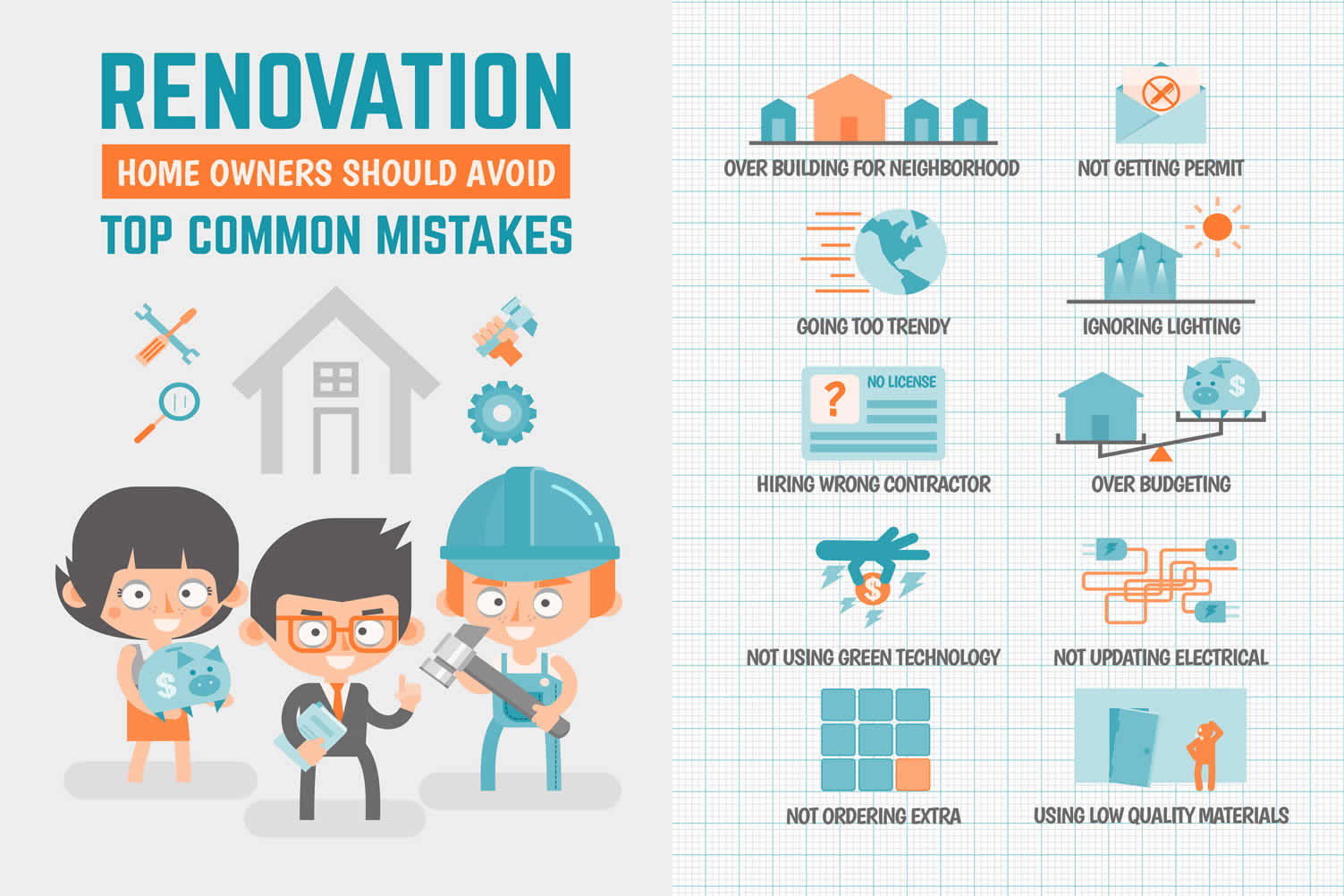
… our first review of key remodeling mistakes starts with planning. This includes having a clear vision of your goals and a detailed plan outlining the requirements for your project.
2nd Set of Remodeling Mistakes: [view section]
… the second set of common mistakes revolves around budgeting for your remodeling project. This involves understanding the full costs, setting aside a contingency fund, and avoiding overspending on trends.
3rd Set of Remodeling Mistakes: [view section]
… our third set of mistakes involves failing to do your due diligence when selecting a contractor. Too often, contractors are chosen based on price alone, without checking references or securing a detailed contract. These oversights can lead to costly errors and project disasters.
4th Set of Remodeling Mistakes: [view section]
… the fourth section delves into common implementation mistakes that can happen once a project is ready for execution. These mistakes fall into two categories: design and structural issues (like poor space planning or overlooking resale value) and execution errors (such as rushing, mis-measuring, choosing cheap materials, changing plans mid-way, or neglecting electrical requirements).
5th Set of Remodeling Pro Tips: [view section]
… after reviewing all the potential remodeling mistakes you can avoid, let’s now look at some pro tips for a successful remodel. These include thorough documentation, hiring the right professionals, and undertaking inspections to ensure the project meets building codes and is done correctly.
first “home remodeling mistakes” review

copyright image by 123rf.com
Mistakes 1: Planning Mistakes That Derail Projects
Notes:
-
Thorough planning forms the foundation of every successful remodeling project. Without proper preparation, even the most well-intentioned renovations can spiral into costly disasters.
The planning phase encompasses everything from developing a clear vision to understanding legal requirements, and shortcuts taken here often result in expensive corrections later.
-
Quick scroll to supporting notes …
-
-
1st: Not Having a Clear Vision
A clear vision acts as a detailed roadmap, guiding your project from start to finish. It’s what helps tie together all the crucial elements—like functionality, aesthetics, and future-proofing—so you can create a living space that feels both harmonious and efficient.
This clarity ensures that every choice you make contributes to a home that not only looks beautiful but also truly works for you and your family for years to come.

copyright image by 123rf.com
A vague or incomplete plan leaves room for misinterpretation, miscommunication with contractors, and overspending on features that may not align with your ultimate goals.
Developing a comprehensive vision prior to starting a remodel ensures that every decision—from minor details to large-scale structural changes—is intentional and supports the overall transformation of your living space.
[ view summary table: developing clear vision]
-
Understanding the Importance of a Clear Vision
Before committing to any structural changes, material selections, or budgetary decisions, it is vital to have a clear vision for what you want to achieve with your home remodeling project.
This vision serves as a roadmap, guiding conversations with contractors and ensuring every decision aligns with your ultimate goal. Without this clarity, even the most experienced home improvement professionals may struggle to interpret vague or evolving instructions, which could result in unnecessary delays and expenses.
A thoughtful vision begins with defining the purpose of your remodeling project. Are you looking to maximize the functionality of your space, elevate aesthetics, or increase your property value?
Understanding your priorities and how you want your home to look and feel is the foundation for every choice you make. This vision must also account for personal lifestyle considerations, such as accommodating family members, preparing for future needs, or addressing climate conditions.
-
Collecting Ideas
Professional designers often recommend creating mood boards, collecting inspiration photos, and writing detailed descriptions of desired outcomes before breaking ground.
This planning process helps identify potential conflicts between different elements of your design and ensures all stakeholders share the same expectations for the finished project.
Creating a detailed project plan involves more than browsing Pinterest boards or flipping through magazines. Successful renovations begin with honest assessments of your lifestyle, family needs, and long-term goals for the space.
Consider how your needs might evolve over time and whether the proposed changes will accommodate future requirements.
-
Aligning Your Vision with Professionals
Contractors, interior designers, and architects rely heavily on clear directives to execute your ideas effectively.
When your goals are undefined, professionals may be forced to make assumptions, leading to choices that don’t meet your expectations. Miscommunication or misunderstandings may also create tension and impede progress.
During initial consultations, share mood boards, inspiration images, and key objectives to help professionals visualize your direction. This proactive step sets the tone for a shared understanding of what the final project should entail.
-
Flexibility vs. Vagueness in Planning
While it is essential to have a clear vision, maintaining a degree of flexibility is equally important. Unforeseen challenges, such as structural limitations or material availability, may require adjustments to your original plan.
However, there is a fine line between being adaptable and being vague. Without a strong initial framework, last-minute changes may spiral out of control, resulting in a project that diverges significantly from your desired outcome.
Incorporating contingency strategies into your planning process can balance clear priorities with adaptability.
-
Referencing Professional Insights
According to a 2022 report by the National Association of the Remodeling Industry (NARI), clients who approach their projects with a solid pre-planned vision are 30% more likely to report satisfaction with the final product.
Designers from the American Society of Interior Designers (ASID) emphasize the importance of an initial vision as a cost-saving strategy as it allows for more accurate budgeting, material sourcing, and timeline management from the start.
-
Investing in the Long-Term Benefit
Approaching your renovation with a detailed vision is an investment not only in the project’s outcome but also in your future living experience. This upfront effort ensures your remodeled space achieves its intended design and function, creating an environment that enhances your everyday life.
With a clear vision, you can also increase the home’s resale value by ensuring the changes reflect cohesive, high-quality design practices that appeal to future buyers.
By prioritizing detailed pre-planning and partnering with professionals to communicate your goals effectively, homeowners can avoid the stress and disappointment associated with unclear or impulsive renovation decisions.
Establishing a vision isn’t merely a step in the process—it is the foundation for achieving lasting satisfaction and value through your remodeling efforts.
Key Focus Area Details Tips & Recommendations Importance of a Clear Vision A clear remodeling vision avoids complications, reduces waste, and ensures alignment with goals. Define your priorities (functionality, aesthetics, property value) before starting any project. Collecting Ideas Mood boards, inspirations, and detailed descriptions help align stakeholders and avoid conflicts. Gather ideas from various sources and assess how they match your lifestyle and long-term needs. Collaborating with Professionals Clear directives help contractors and designers execute your ideas effectively. Share visual aids, objectives, and goals during consultations to prevent miscommunication. Flexibility in Planning Being adaptable allows for adjustments due to unforeseen challenges, like material delays. Maintain a strong initial framework while incorporating contingency strategies. Long-Term Benefits Pre-planning increases satisfaction, functionality, and resale value while managing costs. Use professional insights to refine your vision and ensure cohesive, high-quality results. 


copyright image by 123rf.com
[ view diagram: renovation vision boards]
[ view diagram: vision board for renovation]

-
-
2nd: The Importance of Specification Planning
… avoiding insufficient research
Home remodeling projects are exciting opportunities to enhance functionality, boost value, and refresh the aesthetics of your living space. However, one common mistake made by homeowners is insufficient research, particularly the failure to develop a detailed specification plan.
Jumping into a remodeling project without adequate research about materials, techniques, and potential challenges sets the stage for disappointment.

copyright image by 123rf.com
Insufficient research leads to poor product selections, unrealistic timeline expectations, and missed opportunities to incorporate beneficial features or technologies.
Without a clear understanding of what materials, techniques, and challenges are involved, your project can quickly veer off course—leading to unexpected delays, budget overruns, and dissatisfaction with the final results.
By creating a comprehensive specification plan, you not only set clear expectations for every aspect of the remodel but also minimize risks and ensure a smooth process from start to finish.
[ view summary table: specification planning]
-
Why a Specification Plan is Vital
Developing a specification plan is crucial for aligning your vision with the realities of the remodeling process. This plan includes detailed descriptions of the materials you intend to use, the construction techniques required, and potential roadblocks or challenges that may arise.
Without it, you may encounter discrepancies between your design aspirations and the actual outcome of the project. For example, choosing flooring or countertops without specifying their durability, maintenance requirements, or compatibility with your lifestyle could lead to costly repairs or replacements in the future.
A well-researched specification plan ensures all parties involved—whether contractors, designers, or suppliers—are on the same page.
-
Researching Material Requirements and Techniques
A vital aspect of creating a specification plan involves conducting thorough research on the materials you intend to use. Investigate the pros and cons of various options, such as engineered wood versus solid hardwood or quartz versus granite for countertops, to determine what best suits your needs and budget.
Similarly, research modern construction techniques, especially if your project involves innovative features such as energy-efficient windows, smart home technologies, or sustainable building methods.
When you understand the technical capabilities of materials and methods, you make more informed decisions that improve the quality and longevity of your remodel.
-
Anticipating Challenges in Advance
Every remodeling project comes with potential challenges, whether structural, logistical, or financial. By integrating these possibilities into your specification plan, you can take proactive steps to address them ahead of time.
For instance, older homes often present hidden issues like outdated wiring or uneven flooring, which may require additional materials or labor to resolve. Researching potential challenges and incorporating contingency strategies into your plan will save you from scrambling to make adjustments mid-project.
This preparation also enables you to communicate effectively with contractors and avoid misunderstandings during execution.
-
Enhancing Project Efficiency and Communication
A specification plan is not only a document for clarifying your goals but also a tool for improving efficiency throughout your remodeling project. It’s an invaluable resource for communicating with contractors and other professionals involved.
Clear specifications allow your team to work efficiently without repeatedly seeking clarification or making assumptions. Additionally, the transparency provided by a detailed plan helps establish trust, as professionals can see that you have thoroughly considered the project’s scope and requirements.
-
Final Thoughts
Insufficient research and lack of a specification plan can transform an exciting home remodel into a stressful and costly venture. By taking the time to define your expectations for materials, techniques, and challenges upfront, you pave the way for a successful transformation of your living space.
The time investment in creating a specification plan is a small price to pay for significant results. Not only will your project run more smoothly, but you will also experience greater satisfaction and confidence throughout the process.
Key Component Details Benefits Importance of a Specification Plan Outlines detailed expectations for materials, techniques, and potential challenges. Minimizes risks, aligns vision with realistic outcomes, and ensures smooth project execution. Material and Technique Research Thoroughly investigates pros and cons of materials (e.g., quartz vs. granite) and construction methods. Improves decision-making, enhances durability, and maximizes project value. Anticipating Challenges Identifies potential issues like hidden structural problems or outdated systems. Prepares for contingencies, reduces delays, and prevents budget overruns. Efficiency and Communication Provides a clear and transparent plan for contractors and professionals. Improves execution efficiency, enhances trust, and reduces miscommunication. 
AI generated image by 123rf.com

plan the specifications you need …
… for making key home improvement and remodeling decisions
click here for specification planning sheet -
-
3rd: Ignoring Building Codes and Permits
Home remodeling projects are a wonderful way to enhance the functionality, comfort, and value of your living space.
However, failing to adhere to local building codes and obtaining the necessary permits can turn a dream transformation into an expensive nightmare.

copyright image by 123rf.com
Building codes are established to ensure the safety, efficiency, and integrity of a structure, while permits provide legal approval for specific construction activities.
Ignoring these requirements can lead to hefty fines, unsafe living conditions, and potentially legal disputes.
To protect your home, your investment, and your peace of mind, it’s essential to understand the importance of complying with building codes and securing permits before starting any remodel.
[ view summary table: building codes and permits]
-
Understanding Building Codes and Why They Matter
Building codes are a set of regulations set forth by state or local governments to establish the minimum standards for construction. These codes are designed to ensure the safety and functionality of a home, covering critical aspects such as structural integrity, electrical systems, plumbing, and fire prevention.
Adhering to these codes during a remodeling project helps safeguard your property and the people within it. For example, if you’re updating your electrical wiring, compliance with electrical codes ensures that your home’s system can safely handle the load and minimize fire hazards.
Ignoring these regulations might result in failures during mandatory inspections or worse, create long-lasting issues that put your family at risk. Non-compliance can also void homeowner insurance policies in cases of accidents involving un-permitted work.
Whether you’re undertaking a small DIY update or a large-scale renovation, understanding and following building codes should always be a top priority.
-
Permits Are More Than Paperwork
Permits are an essential part of the remodeling process, acting as a way for local authorities to approve your project’s scope and compliance with building codes. They ensure that the work meets safety standards and local ordinances, supporting a regulated system of checks and balances.
Projects such as expanding your kitchen, adding a room, or even upgrading your water heater typically require permits, depending on your area.
Obtaining permits might seem like a tedious or costly step, but the consequences of skipping this process can be far worse. Un-permitted work can devalue your property during a future appraisal or sale.
Prospective buyers often request proof of permits for major renovations, and failing to produce these can deter offers or force negotiations. Furthermore, if un-permitted work is discovered, homeowners may be required to dismantle completed renovations or bring them up to code, often at considerable expense.
-
How to Navigate Codes and Permits with Ease
The first step in avoiding these pitfalls is doing thorough research on local building codes and permit requirements. Every municipality has distinct regulations, so it’s vital to connect with your local building department to identify what is required for your project.
Consulting with licensed contractors or architects can also provide valuable insights, ensuring the work not only complies with codes but is completed to a high standard.
If you’re working with professionals, make sure your contractor includes the permitting process into your contract. They should also manage communications with the local authorities and documentation requirements on your behalf.
For those taking on DIY projects, many local governments offer guides or online portals to help homeowners understand permit applications and submission.
By taking the time to apply for the proper permits and adhering to all relevant codes, you are ensuring not only the success of your remodeling project but also the long-term integrity and safety of your home.
This proactive approach can save time, money, and stress while giving you the confidence that your upgraded space is both beautiful and compliant.
-
The Ripple Effect of Compliance
Adhering to building codes and obtaining permits isn’t just about following the rules—it’s about protecting the integrity of your investment and ensuring the safety and well-being of anyone who enters your home.
Beyond that, it assures potential buyers and appraisers that the property was responsibly and professionally enhanced, which can boost its value and market appeal.
Expert oversight during the permitting process, as well as adherence to codes, helps ensure your vision for your home comes to life without cutting corners. It also contributes to a regulated and fair housing market, a critical element of community transparency, safety, and growth.
Key Aspect Importance Consequences of Non-Compliance Building Codes Establish minimum safety and functionality standards for construction, including structural integrity, electrical systems, plumbing, and fire prevention. Non-compliance can result in failed inspections, unsafe living conditions, voided homeowner insurance policies, and risks to health and safety. Permits Provide legal approval for construction activities, ensuring the project complies with safety standards and local ordinances. Skipping permits can lead to devalued property, legal disputes, potential dismantling of work, and costly upgrades to meet code. Compliance Navigation Research local regulations, consult professionals, and integrate permitting within project plans for smooth execution. Failure to plan can result in project delays, increased costs, and complications with local authorities or insurance claims. Long-Term Impact Ensures the safety, integrity, and market appeal of the property while providing reassurance to buyers and appraisers about responsible renovations. Non-compliance affects property value, safety, and the confidence of potential buyers or stakeholders. 
copyright image by 123rf.com
[ view diagram: about building codes]
[ youtube: Do I need a permit for my renovation?]
-
-
-
ideas to view and compare from the information discussed above
Scroll up to directory … or scroll to next section about budgeting mistakes …



Download this PDF for a clear and concise overview of everything you need to know about …?




second “photo remodeling” idea

copyright image by 123rf.com
Mistakes 2: Budgeting Mistakes That Create Financial Stress
Notes:
-
Financial planning represents one of the most critical aspects of any remodeling project, yet budgeting mistakes consistently rank among the most common reasons renovations exceed expectations and strain household finances.
Effective budget management requires understanding true project costs, planning for unexpected expenses, and making strategic decisions about where to invest your resources.
-
Quick scroll to supporting notes …
-
-
1st: Underestimating Costs
Accurate cost estimation is a foundational step in any successful home improvement project. However, underestimating costs remains a frequent and significant culprit behind failed budgets and financial stress for homeowners.

copyright image by 123rf.com
When expenses begin to spiral due to poor initial planning or overlooked details, it can derail the progress of even the most carefully envisioned renovations.
Being aware of how underestimating costs can impact your project—and taking steps to avoid the pitfalls—is essential for ensuring a smooth and satisfying remodeling experience.
Below, we explore common issues with cost underestimation and provide insights to help you plan effectively.
[ view summary table: underestimating costs]
-
The True Scope of the Project
One of the most common reasons costs are underestimated is failing to account for the true scope of a project. Many factors can influence the final price, including material costs, labor, permits, and unexpected structural or design adjustments.
A kitchen remodel, for example, often requires additional expenses for electrical wiring, plumbing updates, or custom cabinetry, which may not be apparent when creating an initial budget. Without accounting for all these elements, homeowners risk running over budget or having to scale back on desired upgrades mid-project.
To avoid this issue, it’s vital to consult with professionals and obtain detailed quotes that reflect the project’s total scope.
-
Rising Cost for Labor
Labor costs fluctuate based on project complexity, local market conditions, and seasonal demand patterns. Skilled tradespeople command premium rates, and attempting to reduce costs by hiring inexperienced workers often results in poor workmanship that requires expensive corrections.
Quality work costs more upfront but typically provides better value over time.
-
Fluctuating Material Prices and Availability
Material costs are subject to market fluctuations that can significantly impact your final expenses. For instance, pricing for items like lumber, tiles, or even paint can vary depending on demand, availability, or global supply chain disruptions.
Failing to plan for these variations can result in financial strain as costs escalate. Staying informed about current trends in material pricing and securing necessary items early can help you avoid unpleasant surprises.
-
Insufficient Research and Misaligned Expectations
Underestimating costs also stems from insufficient research or unrealistic expectations. Homeowners may base their budgets on idealized inspiration from television shows or online decor galleries without fully considering the geographic and logistical differences that influence pricing.
Labor rates, permitting fees, and regional market conditions can all vary, significantly altering project costs. Consulting with local professionals and completing thorough research ensures your budget aligns with reality and minimizes financial stress.
-
Addressing Long-term Maintenance Costs
While focusing on upfront costs, homeowners sometimes neglect to consider long-term maintenance or operational expenses associated with their remodel.
High-end appliances, premium flooring, or specific design elements might appear affordable initially but require regular upkeep that could strain future finances. Factoring in the life-cycle costs of materials and systems ensures your renovation not only fits your immediate budget but remains manageable over time.
-
Avoiding Common Pitfalls
To avoid underestimating costs, creating a detailed budget with input from experts is crucial. Always include line items for labor, materials, permits, and contingency funds.
Take the time to review potential hidden costs or regional variations in pricing, and remain mindful of long-term sustainability when making purchasing decisions.
Armed with realistic numbers and proper planning, you’ll be setting yourself up for a successful renovation that enhances the quality, comfort, and value of your home.
Common Issue Description Solution Underestimating Project Scope Failing to account for all factors like materials, labor, permits, and unexpected adjustments can lead to budget overruns. Consult with professionals and obtain detailed quotes that reflect the total project scope. Rising Labor Costs Skilled labor rates fluctuate due to market conditions and demand. Hiring cheaper, inexperienced workers often results in poor quality. Budget for quality work upfront to ensure long-term value and avoid costly corrections. Fluctuating Material Prices Market variations in material costs, due to supply chain issues or demand, can escalate your final expenses. Stay informed on trends and secure necessary materials early to avoid price hikes. Insufficient Research Budgeting based on idealized inspiration rather than local costs and realistic logistics can cause misalignment with actual expenses. Research thoroughly and consult local professionals to align your budget with regional conditions. Ignoring Long-term Maintenance Focusing solely on upfront costs neglects the long-term expenses associated with premium materials or appliances. Factor in life-cycle costs to ensure sustainability and manageable future finances. 
copyright image by 123rf.com

Budgeting Worksheet For Costing Home Remodeling and Home Improvement Decisions
 File Type (excel)
click here for budgeting worksheet -
-
2nd: Neglecting Contingency Funds
Planning a home renovation can be an exciting venture that promises enhanced aesthetics, improved functionality, and increased property value.
However, even the best-laid plans can encounter unforeseen challenges.

copyright image by 123rf.com
Among the most common pitfalls for homeowners is neglecting to allocate contingency funds, a critical financial buffer for managing unexpected expenses.
Properly considering a contingency fund not only safeguards your budget but also allows for smoother project execution, helping you avoid delays and frustrations.
[ view summary table: contingency funds]
-
Understanding Contingency Funds and Why They Matter
A contingency fund is a reserved portion of your renovation budget designed to cover unanticipated costs such as structural repairs, unexpected code compliance upgrades, or price fluctuations in materials.
Even with meticulous planning, these surprises are inevitable in many renovation projects, especially for older homes where hidden issues can surface only after work begins.
Failing to allocate sufficient contingency funds may result in stalled projects, rushed decisions, or financial strain, all of which can compromise the overall quality of your home improvement efforts.
-
The Risks of Neglecting Contingency Funds
Without a contingency fund, homeowners face significant risks that extend beyond budget constraints. One potential consequence is the inability to address critical issues, such as hidden mold, outdated wiring, or water damage, which can jeopardize the safety and integrity of your home.
Additionally, material prices are subject to market changes, and construction delays caused by weather or labor shortages can further escalate costs.
Ignoring the need for a financial buffer could force compromises on design elements, leading to results that fall short of your expectations and erode your investment value.
-
How Much Should You Allocate for Contingency Funds?
Experts typically recommend setting aside 10-20% of your total renovation budget as a contingency fund, depending on the scale and complexity of your project. Smaller projects may require less, but larger or older home renovations are more prone to unforeseen circumstances.
This allocation ensures that you are prepared to handle unexpected expenses without derailing your overall vision. For instance, a $50,000 renovation should ideally include a contingency fund of $5,000 to $10,000 to accommodate potential challenges.
-
Key Benefits of Contingency Planning
By including contingency funds in your renovation budget, you empower yourself to make informed decisions throughout the project. Unforeseen problems can be addressed promptly and effectively, minimizing delays and enabling you to maintain your desired timeline.
Additionally, a well-planned contingency reduces emotional stress, allowing you to focus on the creative and rewarding aspects of home improvement. Ultimately, this foresight protects your investment and ensures a successful outcome, no matter what surprises may arise.
-
Sourcing Expertise and Tools to Prepare
To ensure your renovation budget is well-structured and inclusive of a contingency fund, consult professional contractors, designers, or construction advisors.
These experts can help identify potential risks and offer realistic estimates based on the specifics of your project. Online tools and calculators are another valuable resource for planning your budget.
-
Final Thoughts on Neglecting Contingency Funds
No one expects the unexpected, yet preparation for uncertainty is an essential component of any successful renovation. Allocating a contingency fund fosters financial stability while safeguarding your project’s integrity and timeline.
Home improvement should be an enriching experience, and being equipped to handle surprises ensures you can craft your dream space without unnecessary setbacks.
Key Aspect Description Examples Recommended Allocation Definition A contingency fund is a reserved portion of the renovation budget to cover unexpected expenses. Structural repairs, code compliance upgrades, material price fluctuations 10-20% of total budget Potential Risks Neglecting contingency funds can lead to stalled projects, critical safety issues, or financial strain. Hidden mold, outdated wiring, water damage, delayed timelines For a $50,000 budget, allocate $5,000-$10,000 Benefits Addresses unforeseen challenges, reduces delays, and minimizes stress while protecting investments. Prompt repairs, timeline adherence, enhanced decision-making Adjust percentage based on project size and complexity Expert Resources Consult contractors and designers for realistic estimates, and use online tools for budgeting. HGTV, The Spruce, budgeting calculators Factoring in older homes or complex renovations might increase allocation 
AI generated image by 123rf.com
[ view diagram: contingency fund in home remodeling ]
[ youtube: How Much Should Your Contingency Fund Be? ]
-
-
3rd: Overspending on Trends
Trends can act as powerful inspiration for home improvement projects, offering fresh ideas and exciting design directions.
However, they are also one of the most common causes of overspending, leaving homeowners with stretched budgets and potentially regretful decisions.
AI generated image by 123rf.com
While it’s tempting to bring the hottest styles into your home, blindly following trends can lead to costly mistakes that undermine the value and longevity of your renovation efforts.
Understanding the pitfalls of overspending on trends is essential for making informed choices that balance style with practicality.
[ view summary table: overspending trends]
-
The Short Lifespan of Trends
Trends, by nature, have a limited life-cycle What may be in vogue today can quickly fall out of favor, leaving your home feeling dated within just a few years.
Investing heavily in fleeting styles—such as a statement wallpaper, over-the-top kitchen finishes, or avant-garde furniture—can result in regret when trends fade and your home no longer feels current.
Instead, it’s wise to strike a balance by incorporating trends in a way that allows for adaptability. Opt for timeless foundational elements, such as flooring and cabinetry, and use trendy colors, textures, or accessories as affordable accents.
-
The Domino Effect on Budgets
Overspending on trends commonly causes a spiraling effect on renovation budgets. For instance, while a trendy marble countertop may seem appealing, the associated costs of matching appliances, fixtures, or even labor can escalate quickly.
Homeowners who don’t plan carefully may find themselves sacrificing essentials, such as durable finishes or necessary repairs, just to prioritize aesthetics. This trade-off can compromise functionality and long-term satisfaction.
Crafting a budget that centers on your priorities—and assigning only a small, flexible portion to trend-inspired ideas—helps curb unnecessary expenses.
-
Trends versus Value Retention
One of the primary goals of home renovation is to increase both functionality and property value. Yet, overemphasis on trends can detract from this objective.
Trend-heavy designs, such as bold, unconventional color palettes or eccentric layouts, may appeal to a niche audience but alienate potential buyers in the future.
Instead, focus on projects that improve universal appeal while aligning with your personal style. For example, investing in energy-efficient windows or a neutral, well-crafted kitchen renovation is not only timeless but also more likely to yield a higher return on investment.
-
Balancing Personal Taste and Market Trends
It can be challenging to discern when to follow trends and when to exercise restraint. Interior designers often advise homeowners to stay mindful of long-term goals, such as the functional needs of the household, while resisting the temptation to copy magazine or social media examples wholesale.
Conducting thorough research or consulting with a design expert can help you incorporate trend-forward features in a way that feels personalized yet enduring. This ensures that your home remains comfortable and stylish without compromising practicality.
-
Making Trend-Resistance Work for Your Budget
To avoid overspending on trends, consider leveraging affordable and interchangeable elements to stay current. For example, trendy throw pillows, paint colors, or decor accents can refresh a space without requiring a complete overhaul.
Additionally, exploring second-hand options or DIY projects inspired by trends can help manage costs while allowing for creativity. Remember that functionality and quality should be the backbone of any renovation; trends should act as the finishing touches rather than dictating the entire project.
-
Final Thoughts on Trend-Inspired Renovations
Home improvement projects should reflect a careful balance between personal taste and intelligent budgeting decisions. While trends can offer inspiration, overspending on them is a risk that can derail your finances and leave you with short-lived satisfaction.
By selecting timeless foundational elements, budgeting responsibly, and staying flexible with trend accents, you can create a space that feels both modern and enduring, ensuring value for years to come.
Key Aspect Challenges Solutions Benefits The Short Lifespan of Trends Trends quickly go out of style, leaving homes feeling dated. Focus on timeless foundations (e.g., cabinetry, flooring) and use trendy accents that can be replaced easily. Ensures a home remains adaptable and modern over time. The Domino Effect on Budgets Trend-based projects can escalate costs, leading to sacrifices in essentials like durability and functionality. Craft a budget that prioritizes functionality, allocating smaller portions to trend-inspired ideas. Avoids unnecessary expenses and ensures long-term satisfaction and usability of the renovation. Trends versus Value Retention Overemphasis on trends may reduce a home’s universal appeal and lower resale value. Invest in features that balance personal style with widespread appeal, such as neutral designs or energy-efficient upgrades. Enhances functionality, market appeal, and return on investment. Balancing Personal Taste and Trends Following trends blindly can result in spaces that lack practicality or cohesion. Research thoroughly or consult professionals to thoughtfully incorporate trends that complement functionality and style. Allows for personalized, practical, and enduring designs. Trend-Resistance for Budget Savings High costs of trend-heavy revamps may strain budgets unnecessarily. Leverage affordable accents like decor, paint, or DIY projects to stay current without overspending. Creates stylish spaces cost-effectively while maintaining quality and functionality. 
copyright image by 123rf.com
[ pinterest: latest home remodeling trends ]
[ youtube search: home remodeling trends ]
-
-
-
ideas to view and compare from the information discussed above
Scroll up to directory … or scroll to next section about contractor selection mistakes …

Tackling home upgrades and fulfilling all your home improvement needs …

… save this curated directory of ideas for future reference.




Are there any other interesting topics that might have been overlooked but could offer valuable insights …?


May We Suggest Other Photo Remodeling Ideas About
“What Landscaping Projects Can You Tackle …” (new win)



third “photo remodeling” idea

copyright image by 123rf.com
Mistakes 3: Contractor Selection Mistakes
Notes:
-
Choosing the right contractor significantly influences every aspect of your remodeling experience, from project quality and timeline to overall satisfaction with the renovation process.
Unfortunately, contractor selection mistakes remain among the most costly errors homeowners make, often resulting in poor workmanship, project delays, and legal complications that extend far beyond the original renovation timeline.
-
Quick scroll to supporting notes …
-
-
1st: Choosing a Contractor Based on Price Alone
When planning a home renovation or remodeling project, it’s natural to want to stay within a budget.
Homeowners are often drawn to contractors who offer the lowest prices, believing it’s an easy way to save money on an already costly endeavor.

copyright image by 123rf.com
However, choosing a contractor based solely on price can lead to significant issues that transform what should be an exciting project into a frustrating, drawn-out, and potentially expensive ordeal.
A well-rounded decision should factor in experience, quality, reliability, and reputation—not just cost. Here’s why focusing only on price can lead to costly contractor selection mistakes.
[ view summary table: contractor based on price only]
-
Quality of Work Often Suffers
Contractors offering rock-bottom prices often cut corners to reduce their costs. This can include using inferior materials, rushing through the work to save on labor costs, or bypassing critical steps in the construction process.
The unfortunate reality is that low-cost bids can result in sub-par workmanship that may require repairs or even redoing the project entirely. Poor construction or improperly installed features can also pose safety hazards, putting your family, home, and investment at risk.
Choosing a contractor should be about finding a professional who prioritizes quality and longevity. For example, a contractor who uses durable, high-quality materials might have higher upfront costs but ultimately saves money by avoiding future repairs.
-
Hidden Costs Can Quickly Accumulate
Low bids are often attractive until concealed expenses begin to arise. Contractors may intentionally underbid to secure the project and then add unforeseen costs midway through the process.
These hidden costs might include charges for necessary materials that were left out of the original quote or additional labor fees for work that wasn’t explicitly included.
What was initially the “cheapest” option can quickly become one of the highest expenses, leaving homeowners financially strained and frustrated.
This is why it’s crucial to ask contractors for an accurate and detailed breakdown of estimates upfront. Carefully reviewing and clarifying all aspects of the bid reduces the potential for unexpected financial surprises during the project.
-
Lack of Proper Licensing and Insurance
Some contractors keep their prices low by operating without the proper certifications, licenses, or insurance required for the job. While this might not seem significant initially, it can lead to serious problems for the homeowner.
Unlicensed contractors may not adhere to local building codes, resulting in legal compliance issues, fines, and potential difficulty selling the property in the future. Furthermore, without insurance, homeowners could be held liable for injury or damage incurred during the renovation process.
To avoid this risk, it’s essential to verify that any contractor you hire is licensed, insured, and bonded. Check references and consult with governing bodies or regulatory boards to confirm their legitimacy.
-
Timeline Delays and Poor Communication
Contractors willing to work for significantly reduced prices often juggle numerous jobs simultaneously to stay afloat financially. This can lead to project delays, missed deadlines, and lack of attention to detail, leaving you with a partially completed space as you wait indefinitely for the work to be finished.
These delays can also cause disruptions to your daily life, presenting challenges if you’re living in the home during the renovation.
Additionally, low-cost contractors may lack adequate administrative support, resulting in poor communication throughout the project. Clear, prompt communication is a critical factor in ensuring the smooth execution of any home improvement project.
-
High Price of Cutting Corners
When budget contractors cut corners, it’s not just the quality of work that’s jeopardized—it’s also your peace of mind. Electrical wiring, plumbing installations, or structural elements completed improperly can lead to long-term safety concerns that extend beyond mere inconvenience.
Hiring a qualified, reputable contractor avoids the unnecessary cost and stress of correcting mistakes caused by insufficient skills or attention to detail.
-
Look Beyond the Numbers
Selecting a contractor involves more than comparing prices. Seek out contractors known for their integrity, craftsmanship, and ability to work within a reasonable timeframe.
The ideal contractor will prioritize transparent pricing, ensuring you’re aware of the costs upfront, while offering high-quality work that aligns with your budget and your expectations.
Consider asking for references, viewing portfolios of past work, and conducting interviews to determine whether the contractor is the right fit beyond the numbers.
-
Final Thoughts
While budget considerations are valid, relying on price alone can lead to a cascade of additional costs, unmet expectations, and long-term headaches.
Instead, focus on hiring a contractor with proven experience, strong recommendations, proper licensing, and a commitment to quality. Remember, your home is one of your most valuable investments—entrust it to a professional who values it as much as you do.
Key Risk Description Impact Quality of Work Low-cost contractors may use inferior materials or rush work, leading to sub-par results and potential safety hazards. Poor craftsmanship and future repair expenses. Hidden Costs Initial low bids often fail to include necessary expenses, resulting in surprise charges during the project. Financial strain from unforeseen expenses. Improper Licensing and Insurance Unlicensed contractors may not follow local codes, and lack of insurance can make homeowners liable for damages or injuries. Legal issues, fines, and safety risks. Timeline Delays Budget contractors often handle multiple jobs, causing missed deadlines and poor communication. Disruptions to daily life and extended project timelines. Cutting Corners Critical work like electrical or plumbing may be done improperly, jeopardizing safety and home value. Long-term safety concerns and additional repair costs. 
copyright image by 123rf.com
[ youtube: Don’t Fall for the Lowest Price ]
[ youtube: Contractor Pricing Explained ]
-
-
2nd: Not Checking References
Selecting the right contractor is a critical step in any home improvement or remodeling project.
While factors such as cost estimates, project timelines, and credentials often take precedence, checking references is a step that many homeowners overlook.

copyright image by 123rf.com
This oversight can lead to significant consequences, including sub-par workmanship, unforeseen project complications, and financial loss.
Checking a contractor’s references is not merely an optional formality—it is an essential safeguard that helps ensure your chosen professional is reputable, experienced, and capable of delivering high-quality results.
[ view summary table: not checking references]
-
The Foundation of Trust Lies in Verification
Not verifying a contractor’s references is one of the most common mistakes homeowners make during the hiring process.
References serve as a direct line to previous clients, offering critical insights into the contractor’s work quality, professionalism, and adherence to project deadlines.
Failing to confirm these details leaves homeowners vulnerable to hiring unqualified contractors who may promise more than they can deliver.
When references are not checked, you might engage with contractors whose past work is riddled with complaints, delays, or even legal disputes. Without this vital step, the selection process becomes a gamble, and in the worst-case scenario, you may find yourself stuck in a costly and frustrating experience.
-
The Consequences of Overlooking References
The decision to hire a contractor without thoroughly checking their references can result in a cascade of problems. For instance, poor communication may become evident once a project is underway, especially if the contractor fails to manage expectations or provide regular updates.
By skipping references, homeowners miss the opportunity to learn about these red flags from others who have previously engaged with the contractor.
Additionally, the risks of improper licensing, lack of insurance, and inadequate expertise are also heightened. References often validate a contractor’s credentials and professional competence.
Overlooking this step might mean unknowingly hiring someone who cuts corners, uses substandard materials, or relies on unskilled subcontractors. These actions can directly affect the safety, durability, and overall success of your project, often leading to higher long-term costs for repairs or corrections.
-
How to Avoid This Potential Mistake
Checking references creates transparency by bridging expectations with proven results. Speak directly with past clients and ask detailed questions about their experiences, challenges, and overall satisfaction.
Questions about how the contractor handled unforeseen issues, adhered to the budget, and delivered the final product can reveal a wealth of information. Authentic feedback from references helps you verify whether the contractor is reliable, skilled, and aligns with your project’s specific needs.
Furthermore, cross-referencing online reviews and ratings can serve as an added layer of due diligence. Websites such as Better Business Bureau (BBB) or other trade associations often highlight both negative and positive aspects of a contractor’s track record.
Combining this research with direct reference checks strengthens the decision-making process, reducing the likelihood of costly missteps.
Topic Key Insights Potential Risks Actions to Take Importance of Checking References Ensures contractors are reputable, experienced, and capable of high-quality work. Provides insight into work quality and professionalism. Hiring unqualified contractors may lead to sub-par workmanship, project complications, and financial loss. Verify references directly with past clients and ask detailed questions about their experiences. Consequences of Skipping References Validation of credentials, licensing, and insurance is missed. Contractors’ past performance remains unverified. Improper licensing, unskilled workmanship, use of substandard materials, and higher long-term repair costs. Review online reviews, verify credentials, and directly engage with past clients to assess reliability. How to Ensure Verification Bridges expectations with proven results. Past clients can confirm professionalism, ability to handle challenges, and adherence to budget. Overlooking red flags, engaging with unreliable contractors, and compromising project safety and success. Ask detailed questions, check customer testimonials, and cross-reference online reviews on sites like BBB and trade associations. 
copyright image by 123rf.com
[ youtube: Guide to Hiring the BEST Contractor ]
[ youtube: How to Check Contractor References Effectively ]
-
-
3rd: The Importance of Detailed Contracts
A well-drafted, detailed contract is fundamental when entering any agreement with a contractor, serving as the blueprint for a successful project and protecting both parties from potential misunderstandings or disputes.

copyright image by 123rf.com
The absence of a comprehensive contract can lead to challenges that may delay project completion, inflate costs, or compromise the quality of outcomes.
For homeowners embarking on improvement or renovation projects, understanding how the lack of a detailed contract can become a detrimental mistake is crucial in making informed decisions.
[ view summary table: about detailed contracts]
-
Clear Scope of Work
Without a detailed contract, there is often a lack of clarity regarding the scope of work to be performed. This creates room for misinterpretations, leaving the homeowner vulnerable to incomplete or substandard work.
A proper contract itemizes tasks, materials, deadlines, and specific deliverables, ensuring both parties align their expectations.
For example, a vague contract may simply state "kitchen renovation" without detailing elements such as cabinetry installation, flooring material, or plumbing work. By omitting such specifics, there is no guarantee that the final results will meet your expectations or align with your vision.
-
Budget Transparency and Cost Control
A contract that lacks detailed cost breakdowns opens the door to unanticipated expenses. When material costs, labor charges, and potential extras are not explicitly outlined, homeowners may find themselves facing escalating project costs or hidden fees.
Transparency in a contract enables you to set realistic financial expectations and ensures contractors adhere to the agreed-upon budget.
Additionally, a clearly-stated payment schedule protects both parties, offering assurance that payments are tied to project milestones while preventing financial disputes during or after the project.
-
Defined Timelines and Schedules
One of the most common frustrations in home improvement projects is delay, often exacerbated by the absence of specified timelines within a contract. A detailed contract provides a timeline that includes start dates, milestones, and the projected completion date.
Without this, delays can pile up without recourse, as there is no document holding the contractor accountable. Homeowners juggling other commitments, such as accommodating a move or hosting an event, may face significant inconveniences when projects fail to stay on schedule.
-
Mitigation of Legal and Liability Issues
The absence of proper legal protections in a poorly formed contract can leave homeowners exposed to liability. A robust contract typically addresses key areas such as insurance coverage, liability for workplace injuries, and warranties covering the work performed.
Without these provisions explicitly mentioned, homeowners may assume undue risks, including footing the bill for damages or sub-par craftsmanship.
Furthermore, a detailed contract provides a legal basis for addressing disputes, offering clear documentation should issues need to be resolved with mediation or legal action.
-
Communication and Relationship Quality
An absence of detail in contracts can pave the way for strained communication between homeowners and contractors. By serving as a written record of agreed-upon terms, a comprehensive contract promotes transparency and fosters trust.
When both parties fully understand their roles and obligations, the working relationship becomes more collaborative and efficient. On the other hand, vague agreements often lead to disagreements, eroding trust and inhibiting communication over the course of the project.
-
How to Avoid This Mistake
To avoid the pitfalls of an inadequate contract, always ensure that every agreement is thorough and professionally reviewed before work begins. Collectively outline all project details, financial arrangements, timelines, and legal clauses with your contractor.
Seek guidance from legal or industry experts if needed, and never hesitate to request amendments before signing. Transparency and preparedness at this stage will pave the way for smoother execution and greater satisfaction.
Key Aspect Challenges Without a Detailed Contract Benefits of a Comprehensive Contract Scope of Work Lack of clarity on tasks and deliverables; risk of incomplete or substandard work. Clear tasks, materials, deadlines, and specific deliverables ensure alignment of expectations. Budget and Cost Control Unanticipated expenses and hidden fees due to an absence of transparent cost breakdowns. Detailed cost outlines and payment schedules protect against financial disputes and escalating costs. Timelines and Schedules No accountability for project delays; homeowner inconveniences arise from missed deadlines. Defined start dates, milestones, and completion dates hold contractors accountable to timelines. Legal and Liability Protections Risk of assuming liability for damages, injuries, or sub-par work quality. Includes insurance, warranties, and legal recourse for disputes, safeguarding against undue risks. Communication and Trust Strained relationships and disagreements due to unclear terms and expectations. Promotes transparency, fosters trust, and encourages collaboration throughout the project. 
copyright image by 123rf.com
[ view diagram: home remodeling contract ]
[ youtube: Remodeling Contract: Before You Sign ]
-
-
-
ideas to view and compare from the information discussed above
Scroll up to directory … or scroll to next section about implementation mistakes …



SHARE IT ..! Someone in your network might benefit from this insightful post about avoiding home remodeling mistakes. Feel free to share it on Facebook, X (formally Twitter), LinkedIn, or Pinterest!


Download this PDF for a clear and concise overview of everything you need to know about …?



… remodeling decisions

fourth “photo remodeling” idea

AI generated image by 123rf.com
Mistakes 4: Avoiding Implementation Mistakes
Notes:
-
Home remodeling is an exciting opportunity to transform your living space, but it can also come with its fair share of challenges. From design flaws to structural missteps and execution errors, even small oversights can lead to costly fixes and unnecessary stress.
By understanding frequent pitfalls and how to address them, you can confidently approach your renovation project, ensuring a smoother process and a result that aligns with your vision.
-
Quick scroll to supporting notes …
-
-
1st: Design and Structural Mistakes
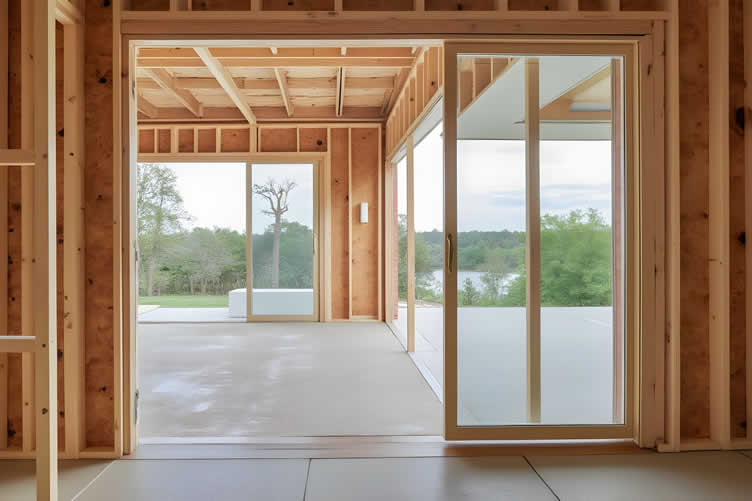
The design and execution phase transforms your renovation vision into reality, making decisions during this stage critical to achieving satisfactory outcomes.
AI generated image by 123rf.com
Design mistakes often become apparent only after construction is complete, when corrections are most expensive and disruptive.
Understanding common design pitfalls helps ensure your finished space meets both your aesthetic preferences and functional needs.
[ view summary table: design and structural mistakes]
-
Poor Space Planning
Effective space planning maximizes functionality while creating environments that feel comfortable and intuitive to use. Poor space planning results in awkward traffic patterns, insufficient storage, and
rooms that fail to meet their intended purposes despite successful execution of individual design elements.
Traffic flow considerations become particularly important in kitchen and bathroom renovations, where efficient movement between work areas significantly impacts daily usability.
Cramped walkways, poorly positioned appliances, and inadequate counter space can make even beautifully designed spaces frustrating to use regularly.
Storage planning requires honest assessment of your actual needs rather than assumptions about how spaces should be organized.
Successful renovations incorporate storage solutions that accommodate real-world usage patterns while maintaining clean, uncluttered appearances that enhance the overall aesthetic appeal of finished spaces.
-
Neglecting Natural Light
Natural light profoundly influences how spaces feel and function, yet many renovation projects fail to maximize existing light sources or create new ones where beneficial.
Rooms with insufficient natural light often feel smaller, less welcoming, and may require expensive artificial lighting solutions to achieve comfortable illumination levels.
Window placement and sizing decisions made during renovations can dramatically impact natural light availability throughout the day and across seasons.
Understanding how light patterns change over time helps inform decisions about window treatments, interior finishes, and furniture placement that maximize the benefits of available natural light.
Light-colored finishes, strategic mirror placement, and open floor plans can help distribute natural light more effectively throughout renovated spaces. These design strategies work together to create brighter, more inviting environments that enhance both aesthetic appeal and daily functionality.
-
Avoiding Green Technology in Home Projects
While green technology has gained popularity in recent years, some homeowners may choose to forgo it for reasons specific to their needs or priorities.
Whether due to budget constraints, limited availability, or the complexity of installation, opting out of green technology doesn’t mean sacrificing quality or style in home improvement.
For those focusing on traditional methods, energy efficiency can still be achieved through strategies like proper insulation, high-quality windows, and mindful resource use. Consider durable, affordable materials that require minimal maintenance while still offering longevity.
Additionally, fixtures like traditional lighting or standard HVAC systems can often be upgraded gradually, allowing a balance between initial costs and long-term enhancements.
Ultimately, it’s important to align home projects with personal goals, budgets, and timelines. While green technology offers innovative options, homeowners can still create beautiful, functional, and efficient spaces without adopting the latest sustainable trends.
Thoughtful planning, smart resource allocation, and tried-and-true design principles can result in a home that meets both aesthetic and practical aspirations.
-
Overlooking Resale Value
While renovations should primarily serve your family’s needs and preferences, completely ignoring resale value considerations can result in improvements that fail to enhance your property’s marketability or may even detract from its appeal to future buyers.
Balancing personal preferences with broader market appeal helps ensure renovations provide both immediate satisfaction and long-term financial benefits.
Over-customization represents a common mistake where homeowners create spaces so specifically tailored to their unique needs that they have limited appeal to potential buyers.
While some customization enhances your enjoyment of the space, extreme personalization may require future buyers to invest in additional renovations to make spaces suit their preferences.
Market research helps identify which improvements provide the best return on investment in your area and price range. Understanding local buyer preferences and current market trends informs renovation decisions that enhance both your enjoyment and your property’s future marketability.
Common Design Mistake Description Impact Solution Poor Space Planning Inefficient use of space leading to awkward layouts, inadequate storage, and ineffective traffic flow. Limits functionality and creates frustration despite aesthetic appeal. Prioritize realistic storage solutions, optimize traffic patterns, and design for usability in everyday life. Neglecting Natural Light Failing to take advantage of or improve access to natural light during renovations. Creates darker, less inviting spaces that may require costly artificial lighting to compensate. Focus on window placement, light-colored finishes, open layouts, and strategic mirror placement to enhance light distribution. Avoiding Green Technology Opting out of sustainable upgrades due to budget or complexity concerns. Can miss long-term energy savings and environmental benefits. Consider traditional methods like better insulation, high-quality windows, and durable materials as affordable alternatives. Overlooking Resale Value Ignoring market trends and over-customizing spaces to personal tastes. Can reduce appeal to future buyers and hinder return on investment. Balance personal preferences with broader market appeal and research trends to maximize future resale value. 
copyright image by 123rf.com
-
-
2nd: Common Execution "Implementation" Mistakes
Undertaking a home improvement or remodeling project can be an exciting venture, but it also comes with challenges that demand careful planning and execution.

copyright image by 123rf.com
Mistakes during the renovation process not only increase stress but can also stretch your budget, compromise the quality, and delay completion.
To help avoid these pitfalls, understanding common errors and how to prevent them is essential for a seamless experience.
[ view summary table: common implementation mistakes]
-
Rushing the Process:
One of the biggest mistakes homeowners make is rushing through the process. Quick decisions made in the interest of saving time can often lead to regrets. Poor design choices, missed details, and overlooked essentials frequently result when steps are taken too hastily.
Take the necessary time to assess your needs, review design styles, plan your space carefully, and sequence the work properly before initiating the project.
-
Sacrificing Function for Form:
Another common misstep is prioritizing form over function. For example, in kitchen renovations, ignoring vital elements like traffic patterns, work triangles, or practical placement of outlets and fixtures can significantly diminish everyday usability.
Functional design should always lay the foundation for any aesthetic upgrades to ensure long-term comfort and practicality.
-
Mis-measuring:
Errors in measuring are another frequent issue. Incorrect measurements for items such as cabinets, counters, or flooring can cause costly installation problems and delays.
Proper planning requires measuring twice, and it may even be wise to consult professionals for more complicated layouts and precision requirements.
-
Buying Too Early:
Purchasing materials or furniture too early is another oversight. Buying items before finalizing layouts can lead to ill-fitting pieces and unnecessary expenses.
Waiting until all plans are confirmed ensures that every material or piece of furniture aligns perfectly with your design and space requirements.
-
Choosing Cheap Materials:
Investing in cheap materials is another detrimental error. While budget considerations are important, selecting low-quality materials often results in rapid wear and tear, requiring early replacement.
For essential building materials like flooring, cabinetry, and key fixtures, it is worth the investment to prioritize durability and long-lasting quality.
-
Not Addressing Underlying Issues:
Covering up underlying issues rather than addressing them is a problem with serious future implications. Problems like faulty wiring, plumbing issues, and weak foundations need to be resolved before making aesthetic changes.
Ignoring these problems can lead to greater costs and safety risks down the line, emphasizing the importance of prioritizing functional repairs.
-
Changing Plans:
Frequent changes during construction is another pitfall to avoid. Sudden mid-project revisions to layout, style, or structural plans can disrupt schedules, drive up costs, and increase frustration for everyone involved.
Resolving these decisions before construction begins can save time, money, and energy.
-
Neglecting Electrical Upgrades
A common oversight in home projects is neglecting electrical upgrades. Old wiring or insufficient outlets can’t handle modern energy needs, causing outages and even fire hazards.
Updating your electrical system during renovations ensures safety, powers new appliances, and boosts your home’s value. Always consult a licensed electrician to meet current codes and your family’s needs.
-
Ignoring Lighting Needs:
Ignoring lighting needs is often overlooked in home renovation. Proper lighting for ambiance, tasks, and accents makes a significant difference in the comfort, utility, and appeal of the space.
Collaborating with lighting specialists to develop a detailed plan for the fixtures and design can ensure a harmonious balance of practical and aesthetic illumination.
-
Overlooking Smart Home Automation:
Skipping smart home automation during renovations can mean missing out on simplified daily tasks and added convenience.
Features like programmable thermostats, automated lighting, voice assistants, and smart security systems improve efficiency while boosting your home’s value.
Planning for smart integration during renovations allows for seamless installation and avoids costly retrofitting later. Even if you don’t install devices right away, adding the necessary wiring or compatible systems offers future flexibility.
-
Not Considering Long-Term Needs:
Finally, failing to consider long-term needs is another critical miscalculation. Renovation plans should take into account potential future lifestyle changes, like aging-in-place modifications, growing storage demands, or the arrival of new family members.
Thinking ahead will ensure that your investment remains functional and relevant for years to come.
By being mindful of these common mistakes and applying a methodical approach, homeowners can achieve successful and stress-free renovations that meet their needs and stand the test of time.
Common Mistake Description Prevention Tips Rushing the Process Moving too quickly leads to poor design choices, missed details, and overlooked essentials. Take time to assess needs, plan carefully, and sequence steps properly before starting. Sacrificing Function for Form Prioritizing aesthetics over practicality can reduce long-term usability. Ensure functional design for traffic patterns, layouts, and essential elements before focusing on aesthetics. Mis-measuring Incorrect measurements cause costly errors and delays during installation. Measure twice and consult professionals for precision in complex layouts. Buying Too Early Purchasing materials or furniture prematurely results in mismatched or ill-fitting elements. Wait until layouts are finalized to ensure proper alignment with design plans. Choosing Cheap Materials Low-quality materials wear out quickly, requiring frequent replacements. Invest in durable, high-quality materials for key elements like flooring and cabinetry. Ignoring Underlying Issues Overlooking structural or system problems can lead to higher costs and safety risks later. Address wiring, plumbing, and foundational repairs before making aesthetic changes. Changing Plans Mid-Project Frequent changes disrupt schedules, increase costs, and cause frustration. Finalize decisions before construction begins to save time and money. Neglecting Electrical Upgrades Outdated wiring may not meet modern energy needs, creating safety risks. Consult a licensed electrician to upgrade wiring and add outlets for today’s technologies. Ignoring Lighting Needs Poor lighting planning impacts ambiance, utility, and overall space appeal. Work with lighting specialists to create a detailed plan for balanced illumination. Skipping Smart Home Automation Not planning for smart systems limits future convenience and efficiency. Integrate smart features during renovations for seamless functionality and added value. Not Considering Long-Term Needs Failing to plan for future changes can reduce lasting functionality of renovations. Factor in lifestyle changes and growing needs to ensure lasting value. 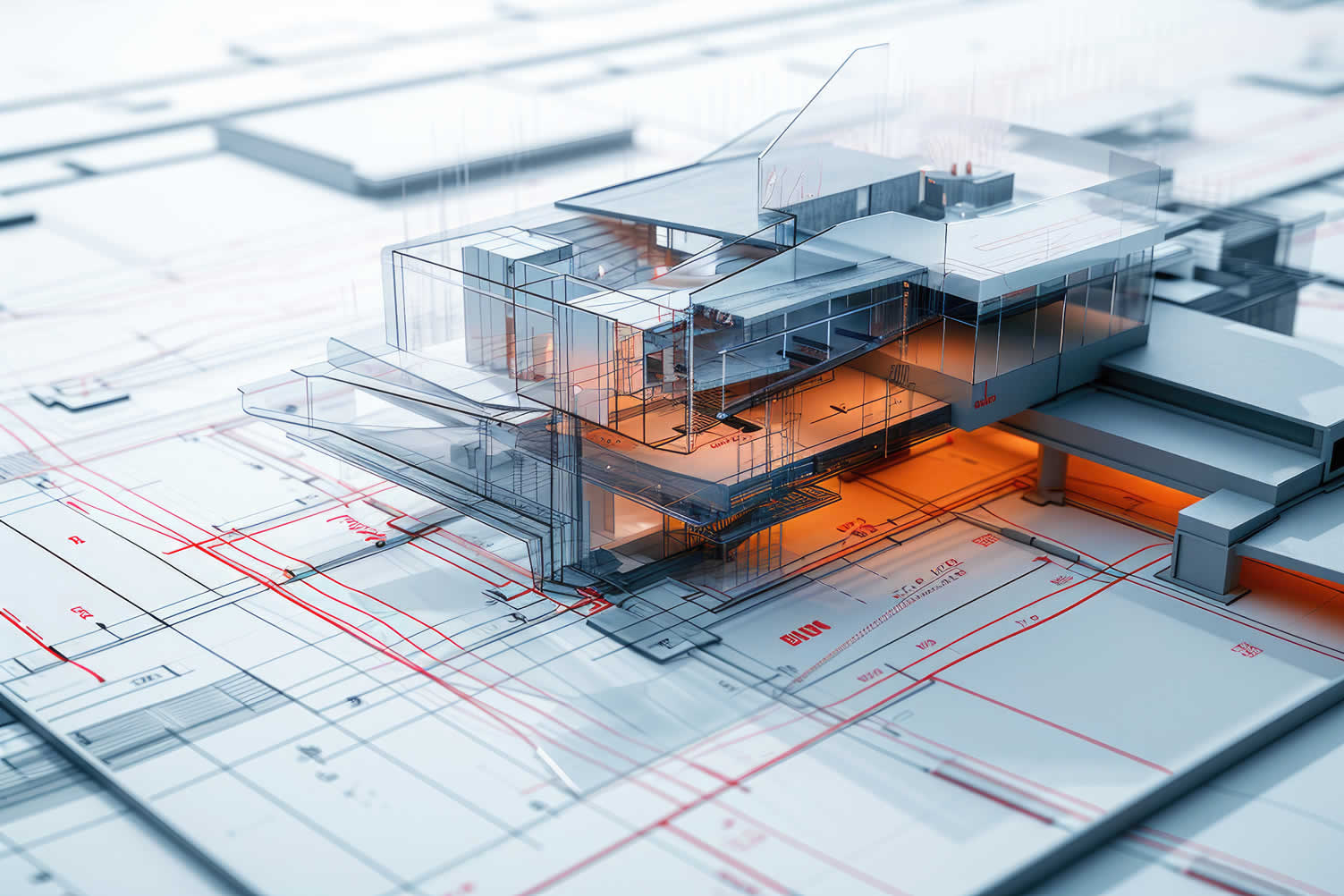
copyright image by 123rf.com

easily determine the dimensions you need for any home remodeling project …
… ensuring functionality, visual appeal, and compliance with building codes
click here for dimensions listing sheet -
-
-
ideas to view and compare from the information discussed above
Scroll up to directory … or scroll to next section about pro tip for successful remodel …
Budgeting Worksheet For Costing Home Remodeling and Home Improvement Decisions
File Type (excel)
Download this PDF for a clear and concise overview of everything you need to know about …?


… view our home remodeling guides and steps
Find Home Remodeling Services Additions Major Remodels Minor Remodels Disability Needs Plumbing Drain Clearing Appliances Electrical top-rated, pre-screened local contractors FREE: download contractor selection enter zip code – powered by HomeAdvisor ™
Quick Contractor Guides selecting negotiating working with inspecting

fifth and last “photo remodeling” idea

AI generated image by 123rf.com
Mistakes 5: Pro Tips: Achieving Remodeling Success
Notes:
-
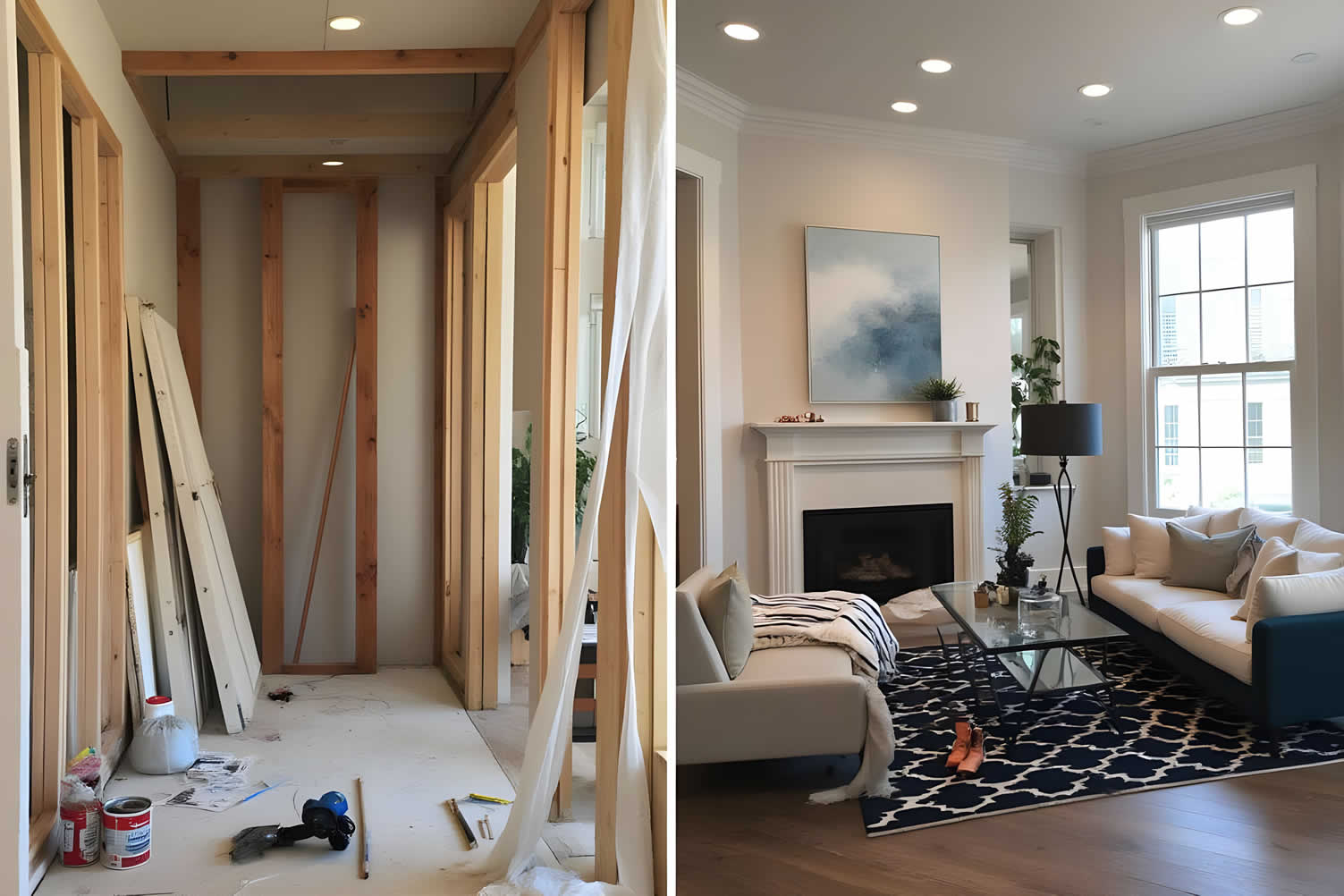
A home remodel is a significant investment, both financially and emotionally, with the power to transform your living space. It can enhance functionality, making daily life easier, and elevate its style to reflect your personality.
To ensure your project is a success, it’s essential to approach it with careful planning and research. From selecting the right contractor to conducting a detailed final inspection, these expert tips will guide you smoothly through the process.
Our goal is to help you create a home you’ll cherish for years to come.
-
Quick scroll to supporting notes …
-
-
1st: Pro Tips for a Successful Remodel
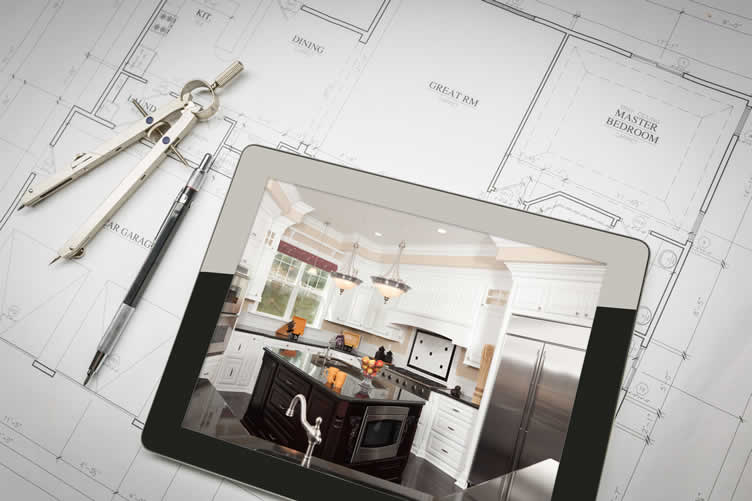
Remodeling your home can be a rewarding endeavor, bringing both functionality and beauty to your living space.
However, achieving a successful transformation requires meticulous planning, careful consideration, and informed decision-making.
copyright image by 123rf.com
Whether you are renovating a single room or embarking on a full-scale home remodel, following expert advice can help streamline the process and reduce stress.
Below, we highlight key strategies that can guide you towards a seamless and satisfying remodel while elevating the value of your home.
[ view summary table: tips successful remodel]
-
Document Every Decision and Keep Records of Budgets, Contracts, and Schedules
Maintaining detailed records is an essential step in any remodeling project. From contractor agreements and material receipts to project timelines and change orders, keeping everything documented ensures accountability and helps avoid misunderstandings.
By meticulously tracking budgets, you can stay on top of expenses and make adjustments when necessary. Contracts should lay out responsibilities, timelines, and costs clearly, protecting both you and your service providers.
Additionally, documenting schedules allows you to monitor progress efficiently and ensure the project stays on track. Organized record-keeping provides not only a sense of control but also serves as a valuable reference for future home improvements.
-
Consult with Designers, Architects, or Seasoned Renovators for Functional and Aesthetic Advice
Remodeling is both an art and a science, requiring expertise in design and construction. Collaborating with professionals such as designers and architects can elevate your project by incorporating innovative ideas and ensuring optimal functionality.
Designers can help you choose harmonious color palettes, timeless furnishings, and decor that reflect your personal style. Architects and seasoned renovators bring technical expertise, addressing structural considerations and spatial planning solutions.
Their insights ensure that your remodel not only looks stunning but also meets building codes and enhances day-to-day usability. A professional perspective often uncovers creative yet practical solutions that might otherwise go overlooked.
-
Create a Workflow Plan to Optimize Efficiency in Key Areas
A thoughtful workflow plan is invaluable when remodeling spaces such as kitchens and bathrooms. These are high-traffic areas, and a poorly organized remodel can disrupt your daily routine.
Kitchen remodels, for example, should focus on creating a triangle workflow between the stove, refrigerator, and sink for maximum efficiency. Similarly, bathrooms need strategic layouts that prioritize plumbing access, ventilation, and storage solutions.
By planning the flow of activities in advance, you can ensure the remodel supports convenience and functionality. Factoring in temporary use during construction further minimizes inconvenience for you and your household.
-
Establish a Realistic Timeline and Prepare for Contingencies
A successful remodel requires a clear and realistic timeline that accounts for every stage, from demolition to final finishing touches. It is equally important to anticipate delays, whether due to supply chain issues, inclement weather, or other unforeseen obstacles.
Building extra time into your schedule allows for flexibility and prevents undue stress in case of setbacks. Communicate regularly with contractors to ensure everyone involved understands expectations and deadlines.
Staying proactive and adaptable with your timeline is key to maintaining momentum and completing the remodel within your desired timeframe.
-
Consider Long-Term Value and Energy Efficiency
When planning your remodel, think beyond immediate aesthetics and take the long-term value of your upgrades into account. High-quality materials, energy-efficient appliances, and eco-friendly fixtures not only enhance your home’s overall appeal but also reduce utility bills and environmental impact.
Incorporating sustainability into your remodel increases your home’s resale value and aligns with modern homeowner priorities.
Consulting sources like the U.S. Green Building Council (USGBC) for sustainable building practices can guide your product selections and promote smarter investments for the future.
-
Invest in Quality Craftsmanship and Thorough Inspections
The quality of workmanship can make or break your remodel. Partner with licensed, experienced contractors and service providers who have a reputation for excellence. Thoroughly vet potential hires by reviewing their credentials, portfolios, and references.
Once construction is complete, conduct detailed inspections with your contractor to ensure that every detail meets your expectations and adheres to applicable building codes. Never rush to finalize the project without confirming that all structural, safety, and aesthetic goals have been met to the highest standards.
-
Final Thoughts
A successful remodel is as much about preparation and collaboration as it is about vision. By paying close attention to documentation, utilizing expert advice, creating a functional workflow, and focusing on quality, you can transform your home into a space that is both beautiful and practical.
Remember that patience and flexibility are paramount, and each step brings you closer to achieving your dream home. Thoughtful execution and informed choices ensure that your remodel not only meets but exceeds your expectations.
Pro Tip Description Key Benefit Document Every Decision Maintain detailed records of budgets, contracts, and schedules to ensure accountability and streamline the process. Helps avoid misunderstandings and provides a valuable reference for future projects. Consult Professionals Work with designers, architects, or seasoned renovators to incorporate innovative ideas and ensure functionality. Combines creative vision with technical expertise for optimal results. Create a Workflow Plan Plan efficiently, especially in key areas like kitchens and bathrooms, to minimize disruption and maximize utility. Ensures convenience and functionality during and after the remodel. Establish a Realistic Timeline Set clear timelines, anticipate delays, and prepare for contingencies to manage expectations effectively. Reduces stress and ensures steady project progress. Consider Long-Term Value Choose high-quality, energy-efficient materials to enhance appeal and align with sustainability goals. Boosts resale value and reduces environmental impact. Invest in Quality Craftsmanship Hire licensed professionals and conduct thorough inspections to ensure high standards and adherence to regulations. Guarantees lasting quality and safety for your home. 
copyright image by 123rf.com
[ pinterest: Knew Before Renovating My House ]
[ youtube: 13 Renovating Tips to Help You Save Money ]
-
-
2nd: Finding and Consulting with Designers, Architects
… and seasoned renovators for your remodeling project
Undertaking a home remodeling project is an exciting opportunity to transform your living space into something that aligns with your vision, needs, and lifestyle. However, the complexities of planning, designing, and executing can feel overwhelming without the right expertise.
This is where consulting with skilled professionals—designers, architects, and seasoned renovators—becomes crucial.
These experts not only bring a wealth of knowledge and creativity to the table but also help streamline the process, ensuring your project stays on budget and achieves its goals with high-quality results.
[ view summary table: finding needed professionals]
-
Identifying the Right Professionals for Your Project
The first step in your remodeling journey is to identify which professionals best fit your project’s needs. Designers are well-suited for enhancing aesthetics and functionality, especially when it comes to interior decor and overall spatial planning.
Architects are essential for structural changes, offering expertise in building codes, permits, and structural integrity. Renovators or contractors bring hands-on experience in executing the designs and turning ideas into reality.
Understanding these roles allows you to assemble a team tailored to your remodeling goals, whether it’s a kitchen upgrade, a bathroom overhaul, or a whole-home renovation.
Finding qualified professionals starts with thorough research. Online platforms such as Houzz, Angi, and even local directories often showcase portfolios, reviews, and contact information.
Another powerful resource is word-of-mouth recommendations from friends, family, or neighbors who have completed similar home improvement projects.
Professional organizations such as the National Association of the Remodeling Industry (NARI) or the American Institute of Architects (AIA) often provide directories of certified experts, ensuring you connect with trusted, licensed professionals.
-
Consulting to Shape Your Remodeling Vision and Plans
Once you’ve identified potential professionals, effective communication during the consultation phase is critical. This is your opportunity to share your vision, discuss your needs, and align expectations with project specifics.
Before meeting, prepare a list of questions and gather inspiration—this could include photos, sketches, or even a mood board of ideas—to help articulate your desires. Be clear about your budget range and timeline, as this helps professionals evaluate feasibility and ensures transparency.
During consultations, inquire about their previous experience with similar projects. Ask to see portfolios and request references from past clients. Equally important is gauging their willingness to collaborate and adapt.
A reputable professional will seek to understand your lifestyle, preferences, and long-term goals, offering creative ideas while respecting your input. They will also provide clarity around pricing, timelines, and any regulatory requirements such as permits, ensuring that you’re fully informed at every stage.
-
Finalizing the Partnership for a Stress-Free Renovation
After consultations, selecting the right professional comes down to a combination of competence, compatibility, and trust. Choose professionals who demonstrate a deep understanding of the project scope and have a proven track record.
Signing a detailed contract is vital—it should outline responsibilities, deliverables, payment schedules, and timelines to avoid disputes down the line. Ensure the professional you select carries appropriate licenses, insurance, and certifications to protect both parties.
Maintaining open communication throughout the project fosters a smooth experience. Schedule regular check-ins to discuss progress and address potential challenges proactively.
A collaborative relationship ensures that both you and the professionals working on your home remain aligned in creating a finished product that exceeds expectations.
-
Ensuring Success Through Thoughtful Planning and Expert Collaborations
Ultimately, the success of your remodeling project is rooted in careful planning and working alongside the right team of experts. Designers, architects, and renovators possess the skills to transform your ideas into functional and beautiful living spaces.
By investing time in thoughtful consultations and building partnerships with trusted professionals, you can turn your remodeling vision into a reality with confidence and ease.
LetsRenovate has partnered with HomeAdvisor™, a renowned provider of highly-rated, carefully-vetted local remodeling contractors. Start your search here by entering your zip code to find local professionals.
Aspect Key Points Actions Importance of Professionals Consulting designers, architects, and renovators simplifies the remodeling process, ensures budget adherence, and secures high-quality results. Research and identify qualified professionals to guide your project effectively. Identifying the Right Experts Designers focus on aesthetics and layout, architects handle structural changes, and renovators execute designs effectively. Use online platforms, word-of-mouth referrals, and professional directories to find experienced experts. Effective Consultations Share your vision, set a budget, review past work, and discuss project specifics to align expectations. Prepare questions, gather inspiration, and ensure transparency on pricing and timelines during consultations. Finalizing Partnerships Choose professionals based on competence, reputation, and compatibility; formalize agreements with detailed contracts. Verify licenses, insurance, and certifications; maintain open communication throughout the project. 
copyright image by 123rf.com
But Wait!
Before starting your search and evaluation of outdoor kitchen contractors, it is highly recommended to download and use this evaluation worksheet.
This resource will help you objectively rank and assess potential contractors, considering essential factors such as pricing, licensing, and referral information.

Evaluation Sheet
File Type: -
-
3rd: Don’t Forget the Inspection
… to ensure the project was done correctly
When a remodeling project is completed, it’s tempting to admire the new design and start enjoying your updated space immediately.

copyright image by 123rf.com
However, before you settle in, it is critical to conduct a thorough inspection to ensure that the work has been completed correctly, safely, and in compliance with all relevant standards.
A remodeling inspection acts as a safeguard, protecting your investment and giving you peace of mind that your home meets professional standards and safety requirements.
[ view summary table: remodeling inspection]
-
The Importance of a Remodeling Inspection
A remodeling inspection is essential for verifying the quality and safety of the completed work. During the inspection, you or a professional inspector examine key components of the project to ensure everything aligns with building codes, design specifications, and contractual obligations.
This step is vital to identify potential defects or shortcuts taken during construction that could lead to issues later.
Structured inspections often focus on areas such as electrical wiring, plumbing systems, structural integrity, ventilation, and aesthetic finishes. Overlooking these aspects can result in future maintenance problems or even hazardous living conditions.
For example, errors in electrical installations could pose fire risks, while improper plumbing work may lead to leaks and water damage. Ensuring these aspects were done correctly can save significant time, money, and stress in the long term.
-
Ensuring Compliance with Standards and Permits
Many home improvement projects require permits and must adhere to local building codes. Conducting a final inspection ensures that the completed work complies with the regulations associated with those permits.
Local authorities often require an official sign-off of certain remodels, particularly those involving structural changes, electrical systems, or plumbing modifications. Failure to meet these requirements can lead to fines or complications when selling your property in the future.
Hiring a certified inspector or consulting your local building department can help verify that all permits have been properly closed out and that the remodel meets safety and compliance standards.
This step demonstrates your diligence as a homeowner and helps maintain the long-term value of your property.
-
Why Professional Inspection Services Are Valuable
While some homeowners conduct inspections themselves, hiring a certified professional inspector offers an unparalleled level of expertise and objectivity. Trained professionals know what to look for and can spot hidden issues that may not be immediately visible to an untrained eye.
Their detailed reports provide actionable insights on any corrective work needed, ensuring that the project meets expectations before you make final payments or fully move into the remodeled space.
Professional inspectors can also mediate conversations with contractors if discrepancies are found.
This neutral third-party perspective provides a clear understanding of what work was done appropriately and what may require further attention, fostering transparency between you and your remodeling team.
-
Final Steps After the Inspection
Once the inspection is complete and any issues have been addressed, it’s time to officially approve the project. Documenting its successful completion is an important final step. Keep all inspection reports, warranty information, and paperwork related to the remodel organized in case they are needed for future reference or resale purposes.
Taking the time to complete this process carefully ensures that your project stands the test of time — both in terms of functionality and your confidence as a homeowner. A properly finished project enhances your home’s value, safety, and livability without leaving any lingering concerns.
Step Description Why It’s Important Additional Notes Conduct a Final Inspection Thoroughly examine the completed work to ensure it is done safely, meets specifications, and adheres to quality standards. Identifies defects, ensures safety, and protects your investment. Focuses on key areas like wiring, plumbing, structural integrity, and finishes. Ensure Compliance Verify that the project complies with local building codes and permits required for the remodel. Prevents fines, legal issues, and complications during property resale. Consult local authorities or hire professional inspectors to confirm compliance. Hire Professional Inspectors Engage a certified inspector for an expert review and detailed reporting on project quality. Provides objective insights and identifies hidden issues. Helps mediate contractor discussions if discrepancies arise. Organize Documentation Keep inspection reports, warranties, and project paperwork for future reference. Ensures proper documentation for resale or future projects. Critical for maintaining resale value and simplifying future maintenance. 
copyright image by 123rf.com
[ view diagram: home remodeling inspection]
[ youtube: why Renovations Need Permits And Inspections? ]
-
-
-
Conclusion:
… creating your path to renovation success
Renovating your home should be an exciting journey, not a stressful one. Understanding common remodeling mistakes helps you approach your project with the knowledge needed for success.
The key to avoiding pitfalls is careful planning: thorough preparation, a realistic budget, choosing the right contractor, and thoughtful design. Early decisions lay a strong foundation for your entire renovation project.
Remember, successful renovations require time, patience, and flexibility for unexpected challenges. By learning from others and having realistic expectations, you can create the beautiful, functional living space you envision, avoiding unnecessary stress and financial strain.
-
ideas to view and compare from the information discussed above
- What comments can you share about
any remodeing mistakes you have encountered?
Scroll up to directory … or scroll to more home remodeling-related topics …




Calendar For:
Home Maintenance
File Type:
view illustration “becoming a bank”



… view our sharing links below for a quick "share the knowledge"
Cover image credit: home remodeling mistakes by 123rf.com
end of post … please share it!
 |
did you find these tips to avoid home remodeling mistakes helpful? If so, please share the article with your friends and family! |
Nice pic idea? Leave us a quick comment below.
And please share this pic idea within your social networks.