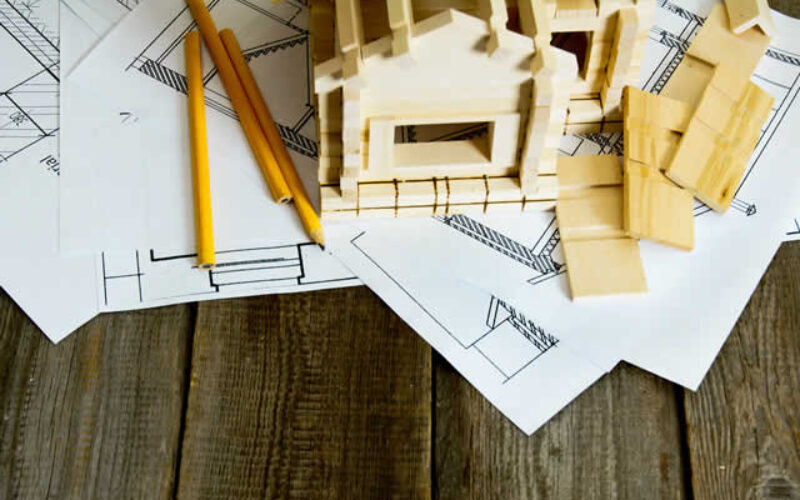
first “photo remodeling” idea
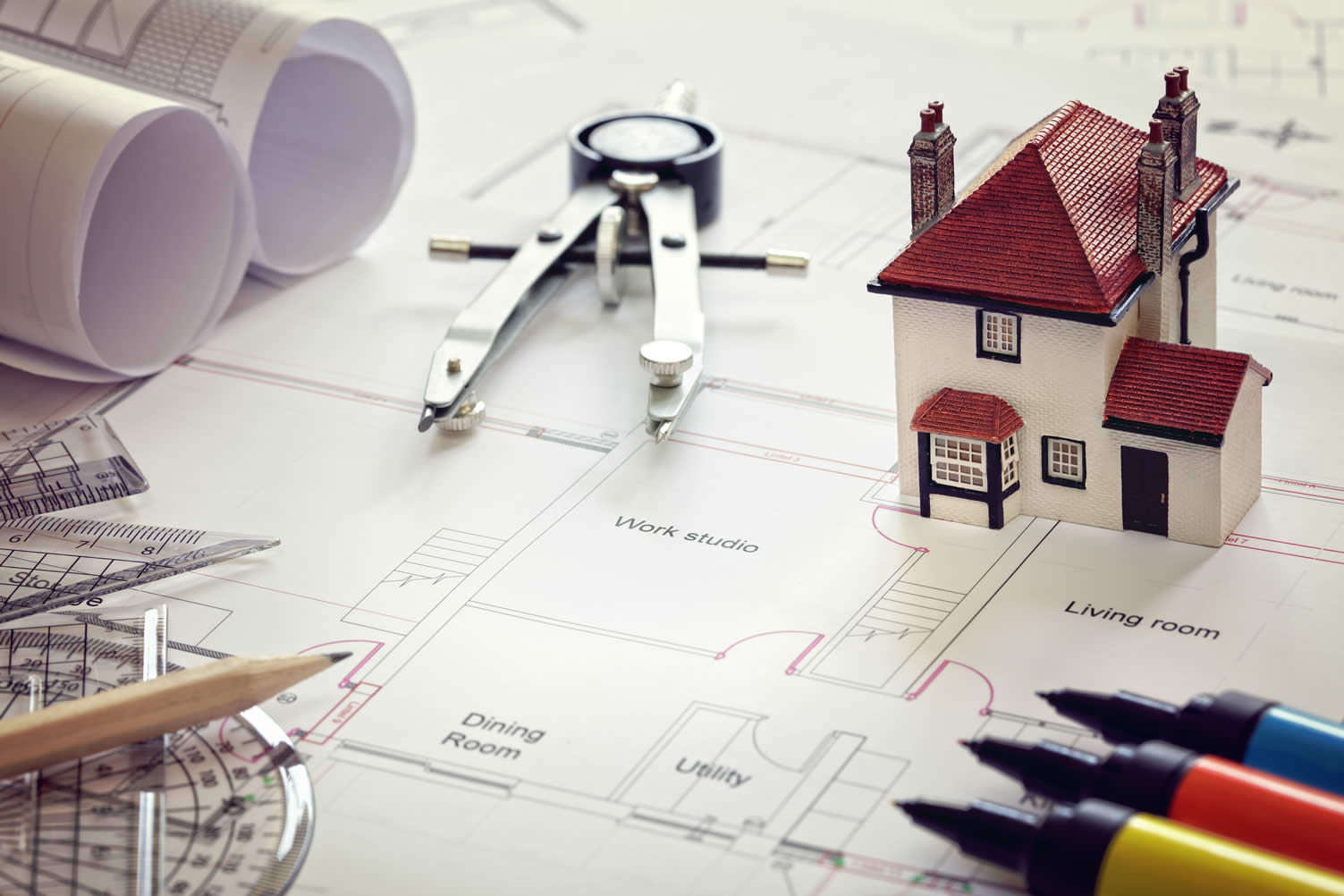

copyright image by https://123rf.com/
What are room additions?
Notes:
- A room addition is a single room construct installed onto the side of a house. It always has a specific function such as a bedroom or a bathroom, sometimes a kitchen, a laundry room, or a mudroom. Since this addition only increases the size of a single room in an existing home, it’s also known as a bump-out.
- This room addition, or a bump-out, is a smaller version of an expansion. It could be an extra 50 square feet you decided to add to your kitchen to make room for a kitchen island. Alternatively, you may stretch a few more feet into the air to transform a compact dining area into a comfy space for eating and gathering.
-
Some ideas to collect for your room addition or bump-out:
-
Kitchens:
Kitchens are by far the most important room in the home; a kitchen renovation returns the greatest value on the investment. The challenge for some homeowners is the size and shape of their current kitchen area – it doesn’t allow much renovation given the limited space. So a bump-out or extending the kitchen into another part of the home area may be the best option to give your the kitchen the style and shape it needs.
- ideas for a kitchen: [view directory for ideas]
-
Sunrooms/All Season Rooms:
One popular reason why a lot of homeowners add an addition is for an all-season room. It could be a simple conversion of a deck or patio by enclosing the area into a all-season room with access by the existing patio door. A place you can enjoy the summer rays and a morning coffee without the worry of inclement weather and pesky insects.
- ideas for sunrooms: [view directory for ideas]
-
Bathrooms:
Does your bathroom need to be a bit larger? Perhaps! That is if you want to install a walk-in shower and a free-standing tub with space to walk around. The extension might be part of the master bedroom area to give you the space you need for an outstanding, modern-looking bathroom.
- ideas for bathrooms: [view directory for ideas]
-
Bedrooms:
If you are going to steal area space from the bedroom to enlarge the bathroom, perhaps you need to re-think how to make the extension work for both areas. Perhaps a bump-out may be needed where you have both an enlarged master bedroom and bathroom to meet your needs. This type renovation can also bring a higher resale value.
- ideas for bedrooms: [view directory for ideas]
-
Recreation Rooms:
We are referring to a game room – home theater room – man cave – or a she-crafts-room for individual and family entertainment. Areas of the home that can be converted into a recreational room include basements, attics, and garages. But you might consider an extension to add an additional room to the house strictly for recreational purposes.
- ideas for recreation rooms: [view directory for ideas]
-
Home Office:
Remote work is increasing; and the technological trends will likely allow for more opportunities to work from home. But for remote work to work, you need a dedicated area where you can work, converse, and manage your time without family interruptions. Many homeowners are converting rooms or adding small extensions where the home office can be privately sanctioned off during working hours.
- ideas for home offices: [view directory for ideas]
-
Laundry/Mud Room:
You must be tired of all that mud that comes into the house – or more tiresome with backpacks and other “home from school” stuff that gets dumped all over the house. That is where a mudroom comes into play – a place where the family must go before entering the house.
- A room where they can store shoes, dirty clothes, sporting equipment, backpacks, school stuff, etc., all neatly organized by personal storage space. And you can combine it into a laundry room for cleaning those dirty clothes that are all neatly stored in one place. It an easy extension off the garage, side or back door.
- ideas for laundry/mudroom: [view directory for ideas]
-
Attics and Basements:
What extensions can you do in the attic? The most popular extensions are those that build up with skylights, open balconies, and other construction to convert the attic into living space. Basements on the other hand are limited. Your best option is to covert the current space into a valuable segmented sections for recreation and storage.
- ideas for attics/basements: [view directory for ideas]
-
Garages:
You may not have an attached garage; or your current garage sq. footage is a bit too small to satisfy your needs. Garage extension are fairly easy to do if your property space allows for an extension. Larger garage space means room for multiple cars, rafter storage, and an important workbench.
- ideas for garages: [view directory for ideas]
-
Putting It All Together:
Any home addition or bump-out will require the structural necessities for wiring, possible plumbing, walls, doors, windows, flooring, etc. As you plan your renovation, view ideas that convert the construction into an important part of your home structural layout.
- ideas for home structures: [view directory for ideas]
-
Making it Green and Automated:
Don’t forget that future homes are becoming more “green” and automated. What green materials can you use for your construction and how can automation make your extension easy to maintain?
- ideas for home structures: [view directory for ideas]
-
-
Quik scroll to next topic about everything you need to know about room additions …

-
ideas to view and compare from the photo above
planning home additionplanning home extensionkitchen remodeling
second “photo remodeling” idea
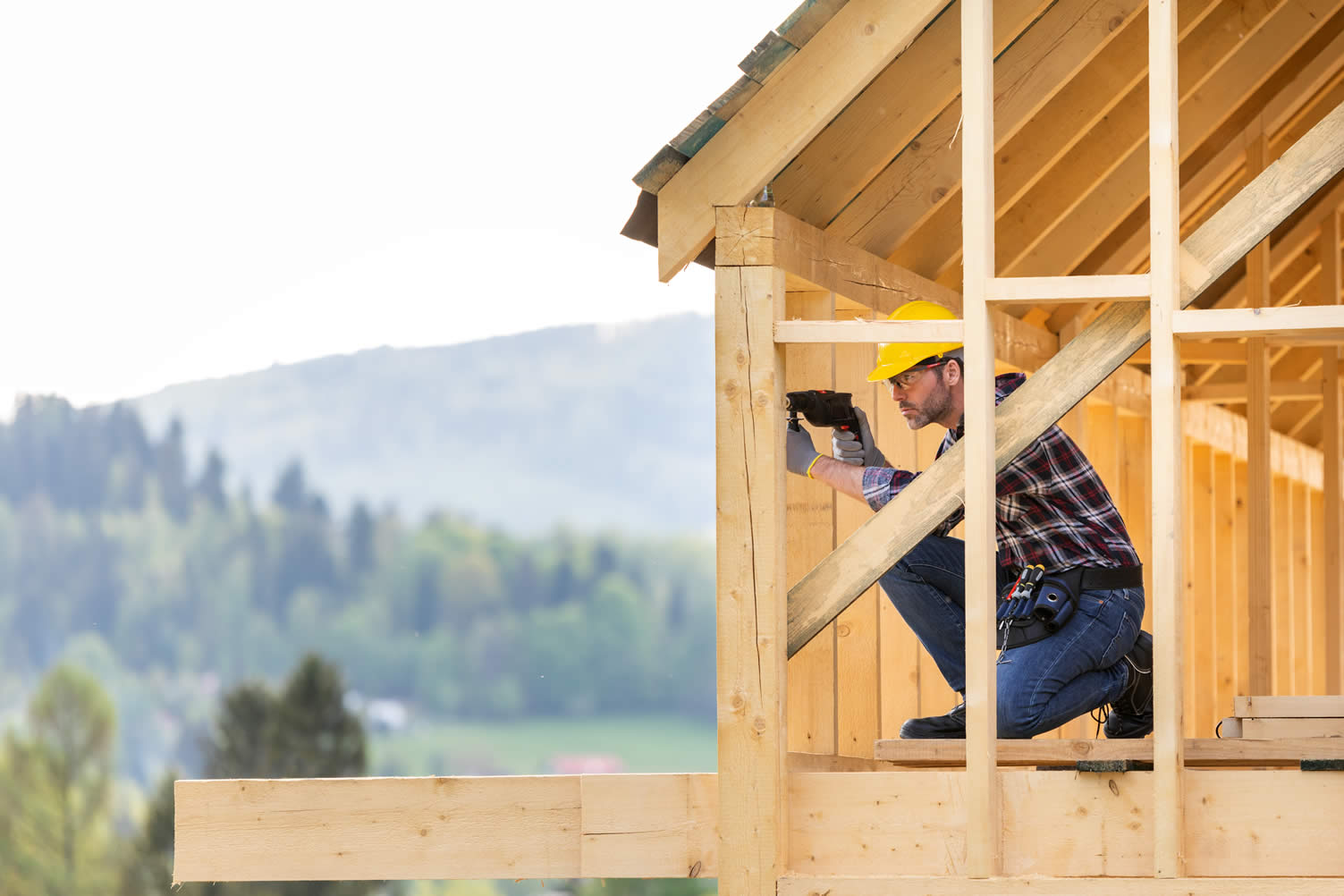
copyright image by envato.com
Can building a room addition be a DIY project, or should I hire a contractor?
Notes:
-
DIY or not?:
Once you decide what your room addition project will be, you have to ask yourself one question: Can I do this alone, or do I need professional help? To be completely honest, this is not a minor project at all. It requires a ton of building and management skills.
- You need to know your tools and everything about construction. Additionally, you can’t build a room addition to your house if you don’t have the proper license for it. Therefore, this may be too big of a bite for someone who is not a professional.
-
DIY – it’s up to you:
You don’t want to spend a ton of money on materials and then not be able to use them because you lack expertise in this field. Even if you try to do it all on your own, you may find yourself in a pickle. Remember, if you decide to DIY this home improvement project, you’re responsible for everything that happens on the construction site. It implies you’ll be held accountable for whatever mistakes you make. And who wants that?
-
Getting an expert:
So, hiring an expert contractor seems like a safe bet. They have the necessary skills, are widely connected to other experts in the field, and can get you all the permits and licenses you need. As a plus, you don’t have any kind of responsibility if you hire a contractor!
- Additionally, contractors know construction by heart, and they can prevent some accidents from happening. They also have a few tricks up their sleeve, so they can fix unpleasant surprises in no time and for less money. Not only will they do the job professionally, but they will also save you some money!
-
Key takeaways before hiring a contractor:
-
Do Your Research:
Understand what goes into home remodeling – there are key steps and terms you need to follow. The best reference is to view our remodeling subjects that address home renovation and expansion:
- ideas and guides for renovations: [view directory for ideas]
- referent document: [use this one-page reference as a guide]
-
Search Contractors:
You might need a professional contractor to manage the addition or extension. Or you might become the general manager of your project and hire out individual sub-contractors for the framing, electrical, flooring, etc. Either way, you need to use thi form to find and evaluate the varying contractors you need.
- use this document for contractor search: [contractor search sheet]
-
Should I help out?:
Of course, if you feel confident doing some parts of this big project; you can always get your hands dirty and help others. But it’s always good to have someone reliable by your side. And contractors are just that. View these documents for selecting, negotiating and managing contractor services.
- managing and working with contractors: [view index page for information]
-
-
Quik scroll to next topic about everything you need to know about room additions …
-
ideas to view and compare from the photo above
building codes illustratedbathroom remodelingsunroom designs
| Supporting Resources (opens new win) | |
| HOW: DYI steps room addition | |
| PINTEREST: DIY – home additions | |
| YOUTUBE: DIY addition | |
May We Suggest Other Photo Remodeling Ideas About
“Home Addition Reasons”

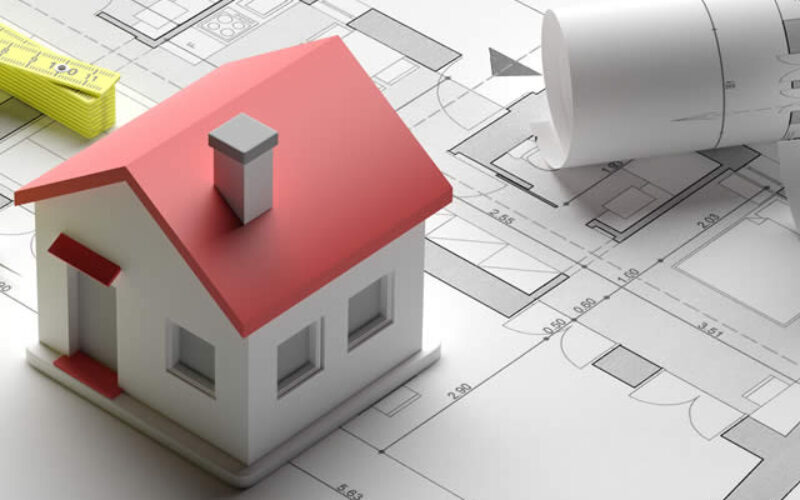

third “photo remodeling” idea
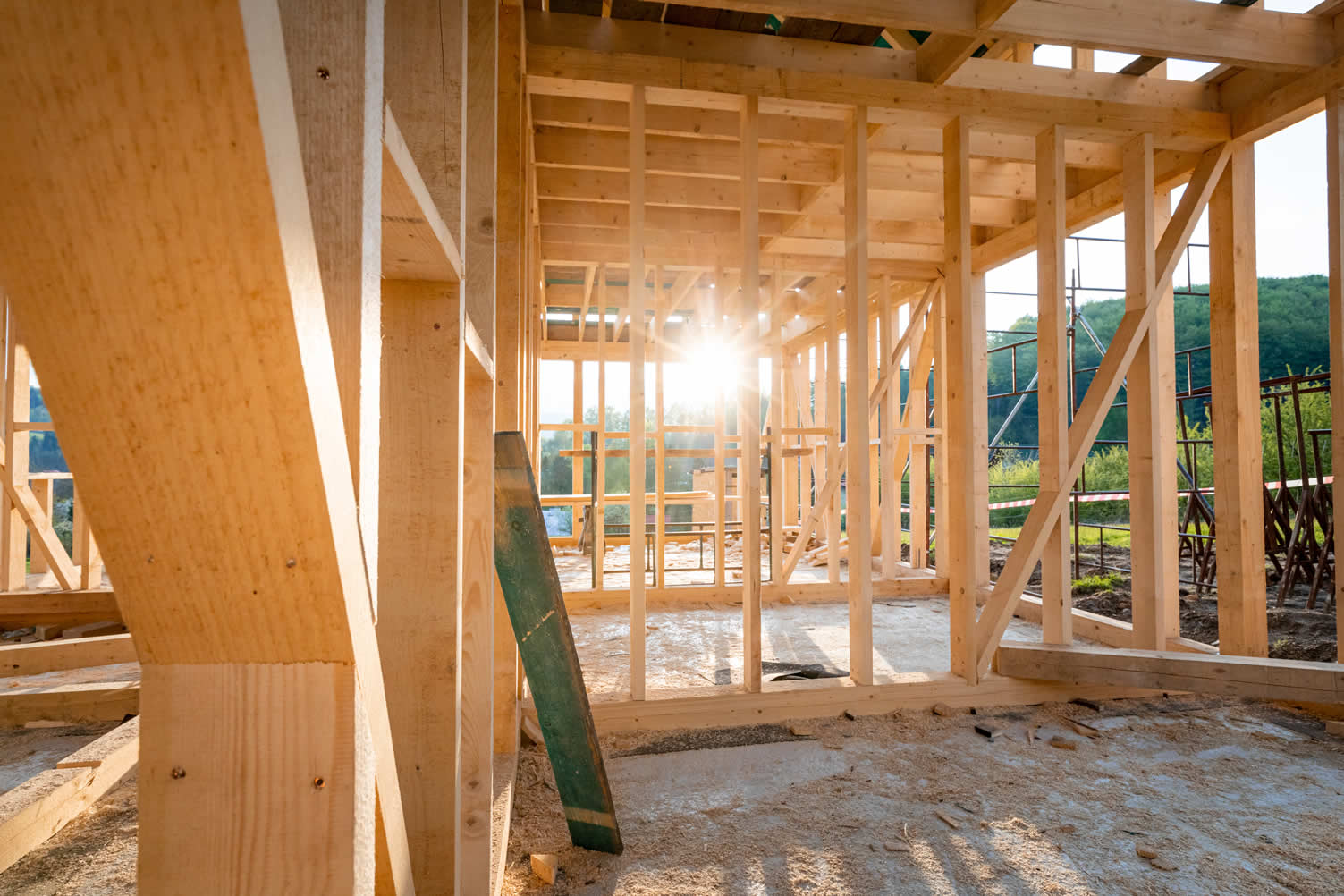
copyright image by envato.com
How much do room additions cost, and how can I finance them?
Notes:
-
Understanding costs:
The price of a room expansion varies significantly from one project to the next. It depends on what kind of addition you want to build, which room you want it built to, how big of addition you want, etc. Of course, you need to think about both the construction expenses and furniture and decoration ones.
- Let’s see what the average prices of room addition installations are:
- The average price of room addition for all sizes varies from $21,075 to $69,887;
- If we break those numbers to square footage, the average price can be $80 – $300 per square foot;
-
Understanding placement:
The cost of this home improvement also depends on which part of the house you attach the room addition to, aka the placement:
- If you’re adding a room addition on the first floor, it will cost you somewhere between $80 – $200 per square foot;
- If you’re thinking about a second-floor room addition, you will need $100 – $300 per square foot;
- People often go for the room addition above their garage, and the average price for this is $115 per square foot;
- When it comes to bump-outs, the average price for the whole project varies between $5,000 and $30,000.
-
How about financing costs:
When it comes to financing this kind of home update, you have a few different options. Which one is the best option for you depends on your annual income and the overall credit score.
- Here is the list of financing options you have:
-
Home Equity Line of Credit:
A home equity line of credit is one of your best financing options for home additions and improvement. Use the line to pay for materials, supplies, contractor help, etc., when and as you need – no need to borrow the entire amount at once.
- You will only pay interest on the line amount that is being used. But the one disadvantage of equity lines is that the interest rate is variable. Meaning the rate that you pay on the amount borrowed can go up and down based on movement of the prime rate.
- If rates goes up, the project costs can be a bit higher when you consider the extra interest you pay over the life your outstanding balance.
-
Home Equity Loan:
A home equity loan is a set amount that you take out. So you need to estimate exactly the amount you need before you close on the loan. And if your project costs more that what you borrowed, you will need to find additional funds elsewhere. It is always best to borrow a little more than what is estimated. Then if the project costs come in under the borrowed amount, you can use the excess to pay down the loan.
- The disadvantage of home equity loans is that the interest rate charges begin on the full amount once you close – unlike the homw equity line that is used as needed and is open ended. The advantage of the equity loan is that you have fixed interest rates, which is better to budget and manage.
-
Cash-Out Refi:
Very similar to an equity loan – you need to estimate exactly the project cost – plus a variance for any additional costs. The advantage of a cash-out refi is that the amount is added to the refi and locked in at a lower rate (generally lower rates than home equity loan rates). So the interest paid on the project will be less and extended out the number of years on your refi, which can result is lower monthly payments.
- view more info about equity lines, loans, and refi: [finance options for home improvement]
-
Bank Equity Option:
This option uses the home equity line of credit but functions more like a bank. You use this option to not only fund the renovation project, but also other needs such as education, debt consolidation, financing an auto, etc.
- view more info: [about the bank equity program]
-
Credit Card or Cash:
Only use cash if you have loads of it and need to get rid of it. A better option is to use a rebate credit card for all payments such as supplies, materials, services, etc. They use your home or bank equity line to pay the credit card balance when due. What you get in return are the rebate points that can add up fast for some nifty rewards.
- view more info: [manage cards for maximum benefit (link open new win to our money center)]
-
Personal Loan:
Some contractors and suppliers may offer installment loans with pretty good terms such as free financing over a period of time. But note that with these type loans, the price that you finance is generally higher than if you negotiated a lower price using cash (check or card). Plus these loans can hurt your credit position if you rack up multiple loans for various needs.
- There are also personal bank and title loans. This may be the only option if you lack equity in the home to secure a home equity or refi. These loans could be secured to the home – but they may come with higher interest rates than equity loans and refinancing. You can often get theese rates down if you secure the loan with tangible property or investments.
-
-
Quik scroll to next topic about everything you need to know about room additions …
-
ideas to view and compare from the photo above
| Supporting Resources (opens new win) | |
| HOW TO: finance home remodel | |
| INFO: home addition calculator | |
| YOUTUBE: ways to cut cost of extension | |
————————- advertisement ————————-
—————- end —————-
fourth “photo remodeling” idea


copyright image by envato.com
Buying a home?
Notes:
-
Renovating new home:
When buying a home, you have to think about many factors such as the budget, neighborhood, amenities, moving process, etc. If you’re buying a house right now, think about what kind of room addition you’d like to see in your new home.
- For example, for families with kids, a laundry or a mudroom would be a good addition. If you’re moving in with your partner, a master suite would be a huge plus when it comes to adding a room to your home. Therefore, study all the choices in front of you so you can make the right decision when buying a home.
-
Adding value:
Furthermore, more often than not, houses with home additions sell faster than ones without them. Thus, if you decide to sell your home, adding more space to it will only bring you benefits as it can increase your home value.
- Furthermore, more often than not, houses with home additions sell faster than ones without them. Thus, if you decide to sell your home, adding more space to it will only bring you benefits as it can increase your home value. So, keep that in mind when deciding how big of an addition you want and where. Consider your target buyers; preferences and features that would appeal to them.
-
TO SUM UP …
Building a house addition is a huge responsibility, and it takes a lot of time and money. That’s why it’s good to have professional help by your side. Think about your budget and why you are doing this. Also, consider who you are doing this for – your family or a potential buyer. And now that you have read the whole article, you’re definitely ready to make this kind of decision because you learned everything you need to know about room additions. Happy renovating!
- Also, consider who you are doing this for – your family or a potential buyer. And now that you have read the whole article, you’re definitely ready to make this kind of decision because you learned everything you need to know about room additions. Happy renovating!
-
Quik scroll to more home remodeling topics …
-
ideas to view and compare from the photo above
- What comments can you share about
any home additions that you made on your home
| References (opens new win except noted) | |
| SERVICES: home remodelers (see below) | |
| WHAT: upgrades increase home value? | |
| HOW TO: add value w/ addition | |
| PLANNING: home renovation (same win) | |
Find Home Remodeling Services Additions Major Remodels Minor Remodels Disability Needs top-rated, pre-screened local contractors FREE: download contractor selection enter zip code – powered by HomeAdvisor ™
Quick Contractor Guides selecting negotiating working with inspecting

Cover image credit: everything you need to know about room additions by Pixabay
end of post … please share it!
 links open new win
or simply search by entering green home item or other remodeling need

Nice pic idea? Leave us a quick comment below.
And please share this pic idea within your social networks.