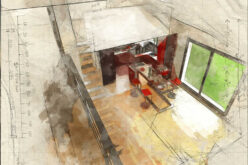
Summary Outline:
Starting a “Happy New Year” means coming up with some new year resolutions that change the way you live and enjoy life. Some of the those resolutions should be “home improvement” goals that you can plan for the new year.
Changes that will make your home more up-to-date – and that will add value to one your biggest investment. Some of the most popular home improvement changes are noted below. So as you ponder your new year resolutions, be sure to add the suggestions below as part of your new year goals:

-
Quik scroll to first topic about planning a home improvement project for the new year …

first “planning a home improvement project” idea


copyright image by 123rf.com
Remodel the Kitchen
Notes:
- The kitchen is the most valuable room in the house. It’s the place where family and friends spend most of the time together for eating, conversation, and planning the day’s agenda.
- Kitchens are so valuable that when and if you sell your home, it is the one area that prospective buyers look at. A kitchen remodel returns the greatest value on the investment made.
- So if you are looking to make one home improvement resolution for the new year, the kitchen is the one place that will give you the best return for the investment.
-
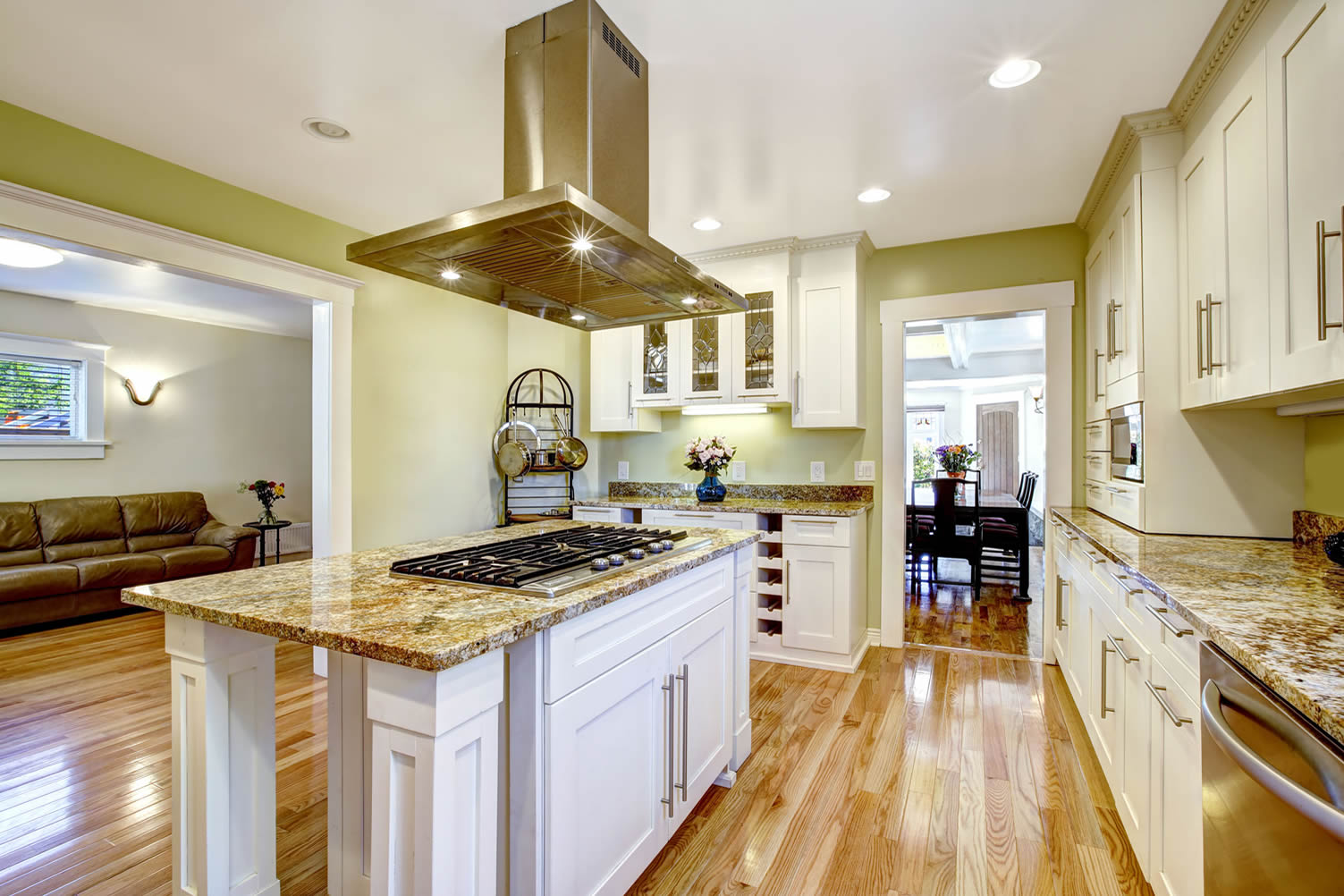
Some “kitchen remodeling” analysis from the photo above:
- Planning a kitchen renovation starts with the general layout of the kitchen. You want to plan a renovation that takes advantage of the triangle for best kitchen management.
- view sample triangle layout: kitchen triangle
- You need to decide whether to invest in custom kitchen cabinetry or stock purchase. Custom designed cabinets will give you the best options and fit based on the size of your kitchen.
- view post: How To Design Your New Kitchen Cabinets
- There are two types of kitchen cabinets; a) wall mount; and b) base cabinets. The base cabinets hold up the counter top, which becomes the working and eating space for the kitchen.
- The question is the type of countertop material. You want to invest in a top grade the gives you best long-term value.
- view post: Types of Materials for Kitchen Countertops
- One final note is the type of kitchen sink. You must decide the type, size, and placement (within the triangle) so as to measure the cutout for the kitchen countertop and plumbing needs.
- view post: Taking a Look Inside The Kitchen Sink
- comments …
-
Quik scroll to topic side notes …
-
-
Kitchen Remodeling Ideas and Resources:
Let’s view some kitchen topics with applicable resources for developing ideas for a kitchen remodel.
Some key topics are avoiding kitchen remodeling mistakes, what’s needed in planning, and viewing design elements that include cabinets, appliances, sink and faucets:
Planning the Kitchen Remodel:
Use this 6-Step Home Remodeling “Quick Guide” to review the kitchen remodeling process. It assembles information you need using a step-by-step review with references.
Step 1: Analyze Numbers for "Kitchen Remodeling"Before you start any kitchen remodeling, run some financial numbers to determine whether your kitchen renovation is a smart investment.
The numbers include the estimated costs, home value assessment, financing costs, and other related calculations.
Review these cost-related issues to kitchen remodeling vs. buying a new home.
links to internal page (opens new win)

analyze the numbers estimate the cost of your project get your home value Step 2: Collect "Kitchen Remodeling" IdeasThe 2nd step for planning a new year kitchen renovation is deciding what you would like to do.
Will it be a –
- redesigning the kitchen,
- replacing the kitchen cabinets/counter,
- putting in an island,
- replacing your sink and faucet,
- buying new appliances,
- re-decorating,
- or something else.
Start collecting ideas by referencing our collection of ideas: view directory
Step 3: Plan Needed "Kitchen Remodeling" SpecsStep 3 is sketching your ideas on paper (or digitally) and developing the kitchen spec plan.
The spec plan determines what type of kitchen materials and design considerations that will be needed. It will also contain the product specifications for each kitchen remodeling element.
You will use the spec plan and architectural design to bid the project out to a contractor.
links to internal page (opens new win)
developing the spec plan sketch remodeling plan design considerations Step 4: Find "Kitchen Remodeling" ContractorStep 4 is finding and negotiating the contract with a kitchen remodeling contractor.
Give your remodeling ideas and specs to a contractor for review and bid analysis. Use the local network (aligned with HomeAdvisor) to find the right contractor for your project.
Review guides for contractor selection and negotiation.
links to internal page (opens new win)
search kitchen contractors selecting your contractor checklist contractor negotiations contractor evaluation form Step 5: Financing "Kitchen Remodeling" ProjectStep 5 is arranging financing once you selected the contractor and finalized the contract for your project.
Using the equity value in your home is one of the best financing option for kitchen renovation. Start with a home equity line of credit or use the bank equity program.
Other options may include cash-out refinancing, personal savings, and/or financing from home improvement contractors.
links to internal page (opens new win)
financing options getting qualified for financing negotiate rates Step 6: Manage the ProjectStep 6 is where the project begins.
It starts with setting up the work area, removing everything that needs to be replaced, installing plumbing and electrical if needed, putting in the final touches, etc.
It also means working with the contractor, managing the project, and getting the remodeling project inspected before releasing any funds.
links to internal page (opens new win)
working with the contractor managing remodeling project about a home project inspections find home inspector Support Files (for reference):
Two great resources to use that will help in planning and deciding what’s needed for your kitchen remodeling plans:
-
-
Quik scroll to the next planning a home improvement project for the new year …
-
ideas to view and compare from the information discussed above






second “photo remodeling” idea

copyright image by 123rf.com
Add Some “Future” to The Home
Notes:
- If money is tight given the uncertainty of the economy, how about doing something that won’t take much of an investment? Start upgrading your home into a “future home” by taking advantage of technology that will make home life easier.
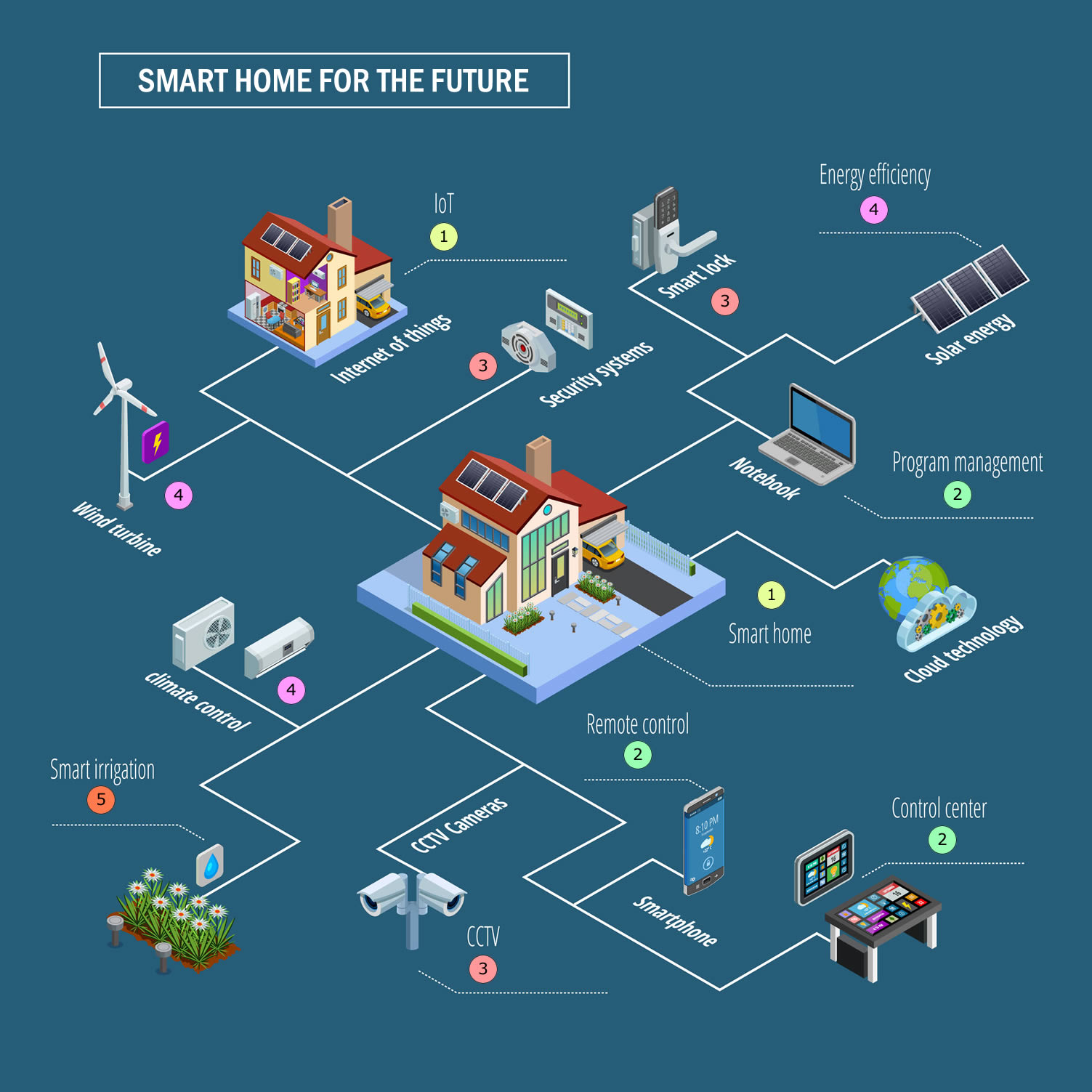
- Future homes is all about IoT (Internet of Things). That is where all of your home appliances, lighting, electrical sockets, computers, pads and smart phones, and other home conveniences are connected via IoT to a central hub.
- From that hub, you can monitor, control, place orders, and message any family member needs, appointments, and tasks. And with the hub connected to a cloud, those controls can be accessed via a mobile device anywhere you are located.
-
Getting Started:
You can start with some simple home automation devices to control lighting and electrical sockets. Connect these devices to your mobile and home assistant for voice commands. And then when the budget allows, consider investing into a hub network where all of your smart home devices are connected for central management and control.
- As the technology improves over time, you can simply incorporate you current setup into an IoT hub for home management and cloud connectivity.
-
Going Green:
Another suggestion for a “future home” is to add green energy and family conversation to reduce energy costs and wastes. This includes installing solar panels, smart toilets and showers to reduce water consumption, and energy efficient appliances, windows and doors.
- The goal is to become completely energy independent – exactly what future homes will look like – to help reduce dependence on fossil fuels and other living items that impact the environment.
-
Some “future home” analysis from the photo above:
- The first step is to understand IoT and how IoT will shape the look of future homes. You can view a summary of a future home look with our latest post on home automation:
- view post: What a Future Smart Home May Look Like
- The next step is completing an internal home inspection on what smart gadgets you currently have and what smart gadgets you should consider for each room in the home:
- view post: Smart Homes & Home Inspection
- Next, a key component of a “future home” is eco-living. There are tactics your household can take to reduce energy waste to keep your surrounding environment clean and healthy:
- view post: Eco Friendly Homes For Better Environment
- comments …
-
Quik scroll to topic side notes …
-
-
Collect Future Home Ideas and Resources:
The concept behind an IoT home is still in the development. But the technology is developing quickly and may be on the market soon. So start now by reviewing ideas and resources for a future and green-energy home:
Planning the Future Home Remodel:
Use this 6-Step Home Remodeling “Quick Guide” to review the future home remodeling process. It assembles information you need using a step-by-step review with references.
Step 1: Analyze Numbers for "Future Home"Before you start any future home remodeling – such as automation, green living, and home management, run some financial numbers to determine whether the renovation is a smart investment.
The numbers include the estimated costs, home value assessment, financing costs, and other related calculations.
Review these cost-related issues to "future home" remodeling vs. buying a new home.
links to internal page (opens new win)
analyze the numbers estimate the cost of your project get your home value Step 2: Collect Ideas for "Future Home"The 2nd step in planning a new year future home is deciding what you would like to do.
Will it be a –
- adding home automation,
- networking your automation with a control center/cloud,
- adding IoT,
- smart home security,
- green home energy,
- smarter home management,
- or something else.
Start collecting ideas by referencing our collection of home automation ideas: view directory
Step 3: Plan Needed "Future Home" SpecsStep 3 is sketching your ideas on paper (or digitally) and developing the spec plan.
The spec plan determines what type of future home materials and design considerations that will be needed. It will also contain the product specifications for each future home remodeling element.
You will use the spec plan and architectural design to bid the project out to a contractor.
links to internal page (opens new win)
developing the spec plan sketch remodeling plan design considerations Step 4: Find "Future Home" ContractorStep 4 is finding and negotiating the contract with a future home remodeling contractor.
Give your remodeling ideas and specs to a contractor for review and bid analysis. Use the local network (aligned with HomeAdvisor) to find the right contractor for your project.
Review guides for contractor selection and negotiation.
links to internal page (opens new win)
search network contractors search general contractors selecting your contractor checklist contractor negotiations contractor evaluation form Step 5: Financing "Future Home" ProjectStep 5 is arranging financing once you selected the contractor and finalized the contract for your project.
Using the equity value in your home is one of the best financing option for "future home" renovation. Start with a home equity line of credit or use the bank equity program.
Other options may include cash-out refinancing, personal savings, and/or financing from home improvement contractors.
links to internal page (opens new win)
financing options getting qualified for financing negotiate rates Step 6: Manage the ProjectStep 6 is where the project begins.
It starts with setting up the work area, removing everything that needs to be replaced, installing electrical and network connections, putting in the final touches, etc.
It also means working with the contractor, managing the project, and getting the remodeling project inspected before releasing any funds.
links to internal page (opens new win)
working with the contractor managing remodeling project about a home project inspections find home inspector Support Files (for reference):
Two great resources to use that will help in planning and deciding what’s needed for your “future home” remodeling plans:
-
-
Quik scroll to the next planning a home improvement project for the new year …
-
ideas to view and compare from the information discussed above





third “photo remodeling” idea

copyright image by 123rf.com
Creating a Home Entertainment Area
Notes:
- Technology allows current and “future” homes to become entertainment centers for the entire family. What was nearly impossible years ago, has now become mainstream with video play, big screen monitors, and streaming services.
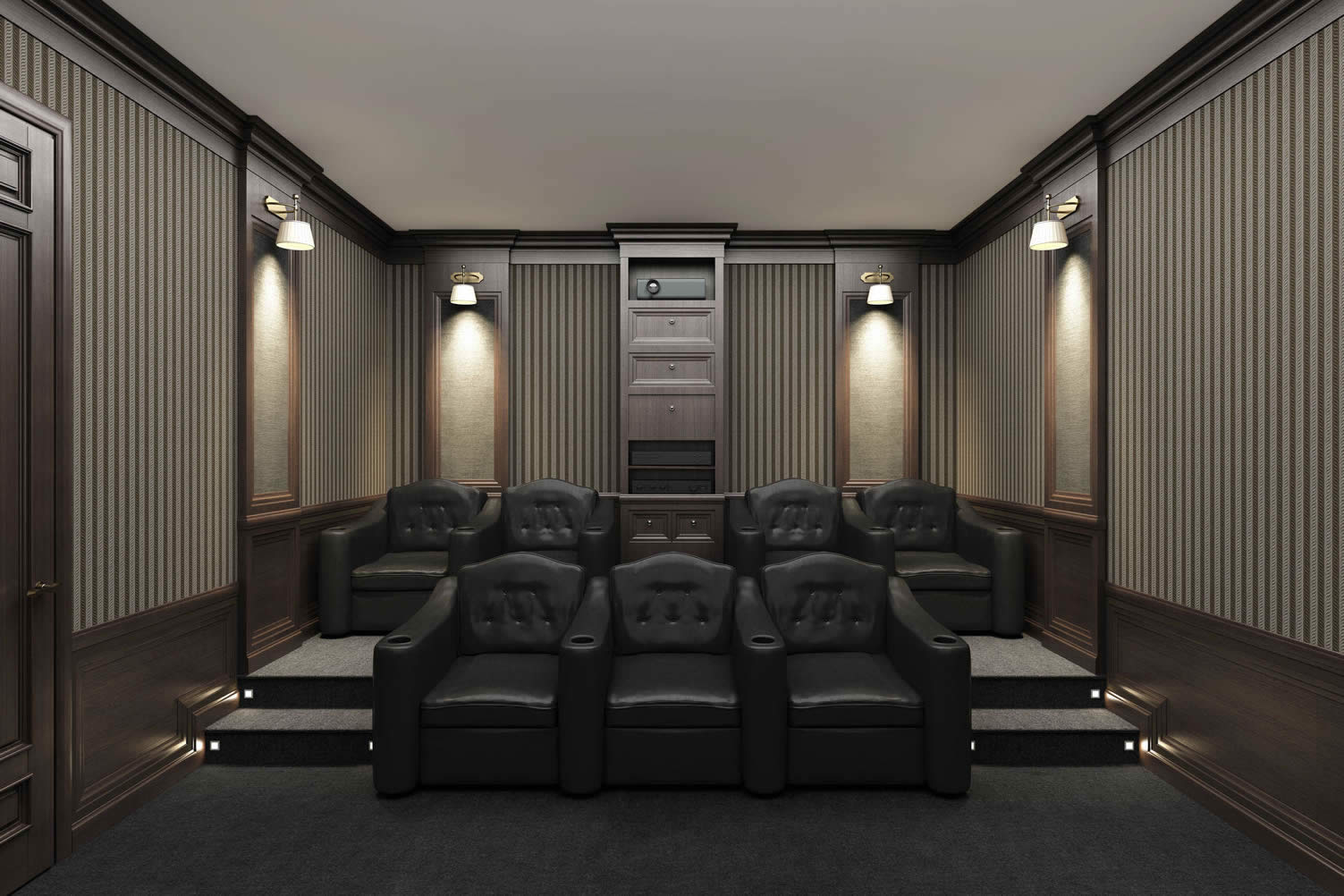
- Entertainment means having a home theater room where the family can sit comfortably in a theater chair to watch a movie with surround sound. The home theater can be big enough so that family and friends can sit comfortably together.
- Home entertainment is having a gaming room with a billiard table, table tennis, card game tables, and a large monitor for electronic play. It’s a room where the family can come together to enjoy a board game or two for collective companionship.
-
Other Entertainment:
Part of home entertainment is a child playroom for creative play and development. Likewise, for the adults is a fitness room with the latest equipment for all types of exercises and workouts.
- And finally there is outdoor entertainment that may include a fire pit for sharing stories, roasting hot dogs, and enjoying late evening sunsets.
- So for this new year’s resolution, how about investing into home entertainment sections that the entire family can enjoy as they grow in years and needs.
-
Analyzing “private rooms” for home entertainment:
- Part of home entertainment is having private rooms where “you” can engage in activities that stimulate your own growth and happiness.
- These entertainment sections include the “Man Cave” and the “She-Shed” – individual private rooms for him and her needs and fun.
- Other private rooms include a craft-making and/or sewing room, artists room, wood-working bench, and other rooms where you can work on your talents and skills.
- These private rooms could be closed-off sectional conversions in the garage (for man cave, wood-working section); in the attic (crafts room, sewing room, artists room); in the basement (wine collection, cheese making); or out into the shed (she-shed).
- What you need in planning such a room is private access that you can lock up and secure so that kids and others don’t tamper with creative work and supplies.
- comments …
-
Quik scroll to topic side notes …
-
-
Planning Your Home Entertainment Area:
The basement or attic is the perfect places for home entertainment. The basement is where the home theater might be, alone with a gaming section that has a billiard table and more.
The attic would be perfect spot for the fitness room, playroom, and perhaps a crafts or artist room for those who love to create. View the resources below for planning your entertainment areas:
Planning Your Home Entertainment Remodel:
Use this 6-Step Home Remodeling “Quick Guide” to review the home entertainment remodeling process. It assembles information you need using a step-by-step review with references.
Step 1: Analyze Numbers for "Home Entertainment"Before you start any home entertainment remodeling – such as a home theater, fitness room, and other entertainment area, run some financial numbers to determine whether the renovation is a smart investment.
The numbers include the estimated costs, home value assessment, financing costs, and other related calculations.
Review these cost-related issues to remodeling vs. buying a new home.
links to internal page (opens new win)
analyze the numbers estimate the cost of your project get your home value Step 2: Collect "Home Entertainment" IdeasThe 2nd step for planning a new year home entertainment is deciding what you would like to do.
Will it be a –
- converting room into a home theater,
- add s gaming area with billiard table, game tables and more,
- setting up an outside area for entertainment,
- building a home fitness center,
- giving your children a play gym,
- incorporating a home bar,
- or something else.
Start collecting ideas by referencing our collection of ideas: view directory
Step 3: Plan Needed "Home Entertainment" SpecsStep 3 is sketching your ideas on paper (or digitally) and developing the spec plan.
The spec plan determines what type of home entertainment equipment and design considerations that will be needed. It will also contain the product specifications for each remodeling element.
You will use the spec plan and architectural design to bid the project out to a contractor.
links to internal page (opens new win)
developing the spec plan sketch remodeling plan design considerations Step 4: Find "Home Entertainment" ContractorStep 4 is finding and negotiating the contract with a home entertainment remodeling contractor.
Give your remodeling ideas and specs to a contractor for review and bid analysis. Use the local network (aligned with HomeAdvisor) to find the right contractor for your project.
Review guides for contractor selection and negotiation.
links to internal page (opens new win)
search home theater contractors search home interior contractors selecting your contractor checklist contractor negotiations contractor evaluation form Step 5: Financing "Home Entertainment" ProjectStep 5 is arranging financing once you selected the contractor and finalized the contract for your project.
Using the equity value in your home is one of the best financing option for home entertainment renovation. Start with a home equity line of credit or use the bank equity program.
Other options may include cash-out refinancing, personal savings, and/or financing from home improvement contractors.
links to internal page (opens new win)
financing options getting qualified for financing negotiate rates Step 6: Manage the ProjectStep 6 is where the project begins.
It starts with setting up the work area, removing everything that needs to be replaced, installing electrical and network connections, putting in the final touches, etc.
It also means working with the contractor, managing the project, and getting the remodeling project inspected before releasing any funds.
links to internal page (opens new win)
working with the contractor managing remodeling project about a home project inspections find home inspector Support Files (for reference):
Two great resources to use that will help in planning and deciding what’s need for your home entertainment plans:
-
-
Quik scroll to the next planning a home improvement project for the new year …
-
ideas to view and compare from the information discussed above



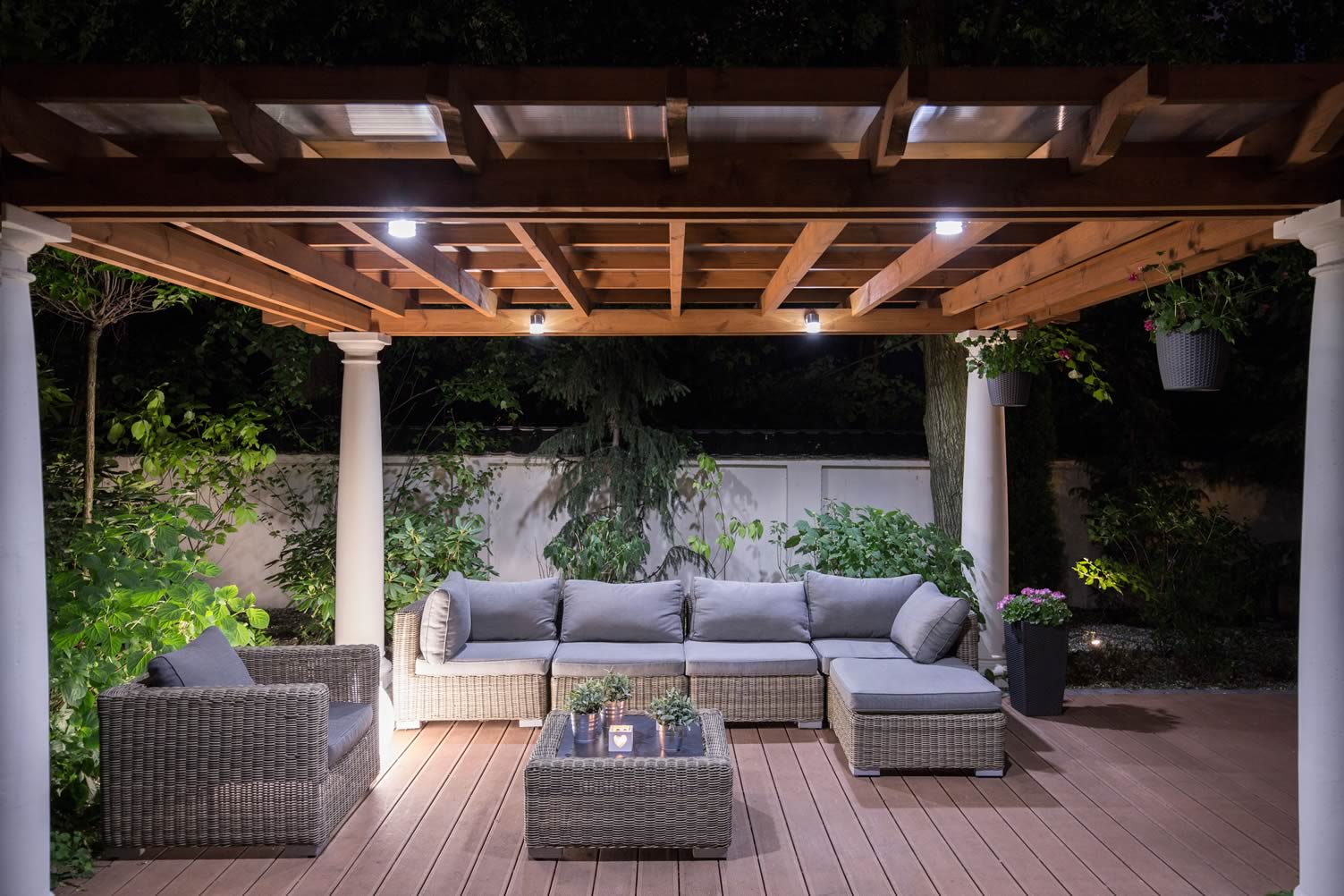

fourth “photo remodeling” idea

copyright image by 123rf.com
Revamping the Backyard
Notes:
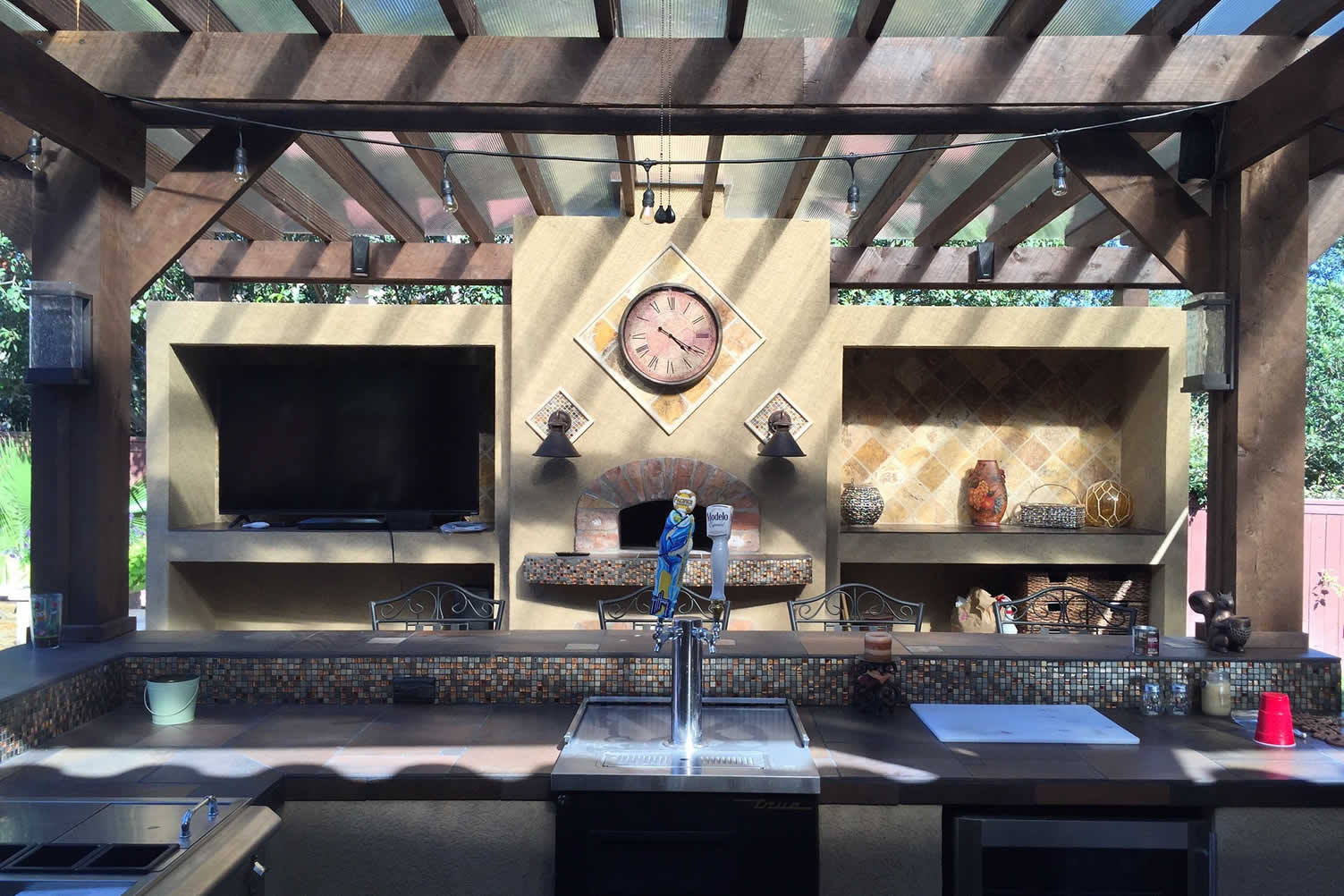
- Perhaps new landscaping or other backyard addition is what’s listed on your new year resolution list. Would you like to install a swimming pool – attach a patio or deck with an outdoor kitchen and bar – or beautify the landscape with flower beds and water features?
- Other backyard ideas to consider is a playground area with tennis and/or basketball court, golf range, lawn play and games, or a play area for the kids.
-
Making Your Landscape Look Great:
The revamp plan may be a change in the landscape with a waterfall stream that ends up in a pond, or the planting of trees and scrubs that will transform your landscape into a showcase. The new year plan may also include a new deck or patio, pathways through the garden, and an automated irrigation system to keep your area lush and green.
- One more idea could be your own vegetable garden and fruit orchard. Wouldn’t be nice to become more self-sufficient in the foods you need or eat? A greenhouse and/or hydroponic garden can help you achieve self-sufficiency.
-
Analyzing “backyard revamps” from the photo above:
- Any change to the landscape must be throughly planned and designed in order to add value to the home. You want to avoid any changes that are too big or small that can hurt the overall look:
- view post: 7 Rules to Follow When Doing DIY Landscaping
- If you are going to change up the landscape by adding new features and structures, consider adding wired lighting that highlights those features at night.
- Outside lighting is a value-added addition that makes any landscape more valuable:
- view post: What You Should Know About Landscape Lighting
- Outbuildings include structures such as garden sheds, gazebos, barns, carports, green houses, and other detached building structures on the home property.
- Your landscaping needs to have ample spacing for these items to give your landscape a nice look:
- view post: Best Sheds – 8 To Choose For Your Backyard
- comments …
-
Quik scroll to topic side notes …
-
-
Planning the Revamp of the Backyard:
There is a lot you can do to revamp your backyard and landscape. Use the ideas and resources below to plan the right landscaping you need for the new year:
Planning Your Backyard Revamp Remodel:
Use this 6-Step Home Remodeling “Quick Guide” to review the backyard revamp and landscaping process. It assembles information you need using a step-by-step review with references.
Step 1: Analyze Numbers for "Backyard Revamp"Before you start any backyard revamp landscaping – such as a swimming pool, patio kitchen, and other backyard landscaping, run some financial numbers to determine whether the renovation is a smart investment.
The numbers include the estimated costs, home value assessment, financing costs, and other related calculations.
Review these cost-related issues to remodeling vs. buying a new home.
links to internal page (opens new win)
analyze the numbers estimate the cost of your project get your home value Step 2: Collect "Backyard Revamp" IdeasThe 2nd step for planning a new year backyard revamp is deciding what you would like to do.
Will it be a –
- installing a swimming pool,
- building a play area with courts, playground, and other,
- redo your landscaping,
- build a deck or patio,
- install an outdoor kitchen and bar,
- start your own farm,
- or something else.
Start collecting ideas by referencing our collection of ideas: view directory
Step 3: Plan Needed "Backyard Revamp" SpecsStep 3 is sketching your ideas on paper (or digitally) and developing the spec plan.
The spec plan determines what type of backyard revamp equipment and design considerations that will be needed. It will also contain the product specifications for each landscape element.
You will use the spec plan and architectural design to bid the project out to a contractor.
links to internal page (opens new win)
developing the spec plan sketch remodeling plan design considerations Step 4: Find a "Backyard Revamp" ContractorStep 4 is finding and negotiating the contract with a backyard revamp landscaping contractor.
Give your landscaping ideas and specs to a contractor for review and bid analysis. Use the local network (aligned with HomeAdvisor) to find the right contractor for your project.
Review guides for contractor selection and negotiation.
links to internal page (opens new win)
search yard n’ garden contractors selecting your contractor checklist contractor negotiations contractor evaluation form Step 5: Financing "Backyard Revamp" ProjectStep 5 is arranging financing once you selected the contractor and finalized the contract for your project.
Using the equity value in your home is one of the best financing option for backyard revamp landscaping. Start with a home equity line of credit or use the bank equity program.
Other options may include cash-out refinancing, personal savings, and/or financing from home improvement contractors.
links to internal page (opens new win)
financing options getting qualified for financing negotiate rates Step 6: Manage the ProjectStep 6 is where the project begins.
It starts with setting up the work area, removing everything that needs to be replaced, installing electrical and network connections, putting in the final touches, etc.
It also means working with the contractor, managing the project, and getting the landscape project inspected before releasing any funds.
links to internal page (opens new win)
working with the contractor managing remodeling project about a home project inspections find home inspector Support Files (for reference):
Two great resources to use that will help in planning and deciding what’s needed in your yard n’ garden landscaping plans:
-
-
Quik scroll to the next planning a home improvement project for the new year …
-
ideas to view and compare from the information discussed above





below for …
home renovation and remodeling

Find Home Remodeling Services Additions Major Remodels Minor Remodels Disability Needs top-rated, pre-screened local contractors FREE: download contractor selection enter zip code – powered by HomeAdvisor ™
Quick Contractor Guides selecting negotiating working with inspecting

fifth and last “photo remodeling” idea


copyright image by 123rf.com
Starting a Home Business
Notes:
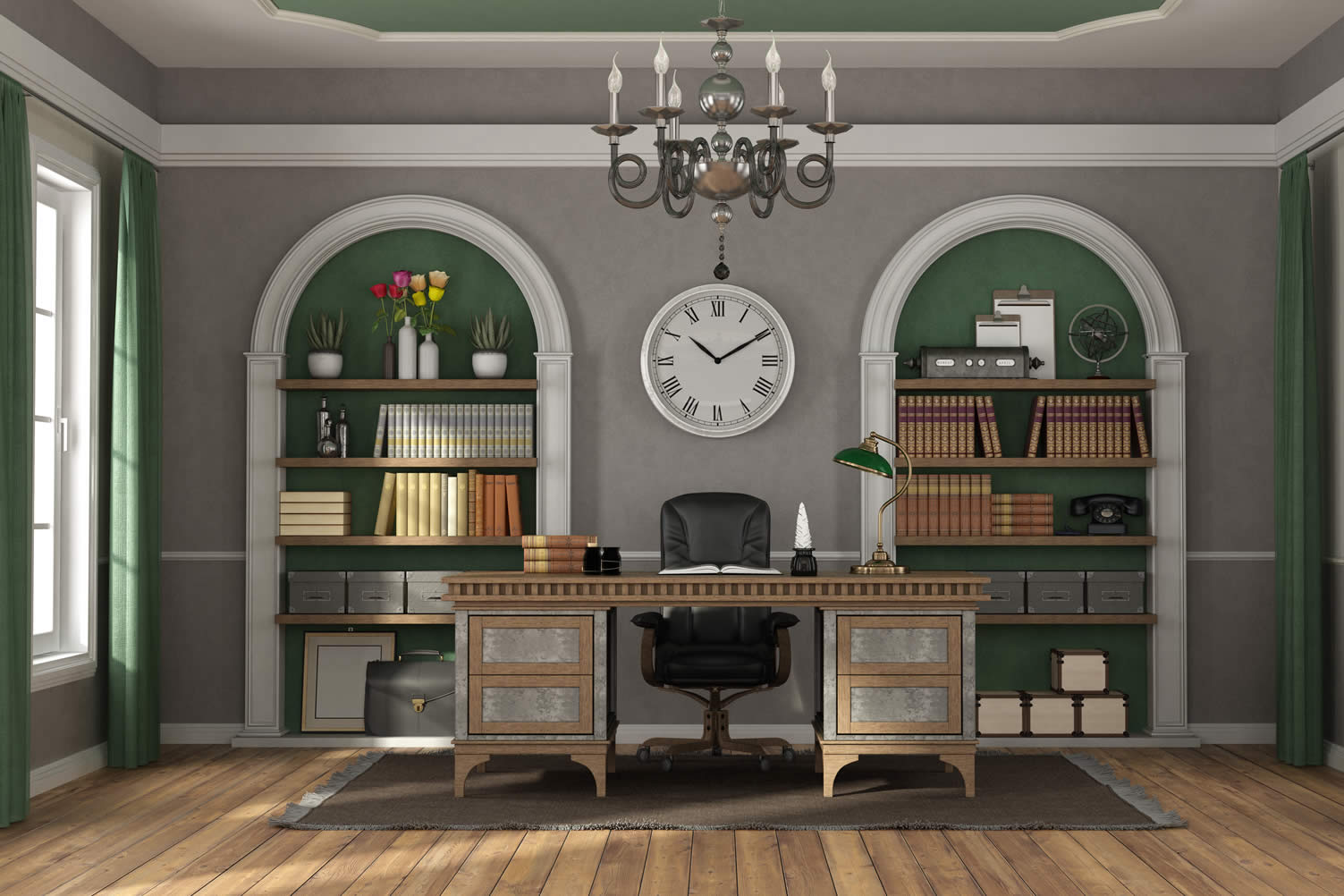
- Maybe it’s time to start your own business for the new year. Or perhaps you might want to find a new career opportunity that will allow you to work remotely from home. Depending on the type of business or work you want, you will likely need to allocate space in your home for an office that can function as your business or work space in your new adventure.
- That may involve the renovation of an existing room or attic to give the best overall environment; the space and privacy you need to be successful at your work.
-
Office Needs:
The home office needs a desk, internet connections, a desktop and/or laptop, and other peripherals such as a printer, fax/scanner, and filing systems. And as your new adventure grows, you may move your operation outside of the home. You can then transform the home office over to a study office for kids who need a quiet place to study and read.
- Any investment you make into a home office can function for work and study – something that will add value to the home for years to come.
-
Analyzing “starting a home business” from the photo above:
- You may be thinking of setting up a home office in an existing room like a bedroom or other area of the home. That may be a temporary option; but, to be successful in your work, you will need a private area (with a close door option) where you can conduct business conversation by phone or video without interruptions; an area where business papers and needs are not disturbed.
- So look to converting the attic space (if applicable) or another spare room into an exclusive home office. You can also make that space a fitness room on the side – where you can take a quick break for a quick workout.
- An important design option for a home office is natural lighting – a key component for overall motivation and health. So avoid basements and closets and other window-less areas. You need a room that allows in plenty of natural light.
- comments …
-
Quik scroll to topic side notes …
-
-
About Starting Home Business
Starting a home business requires more than an idea, you need to have the tools to get your idea up and running.
Review below for ideas and resources in setting up your your home office, with a view of business topics that can help get the business up and going:
Key Business Topics
Jump over to our business center for topics related to starting a business and factors to getting your business off the ground. Topics come from our Business Center at www.CfOne.com:
Planning Your Starting a Home Business Remodel:
Use this 6-Step Home Remodeling “Quick Guide” to review the starting a home business remodeling process. It assembles information you need using a step-by-step review with references.
Step 1: Analyze Numbers for "Starting Home Business"Before you start any starting a home business remodel, run some financial numbers to determine whether the renovation is a smart investment.
The numbers include the estimated costs, home value assessment, financing costs, and other related calculations.
Review these cost-related issues to remodeling vs. buying a new home.
links to internal page (opens new win)
analyze the numbers estimate the cost of your project get your home value Step 2: Collect "Starting Home Business" IdeasThe 2nd step for planning a new year starting a home business is deciding what you would like to do.
Will it be a –
- add a home office addition or remodeling a current room,
- setting up the home business,
- buying the needs for the home business,
- combining the home business with a home den library,
- adding natural lighting to home office,
- decorating home office,
- or something else.
Start collecting ideas by referencing our collection of ideas: view directory
Step 3: Plan Needed "Starting Home Business" SpecsStep 3 is sketching your ideas on paper (or digitally) and developing the spec plan.
The spec plan determines what type of starting a home business equipment, supplies, connective services, and design considerations that will be needed. It will also contain the product specifications for each home office element.
You will use the spec plan and architectural design to bid the project out to a contractor.
links to internal page (opens new win)
developing the spec plan sketch remodeling plan design considerations Step 4: Find "Starting Home Business" ContractorStep 4 is finding and negotiating the contract with a starting a home business contractor.
Give your home office ideas and specs to a contractor for review and bid analysis. Use the local network (aligned with HomeAdvisor) to find the right contractor for your project.
Review guides for contractor selection and negotiation.
links to internal page (opens new win)
search home office contractors search home interior contractors selecting your contractor checklist contractor negotiations contractor evaluation form Step 5: Financing "Starting Home Business" ProjectStep 5 is arranging financing once you selected the contractor and finalized the contract for your project.
Using the equity value in your home is one of the best financing option for starting a home business. Start with a home equity line of credit or use the bank equity program.
Other options may include cash-out refinancing, personal savings, and/or financing from home improvement contractors.
links to internal page (opens new win)
financing options getting qualified for financing negotiate rates Step 6: Manage the ProjectStep 6 is where the project begins.
It starts with setting up the work area, removing everything that needs to be replaced, installing electrical and network connections, putting in the final touches, etc.
It also means working with the contractor, managing the project, and getting the landscape project inspected before releasing any funds.
links to internal page (opens new win)
working with the contractor managing remodeling project about a home project inspections find home inspector Support Files (for reference):
Two great resources to use that will help in planning and deciding what’s need to start your home business remodeling plan:
-
-
Quik scroll more home office ideas …
-
ideas to view and compare from the information discussed above
home office desksergomonic desk chairhome office desk lighting
- What comments can you share about
your planning a home remodeling project for the new year?






Cover image credit: planning a home improvement project by 123rf.com
end of post … please share it!
 links open new win
or simply search by entering home lighting or other remodeling need

Nice pic idea? Leave us a quick comment below.
And please share this pic idea within your social networks.