Summary Outline –
Creating a secure environment is about more than just locking the front door at night; it requires a proactive approach to identifying potential hazards and putting the right systems in place to mitigate them.
True peace of mind comes from knowing that your home is equipped to handle the unexpected. Whether it is a silent gas leak, a sudden electrical fire, or an unwelcome intruder, having the right detection and safety devices serves as your first line of defense.
A comprehensive home safety plan involves a mix of layers that work together to protect your property and, more importantly, the people inside it.
By understanding the different types of home safety devices available—ranging from fire and gas detection to environmental sensors and personal alert systems—you can transform your living space into a secure haven that protects what matters most.
- post content … analysis/ home safety devices
- 1st: Fire Safety Devices
- 2nd: Emitted Gas Safety Devices
- 3rd: Intrusion Security Devices
- 4th: Environmental Safety Devices
- 5th: Personal Safety Devices
- conclusion
- other home utility management topics

-
- —— begin first topic ——
-
1st Safety Tip: Fire Safety Devices
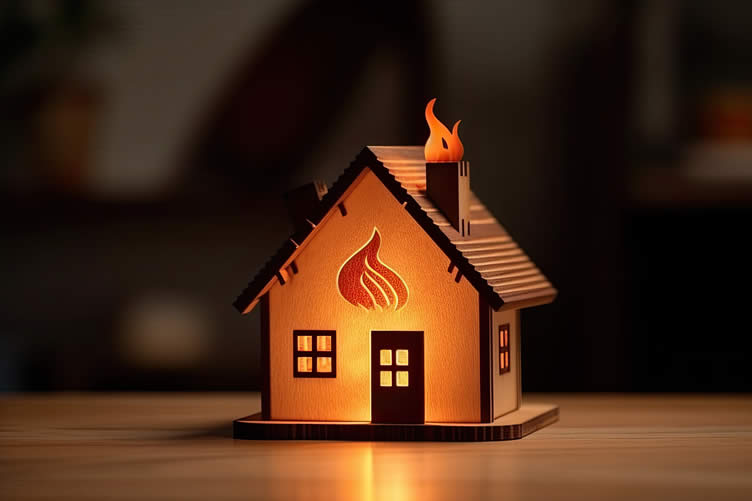
When it comes to keeping your home safe, fire protection is perhaps the most critical component of your plan. We all know how quickly a tiny flame can grow into a devastating blaze, making every second count.
The true goal of these safety devices is to provide you with the earliest possible warning, offering you and your loved ones those precious moments needed to reach safety together.
copyright image by 123rf.com
While many of us might assume that installing a single smoke detector in the hallway is enough to keep the family safe, true peace of mind requires a more thoughtful, strategic approach.
A comprehensive plan means looking at your home as a whole and ensuring you have coverage near every potential fire source and within every sleeping area.
By layering your protection this way, you create a nurturing environment where everyone can rest easy, knowing that every corner of the home is being looked after.
- Quick scroll to fire safety summaries … or continue with content
-
Introduction To Fire Safety Devices
Modern fire safety technology has advanced significantly, offering more reliable detection with fewer false alarms. The core of your fire safety strategy should involve a combination of devices that detect different signatures of fire, such as smoke and heat.
Relying on just one type of sensor can leave gaps in your coverage, as different types of fires burn differently. A smoldering fire might produce a lot of smoke before high heat, while a fast-moving kitchen fire might generate intense heat very quickly.
Equipping your home with the right mix of devices ensures that you are alerted to danger regardless of how the fire starts.
-
Smoke Alarms
Smoke alarms are the cornerstone of home safety, but their effectiveness depends entirely on proper placement and maintenance. According to safety experts, smoke alarms should be installed on every level of your home, including basements.
Crucially, they must be placed in hallways outside of every sleeping area and ideally inside each bedroom as well. This ensures that if a fire starts behind a closed bedroom door, the occupant is alerted immediately, while an alarm in the hallway protects the escape route.
When installing these devices, mounting them high on walls or ceilings is essential because smoke rises. Regular testing and battery replacement are non-negotiable habits that keep these life-saving devices functional.
-
Wired Smoke Alarms with Battery Backup
For those seeking extra peace of mind, wired smoke alarms with battery backup are a reliable, low-maintenance choice.
Because these units are hardwired directly into your home’s electrical system, you won’t need to worry about frequent battery changes. More importantly, the built-in backup battery ensures your family remains protected even during a power outage.
While you may want to consult a licensed electrician for the initial setup, the long-term benefits are worth the effort.
One standout feature is interconnection: if one unit detects smoke, every alarm in the house sounds simultaneously. This is especially helpful in larger homes where a single alarm might not be heard from every room.
By combining steady electrical power with a failsafe battery, these alarms provide a vital dual-layer of safety.
To keep this system in tip-top shape, simply make a habit of testing both the hardwired connection and the backup battery regularly. It’s a small step that helps create a safer, more harmonious home for everyone.
-
-
Heat Detectors
While smoke alarms are vital, they are not suitable for every room in the house. Areas like garages, utility rooms, or unfinished attics often have dust, fumes, or temperature fluctuations that can cause standard smoke detectors to trigger false alarms.
This is where heat detectors play a pivotal role. Unlike smoke alarms, heat detectors are designed to trigger only when the temperature in a room rises rapidly or reaches a specific high threshold.
This makes them perfect for kitchens, where burnt toast might set off a smoke alarm but a grease fire requires immediate attention. By placing heat detectors in these specific zones, you ensure coverage without the annoyance of constant nuisance tripping.
-
Fire Extinguishers
Detection is only the first step; having the means to suppress a small fire can prevent a minor accident from becoming a major tragedy. Fire extinguishers should be strategically placed on each level of the home, with specific focus on high-risk areas like the kitchen and the garage.
It is important to choose extinguishers that are rated for general home use, which typically covers wood, paper, grease, and electrical fires. However, simply owning an extinguisher is not enough.
Every adult in the household needs to know where they are located and how to use them effectively.
Remember the PASS technique: Pull the pin, Aim at the base of the fire, Squeeze the handle, and Sweep from side to side.
-
Fire Blankets: An Essential Safety Tool
Fire blankets are a simple yet effective tool for home fire safety. They are particularly useful in the kitchen for smothering small flames, like grease fires, without using chemicals.
Made from fire-resistant materials, these blankets can also be used to wrap around a person whose clothes have caught fire.
For them to be effective, store fire blankets in an accessible, visible spot near the stove or other high-risk appliances. Using one is straightforward: pull the blanket from its container and place it over the fire to cut off its oxygen supply.
It’s important that everyone in the household knows how to use them to act quickly in an emergency. Adding fire blankets to your home safety plan provides an extra layer of security and peace of mind.
Category Description Key Details Introduction to Fire Safety Devices Modern fire safety technology offers reliable detection with fewer false alarms. Combining devices that detect smoke and heat ensures a comprehensive safety strategy. Using multiple types of sensors covers various fire scenarios, as some fires might produce smoke before heat, while others burn intensely and quickly. Smoke Alarms Placed on all levels of the home, smoke alarms protect sleeping areas and escape routes by detecting smoke quickly. Ensure correct placement on walls or ceilings, test regularly, and replace batteries as needed to maintain functionality. Wired Smoke Alarms with Battery Backup Hardwired alarms provide reliable protection with added battery backup for power outages, ensuring consistent safety. Interconnection of alarms allows all units to activate simultaneously. Regular testing of hardwire and backups is essential. Heat Detectors Designed for rooms where smoke alarms might trigger false alarms, such as kitchens, garages, and attics. Respond to rapid temperature rises or high thresholds, making them ideal for areas prone to false alarms with standard smoke detectors. Fire Extinguishers Essential for suppressing small fires and preventing them from escalating into major incidents. Should be placed on every floor, especially in high-risk areas like kitchens and garages. Households should know the PASS technique for usage. Fire Blankets Effective tools for smothering small flames, particularly in the kitchen, or for wrapping around a person in case of fire. Made from fire-resistant materials and should be stored in accessible locations near high-risk zones. Simple and quick to use in emergencies. 


copyright image by 123rf.com
There are All Kinds of Home Emergencies
Home emergencies can arise unexpectedly and take many forms, from plumbing leaks and electrical outages to weather-related damage or appliance malfunctions.
These situations often demand quick action to minimize disruptions and prevent further harm.
By preparing in advance with reliable tools, maintenance routines, and smart home technology, homeowners can respond more efficiently and safeguard their living spaces.
view ideas: navigating home emergencies guide (new win)
Safety Tips for Fire Safety Devices
- Smoke Alarms
- Install smoke alarms on every level of your home, including basements.
- Place alarms in hallways outside of every sleeping area and inside each bedroom.
- Mount them high on walls or ceilings, as smoke rises.
- Test alarms regularly and replace batteries as needed.
- Consider interconnected smoke alarms for additional safety—if one detects smoke, all alarms will sound.
- Wired Smoke Alarms with Battery Backup
- Use alarms hardwired into your home’s electrical system, ensuring reliability.
- Ensure they have a battery backup to maintain function during power outages.
- Test both the hardwired connection and backup battery regularly.
- Interconnect units to provide simultaneous alerts throughout larger homes.
- Heat Detectors
- Use heat detectors in areas not suitable for smoke alarms, such as garages, utility rooms, and kitchens.
- Install them in locations where temperature rises will indicate danger but avoid frequent false alarms.
- Combine heat detectors with smoke alarms for comprehensive coverage.
- Fire Extinguishers
- Place extinguishers strategically on each level of the home, focusing on high-risk areas like the kitchen and garage.
- Choose extinguishers rated for general home use (wood, paper, grease, and electrical fires).
- Ensure every adult knows how to use one, following the PASS technique:
- Pull the pin.
- Aim at the base of the fire.
- Squeeze the handle.
- Sweep side to side to extinguish.
- Fire Blankets
- Store fire blankets in accessible and visible spots, especially near the stove or other high-risk appliances.
- Use to smother small flames or wrap around a person in case of clothing catching fire.
- Teach all household members how to use fire blankets effectively for quick action during emergencies.
Fire Safety Tips Usage and Installation Smoke Alarms - Install smoke alarms on every level of your home, including basements.
- Place alarms in hallways outside of every sleeping area and inside each bedroom.
- Mount them high on walls or ceilings, as smoke rises.
- Test alarms regularly and replace batteries as needed.
- Consider interconnected smoke alarms for additional safety—if one detects smoke, all alarms will sound.
Wired Smoke Alarms with Battery Backup - Use alarms hardwired into your home’s electrical system, ensuring reliability.
- Ensure they have a battery backup to maintain function during power outages.
- Test both the hardwired connection and backup battery regularly.
- Interconnect units to provide simultaneous alerts throughout larger homes.
Heat Detectors - Use heat detectors in areas not suitable for smoke alarms, such as garages, utility rooms, and kitchens.
- Install them in locations where temperature rises will indicate danger but avoid frequent false alarms.
- Combine heat detectors with smoke alarms for comprehensive coverage.
Fire Extinguishers - Place extinguishers strategically on each level of the home, focusing on high-risk areas like the kitchen and garage.
- Choose extinguishers rated for general home use (wood, paper, grease, and electrical fires).
- Ensure every adult knows how to use one, following the PASS technique:
- Pull the pin.
- Aim at the base of the fire.
- Squeeze the handle.
- Sweep side to side to extinguish.
Fire Blankets - Store fire blankets in accessible and visible spots, especially near the stove or other high-risk appliances.
- Use to smother small flames or wrap around a person in case of clothing catching fire.
- Teach all household members how to use fire blankets effectively for quick action during emergencies.

copyright image by 123rf.com

-
Scroll up to directory … or scroll to next section about other home safety devices …

-
2nd Safety Tip: Emitted Gas Safety Devices
Emitted gas leaks present a significant and often invisible danger in any home, primarily because they can go unnoticed by human senses until the situation has become critical.
Carbon monoxide (CO), for instance, is notoriously known as a "silent threat" because it is entirely odorless and colorless.
Similarly, while natural gas has an added odorant for detection, a slow leak can sometimes accumulate to explosive levels before it is noticed.

copyright image by 123rf.com
Protecting your household from these unseen dangers isn’t just a matter of being vigilant; it requires specialized sensors that can actively monitor the air quality.
These devices are designed to alert you to the presence of harmful gases long before you or your family might experience physical symptoms of exposure, giving you crucial time to act.
- Quick scroll to gas safety summaries … or continue with content
-
Introduction To Gas Safety Devices
The unseen nature of gas hazards makes them terrifying, but they are also highly preventable with the right monitoring tools. Gas safety devices are designed to detect specific chemical signatures in the air.
For homes with fuel-burning appliances like furnaces, water heaters, or gas stoves, or homes with attached garages, these devices are not optional extras; they are essential lifelines.
The placement of these sensors is just as important as the devices themselves, as different gases behave differently—some rise while others mix with the air or sink.
-
Carbon Monoxide Detectors
Carbon monoxide is a byproduct of incomplete combustion and can leak from faulty appliances, fireplaces, or car exhaust seeping in from a garage. Because you cannot see or smell CO, a detector is your only warning system.
These devices should be installed on every level of the home and specifically near every sleeping area. If an alarm sounds in the middle of the night, it must be loud enough to wake everyone up.
For convenience, many manufacturers now offer combination smoke and CO alarms. These dual-sensor units simplify installation and battery maintenance while ensuring you remain compliant with safety codes, provided they are placed correctly to detect both hazards effectively.
-
Natural Gas Detectors
If your home relies on natural gas or propane for heating or cooking, a dedicated gas leak detector adds a necessary layer of security. While utility companies add a rotten-egg smell to natural gas to help with detection, a leak can occur when no one is home or while everyone is asleep.
Natural gas detectors are typically plugged into outlets near gas appliances. Since natural gas is lighter than air and rises, and propane is heavier and sinks, it is important to follow the manufacturer’s instructions regarding the height of installation to ensure the sensor catches the leak as soon as it begins.
-
Radon Gas Detectors: Are They Necessary?
Radon is a naturally occurring radioactive gas that is colorless, odorless, and tasteless, making it undetectable without specialized equipment.
Formed from uranium breaking down in soil, rock, and water, radon can seep into homes through cracks in floors, walls, and foundations. Long-term exposure to high radon levels is a leading cause of lung cancer among non-smokers, making detection essential.
Radon detectors are crucial for monitoring radon levels, especially in areas with higher risks. They help ensure your household’s safety, as radon exposure often goes unnoticed until significant harm occurs.
Even in low-risk areas or newer homes with radon-resistant features, a short-term radon test is recommended to confirm safe levels.
Gas Safety Device Description Placement and Features Carbon Monoxide Detectors Carbon monoxide is a colorless, odorless gas that results from incomplete combustion. It can leak from appliances, fireplaces, or car exhaust. Install on every level of the home and near sleeping areas. Loud alarms are essential to wake everyone, and combination smoke and CO detectors are available for convenience. Natural Gas Detectors Dedicated to detecting natural gas or propane leaks, addressing risks like undetected leaks that can accumulate while no one is home or asleep. Plugged near gas appliances, with placement varying based on gas type—natural gas detectors should be installed at higher levels since gas rises, while propane detectors are placed lower to account for sinking gas. Radon Gas Detectors Detect radon, a radioactive gas that seeps into homes through cracks and can lead to lung cancer with prolonged exposure. Essential in high-risk areas and beneficial everywhere. Short-term radon tests are recommended even for newer homes with radon-resistant features. 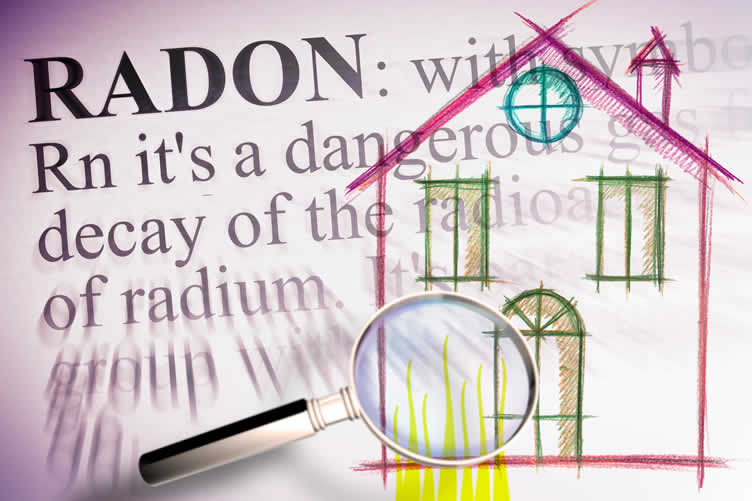
copyright image by 123rf.com
[ youtube: effects of carbon monoxide poisoning ]
[ youtube: how dangerous is radon to your health? ]
Safety Tips for Emitted Gas Safety Devices
- Carbon Monoxide Detectors:
- Install detectors on every level of your home, especially near sleeping areas.
- Ensure the detectors are loud enough to wake everyone in case of an alarm.
- Test detectors regularly and replace batteries as needed to maintain functionality.
- Opt for combination smoke and CO alarms for added convenience and efficiency.
- Position detectors according to manufacturer guidelines, typically at least five feet off the ground to ensure effective detection.
- Natural Gas Detectors:
- Place detectors near gas appliances, such as stoves, water heaters, or furnaces, following manufacturer instructions.
- Consider the type of gas your home uses; install detectors higher for natural gas (which rises) and lower for propane (which sinks).
- Regularly inspect and test the detectors to ensure they remain functional.
- Be mindful of obstructions around the detector that could block the sensor’s ability to detect leaks.
- Radon Gas Detectors:
- Test for radon levels using a short-term detector before committing to a long-term radon monitoring solution.
- Place radon detectors in the lowest level of your home that is regularly used, such as a basement or ground floor.
- If your home tests positive for elevated radon levels, consider installing a radon mitigation system.
- Retest periodically, even in homes with radon-resistant features, to ensure safety over time.
Gas Safety Tips Usage and Installation Carbon Monoxide Detectors - Install detectors on every level of your home, especially near sleeping areas.
- Ensure the detectors are loud enough to wake everyone in case of an alarm.
- Test detectors regularly and replace batteries as needed to maintain functionality.
- Opt for combination smoke and CO alarms for added convenience and efficiency.
- Position detectors according to manufacturer guidelines, typically at least five feet off the ground to ensure effective detection.
Natural Gas Detectors - Place detectors near gas appliances, such as stoves, water heaters, or furnaces, following manufacturer instructions.
- Consider the type of gas your home uses; install detectors higher for natural gas (which rises) and lower for propane (which sinks).
- Regularly inspect and test the detectors to ensure they remain functional.
- Be mindful of obstructions around the detector that could block the sensor’s ability to detect leaks.
Radon Gas Detectors - Test for radon levels using a short-term detector before committing to a long-term radon monitoring solution.
- Place radon detectors in the lowest level of your home that is regularly used, such as a basement or ground floor.
- If your home tests positive for elevated radon levels, consider installing a radon mitigation system.
- Retest periodically, even in homes with radon-resistant features, to ensure safety over time.

copyright image by 123rf.com
-
Scroll up to directory … or scroll to next section about preventing home intrusions …
-
3rd Safety Tip: Intrusion Security Devices
Feeling safe and secure in your own home is a fundamental need, and a big part of that feeling comes from knowing that uninvited guests cannot easily enter.
Intrusion safety devices are designed to give you exactly that peace of mind. They serve a dual purpose, acting as both a powerful deterrent to potential burglars and a reliable alert system for you and your family.

copyright image by 123rf.com
A comprehensive security system diligently monitors the perimeter of your home, securing vulnerable entry points like doors and windows while keeping a watchful eye on the surrounding property.
This essential layer of protection does more than just safeguard your physical belongings; it also provides a profound sense of psychological security, allowing your family to rest and live without worry.
- Quick scroll to intrusion security summaries … or continue with content
-
Introduction To Intrusion Security Devices
A complete intrusion detection system is managed by a main security control panel, keypad, or smart hub. This central brain allows you to arm or disarm the system and manages the signals from all connected sensors.
Modern systems often integrate with smartphone apps, giving you the ability to monitor your home’s status from anywhere in the world. The effectiveness of an intrusion system lies in its ability to detect a breach at the earliest possible moment, ideally before an intruder has even gained access to the interior of the home.
-
Door and Window Sensors
The most common points of entry for intruders are doors and windows, making contact sensors your primary defense.
These simple yet effective devices consist of two parts: one attached to the frame and the other to the moving part of the door or window. When the magnetic connection between them is broken, the alarm is triggered.
You should install these sensors on all exterior doors and any windows that are easily accessible from the ground or a balcony. They serve as an immediate perimeter guard, alerting you the moment a secure point is opened.
-
Motion Detectors
Once inside, an intruder moves through specific pathways. Motion detectors are designed to cover these high-traffic areas. They are best placed in main circulation zones like foyers, living rooms, and hallways leading to bedrooms.
These sensors act as a backup to your perimeter defense. If a window sensor is bypassed or an intruder finds another way in, the motion detector ensures they cannot move through the house undetected.
Pet-friendly models are available to prevent your dog or cat from triggering false alarms while still catching human movement.
-
Glass Break Detectors
Sometimes intruders break a window rather than prying it open, which allows them to bypass standard contact sensors. Glass break detectors are designed to listen for the specific acoustic frequency of shattering glass.
These are particularly useful for rooms with large fixed windows or sliding glass doors where a contact sensor might not be enough. Installing these in rooms with significant glass exposure ensures that even a forced entry involving breakage is detected instantly.
-
Security Cameras
Visual monitoring has become a standard part of home security, acting as a powerful deterrent. Exterior security cameras should be positioned to cover key areas such as front and back entries, the driveway, and backyard gates.
Seeing a camera is often enough to make a potential intruder move on to an easier target. For the main entry, a video doorbell is an invaluable tool.
It allows you to see and speak with visitors or delivery drivers without opening the door, adding a layer of convenience and safety to your daily routine. Interior cameras can also be used for monitoring main living areas, though it is important to establish clear privacy rules for household members.
-
Smart Locks
Traditional keys can be lost, stolen, or copied, creating a security vulnerability. Smart door locks replace this uncertainty with keyless, trackable access control.
Installed on primary entry doors, they allow you to lock and unlock your door remotely, assign temporary codes to guests or service workers, and receive notifications whenever the door is accessed.
This technology ensures you never have to wonder if you remembered to lock the front door after leaving for work; you can simply check your app and secure your home with a tap.
-
AI Technology
Advancements in AI have transformed home intrusion detection and overall security. AI-powered systems use smart algorithms and machine learning to identify potential threats, distinguishing normal activity from unusual behavior.
For example, AI motion sensors can tell the difference between a passing car, a small animal, or a person approaching your property.
AI-integrated cameras enhance monitoring with real-time facial recognition, alerting homeowners to unfamiliar faces while ignoring trusted ones.
Video doorbells with AI provide instant visitor notifications and two-way communication, even when you’re away. Some systems also offer license plate recognition for driveways and integrate with voice assistants or smartphone apps for greater control.
Category Description Key Features Intrusion Safety Devices Provide protection for your home by deterring intruders and ensuring safety. These systems monitor the home’s perimeter and entry points. Psychological security, property protection, perimeter monitoring. Introduction to Intrusion Safety Devices A central control panel or smart hub manages all connected sensors, allowing homeowners to monitor and control their system remotely via smartphone apps. Early breach detection, remote access, centralized control. Door and Window Sensors Contact sensors placed on doors and windows to detect when they are opened. They are essential for creating a perimeter defense. Magnetic connection triggers alarm, protection for all external doors and accessible windows. Motion Detectors Detect movement within the home, covering high-traffic areas such as foyers and hallways. These sensors act as a secondary protective layer. Backup defense, pet-friendly models available, high-traffic area coverage. Glass Break Detectors Detect the sound frequency of shattering glass, providing protection for large windows and glass doors where standard sensors may be insufficient. Instant detection of glass breakage, ideal for rooms with glass exposure. Security Cameras Offer visual monitoring of key areas, often preventing intrusions by deterring potential burglars. Cameras also allow remote viewing and communication. Exterior and interior coverage, video doorbells, real-time footage. Smart Locks Replace traditional keys with keyless entry systems, allowing remote locking, code creation for guests, and notifications of access activity. Remote control via apps, enhanced access security, temporary code assignment. AI Technology Uses advanced algorithms to distinguish normal activity from threats, providing smarter monitoring and real-time notifications for potential security breaches. Facial and license plate recognition, voice assistant integration, behavioral analysis. 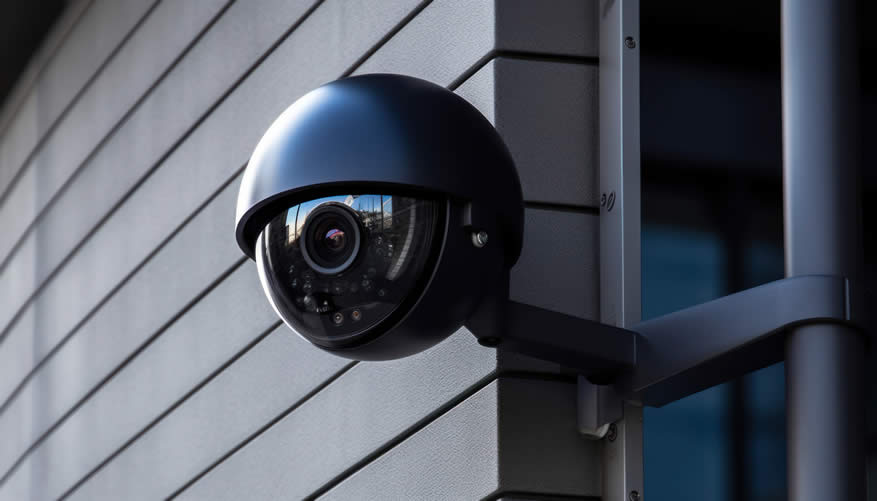
copyright image by 123rf.com
An Effective, Inexpensive Security Device
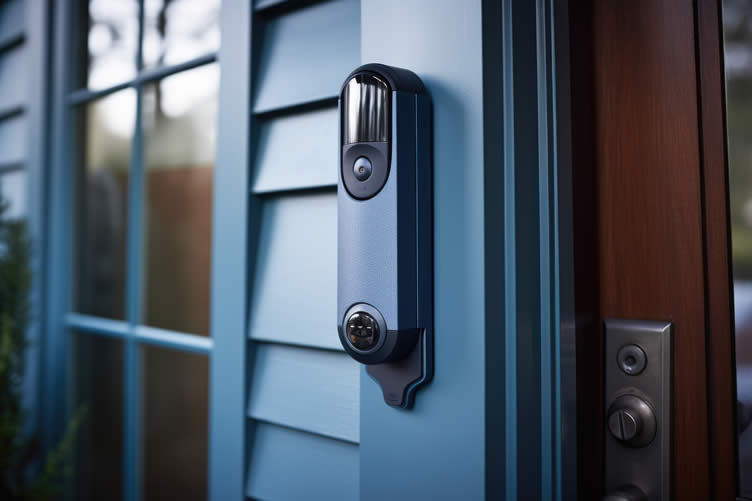
An AI video doorbell provides an affordable way to enhance your home’s security by combining advanced technology with ease of use.
It allows you to monitor your doorstep in real-time, identify visitors with facial recognition capabilities, and receive instant alerts on your smartphone, all without the need for expensive security systems.
With features like two-way communication and motion detection, you can manage and respond to potential threats or deliveries efficiently, ensuring peace of mind at a minimal cost.
view file: need to know about smart doorbell systems (new win)
Safety Tips for Intrusion Safety Devices
- Door and Window Sensors:
- Designed as a primary defense for your home’s perimeter by detecting the opening of doors and windows.
- Consist of two magnetic parts; the alarm is triggered when the connection is broken.
- Install on all exterior doors and accessible windows such as those on the ground floor or near a balcony.
- Serve as an immediate alert system for intrusions through secured points.
- Motion Detectors:
- Monitor interior spaces for movement, acting as a backup to door and window sensors.
- Best placed in common circulation areas such as foyers, living rooms, and hallways leading to bedrooms.
- Pet-friendly models are available to avoid false alarms caused by pets while ensuring human detection.
- Essential for detecting motion if perimeter defenses are bypassed.
- Glass Break Detectors:
- Detect the sound of breaking glass, targeting intrusions involving window or glass door breakage.
- Ideal for rooms with large windows or glass sections, enhancing security where traditional contact sensors may fall short.
- Provide immediate detection of forced entry through window breakage.
- Security Cameras:
- Act as both a monitoring tool and a deterrent for potential intruders.
- Exterior cameras should cover critical areas like front/back doors, driveways, gates, and patios.
- Video doorbells allow remote interaction with visitors and delivery personnel for added convenience and safety.
- Interior cameras offer additional monitoring but should be used with privacy considerations for household members.
- Smart Locks:
- Replace traditional keys with keyless access, making entry more secure and trackable.
- Allow homeowners to lock/unlock doors remotely and assign temporary access codes to guests or service workers.
- Provide peace of mind with app notifications and the ability to secure the home from anywhere.
- AI Technology:
- Enhances security systems with smart algorithms to recognize unusual activity and differentiate between common occurrences and potential threats.
- AI cameras offer advanced features like facial recognition and license plate identification for heightened monitoring.
- Video doorbells with AI-powered technology deliver real-time notifications and two-way communication for comprehensive visitor management.
- Integrates with smart home devices and apps for seamless control and added convenience.
Intrusion Safety Tips Usage and Installation Door and Window Sensors - Designed as a primary defense for your home’s perimeter by detecting the opening of doors and windows.
- Consist of two magnetic parts; the alarm is triggered when the connection is broken.
- Install on all exterior doors and accessible windows such as those on the ground floor or near a balcony.
- Serve as an immediate alert system for intrusions through secured points.
Motion Detectors - Monitor interior spaces for movement, acting as a backup to door and window sensors.
- Best placed in common circulation areas such as foyers, living rooms, and hallways leading to bedrooms.
- Pet-friendly models are available to avoid false alarms caused by pets while ensuring human detection.
- Essential for detecting motion if perimeter defenses are bypassed.
Glass Break Detectors - Detect the sound of breaking glass, targeting intrusions involving window or glass door breakage.
- Ideal for rooms with large windows or glass sections, enhancing security where traditional contact sensors may fall short.
- Provide immediate detection of forced entry through window breakage.
Security Cameras - Act as both a monitoring tool and a deterrent for potential intruders.
- Exterior cameras should cover critical areas like front/back doors, driveways, gates, and patios.
- Video doorbells allow remote interaction with visitors and delivery personnel for added convenience and safety.
- Interior cameras offer additional monitoring but should be used with privacy considerations for household members.
Smart Locks - Replace traditional keys with keyless access, making entry more secure and trackable.
- Allow homeowners to lock/unlock doors remotely and assign temporary access codes to guests or service workers.
- Provide peace of mind with app notifications and the ability to secure the home from anywhere.
AI Technology - Enhances security systems with smart algorithms to recognize unusual activity and differentiate between common occurrences and potential threats.
- AI cameras offer advanced features like facial recognition and license plate identification for heightened monitoring.
- Video doorbells with AI-powered technology deliver real-time notifications and two-way communication for comprehensive visitor management.
- Integrates with smart home devices and apps for seamless control and added convenience.
copyright image by 123rf.com
-
Scroll up to directory … or scroll to next section about environmental home safety devices …
-
4th Safety Tip: Environmental Safety Devices
While our attention is often drawn to protecting our homes from external threats like break-ins, it’s important to remember that internal failures within the home’s infrastructure can be just as, if not more, damaging.

copyright image by 123rf.com
Issues like slow water leaks or suddenly freezing pipes have the potential to cause catastrophic structural damage, resulting in extensive and expensive repairs if they are not detected early on.
Environmental safety devices serve as crucial early warning systems, constantly monitoring the physical health of your home and alerting you to conditions that could otherwise escalate into a full-blown disaster.
- Quick scroll to environmental safety summaries … or continue with content
-
Introduction To Environmental Safety Devices
Water damage is one of the most common insurance claims for homeowners. A small drip can turn into a rotten floor, and a burst pipe can flood a basement in hours.
Environmental sensors are designed to watch over the utility areas of your home that you might not check every day. By monitoring moisture and temperature levels, these devices allow you to intervene before a minor maintenance issue becomes a major renovation project.
-
Water Leak Detectors
Flood and leak detectors are small sensors that are placed in areas prone to water failure. Ideal locations include the base of water heaters, behind washing machines, under kitchen and bathroom sinks, and in basements or near sump pumps.
These devices detect the presence of moisture where it shouldn’t be and send an alert immediately. For homeowners who travel or have second homes, these sensors provide invaluable reassurance that the house remains dry and secure.
-
Temperature and Humidity Sensors
Extreme cold can wreak havoc on a home’s plumbing. Freeze sensors are essential for unconditioned spaces like crawlspaces, attics, or garages where pipes are vulnerable to freezing temperatures.
If the temperature drops below a safe threshold, the sensor sends an alert, allowing you to turn up the heat or insulate the area before pipes burst.
Maintaining proper humidity levels is also important for preventing mold growth, making these sensors a dual-purpose tool for maintaining a healthy home environment.
-
Automated Air Purifying Systems
Indoor air quality is essential for a safe, healthy living environment. Automated air purifying systems detect and respond to pollutants, allergens, and harmful particles when levels become unhealthy.
Using advanced sensors, these systems continuously monitor air quality and activate to remove dust, pet dander, pollen, mold spores, and volatile organic compounds (VOCs) without manual effort.
These systems are especially helpful for families with allergies, asthma, or respiratory conditions. Many models feature HEPA filters, activated carbon filters, or UV-C light technology to target specific irritants and pathogens.
With smart home integration, you can monitor air quality and control settings directly from your smartphone. Investing in an automated air purifier ensures healthier air for your family while reducing exposure to airborne contaminants.
Category Description Functionality Environmental Safety Devices Devices that serve as early warning systems to monitor conditions within the home, such as water leaks and freezing pipes, preventing structural damage and costly repairs. Monitors moisture and temperature levels to alert homeowners of potential risks before they escalate into critical issues. Water Leak Detectors Small sensors placed in areas prone to water failures, like under sinks and near water heaters, designed to detect moisture where it shouldn’t be. Sends alerts to homeowners about leaks, offering peace of mind, especially for those who travel or own second homes. Temperature and Humidity Sensors Sensors that monitor freezing temperatures and high humidity levels to protect vulnerable areas of the home such as crawlspaces or basements. Alerts homeowners about risks of pipe freezing and helps maintain proper humidity levels to prevent mold growth. Automated Air Purifying Systems Advanced systems that monitor indoor air quality and activate to remove pollutants, allergens, and harmful particles automatically. Utilize HEPA filters, carbon filters, or UV-C light to ensure cleaner air while integrating with smart home systems for remote control and monitoring. 
copyright image by 123rf.com
Speak of Water – Is Your Water Source Safe?
Access to clean drinking water at home is essential for supporting a healthy lifestyle and ensuring the well-being of every household member.
Clean water not only hydrates the body but also helps prevent waterborne illnesses, making it a cornerstone of daily life.
Home filtration systems and advanced purification technologies provide peace of mind by delivering safe, great-tasting water right from the tap, contributing to both convenience and long-term health.
view file: importance of clean home drinking water (new win)
Safety Tips for Environmental Safety Devices
- Water Leak Detectors
- Detect moisture in areas prone to leaks, such as under sinks, behind washing machines, or near water heaters and sump pumps.
- Send immediate alerts when moisture is detected, providing early warning to prevent water damage.
- Offer peace of mind for homeowners who travel or manage second homes by ensuring the property remains dry and secure.
- Temperature and Humidity Sensors
- Monitor unconditioned spaces like crawlspaces, garages, and attics, ensuring pipes are protected from freezing temperatures.
- Send alerts when temperatures drop below safe thresholds, allowing timely intervention to prevent pipe bursts.
- Track humidity levels to prevent mold growth, promoting a healthier indoor environment.
- Automated Air Purifying Systems
- Continuously monitor air quality and activate purification processes when pollutants or allergens are detected.
- Remove harmful particles such as dust, pet dander, pollen, mold spores, and VOCs using HEPA filters, activated carbon, or UV-C light technology.
- Provide enhanced indoor air quality for families with allergies or respiratory conditions while seamlessly integrating with smart home systems for remote control.
Gas Safety Tips Usage and Installation Water Leak Detectors - Detect moisture in areas prone to leaks, such as under sinks, behind washing machines, or near water heaters and sump pumps.
- Send immediate alerts when moisture is detected, providing early warning to prevent water damage.
- Offer peace of mind for homeowners who travel or manage second homes by ensuring the property remains dry and secure.
Temperature and Humidity Sensors - Monitor unconditioned spaces like crawlspaces, garages, and attics, ensuring pipes are protected from freezing temperatures.
- Send alerts when temperatures drop below safe thresholds, allowing timely intervention to prevent pipe bursts.
- Track humidity levels to prevent mold growth, promoting a healthier indoor environment.
Automated Air Purifying Systems - Continuously monitor air quality and activate purification processes when pollutants or allergens are detected.
- Remove harmful particles such as dust, pet dander, pollen, mold spores, and VOCs using HEPA filters, activated carbon, or UV-C light technology.
- Provide enhanced indoor air quality for families with allergies or respiratory conditions while seamlessly integrating with smart home systems for remote control.

copyright image by 123rf.com
-
Scroll up to directory … or scroll to next section about personal safety …
-
5th Safety Tip: Personal Safety Devices
The final layer of home safety focuses directly on the well-being and security of the individuals living within the home.
This is especially important for households with elderly family members, individuals with medical conditions, or those who live alone, as they may face unique vulnerabilities in emergency situations.
Personal safety devices, such as wearable alert systems or emergency call buttons, act as a crucial lifeline in these scenarios.

copyright image by 123rf.com
These devices provide a direct and immediate connection to help, bridging the critical gap between home security systems and emergency medical services.
With just the press of a button, assistance can be summoned, ensuring that support is always within reach when it’s needed most.
This added layer of protection brings peace of mind, not only to the individuals using these devices but also to their family members and loved ones.
- Quick scroll to personal safety summaries … or continue with content
-
Introduction To Personal Safety Devices
Technology should empower us to live independently with confidence. Personal safety devices are designed to be accessible and easy to use in high-stress situations.
Whether it is a fall, a sudden health crisis, or a perceived threat, having a dedicated way to call for help without needing to dial a phone can save lives.
These devices are often integrated into the broader home security system, creating a cohesive safety net for vulnerable occupants.
-
Medical Alert Systems
For older adults or anyone with significant health risks, a medical alert system is a vital companion. These can take the form of wearable pendants, wristbands, or fixed buttons placed in high-risk areas like bathrooms or bedrooms.
Modern systems often include fall detection, which can automatically summon help if the user is unable to press the button themselves. This technology allows seniors to age in place with dignity, knowing that help is available 24/7 if an emergency arises.
-
Panic Buttons
In situations where you feel threatened but cannot reach a phone or the alarm keypad, a panic button provides an immediate lifeline. These can be fixed keypads in the master bedroom or portable fobs kept on a bedside table.
Pressing the panic button can instantly trigger the home’s high-decibel sirens and alert the monitoring service to dispatch police. This feature is particularly reassuring for those who live alone, adding a layer of personal empowerment to the home security setup.
-
The Rise of Home Robots for Health and Maintenance
Innovative home robots are making daily living easier by monitoring our health and keeping our home systems running smoothly. These helpful assistants provide peace of mind, especially for those who appreciate a little extra support with essential tasks.
For health, these robots can track vitals, send medication reminders, and alert you to health irregularities—a wonderful resource for seniors or anyone with medical needs.
On the maintenance side, they act as proactive guardians by detecting leaks, monitoring energy use, and checking air quality to keep your home safe and efficient. Equipped with AI, these smart helpers learn your habits to provide personalized support, from scheduling HVAC checkups to optimizing appliances.
Far from being a futuristic concept, home robots are a practical way to create a more nurturing, proactive environment for your modern lifestyle.
Category Description Features Benefits Personal Safety Devices These devices provide a direct link to help for individuals within a home, focusing on the safety of elderly family members, people with medical conditions, or those living alone. Accessible and easy to use in high-stress situations; integrated into broader home security systems. Ensures that assistance is always just a button press away, empowering individuals to live independently with confidence. Medical Alert Systems Vital devices for older adults or individuals with significant health risks, allowing immediate alerts during emergencies. Wearable pendants, wristbands, fixed buttons; modern systems with fall detection and 24/7 assistance. Provides security and dignity for seniors, enabling them to age in place with confidence. Panic Buttons Immediate lifeline in situations of perceived threats, when accessing a phone or alarm keypad is not possible. Fixed keypads, portable fobs; triggers high-decibel sirens and monitors alert services. Offers reassurance and empowers individuals, particularly those living alone, with rapid emergency response. Home Robots for Health and Maintenance Innovative devices that support daily living by tracking health and ensuring home systems function smoothly. Tracks vitals, sends medication reminders, detects leaks, monitors energy usage, checks air quality, and provides AI-powered personalized support. Creates a safer and more efficient environment, offering peace of mind and proactive health and maintenance assistance. 
copyright image by 123rf.com
You Need a Space to Call Your Own
Designing a personal home space dedicated to mental and spiritual growth can profoundly enhance your well-being.
Start by selecting a quiet corner or room in your home where you feel most at ease. Incorporate calming elements such as soft lighting, natural textures, and soothing colors to foster a sense of tranquility.
Adding personal touches like meaningful decor, plants, or a cozy seating area can make the space inviting and reflective of your individuality.
Whether it’s for meditation, journaling, or simply unwinding, this space should serve as a sanctuary to reconnect with yourself and nurture your inner peace.
view file: creating your personal home space (new win)
Safety Tips for Personal Safety Devices
- Medical Alert Systems
- Offer 24/7 monitoring and emergency assistance at the press of a button.
- Include wearable devices like pendants or wristbands for convenient access.
- Feature advanced fall detection technology that automatically alerts help if an accident occurs.
- Provide fixed emergency buttons for high-risk areas, such as bathrooms or bedrooms.
- Ensure quick response times, helping older adults or those with health risks feel safer and more independent.
- Allow safe aging in place with seamless integration into existing lifestyles.
- Panic Buttons
- Deliver an immediate alert to the monitoring service to dispatch emergency responders.
- Activate high-decibel sirens to deter intruders and alert neighbors.
- Available as fixed keypads in strategic locations such as master bedrooms.
- Offer portable options like fobs that can be discreetly carried.
- Provide peace of mind for individuals living alone or feeling vulnerable.
- Enhance home security systems by offering effortless activation in threatening situations.
- Home Robots for Health and Maintenance
- Monitor health by tracking vital signs and providing medication reminders.
- Detect health irregularities and send alerts for quick intervention.
- Assist with home maintenance by identifying leaks, monitoring energy usage, and checking air quality.
- Use AI to learn household habits and optimize tasks such as HVAC scheduling or appliance management.
- Enhance safety and efficiency by pro-actively addressing potential home issues.
- Offer a personalized, supportive solution for seniors or anyone with medical or maintenance needs.
Gas Safety Tips Usage and Installation Medical Alert Systems - Offer 24/7 monitoring and emergency assistance at the press of a button.
- Include wearable devices like pendants or wristbands for convenient access.
- Feature advanced fall detection technology that automatically alerts help if an accident occurs.
- Provide fixed emergency buttons for high-risk areas, such as bathrooms or bedrooms.
- Ensure quick response times, helping older adults or those with health risks feel safer and more independent.
- Allow safe aging in place with seamless integration into existing lifestyles.
Panic Buttons - Deliver an immediate alert to the monitoring service to dispatch emergency responders.
- Activate high-decibel sirens to deter intruders and alert neighbors.
- Available as fixed keypads in strategic locations such as master bedrooms.
- Offer portable options like fobs that can be discreetly carried.
- Provide peace of mind for individuals living alone or feeling vulnerable.
- Enhance home security systems by offering effortless activation in threatening situations.
Home Robots for Health and Maintenance - Monitor health by tracking vital signs and providing medication reminders.
- Detect health irregularities and send alerts for quick intervention.
- Assist with home maintenance by identifying leaks, monitoring energy usage, and checking air quality.
- Use AI to learn household habits and optimize tasks such as HVAC scheduling or appliance management.
- Enhance safety and efficiency by pro-actively addressing potential home issues.
- Offer a personalized, supportive solution for seniors or anyone with medical or maintenance needs.

copyright image by 123rf.com
-
Scroll up to directory … or scroll to conclusion and references …
-
Conclusion
… comprehensive protection for peace of mind
Building a safe home is not about living in fear; it is about living with confidence. By integrating a mix of fire, gas, intrusion, environmental, and personal safety devices, you create a robust ecosystem that looks out for you and your family around the clock.
From the smoke alarm that watches over you while you sleep to the leak detector that guards your basement while you are away, each device plays a specific and crucial role.
Taking the time to assess your home’s unique needs—considering its layout, the people who live there, and the specific risks you face—allows you to tailor a checklist that fits your life perfectly.
Safety is a continuous journey, not a one-time purchase. Regular testing, maintenance, and staying informed about new technologies ensure that your sanctuary remains just that: a safe, secure, and happy place to call home.
Resources and Citations:
- DPS Alarm. (n.d.). Safety Features for Home. Retrieved from dpsalarm.com
- Servpro. (n.d.). Home Protection: Four Types of Home Safety Devices. Retrieved from servpro.com
- Petruzelo Insurance. (n.d.). 5 Essential Home Safety Devices Every Homeowner Should Have. Retrieved from petruzelo.com
- Wayne Alarm Systems. (n.d.). Types of Home Security Systems. Retrieved from waynealarm.com
- Reolink. (n.d.). Security System Components. Retrieved from reolink.com
- Vivint. (n.d.). Home Security Packages. Retrieved from vivint.com
- S24 Security. (n.d.). Safe & Secure Guide: Home Safety Checklist. Retrieved from s24security.com
- Get Safe and Sound. (n.d.). Types of Alarm Systems. Retrieved from getsafeandsound.com
-
Quick scroll to more interior home utility management ideas …
-
ideas to view and compare from the photo above
- What comments can you share about
home safety devices that you have installed?




Tackling home safety devices and fulfilling all your home improvement needs …

… save this curated directory of ideas for future reference.

… remodeling decisions


Download this PDF for a concise summary of all you need to know about …?




SHARE IT ..! Someone in your network might benefit from this insightful post about the need to home safety devices. Feel free to share it on Facebook, X (formally Twitter), LinkedIn, or Pinterest!



Easily determine the dimensions you need for any home remodeling project …
… ensuring functionality, visual appeal, and compliance with building codes.
… view our home remodeling guides and steps



Budgeting Worksheet For Costing Home Safety Devices and Other Home Improvement Decisions
 File Type (excel)
Calendar For:
Home Maintenance
File Type:



… view our sharing links below for a quick "share the knowledge"
Find Handyman Services (opens new win) Handyman Carpentry Electrical Plumbing top-rated, pre-screened local contractors FREE: download contractor selection enter zip code – powered by HomeAdvisor ™
Quick Contractor Guides selecting negotiating working with inspecting

Cover image credit: home safety devices by 123rf.com
end of post … please share it!
 |
did you find this “home safety devices” analysis helpful? If so, please share the article with your friends and family! |
Nice pic idea? Leave us a quick comment below.
And please share this pic idea within your social networks.