Summary Outline –
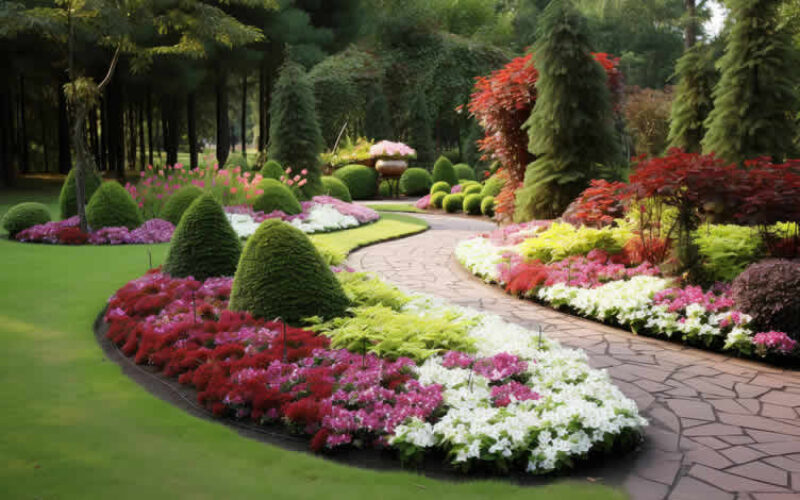
Landscape garden beds offer both aesthetic appeal and practical advantages. They can enhance the visual interest of your yard by adding layers, textures, and colors that draw the eye and invite exploration. A well-designed garden bed can serve as a focal point, creating harmony and balance within your landscape.
Beyond beauty, garden beds offer environmental benefits. They improve soil health by providing a designated area for planting, which can lead to better moisture retention and reduced erosion.
Summary of Site Content
1st Garden Bed Tip: [view Garden Bed Tip]
… the first step in this analysis is to understand garden beds by examining their types, benefits, and optimal locations, as well as selecting the right garden bed to meet your landscaping needs.
2nd Garden Bed Tip: [view Garden Bed Tip]
… the second section explores how to integrate garden beds into your existing landscape. We begin by defining the ideal location, followed by a review of design ideas. We also consider materials and aesthetics, and discuss practical factors for the placement and utilization of garden beds.
3rd Garden Bed Tip: [view Garden Bed Tip]
… moving forward, the third section explores how garden beds can enhance existing landscape features. We begin by developing design strategies that prioritize space and privacy. Next, we examine the incorporation of unique shapes in garden bed design. Finally, we review diverse planting options, ranging from flowers and vegetables to edible gardens, including herbs and fruits.
4th Garden Bed Tip: [view Garden Bed Tip]
… the fourth section gets into the creation of your garden beds, providing step-by-step instructions on how to construct various types, from raised garden beds to those featuring water elements.
5th Garden Bed Tip: [view Garden Bed Tip]
… with the garden bed established, the next step is to prepare your garden. This includes preparing the soil, setting up an irrigation system, adding plants, and maintaining your garden throughout the season and into winter.
6th Garden Bed Tip: [view Garden Bed Tip]
… the sixth and final section focuses on the implementation phase of your landscape garden bed project. It provides valuable resources on sizing your garden, crafting a beautiful garden view, and deciding whether to tackle the project as a DIY endeavor or collaborate with a landscape contractor.
Additionally, garden beds allow for greater control over soil quality and drainage, making it easier to grow a diverse range of plants. In the analysis below, you will find everything you need to know about incorporating garden beds into your landscaping design.
- post content
- Garden Bed Tip 1: Understanding Garden Beds
- Garden Bed Tip 2: Incorporating Garden Beds into Your Landscape
- Garden Bed Tip 3: Designing Garden Beds to Complement Existing Features
- Garden Bed Tip 4: Creating Garden Beds: Step-by-step instructions
- Garden Bed Tip 5: Preparing Your Garden Beds for planting
- Garden Bed Tip 6: Implementation Review

-
Quick scroll to first topic about landscape garden beds …

first “landscape garden beds” idea
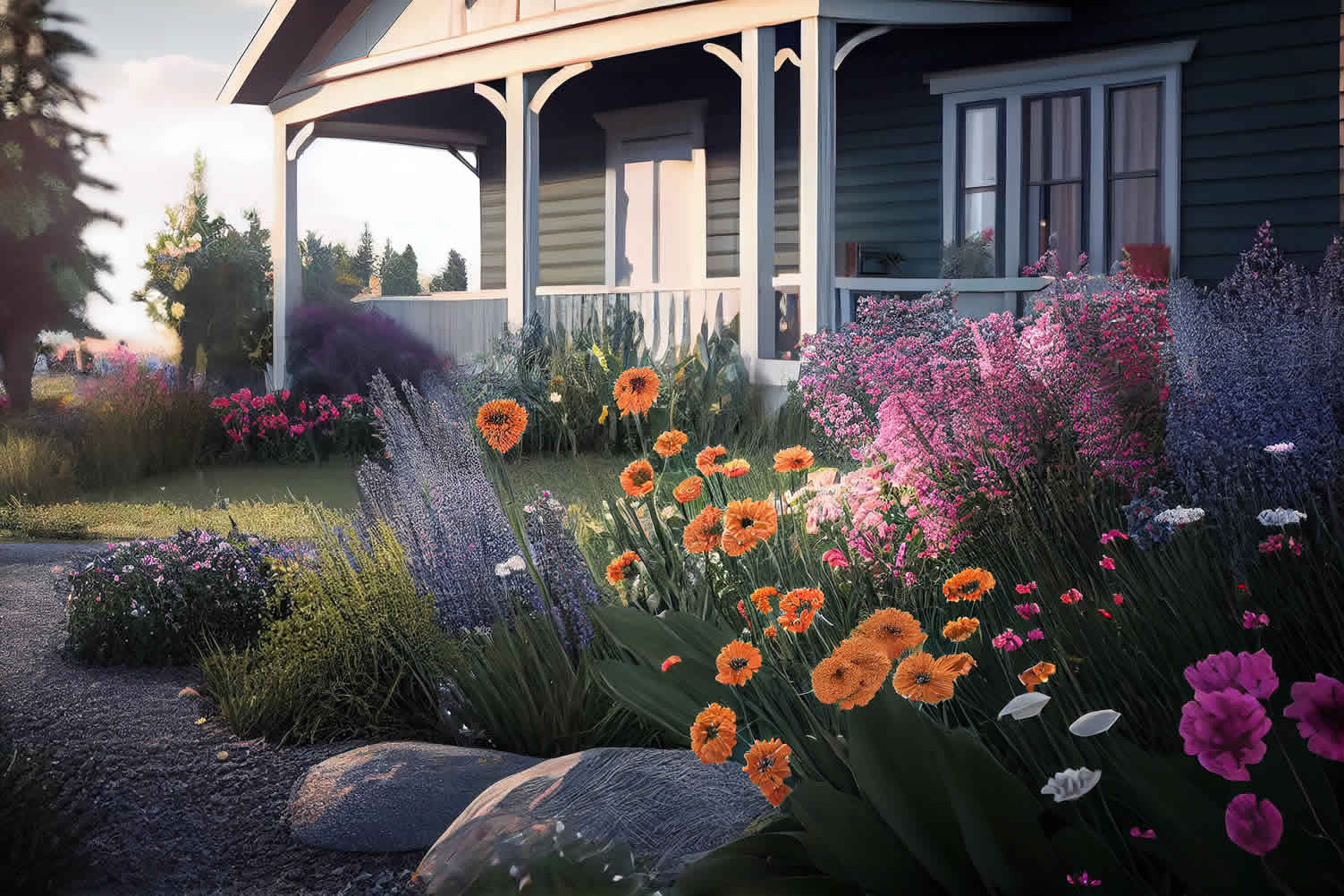

copyright image by 123rf.com
Garden Bed Tip 1: Understanding Garden Beds
Notes:
-
Creating a thriving garden starts with understanding the various types of garden beds available and their respective benefits.
By familiarizing yourself with landscape garden beds, you can make informed decisions that enhance your outdoor space while fostering a flourishing environment for your plants.
This section will explore the different types of garden beds, their advantages, and some additional insights to help you maximize your gardening experience.
-
Quick scroll to “understanding garden beds” side notes …
-
-
1st: Types of Garden Beds
There are several types of garden beds to choose from, each offering unique features that cater to different gardening styles and preferences.
[ see below: garden bed images ]
-
Raised Garden Beds:
These are elevated structures, often referred to as raised garden beds, filled with nutrient-rich soil, making them ideal for cultivating a variety of vegetables, herbs, and beautiful flowers.
These beds can be made from various materials, including wood, stone, or metal, and are ideal for both small and large gardens.
[ view ideas: raised garden beds ]
-
Landscape Beds:
These are typically ground-level beds designed specifically for planting a variety of flowers, shrubs, and other plants.
By strategically placing these beds, you can significantly enhance the landscape around your home, creating a vibrant and inviting atmosphere.
[ view ideas: landscape garden beds ]
-
Container Gardens:
These involve planting in pots or other containers, making them a flexible option for those with limited space or poor soil conditions.
Container gardens can be placed on patios, balconies, or even indoors, allowing for a wide range of plants to be cultivated easily.
[ view ideas: container garden beds ]
-
In-Ground Beds:
These traditional garden beds are created by planting directly into the soil of your yard. They work well for larger plants, including fruits and vegetables, providing ample space for growth and root development.
In-ground beds benefit from the existing soil structure, though amending the soil may be necessary for optimal plant health.
[ view ideas: in-ground garden beds ]
-
Vertical Gardens:
A creative solution for maximizing space, vertical gardens involve growing plants on vertical structures, such as wall-mounted planters or trellises.
These beds are particularly effective for small areas and can be decorative, as well as functional, adding visual interest to your gardening space.
[ view ideas: vertical garden beds ]
-
Edible Landscape Beds:
These are specially designed landscape beds that combine aesthetics with functionality by incorporating edible plants such as herbs, fruits, and vegetables into the traditional flower and shrub arrangements.
[ view ideas: edible landscape beds ]
-
Sunken Garden Beds:
Sunken garden beds are created by excavating a specific area of the landscape to plant below the surrounding ground level.
This design not only enhances drainage but also provides a unique micro-climate that can help retain moisture and create an ideal environment for certain plants.
[ view ideas: sunken garden beds ]
-
Water-Featured Garden Beds:
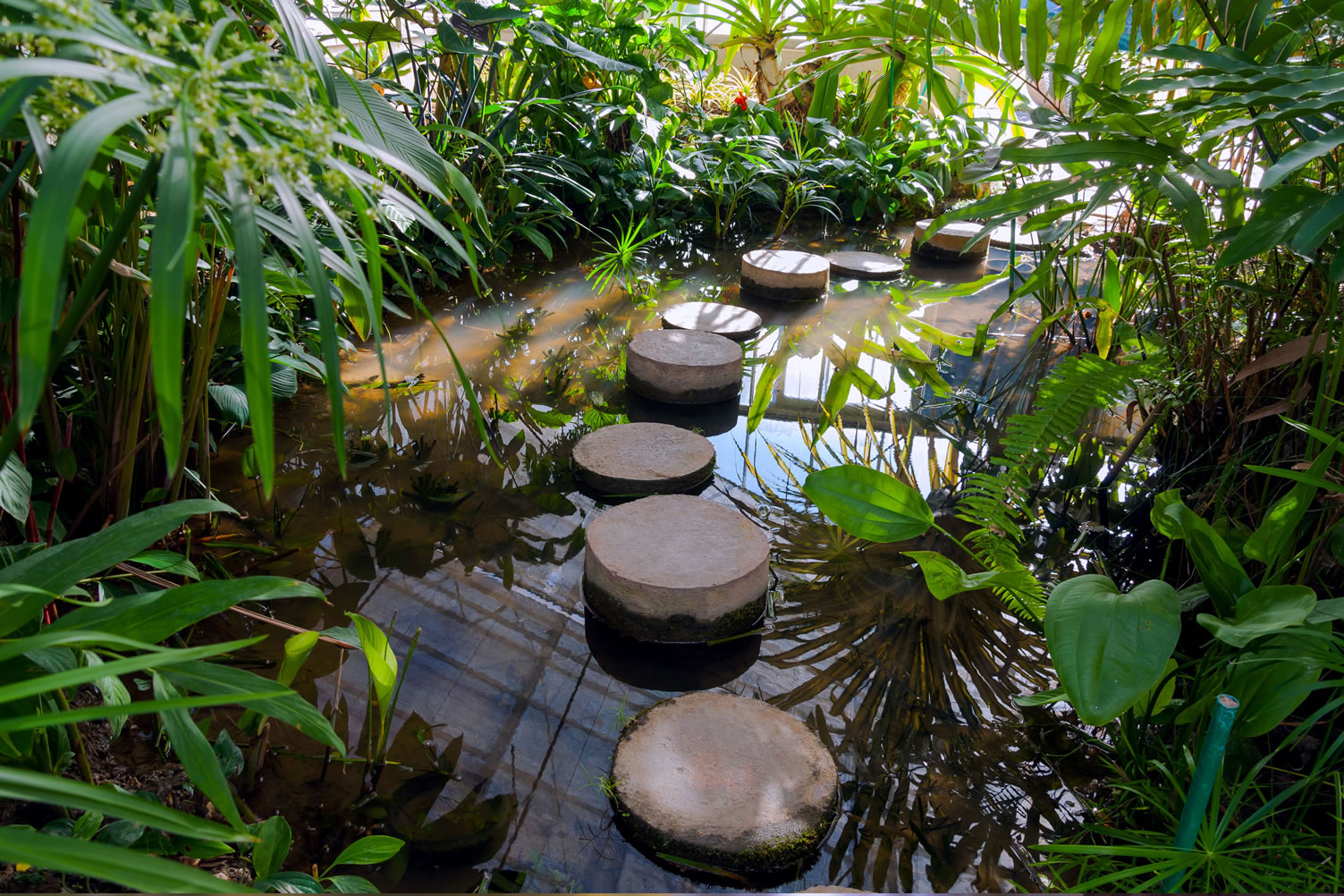
These beds may include elements like small ponds, fountains, or even water gardens that host aquatic plants. By adding moisture-loving plants and creating habitats for wildlife such as frogs and dragonflies, water-featured garden beds promote a vibrant ecosystem.
Additionally, the soothing sound of flowing water can create a tranquil atmosphere, making your outdoor space more inviting.
[ view ideas: water-featured garden beds ]
-
Patio Garden Beds:
Patio garden beds are ideal for those with limited outdoor space or urban settings, allowing gardeners to cultivate plants in a compact area.
These beds can be made from raised planters, containers, or troughs, and they offer versatility for growing a variety of plants, including vegetables, herbs, and ornamental flowers.
By positioning patio garden beds on decks, balconies, or patios, gardeners can easily access their plants and create an inviting outdoor sanctuary.
[ view ideas: patio garden beds ]
-
Retaining Wall Garden Beds:
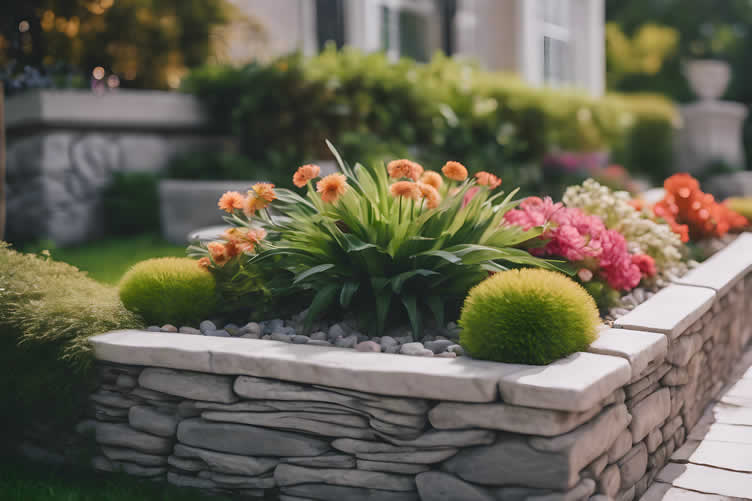
These garden beds utilize existing retaining walls or are built as standalone structures, providing a sturdy and attractive way to create levels in your garden.
They can help manage soil erosion while maximizing planting space, especially on sloped terrains.
[ view ideas: retaining wall garden beds ]
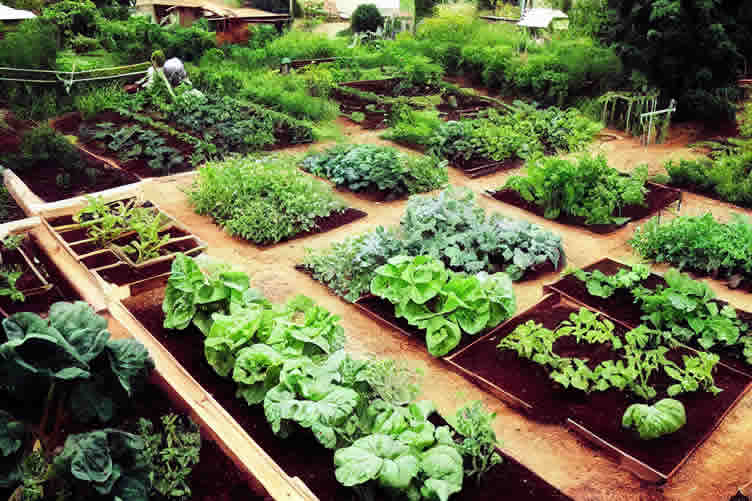
copyright image by 123rf.com
[ pinterest: type of garden beds ]
[ pinterest: landscaping with garden beds ]

-
-
2nd: Benefits of Garden Beds
The advantages of incorporating garden beds into your landscape are manifold and can significantly enhance both the aesthetic appeal and functionality of your outdoor space. This includes:
-
Soil Control:
Raised beds offer numerous benefits for gardeners, including improved soil management. By elevating the garden bed, gardeners can create more ideal growing conditions, such as better drainage and aeration.
This setup allows for a customized soil mix tailored to the specific needs of the plants, making it easier to control moisture levels and nutrient availability.
-
Accessibility:
They can be designed at various heights to accommodate different mobility needs, ensuring that individuals of all abilities can access them comfortably.
This flexibility in height not only enhances usability but also promotes inclusivity, allowing everyone to engage with the environment in a way that suits their unique requirements.
-
Aesthetic Appeal:
Well-designed garden beds can serve as focal points in the landscape, enhancing visual interest and creating a sense of harmony in outdoor spaces.
By incorporating a variety of plants, colors, and textures, these garden beds not only draw the eye but also provide a vibrant display that can change with the seasons.
-
Better Water Management:
Garden beds, particularly raised ones, often promote more efficient water management. The elevated design allows for better drainage, preventing water-logging and promoting healthier root systems.
Additionally, gardeners can implement drip irrigation systems or soaker hoses more effectively in these structured areas, ensuring that plants receive consistent moisture.
-
Reduced Weed Growth and Pest Issues:
Elevated garden beds significantly minimize weed growth by limiting the amount of weed seeds that can naturally settle into the soil. This allows gardeners to focus on nurturing their plants without the constant battle against unwanted vegetation.
Furthermore, raised beds can deter certain pests, as the height creates a barrier, making it more challenging for ground-dwelling insects and animals to access the plants.
Gardeners can also employ protective covers or netting more easily, enhancing pest management strategies.
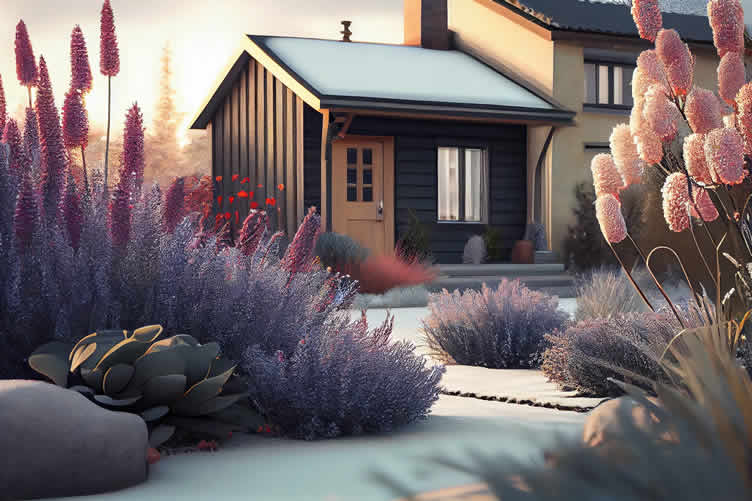
copyright image by 123rf.com
-
-
3rd: Location of Garden Beds
When selecting garden beds, it is essential to consider factors such as location, sunlight exposure, and the types of plants you wish to grow.
-
Sunlight:
Choose a location that receives at least six hours of direct sunlight daily, as this is crucial for optimal plant growth and health.
When selecting your spot, consider positioning your beds on the south side of structures, such as walls or fences, to maximize sun exposure throughout the day.
-
Water Access:
When planning your garden layout, it’s beneficial to place garden beds near a water source to facilitate easy irrigation. This proximity allows for convenient access to water, making it simpler to keep your plants hydrated.
For optimal results, consider installing a drip irrigation system, which offers a consistent and efficient method of watering.
-
Convenience:
Positioning your beds close to the kitchen or frequently used outdoor areas can greatly enhance your gardening experience.
This strategic placement allows for easy access to fresh herbs and vegetables, making it convenient to grab a handful of basil or cherry tomatoes while cooking.
-
Aesthetic Integration:
Ensure that the design of your garden beds complements existing landscape features for a harmonious look. This can involve aligning them with pathways, fences, or other structures to create a cohesive flow throughout your outdoor space.
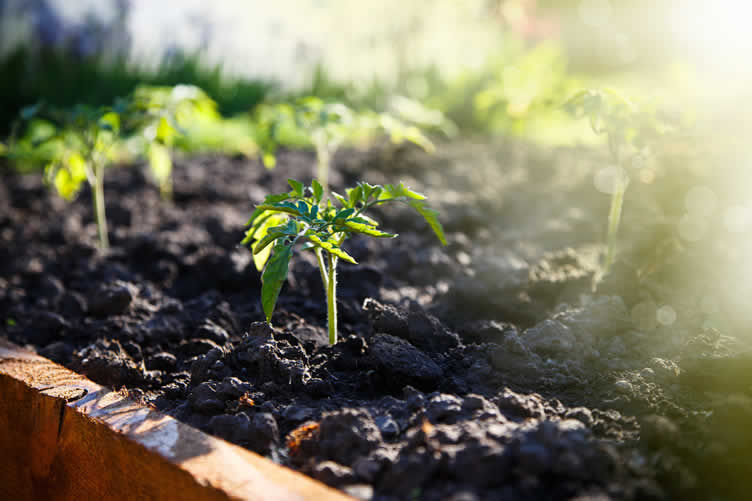
copyright image by 123rf.com
[ pinterest: add a water spigot anywhere in your yard ]
[ youtube: best garden bed orientation ]
-
-
4th: Choosing the Right Garden Bed
Selecting the ideal garden bed for your landscape involves considering several factors. First, assess your land’s conditions, such as soil type, drainage, and sunlight exposure. These elements will influence which plants will thrive and which garden bed type will be most effective.
Next, think about the purpose of your garden bed. Are you looking to grow vegetables, create a floral display, or establish a low-maintenance area? Your goals will guide your choices in design and plant selection.
Finally, consider your budget and resources. Some garden beds, like retaining walls, require more investment and labor, while others, like simple raised beds, are more budget-friendly.
By aligning your resources with your goals, you can choose the right garden bed that complements your landscape beautifully.
-
-
ideas to view and compare from the information discussed above
book: garden planningbook: raised bed gardeningbook: gardening journal
Scroll up to directory … or scroll to next section about landscape garden beds …


… designing garden beds to complement existing features

second “photo remodeling” idea
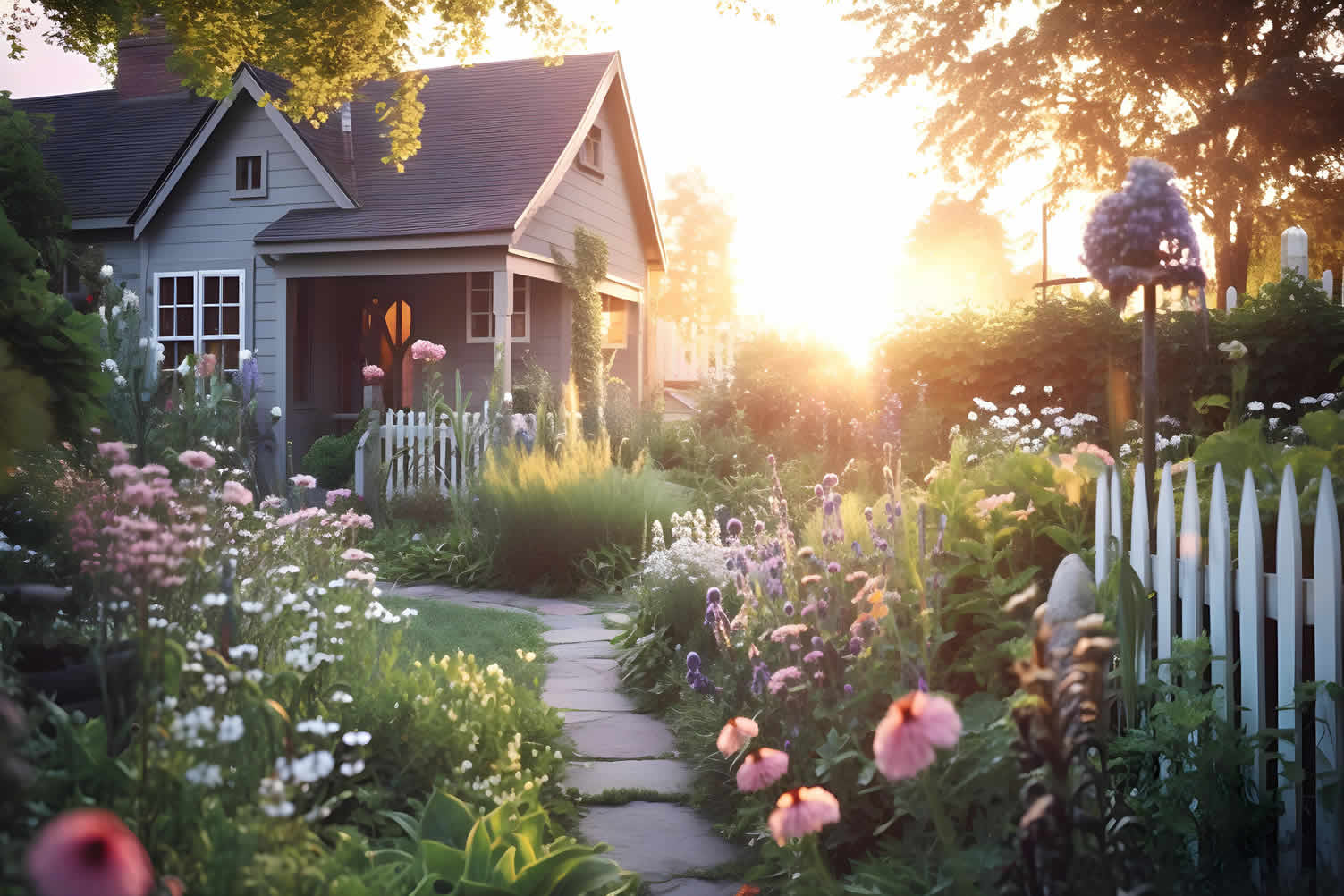
copyright image by 123rf.com
Garden Bed Tip 2: Incorporating Garden Beds Into Your Landscape
Notes:
-
Integrating garden beds into your existing landscape can significantly enhance the beauty and functionality of your outdoor space.
Not only do these beds provide a home for vibrant plants and fresh produce, but they can also serve as striking visual elements that complement and elevate your landscape design.
By thoughtfully considering their location, design, materials, and practical aspects, you can seamlessly blend garden beds into your outdoor environment.
-
Quick scroll to “into existing landscape” side notes …
-
-
1st: Location
Choosing the right location for your landscape garden beds is crucial for both plant health and aesthetic appeal. As mentioned, seek spots with ample sunlight, ideally on the south side of structures.
This positioning promotes optimal growth and ensures that your garden beds become a vibrant focal point within your yard.
Additionally, think about how these beds interact with existing pathways or other garden features to create a cohesive look.
-
Helpful Tips for Selecting the Location of Garden Beds
- Assess Sunlight Exposure:
Ensure that your garden beds receive at least 6 to 8 hours of direct sunlight each day, which is essential for most vegetables and flowering plants. - Consider Drainage:
Look for well-drained areas to prevent water-logging, as standing water can harm plant roots. If necessary, consider building raised beds to improve drainage. - Proximity to Water Source:
Position your garden beds near a water source for easy irrigation. This promotes healthy plant growth and reduces the time spent hauling water. - Observe Wind Patterns:
Identify any prevailing wind directions and place your garden beds in a sheltered spot to protect delicate plants from strong winds. - Avoid Heavy Foot Traffic:
Choose a location that minimizes foot traffic to reduce soil compaction and protect your plants from accidental damage. - Accessibility:
Make sure the location is easily accessible for maintenance tasks like weeding, harvesting, and watering, allowing you to enjoy your garden without hassle.
- Assess Sunlight Exposure:

copyright image by 123rf.com
-
-
2nd: Design Ideas
When incorporating garden beds, consider various design ideas that align with your landscape’s style. Raised beds can add height and structure, while curved edges might soften rigid lines in your garden.
Using tiered beds can help create visual interest and can also maximize space in smaller gardens. Each design choice should enhance the overall atmosphere, allowing your garden beds to serve as both functional planting areas and stylish accents.
-
Helpful Tips for Designing Garden Beds
- Consider Planting Height:
Choose the design based on the mature height of the plants you intend to grow. Taller plants like sunflowers should be placed at the back of beds, while shorter ones can be positioned at the front for visibility. - Incorporate Pathways:
Ensure that your design includes pathways for easy access to all parts of the garden beds. This not only aids in maintenance but also enhances the overall aesthetic flow of the garden. - Create Borders:
Establishing clear borders around your garden beds can help define their shape and enhance the overall design. Use materials such as decorative stones, wood, metal edging, or even plants like low-growing shrubs to create a distinct boundary. - Vertical Garden Design:
Embrace the creativity of vertical gardening to maximize limited space and add a striking visual element to your landscape. Utilizing trellises, wall planters, or living walls allows for a diverse arrangement of plants, increasing growing area while enhancing vertical interest. - Mix Textures and Colors:
Incorporate a variety of plant textures and colors to create visual interest. Combining foliage shapes and flower hues can lead to a more dynamic and appealing garden bed. - Plan for Seasonal Change:
Think about how your garden bed will look in different seasons. Choose a mix of perennials and annuals for year-round color and interest. - Use Natural Materials:
Consider utilizing natural materials like wood, stone, or recycled materials that harmonize with your landscape, adding to the organic feel of your garden. - Consider Maintenance Needs:
Design your garden beds with plant maintenance in mind. Ensure there is sufficient space between plants for easy access, and choose materials that are durable but easy to maintain. - Take Climate into Account:
Choose plants that are suited to your local climate and soil conditions. This will ensure robust growth and reduce the need for extensive care.
- Consider Planting Height:
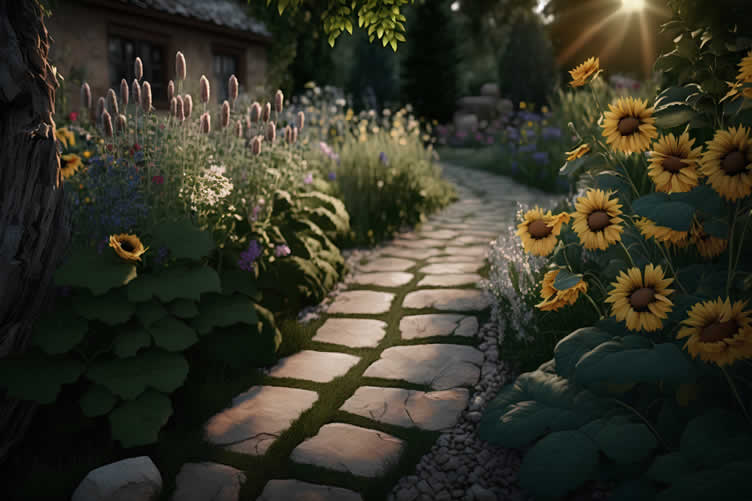
copyright image by 123rf.com
[ view below: design strategies for garden beds ]
[ view below: incorporating unique shapes for garden beds ]
-
-
3rd: Material and Aesthetics
The materials you choose for your landscape garden beds can significantly impact both durability and aesthetics.
Common materials include wood, stone, metal, or even recycled materials, each offering a unique look and feel. Consider using untreated natural wood for a rustic vibe or sleek metal for a modern touch.
Whichever material you select, ensure it harmonizes with other structures in your landscape, such as fences or patios, for a unified aesthetic.
-
Tips for Selecting the Best Type of Material and Aesthetics:
- Assess Your Garden Style:
Determine the overall design theme of your garden—traditional, contemporary, or rustic—and choose materials that complement this style. - Durability:
Opt for materials that can withstand your local climate and soil conditions. Consider weather-resistant options like treated wood, stone, or galvanized metal. - Maintenance Requirements:
Select materials that align with your desired level of maintenance. Low-maintenance options, such as stone or concrete, may require less upkeep over time compared to wood. - Color Coordination:
Ensure that the colors of your materials harmonize with plant selections and surrounding elements. Neutral tones often blend well with diverse plant palettes. - Ecological Considerations:
Consider sustainable materials, such as recycled products or responsibly sourced wood, to minimize environmental impact. - Texture Variety:
Incorporate a mix of textures to create visual interest. Pair smooth surfaces with rough textures to enhance the aesthetic appeal of your garden beds. - Budget Constraints:
Set a budget before starting your project to narrow down material options and prevent overspending. - Local Availability:
Source materials locally when possible to support community businesses and reduce transportation costs, which can also have a lower environmental impact. - Functionality:
Choose materials that not only look good but also serve a purpose, such as drainage for stone or structural support for raised beds. - Personal Preference:
Ultimately, select materials that resonate with your personal taste and preferences, as this will contribute to your enjoyment of the garden space.
- Assess Your Garden Style:
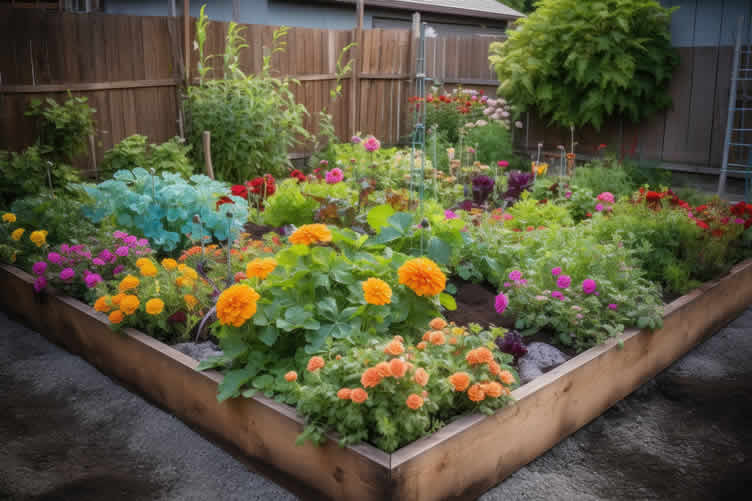
copyright image by 123rf.com
[ youtube: secret wood for garden beds ]
[ amazon: is pressured wood toxic for garden beds ]
-
-
4th: Practical Considerations
In addition to beauty, practical considerations shouldn’t be overlooked. Ensure that the placement of your garden beds allows for easy maintenance and access, especially for watering and harvesting.
Consider pathways surrounding your beds that facilitate movement and accessibility. Efficient irrigation solutions, like a drip system, can be effectively integrated to ensure plants thrive without undue labor.
-
Helpful Tips for Practical Considerations
- Plan for Sunlight Exposure:
Evaluate the sunlight patterns in your garden throughout the day. Position your beds to optimize the light requirements of the plants you intend to grow, ensuring that taller plants do not shade shorter ones. - Consider Soil Drainage:
Test the drainage of the existing soil before installing your garden beds. If the area retains too much water, consider building raised beds or incorporating drainage solutions like perforated pipes. - Utilize Companion Planting:
Incorporate companion planting techniques to naturally deter pests and enhance crop yield. Research which plants work well together to create a more balanced and resilient garden ecosystem. - Maintain Pathway Widths:
Ensure pathways between your garden beds are wide enough (typically 2-3 feet) for comfortable access and movement, especially if you plan to use wheelbarrows or other equipment. - Implement a Crop Rotation Schedule:
To maintain healthy soil and reduce pest infestations, plan a crop rotation schedule for your garden beds. This practice allows you to alternate plant families each season, enhancing soil fertility. - Incorporate Vertical Gardening:
If space is limited, consider vertical gardening techniques for certain plants, utilizing trellises or wall-mounted planters to maximize your growing area without sacrificing accessibility.
- Plan for Sunlight Exposure:
-
Other
-
Support Biodiversity in Garden Bed Design:
Design your garden beds to promote a diverse range of plants, which can support various pollinators and beneficial insects.Including native plants and flowers alongside vegetables and herbs can create a more biodiverse environment, fostering natural pest control and encouraging a balanced ecosystem within your garden.
-
Consider Companion Planting Strategies to Maximize Space:
Use companion planting techniques not only to deter pests but also to optimize space usage in your garden.Plant fast-growing herbs like basil alongside slower-growing crops such as tomatoes, as they can provide beneficial shade and protection while utilizing vertical height.
Group plants with complementary growth habits, such as planting bushy plants next to climbing varieties, to create a layered effect that maximizes your garden’s productivity.
Additionally, incorporating flowers like marigolds can attract beneficial insects that aid in pollination and pest management, further enhancing the health and yield of your garden beds.
-
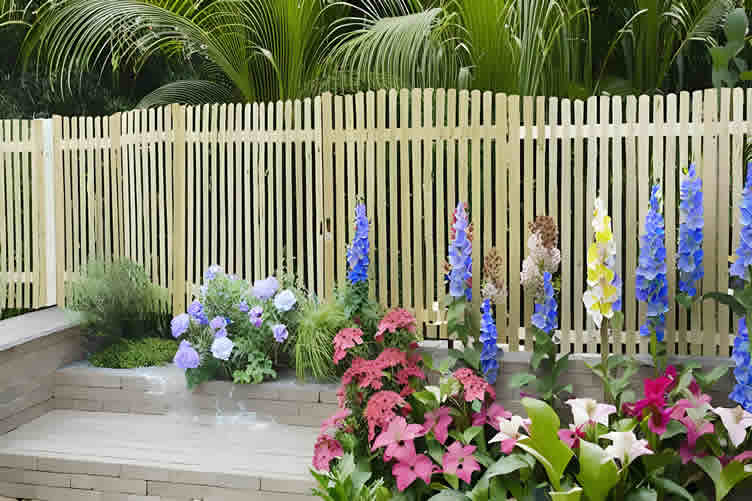
AI generated image by 123rf.com
[ youtube: why crop rotation isn’t necessary ]
[ youtube: crop rotation made simple ]
-
-
-
ideas to view and compare from the information discussed above
Scroll up to directory … or scroll to next section about landscape garden beds …

addressing landscape garden beds and other yard n’ home interior needs …

… grab this directory of ideas for future use




May We Suggest Other Photo Remodeling Ideas About
“Interior Home Improvements …” (new win)


third “photo remodeling” idea
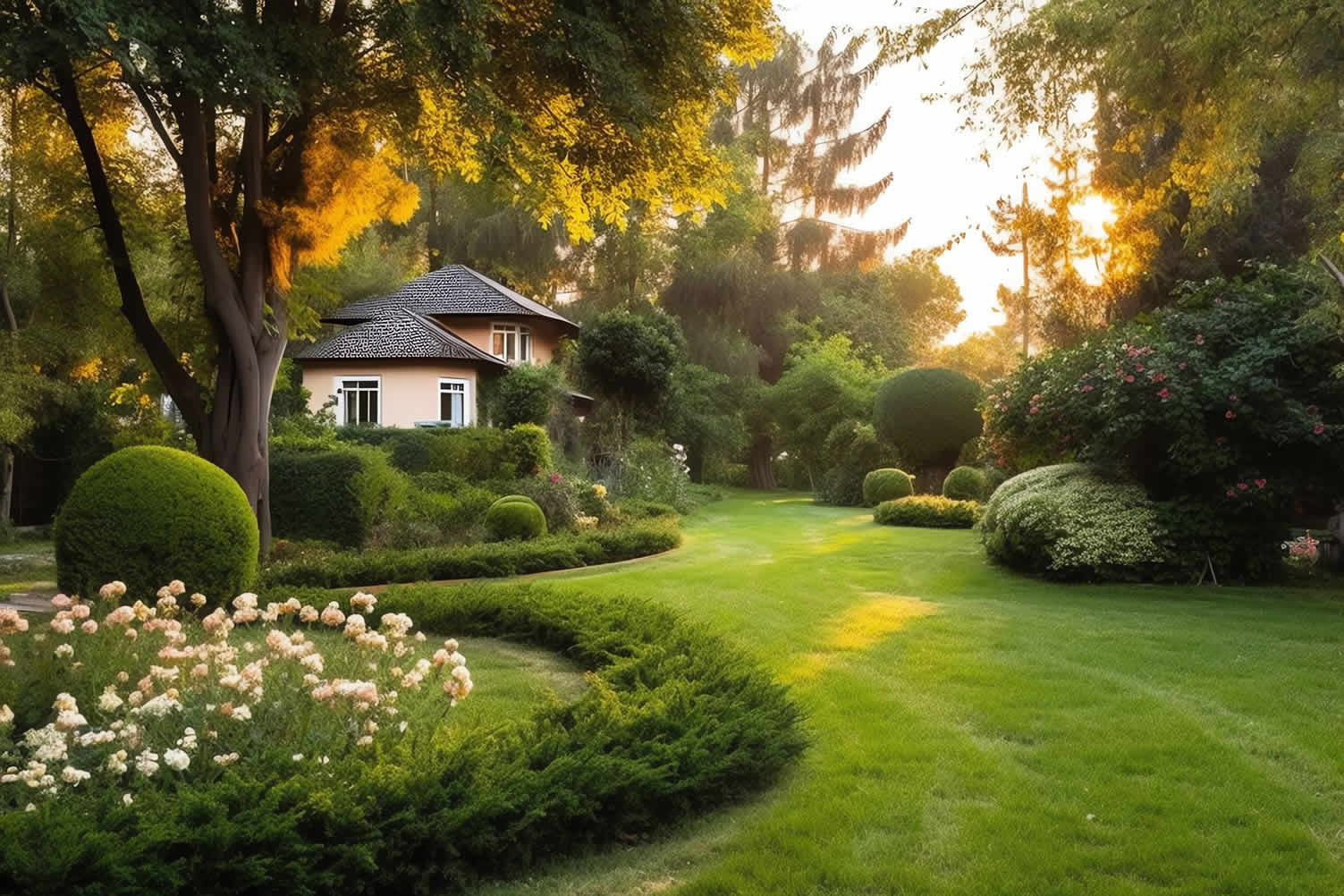
copyright image by 123rf.com
Garden Bed Tip 3: Designing Garden Beds to Complement Existing Features
Notes:
-
Designing garden beds that harmonize with existing landscape features involves thoughtful planning. Start by examining your yard’s layout and identifying areas where garden beds will enhance the overall design. Consider the lines, shapes, and colors present in your landscape to ensure your new garden beds fit seamlessly.
Incorporating garden beds into your landscape can also involve using them to highlight existing features, such as trees, pathways, or water elements.
For example, a garden bed surrounding a tree can create a natural frame, drawing attention to its beauty while providing a protective barrier for its roots.
Don’t forget to factor in the seasonal changes in your design. Choose plants that offer year-round interest, ensuring that your garden beds remain attractive throughout the seasons.
This foresight will keep your garden vibrant and engaging, no matter the time of year.
-
Quick scroll to “designing garden beds” side notes …
-
-
1st: Design Strategies
Creating visually appealing and functional garden beds is an essential aspect of landscape design. By employing strategic design principles, you can transform your garden beds into cohesive spaces that not only enhance the aesthetics of your outdoor area but also serve practical purposes.
Whether you aim to create intimate spaces, provide privacy, or define areas within your landscape, these strategies will help you achieve an inviting garden that is both beautiful and effective.
[ see below: sample images ]
-
Create a Sense of Enclosure
To foster a cozy atmosphere in your landscape, consider designing garden beds that create a sense of enclosure. This can be achieved by arranging your garden beds in a circular or semi-circular fashion, which draws the eye inward and encourages interaction with the space.
Additionally, the use of taller plants or decorative elements along the edges can help to frame the garden area, providing a secluded retreat amidst the larger landscape.
[ view ideas: landscape enclosure ]
-
Use as a Privacy Screen
Garden beds can serve as effective privacy screens, blocking unpleasant views while adding beauty to your environment. By selecting robust, tall plants such as hedges or ornamental grasses in your landscape garden beds, you can create natural barriers that offer seclusion.
Arranging these beds strategically can help to obscure unwanted sights, making your outdoor space more enjoyable.
[ view ideas: privacy plantings ]
-
Define Spaces
Utilizing garden beds to define different areas within your landscape is a practical design strategy. By placing beds along pathways or at transitions between different functional zones (such as lounging and dining areas), you create visual divisions that enhance the flow of your garden.
This segmentation not only improves functionality but also adds an organized and intentional feel to the overall design.
[ view ideas: pathways between landscape garden ]
-
Incorporate Vertical Elements
Adding vertical elements to your garden beds can elevate the visual interest of your landscape. Utilizing trellises, arbors, or tall flower spikes not only maximizes limited space but also draws the eye upward, creating a sense of height.
This strategy is particularly useful in smaller gardens where vertical growth can compensate for limited horizontal area, ensuring a lush and vibrant appearance throughout.
[ view ideas: vertical landscape garden ]
-
Tiered Designs
Implementing tiered designs within your garden beds can provide depth and dimension to your landscape. By creating raised beds or varying the height of plants, you can achieve a more dynamic look.
This method enhances visibility and accessibility, making it easier to maintain plants while also capturing attention with striking arrangements that showcase different textures and colors
[ view ideas: tiered raised landscape ]
-
Create Focal Points
Incorporating focal points into your landscape design can significantly enhance visual interest and draw the eye to particular areas of your garden. Focal points can be established using bold features such as statues, water features, or vibrant flowering plants that stand out against the surrounding greenery.
Positioning these elements strategically within garden beds can create a sense of harmony and balance, guiding visitors through your space while providing moments of intrigue.
Additionally, varying the scale and texture of focal points can create layers of interest, ensuring that every section of your garden captivates attention.
[ view ideas: landscape focal point design ]
-
Incorporate Hardscape
Integrating hardscape elements into your garden beds can significantly enhance the overall landscape design. Features such as stone pathways, patios, or decorative retaining walls add structure and contrast to the softness of plants.
Hardscape not only provides functionality—such as guiding foot traffic and creating usable outdoor spaces—but also contributes to the aesthetic appeal by introducing various textures and materials.
Moreover, the careful placement of hardscape elements can create focal points and complement the natural beauty of your plants, leading to a more cohesive and polished outdoor environment.
[ view ideas: hardscape landscape ]
-
Other Considerations
When designing your landscape garden beds, think about other factors that may impact their effectiveness. Consider color schemes, seasonal changes, and maintenance requirements to ensure consistency and longevity in your design.
Additionally, incorporating paths, rocks, or mulch can unify your garden beds with the surrounding landscape, enhancing both functionality and appearance.
[ view ideas: rock landscape ]

copyright image by 123rf.com
[ pinterest: design strategies for garden beds ]
[ youtube: designing a garden bed from scratch ]
-
-
2nd: Incorporating Unique Shapes
Exploring unconventional shapes for garden beds can add a creative flair to your landscape while maximizing space and enhancing visual interest.
Unique shapes not only break the monotony of traditional rectangular beds, but they can also serve practical functions by helping to define spaces and guiding visitors through your garden.
Here are several innovative designs to consider when planning your landscape garden beds:
[ see below: unique shape images ]
-
Hexagonal Beds
Hexagonal garden beds create a striking visual appearance and allow for efficient spacing of plants. By positioning these beds in clusters, you can maximize planting opportunities while providing easy access for maintenance.
The six-sided structure offers a dynamic alternative to conventional shapes, fitting neatly into tight spaces or creating an eye-catching focal point in your landscape.
[ view ideas: hexagonal landscaping bed ]
-
Curved Beds
Curved garden beds introduce a natural flow to your landscape, complementing the organic forms of plants. They can be designed to follow the contours of your garden layout, enhancing the aesthetic appeal and promoting a more relaxed atmosphere.
These beds can also help soften hard edges and create inviting pathways, guiding visitors through your space.
[ view ideas: curved landscaping bed ]
-
Keyhole Design
The keyhole garden bed is a unique, circular design featuring a central planting area and a narrow path leading to it. This shape not only maximizes space but also enhances accessibility, especially for those with mobility challenges.
The central area allows for diverse plantings, while the surrounding path contributes to ease of maintenance.
[ view ideas: landscaping keyhole design beds ]
-
L-Shaped Beds
L-shaped garden beds are fantastic for utilizing corner spaces in your landscape. They can delineate separate areas effectively while providing ample room for various plant species.
This configuration also allows for layering plants by height and size, creating visual depth and interest.
[ view ideas: landscape L-shaped garden beds ]
-
Tiered Beds
Tiered garden beds are perfect for small or sloped landscapes, allowing for effective drainage and improved visibility of plants at different heights.
These multi-level beds can also create dynamic layers, making it easier to showcase a variety of plant types, including flowers and vegetables.
[ view ideas: landscape tiered garden beds ]
-
Spiral Beds
Spiral garden beds not only maximize planting space vertically but also create an intriguing visual element in your landscape.
These beds allow for a diverse range of plants to be planted along the path of the spiral, enabling changes in elevation and providing varying levels of sunlight based on the direction of the spiral.
[ view ideas: landscape spiral garden beds ]
-
Nested Beds
Nested garden beds feature smaller beds within larger ones, allowing for diverse planting strategies and maximizing space efficiency.
This design can be particularly striking with contrasting plant colors and textures, enhancing the overall aesthetic of your outdoor area.
[ view ideas: landscape nested garden beds ]
-
Vertical Towers
Vertical towers offer a modern approach to gardening, especially in limited spaces. These structures enable you to grow a variety of plants upwards, utilizing height rather than horizontal space.
This design is not only practical for urban gardening but can also add a unique visual feature to your garden.
[ view ideas: backyard landscape vertical tower ]
-
Re-purposed Items
Incorporating re-purposed items into your garden bed design can provide character and sustainability. Old furniture, tires, or wooden pallets can be transformed into creative garden beds that tell a story and reduce waste.
This approach encourages a personalized touch that reflects your individual style.
[ view ideas: backyard landscape re-purposed items ]
-
Container Beds
Container beds are versatile, allowing for mobility and adaptability in your landscape. From pots to elevated planters, container gardens can suit any space, whether it’s a patio, balcony, or backyard.
They enable you to mix and match plants easily while ensuring that various heights and colors can be enjoyed together.
[ view ideas: backyard landscape container beds ]
-
Other
Don’t be afraid to experiment further with unusual shapes and structures for your landscape garden beds. Combining various design elements and shapes can evoke a unique atmosphere and encourage exploration in your garden.
The key is creativity and functionality, ensuring that every shape serves a purpose while enhancing the beauty of your outdoor space.
[ view ideas: landscape garden bed design ]
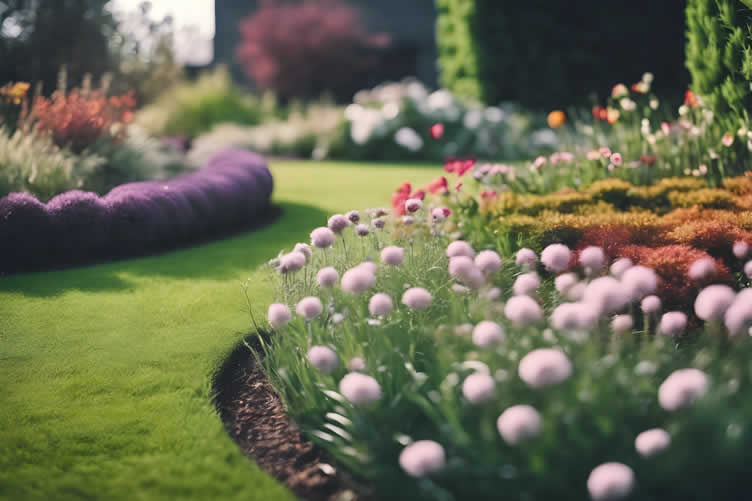
AI generated image by 123rf.com
[ pinterest: garden bed design ideas ]
[ youtube: designing an island bed ]
-
-
3rd: Selecting Plantings
Choosing the right plantings for your garden beds is essential for creating a vibrant and sustainable landscape. When selecting plants, consider factors such as climate, soil type, and the overall aesthetic you wish to achieve.
By understanding the variety of planting options available, you can create garden beds that not only showcase diverse colors and textures but also thrive in your outdoor environment.
[ see below: select planting images ]
-
Perennial Flowers and Bulbs
Perennial flowers and bulbs provide lasting beauty and robust structure to your garden beds. These plants return year after year, offering vibrant blooms in various seasons.
Position taller perennials in the back of your beds, with shorter varieties in the front to create a layered effect. Bulbs, such as tulips and daffodils, can be planted in clusters for a pop of early spring color
[ view ideas: perennial garden design ]
-
Annual Flowers
Annual flowers are perfect for adding seasonal color and can be easily interchanged each year. These plants typically bloom all summer, providing vibrant displays in your landscape garden beds.
When selecting annuals, opt for a mix of colors and heights to create a visually striking arrangement. Consider planting them alongside perennials for an extended blooming season.
[ view ideas: annual flower garden design ]
-
Shrubs and Small Trees
Incorporating shrubs and small trees into your garden beds can provide structure and year-round interest. Choose varietals that complement your existing plants while considering their growth habits.
Smaller trees can serve as focal points, while shrubs can fill gaps, creating a lush and layered look in your garden.
[ view ideas: shrubs and small tree garden beds ]
-
Ornamental Grasses
Ornamental grasses add movement and texture to your garden beds, swaying gently in the breeze. They can be used to create borders or focal points and are particularly effective for adding height when placed towards the back of a bed.
These adaptable plants are also drought-tolerant, making them a low-maintenance choice for landscape design.
[ view ideas: ornamental grass ideas ]
-
Ground Cover
Ground cover plants help to control weeds and provide a lush, green canvas in your garden beds. They are ideal for filling in bare spots and can also provide color during various seasons.
Select low-growing varieties that are hardy and can thrive in your local climate to maintain a healthy, attractive garden space.
[ view ideas: ground cover ideas ]
-
Native Plants
Native plants are excellent choices for garden beds, as they are well-adapted to local conditions and require less maintenance. Incorporating these plants into your landscape garden beds not only supports local wildlife but ensures resilience against pests and diseases.
Choose a variety of native plants to create a biodiverse ecosystem within your garden.
[ view ideas: native plants landscaping ]
-
Vegetables
Growing vegetables in garden beds allows for fresh produce at your fingertips. Select a mix of leafy greens, root vegetables, and fruit-bearing plants to maintain a diverse and productive garden.
Ensure that sunlight and moisture requirements are met for your vegetable selection, and consider companion planting to maximize space and yield.
[ view ideas: vegetable garden beds ]
-
Fruit-Bearing Plants
Fruit-bearing plants can add beauty and bounty to your landscape garden beds. From small berry bushes to dwarf fruit trees, these plants not only provide delicious produce but also stunning blooms.
Arrange them strategically to ensure proper sunlight exposure, and select varieties that will thrive in your garden’s conditions.
[ view ideas: fruit-bearing garden beds ]
-
Herbs
Herbs are an invaluable inclusion in your garden beds, offering both culinary and aesthetic benefits. From fragrant basil to hardy rosemary, herbs can be grown in designated sections or intermixed with flowers.
Their varied textures and heights can enhance the visual appeal while also providing fresh flavors for your cooking.
[ view ideas: herb garden beds ]
-
Other
When selecting plants for your garden beds, don’t hesitate to explore unconventional options that add a unique touch. Consider incorporating ornamental climbers, tropical plants, or even succulents to create a distinctive theme.
The possibilities are endless, as long as the selected plants serve a purpose and contribute to the overall harmony and beauty of your outdoor space.
[ view ideas: ornamental climbers landscaping ]

copyright image by 123rf.com
[ pinterest: using ornamental grasses in garden beds ]
[ youtube: create a four-season garden bed ]
-
-
-
ideas to view and compare from the information discussed above
hexagonal raised bedraised bed with trellisraised bed with cover
Scroll up to directory … or scroll to next section about landscape garden beds …
SHARE IT ..! You might have someone in your social network who could find this informative on landscape garden beds valuable. Feel free to share it on Facebook, X (formally Twitter), LinkedIn, or Pinterest!


… with a summary of step-by-step instructions





fourth “photo remodeling” idea
copyright image by 123rf.com
Garden Bed Tip 4: Creating Garden Beds: Step-by-Step Instructions
Notes:
-
Garden beds are more than just patches of soil—they are carefully designed plots that can transform how you grow plants. Unlike traditional gardens, garden beds offer improved soil conditions, better drainage, and easier access, making gardening more comfortable and efficient.
Additionally, garden beds are highly customizable, allowing you to design your garden to fit your space, style, and specific plant needs. They also help to keep weeds at bay, reducing the amount of time and effort spent on maintenance.
In this section, we will outline the steps to create and construct each garden bed. With just a few tools, some knowledge, and a bit of experimentation, you can design the perfect garden bed that complements your landscape beautifully.
-
Quick scroll to “garden bed building steps” side notes …
-
-
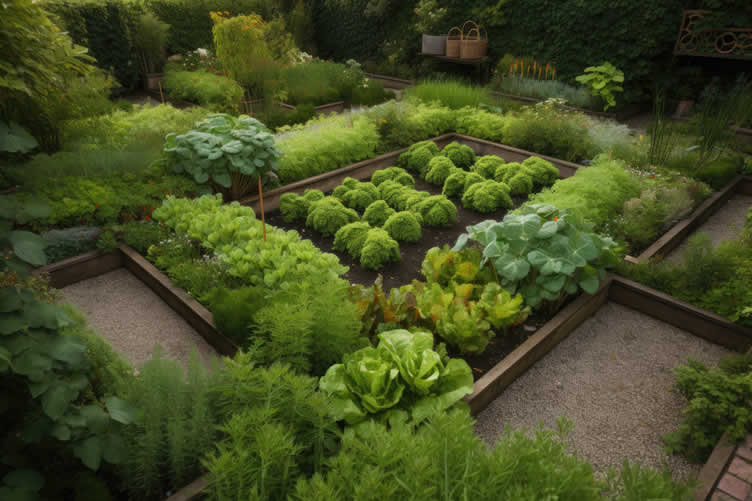
1st: Building Raised Garden Beds
Creating raised garden beds is an excellent way to enhance your gardening experience. These beds not only provide better soil conditions and drainage but also elevate your plants, making them easier to access.
Raised beds can be built from a variety of materials, such as wood, stone, or metal, and can be designed to suit any space, whether large or small. Below are detailed steps to guide you through the process of building your own raised garden beds.
-
Step 1: Choose a Location
- Select a sunny spot in your yard that receives at least 6-8 hours of sunlight daily.
- Ensure the area is well-drained and away from large trees that may compete for nutrients and water.
-
Step 2: Determine the Size and Shape
- Decide on the dimensions of your raised bed; a common size is 4 feet wide by 8 feet long.
- Consider the height of the bed, typically ranging from 12 to 24 inches, based on your preference and the plants you plan to grow.
-
Step 3: Gather Materials
- Acquire the necessary materials, which may include untreated wood (like cedar or redwood), screws or nails, corner brackets, and a level.
- Optional: landscape fabric and mulch to help with drainage and weed control.
-
Step 4: Construct the Frame
- Cut the wood to the desired lengths to create the frame.
- Assemble the frame using screws or nails, ensuring corners are square and structurally sound.
- If using multiple layers, stack them securely on top of each other.
-
Step 5: Prepare the Site
- Clear the chosen area of grass, weeds, and debris.
- You may choose to dig a shallow trench for the bed to ensure it’s level with the surrounding ground.
-
Step 6: Install the Bed
- Position the constructed frame in the prepared site.
- Use a level to ensure all sides are even and adjust as necessary.
-
Step 7: Attach a Bed Liner
- Consider adding a bed liner to your raised garden bed to safeguard the soil from temperature fluctuations and overheating during hot summer days. This can help insulate the roots of your plants and promote healthier growth.
- Use materials such as landscape fabric or thick cardboard to create a barrier between the soil and the wood, allowing for adequate drainage while providing insulation against extreme temperatures.
-
Step 8: Fill with Soil
- Mix a combination of good-quality garden soil, compost, and other organic materials.
- Fill the raised bed to about an inch below the top edge to allow for watering.
-
Step 9: Plant and Maintain
- Plan what you’d like to plant based on sunlight and space.
- Regularly water and maintain your raised bed to ensure healthy plant growth.
Building raised garden beds can significantly improve your gardening experience, providing accessibility and making it easier to manage your plants. Enjoy the process and the delicious produce that will come from your efforts!
copyright image by 123rf.com
[ youtube: how to build garden bed ]
[ youtube: best liner for raised garden Bed ]
-
-
2nd: Building In-Ground Garden Beds
Creating in-ground garden beds is a fantastic way to cultivate your plants directly in the soil, allowing for deep root growth and improving soil health.
This method can promote better drainage and nutrient access, making it ideal for a variety of vegetables, fruits, and flowers. Below, we outline the essential steps to help you construct effective in-ground garden beds that will yield a bountiful harvest.
-
Step 1: Choose the Location
- Select a sunny spot that receives at least 6-8 hours of sunlight daily.
- Ensure good drainage; avoid areas that retain water after heavy rain.
-
Step 2: Plan the Size and Shape
- Decide on your bed’s dimensions; a common size is 4 feet by 8 feet for easy reach.
- Sketch the desired layout, taking into account space for walking paths around the beds.
-
Step 3: Clear the Area
- Remove all grass, weeds, and debris from the selected location.
- If needed, you may use a shovel or hoe to turn over the soil, breaking up compacted areas.
-
Step 4: Amend the Soil
- Test the soil pH and nutrient levels to determine any necessary amendments.
- Incorporate organic matter, such as compost or well-rotted manure, to enrich the soil.
-
Step 5: Create Edges (Optional)
- If desired, you can create edges with wood, stone, or brick to outline the garden bed.
- This can help define the space and keep soil from washing away.
-
Step 6: Dig the Garden Bed
- Dig down about 12 to 18 inches to create a deep planting area.
- Loosen the soil at the bottom to encourage root penetration.
-
Step 7: Level the Soil
- Rake the soil to create a smooth, even surface before planting.
- Check for low spots or uneven areas and adjust as needed.
-
Step 8: Plant Your Seeds or Seedlings
- Refer to planting guidelines for spacing and depth based on the plants chosen.
- Water gently after planting to settle the soil around the roots.
-
Step 9: Mulch and Maintain
- Apply a layer of mulch to conserve moisture and suppress weeds.
- Regularly check the soil moisture and provide necessary maintenance throughout the growing season.
By following these steps, you’ll be well on your way to creating flourishing in-ground garden beds, enhancing your gardening experience while enjoying the fruits of your labor.
copyright image by 123rf.com
[ view diagram: design flower bed ]
[ youtube: design in-ground garden bed ]
-
-
3rd: Building Tiered Garden Beds
Creating tiered garden beds is an excellent way to maximize space, improve drainage, and add visual interest to your landscape.
These multi-level beds provide an ideal environment for cultivating a wider variety of plants while making it easier to manage and harvest.
With careful planning and construction, tiered garden beds can be both functional and aesthetically pleasing.
-
Step 1: Plan Your Design
- Determine the size and shape of your tiered beds based on available space and desired aesthetics.
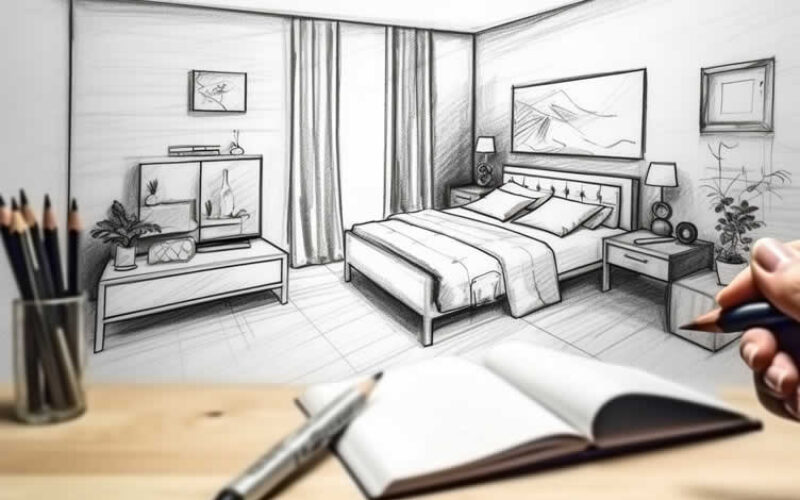
- Sketch your design on paper, including the height of each tier and the layout.
-
Step 2: Choose the Right Location
- Select a spot that receives adequate sunlight for the plants you intend to grow.
- Ensure the area has good drainage to prevent water pooling.
-
Step 3: Gather Materials
- Collect materials such as wood, stone, or bricks to construct the sides of the beds.
- Consider using rot-resistant wood like cedar or untreated pine for longevity.
-
Step 4: Prepare the Ground
- Clear the designated area of grass, weeds, and debris.
- Level the ground where you will build the tiers to create a stable foundation.
-
Step 5: Construct the Base Level
- Build the bottom tier first, measuring out and cutting the materials to size.
- Secure the corners using screws or nails to form a sturdy rectangular or square frame.
-
Step 6: Add Subsequent Tiers
- For each additional tier, repeat the building process, ensuring that each level is stable and aligned.
- Gradually step back each tier to allow adequate planting space and access for maintenance.
-
Step 7: Add a Bed Liner
- Bed lines helps prevent soil temperature fluctuations.
- Raised tiered beds allow soil to lose or gain heat much more rapidly than in-ground beds, which can significantly affect plant health.
Step 8: Fill with Soil
- Fill each tier with a suitable soil mix, incorporating compost or organic matter for nutrient-rich planting environments.
- Make sure the soil is level across each tier.
-
Step 9: Plant and Maintain
- Select plants appropriate for each tier’s height and sunlight exposure, ensuring to space them according to their growth requirements.
- Water regularly and apply mulch to preserve moisture and suppress weeds.
Following these steps will help you construct beautiful tiered garden beds that not only enhance your garden’s appeal but also provide a productive growing space.
Enjoy the rewards of your efforts as your flowers, vegetables, or herbs flourish in their new home!
copyright image by 123rf.com
[ view diagram: tiered bed ]
[ youtube: how to terraced garden bed ]
-
-
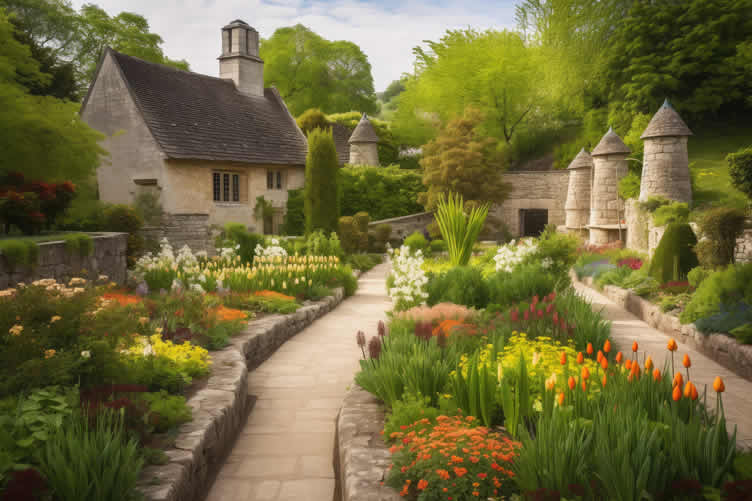
4th: Creating Landscape Beds
Creating landscape beds is an enriching way to elevate the aesthetic of your outdoor space while providing a sturdy foundation for floral and vegetable growth.
Crafting landscape beds allows you to personalize your garden according to your tastes, while also establishing defined areas for various plant types.
The process involves planning, preparing, and constructing beds that will not only enhance visual appeal but also aid in plant health with proper soil management and maintenance.
Below, you will find a segmented guide to building your own landscape beds.
-
Step 1: Choose the Location
- Select an area with adequate sunlight for your chosen plants, considering their specific light requirements.
- Ensure the site is easily accessible for watering, weeding, and harvesting.
-
Step 2: Define the Size and Shape
- Decide on the dimensions of your landscape beds, keeping in mind the available space and plant varieties.
- Use garden stakes and string to outline the shape you wish to create.
-
Step 3: Gather Materials
- Choose suitable materials for constructing the borders, such as timber, bricks, or decorative stones.
- Ensure the materials are appropriate for outdoor use and will withstand weather elements.
-
Step 4: Prepare the Ground
- Clear the designated area of any existing grass, weeds, or rocks to provide a clean working surface.
- Level the ground as needed to create a solid base for your landscape beds.
-
Step 5: Construct the Borders
- Arrange your chosen materials to form the perimeter of the landscape bed.
- Secure each piece properly; consider using landscape adhesive or spikes for added stability.
-
Step 6: Fill with Soil
- Add a high-quality soil mix that is suitable for the type of plants you intend to grow.
- Incorporate amendments like compost to enhance soil fertility and drainage.
-
Step 7: Plant Your Selections
- Choose plants that complement each other in terms of height, color, and texture.
- Plant according to their spacing requirements, ensuring each plant has enough room to grow.
-
Step 8: Maintain Your Landscape Beds
- Water your plants regularly, particularly during dry spells, and ensure proper drainage.
- Mulch around the plants to retain moisture and reduce weed growth, keeping your beds looking tidy and healthy.
By following these steps, you can create beautiful and thriving landscape beds that reflect your gardening style while promoting plant growth and sustainability. Enjoy nurturing your garden and watching it flourish!
copyright image by 123rf.com
[ view diagram: landscape garden bed arrangement ]
[ youtube search: how to design colorful flower beds ]
-
-
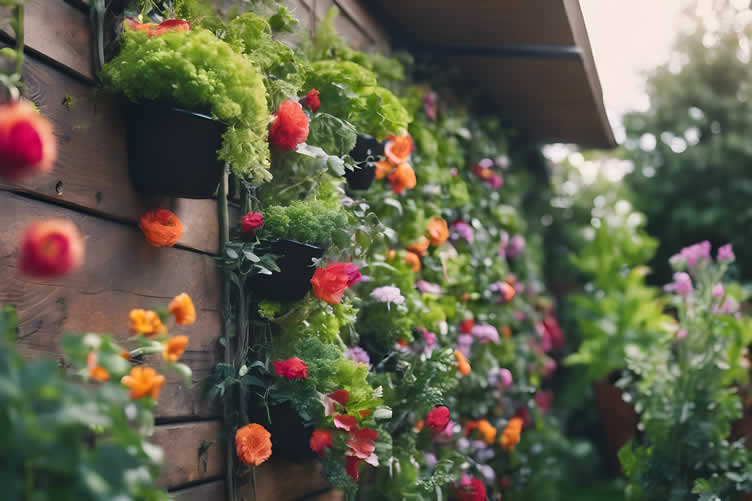
5th: Building Vertical Garden Beds
Vertical garden beds are an innovative solution for those with limited space who still want to enjoy the benefits of gardening.
They provide an efficient way to grow a variety of plants while adding visual interest to your outdoor or indoor space.
By taking advantage of vertical space, you can create stunning displays of greenery and flowers, all while making it easier to tend to your plants. Here’s a detailed guide on how to build your own vertical garden bed.
-
Step 1: Choose the Location
- Select a spot that receives adequate sunlight for the plants you want to grow, typically 6-8 hours daily.
- Ensure the location is easily accessible for watering and maintenance.
-
Step 2: Gather Materials
- Collect materials for the frame, such as wood, metal, or sturdy plastic. Pallets can also be used for a rustic look.
- Acquire soil, plants, and optional netting or wire for plant support.
-
Step 3: Construct the Frame
- Cut your chosen material to the desired dimensions, keeping in mind the height, width, and depth needed for your plants.
- Secure frame pieces using screws or brackets to create a sturdy structure.
-
Step 4: Add Backing
- Attach a solid backing to prevent soil from falling out and to provide support for climbing plants if needed.
- Use plywood, mesh, or wire, depending on the aesthetics and functionality you desire.
-
Step 5: Create Planting Sections
- Divide the vertical space into sections using shelves or pockets, allowing room for a variety of plants.
- Ensure that each section has proper drainage holes to prevent water-logging
-
Step 6: Fill with Soil and Plant
- Fill each section with a high-quality soil mix suitable for your selected plants.
- Plant according to spacing requirements and consider companion planting for optimal growth.
-
Step 7: Watering and Maintenance
- Set up a watering system or water manually, ensuring that it reaches all plants effectively.
- Regularly check on your plants, pruning as needed to encourage new growth and prevent overcrowding.
By following these steps, you can create a vibrant vertical garden bed that maximizes your gardening potential, regardless of space constraints.
AI generated image by 123rf.com
[ view diagram: vertical garden ]
[ youtube search: how to build vertical garden beds ]
-
-
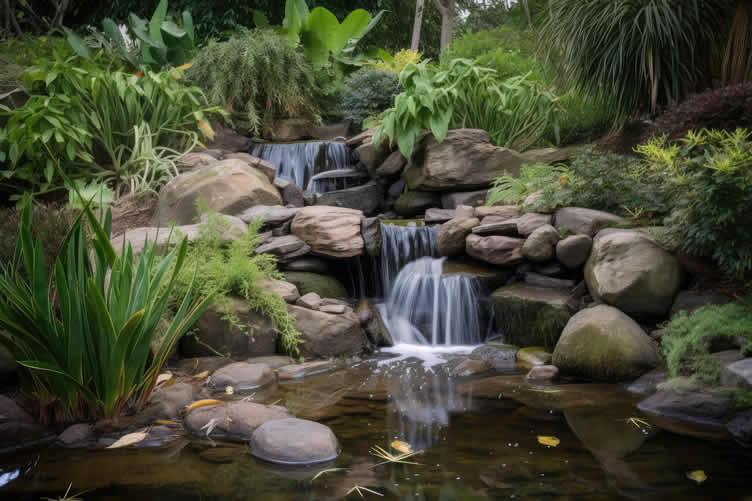
6th: Building Water-Feature Garden Bed
Creating a water-feature garden bed can transform your outdoor space into a serene and visually captivating environment.
A water feature not only adds a soothing element of sound but also attracts wildlife, enhancing the biodiversity of your garden.
Whether you opt for a simple pond, a bubbling fountain, or a multi-tiered waterfall, integrating water can elevate the aesthetics and overall experience of your garden.
-
Step 1: Choose a Location
- Select a spot that receives a good amount of sunlight, as this helps to keep the water clear and supports aquatic plants.
- Ensure it is visible from key areas of your garden to maximize its impact.
-
Step 2: Design the Layout
- Sketch a design that includes the shape and size of the water feature, surrounding plants, and any additional landscaping elements.
- Consider incorporating diverse plants that thrive in moist conditions, such as ferns, water lilies, and irises.
-
Step 3: Excavate the Area
- Dig a hole according to your design, making sure to vary the depth for different water levels and to create shelves for aquatic plants.
- Remove any rocks, roots, or debris that could puncture your liner if using one.
-
Step 4: Install a Liner (Optional)
- If you’re creating a pond, consider adding a pond liner to hold the water. Lay the liner in place, allowing for some excess material around the edges to fold over.
-
Step 5: Add the Pump and Filtration System
- Install a water pump to circulate water, which helps to maintain clarity and aerate the environment.
- Set up any filtration systems according to the manufacturer’s instructions to keep the water clean.
-
Step 6: Fill the Water-Feature
- Begin filling your pond with water, ensuring that all equipment is functioning correctly while the water is filling.
- Adjust the liner or any components as necessary to ensure everything is positioned properly.
-
Step 7: Plant Surrounding Vegetation
- Choose and plant your selected vegetation around the water feature, ensuring they are suitable for the water environment and complement the design of the bed.
- Incorporate both tall plants for height and low-growing plants for balance.
-
Step 8: Add Decorative Elements
- Personalize your water-feature garden bed with decorative stones, statues, or lighting options to enhance the visual appeal after dusk.
- Consider adding a seating area nearby to allow for quiet reflection and relaxation.
-
Step 9: Maintain Your Water-Feature
- Regularly check and maintain the water quality, pump, and filter systems.
- Monitor plant health, and remove any debris or algae buildup to ensure the water feature remains a beautiful focal point in your garden.
With patience and care, your water-feature garden bed can become a stunning addition that enhances both the beauty and tranquility of your outdoor space.
copyright image by 123rf.com
[ view diagram: backyard water-feature ]
[ youtube search: how to build stone water fountain ]
-
-
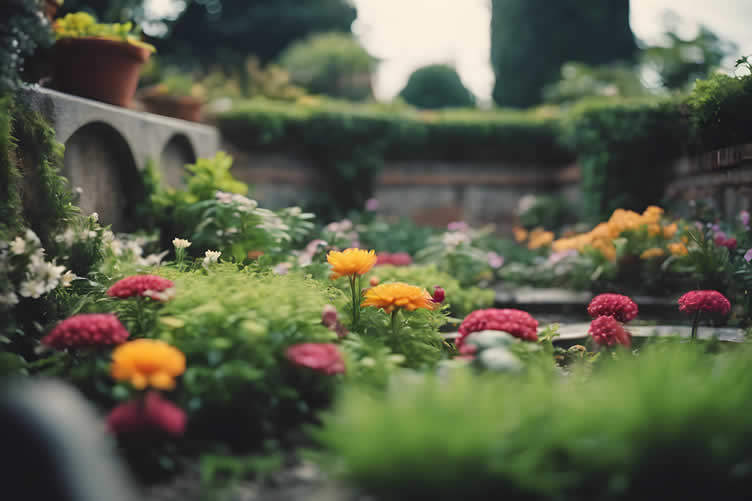
7th: Building Sunken Garden Beds
Creating a sunken garden bed can be an excellent way to enhance your landscape while providing a unique area for planting.
Sunken beds are particularly beneficial for managing drainage, improving soil quality, and creating a micro-climate that can be favorable for plant growth.
They can be designed to fit any aesthetic and can accommodate a diverse range of plants, from vegetables to ornamental flowers. Below are the detailed steps to successfully construct your own sunken garden bed.
-
Step 1: Choose a Location
- Select a spot with adequate sunlight; most plants prefer at least 6-8 hours of direct sun.
- Ensure good drainage and away from areas prone to flooding.
-
Step 2: Determine Dimensions
- Decide on the shape and size of your sunken bed based on available space and design preferences.
- Typically, dimensions of 4 feet wide and 6-8 feet long work well for accessibility.
-
Step 3: Dig the Bed
- Remove the sod and soil to a depth of about 12-18 inches.
- Keep the soil for later use as a topping or for landscaping around the bed.
-
Step 4: Amend the Soil
- Mix in well-rotted compost or organic matter to enhance nutrient content.
- Test soil pH and add amendments if needed for optimal plant growth.
-
Step 5: Add Drainage
- If the area has poor drainage, consider adding layers of gravel or sand at the bottom of the bed.
- Ensure that the surrounding area slopes away from the bed to facilitate water flow.
-
Step 6: Build Edging (Optional)
- Create a border using wood, stone, or brick to define the bed and maintain shape.
- Ensure that any material used is untreated or safe for garden use.
-
Step 7: Fill with Soil
- Refill the bed with the amended soil mixture, leaving enough space for plants and mulch.
- Slightly mound the soil in the center for better drainage.
-
Step 8: Plant Your Garden
- Choose plants suitable for the sun and the micro-climate created by the sunken bed.
- Space plants according to their size at maturity for healthy growth.
-
Step 9: Mulch and Maintain
- Add a layer of mulch to help retain moisture and suppress weeds.
- Regularly check soil moisture and apply additional amendments as needed to support plant health.
By following these steps, you will be well on your way to creating a functional and beautiful sunken garden bed that adds depth and interest to your landscape.
AI generated image by 123rf.com
[ view diagram: sunken garden bed ]
[ youtube: how to build sunken garden bed ]
-
-
8th: Building Retaining Wall Garden Beds
Retaining wall garden beds are a fantastic solution for those looking to make the most of their landscaping while also managing soil erosion and creating defined planting spaces.
These beds not only offer a visually appealing enhancement to your garden but also provide a practical way to cultivate a variety of plants at different heights.
Building a retaining wall garden bed requires careful planning and execution to ensure stability and functionality.
-
Step 1: Plan the Design
- Decide on the location of the retaining wall garden bed based on sunlight, water drainage, and accessibility.
- Determine the dimensions of the bed, including height, width, and length, ensuring ample space for plant growth.
-
Step 2: Gather Materials
- Choose suitable materials for the retaining wall, such as natural stone, concrete blocks, or wood timbers.
- Obtain necessary tools, including a level, shovel, hammer, and landscaping fabric for drainage.
-
Step 3: Excavate the Area
- Clear the designated area by removing sod and debris to create a flat surface for the foundation.
- Dig a trench about 6-8 inches deep and wide enough to accommodate the base of the retaining wall.
-
Step 4: Create a Level Base
- Fill the trench with gravel or compacted soil to create a stable base for the wall.
- Use a level to ensure the surface is even, which is crucial for building a straight wall.
-
Step 5: Build the Retaining Wall
- Begin stacking the chosen materials, ensuring each layer is level and tightly fitted to prevent shifting.
- For additional stability, stagger the joints of the material as you build higher.
-
Step 6: Add Drainage
- Install drainage solutions, such as weep holes or perforated piping, to manage water flow and prevent pressure buildup behind the wall.
- Place a layer of gravel behind the wall to promote drainage.
-
Step 7: Backfill the Wall
- Once the wall is complete, backfill the space behind it with soil, making sure to compact the soil to prevent settling.
- Leave enough room for planting, allowing the soil to settle naturally over time.
-
Step 8: Plant Your Garden
- Choose plants that thrive in the micro-climate created by the wall’s structure, considering exposure to sunlight and wind.
- Arrange plants in layers, taller plants at the back and shorter ones in front for a visually appealing display.
-
Step 9: Maintain the Retaining Wall Garden Bed
- Regularly check for any signs of erosion or shifting, adjusting soil as necessary to maintain the structure.
- Monitor plant health and water needs, applying mulch as required to retain moisture and suppress weeds.
By constructing a retaining wall garden bed, you harness both beauty and functionality, creating a sustainable environment for your plants to thrive while effectively managing soil erosion.
AI generated image by 123rf.com
[ view diagram: retainer wall ]
[ youtube search: how to build retainer wall ]
-
-
-
ideas to view and compare from the information discussed above
Scroll up to directory … or scroll to next section about landscape garden beds …

plan the specifications you need for making …

… stunning landscape garden beds and other home improvement decisions





Budgeting Worksheet For Costing Yard n’ Garden and Home Improvement Decisions
 File Type (excel)
below for …
… help building landscape garden beds




… home remodeling – improvement – repair

fifth “photo remodeling” idea
copyright image by 123rf.com
Garden Bed Tip 5: Preparing Your Garden Beds for Planting
Notes:
-
Getting your garden beds ready involves several essential steps to ensure a thriving ecosystem for your plants. First, it’s important to clear the area of any weeds, debris, or old plants that could hinder growth.
Next, consider adding organic matter such as compost or aged manure to enrich the soil and provide essential nutrients.
Once your garden beds are established, regular maintenance is key to keeping them healthy and productive. This includes watering according to each plant’s needs, weeding regularly, and monitoring for pests or diseases. Let’s explore the finer points of preparing garden beds in greater detail.
-
Quick scroll to “preparing your garden” side notes …
-
-
1st: Preparing the Soil
Soil preparation is a crucial step in gardening, impacting the growth and health of your plants. A well-prepared garden bed begins with understanding the current soil conditions and making necessary improvements to create an optimal growing environment.
This process involves testing the soil, enriching it with organic matter, and ensuring proper drainage. Below, we’ll explore key aspects of soil preparation that will set the foundation for a thriving garden.
-
Soil Testing
Before you begin any amendments, it’s essential to assess your soil’s health. Conduct a soil test to determine its pH, nutrient content, and texture.
Many extension services or garden centers offer soil testing kits, which can provide valuable insights into what your soil might be lacking.
Understanding these parameters will help you tailor your amendments to ensure the best possible conditions for your plants.
-
Adding Organic Matter
Incorporating organic matter is vital to improving soil structure and fertility. Adding compost, well-rotted manure, or peat moss can enhance nutrient retention and improve drainage.
Work organic materials into the top 12-15 inches of soil, which will create a rich, loamy texture that encourages beneficial microbial activity, leading to healthier plants.
Aim for a 25-30% organic matter ratio in your garden beds for optimal results.
-
Improving Drainage
Poor drainage can lead to waterlogged soil, which is detrimental to plant roots. To improve drainage, consider mixing in coarse materials such as sand or perlite.
Additionally, ensure that your garden beds are raised slightly above the surrounding soil to promote water runoff and prevent pooling. If your area tends to retain water, good drainage practices will be crucial in maintaining a healthy garden.
-
Tilling the Soil
Tilling the soil is an effective way to aerate it and incorporate organic matter. Use a garden fork, tiller, or spade to break up the soil to a depth of at least 12 inches.
This process not only aerates but also helps to prevent compaction, allowing roots to penetrate more easily. Be cautious during tilling to avoid disturbing soil layers excessively, as this can disrupt the ecosystem in the soil.

copyright image by 123rf.com
[ youtube: preparing your garden soil ]
[ amazon: soil Ph test kit ]
-
-
2nd: Setting Up an Irrigation System
Establishing an efficient irrigation system is essential for maintaining healthy plants and promoting optimal growth in your garden.
A well-designed irrigation plan ensures that your plants receive the right amount of water at the right intervals, which can be particularly important during dry spells or in regions with inconsistent rainfall.
By choosing the right method based on your garden’s needs, you can conserve water, reduce overhead, and enhance overall plant health.
-
Drip Irrigation
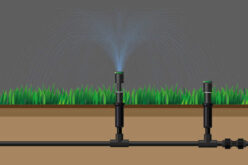
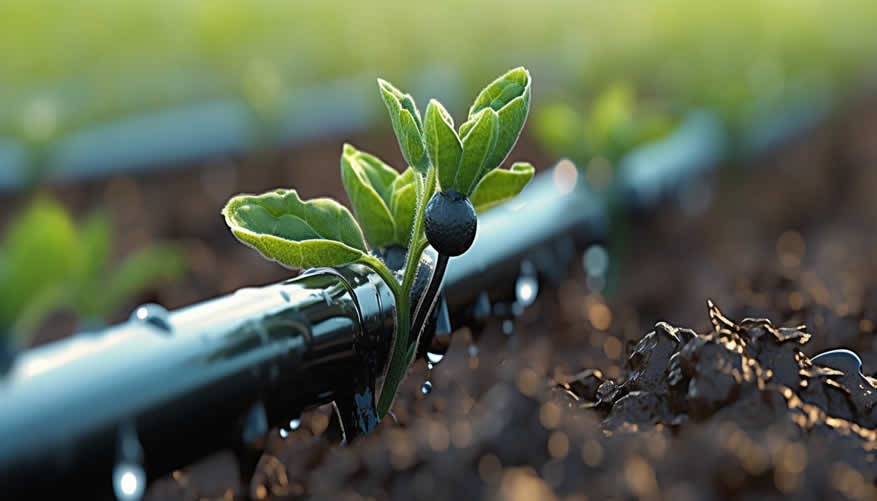
Drip irrigation is a highly efficient method that delivers water directly to the base of each plant through a network of tubing and emitters.
This system minimizes evaporation and runoff, making it ideal for conserving water in dry or arid regions. It’s particularly effective for vegetable gardens and flower beds where targeted watering is crucial for preventing diseases caused by excess moisture on foliage.
-
Soaker Hoses
Soaker hoses are another efficient watering solution, made of porous material that allows water to seep out slowly along their length.
They are placed directly on the soil surface and can be covered with mulch to enhance water retention and prevent evaporation. This method works well for larger garden beds and is easy to install and use.
-
Sprinkler Systems
Sprinkler systems provide a versatile approach by offering the option to cover large areas with even water distribution. Available in fixed or oscillating designs, these systems can be set on timers for convenience.
However, they may not be as water-efficient as drip or soaker systems, especially if not used with rain sensors to adapt to current weather conditions.
-
Hand Watering
Though more labor-intensive, hand watering allows for precise control over the amount of water each plant receives. It’s particularly effective for small garden beds or during early plant growth stages.
Using a watering can or hose with a spray nozzle, gardeners can monitor their plants closely and adjust their watering schedule based on the specific needs of different varieties.
copyright image by 123rf.com
-
-
3rd: Adding Plants
Adding plants to your garden beds is an exciting step that allows you to create a vibrant landscape while also enhancing your outdoor space.
Selecting the right plants and arranging them thoughtfully can significantly impact your garden’s aesthetic and ecological balance.
Different planting arrangements can cater to varying needs such as maximizing space, ensuring proper air circulation, and accommodating the growth habits of different species.
Here are some types of planting arrangements to consider for a flourishing garden:
-
Single Planting
Single planting involves placing individual plants with adequate spacing between them. This arrangement works well for larger plants that require ample room to grow, allowing each specimen to thrive without competition.
It is also effective for showcasing individual plant characteristics.
-
Group Planting
Group planting consists of clustering plants together in multiples, creating a more robust visual impact. This method is ideal for annuals and perennials, as it allows for a fuller display of colors and textures.
Grouping plants with similar water and light requirements can also enhance overall garden health.
-
Companion Planting
Companion planting entails placing different plant species in proximity to benefit one another, such as through pest control, nutrient sharing, or improved pollination.
By carefully choosing compatible plants, gardeners can create a harmonious ecosystem that supports growth while deterring unwanted pests.
-
Vertical Planting
Vertical planting is an excellent solution for maximizing space, especially in smaller gardens. Using trellises, containers, or wall planters, gardeners can grow climbing plants or arrange trailing varieties.
This not only saves ground space but can also add layers and dimensions to your garden.
-
Layered Planting
Layered planting involves arranging plants in tiers based on their height, with shorter plants in the front and taller ones towards the back.
This arrangement ensures that all plants receive adequate sunlight and showcases the unique features of each layer, creating a visually appealing transition throughout the garden bed.

copyright image by 123rf.com
-
-
4th: Maintaining Your Garden Beds
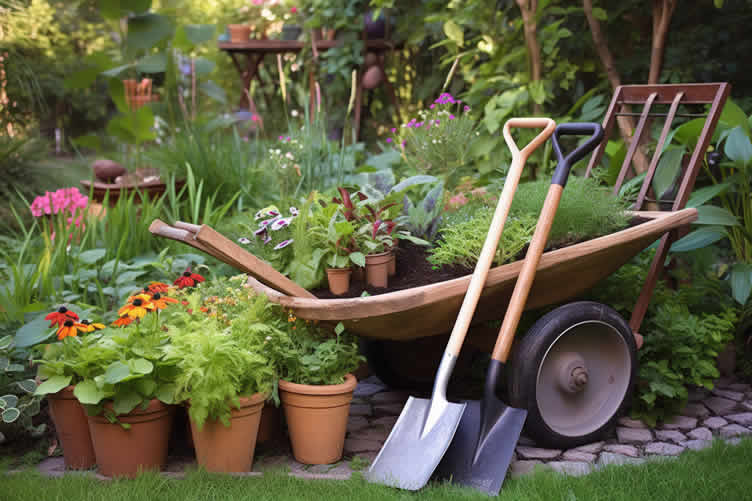
Proper maintenance of your garden beds is crucial to ensure the health, vitality, and aesthetic appeal of your plants.
Regular care not only encourages robust growth but also prevents the onset of diseases and pests. By staying on top of maintenance tasks, gardeners can enjoy a thriving landscape throughout the seasons.
Here, we outline essential maintenance practices to keep your garden beds in optimal condition.
-
Soil Management
Healthy soil is the foundation of any successful garden bed. Regularly test your soil for pH and nutrient levels, and amend it with organic matter, such as compost or well-rotted manure, to enrich the soil.
This practice improves soil structure, enhances water retention, and provides essential nutrients to your plants.
-
Weed Control
Weeds compete with your plants for nutrients and water, making weed control a vital maintenance task. Regularly inspect your garden beds and manually remove weeds or use mulch to suppress their growth.
Organic options like landscape fabric or biodegradable mulch can also help keep weeds at bay while adding to the garden’s aesthetic.
-
Pest Control
Maintaining a pest-free garden bed is essential for the overall health of your plants. Regular monitoring for signs of pest activity will help you identify problems early.
Implement preventive measures such as introducing beneficial insects, like ladybugs and lacewings, which can naturally control pest populations.
Additionally, using organic pesticides, companion planting, or row covers can effectively manage pests while minimizing harm to beneficial organisms and the environment.
Always ensure that any treatment methods you employ are safe for both your plants and the ecosystem.
-
Watering
Consistent and efficient watering practices are crucial, especially during dry spells. Monitor the moisture levels of your soil and water your garden beds deeply but infrequently to encourage deep root systems.
Drip irrigation systems or soaker hoses can be incredibly beneficial in ensuring even water distribution.
-
Pruning and Deadheading
To promote healthy growth and flowering, regular pruning and deadheading should be incorporated into your maintenance routine.
Remove spent flowers to encourage further blooms, and prune any dead or unhealthy foliage to improve air circulation and prevent disease spread.
-
Fertilization
Feeding your plants with the right nutrients is essential for sustained growth. Depending on the plants you have, apply a balanced fertilizer during the growing season.
Be sure to follow the manufacturer’s recommendations to avoid over-fertilization, which can harm your plants and the surrounding environment.
copyright image by 123rf.com
-
-
5th: Winter Preparation
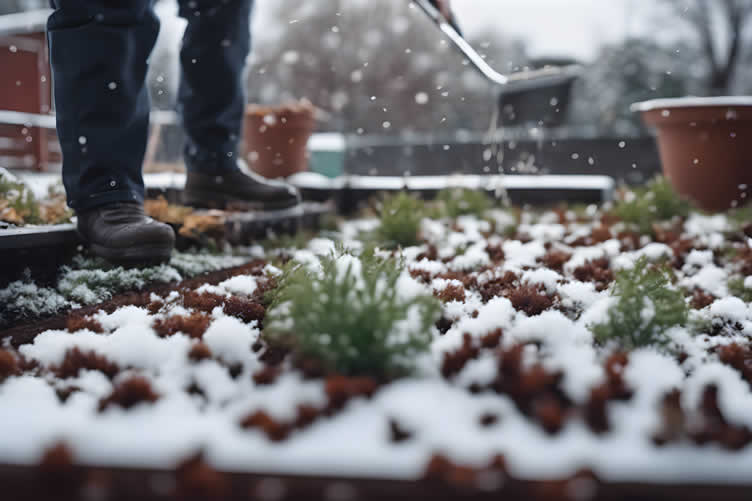
As the days grow shorter and temperatures begin to drop, preparing your garden beds for winter is essential to ensure your plants thrive come spring.
This process not only protects your plants from harsh weather conditions but also enhances soil health, preventing erosion and nutrient depletion during the off-season.
Below are some effective tips for winterizing your garden beds to give your plants the best chance for survival and growth.
-
Soil Amendment
Before the ground hardens, enrich your soil by adding organic matter such as compost or well-rotted manure.
This not only improves soil structure but also provides essential nutrients that will be available to your plants when spring arrives.
Additionally, consider adding a layer of mulch to help retain moisture and regulate soil temperature.
-
Plant Protection
For tender perennials and young plants, it’s crucial to provide adequate protection from frost. Use frost cloths, burlap, or row covers to shield them from severe cold.
You can also insulate the ground around the plants with straw or shredded leaves to maintain a more stable temperature at the roots.
-
Weeding
Removing weeds before winter sets in is a proactive approach to pest and disease control. Weeds compete for nutrients and can harbor insects and diseases that may affect your plants come spring.
Be sure to thoroughly root out any persistent weeds to keep your garden beds clean and healthy.
-
Tool Maintenance
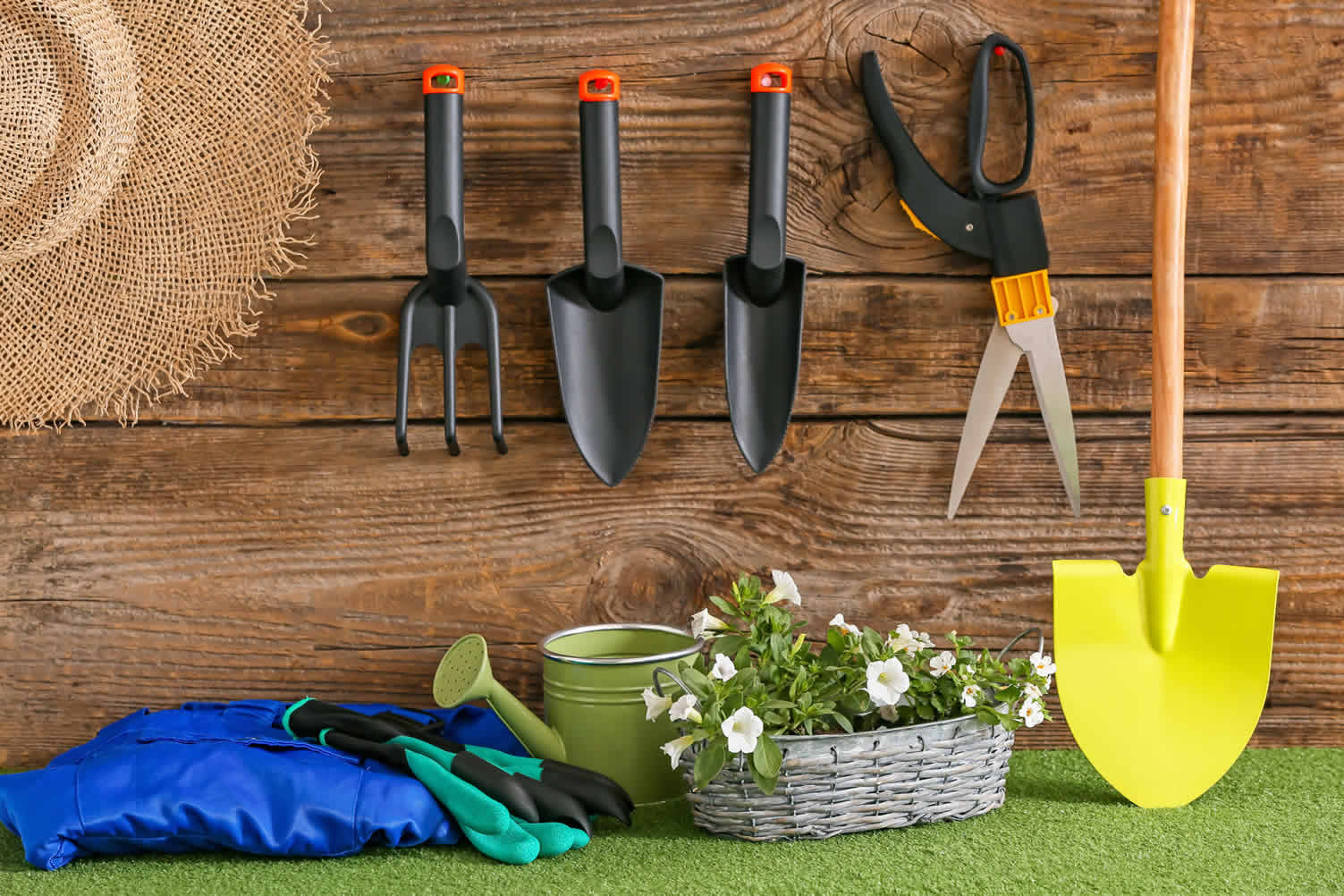
Winter is an excellent time to care for your gardening tools. Clean, sharpen, and oil your tools to prevent rust and ensure they are ready for use once the warm weather returns.
Proper maintenance not only extends the life of your tools but also enhances your efficiency and performance during the growing season.
AI generated image 123rf.com
[ view diagram: spring garden chart ]
[ youtube: prepare a raised garden bed for winter ]
-
-
-
ideas to view and compare from the information discussed above
Scroll up to directory … or scroll to next section about landscape garden beds …
below for …
yard n’ garden needs

get the size dimensions for any home remodeling project …
… for functionality, aesthetics, and adhering to building codes



Find Yard n’ Garden Services Landscape Design Sprinkler Systems Metal Work Water Features Gazebos Play Equipment Outbuildings Fences top-rated, pre-screened local contractors FREE: download contractor selection enter zip code – powered by HomeAdvisor ™
Quick Contractor Guides selecting negotiating working with inspecting

sixth and last “photo remodeling” idea


copyright image by 123rf.com
Garden Bed Tip 6: Implementation Review
Notes:
-
Embarking on the journey of creating your garden beds is an exciting step toward cultivating a vibrant and productive outdoor space.
Once you’ve completed the initial review of the types and styles of garden beds, the next steps involve translating your ideas into action.
This section will walk you through the key steps to successfully implementing your garden beds, covering everything from planning to seeking professional assistance when necessary.
Let’s explore the practical strategies that will lay the groundwork for a fruitful gardening season ahead.
-
Quirk scroll to topic "implementing your garden plan" side notes …
-
-
1st: Garden Bed Planning
Planning your garden beds is a crucial step in creating a flourishing outdoor space. A well-thought-out layout not only enhances the beauty of your garden but also ensures that your plants thrive in their natural environment.
This process involves considering factors such as local climate, soil type, and the specific needs of the plants you wish to cultivate.
Below are essential guidelines to help you plan an effective and aesthetically pleasing garden bed.
-
Taking Measurements
Start by measuring the area where you plan to establish your garden beds. Use a tape measure to determine the length and width of the space available, considering any existing structures, trees, or landscape features that may influence your garden design.
Accurate measurements will help you visualize the layout and allocate space effectively for each plant.
-
Sketching a Layout
Once you’ve taken measurements, create a sketch of your garden layout. This sketch should consider both aesthetics and practicality, with an emphasis on how the beds will look as well as how you will maintain them.
Think about the shape and arrangement of your garden beds, ensuring they complement your landscape while allowing adequate space for planting, watering, and harvesting.
-
Understanding Plant Zones
Research the types of plants that are suitable for your local growing zone. Each zone has distinct climates and soil conditions, which affect plant growth.
Choose plants that thrive in your area to increase the chances of a bountiful harvest. Native plants often require less maintenance and are better adapted to local conditions.
-
Adding Pathways
Incorporating pathways into your garden layout is essential for accessibility and maintenance. Designate spaces between your garden beds for pathways that allow easy movement throughout your garden.
These can be made from gravel, mulch, or paving stones, providing a defined walking area while enhancing the visual appeal of the garden.
-
Grouping Plants by Needs
Group plants based on their sun exposure and water requirements to create a thriving ecosystem. For instance, place sun-loving plants together in areas that receive ample sunlight, while shade-tolerant species should be positioned in cooler, shaded regions.
Additionally, consider grouping plants with similar watering needs to simplify your irrigation routine and promote healthy growth.
By taking these steps, you will create a well-planned garden bed that not only looks beautiful but also maximizes the health and productivity of your plants. Happy gardening!
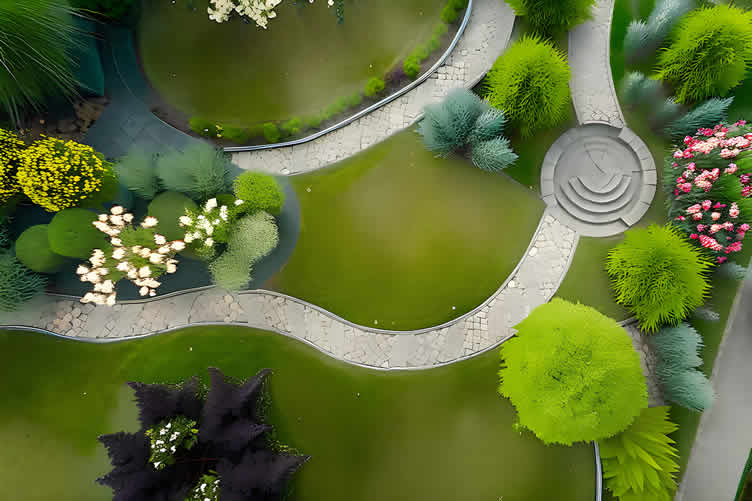
copyright image by 123rf.com
[ view diagram: garden bed planning ]
[ youtube: ways to design a colorful flower beds ]
-
-
2nd: Real-Life Examples of Stunning Garden Beds
When transforming your outdoor space, the design of your garden beds can dramatically affect the overall aesthetic and mood of your landscape.
From vibrant floral displays to sleek and modern arrangements, the following examples showcase a range of stunning garden beds that can inspire your own creative vision.
[ see below: stunning garden bed images ]
-
Vibrant Mix of Perennial Flowers and Annuals
A classic and lively choice, a garden bed featuring a vibrant mix of perennial flowers and annuals brings life and color throughout the seasons.
Imagine a palette that includes bright tulips, cheerful daisies, and fragrant lavender mingling with annuals like petunias and marigolds. This arrangement not only attracts pollinators but also provides a dynamic and ever-changing visual feast.
[ view ideas: flower mix ]
-
Modern Minimalist Garden Bed
For those who appreciate clean lines and simplicity, a modern minimalist garden bed is an ideal option. This design typically incorporates monochromatic plantings, such as ornamental grasses and striking succulents, arranged in geometric patterns.
The result is an elegant and sophisticated look that perfectly complements contemporary architectural styles.
[ view ideas: modern minimalist ]
-
Naturalistic Garden Bed
A naturalistic garden bed embraces the beauty of the wild, featuring plants that mimic the native landscape. Picture a serene space filled with ferns, hostas, and shade-loving perennials interspersed with stones and mulch.
This type of garden bed creates a harmonious and tranquil environment, allowing plants to thrive in a setting that feels organic and effortlessly beautiful.
[ view ideas: naturalistic garden ]
-
Rustic Stone Garden Bed
Integrating natural materials, a rustic stone garden bed can provide a charming, timeless look. Scattered with a variety of native plants and anchored by large stones or boulders, this garden style evokes a sense of history and permanence.
This design can be particularly effective in cottage-style gardens or landscapes that aim to highlight the beauty of natural elements.
[ view ideas: rustic stone ]
-
Water-Feature Garden Bed
Incorporating a water feature into a garden bed adds an enchanting element, promoting relaxation and attracting wildlife. Imagine a raised bed surrounding a small pond or a bubbling fountain, filled with moisture-loving plants such as irises and water lilies.
The soothing sound of water enhances the garden’s atmosphere, creating a peaceful retreat in your outdoor space.
[ view ideas: water-feature ]
-
Other Inspiring Ideas
Beyond these examples, consider experimenting with cascading plants in tiered beds, vertical gardens for limited space, or incorporating edibles among your ornamental selections.
The possibilities are endless, allowing for unique combinations that reflect your personal style and the character of your outdoor environment.
[ view ideas: cascading plants ]
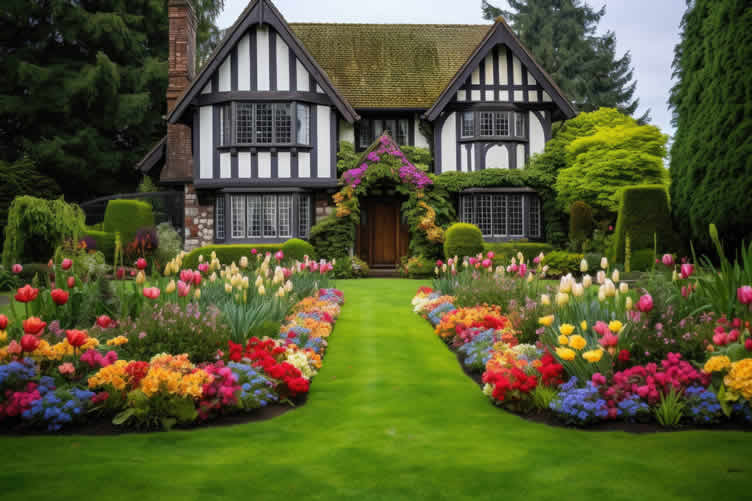
copyright image by 123rf.com
[ pinterest: stunning vegetable garden beds ]
[ pinterest: stunning flower garden beds ]
-
-
3rd: Resources for Further Exploration
Delving deeper into the world of garden bed design not only enhances your skills but also fuels your creativity. Whether you’re seeking knowledge, inspiration, or hands-on assistance, numerous resources can guide you on your gardening journey.
Here’s a selection of valuable tools and communities to bolster your gardening expertise:
-
Online Forums and Communities for Gardening Enthusiasts
Engaging with fellow gardening enthusiasts can provide you with invaluable insights and encouragement.
Platforms such as Reddit’s gardening community or GardenWeb host vibrant discussions where enthusiasts share tips, experiences, and solutions to common gardening challenges.
Participating in these forums can help foster connections and expand your knowledge.
-
Books and Guides on Garden Bed Design and Plant Selection
Many excellent books delve into the nuances of garden bed design and plant selection. Titles such as "The New Sunset Garden Book" or "Planting: A New Perspective" offer comprehensive guidance ranging from designing beautiful beds to curating plant choices.
These resources can serve as a trusted foundation for your gardening pursuits.
-
Tools and Materials for Building Garden Beds
Proper tools and materials are essential for constructing durable and functional garden beds. Look for resources like local hardware stores or websites specializing in gardening supplies.
Key items to consider include raised bed kits, soil amendments, and irrigation tools, which can help streamline the process of creating your ideal garden.
-
Local Nurseries and Garden Centers for Plant Purchases
Local nurseries and garden centers are treasure troves for plant enthusiasts, offering a diverse selection of flora suitable for your gardening conditions
. Visiting these stores not only allows you to choose plants that thrive in your area, but the staff can also provide tailored advice on care and maintenance for every plant.
-
Other
Additionally, don’t overlook the value of gardening workshops and classes offered by local botanical gardens or community colleges.
These experiences not only provide hands-on learning but also the opportunity to connect with local gardeners who share your passion.
Online platforms such as YouTube also host a wealth of videos where experts share tips and showcase successful garden projects, making gardening knowledge accessible to everyone.

copyright image by 123rf.com
-
-
4th: DIY Garden Beds: Skills and Considerations
Creating your own garden beds can be a rewarding project that enhances your outdoor space while allowing for much creativity and customization.
To successfully build DIY garden beds, you’ll need a few essential skills and tools.
- Firstly, basic carpentry skills can be beneficial, particularly in measuring and cutting wood to the desired dimensions. Familiarity with soil composition and plant selection will also contribute to the success of your garden beds, as it’s crucial to understand the needs of the plants you wish to grow.
- Additionally, knowing how to maintain tools and handle materials safely is vital to ensure your project runs smoothly.
- For those new to gardening, it may be helpful to research different types of construction methods, such as framed, raised, or lasagna gardening techniques, to determine which best suits your available space and plants.
- Embracing these skills will not only enrich your gardening experience but also impart a sense of accomplishment as you watch your garden flourish.
If you’re feeling overwhelmed or uncertain, don’t hesitate to seek help. Local garden centers often provide workshops, and many communities have gardening clubs or forums where enthusiasts share their knowledge and experiences.
Online resources, including instructional videos and articles, can also guide you through the planning and installation process.
Collaborating with friends or family who have gardening experience can provide valuable insight, making your DIY garden bed project more enjoyable and successful.
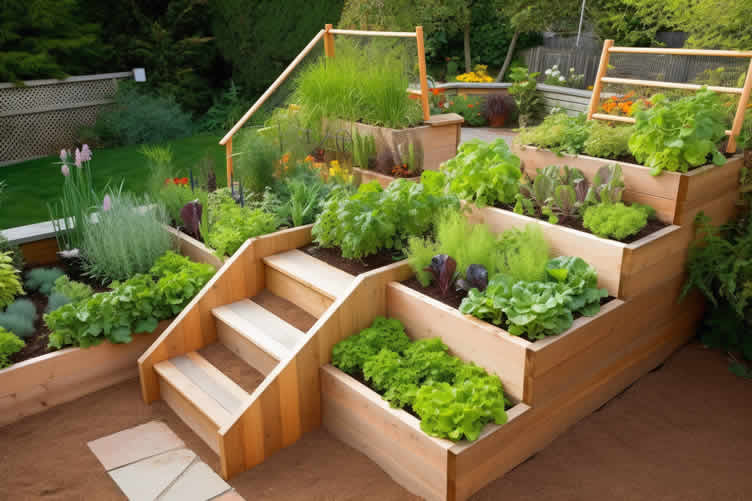
copyright image by 123rf.com
[ pinterest: DIY landscaping tips ]
[ pinterest: DIY garden bed design ]
-
5th: Hiring a Landscape Contractor
Enlisting the help of a landscape contractor can take your garden bed project to the next level, ensuring a professional finish and expert advice tailored to your specific needs.
A qualified contractor brings a wealth of experience in plant selection, design aesthetics, and effective planting techniques.
When searching for a contractor, consider their portfolio to assess their design style and previous projects. It’s also essential to check references and reviews to gauge customer satisfaction.
During the initial consultation, be prepared to discuss your vision, budget, and any specific requirements you might have.
A good landscape contractor will work collaboratively with you, offering suggestions that enhance your garden’s potential while respecting your preferences.
By hiring a professional, you can save time and avoid common pitfalls, ultimately resulting in a beautiful and well-designed garden bed that boosts the overall appeal of your outdoor space.
LetsRenovate has partnered with HomeAdvisor™, a renowned provider of highly-rated, carefully-vetted yard n’ garden contractors. Start your search here by choosing the type of gardening work you need and entering your zip code to find local professionals.
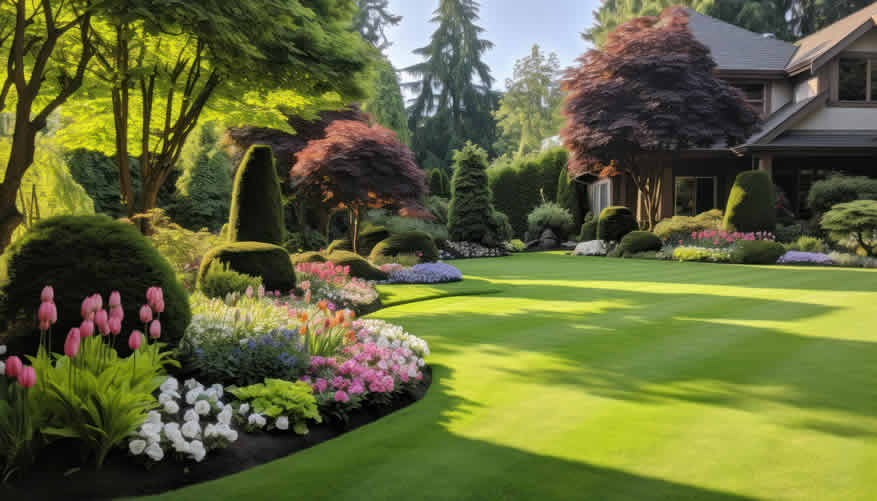
copyright image by 123rf.com
But Wait!
Before starting the search and evaluation process for contractors, it is highly recommended to download and utilize this comprehensive worksheet. This resource will assist in impartially ranking and evaluating potential contractors, taking into consideration essential factors such as pricing,

Evaluation Sheet
File Type:
-
-
FINAL REMARKS
Incorporating landscape garden beds into your outdoor space can transform your yard into a beautiful and functional extension of your home.
With the right planning and design, these beds can provide endless enjoyment and satisfaction for homeowners, gardening enthusiasts, and DIYers.
We invite you to share your own experiences with garden beds. Whether you’ve created a stunning floral display or a bountiful vegetable patch, your stories and advice can inspire others to explore the possibilities of landscape garden beds.
-
ideas to view and compare from the information discussed above
- What comments can you share about
landscape garden beds?
Scroll up to directory … or scroll to more home remodeling-related topics …
view illustration “becoming a bank”


Calendar For:
Home Maintenance
File Type:
… container pots for beautiful gardens

… view our sharing links below for a quick "share the knowledge"
Cover image credit: landscape garden beds by 123rf.com
end of post … please share it!
 |
did you find this how to plan and create landscape garden beds analysis helpful? If so, please share the article with your friends and family! |
Nice pic idea? Leave us a quick comment below.
And please share this pic idea within your social networks.