These gardening solutions have been gaining popularity in both urban and suburban areas, and it’s easy to understand why.
In this post, we will explore everything you need to know about raised garden beds, the benefits they offer, how to build and implement one, and what plants can bring your garden to life.
The Rise of Raised Garden Beds
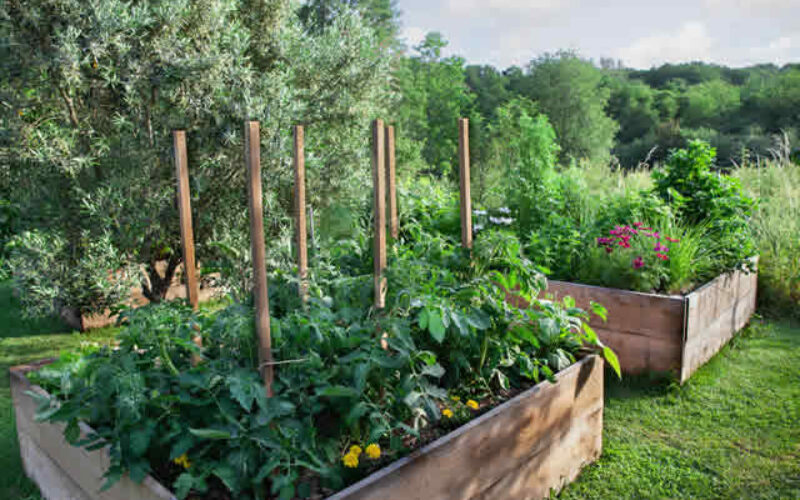
Raised garden beds are essentially garden plots that are elevated above the surrounding soil. They come in various sizes and materials, making them a versatile option for many gardeners.
This innovative gardening technique has become increasingly popular due to its numerous benefits, including better drainage, improved soil quality, and easier access for maintenance.
-
Why Choose Raised Garden Beds?
For both experienced gardeners and beginners, raised garden beds offer several advantages. First, they allow for better soil control, which is crucial for growing healthy plants.
Since the soil is contained and elevated, it warms up faster in the spring, enabling earlier planting and longer growing seasons. Additionally, raised beds help prevent soil compaction, which can hinder root growth.
Another significant benefit is the reduction of weeds. A well-constructed raised garden bed can minimize the number of weeds that sprout, giving your plants the space they need to flourish.
Plus, the height of the bed can deter pests like slugs and rabbits, which might otherwise wreak havoc on your garden.
-
Urban Gardening Made Easy
In urban areas where space is limited, raised garden beds offer an efficient way to grow plants without taking up too much room.
They can be built on patios, balconies, or even in backyards where traditional gardening might be challenging. With the right design, you can turn any small space into a thriving garden sanctuary.


Building Your Raised Garden Bed
Creating your own raised garden bed is a rewarding DIY project that can be completed over a weekend. Here’s a step-by-step guide on how to build a raised garden bed that suits your gardening needs.
-
Materials Needed
Before you start constructing your raised garden bed, gather your materials. You’ll need:
- Wooden planks (cedar or redwood are great options for durability)
- Corner brackets or screws
- A drill
- A level
- Landscape fabric (optional, for weed control)
-
Selecting the Perfect Location
Choosing the right location for your raised garden bed is crucial. Look for a spot that receives at least 6-8 hours of sunlight daily, as most vegetables and flowers thrive in bright light. Additionally, ensure the area has good drainage so that excess water can escape and not flood your plants.
-
Step-by-Step Construction
- Measure and Cut:
Determine the size of your raised garden bed. A common dimension is 4 feet by 8 feet, allowing easy access to the center from either side. Cut your wooden planks to size. - Assembly:
Use corner brackets or screws to assemble the wooden planks into a rectangular shape. Make sure the structure is sturdy and can hold the weight of the soil. - Leveling the Base:
Place the assembled frame on the chosen location. Use a level to ensure that the bed is even. Adjust as necessary to avoid water pooling in one spot. - Optional Weed Barrier:
If desired, lay down landscape fabric at the bottom of the bed to suppress weeds from growing up through the soil. - Fill with Soil:
Finally, fill your raised garden bed with high-quality soil, compost, and organic matter. This nutrient-rich mix will provide a great environment for your plants as they grow.
- Measure and Cut:
Choosing the Right Plants
Now that your raised garden bed is built and filled with rich soil, it’s time to decide what to grow! The beauty of raised garden beds is their versatility; you can grow a wide variety of vegetables, herbs, and flowers.
-
Vegetables to Consider
For beginners, starting with easy-to-grow vegetables can build confidence and provide a rewarding harvest. Consider planting:
- Lettuce and Spinach:
These leafy greens thrive in cooler temperatures and can be harvested multiple times throughout the growing season. - Tomatoes:
With adequate sunlight and support, tomatoes can flourish beautifully in raised beds. - Radishes:
These fast-growing veggies are perfect for a quick harvest and are great for interplanting with slower-growing crops.
- Lettuce and Spinach:
-
Herbs That Thrive
Herbs are another fantastic choice for raised garden beds. They not only enhance your culinary creations but are also beautiful additions to your garden. Some popular herbs to consider include:
- Basil:
A warm-weather herb that pairs well with tomatoes. - Parsley:
This biennial herb can grow well in partial shade. - Thyme:
A hardy perennial that adds flavor to various dishes and requires minimal care.
- Basil:
-
Flowers for Aesthetic Appeal
Don’t forget to add some flowers to your raised garden bed! Bright blooms can attract pollinators and enhance the beauty of your garden. Consider planting:
- Marigolds:
Not only are marigolds vibrant, but they also repel certain pests. - Zinnias:
These colorful flowers are easy to grow and require minimal maintenance. - Nasturtiums:
Edible and visually striking, nasturtiums can be planted alongside vegetables to deter pests.
- Marigolds:

Part-Sun Annuals
Maintaining Your Raised Garden Bed
Once you’ve planted your seeds or transplants, the work doesn’t stop there. Proper maintenance is crucial to ensuring your raised garden bed flourishes.
-
Watering Techniques
Raised garden beds tend to drain faster than traditional gardens, so you’ll want to pay attention to your watering schedule.
Regularly check the soil moisture, especially during hot weather. Aim to water deeply but less frequently to encourage strong root growth. Consider using a drip irrigation system to automate watering and save time.
-
Fertilizing for Healthier Plants
Regular fertilization can further enrich the soil in your raised garden bed. Organic fertilizers, such as compost tea or well-rotted manure, can provide essential nutrients without the risk of burning your plants.
Be mindful of the specific needs of your plants and adjust your fertilization routine accordingly.
-
Keeping an Eye on Challenges
With any garden, challenges may arise. Be vigilant about potential pests and diseases. Introducing beneficial insects like ladybugs can help control aphid populations.
Additionally, regularly inspecting your plants will allow you to catch any issues early, maintaining a healthy and productive garden.
other related articles of interest:
Urban Gardening and Raised Beds
How to Create a Mountain Woods Aesthetic for Your Yard and Garden
Final Thoughts
Raised garden beds offer a fantastic solution for both seasoned gardeners and those just starting. They are not only aesthetically pleasing but also practical, providing a range of benefits that make gardening accessible and productive.
Whether you’re looking to grow vegetables, herbs, or flowers, the right preparation and care can lead to a bountiful harvest.
Are you ready to take the plunge into the world of raised gardening? Share your experiences, tips, and tricks in the comments below. We would love to hear how you make the most of your raised garden beds!
Find Handyman Services (opens new win) Handyman Carpentry Electrical Plumbing top-rated, pre-screened local contractors FREE: download contractor selection enter zip code – powered by HomeAdvisor ™


Image credit: raised garden beds by envato.com
end of post … please share it!
| more photo remodeling |
Jump Over to Our Photo Analysis Center for Ideas on
"Renovating Home"
|__________________________________________________________|
home remodeling surprise
find out where it might go - new win


Helpful article? Leave us a quick comment below.
And please share this article within your social networks.