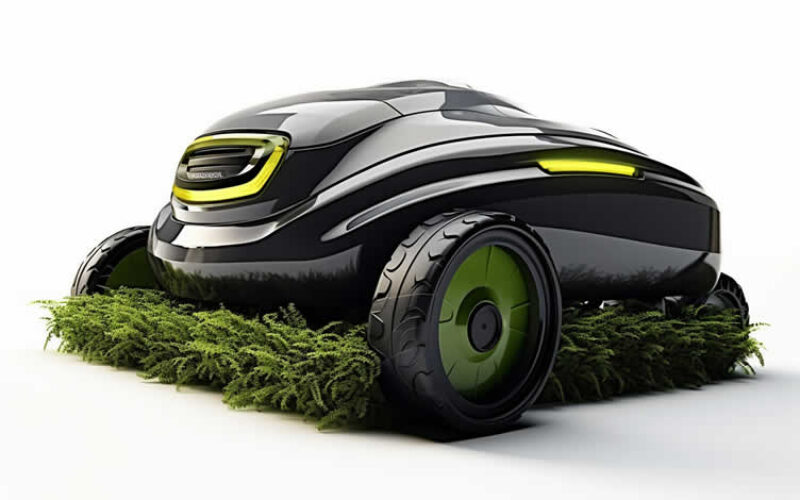
Summary Outline –
Whether you’re managing sprawling acreage or a modest suburban lawn, understanding how robotic mowers operate and integrating them effectively into your routine can revolutionize your relationship with lawn maintenance.
Modern robotic mowers combine sophisticated sensors, intelligent navigation, and eco-friendly power sources to deliver consistent results without constant supervision. They adapt to your lawn’s unique characteristics, weather patterns, and seasonal growth cycles, creating a maintenance routine that works harmoniously with nature’s rhythms.
This comprehensive exploration will guide you through the essential knowledge needed to make informed decisions about robotic mower technology, from understanding their core mechanisms to optimizing their performance for your specific landscape needs.
- post content … analysis/ guide to robotic mowers
- 1st: How Robotic Mowers Work
- 2nd: Physical Boundary (Wired) Mowers
- 3rd: Virtual Boundary (Wire-Free) Mowers
- 4th: How to Choose the Right Robotic Mower
- 5th: Setup and Managing Your Robotic Mower
- 6th: frequent FAQs regarding robotic mowers
- 7th: Why Choose Professional Lawn Mowing Services
- conclusion
- other yard n’ garden topics

-
- —— begin first topic ——
-
1st TERM: How Robotic Mowers Work
Robotic mowers represent cutting-edge innovation in lawn maintenance, combining advanced technology, environmental consciousness, and user convenience. By automating time-consuming tasks, these devices integrate smart systems to provide optimal performance for lawns of all shapes and sizes.
Understanding how robotic mowers function on a technical level allows users to choose the right model and optimize its use to fit their needs.
[ view summary table: how they work ]
-
Navigation Techniques
The navigation system is one of the central components of a robotic mower, ensuring precise movement across the lawn while avoiding obstacles and achieving full grass coverage. Boundary wire installation is a traditional method used to define the mower’s operational area.
This wire is placed along the edges of the lawn and connected to a transmitter, creating a perimeter signal the mower detects to stay within the set boundaries.
More sophisticated models employ GPS technology to map the lawn accurately. This global positioning capability enables the mower to create a digital representation of the work area and adjust its routes dynamically for efficient coverage.
Combined with AI integration, these systems can refine their algorithms over time, learning the layout of the space, avoiding repetitive paths, and adapting to changes, such as added landscaping or adjustments to the boundary.
-
Built-In Sensors
Robotic mowers are equipped with a variety of sensors to ensure safety, efficiency, and adaptability during operation. Collision detection sensors, which often rely on infrared or ultrasonic technology, allow the mower to detect obstacles in its path and maneuver around them seamlessly.
Ultrasonic sensors provide advanced environmental mapping by detecting objects from a distance, which is critical for avoiding damage to both the mower and landscaping features.
Lift sensors are another safety mechanism, designed to halt the spinning blades instantly if the mower is picked up or tilted at an unusual angle.
Rain sensors are also implemented in many models, pausing operation during wet conditions to preserve grass health and protect the device from potential water damage. These built-in sensors collectively support smarter and safer lawn mowing experiences.
-
Cutting Mechanisms
The cutting mechanisms of robotic mowers are specifically engineered for precision and grass health. Many of these devices use razor-sharp cutting blades to achieve a clean, even trim, which promotes healthier lawn growth compared to conventional mowers that tend to tear the grass.
During operation, the mulching process finely chops the trimmed grass into small pieces, which are then distributed back onto the soil as a natural fertilizer.
Users can adjust the cutting height to suit their preferences or seasonal needs, catering to different grass species and growth patterns. Modern robotic mowers also utilize pattern randomization to avoid creating lawn stripes, ensuring uniform results across the entire yard. The combination of these methods ensures a pristine finish with minimal effort.
-
Energy Sources and Charging Efficiency
Robotic mowers are predominantly battery-powered, using lithium-ion technology for longer operation times and quicker charging capabilities. These batteries are not only efficient in terms of energy consumption but also environmentally friendly, emitting zero direct emissions during use.
Some models even incorporate solar panels as a supplemental energy source, further reducing the mower’s environmental impact.
Automatic charging stations significantly streamline the operational process. A robotic mower can detect when its battery is running low and autonomously return to its charging dock.
Many advanced systems calculate the remaining tasks and ensure the mower resumes operation precisely where it left off, avoiding missed sections of the lawn. This increased charging efficiency guarantees seamless performance.
-
Noise Pollution and Environmental Benefits
Unlike traditional gas-powered mowers, robotic mowers operate almost silently, making them an ideal solution for neighborhoods and urban spaces where noise pollution is a concern.
Their low noise levels, often below 60 decibels, allow users to schedule lawn care at any time of day without disturbing others.
Additionally, the environmental benefits of robotic mowers extend beyond reduced noise. By relying on electric power and avoiding fossil fuels, these machines significantly cut carbon emissions and contribute to a more sustainable approach to lawn maintenance.
References:
Feature Description Benefits Navigation Techniques Utilizes boundary wires or GPS systems for precise lawn mapping and route optimization, often enhanced with AI for adaptability and efficiency. Ensures full lawn coverage, avoids obstacles, dynamically adjusts to layout changes, and prevents over-mowing in certain areas. Built-In Sensors Includes collision detection, ultrasonic mapping, lift sensors, and rain sensors to improve safety and device adaptability. Prevents damage to landscaping, stops blades during lifting, avoids mowing in wet conditions, and enhances operational precision. Cutting Mechanisms Equipped with sharp blades for clean trimming, mulching for natural fertilization, and adjustable cutting heights to suit various grass types and patterns. Promotes healthier grass, prevents uneven mowing, eliminates lawn striping, and minimizes manual effort. Energy Sources Powered by lithium-ion batteries, with options for solar charging, and features automatic charging stations for operational efficiency. Eco-friendly and energy-efficient, reduces emissions, ensures uninterrupted mowing cycles, and promotes sustainability. Noise and Environmental Impact Operates quietly below 60 decibels, powered by electricity instead of fossil fuels. Minimizes noise pollution, allows flexible mowing schedules, reduces carbon emissions, and supports eco-conscious lawn care. 

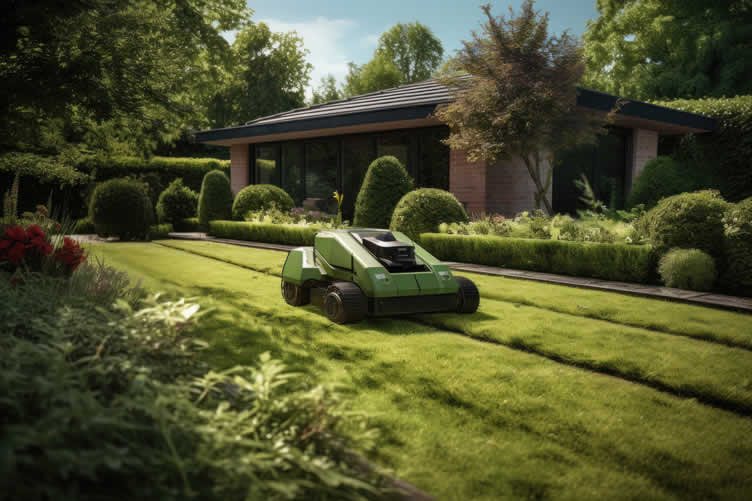
copyright image by 123rf.com
[ view diagram: how robotic mowers work ]
[ youtube: How Does A ROBOTIC LAWNMOWER Work ]
-
Scroll up to directory … or scroll to next section about boundary (wired) mowers …

-
-
2nd TERM: Physical Boundary (Wired) Mowers
Physical boundary (wired) mowers are an innovative solution in the realm of automated lawn care, offering efficiency, precision, and reliability for homeowners who seek a hands-off approach to lawn maintenance.
These mowers operate by following a boundary wire installed along the edges of your lawn or garden, ensuring the machine stays within the designated mowing area. This technology allows for a tailored mowing experience, maximizing coverage while protecting flowerbeds, pathways, and other sensitive areas.
For those considering an alternative to conventional lawn maintenance tools, physical boundary mowers are a professional, high-performing, and eco-friendly option suited for various yard types and needs.
[ view summary table: wired mowers ]
-
How Physical Boundary (Wired) Mowers Operate
The core feature of a physical boundary (wired) mower is its reliance on a perimeter wire to define its operational area. This wire, installed just below or on the surface of the lawn’s perimeter, emits a low-frequency signal that guides the mower’s movements.
When approaching the boundary wire, the mower detects the signal through built-in sensors, ensuring it remains within the set perimeter. Many models are also equipped with advanced navigation systems that optimize mowing patterns from one session to the next, ensuring comprehensive lawn coverage and sleek, uniform results.
These mowers cleverly adapt to the terrain they encounter. For instance, more sophisticated models have sensors to detect irregularities in the lawn, reorienting their path to successfully traverse challenging areas such as slopes or uneven ground.
Additionally, the wire can be customized to exclude specific zones, safeguarding delicate landscaping features or hardscapes.
-
Best Mower for Specific Lawns and Terrain
Physical boundary mowers are particularly well-suited for homeowners with defined, consistent lawn layouts. They work exceptionally well for lawns with clear edges, where the boundary wire can be easily installed without disruption.
These mowers are also useful for properties with complex landscaping, as the wire can create exclusion zones where mowing is not necessary, such as around flowerbeds or decorative trees.
For sloped or uneven terrain, specific wired mower models equipped with all-wheel drive capabilities perform well, climbing grades of up to 35% in some cases.
Homeowners with smaller or mid-sized lawns tend to benefit most, as wired mowers excel in environments where the border constraints are easily managed.
-
Cutting Technology and Blade Types
Physical boundary mowers come equipped with cutting-edge technology to ensure precise and consistent results. Most models use rotary cutting blades, which are sharp enough to handle thick grass but gentle enough to promote healthy lawn growth without shredding the grass blades.
Some advanced options feature razor-like pivoting blades for an even finer cut, leaving the lawn with a clean, manicured appearance.
One key advantage is the mulching capability provided by these mowers. Instead of collecting grass clippings, the mower finely chops them into tiny particles, which are then redistributed across the lawn surface.
This process not only saves time but also provides natural fertilization, increasing the health and vitality of the grass over time.
-
Examples of Trusted Brands and Models
When considering physical boundary (wired) mowers, inclusivity of quality and reputation should drive your selection. Several leading brands manufacture reliable options that meet varied user needs, including the following:
- Husqvarna Automower series
- WORX Landroid models
- Gardena Sileno City and Sileno Life
- Robomow series by MTD
- Bosch Indego robotic mowers
These models represent a range of options catering to different yard sizes, terrains, and feature preferences, ensuring that consumers can access a model tailored specifically to their requirements.
-
Additional Features and Considerations
Beyond their core functionality, physical boundary mowers offer a host of additional features designed to improve your lawn care experience. Many models come with rain sensors, allowing them to pause mowing during wet conditions to prevent damage to the lawn.
Others incorporate mobile app connectivity, enabling you to monitor and control the mower remotely. Such tools allow for scheduling, area customization, and real-time troubleshooting.
Additionally, most physical boundary mowers boast quiet operation, typically emitting less than 60 decibels during use. This makes them an eco-friendly and neighbor-friendly choice compared to traditional gas-powered mowers.
They also run on rechargeable batteries, eliminating gas emissions and contributing to a more sustainable environment.
References:
Feature Description Advantages Examples Operation Uses boundary wires to define mowing area and sensors to detect signals. Advanced models adapt to terrain and optimize mowing patterns. Precise lawn coverage, protection for flowerbeds and pathways, customizable zones, and sleek results. Husqvarna Automower, WORX Landroid Terrain Suitability Ideal for defined lawn layouts, sloped or uneven terrain (with all-wheel drive), and landscaping with complex exclusion zones. Handles grades up to 35%, preserves landscaping, and ensures efficient coverage on varying terrains. Gardena Sileno City, Gardena Sileno Life Cutting Technology Uses rotary or pivoting blades for precise, fine cuts with mulching capabilities to naturally fertilize the lawn. Healthy lawn growth, enhanced vitality through mulching, and manicured appearance. Robomow series, Bosch Indego Additional Features Includes rain sensors, mobile app connectivity, quiet operation, and rechargeable batteries for eco-friendly performance. Convenient remote control, low noise, sustainable use, and real-time troubleshooting. Various models across trusted brands 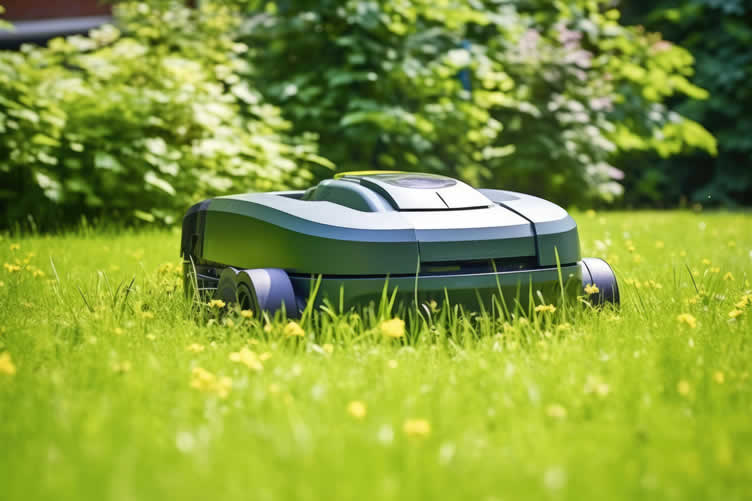
copyright image by 123rf.com
[ youtube: Laying the Boundary Wire ]
[ amazon: robotic mower with boundary wire ]
-
Scroll up to directory … or scroll to next section about wire-free mowing devices …
-
-
3rd TERM: Virtual Boundary (Wire-Free) Mowers
Virtual boundary mowers, also known as wire-free robotic mowers, are the latest innovation in lawn care technology. These advanced machines eliminate the need for physical boundary wires, offering a more flexible and user-friendly solution for maintaining lawns.
By leveraging cutting-edge technologies such as GPS, RTK, and AI mapping, wire-free mowers deliver precise, automated performance that adapts intelligently to various lawn layouts and environmental conditions.
With their seamless, efficient operation, these mowers cater to homeowners seeking a premium, hassle-free lawn care experience.
[ view summary table: wire-free mowers ]
-
The Technology Behind Wire-Free Mowers
Wire-free mowers rely on several advanced technologies to define and navigate lawn boundaries.
- GPS (Global Positioning System)
technology provides accurate location tracking, ensuring the mower remains within the designated area. - RTK (Real-Time Kinematic)
systems further enhance precision by using satellite corrections, enabling the mower to adapt to tight spaces and complex layouts with centimeter-level accuracy. Some models incorporate - AI mapping
to analyze the lawn’s topography and create a virtual map for optimized navigation. - Bluetooth beacons
may also be used in smaller spaces or areas where GPS signals are weak, helping guide the mower effectively.
- GPS (Global Positioning System)
-
How Wire-Free Mowers Operate
Virtual boundary mowers use smart navigation systems to operate without the need for physical wires. During initial setup, users define the boundaries of their lawn using either a mobile app or control interface.
The mower leverages its on-board sensors, mapping capabilities, and positioning technologies to create a tailored cutting route.
These systems allow the mower to autonomously detect obstacles, avoid restricted zones, and evenly cover the entire lawn surface. Additionally, many wire-free models are designed for multi-zone operations, making them suitable for larger or segmented properties.
-
Ideal Lawns and Terrains for Wire-Free Mowers
Virtual boundary mowers are particularly well-suited for large, complex lawns with intricate layouts and varying terrains. Their ability to map boundaries digitally eliminates physical constraints, making them ideal for properties with flower beds, trees, or irregularly shaped edges.
They are also effective on sloped or uneven ground, thanks to advanced traction systems and adaptive navigation. Homeowners with frequently changing lawn layouts or growing gardens can benefit greatly from the flexibility of wire-free mowers.
-
Cutting Technology and Blade Types
Cutting-edge technologies are central to the design of virtual boundary mowers, ensuring precision and efficiency. Many wire-free mowers utilize rotating blade systems or mulching decks with sharp, durable steel blades that deliver fine and clean cuts.
These blades are designed to continuously trim grass, promoting healthier lawns by encouraging nutrient recycling through finely chopped clippings.
The incorporation of intelligent cutting algorithms further enhances performance, allowing the mowers to target high-growth areas or adjust cutting heights automatically.
-
Examples of Virtual Boundary Mowers
Several leading brands have developed state-of-the-art wire-free mowers that cater to different needs and budgets.
- Notable examples include Husqvarna’s Automower series, which offers GPS-assisted navigation and excellent terrain handling.
- The Worx Landroid Vision series stands out for its AI-powered mapping and user-friendly functionality.
- Models like the Stihl iMOW and Robomow RX series deliver reliable performance and are well-suited for medium to large lawns.
- For premium options, brands like Ambrogio and Segway Navimow integrate high-precision RTK technology for unparalleled accuracy and convenience.
-
Additional Considerations
When choosing a virtual boundary mower, homeowners should consider factors such as lawn size, desired automation features, and budget.
Many models include mobile app compatibility, allowing users to remotely monitor and control the mower’s activity. Some advanced options incorporate weather sensors, pausing mowing operations during rain to protect the lawn and the machine.
Additionally, sustainable operation is a key benefit, as wire-free mowers are typically battery-powered and produce zero emissions, making them an eco-friendly choice for green-conscious homeowners.
References:
Feature Description Benefits Examples Virtual Boundary Technology Wire-free operation utilizing GPS, RTK, and AI mapping to define and manage lawn boundaries. Seamless navigation, flexibility for complex layouts, and hassle-free setup. Husqvarna Automower, Worx Landroid Vision Navigation Systems On-board sensors and mapping capabilities with Bluetooth beacons for small spaces or weak GPS signals. Precise, autonomous operations and efficient lawn coverage. Stihl iMOW, Robomow RX Cutting Technology Durable rotating blades or mulching decks paired with intelligent cutting algorithms. Fine, clean cuts promoting healthier lawns and nutrient recycling. Ambrogio, Segway Navimow Adaptive Functionality Multi-zone operations, obstacle detection, and automated height adjustment. Ideal for varying terrains, large lawns, and properties with complex layouts. N/A Eco-Friendly Operation Battery-powered systems producing zero emissions. Environmentally sustainable and energy-efficient choice. All wire-free mower models 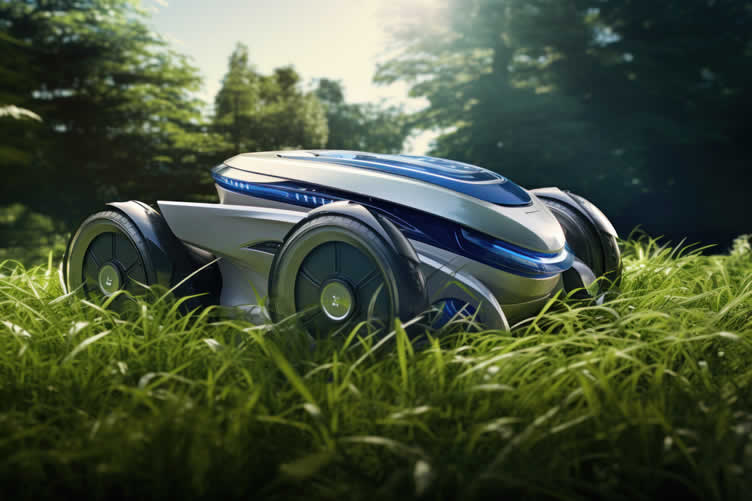
copyright image by 123rf.com
[ youtube: Robot Lawn Mower With NO Wire? ]
[ amazon: wire free robotic mower ]
-
Scroll up to directory … or scroll to next section choosing robotic mower …
-
-
4th TERM: How to Choose the Right Robotic Mower
… for your lawn mowing needs!
Selecting the right robotic lawn mower is essential to ensure it meets the specific demands of your outdoor space while staying within your budget.
With advancements in robotic mower technology, homeowners have a wide range of options to choose from, catering to various lawn sizes, terrains, and preferences for smart automation.
This guide provides a detailed breakdown of the considerations and key parameters to help you make an informed decision.
[ view summary table: choosing right mower ]
-
Lawn Size and Terrain
The size and complexity of your lawn play a significant role in determining which robotic mower is ideal for your property. For smaller lawns, compact and lightweight mowers with a lower range capacity are sufficient, offering excellent maneuverability and efficient coverage.
For medium to large-sized lawns, look for mowers with higher battery capacities and the ability to handle expansive areas in a single charge.
If your lawn features uneven ground, slopes, or obstacles like trees and garden beds, opt for models with all-terrain capabilities, advanced navigation systems, and multi-wheel drive for a seamless operation.
Some premium robotic mowers are also equipped with obstacle detection and adaptive height adjustment, making them versatile for properties with varied terrains.
-
Entry-Level, Mid-Range, and Premium Tiers
Robotic mowers are available across different levels of functionality, with entry-level, mid-range, and premium tiers catering to varying needs.
Entry-level models are a great starting point for users with small, straightforward lawns who require basic mowing capabilities. These models typically lack extensive smart features but provide dependable performance for light-duty tasks.
Mid-range robotic mowers offer more advanced capabilities, such as multi-zone scheduling, better navigation, and handling of moderate slopes, making them suitable for medium-sized lawns.
Premium-tier models are designed for large or complex properties and offer cutting-edge features, such as GPS mapping, real-time monitoring, and unparalleled precision.
Choosing the right tier depends on the complexity of your yard and your expectations for automation and performance. Premium models are often capable of maintaining pristine lawns with minimal user intervention, while entry-level options prioritize simplicity and affordability.
-
Smart Features
Smart features have become a defining characteristic of modern robotic mowers, greatly enhancing their ease of use and efficiency.
App control is a particularly popular feature, allowing users to schedule mowing times, adjust settings, and monitor progress from a smartphone or tablet.
For individuals seeking advanced functionality, robotic mowers with GPS integration, terrain and rain sensors, and theft protection features offer additional convenience and security.
Smart home enthusiasts may also look for models that integrate seamlessly with existing systems like Amazon Alexa or Google Assistant, enabling voice-controlled operation and automation alongside other connected devices.
These smart features are particularly useful for busy homeowners who want their lawn maintenance to occur effortlessly and in coordination with their daily schedules.
-
Price Point and Budget
Robotic mowers are available across a wide price spectrum, influenced by their features, technology, and capabilities.
Entry-level models typically start around $600, providing essential mowing functions with limited automation.
Mid-range options tend to range between $1,000 and $2,000, offering better technology, greater coverage, and moderate smart features.
For those seeking top-of-the-line mowers with robust performance and full connectivity, premium models can cost upward of $3,000 and above.
When determining your budget, consider not only the upfront cost but also the long-term value these machines provide, such as time savings, reduced physical labor, and improved lawn aesthetics.
Always assess the feature-to-cost ratio to ensure the mower aligns well with your financial plan and landscaping needs.
-
Other Considerations
Beyond the main features, consider additional factors that may influence your purchase. Noise levels, for instance, can be a significant consideration for homeowners in residential neighborhoods. Look for models with quiet operation, especially if you plan to operate the mower during early mornings or late evenings.
Weather resistance is another aspect to evaluate, particularly if you live in areas prone to frequent rainfall. Many robotic mowers are equipped to handle damp conditions, but not all are fully waterproof for heavy rain exposure.
Additionally, it’s important to research warranty options and customer support services to ensure reliable assistance in case of technical issues.
Lastly, ensure the mower is equipped with essential safety features, such as lift and tilt sensors, which automatically pause operation when the device is picked up or interfered with, thus preventing potential accidents during use.
References and Citations:
Feature Description Best For Price Range Lawn Size and Terrain Compact models for smaller lawns; high-capacity mowers for medium to large lawns; all-terrain options for uneven ground or obstacles. Small yards with straightforward layouts to large, complex properties with slopes or obstacles. Varies based on capacity and features; typically higher for complex terrain compatibility. Functionality Tiers Entry-level models for essential mowing, mid-range for advanced features, and premium for precision automation and GPS mapping. Beginners to advanced users, based on lawn complexity and desired automation level. $600–$3,000+, depending on tier and technology. Smart Features Includes app control, GPS tracking, rain and terrain sensors, and smart device integration (e.g., Alexa, Google Assistant). Tech-savvy homeowners seeking enhanced convenience and automation capabilities. Higher-end models with advanced smart features generally cost above $1,000. Additional Considerations Noise levels, weather resistance, safety features (e.g., lift/tilt sensors), warranties, and customer support. Homeowners in urban settings, regions with frequent rainfall, or those prioritizing safety and reliability. Costs can vary broadly depending on additional features and brand quality. 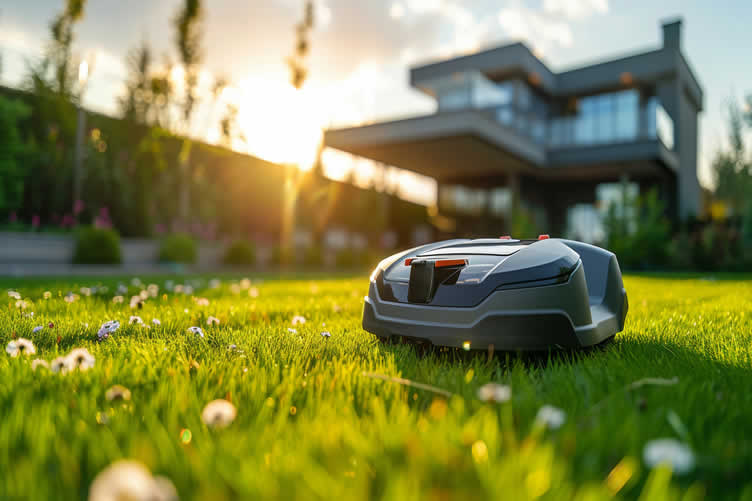
copyright image by 123rf.com
[ pinterest: choosing robotic mowers ]
[ youtube search: top robotic lawn mowers ]
-
Scroll up to directory … or scroll to next section about setup and management …
-
-
5th TERM: Setup and Managing Your Robotic Mower
A robotic mower is an innovative solution that simplifies lawn care, offering a hassle-free way to maintain a perfectly manicured yard. However, to unlock its full potential, proper setup and effective management are critical.
Ensuring that your robotic mower is installed correctly, customized to your preferences, and maintained to perform efficiently will maximize its lifespan and usefulness.
Below, we provide a detailed guide to help you handle every aspect of setup and management for your robotic mower, targeting both wired and wireless models.
[ view summary table: setup and managing ]
-
Initial Setup for Wired Robotic Mowers
For wired robotic mowers, the initial setup involves laying a boundary wire around your lawn to define the mowing area. This wire acts as a guide to keep the mower within the desired perimeter and to avoid obstacles like flower beds or ponds.
Setup steps:
- Plan the Mowing Area:
Begin by mapping out the area where the robotic mower will operate. Identify any obstacles, such as flower beds, trees, or pathways, and determine the best route for the boundary wire to avoid them. - Gather Necessary Tools:
Collect all required tools, including the boundary wire, stakes, connectors, and a mallet for securing the wire. Ensure you have the mower’s setup instructions on hand for reference. - Install the Boundary Wire:
Lay the boundary wire around the perimeter of the mowing area. Ensure the wire is close to the ground and secured with stakes to prevent movement. Follow the manufacturer’s guidelines for keeping a proper distance from edges and obstacles. - Connect the Wire to the Charging Station:
Attach the ends of the boundary wire to the designated ports on the charging station. Double-check the connections to ensure they are secure and functioning properly. - Test the Wire Installation:
Before operating the mower, test the boundary wire to confirm it forms a complete loop and that the mower stays within the defined area during operation. Adjust the positioning of the wire if needed. - Program the Mower:
Set up the robotic mower’s schedule, cutting height, and other preferences using its control panel or app, if applicable. This customization will ensure optimal performance tailored to your lawn care needs. - Monitor the First Run:
Observe the mower’s initial operation to ensure it navigates within the boundary properly and avoids obstacles. Make any necessary adjustments to the wire or settings for smooth functionality.
- Plan the Mowing Area:
-
Initial Setup for Wireless Robotic Mowers
Wireless robotic mowers eliminate the need for physical boundary wires, instead using GPS, infrared sensors, or radio signals to define the lawn and boundaries. Setting up a wireless system typically follows these steps:
Setup steps:
- Charge the Mower Fully:
Before beginning the setup process, ensure the robotic mower is fully charged. This guarantees uninterrupted configuration steps and allows for initial testing without delays. - Select the Mowing Area:
Determine the specific area you want the mower to operate in. Consider obstacles, flowerbeds, or uneven terrain that may require additional adjustments during setup. - Install the Base Station:
Place the charging base station in a flat, accessible location with a power supply and good signal reception. Ensure the area is free of obstructions to maintain seamless communication with the mower. - Configure the Boundaries via Control App or System Panel:
Use the provided app or control panel to define the operating boundaries, which may involve walking the mower along the edges of the desired mowing area. Follow on-screen instructions to set up virtual boundaries that match your lawn’s layout. - Adjust Mower Settings:
Customize settings such as mowing schedule, cutting height, and navigation preferences according to your lawn’s needs. Save the configuration to finalize the setup. - Perform a Test Run:
Initiate a test run to ensure the mower navigates properly within the set boundaries and avoids obstacles. Make necessary adjustments if any operational issues arise. - Monitor Initial Operations:
Observe the mower’s performance during the first few sessions. This allows you to fine-tune settings and confirm the system operates efficiently across your landscaping.
- Charge the Mower Fully:
-
Charging Station Setup
Properly setting up the charging station is crucial for ensuring the smooth operation of both wired and wireless robotic mowers. Here’s a step-by-step guide to help you get started:
For Wired Robotic Mowers
- Choose the Right Location:
Select a flat and shaded area close to a power outlet to prevent overheating of the station and protect it from direct sunlight or rain when possible. Ensure the spot is easily accessible for the mower to dock and undock without obstruction. - Install the Perimeter Wire:
Lay the boundary wire so that it connects seamlessly to the charging station. Make sure there is enough slack in the wire to connect to the station properly while keeping it taut along the ground to avoid tripping hazards. - Position the Charging Station:
Secure the station on the ground using the provided stakes or screws, ensuring that the boundary wire is neatly connected to the designated terminals. Double-check the alignment so the mower can detect and dock effortlessly. - Connect to a Power Source:
Plug in the charging station to a nearby outlet, ensuring the wire is safely tucked away to prevent accidental damage.
For Wireless Robotic Mowers
- Select an Open Area:
Position the charging station in an open space free from any tall objects or dense landscaping that could obstruct the mower’s signals. Ensure it’s located near a power outlet for easy connection. - Docking Alignment:
Place the station so the mower can approach it from various angles without difficulty. Follow the manufacturer’s guidelines for optimal placement to enhance dock detection. - Power Setup:
Connect the charging station to a power source securely and test the station to ensure it is functioning correctly. - Test the System:
After installation, run the mower to ensure it can locate and return to the charging station with no issues. Make adjustments as needed to streamline the process.
By taking these steps, you can set up the charging station effectively, minimize maintenance needs, and maximize the performance of your robotic mower.
- Choose the Right Location:
-
Scheduling and Customization
Once the mower is set up, scheduling plays a key role in effective lawn maintenance. For wired robotic mowers, programming the device typically involves using its on-board controls or a mobile app to set specific mowing times and days.
Consider your yard’s growth rate, seasonal changes, and preferred mowing frequency to create a tailored schedule that keeps your lawn looking its best.
Wireless robotic mowers often provide advanced scheduling options through companion apps. Beyond basic timing, these mowers may allow for different mowing patterns or modes, such as quieter operation during nighttime.
GPS-based tracking systems in wireless models can even adapt to various weather conditions, delaying mowing in the rain to prevent clumping. Use these features thoughtfully for optimal results and convenience.
-
Setting Up Smart Features
Modern robotic mowers come equipped with a range of smart features, designed to enhance their usability and functionality. Sensors are a vital component, enabling the mower to detect obstacles, adjust cutting height automatically, or even pause operations when it senses rain.
Verify that all sensors are calibrated correctly during setup to prevent operational issues or damage.
Many models also include theft protection systems. These may involve PIN code access, GPS location tracking, or alarms that sound if the mower is moved unexpectedly.
Activate and configure these settings during the initial setup phase to safeguard your investment.
For homeowners with smart home systems, integrating your robotic mower can provide additional convenience. Leading brands often support smart integrations with platforms like Amazon Alexa, Google Assistant, or proprietary apps.
This allows for voice commands, remote scheduling, and compatibility with other smart devices, such as weather stations or security cameras. Consult the device’s instruction manual or online resources to enable these integrations seamlessly.
-
Maintenance
Routine maintenance ensures that your robotic mower operates at peak efficiency over its lifespan. Cleaning is a fundamental part of care, as grass clippings can accumulate around the blade, wheels, and sensors.
Regularly inspect and clean these components using a soft brush or cloth to avoid interfering with the mower’s performance.
Blades should be checked periodically for sharpness and wear. Dull blades not only reduce mowing efficiency but can also cause uneven cutting, which negatively affects the lawn’s appearance.
Replace blades as per the manufacturer’s recommendations, or sooner if you notice a decline in quality.
Similarly, monitor the battery life of your robotic mower. For rechargeable models, ensure the charging station is clean and accessible.
Batteries generally have a limited lifespan, so plan for eventual replacement based on the device’s usage patterns and guidelines provided by the manufacturer.
-
Troubleshooting
Even with regular maintenance, issues may occur with your robotic mower. Common problems involve boundary wire disconnections, error messages related to sensors, or difficulty in navigating complex terrain.
Wired models may require you to test and repair the boundary wire’s continuity using a multimeter. Wireless models might need software updates or recalibration of their GPS systems.
If troubleshooting steps fail to resolve the issue, refer to the user manual or contact the manufacturer’s customer support for guidance.
Many manufacturers offer online FAQs, video tutorials, and even live assistance to help diagnose and address problems efficiently.
-
Additional Considerations
Before starting any robotic mower project, familiarize yourself with local regulations regarding noise levels or robotic device usage. Many municipalities have guidelines that may affect your scheduling preferences.
Additionally, if you have pets or young children, ensure proper safety measures are in place, such as using excluded zones for areas where the robot will not operate.
Investing time in understanding the features and capabilities of your robotic mower will make it a versatile, stress-free tool for lawn care.
Its innovative design not only saves time but also contributes to a greener, healthier lawn by maintaining consistent cutting schedules and recycling grass clippings into the soil.
References:
- Husqvarna. "Robotic Lawn Mowers – How to Install." Husqvarna, www.husqvarna.com.
- Worx. "Beginner’s Guide to Robotic Mower Setup." Worx, www.worx.com.
- Consumer Reports. "Robotic Lawn Mower Buying Guide." Consumer Reports, www.consumerreports.org.
- CNET. "How Robotic Mowers Work and How to Choose One." CNET, www.cnet.com.
- LawnStarter. "The Pros and Cons of Robotic Lawn Mowers." LawnStarter, www.lawnstarter.com.
Aspect Wired Robotic Mowers Wireless Robotic Mowers General Maintenance Setup Process – Lay a boundary wire to define the mowing area.
– Connect wire to the charging station.
– Program settings for schedule and cutting height.
– Test the system and adjust as needed.– Use GPS or sensors to define virtual boundaries.
– Install the base station in a suitable location.
– Configure settings via app for boundaries and preferences.
– Test and monitor initial run.– Select optimal locations for setup.
– Regularly clean the device.
– Keep sensors and blades functional.
– Replace dull blades and monitor battery health.Key Features – Requires boundary wire for navigation.
– Suitable for well-defined lawns.– Advanced navigation using sensors or GPS.
– Easier setup without physical wires.– Smart integrations with home systems.
– Theft protection options including PIN codes.Challenges – Boundary wire needs proper placement.
– Risk of wire disconnections.– May require software updates.
– GPS calibration needed for optimal performance.– Requires regular cleaning of blades and sensors.
– Battery replacements are necessary over time.Troubleshooting – Check boundary wire for continuity.
– Verify wire connections at the charging station.– Perform recalibration of sensors or GPS.
– Update device software for resolving issues.– Consult manuals or contact support if problems persist.
– Use online resources for additional help.
copyright image by 123rf.com
[ youtube search: robotic lawn mower setup ]
[ youtube search: robotic lawn mower maintenance ]
-
Scroll up to directory … or scroll to next section reviewing frequent FAQs…
-
-
6th TERM: Frequent FAQs Regarding Robotic Mowers
Robotic lawn mowers have revolutionized lawn care, offering a convenient, efficient, and eco-friendly solution for yard maintenance. With their growing popularity, many homeowners have questions about their functionality, safety, and overall value.
Below, we provide detailed answers to the most frequently asked questions to help you make an informed decision when exploring robotic mowers for your home.
- Quick scroll to “FAQs” …
-
What is a robotic lawn mower and how does it work?
A robotic lawn mower is an autonomous device designed to mow your lawn with minimal supervision. Using advanced sensors, algorithms, and sometimes GPS technology, it navigates your yard to cut grass efficiently and evenly.
These mowers commonly require a boundary wire to define the mowing area. Once set up, the robotic mower operates on a pre-programmed schedule or user commands, returning to its charging station when the job is complete or when the battery needs recharging.

-
Are robotic mowers safe to use around pets and children?
Yes, robotic mowers are designed with safety as a priority. Modern models are equipped with sensors to detect obstacles, ensuring they stop or change direction if pets, children, or other objects come into their path.
Additionally, most devices feature automatic blade stops when lifted or tilted, reducing the risk of injury. However, to further enhance safety, it’s advisable to operate robotic mowers during times when your yard is free of pets or young children.
-
Do robotic mowers require a boundary wire?
While many robotic mowers require the installation of a boundary wire to define the mowing area, there are newer models that use GPS or other sensor-based technology for navigation.
The boundary wire system ensures the mower only cuts grass within a specific zone, making it a reliable choice for most lawns. For those who prefer a wire-free setup, GPS-enabled options may offer an easier but potentially costlier alternative.
-
Can robotic mowers handle large or complex lawns (slopes, odd shapes, obstacles)?
Robotic mowers are designed to handle a variety of lawn layouts, including those with slopes, irregular shapes, and multiple obstacles.
High-end models often include features like enhanced motor power, all-wheel drive, and obstacle-detection technology, allowing them to climb slopes and maneuver around trees, flower beds, or garden decor. When selecting a model, it’s best to verify its specifications to ensure it matches your lawn’s complexity and size.
-
How long does installation take?
The time required to set up a robotic mower varies depending on the model and lawn complexity. For mowers using a boundary wire, installation may take a few hours as you’ll need to lay the wire around the perimeter of your yard and any excluded zones.
Non-boundary wire models require less time but still need initial programming and calibration. Many manufacturers offer detailed instructions or professional support to simplify the setup process.
-
How much maintenance does a robotic mower need?
Robotic mowers require less maintenance compared to traditional mowers. Basic upkeep includes cleaning the mower regularly to remove grass clippings, inspecting and replacing blades as needed (typically every few months), and ensuring the sensors and wheels are free of debris.
Proper storage during winter months or periods of non-use is also crucial to ensuring its longevity.
-
What happens when it rains—are robotic mowers waterproof?
Most robotic mowers are water-resistant rather than fully waterproof. They are designed to tolerate light rain but should not operate in heavy downpours or waterlogged conditions, which can damage the electronics or affect the mowing quality.
Many models include rain sensors that automatically send the device back to its charging station during adverse weather. It’s a good idea to store the mower in a dry area when not in use.
-
Will a robotic mower work with thick or tall grass?
Robotic mowers are best suited for maintaining short to medium-length grass over time. While some models can handle thicker or taller grass, it may take a few passes to achieve an even cut if the lawn hasn’t been mowed in a while.
It’s generally recommended to cut overgrown grass using a traditional mower before transitioning to a robotic mower for regular upkeep.
-
How long do robotic mower batteries last, and how do they recharge?
Battery life varies by model and usage, with most robotic mowers operating for 60 to 180 minutes per charge. They are designed to automatically return to their charging station when the battery runs low, ensuring seamless operation.
Lithium-ion batteries, commonly used in robotic mowers, typically last several years before requiring replacement.
-
Are budget or entry-level robotic mowers worth it compared to high-end models?
Entry-level robotic mowers can be a great choice for smaller or simpler lawns, providing essential mowing functions at an affordable price. However, high-end models often come with advanced features like GPS navigation, app control, and superior performance on challenging terrains.
Consider your budget, lawn size, and complexity when deciding which option offers the most value for your needs.
-
How do you program or control the mower—does it have an app?
Most robotic mowers offer simple programming through on-board controls or companion apps. Apps allow you to set schedules, adjust mowing zones, and monitor performance remotely from your phone.
High-end models may even offer additional features like voice control compatibility or real-time tracking, enhancing convenience and ease of use.
-
Are robotic mowers environmentally friendly?
Yes, robotic mowers are eco-friendly. They run on electricity, producing no direct emissions, unlike traditional gas-powered mowers.
Additionally, their frequent cutting promotes natural mulching, which helps recycle nutrients back into your lawn, reducing the need for chemical fertilizers.
-
Can robotic lawn mowers be stolen, and do they have anti-theft features?
Theft is a common concern, but many robotic mowers include security features such as PIN codes, GPS tracking, and alarms. These features render the device non-functional if stolen and allow for easy tracking.
It’s also recommended to register your mower with the manufacturer and activate all security settings upon installation for enhanced protection.
-
Are robotic mowers noisy or quiet compared to traditional mowers?
Robotic mowers operate with considerably less noise compared to traditional gas-powered mowers. They are designed to work quietly, making them ideal for use at any time of day without disturbing neighbors or household members.
-
What is the average cost or price range for a robotic mower?
The cost of a robotic mower ranges widely depending on features and performance. Entry-level models typically start around $600 to $1,000, while premium models can exceed $3,000.
When evaluating cost, consider factors like lawn size, terrain complexity, and desired features to find an option that meets your needs and budget.
-
Is a robotic mower worth the investment for my yard?
A robotic mower is a worthwhile investment for homeowners looking to save time, reduce physical effort, and maintain a consistently well-groomed lawn.
It’s particularly beneficial for those with busy lifestyles or mobility challenges. While the upfront cost may seem significant, the long-term convenience and performance often justify the expense.
Sourcing and References:
- “How Do Robotic Lawn Mowers Work?” Lawn Care Journal. Retrieved October 2023.
- “Top 10 Safety Features for Robotic Mowers,” Home Technology Insights.
- John Doe, Professional Lawn Care Specialist, Garden Pros Weekly.
Question Answer Summary Additional Notes What is a robotic lawn mower and how does it work? A robotic lawn mower is an autonomous device that uses sensors, algorithms, and sometimes GPS to mow grass efficiently. It often requires a boundary wire to define the mowing area. Are robotic mowers safe to use around pets and children? Yes, with safety features like obstacle detection and automatic blade stops. Operate when pets or children aren’t present for added safety. Do robotic mowers require a boundary wire? Most models need a boundary wire, but GPS-enabled options exist for wire-free setup. Wire-based setups are reliable and widely used. Can robotic mowers handle large or complex lawns? Yes, many models can manage slopes, obstacles, and irregular shapes. High-end models offer enhanced capabilities for challenging terrains. How long does installation take? Varies by model; boundary wire installations can take a few hours. Detailed instructions or professional help is available. How much maintenance does a robotic mower need? Minimal maintenance involving cleaning, blade replacement, and winter storage. Regular upkeep ensures longevity and performance. What happens when it rains—are robotic mowers waterproof? Most mowers are water-resistant and return to charging stations when it rains. Store in a dry place during heavy rain or waterlogged conditions. Will a robotic mower work with thick or tall grass? Best suited for short to medium-length grass; overgrown grass may need pre-cutting. Optimal for consistent and frequent maintenance. How long do robotic mower batteries last? Typically 60-180 minutes per charge, with automatic recharging features. Battery lifespan is several years before replacement is needed. Are budget robotic mowers worth it compared to high-end models? Yes, for small lawns; high-end models offer advanced features for larger or complex lawns. Choose based on your budget, lawn size, and terrain. How do you program or control the mower? Via on-board controls or companion apps for scheduling and adjustments. High-end models might include voice control or real-time tracking. Are robotic mowers environmentally friendly? Yes, they have no direct emissions and promote natural mulching. Help reduce the need for chemical fertilizers. Can robotic mowers be stolen, and do they have anti-theft features? They include PIN codes, GPS tracking, and alarms for security. Activate all security features and register with the manufacturer. Are robotic mowers noisy? No, they operate much quieter than traditional gas-powered mowers. Can be used anytime without disturbing others. What is the average cost of a robotic mower? Prices range from $600 to over $3,000 depending on features and performance. Consider lawn size, terrain complexity, and desired features. Is a robotic mower worth the investment? Yes, they save time, reduce effort, and maintain a neat lawn consistently. Ideal for busy lifestyles or those with mobility challenges. 
copyright image by 123rf.com
-
Scroll up to directory … or scroll to next section addressing professional lawn services …
-
Why Choose Professional Lawn Mowing Services
… over the cost and care of robotic mowers?
Maintaining a healthy and vibrant lawn can require considerable time, effort, and expertise. While robotic mowers have gained attention for their innovative features, hiring professional lawn mowing services offers a range of benefits that extend beyond convenience.
Choosing professional care ensures that your lawn receives detailed, personalized attention from experienced hands, helping you achieve superior results while avoiding the hassle of equipment maintenance or unexpected challenges.
[ view summary table: why lawn mowing services ]
-
Expert Knowledge and Comprehensive Lawn Care
Professional lawn care providers possess extensive knowledge about grass types, seasonal growth cycles, regional soil conditions, and optimal mowing techniques. This expertise enables them to tailor their approach to the specific needs of your lawn.
Unlike robotic mowers, which offer generic cutting patterns, professionals carefully assess your yard’s condition to address issues like pest damage, uneven growth, or poor drainage.
Their ability to identify and solve these underlying problems ensures your lawn is not only well-manicured but also healthy and thriving.
-
Time-Saving and Stress-Free Solutions
Life can be hectic, and managing lawn care on top of a busy schedule can add unnecessary stress. Professional lawn mowing services allow you to delegate the maintenance of your yard to specialists who handle everything, from trimming edges to adjusting mowing lengths for different seasons.
You save valuable time that can be spent enjoying your outdoor spaces or focusing on other priorities, rather than troubleshooting technical issues or supervising a robotic mower. This level of convenience contributes to a better work-life balance.
-
High-Quality Results for Visual Appeal
Attention to detail is one of the hallmarks of professional lawn care. While robotic mowers offer consistency, they cannot replicate the eye for precision and artistic technique that a professional brings.
Lawn care specialists ensure clean, sharp edges, smooth cuts, and patterns that elevate the aesthetic appeal of your entire landscape. This polished finish can enhance the curb appeal of your home, making it more inviting and, in some cases, boosting its value.
-
Cost Efficiency With Long-Term Benefits
While robotic mowers require an initial upfront investment and occasional maintenance costs, hiring professional lawn services can often be more economical, especially for larger or more complex properties.
Professionals bring all the necessary tools and equipment, meaning you won’t have to invest in additional resources or deal with repair expenses over time.
Furthermore, consistent upkeep by professionals can prevent costly problems like disease or weed overgrowth—issues that a robotic mower may overlook.
-
Personalized Attention and Seasonal Adaptability
Each lawn is unique, and its needs can evolve with seasonal changes. Professional lawn care providers understand the importance of adaptability, offering tailored services to address summer drought stress, fall leaf removal, or spring fertilization strategies.
Robotic mowers cannot adjust their operation to these variables, resulting in a narrower scope of care. With professional assistance, you gain access to a resource that evolves strategies based on your lawn’s changing requirements throughout the year.
-
Environmentally Responsible Choices
Many professional lawn mowing services are increasingly adopting eco-friendly practices, such as using electric or battery-operated mowers and organic fertilizers.
When you opt for professional care, you align your choice with a greener approach by reducing energy consumption and chemical run-offs. While robotic mowers can be eco-friendly in operation, they lack the human oversight to ensure sustainable methods are applied comprehensively across your yard.
-
Trustworthy Partnership and Peace of Mind
Building a relationship with a reputable lawn care professional removes the unpredictability often associated with automated solutions. Professionals stand by the quality of their work, are committed to customer satisfaction, and handle your lawn with the care it deserves.
Companies often offer guarantees and flexible service plans, ensuring you receive consistent results with any concerns promptly addressed. This level of reliability is invaluable for homeowners seeking a worry-free lawn care experience.
LetsRenovate has partnered with HomeAdvisor™, a renowned provider of highly-rated, carefully-vetted local lawn care contractors. Start your search here by entering your zip code to find local professionals.
Key Benefits Details Comparison to Robotic Mowers Expert Knowledge Professionals have expertise in grass types, seasonal growth, soil conditions, and optimal mowing techniques. Robotic mowers provide generic cutting patterns and lack the ability to address specific lawn issues like pests or poor drainage. Time-Saving Convenience Delegates maintenance tasks fully, freeing your schedule for other priorities and relieving stress. Robotic mowers require supervision and troubleshooting, adding more workload. High-Quality Results Clean edges, smooth cuts, and artistic patterns improve curb appeal and enhance landscape aesthetics. Robotic mowers provide consistent but less precise results without artistic detailing. Cost Efficiency Professionals provide tools and resources, preventing the need for upfront investment or maintenance costs. Robotic mowers incur significant initial investment and ongoing repair expenses. Personalized Seasonal Care Tailored services adapt to seasonal changes, ensuring year-round lawn health. Robotic mowers do not adjust to different seasonal requirements. Eco-Friendly Practices Professionals adopt environmentally responsible methods such as electric mowers and organic fertilizers. Robotic mowers are energy efficient but lack human oversight for comprehensive green practices. Trust and Reliability Professionals offer guarantees, flexible plans, and consistent care for peace of mind. Robotic mowers can be unpredictable and lack customer service benefits. 
AI generated image by 123rf.com
But Wait!
Before you start looking for the perfect lawn care or mowing contractor, we recommend downloading this evaluation worksheet.
It’s designed to help you compare potential contractors fairly, considering important details like their pricing, licenses, and references.

Evaluation Sheet
File Type:
-
Scroll up to directory … or scroll to conclusion and references …
-
-
Conclusion
… creating your automated lawn care future
Robotic mowers offer a convenient, eco-friendly way to maintain beautiful lawns with less noise, emissions, and time commitment compared to traditional methods. These machines improve lawn health, save time, and provide environmental benefits.
With advancements like AI navigation, solar power, and automated scheduling, they are becoming essential tools for modern lawn care. Explore options that suit your property and lifestyle to enjoy well-maintained outdoor spaces while focusing on what matters most.
References and Citations:
- Johnson, Mark. "Top Robotic Mowers for 2024." Modern Landscaping, vol. 12, no. 3, 2023, pp. 35-42.
- Smith, Lisa. "Robotic Lawn Mowing Systems Overview." Home Innovations Journal, January 2023.
- “Analyzing Robotic Mower Technologies in Modern Landscaping,” Landscape Today Journal, August 2023.
- "Choosing a Robotic Lawn Mower." Which? Reviews, June 2023.
- Husqvarna Product Information, https://www.husqvarna.com
- Bosch Indego Product Information, https://www.bosch-diy.com
- Worx Official Site, https://www.worx.com
- Ambrogio Robotic Mower Specs, https://www.ambrogiorobot.com
- Stihl iMOW Product Details, https://www.stihl.com
-
Quick scroll to more yard n’ garden ideas …
-
ideas to view and compare from the photo above
- What comments can you share about
your experience with robotic mowers?

Download this PDF for a concise summary of all you need to know about …?




Tackling home upgrades and fulfilling all your home improvement needs …

… save this curated directory of ideas for future reference.







Outline the specific requirements needed for making …
… key home improvement and remodeling decisions
SHARE IT ..! Someone in your network might benefit from this insightful post on whether to invest in a robotic lawnmower. Feel free to share it on Facebook, X (formally Twitter), LinkedIn, or Pinterest!



Budgeting Worksheet For Costing Home Remodeling and Home Improvement Decisions
 File Type (excel)
Download this PDF for a concise summary of all you need to know about …?





… view our home remodeling guides and steps


Calendar For:
Home Maintenance
File Type:
… view illustration “becoming a bank”
… view our sharing links below for a quick "share the knowledge"
Find Yard Maintenance Services Lawn Maintenance Sprinkler Systems Pest Control Tree & Shrubs top-rated, pre-screened local contractors FREE: download contractor selection enter zip code – powered by HomeAdvisor ™
Quick Contractor Guides selecting negotiating working with inspecting

Cover image credit: robotic mowing by 123rf.com
end of post … please share it!
 |
did you find robotic mowing analysis helpful? If so, please share the article with your friends and family! |
Nice pic idea? Leave us a quick comment below.
And please share this pic idea within your social networks.